The expression “LGBT” represents lesbian, gay, bisexual and trans gender. A lesbian is lady drawn to another ladies. Gay is a man drawn to another man. Bisexual individuals are drawn to more than one gender. A transgender individual is somebody whose sex personality varies from the one they were appointed upon entering the world. Individuals in the LGBT people group are battling for equivalent rights and acknowledgment. Trans individuals, particularly, face a ton of trouble in discovering acknowledgment. Individuals in the LGBT people group are peered downward on constantly. While lesbians, gay and bisexual individuals are reluctant to inform their families about their sexuality.
They are not acknowledged in the public eye. Others ridicule them. “LGBT” terms are regularly used to affront somebody. “Gay” is frequently utilized as a revile/curse term which isn’t right. Somebody’s identity shouldn’t be utilized as reviling/cursing word.
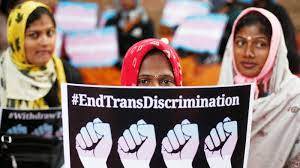
Consistently, an enormous number of LGBT individuals face gigantic issues identified with brutality, joblessness, separation, destitution and absence of medical care. Biased individuals have issues with the manner in which individuals from the LGBT people group lead their lives. These individuals, I accept, are being juvenile. There are a few group who claims themselves as LGBT ally however the extremely next second they crack lame and sexiest jokes on them.
However, there are individuals who genuinely support LGBT people group. Be that as it may, of individuals have ill-conceived notion about them. They accept that LGBT individuals shouldn’t be permitted in home. I believe If school make their understudies mindful about the LGBT people group, we would not deal with such issues.
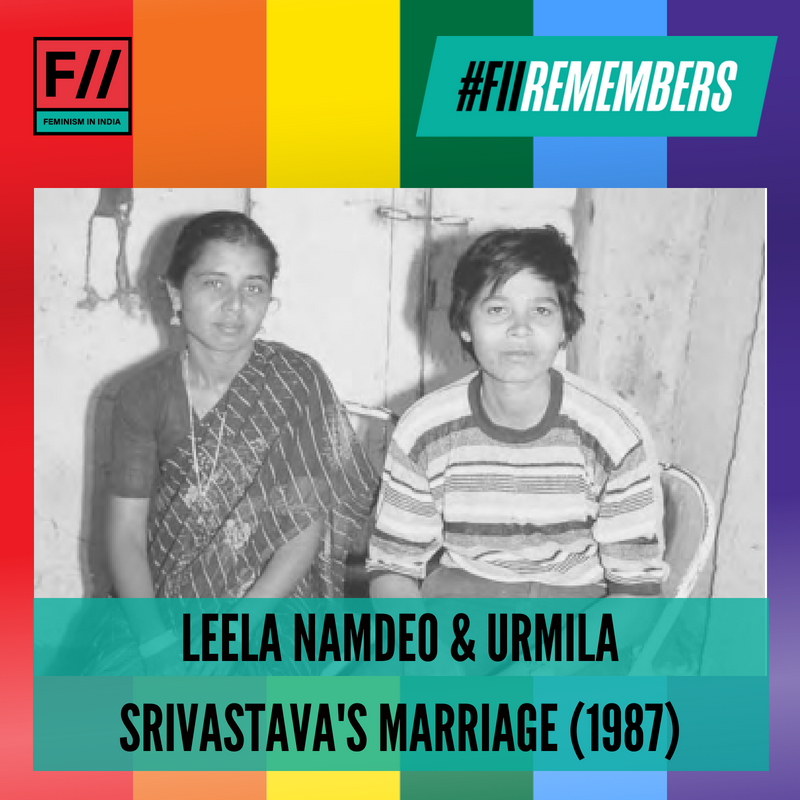
Leela Namdeo and Urmila Shrivastava, two policewomen from Madhya Pradesh married to each other in 1987. Leela and Urmila consequently chastised by the police force, discharged of their duties for “inappropriate behavior,” and inundated with media attention.
The incident and its torturous representation in the media was said to be a surreptitious signal to deter lesbians from pursuing relationships and coming out of the closet in India. This coverage coincided with the emergence in the late 1980s of an increasing visibility and organization within the LGBT (lesbian, gay, bisexual and transgender) community, culminating in the publication of the first queer magazine Bombay Dost in 1990. ‘It was like a renaissance for us along with magical time of affirmation and hope’, says a queer person from Delhi.
The Change
The momentum carried through into the 1990s when a boom in media coverage, television discussions and books by queer activists contributed to a wholesale widening of exposure and acceptance of sexual difference on the subcontinent. The world was changing and this time India was changing with it .
From 1987-1989, lesbians from Delhi Group met for informal gatherings, or “single women’s nights,” in members’ homes to discuss compulsive heterosexuality and to bond over their identification as “women who love women.”
Meet Jay , a 19 year college student. Jay came out to their parents last year as queer. You must be wondering why did I use ” their ” for a single person, well the simple answer is- because they want to be called in that way. Because they recognise themselves in a way that might seem weird to you , but is completely normal and real.
How difficult is it to finally understand who you actually are , it takes a lot amount of courage to recognise oneself as someone ,who people don’t relate to. Sec 377 has been legally abrogated. And people have to understand that being themselves is neither wrong nor something to be embarrassed of.
LGBTQ community has been facing a lot of difficulties , from their families , and society as a whole. They are discriminated against, not given equal amount of opportunities, and have to face the brunt of the narrow mindedness of the society everyday. The number of hate crimes against the community are increasing day by day. Despite being a part of the society,they are made to feel as outsiders. Do you realise how difficult it is to understand oneself ,and even more difficult to explain it to others.
The worst part is when they have to look for validation, acceptance for who they are from their loved ones, and they don’t get that . It’s strange for someone to not look at you with the same feelings of love and respect anymore. Fighting for one’s rights has always been a tough battle. It also affects their mental health because the amount of stress and negativity they have to deal with.
Many people have not been able to come out of the closet, not able to accept themselves as who they are. It’s very suffocating for them to not be able to live their life as they want to. For some , it has been a beautiful journey with supportive family and friends, and for some , the journey is just not coming to an end.
Platforms like Gaysi and Gaylaxy, and publishers like Queer Ink have helped carve out spaces for LGBT people to interact, share and collaborate. These platforms have helped people to share their experiences and help them to encourage others to accept who they are.
I just want to put it out their, that who you are, is something only you can know. Nobody has the right to decide that for you. And don’t ever give that right to anybody else. Loving yourself the way you are is the best thing you can do for you. It doesn’t matter if people don’t accept you , what matters the most if for you to accept yourself and be happy.
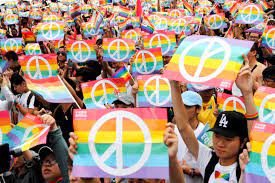
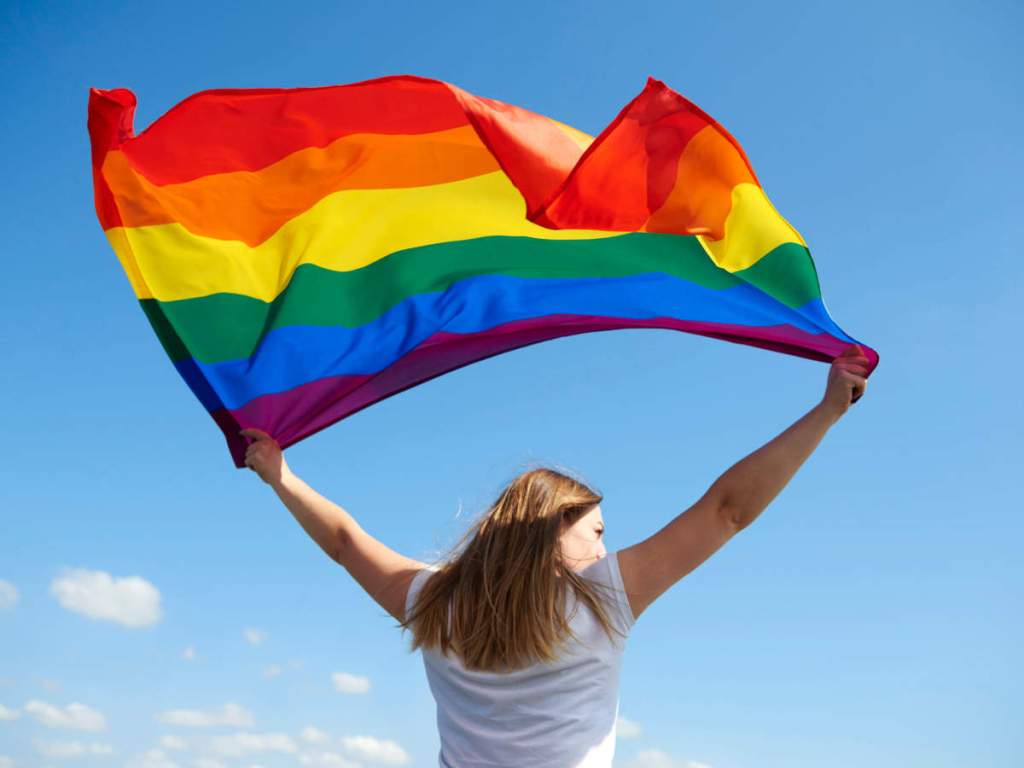
The month of June is observed as the Pride Month to honor the Stonewall Uprising of 1969 in Manhattan which marked a monumental turning point in the LGBTQ history of America. But today, it has grown much more than that and celebrates the richness and diversity of the LGBTQ community with parades, festivals and several other events. The pride march is a call for unity and togetherness in the community. With the 2021 pride month coming to an end, let’s take a look at what each day of the month celebrates.
Credits: Google Images
1. Gay Pride
June 1st celebrates Gay pride. It refers to people who are emotionally and sexually attracted to others of their own gender. Also commonly used to denote men or man aligned person who are attracted to other man-aligned people.
2. Lesbian Pride
June 2nd celebrates Lesbian Pride. It refers to women or woman-aligned person who are emotionally and sexually attracted to other women or women-aligned people.
3. Bisexual Pride
June 3rd celebrates Bisexual Pride. It refers to people who are emotionally and sexually attracted to two or more genders.
4. Polysexual Pride
June 4th celebrates Polysexual Pride. It refers to someone who is attracted to many or multiple genders but not all.
5. Pansexual Pride
June 5th celebrates Pansexual Pride. It refers to someone who is attracted to different kinds of people regardless of their gender identity. They are attracted to all genders.
6. Omnisexual Pride
June 6th celebrates Omnisexual Pride. It refers to someone who is attracted to all genders. But unlike Pansexuality, they are not gender-blind and recognise the other’s gender. Gender plays a role in one’s attraction.
7. Queer Pride
June 7th celebrates Queer pride. It refers to an identity and is regarded as an umbrella term for sexual and gender minorities, and people who fall outside of the cultural norms around sexuality and gender identity.
8. Demisexual Pride
June 8th celebrates Demisexual Pride. It refers to a sexual orientation which falls under the asexual spectrum. It is defined as someone who does not feel sexual attraction until they form a deep emotional bond with someone.
9. Greysexual Pride
June 9th celebrates Greysexual pride. It refers to a sexual orientation that falls under the asexual spectrum. It refers those who relate to asexuality, yet feel that there are parts of their experience that aren’t fully described by the word asexual.
10. Asexual Pride
June 10th celebrates Asexual Pride. It refers to a sexual orientation which is defined by the lack of sexual attraction. Asexual experiences may also include: not wanting to have sex, not being interested in sex, not experiencing a sex drive/libido, or being repulsed by sex.
11. Polyamory Pride
June 11th celebrates Polyamorous pride. It is the capability or desire to be in a relationship with more than one person at once. Polyamorous can be used both as a description of a relationship with more than two people and as description of people who desire such relationships. Polyamorous relationships can be romantic, sexual, or both.
12. Intersex Pride
June 12th celebrates Intersex pride. Intersex is a term for those born with physical sex characteristics that cannot be traditionally classified as male or female. Variations may appear in a person’s chromosomes, natural hormones, genitalia, gonads, secondary sex characteristics, or some combination of these things.
13. Trans Women Pride
June 13th celebrates Trans Women pride. It refers to a woman who was assigned male at birth. Trans women may experience gender dysphoria and may transition. This process includes hormone replacement therapy and sometimes sex reassignment surgery.
14. Trans Men pride
June 14th celebrates Trans Men pride. It refers to a man who was assigned female at birth. Trans men may experience gender dysphoria and may transition. This process includes hormone replacement therapy and sometimes sex reassignment surgery.
15. Agender Pride
June 15th celebrates Agender pride. It is complete genderlessness, or the lack of gender. It is a non-binary identity in which one is not male, female, or any other gender. They may identify as most strongly as just a person, rather then as any given gender.
16. Genderfluid Pride
June 16th celebrates Genderfluid pride. Genderfluid refers to someone whose gender identity changes over time. A genderfluid person can identify as any gender, or combination of genders at any given time. Their gender can change at random or it may vary in response to different circumstances. One’s gender can change over the course of hours, days, weeks, months, or years.
17. Bigender Pride
June 17th celebrates Bigender pride. Bigender is a non-binary gender identity in which someone has two distinct gender identities. They could feel both genders at the same time or be fluid between them, in which case they may also identify as genderfluid. Bigender people can experience any two genders, including binary and non-binary genders.
18. Trigender Pride
June 18th celebrates Trigender Pride. Trigender is a form of multigender in which someone has three distinct gender identities. These three gender identities can be any genders, either binary or non-binary, so long as it is exactly three. Trigender people may experience these genders simultaneously or fluidly.
19. Pangender Pride
June 19th celebrates Pangender Pride. Pangender is a form of multigender in which someone experiences all genders. It is a non-binary gender which refers to a vast and diverse amount of genders in the same individual that can extend infinitely.
20. Genderqueer Pride
June 20th celebrates Genderqueer Pride. Genderqueer is a term for people who feel that they have a queer or non-normative experience with gender, either through their gender identity, their gender presentation, or other experiences of gender.
21. Demigirl Pride
June 21st celebrates Demigirl pride. It refers to a non-binary gender in which one is partially, but not fully, a girl or woman. They may or may not identify as another gender in addition to being partially a girl. The other part of one’s gender can be any gender or combination of genders, including a lack of gender.
22. Demiboy Pride
June 22nd celebrates Demiboy Pride. It refers to a non-binary gender in which one is partially, but not fully, a boy or man. They may or may not identify as another gender in addition to being partially a boy. The other part of one’s gender can be any gender or combination of genders, including a lack of gender.
23. Androgyne Pride
June 23rd celebrates Androgynous Pride. Androgyne is an identity under the non-binary umbrella. It is described as being simultaneously male and female or in between male and female, or as being simultaneously masculine and feminine or in between masculine and feminine.
24. Intergender Pride
June 24th celebrates Intergender pride. Intergender is a gender for intersex people only, referring to any gender identity that is fundamentally tied to one’s intersex identity. It denotes that being intersex has an important affect on one’s gender identity. It commonly involves a gender that is in between male and female or a gender that is partially male and/or female, but it does not necessarily have to.
25. Nonbinary Pride
June 25th celebrates Nonbinary Pride. It refers to someone whose gender does not fall strictly within the category of the binary genders. Non-binary can be a gender identity on its own, or it can be used as an umbrella term for anyone whose gender is something other than male or female.
26. Questioning Pride
June 26th celebrates Questioning pride. Questioning is the process of exploring, learning, or experimenting with what one’s gender, sexual orientation, romantic orientation, or another part of one’s identity is.
27. Homoromantic Pride
June 27th celebrates Homoromantic Pride. Homoromantic refers to the romantic attraction to the same gender or genders similar to one’s own. A homomantic person may or may not be sexually attracted to the same/similar gender(s).
28. Biromantic Pride
June 28th celebrates Biromantic Pride. It is a romantic orientation in which someone is romantically attracted to two or more genders.
29. Panromantic Pride
June 29th celebrates Panromantic Pride. Panromantic is the romantic attraction to people regardless of gender, and as a result, one is attracted to all genders.
30. Aromantic Pride
June 30th celebrates Aromantic Pride. It refers to a romantic orientation defined by a lack of romantic attraction.
“For me, growing up, I felt like there was something fatally and tragically flawed in my nature and that it was my duty to try to avoid falling for that vice”.
– Shyam Selvadurai
Certainly, we all as a human, face some sort of battle within ourselves, might be towards our identity or maybe our existence. The worst crisis any human can face is the crisis within him/herself. It is one of the dangerous crises any person goes through, and this is what the author Shyam Selvadurai had gone in his own life which he portrayed in the novel “Funny Boy” through the main protagonist “Arjun” aka “Arjie”.
The Funny Boy – A Background :
The novel evidently sets in the early 1980’s at the consequent of Sri Lankan civil war, which showcase us the disputes and riots of Tamil – Sinhalese Historical enmity towards each other. The novel is divided into 6 chapters, in which every chapter has its own uniqueness which makes the novel more explicit.
The 1st chapter, “Pigs can’t fly”, begins with the Naïve life of the main character Arjie and his reminiscence of his childhood days, where he presents his own baffled thoughts of his own existence of, he being “Different” from other boys of his age. He was anxious and felt that his interests in playing with dolls and girls is a taboo for society whereas playing cricket will make him an ideal boy in the society.
“Life is full of stupid things and sometimes we just have to do them”, Arjie’s Amma says this to him when he refused to play with boys and instead, he likes to wear saree and play, “bride- bride” with his female cousins.
This shows us how this chapter portray us that our society is prejudice towards the gender norms in which all of us are distributed. In one of the incidents when the relatives of Arjie saw him wearing a saree , made him a center of laughter and mocked him by saying him “ Funny”, through which the author tried to showcase us that the third Gender in our society is considered as unethical or as a clown which is irrelevant to the society, namely the title of the chapter “Pigs can’t fly’’, presents us how people in our society don’t accept the people who belongs to the third gender as according to them, pigs represents the people who are transgenders or gay like Arjie are breaking the norms of the culture.
“Any war, riots or a sense of violence happens within the human minds, and politically, language and cultures drift us apart sometimes to establish a war”, this quote is well explained in the second chapter “Radha Aunty”, where this chapter explains us how casteism becomes a hurdle, when people fall in love.
They say that “If two people love each other, the rest is unimportant.”
“No, it isn’t. Ultimately, you must live in the real world.
And without your family you are nothing.”
The Funny Boy
By this quote, the author explains us the tragic love story of Radha Aunty and Anil Uncle who wanted to get marry, but the enmity and disbelief in both the communities of Tamil and Sinhalese made them apart! Indeed, this tragedy is obvious to show us the situation of the Sri Lankan civil war and the rules in which people were abused to be in. Incidents of Radha Aunty where she was brutally attacked by 2 Sinhalese people show us how threatening Humans were demons for each other.
“See no evil, hear no evil”, is the chapter 3 where show us one more Tragic incident happened with “Daryl Uncle”, we can say that the novel has a theme of failed love relationships, casteism, hatred, war, and disputes, as this chapter encloses about the incident of how Daryl uncle died or rather got murdered. It portrays us how violent was the time in columbo when the Journalist like Daryl uncle was abused and murdered.
In chapter 4, “Small Choices”, we get to know about Arjie’s feelings for the male character Jegan, who came to work in Appa’s hotel. This is the chapter where Arjie started to know about his identity but hide from the outer world as it was against the norms, which Arjie felt his feelings for men is Immorality. This chapter also counts about Anti- Tamilians and how these community was making a life miserable for the innocent people of Columbo.
Often, we know who we are, what is our identity, but because of the taboo inflicted in the society, we escape from our originality and behave as how the society wants to picture us. This is what Arjie was doing to be a normal ideal boy, but somewhere he was an abnormal boy (according to him) because of his gay feelings for the character Shehan in chapter 5, “The Best School of All “show us. When Arjie fell in love with Shehan, his perception for life and his ideology of his identity changed when he met shehan and shehan removed all the perplexed thoughts floating in the minds of Arjie. Shehan made Arjie realized that “We should ultimately know who we are! We should not hide identity from ourselves”. This is what made Arjie realize that he should respect himself and his identity. This was the chapter where he was not afraid of who he was and his sexual desires for Shehan was totally legit. In this chapter, Arjie was proud to be himself as a gay and his love for Shehan was compatible.
In “Riot Journal: An Epilogue’’ is the last chapter where Arjie wrote a journal on the effects and incidents of riots and its impact how ruined his life and lost his parents. The books end in a dismal and with a sense of alienation of Arjie and the tragic feelings inculcated and made him hollow.
Funny Boy – A Novel to explore one’s own identity !
Still unending war a human faces within himself/ Herself when it is about recognizing one’s own identity. We Humans have a psychology of hiding our real personality infront of other humans which is basically due to the age old cliché ideology of “Acceptance in the society”, due to which people hide there real self.
As Humans, we live in society and communities in which we have an urge of desire that we need love, cherishment, respect and acceptance in return, thus when we don’t get it we realize we are different from others, which ultimately makes us feel that we are an outcast from our society. so, as a part of community we behave as the world wants us to behave.
Whereas, “The Funny Boy” is the best novel of all which provides you that particular kind of Catharsis if you not aware of yourself!
So, a personal recommendation to the Bibliophile out there , Go check this Book which is not only a homosexual novel, but a novel which is Heartening and will open your insights to understand your real self.





 Eduindex
You must be logged in to post a comment.