Literature broadly is any collection of written work, but it is also used more narrowly for writings specifically considered to be an art form, especially prose fiction, drama, and poetry. In recent centuries, the definition has expanded to include oral literature, much of which has been transcribed.
Celebrating Teacher’s day at school is one of the finest memories from the school days. With no doubt, we can say everyone will agree with it.
Teachers’ Day is celebrated to honour the memory of India’s first Vice President and to commemorate the importance of teachers in our lives.
The idea of celebrating Teachers’ Day took root in many countries during the 19th century; in most cases, they celebrate a local educator or an important milestone in education.
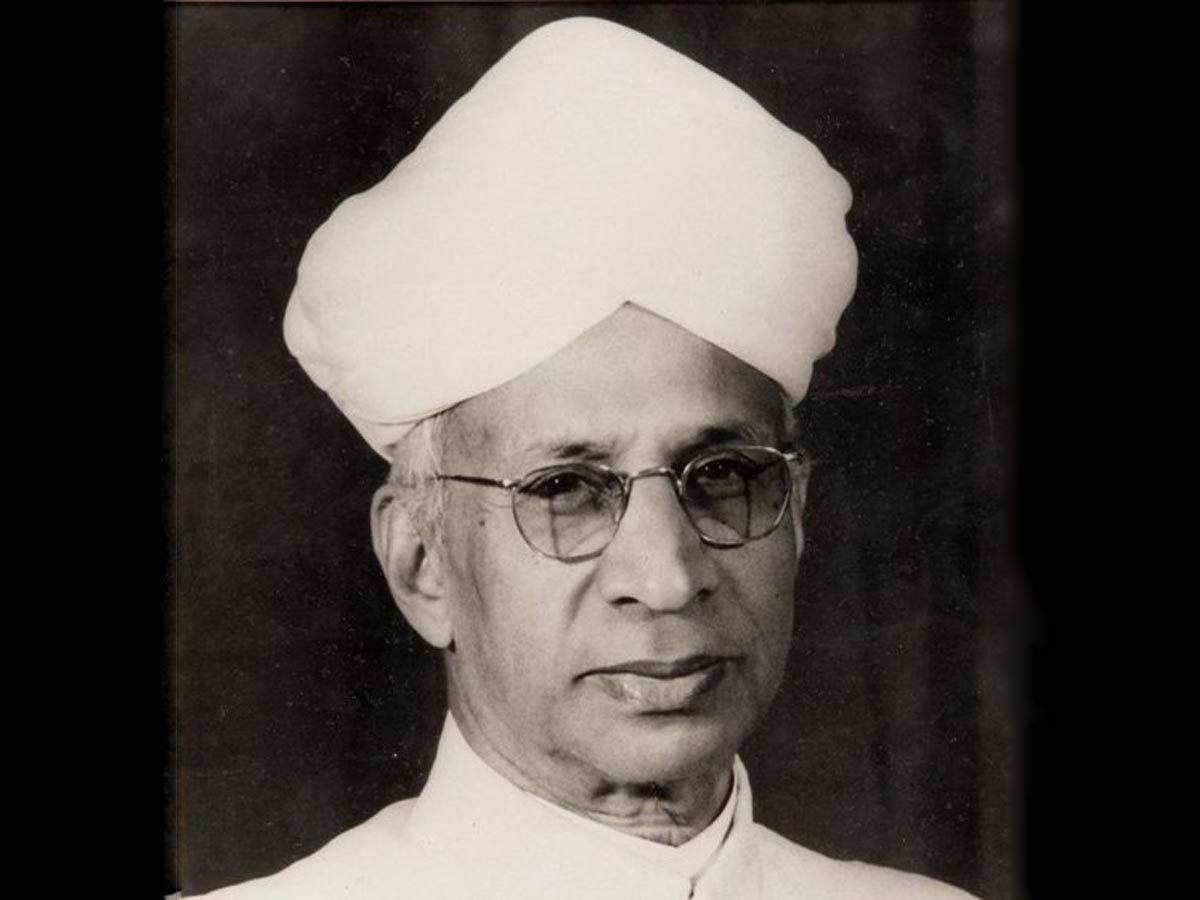
SARVEPALLI RADHAKRISHNAN
Why We Celebrate Teachers Day On 5th September? 5th September is the birth anniversary of a great teacher Dr Sarvepalli Radhakrishnan, who was a staunch believer of education and was a well-known diplomat, scholar, the President of India and above all, a teacher.
Sarvepalli Radhakrishnan ( 5 September 1888 – 17 April 1975) was an Indian academic, professor, philosopher, and politician who served as the first Vice President of India (1952–1962) and the second President of India (1962–1967).
What is education according to Radhakrishnan? Education, according to Sarvepalli Radhakrishnan, is acquiring of knowledge beyond what is academic and professional. Education is the assimilation of values and ideas for character building and preparing to face life’s challenges.
” A life of joy and happiness is possible only on the basis of knowledge and science.”
In its counterparts as public law , it widely known as “the law of sea “. It also called Admiralty law. the process of carrying goods through sea, rules concerning protection and maintenance of ships at sea, registration and damage to ships, marine insurance etc. , is covered under maritime laws .
As india is surrounded by water from the three sides , it created nature condition for Marin trade after the water territorial trade started.
Legislations prior to Independence : maritime laws in India were governed under the British government. There are some of the regulations which deal with various aspects of maritime in India.
Coasting Vessels Act, 1838
Indian Registration of Ships Act, 1841,
Admiralty Offences (Colonial) Act, 1849
Inland Steam Vessels Act, 1917
Indian Ports Act, 1908
Control of Shipping Act, 1947
Legislations after independence : after the independence sea laws mostly governed under article 297 of the constitution. And there are different lex on waters, continental shelf, EEZ and other maritime zones.
Some of the acts are there , for maritimes affairs . This are
The Merchant Shipping Act, 1958
The Admiralty (Jurisdiction and Settlement of Maritime Claims) Act, 2017.
Article 297 of the constitution
Marines crimes , are frequent offenses which have been committing in sea . There are some marine offences mentioned below –
Maritime Piracy
Smuggling Exotic plants and animals
Unauthorized entry
Illegal Carrying of Weapons and artillery
Maritime Drug trafficking
Maritime Human Trafficking
Discharging in Ocean Waters
Sailing or fishing in unauthorized areas–
Tax evasion
Maritime piracy is an illegal act of violence, detention or destruction against a ship , on person or property, for private purposes, by the crew or passengers of a private ship . Piracy also includes inciting and intentionally facilitating such acts of violence, and voluntarily participating in the operation of a pirate ship . Pushiment for piracy is prescribed in anti maritime piracy bill 2019 , that is (i) life imprisonment ; or (ii) death , if the act of piracy is caused or seek to cause death.
Smuggling Exotic plants and animals : For a ship without authorization, its illegal to do Smuggling of exotic plants and animals for wildlife smuggling. This is because wildlife smuggling involves the isolation of plants and animals. When they arrived at the destination, they may not be able to adapt to the new place. Animals may also cause vulnerable diseases in people. And it may also leads to the serious illness or death of animals . To smuggle Endangered Species of Wild Fauna and Flora , is crime in maritime law.
Unauthorized entry : the ship must seek permission from government of that nation , For entry in a nation’s marine boundary . Sailing on that nation’s waters without a permission is a maritime crime and punishable in all countries. And a person who illegally and secretly boards and hides in to the ship, without the consent of ship owner and master, to travel into international waters to reach some other country without any monitory payment and legal documents , is known as stowaway.
Illegal Carrying of Weapons and Artillery : to carry weapons and artillery, throughout the water territory of any country , which is not legally bonded , is a martime offence .Goods which are sensitive in nature can be transported by specific ships only . Bringing in weapons on a ship, is not authorized , it is a punishable offense.
MaritimeDrug trafficking : maritime drug trafficking means transportation of illegal drugs produced in this region to global consumer markets through using ships . To sell drug, is illegal in itself and trafficking of it become more severe offence .
Maritime Human Trafficking : maritime Human Trafficking involves the use of force, fraud, or coercion to obtain some type of labor or commercial sex act , through exporting victim in other country vie ships .
Discharging in Ocean Waters : it refers to the sewage discharge done by the vessels and ships in the water territory of any nation . Marine pollution is a serious issue and almost all countries have strict policies against ships discharging sewage or oil into their coastal waters.
Sailing or fishing in unauthorized areas : it’s an offence to do sailing in an areas of water territory where the sailing or fishing is not allowed .
Tax evasion : ship owners trying to evade taxes through false documentation or incorrect representation of cargo material have been increasing rapidly, posing a threat to maritime security. It’s a white collar crime.
“All round me are words, and words and words, They grow on me like leaves, they never Seem to stop their slow growing From within… But I tell my self, words Are a nuisance, beware of them, they Can be so many things, a Chasm where running feet must pause, to Look, a sea with paralyzing waves, A blast of burning air or, A knife most willing to cut your best Friend’s throat… Words are a nuisance, but. They grow on me like leaves on a tree, They never seem to stop their coming, From a silence, somewhere deep within…” ― Kamala Suraiyya Das, Summer in Calcutta
ABOUT THE POET
Kamala Das was born in the year 1934 in Malabar, Kerala. She received her education at home. Her mother wrote poetry in Malayalam and Kamala Das also published short stories in Malayalam before her first book of poems, Summer in Calcutta’ appeared in 1965 and brought her recognition. Her works in English include The Playhouse and Other Poems’ and her autobiography ‘My Story’.
Her poetry is frank and open. It impresses by being totally natural and distinctively feminine. Her favourite theme is fulfilment and unfulfillment in love and her expression is striking for its frankness and intensity of feeling. She won the poetry award of the Asian PEN, Manila in 1964 and the Kerala Sahitya Academy Award in 1969.
THE POEM
In this poem Kamala Das recreates idealized moments in her childhood. It is a nostalgic, sentimental reminiscence of her family home in Malabar. She remembers the landscape of Kerala. Others may be annoyed by the heat dust and noise, but she always longs for the hot noon in Malabar because it is associated in her mind with wild men, wild thoughts, wild love.’ It has been often said that her poetry is in the nature of a psychic striptease and she always exudes autobiography. Most of her poems deal with the theme of unfulfilled love, her search for love and her failure to get it. Some of them, like the poem under consideration also deal with the loss of her happy childhood in the family home in Malabar. She writes, from every city I have lived, I have remembered the noons in Malabar with an ache growing inside me, a homesickness.’
The poem is a nostalgic journey down memory lane and the poetess looks back on her pre-marital years when she lived happily in her family home in Malabar. She particularly misses the hot noons of Malabar when the streets of Malabar used to be crowded with interesting people and pleasant sounds, beggars, bangle-sellers, fortune-tellers and other strangers used to throng the streets. She confesses that no doubt her house in Calcutta also gives her a chance to see and hear similar type of people. In the Calcutta streets also can one see a fortune-teller with parrots and soiled cards, beggars and bangle-sellers sell their wares in sing-song voices. But there is a major difference between the noons in Malabar and those in Calcutta.
Everything and everybody in Malabar bore a look that was innocent pure and familiar. All pulsated with a warm and full life her home, the Malabar town and its landscape. Contrasted with it Calcutta appeared strange and dirty. The cries of the beggars, fortune- tellers and bangle-sellers jar harshly to the ears of the poetess. There are jungle voices and their eyes hot burning and wild. The heat of the noon in Calcutta is maddening and strange.
To live in Calcutta is a torture for Kamala Das as her mind and body reject this environment. Her soul yearns to return to her heavenly home in Malabar where she spent a joyous childhood.
Malabar was a place which the poetess associated with love but in Calcutta she finds the people to be freaks, abnormal persons who cannot love. The poetess attempts to show that the transition from childhood is from a world of joy and love into a cold, indifferent world. The childhood memories are a much-needed relief.
William Shakespeare was an actor, playwright, poet, and theatre entrepreneur. He was born in Stratford, Evan on April 23, 1564. He is the son of John Shakespeare and Mary Arden and may have been educated at King Edward VI High School in Stratford, where he learned Latin and a little Greek, and read Roman dramatists. At the age of eighteen, he married Anne Hathaway, a woman seven or eight years older than him.
Shakespeare wrote more than thirty plays. These are usually divided into four categories: histories, comedies, tragedies, and romances. Some of his famous works include Hamlet, Romeo and Juliet, Much ado about nothing, King John, The tragedy of King Lear, etc. William Shakespeare first appeared on the London stage around 1592, where his plays will be written and performed, but the exact date is unknown. After 1594, Shakespeare’s plays were performed in their entirety by a company owned by a group of actors, which became the leading company in London. After the death of Queen Elizabeth in 1603, the company obtained a royal patent and changed its name to King`s Men, named after King James I.
Shakespeare has written at least 38 plays and more than 150 long and short poems, many of which are considered the best English plays of all time. His works have been translated into several existing major languages, in addition to other languages. Even after 400 years after his death, they are still performed around the world. In his poems and plays, Shakespeare invented thousands of words. According to the Oxford English Dictionary, includes such words as arch-villain, birthplace, bloodsucking, courtship, dewdrop, downstairs, fanged, heartsore, hunchbacked, leapfrog, misquote, pageantry, radiance, schoolboy, stillborn, watchdog, and zany.
Shakespeare’s influence on art, literature, language and a wide range of creative arts has long been known and documented. He is the most widely read playwright in the Western Hemisphere, and English is full of quotes and phrases derived from his plays. He is also the inventor of the iambi pentameter, a form of poetry that is still widely used even today.
He is also one of the most influential figures in English literature, having a profound influence on everyone like Herman Melville, Charles Dickens, Agatha Christie, Anthony Burgess, etc. But his influence is not limited to the field of art. The psychoanalyst Sigmund Freud used Hamlet as the basis for many of his theories about human nature. His influence is also reflected in painting and in the opera, especially Giuseppe Verdi and the entire community of Romantic and Pre-Raphaelite painters.
On April 23, 1616, he died at the age of fifty-two in his hometown of Stratford-upon-Evan. His death occurred on or near his birthday (which is still unknown).
Some famous quotes by Shakespeare
“It is not in the stars to hold our destiny but in ourselves”
Unemployment has become one of the biggest problems around the world. When an individual is an implied, he or she will know very less about the mankind. It is so difficult to face situation and handle situations when the individual is unemployed. Unemployment leads to many silly mistakes. And an unemployed person cannot take over the family and lead the family as well. There is a huge competition in highly populated countries like India. In order to be employed, the only method is to study hard and improve the skills and score better. Basically, the students are not showing good amount of interest towards the studies. Let us now see how to motivate them.
Covid crisis has made many people unemployed. It has taken away the basic need of living. Many people are left with the unfilled stomachs. Some people are dead about by not finding a way to live.
Types of unemployment :
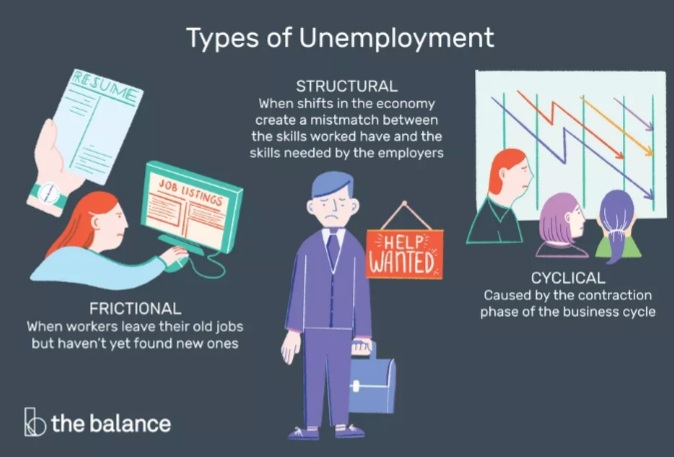
There are four main types of unemployment in an economy frictional, structural, cyclical, and seasonal and each has a different cause.
1. Frictional unemployment :
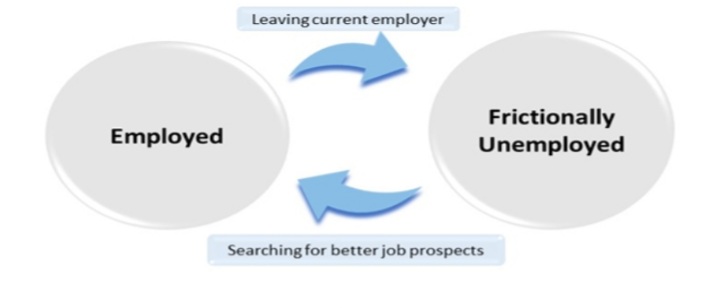
Frictional unemployment is caused by temporary transitions in workers lives, such as when a worker moves to a new city and has to find a new job. Frictional unemployment also includes people just entering the labor force, such as freshly graduated college students. It is the most common cause of unemployment, and it is always in effect in an economy.
2. Structural unemployment :
Structural unemployment is caused by a mismatch in the demographics of workers and the types of jobs available, either when there are jobs available that workers don’t have the skills for, or when there are workers availabes but no jobs to fill. Structural unemployment is most obvious in industries undergoing technological advancements.
3. Cyclical unemployment :
Cyclical unemployment is caused by declining demand. When there is not enough demand in an economy for goods and services, businesses cannot offer jobs . According to keynesian economics , cyclical unemployment is a natural result of the business cycle in times of recession: if all consumers become fearful at once, consumers will attempt to increase their saving at the same time, which means there will be a decrease in spending, and businesses will not be able to employ all employable workers.
4. Seasonal unemployment :
Seasonal unemployment is caused by different industries or parts of the labor market being available during different seasons. Fot instance, unemployment goes up in the winter months, because many agricultural jobs end oncr crops are have harvested in the fall, and those wotkers are left to find new jobs.
Consequences of unemployment in an Economy :
Low unemployment is key to economic stability High and long- term unemployment can cause significant stress on a nation in three key areas.
* Individuals :
Unemployed people have no ability to fulfill their financial obligations and can become mentally stressed, ill, and even homeless.
* Economic efficiency :
During times of high unemployment many job seekers will accept new jobs below their skill level, a situation called “underemployment ” which translates to a loss of human capital for an economys labor market. Unemployed workers will also significantly decreases their consumer spending, which is one of the driving forces of economic growth. Without consumer spending, the economy will slow dramatically.
* socio- political stability :
If unemployment remains high, citizen dissatisfaction can rise to the point of widespread civil unrest.
Possible solutions for Unemployment :
Solving unemployment is a hotly debated topic, and no economists agree on one simple way to do it. However, in the U.S ,if unemployment rises noticeably, the government usually steps in with specific policies designed to lower the total number of unemployed people.
1. Monetary policy :
Monetary policy is financial influence implemented by a central bank . Monetary policies usually come in the form of lower interest rates, which increase the total money supply within an economy by allowing banks and businesses more access to loans and therefore, more accessible spending power.
2. Fiscal policy :
If expansionary monetary policy doesn’t adequately lower the unemployment rate government agencies will turn to fiscal policy. Fiscal policy is fiscal stimulus implemented by the national government and fiscal policies include spending on infrastructure, proposingtax cuts , increasing the minimum wage, or implementing unemployment benefits. These methods are designed to inject more demand into private economy and strengthen economic activity.
Let us now see some of the ways to motivate the students to study and get employeed.
• Make things easier :
Showing the things easier and explaining them with clarity helps the students to show better interest on the subject and makes them to pay more attention on what the teacher is trying to convey. When the topics are shown easier for the students, they start learning them and they feel achieved and they pay more attention to study. When a student learns a particular topic or a question, he/she feels comfortable and happy for getting it. Once if they start reading, they develop the interest in them and they continue to read more and more.
• Tell the importance :
The students must be motivated with good number of words to understand the need of studying and what happens if they don’t study. A student is like a bird without the wings when they don’t study. So, it is very important to motivate students to study and to make them understand the need of the situation. Motivation brings the right change in the students who are not interested in learning. It develops the interest in them to study.
It seems good if the government provides good number of jobs.
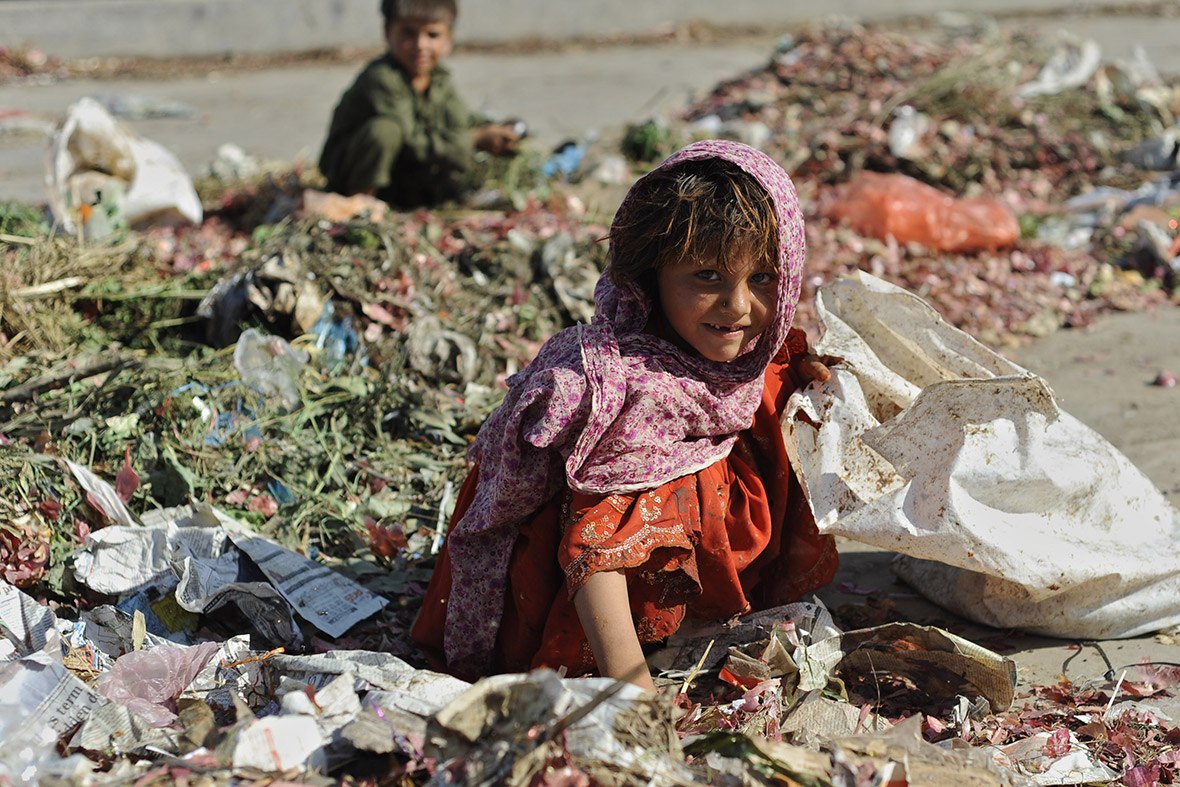
“child labour” is often defined as work that deprives children of their childhood, their potential and their dignity, and that is harmful to physical and mental development.
Various causes of child labour like the curse of poverty, lack of educational resources, Social and economic backwardness, Addiction, disease or disability, The lure of cheap labour, Family tradition, Discrimination between boys and girls.
Why does child labour happen?
POVERTY When families cannot afford to meet their basic needs like food, water, education or health care, they have no choice but to send their children to work to supplement the household income.
LACK OF ACCES TO QUALITY EDUCATION School needs to be a welcoming environment, with appropriate class sizes, a curriculum designed for the local context, and affordable for rural communities.
LIMITED UNDERSTANDING OF CHILD LABOUR When families do not understand the dangers of child labour, and how these impact on the health, safety, well-being and future of their child, they are more likely to send their children to work.
Child labour act in India
Article 24 of the Indian constitution clearly states that, “No child below the age of fourteen years shall be employed to work in any factory or mine or employed in any hazardous employment.”
The Children (Pledging of Labour) Act, passed into law in 1933, is the first acknowledgment of the problem of child bondage.
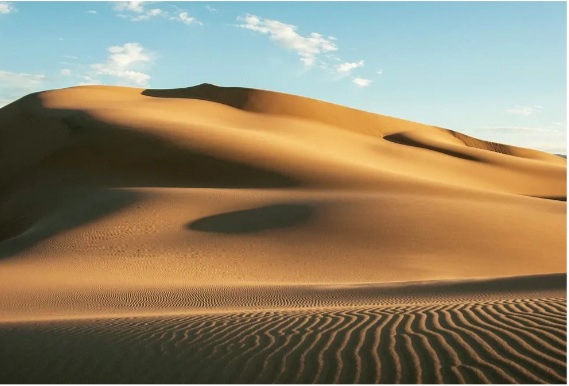
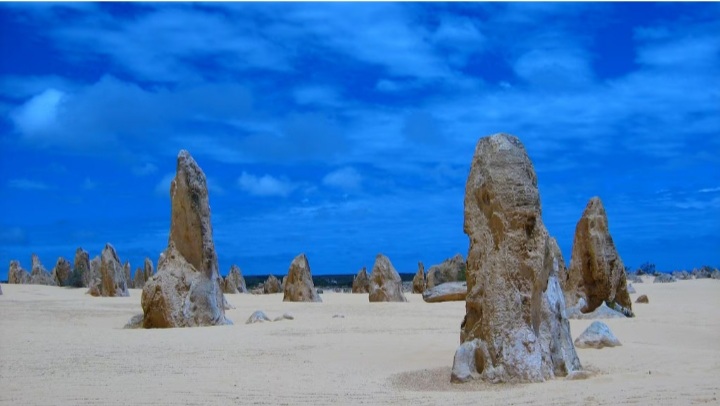
In the world we find varied geographical regions which includes mountains, plains, deserts, plateaus all with their own physical features. Desert is basically a piece of barren land which is filled with sand and lacks water bodies and have dry weather all along. In day time deserts are extremely heated up and at night it becomes chilling cold at the same place. In the Indian subcontinent we find desert in the western part of the subcontinent in the state of Rajasthan.
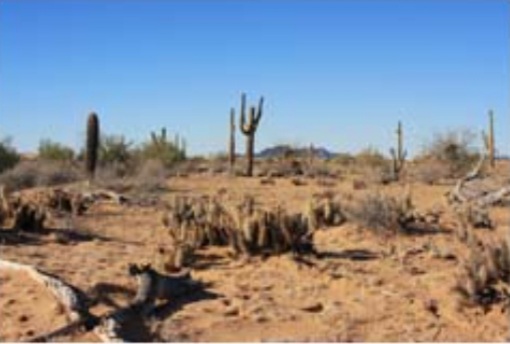
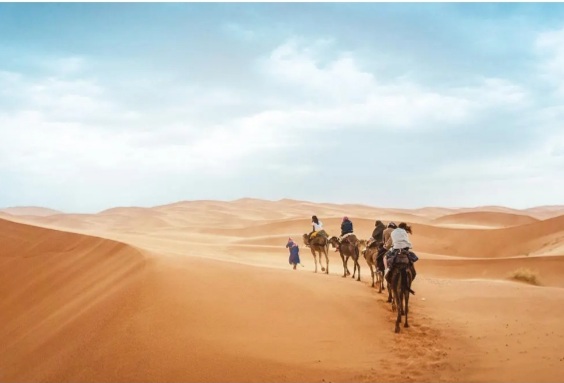
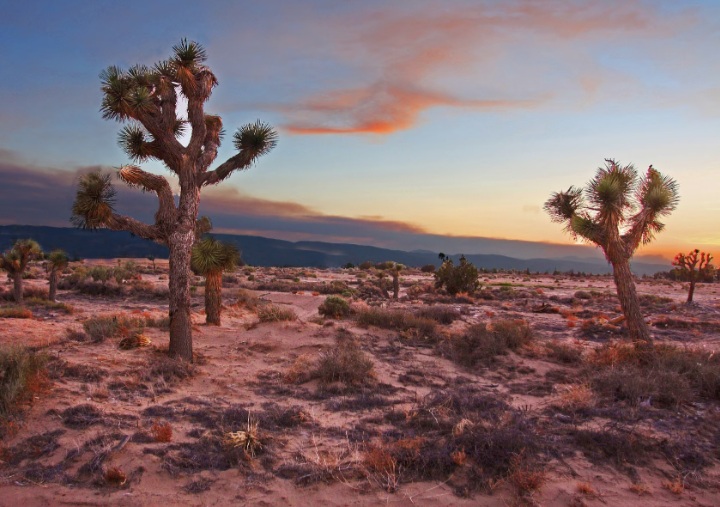
The animals and plants in the deserts have their own adaptations, among plants we find a variety of cactus, cactus plants have special adaptations to survive in the desert, they have fleshy stem which holds water in them which turns out to be useful when there is scarcity of water also they have very long roots which can penetrate deep inside the soil in search of water also they don’t have leaves and have thorns in place of them in cactus the food is prepared in the step as it contains chlorophyll and is green in color. Also, we find camel in desert their feet have adaptation to walk on the sand also they can survive with less water and they have long eyelashes to protect their eyes from dust storms.
Types of Deserts :
1. Coastal Deserts :
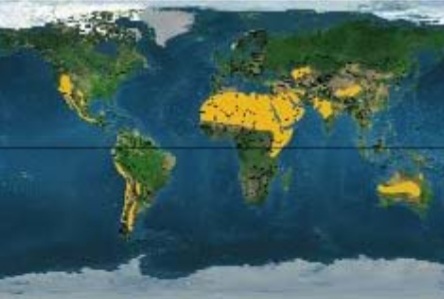
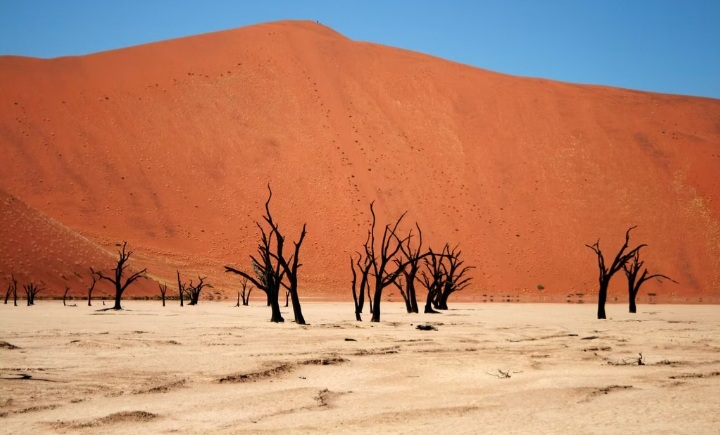
Coastal deserts occur in cool to warm areas along the coast. They have cool winters and long, warm summers. Coastal deserts are located on the west coasts of continents between 20° to 30° lattitude. Winds off the coast blows in an easterly pattern and prevents the moisture from moving onto the land. The Namib desert in Africa and the Atacama desert in chile are coastal deserts.
2. Subtropical Deserts :
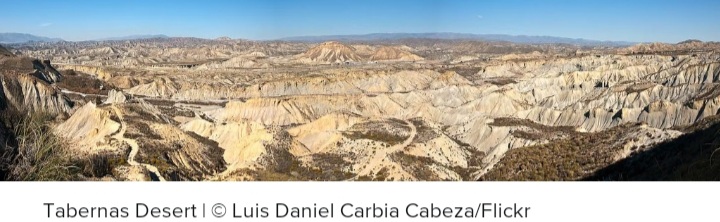
Subtropical deserts the hottest deserts. They are found in Asia, Australia, Africa and North and south America. In the united states, the chilhuahuan, sonoran and Mojave are all subtropical deserts. Subtropical deserts are very hot and dry in the summner and cooler but still dry in the winter. Rainfall happens in short bursts. The air is so hot and dry in these deserts that sometimes rain evaportaes before it even has a chance to hit the ground. The soil in subtropical deserts is usually either sandy or coarse and rocky.
Plants and animals in subtropical deserts must be able to withstand the hot temperatures and lack of moisture. Shrubs and small trees in the subtropical desert usually have leaves adapted to retain moisture. Animals in sbtropical deserts are usually active at night, when it is cooler.
3. Cold wintet Deserts :
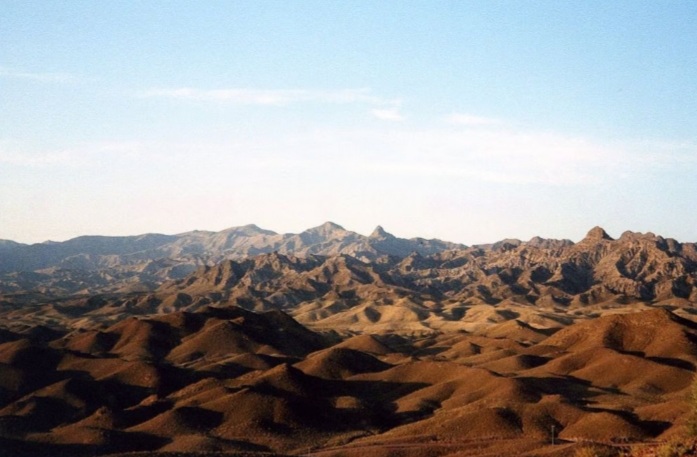
Cold winter deserts are also known as semiarid deserts . They have long, dry summers and cold winters with low rain or snowfall. In the united states the Great basin, the colorado plateau and the Red Desert are all cold winter deserts. Other cold winter deserts include the Gobi desert in china and Mongolia and the patagonian desert in Argentina. The lack of rainfall in cloud winter deserts is often caused by the rainshadow effect. The rainshadow effect happens when a high mountain range stops moisture from reaching an area. The Himalayan Mountain prevent rainfall from reaching the Gobi desert.
4. Ploar Deserts :
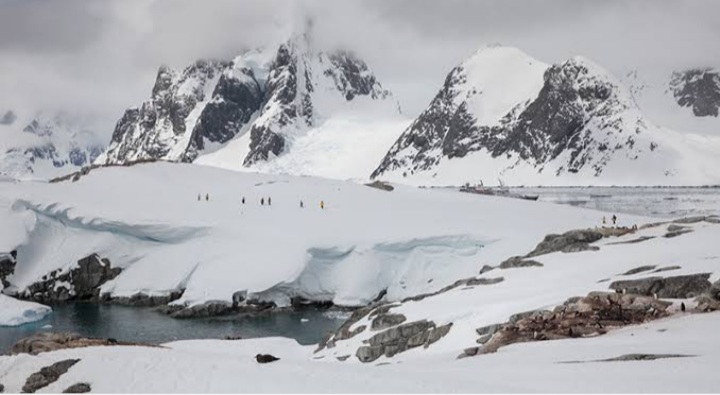
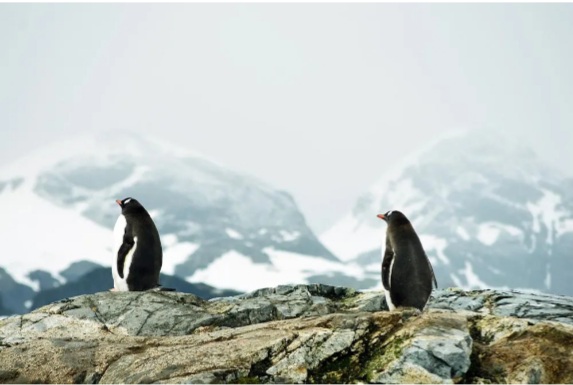
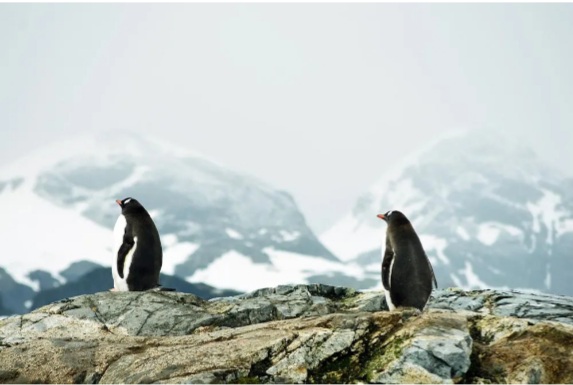
Polar deserts are found in the Arctic and Antarctic regions. Like warmer deserts, they also get very little precipitation.polar deserts are cold year- round.
Largest Desert in the world :
The antarctic polar Desert, which makes up the vast majority of Antarctica, is the largest desert in the world. In fact this single desert is larger than the combined size of the Gobi Desert, the Arabian Desert, and the sahara Desert.
* The driest desert of the world Atacama is surely the most dangerous desert of all.
The strongest animal in the Desert :
Based on strength to weight ratio, the dung beetle of the scarab is the strongest creature on earth. They can lift 1141 times their own body weight. It helps them a lot in finding the mate and food. The dung beetles also constitute a large percentage of scarab family.
The 7 hardest Animals to Hunt :
* Leopards
* Mountain Goats.
* Elk
* Eland.
* cape Buffalo
* Roan and sable
* Bears.
what can kill you in the Desert?
Aside from the oppressive heat and lack of water, the desert is also full of critters that can bite and sting. Some of these guys can even kill you if you aren’t able to find medical help. Spiders, scorpions, centipedes, and snakes are all found in dark places , abandoned builidings and under rocks.
In the world we find varied geographical regions which includes mountains, plains, deserts, plateaus all with their own physical features. Desert is basically a piece of barren land which is filled with sand and lacks water bodies and have dry weather all along. In day time deserts are extremely heated up and at night it becomes chilling cold at the same place. In the Indian subcontinent we find desert in the western part of the subcontinent in the state of Rajasthan.
The animals and plants in the deserts have their own adaptations, among plants we find a variety of cactus, cactus plants have special adaptations to survive in the desert, they have fleshy stem which holds water in them which turns out to be useful when there is scarcity of water also they have very long roots which can penetrate deep inside the soil in search of water also they don’t have leaves and have thorns in place of them in cactus the food is prepared in the step as it contains chlorophyll and is green in color. Also, we find camel in desert their feet have adaptation to walk on the sand also they can survive with less water and they have long eyelashes to protect their eyes from dust storms.
Types of Deserts :
1. Coastal Deserts :
Coastal deserts occur in cool to warm areas along the coast. They have cool winters and long, warm summers. Coastal deserts are located on the west coasts of continents between 20° to 30° lattitude. Winds off the coast blows in an easterly pattern and prevents the moisture from moving onto the land. The Namib desert in Africa and the Atacama desert in chile are coastal deserts.
2. Subtropical Deserts :
Subtropical deserts the hottest deserts. They are found in Asia, Australia, Africa and North and south America. In the united states, the chilhuahuan, sonoran and Mojave are all subtropical deserts. Subtropical deserts are very hot and dry in the summner and cooler but still dry in the winter. Rainfall happens in short bursts. The air is so hot and dry in these deserts that sometimes rain evaportaes before it even has a chance to hit the ground. The soil in subtropical deserts is usually either sandy or coarse and rocky.
Plants and animals in subtropical deserts must be able to withstand the hot temperatures and lack of moisture. Shrubs and small trees in the subtropical desert usually have leaves adapted to retain moisture. Animals in sbtropical deserts are usually active at night, when it is cooler.
3. Cold wintet Deserts :
Cold winter deserts are also known as semiarid deserts . They have long, dry summers and cold winters with low rain or snowfall. In the united states the Great basin, the colorado plateau and the Red Desert are all cold winter deserts. Other cold winter deserts include the Gobi desert in china and Mongolia and the patagonian desert in Argentina. The lack of rainfall in cloud winter deserts is often caused by the rainshadow effect. The rainshadow effect happens when a high mountain range stops moisture from reaching an area. The Himalayan Mountain prevent rainfall from reaching the Gobi desert.
4. Ploar Deserts :
Polar deserts are found in the Arctic and Antarctic regions. Like warmer deserts, they also get very little precipitation.polar deserts are cold year- round.
Largest Desert in the world :
The antarctic polar Desert, which makes up the vast majority of Antarctica, is the largest desert in the world. In fact this single desert is larger than the combined size of the Gobi Desert, the Arabian Desert, and the sahara Desert.
* The driest desert of the world Atacama is surely the most dangerous desert of all.
The strongest animal in the Desert :
Based on strength to weight ratio, the dung beetle of the scarab is the strongest creature on earth. They can lift 1141 times their own body weight. It helps them a lot in finding the mate and food. The dung beetles also constitute a large percentage of scarab family.
The 7 hardest Animals to Hunt :
* Leopards
* Mountain Goats.
* Elk
* Eland.
* cape Buffalo
* Roan and sable
* Bears.
what can kill you in the Desert?
Aside from the oppressive heat and lack of water, the desert is also full of critters that can bite and sting. Some of these guys can even kill you if you aren’t able to find medical help. Spiders, scorpions, centipedes, and snakes are all found in dark places , abandoned builidings and under rocks.
Ethics is a branch of philosophy dealing with the issue of morality. It implies the concepts of what right and wrong conducts are. Ethics define how a person should act in some specific situations. It is not a new term, but it has been there since the Stone Age. Different religions and many philosophers have also made a substantial contribution to ethics.
There are different branches of ethics. First of all, comes descriptive ethics. Descriptive ethics include what people actually consider right and wrong. Accordingly, laws are made regarding that and if they are even acceptable or not. The moral principles of society keep on changing from time to time. However, the basic ethics remain the same. Descriptive ethics are also called comparative ethics. They are given the name comparative ethics as they are used to compare the ethics of past and present scenarios. Also, they are used to compare the ethics of different societies as well.
Then comes the next branch of ethics- Normative Ethics. Normative Ethics deals with some specific norms or a set of considerations. These norms indicate how people should act in some given situations. These ethics set out the rightness or wrongness of people’s actions. Normative Ethics are also known as prescriptive ethics. This name is given as there are principles involved with these ethics and those principles determine whether the actions of people are right or wrong in different situations.
Types of ethics :
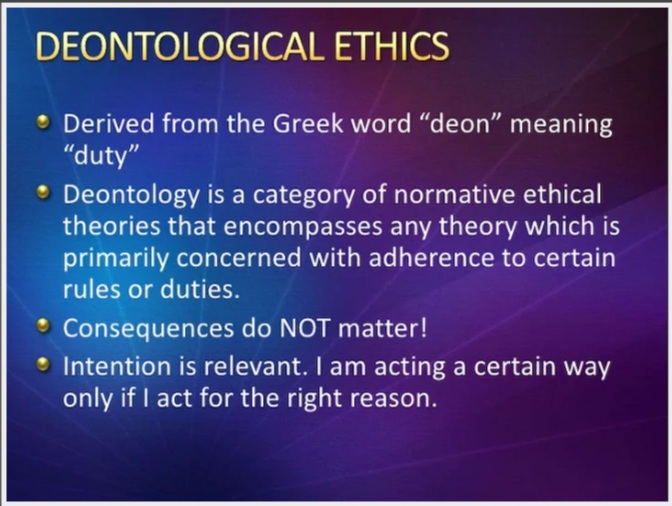
1. Deontological Ethics :
* In moral philosophy, deontological ethics or deontology is the normative ethical theory that the morality of an action should be based on whether that action itself
* Deontology is an ethical theory that uses rules to discern the moral course of action. Diffusion of responsibility. Diffusion of responsibility occurs when people fail
* Deontology morality is about following a system of rules, like ” Do Not Lie ” or ” Do Not Steal” .
* Ethics or moral philosophy is a branch of philosophy that involves systematizing, defending Deontological ethics.
2. Utilitarianism :
* The most common example of normative ethical theories are utilitarianism, kantian duty- based ethics and divine command theory.
* utilitarianism means, act in your own self- interest. Utilitarianism is that which is moral only if the act produces the greatest.
* Utilitarianism is a moral theory that implements fair choices is an effort to ensure the least amount of harm is done to all parties involved.
* However, some contemporary utilitarians , such as peter singer, are concerned with maximizing the satisfaction of preferences, hence prefernce utilitarianism.
* utilitarianism is an ethical theory that asserts that right and wrong are best determined by focusing on outcomes.
3. Consequentialism :
* consequentialism refers to moral theories that hold the consequences of a particular action form the basis for any valid moral judgment about that action.
* consequentialism is a class of normative, teleological ethical theories that holds that the consequences of one’s conduct are the ultimate basis for any judgment.
* consequentialism is an ethical theory that judges an action’s moral correctness by its consequenes. Corporate social Responsibility.
* on our definition of consequentialism, only the direct view is a genuinely consequentialist position, and rule consequentialism.
4. Professional Ethics :
* Rules imposed on an employee in a company, or as member of a profession. For instance, journalists, doctors, lawyers. Etc.
* professional ethics encompass the personal and corporate standards of behavior expected by professionals.
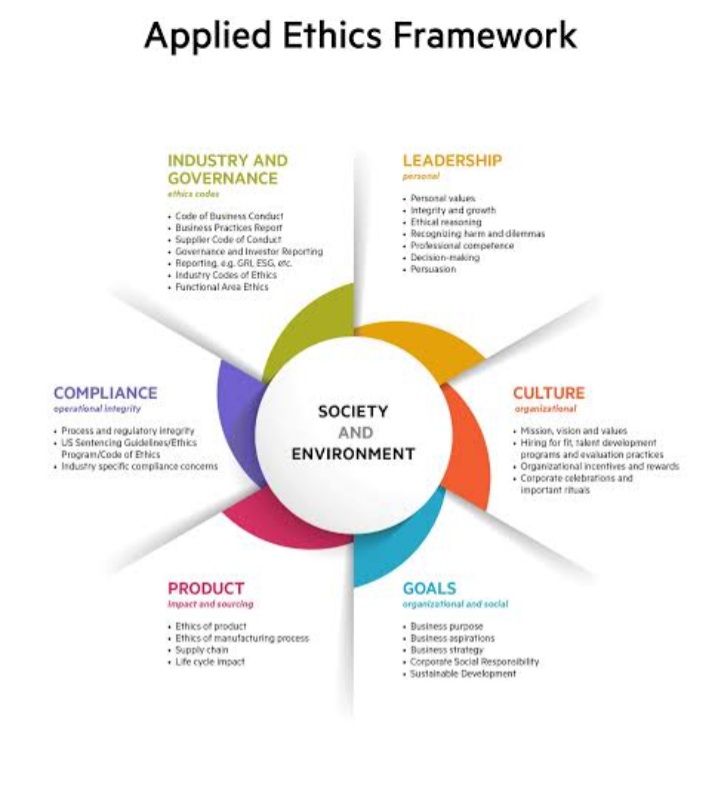
5. Applied ethics :
* Applied ethics is the branch of ethics which consists of the analysis od specific, controversial moral issues such ad abortion, animal rights, or euthanasia.
*Applied Ethics includes a philosophical examination of certain public and private life problems. The examination of those issues generally takes place from a moral standpoint. This branch of ethics is generally used by professions like doctors, teachers, etc.
* Applied ethics which deals with the actual application of ethical priniciples to a particular situation. While it is helpful to approach the field of ethics.
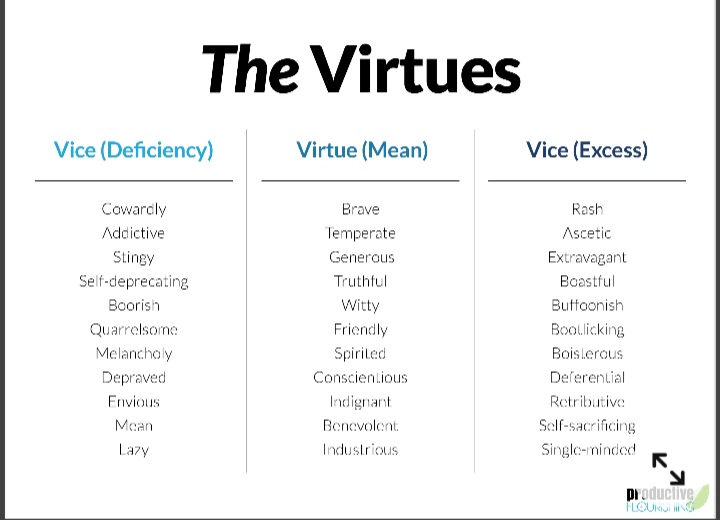
6. Virtue Ethics :
* virtue ethics is an approach to ethics that emphasizes an individual’s character as the key element of ethical thinking, rather than rules about the acts themselves.
* virtue ethics not only idea deals with the rightness or wrongness of individual actions, it provides guidenece as to the sort of characteristics and behaviour a good person will seek to achieve.
An abstract way of analyzing ethics is called Meta-Ethics. They do not deal with whether the actions are right or wrong, rather they question what morality is.
“Parenting” is one of the substantial topics of research study since society brought awareness towards child development and the impact of family structure on a child’s upbringing. The societal impact and the norms, culture, ethics of the sector to which the child belongs often make the personality of a child accordingly.
The contemporary parents in particular have a keen interest to not be a parent but rather a friend to their child. Reading culture is such a medium through which parent-child get closer to each other.
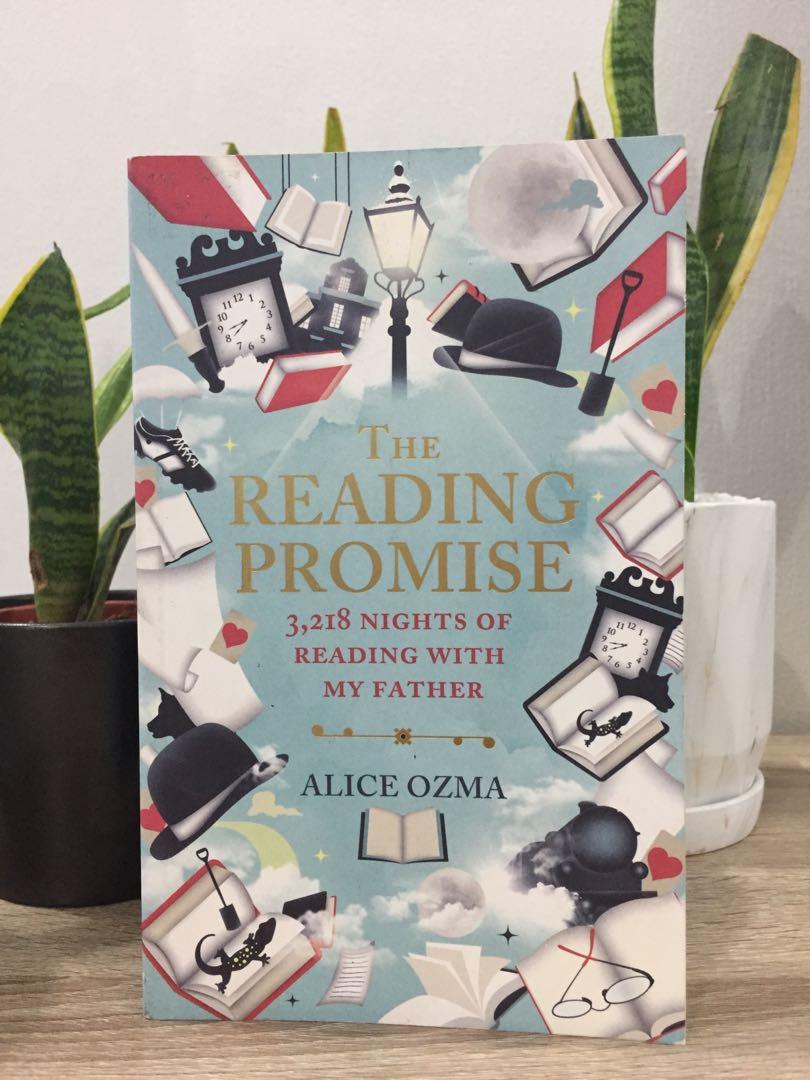
“The Reading Promise: 3,218 Nights Reading with My Father”, is a novel whose title explains very precisely what type of book it is. The Book Portrays the story of a Single divorced father and her daughter who had a beautiful father-daughter relationship cause of Reading culture.
Some Promises are worth be kept Forever, Like – “ A Reading Promise”.
“We called it “The Reading Streak”, but it was more of a promise. A promise to each other, a promise to ourselves. A promise to be there and never give up. It was a promise of hope in hopeless times. It was a promise of comfort when things got uncomfortable. And we kept our promise to each other.“
(Page no: 270, The Reading Promise)
This is a novel that looks more like a daily task performed by every American parent to read books to their children. But this book is more than that, this book is more about a single divorced father who is a librarian in an elementary school and loves to read the book to children which he also does with her younger daughter Alice/Lovie. The book focuses on the father-daughter relationship and their affectionate bond and their journey of how they keep a reading promise which never broke.
Well eventually after some years of life, the promise fades away as time passed and Jim(father) stopped reading books to her daughter (Alice). Jim was a single father who got divorced and living and raising 2 daughters was not an easy task where the societal impact affects a lot on a divorced man. Despite all the barriers he raised 2 daughters beautifully and with good moral values which made them successful in their later years of life.
Jim had a strong bond with Alice as she was young and liked to spend more time with her father. Jim gave a lot of care, attention, and nurturing to Alice. They were more like friends, and as friends, she used to share all her secrets and problems with her father during the night bedtime stories, which was also called “The Streak’s” in which Jim used to read Different lists of novels for 3,218 nights.
Jim – As a Positive Father
We can see that Alice and Jim had a very positive father-daughter relationship and in context, to single divorcee fathers it is often noticed that children tend to stay with their mothers rather than fathers.
But the Parenting/fathering of Jim was such that her daughters chose to stay with their father as mother left them for another man. Usually, in a patriarchal context in a divorcee scenario, it is the father who gives divorce, but here the novel portrays the scenario in a different context to portray the importance of a father in a daughter’s life.
Jim traveled with Alice to a lot of places, whether it is mountains, valleys, deep oceans through the imaginary stories they traveled together. They both had an understanding of each other.
Jim grew and lived Alice’s journey as she grew eventually, from the day she is born till the day she is grown into a woman. Being a girl, she had gone through many stages of her life in which adolescence was the most prominent one. It is that stage when most of the girls hide their emotions and personal life with their parents. Due to reading streak, this was not present in Alice behavior, she used to share each and everything of her life; whether it is her low grades in academics, or a fight with a friend, or going on a date with her boyfriend, she used to share each fragment of her life.
She was never embarrassed in front of her father in any way, this is the major factor that makes Jim a contemporary father where the ideal father deals with all the contemporary issues going on in their children’s life. Jim as a supportive father made her a woman with a strong emotional and mental personality, she was fearless because she had a very positive father in her life. When Alice was in her adolescent stage many things were awkward due to the body changes but Jim normalized that taboo and made her understand that it is all that we are humans.
Usually, fathers face a lot of problems when it comes to raising a girl child because daughters are physically different gender-wise, and the psyche and emotional stability of man and woman differ in many contexts. Despite all these Jim as a father broke all these cultural conflicts and gave Alice a better life without any bad influences and any restrictions in, her life. Jim and Alice celebrated each day with new happiness and new Hope. When they completed 100 nights of reading, they celebrated by eating a pancake in a restaurant.
Although this celebration was not a big event for anyone, they achieved what they wanted to Father’s daughter completed a promise for 100 nights without any change in plans and this should they determination towards each other, they celebrated their promise which they have made with each other.
“My father spent 38 yrs. as an elementary school librarian, and I can say almost without bias that he was the Best around. His students loved him because he was good at what he did – from reading to discipline, to create a general mood of mutual respect, my father was an expert at getting children to love their time in the library.
He was an absolute pleasure to watch almost any given day. On certain days, though, it bordered on cruel and unusual punishment.”
(Page no: 90, Chapter 10, The Reading Promise).
Alice mentioned in the above quote about the qualities which Jim had as a person, she explained that his father was not only an ideal father but an ideal teacher too. Since he was just an Elementary school librarian, he didn’t get much recognition in society but among children he was likable. He had all those qualities which a teacher should have.
Children liked him more because of his soft nature and the humorous way he used to read to the children. When Alice was young, she used to spend time with Jim in his library and used to sleep in the backside of the last benches in the classroom and sometimes used to listen to Jim reading to other kids.
Jim was the reason for Alice to be an Ardent Reader. Jim loved reading books to children, but when he retired and got old then Alice was grown up and looking for a suitable job, that was the time when their streaks go ended.
Jim after retiring used to read books to senior citizens at some old age homes, and sometimes he used to spend time with children who are living in hospitals and used to read books before their surgery. Cause somewhere or the other he still missed his passion of reading books to children, because it was not a hobby but more of a passion that made him feel alive. Reading is the link with Alice’s childhood connection which makes the heart feel more alive every day.
In the end, the book is the best example for every parent to know about parenting is that; “Be a friend to your kid and ultimately you will be a good parent.”
“Parenting” is one of the substantial topics of research study since society brought awareness towards child development and the impact of family structure on a child’s upbringing. The societal impact and the norms, culture, ethics of the sector to which the child belongs often make the personality of a child accordingly.
The contemporary parents in particular have a keen interest to not be a parent but rather a friend to their child. Reading culture is such a medium through which parent-child get closer to each other.
“The Reading Promise: 3,218 Nights Reading with My Father”, is a novel whose title explains very precisely what type of book it is. The Book Portrays the story of a Single divorced father and her daughter who had a beautiful father-daughter relationship cause of Reading culture.
Some Promises are worth be kept Forever, Like – “ A Reading Promise”.
“We called it “The Reading Streak”, but it was more of a promise. A promise to each other, a promise to ourselves. A promise to be there and never give up. It was a promise of hope in hopeless times. It was a promise of comfort when things got uncomfortable. And we kept our promise to each other.“
(Page no: 270, The Reading Promise)
This is a novel that looks more like a daily task performed by every American parent to read books to their children. But this book is more than that, this book is more about a single divorced father who is a librarian in an elementary school and loves to read the book to children which he also does with her younger daughter Alice/Lovie. The book focuses on the father-daughter relationship and their affectionate bond and their journey of how they keep a reading promise which never broke.
Well eventually after some years of life, the promise fades away as time passed and Jim(father) stopped reading books to her daughter (Alice). Jim was a single father who got divorced and living and raising 2 daughters was not an easy task where the societal impact affects a lot on a divorced man. Despite all the barriers he raised 2 daughters beautifully and with good moral values which made them successful in their later years of life.
Jim had a strong bond with Alice as she was young and liked to spend more time with her father. Jim gave a lot of care, attention, and nurturing to Alice. They were more like friends, and as friends, she used to share all her secrets and problems with her father during the night bedtime stories, which was also called “The Streak’s” in which Jim used to read Different lists of novels for 3,218 nights.
Jim – As a Positive Father
We can see that Alice and Jim had a very positive father-daughter relationship and in context, to single divorcee fathers it is often noticed that children tend to stay with their mothers rather than fathers.
But the Parenting/fathering of Jim was such that her daughters chose to stay with their father as mother left them for another man. Usually, in a patriarchal context in a divorcee scenario, it is the father who gives divorce, but here the novel portrays the scenario in a different context to portray the importance of a father in a daughter’s life.
Jim traveled with Alice to a lot of places, whether it is mountains, valleys, deep oceans through the imaginary stories they traveled together. They both had an understanding of each other.
Jim grew and lived Alice’s journey as she grew eventually, from the day she is born till the day she is grown into a woman. Being a girl, she had gone through many stages of her life in which adolescence was the most prominent one. It is that stage when most of the girls hide their emotions and personal life with their parents. Due to reading streak, this was not present in Alice behavior, she used to share each and everything of her life; whether it is her low grades in academics, or a fight with a friend, or going on a date with her boyfriend, she used to share each fragment of her life.
She was never embarrassed in front of her father in any way, this is the major factor that makes Jim a contemporary father where the ideal father deals with all the contemporary issues going on in their children’s life. Jim as a supportive father made her a woman with a strong emotional and mental personality, she was fearless because she had a very positive father in her life. When Alice was in her adolescent stage many things were awkward due to the body changes but Jim normalized that taboo and made her understand that it is all that we are humans.
Usually, fathers face a lot of problems when it comes to raising a girl child because daughters are physically different gender-wise, and the psyche and emotional stability of man and woman differ in many contexts. Despite all these Jim as a father broke all these cultural conflicts and gave Alice a better life without any bad influences and any restrictions in, her life. Jim and Alice celebrated each day with new happiness and new Hope. When they completed 100 nights of reading, they celebrated by eating a pancake in a restaurant.
Although this celebration was not a big event for anyone, they achieved what they wanted to Father’s daughter completed a promise for 100 nights without any change in plans and this should they determination towards each other, they celebrated their promise which they have made with each other.
“My father spent 38 yrs. as an elementary school librarian, and I can say almost without bias that he was the Best around. His students loved him because he was good at what he did – from reading to discipline, to create a general mood of mutual respect, my father was an expert at getting children to love their time in the library.
He was an absolute pleasure to watch almost any given day. On certain days, though, it bordered on cruel and unusual punishment.”
(Page no: 90, Chapter 10, The Reading Promise).
Alice mentioned in the above quote about the qualities which Jim had as a person, she explained that his father was not only an ideal father but an ideal teacher too. Since he was just an Elementary school librarian, he didn’t get much recognition in society but among children he was likable. He had all those qualities which a teacher should have.
Children liked him more because of his soft nature and the humorous way he used to read to the children. When Alice was young, she used to spend time with Jim in his library and used to sleep in the backside of the last benches in the classroom and sometimes used to listen to Jim reading to other kids.
Jim was the reason for Alice to be an Ardent Reader. Jim loved reading books to children, but when he retired and got old then Alice was grown up and looking for a suitable job, that was the time when their streaks go ended.
Jim after retiring used to read books to senior citizens at some old age homes, and sometimes he used to spend time with children who are living in hospitals and used to read books before their surgery. Cause somewhere or the other he still missed his passion of reading books to children, because it was not a hobby but more of a passion that made him feel alive. Reading is the link with Alice’s childhood connection which makes the heart feel more alive every day.
In the end, the book is the best example for every parent to know about parenting is that; “Be a friend to your kid and ultimately you will be a good parent.”
Best things happens in life unexpectedly, it often catches you off guard and takes you by suprise, and sometimes you are not ready for that, sometimes you are not assure or you can’t trust anyone, as you have bad past, so it takes time to believe. And then, when you feel the right person came, you get stuck and starts feeling bad for being low and not believing in them. But it’s absolutely fine, it’s okay to be like that, time will heal everything. It’s then if your partner stand by you through the process, it’s lets you see how much he/she love and honor you.
It’s true “waiting is hard, for the right person,the outcome can be worth it.”
The virtual world for people nowadays to stay updated, be aware of uprising events or issues happening all over the country and Globe. It connects viewers mutually to support or protest against problems that will create a tremendous impact on culture, traditional, safety or any other primary aspect of every individual.
Media has power to gather and publish information preciously to outworld to reveal the injustice, criminal and ill-legal kinds of acts in society. A platform that unites human beings together without any type of discrimination.” A world inside a gadget that literally reflects us a future upcoming”. You create connections based on your active performance via these online portals as you spread your awareness to others.
An expanding and yet growing platform to share talents, request support for any motive of happenings of our own and much more. In this pandemic even education and guidance are taken to teenagers via this media platform visually or just as speeches. Social media has the power of connecting people more than you can do in reality with much as possible.
Make sure you deliver your speech with a reason and a situation that must be told to the society. This platform is used as an age-restricted one where from infants till elders are addicted to it. “Let the addiction of media be because of you but you don’t be a victim of addiction”. Media consists from small areas (videos) till big platforms like Bollywood that keeps public entertained. In 2021 there is an enhanced usage of 99.8% in these portals and guides even market fields to promote their brand by sharing with consumers every product. Each individual has each requirement to be utilized under this platform but the concept is how you use them wisely to travel and train you in better ways.
Various application with wide range of viewers along with unique features and with special specifications are created generally to help and improve connectivity among every individual by uniting them as a society for a fruitful environment. Hence a key component for mingling every emotion and industry with various amenities embedded in it.
“One heart is not connected to another through harmony alone. They are, instead, linked deeply through their wounds. Pain linked to pain, fragility to fragility. There is no silence without a cry of grief, no forgiveness without bloodshed, no acceptance without a passage through acute loss. That is what lies at the root of true harmony.”
-Haruki Murakami, Colorless Tzukuru Tazaki and His Years of Pilgrimage
Haruki Murakami is a Japanese writer whose novels and short stories have been translated and admired all over the world. Murakami’s works are a true testament to the genre of Magic Realism wherein seemingly unnatural things and incidents happens in the natural world. His stories revolve around inner conflicts, the dilemmas of human existence and a spectrum of psychological topics that makes us question the working of the world. His most notable works include Norwegian Wood, Sputnik Sweetheart, Kafka on the Shore etc. Through this unique method of narration, Murakami explores the warped realities of the human world.
His Novel Colorless Tzukuru Tazaki and His Years of Pilgrimage was written and published in the year 2013. It sold over a million copies in just a month and is a bestseller. It is a realist bildungsroman that follows the life of a railroad engineer in Tokyo named Tsukuru Tazaki. Bildungsroman novels include the development of the protagonist’s mind and character in the passage from childhood through varied experiences- and often through spiritual crisis- into maturity; this process usually involves recognition of one’s identity and role in the world. During his school days, he becomes best friends with four people; two boys named Akamatsu (Red) and Oumi (Blue) and two girls called Shirane (White) and Kurono (Black). Tsukuru had always felt left out from his gang of friends for all of their names included a colour while he always remained colourless. Despite that, he considered them his good friends. But one day, he finds to his utter surprise that all his friends have suddenly cut ties with him without any explanations. Highly depressed and shocked, Tsukuru is traumatised by this turn of events.
“As we go through life we gradually discover who we are, but the more we discover, the more we lose ourselves.”
-Haruki Murakami, Colorless Tzukuru Tazaki and His Years of Pilgrimage
Later on in college, Tsukuru moves to another city and slowly recovers himself from the brink of suicide. He befriends a boy named Haida who narrates a peculiar story of a travelling man and his encounter with a particular kind of music. But before the start of the next semester, Haida leaves him as well. Now resigned to the conclusion that he was born to be lonely, Tsukuru is left with a fear of building close relationships.
Years later, Tsukuru nurtures his interests in trains and ends up being a railroad engineer. His girlfriend Sara advices him to embrace the past than run away from them, for she gives an ultimatum that unless he decides to confront his past, their relationship would never work out. Determined, he takes on a journey to find his lost friends and mend their relationships to work towards a healed future. Like all other Murakami books, this one retains a special place for music as well. In this novel, Lizst’s classical piano solo ‘Years of Pilgrimage’ serves as a recurring symbol that adds charm to the magic realist plotline.
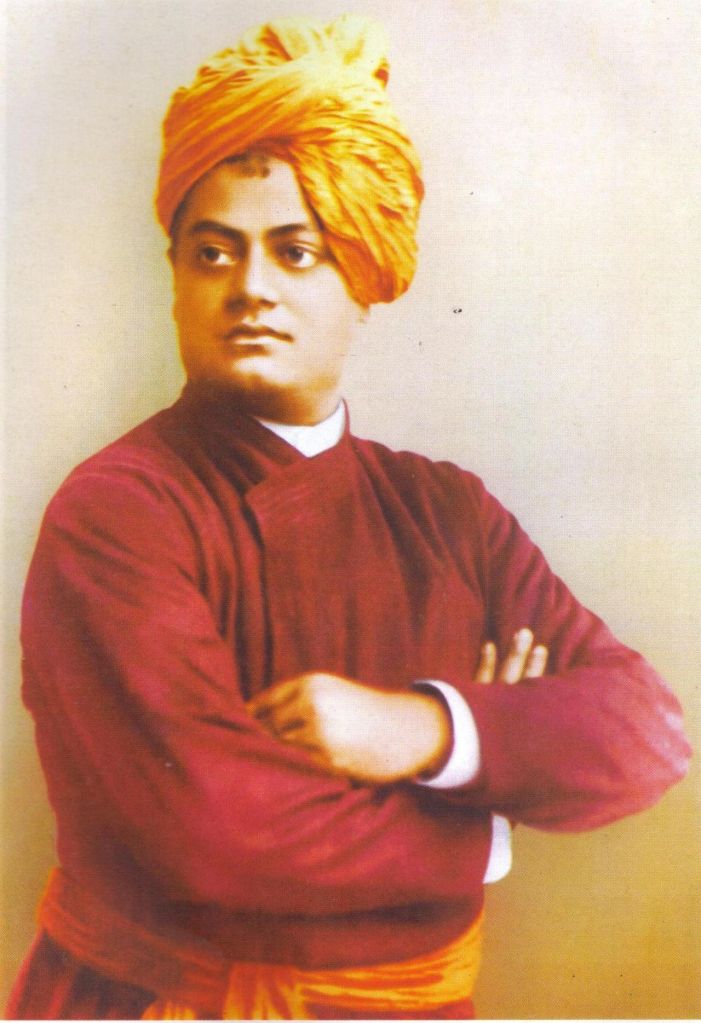
Founder of: Ramakrishna Mission (1897), Ramakrishna Math, Vedanta Society of New York
Philosophy: Advaita Vedanta
Literary works: Raja Yoga (1896), Karma Yoga (1896), Bhakti Yoga (1896), Jnana Yoga, My Master (1901), Lectures from Colombo to Almora (1897) Death: 4 July, 1902
Place of Death: Belur Math, Belur, Bengal
Memorial: Belur math, west bengal
About Swami Vivekanand:-
There are some rare men who leave their footprints on the sands of time, becoming a source of motivation for thousands of lost wanderers in the battlefield of life. Swami Vivekananda is one such example. “Come up, o lions and shake off the delusion that you are sheep; you are souls immortal, spirits free, blest and eternal….’ These words of stunning optimism proclaimed the arrival of a prophet- philosopher no less than Swami Vivekananda on the stage of the world. Such were his words that shook the world in the Chicago address on 19 September 1893. A young, educated man, Narendranath Dutta once walked the path of scepticism and even cynicism when it came to religion.
“All the powers in the universe are already our. It is we who have put our hands before our eyes and cry that it is dark.”- –Swami Vivekananda“
A visit to Ramakrishna Paramahansa changed his life. He challenged Ramakrishna’s claims of having seen God. Ramakrishna put his fingers on Naren’s heart, and in a moment of overwhelmingly powerful spiritual vision, Naren discovered God everywhere- from the rich man in his mansion to the poor rickshaw puller on the streets of Kolkata. God was no more a wishful thinking confined to the Kali temple at Ramakrishna’s Dakshineshwar. He was a living entity beyond all limitations of caste, creed, religion, language, time and space. Thus Narendranath Dutta metamorphosed into Swami Vivekananda, a disciple of Ramakrishna. This, however, was merely the beginning. The master, Ramakrishna, had told him before his passing away that he, Naren, would have to do ‘Mother’s work’, to teach mankind and be like a banyan tree, giving shelter to the tired and weary. In January 1891, he left the company of his brother monks and traversed the country from the North to the South alone with God. He wept to see the suffering and ignorance of the poor, and was disturbed at the material complacency of the affluent classes. The picture of ancient India appeared vividly before his eyes in all its grandeur and glory, and the contrast was unbearable. Swamiji set upon himself the task of rebuilding a new and rejuvenated India.
“
“Learn everything that is good from others but bring it in, and in your own way absorb it; do not become others.” –Swami Vivekanand‘.
Be it his journey to America or the lecture at Chicago or the setting up of the Ramakrishna Mission in 1897, his main aim was service to mankind and the rebuilding of a young, vibrant and educated India. · Ramakrishna Mission today is a giant organisation which dedicates itself to the execution of extensive educational and philanthropic work in India and abroad, and expounds the profound Vedantic philosophy preached by Swamiji. The impact Swamiji had on India and across the world can be best understood by the comment made by The New York Herald about his speech at Chicago; ‘He (Swamiji) is undoubtedly the greatest figure in the Parliament of Religions. After hearing him, we see how foolish it is to send missionaries to this learned nation.
“Take up one idea. Make that one idea your life; dream of it; think of it; live on that idea. Let the brain, the body, muscles, nerves, every part of your body be full of that idea, and just leave every other idea alone. This is the way to success, and this is the way great spiritual giants are produced.”
― Swami Vivekananda
Narendranath Dutta was born on 12 January 1863, and Swam Vivekananda passed away on July 4, 1902. But the lionheart with his piercing eyes, mobile lips, swift movements, clad in yellow and orange, shining like the sun of India in the heavy atmosphere of Chicago, lives on in the memory of millions. He inspires every ma in the world to ‘arise, awake, and stop not till the goal is reached.
You have to grow from the inside out. None can teach you, none can make you spiritual. There is no other teacher but your own soul.” ― Swami Vivekananda
If anyone wants to study the origin of the Vedanta movement in America then study Swami Vivekananda travels across the US. He was a great thinker, great orator, and passionate patriot. It is not wrong to say that he was more than just a spiritual mind.
“Be the servant while leading. Be unselfish. Have infinite patience, and success is yours.” ― Swami Vivekananda






































 Eduindex
You must be logged in to post a comment.