Bhopal gas tragedy is one of the wost man made disaster. This incident began when water entered a storage tank containing around 42 tons of MIC due to a malfunctioning cooling system. The water triggered a chemical reaction that led to a rapid increase in pressure and temperature inside the tank. Eventually, the safety systems failed, and a massive amount of toxic gas was released into the air.
The gas, which spread rapidly throughout the densely populated residential areas surrounding the plant, included MIC, along with other highly toxic substances such as hydrogen cyanide and phosgene. The local population was caught unaware as the gas cloud enveloped the city, causing immediate and severe respiratory distress, eye irritation, and other symptoms.
The immediate aftermath of the gas leak was chaotic and devastating. Panic and confusion gripped the affected area as people tried to escape the poisonous gas. Estimates vary, but it is believed that between 15,000 and 20,000 people died within the first few days, with thousands more suffering long-term health consequences. The gas leak affected people of all ages, including women, children, and the elderly, with many experiencing respiratory problems, eye injuries, and other debilitating health issues.
The Bhopal gas tragedy raised significant concerns about the safety standards and industrial practices of multinational corporations operating in developing countries. The incident revealed a lack of emergency preparedness, inadequate safety measures, and insufficient regulations governing chemical plants in India.
The immediate response to the disaster was criticized for being slow and poorly coordinated. Rescue operations were hindered by the lack of proper equipment and trained personnel. The victims and their families faced numerous challenges in seeking medical assistance, compensation, and justice.
Legal battles and efforts to hold UCC accountable for the disaster continued for decades. In 1989, UCC reached a settlement with the Indian government, agreeing to pay $470 million as compensation. However, the compensation was widely criticized as inadequate considering the magnitude of the tragedy and the long-term effects on the victims.
The Bhopal gas tragedy remains a painful chapter in history and a stark reminder of the catastrophic consequences that can result from industrial negligence and inadequate safety measures. It has prompted discussions on corporate responsibility, government regulations, and the need for effective disaster management systems. The incident serves as a constant reminder of the importance of prioritizing the well-being and safety of communities living near industrial facilities.
Catastrophe (Disasters) are classified into three types: naturals, man‐made, and hybrid disasters. A natural disaster is a major adverse event resulting from natural processes of the Earth; examples include firestorms, dust storms, floods, hurricanes, tornadoes, volcanic eruptions, earthquakes, tsunamis, storms, and other geologic processes. A normal calamity can cause misfortune of life or harm property, and ordinarily clears out a few financial harm in its wake, the seriousness of which depends on the influenced population’s versatility and on the framework accessible.
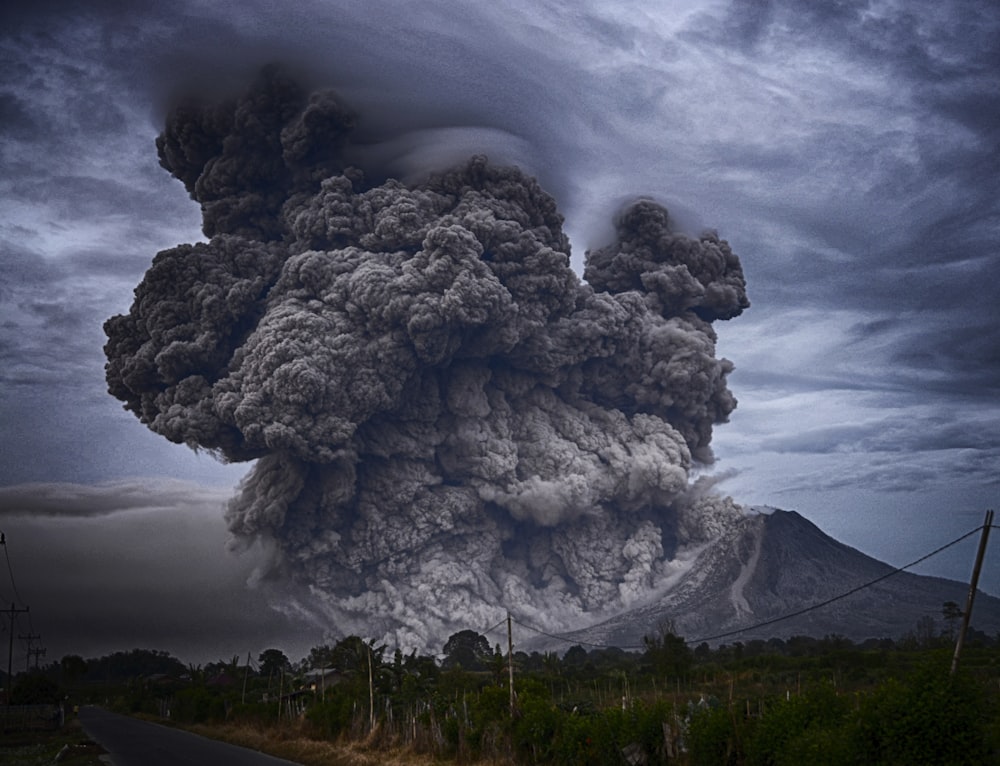
A landslide is depicted as an outward and descending slant development of an wealth of slope-forming materials counting shake, soil, manufactured materials, or a combination of these. An seismic tremor is the result of a sudden discharge of vitality within the Earth’s hull that makes seismic waves. At the Earth’s surface, seismic tremors show themselves by vibration, shaking, and in some cases relocation of the ground. Volcanoes can cause far reaching pulverization and resulting catastrophe in a few ways. One danger is the volcanic emission itself, with the constrain of the blast and falling rocks able to cause hurt. Dust storm may be a spread of tidy in dry regions. A manmade disaster is more cascading than a natural disaster an example of natural disaster is Bhopal Gas Tragedy.
Bhopal Gas Tragedy, India : Imagine waking up in the middle of the night in agonizing pain with your eyes and lungs burning. You wonder if you’re going to make it. Many don’t. That was the experience countless residents of Bhopal, India had on December 2, 1984 when the Union Carbide India Limited pesticide plant sprang a gas leak. Over 500,000 people were exposed to methyl isocyanine gas and other chemicals. Thousands of people died within the first hours of the leak, but estimates between 5,000 to upwards of 16,000 deaths resulted from the leak overall.
Deepwater Skyline Oil Spill, Inlet of Mexico It’s difficult to disregard the most noticeably awful and biggest oil spill in human history since it as it were happened less than three a long time prior. It begun on April 20, 2010 when an blast on BP’s Deepwater Skyline oilrig murdered 11 specialists, harmed 17 others, and cleared out the well spouting oil. Initially, BP claimed the spill was fair 1,000 barrels per day, concealing the reality that the well was spilling anyplace from 40,000 to 162,000 barrels a day.
Worldwide Warming, Third Planet from the Sun: Global warming is one of the foremost neglected and continuous man-made fiascos — one that will have the most noteworthy long-term affect on humankind. Over the top sums of nursery gasses, especially CO2, presented into the air have expanded normal worldwide temperatures determining a number of desperate results. Impacts from rising ocean levels, desertification, and harm from strongly super storms like Typhoon Katrina have already created a few of the primary bunches of climate-change outcasts and a few appraise that number to rise to 150 million by 2050.
Hybrid disaster is the third type of disaster. A crossover catastrophe may be a artificial one, when powers of nature are unleashed as a result of specialized disappointment or disrupt. There are disasters that result from both human mistake and normal strengths. These are crossover catastrophes. An case of a crossover disaster is the broad clearing of wildernesses causing soil disintegration, and hence overwhelming rain causing avalanches.
Disaster management is how we deal with the human, material, economic or environmental impacts of said disaster, it is the process of how we “prepare for, respond to and learn from the effects of major failures”
Disaster management has three stages which include disaster prevention, disaster preparedness, and disaster response/relief UNISDR sees Calamity Anticipation as the concept of locks in in exercises which proposed to anticipate or dodge potential unfavorable impacts through activity taken in development, exercises planned to supply security from the event of catastrophes. WCPT so also highlight that whereas not all catastrophes can be avoided, great hazard administration, clearing plans, natural arranging and plan benchmarks can decrease chance of misfortune of life and harm relief. The HYOGO System was one such Worldwide Arrange for common Calamity Hazard Decrease, which was received in 2005 as a 10 year Worldwide Arrange, marked by understanding with 168 Governments which advertised directing standards, needs for activity and viable implies for accomplishing fiasco versatility for defenseless communities.
“The information and capacities created by governments, proficient reaction and recuperation organizations, communities and people to successfully expect, react to, and recoup from, the impacts of likely, inescapable or current danger occasions or conditions” “The provision of emergency services and public assistance during or immediately after a disaster in order to save lives, reduce health impacts, ensure public safety and meet the basic subsistence needs of the people affected”
The lingering effects of unexpected emergencies and disasters are different for everyone. Knowing what to do after an emergency can help reduce stress and aid in a quicker recovery. Recovery is a process the process to repair and restore your life after an emergency or disaster is not easy and takes time, flexibility and patience. Examples of recovery include: removing waste and debris, contacting your insurance company, replacing lost or destroyed documentation, finding a new home, getting mental health support etc.



 Eduindex