WHY MENSTRUATION A TABOO IN INDIA?

Menstruation is a phenomenon unique to girls. Menstruation is the natural part of the reproductive cycle in which blood from the uterus exits through the vagina. It is a natural process that first occurs in girls usually between the age of 11 and 14 years and is one of the indicators of the onset of puberty among them.

Taboos surrounding menstruation exclude women and girls from many aspects of social and cultural life. Some of these are helpful, but others have potentially harmful implications.

In India especially, I found it extremely ironic for it to be still a taboo in this time and era, even before I don’t understand why it was called a taboo and the reason for that I guess was, India where a girl child recognised as boon ( as GODDESS LAKSHMI when born) and giving birth is also considered boon given only to women despite that this unique process that make it possible for a women to have a child is considered a TABOO. Even with many scientific clarification of the process of this unique phenomenon, even though being this 21st century there still continuous myth regarding this adapted within the society.

SOME OF THEM ARE:

  • Women who menstruate have long been taught to keep silent about their periods. Young girls are taught from a young age that they have to manage it privately and discreetly.
  •  In Indian households including the literate ones, women are constantly reminded of the old-age traditions where “you are not allowed to touch anything holy, visit temples, cook or touch pickle.”
  • The taboo is so ingrained that women often have the “walk of shame” while carrying their sanitary pads wrapped in black plastic bags in their hands. 
  • Strangely enough, in some cultures, celebrations are held on the commencement of menstruation. And in the same cultures, the already menstruating women are looked down upon as impure and filthy.
  • It is not uncommon for boys to giggle and laugh during biology class when the topic of menstruation comes up.
  • BUT NOT IN EVERY CULTURE IT OCCURS- In Kashmiri Hindu culture, menstruating women are given special care considering the belief that they become weak due to blood loss. They do not consider them to be impure and rules like, a woman on her period can’t visit temples or can’t work don’t apply.

#BREAKTHEBLOODYTABOO

It’s high time that we normalize menstruation as just a healthy and positive part of the female life cycle. Menstrual periods are nothing to be ashamed of. Just like digestion, blood circulation and respiration are considered as natural and biological processes, both men and women should work towards making menstruation an important topic to talk about openly. This is the only way to combat its silence and break the stigma.

some changes I notice toward breaking this taboo for women in this society

  • The greatest changed I noticed was for the changed working environment toward women as the sanitary environment facilities given to them as employment care like washroom provided with sanitary pads and tampons etc.
  • knowledge about the first period to young girls now given at their school is compulsory not only to girls but to boys too given knowledge for it be known as normal topic and not as a taboo topic.
  • Advertisement about sanitary pads and tampons starts to make this topic to talk openly about.
  • Men buying the sanitary pads and tampons make it comfortable for women during their periods so that they can express their thoughts, sorrows, angers, happiness with them.
Let’s talk about period!

What is Menstruation or A Period?

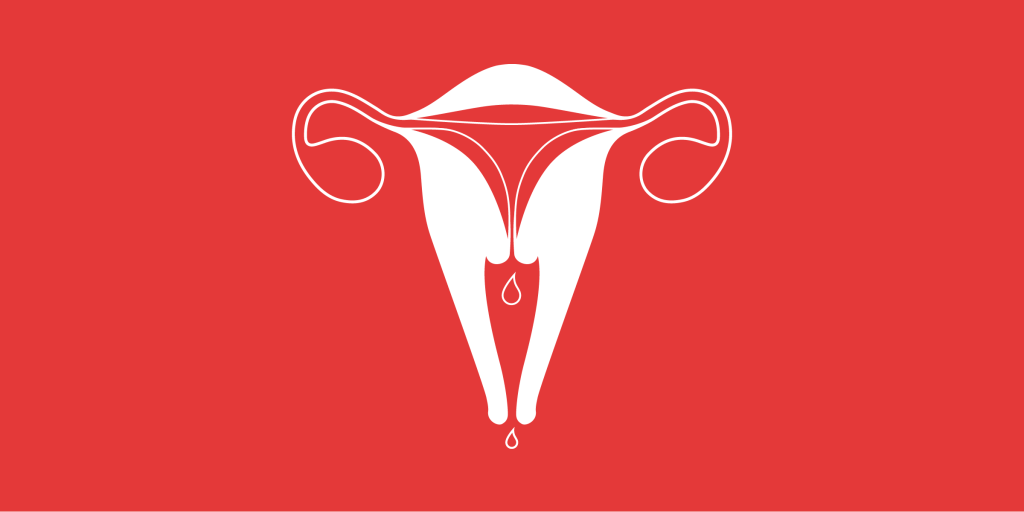
The level of estrogen and progesterone, reproductive hormones, climbs every month as the uterus prepares for pregnancy. The uterine lining becomes dense and spongy as a result of these hormones. This lining is made up of tissue and blood, much like everything else inside our bodies. It provides a variety of nutrients that help pregnancy progress. If there isn’t a pregnancy, progesterone levels drop, and the thick endometrial lining sheds and leaks out of the vaginal orifice. And Menstruation is the result.

Red Wedding . shark week . Time of the week . code red.
A slew of terms for one utterance – Menstruation. And not just human beings; Other mammals, such as Old World monkeys and apes, 3-5 kinds of bats, and the elephant shrew, have periods as well.

Only 121 million (roughly only 36% of the women) of India’s 336 million menstruating women use sanitary pads, according to the National Family Health Survey 2015-2016. Many women still refuse to use sanitary pads for a variety of reasons, including personal preference and familiarity, a lack of access to or affordability for high-quality commercial sanitary pads, and a lack of adequate knowledge regarding pads.

“More than a third of girls in South Asia miss school during their periods, as they lack access to toilets or pads, and many receive no education about menstruation before reaching puberty,”- A recent report by charity WaterAid and UNICEF revealed.

Because they cannot afford these expensive sanitary goods, many girls and women utilize a new soft cloth or some homemade product. Women may also use hay, ash sand, ash, wood shavings, newspapers, dried leaves, or plastic in extreme circumstances.

In both urban and rural India, qualitative investigations and surveys have revealed the most common reason for not using a sanitary pad is its high price. Pads from high-end commercial manufacturers can cost up to 1.5 times as much as pads from low-cost vendors. Quality sanitary pads are desirable, but the majority of girls from low-income homes cannot afford them.

TAX-FREE SANITARY PRODUCTS

“I am sure all mothers and sisters will be very happy to hear that sanitary pads are now 100 percent exempt from tax,” India’s interim finance minister, Piyush Goyal, at a news conference in New Delhi.

In 2018, India abolished its 12% tariff on all sanitary items, declaring tampons and sanitary napkins tax-free.

But is it enough?

A bundle of ten sanitary napkins, which used to cost roughly 100 rupees, will now cost around 88 rupees when the 12 percent GST is abolished. This could be a woman’s monthly outlay on menstrual products. However, given that 65.07% of India’s population lives in rural regions and relies on manual labor, with many of them subsisting on less than 120 rupees per day, the price of 88 rupees for a packet of sanitary napkins remains exorbitant.

Recently, The Period Products (Free Provision) (Scotland) Act 2021 was approved by the Scottish Government, making sanitary products free for all women and making Scotland the first country in the world to do so in the battle against “period poverty.” It is also the world’s first regulation requiring all public institutions to distribute menstrual sanitary goods, such as tampons and pads.

But why only in Scotland?
Periods are not a choice for women. They occur monthly and are a natural phenomenon. Therefore, every woman or girl who is menstruating deserves access to adequate sanitary products, regardless of her family’s income bracket.

It is high time for India and other countries to follow Scotland’s lead and make sanitary products free & accessible for their women.

MENSTRUAL HYGIENE

Menstrual Health

Menstruation is one of the most significant processes a woman’s body undergoes. Therefore, it is no wonder that we tend to get flustered with the idea of getting our very first period, often forgetting to pay attention to the need for ensuring good menstrual hygiene. A UNICEF study shows that in India, inadequate awareness about menstrual hygiene compels 23% girls to drop out of schools after they start menstruating. This is a stage where girls are often confused and scared as to how to go about their first period since knowledge on basic hygienic practices towards menstruation is often not well addressed. Menstrual health and cleanliness are often neglected but they are extremely important for the health of any woman.

Some Important Factors

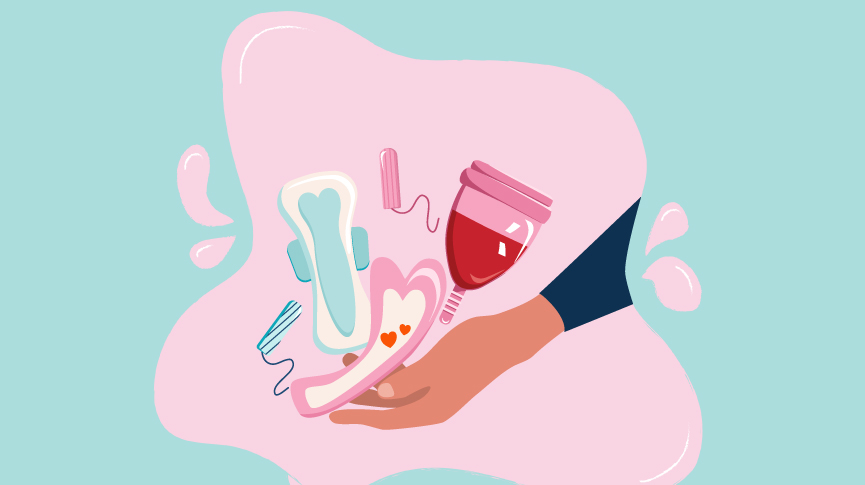
  • From sanitary pads, tampons to menstrual cups, each woman should choose a product that provides her maximum comfort. It must be kept in mind that only one method of sanitation must be used at a time; using multiple ones can lead to rashes, infections or even Toxic Shock Syndrome.
  • Girls getting their periods for the first time are bound to have a lot of concerns, which should be addressed right away. It is crucial to understand that they will require proper guidance to navigate their way towards comprehending the significance of menstrual hygiene. Approaching an expert or a doctor is always the right way to go about this.
  • Ensure that your body is relaxed and comfortable at all times. Choose comfort and be well-rested. Try to look past any age-old perceptions which indicate that women should not indulge in activities during these days. We must encourage women to be active and prove that periods do not get in the way of living lives. Comfort and hygiene can still go hand-in-hand during periods with the availability of an array of services and products in the market.
  • Bathe and wash yourself regularly. Bathing regularly during periods is important as it removes the excess blood that could cause an infection. It can also help alleviate the mood and reduce menstrual cramps. You can also relieve your period pain through mild heat therapy. For cleansing, a gentle foaming cleanser can be used to eliminate infection-causing bacteria, while preserving the good ones you need for a healthy vulva.
  • It is always beneficial to be ready beforehand with all the necessary supplies that you would require. Carrying a multi-purpose pouch containing intimate care kits will surely serve the need of the hour for ultimate comfort and convenience. After your first period, it is best to keep a track of the next period date through apps, which will regularly monitor your cycles

Menstrual Hygiene Day

World Menstrual Hygiene Day is observed on May 28. The main idea behind marking this day is to change the social stigma associated with menstruation. The date May 28 was chosen to observe the day because on an average the menstrual cycle for most women is 28 days and the menstruation period for most women is for five days. Hence, the date was kept as 28/5.  Never consider menstruation as a problem but never neglect hygiene during menstruation to stay happy and healthy. 

silence: Menstruation Ahead

Shhhhh…… “it’s that day of the month”.

Menstruation or period has always been taboo. People don’t want to talk about it. It is a natural cycle. And that’s how a female body functions, doesn’t it?

Taboos around menstruation have always explained it to be something to be kept hidden. Religious taboos on menstruation consider women on their periods as “impure”. It is weird how a normal body function can be considered impure.

In Indian, it is not allowed to enter the temple for a woman on her period, or touch the pickle jar. This misogyny doesn’t just prevail in India, but all around the world in their unique ways. Women in Nepal are kept secluded in a menstruation hut, not allowed to enter the kitchen or touch anyone while they are on their periods. Indonesian women face similar issues in India and Nepal. The political boundaries couldn’t have succeeded to unite the nations with menstruation taboos.

Misconceptions, cultural norms and silence has led to living in the dark, letting such taboos build up. People are not enough educated about it as they find it shameful. Many girls around the world don’t know about periods till they have them for the first time. Because of this lack of knowledge and social humiliation women around the world risk their lives. As the period is not talked about, women at some places use clothes to soak up their period blood; at times use the same cloth after washing because, either they feel shameful to buy a sanitary napkin or don’t have access to it.

Even when these sanitary napkins or pads are bought, are wrapped around with newspapers and then put into a black polythene bag, just to ensure double safety so nobody sees it. It is treated as something nobody should find out. Even while asking for it women almost whisper so that nobody in the vicinity could hear about it as it has been taught to them it shouldn’t be talked about.

We have even watched advertisements of sanitary pads on television, where a blue coloured liquid is poured on the pad just to show them how much the pad can soak. But the question here is- do women bleed blue? And the answer is an absolute no. Then why do the advertisements show so? It is just so that the viewers don’t feel gross. But shouldn’t the reality be shown as it is? These aspects also contribute to misconceptions and often confuse.

Out of curiosity, boys in the class often take out sanitary napkins from female classmate’s bags. Lack of menstrual awareness often leads to period shaming, where a girl getting stained from period blood is shamed and mocked leading to humiliation. Not women but men and every human being should know about it. Schools should have awareness programs to aware the students about menstruation and menstrual hygiene. It should also be taught how a person on periods can be taken care of. Periods are a healthy and natural function of a women’s body.

Not just women but also men should know about menstruation and menstrual hygiene. Schools should have awareness programs to aware the students about it. It should also be taught how a person on periods can be taken care of. There is nothing to be embarrassed about girl blood staining her dress, or having a sanitary napkin in her bag. Periods are a healthy and natural function of a women’s body.

Menstrual Hygiene Day – 2 products that can make a change

May 28 is celebrated as World Menstrual Hygiene Day to create awareness among every individual about the challenges during menstruation. There are several taboos and stigma around the topic that prevents people from talking about it. These need to be broken and a conversation needs to be made between men and women about the topic to promote awareness and understanding of the issue.   

    A large portion of women in the developing world still uses cloth and other cheap alternatives like ashes and husks during their menstrual cycle. These are highly dangerous and can cause various infections. Switching to sanitary pads and tampons was a revolutionary step at the time as it allowed women to work freely without the fear of leakage. But with the further evolution of menstrual products in the market, much eco-friendly and safer products are made available.   

   Sanitary pads are made of plastics and absorbing chemicals which on burning causes pollution. Also, the amount of plastic sanitary pads used by women in their lifetime is huge. Such pads, if not used properly can cause rashes, urinary infections, and vaginal infections. Therefore better alternatives need to be explored.   

 1.Reusable cloth pads 

 Most women are used to pad-like products and surveys report that the majority of women prefer them as they are comfortable and easy to use. For them, reusable cloth pads are the best options as they act exactly like sanitary pads but not made of plastic. They have good absorbing properties and a pack of about 500 will have 5-6 cloth pads that can be washed and used for every period for about 6 months. These are less expensive and less polluting compared to plastic sanitary pads and tampons   

   2.Menstrual cups 

 Menstrual cups are the best menstrual product available in the market today. They are cups made of silicone. They are flexible cup-shaped products that can be inserted into the vagina. These can be used for up to 12 hours. A single cup can be reused for up to 10 years and the price range between 300-500. The price is very less compared to all other alternatives in the market. It has the least health risks and can be the most eco-friendly product.   Step up and switch to these better products for a greener and safer period!

    Step up and switch to these better products for a greener and safer period!


WHY MENSTRUAL CUPS ARE A NEED OF THE DAY?

Menstruation is one of the most natural and healthy affairs of a woman’s life. Though we live in a modern society, menstruation is still considered as a taboo and menstrual hygiene is of great concern. Majority of the women have been depending on menstrual products like sanitary pads, tampons etc for decades without knowing the health hazards behind their use. 

Sanitary napkin is one of the most widely used feminine hygiene products due to its convenience in usage and availability at an affordable cost. This ‘easy to use’ product is not only a potential threat to the environment but also causes severe health problems. These sanitary pads are made up of 90 per cent plastic that is non-biodegradable and non-recyclable which makes it difficult to be disposed of. The chemicals that are added for increasing absorption and reducing the odour can cause significant impacts on one’s health. Over time, the BPA present in the sanitary napkins and tampons along with other chemicals can enter one’s body and increase the risk of cancer in reproductive organs. The deodorants and fragrances directly enter the bloodstream and interfere with the embryonic development thus affecting one’s fertility.

Tampons are equally or more dangerous than sanitary napkins. The strings and applicators of tampons are made from polyethylene and polypropylene which makes them non-biodegradable. Studies have shown that longtime use of highly absorbent tampons can cause bacterial infections leading to fatal conditions like toxic shock syndrome. The disposal of the sanitary wastes is a big crisis as an average person who menstruates throws away up to 200 kg of menstrual products in their lifetime and they end up in landfills, on beaches or polluting our oceans for decades.

Menstrual cups come as an alternative for various problems generated by sanitary napkins and tampons. Unlike other products which absorb the menstrual blood, menstrual cups instead collect the discharge. They are made of medical-grade silicone or rubber which makes them easy to clean and durable for more than 5 years. This reusability of the menstrual cup itself is its major advantage which enables it to be cost beneficiary and eco-friendly. The proper use of a menstrual cup can reduce the chances of period hassles, rashes, skin infections and allows more physical movements without leakage. It can collect almost double the amount of blood than any other method making it more convenient to be used while travelling. Menstrual cups are getting more popular in western countries accounting its reusability and comfort. Proper practice and maintenance of hygiene can reduce the chances of risk caused by menstrual cups. The benefits of menstrual cups over other products makes it clear that they are a sustainable alternative barring certain drawbacks.