
Contemporary Fashion: The Minimalist’s Coverbook

Models walk the runway at the 3.1 Phillip Lim Fashion Show during Mercedes-Benz Fashion Week Fall 2015 at Skylight Clarkson SQ. on February 16, 2015 in the Brooklyn borough of New York City.

Introduction

The sense of fashion never goes out-of-date for a true fashionista. Among the Millions of fashion lingos in today’s market , one that often dominantly buzzes around, is the term “Contemporary Fashion”.Meant to describe labels with a designer aesthetic and more accessible price points and we use the term “accessible” loosely, with most pieces averaging out around $500 , the term means big bucks where the fashion industry’s concerned, having become one of the biggest areas people spend their money in the last few years.

What Contemporary Fashion Is

Contemporary apparel is clothing that is accessible, in price and in terms of the way people wear it. The contemporary category often contains more modern-style clothes compared to the higher end luxury market. The voice of the contemporary industry is a bit more modern and a tad younger. Contemporary brands appeal to both the luxury shopper and the new breed of aspirational shopper.  This tier has become a go-to for women who can no longer justify shelling out huge amounts of cash on designer garb. It is also appealing to people bored of regular fashion and who are prepared to spend that little bit extra for something that will last.

A great contemporary brand is one with a unique look and feel. Garments and accessories will have interesting construction details and a good-quality finish. The collections are in line with seasonal trends but also incorporate signature items that consumers immediately recognize and associate with the designer brand.
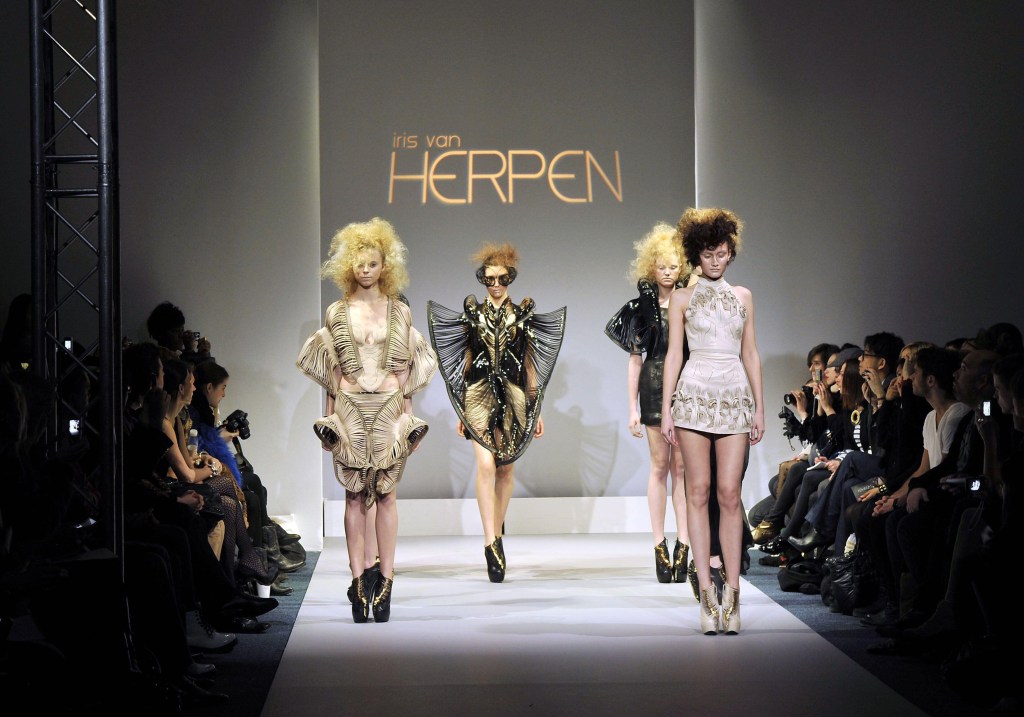
A Harpen Fashion Show

Is It Futurist: The Sustainability Question

In fashion, the term ‘futuristic’ is often used to describe avant-garde clothing designs. It could refer to several things, such as the clothing’s method of production, the materials used, or the garment’s design. Futurism can even refer to the 20th century Italian art movement, and indeed, this movement addressed the problem of designing fashion for the 20th century. We would learn much by examining Futurist fashions in order to understand its legacy in relation to contemporary fashion designers viewed as futuristic today. This paper will review this legacy by looking at five specific examples—Italian Futurists and their contribution to classless and genderless fashion; French designer Yves Saint Laurent’s iconic minidress inspired by the De Stijl art movement; fashion designed specifically for women with active lifestyles; technological advancement and space exploration seen in the designs of André Courrèges and Pierre Cardin; and advancements in textile manufacturing during the late 20th and early 21st century in relation to Karl Lagerfeld, Donatella Versace, and Hussein Chalayan. This leads to the primary analysis of Iris van Herpen and other contemporary designers including Noa Raviv and Neri Oxman. Their designs will be discussed in relation to the problem of labelling fashion as futuristic.

A Paris Georgia Apparel

Challenges of Contemporary Fashion

The contemporary brands fashion market is clearly brimming with a high level of competition. The up-and-coming contemporary designers are forced to continuously compete with older, established luxury brands in the targeting of the younger generation of consumers. The contemporary market began out of consumers’ need and want to own versatile clothing that could be worn on a daily basis.  Stylish consumers were hungry for locating a head-to-toe outfit that luxury brands create, but could be sold at a more reasonable tag.
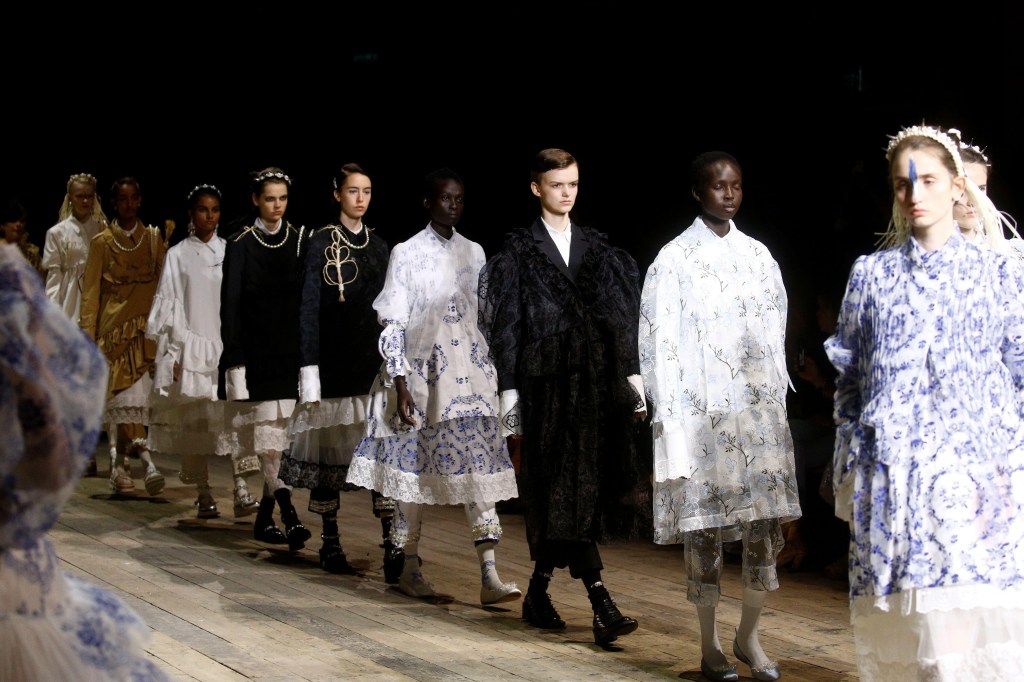
Simone Racha Catwalk Show at London Fashion Week

Scopes of Contemporary Fashion

Due to the fact that contemporary brands appeal to several groups of consumers, this industry will continue to see global opportunities. Fashion editors and industry insiders agree that contemporary brands have stolen the limelight and are helping to bridge the gap between luxury brands and main street.

Not only will contemporary labels allow you to up your designer arsenal without forcing you to exist on an exclusively Kraft Dinner diet, but the pieces are also constructed with everyday wear in mind (no couture-like assembly required). Not to mention that contemporary lines still boast that oh-so-coveted designer aesthetic and quality craftsmanship—perfect if you’re looking to break away from the usual suspects in fast fashion retail.

Famous Contemporary Fashion Designers and Their Works

Carven: Founded in 1945 in Paris, Carven has enjoyed a resurgence since the hiring of designer Guillaume Henry in 2009, who transformed the house from old-school couturier into the cool girl’s label du jour.
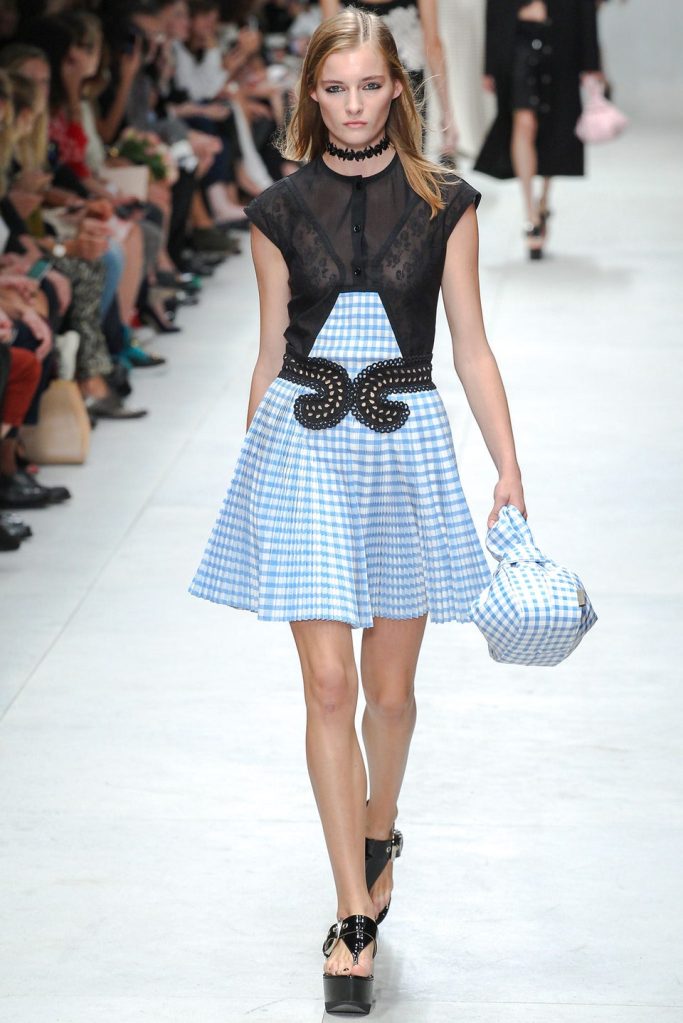
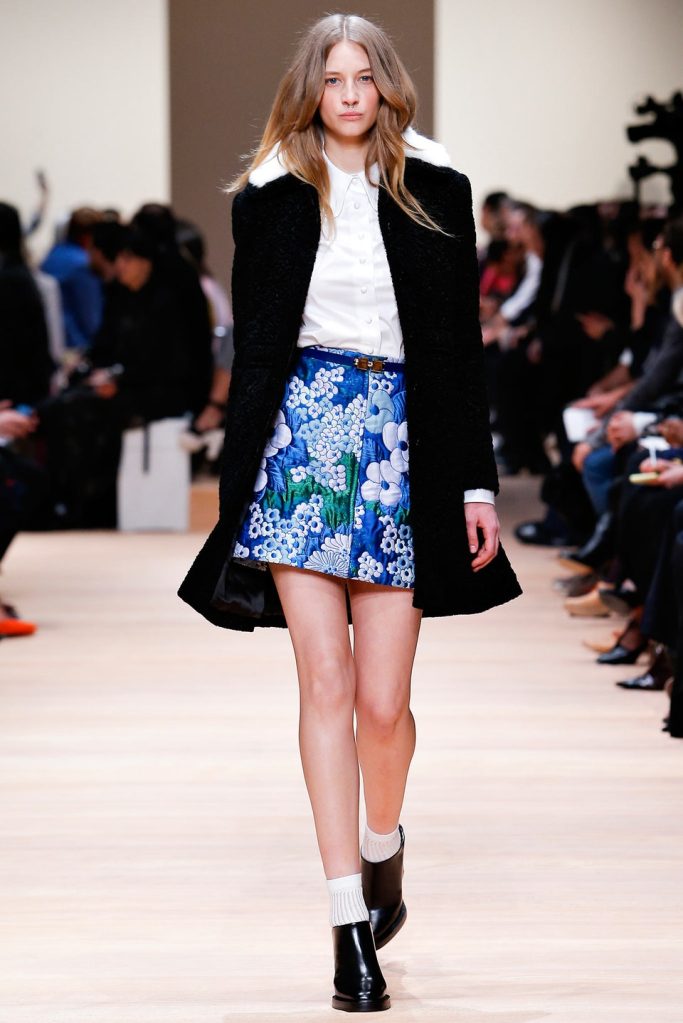
Carven Spring 2014 ready-to-wear collection
Carven Fall-Winter 2015-16 collection

N°21:  Started in 2010 in Milan by designer Alessandro Dell’Acqua, the brand offers a smorgasbord of whimsical designs that can be effortless.
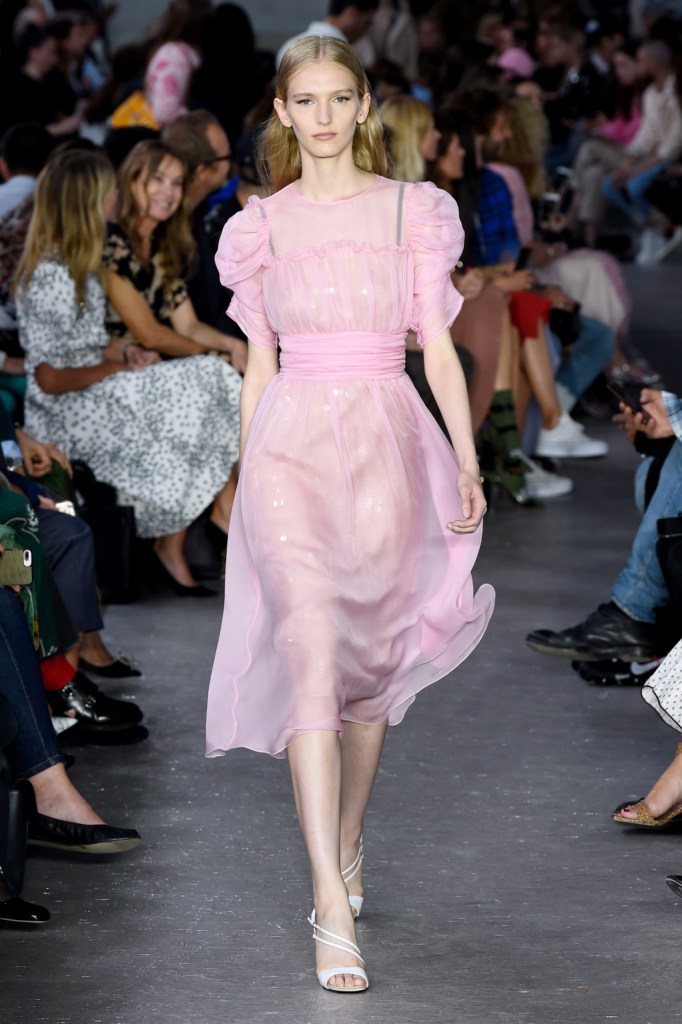

N°21 Spring- Summer 2018 collection
N°21 Spring-Summer 2021 collection

Jonathan Simkhai: Starting from NYC His first womenswear collection was shown in 2010, where Simkhai debuted his take on dressing for today’s cosmopolitan woman. A master at tailoring oversized pieces to flatter the female form, his designs run the gamut from exaggerated boxer shorts to basketball jerseys.
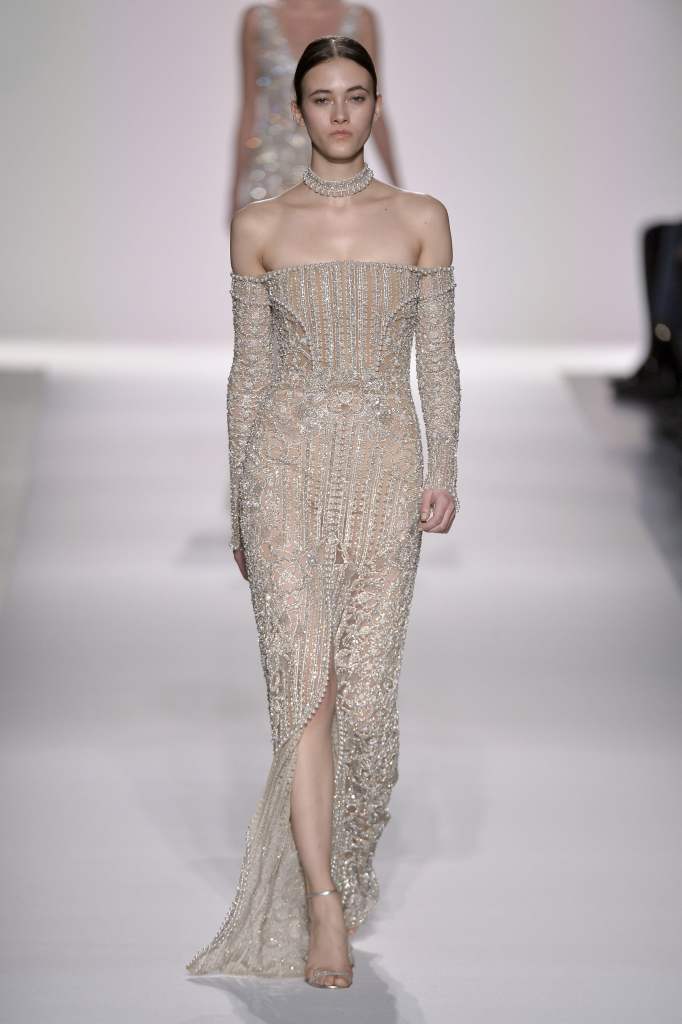
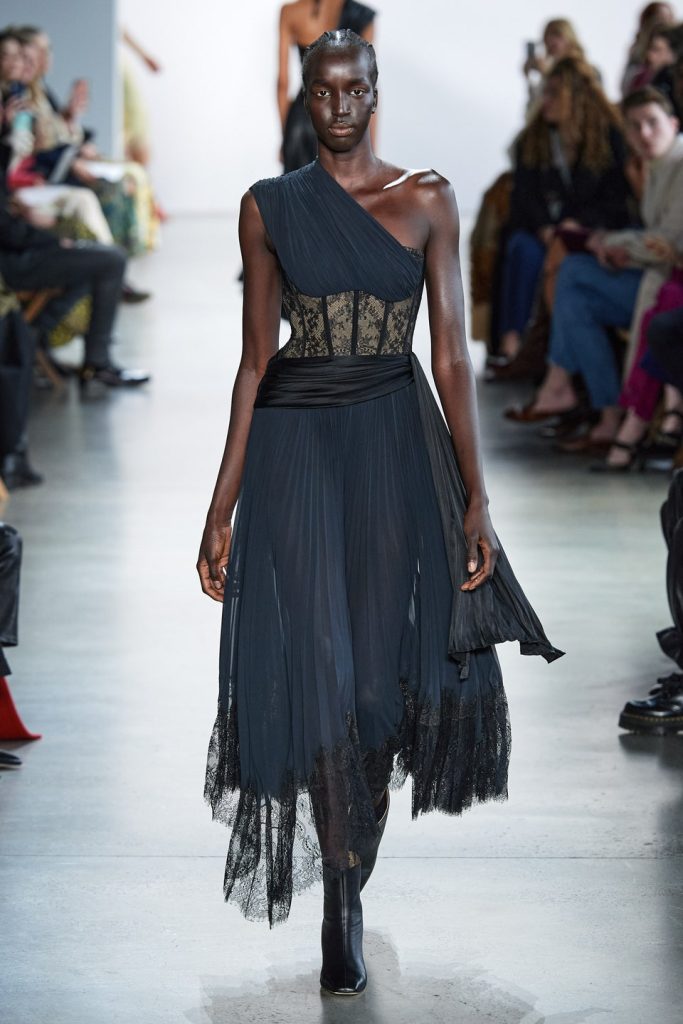
Simkhai Fall 2017 collection
Simkhai Fall 2020 ready-to-wear collection

Sandro : Launched by husband-and-wife duo Didier and Evelyne Chétrite, Sandro is a well-known and popular brand in the contemporary market.  Since its launch in 1984 (in the Marais district of Paris), the label has gathered a cult following with women charmed by its insouciant, season less separates and rock’n’roll aesthetic. Sandro has stores worldwide in places such as New York and Japan, and a flagship store based in Covent Garden, central London.
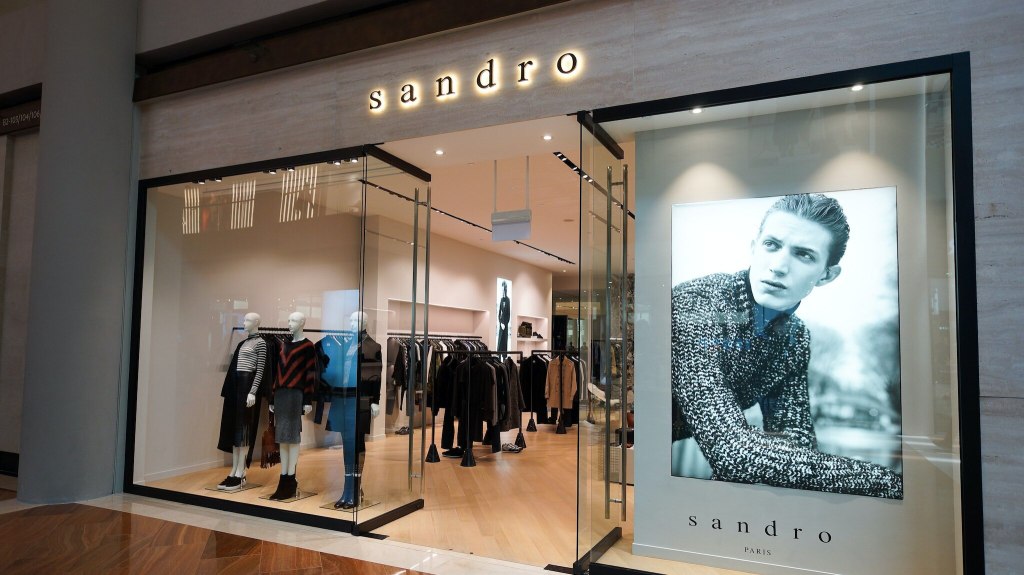
A Sandro Store
Sandro Spring-Summer 2021 Menswear Collection

Conclusion

Consumers want to feel like they own something special and unique. They want exclusive quality labels that are not mass produced, yet are still affordable.  It is important to keep in mind that this category is less expensive then higher tiers such as Haute Couture, but the prices are clearly higher than budget collections.The changing demographic of fashion consumers and the rise of contemporary brands. To stay in the game, luxury fashion marketers must compete on a global scale.


A Jest of God: The Book Review

The first cover of A Jest of God (1966)

Introduction

A Jest of God is a novel by Canadian author Margaret Laurence. It was first published in 1966. It won the Governor General’s Award  for 1966 . In 1968, director Paul Newman and screenwriter Stewart Stern  adapted A Jest of God  into the motion picture Rachel, Rachel. It starred Joanne Woodward in the lead role and Estelle Parsons as Calla, both of whom received Academy Award nominations for their performances. It was also nominated for Best Picture.

Revised Cover of A Jest of God (1966)

About The Author

Margaret Laurence (née Jean Margaret Wemyss), was a Canadian novelist (born 18 July 1926 in Neepawa, MB; died 5 January 1987 in Lakefield, ON). Margaret Laurence was one of the pivotal and foundational figures in women’s literature in Canada. Two of her novels — A Jest of God (1966) and The Diviners (1974) — won the Governor General’s Literary Award  for fiction. She also wrote acclaimed poetry, short stories and children’s literature, helped found the Writers’ Union of Canada and the Writers’ Trust of Canada, and served as chancellor of Trent University. She was made a Companion of the Order of Canada  in 1972 and was named a Person of National Historic Significance by the Government of Canada  in 2018.

Margaret Laurence

Storyline of The Novel

The tale of the dutiful daughter who returned home to care for her ailing widowed mother records with appalling accuracy the life of a thirty-four year old spinster schoolteacher in a small town outside of Winnipeg. The relentless confinement of Rachel Cameron‘s life is disrupted the summer the milkman’s son, now a teacher in a Winnipeg high school, returns to visit his parents. Rachel is an easy mark; her affair with Nick brings out passion after awkwardness, and the yearning for a family of her own. The understanding that Nick is married destroys the affair but not her longing, and when she thinks she is bearing his child she determines to go through with her pregnancy. The prospective infant turns out to be a tumour, benign; Nick turns out to be unmarried and the more inaccessible; but Rachel emerges from her experience with a new conception of herself and her environment. She will no longer be a victim, though she may be a reluctant jester, and she makes the needed move to a place where her old responsibilities and limitations will remain but where there will be a greater freedom. Saved from soap opera by an utter sureness and honesty of vision, from dreariness by the aptitude of its portrayals, this carries a compassionate conviction that will reach a limited but sensitive feminine readership.

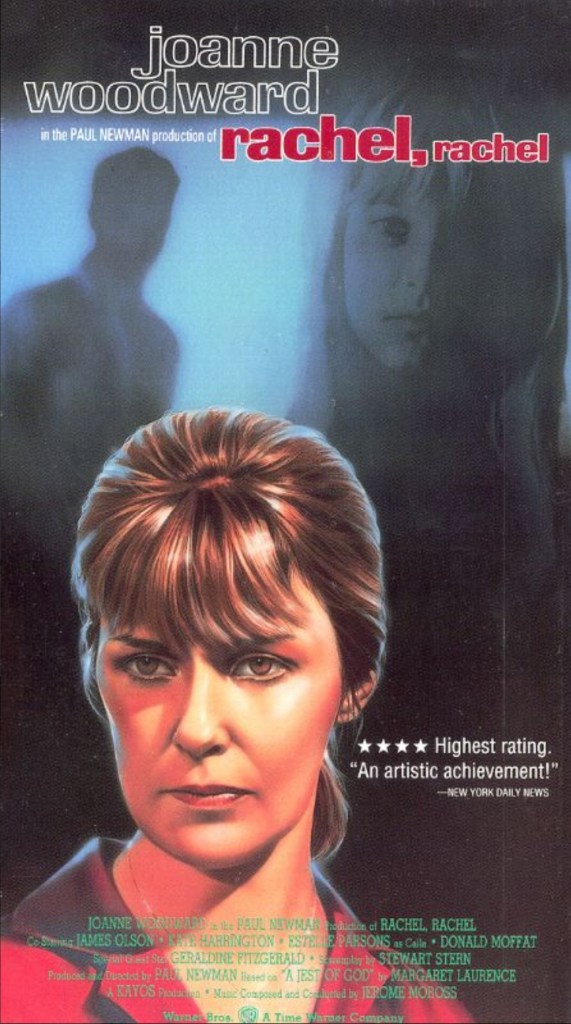
Poster of movie Rachel, Rachel (1968) based on novel A Jest of God (1966)

Analysis of The Storyline

The novel gets told with difficulty because Rachel’s voice is halting, obsessive. She begins her story as an observer, watching the children in the schoolyard, watching herself both in her immediate present as a teacher and remembering back to her childhood. She thinks of the “secret language” children share. In contrast, her own language is halting, and she finds difficulty establishing a voice. She frequently interrupts to judge her voice critically. She wonders: “Am I beginning to talk in that simper tone?” . Then, as a corrective, she speaks “more sharply than necessary,” and cautions herself to “strike a balance” . But, if we read this story in Jungian terms. (as many critics do),we perceive that Rachel cannot achieve this desired balance until she accepts her shadow side. Locked in a pattern of avoidance, no wonder she finds “my own voice sounds false to my ears”.

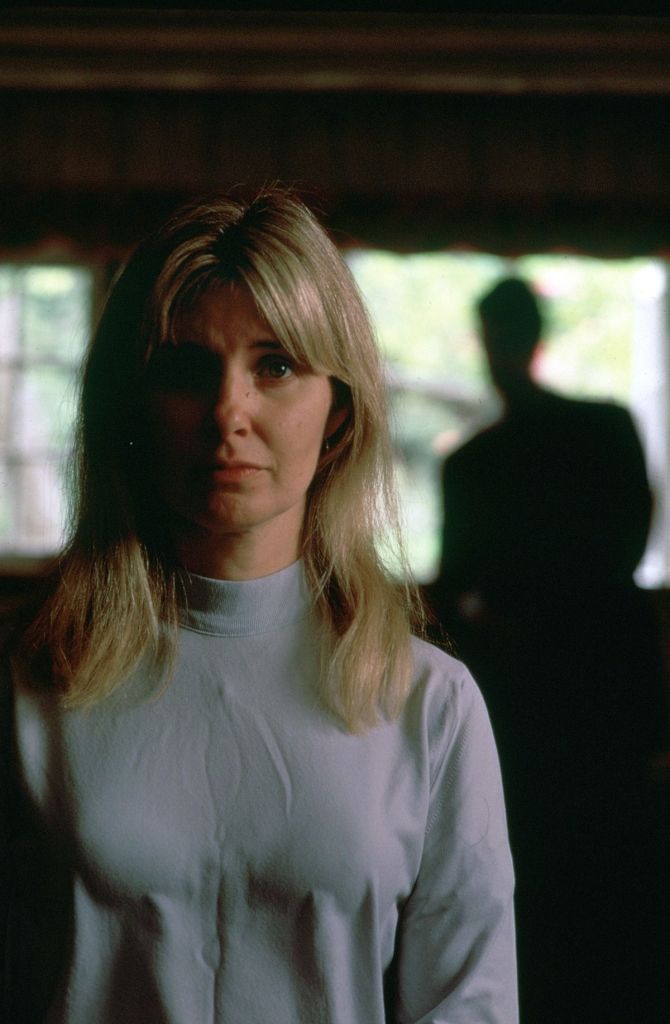
Joanne Woodward as Rachel in Rachael, Rachael (1968)

Because she resists acknowledging her desires, she remains blocked. When she approaches a recognition of her “darker,” “shadow” selves, she retreats, and stops the story. If she fears she is entertaining “morbid” thoughts or eccentric fantasies, she admonishes herself: “This must stop. It isn’t good for me. Whenever I find myself thinking in a brooding way, I must simply turn it off and think of something else”. She retreats from her sexual fantasies : “I didn’t. I didn’t…. Rachel, stop it. You’re only getting yourself worked up for nothing. It’s bad for you”. Yet these private fantasies are colourful and engaging, in vibrant contrast to her stilted public language and constrained behaviour. Fortunately, almost in spite of herself, she comes to acknowledge her desires and to face the implications of sexual passion. Through a symbolic descent into the underworld, the womblike, tomblike mortuary presided over by Hector Jonas (/Jonah), she realizes that she has the power to affirm her passions, to choose life.

scene from Rachel, Rachel (1968)

Conclusion

A Jest of God is beautifully written, a sympathetic, tender novel which sees Rachel come to a new understanding about herself, and her standing with her difficult mother. A thoroughly beautiful novel, that still possesses its relevance to today’s readers.

Top 10 Musical Countries In The World

When we explore the musical industry every country in the world is about different culture, articulation, creation and meaning of music which make it stand out from others and make more fun, starting with this list of most musical countries of world, the first is:

1.THE UNITED KINGDOM:

The country has been a great producer and source of musical creation, with its artistic base from history of the United Kingdom, from church music, western culture with ancient and traditional folk music.

In 20th century, musicians from the UK became dominant in musical culture, which led to explosion of POP and ROCK music acts. Hence, the UK has become one of the world’s largest music industries today, with many British artists influencing the modern music.

Each country as mentioned above has different form of folk music:

English Folk Music

Northern Irish Music

Scottish Folk Music

Welsh Folk Music

Popular form of music from the UK includes: English Folk, Jazz, Rapping, Hip-Hop, Pop, Rock, British Folk Rock, Drum and Bass, Heavy Metal.

With that the UK has given us the most famous Music Artist we have at present and we’ve been listening to them from very beginning: The Beatles, Queen, The Who, The Rolling Stones, Pink Floyd, David Brownie and so many more.

2. THE UNITED STATES:

Music here reflects the country’s multi-ethnic population through a diverse array of styles. It is influenced by music mixture from that of West African, Irish and Scottish.

The United States’ music is heard by people all over the world and they love it. In 17th Century, after Native American played their first music, immigrants from different countries of the UK, Ireland, Germany bought their own musical instruments and African slaves bought in their own musical tradition.

The US also had documented folk music and recorded popular music in ethnic styles of Ukrainian, Irish, Scottish and Jewish among other communities.

Popular music genres of the US includes: Blues and Gospel, Jazz, R&B, Rock, Metal, Punk, Techno and Latin American Music.

Popular Artists: Eminem, Taylor Swift, Rihanna, Madonna, Beyonce, Bob Dylan and so many more.

3. GERMANY:

Germany comes up as a largest music market in Europe and third in the list of world music industry.

German classical is most performed in world, including Pop Rock, Punk, Disco and Indie. German Electronic music gained global influence along with Electro and Techno scene being internationally popular.

Germany hosts large rock musical festivals annually. One of them is: Rock am Ring Festival, the largest in world. Since 1990, Berlin has developed a diverse music and entertainment industry.

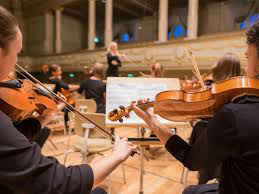
Coming to Classical Music, Germany is the largest in its development. They host the largest Classical Summer Music Festival: Schleswig-Holstein Musik Festival.

Classical Music of Germany includes:

Chorale (Vibrant and Energetic)

Opera

Baroque Period

Classical Era

Romantic Era

Apart from this included the Folk and English Popular music from Germany which are great hit among the people of world.

4. IRELAND:

Irish music has been created in various genres in Ireland. The indigenous music is known as Irish Traditional Music which has been vibrant for ages despite globalizing cultural forces. Even after influencing from all the music from Britain, The US and other cultures, Irish music has kept its influence and has impact on modern rock music.

Some of the fusion artists have attained mainstream success.

Irish has produced Traditional music, popular modern music, Folk music and Classical Music.

Popular genres developed there were: Pop, Rock, Techno, Rock and Roll, Fusion music.

Famous Artists: Westlife, Van Morrison, Boyzone and the Cranberries.

5. INDIA:

Music of India stands 5th in the list of world musical countries, including all genres classical, folk, Indian rock and Indian pop. Music here began as an integral part of socio-religious life.

Indian Music has numerous genres:

Classical Music- Hindustani and Carnatic Music (Dhrupad, Dhamar, Sadra, Raga, Tala, Pallavi)

Light Classical- Thumri, Sangeet, Qawwali, Ghazal

Folk Music- Which is different from different states of India because of diverse culture

Then we have Indian Pop, Rock and Metal, Indian Rock, Raga Rock, Jazz and Blues.

6. MEXICO:

The music culture here is diverse and is a mixture of musical genres and performances styles and influence majorly by culture of indigenous people of Mexico and Europe.

They have wide classification of music starting from:

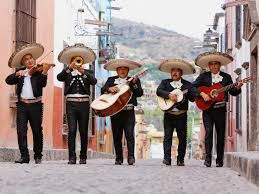
Traditional Music which is majorly divided in two forms- By musical form and styles –Corrido, Mexican Danzon, Mexican Bolero and By types of ensembles- Banda, Mariachi and Marimba.

Popular Folk Music had Grupera influenced by the styles of cumbia, norteno and reached heights of popularity in rural areas.

Popular Music had genres like Pop, Rock, Latin Alternative, Mexican Ska, Electronic.

Whereas Art Music includes Operas, Classical and Jazz which makes Mexican music culture rich of different forms and artistic editions.

7. ITALY:

Italian music is a traditional marker of Italian national culture and ethnic identity, which holds important position in society and politics. Music innovation- harmony, notation and theatre- helped in development of Opera.

Italian folk music is an important part of musical heritage of country and includes diverse arrays of styles, dance and instruments.

Characteristics of the music majorly revolved around- Society and Politics.

Classical Music included- Ballet, Sacred and Instrumental Music, Experimental Music

Folk music had deep and complex history depending on regions, songs, dance and instrumentation.

Popular music consisted of: Modern Pop, modern dance, imported styles.

Along with rich music culture, Italy hosts a lot of large music festivals – Sanremo Music festival being one of those.

8. SWEDEN:

Music of Sweden shares a touch of Nordic folk Dance with its neighboring Northern Europe Countries. The instrumental genre is the biggest in Swedish Traditional music.

Swedish music also included more modern pop and modern influences. Sweden is one of the world’s most successful exporters of popular music.

Classical music included Choral genre.

Modern music again had- Jazz, Pop, Bubblegum dance, hip-hop, rock, punk rock and heavy metal.

Progressive and Jazz-rock music along with electronic gained much popularity from the country.

9. JAPAN:

They have wide array of performers from traditional and modern music. Japan is the largest physical music market in world. Traditional music here differs a lot from the western music.

Traditional and Folk Music- Minyo – which had 4 categories- Work, Religious, Gatherings and Child songs

Okinawan Folk music- dance songs, celebratory music.

Western music consisted of traditional pop music, western classic and orchestras.

Popular music came with Jazz, Idol music, dance and disco music, rock and heavy metal along with Theme music, game music, noise music.

10. AUSTRIA:

Slavic and Hungarian forms influenced the Austrian Music culture. Yodeling, was a form of singing involving the rapid and repeated changes of registers, was called ‘juchizn’ by Austrians.

Then with upcoming technologies came the development of Rock and Pop music in Austria and they started hosting annual music festival show casing European Music Arts.

Antikythera-The Modern Invention in the Past.

After 2,000 years under thesea, three flat, misshapen pieces of bronze at the National Archaeological Museum in Athens are all shades of green, from emerald to forest. From a distance, they look like rocks with patches of mold. Get closer, though, and the sight is stunning. Crammed inside, obscured by corrosion, are traces of technology that appear utterly modern: gears with neat triangular teeth (just like the inside of a clock) and a ring divided into degrees (like the protractor you used in school). Nothing else like this has ever been discovered from antiquity. Nothing as sophisticated, or even close, appears again for more than a thousand years.

For decades after divers retrieved these scraps from the Antikythera wreck from 1900 to 1901, scholars were unable to make sense of them. X-ray imaging in the 1970s and 1990s revealed that the device must have replicated the motions of the heavens. Holding it in your hands, you could track the paths of the Sun, Moon and planets with impressive accuracy. One investigator dubbed it “an ancient Greek computer.” But the X-ray images were difficult to interpret, so mainstream historians ignored the artifact even as it was championed by fringe writers such as Erich von Däniken, who claimed it came from an alien spaceship. It wasn’t until 2006 that the Antikythera mechanism captured broader attention. That year, Mike Edmunds of Cardiff University in Wales and his team published CT scans of the fragments, revealing more details of the inner workings, as well as hidden inscriptions—and triggering a burst of scholarly research. 

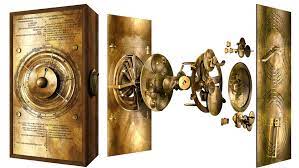
The Antikythera mechanism was similar in size to a mantel clock, and bits of wood found on the fragments suggest it was housed in a wooden case. Like a clock, the case would’ve had a large circular face with rotating hands. There was a knob or handle on the side, for winding the mechanism forward or backward. And as the knob turned, trains of interlocking gearwheels drove at least seven hands at various speeds. Instead of hours and minutes, the hands displayed celestial time: one hand for the Sun, one for the Moon and one for each of the five planets visible to the naked eye—Mercury, Venus, Mars, Jupiter and Saturn. A rotating black and silver ball showed the phase of the Moon. Inscriptions explained which stars rose and set on any particular date. There were also two dial systems on the back of the case, each with a pin that followed its own spiral groove, like the needle on a record player. One of these dials was a calendar. The other showed the timing of lunar and solar eclipses.

Experts have been working to decipher inscriptions hidden inside the mechanism, in particular to understand the mechanism’s missing pieces, some destroyed, some probably still at the bottom of the sea. Though the pointers on the front face don’t survive, Alexander Jones, a historian at the Institute for the Study of the Ancient World in New York, says an inscription reveals that they carried colored balls: fiery red for Mars, gold for the Sun. 

Also missing are the parts that drove the planetary pointers, leading to debate about exactly how they moved. Because planets orbit the Sun, when viewed from Earth they appear to wander back and forth in the sky. The Greeks explained this motion with “epicycles”: small circles superimposed on a larger orbit. According to Michael Wright, a former curator at London’s Science Museum who has studied the mechanism longer than anyone, it modeled epicycles with trains of small gears riding around larger ones. Though some experts have dismissed this as beyond the Greeks’ abilities, Jones says he will publish evidence supporting the idea later this year.

Other inscriptions hint at where the mechanism was made. Paul Iversen, a classicist at Case Western Reserve University in Cleveland, reports that the calendar includes month names used in Corinth and its colonies in northwest Greece. A dial that displayed the timing of major athletic festivals, including the Olympics, lists Naa, a festival held in northwest Greece, and Halieia, held to the south on the island of Rhodes. Perhaps the mechanism hailed from Rhodes and was being shipped north. The ancient philosopher Posidonius had a workshop in Rhodes that could have been the source; according to Cicero, Posidonius made a similar model of the heavens in the first century B.C.

The tradition of making such mechanisms could be much older. Cicero wrote of a bronze device made by Archimedes in the third century B.C. And James Evans, a historian of astronomy at the University of Puget Sound in Tacoma, Washington, thinks that the eclipse cycle represented is Babylonian in origin and begins in 205 B.C. Maybe it was Hipparchus, an astronomer in Rhodes around that time, who worked out the math behind the device. He is known for having blended the arithmetic-based predictions of Babylonians with geometric theories favored by the Greeks. 

Regardless, the Antikythera mechanism proves that the ancient Greeks used complex arrangements of precisely cut wheels to represent the latest in scientific understanding. It’s also a window into how the Greeks saw their universe. They came to believe that nature worked according to predefined rules, like a machine—an approach that forms the basis of our modern scientific views. Edmunds argues that this “mechanical philosophy” must have developed as a two-way process. The ancient mechanics who captured the cosmos in bronze weren’t just modeling astronomical theories but were also inspiring them.

FEB15_J03_Antikythera.jpg