10 travel destinations in india

India is home to some of the most stunning natural attractions and historical sites in the world. With so many places to visit and things to do, it’s hard to know where to start. But if you want something off-the-beaten path, these 10 destinations are sure to satisfy your wanderlust.

1. Goa
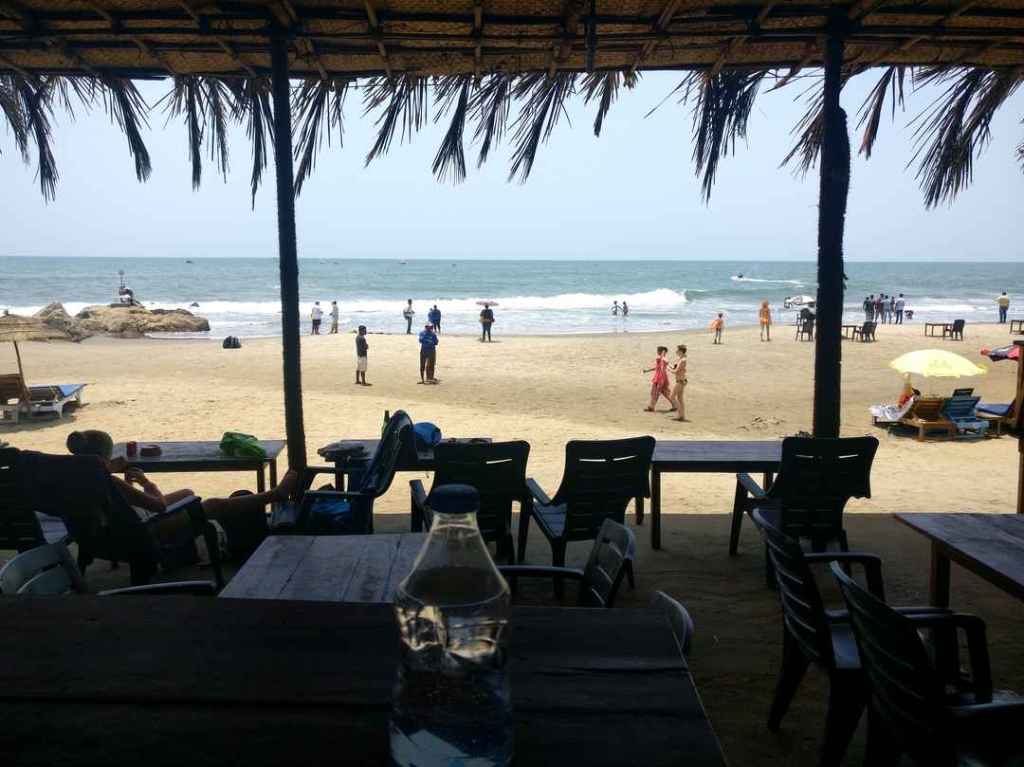
Vagator Beach, Goa

Goa is a popular tourist destination in India and has been attracting visitors for years. It’s known for its beaches, which are clean and have plenty of space to relax on them.

Goa also has great food, music and culture. The best way to experience all this is by staying at an airbnb or other bed & breakfast type place that hosts travelers from around the world!

2. Kerala
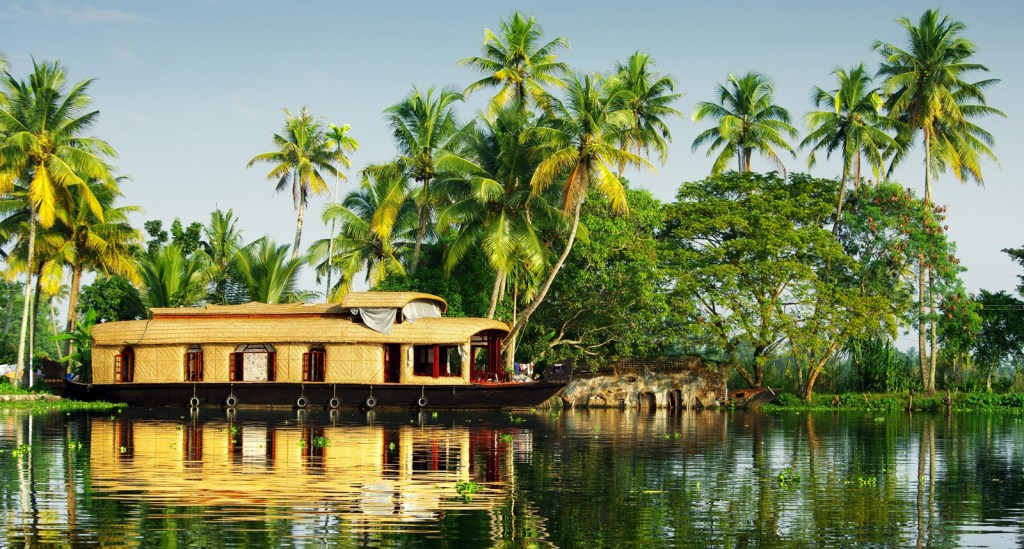
Kumarakom, Kerala

Kerala is a beautiful place to visit in India. It has many beaches, backwaters and historical sites. One of its most famous attractions is the backwaters of Alleppey that are home to some interesting wildlife sanctuaries. The state also has many temples which are a must-see during your trip here.

3. Andaman and Nicobar Islands
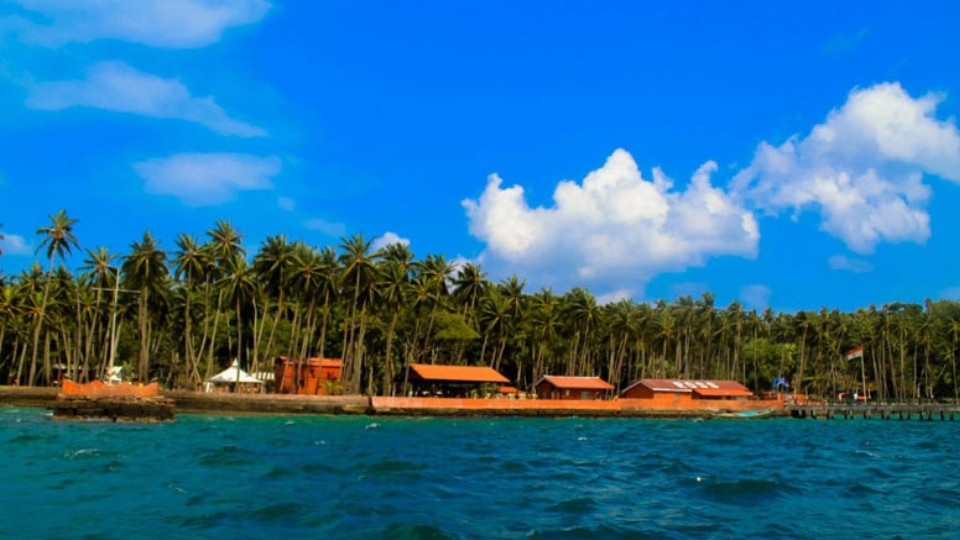
Andaman

The Andaman and Nicobar Islands are located in the Bay of Bengal, just off India’s coast. These islands are a part of India and home to many different tribes. The islands have a great climate for relaxation, as well as beaches with white sand.

4. Pondicherry
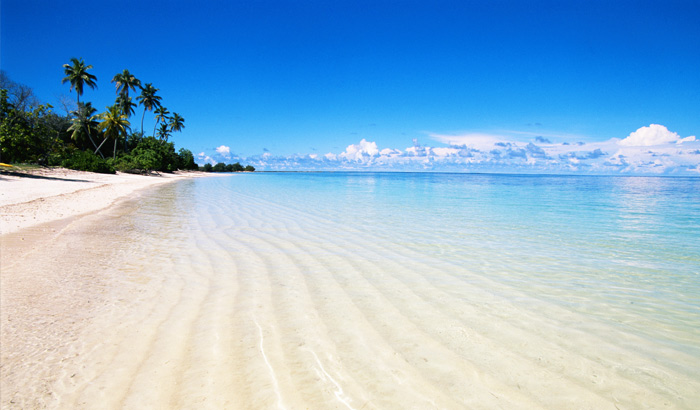
Serenity beach, Pondicherry

Pondicherry is a city in the union territory of Puducherry. It was formerly known as Pondicherry and it is located on the Coromandel Coast, India’s east coast, which is known for its beaches and resorts. The city has an old-world feel to it with buildings that date back to French rule over India during the 19th century.

Pondicherry has many beaches where you can go swimming or just relax on your day off from work.

5. Leh Ladakh
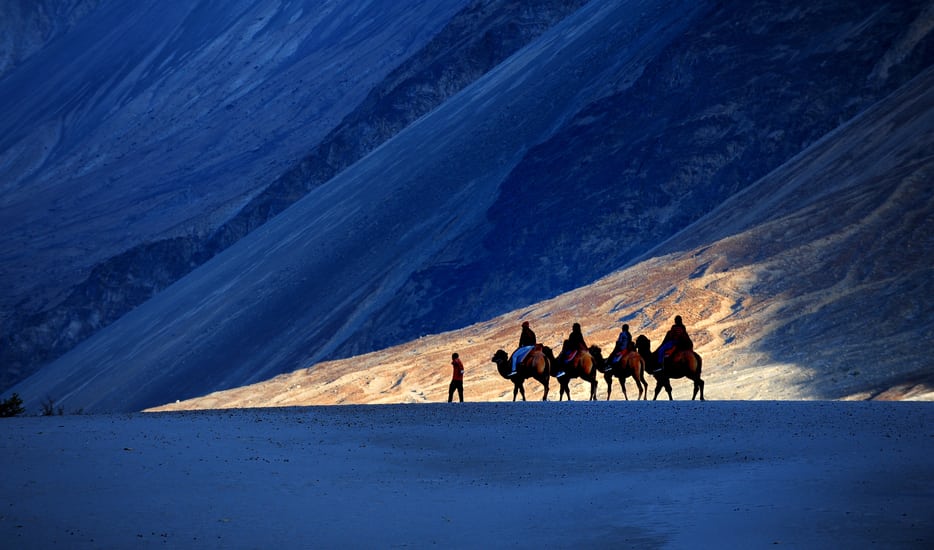
Nubra Valley, Ladakh

Leh Ladakh is a cold desert in the Himalayas, close to the Chinese border. It’s a great place to visit if you want to see the mountains and enjoy some hiking or trekking. There are many places where you can go for this activity, but one of them is called “Nubra Valley”. In this valley there are many different things that you can do: horseback riding (on horses), skiing down from a mountain peak or just walking around looking at all those beautiful views.

6. Rajasthan
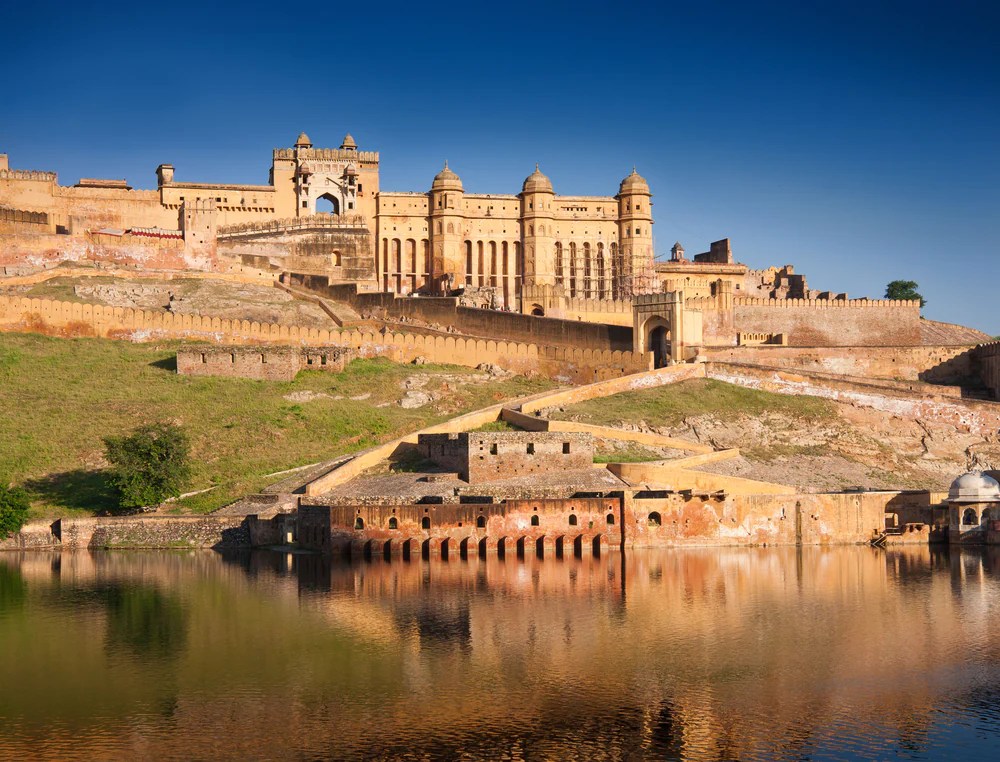
Amer fort, jaipur

Rajasthan is a state in northern India. It has a desert climate, but it’s also known for its palaces and forts. The city of Jaipur is home to several of these attractions, including the Amber Fort and Jantar Mantar Observatory. It also has many lakes, some famous (Lake Pichola) and some not so much (Kumbhalgarh). Some people visit these lakes during wintertime because they’re warm then; others go there in summer because it looks like an ice skating rink. There are plenty of temples as well: we’re talking about hundreds of them.

7. Darjeeling
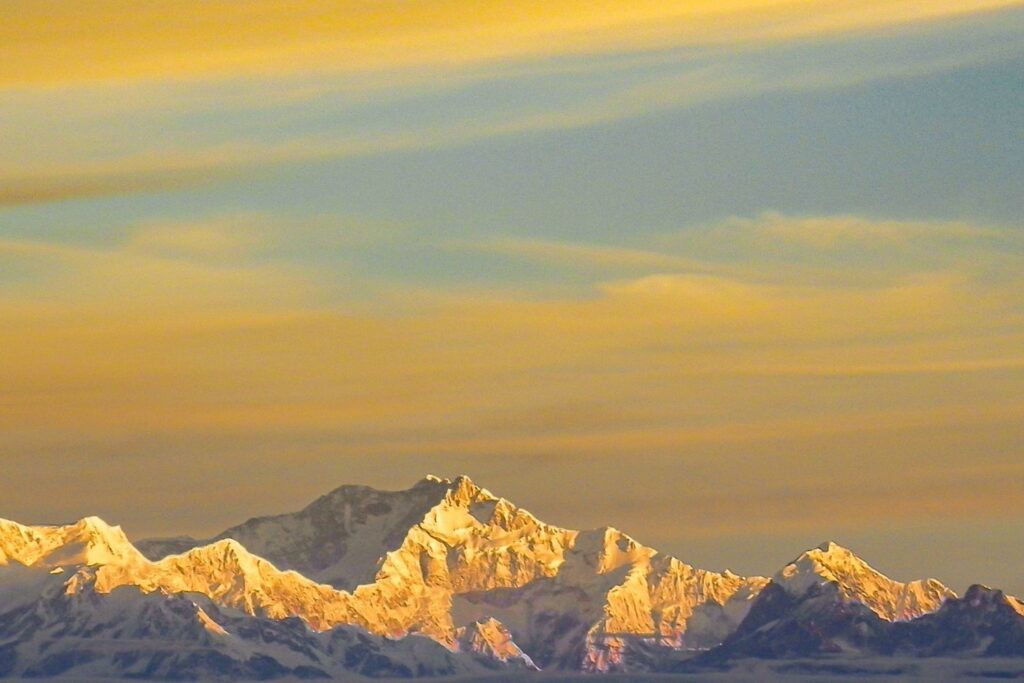
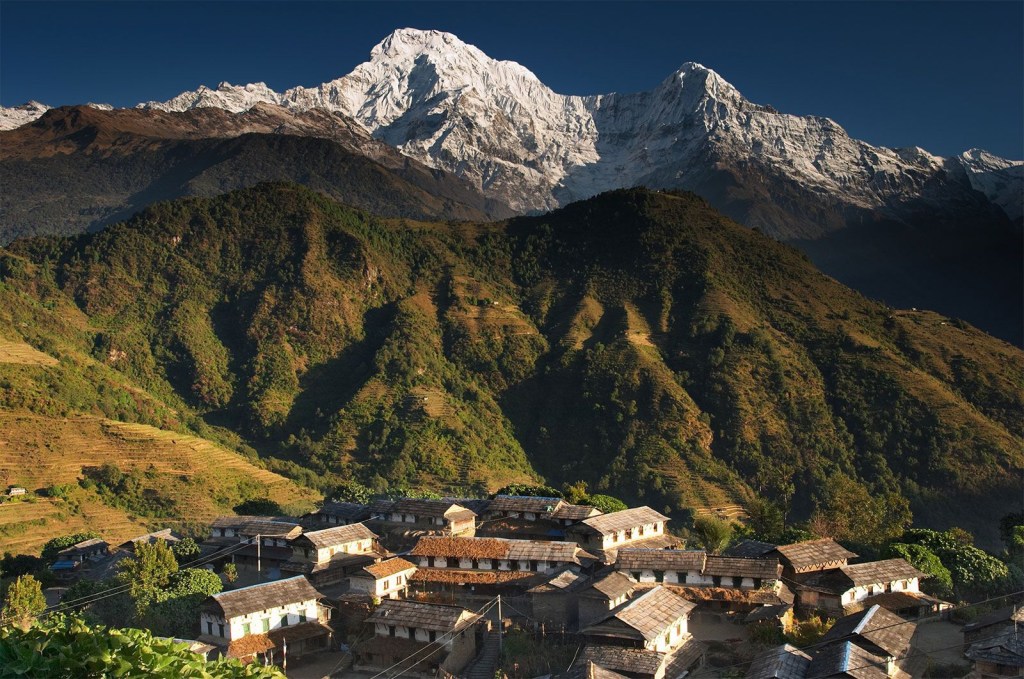
The Kanchenjunga

Darjeeling is a hill station in West Bengal. The city is located on the foothills of the Himalayas and offers panoramic views of the plains below.

The town has been known for its tea plantations since 1834 when it was first discovered by British colonists. It’s also a popular destination for trekkers, who can choose from several trails to explore this beautiful area along with its rich history and natural beauty.

8. Varanasi
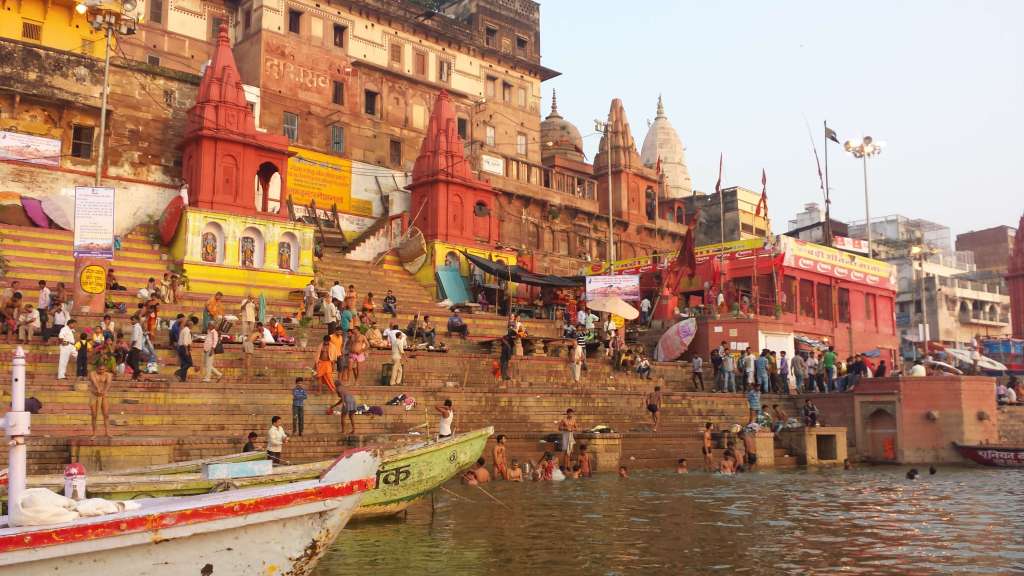
A ghat in varanasi

Varanasi is a religious, cultural and historical city located on the banks of River Ganges. It has been called one of the most sacred places in India as it’s believed that Lord Shiva resided here for some time before passing away.

The city is known for its ghats (steps leading down to the river), temples and food which are all part of its rich history. Varanasi offers tourists everything they need during their stay – from budget accommodation options to luxury hotels & resorts offering everything from pampering spa treatments to yoga classes at sunrise. Not only this but there are plenty of things to do when you visit Varanasi including visiting one or more ghat sites where pilgrims perform rituals during monsoon season when temperatures rise up high enough so visitors can bathe in freezing waters without getting cold feet.

9. Rishikesh
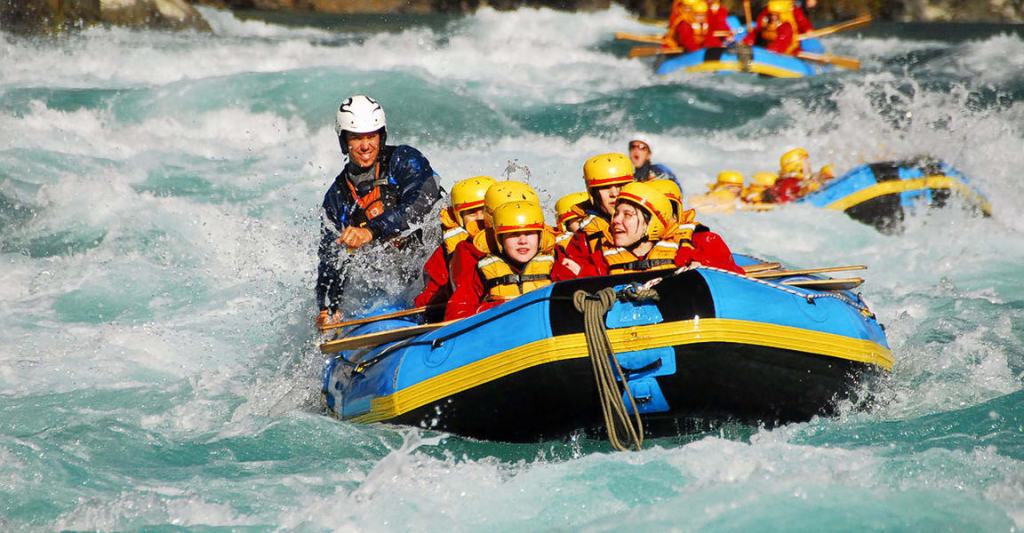
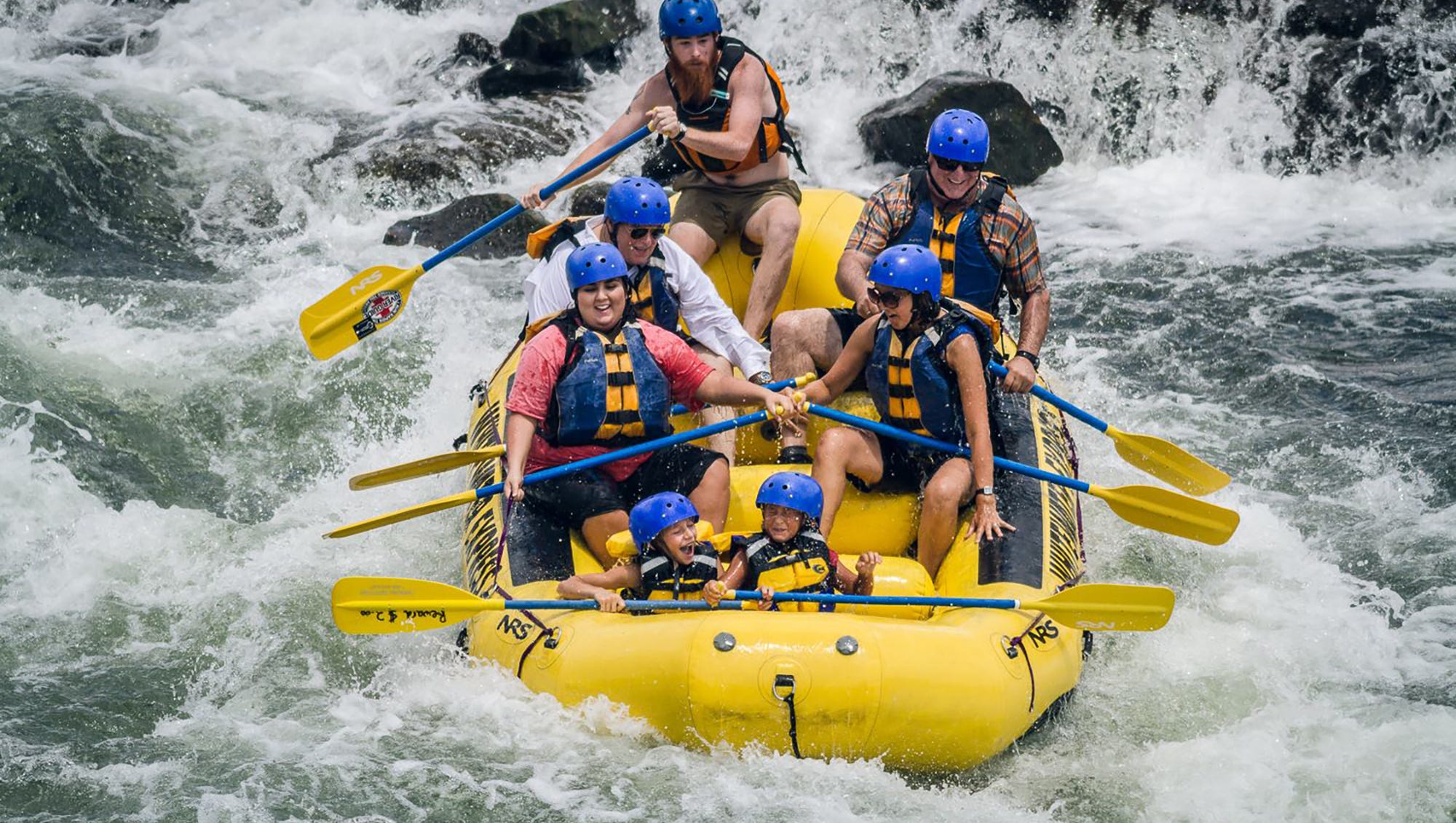
Rafting in Rishikesh

Rishikesh is full of amazing sights—from its spectacular natural surroundings to its historic temples and churches. Other sights include Lakshman Jhula Bridge built between 1822–1823 across River Ganges near Yamuna Sagar Lake during British rule; Vishwanath Temple dedicated specifically because he was considered Hindu god Vishnu’s favorite son; Kedarnath Temple built by King Bhagwan Nand Lal in memory of his father who died while building this temple during his lifetime. River rafting and other fun activities are organised here.

10. Gulmarg, Jammu and Kashmir
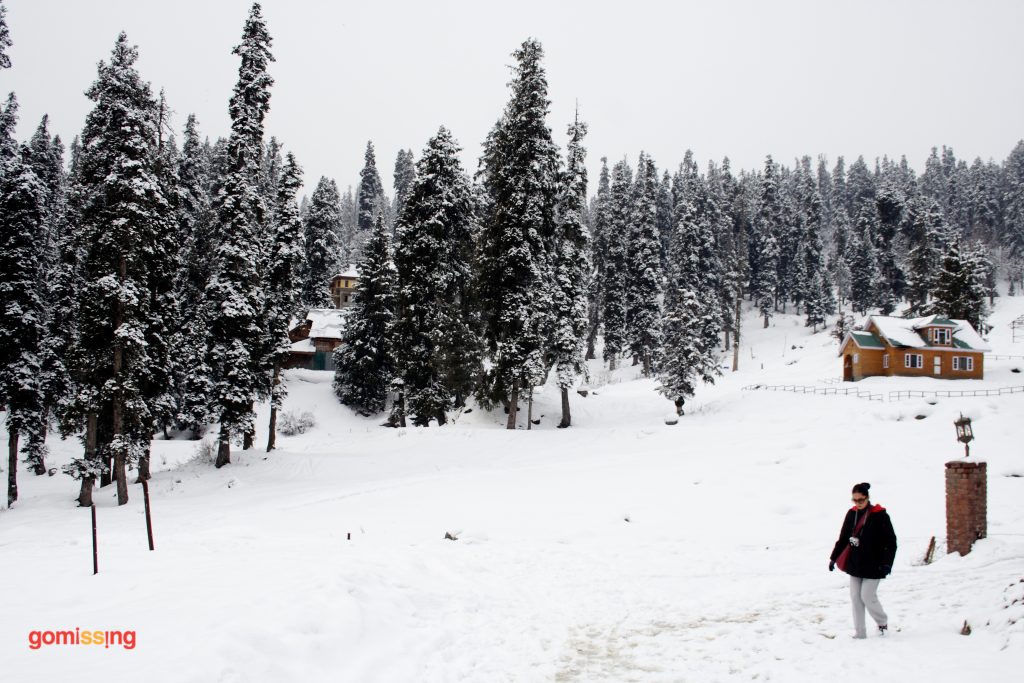
Gulmarg Golf Club area

Gulmarg is a ski resort in Kashmir, located at an altitude of 11,500 feet. It is one of the oldest and most popular tourist destinations in Jammu and Kashmir. The area has 300 km of pistes that can be reached by cable cars or snowshoes. Gulmarg also hosts many other activities like skiing, heli-skiing, snowboarding and more.

These are just a few of the travel destinations in India that you can experience and enjoy.
10 travel destinations in india

India is home to some of the most stunning natural attractions and historical sites in the world. With so many places to visit and things to do, it’s hard to know where to start. But if you want something off-the-beaten path, these 10 destinations are sure to satisfy your wanderlust.

1. Goa

Vagator Beach, Goa

Goa is a popular tourist destination in India and has been attracting visitors for years. It’s known for its beaches, which are clean and have plenty of space to relax on them.

Goa also has great food, music and culture. The best way to experience all this is by staying at an airbnb or other bed & breakfast type place that hosts travelers from around the world!

2. Kerala

Kumarakom, Kerala

Kerala is a beautiful place to visit in India. It has many beaches, backwaters and historical sites. One of its most famous attractions is the backwaters of Alleppey that are home to some interesting wildlife sanctuaries. The state also has many temples which are a must-see during your trip here.

3. Andaman and Nicobar Islands

Andaman

The Andaman and Nicobar Islands are located in the Bay of Bengal, just off India’s coast. These islands are a part of India and home to many different tribes. The islands have a great climate for relaxation, as well as beaches with white sand.

4. Pondicherry

Serenity beach, Pondicherry

Pondicherry is a city in the union territory of Puducherry. It was formerly known as Pondicherry and it is located on the Coromandel Coast, India’s east coast, which is known for its beaches and resorts. The city has an old-world feel to it with buildings that date back to French rule over India during the 19th century.

Pondicherry has many beaches where you can go swimming or just relax on your day off from work.

5. Leh Ladakh

Nubra Valley, Ladakh

Leh Ladakh is a cold desert in the Himalayas, close to the Chinese border. It’s a great place to visit if you want to see the mountains and enjoy some hiking or trekking. There are many places where you can go for this activity, but one of them is called “Nubra Valley”. In this valley there are many different things that you can do: horseback riding (on horses), skiing down from a mountain peak or just walking around looking at all those beautiful views.

6. Rajasthan

Amer fort, jaipur

Rajasthan is a state in northern India. It has a desert climate, but it’s also known for its palaces and forts. The city of Jaipur is home to several of these attractions, including the Amber Fort and Jantar Mantar Observatory. It also has many lakes, some famous (Lake Pichola) and some not so much (Kumbhalgarh). Some people visit these lakes during wintertime because they’re warm then; others go there in summer because it looks like an ice skating rink. There are plenty of temples as well: we’re talking about hundreds of them.

7. Darjeeling

The Kanchenjunga

Darjeeling is a hill station in West Bengal. The city is located on the foothills of the Himalayas and offers panoramic views of the plains below.

The town has been known for its tea plantations since 1834 when it was first discovered by British colonists. It’s also a popular destination for trekkers, who can choose from several trails to explore this beautiful area along with its rich history and natural beauty.

8. Varanasi

A ghat in varanasi

Varanasi is a religious, cultural and historical city located on the banks of River Ganges. It has been called one of the most sacred places in India as it’s believed that Lord Shiva resided here for some time before passing away.

The city is known for its ghats (steps leading down to the river), temples and food which are all part of its rich history. Varanasi offers tourists everything they need during their stay – from budget accommodation options to luxury hotels & resorts offering everything from pampering spa treatments to yoga classes at sunrise. Not only this but there are plenty of things to do when you visit Varanasi including visiting one or more ghat sites where pilgrims perform rituals during monsoon season when temperatures rise up high enough so visitors can bathe in freezing waters without getting cold feet.

9. Rishikesh

Rafting in Rishikesh

Rishikesh is full of amazing sights—from its spectacular natural surroundings to its historic temples and churches. Other sights include Lakshman Jhula Bridge built between 1822–1823 across River Ganges near Yamuna Sagar Lake during British rule; Vishwanath Temple dedicated specifically because he was considered Hindu god Vishnu’s favorite son; Kedarnath Temple built by King Bhagwan Nand Lal in memory of his father who died while building this temple during his lifetime. River rafting and other fun activities are organised here.

10. Gulmarg, Jammu and Kashmir

Gulmarg Golf Club area

Gulmarg is a ski resort in Kashmir, located at an altitude of 11,500 feet. It is one of the oldest and most popular tourist destinations in Jammu and Kashmir. The area has 300 km of pistes that can be reached by cable cars or snowshoes. Gulmarg also hosts many other activities like skiing, heli-skiing, snowboarding and more.

These are just a few of the travel destinations in India that you can experience and enjoy.
How ‘ The Great Himalayas ’ were formed?

The Himalayan mountain range stretches from Brahmaputra to the Indus River. It ranges over 2500 km and about 250 km thick. So how were these Great Himalayas built?

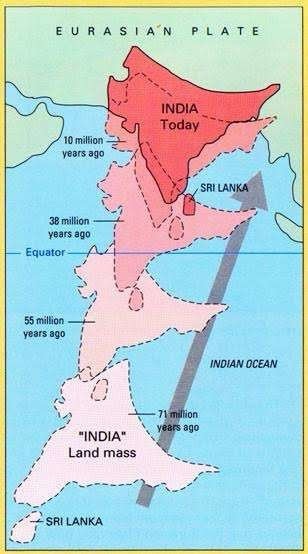
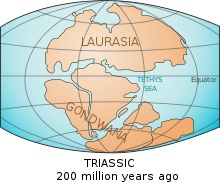
During the late Neoprotozoic era (1000mya-541mya) and early Palaeozoic (541-252mya) , the Indian tectonic plate was a part of the southern Gondwana land .This was separated by the Eurasian plate by the large Tethys ocean . In the early Carboniferous period , an early stage of rifting developed between the Indian subcontinent and the Gondwana land.

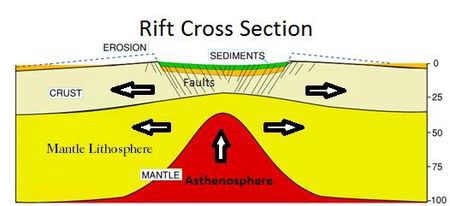
What is a Rift?

A rift is a zone where the lithosphere layer is stretched or pulled apart. In the early stage ,the upper part of the lithosphere starts to extend . As it evolves,some of the fault zones start to connect with each other and become even larger bounding faults .The crust becomes thin causing the rise of Asthenosphere. This way two new tectonic plates are formed from the older single one.

In the Norian period(210 mya), after a major drifting episode the Gondwana land split into two parts. The Indian subcontinent became a part of East Gondwana along with Australia and Antarctica. Later in the early Cretaceous(130 -125 mya), the Indian plate broke off from Australia and Antarctica with the ‘formation’ of Southern Indian Ocean.

At the end of Cretaceous period ,the Indian plate started drifting northward at speeds of about 18 to 20 cm per year which is the highest among all the continental drifts. It covered a distance of more than 6000 km in that time and rotated about 45° counterclockwise relative to the Eurasian plate. Interaction of the Eurasian plate with the coming Indian plate started at about 65 million years ago with the oceanic crust of the latter subducting under the Eurasian plate.

This started the formation of the youngest mountain ranges of the world , The Great Himalayas . This collision was so strong that till present also the Indian plate is colliding northward and the Himalayas continue to rise more than 5 mm a year but due to the stretching of Eurasian plate horizontally and effect of gravity this rising is affected.

Effect on Climate

According to a report of ‘Nature’ magazine, the Himalayan range ormation may have also started Asia’s monsoon about 8 million years ago and contributed to several ice ages that began 2.5 million years ago. The mountain’s and Tibetan Plateau’s uplift gave rise to a dry Central Asia that resulted in the formation of Gobi and Mongolian deserts.

This may have caused a dustier phase in the earth’s atmosphere . The Himalayan range obstructs the passage of cold continental air from north into India in winter and also forces the south westerly monsoon winds to give up most of their moisture before crossing the range northward.

The Himalayas are gigantic and lively and on the other hand they are calm and tranquil, perfect for the soul to grow spiritually.

Hill Stations-How’s it like..

Doesn’t matter how miser people are normally but when it comes to summer, they manage it well to spend money on their vacations to Hill Stations. The coolness and serenity a person may get from Hill stations is like no other. The leave from the busy life and entry to the beautiful and mesmerising world of mountains blows the mind off to joy and freshness. Nobody can say a No to a trip to hill stations. They are fun in itself. Even a thought of them can ignite the excitement to travel and enjoy in between mountains which get covered with snow during the winters.

There are a lot of fun activities to engage in with family and friends like Bon Fire, Trekking, Paragliding and much more. The taste of hot meals in the cold, chilling weather of hills is another level! The spicy food gets its real sense at such places. It feels like a life in the clouds when you visit a hill station. The fog is present at all times but you may confuse smoke with it at times since there are many vendors of Corn at the tourist roads, preparing it hot and spicy for people to tackle cold or honestly; enjoy the cold! Due to the slopes of the mountains, it gets difficult to climb up the roads especially when you are looking for a hotel during peak time. The hotels are reached after climbing steep slopes/stairs. Of course nobody needs a ceiling fan in the house at hills. Also, there are not much houses seen since they attract tourists for vacations but are not suitable enough for residential purposes. There are many risks as well, related to a drive to the hills including landslides and cloud bursts. Life is very difficult and only people belonging to the place can tolerate the cold throughout the year. Spending long time there you would eventually miss the heat of summers and might feel homesick.

Photo by Eva Elijas on Pexels.com

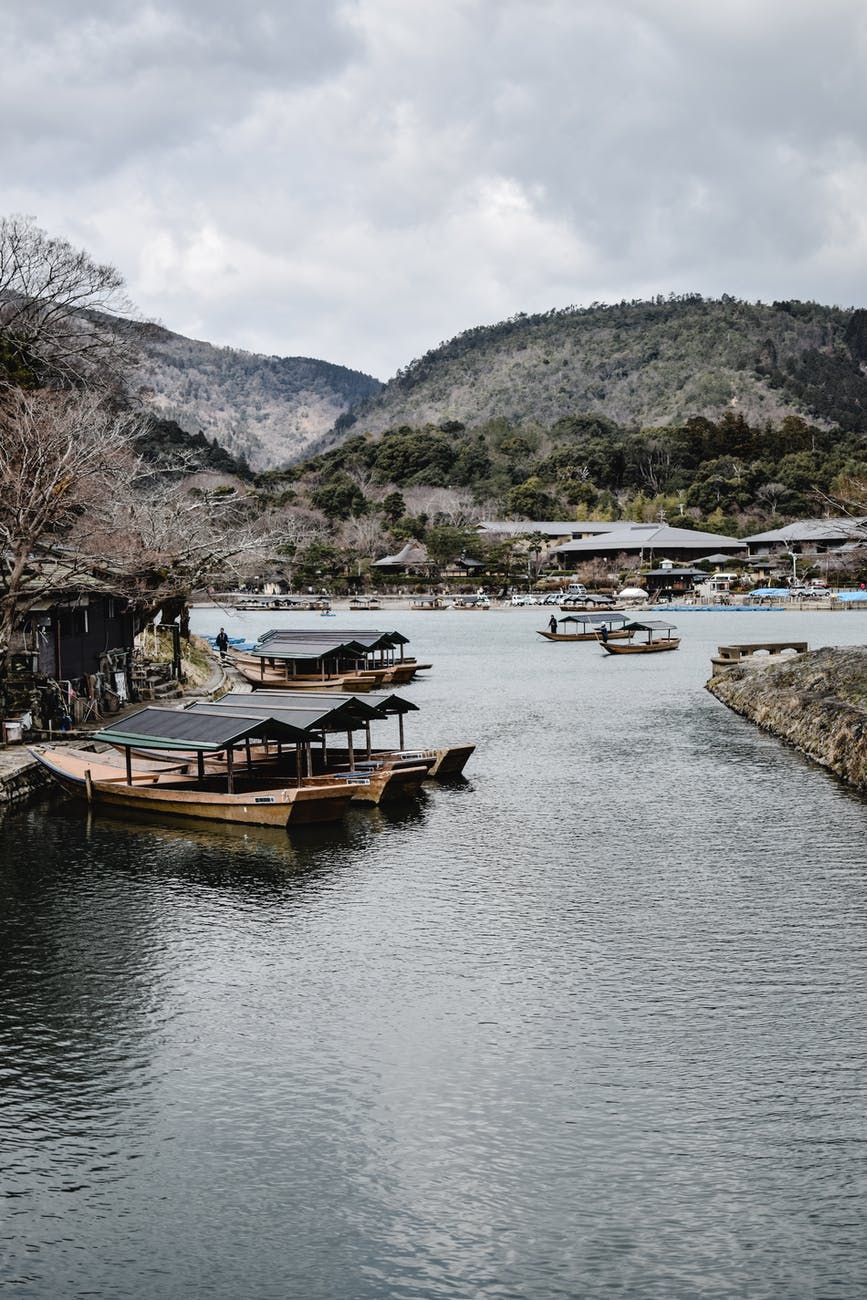
Boating facilities are also available at some places. There is something unique about every hill station and that makes them worth going each summer. It ain’t too luxurious to stay neither expensive markets. In fact, you can find cheap products here, that majorly include their speciality items. The hills are famous for the greenery and for sure there are juicy fruits that would tickle your tongue and attract you to buy them in bulk. The markets are famous and filled with tourists. People prefer summers to be the best time to plan a trip to hills, escaping the heat and pollution of the cities and calming their mind in between the nature and its beauty.

One can also see the farms and witness the farming and agriculture. Hill stations are homes for a lot of fruits. Apples, Mangoes, Cherry, Strawberry etc are some of the fruits which come from famous hill stations like Kashmir, Mussoorie and Dalhousie. You can go and spend sometime in greenery and eating fresh fruits.

Photo by Josh Hild on Pexels.com

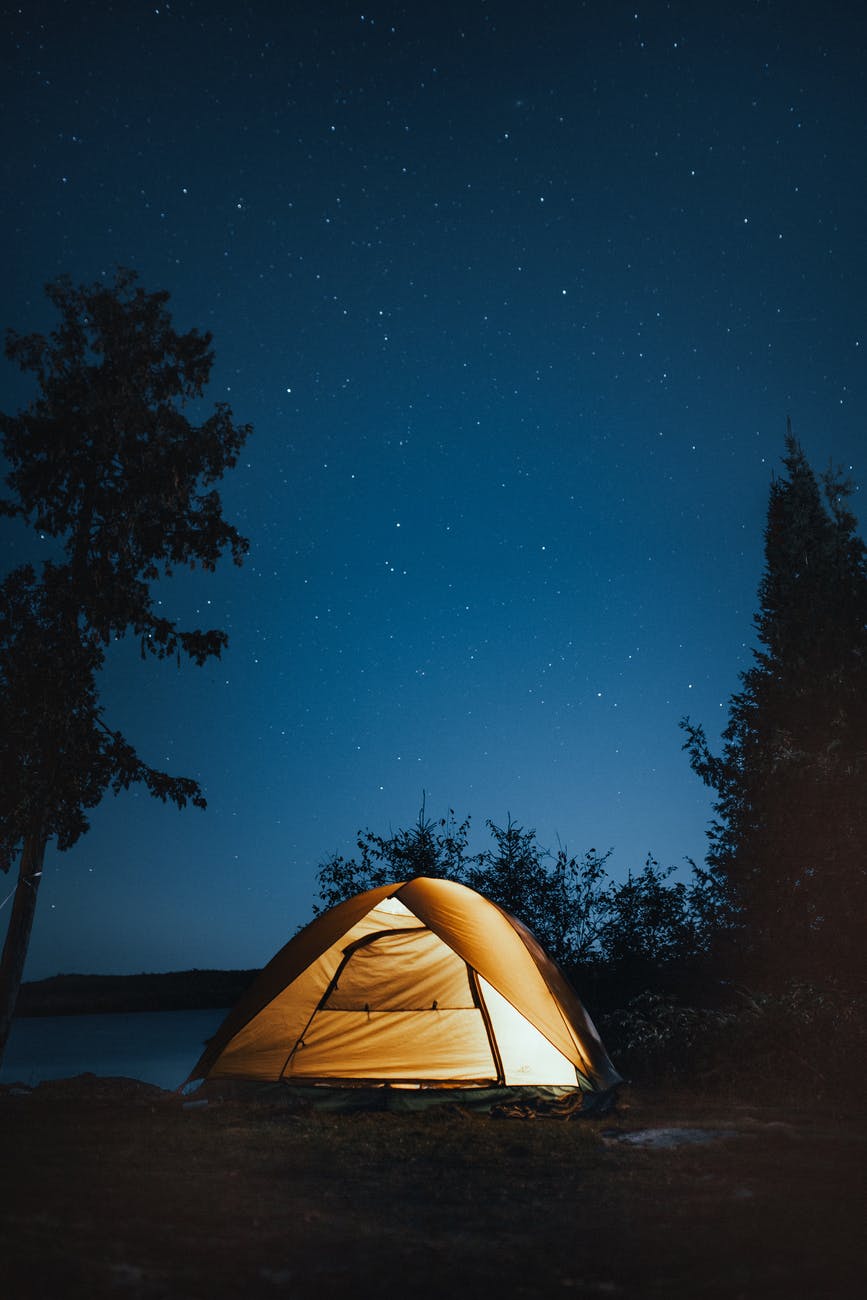
Camping is very popular these days. People like to go to the mountains and spend their time under the stars in the woods rather than staying in luxurious hotels. It saves money as well as gives an unforgettable experience. Trekking, camping, paragliding are some of the very popular activities. People engage in these activities and have fun. If you are looking for an unforgettable experience in low budget, a peaceful environment and natural surroundings, nothing beats the calmness of mountains. Uttarakhand offers a lot of fun mountainous places to visit. One can find a lot of choices to choose from in the state of Uttarakhand.

10 REASONS WHY YOU SHOULD TRAVEL TO THE MOUNTAINS

The mountains show the raw beauty of nature, extreme calmness and offer so much more than you can imagine. Feel the sun on your face and back and enjoy the cast number of activities provided by the mountains…. It can be canoeing or hiking or climbing or fishing etc. which will never make you regret your decision to travel the mountains. Go and Retreat on your next vacation.

REASONS TO TRAVEL MOUNTAINS :

  1. Health Benefits: Travel to mountains can be very therapeutic with the miles stretching greenery and beautiful sounds of birds.
  2. Finding Peace: Mountains help you find your inner peace in life and give the opportunity to discover and explore the beauty of nature.
  3. Mesmerizing Beauty: The terrain is rough and reaching some places can be tough but you will get to feel that because you will be mesmerized with the beauty of the mountains. This beauty helps in healing, giving peace and a whole pure feeling.
  4. Tranquility and Peace: People head to mountains when they need some peace and space. The mountains take you to a uncomplicated lifestyle. 10 minutes of meditation can heal your soul and give the peace that you want.
  5. Pure Air: One of the best things about mountains is the pure air which you won’t find anywhere else. Take a deep breathe and feel it immediately. You will get to know and feel the difference. You will surely miss this fresh air once you return to the city life.
  6. Adventures: Mountains offer a range of adventures which will add better experiences to your trip. And hiking is one of the best and most amazing adventures to do in mountains.
  7. Welcoming Nature of the People: The people of the mountains welcome you with a warm smile and everyone you meet in the mountains will be very polite and helpful. You will not feel like a stranger there.
  8. Disconnect: Mountains give you the perfect chance to escape from the chaotic lifestyle and everyday rush. It is important for everyone to take a break and enjoy their life with a free time.
  9. Build Relationships: Travelling to mountains give a great time to spend with your family and friends. Mountains offer many activities and adventures which can be done in groups and here you can do them with your family and friends and even other travelers which gives you an opportunity to build relationships.
  10. Not a Sight but an Experience: The best thing about the mountains is the experience that you will get and not just the scenes. You will understand and explore nature; come across different people and welcoming locals; adventures and events; fresh air and purity and peace. You will be disconnected from the entire chaos and hectic lifestyle and will get a perfect vacation filled with purity, tranquility and adventures.

The adrenaline rush from the peaks, the serene tranquility and the heights of mountains will fill your heart with happiness and joy. Mountains really bring out the best from you, set your soul free and happy. The tall peaks, the misty environment, the warm locals- a retreat to the mountains brings you back to the city with a clearer mind and a happier heart.

Mountains- A history (Part-2)- Tectonic plates

Photo by ROMAN ODINTSOV on Pexels.com

Now, before going any further with our mountains, let us first see the various types of interactions possible between our 2 types of tectonic plates- The Oceanic crust and the Continental crust: The 3 basic interactions are converging boundaries, diverging boundaries and transform boundaries.

  • Converging- It is defined as the two plates moving towards each other, colliding in the process. Now, there are 3 possibilities-
  1. Continental-continental collision- Here, two continental landmasses( eg.- The North American plate or the Eurasian plate or collision of Australia, South America and New Zealand (It formed the Great Australian Dividing range)) collide and the two plates fold over one another and lead to the formation of fold mountains. Try using a paper bringing it closer from the opposite ends. The raised structure represents the fold mountains. They have no volcanic activity (though earthquakes are possible). Examples are the Urals, the Atlas, The Rockies, the Alps, the Himalayas
  2. Oceanic- Oceanic Collision- In these types of collision, the heavier oceanic plate subducts under the lighter oceanic plate(forming trenches- eg. Mariana Trench). Due to subduction, it reaches the area of high pressure and temperature in the mantle and thus melts converting to magma. This magma later rises and when it finds an opening (like the one created by the diverging limbs) in the oceanic crust, it comes out. It, hence, forms oceanic volcanoes, ridges and later volcanic islands like those of Indonesia and the Phillipines.
  3. Continental Oceanic Collision- When a continental and an oceanic plate collide, it leads to the formation of either fold mountains(Rockies) or trenches(Philippines Trench) or both(Andes and the Peru- Chile Trench).
  • Diverging- When two plates or landmasses move away from each other ,in the opposite directions, it is known as diverging. Even here, there are 2 possibilities-
  1. Continental continental diversion- When two continental plates move away from each other, it leads to the formation of rift valleys and plateaus. Examples are- The east African rift valley (formed due to the drifting apart of Arabian peninsular plate from African plate- they were connected millions of years ago).
  2. Oceanic oceanic diversion- It occurs when two oceanic plates move away from each other, creating a ridge in its wake. The Atlantic ocean is divides by a ridge known as the Mid oceanic ridge (named so because it passes through the middle of Atlantic ocean). Here, the plate boundaries of Africa, Eurasia, North America , South America diverge from each other. The Pacific and the Indian ocean are the other two oceans that have ridges.
  • Transform – When one tectonic plate moves past another, it forms transform plate boundary. These plate movements most commonly produce earthquakes as during movements the plates experience friction and intermolecular force of attraction due to which one plate might find itself bounded to another plate. Then, when the plates move past one another it requires a lot of energy and produces heat and waves. Example- the boundary between Pacific plate and North American plate in Western California.

Now, that we know about tectonic plates, studying the formation of mountains becomes a lot easier. Stay tuned for the 3rd part where we will look into the formation of various mountains and the tectonic plates and movements involved . Till then, take care (a smiley emoji).

Mountains- A history(Part-1)

Photo by Sam Kolder on Pexels.com

We have all seen mountains or hope to see them, after all they are a very famous holiday destination. All of us certainly have a wonderful mountain destination in our bucket list- be it the Himalayas, The Rockies, The Alps, Mt. Fuji or the Swiss Alps. But have you ever wondered how these mountains came into being? How is it that a flat piece of earth rose so high, almost touching the sky? Well, if you have, then here is the answer. And if you haven’t, even then a little extra knowledge never hurts anybody, right?

So, the mountains were formed millions and even billions of year ago (the oldest one-the Barberton Greenstone Belt in South Africa, is 3.6 billion year old) when the continents were being formed. The most widely accepted theory, currently, believes that the earth’s mantle(the astenosphere layer- a semi-solid) has convection current flowing through them(a result of differential heating- the lighter material rises whereas the denser material sinks ). This current belt in the astenosphere moves with it the lithosphere(continental crust, oceanic crust and the top-most part of mantle(upper mantle)). These movements in the lithosphere are the movements of continents and oceans that lead to earthquakes , volcanoes, tsunamis and the formation of volcanic islands, plateaus (all these for some other day) and fold mountains as well as volcanic mountains.

These convection currents move with them large pieces of land, ocean or both and these large pieces are termed as tectonic plates. There are currently 7 major and some minor tectonic plates. The major tectonic plates are-

  1. Indo-Australian plate
  2. North American plate
  3. South American plate
  4. Pacific plate
  5. Antarctic plate
  6. Eurasian plate
  7. African plate

The minor plates are-

  1. Fillipino plate
  2. Nazca plate
  3. Scotia plate
  4. Caribbean plate
  5. Indian plate
  6. Arabian plate
  7. Cocos plate
  8. Juan-de-fuca plate

Let us first see the types of mountains. There are 4 types of mountains-

  1. Fold mountains- These mountains are formed when one tectonic plate folds over the other, due to collision of two plate boundaries. The plates need not be continental as is in the case of the Alps , the Atlas and the Himalayas. An oceanic and a continental plate boundary collision can also form a fold mountain. The examples of such fold mountains are the Rockies and the Andes
  2. Block mountains- These mountains are formed due to the diverging plate boundaries. When two boundaries diverge, it creates a crack on the surface between them known as a rift. Later, the surrounding raised plate undergoes erosion and takes the shape of a mountain. Examples are The East African Rift Valley, The Rhine Valley, The Vindhyas and Satpuras .
  3. Volcanic mountains- Mountains formed due to fissures in the earth’s surface, that lead to release of magma. The examples are Mt. Fuji, Mt. Mayon. Also, they are known as mountains of accumulation.
  4. Residual mountains- Mountains that are either formed due to the erosion of existing mountains (denudation) or plateaus(dissection) by agents such as rivers, winds, glaciers. Examples are Mt. Manodnock (The Appalachians) , Highlands of Scotland, Scandinavia and Deccan Plateau.

The movement of the tectonic plates creates one of the above or even a combination of the above kind of mountains. Stay tuned for the next part to know how are many of the world mountains created and where are they located? Is there something common about their location? What is the reason for exceptions?