Most of the times, artforms are considered as the medium for adults. But there are some films which proved it is not so. There are some great films were told from the perspective of children. From simple life lessons to biggest events in world history, all these films have amused the viewers by the stunning performances of child actors. When we experience such great performances from children, the impact is several times bigger.
Let us check such films:
Jojo rabbit
Jojo Rabbit is a 2019 comedy-drama film written and directed by Taika Waititi, adapted from Christine Leunens’s 2008 book Caging Skies. Roman Griffin Davis portrays the title character, Johannes “Jojo” Betzler, a ten-year-old Hitler Youth member who finds out that his mother (Scarlett Johansson) is hiding a Jewish girl (Thomasin McKenzie) in their attic. He must then question his beliefs while dealing with the intervention of his imaginary friend (Waititi), a fanciful version of Adolf Hitler with a comedic stance on the politics of the war.
Capernaum
Capernaum is a 2018 Lebanese drama film directed by Nadine Labaki and produced by Khaled Mouzanar. The film stars Syrian refugee child actor Zain Al Rafeea as Zain El Hajj, a 12-year-old living in the slums of Beirut. Capernaum is told in flashback format, focusing on Zain’s life, including his encounter with an Ethiopian immigrant Rahil and her infant son Yonas, and leading up to his attempt to sue his parents for child neglect.
Children of heaven
Children of Heaven is a 1997 Iranian family drama film written and directed by Majid Majidi. It deals with a brother and sister, and their adventures over a lost pair of shoes. It was nominated for the Academy Award for Best Foreign Language Film in 1998.
The white balloon
The White Balloon is a 1995 Iranian film directed by Jafar Panahi, with a screenplay by Abbas Kiarostami. The film is on the BFI list of the 50 films you should see by the age of 14. The film is about a brother and sister and has several intense scenes.
Machuca
Machuca is a 2004 Chilean film written and directed by Andrés Wood. Set in 1973 Santiago during Salvador Allende’s socialist government until shortly after General Augusto Pinochet’s military coup in 1973, the film tells the story of two pupils: Gonzalo Infante comes from a rich family with a European background, while Pedro Machuca comes from an indigenous background and lives in very poor conditions. They meet at an elite, English-language Catholic school, where the director, Father McEnroe, is developing a social integration project.
Belfast
Belfast is a 2021 British coming-of-age drama film written and directed by Kenneth Branagh. The film chronicles the life of a working-class Ulster Protestant family from the perspective of their nine-year-old son Buddy during The Troubles in Belfast, Northern Ireland. Buddy’s father Pa works overseas in England, while the family—Ma, elder brother Will, and paternal grandparents Granny and Pop—live in Belfast.
Tare Zameen par
Taare Zameen Par (transl. Stars on land), also known as Like Stars on Earth in English, is a 2007 Indian Hindi-language drama film produced and directed by Aamir Khan. The film stars Khan himself, along with Darsheel Safary. The film explores the life and imagination of Ishaan (Safary), an 8-year-old dyslexic child. Although he excels in art, his poor academic performance leads his parents to send him to a boarding school. Ishaan’s new art teacher Nikumbh suspects that he is dyslexic and helps him to overcome his reading disorder.
Kakka muttai
Kaaka Muttai is a 2015 Indian Tamil-language comedy-drama film written, directed and filmed by M. Manikandan. The film’s storyline revolves around two slum children of Chennai, whose desire is to taste a pizza.
Life is beautiful
Life Is Beautiful is a 1997 Italian movie directed by and starring Roberto Benigni, who co-wrote the film with Vincenzo Cerami. Benigni plays Guido Orefice, a Jewish Italian bookshop owner, who employs his fertile imagination to shield his son from the horrors of internment in a Nazi concentration camp.
Cinema paradiso
Cinema Paradiso is a 1988 coming-of-age drama film written and directed by Giuseppe Tornatore. Set in a small Sicilian town, the film centers on the friendship between a young boy and an aging projectionist who works at the titular movie theatre.
Central station
Central Station is a 1998 Brazilian–French drama film directed by Walter Salles and starring Fernanda Montenegro and Vinícius de Oliveira. The screenplay, adapted by João Emanuel Carneiro and Marcos Bernstein from a story by its director Walter Salles, tells the story of a young boy’s friendship with a jaded middle-aged woman
Sixth sense
The Sixth Sense is a 1999 American supernatural psychological thriller film written and directed by M. Night Shyamalan. It stars Bruce Willis as a child psychologist whose patient (Haley Joel Osment) can talk to the dead. The film established Shyamalan and introduced the cinema public to his traits, most notably his affinity for surprise endings
Have you ever got disturbed while watching movie? Have you ever thought about the absurdity of some scenes in movies? Have you ever wondered about the need of a so called “item dance” in movies? If yes, then this article will help you in your way ahead.
Films are always considered as a medium of entertainment and stating this argument many of the film makers have taken the liberty to do whatever they like, ignoring the great impact it could have on the society. By putting forth the shallow argument that people are looking for commercial movies, they have shut the doors of political correctness.
All of you would have found some scene or the other incorrect in most of the so-called “mass movies”. Objectification of women as well as men, denial of choice, body shaming, sexist jokes, establishment of caste supremacy and several other disturbing trends are being normalised in movies these days.
The filmmakers should realise the impact these could have on the society, particularly the younger population, as the heroes themselves are endorsing these practices.
Most of the commercial movies these days will have the central character from a high caste family, with his friends always being inferior to him. The hero could love any woman based on her looks and she is obliged to love him back without any freedom to choose or else the hero could adopt any means from stalking to making suicide threats. Also, the hero is always glorified by pointing out the inefficiencies of his friends. Most of the songs would also be means for objectification.
This do not signify that all movies are wrong. There are several movies which uphold political correctness. Let us look into some such movies:
The great Indian Kitchen
The Great Indian Kitchen is a 2021 Indian Malayalam-language drama film written and directed by Jeo Baby. The film tells the story of a newlywed woman who struggles to be the submissive wife that her husband and his family expect her to be. The central characters are not given names, which is the biggest political idea. Just like the name signifies, it mainly happens inside the kitchen and clearly shows the monotonous lives of Indian wives and finally ends with the wife breaking the chains of marriage.
Thappad
Thappad is a 2020 Indian Hindi-language drama film directed by Anubhav Sinha, which he also co-produced with Bhushan Kumar of T-Series. The film, starring Taapsee Pannu, was released in theatres on 28 February 2020.Amrita Sandhu and Vikram Sabharwal are happily married. Amrita is a sparkling woman and a homemaker, who is shown to spend her days looking after Vikram and the house. As the story progresses, she comes to some realizations and gradually breaks the marriage which had cost her self-respect and passion.
Pink
Pink is a 2016 Indian Hindi-language legal thriller film directed by Aniruddha Roy Chowdhury and written by Shoojit Sircar, Ritesh Shah and Aniruddha Roy Chowdhury. Pink features an ensemble cast, which includes Taapsee Pannu, Kirti Kulhari, Andrea Tariang, Amitabh Bachchan, Angad Bedi, Tushar Pandey, Piyush Mishra, and Dhritiman Chatterjee. It clearly put forwards the statement, “no means no, whoever says it”.
Visaranai
Visaranai is a 2015 Indian Tamil-language crime drama film written and directed by Vetrimaaran. The film deals with lives of two men before and after thrown into a Kafkaesque scenario in which they get tortured for confession. The film strongly stands against the encounter. The story is an eye opener for all those who blindly supports encounter.
Ishq
Ishq is a 2019 Indian Malayalam language thriller film written by Ratheesh Ravi and directed by Anuraj Manohar. The film revolves around the life of a man from Kochi, named Sachi and his girlfriend, Vasudha. The story mainly revolves around the moral policing that they had to face. But the more than that it ends with the message that virginity is not the ultimate measure of a woman’s worth.
The great success of these movies clearly explains the acceptance for these movies. It shows that audience are ready to accept movies which deals with serious topics.
The advent of OTT platforms and the receptive audience have encouraged filmmakers to experiment with their creations. The extent of criticism in the era of social media has also instilled fear in many. Even though it is the case, the film industry needs a revamp. It should be updated
Ever heard multiple sides to a story from eye witnesses and had a tough time deciding which one is true or which to believe? Such a conundrum is brought about by subjective views, observer bias, perspective and memory of the observer. All these parameters can be summed into a single word known as The Rashomon. The Rashomon effect refers to an instance when the same event is described in significantly different (often contradictory) ways by different people who were involved.
This phenomenon first came to be observed in a book called “in a grove “by Japanese author, Reyonosuke Akutagawa written in the early 1920’s. This was later adapted and made into a movie, by Japanese filmmaker Akira Kurosawa, who directed the 1950 film Rashomon, giving the effect its name. The plot revolves around which four different people provide contradictory accounts of a samurai’s murder, despite all having witnessed the crime. Each witness tale is varied from another, yet so very plausible, that a definite conclusion cannot be drawn, embroiling all of them.
The film explored the issues of the unreliability when depending on witness testimony explores a situation using a similar literary device, wherein the story is told through the viewpoints of different characters who supply conflicting stories. Whether the people’s competing explanations are different because of the fallacy of memory or because of self-serving interests varies. This film became revolutionary with how one understands the human mind, justice and the truth. It since then has become a cultural metaphor and is synonymous with happenings of everyday events as it’s not a sci-fi or an abnormal event, but a very natural course of nature that seems very striking .
Akira Kurosawa
Conditions and characteristics.
Not every story will have The Rashomon effect. It mostly occurs when there is no gripping and final evidence but a lot of eyewitnesses and when there is a pressure to achieve closure and coercion to find the truth. In both the movie and the book, no side of a person’s view is given more emphasis and all are shown in an equal scale, each testimony bearing its own truth and plausibility. The script and story writing does tell the audience how to feel or what to believe. The audience had to decide that for themselves making it engaging and deceiving at the same time. Such a premise has conflict as a driving. Conflict in a story drives a plot forward, reveals character, and engages an audience. The Rashomon Effect is based on contradicting reports of the same event and search for the truth through these reports can be a driving force of conflict for a story. The use of an unreliable narrator is another feature, opposed to the presentation from a more objective point of view. This allowed audiences to see the characters as they were and value neutral. To top it off, an ambiguous ending after such a mind boggling series of events, looks like the right justice to this type of storytelling. Our realization that none of the witnesses are reliable leaves us with more questions than answers. While most films at the time had a clear ending, the ending of Rashomon has no clear resolution. This unconventional decision left audiences baffled. It can be frustrating to some as it subverts from its unorthodox counterparts but , it is not ambiguous for the sake of mystery or confusion, but rather to reiterate themes and larger concepts like the intricacy of the human brain.
Conclusion
Research studies have found that when people form a memory, a visual experience is often influenced by external cues, internal prejudice and past experiences. While a few are completely individualistic, most are universal. An example of this is egocentrism, i.e., having a positive view on their actions but disregard to the other person . it is a subconscious act , most of the times, and these psychological phenomenon means that the rashomon effect can pop up anywhere.
The Rashomon effect finally boils down to the minutiae and can range from studies of anthropology and biology to the general public analyzing a historic world event. In conclusion this broke a psychobiological barrier of having the right answer to every crisis and rather shifted the focus to versions of the same event that can tell us about the time, place and people involved, how to go about different mind-sets, backgrounds and biases. It emphasized on the fact that sometimes, the objective truth cannot always be obtained and that it is normal to have an obscure, vague ending, which should be embraced and valued in certain circumstances.
Satyajit Ray was India’s first internationally recognized film-maker and, several years after his death, still remains the most well-known Indian director on the world stage. Ray has written that he became captivated by the cinema as a young college student, and he was self-taught, his film education consisting largely of repeated viewings of film classics by de Sica, Fellini, John Ford, Orson Welles, and other eminent directors.
Satyajit Ray
Early Life and Family Background
Satyajit Ray was born into an illustrious family in Kolkata (then Calcutta) on 2nd May,1921. His grandfather, Upendra Kishore Ray-Chaudhary, was a publisher, illustrator, musician, the creator of children’s literature in Bengali and a leader of the Brahmo Samaj, a religious and social movement in nineteenth century Bengal. His father, Sukumar Ray, was a noted satirist and India’s first writer of nonsensical rhymes, akin to the nonsense verse of Edward Lear. Having studied at Ballygunge Government High School, Calcutta and completed his BA in economics at Presidency College, Satyajit Ray went on to develop an interest in fine arts. Later in life, Satyajit Ray made a documentary of his father’s life. His film, Goopy Gyne Bagha Byne, was based on a story published by his grandfather in 1914, but even other films, such as Hirok Rajah Deshe, “The Kingdom of Diamonds”, clearly drew upon his interest in children’s poetry and nonsensical rhymes.
Satyajit Ray with Akira Kurosawa
The Crisis of Indian Cinema Before Ray
From the 1920s to the early 1950s, several directors working within Hollywood—as well as filmmakers in former Soviet Union, France, Italy, Germany, and Japan—considered cinema not as a mere tool of entertainment but as a medium for creative expression. Filmmakers such as Charlie Chaplin, Sergei Eisenstein, Jean Renoir, Roberto Rossellini, Vittorio De Sica, Akira Kurosawa, and others deployed artistically innovative filmic devices to convey profound statements about the complexities of life. Some of the aesthetically satisfying films produced during this period were hailed as cinematic masterpieces. Films in India, however, prioritised cliched elements such as sentimental slush, ersatz emotion, theatricality, romantic tales, spectacle-like songs, and happy endings in these decades. Instead of making serious attempts at formal experimentation, Indian directors continued catering to the lowest common denominator audience.
Iconic scene from Pather Panchali (1955)Pather Panchali (1955)
Breakthrough of Satyajit Ray
A young Ray had grown up on Hollywood movies, so when his ad agency sent him to London for higher training, he spent more and more of his time in the company of films and started “losing interest in advertising in the process,” he once said in an interview. During this trip, he saw Vittorio De Sica’s “Ladri di biciclette” (Bicycle Thieves),in 1948, a neo-realist Italian masterpiece of post-War despair and was entranced by its beguiling simplicity and humanism. Back in Calcutta, he heard that Jean Renoir was in town and walked straight into the hotel where the great French filmmaker was staying to confide in his own dreams of making a movie someday. Renoir, who was location-scouting for The River in Calcutta at the time, encouraged the aspirant. And so began the journey of the song of the little road.
Subir Banerjee as Apu in Pather Panchali (1955)
Ray’s landmark debut, Pather Panchali ( which was adapted from eponymous 1928Bengali novel “Pather Panchali” by eminentBengali novelist Bibhutibhusan Bandopadhay) was on a shoe-string budget in 1955 with a mostly non-professional cast. All the while, he clung on to his job for a safety net even as he shot what would become the first of the classic Apu Trilogy on weekends. The film was apparently being made by a group of neophytes, who had to stop filming more than once, owing to the depletion of their shoestring budget.
Smaran Ghoshal as Apu in Aporajito (1956)
Notable Films of Satyajit Ray
Ray directed 36 films, comprising 29 feature films, five documentaries, and two short films.Pather Panchaliwas completed in 1955 and turned out to be both a commercial and a tremendous critical success, first in Bengal and then in the West following a major award at the 1956 Cannes InternationalFilm Festival. sured Ray the financial backing he needed to make the other two films of the trilogy: Aparajito (1956; The Unvanquished) and Apur Sansar (1959; The World of Apu).Pather Panchaliand its sequels tell the story of Apu, the poor son of a Brahman priest, as he grows from childhood to manhood in a setting that shifts from a small village to the city of Calcutta.
Chandana Banerjee in Teen Kanya (1961)During the Shooting of Jana Aranya (1975)Utpal Dutta in HirokRajar Deshe(1980)Soumitra Chatterjee in Hirok Rajar Deshe (1980)Chhabi Biswas (in middle) in Jalsaghar (1958)Shabana Azmi in Shatranj ke Khilari (1977)Satyajit Ray during the shooting of Sonar Kella(1974)
Ray’s major films about Hindu orthodoxy and feudal values (and their potential clash with modern Western-inspired reforms) include Jalsaghar (1958; The Music Room), an impassioned evocation of a man’s obsession with music; Devi (1960; The Goddess), in which the obsession is with a girl’s divine incarnation; Sadgati (1981; Deliverance), a powerful indictment of caste; and Kanchenjungha (1962), Ray’s first original screenplay and first colour film, a subtle exploration of arranged marriage among wealthy, westernized Bengalis.Shatranj ke Khilari (1977; The Chess Players), Ray’s first film made in the Hindi Language , with a comparatively large budget, is an even subtler probing of the impact of the West on India. Although humour is evident in almost all of Ray’s films, it is particularly marked in the comedy Parash Pathar (1957; The Philosopher’s Stone) and in the musical Goopy Gyne Bagha Byne (1969; The Adventures of Goopy and Bagha), based on a story by his grandfather.
His other notable films were Ahsani Sanket (1973; Distant Thunder), Aranyer Din Ratri (1970; Days and Nights in the Forest) , Mahanagar (1963; The Big City) and a trilogy of films made in the 1970s—Pratidwandi (1970; The Adversary), Seemabaddha (1971; Company Limited), and Jana Aranya (1975; The Middleman), Ganashatru (1989; An Enemy of the People), Shakha Prashakha (1990; Branches of the Tree), and the Agantuk (1991; The Stranger).
Poster of Shatranj ke Khilari (1977)Poster of Devi(1960)Poster of Ghore-BairePoster of Mahanagar(1963)Poster of Apur Sansar (1959)Poster of Nayak Poster of Charulata
Work As A Novelist
Ray created two popular fictional characters in Bengali children’s literature—Feluda, a sleuth, and Professor Shanku, a scientist. The Feluda stories are narrated by Topesh Ranjan Mitra aka Topse, his teenage cousin, something of a Watson to Feluda’s Holmes. The science fictions of Shonku are presented as a diary discovered after the scientist had mysteriously disappeared. Ray also wrote a collection of nonsensical verses named Today Bandha Ghorar Dim, which includes a translation of Lewis Carroll’s “Jabberwocky”. He wrote a collection of humorous stories of Mulla Nasiruddin in Bengali. Ray wrote an autobiography about his childhood years, Jakhan Chhoto Chhilam (1982), translated to English as Childhood Days: A Memoir by his wife Bijoya Ray. In 1994, Ray published his memoir, My Year’s with Apu, about his experiences of making The Apu Trilogy.
Book Cover illustrated by Satyajit Ray, himself for his first detective novel “Badshahi Angti”.The musical score and Poster for Goopy Gyne Bagha Byne(1969), done by Satyajit Ray, himself Portrait of Akira Kurosawa, illustrated by Satyajit Ray
Critical Analysis of Satyajit Ray
Instead of acting like a propagandist, Ray wanted to make people aware of the persistence of certain social problems. Devi and Ganasatru show people’s blind religious beliefs, Sakha Prasakhadiscloses the involvement of the top officials with bribery and corruption, Shatranj ke Khilari indicates the indolence and lack of political consciousness of the wealthy people, Aranyer Din Ratrireveals the insensitivity and boasting of the urban young men, and Mahapurushmockingly exposes the failure of the urban elite to embrace rational thoughts. Given the necessity of making people conscious of the same problems in present-day society, these films are still relevant today. Ray’s films also made a departure from tradition by frequently including strong women characters. Sarbajaya in Pather Panchali and Aparajito, Manisha in Kanchenjungha, Arati in Mahanagar, Charu in Charulata, Karuna in Kapurush, Aditi in Nayak, Aparna and Jaya in Aranyer Din Ratri, Sudarshana in Seemabadhdha, and Ananga in Asani Sanketappear as bolder, more confident, and more resilient than the male characters. In an interview, Ray states that the inclusion of unwavering women characters reflects his own attitudes towards and personal experience with women.
Awards Received by Satyajit Ray
Ray received many awards, including 36National Film Award by the Government of India, and awards at international film festival. In 11th Moscow InternationalFilm Festival 1979, he was awarded with the Honorable Prize for the contribution to cinema. At the Berlin International Film Festival, he was one of only four filmmakers to win the Silver Bear for Best Director more than once and holds the record for the most Golden Bear nominations, with seven. At the Venice Film Festival, where he had previously won a Golden Lion for Aparajito (1956), he was awarded the Golden Lion Honorary Award in 1982. That same year, he received an honorary “Hommage à Satyajit Ray” award at the 1982 Cannes International Film Festival. Ray is the second film personality after Charlie Chaplin to have been awarded an honorarydoctorate by Oxford University.
He was awarded the Dadasaheb Phalke Award in 1985, and the Legion of Honour by the President of France in 1987. The Government of India awarded him the Padma Bhusan in 1965 and the highest civilian honour, Bharat Ratna, shortly before his death. The Academy of Motion Picture Arts and Sciences awarded Ray an Honorary Award in 1992 for Lifetime Achievement. In 1992, he was posthumously awarded the Akira Kurosawa Award for Lifetime Achievement in Directing at the San Francisco International Film Festival.
Conclusion
Whenever we talk about radical filmmaking in the realm of Bengali cinema, Satyajit Ray’s maiden feature (made in the face of tremendous odds) is mentioned. From Pather Panchali to his last film Agantuk, Ray never compromised on high standards, thereby making a huge impression. Having a greater familiarity with the oeuvre of Ray would enable people to understand the impressive qualities and importance of socially-meaningful cinema. We are surely in need of films that would make us perceive the beauty of a dewdrop on a blade of grass, strengthen our sense of humanism, and raise our social consciousness—hence, the everlasting relevance of the cinema of Satyajit Ray.
Australian author Thomas Keneally‘s novel first “Schindler’s Ark” (later republished as Schindler’s List) brought the story of Oskar Schindler’s rescue of Jewish people during the Nazi Holocaust, to international attention in 1982, when it won the Booker Prize. It was made by Steven Spielberg into the Oscar-winning film Schindler’s Listin 1993, the year Schindler and his wife were named Righteous Among the Nations.
Schindler’s Ark later republished as Schindler’s List
About The Author
Thomas Michael Keneally, (born 7 October 1935) is an Australian novelist, playwright, essayist and actor. Keneally’s first story was published in The Bulletin magazine in 1962 under the pseudonym Bernard Coyle. By February 2014, he had written over 50 books, including 30 novels. He is particularly famed for his Schindler’s Ark (1982) (later republished as Schindler’s List), the first novel by an Australian to win the Booker Prize and is the basis of the film Schindler’s List. He had already been shortlisted for the Booker three times prior to that: 1972 for The Chant of Jimmie Blacksmith, 1975 for Gossip from the Forest, and 1979 for Confederates. Many of his novels are reworkings of historical material, although modern in their psychology and style.
Thomas Keneally
Storyline of The Novel
The story of the novel is based on true events, on account of the Nazi Holocaust during World War II. Oskar Schindler, (born April 28, 1908, Svitavy [Zwittau], Moravia, Austria-Hungary [now in the Czech Republic]—died October 9, 1974, Hildesheim, West Germany), German industrialist who, aided by his wife and staff, sheltered approximately 1,100 Jews from the Nazis by employing them in his factories, which supplied the German army during World War II.
Poster of Steven Spielberg‘s movie Schindler’s List (1993)
In the shadow of Auschwitz, a flamboyant German industrialist grew into a living legend to the Jews of Kraków. He was a womaniser, a heavy-drinker and a bon viveur, but to them he became a saviour. This is the extraordinary story of Oskar Schindler, who risked his life to protect Jews in Nazi-occupied Poland and who was transformed by the war into a man with a mission, a compassionate angel of mercy.
Liam Neeson as Oskar Schindler in Schindler’s List (1993)
Analysis of The Storyline
The novel introduced a vast and diverse cast of characters. However, the focus of the narrative was between Oskar Schindler and Amon Goeth. In the story, there was a dichotomy between what is essentially good and what is evil, that was personified by these two primary characters. Goeth represented everything evil. The war churned out a selfish and heartless sadist who found delight in inflicting pain on the Jews. Ironically, he lusted after his Jewish maid. Schindler, on the other hand, was portrayed as the Good German. He didn’t believe everything that the Nazi regime was saying against the Jews. He was, however, a man of contradictions. Despite being depicted as the epitome of goodness, he lived a self-indulgent lifestyle, which included proclivity towards the bottle and women. His infidelities have been a constant source of pain for his wife, Emilie. He also uses his connections to gain the upper hand in negotiations; it would also be a seminal part of his campaign to save the Jews.
Ralph Fiennes as Amon Goeth in Schindler’s List (1993)
Criticism of The Storyline
The amount of research poured to recreate the story of Oskar Schindler was astounding. And the starting point to this is as interesting as the novel itself. As noted in the Author’s Note, a chance encounter in 1980 led to the novel. Schindler’s motivation for protecting his workers was rarely ever clear, especially at the start. Questions still hound his true intentions. He, after all, brazenly took advantage of the cheap labour the Jews offered at the start of his enterprise. Is Schindler an anti-hero? The answer can be found in Keneally’s extensive research. Through interviews with surviving Schindlerjuden and different Second World War archives, he managed to identify the point in which Schindler decided to protect the Jews. While horseback riding on the hills surrounding Kraków, he witnessed an SS Aktion unfold on the Jewish ghetto below. The Jews were forcefully taken out of their houses. Those who resisted were shot dead, even in the presence of children. Witnessing the atrocious acts firsthand turned Schindler’s stomach. It was then that he resolved to save as many Jews as he can.
Scene from Schindler’s List (1993)
Overall, what didn’t work was the manner in which Keneally related the story of Oskar Schindler. As the story moved forward, it became clearer that Keneally was unsure of how to deliver the story. His resolve to remain loyal to Oskar’s story was commendable. He endeavored to do just that but it never fully came across. The result was an amalgamation of fiction and historical textbook. The strange mix muddled the story and the result was a perplexing work of historical fiction. It is without a doubt that one of the darkest phases of contemporary human history is the Second World War. Nobody expected that the meteoric ascent of Der Führer, Adolf Hitler, in the German political ladder would lead to a devastation of global scale. As the Axis forces march towards and beyond their boundaries, they would leave death and destruction in their wake, stretching from Europe, to the Pacific, and to the Far East. The consequences of the war would resonate well beyond its time. With genocides, concentration camps, and slave labour commonplace, the war was a reflection of the human conditions. Its peak, the Holocaust, exhibited the extent of the darkest shades of the human spirit. It was a grim portrait.
Indeed, the Second World War brought out the worst in humanity. However, in times of darkness, there are those among us who rise to the occasion. One of them is Oskar Schindler whose story was related by Thomas Keneally in his nonfiction novel, Schindler’s List (1982).
Conclusion
While Keneally‘s dramatization of this great man’s exploits is lacking in novelistic shape or depth, the brutality and heroism are satisfyingly, meticulously presented–as plain, impressive, historical record; and if admirers of Keneally’s more imaginative work may be disappointed, others will find this a worthy volume to place beside one of the several Wallenberg biographies.
Rabindranath Tagore’s 1903 Bengali novel Chokher Bali is often referred to as India’s first modern novel, where he highlighted the issues of women’s education, child marriage and the treatment of widows in 19th and 20th century Bengal. It was first serialised in the Bengali literary magazine, Bangadarshan first founded in 1872 by Bankim Chanra Chattopodhay and later resuscitated under the editorship of Tagore in 1901.
Rabindranath Tagore
About The Author
Rabindranath Tagore (7 May 1861 – 7 August 1941) was a Bengali Polymath —poet, writer, playwright, composer, philosopher, social reformer and painter. He reshaped Bengali Literature and music as well as Indian Art with Contextual Modernism in the late 19th and early 20th centuries. Author of the “profoundly sensitive, fresh and beautiful” poetry of Gitanjali, he became in 1913 the first non-European and the first lyricist to win the Nobel Prize in Literature. Tagore’s poetic songs were viewed as spiritual and mercurial; however, his “elegant prose and magical poetry” remain largely unknown outside Bengal. He was a fellow of the Royal Asiatic Society. Referred to as “the Bard of Bengal”, Tagore was known by sobriquet:Gurudev, Kobiguru, Biswakobi.
Aishwarya Rai Bachhan as Binodini in Chokher Bali (2003)
Storyline of The Novel
The plot revolves around four protagonists- Mahendra, Ashalata, Binodini and Bihari. Mahendra is the only scion of a rich family based in Calcutta. Bihari is his childhood friend, who frequents his house. Mahendra’s mother wanted him to marry Binodini, her friend’s daughter. But Mahendra refused. Then his mother requested Bihari to marry Binodini and save the poor girl which Bihari refused. Eventually, Binodini got married to a man who died soon after marriage. Meanwhile, Mahendra married Ashalata, a poor orphan girl. Mahendra was besotted with his wife when Binodini came to live in their house. With time, an extra-marital relationship develops between Mahendra and Binodini, which threatens to destroy his marriage with Ashalata. But soon Binodini discovers that Mahendra is a self-obsessed person, unable to provide a safe shelter to her. So she inclines towards Bihari, who lives life by principles. Throughout the novel, there is an implicit implication of Bihari’s affection towards Ashalata, though he never crosses the boundaries of the relationship. In the end, Bihari falls in love with Binodini when realizes her feelings for him. He proposed to marry her, which Binodini refused saying that she doesn’t want to ‘dishonour’ him further. During that period (the novel was written in 1902), widow remarriage was not well accepted in society. That may partially explain the reason behind Binodini’s refusal. In the end, Binodini leaves for Varanasi– a fate that awaited most of the widows in those days.
Aishwarya Rai Bachhan as Binodini and Raima Sen as Asha in Chokher Bali (2003)
Analysis of The Storyline
The term ‘Chokher Bali’literally means a sand grain in eye in Bengali and metaphorically means to bea source of irritation or disturbancein someone’s eyes, which is what Asha and Binodini become for each other. Binodini is presented in many avatars a hopelesswidow, a friend, a temptress, and a remorseful woman. Tagore gives readers an insight into her desires and longings, the feeling that many widows at the time had silently undergone. On the other hand, Asha is presented as naive and innocent, which combined with her illiteracy initially results in her subjugation. The narrative almost becomes an implicit debate on love and morality, urging readers to understand Asha and Binodini outside of the social norms of Bengali society. The central character Binodini is not an idealised Indian woman but a woman with shades of grey and very human flaws. Binodini cannot come to terms with her life as a widow, as she is still young and has wants and desires. She feels wronged as she believes she is superior to Asha in all respect and deserves the life she is living. Tagore’s depiction of Binodini is impressive as she subverts the expectation of society for widows to forgo all worldly desires.
Tota Roy Choudhury as Bihariand Aishwarya Rai Bachhan as Binodini in Chokher Bali (2003)
Criticism of The Storyline
The story of this novel delves deep into many facets of human relationships and how a single wrong decision can make the life disharmonious. Jealousy and deprivation of happiness can result into an emotion strong enough to forget all other ties and relationships.Tagore shows the intellectual interchange between the characters, possible due to education and the interception of letters. The innocent and illiterate child bride Asha fails to understand the exploitation she faces at the hands of her husband and dear Bali (Binodini) whom she trusted blindly. Tagore does not justify Binodini’s actions and actually is sympathetic to Asha, perhaps stressing that Asha would have been able to avoid Binodini’s interference in her marital life, if she were educated enough to understand the intentions behind her friendly nature.However, one of Tagore’s greatest regrets in the novel is the ending. Despite his progressive portrayal of Binodini and Bihar, he does not allow them to marry at the end. Although, today we may see the girl marrying the guy as regressive today in Tagore’s time a widowed woman was not permitted to re-marry. Thus, ending the novel with Binodini and Bihari marrying would have been the most revolutionary.
Scene from Chokher Bali (2003)
Movie Adaptation of The Novel
Adapted from Tagore’sChokher Bali, the movie with the same name was released in 2003, directed by eminent Bengali Moviemaker Rituparno Ghosh, starring Aishwarya Rai Bachhan, Raima Sen, Prosenjit Chatterjee and Tota Roy Choudhury in the lead roles. The movie won the National Film Award for Best Feature Film in Bengali and was nominated for the Golden Leopard Best Film award at the Locarno International Film Festival in 2003. Aishwarya Rai won the Best Actress award at the Anandalok Awards 2003.
Conclusion
A century after Chokher Bali, education is still a struggle for many women to access easily globally. Tagore’s novel is radical and unconventional presenting a viewpoint that is ahead of the conservative times of 19th and 20th century India. Through the story of Binodini, Tagore questions the societal norms. He condemns all kinds of taboos and unjust customs which deprive women and especially widows of their rightful freedom and autonomy; confined to live a mournful colourless life. As a man from a privileged background, his understanding of the emotions of Indian women and his empathetic attitude towards them is remarkable.
A Jest of God is a novel by Canadian author Margaret Laurence. It was first published in 1966. It won the Governor General’s Award for 1966 . In 1968, directorPaul Newman and screenwriter Stewart Stern adapted A Jest of God into the motion picture Rachel, Rachel. It starred Joanne Woodward in the lead role and Estelle Parsons as Calla, both of whom received Academy Award nominations for their performances. It was also nominated for Best Picture.
Revised Cover of A Jest of God (1966)
About The Author
Margaret Laurence (née Jean Margaret Wemyss), was a Canadian novelist (born 18 July 1926 in Neepawa, MB; died 5 January 1987 in Lakefield, ON). Margaret Laurence was one of the pivotal and foundational figures in women’s literature in Canada. Two of her novels — A Jest of God (1966) andThe Diviners(1974) — won the Governor General’s Literary Award for fiction. She also wrote acclaimed poetry, short stories and children’s literature, helped found the Writers’ Union of Canada and the Writers’ Trustof Canada, and served as chancellor of Trent University. She was made a Companion of the Order of Canada in 1972 and was named a Person of National Historic Significance by the Government of Canada in 2018.
Margaret Laurence
Storyline of The Novel
The tale of the dutiful daughter who returned home to care for her ailing widowed mother records with appalling accuracy the life of a thirty-four year old spinster school–teacher in a small town outside of Winnipeg. The relentless confinement of Rachel Cameron‘s life is disrupted the summer the milkman’s son, now a teacher in a Winnipeg high school, returns to visit his parents. Rachel is an easy mark; her affair with Nick brings out passion after awkwardness, and the yearning for a family of her own. The understanding that Nick is married destroys the affair but not her longing, and when she thinks she is bearing his child she determines to go through with her pregnancy. The prospective infant turns out to be a tumour, benign; Nick turns out to be unmarried and the more inaccessible; but Rachel emerges from her experience with a new conception of herself and her environment. She will no longer be a victim, though she may be a reluctant jester, and she makes the needed move to a place where her old responsibilities and limitations will remain but where there will be a greater freedom. Saved from soap opera by an utter sureness and honesty of vision, from dreariness by the aptitude of its portrayals, this carries a compassionate conviction that will reach a limited but sensitive feminine readership.
Poster of movie Rachel, Rachel (1968) based on novel A Jest of God (1966)
Analysis of The Storyline
The novel gets told with difficulty because Rachel’s voice is halting, obsessive. She begins her story as an observer, watching the children in the schoolyard, watching herself both in her immediate present as a teacher and remembering back to her childhood. She thinks of the “secret language” children share. In contrast, her own language is halting, and she finds difficulty establishing a voice. She frequently interrupts to judge her voice critically. She wonders: “Am I beginning to talk in that simper tone?” . Then, as a corrective, she speaks “more sharply than necessary,” and cautions herself to “strike a balance” . But, if we read this story in Jungian terms. (as many critics do),we perceive that Rachel cannot achieve this desired balance until she accepts her shadow side. Locked in a pattern of avoidance, no wonder she finds “my own voice sounds false to my ears”.
Joanne Woodward as Rachel in Rachael, Rachael (1968)
Because she resists acknowledging her desires, she remains blocked. When she approaches a recognition of her “darker,” “shadow” selves, she retreats, and stops the story. If she fears she is entertaining “morbid” thoughts or eccentric fantasies, she admonishes herself: “This must stop. It isn’t good for me. Whenever I find myself thinking in a brooding way, I must simply turn it off and think of something else”. She retreats from her sexual fantasies : “I didn’t. I didn’t…. Rachel, stop it. You’re only getting yourself worked up for nothing. It’s bad for you”. Yet these private fantasies are colourful and engaging, in vibrant contrast to her stilted public language and constrained behaviour. Fortunately, almost in spite of herself, she comes to acknowledge her desires and to face the implications of sexual passion. Through a symbolic descent into the underworld, the womblike, tomblike mortuary presided over by Hector Jonas (/Jonah), she realizes that she has the power to affirm her passions, to choose life.
scene from Rachel, Rachel (1968)scene from Rachel, Rachel (1968)
Conclusion
A Jest of God is beautifully written, a sympathetic, tender novel which sees Rachel come to a new understanding about herself, and her standing with her difficult mother. A thoroughly beautiful novel, that still possesses its relevance to today’s readers.
Perfume: The Story of a Murderer (German: Das Parfum: Die Geschichte eines Mörders ) is a 1985 literary historical fantasy novel by German writer Patrick Süskind. The novel explores the sense of smell and its relationship with the emotional meanings that scents may have. An acclaimed bestseller and international sensation, Patrick Suskind‘s classic novel provokes a terrifying examination of what happens when one man’s indulgence in his greatest passion – his sense of smell – leads to murder. This novel was later adapted into a famous movie in 2006 with the same name, starring Ben Whishaw, Alan Rickman, Karolina Herfurth and others.
Ben Whishaw as Grenouille in Perfume: The Story of A Murderer (2006)
About The Author
Patrick Süskind ( born 26 March 1949) is a German writer and screenwriter, known best for his novel Perfume: The Story ofaMurderer, first published in 1985. Süskind lives as a recluse in Munich, in Seeheim , and in France at Montolieu. After spending the 1970s writing what he has characterized as “short unpublished prose pieces and longer un-produced screenplays”, Patrick Süskind was catapulted to fame in the 1980s by the monodrama Der Kontrabass [The Double Bass, 1981:], which became an instant success and a favourite of the German stage. In 1985 his status as literary wunderkind was confirmed with the publication of the novel Das Parfüm. Die Geschichte eines Mörders [Perfume. The Story of a Murderer], which quickly topped the European best-seller list and eventually sold millions of copies worldwide.The public knows little about him; he has withdrawn from literary society and does not grant interviews or allow himself to be photographed.
Ben Whishaw as Grenouille and Karolina Herfurth as Girl with Plums in Perfume: The Story of A Murderer (2006)
Storyline of The Novel
The novel is set in Paris in the 1700’s and follows the life of a man named Jean-Baptiste Grenouille who is born with an incredibly strong sense of smell. His nose is so keen that he is able to smell people coming, can locate lost items simply by their scent, and can catalogue smells in his mind. Whilst his sense of smell may be keen, his heart is empty and he seems to be completely unrestrained by everyday emotions. As a young lad, Grenouille encounters the irresistible smell of a young girl entering puberty. He promptly murders her and sniffs every inch of her body to catalogue the unique scent. Believing it is his destiny to bottle such a scent, Grenouille decides to pursue a career as a master perfumer, he works as an apprentice where his unique skills quickly make him the best perfumers in France. The story then follows Grenouille as he becomes a famed perfumer and experiments in scents that allow him to either go unnoticed or incite various emotions among those who smell it. His obsession with scents goes on to reaches a head with extreme consequences for all.
Ben Whishaw as Grenouille in Perfume: The Story of A Murderer (2006)
Analysis of The Storyline
A book about the sense of smell could have been a dull affair, were it not for the excellent way it is written by Suskind. His use of language is beautiful and his descriptions make even some with a dull nose like mine feel like they can smell the essences on the page. It’s not hard to see why this book has become such a modern classic given how excellent Suskind’s prose is. I challenge anyone not to read this and not then start using their nose a little more.
Scene from Perfume:The Story of A Murderer (2006)
The character of Grenouille is both fascinating, sympathetic, and yet also repulsive. In early life he is beat down at every corner and one can’t help but root for the character as he tries to rise above his terrible beginnings. As he becomes more in control of his life, Grenouille quickly becomes insidious and deceptive and there’s something very creepy in the way he is described as living like a tick. Grenouille does indeed live like a parasite, taking whatever he needs from people. As he becomes more unstable, eventually resorting to killing a young virgin, Grenouille turns into a monster, but a compelling one nonetheless. Like Humbert Humbert from Lolita, he’s a character you feel bad for sympathising with, though Grenouille may be a little more redeemable.
Scene from Perfume: The Story of A Murderer (2006)
Criticism of The Storyline
this is in every sense an olfactory novel gives a striking sensory immediacy to the fiction itself. ”Perfume” is a historical novel but one in which the sheer physicality of its theme lends it an honorary present tense. And if Grenouille is the hero of the novel, his obsessions are also its informing presence. Just as he has difficulty with words ”designating non-smelling objects, with abstract ideas and the like,” so the novel itself creates an elemental world in which such abstract matters are only of token significance. The nose is defined here by a priest as ”the primitive organ of smell, the basest of the senses,” with its powers springing from ”the darkest days of paganism”; but it flourishes in Grenouille, even in an age of ”enlightenment,” and the unspoken message of ”Perfume” is that it flourishes still. The point about genuine historical fiction is that it is primarily concerned with the contemporary world. This is not a historical romance, full of ”Prithees!” and strange objects known as poniards, but a meditation on the nature of death, desire and decay.
Scene from Perfume: The Story of A Murderer (2006)
Conclusion
The story of perfume made us really re-evaluate the importance of scents and how certain smells can influence us on a subconscious level. It makes one wonder how much of our everyday lives are dictated by scents without us even realising it. Throughout the book, you get the feeling pressure is mounting and it ends in a finale that sees an orgy of scents come together in one hell of an ending that isn’t likely to leave you any time soon.
The movies of Alfred Hitchcock, seem to have a permanent place in both American and Global Cinematic history. He is a common topic to turn when discussing auteur directors, film history, suspense and psychoanalysis. His visual style is very distinct, the close-ups, subjective camerawork, unusual camera angles and the list goes on. Today, in this article, we intend to analysis the visual choices of Hitchcock’s most well known works including Vertigo, Rear Window and Psycho.
Sir Hitchcock before the shooting for Psycho (1960)
About Alfred Hitchcock
Sir Alfred Joseph Hitchcock (13 August 1899 – 29 April 1980) was an English filmmaker who was one of the most influential figures in the history of cinema. In a career spanning six decades, he directed over 50 feature films, many of which are still widely watched and studied today. Known as the “Master of Suspense“, he became as well known as any of his actors thanks to his many interviews, his cameo roles in most of his films, and his hosting and producing the television anthology Alfred Hitchcock Presents (1955–65). His films garnered 46 Academy Awards nominations, including six wins, although he never won the award for Best Director despite five nominations.
Sir Hitchcock
Techniques and Methodology of Hitchcock’s Works
Alfred Hitchcock’s attention to detail in his films is one of the many things that makes him one of the most recognized film auteurs of all time. He was very particular what about he wanted seen on screen and how he wanted to get those shots. From camera movements to the things found in the mise-en-scène, Hitchcock was very precise about every little thing that is seen in his on screen worlds. He would strategically place objects throughout the mise-en-scène and have characters wear certain clothing. By doing this, Hitchcock is able to let the audience know things about the characters and the plot without it having to be said on camera. Hitchcock once said that “If it’s a good movie, the sound could go off and the audience would still have a perfectly clear idea of what was going on” . To Hitchcock, the conversations in his films were not important. Visuals were of the utmost importance. He loved point of view shots, which showed a shot of the actor and then cut to a shot of what the actor was looking at in order to convey what the actor is looking at; pretty much, the Kuleshov effect.
Sir Alfred Hitchcock on the set of one of his movies
The soundtrack was extremely important to Alfred Hitchcock, as he managed to sync the music with the actions of the scenes. His most famous scene would be the shower scene in Psycho, where the orchestra is perfectly correlated with the murder. In his famous film, Hitchcock also incorporated the use of shot/reverse shot, a standard shot pattern that directors use to film conversations between two characters. In general, the actors avoid speaking directly to the viewer, because doing so acknowledges the audience’s presence and destroys the illusion of a naturally unfolding story. From panning shots, to tracking shots Alfred Hitchcock used his techniques in filming and editing in order to create great products that continue to intrigue audiences to this day.
James Stewart as Jeff and Grace Kelly as Lisa Carol in Hitchcock’s Rear Window (1954) movie
Analysis of The Film “Rear Window” (1954)
The cinematography ofRear Window mainly focuses on the use of lighting and shadows. With the darkness and mystery of the film, Alfred Hitchcock was able to use his lighting to his best advantage. The light always is picking up on important symbols or messages in the scene. Such as the scene when the salesman finally comes into Jeff‘s room, the light only picks up on Jeff’s most valuable senses; his hands and eyes. Along with the lighting, the interesting angles are very common. Not only did it create suspense, it creates confusion and the viewer wants to see more. Mise en Scene was very important in this film, as all of the scenes happened in the same group of apartments. In the city of New York, everything is very tight because of the huge population. The use of the differently decorated rooms also created personality and character for the roles who didn’t even speak.
Scene from Hitchcock’s Rear Window (1954) movie
Although sound and music weren’t always in the film, it was there when it needed to be. The traffic and sounds of the city were placed delicately to remind the viewer of the area. The mix of piano from the songwriter in one apartment, from the screeching violins during nail-biting moments, created emotions for the viewer. Editing was evident everywhere, especially during a fight scene, or used very consciously during high suspense. The fades were apparent from day to day, which helped the viewer better understand the passage of time.
Poster of Hitchcock’s Vertigo (1958) movie
Analysis of The Film “Vertigo” (1958)
Vertigo is a 1958 suspense thriller directed by Alfred Hitchcock, written by Alec Coppel and Samuel Taylor and based upon the 1954 novel ‘D’entre Les Morts’ by Pierre Boileau and Thomas Narcejac. Starring James Stewart, Kim Novak and co-starring Barbara Bel Geddes.
James Stewart as John Ferguson and Kim Novak as Madeleine in Hitchcock’s Vertigo (1958) movie
Vertigo is a film which functions on multiple levels simultaneously. On literal level it’s a mystery suspense story of a man hoodwinked into acting as an accomplice in a murder, his discovery of a hoax, and the unravelling of the threads of the murder plot. On a Psychological level, the film traces the twisted , circuitous routes of a psyche burdened down with guilt, desperately searching for an object on which to concentrate its repressed energy. Finally, on an allegorical or figurative level, it is a retelling of a immemorial tale of a man who has lost his love to the death and in hope of redeeming her descends into the underworld, the most famous of these stories being that of Orpheus and Eurydice in Greek Mythology. Vertigo’s complexity however does not end with this multilevel approach to its tale, the film also succeeds in blurring the already fine line between objectivity and subjectivity . It takes the viewers so far into the mind of its main characters ( Scottie, played by Hitchcock veteran James Stewart), that audiences’ own objectivity, at least initially, is lost and replaced by complete identification with Scottie’s fantasies and obsessions.
Anthony Perkins as Norman Bates in Hitchcock’s Psycho (1960) movie
Analysis of The Film “Psycho” (1960)
Hitchcock’s Psycho has been commended for forming the archetypical basis of all horror films that followed its 1960 release. The mass appeal that Psycho has maintained for over three decades can undoubtedly be attributed to its universality.
Scene from Hitchcock’s Psycho (1960) movie
In Psycho, Hitchcock allows the audience to become a subjective character within the plot to enhance the film’s psychological effects for an audience that is forced to recognize its own neurosis and psychological inadequacies as it is compelled to identify, for varying lengths of time, with the contrastingpersonalities of the film’s main characters. Hitchcock conveys an intensifying theme in Psycho, that bases itself on the unending subconscious battle between good and evil that exists in everyone through the audience’s subjective participation and implicit character parallels. The initial confrontation between Marion and Norman Bates is used by Hitchcock to subtly and slowly sway the audience’s sympathy from Marion to Norman. Hitchcock compels the audience to identify with the quiet and shy character whose devotion to his invalid mother has cost him his own identity. Upon the introduction of Norman, Hitchcock introduces the first of several character parallels within Psycho. The clash between Marion and Norman, although not apparent to the audience until the end of the film, is one of neurosis versus psychosis.
Anthony Perkins as Norman Bates and Janet Leigh as Marion Crane in Hitchcock’s Psycho (1960) movie
The fear that Psycho creates for the audience does not arise from the brutality of the murders but from the subconscious identification with the film’s characters who all reflect one side of a collective character. Hitchcock enforces the idea that all the basic emotions and sentiments derived from the film can be felt by anyone as the unending battle between good and evil exists in all aspects of life.The effective use of character parallels and the creation of the audience’s subjective role in the plot allows Hitchcock to entice terror and convey a lingering sense of anxiety within the audience through a progressively intensifying theme. Hitchcock’s brilliance as a director has consolidated Psycho’s place among the most reputable and profound horror films ever made.
Scene from Hitchcock’s Psycho (1960) movie
Conclusion
Alfred Hitchcock who has been entitled to the master of apprehension, suspense and fear, entices the audience to discern his unknown inner in a simulation over cinema curtain. Human, sets back his instincts for years; withholds sex and anger and wrap it in his inner depths where even is impenetrable for himself. But there is always probability of arising it in the society as a coarse event. Eruption of anger from sub-consciousness of Hitchcock’s characters brings along murder, crime and often imagination, tragic psychic disturbances. Anyone might be involved with the condition of these characters in real world. Most of Hitchcock’s movies create suspense in very first minutes of the show. The propensity to know arouses in him. He limits and draws attention of the audience to the film.Dark spaces, long and fearsome roads, deserted places and empty of habitat, are signs and symbols which sometimes refers to unaware and its inner events. Making use of sharp-pointed lines and thorn-shaped edges in locations and shades, which are taken from Gothic style, makes the movies horror and terror. Hitchcock through increasing vigilance, guides the audience toward making a powerful “ego” against incidents which mostly indicates determinism.
Love can happen to anyone at anywhere, even at a hospital. Five Feet Apart by Rachael Lippincott ( co-authored with Mikki Daughtry and Tobias Iaconis) is such an endearing, engaging and modern-age young adult novel. Talking about the difficulties of life and love while struggling with a inherited chronic disease, is artistically presented in this book. This novel appeals a demand for its readers to think the priorities of a normal life, that often a person with persistent sickness fails to enjoy. The Book Five Feet Apart is adapted into a movie under the same title with Haley Lu Richardson and Cole Sprouse as lead characters.
About The Authors
Rachael Lippincott is the coauthor of All This Time, #1 New York Times bestsellerFive Feet Apart, and She Gets the Girl and the author of The Lucky List. She holds a BA in English writing from the University of Pittsburgh.
Rachael Lippincott
Mikki Daughtry is an American screenwriter and Young Adult Fiction author. She is best known for writing, along with writing partner Tobias Iaconis, the films The Curse of La Llorona (2019), Five Feet Apart (2019) and Nightbooks (2021).
Mikki Daughtry and Rachael Lippincott
Storyline of The Novel
The story evolves around two teenagers Stella Grant and Will Newman. Stella is a chronically ill teen with Cystic Fibrosis (CF). She’s been in and out of hospitals for lengthy treatments most of her life. A rule-follower and control freak, Stella is careful to take her medications on time and do whatever is needed to maintain her treatment regimen. Only then can she hope for a lungs transplant. She maintains a website through which tens of thousands of viewers follow her journey. Her friend, Poe, who also has CF, is a patient at the same hospital. They communicate frequently, but often via text. Individuals with CF must remain 6 feet apart at all times to avoid sharing life-threatening germs. Will is a new patient at the hospital. His wealthy mother has arranged for him to participate in clinical trials all over the world. Nothing has helped. Will’s problem is worse than Stella’s and Poe’s. On top of CF, he has a condition called B. cepacia, which will deplete his lung function rapidly. This condition makes him ineligible for a lung transplant and far more dangerous to other CF patients.
Stella and Will meet at the hospital, and almost immediately fall in love with each other. If Stella catches this disease, she will get crossed off the list of people that can get new lungs and start a new life. This makes the relationship between the two very difficult since they must refrain from touching or even approaching each other closer than 6 feet. The more the two fall in love, the more tempting it is for them to break the rules and come closer, hold hands, or even kiss. Poe is a secondary character that is best friends with Stella and provides great support for her. The two have been friends since the age of 6, and are very close emotionally, but haven’t ever been close physically because of CF.
Haley Lu Richardson as Stella Grant and Cole Sprouse as Will Newman in Five Feet Apart movie (2019)
Analysis of The Storyline
Rachael Lippincott delivers an intriguing, emotional, well-plotted and well-written read here with relatable and likeable characters that readers can’t help but to fall in love with. The story is told in alternating perspectives between Stella and Will in a thoroughly enjoyable narrative manner. They complimented each other so well that both of their situations and feelings towards each other ring true.
While there are predictable elements in Five Feet Apart by Rachael Lippincott, as a whole it is tender, emotional and heartfelt. Its easy to root for these characters. The romance may be sudden but given the circumstances, it makes sense and their interactions felt genuine. With heart and humour, FiveFeet Apart by Rachael Lippincott is a good read.
Five Feet Apart movie (2019)
Criticism of The Storyline
The book flows very well and is very fast-paced. It is fun to read and is entertaining enough to read in one sitting. The authors used modern and teenage language by incorporating informal conversations ( and sometimes slangs) which adds lucidity to the novel and overall improves the readability. The authors did a good job explaining the disease that the two protagonists have which makes the book easy to understand even to the readers with no prior knowledge of the Cystic Fibrosis disease.
Five Feet Apart is a book that will move you to tears at times. It is heart-felt and gives light to the seriousness of Cystic Fibrosis. The authors included a lot of detail, writing about the daily struggles and tasks that the patients if CF have to go through. Every author tries to write in a way that makes it so the reader can live through the book and Lippincott, Daughtry, and Iaconis do a beautiful job at this. The reader can really feel the emotions of the characters and this is why the book is so gripping. You’re so engrossed in the story that you must know how it ends, with the hope that Stella and Will can conquer anything. This book is touching and definitely worth reading.
Scene from Five Feet Apart movie (2019)
Conclusion
This book is recommended to modern-age readers and fans of YA romance because the book tells you that even if you stand different and have difficulties to deal with in your life and health, you can still find love, even at places it is least expected to be found in general. This book is a definitely good romance novel that takes two people that think that they don’t have anything in common to them falling in love.
The Girl With a Pearl Earring (1665) by Johannes Vermeer
Introduction
Nicknamed the “Mona Lisa of the North“,the Girl with a Pearl Earring, is one of the masterpieces by famed Dutch painter, Johannes Vermeer. It hauntingly engages the viewer with enhanced realism, showcasing the electrifying gaze of a young girl adorned with a blue and gold turban. Created by Vermeer in 1665 during the Baroque period, the upper bust of the girl against a dark background has a three-dimensional effect that sets off her glowing appearance.
Historic Background
In Vermeer’s era, paintings were considered to be craftsmanship instead of art. Vermeer, a Dutch master painter at his peak, dedicated his life to developing his craft. By 1665, when the Girl with a Pearl Earring was created, Vermeer had begun to depict women, demonstrating a deep interest in their socio-cultural roles. The subject in this painting is believed to be Vermeer’s daughter, Maria.
Self-Portrait of Johannes Vermeer
Subject of The Painting
The Painting was basically crafted with oil Painting on canvas and is categorized in Dutch Realism Movement arts. Although many art critics contend that the Girl with a Pearl Earring is a portrait, the prevailing argument is that it is a tronie, which is a study of the facial expressions of a living model. The composition of Girl with a Pearl Earring is delightfully simple. Unlike most of the other paintings by the Delft master, the subject here is only a simple head of a girl looking over her shoulder at the viewer. In Girl With a Pearl Earring, the young female model appears to be startled by something, while glancing taciturnly over her shoulder.No hint of a setting is provided, other than its atmospherically dark tone. This too is unusual for the mature Vermeer. The unusually direct contact between subject and spectator, and the slightly parted position of the lips, presents a sense of immediacy so great as to imply significant intimacy. The girl is wearing a simple brownish-yellow top, which contrasts strongly with her bright white collar. A further contrast is offered by her blue and yellow or turban (or chaperon) which gives the picture a distinctly exotic effect. During Vermeer’s time, the turban was a popular prop for tronies because of its deep folds and robust shades, which allowed artists to show off their skills and abilities.
Discussing the Painting: The uniqueness
Utilizing the technique of under-painting, or a monochromatic ground, Vermeer made the Girl with a Pearl Earring seem to lift from the canvas. Through careful use of his palette, he created the deep, rich tones of the girl’s headdress and gown. Then, to give her skin a glowing appearance, he used pigments to create light and shadow effect that contrasted the background. The Pearl Earring, status symbol of the period , worn by the subject, composed by only two brush strokes. The two whites, one on each corner of her mouth, helped to enliven the subject’s pensive smile.
Scarlett Johansson in Girl With a Pearl Earring movie (2003)
The Painter’s Touch: The Cinematic Adoption
Although now a highly regarded artist, Vermeer was not well known outside of his native city of Delft during his lifetime or in the decades after. Historians credit the 19th-century French critic Étienne-Joseph-Théophile-Thoré (under the pseudonym of William Bürger) for reassessing the artist’s work, which eventually led to Vermeer’s distinguished reputation. Even so, Girl with a Pearl Earring became one of Vermeer’s more famous pieces only around the turn of the 21st century, with the 1995 blockbuster exhibition at the National Gallery of Art, Washington,D.C. and the publication of the best-selling novel Girl with a Pearl Earring by Tracy Chevalier in 1999. The book fashioned the painting’s subject into a housemaid named Griet who works in Vermeer’s home and becomes his paint mixer. It was adapted into an Oscar nominated movie in 2003 starring Scarlett Johansson as the fictional Griet and Colin Firth as Vermeer.
Scarlett Johansson as Griet and Colin Firth as Vermeer in Girl With a Pearl Earring movie (2003)
Where at Present Day
Mauritshuis, Den Haag, Netherlands
As the buildings of Mauritshuis Museum ,Hague underwent renovation in 2012, Girl with the Pearl Earring travelled to Japan, Italy, and the United States. It drew crowds in each location, attesting to its now firm place in audience regard. When Girl returned to the Netherlands in 2014, the Mauritshuis announced it would no longer lend out the painting, assuring visitors that the museum’s main attraction would always be in its home.
Princess Kate Middleton of England came face-to-face with one of the best-loved paintings in the world — “Girl with a Pearl Earring” — during a visit to the Mauritshuis museum in The Hague.
Conclusion
Humans have always adored paintings as one of the highest form of visual arts, and few of such arts can truly surpasses the inertness of still lives and remains immortal forever. The Girl With a Pearl Earring, poses the appeal of simplicity to rethink of life and consider the fact that beauty of life can also be found in the simplest joys around us.
To Kill a Mockingbird is a very popular modern classic by the American author Harper Lee, that narrates a coming-of-age story with a theme of social equality and prejudice. It was published in 1960 and was instantly successful. The unforgettable novel of a childhood in a sleepy Southern town and the crisis of conscience that rocked it. In the United States, it is widely read in high schools and middle schools.To Kill A Mockingbird has become a classic of modern American Literature, winning the Pulitzer Prize in1961 and was later made into an Academy Award-winning film, also a classic.
About The Author
Nelle Harper Lee (April 28, 1926 – February 19, 2016) was an American novelist best known for her 1960 novel To Kill A Mockingbird. Lee has received numerous accolades and honorary degrees, including the Presidential Medal of Freedom in 2007 which was awarded for her contribution to literature. She assisted her close friend Truman Capote in his research for the book In Cold Blood (1966). Capote was the basis for the character DillHarris in To Kill a Mockingbird.
Harper Lee
Storyline of The Novel
The novel follows the story of a black man in the 1930s, convicted for the rape of a white girl. It is written from the perspective of two young children and their confusion at topics like race and the discriminatory ways of adults around them. Despite been written in a child’s perspective, the story does not diminish the meaningful themes of the novel in any way. Even after 80 years of its publication, the book is still popular and highly relates to our society.
Gregory Peck as Atticus Finch and Brock Peters as Tom Robinson in To Kill A Mockingbird movie(1962)
The story evolves around six-year-old Scout Finch is living in the small town of Maycomb, Alabama during the Great Depression. Raised by Atticus Finch, Scout and her brother, Jem, are very comfortable with Maycomb and understand the well being of their neighbours, except the house of the mysterious Arthur Radley, whom they obsess over. Half the book is basically about Scout, Jem, and Dill (their new friend) trying to lure Arthur Radley out of his house. However, when Atticus, a lawyer, decides to take the case of a black man named Tom Robinson, tensions become high and the trial to see whether Tom Robinson is guilty or innocent based on his crime and, especially, his skin colour is at stake.
Analysis of The Storyline
To Kill a Mockingbird focuses on that gut instinct of right and wrong, and distinguishes it from just following the law. Even the titular quote: “Shoot all the blue jays you want, if you can hit ’em, but remember it’s a sin to kill a mockingbird” is in itself an allegory for this message. Being in itself a generic message, the idea of ‘doing what’s right’ obviously has a different meaning depending on when and where you’re reading the book. If you take 1960, when the book was written, America was in a state of ethical development as social inequality was – very – gradually being overcome. Women’s rights and black rights movements were beginning to emerge and some campaigned through violence. Would Atticus Finch condone this?
In the 1930s, when the book was set, America was in the midst of the Great Depression. This was a time when economic difficulties meant that the American Dream was receding further and further away. We could consider that Atticus Finch felt that his own dream of an equal, morally decent society was also heading in the wrong direction.
Scene from To Kill A Mockingbird movie (1962)
Criticism and Relevance of The Storyline
This 1960 novel is ahead of its time; carrying a message that is still needed by today’s world, Harper Lee’s debut novel is regarded as one of the best contemporary classics. Prejudice against the black community is the main theme of this novel. The lives of the main character revolve around this. Standing up for what’s right, defending the weak, swimming against the current; all these righteous acts comes at a huge price, sometimes even risking the lives and dignity of our loved ones. The novel gives us a strong message to the readers. It so skilfully presents the vulnerability of a minority community and how they fall prey to prejudice. The author very skilfully brings forth the sub of racism, that too very tenderly through characters who peacefully struggle against this evil. Harper Lee shows us that in every society, there are some people who would stay firmly at the side of justice, though they may face severe consequences.
scene from To Kill A Mockingbird movie (1962)
Conclusion
Without denying the constancy of the moral message, and the pure ingenuity of the book, it’s still open to debate whether, as with all classics, schoolchildren should be forced to read the novel and go over it page-by-page. Therefore everyone who reads it can take something out of it which no one has before. Let it not be forgotten that a true piece of literature, like To Kill a Mockingbird, is meaningful in every period and that today, Atticus Finch’s message should be heard in the midst of all the global conflicts that we hear of on the news every day and night.
Lolita is a 1955 novel written by Russian-American novelist Vladimir Nabokov. The novel is notable for its controversial subject, which engages an unethical relationship between a middle aged man and a minor girl. First issued in 1955 by an unorthodox Paris press after being rejected by a string of American publishers; banned by the French government, presumably out of solicitude for immature English-speaking readers (the ban was later quashed by the French High Court); pronounced unobjectionable by that blue-nosed body, the U. S. Customs office; and heralded by ovations from writers, professors, and critics on both sides of the Atlantic, became a near-instant bestseller in the US, shifting over 100,000 copies in its first three weeks alone. The shocking subject matter, gleefully punning unreliable narrator, and Nabokov’s spellbinding sentence-level prowess combined to create a book as repulsive as it was inviting—comic and horrific and utterly absorbing. The novel was later adapted in two movies with the same name of the novel, Lolita(1962) and Lolita(1997) .
Russian writer VladimirNabokov (1899 – 1977) in Rome to work on the film screenplay of his most famous book, ‘Lolita‘.
About The Author
Vladimir Vladimirovich Nabokov , also known by the pen name Vladimir Sirin, was a Russian-American novelist, poet, translator, and entomologist. Born in Russia, he wrote his first nine novels in Russian (1926–1938) while living in Berlin. He achieved international acclaim and prominence after moving to the United States and beginning to write in English. Nabokov became an American citizen in 1945, but he and his wife returned to Europe in 1961, settling in Montreux, Switzerland.
Nabokov’s Lolita (1955) was ranked fourth in the list of the Modern Library 100 Best Novel in 2007, Pale Fire (1962) was ranked 53rd on the same list; and his memoir, SpeakMemory (1951), was listed eighth on publisher Random House list of the 20th century’s greatest nonfiction. He was a seven-time finalist for the National Book Award for Fiction.
Cinematic Adaptation of Lolita (1962), starring James Mason as Humbert Humbert and Sue Lyon as Lolita
Storyline of The Novel
Lolita, Vladimir Nabokov’s immaculate and disturbing masterpiece, is the story of middle-aged paedophile man Humbert Humbert—a handsome, French-born intellectual on the one hand, and unapologetic sexual predator on the other and his tragic love affair with his 12-year-old, bubble-gum popping stepdaughter Dolores Haze, who is fondly called Lolita by Humbert. It’s a post-war road novel, the odyssey of a venerable European man and a prepubescent American girl bouncing across the United States, trying to outrun the past and find a future that doesn’t exist.
Lolita (1962)
Humbert’s sociopathic behaviour might be traced back to a sexual experience when he was 13, when he meets his “first love” Annabel—a 12-year old girl who is travelling with her parents. They lust for each other fervently, with an intensity that leaves a permanent impression on Humbert. He describes his passion with a cannibalistic “frenzy of mutual possession [that] might have been assuaged only by our actually imbibing and assimilating every particle of each other’s soul and flesh.” Their failure to complete the dirty deed leaves an indelible, unresolved tension in Humbert—an impoverished thirst for early-pubescent girls that carries through to adulthood, which he is forced to lie about . He gets married to a widow who he physically abuses to get his own way. He constantly admits himself to sanatoriums, but finds the doctors ridiculous and uses his intelligence to mislead them. He swings from “ashamed and frightened” to “recklessly optimistic,” craving hedonistic intercourse with 11 to 14 year-old girls, but living in the wrong country and century. He tries to justify his urges by recounting accepted paedophilia throughout history, but even his vindications are half-hearted and remorseless—he’s a grown man who wants to have intercourse with children, and there’s nothing to be done about it. He’s an “artist and a madman, with a bubble of hot poison in his loins.” His anguish is illustrated beautifully by Russian-born Nabokov, whose mastery of English is mind-blowing. The animalistic language that he uses is both shocking and enthralling, and some sentences are appalling in their vividness.
Cinematic Adaptation of Lolita (1997), starring Jeremy Irons as Humbert Humbert and Dominique Swain as Lolita
Humbert understands the precariousness of his attachment to Dolores. She’s a hostage who he appeases with countless and expensive bribes, spawning a crippling jealousy that his nymphet will run away with someone else, especially because of her flirtatious nature. The juvenile sensuality of Dolores Haze makes a paedophile and a green-eyed monster of Humbert, who becomes more and more paranoid as the story unfolds.
Analysis of The Novel
To be sure, this novel isn’t for the faint of heart, but neither should prospective readers retreat to any kind of moral high ground. Nabokov, in fact, threads an unexpected and affirming emotional serenity through his portrait of obsession. His enigmatic narrator leaves us in spellbound rapture. Because for all of its linguistic pyrotechnics — as Humbert confesses, “you can always count on a murderer for a fancy prose style” — and for all its controversial subject matter, Lolita is one of the most beautiful love stories you’ll ever read. It may be one of the only love stories you’ll ever read. This is the most thrilling and beautiful and most deeply disturbing aspect of the novel — and it’s what most persuasively recommends the book — that in addition to finding Humbert’s soul on the page, we also find, like it or not, a little of our own.
Lolita (1997)
The Author has afflicted poor Humbert with a special and taboo variety for a couple of contradictory reasons. In the first place, its illicit nature will both shock the reader into paying attention and prevent sentimentally false sympathy from distorting his judgment. Contrariwise, I believe, Mr. Nabokov is slyly exploiting the American emphasis on the attraction of youth and the importance devoted to the ‘teen-ager’ in order to promote an unconscious identification with Humbert’s agonies.
Criticism of The Novel
The art that palliates Humbert’s misery has not notably relieved the distress of reviewers, most of whom have felt obliged to ask themselves, how the author could come up with such horrific storyline. Some have concluded, rather desperately, that he hasn’t done it at all. According to one interpretation, Mr. Nabokov has merely written an allegory of a European intellectual who falls in love with America and discovers, to his gentle sorrow, that the country is still a trifle immature. Aside from the difficulty of assigning roles, the fact that the author is obviously capable of writing such a story without the aid of a nympholeptic allegory throws considerable doubt on the argument. It has also been suggested, ingeniously, that Mr. Nabokov really wanted to write a tale of romantic passion in the grand, or nineteenth-century, manner, and found that the only way to make such a passion interesting to the contemporary reader was to disguise it as psychopathology. If this interpretation is correct, one can only say that Mr. Nabokov has beautifully concealed his disappointment at having to portray his heroine as a child.
Lolita (1997)
Despite Humbert’s evil, the fallout from the relationship is heartbreaking. Our empathy for the odious rogue is Nabokov’s greatest achievement in the novel. We both detest and sympathise with him, leaving us feeling confused and perhaps a little guilty. Humbert’s vile actions and fantasies, in which he dreams of painting a mural and re-live hopelessness of falling in love with a girl who could never love him back. Like Humbert’s love for Dolores, Lolita felt like a forbidden fruit, breaking the sturdiest of taboos to illuminate the mind of an infatuated, sociopathic paedophile, which is a mind we rarely get to see.
Lolita (1997)
Conclusion
Lolita is old enough and infamous enough to be known as a story of unhinged paedophilia. But it’s also a beautiful and depressing love story, with a tortured antagonist who despite his crimes, and due to the skill of the book’s author Vladimir Nabokov, we can eventually empathise with.
Call Me By Your Name is a book that throbs with desire. André Aciman’s 2007 novel (and the basis for the film of the same franchise in 2017) is a portrait of adolescent love and lust, experienced for the first time with an intensity that’s almost frightening in how all-consuming it feels. And Aciman devotes himself to chronicling every fleeting fantasy, every caress, with a fervour that matches what his characters are feeling.
About The Author
André Aciman is an Italian-American writer. Born and raised in Alexandria,Egypt, he is currently distinguished professor at the Graduate Center of City University of NewYork, where he teaches the history of literary theory and the works of Marcel Proust.
He is the author of several novels, including Call Me By Your Name and a 1995 memoir, Out of Egypt, which won a Whiting Award. Although best known for Call Me by Your Name, Aciman stated in an interview in 2019 that his best book is the novel Eight White Nights.
André Aciman
Storyline of The Novel
It tells the story of a blooming romance between 17-year-old Elio Perlman, and 24-year-old visiting scholarOliver, who comes to the summer home of Elio’s parents in Italy, 1983.
The story is told in retrospect, with grown-up Elio recalling the events of that fateful summer. He always resented his parents’ tradition of taking a doctorate student into their home for six weeks each year, forcing him to vacate his bedroom (that sacred space of a teenage boy) to make room for their guest. That all changed when Oliver, a Harvard graduate student comes to stay with the academic expat family in the Italian Riviera, where he will oversee the translation of his dissertation on Heraclitus. As he wins the family over with his breezy charm and preppy insouciance, Oliver also inspires the adoration of the professor’s teenage son, Elio, who relays to us each stage of his infatuation.
Elio catalogues every aspect of Oliver—his gazes, his phrases—and even augurs meaning from his clothing: “He had, it took me a while to realize, four personalities depending on which bathing suit he was wearing.” Elio, in turn, dazzles Oliver with his precocity—he’s a virtuoso on piano and on an enviously easy footing with literature from Ovid to Celan. But he is unsure and untested in carnal matters. His desire for Oliver literally false-starts when he accidentally (and discreetly) ejaculates in his presence (the scene recalls Marcel’s embarrassing tussle with Gilberte). But when Oliver starts sleeping with a local girl, it seems that Elio’s fantasies of consummation will never be realized. He muses about killing, or at least crippling, Oliver: “If he were in a wheelchair, I would always know where he was, and he’d be easy to find.”
But then, just as Elio has given up hope, it happens: He slips into Oliver’s room one night and so begins their five-week love affair. They have adventurous, almost incessant sex, during which, at Oliver’s prompting, they call each other by the other’s name. As a strategy for subsuming the other’s self, this verbal masquerade is strikingly successful. At first shameful for Elio, their passion quickly becomes all-consuming. The lovers revel in their sameness—they are both young Jews, “brothers in the desert”; they experience the same sexual pains and pleasures; their minds travel along the same currents to catch the right literary references.
Timotheé Chalamet as Elio Perlman and Armie Hammer as Oliver, in Call Me By Your Name (2017)
Analysis of The Story
Call Me by Your Name is the story of a sudden and powerful romance that blossoms between an adolescent boy and a summer guest at his parents’ cliff-side mansion on the Italian Riviera. Unprepared for the consequences of their attraction, at first each feigns indifference. But during the restless summer weeks that follow, unrelenting buried currents of obsession and fear, fascination and desire, intensify their passion as they test the charged ground between them. What grows from the depths of their spirits is a romance of scarcely six weeks’ duration and an experience that marks them for a lifetime. For what the two discover on the Riviera and during a sultry evening in Rome is the one thing both already fear they may never truly find again: total intimacy.
The psychological manoeuvres that accompany attraction have seldom been more shrewdly captured than in André Aciman’s frank, unsentimental, heartrending elegy to human passion. Call Me by YourName is clear-eyed, bare-knuckled, and ultimately unforgettable.
Timotheé Chalamet as Elio Perlman
Criticism of The Story
Despite the fact that it’s a coming-of-age story, Call Me By Your Name is hardly a young adult book. For one, it’s quite erotic, albeit in a highly literary way. All of the sexual encounters (including one truly smutty incident with a peach) are depicted in detail, but not to titillate. It feels more like Aciman is simply demonstrating the depth and desperation of Elio and Oliver’s desire.
Call Me by Your Name ends with a series of unsatisfactory but still charged meetings between Elio and Oliver later in life. They have a rendezvous in New England, where Elio is traveling and where Oliver teaches and lives with his family. The novel, despite its melancholy send-off, ultimately holds out an extremely un-Proustian, optimistic promise: Love and understanding can endure hand in hand. Elio can still say of Oliver, “This was my favourite Oliver: the one who thought exactly like me.” Twenty years later, when they return to one of their cherished spots in Italy, Elio asks only to be called once more by the name Oliver—as if to imply that nothing has changed. For Proust, such naming is inevitably fraught with failure (Marcel at one point wishes he could give a different name to each of the Albertines he knows). The notion that the past could ever obey such a summons, that anyone could ever be so static, suggests that Elio has breached, but finally resisted, Proustian knowledge. This shying away leaves us with something less than we might have expected from Aciman’s previous reckonings with time.
Scene from the Movie Call Me By Your Name
Conclusion
Even with all the critical analysis, the storyline wins millions of hearts with the sweet message of love, that can happen to anyone under any circumstance. The story broke some stereotypes about how the meaning of Love is mostly depicted in society. It normalizes the simplicity, the beauty and the agony of love between two men, in a never seen before way. And that makes the book an ultimate winner for its modern day readers.
Fincher’s best film also feels the most like a window into his mind, an obsessive movie about obsessives. Opening with a series of murders by the Zodiac killer, who haunted the San Francisco Bay Area in the late ’60s and early ’70s, Fincher vividly captures the uneasy tenor of a city that was held captive by a psychopath’s cryptic threats and deadly actions. But that’s only the beginning of a case that would go cold for everyone but the men who devote every spare minute of their lives to it. Played by Jake Gyllenhaal, Robert Downey Jr., and Mark Ruffalo in performances of steady deterioration, they follow every bread crumb through dead-ends and red herrings, so transfixed by the process that they don’t realize the extent to which it’s ruined them. It’s these men — the evidence collectors, the archive trollers, the puzzle solvers — that are aligned most closely with Fincher, keeping up their pursuit for the Zodiac as much to scratch an intellectual itch as to find justice for his victims. In fact, the film itself is a gripping reinvestigation of sorts, with Fincher validating and dismissing theories on the near-unsolvable case, and, as ever, fussing over every detail that goes into the hunt.
2. Se7en
After the false start of Alien 3, Fincher set the table for his entire career with his next project, a serial-killer thriller that’s so unrelentingly grim and unsettling that it’s a small miracle mainstream audiences went along with it. The premise is pure hokum, with two detectives following the trial of a serial murderer inspired by the Seven Deadly Sins, but Fincher takes it seriously enough to develop deeper themes about sin and evil and whether the world itself can be redeemed. Morgan Freeman and Brad Pitt play off each other nicely as a measured, seen-it-all detective and his new brash, emotional young partner, and Gwyneth Paltrow is affecting as Pitt’s lonely wife, who reluctantly supports his transfer to a more dangerous beat. The final “sin” is a gut punch that Fincher times out for maximum impact, and the conclusion he reaches is bleak and uncompromising while simultaneously full of genuine feeling for the lonely, dedicated humans beating back the darkness.
3. The Social Network
In the eight years since The Social Network was released, the diminished public image of Silicon Valley, epitomized by the fake news and data breaches of Facebook in particular, has only further validatedFincher’s portrait of founder Mark Zuckerberg as a bloodless creature of ambition. Fincher and screenwriter Aaron Sorkin understand Facebook as coded by Zuckerberg’s DNA, in essence the social network of a sociopath — wholly reflective of his ambition, arrogance, neediness, and petty disregard for other people. Sorkin’s hypercaffeinated voice tends to overwhelm less assertive filmmakers, but his dialogue has never found a more suitable vessel than Zuckerberg, and Fincher counterbalances all the talkiness with moments of pure cinema. The unsettling ambience of Trent Reznor and Atticus Ross’s Oscar-winning score sets the surprisingly portentous tone, and Jesse Eisenberg’s performance is blessedly free of ingratiation — he doesn’t care if the audience likes him, because Zuckerberg doesn’t seem to care, either. The sequence where Zuckerberg slaps together Facemash in a fit of juvenile brilliance from his Harvard dormitory is a thrilling synthesis of campus life and one man’s half-inspired/half-pathetic effort to bottle it in pixels. The Social Network respects his vision and hustle, but keenly recognizes the flaws that are now readily apparent.
4. Gone Girl
After The Girl With the Dragon Tattoo, it fell to Fincher once again to adapt the literary phenomenon of the moment, in this case Gillian Flynn’s delectably batshit thriller about a woman’s disappearance and the cracks it reveals in her marriage. This is Fincher’s idea of a love story, much more so than gauzy convention of The Curious Case of Benjamin Button, and within this public game of cat and mouse between husband (Ben Affleck) and wife (Rosamund Pike), the film finds a perverse sort of equilibrium. It helps, too, that Fincher is a master of the twist: From page to screen, the big revelations from Flynn’s book could have easily sunk into “oh, come on now” territory, but Fincher plants them elegantly within the flow of the narrative, which weaves through different time periods to tell the complete story of a wounded relationship. He squares his particular sensibility with the lurid social commentary of Flynn’s book, carving out a pop provocation that entered the culture like a shiv.
5. Fight Club
Adapted from Chuck Palahniuk’s short novel about young men finding an outlet for their inchoate anger and frustration, Fight Club will be a rich text for cultural anthropologists of the future, who might wonder why privileged white guys were feeling so aggrieved at the turn of the millennium (and beyond). The film has become an inadvertent touchstone for disaffected Gen-Xers, but it’s also remarkably perceptive about what happens when bruised masculinity manifests itself in violent rebellion. The movie’s first half is like a two-fisted Office Space, perfectly articulating the soul-withering drudgery of a white-collar office drone who longs to break free of his ready-to-assemble, Ikea-box lifestyle. The anarchy that breaks out in the second is harder to track, but Fincher remains plugged in to the potent fantasy of razing the system and hoping something new will rise from the ashes.



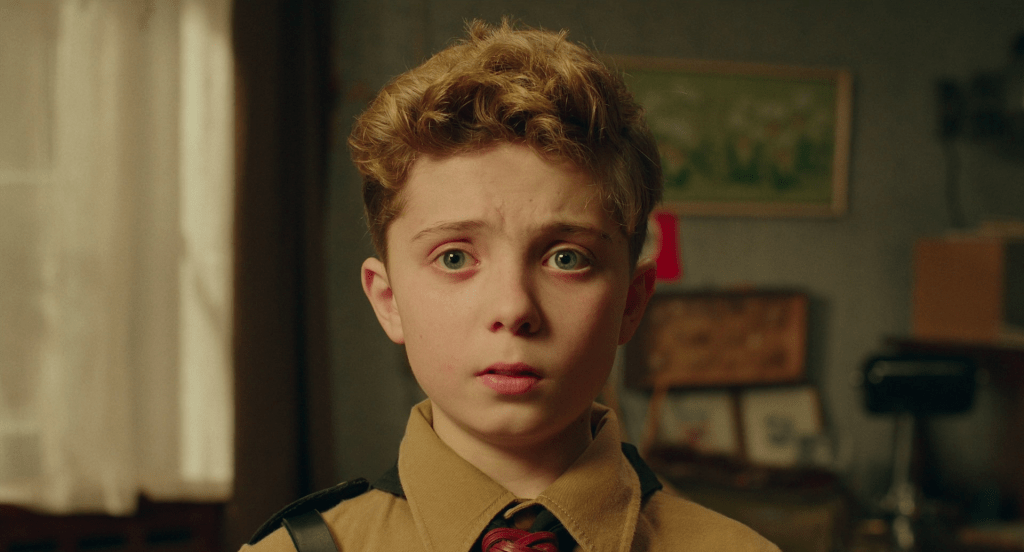

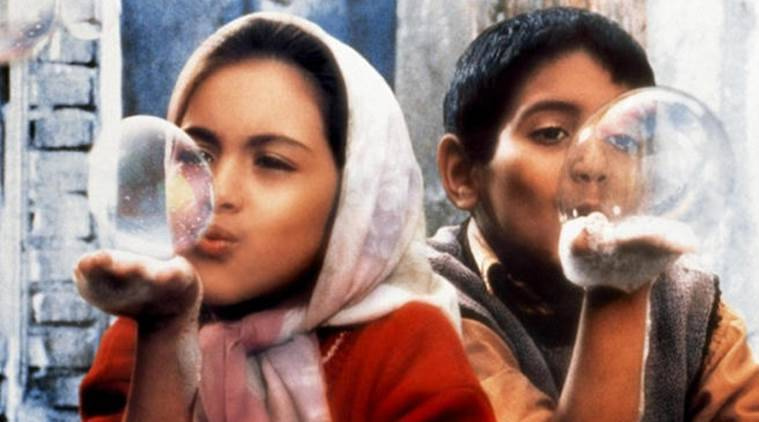


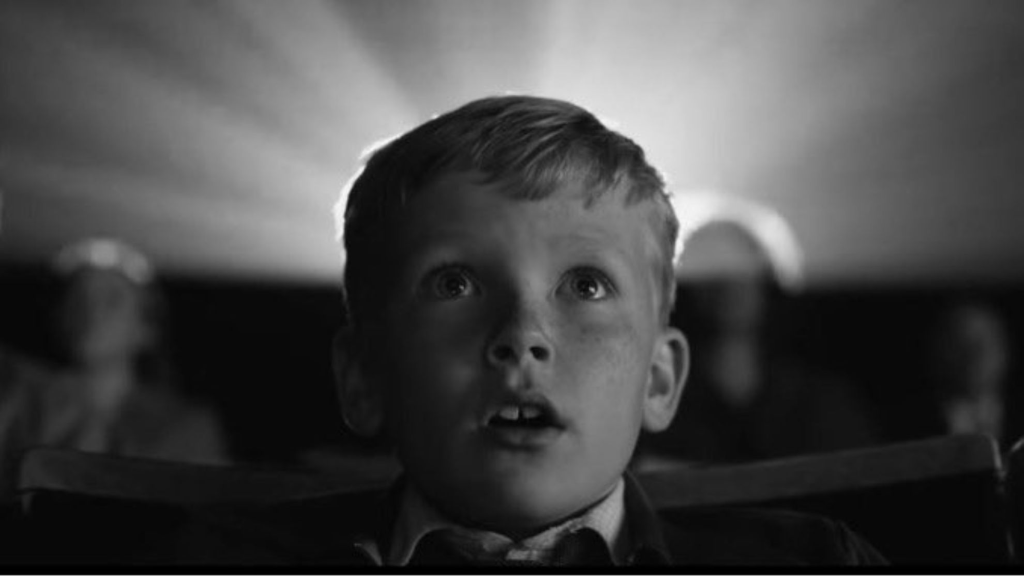


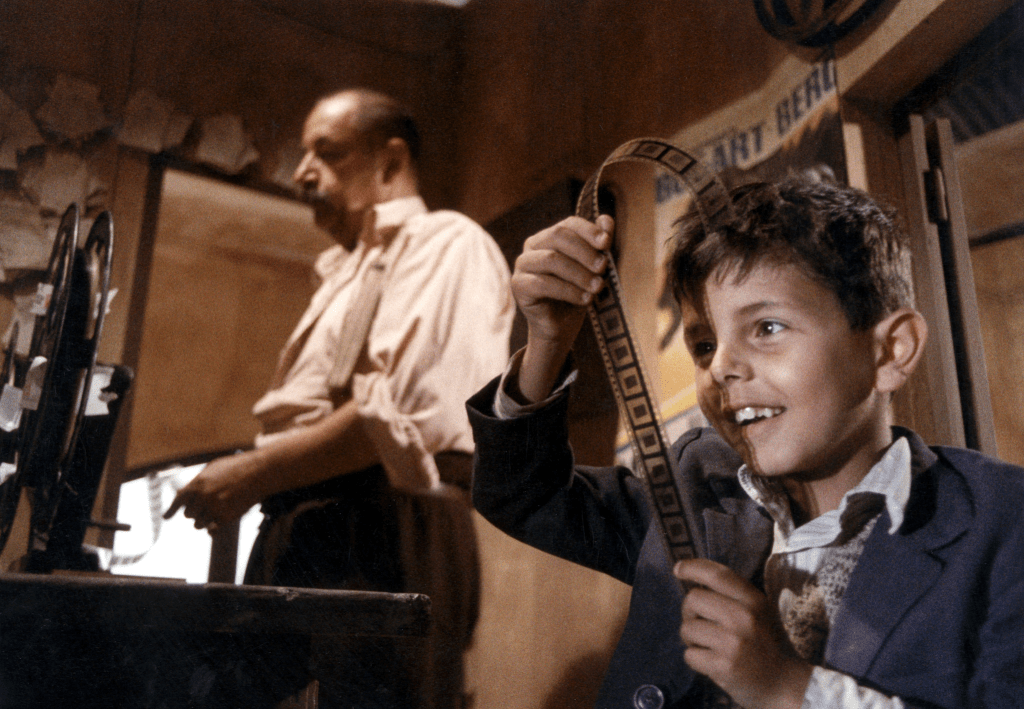

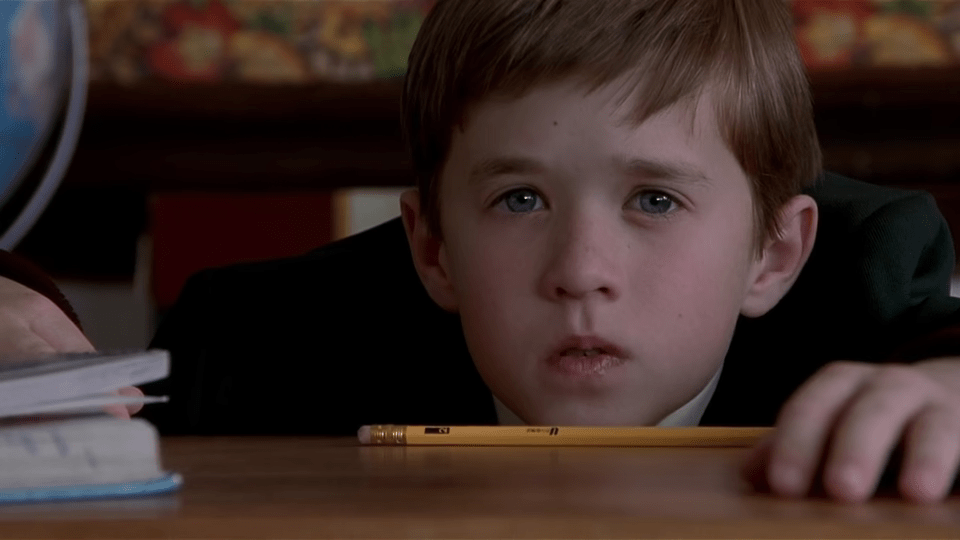



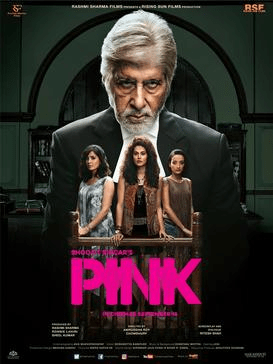


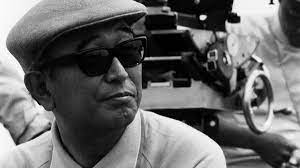
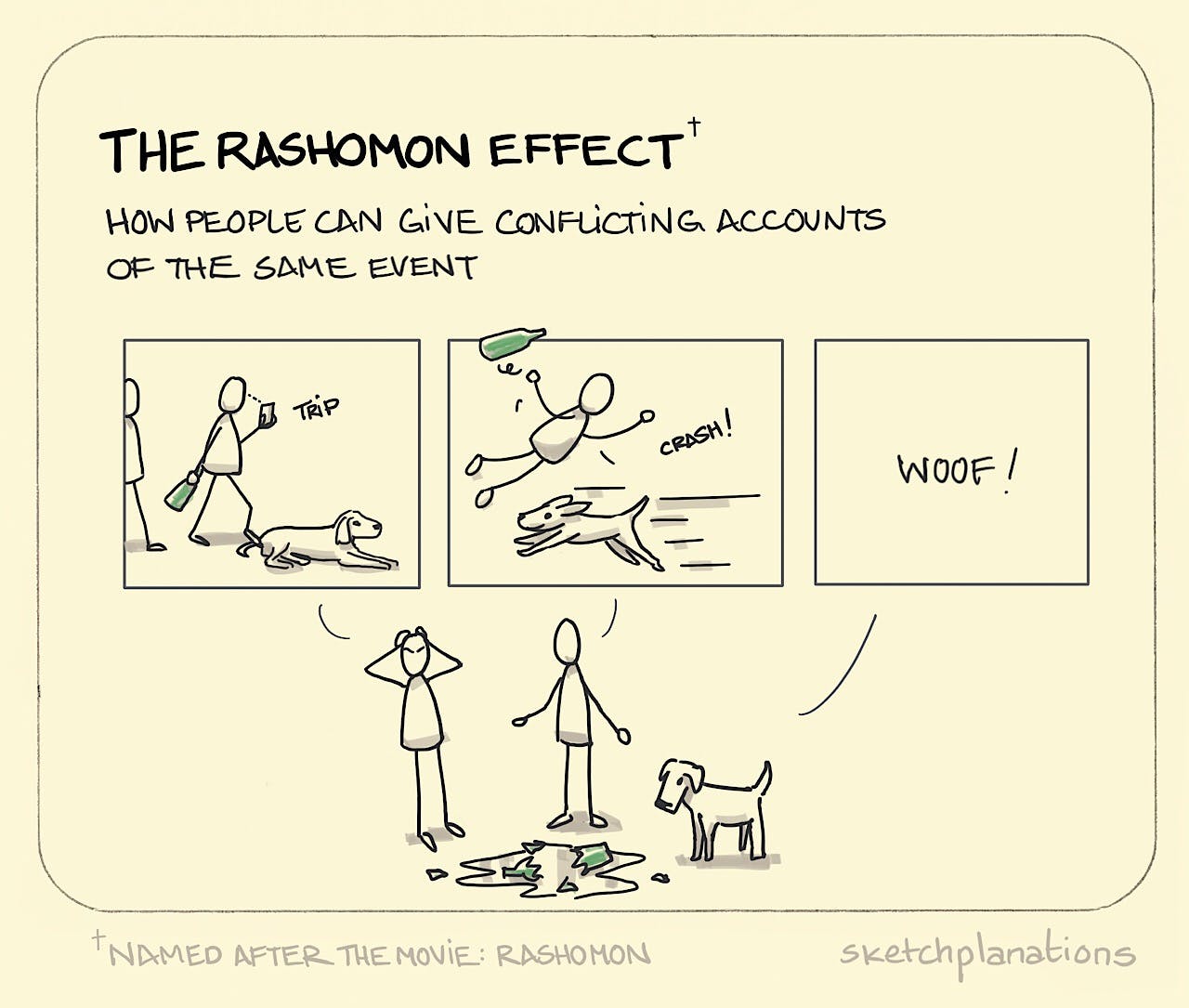
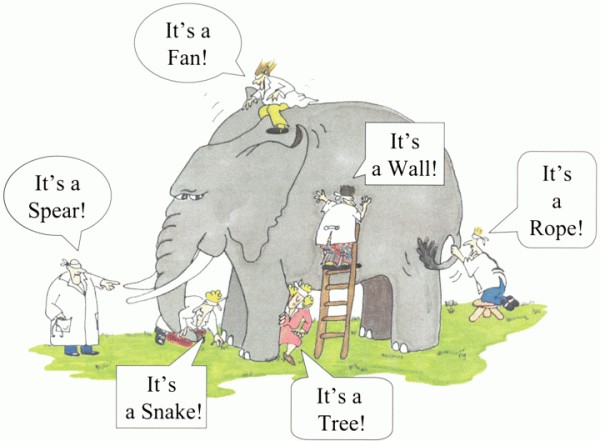
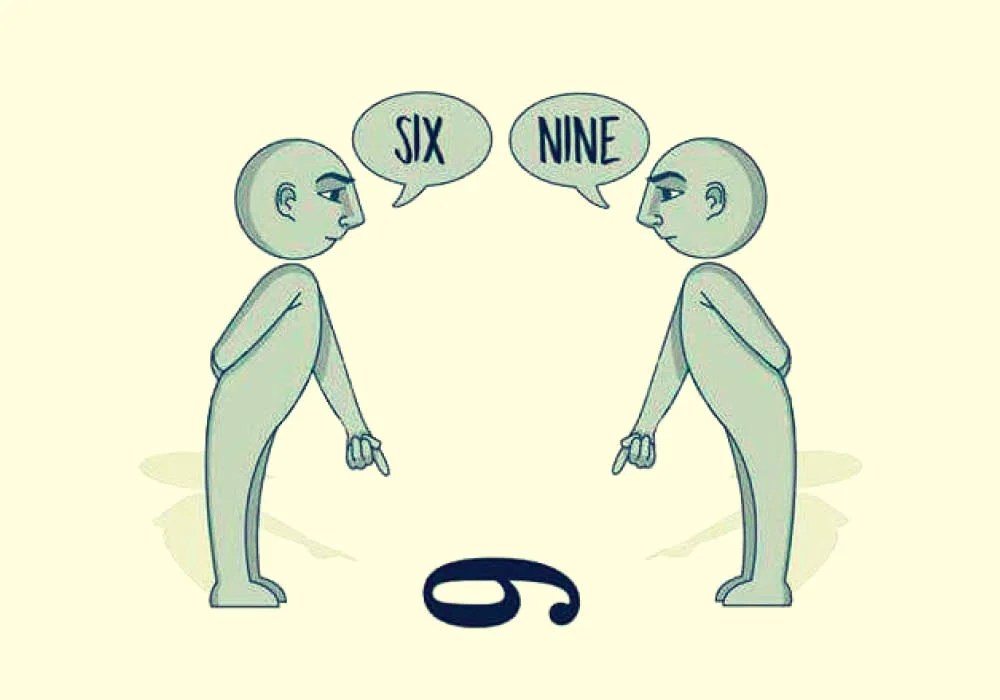

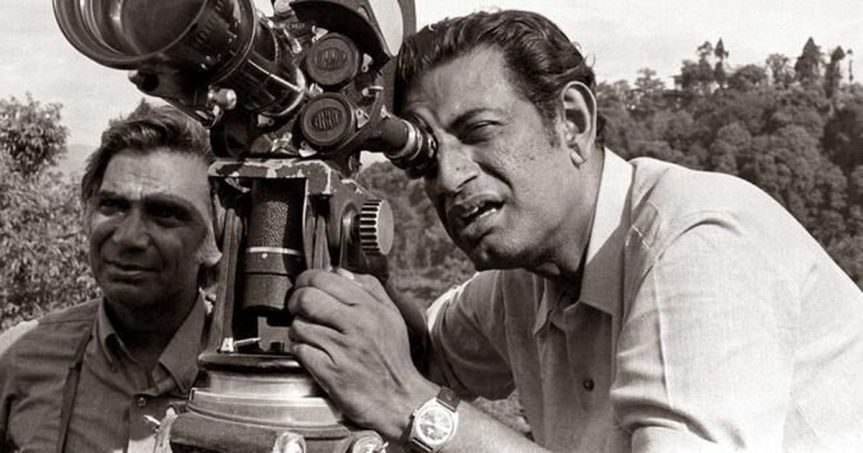
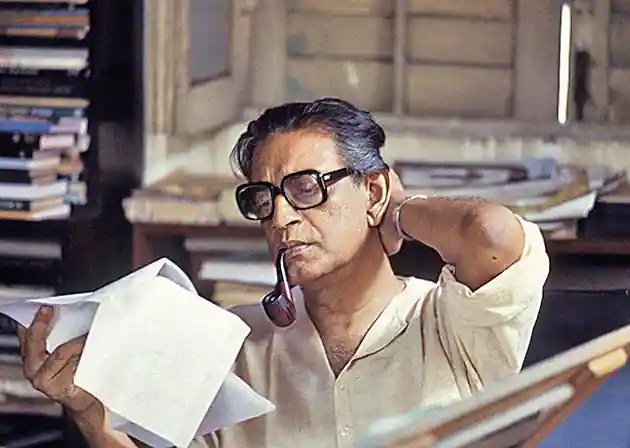
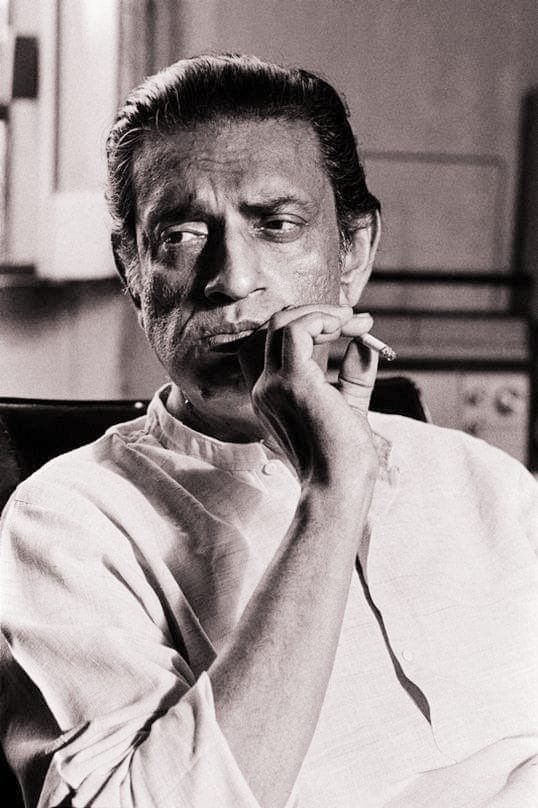
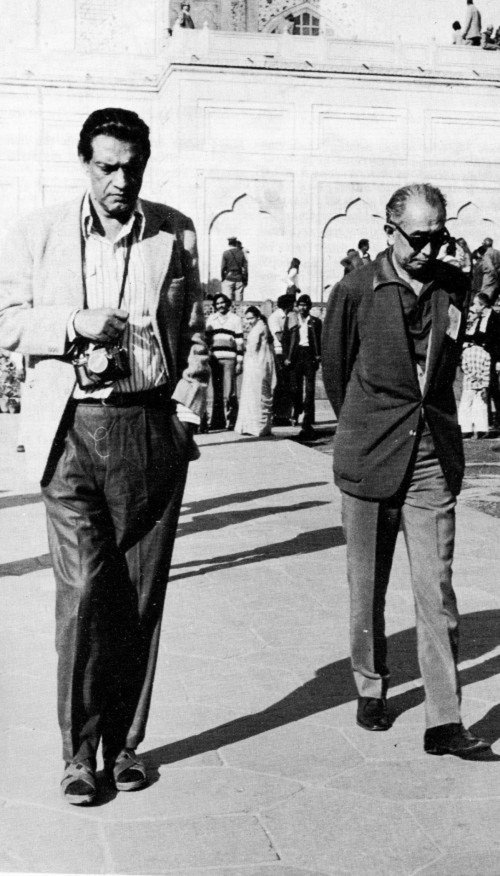

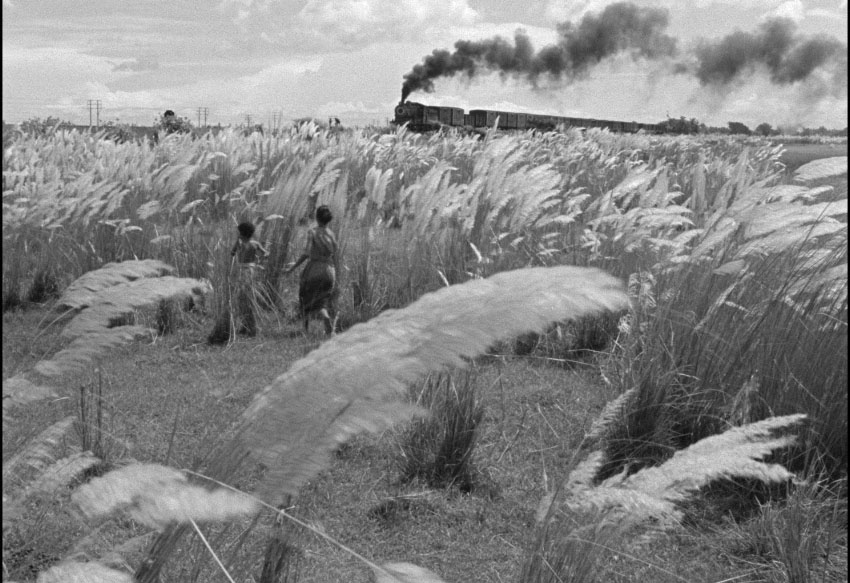
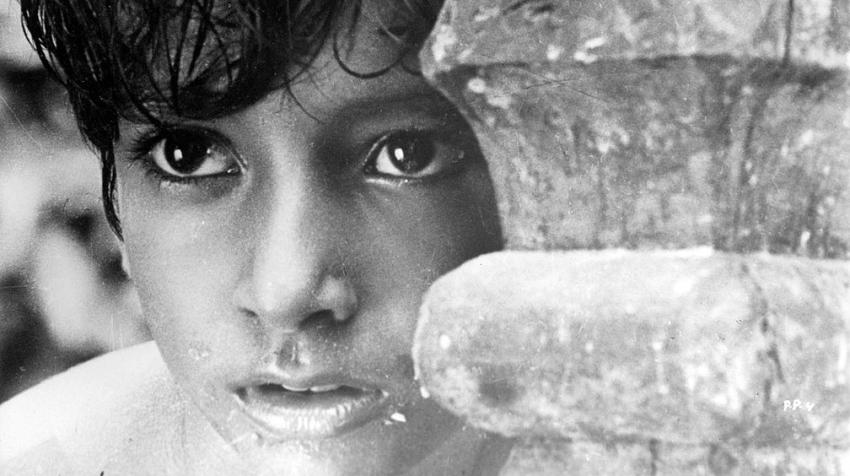
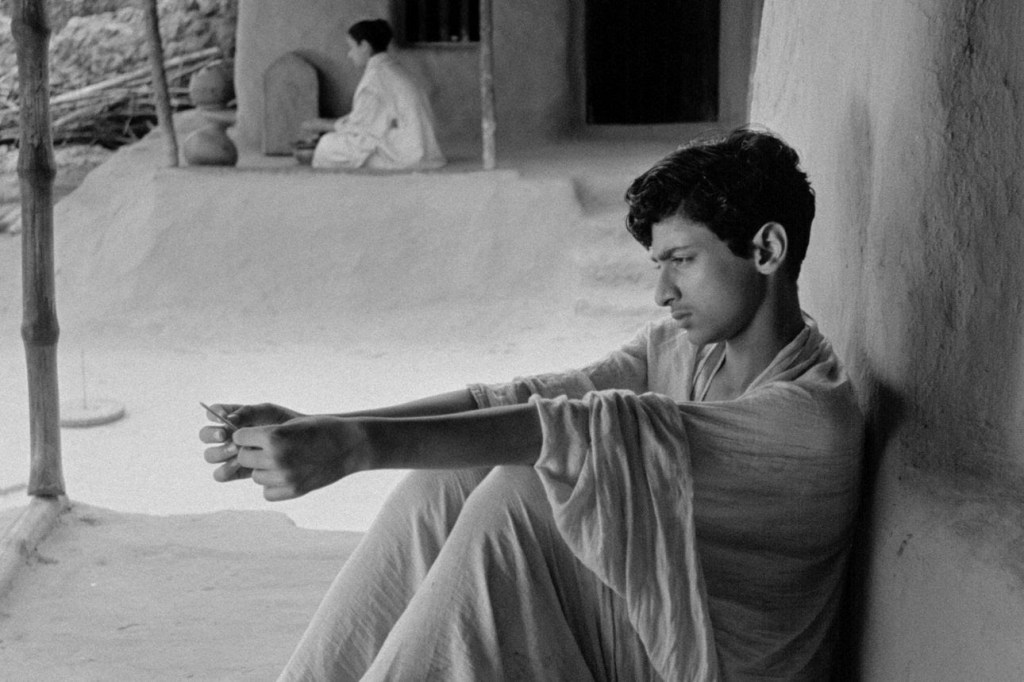
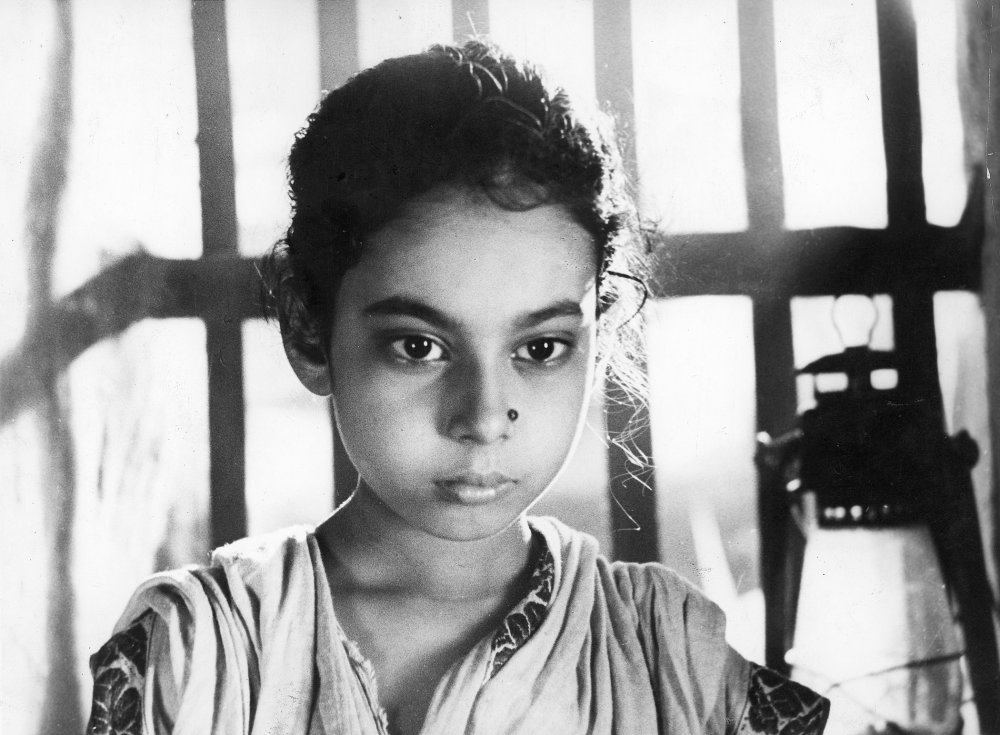
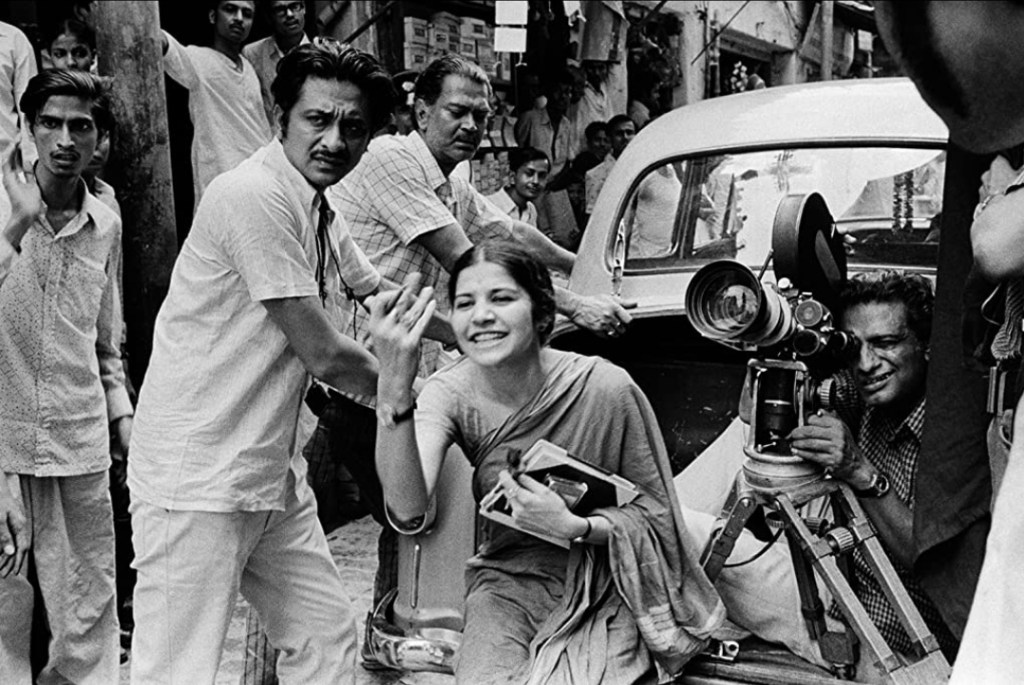
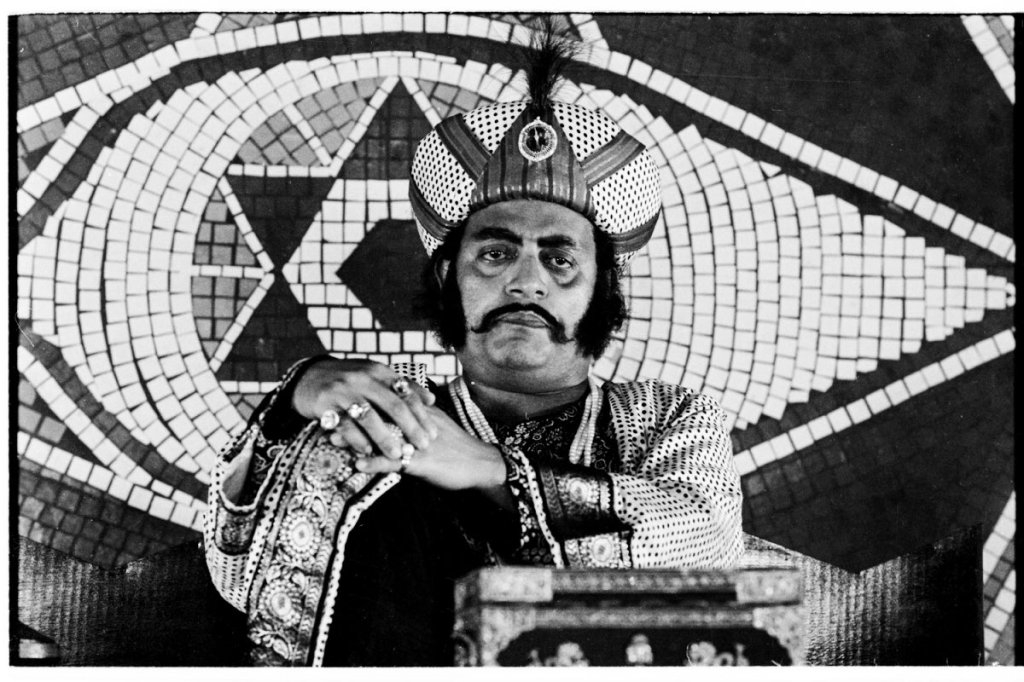
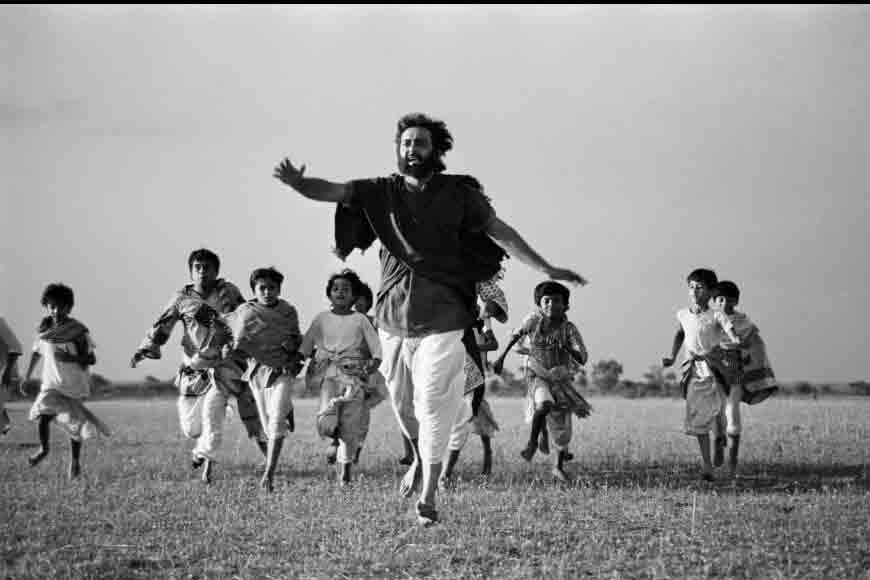
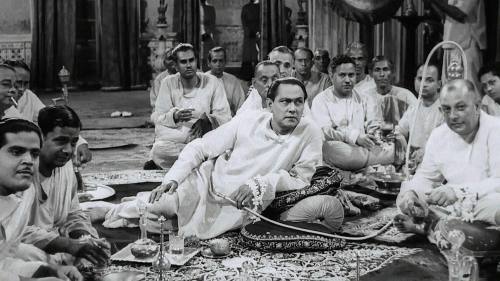
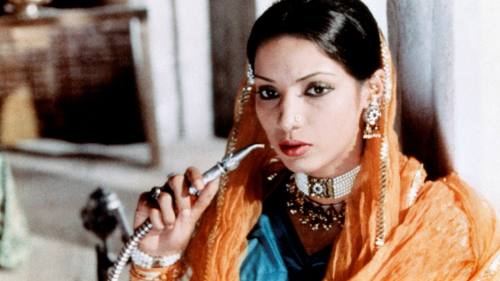
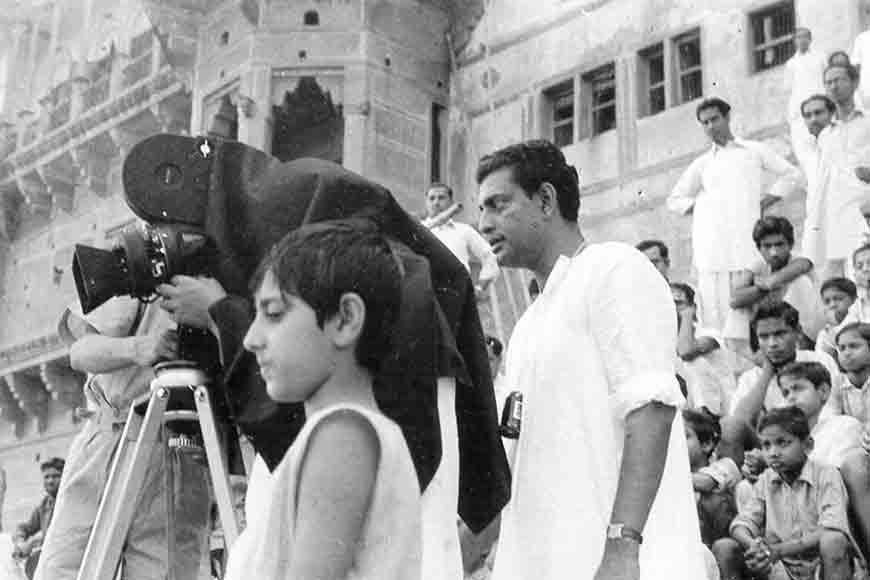
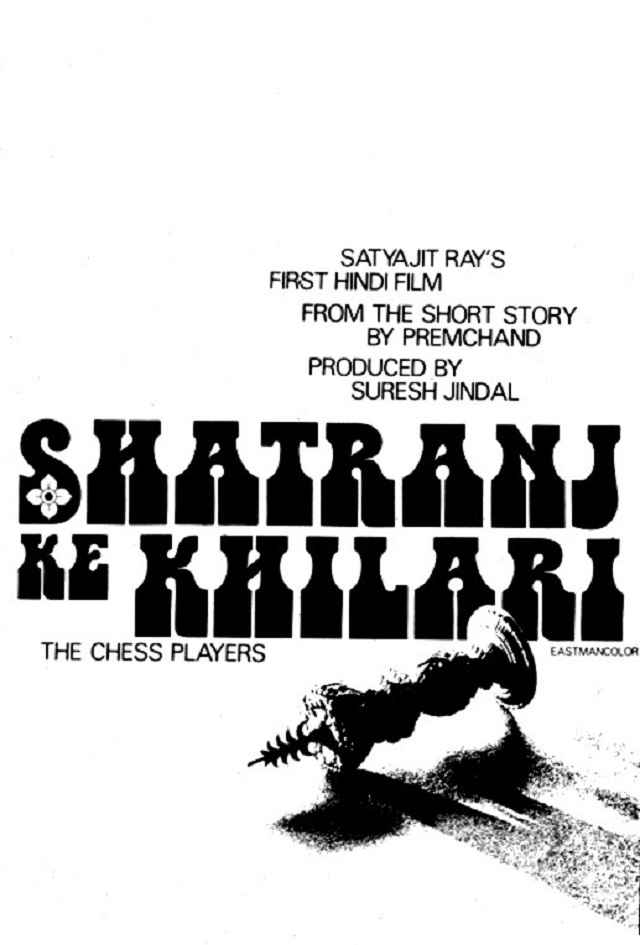
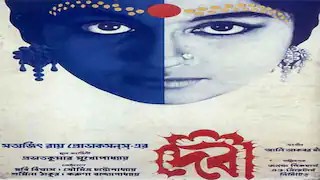
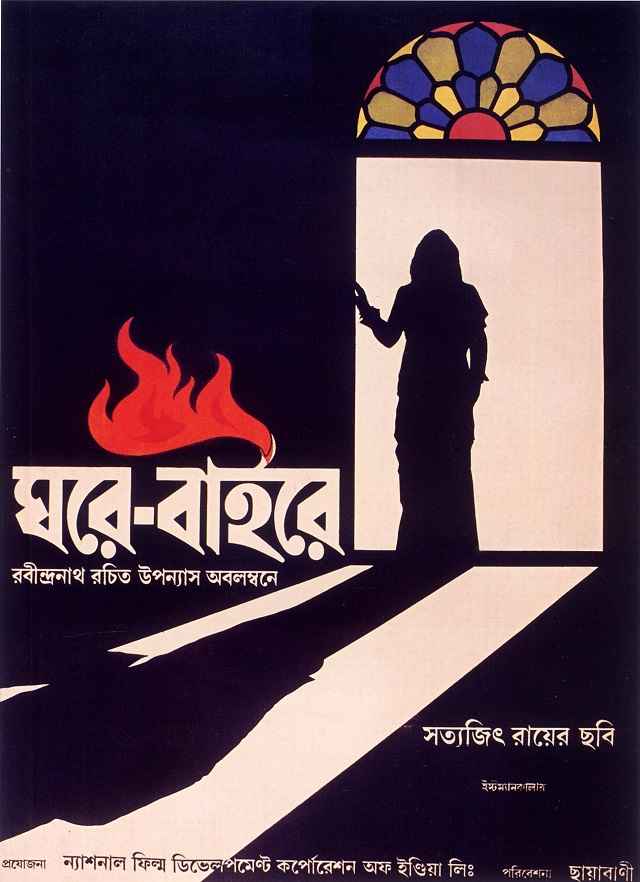
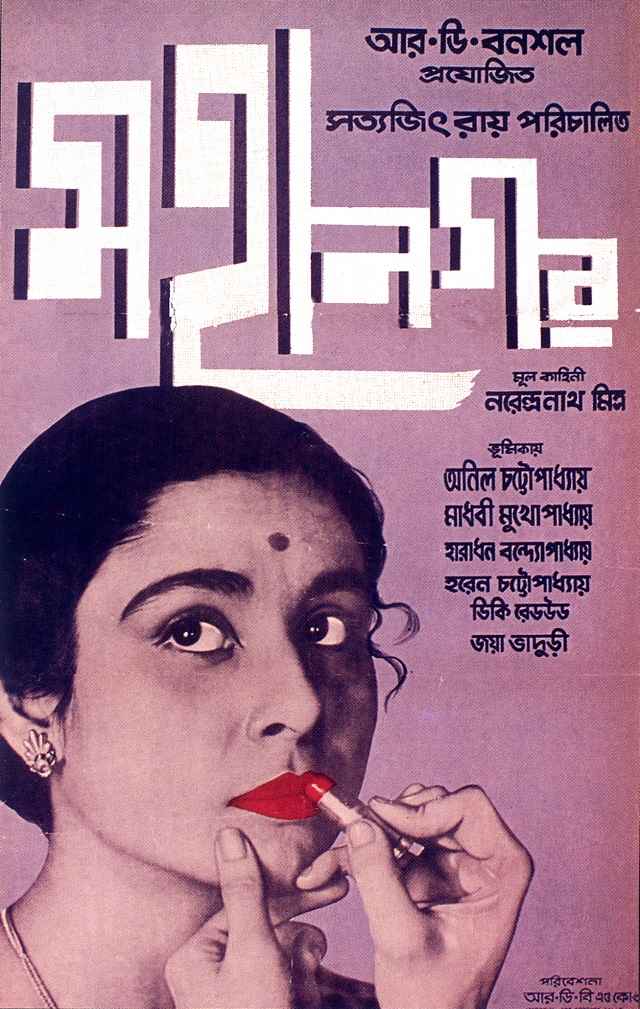
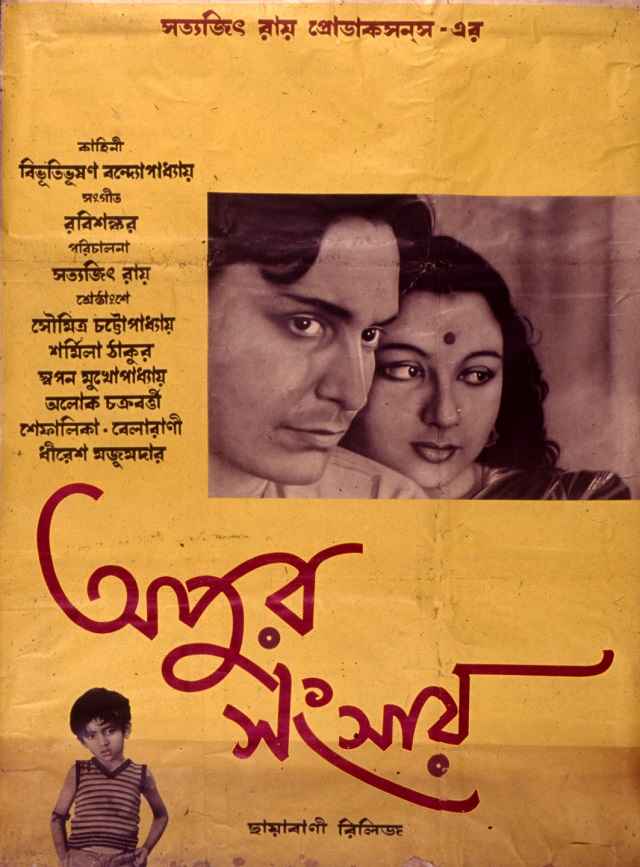
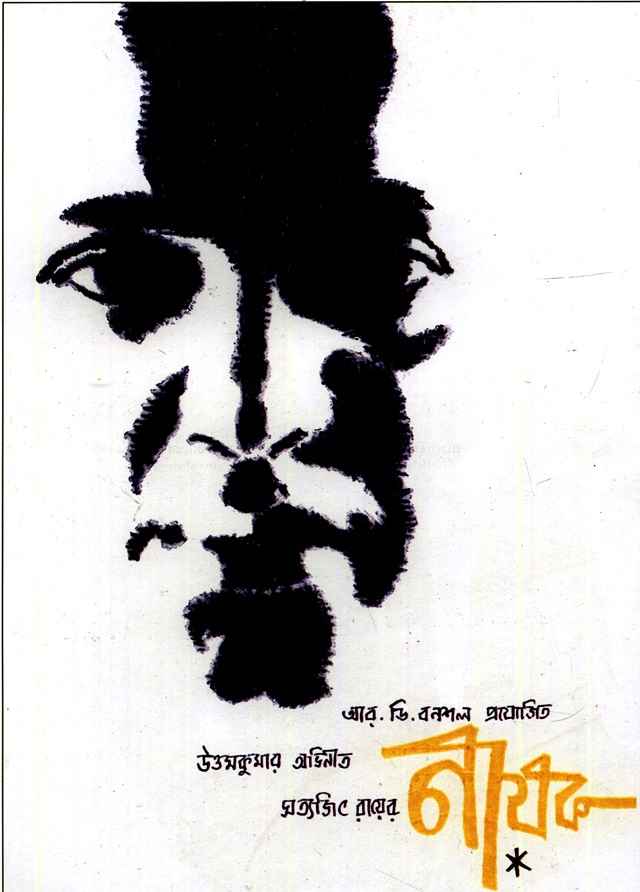

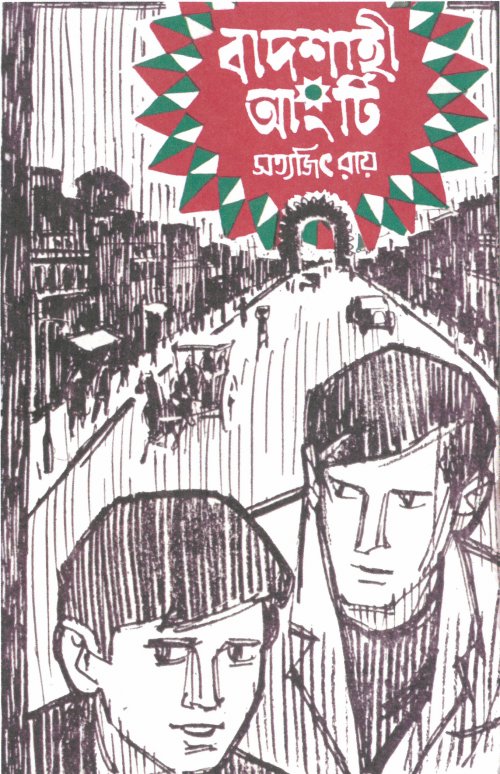
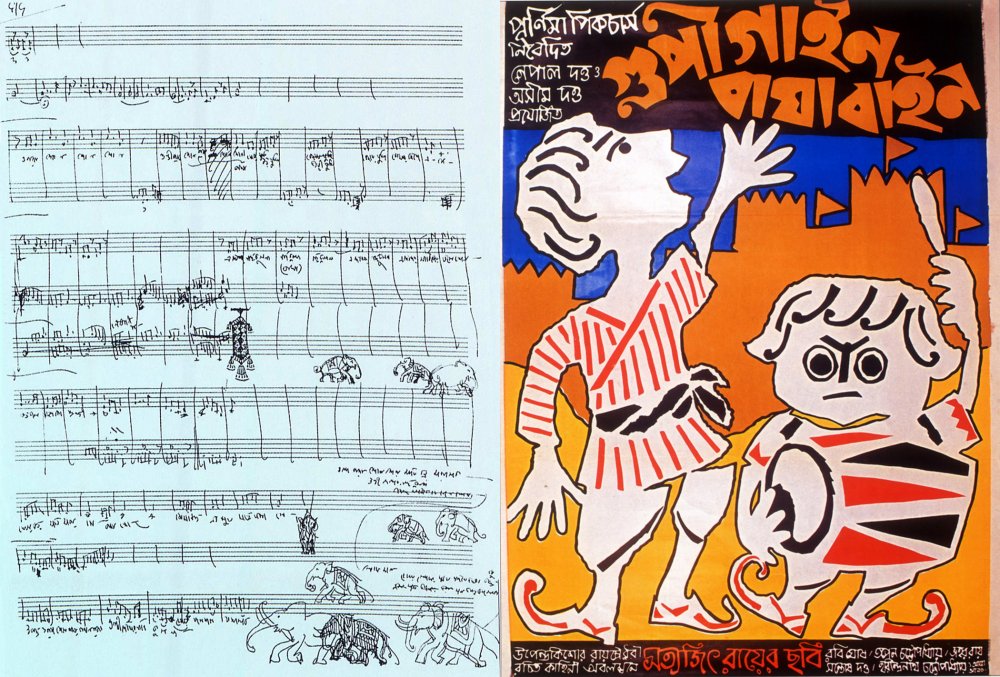
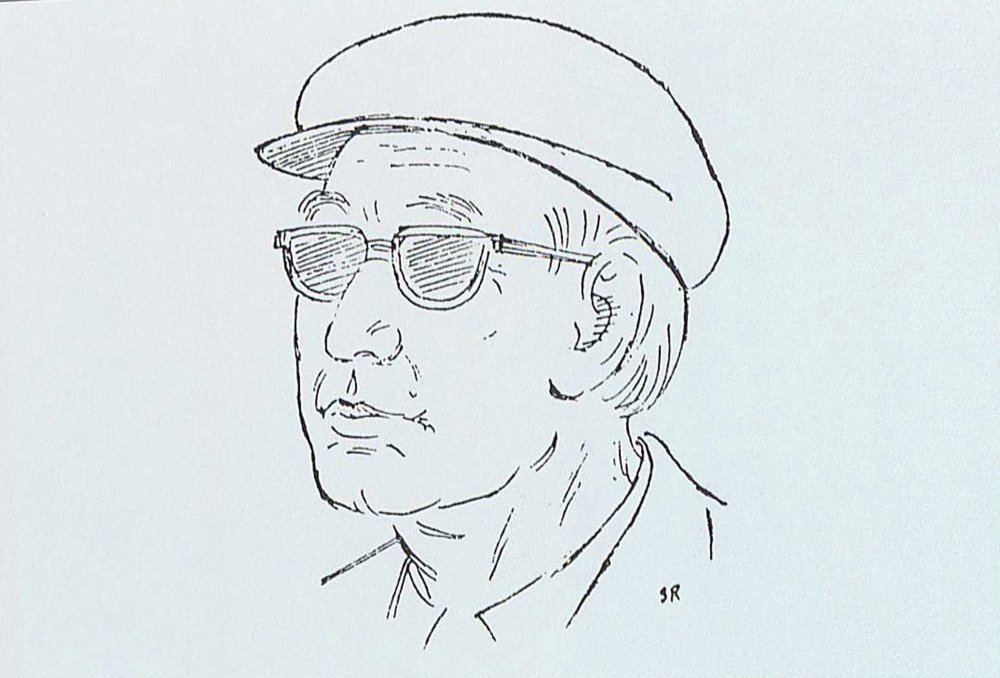
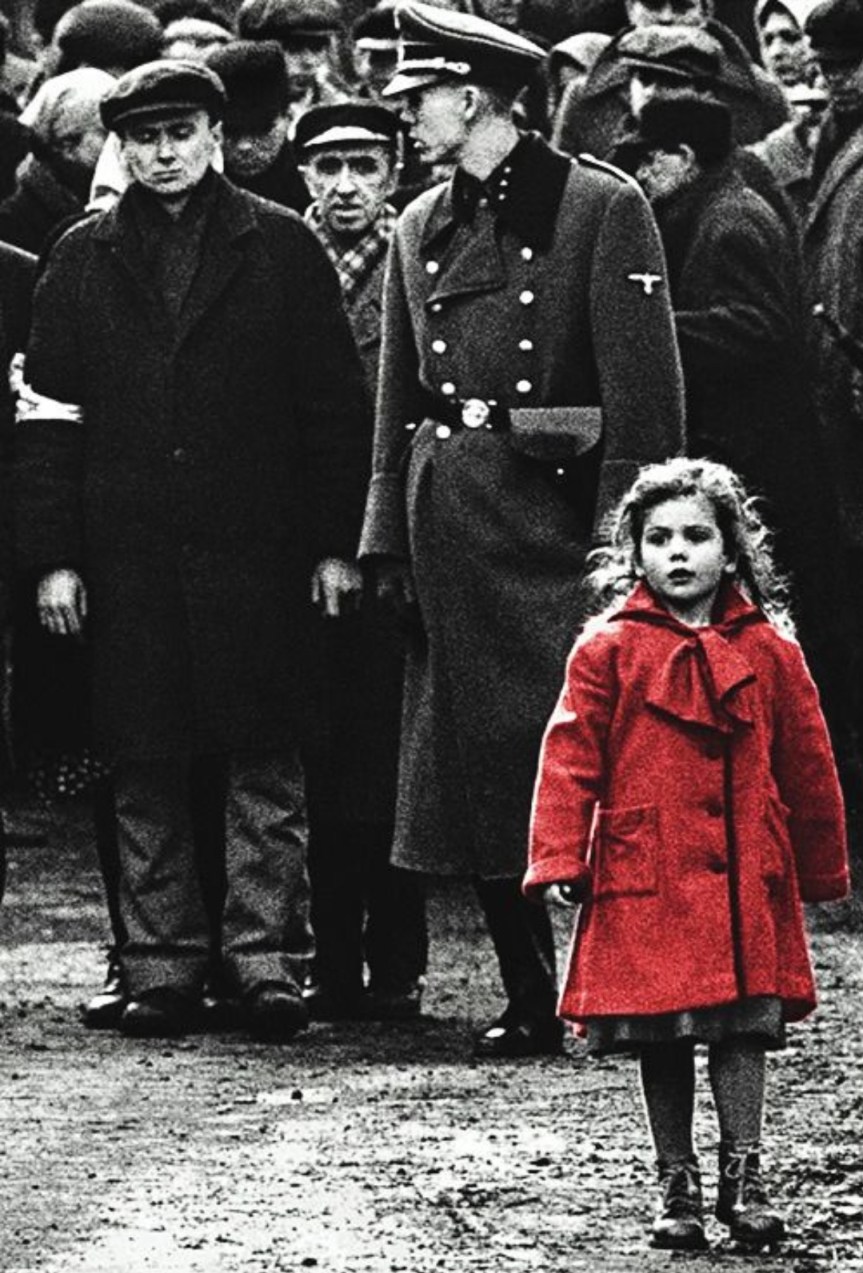
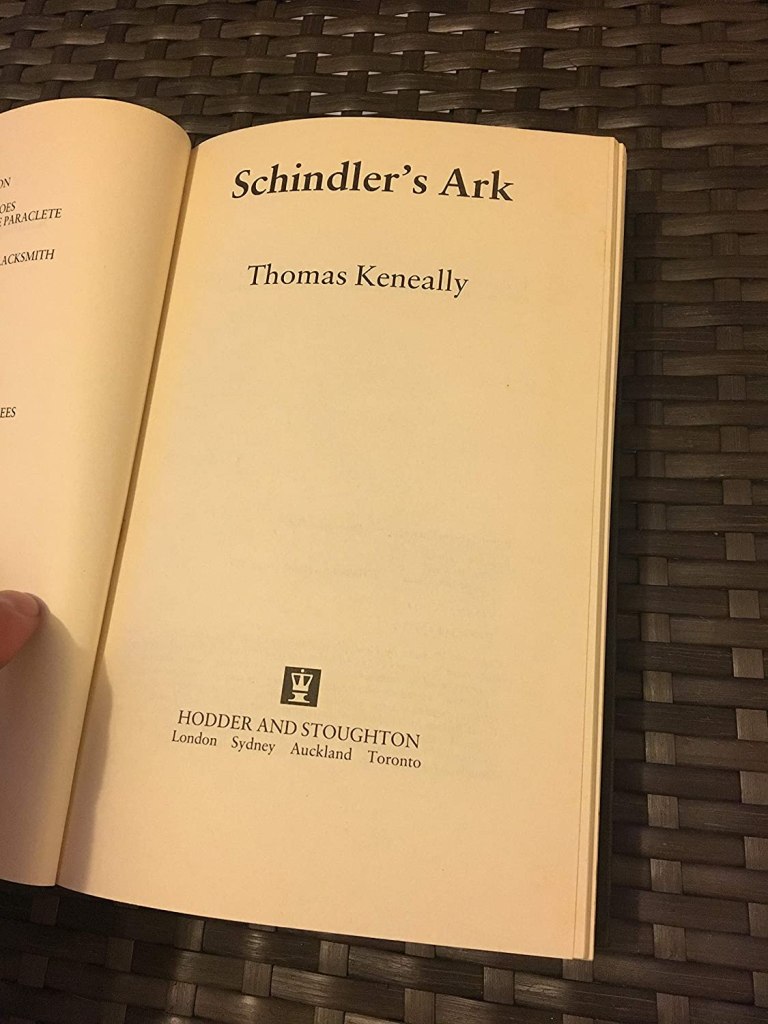


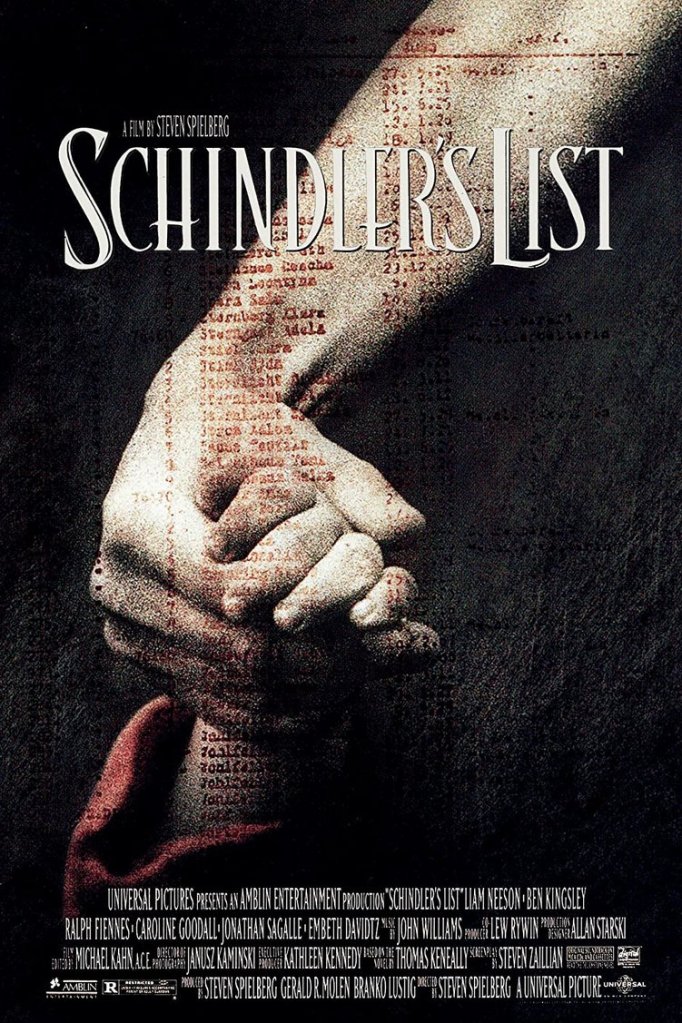
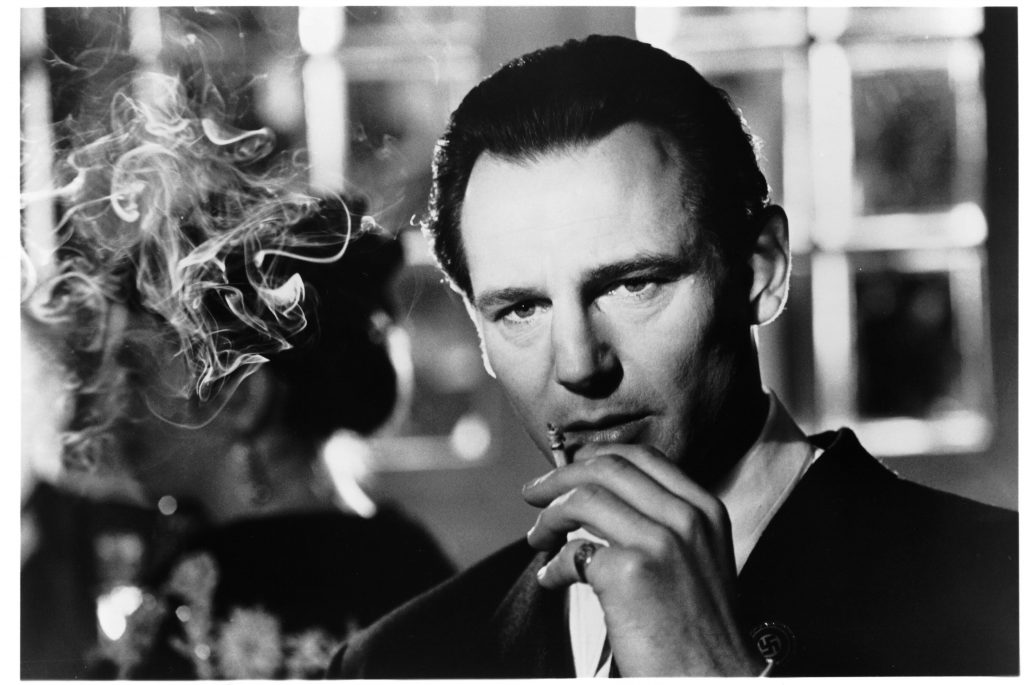
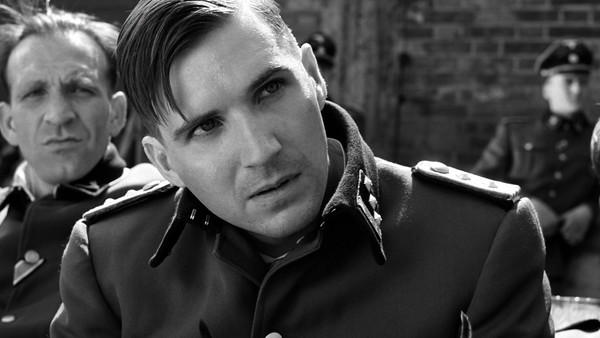
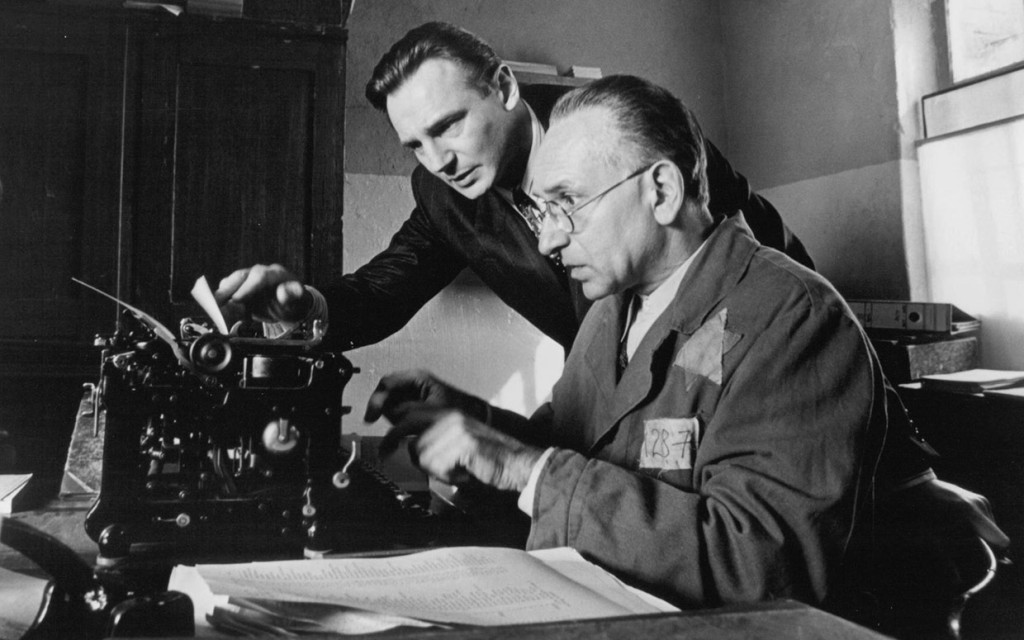
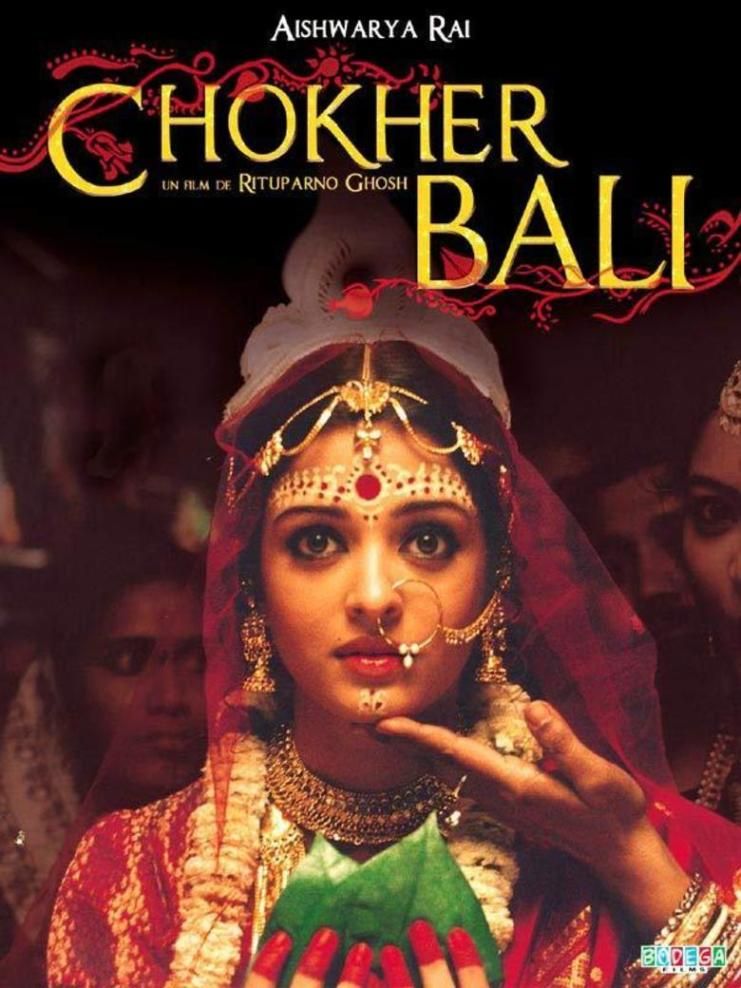
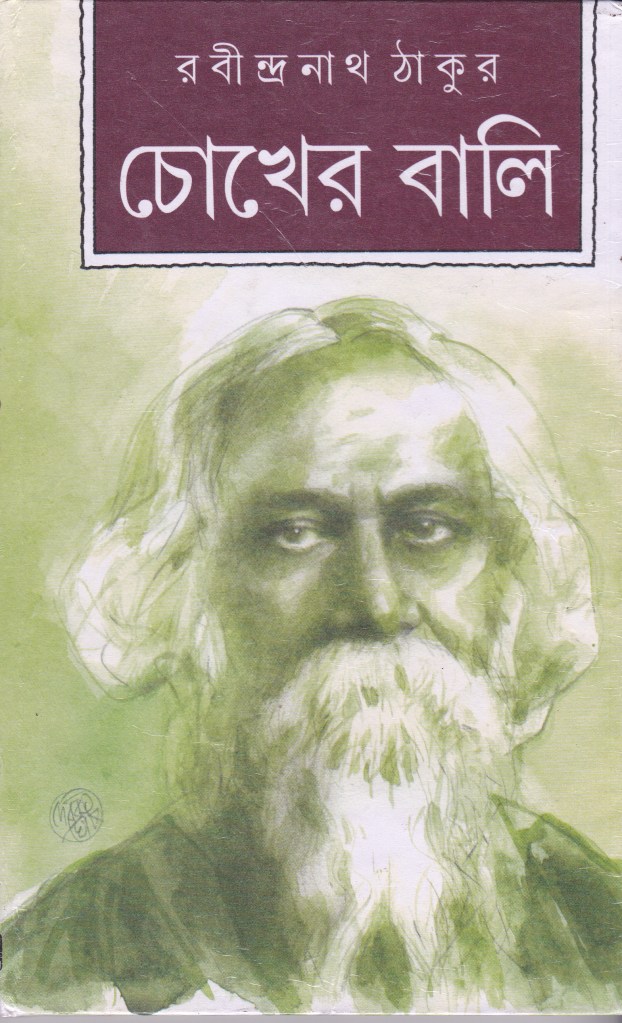
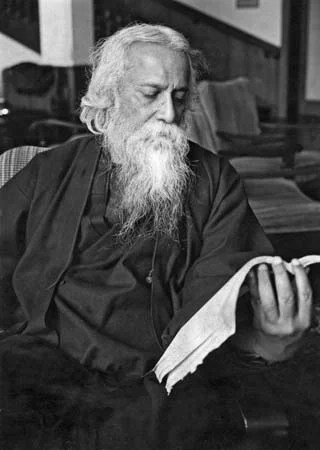

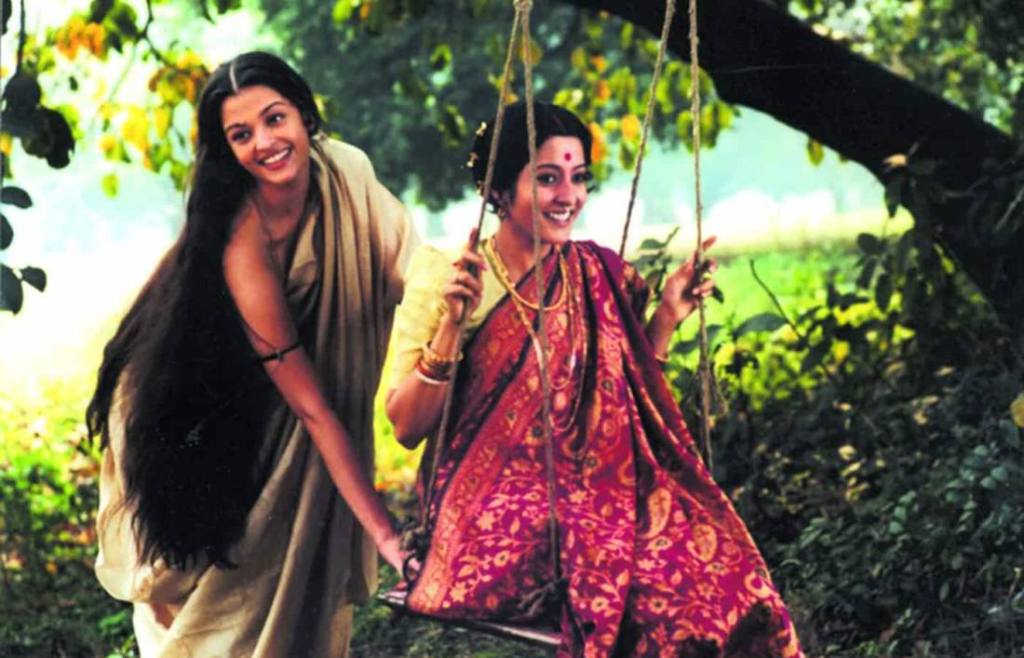
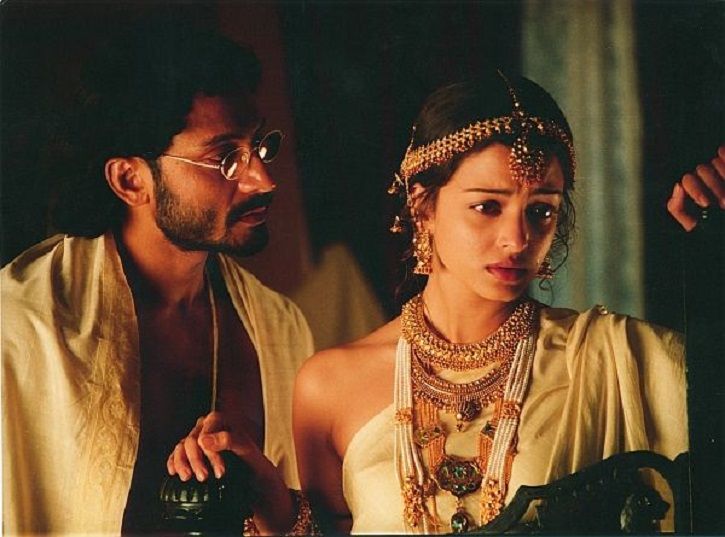
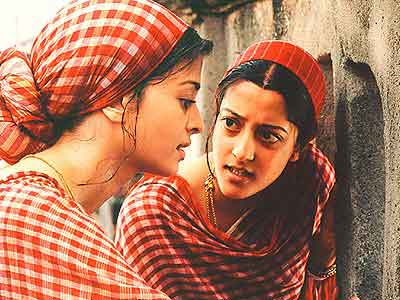
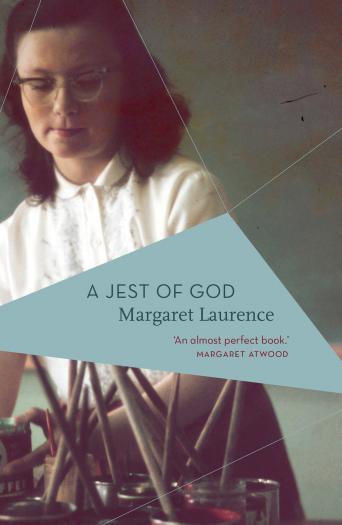
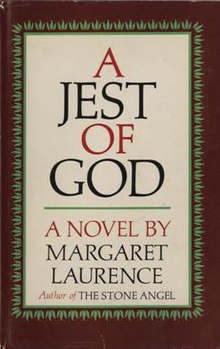
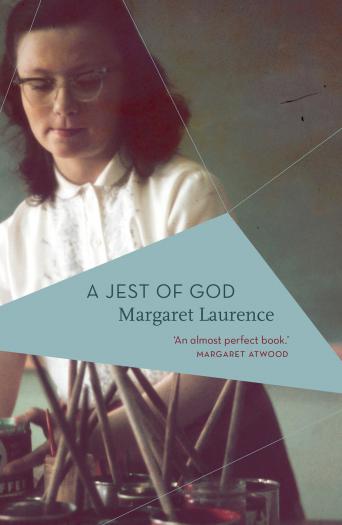
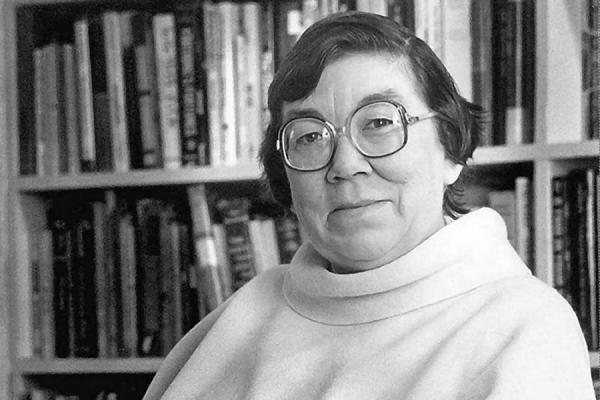
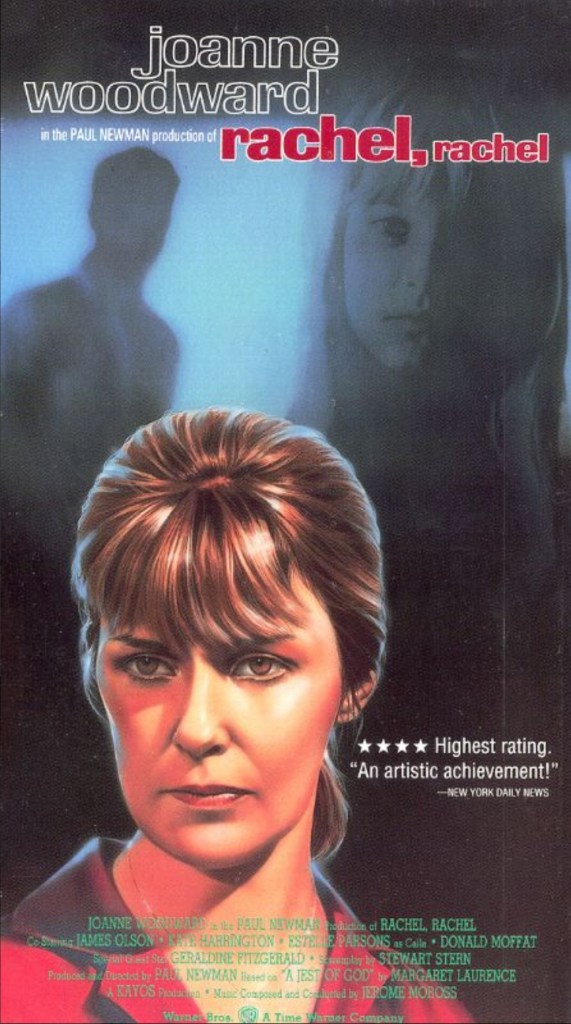
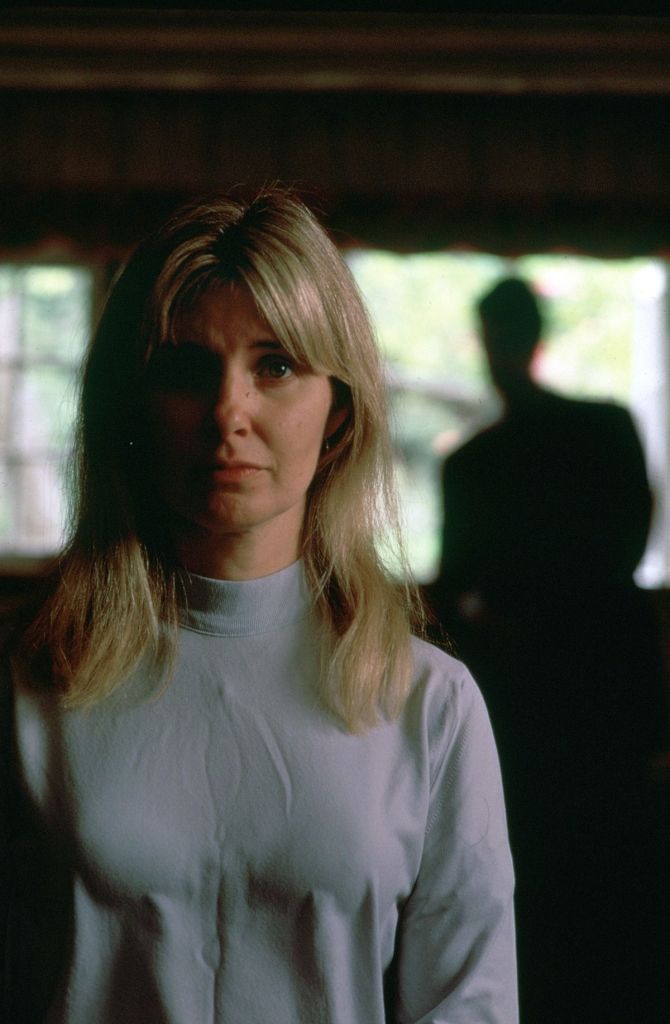
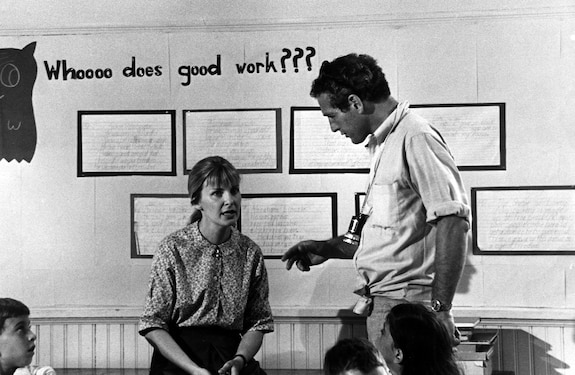

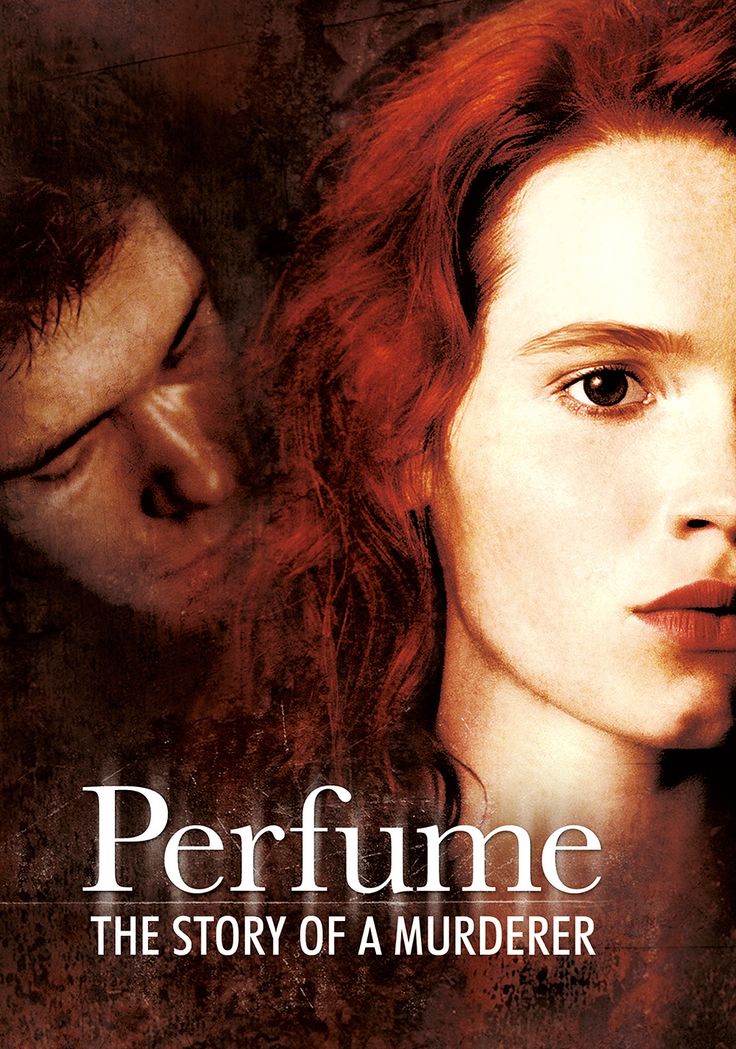
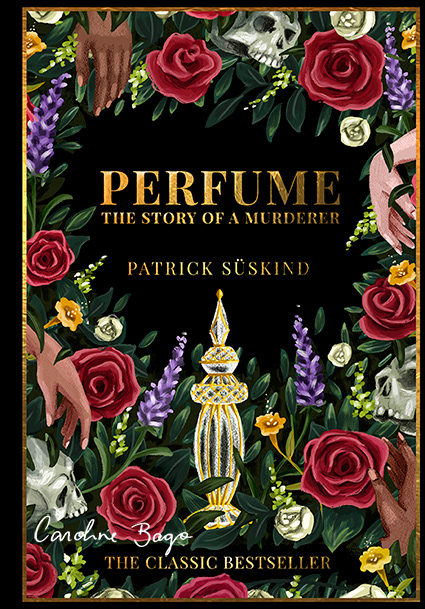
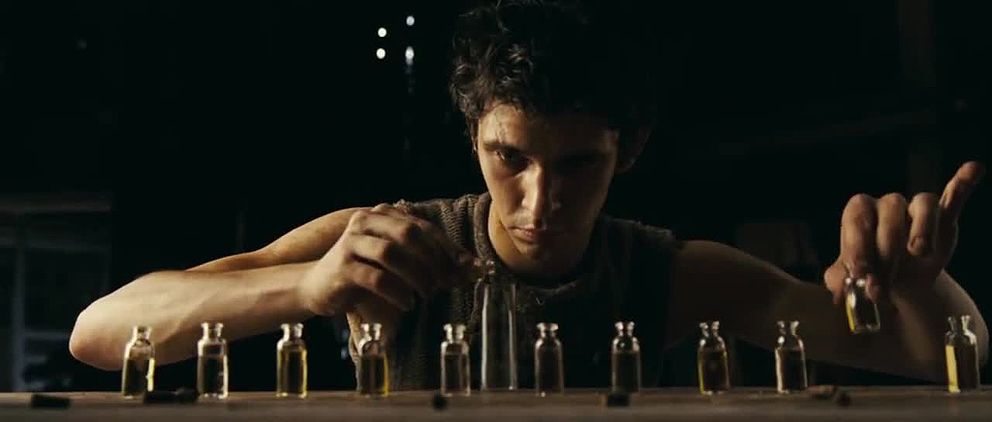
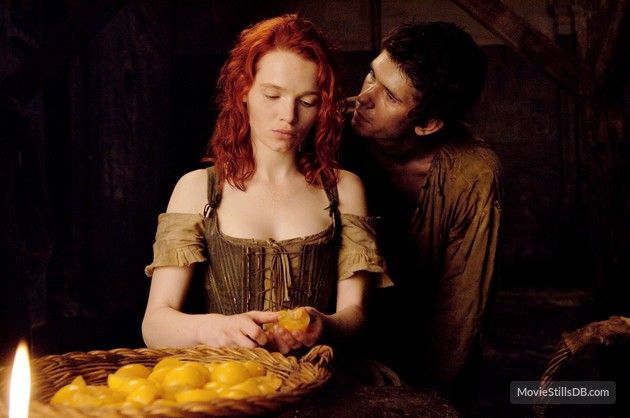
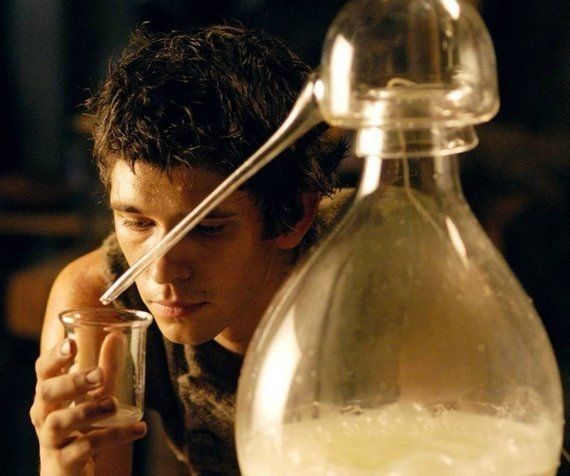
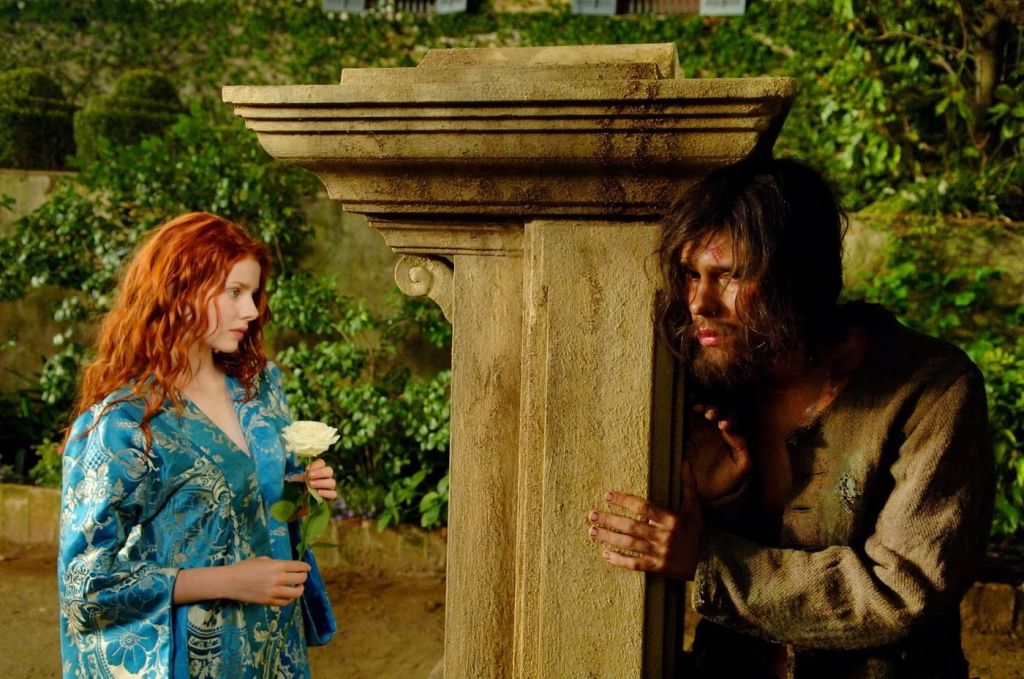
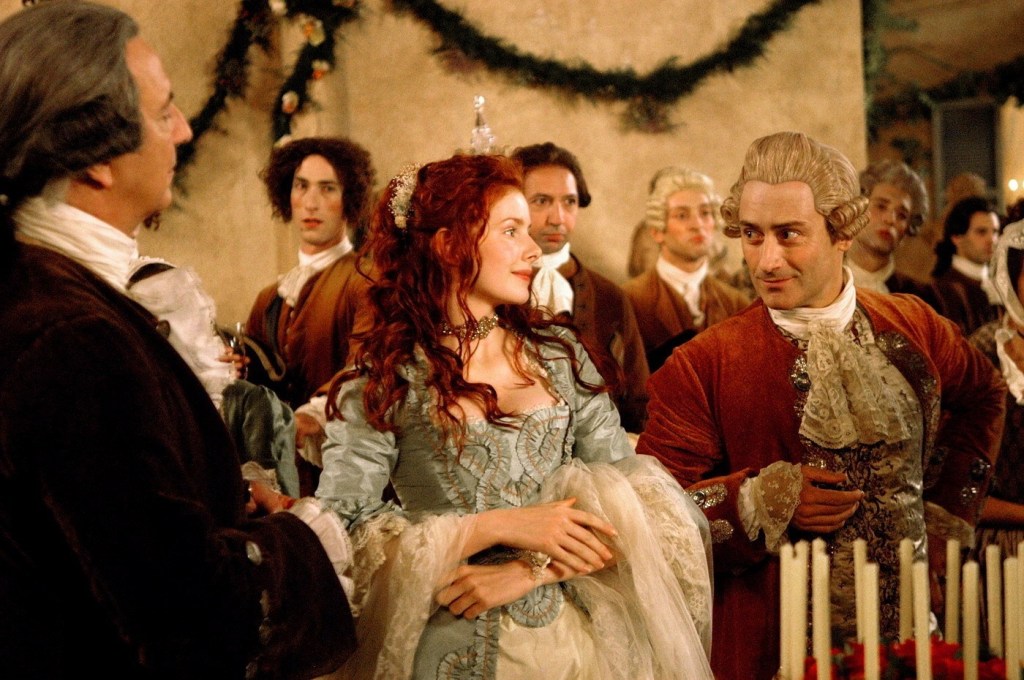

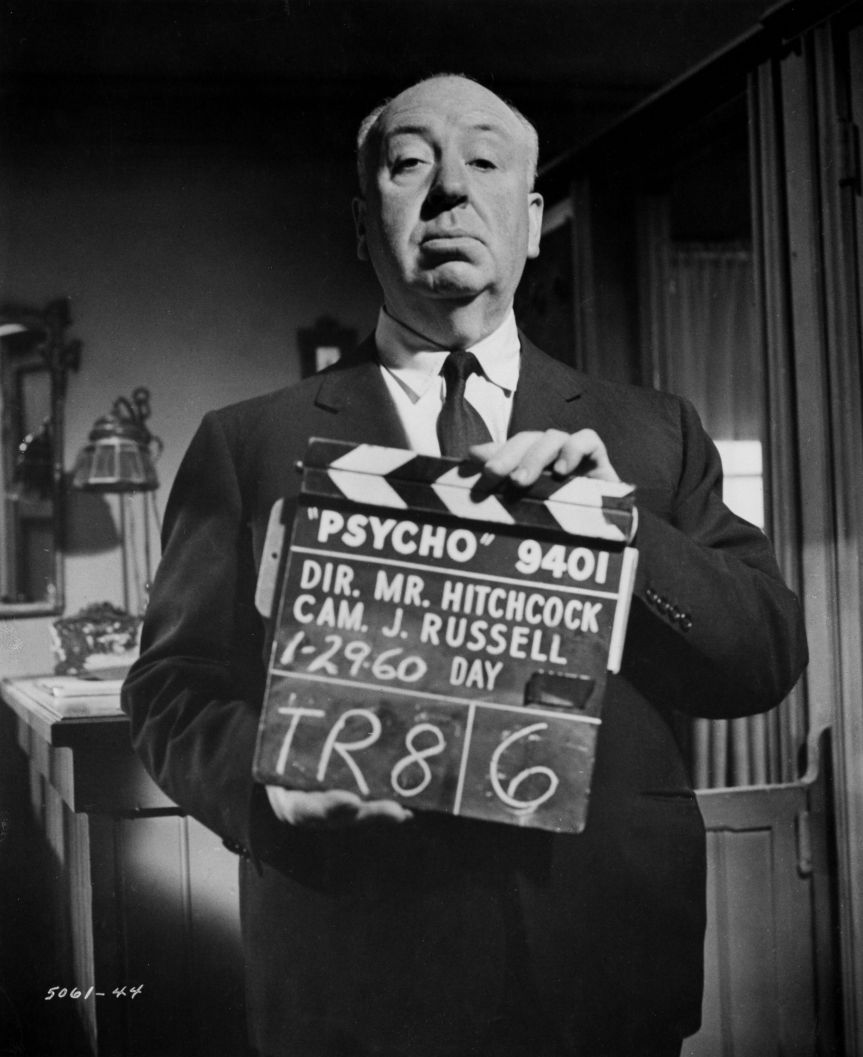
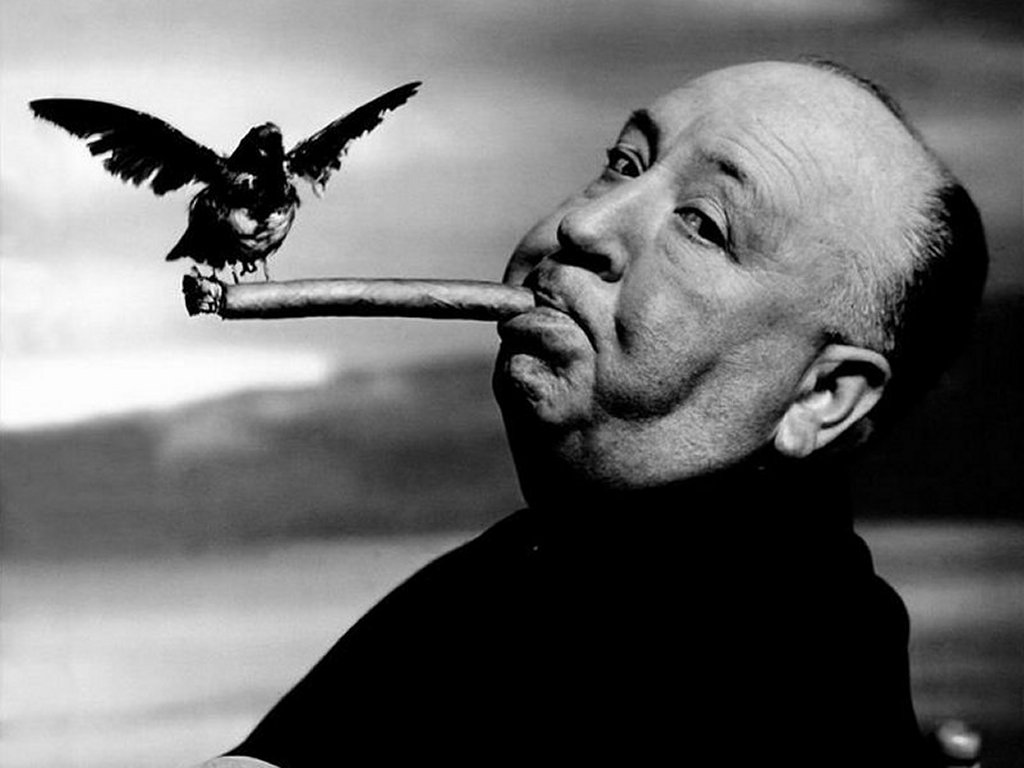
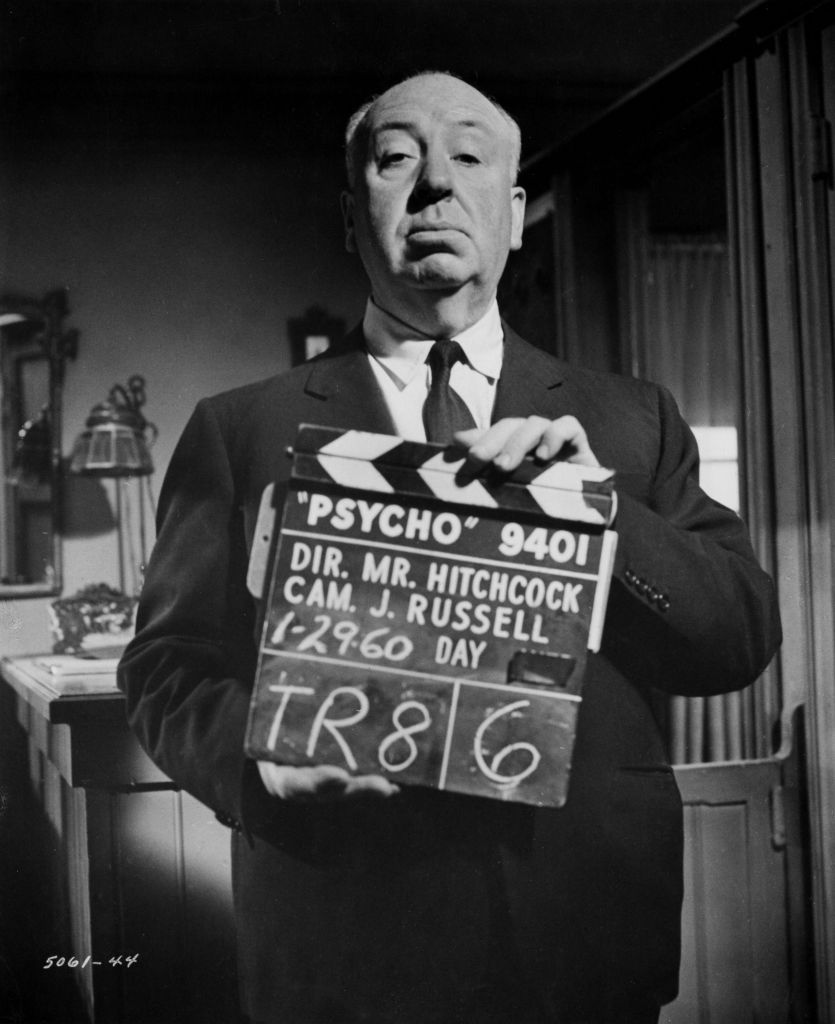
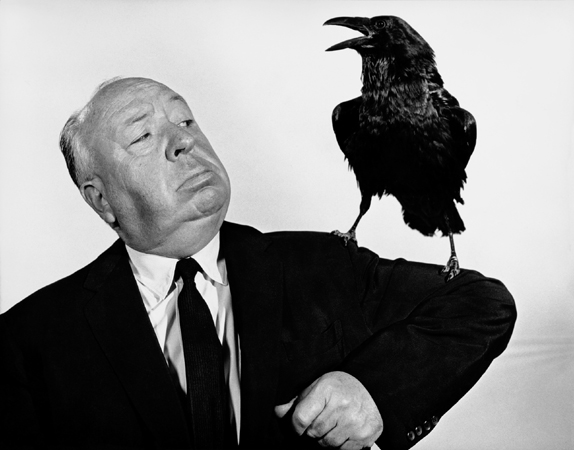
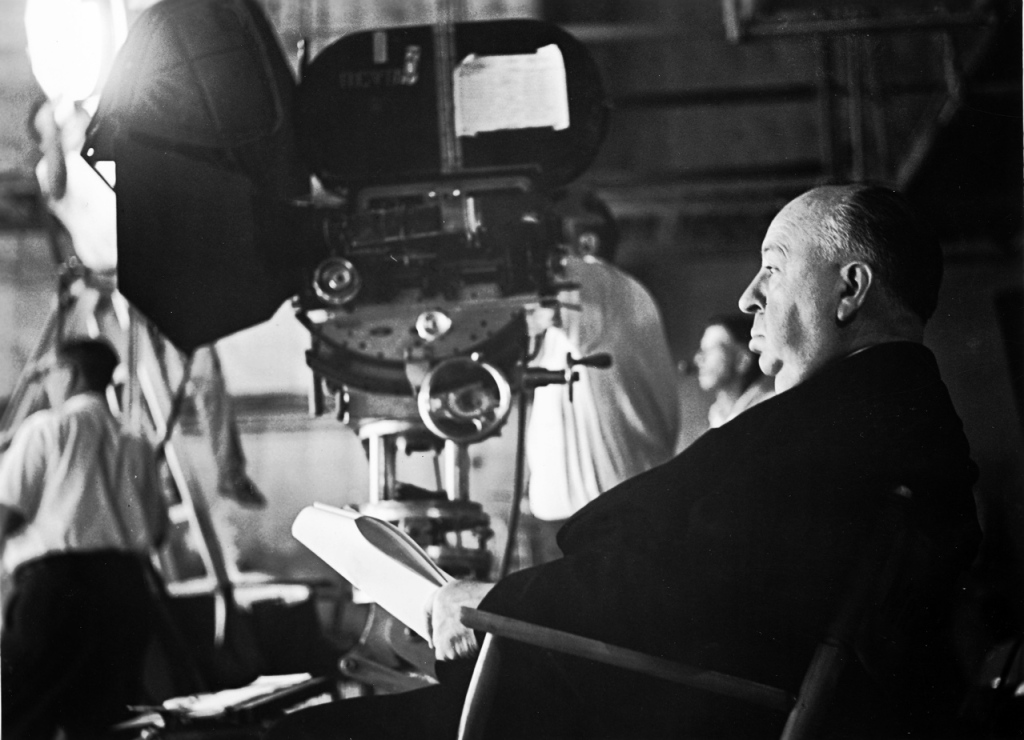
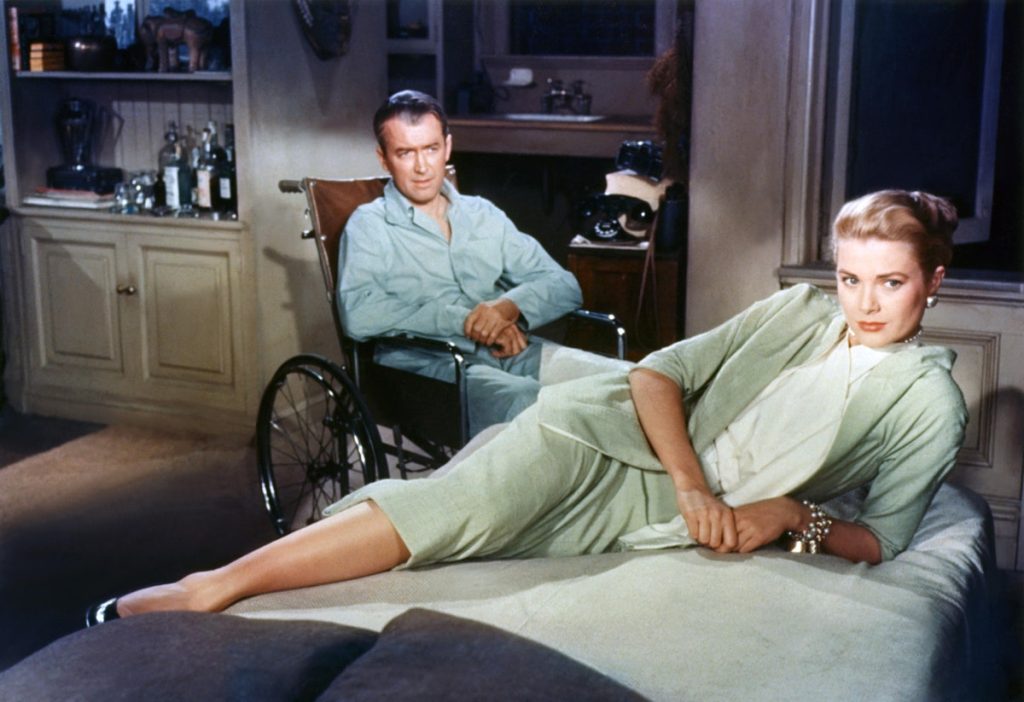
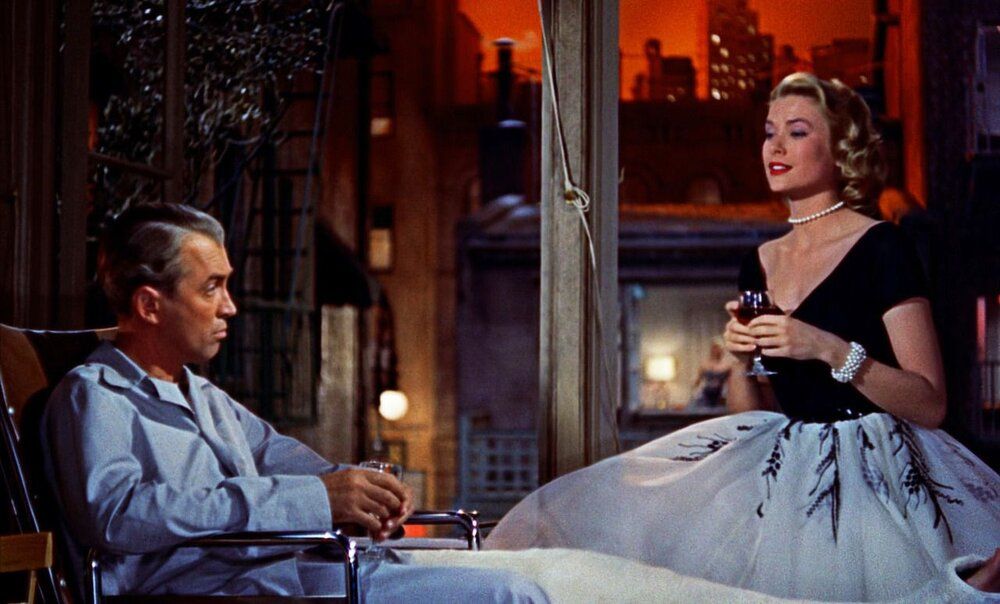
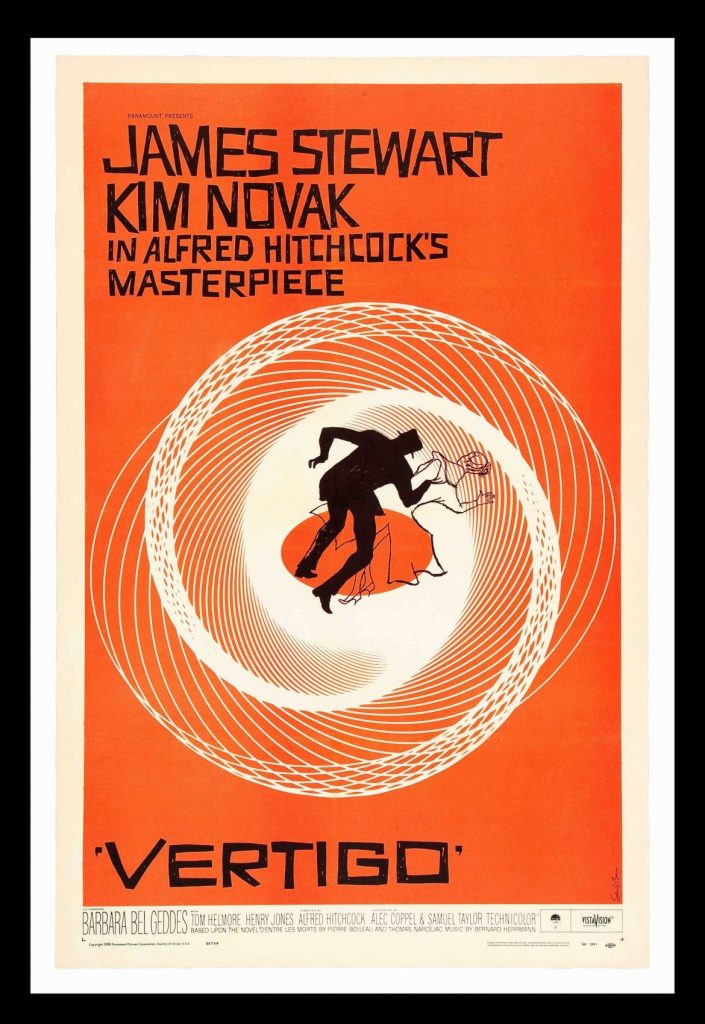
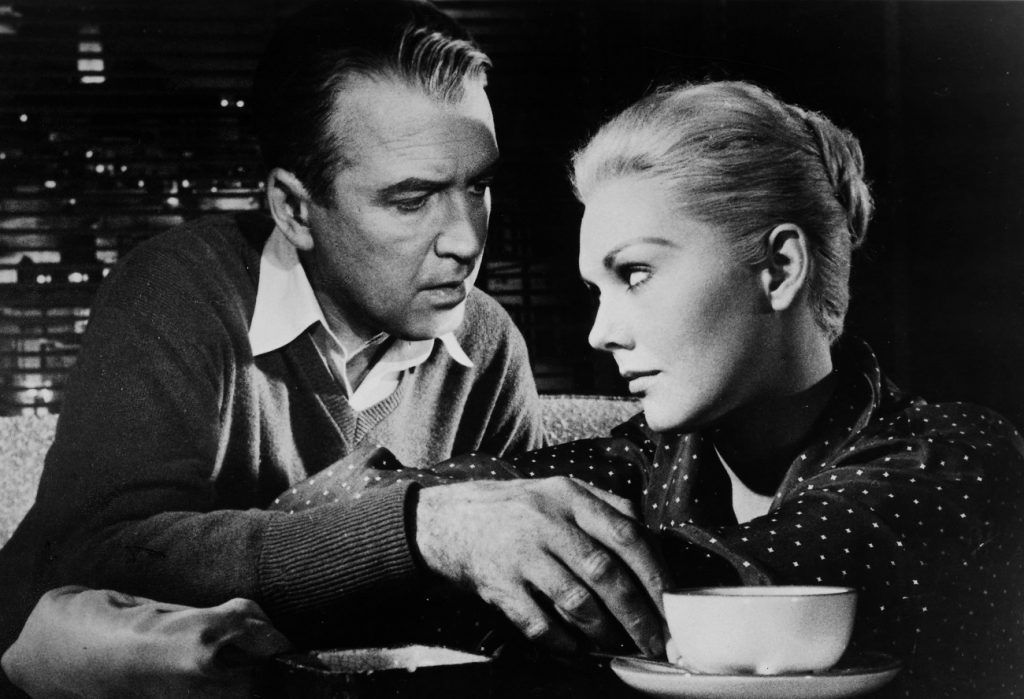
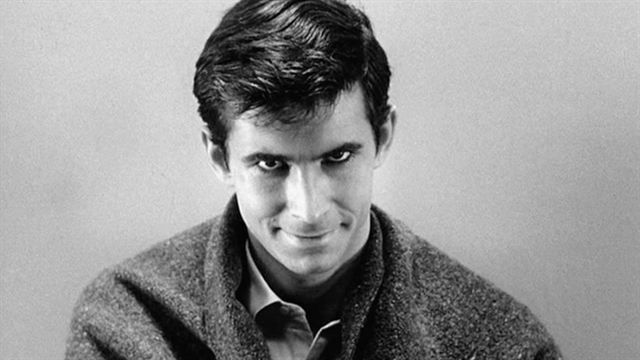
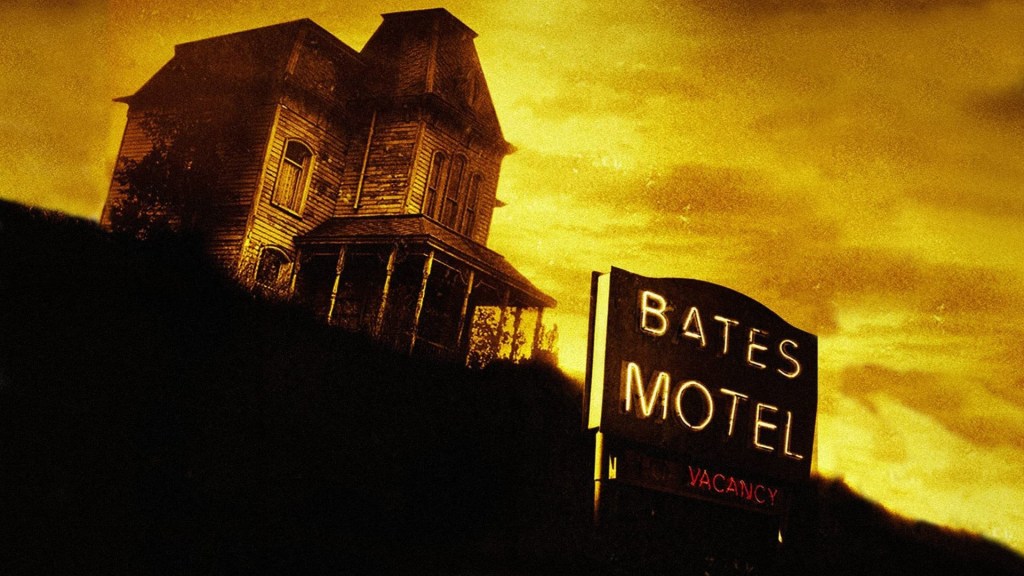
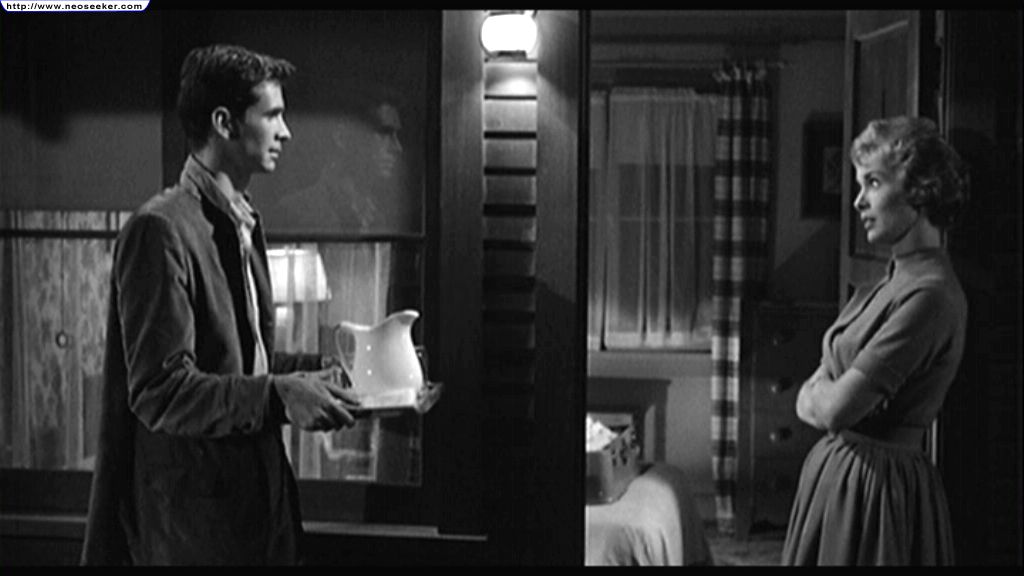
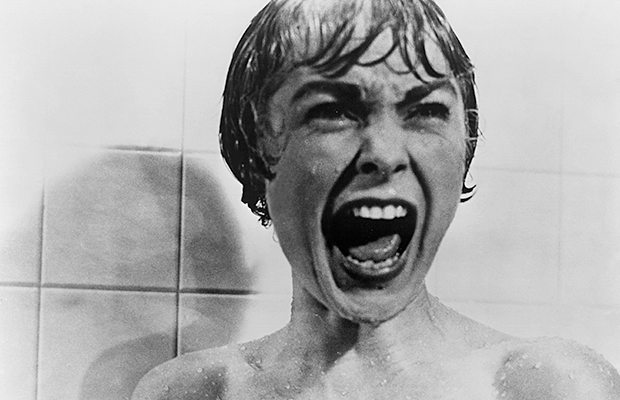

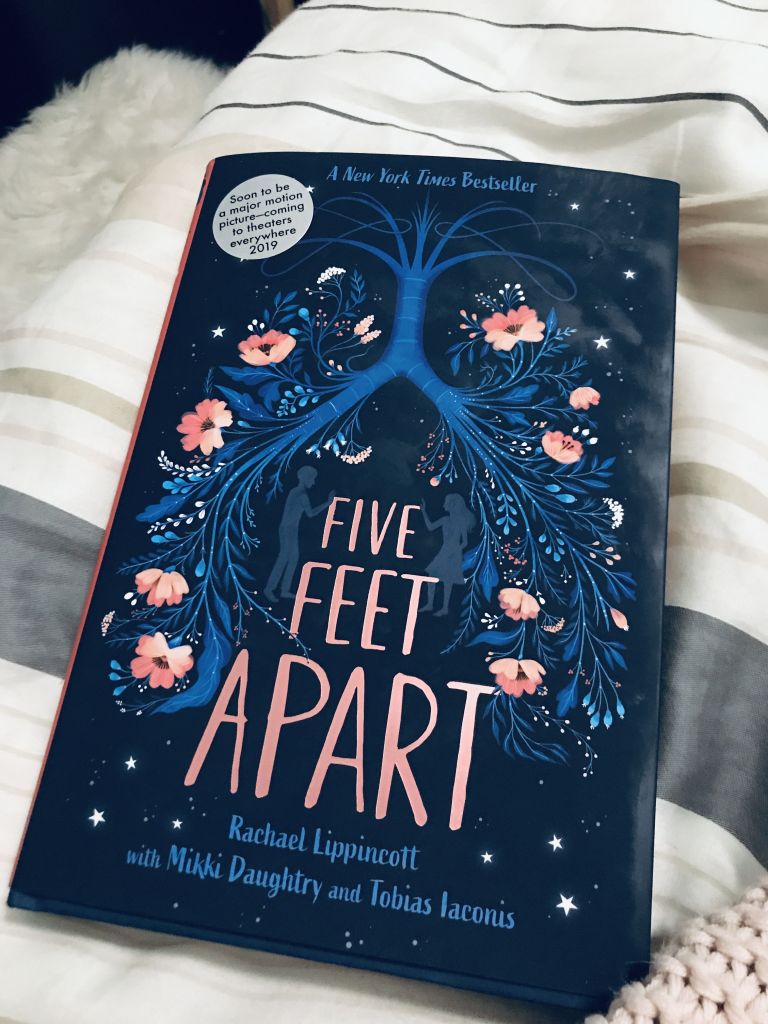





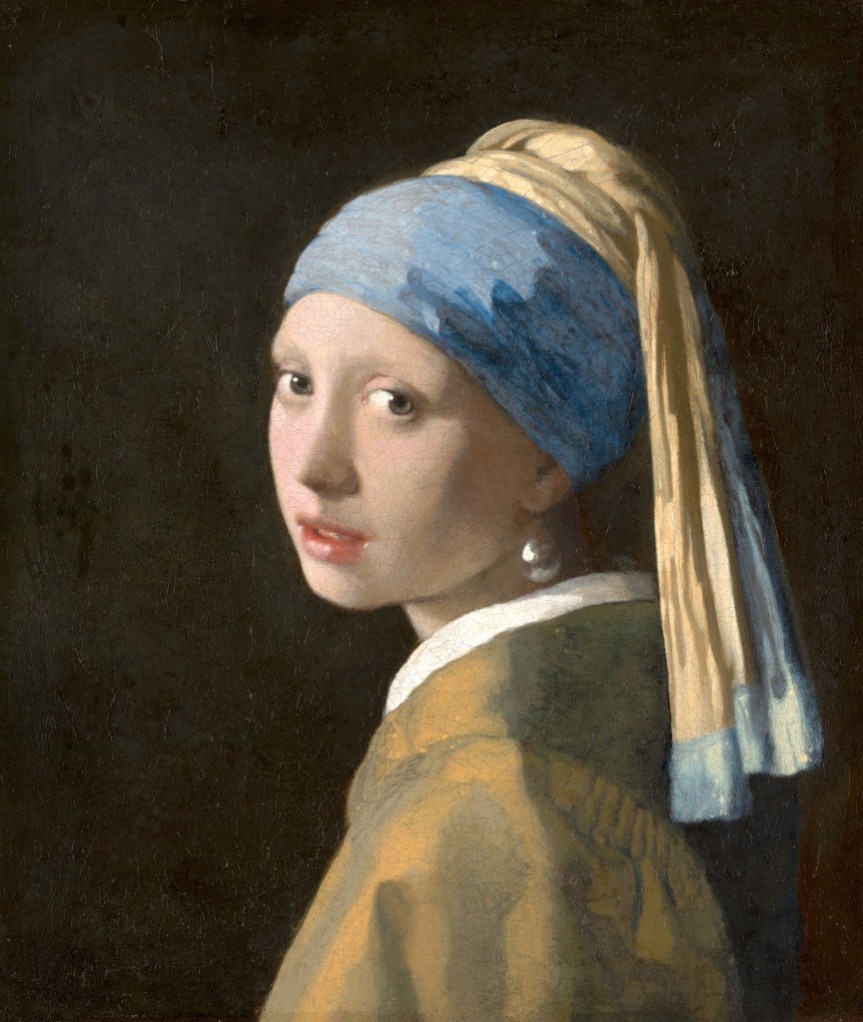
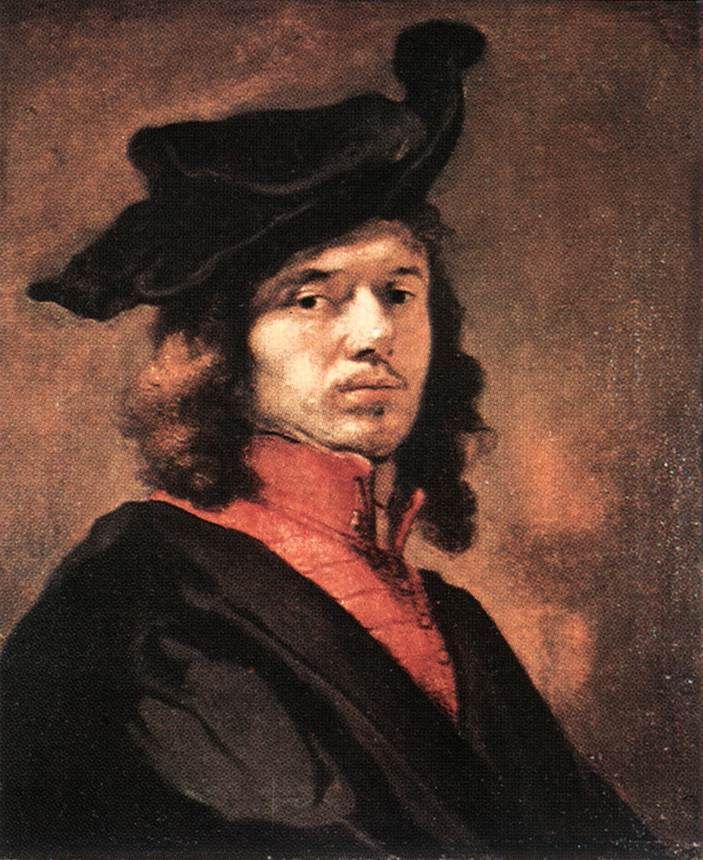
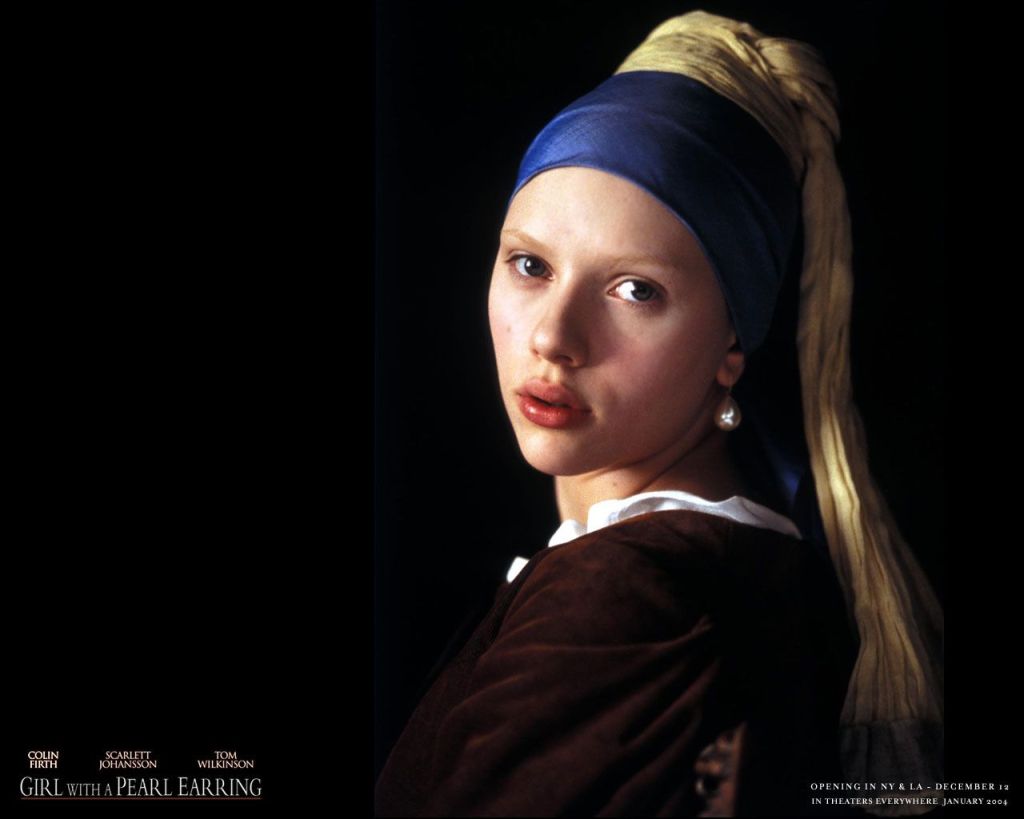
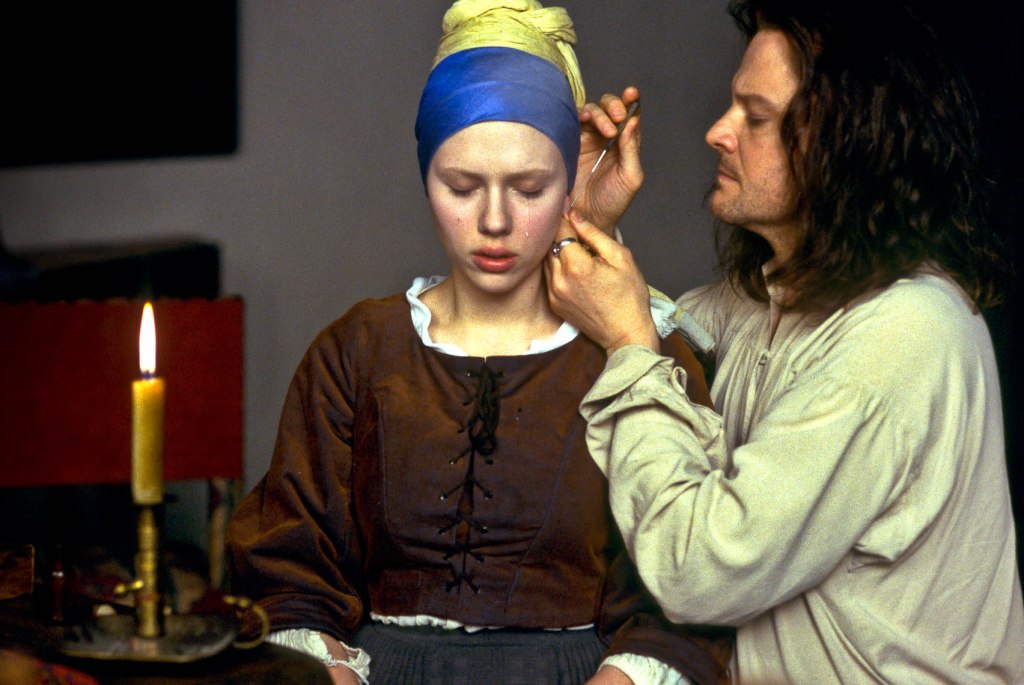

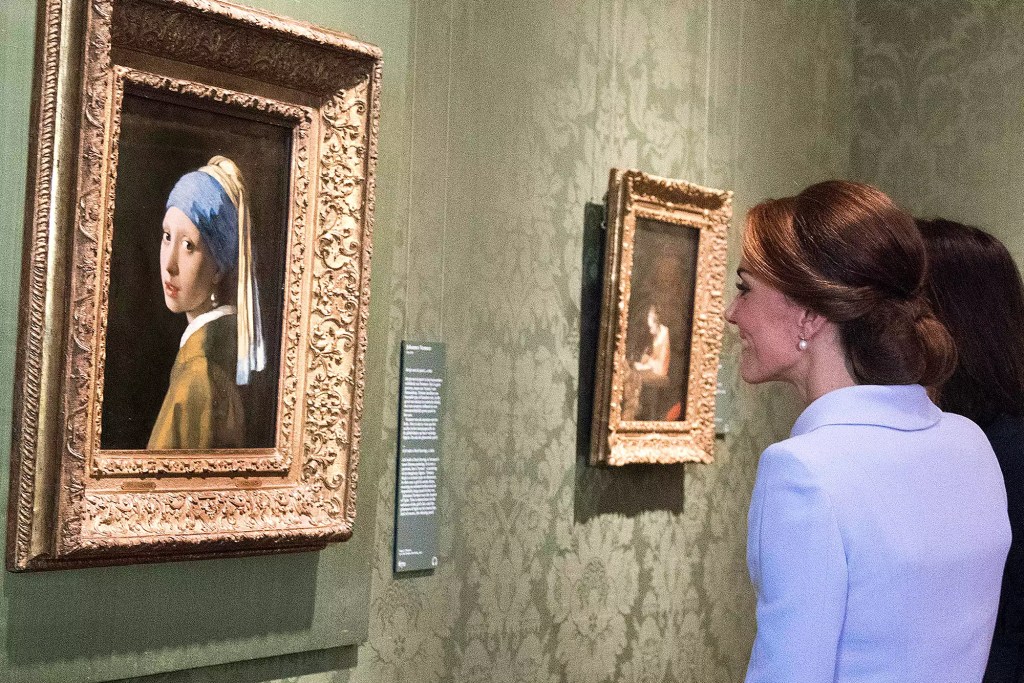

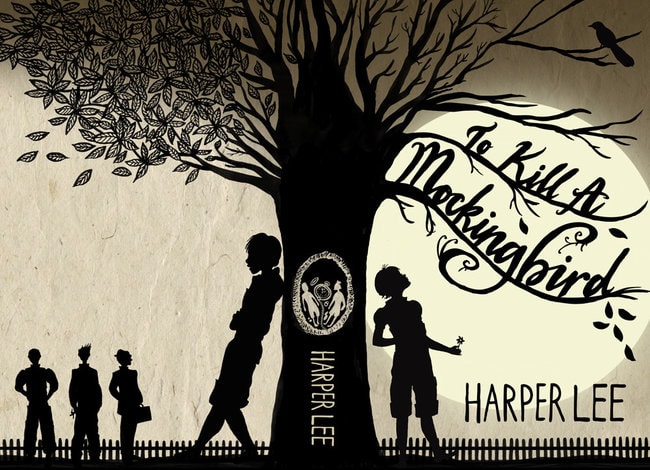
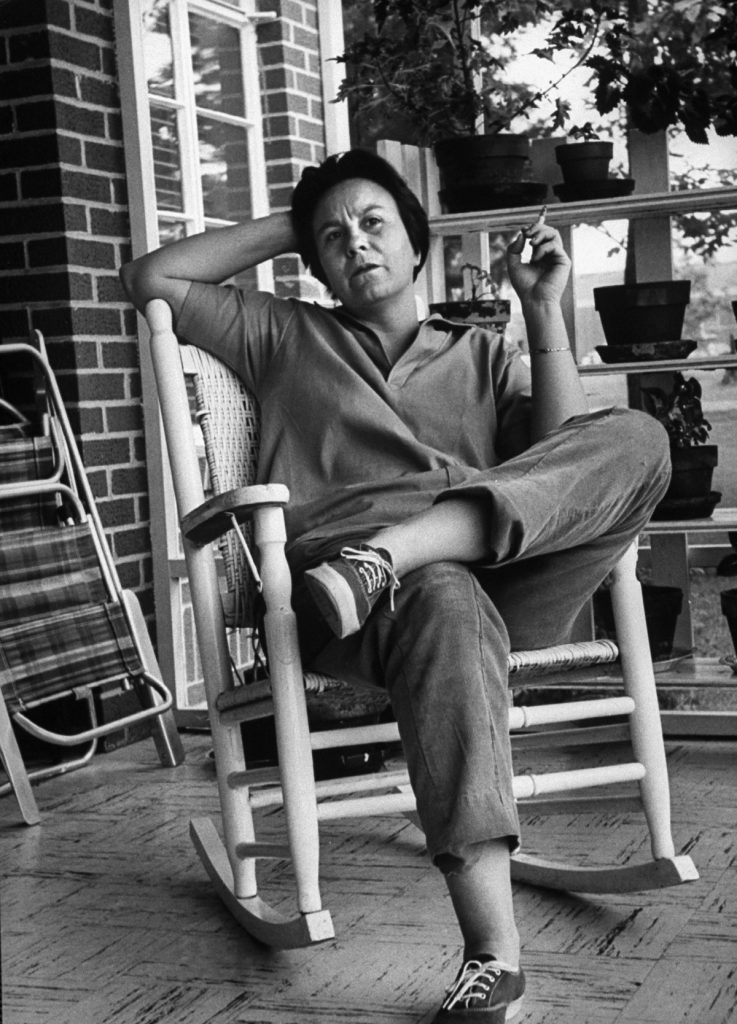
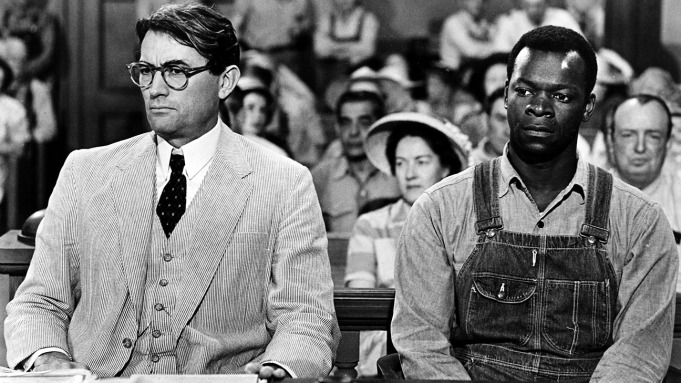
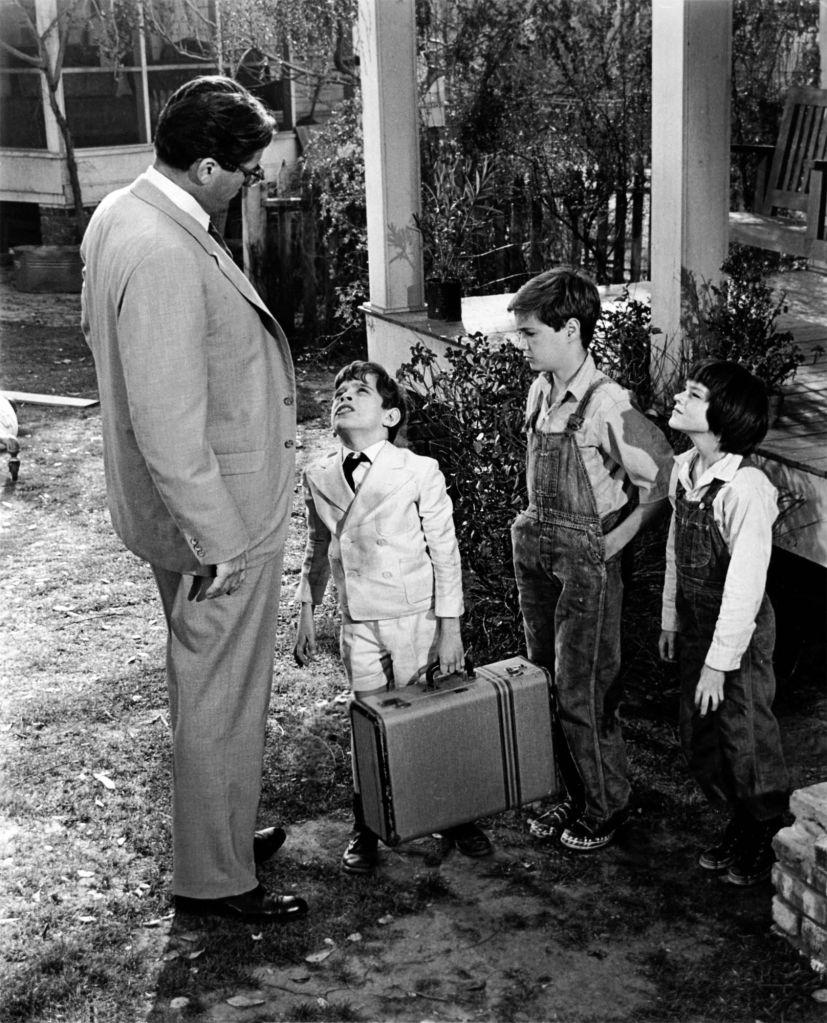
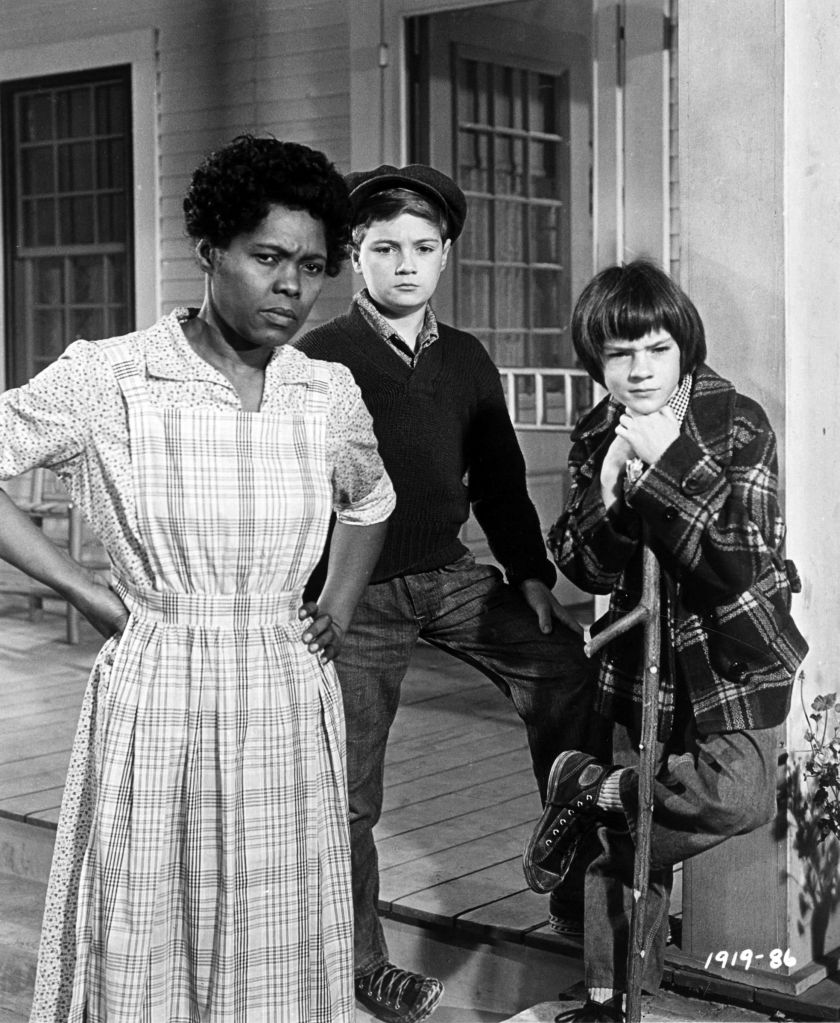
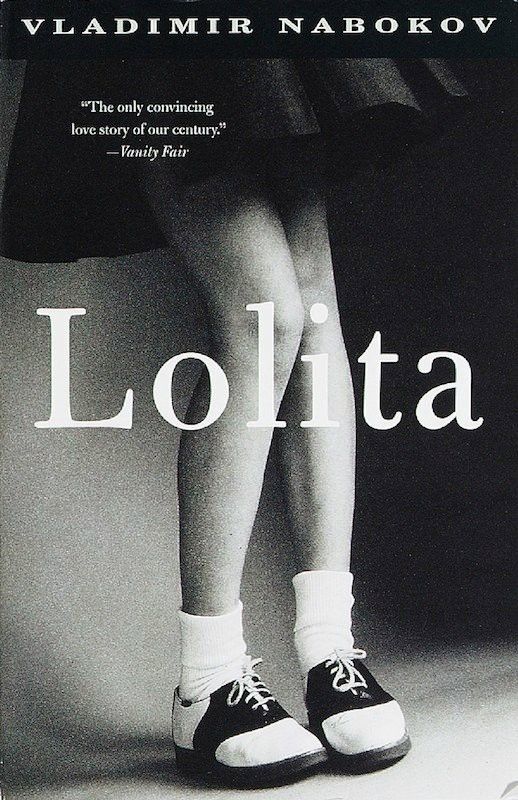
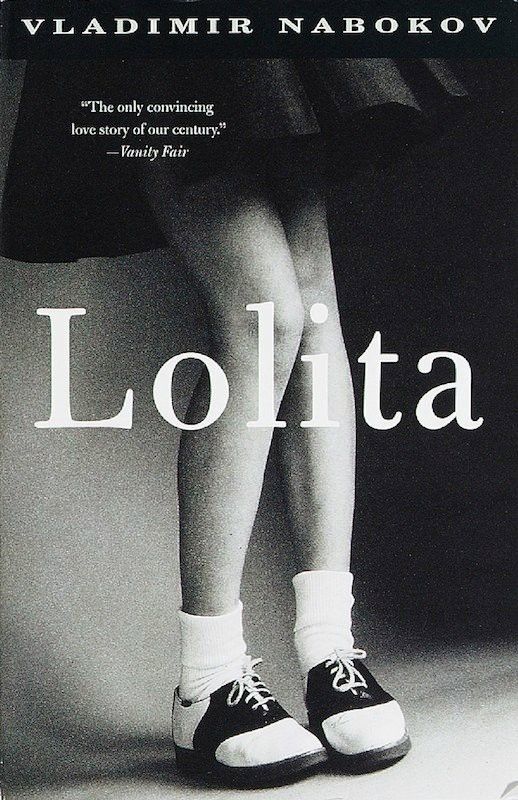
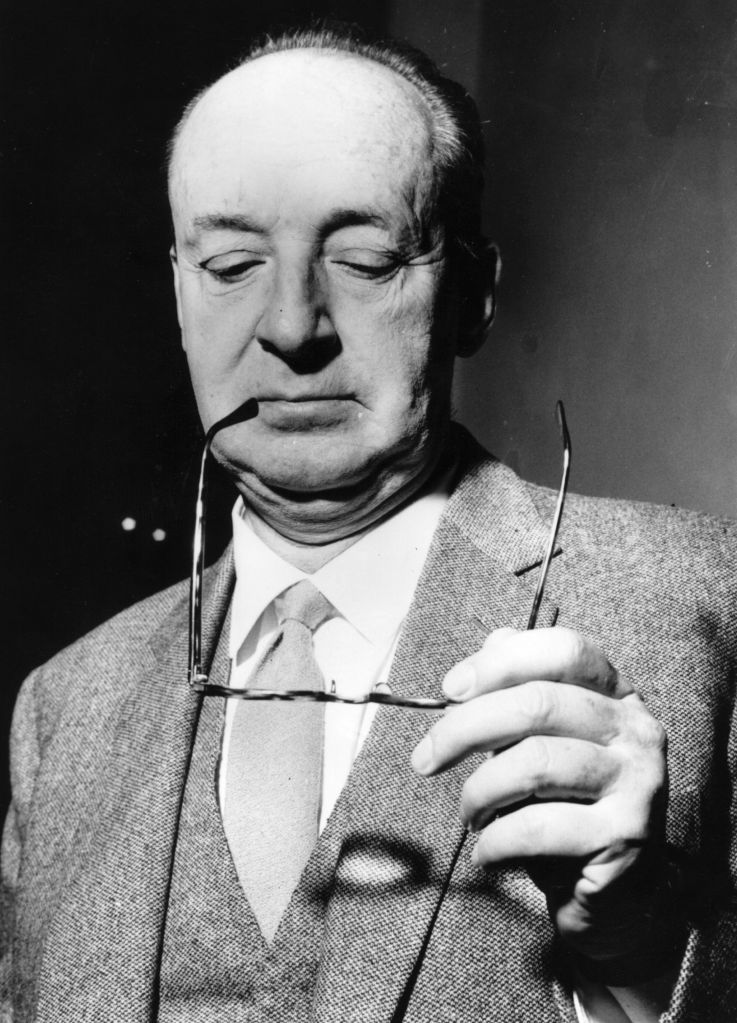
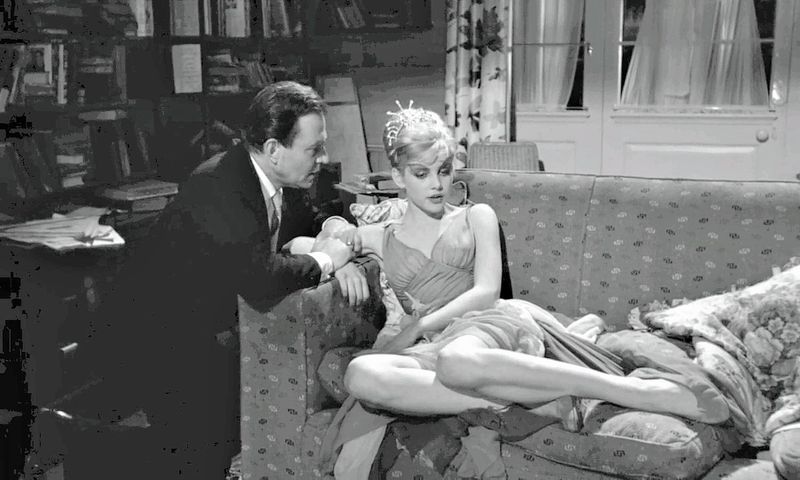
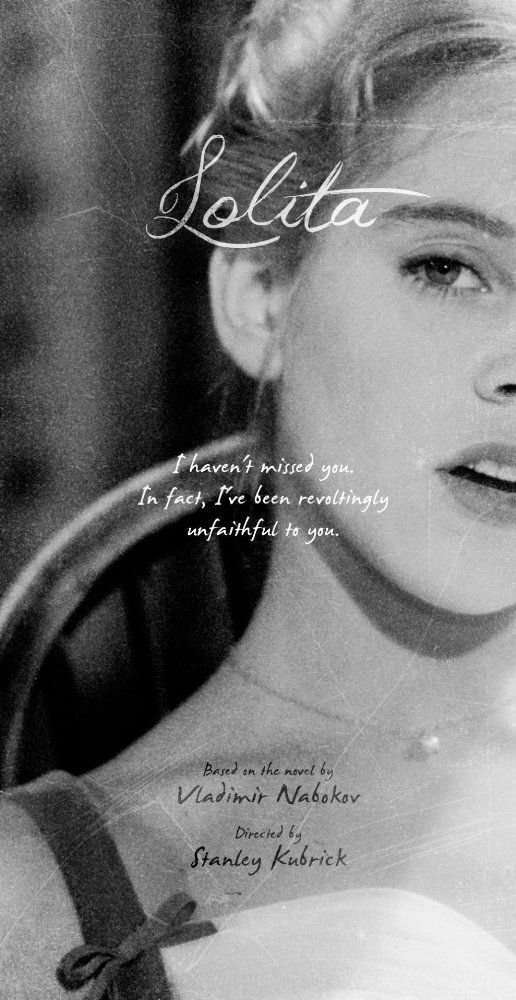
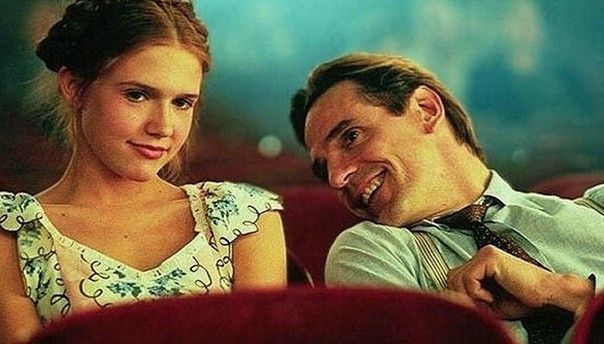

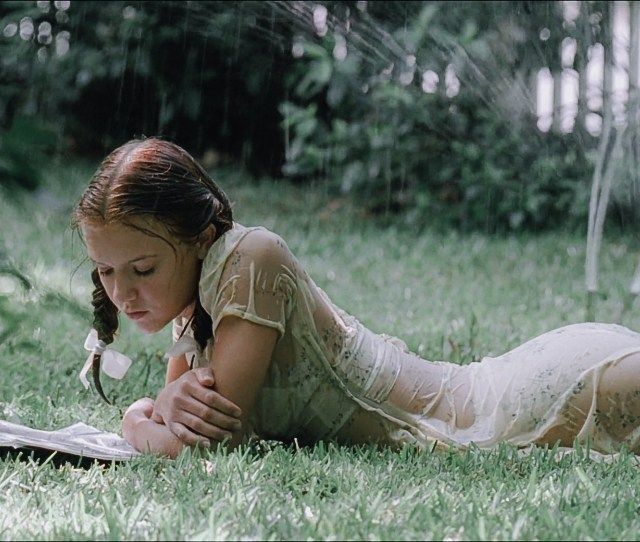
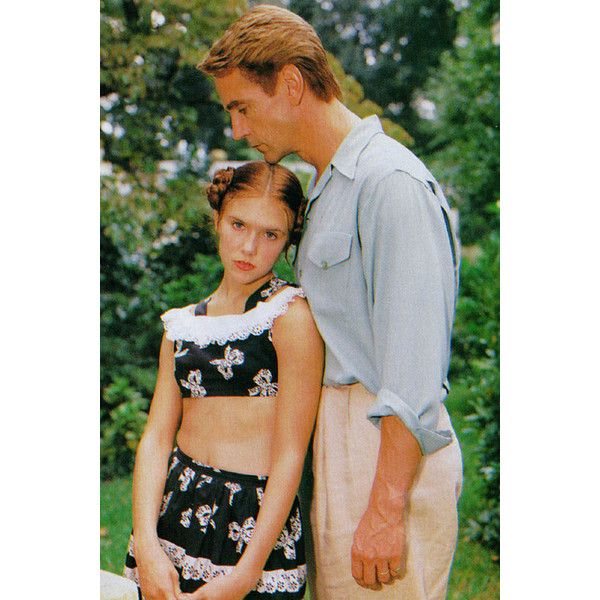







 Eduindex
You must be logged in to post a comment.