PARLIAMENT QUESTION: Increase in Tiger Population

The tiger population has increased as per the All India Tiger Estimation done in 2022, with an estimated number of 3682 (range 3167-3925) as compared to the 2018 estimation of 2967 (range 2603-3346) and 2014 estimation of 2226 (range 1945-2491).  The tiger population is increasing at a rate of 6% per annum in India when consistently sampled areas are compared.  The details of tiger estimation pertaining to tiger landscapes in the country, for the years 2006, 2010, 2014, 2018 and 2022 is at Annexure-I.

The Government of India, through the National Tiger Conservation Authority, has advocated a three pronged strategy to manage human-wildlife negative interactions as follows:-

(i)         Material and logistical support: Funding support through the ongoing Centrally Sponsored Scheme of Project Tiger, is provided to tiger reserves for acquiring capacity in terms of infrastructure and material, to deal with tigers dispersing out of source areas. These are solicited by tiger reserves through an Annual Plan of Operation (APO) every year which stems out from an overarching Tiger Conservation Plan (TCP), mandated under Section 38 V of the Wildlife (Protection) Act, 1972. Inter alia, activities such as payment of ex-gratia and compensation, periodic awareness campaigns to sensitize, guide and advise the general populace on man-animal conflict, dissemination of information through various forms of media, procurement of immobilization equipment, drugs, training and capacity building of forest staff to deal with conflict events are generally solicited.

(ii)        Restricting habitat interventions: Based on the carrying capacity of tigers in a tiger reserve, habitat interventions are restricted through an overarching TCP. In case tiger numbers are at carrying capacity levels, it is advised that habitat interventions should be limited so that there is no excessive spill over of wildlife including tigers thereby minimizing man-animal conflict. Further, in buffer areas around tiger reserves, habitat interventions are restricted such that they are sub-optimal vis-à-vis the core/critical tiger habitat areas, judicious enough to facilitate dispersal to other rich habitat areas only.

(iii)       Standard Operating Procedure (SOPs): The National Tiger Conservation Authority has issued following three SOPs to deal with human-animal conflict, which are available in public domain:

i. To deal with emergency arising due to straying of tigers in human dominated landscapes

ii. To deal with tiger depredation on livestock

iii. For active management towards rehabilitation of tigers from source areas at the landscape level.

The three SOPs inter alia include the issue of managing dispersing tigers, managing livestock kills so as to reduce conflict as well as relocating tigers from source areas to areas where density of tiger is low, so that conflict in rich source areas does not occur.

Also as per Tiger Conservation Plans need based and site-specific management interventions are undertaken by the tiger reserves for improving the quality of wildlife habitat and funding support for these activities is provided under the Project Tiger Component of the ongoing Centrally Sponsored Scheme of Integrated Development of Wildlife Habitats.

As reported by States, the details of tigers lost due to confirmed unnatural causes (poaching, seizures and unnatural not poaching) during last three years and current year are at Annexure-II.

Annexure-I

Details of tiger estimation pertaining to tiger landscapes in the country, for the years 2006, 2010, 2014, 2018 and 2022 (As per All India Tiger Estimation Reports)

 StateTiger Population 
20062010201420182022
Shivalik-Gangetic Plain Landscape Complex
Uttarakhand178227340442560
Uttar Pradesh109118117173205
Bihar108283154
Shivalik Gangetic297353485646819
Central Indian Landscape Complex and Eastern Ghats Landscape Complex
Andhra Pradesh9572684863
Telangana2621
Chhattisgarh2626461917
Madhya Pradesh300257308526785
Maharashtra103169190312444
Odisha4532282820
Rajasthan3236456988
Jharkhand10351
Central India60160168810331439
Western Ghats Landscape Complex
Karnataka290300406524563
Kerala4671136190213
Tamil Nadu76163229264306
Goa535
Western Ghats4125347769811087
North Eastern Hills and Brahmaputra Flood Plains
Assam70143167190229
Arunachal Pradesh1428299
Mizoram65300
Nagaland00
Northern West Bengal10302
North East Hills, and Brahmaputra100148201219236
Sunderbans707688101
TOTAL14111706222629673682

Annexure-II

Details of tiger lost due to confirmed unnatural causes (poaching, seizures and unnatural not poaching) during last three years and current, State-wise

State2021202220232024(as on 20.11.2024)
PSUNPPSUNPPSUNPPSUNP
Andhra Pradesh121
Arunachal Pradesh
Assam23
Bihar111
Chhattisgarh2
Delhi
Goa
Gujarat
Haryana
Jharkhand
Karnataka13
Kerala311
Madhya Pradesh31511531
Maharashtra522213
Nagaland
Odisha1
Rajasthan
Tamil Nadu1121
Telangana
Uttar Pradesh12
Uttarakhand1111
West Bengal
Total8111122111249100

P – Poaching

S – Seizure

UNP – Unnatural not poaching

Architect of Pollen development & Seed formation identified

Daily writing prompt
What’s the hardest decision you’ve ever had to make? Why?

Scientists have identified a novel gene that plays a crucial role in the development of stamens (male reproductive structure) including pollen grain and seed formation, in Arabidopsis flowering plants related to cabbage and mustard. The study opens up new possibilities for improving crop fertility and seed production.

Pollen formation represents a very important developmental stage in plant life cycle. It represents the male gametophyte and its role is to deliver the genetic material to the embryo sac. The production and transfer of viable pollen grains to the stigma, germination of the pollen grains, growth of the pollen tubes down the style, and effective fertilization are necessary for the formation of a successful seed set. Thus, understanding the pollen development process not only elucidate the basic mechanism of sexual reproduction of flowering plants but also add valuable information for subsequent manipulation in crop production.

“Pollen germination speed” and “pollen tube growth” are the two important characteristic features of healthy pollens that have evolved with the evolution in flowering plants (Angiosperms). The rapid growth of the pollen tube through the style to reach ovary, is a pre-requisite for fertilization in flowering plants. Since many pollen tubes grow through the style, the reproductive success of a pollen grain is determined by its rate of pollen tube elongation.

It has been shown that maturation of pollen grain with proper structure and composition of cell wall determines its interaction with the stigma as well as its germination ability for successful fertilization. Thus, it is important to understand the molecular mechanisms responsible for pollen development, pollen hydration and pollen germination- factors that are responsible for the formation of a mature viable pollen grains.

Recent investigations on pollen development by Prof. Shubho Chaudhuri’s lab at Bose Institute, Kolkata, an autonomous institution of Department of Science and Technology, identified a novel gene named HMGB15, a non-histone protein that restructures chromatin, plays a crucial role in the development of stamens (male reproductive structure) in Arabidopsis.

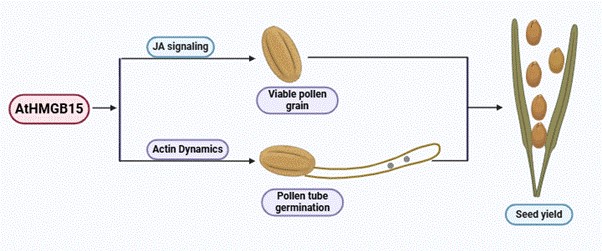
A mutation in this gene, causes partial male sterility in plants. The mutant plants exhibit low pollen grain viability, defective pollen wall patterning, retarded pollen tube germination rate, shorter filaments that are unable to reach the stigma resulting in reduced seed production. The abnormalities in the mutants are due to the disruption in gene regulatory networks important for pollen development, maturation and pollen tube germination.

Molecular analysis indicated that several developmental pathways like biosynthesis of phytohormone jasmonic acid (JA), apoptosis of tapetal cells and actin polymerization dynamics have been severely affected in the HMGB15 loss of function mutants.

Understanding this mechanism on a  model organism used for studying plant biology, not only sheds light on the intricate biology of plants but also opens new possibilities for improving crop fertility and seed production. The studies have been published in reputed plant journals namely, Plant Physiology (Sachdev et al., 2024) and Plant Reproduction (Biswas et al., 2024).  Financial support for this work was provided by SERB, India.

***

World Nature Conservation Day: Promoting a Sustainable Future

 World Nature Conservation Day, observed annually on July 28th, serves as a reminder of the crucial role that a healthy environment plays in sustaining human life and the planet’s biodiversity. This day highlights the importance of conserving and managing natural resources sustainably to ensure a stable and productive society for current and future generations. It underscores the interconnectedness of human well-being and the health of the planet, advocating for collective action to protect our environment.

Understanding the Importance of Nature Conservation

What is Nature Conservation?

Nature conservation involves the protection, preservation, and management of natural environments and wildlife. It encompasses efforts to maintain and restore ecosystems, protect endangered species, and sustainably manage resources to prevent overexploitation and degradation. The goal is to ensure that natural habitats and the biodiversity they support can thrive for the long term, providing essential ecosystem services that benefit humanity and the planet.

Why is Conservation Crucial?

Environmental Stability

Healthy ecosystems play a critical role in regulating climate, purifying air and water, maintaining soil fertility, and supporting biodiversity. By conserving natural habitats, we help maintain these vital ecosystem services, which are essential for environmental stability and resilience against natural disasters and climate change.

Biodiversity Preservation

Biodiversity, the variety of life on Earth, is fundamental to ecosystem health and resilience. Conserving habitats and species helps maintain genetic diversity, which is crucial for adaptation and survival in changing environments. Protecting biodiversity also ensures that ecosystems can continue to provide essential services such as pollination, nutrient cycling, and water purification.

Economic Benefits

Natural resources provide the foundation for many industries, including agriculture, forestry, fisheries, and tourism. Sustainable management of these resources ensures their availability for future generations and helps maintain economic stability. Additionally, conservation efforts can create jobs and support local economies through eco-tourism and sustainable resource management practices.

Human Health and Well-being

A healthy environment is essential for human health and well-being. Clean air, water, and food are fundamental for a healthy life, and intact ecosystems provide these necessities. Furthermore, access to natural spaces has been shown to improve mental health and reduce stress, highlighting the importance of conserving nature for overall human well-being.

The Challenges Facing Nature Conservation

Habitat Destruction

Human activities such as deforestation, urbanization, and agricultural expansion have led to significant habitat loss and fragmentation. This destruction threatens countless species with extinction and disrupts the ecosystems they depend on. Protecting natural habitats is crucial to preserving biodiversity and the ecosystem services they provide.

Climate Change

Climate change poses a significant threat to ecosystems and species worldwide. Rising temperatures, changing precipitation patterns, and increased frequency of extreme weather events can alter habitats and disrupt the delicate balance of ecosystems. Conservation efforts must address climate change to protect vulnerable species and habitats.

Pollution

Pollution, including plastic waste, chemical runoff, and air pollution, has devastating effects on ecosystems and wildlife. Pollutants can contaminate water sources, degrade habitats, and harm or kill plants and animals. Reducing pollution is essential for protecting the health of ecosystems and the species that inhabit them.

Overexploitation of Resources

Unsustainable harvesting of natural resources, such as overfishing, illegal logging, and excessive hunting, depletes biodiversity and degrades ecosystems. Implementing sustainable management practices is crucial to ensure that natural resources are used responsibly and remain available for future generations.

Invasive Species

Invasive species, introduced through human activity, can outcompete native species and disrupt ecosystems. These species often lack natural predators in their new environments, allowing them to spread rapidly and cause significant ecological and economic damage. Managing invasive species is a key component of conservation efforts.

Ways to Observe World Nature Conservation Day

Promote Awareness and Education

Educating yourself and others about the importance of nature conservation is a powerful way to contribute to this cause. Share information about the challenges facing our environment and the actions that can be taken to protect it. Organize or participate in community events, workshops, and campaigns to raise awareness about conservation issues.

Support Conservation Organizations

Many organizations work tirelessly to protect natural habitats and wildlife. Consider supporting these organizations through donations, volunteering, or participating in their conservation programs. Your support can help fund critical conservation projects and advocate for policies that protect the environment.

Practice Sustainable Living

Adopting sustainable practices in your daily life can make a significant impact on the environment. Reduce your carbon footprint by using public transportation, recycling, conserving water, and reducing energy consumption. Choose sustainably sourced products, support local and organic agriculture, and minimize waste to help conserve natural resources.

Participate in Conservation Activities

Get involved in local conservation efforts by participating in activities such as tree planting, habitat restoration, and clean-up events. These actions help improve the health of local ecosystems and provide a tangible way to contribute to nature conservation.

Advocate for Policy Change

Supporting policies that promote environmental protection and sustainability is crucial for long-term conservation efforts. Advocate for legislation that addresses climate change, protects natural habitats, and supports sustainable resource management. Engage with policymakers and participate in campaigns that promote conservation at the local, national, and global levels.

Success Stories in Nature Conservation

Protected Areas and National Parks

The establishment of protected areas and national parks has been a cornerstone of global conservation efforts. These areas provide safe havens for wildlife and preserve critical habitats. For example, the Great Barrier Reef Marine Park in Australia protects one of the world’s most diverse marine ecosystems, while Yellowstone National Park in the United States safeguards a wide range of species and landscapes.

Species Recovery Programs

Conservation programs aimed at recovering endangered species have seen significant successes. The recovery of the bald eagle in the United States, the reintroduction of the gray wolf to Yellowstone, and the conservation of the giant panda in China are examples of how concerted efforts can help species rebound from the brink of extinction.

Community-based Conservation

Community-based conservation initiatives empower local communities to manage and protect their natural resources. Projects such as the Namibian community conservancies, which involve local people in wildlife management and tourism, have demonstrated that conservation can provide economic benefits and support sustainable livelihoods.

The Path Forward: Building a Sustainable Future

Integrating Conservation and Development

Achieving sustainable development requires integrating conservation efforts with economic and social goals. This means promoting practices that protect natural resources while supporting economic growth and improving quality of life. Sustainable development policies and practices can help balance the needs of people and the planet.

Innovating for Conservation

Innovation in technology and science offers new opportunities for conservation. Advances in remote sensing, artificial intelligence, and biotechnology can enhance our ability to monitor ecosystems, protect endangered species, and restore degraded habitats. Embracing these technologies can help drive more effective and efficient conservation efforts.

Fostering Global Cooperation

Environmental issues are global in nature and require coordinated efforts across borders. International agreements such as the Paris Agreement on climate change and the Convention on Biological Diversity provide frameworks for cooperation on environmental protection. Strengthening global partnerships is essential for addressing the challenges facing our planet.

Conclusion

World Nature Conservation Day is a vital reminder of the need to protect and sustainably manage our natural resources for the well-being of all life on Earth. By raising awareness, supporting conservation efforts, and advocating for sustainable practices, we can contribute to a healthier, more resilient planet. As we observe this day, let us commit to taking action to preserve the natural world and ensure a sustainable future for generations to come.


Feel free to share this article to raise awareness about the importance of nature conservation and to inspire others to take action in protecting our environment.

Menstruation & It’s Taboos

N kavya

The menstrual cycle is a part of your reproductive system. Menstruation is the monthly shedding of the lining of your uterus. The menstrual blood which is partly blood and partly tissue from the inside of your uterus flows from your uterus through your cervix and out of your body through your vagina.

It has been said that during those days the tradition started for a good reason as women go through heavy cramps, PMS (premenstrual syndrome), headaches, stomach aches, mood swings, etc. Women were being isolated from their family and given complete rest in a separate room, as time passed the traditions became aggressive and gave more stress associated with myths, or misconceptions and taboos to women than being supportive to them during their menstrual cycle. Women are not allowed to enter the temples, in many households’ girls are subjected to many superstitious practices such as; prohibition from entering the kitchen and prayer room, being made to stay in a separate room, being forced to eat in separate utensils, and in some houses, the girl is provided the left-over food. Not being allowed to touch certain kinds of food because they could get spoilt, and tagging the girl as impure and unclean. The stigma associated with a woman bleeding every month leads to poor hygiene among a large section of rural women who use wood husk, leaves, paper, and other such materials instead of sanitary napkins when on their periods. The temple in Assam ‘Maa Kamkhaya’ where the main deity is the uterus of a woman signifies the importance of reproduction and the menstrual cycle is completely natural. In India, some school girls were allegedly forced to remove their underwear to prove they were not menstruating. The girls also reported that they were barred from touching other students during their menstrual cycle.

These social stigmas isolate the girls from family and friends which increases their stress levels and impacts their mental health. As per the survey in India, only 48% of adolescent girls are aware of what menstruation is before getting their first period, which is unhygienic for their health due to a lack of proper sanitation facilities. Young people do not have access to reliable and correct information about their reproductive health and rights. The lack of acceptance and the taboo associated with it leads the girls to stay at home due to anxiety and embarrassment… An overall lack of scientific knowledge about menstruation also gives way to myths and misconceptions. During previous centuries, there were many rules followed due to some circumstances but following those rules in this period seems unreasonable.

Girls must be given proper menstruation knowledge before they get their first period because many girls do not have the knowledge about how their body works and provide free napkins to the government schools. The main development goals must include an equal opportunity for education for girls and boys and access to proper sanitation. The media creating public awareness regarding these issues would break the taboo prevailing in society. The movie ‘Pad Man’ starring Akshay Kumar and Radhika Apte which speaks about the importance of women’s menstrual health is notable. To cross these barriers government, NGOs, corporate companies, and media and entertainment industries must collaborate and take advantage of each other’s capability and influence to achieve this vision.

Image credits- Google

Disaster management

Disaster is a very common phenomenon to the human society. It has been experienced by them since time immemorial. Though its form may be varied, it has been a challenge for society across castes, creeds, communities and countries. The latest development which has been discovered in the World Disaster Reports recently is that the disasters have increased in frequency and intensity.People are becoming more and more vulnerable to disasters of all types, including earthquake, flood, cyclones, landslides, droughts, accidents, plane crash, forests fire, etc. With the technological advancements and progress, the force of disasters is also changing. When they occur they surpass all preparedness and eagerness of society and pose bigger challenge to them. This is quite true in case of both developed and developing countries. The floods in UK, France, and heat wave in Europe, particularly in France in 2003, claimed more than 35000 lives. In the year 2006, America had to face bigger disaster in the form of tornadoes and other cyclones. They caused great loss of lives and property. All these are sufficient to prove that technological mechanisms are inadequate.There is a direct correlation between higher human development and higher preparedness. The countries which have lesser human development are more vulnerable to risks of disasters and damage. Of all the disasters, floods are the most common followed by wind storms, droughts and earthquakes. But the drought is the deadliest disaster which accounts for 48 per cent of all deaths from natural disasters. The highest numbers of people die from disasters in Asia. India, China and Bangladesh are the worst affected countries by flood. Besides the natural disasters, transport accidents and technological disasters are also faced by the developing countries.

The UNDA with Government of India has jointly prepared an action plan for cities and towns vulnerable to earthquakes. The need in the vulnerable zones is that the existing buildings be technically assessed and evaluated and individual owners and group housing authorities should be informed about the weaknesses in their construction. Presently, in India, it is estimated that around 10 lakhs buildings which are constructed every year, an equal number of them get damaged as a result of disasters. It is required that a monitoring mechanism should be set up in disaster prone areas and it must act in proper coordination with the concerned to ensure fulfillment of building codes.
Disaster is a state subject in India; it is, therefore, the responsibility of the state to provide every kind of support and assistance to the victim. The Central Government has a facilitating role. It, with proper coordination with various ministries, extends all required support and helps to the states, namely defence services, air dropping, rescuing, searching, transport of relief goods, availability of rail and ferry services, health personnel and medical support, etc. In the State, the Relief Commissioner or Disaster Management Secretary is the specific authority responsible for handling and management of the disaster.

Rehabilitation is an integral part of disaster management. When disasters occur administrative measures are terribly inadequate and perhaps this is the most difficult period for a victim. The role of administration does not end with end of disasters. In fact its effort and commitment get more complex. It requires proper coordination among various agencies. In this context it is very important to note that disasters are non-routine events that require non-routine response. Government cannot rely on normal procedures to implement appropriate responses- the rescue teams require learning special skills, technologies and attitudes in dealing with disasters.


SUCCESSFUL EMERGENCY MANAGEMENT RELIES UPON EXPERIENCE AND EXPERTISE.

Horticulture

The science and art of growing, producing, marketing, and utilizing high-value, intensively grown food, and ornamental plants in a sustainable manner is known as Horticulture.Annual and perennial plants, fruits and vegetables, decorative indoor plants, and landscape plants are all examples of horticulture crops.

Horticulture farming also aims to enhance the quality of life, as well as the beauty, sustainability, and recovery of our ecosystem and the human condition.
Horticulture is divided into the cultivation of plants for food (pomology and olericulture) and plants for ornament (floriculture and landscape horticulture). Pomology deals with fruit and nut crops. Olericulture deals with herbaceous plants for the kitchen, including, for example, carrots (edible root), asparagus (edible stem), lettuce (edible leaf), cauliflower (edible flower buds), tomatoes (edible fruit), and peas (edible seed). Floriculture deals with the production of flowers and ornamental plants; generally, cut flowers, pot plants, and greenery. Landscape horticulture is a broad category that includes plants for the landscape, including lawn turf but particularly nursery crops such as shrubs, trees, and vines.

Temperate zones for horticulture cannot be defined exactly by lines of latitude or longitude but are usually regarded as including those areas where frost in winter occurs, even though rarely. Thus, most parts of Europe, North America, and northern Asia are included, though some parts of the United States, such as southern Florida, are considered subtropical. A few parts of the north coast of the Mediterranean and the Mediterranean islands are also subtropical. In the Southern Hemisphere, practically all of New Zealand, a few parts of Australia, and the southern part of South America have temperate climates. For horticultural purposes altitude is also a factor; the lower slopes of great mountain ranges, such as the Himalayas and the Andes, are included. Thus, the temperate zones are very wide and the range of plants that can be grown in them is enormous, probably greater than in either the subtropical or tropical zones. In the temperate zones are the great coniferous and deciduous forests: pine, spruce, fir, most of the cypresses, the deciduous oaks (but excluding many of the evergreen ones), ash, birch, and linden.

There is no sharp line of demarcation between the tropics and the subtropics. Just as many tropical plants can be cultivated in the subtropics, so also many subtropical and even temperate plants can be grown satisfactorily in the tropics. Elevation is a determining factor. For example, the scarlet runner bean, a common plant in temperate regions, grows, flowers, and develops pods normally on the high slopes of Mount Meru in Africa near the Equator, but it will not set pods in Hong Kong, a subtropical situation a little south of the Tropic of Cancer but at a low elevation.In addition to elevation, another determinant is the annual distribution of rainfall. Plants that grow and flower in the monsoon areas, as in India, will not succeed where the climate is uniformly wet, as in Bougainville in the Solomon Islands. Another factor is the length of day, the number of hours the Sun is above the horizon; some plants flower only if the day is long, but others make their growth during the long days and flower when the day is short. Certain strains of the cosmos plant are so sensitive to light that where the day is always about 12 hours, as near the Equator, they flower when only a few inches high; if grown near the Tropic of Cancer or the Tropic of Capricorn, they attain a height of several feet, if the seeds are sown in the spring, before flowering in the short days of autumn and winter. Poinsettia is a short-day plant that may be seen in flower in Singapore on any day of the year, while in Trinidad it is a blaze of glory only in late December.


The glory of gardening: hands in the dirt, head in the sun, heart with nature.

To nurture a garden is to feed not just on the body, but the soul.

Horticulture

The science and art of growing, producing, marketing, and utilizing high-value, intensively grown food, and ornamental plants in a sustainable manner is known as Horticulture.Annual and perennial plants, fruits and vegetables, decorative indoor plants, and landscape plants are all examples of horticulture crops.

Horticulture farming also aims to enhance the quality of life, as well as the beauty, sustainability, and recovery of our ecosystem and the human condition.
Horticulture is divided into the cultivation of plants for food (pomology and olericulture) and plants for ornament (floriculture and landscape horticulture). Pomology deals with fruit and nut crops. Olericulture deals with herbaceous plants for the kitchen, including, for example, carrots (edible root), asparagus (edible stem), lettuce (edible leaf), cauliflower (edible flower buds), tomatoes (edible fruit), and peas (edible seed). Floriculture deals with the production of flowers and ornamental plants; generally, cut flowers, pot plants, and greenery. Landscape horticulture is a broad category that includes plants for the landscape, including lawn turf but particularly nursery crops such as shrubs, trees, and vines.

Temperate zones for horticulture cannot be defined exactly by lines of latitude or longitude but are usually regarded as including those areas where frost in winter occurs, even though rarely. Thus, most parts of Europe, North America, and northern Asia are included, though some parts of the United States, such as southern Florida, are considered subtropical. A few parts of the north coast of the Mediterranean and the Mediterranean islands are also subtropical. In the Southern Hemisphere, practically all of New Zealand, a few parts of Australia, and the southern part of South America have temperate climates. For horticultural purposes altitude is also a factor; the lower slopes of great mountain ranges, such as the Himalayas and the Andes, are included. Thus, the temperate zones are very wide and the range of plants that can be grown in them is enormous, probably greater than in either the subtropical or tropical zones. In the temperate zones are the great coniferous and deciduous forests: pine, spruce, fir, most of the cypresses, the deciduous oaks (but excluding many of the evergreen ones), ash, birch, and linden.

There is no sharp line of demarcation between the tropics and the subtropics. Just as many tropical plants can be cultivated in the subtropics, so also many subtropical and even temperate plants can be grown satisfactorily in the tropics. Elevation is a determining factor. For example, the scarlet runner bean, a common plant in temperate regions, grows, flowers, and develops pods normally on the high slopes of Mount Meru in Africa near the Equator, but it will not set pods in Hong Kong, a subtropical situation a little south of the Tropic of Cancer but at a low elevation.In addition to elevation, another determinant is the annual distribution of rainfall. Plants that grow and flower in the monsoon areas, as in India, will not succeed where the climate is uniformly wet, as in Bougainville in the Solomon Islands. Another factor is the length of day, the number of hours the Sun is above the horizon; some plants flower only if the day is long, but others make their growth during the long days and flower when the day is short. Certain strains of the cosmos plant are so sensitive to light that where the day is always about 12 hours, as near the Equator, they flower when only a few inches high; if grown near the Tropic of Cancer or the Tropic of Capricorn, they attain a height of several feet, if the seeds are sown in the spring, before flowering in the short days of autumn and winter. Poinsettia is a short-day plant that may be seen in flower in Singapore on any day of the year, while in Trinidad it is a blaze of glory only in late December.


The glory of gardening: hands in the dirt, head in the sun, heart with nature.

To nurture a garden is to feed not just on the body, but the soul.

General issues on Environmental ecology

The environment plays a significant role to support life on earth. But there are some issues that are causing damages to life and the ecosystem of the earth. It is related to the not only environment but with everyone that lives on the planet. Besides, its main source is pollution, global warming, greenhouse gas, and many others. The everyday activities of human are constantly degrading the quality of the environment which ultimately results in the loss of survival condition from the earth.There are hundreds of issue that causing damage to the environment. But in this, we are going to discuss the main causes of environmental issues because they are very dangerous to life and the ecosystem.

Pollution – It is one of the main causes of an environmental issue because it poisons the air, water, soil, and noise. As we know that in the past few decades the numbers of industries have rapidly increased. Moreover, these industries discharge their untreated waste into the water bodies, on soil, and in air. Most of these wastes contain harmful and poisonous materials that spread very easily because of the movement of water bodies and wind. Greenhouse Gases – These are the gases which are responsible for the increase in the temperature of the earth surface. This gases directly relates to air pollution because of the pollution produced by the vehicle and factories which contains a toxic chemical that harms the life and environment of earth. Climate Changes – Due to environmental issue the climate is changing rapidly and things like smog, acid rains are getting common. Also, the number of natural calamities is also increasing and almost every year there is flood, famine, drought, landslides, earthquakes, and many more calamities are increasing.

Development recognises that social, economic and environmental issues are interconnected, and that decisions must incorporate each of these aspects if there are to be good decisions in the longer term.For sustainable development, accurate environment forecasts and warnings with effective information on pollution which are essential for planning and for ensuring safe and environmentally sound socio-economic activities should be made known.


THE EARTH IS WHAT WE
ALL HAVE IN COMMAN

Carbon Farming

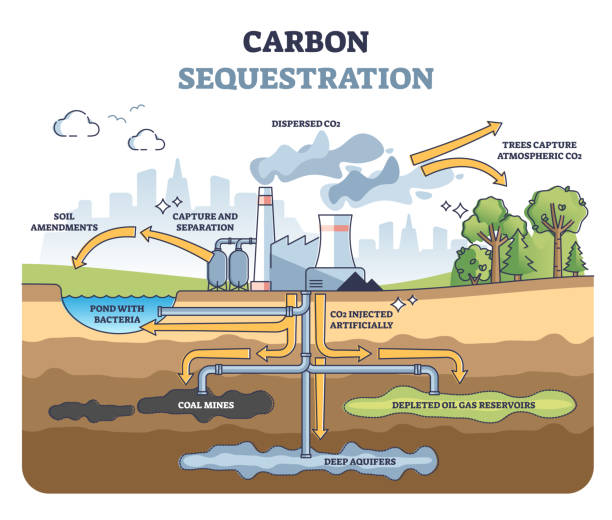
Carbon farming (also known as carbon sequestration) is a system of agricultural management that helps the land store more carbon and reduce the amount of Greenhouse Gases (GHGs) that it releases into the atmosphere. Carbon farming explicitly recognises that it is solar energy that drives farm ecosystem dynamics and that carbon is the carrier of that energy within the farm system.

Agriculture covers more than half of Earth’s terrestrial surface and contributes roughly one-third of global GHG emissions.

According to the Third Biennial Update Report submitted by the Government of India in early 2021 to the UNFCCC, the agriculture sector contributes 14% of the total GHG emissions.

Carbon Farming: a Viable Option

  • Climate Friendly: Carbon farming promises a bold new agricultural business model – one that fights climate change, creates jobs, and saves farms that might otherwise be unprofitable.
  • Optimising Carbon Capture: It is a whole farm approach to optimising carbon capture on working landscapes by implementing practices known to improve the rate at which CO2 is removed from the atmosphere and stored in plant material and/or soil organic matter.
  • Carbon farming can incentivise our farmers to introduce regenerative practices in their agricultural processes helping them shift their focus from improving yields to functioning ecosystems and sequestering carbon that can be sold or traded in carbon markets.
  • Farmer Friendly: It not only improves the health of soil but can also result in improved quality, organic and chemical-free food along with boosted/secondary income from carbon credits for the marginalised farmers.
  • Growth in Carbon Market: The total value of the global carbon markets grew by 20% in 2020 — the fourth consecutive year of record growth — and is well on its way in raising a critical mass of investors.

Carbon thus can effectively prove to be the ‘cash crop’ of the future for farmers

In India, Meghalaya is currently working on a blueprint of a ‘carbon farming’ Act to create a prototype of sustainable agriculture model for the entire North-East region. Sikkim became the first State in the world to become fully organic in 2016.

Steps can be Taken to Encourage Carbon Farming?

Soil is one of the most untapped and underutilised defences against climate change and acts as an efficient carbon sink.

Legal Backing for Carbon Farming: An extensive and pioneering carbon farming Act with a robust transition plan can effectively demonstrate the idea of creating a carbon sink on working land.

Carbon Credits and Carbon Banks: The farmers can be rewarded through globally tradable carbon credits. Carbon banks can also be created that would buy and sell carbon credits from farmers. Paying farmers to restore carbon-depleted soils offers a great opportunity for a natural climate solution and to stabilise global warming below 2°C.

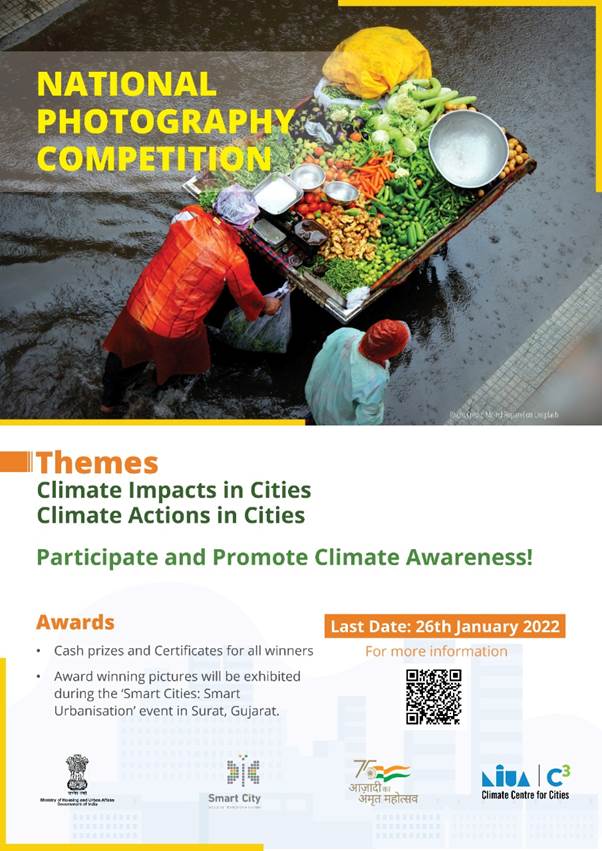
Climate Awareness Campaign and National Photography Competition

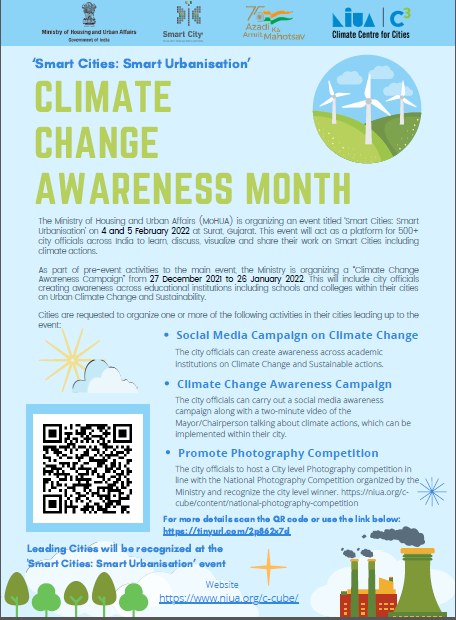
 The Ministry of Housing and Urban Affairs (MoHUA) is organizing Climate Change Awareness Campaign and National Photography Competition. The competition will be open to all participants till 26th January, 2022, as part of pre-event activities leading to the ‘Azadi Ka Amrit Mahotsav- Smart Cities: Smart Urbanization’ event on 4th and 5th of February, 2022 at Surat, Gujarat. Both the campaign and competition aims to sensitize the challenges posed by climate change, enrich the participants with ideas to solutions, and promote climate action in cities.

Climate Awareness Campaign:

The campaign will include Municipal Commissioners and key heads of urban local bodies and Smart City CEOs creating awareness across educational institutions including schools and colleges within their cities to align young minds to the challenges and solutions associated with Urban Climate Change and Sustainability. Cities will be organizing one or more of the following activities in their cities leading up to the event:

  • Climate Change Awareness Campaign: The city officials will create awareness across academic institutions on Climate Change and Sustainable actions.
  • Social Media Campaign on Climate Change: The city officials will carry out a social media awareness campaign where City leaders like Mayors/Municipal Commissioners/Smart City CEOs will be talking about climate actions, that can be implemented within their city. The issues that will be taken up for discussion include inter alia plantation drive, cleaning of water bodies, recycling of e-waste, promoting the adoption of solar energy within residential and commercial buildings, or any other initiative which promotes climate adaptation or mitigation actions.
  • Promote Photography Competition: A City level Photography competition will be organised based on the theme of climate change.

Details of the events are available at https://niua.org/c-cube/content/climate-change-awareness-campaign

National Photography Competition:

The participants are invited to submit photographs which are either focusing on the impacts of climate change on Indian cities and actions taken by individuals, communities or city authorities to adapt/ mitigate climate change. To participate in the competition, photographs should be submitted in two categories:

  • Climate Impacts in Cities
  • Climate Actions in Cities

The selection of photographs will focus on content, composition and technique. All interested photographers and climate enthusiasts can visit https://niua.org/c-cube/content/national-photography-competition for details of participation. The submission of photograph shall close on 26th January 2022 at 11:59 pm.

Azadi Ka Amrit Mahotsav

Azadi Ka Amrit Mahotsav is an initiative of the Government of India to celebrate and commemorate 75 years of progressive India and the glorious history of its people, culture and achievements. This Mahotsav is dedicated to the people of India who have not only been instrumental in bringing India thus far in its evolutionary journey but also hold within them the power and potential to enable Prime Minister Modi’s vision of activating India 2.0, fuelled by the spirit of Atmanirbhar Bharat.

Azadi ka Amrit Mahotsav is an embodiment of all that is progressive about India’s socio-cultural, political, and economic identity. The official journey of “Azadi ka Amrit Mahotsav” commenced on 12th March 2021 which starts a 75-week countdown to our 75th anniversary of Independence.

DEFORESTATION

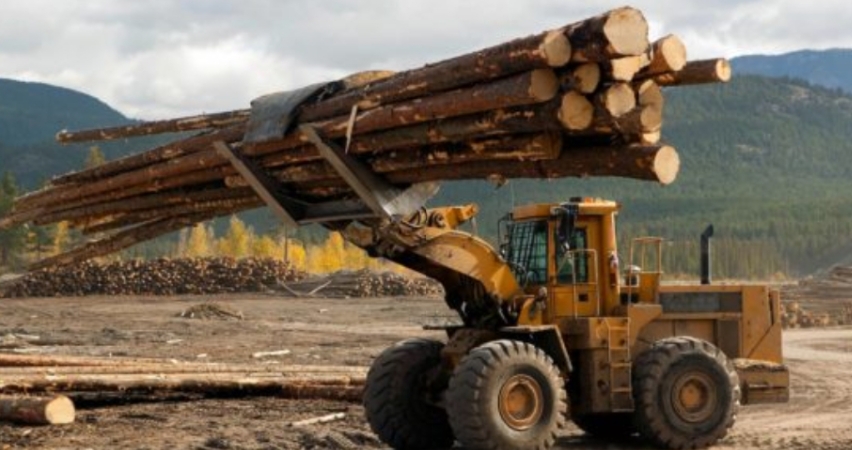
Deforestation is the process of removal of trees from forest for the human purposes.Deforestation has greatly altered landscapes around the world.Deforestion is one of the major threats to the environment.Deforestation refers to the decrease in forest areas across the world that are lost for other uses such as agricultural croplands, urbanization, or mining activities.Deforestration cause landfall,soil erosion and drought.

The loss of forest is an issue that predominantly affects tropical areas, regions with the highest biodiversity on Earth. In 2018 alone, 30 million acres of tropical rainforest were destroyed, with more than a third of the Earth’s land now being used for agriculture, a process that involves the clearing of woodland to create pasture.Most of this loss has been focussed around the Amazon, a rate of destruction that has only increased in recent years with policy shifts in Brazilian government – 3,769 square miles of Amazonian forest cover was lost between 2018 and 2019.Southeast Asia that has seen the greatest rate of forest loss of anywhere in the world, losing 30% of its forest surface in the last 40 years.

Coupled with huge population growth – with the region’s population forecast to rise by almost 250 million by 2030 – human settlements are increasingly coming into contact with animals that had previously been naturally contained in woodland habitats.The increase of disease linked to deforestation and increased contact between humans and tropical animals speaks to the risks involved when ancient natural ecosystems are disrupted.The loss of trees and other vegetation can cause climate change, desertification, soil erosion, fewer crops, flooding, increased greenhouse gases in the atmosphere, and a host of problems for indigenous people.

Pollution a reality of today

Pollution has became a part of our life. It has became the reality whether we accepted or not. We have to now keep air purifier to purify the air inside our house. Just think of the level of destruction in has caused to just as well as to nature.

We have reduced the resources of nature or either we have misused the resources of nature for our own benefit. We youmans are so selfish that for our benefit we can even take away the things which are meant for everyone. Like we have polluted so many rivers which has caused death to so many aquatic animals that we can’t even imagine of.

We have polluted the air quality so much that we are now facing difficulty to breathe ourselves. We have caused pollution in air, water, soil, noise whatnot. Just think it yourself.

Now there are so many activist and NGOs are coming ahead for cleaning up the message that has been spread by us only. But it is not enough. To remove Facebook devil from our mother nature each and everyone have to contribute towards this.

We can take small steps like using public transport instead of personal one for travelling which will reduce the air pollution. There is no need of very much big-big steps to be taken a small step by each individual is enough for cutting this pollution into half.

It is our nature and we should use net sustainabily so that it is available for other animals and future generation as well.

Mother Nature

Mother nature the word we often come across but we don’t give much importance. In this context nature has been given in the respect of a mother. But as we all know that a mother’s presence is so much in a life that at a point we start to ignore her little little things done for us. Similarly we have forgotten the importance of mother nature too.

Just think if we don’t have this nature what would happen of us. None of us would have been alive. We should not be so thankless towards nature who has always helped us in all aspects.

Instead of respecting nature as mother we have started exploiting it. We are taking the resources from nature but we are not giving anything bad to her free just want to full feel handbag letting hands empty.

This change we cannot bring all alone we need the support of all us, but everything starts with a single step if even one starts to respect or do something towards nature everyone else would join. The need of today’s just that one step.

Just take care for nature as if you are caring your own mother then you will start experiencing an aura of happiness. Nature is our everything and we are because of nature so please protect mother nature and mother earth.

Plastic A Modern Devil

Plastic the most dangerous and harmful enemy of our environment. It is killing mother nature and our health too. We take plastic bags from shop and don’t realise that we are actually taking home a devil who will cause harm to not only nature but to us too.

A normal plastic takes about 1000 years to decompose. Just think about it that a single piece of plastic take such long years to decompose, the level of plastic which we are using today will take how many years to decompose. It is choking our water organisms life. It is also choking are animals who eat food from the garbage like the cow, dogs, cats etc.

The youth are taking responsibility reduce the use of the plastic and organising campaigns and webinars to create awareness among people to not use plastic or use decomposable plastic. The big companies are taking responsibilities to to recycle plastic and many new forms has also set up for this purpose.

Even the government have started realising the need to protect our environment and nature. International organisations like UN has also so so called for an international cooperation in this matter.

There are many innovative way in which the plastic are being reused like in making bricks, floor, dolls, chair, etc. Forest sustainable future we have to look into this matter with utmost seriousness. This earth belongs to everyone and we have no right to miss you or destroy any element on this earth.

Northeast India an Untouched Heaven

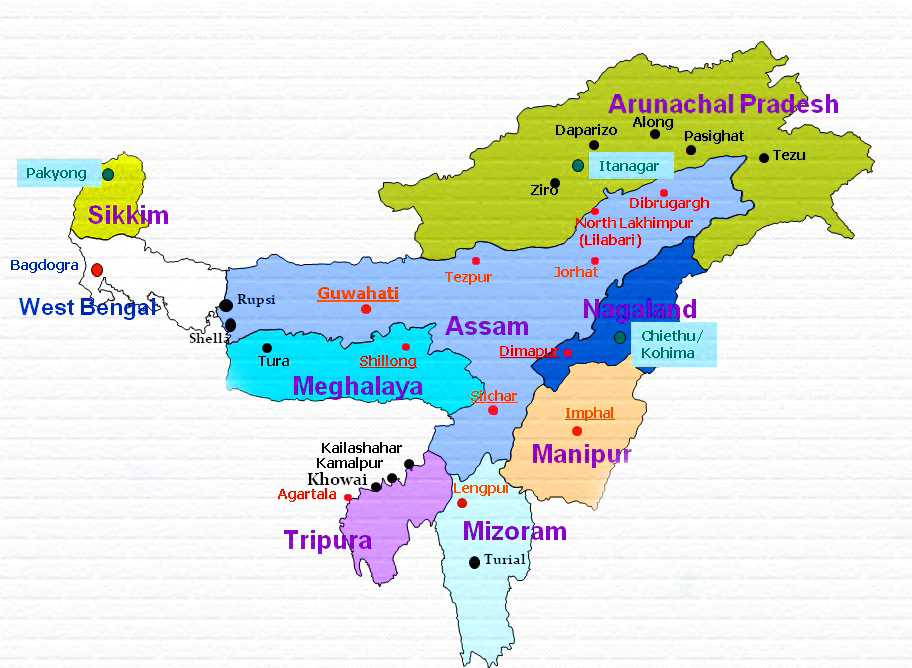
Northeast India of you may be familiar with others might not have given attention in the geography class. North East India consists of eight States Sikkim, Assam, Meghalaya, Tripura, Mizoram, Manipur, Nagaland and Arunachal Pradesh. The states are much closer to the name nature as compared to other states. The people here live a mostly tribal but they are friendly too. These states were always neglected form development for many years. They are discriminated because of their looks. Many North East Indian student face racist comments on daily basis.

And since the outbreak of COVID-19 their situation is becoming worse. They were beaten , were called coronavirus, where spit up on, even the shopkeeper refuse to sell their products to them.

The we treated like they don’t belong to this country. This is really shameful act. It doesn’t mean that I am pointing out each and everyone and saying that they are racist, but there are some Anti Social people who are racist.

There are many examples where North East people have brought glory to our country whether it is Mary Kom,Hima Das, Mirabai Chanu ,Baichung Bhutia, Lovlina borgohain, etc. Slowly their understanding their right and are coming up in in all the field, but there is a long way to go. And it’s our responsibility to treat every being with respect and should at least know about one own country’s geography.

Now new development projects are taking place in North East too. The act is east policy which will connect India to Southeast and East Asia.

They are famous for other things too like Assam is famous for its tea, which is considered to be the most expensive tea in the world. Sikkim is famous for its cleanliness and organic farming. Meghalaya for receiving the highest rainfall in the world. Tripura for producing sports stars and hand-wovencottonfabric and woodcarvings.Meghalaya is famous for manipuri dance and bamboo forests. Mizoram for it’s evergreen Hills and dense forest of bamboo. Nagaland for which tribal culture and the hottest chilli in the world, the ghost paper. Arunachal Pradesh also known as the Rising Sun of India famous for Buddhist temple, Brahmaputra river and beautiful green forests.

If you are a person who loves nature and adventure, and want to take a holiday and relax then North East is a must visit place for you. It will provide you with the opportunity of river rafting mountain climbing trekking etc. You will definitely not regret it.