Prime Minister reiterates his commitment for qualitative changes in the education sector

 The Prime Minister, Shri Narendra Modi has reiterated his commitment for qualitative changes in the education sector. He has also expressed his happiness over improvement in performance of Indian universities in QS World University Rankings.

Responding to the CEO and Managing Director of QS Quacquarelli Symonds Ltd, Mr. Nunzio Quacquarelli about continued improvement in performance of Indian universities in QS World University Rankings, the Prime Minister posted on X;

“Over the last decade, we have focused on qualitative changes in the education sector. This is reflected in the QS World University Rankings. Compliments to the students, faculty and institutions for their hard work and dedication. In this term, we want to do even more to boost research and innovation.”


***

DS/ST


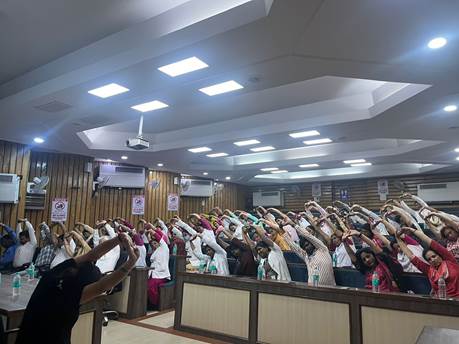
Safdarjung Hospital hosts Seminar on Integrating Yoga into Medical Practice

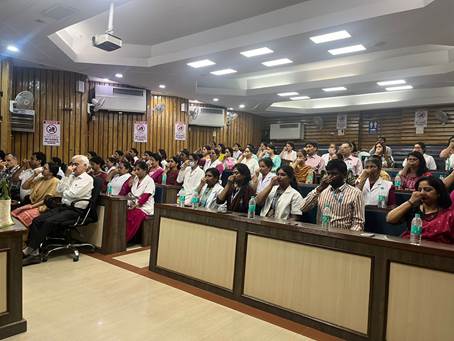
 The Yoga and Naturopathy OPD & Lifestyle Intervention Centre at Safdarjung Hospital, under the Central Council for Research in Yoga and Naturopathy (CCRYN), Ministry of AYUSH, Government of India, successfully organized a seminar titled “Integrating Yoga into Medical Practice to Enhance Well-Being of Patients and Healthcare Providers.”

The seminar brought together distinguished experts from the fields of yoga, healthcare, and research to explore the multifaceted benefits of incorporating yoga into medical practices. The event was attended by around 85 medical professionals from Safdarjung Hospital, including Dr Jayanthi Mani Additional Medical Superintendent , Dr R P Arora ams, Dr Gaurav Arora AMS , allopathy doctors, residents, nursing staff, healthcare administrators, and doctors from the AYUSH department, stated Dr Sujatha George Yoga & Naturopathy Senior Consultant Physician.


Key highlights of the seminar included:

•  Evidence-based insights into the physiological and psychological benefits of yoga, presented by esteemed speakers such as Dr. Ragavendra Rao, Director of CCRYN.

•  Discussions on collaborative research opportunities between researchers and practitioners to further validate and expand the use of yoga in medical settings.

•  A practical session on “Healthy Lifestyle Practices & Yoga for Healthcare Professionals,” highlighting the importance of yoga for reducing burnout and improving mental health among healthcare providers was taken by Dr Athiray K.R.

•  Introduction of the “Y-Break” initiative, a short, guided yoga session designed for the workplace by the Ministry of AYUSH, to promote mental and physical health among employees.

******

For the first time in last six decades, a Prime Minister has got the third term

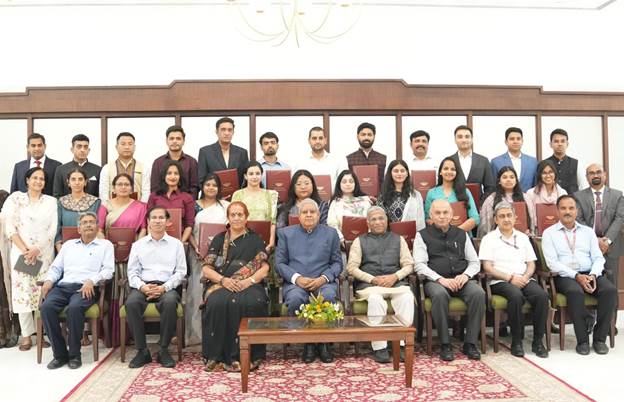
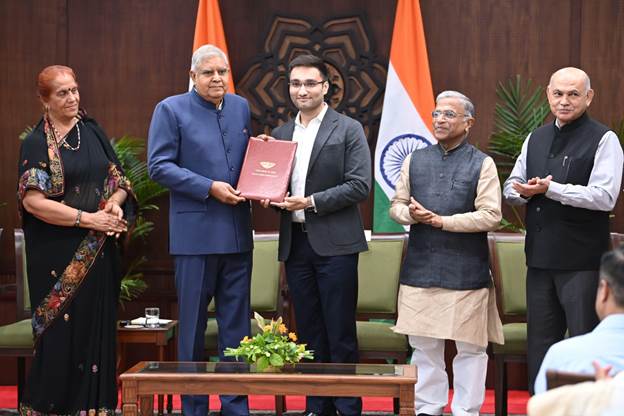
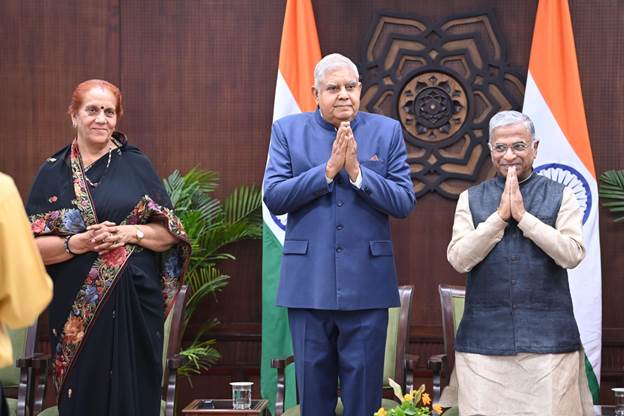
 The Vice-President, Shri Jagdeep Dhankhar today acknowledged the historical significance of the Government’s third term, unprecedented in last six decades. Emphasising the rarity of such an accomplishment, he stated “It is for the first time since 1962 that a Prime Minister has got a third term”.

Addressing the participants of the Rajya Sabha Internship Programme at Vice President’s enclave, Shri Dhankhar urged the interns to harness the power of social media to express their views and remain vigilant against pernicious tendencies in democracy. Emphasizing the role of constructive debate, dialogue and discussion in the Parliament for positive growth, Shri Dhankhar urged the interns to mobilize public opinion if they see any deviation from these principles.

He further exhorted that Bharat is not a sleeping giant, instead we are a country on move that is rising every day and every moment. Emphasizing the significance of consulting the Indian Constitution for clarity, Shri Dhankhar advised the interns to text of Indian Constitution whenever in doubt about.

Describing the internship programme as a “Parliamentary Startup” that would provide a new direction and urge to engage with the country’s democratic processes, Shri Dhankhar highlighted how citizens can indirectly participate and raise public issues through petitions, without being a member of Parliament.

Dr Sudesh Dhankhar, Deputy Chairman, Rajya Sabha Shri Harivansh, Secretary General, Rajya Sabha Shri P.C. Mody, Secretary to the Vice President, Shri Sunil Kumar Gupta, Secretary Rajya Sabha, Shri Rajit Punhani and other senior officials were present.


******

Shri Narendra Modi has been elected as Leader of the BJP Parliamentary Party

 A delegation of the National Democratic Alliance (NDA) led by Shri J. P. Nadda, President, Bharatiya Janata Party (BJP) called on the President at Rashtrapati Bhavan today at 2.30 PM and handed over a letter stating that Shri Narendra Modi has been elected as Leader of the BJP Parliamentary Party. Letters of support from NDA constituent parties were also handed over to the President. The other members of the delegation were Shri Rajnath Singh, Shri Amit Shah, Shri Ashwini Vaishnaw and Dr. C.N. Manjunath from BJP; Shri N. Chandrababu Naidu from Telugu Desam Party; Shri Nitish Kumar, Shri Rajiv Ranjan Singh (Lalan Singh) and Shri Sanjay Jha from Janata Dal (United); Shri Eknath Shinde from Shiv Sena; Shri H.D. Kumaraswamy from Janata Dal (Secular);  Shri Chirag Paswan from Lok Janshakti Party (Ram Vilas); Shri Jitan Ram Manjhi from Hindustani Awam Morcha (Secular); Shri Pawan Kalyan from Janasena; Shri Ajit Pawar from Nationalist Congress Party; Smt. Anupriya Patel from Apna Dal (Soneylal); Shri Jayant Chaudhary from Rashtriya Lok Dal; Shri Joyanta Basumatary from United People’s Party Liberal; Shri Atul Bora from Asom Gana Parishad; Shri Indra Hang Subba from Sikkim Krantikari Morcha; Shri Sudesh Mahto and Shri Chandra Prakash Choudhary from All Jharkhand Students Union; and Shri Ramdas Athawale from Republican Party of India (A).

The President, having satisfied herself on the basis of the various letters of support received, that the BJP-led NDA alliance, which is also the largest pre-election alliance, is in a position to command majority support of the newly constituted 18th Lok Sabha and to form a stable government, appointed Shri Narendra Modi as the Prime Minister of India exercising powers vested in her under Article 75(1) of the Constitution of India.

The President requested Shri Narendra Modi to indicate the date and time of the swearing-in-ceremony to be held at Rashtrapati Bhavan and also advise her about the names of other persons to be appointed as members of the Union Council of Ministers.

********

Railway Network Safety in India: A Comprehensive Analysis of Policy and Technological Interventions

The railway network in India is the nation’s lifeline, enabling seamless transportation of goods and passengers across the country’s expansive and diverse landscapes. Indian Railways, the fourth largest railway network in the world, serves as a driver of economic growth, connecting people across regions【source†1】. However, train accidents, such as derailments and collisions, remain a significant concern. Tackling these challenges requires a comprehensive approach, combining policy frameworks and technological advancements.

1. Current State of Railway Safety:
Despite significant improvements in recent years, challenges persist:

  • Derailments: The majority of train accidents are caused by derailments, which result from track defects, mechanical failures, and natural disasters【source†2】.
  • Collisions: Accidents at unmanned level crossings, train-to-train collisions, and livestock collisions are a persistent risk【source†3】.
  • Human Errors: Inadequate training, fatigue, and stress among the workforce are notable contributing factors to operational errors.
  • Aging Infrastructure: Outdated tracks, bridges, and signaling systems exacerbate mechanical failures【source†4】.

2. Policy Frameworks:
Efforts to strengthen the regulatory framework include:

  • National Rail Safety Policy: Outlines objectives and standards to improve railway safety【source†5】.
  • Institutional Reforms: The creation of the Railway Safety Regulatory Authority to oversee compliance.
  • Safety Funds: Establishment of the Rashtriya Rail Sanraksha Kosh to finance critical safety projects【source†6】.
  • Training and Awareness: Enhancing personnel skills through regular training and campaigns.

3. Technological Interventions:
Technological innovations offer significant opportunities to mitigate accident risks:

  • Anti-Collision Devices: GPS-based devices that automatically brake trains to prevent collisions.
  • Track Inspection Drones: Drones that inspect track conditions, bridges, and other infrastructure【source†7】.
  • Track Monitoring Systems: Deployment of sensors to identify weak points in tracks and other structural issues.
  • Train Protection and Warning System (TPWS): An automatic system that alerts drivers about speed limits and signal status【source†8】.
  • Automated Level Crossings: Sensors and barriers prevent accidents at unmanned crossings.

4. Synergy Between Policy and Technology:
Aligning policy and technological advancements involves:

  • Comprehensive Planning: Integrating technological requirements into national and regional safety policies ensures resources are appropriately allocated.
  • Stakeholder Collaboration: Coordination between government agencies, railway authorities, private technology partners, and the workforce is crucial.
  • Continuous Evaluation: Monitoring the efficacy of policies and technological tools helps refine strategies.

The Indian Railways network, which covers over 65,000 km and is divided into 17 zones, plays a crucial role in connecting the nation and facilitating the transportation of goods and passengers. As the fourth-largest rail network globally, it carries over 8 billion passengers annually. Its revenue, primarily driven by freight (accounting for over 75% of earnings), reached approximately USD 32.18 billion in the 2023-24 fiscal year​ (Railway Technology)​​ (India Brand Equity Foundation)​.

However, maintaining safety in such an extensive system is challenging due to derailments, collisions, and other accidents. Recent initiatives aim to modernize and secure operations:

  1. Infrastructure Upgrades: Indian Railways is implementing critical infrastructure projects to double speeds on certain routes and build dedicated freight corridors. Supercritical and critical projects worth USD 15.44 billion will enhance network efficiency​ (India Brand Equity Foundation)​.

  2. Electrification and Decarbonization: Electrification projects aim to convert the entire broad-gauge network to electric by 2024. This effort aligns with India’s commitment to achieving net-zero carbon emissions by 2030, supported by international collaborations​ (India Brand Equity Foundation)​.

  3. Technological Enhancements: Implementing dedicated high-speed corridors, upgrading ticketing systems, and modernizing passenger services enhance safety and efficiency.

These efforts underscore how a cohesive policy framework, combined with technological advances, will fortify India’s rail system against future challenges, ultimately enhancing safety and efficiency for passengers and cargo alike.

To learn more about the Indian Railways network, you can explore comprehensive information on the Indian Brand Equity Foundation’s website at IBEF.

Conclusion:
India’s railway network safety challenges demand a cohesive strategy that blends policy and technology. Leveraging innovative technologies within rigorous policy frameworks can enhance railway safety significantly. A proactive approach ensures a safer, more efficient network that benefits passengers and drives economic growth across the nation.

References:

References:

  1. Indian Railways Network Size
  2. Derailment Stats
  3. Unmanned Crossings Collisions
  4. Aging Railway Infrastructure
  5. National Rail Safety Policy
  6. Rashtriya Rail Sanraksha Kosh
  7. Drones in Railway Inspections
  8. Train Protection and Warning System

MEDITECH STACKATHON 2024 in collaboration with CII at New Delhi

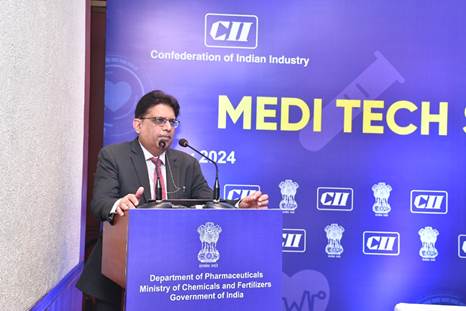
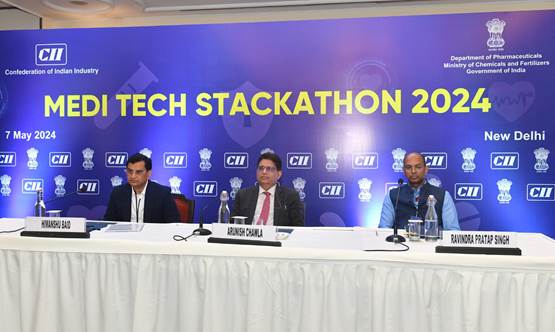
 Secretary, Department of Pharmaceuticals, Ministry of Chemicals and Fertilizers Dr Arunish Chawla, launched the MEDITECH STACKATHON 2024 in collaboration with CII in New Delhi today. The MEDITECH STACKATHON is a groundbreaking initiative designed to catalyze transformative change within India’s burgeoning MedTech sector by undertaking a comprehensive value chain analysis of select medical devices. Through close consultation with industry leaders, policymakers, and experts, the STACKATHON aims to address critical challenges, foster domestic manufacturing, and reduce import dependence, thereby positioning India as a global leader in medical technology. Joint Secretary, Department of Pharmaceuticals Shri RP Singh and Chairman, CII National Medical Technology Forum Shri Himanshu Baid and other senior officials of the Department and representatives of the Industry were present on the occasion.

Addressing the gathering, Dr Arunish Chawla said that India’s MedTech industry holds immense potential, with projections estimating a growth rate of 28% annually, reaching a size of USD 50 billion by 2030. He said that currently, India is the 4th largest market for medical devices in Asia and among the top 20 globally. Net imports for 2022-23 stands at USD 4101 Million with import coverage ratio of 0.45.

The Secretary said that the sector has witnessed a surge in imports, driven primarily by countries like the US, China, and Germany, however, India’s robust policy ecosystem presents opportunities for export boosts and reducing import dependence through domestic manufacturing.

Pharma Secretary Shri Arunish Chawla emphasized on the importance of policymakers, industry coming together to draw up a sturdy policy stack for growth of medical devices industry in the country.

He highlighted the critical need to focus on quality to ensure that India becomes globally competitive.

Exports have overtaken imports in consumables and disposables during last year, he said, and urged the industry to continue with the momentum in other pillars of medi-tech sector.

Collaboration among stakeholders is essential to address these challenges and enhance both the ease and cost of doing business in the sector. By fostering partnerships, boosting investment in research and innovation, and streamlining value chain processes, we can achieve our shared goal of accessible and affordable healthcare for all, he added.

Through the STACKATHON, participants will delve into the complexities of different product segments within the medical devices industry to gain insights into their unique challenges and opportunities, analyze and map value chains across various segments of the medical devices industry to identify key stakeholders, processes, and dependencies, identify critical issues hindering the development of the medical devices industry, such as import dependence, regulatory hurdles, and technological gaps, Dr Chawla said in his address.

The STACKATHON would deliberate in eight focused groups namely Cancer Therapy, Imaging, Critical Care, Assistive Medical Devices, Body Implants, Surgical instruments and Hospital Equipment, Consumables & Disposables, and IVD Instruments and reagents, each tasked with specific objectives including segment-wise identification of important medical devices, assessment of import-export dynamics, examination of duty structures, and their implications across the entire value chain.

Preceding this workshop, group leads and members have undertaken extensive virtual discussions and preparatory work. The challenges persist in the sector, including cost competitiveness, quality assurance, and regulatory hurdles.

Shri Himanshu Baid, Chairman, CII highlighted a shared vision of collaborative excellence, wherein stakeholders unite to drive tangible outcomes and propel the MedTech industry towards unparalleled growth. He said that with India’s MedTech exports surpassing 4 billion dollars, the industry stands poised on a trajectory of remarkable expansion. However, he highlighted the need for enhanced data collation mechanisms to address gaps in product consumption and production within India. He stated that India’s MedTech landscape is brimming with promise, poised to capture 10% of the global market share over the next decade. Endowed with a robust ecosystem comprising world-class hospitals, skilled manpower, and cutting-edge resources, India is primed to emerge as a frontrunner in the global MedTech arena. He further underscored the importance of fostering industry-friendly policies, streamlining regulatory frameworks, and extending support to Micro, Small, and Medium Enterprises (MSMEs) through targeted incentives and technology funds.

Against this backdrop of immense potential, the MEDITECH STACKATHON 2024 seeks to harness the collective expertise of stakeholders to propel the industry towards unprecedented heights of innovation and self-reliance.

BRO celebrates its 65th Raising Day

 The Border Roads Organisation (BRO) is celebrating its 65th Raising Day on May 07, 2024. To mark the day, an event was organised in New Delhi, which was presided over by Defence Secretary Shri Giridhar Aramane. In his address, the Defence Secretary lauded the BRO for fulfilling its responsibilities successfully in inhospitable terrain and tough weather conditions. He termed the BRO an extremely crucial organisation which, through its infrastructure projects in border areas, is playing a major role in the security of the country, besides ensuring the socio-economic progress of far-flung areas.

Shri Giridhar Aramane commended the BRO for completing the projects in a time-bound manner, exuding confidence that the Karmayogis will continue to ensure border infrastructure development in a record time. He urged the BRO to infuse latest technology and techniques for faster completion of projects, through which human efforts will be reduced & utilised more efficiently. Automation and mechanisation will be key for the BRO in the future, he said.

The Defence Secretary also recalled the valuable contribution of the BRO personnel in the relief and rescue efforts during the Silkyara Tunnel Collapse and the Sikkim Floods. He added that the Organisation will play an important role in the Vibrant Villages Programme which envisages comprehensive development of select border villages.

Speaking on the occasion, Director General, Border Roads Lt Gen Raghu Srinivasan extended greetings to all ranks of the BRO. He stated that the pan-India presence of the BRO reflects its commitment to national security, connectivity and development. He added that the tagline ‘In the Silence of Our Great Mountains – Work Speaks’ speaks volumes of the Organisation’s dedication, perseverance and impact on the lives of the people residing in the remotest corners of the country. He exhorted all ranks to renew the pledge to continue ‘Connecting Places Connecting People’ and leaving a lasting legacy of progress, prosperity and unity.

The event also witnessed the unveiling of a compendium on Sela Tunnel as well as some books including ‘Oonchin Sadaken’, ‘Path Pradarshak’ and ‘Path Vikas’ by the Defence Secretary. He gave away Excellence Awards to the BRO personnel for the year 2023-24 and felicitated the women achievers of the Organisation. The Casual Paid Labourers who worked in various projects such as Sela Tunnel, as well as during Sikkim floods were also felicitated.

Raised with just two projects in 1960 – Project Tusker (now Vartak) in the East and Project Beacon in the North, the BRO has today become a vibrant organisation with 18 projects operating in 11 States and three Union Territories. It has now established its credentials as the leading infra construction agency in the high-altitude and difficult snow-bound areas.

The BRO executes road construction and maintenance works at altitude ranging from 9,000 ft up to 19,000 ft along the Northern and Western frontiers, primarily to meet the strategic requirements of the Armed Forces. In over six decades, it has constructed over 62,214 kms of roads, 1,005 bridges, seven tunnels and 21 airfields in adverse climatic and geographical conditions along India’s borders as well as in friendly countries, including Bhutan, Myanmar, Afghanistan & Tajikistan, thus contributing towards the nation’s strategic objectives.

In 2023-24, the BRO completed a total of 125 infrastructure projects worth Rs 3,611 crore. This includes the construction of Sela Tunnel in Arunachal Pradesh on Balipara-Chardwar-Tawang Road. The tunnel was dedicated to the Nation by Prime Minister Shri Narendra Modi recently from Itanagar virtually. The BRO will soon commence the construction on 4.10-km long Shinkun La Tunnel. Once completed, this tunnel will become the world’s highest tunnel at 15,800 ft bypassing Mila Tunnel in China at 15,590 ft.

The BRO accomplished the completion of two significant airfield projects namely Bagdogra and Barrackpore, marking yet another milestone in its journey of excellence. The foundation stone for Mudh Airfield Project was laid by Raksha Mantri Shri Rajnath Singh recently. The BRO aims to complete the project within just two working seasons.

Over the few years, the BRO has witnessed an exponential surge in budget expenditure, marking a remarkable leap forward in capabilities and impact. This increased budgetary support has empowered the organisation to undertake crucial projects, accelerate critical infrastructure development, and enhance its operational readiness.

The BRO has been at the forefront of promoting gender equality and inclusivity, offering key roles and opportunities to women. Officers like Col Ponung Doming is leading critical projects in Eastern Ladakh. Assistant Executive Engineer (Civ) Smt Nikita Chaudhary has played a pivotal role in successful completion of Sela Tunnel Project.

*****

Department of Scientific and Industrial Research (DSIR) commemorates Swacchta Pakhwada

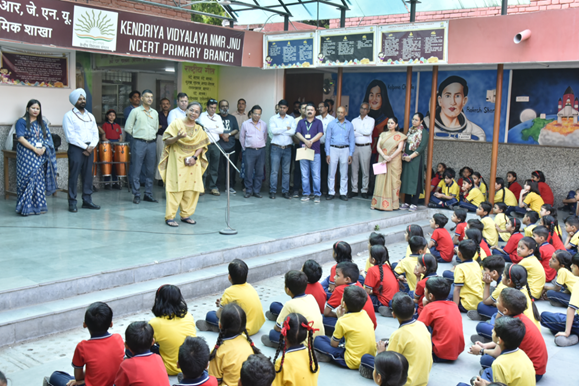
 Under the auspices of the Ministry of Science & Technology, Government of India, the Department of Scientific and Industrial Research (DSIR) commemorates Swacchta Pakhwada from May 1 to May 15, 2024, in an effort to raise awareness of cleanliness and hygiene. The first Swachhta drive was organized today at PM SHRI Kendriya Vidyalaya, Jawaharlal Nehru University (JNU), NCERT Campus, New Delhi.

Dr. N. Kalaiselvi, Secretary, DSIR and DG CSIR addressing the campaign


The Swachhta drive began with an address of Dr. N. Kalaiselvi, Secretary, DSIR and DG CSIR where she motivated the children to become the future leaders in different walks of life. She also emphasized the significance of cleanliness in fostering a healthy and vibrant society. Shri Surinder Pal Singh, Joint Secretary, DSIR also encouraged the children to maintain for personal hygiene and cleanliness of their surroundings. Thereafter the DSIR team conducted cleanliness drive and motivated the children for keeping their surroundings clean.

Swachhta Pledge taken by entire DSIR family focused on individual’s commitment towards cleanliness, devoting hundred hours per year for cleanliness and propagating the message of Swachh Bharat Mission. Pledge encourages every individual to promote 100 other persons to take this pledge and make them devote their 100 hours for cleanliness. The Swacchta Pakhwada initiative aims to instill a sense of responsibility towards cleanliness and hygiene among individuals, particularly the younger generation.


****

Mines Ministry Inks MoU with Shakti Sustainable Energy Foundation for Providing Knowledge Support in the Field of Critical Minerals

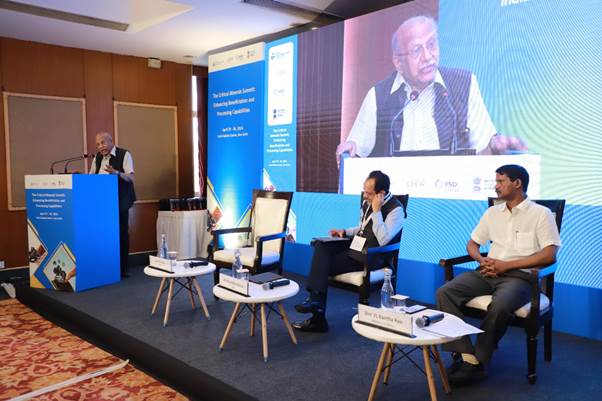
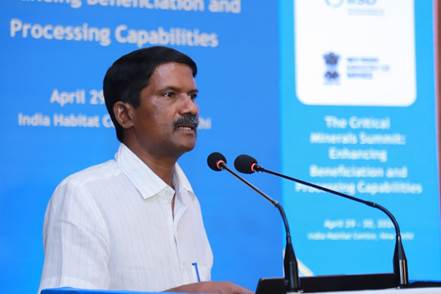
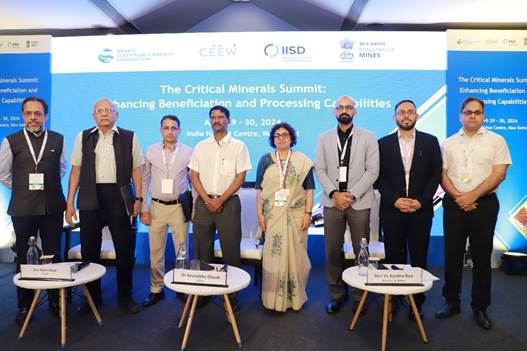
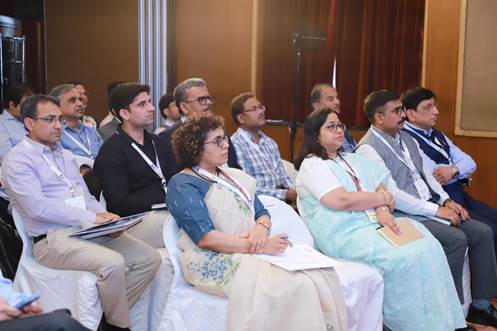
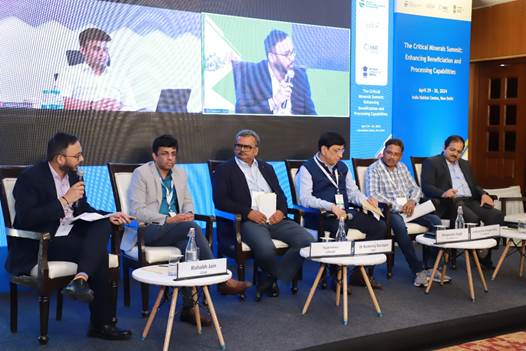
 The ‘Critical Minerals Summit: Enhancing Beneficiation and Processing Capabilities’ commenced at the India Habitat Centre, New Delhi today. The summit, designed to foster collaboration and innovation in critical minerals beneficiation and processing, was inaugurated under the patronage of the Ministry of Mines, with Shri V L Kantha Rao, Secretary of Mines, presiding over the opening ceremony.


The summit featured exhibition pavilions showcasing a diverse array of minerals sourced from both terrestrial and marine environments, providing attendees with a comprehensive view of the critical minerals landscape.

Shri V L Kantha Rao, in his keynote address, underscored India’s urgent need for robust exploration and utilization of critical minerals to support the nation’s rapid economic growth and clean energy aspirations. He highlighted recent government initiatives, including mineral block auctions, aimed at accelerating domestic mineral exploration and production.


On the sidelines of the summit, a Memorandum of Understanding (MoU) was signed between the Ministry of Mines and Shakti Sustainable Energy Foundation. This MoU initiates a partnership between Ministry of Mines, Shakti Sustainable Energy Foundation, Council on Energy, Environment and Water (CEEW) and TERI. This partnership will focus on providing knowledge support in the field of Critical Minerals which are crucial for India’s economic development, national security, and low-carbon energy transition.


The summit also hosted dynamic panel discussions on crucial topics such as building India’s processing and beneficiation capabilities and scaling strategies for domestic and global markets. Notable discussions revolved around the Ministry’s commitment to infrastructure development for research and development in mineral processing, with initiatives like the Indo-Australian Critical Minerals Research Hub at IIT Hyderabad.


Thereafter, a technology session was held where private companies, R&D institutions, academia as well as GSI and NFTDC showcased India’s Mineral potential and technology available for processing and beneficiation of critical minerals in India through a presentation.


Dr. Veena Kumari D., Joint Secretary of the Ministry of Mines, concluded the day by emphasizing the need for efficient processing technologies amidst global policy uncertainties. She underscored India’s potential as a leading player in electric vehicles, energy storage technologies, and other critical sectors, stressing the importance of nurturing a robust domestic supply chain.

The summit, poised to continue its deliberations over the next day, aims to position India as a global hub for critical mineral processing, thereby supporting the nation’s ambitions of becoming a self-reliant and globally competitive player in the critical minerals arena.

****

National Mineral Policy 2019 to Ensure Sustainable Mining

 The National Mineral Policy, 2019 [NMP 2019], states that minerals are valuable natural resources, which are essential raw materials for the core sectors of the economy. The exploration, extraction, and management of minerals are guided by national goals and perspectives, integrated into the overall strategy of the country’s economic development. NMP 2019 also focuses on promoting domestic industry, reducing import dependency, and contributing to the Make in India initiative. NMP 2019 emphasizes on a fair and transparent allocation of mineral resources to ensure equitable distribution of mineral wealth to serve the common good. NMP 2019 aims to ensure environmentally sustainable mining, with stakeholders’ participation; devolution of benefits of mining to mining-affected persons and areas; maintaining high level of trust among all stakeholders; conducive regulatory environment for ease of doing business in the sector; simpler, transparent, and time-bound procedures for obtaining clearances for mining.

Mineral Conservation and Development Rules (MCDR), 2017 was framed under Section 18 of MMDR Act, 1957 for the mineral conservation, systematic development of minerals and protection of environment by preventing or controlling any pollution which may be caused by prospecting or mining operations. As per Rule 12(1) of MCDR (amendment) 2017, the prospecting and mining operations shall be carried out in such a manner so as to ensure systematic development of mineral deposits, conservation of minerals and protection of the environment. Rule 35 to 44 under Chapter V of MCDR, 2017 is provided for Sustainable Mining. Adequate emphasis has been given on Sustainable Development in Mining areas in the NMP 2019. Further, to implement the Sustainable Development Framework (SDF), Ministry has evolved a system of Star Rating of Mines.

India is not a member of Extractive Industries Transparency Initiative (EITI). However, India has adopted the United Nations Framework Classification (UNFC) to report the mineral resources, status of exploration and feasibility of extractions. Further, as per the MMDR Act, 1957 and rules framed thereunder, every lease holder has to adhere to the conditions prescribed under various clearances issued by the different Ministries /Departments of State and Central Government. The lease holders are also mandated to submit the prescribed reports like monthly / annual return, result of exploration, yearly report on progressive mine closure activities, etc. to statutory authorities.

ECONOMIC DEVELOPMENT OF THE UNION TERRITORY AREAS

 The Government has taken various steps for the economic development of UTs such as promoting tourism, augmentation of telecom & web connectivity, development of road, sea and air connectivity, development and promotion of clean and green energy, waste management including initiatives for waste to energy, commissioning of new power projects, boost to infrastructure, etc.

Tourism has been identified as a key sector due to its multiplier effect. The Government is actively promoting various kinds of tourism like eco-tourism,  heritage   tourism,   adventure   tourism,   monsoon   tourism,

 promotion of niche tourism activities, tourist circuits, religious tourism, astro- tourism, cruise tourism, MICE tourism etc. In UT of J&K tourism sector has been accorded the status of industry, UT of DNH&DD have developed world class sea fronts and premier river fronts, in Island UTs eco-tourism resorts are being developed. In the UT of Ladakh first ever dark sky reserve of the country has been set up in Hanle to promote astro-tourism and livelihood of local communities. All these initiatives have resulted in a boost to tourism and other allied economic activities, improvement in civil aviation and other infrastructure, promotion of clean and green energy and “waste to wealth” in the UTs.

Internet/broadband and mobile/digital connectivity in the Island UTs have been considerably enhanced with the commissioning of the Chennai Andaman Nicobar Islands (CANI) Optical Fiber Cable Project at a cost of about ₹ 1,224 cr. This project has revolutionized internet connectivity and increased the bandwidth utilization in the UT of A&NI from 4.1 Gbps to 70.31 Gbps, internet speed has increased from 100 kbps to upto 300 Mbps, total mobile connections have increased to about 7 lakh from 4.7 lakh and Fiber-to-the-Home (FTTH) services, which provide high broadband speeds directly to home and offices, have increased to about 34,500. 5G services were also launched in the UT.   As a result, the  Islanders  have  benefitted significantly through greater access to online Government to Citizen (G2C) services, tele-medicine, online education, development of tourism,            e-commerce, enhanced participation in the digital economy (the number of digital transactions have increased from about 10 lakh to 2.2 crore) etc. Similarly, The Kochi Lakshadweep Islands Submarine Optical Fiber Cable Project (KLI Project), with a cost of about ₹1,072 Cr, has connected the mainland (Kochi) and all the inhabited Islands of the Union Territory of Lakshadweep through submarine cable. The KLI Project is designed to offer speeds upto 100 Gbps and support 4G as well as 5G networks. Trial traffic has been fed in the network. At present 3,972 FTTH connections have been provided through this network. The KLI Project is expected to benefit the public significantly through enhanced online access in the fields of education, tele-medicine, e-commerce, digital governance, tourism etc.

The Government has also been focusing on air, road and sea connectivity in the UTs. A new terminal building of Veer Savarkar International Airport at Port Blair has come up with a cost of about ₹710.00 crore with a capacity to handle 50 lakh passengers per year. ‘Azad Hind Fauz Setu’ on Humphrey Strait at a cost of ₹ 203.00 crore has significantly  improved  the  road  connectivity  in  the  island  UT  of A&NI.

Several infrastructure projects to boost road connectivity have also been completed/under way in the other UTs like the construction of Zojila tunnel in UT of Ladakh.

Several steps have also been taken to promote ease of doing business and bring in governance reforms in UTs. To promote industry and business activities compliance burden has been significantly reduced. Single window clearance system has also led to faster clearance of proposals. UTs have implemented suitable policies to promote businesses and entrepreneurship including industrial policy, land allotment policy, logistics policy, policies to promote handicrafts, agriculture, MSMEs through suitable incentivisation etc. Investment promotion schemes have been formulated to encourage investment by way of providing capital and interest subsidy. The thrust sectors identified are tourism, manufacturing, production, IT and ITes, shipping, agriculture, fisheries etc. The Prime Minister’s Employment Generation programme, PM VISHWAKARMA, Pradhan Mantri Formalisation of Micro food processing Enterprises (PMFME) scheme, PM SVANidhi etc. are also being effectively implemented in the UTs with an aim to generate employment, provide financial support and skill development support. UTs have also identified certain priority economic sectors for accelerated economic growth of UTs, based on their unique strengths and resources, such as developing a Blue Economy, transforming into regional knowledge/IT/medical hubs, promoting tourism etc. 

The Government’s policy of zero tolerance towards corruption and introduction of IT enabled initiatives have brought greater accountability, transparency and financial transformation resulting in a big push to businesses and economic development in the UTs and also promoting them as new drivers of economic prosperity (Aatmanirbhar Arthvyawastha) and Viksit Bharat.

Initiatives under Aatmanirbhar Bharat have been taken to provide better services to consumers & improvement in operational & financial efficiency in electricity distribution in certain UTs.

Further, a robust monitoring mechanism has been put in place to monitor the implementation of various flagship/development schemes and programmes of Government of India in the UTs.

It is the endeavour of Government of India to make UTs role models of good governance and development. Moreover, it is envisioned to holistically develop the island UTs as global hubs of tourism, raise the standard and quality of living of residents in UTs, create better infrastructure including social infrastructure, achieve saturation of health and educational indicators, enhance health infrastructure to ensure universal access to quality healthcare, promote green energy by leveraging technology, etc. This is a continuous process.

To promote fisheries and blue economy in the island union territories of Andaman & Nicobar Islands and Lakshadweep, the Government has taken various initiatives. The focus is primarily on development of infrastructure & logistics, deep sea fishing, aquaculture, capacity building and fisheries management for overall development.

Assistance to fishermen/fish farmers is provided for modernization of existing fishing crafts and acquisition of new fishing vessels. Further, initiatives like creation and upgradation of post-harvest handling & processing infrastructure, export oriented processing units and use of technological advancements like Fish Aggregating Devices have also been taken.

The Government is also creating forward market linkages and promoting fisheries related co-operative societies and Self Help Groups (SHGs). Agencies like the Marine Products Export Development Authority (MPEDA), Export Inspection Agency (EIA) and Central Marine Fisheries Research Institute are providing technical support and training to the fishermen and fish farmers for their capacity building.

The Government is also implementing various subsidy programme under the Pradhan Mantri Matsya Sampada Yojana to improve the post-harvest infrastructure, promote deep sea fishing, and aquaculture, mariculture activities, fish marketing and shore based infrastructure. Institutional credit is extended through Kisan Credit Card scheme.

Seaweed cultivation is also being promoted with the participation of Self Help Groups and fisheries co-operatives.


CYBER CRIMES AWARENESS IN RURAL AREAS

 ‘Police’ and ‘Public Order’ are State subjects as per the Seventh Schedule of the Constitution of India. The States/UTs are primarily responsible for the prevention, detection, investigation and prosecution of crimes including cyber crime through their Law Enforcement Agencies (LEAs). The Central Government supplements the initiatives of the States/UTs  through  advisories  and  financial  assistance  under  various  schemes for capacity building of their LEAs. To strengthen the mechanism to deal with cyber crimes in a comprehensive and coordinated manner, the Central Government has taken steps which, inter-alia, include the following:

  1. The Ministry of Home Affairs has set up the ‘Indian Cyber Crime Coordination Centre’ (I4C) to deal with all types of cyber crime in the country, in a coordinated and comprehensive manner.
  2. Seven Joint Cyber Coordination Teams (JCCTs) have been constituted for Mewat, Jamtara, Ahmedabad, Hyderabad, Chandigarh, Vishakhapatnam and Guwahati under I4C covering the whole country based upon cyber crime hotspots/ areas having multi jurisdictional issues by on boarding States/UTs to enhance the coordination framework among the LEAs of the States/UTs. Seven workshops were organized for JCCTs at Hyderabad, Ahmedabad, Guwahati, Vishakhapatnam, Lucknow, Ranchi and Chandigarh in 2023.
  3. The state of the art ‘National Cyber Forensic Laboratory (Investigation)’ has been established, as a part of the I4C, at New Delhi to provide early stage cyber forensic assistance to Investigating Officers (IOs) of State/UT Police. So far, National Cyber Forensics Laboratory (Investigation) have provided its services to State LEAs in around 8,840 cyber forensics like mobile forensics, memory forensics, CDR Analysis, etc. to help them in investigation of cases pertaining to cyber crimes.
  4. The ‘National Cyber Crime Reporting Portal’ (https://cybercrime.gov.in) has been launched, as a part of the I4C, to enable public to report incidents pertaining to all types of cyber crimes, with special focus on cyber crimes against women and children. Cyber crime incidents reported on this portal, their conversion into FIRs and subsequent action thereon are handled by the State/UT LEAs concerned as per the provisions of the law.
  5. The ‘Citizen Financial Cyber Fraud Reporting and Management System’, under I4C, has been launched for immediate reporting of financial frauds and to stop siphoning off funds by the fraudsters. So far, an amount of more than Rs. 1000 Crore have been saved in more than 4 lakh incidents. A toll-free Helpline number ‘1930’ has been operationalized to get assistance in lodging online cyber incidents.
  6. The Massive Open Online Courses (MOOC) platform, namely ‘CyTrain’ portal has been developed under I4C, for capacity building of police officers/judicial officers through online course on critical aspects of cyber crime investigation, forensics, prosecution etc. along with certification. More than 72,800 Police Officers from States/UTs are registered and more than 50,000 Certificates issued through the portal.
  7. Till date more than 2.45 lakhs SIM cards and 42,000 IMEIs as reported by Police authorities have been blocked by Government of India.
  8. I4C has imparted cyber hygiene training to 5,600 officials of various Ministries/ Departments of Government of India.
  9. The Ministry of Home Affairs has provided financial assistance to the tune of Rs. 122.24 crores under the ‘Cyber Crime Prevention against Women and Children (CCPWC)’ Scheme, to the States/UTs for their capacity building such as setting up of cyber forensic-cum-training laboratories, hiring of junior cyber consultants and training of LEAs’ personnel, public prosecutors and judicial officers. So far, cyber forensic-cum-training laboratories have been commissioned in 33 States/UTs. So far, more than 24,600 LEA personnel, judicial officers and prosecutors have been provided training on cyber crime awareness, investigation, forensics etc.
  10. National Cyber Forensic Laboratory (Evidence) has been set up at Hyderabad. Establishment of this laboratory provides the necessary forensic support in cases of evidence related to cyber crime, preserving the evidence and its analysis in line with the provisions of IT Act and Evidence Act; and reduced turnaround time.
  11. I4C has imparted cyber hygiene training to more than 17,000 NCC cadets.
  12. To spread awareness on cyber crime, the Central Government has taken steps which, inter-alia, include; dissemination of messages through SMS, I4C social media account i.e. X (formerly Twitter) (@Cyberdost), Facebook(CyberDostI4C), Instagram(cyberdostI4C), Telegram(cyberdosti4c), Radio campaign, engaged MyGov for publicity in multiple mediums, organizing Cyber Safety and Security Awareness weeks in association with States/UTs, publishing of Handbook for Adolescents/Students, etc. The States/UTs have also been requested to carry out publicity to create mass awareness.
  13. The Centre for Financial Literacy pilot project on financial literacy was initiated by the Reserve Bank in 2017 with an objective to adopt community led innovative and participatory approaches to financial literacy engaging various NGOs across the country. Under the Centre for Financial Literacy project, each Centre for Financial Literacy usually covers three blocks while giving focus on the population in the age group of 18-60 years. A total of 1633 Centre for Financial Literacy covering 4,861 blocks have been set up across the country as on September 30, 2023. Awareness about digital banking in one of the areas covered under the Centre for Financial Literacy project.

Pension Fund Regulatory and Development Authority (PFRDA)

 In a significant enhancement to the D-Remit process, the Pension Fund Regulatory and Development Authority (PFRDA) has now allowed National Pension System (NPS) subscribers to deposit their contributions through the convenience of the Unified Payments Interface (UPI) QR code. This advancement aims to simplify the contribution process, making it more accessible and efficient for NPS participants.

The National Pension System (NPS) has long been a reliable savings avenue for those looking to secure their financial futures. Under the NPS, subscribers make voluntary contributions to their NPS Tier I and II accounts. However, the process of directly depositing these contributions, known as D-Remit or Direct Remittance, has just become more user-friendly.

The introduction of QR code – UPI for D-Remit is a positive & revolutionary step towards making NPS contributions more accessible, efficient, and flexible. This initiative by PFRDA empowers NPS subscribers to take control of their retirement savings and benefit from the advantages of systematic investment planning.

D-Remit Virtual Account with UPI QR code

Under this new mechanism, subscribers will utilise the UPI QR Code to transfer their contributions. It is important to note that the D-Remit virtual account is distinct from the Permanent Retirement Account Number (PRAN). Furthermore, the virtual account numbers differ for Tier I and Tier II NPS accounts and so do the QR codes.

Key Benefits of D-Remit QR code

The D-Remit process offers several advantages for NPS subscribers:

  • Same-Day Investment: Contributions received by the Trustee Bank (TB) before 9:30 AM will be invested on the same day, optimizing returns.
  • Periodical Auto Debit: Subscribers can set up periodical auto-debit payments, such as monthly, quarterly, or half-yearly, providing a convenient way to build their retirement corpus.
  • One-Time or Regular Contribution: The flexibility to choose between one-time or regular contributions based on individual preferences and financial goals.
  • Optimised Investment: The D-Remit process leverages standing instructions and rupee cost averaging for long-term retirement wealth creation.

Set up SIP in NPS through D-Remit:

For NPS account holders with a PRAN, the D-Remit process opens up the possibility of starting a systematic investment plan (SIP). This can be done online (D-Remit), allowing subscribers to set up standing instructions for SIP payments to their NPS accounts.

SIPs in NPS offer subscribers the convenience of making regular contributions, helping them build a disciplined and convenient approach to retirement savings without the need to time the market. Similar to mutual funds, SIPs enable NPS participants to benefit from rupee cost averaging. Adjusting existing investments becomes a straightforward process, with the potential for higher returns.

How to Use D-Remit QR Code:

To utilise D-Remit, subscribers must possess a virtual D-Remit ID with the trustee bank. This virtual account can only be used for remitting NPS contributions. Setting up an SIP through net banking involves adding the virtual account as a beneficiary to the subscriber’s net banking account and providing a standing instruction for the SIP amount. With a fund receipt cut-off time of 9:30 AM, subscribers receive the same-day Net Asset Value (NAV) in their NPS accounts. Contributions received after this time or on non-working days will reflect the NAV of the next working day.

****

Kashi Tamil Sangamam Phase II 

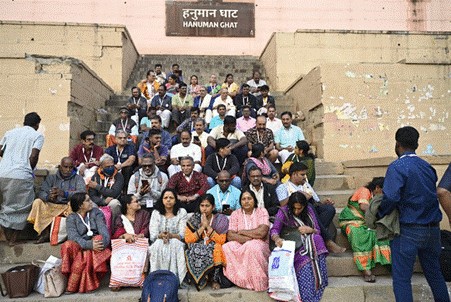
 The delegation group comprising teachers (Yamuna) of the Kashi Tamil Sangamam II visited Hanuman Ghat and learnd about the history of various ghats of Ganga from the Acharyas.

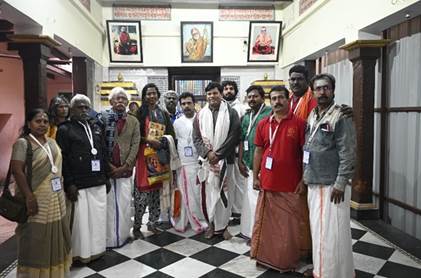
Later, the delegates visited the ancient temples on the ghats and learned about their history, divinity and grandeur. The group also visited the residence of Shri Subramanya Bharati located at Hanuman Ghat and met the family members. The group visited the Kanchi Math and learnt about its history.

The group learnt about the deep connection between Kashi and Tamil Nadu and visited the areas around the Hanuman Ghat, Kedar Ghat, and Harishchandra Ghat where several Tamil families have been residing for many years, exemplifying the spirit of Kasi Tamil Sangamam.

The second phase of the Kashi Tamil Sangamam will continue till 30th December 2023. Last year, the first phase of Kashi Tamil Sangamam was organized from 16th November to 16th December 2022. Nearly 1400 (7 Groups of 200 persons each) people are expected to be travelling from different parts of Tamil Nadu, representing varied walks of life. The first two groups have already arrived at Varanasi. During their stay in Kashi, as per their tour itinerary, they will also visit Prayagraj and Ayodhya.

***

Steady improvement in indicators for malnutrition

 The indicators for malnutrition like underweight, stunting and wasting have shown a steady improvement in the National Health Family Survey (NHFS) conducted by the Ministry of Health & Family Welfare. As per the recent report of NFHS-5 (2019-21), the nutrition indicators for children under 5 years have improved as compared with NFHS-4 (2015-16). Stunting has reduced from 38.4% to 35.5%, while Wasting has reduced from 21.0% to 19.3% and Underweight prevalence has reduced from 35.8% to 32.1%.

As per the data of Poshan Tracker for the month of November 2023, around 7.44 crore children under 6 years were measured, out of whom 37.51% were found to be stunted, 17.43% were found to be underweight and 6% children under 5 years were found to be wasted. The levels of underweight and wasting are much less than that projected by NFHS 5.

The Government has accorded high priority to the issue of malnutrition and is implementing several schemes/programmes of different Ministries/Departments through States/UTs to address various aspects related to nutrition. In the 15th FC, components of nutritional support for children below the age of 6 years, pregnant women and lactating mother, Adolescent Girls (14 – 18 years); Early Childhood Care and Education [3-6 years]; Anganwadi infrastructure including modern, upgraded Saksham Anganwadi, POSHAN Abhiyan and Scheme for Adolescent Girls have been reorganised under Mission Saksham Anganwadi and Poshan 2.0 (Mission Poshan 2.0). Mission Poshan 2.0 focuses on Maternal Nutrition, Infant and Young Child Feeding Norms, Treatment of MAM/SAM and Wellness through Ayush practices to reduce wasting and under-weight prevalence besides stunting and anemia.

Under Mission Poshan 2.0, Supplementary nutrition is provided to beneficiaries 300 days in a year through the network of 13.97 lakh AWC located across the country for bridging the gap in the intake as compared to the recommended dietary intake. Only fortified rice is being supplied to AWCs to meet the requirement of micronutrient and control anemia among women and children. Greater emphasis is being given on the use of millets for preparation of Hot Cooked Meal and Take Home rations (THR-not raw ration) at Anganwadi centres for Children below 6 years of age, Pregnant Women, Lactating Mothers.

The objectives of Poshan 2.0 are as follows:

  • To contribute to human capital development of the country
  • Address challenges of malnutrition
  • Promote nutrition awareness and good eating habits for sustainable health and well-being; and
  • Address nutrition related deficiencies through key strategies.

Steps have been taken to improve nutritional quality and testing in accredited labs, strengthen delivery and leverage technology under Poshan Tracker to improve governance. States/UTs have been advised to promote use of AYUSH systems for prevention of malnutrition and related diseases. A programme to support development of Poshan Vatikas at Anganwadi Centres to meet dietary diversity gap leveraging traditional knowledge in nutritional practices has also been taken up.

Government issued Streamlining Guidelines on 13th January, 2021 to ensure greater transparency and accountability and quality in nutrition service delivery under the ‘Poshan Tracker’, a robust ICT enabled platform to improve governance with regard to real time monitoring of provisioning of supplementary nutrition for prompt supervision and management of services.

Under Poshan 2.0, one of the major activities undertaken is Community Mobilization and Awareness Advocacy leading to Jan Andolan to educate the people on nutritional aspects. IEC material in the form of videos, pamphlets, flyers etc., in regional languages have also been developed around critical themes. Social & Behavioural Changes have been inculcated through conducting Community Based Events, Poshan Maah and Poshan Pakhwada in convergence with various Ministries/ Departments and other stakeholders. So far, more than 90 crore sensitisation activities have been reported by States/ UTs under community engagements programmes through 11 Poshan Maahs and Poshan Pakhwadas celebrated in the months of September and March-April respectively. Community Based Events (CBEs) have served as a significant strategy in changing nutrition practices. CBEs help to celebrate critical milestones in the life of pregnant women and children below two years of age and to disseminate critical information on, inter alia, right time to ensure appropriate complementary feeding with diet diversity. Close to 3.70 crore Community Based Events have been held so far.