In the midst of the corona epidemic, the number of patients of monkeypox is also increasing rapidly. Monkeypox has knocked in many countries of the world including India. It is an infectious disease, which is caused by contact with an infected person or animal. According to experts, monkeypox belongs to the orthopoxvirus family, which looks like smallpox. This also includes the variola virus. Small pox is caused by this virus. Monkeypox in animals first appeared in the year 1958. When monkeypox infection was found in monkeys. At the same time, in the year 1970, for the first time in humans, monkeypox was found in a child of Congo. Whereas, after the eradication of smallpox in the year 1980, it has emerged as a serious problem. Come, know everything about this disease- How does monkeypox spread?According to the CDC, monkeypox is spread due to contact with infected fluid from the body of an animal or person suffering from monkeypox, bites, touches, etc. In particular, it is more spread by rats, squirrels and monkeys. At the same time, there is a risk of monkeypox by touching the things kept around the person suffering from monkeypox. Apart from this, monkeypox is also caused by having physical relations with a person who is already suffering. symptoms of monkeypox -fever -headache -muscle pain -back pain -Swollen lymph nodes – chills -Exhaustion -skin eruption – body rash -sore throat – frequent coughing – lethargy – itching problem
Prevention from monkeypox. For this, first of all follow the guidelines issued by the government. If you are suffering from monkeypox, then definitely get the smallpox vaccine. To prevent infection, keep distance from the infected person. Do not panic if you see the symptoms of monkeypox, but contact the doctor immediately. Wash hands with soap and clean water after coming in contact with an infected person. Apart from this, make sure to use sanitizer. Do keep a sanitizer with you. Wear a mask while leaving the house. Treatment of monkeypox There is currently no cure for monkeypox. Get vaccinated against smallpox if you have monkeypox.Keep in touch with the doctor. Disclaimer: Story tips and suggestions are for general information. Do not take these as advice from a doctor or medical professional. In case of symptoms of illness or infection, consult a doctor.
Ranbir Kapoor returned to the big screen after four years with the film ‘Shamshera’.Vani Kapoor was seen opposite Ranbir Kapoor in the film made under the Yash Raj banner, while the same San-Jay Dutt’s Dum was also seen in the film.After watching the trailer, the curiosity of watching the film increased in the minds of the people.Seeing Ranbir on screen after four years was no less than a treat for the audience.But alas, the audience going to the theaters is not liking the story of the film much.This is the reason why Ranbir Kapoor and Sanjay Dutt starrer film ‘Shamshera’ failed to show its amazing performance at the box office on the weekend.Ranbir Kapoor’s ‘Shamshera’ earned only so many crores over the weekend Ranbir Kapoor’s film ‘Shamshera’ is struggling a lot in terms of earning at the box office.Yash Raj’s film, made in a budget of about 150 crores, has not been able to do even half the collection on the weekend.On the first day, Ranbir Kapoor and Sanjay Dutt’s film ‘Shamshera’ did a business of 10.25 crores.So on the same day the collection of the film was 10.50.Now if the reports are to be believed, the third day collection of the film also went from 10 to 11 crores.So far the total collection of the film has done business of up to 31 crores.Ranbir Kapoor was seen in double role in Shamshera Ranbir Kapoor is going to be seen in back to back films.After Shamshera, his film ‘Brahmastra’ is going to be released in theaters on 9 September 2022.He will be seen with wife Alia Bhatt for the first time in this film.Ranbir Kapoor will play the character of Shiva in the film.Ranbir Kapoor appeared in a double role for the first time in the film Shamshera.The film, made under the direction of Karan Malhotra, was shared on 4000 screens.However, despite its release on so many screens, Ranbir Kapoor’s film could not make a place in the hearts of the fans.
The International Cricket Council (ICC) on Tuesday unveiled the host countries for the next major ICC tournaments in the women’s category. It is a matter of happiness for the Indian fans that India has got the host of the 2025 Women’s World Cup. The next ICC Women’s Cricket World Cup in 2025 will be hosted by India and Sri Lanka will host the ICC Women’s T20 Champions Trophy in 2027, provided they qualify for the event. Bangladesh will host the Women’s T20 World Cup for the second time. The hosts were selected through a competitive bidding process under the supervision of a board sub-committee chaired by Martin Snedden with Sourav Ganguly and Ricky Skerritt along with Claire Connor. The ICC Board accepted the recommendations of the committee and thus got three Asian countries hosting. The BCCI has already said that it wants to take all forms of cricket forward. Whether it is the issue of holding the women’s IPL or the return of cricket after 24 years in the Commonwealth, these are all indications that no stone is being left unturned to take women’s cricket forward. On this occasion, BCCI President Sourav Ganguly said that “We were keen to host the ICC Women’s Cricket World Cup 2025 and we are happy that we have won the rights to host the Women’s Cricket World Cup. India won the 50-over Women’s World Cup in 2013. The game has changed tremendously since hosting the Cup.” After receiving the host, BCCI Sachin Jay Shah has said that “We are delighted to host the 2025 ICC Women’s Cricket World Cup and let me tell you that BCCI will leave no stone unturned to make it a memorable event. We will try to enhance the game. Many steps are being taken.The popularity of the game in the country will increase further by hosting the World Cup at the grassroots level.
John Green is a beloved Young Adult Contemporary Fiction author and is without a shadow of a doubt one of my favourites as well. One of the things I loved the most about his novels is the fact that he truly gave each character their own voice (whilst writing in the first person). Along with perfectly heart-wrenching plot lines, John Green quickly grew close to my heart. Here are my three favourite John Green novels!
#3- Paper Towns
One of the things John Green does the best is showcase contrast in all its various forms- whether it is between expectations and reality or simply two characters. The contrast between the lives of Quentin and Margo combined with this really makes Paper Towns a memorable read.
I finished this particular one in one sitting when I was fourteen. A wild-goose-chase with plot twists around every corner makes a riveting read thus justifying its position in my top 3 books.
#2- The Fault in Our Stars
Owing to its popularity, it may be surprising to some that this book is not my #1 favourite John Green novel. While not occupying that coveted spot, The Fault in Our Stars is, in my opinion, a modern classic and also the perfect introduction to John Green’s writing. It is a perfect example of how Green manages to make every character reach the readers’ hearts and make what might seem like a cliche story, an unexpected, beautiful, and real love story.
The Fault in Our Stars was the first John Green book that I- and several others, I am sure- read. The tragic and heart-wrenching story of Hazel Grace and Gus holds a special place in my heart.
#1- Looking for Alaska
Looking for Alaska was the most surprising John Green book that I have ever read- there were changes along the road that I could have never seen coming. Of all books, this one really showcases how out-of-control life can actually be. All of the characters are so very flawed and not even in ways in which everyone can relate to. Somehow, I believe that the characters of this novel are the most likeable out of all of John Green’s novels.
This book is written in a Before/After format and we spend the entire first half of the book in anticipation of what could possibly happen while slowly falling in love with the characters and their lives. Alaska’s death is probably one of the most heart-breaking events in the John Green universe but I wouldn’t have it any other way!
The pandemic seems to be excellent at ruining all possible vacation plans. Today, I was particularly missing the thrill and excitement of travelling and as a result, found myself walking down memory lane. So, I remembered my trip to Paris and the Louvre museum and I couldn’t help but think about my experience there.
It was the chilly autumn of 2019 when my family and I made the visit to France and Belgium. When in Paris, visiting the Louvre is a must and so, visit the Louvre we did!
The pyramid-shaped museum would take at least a week to explore entirely and while giving it the credit it is due, however, we had just an evening to achieve this monumental task. So, like most tourists, we moved to visit only the highlights and then the souvenir store to make sure it is known that we were in Paris.
Not unexpectedly, there is only one thing that all tourists were dying to see- the Mona Lisa. The Mona Lisa is an overly-hyped-up portrait painted by Leonardo da Vinci. Chances are that even a painting and art-based amateur would be familiar with the Mona Lisa. The excitement and anticipation built up as we feverishly made our way toward the famous painting. We made it to the room housing the golden portrait, however, for a minute, we thought we had the wrong room (despite the crowd). Why did we think that? Well, the reason was that we couldn’t see the painting anywhere despite the clamouring tourists.
Everyone seems to have built-in their heads the notion that the Mona Lisa was a massive painting. It comes as an unexpected and underwhelming surprise to note that it is quite small. In fact, it is so small that it is hard to see even when you’re right in front of it. It is merely a painting you experience for a few fleeting moments before being asked to move on.
And that is the underwhelming and slightly disappointing truth about the Mona Lisa. Despite this, if you ever find yourself in Paris, don’t hold yourself back from going to the Louvre as it is still a truly magical experience!
The Prime Minister, Shri Narendra Modi launched ‘Viksit Bharat @2047: Voice of Youth’ via video conferencing today. During the program, Prime Minister Modi addressed the Vice Chancellors of Universities, Heads of Institutes and faculty members in workshops organized at Raj Bhawans across the country to mark the beginning of this initiative.
The Prime Minister began his address by extending a huge thank you to all the Governors for organizing today’s workshop for the development of Viksit Bharat and said that today is a special occasion regarding this resolution. He lauded their contributions of bringing together all the stakeholders who hold the responsibility of guiding the youth of the nation in accomplishing the goal of Viksit Bharat 2047. Prime Minister Modi highlighted the role of educational institutions in the personality development of an individual and said that a nation becomes developed only with the development of its people. Underlining the importance of personality development in the present era, the Prime Minister extended his wishes for the success of the Voice of Youth workshop.
The Prime Minister said that in the life of any nation, history provides a time period when the nation can make exponential strides in its development journey. For India, “This Amrit Kaal is ongoing” and “this is the period in the history of India when the country is going to take a quantum leap”. He gave examples of many nearby countries that took such a quantum jump in a set timeframe and turned into developed nations. “ For India, this is the time, right time (Yahi Samay hai, Sahi Samay hai)”, he said, adding that each and every moment of this Amrit Kaal should be utilized.
The Prime Minister reiterated the glorious struggle for freedom as a source of motivation. He said each endeavour such as Satyagrah, revolutionary path, non-cooperation, swadeshi, and social and educational reforms during that time were geared towards freedom. This period saw Universities like Kashi, Lucknow, Vishwa Bharti, Gujarat Vidyapeeth, Nagpur University, Annamalai, Andhra and University of Kerala strengthen the consciousness of the nation. An entire generation of youth dedicated to the freedom of the nation came into being whose every effort was directed toward the goal of Independence. “Today, every institution and every individual should move with a resolution that every effort and act will be for Viksit Bharat. The aim of your goals, your resolutions should be only one – Developed India”. The Prime Minister emphasized that teachers and universities ponder about finding ways to make India a developed country at a faster pace and also identify specific sectors for improvement towards becoming a developed nation.
Prime Minister Modi underlined the need to channel the energy of the students and the youth of every university towards achieving the common goal of ‘Viksit Bharat’. Noting the diversity of ideas, the Prime Minister stressed linking all the streams towards building a developed India. Shri Modi urged everyone to go beyond their limits to contribute to the vision of Viksit Bharat@2047. He suggested running special campaigns in every college and university in the country to connect more and more youth with this campaign. The Prime Minister mentioned the launch of Ideas Portal related to Viksit Bharat and informed that suggestions can be given on 5 different themes. “A prize has also been arranged for the best 10 suggestions. You can also give your suggestions on MyGov”, he added. “Idea starts with an ‘I’ just like India begins with an ‘I’”, the Prime Minister remarked as he underlined that the idea of development can only begin with the ‘I’ of the self.
Elaborating on the exercise of seeking suggestions, the Prime Minister emphasized the need to create an Amrit generation which keeps the national interest paramount. He stressed the need to go beyond education and skills and called for alertness for the national interest and civic sense among the citizens. “When citizens, in whatever role, start doing their duty, the country moves forward”, the Prime Minister said. He gave examples of the preservation of natural resources through water conservation, saving electricity, using fewer chemicals in farming and using public transport. He asked the educationist fraternity to suggest ways of giving new energy to Swachhta Abhiyan, combating lifestyle issues and exploration of the world beyond mobile phones by the youth. He asked them to be role models for the students. He said that social thinking is reflected in the governance too and asked the gathering to see that degree holders should have at least one vocational skill. “You should carry forward a comprehensive process of brainstorming on these topics at every cap, every institution and at the state level”, he added.
Drawing the analogy of the period of development of ‘Viksit Bharat’ to that of an examination, the Prime Minister mentioned the confidence, preparation and dedication of the students as well as the contributions of the families in maintaining the required discipline to accomplish the goal. He remarked that the exam date has also been declared for us as citizens of the country. “We have 25 years of Amrit Kaal in front of us. We have to work 24 hours a day for the goal of Viksit Bharat. This is the environment we have to create as a family”, the Prime Minister emphasized.
Noting that the rapidly increasing population of the country is empowered by youth, Shri Modi informed that India is going to be the leader in terms of the working-age population for the coming 25-30 years and the world recognizes this. “Youth power is both the agent of change and also the beneficiaries of change”, PM Modi said. He emphasized that the next 25 years are going to be decisive for the careers of the youth in colleges and universities of today. Noting that it is the youth who are going to create new families and a new society in the future, the Prime Minister said that it is they who have the right to decide how a developed India should be. With this spirit, the Prime Minister added, the government wants to connect every youth of the country with the action plan of a developed India. The Prime Minister stressed moulding the voice of the country’s youth into the policy strategy for building a developed India and highlighted the role of educational institutions that maintain maximum contact with the youth.
Concluding the address, the Prime Minister underlined that the roadmap of progress will not be decided by the government alone but by the nation. “Every citizen of the country will have input and active participation in it”, Shri Modi said pointing out that even the biggest resolutions can be accomplished by the mantra of Sabka Prayas, i.e. public participation. He gave examples of Swachh Bharat Abhiyan, Digital India Campaign, resilience during the Corona pandemic, and Vocal for Local highlighting the power of Sabka Prayas. “Viksit Bharat has to be built only through Sabka Prayas”, the Prime Minister said. Shri Modi reiterated the high expectations from the scholars present on the occasion as it is they who shape the vision of the country’s development and channelize the youth power. “This is a great campaign to write the future of the country”, the Prime Minister concluded and urged them to turn in their suggestions to further enhance the grandeur of Viksit Bharat.
Background
In line with the Prime Minister’s vision to actively involve the youth of the country in the formulation of national plans, priorities and goals of the country, ‘Viksit Bharat @2047: Voice of Youth’ initiative will provide a platform to the youth of the country to contribute ideas to the vision of Viksit Bharat @2047. The workshops will be a key step towards initiating the process of engaging youth to share their ideas and suggestions for Viksit Bharat @2047.
Viksit Bharat @2047 is the vision to make India a developed nation by 2047, the 100th year of independence. The vision encompasses various aspects of development, including economic growth, social progress, environmental sustainability, and good governance.
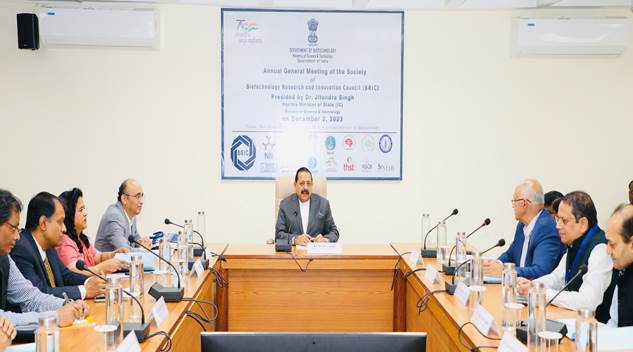
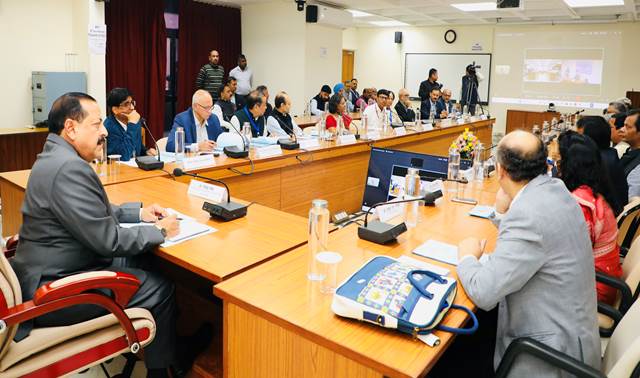
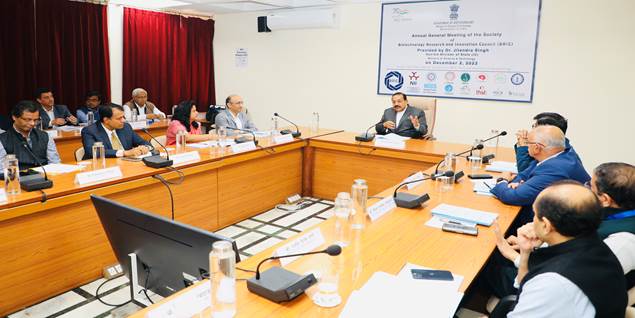
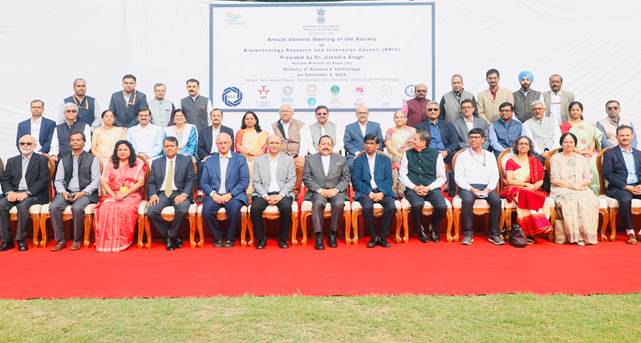
Addressing the first-ever meeting of the BRIC Society after its registration on 10th November, 2023 after getting the Cabinet approval, Union Minister of State (Independent Charge) Science & Technology; MoS PMO, Personnel, Public Grievances, Pensions, Atomic Energy and Space, Dr Jitendra Singh said here today that time has come for defining “Bio-vision” for Bharat.
Dr Jitendra Singh today said that the new Apex Autonomous Society called Biotechnology Research and Innovation Council (BRIC) will fulfil Prime Minister Narendra Modi’s Vision for Atma Nirbhar Bharat in areas like healthcare, food and energy needs by scaling biotech research and innovation.
Dr Jitendra Singh said, Indian Bio-economy recorded 13 times increase in the last ten years.
The Minister quoted PM Modi as saying, “India is not too far from reaching the league of top-10 countries in Biotech’s global ecosystem”. He added that BRIC is going to be a testimony to this and again by inculcating the spirit of Sabka Prayas, the government is bringing together the best minds on a unified platform.
Dr Jitendra Singh informed that the Department of Biotechnology (DBT), Ministry of Science and Technology is functioning as the nodal agency for promotion of Biotechnology in the country. It was accorded the Cabinet approval for rationalization of its 14 Autonomous Institutions (AIs) by subsuming them under one Apex Autonomous Society viz. Biotechnology Research and Innovation Council (BRIC), for centralized and unified governance to maximize impact of biotech research across the country.
Dr Jitendra Singh described the BRIC meeting as a historical event in India’s Biotech Ecosystem, where elite institutions are consolidating their efforts to impact the biotech R&D ecosystem. He expressed hope that BRIC will prospectively enrich India’s progress in every front including economy and employment. The Minister said, as accomplished institution-builders, he would like to seek their views for defining the Bio-Vision for Bharat in this significant meeting, as they are supposed to bring in tremendous value to this noble mission.
Dr Jitendra Singh also pointed out that this is one of the first Departments in the Government of India to have successfully executed “Rationalization of Autonomous Bodies” for process and performance enhancement of its Autonomous bodies.
Dr Jitendra Singh said, some of the significant changes that will be driven by BRIC include that each of the 14 subsumed BRIC Institutions will maintain their distinct research mandates, governed by one Governing Body, at BRIC. He said, Institutes would be allowed utilization of institutional lab space, not exceeding one third, for researchers from outside DBT institutes and their collaborators (from industry or other institutes) to carry out R&D for start-ups emerging out of institutional research.
Dr Jitendra Singh also underlined that BRIC and its Institutes can engage in public-private research partnerships and receive endowments including funds from non-Governmental resources for research-related activities.
Dr Jitendra Singh also added that new Ph.D programs across BRIC institutions with a common course curriculum at RCB and immersion training for field or experimental studies for validating research hypotheses prior to thesis work. During the Immersion phase (for about 3 months) students will get additional fellowships from Grand Challenges India program. Additionally, to enhance the scientific character of the institutions, additional 120 scientific positions are being brought in. Parity across levels and cadres are also being pursued. Further improving service prospects for scientists are also being taken up, the Minister added.
The DBT initiated this restructuring activity as per the directives on “Rationalization of Autonomous Bodies” issued by Department of Expenditure, Ministry of Finance. However, they have used it as an opportunity to introspect and overhaul the way research is conducted across the DBT institutions. It is envisioned to improve governance, efficiency, encourage collaborations through greater interdisciplinary interactions and democratize resources. The compliance to governmental processes and administrative issues will be centrally managed in a coordinated effort thereby achieving “Minimum Government, Maximum Governance”.
The 14 institutes to be governed by the Society of the new Apex Body of BRIC are: :i) National Institute of Immunology (NII, New Delhi); ii) National Center for Cell Science (NCCS, Pune); iii) Institute of Life Sciences (ILS, Bhubaneshwar); iv) Rajiv Gandhi Centre for Biotechnology (RGCB, Thiruvananthapuram); v) Centre for DNA Fingerprinting & Diagnostics (CDFD, Hyderabad); vi) National Brain Research Centre (NBRC, Manesar); vii) National Institute for Plant Genome Research (NIPGR, New Delhi); viii) Institute of Bioresources and Sustainable Development (IBSD, Imphal); ix) National Institute of Animal Biotechnology (NIAB, Hyderabad); x) Institute for Stem Cell Science and Regenerative Medicine (inStem, Bangalore); xi) National Institute of Biomedical Genomics (NIBMG, Kalyani); xii) Translational Health Science and Technology Institute (THSTI, Faridabad); xiii) National Agri-Food Biotechnology Institute (NABI, Mohali); xiv) Center of Innovative and Applied Bioprocessing (CIAB, Mohali). NABI and CIAB have been merged into one administrative unit with one Director.
Dr. Jitendra Singh today also launched the ‘Zero Waste Life on Campus’ program on the occasion of first Society Meeting of BRIC.
The ‘Zero Waste Life on Campus’ program is aimed at achieving sustainability through application and adoption of knowledge and technologies, and promotion of management models focused on co-responsibility, on each BRIC campus. The diverse locations, cultures and climatic conditions of the 13 BRIC campuses will provide an opportunity to understand the benefits and challenges related to recycling technologies and techniques. This program will forge a new direction for research towards integrated waste management by the community at large.
The Minister in his remarks said that this is a people centric movement that will serve as a beacon leading India into sustainable waste management. This programme will strengthen collaborations among all these institutions and also serve a catalyst for other institutions across India to follow the concept of Zero Waste.
This program is aligned with Prime Minister Shri Narendra Modi’s Mission LiFE movement said, Dr Jitendra Singh.
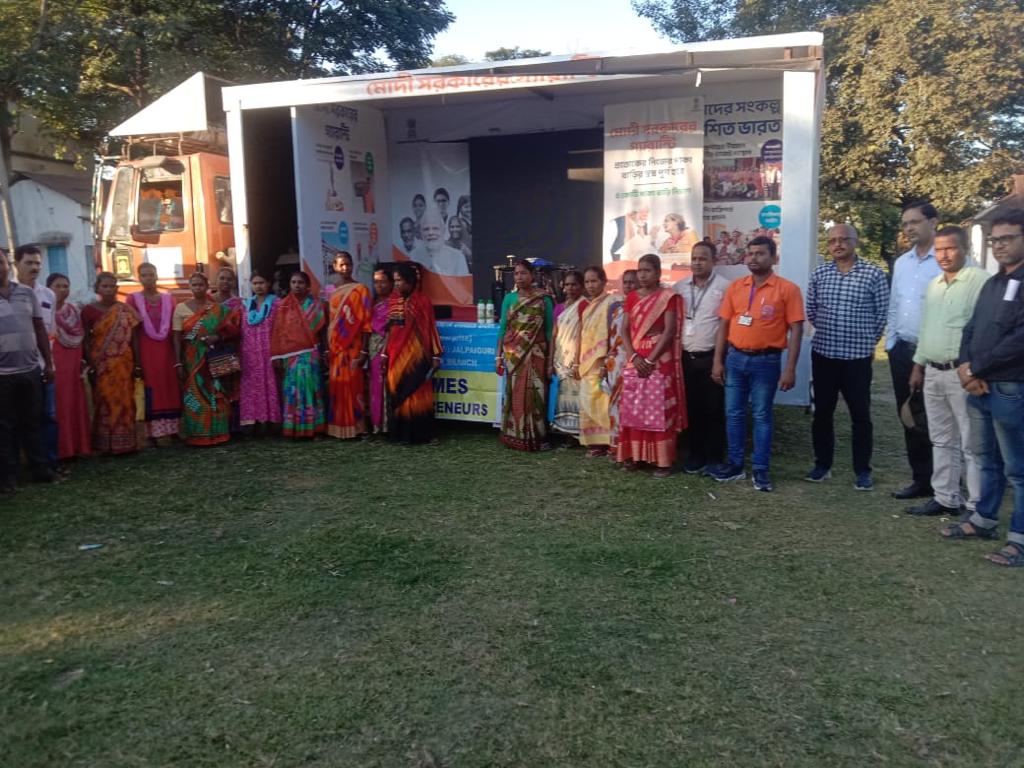
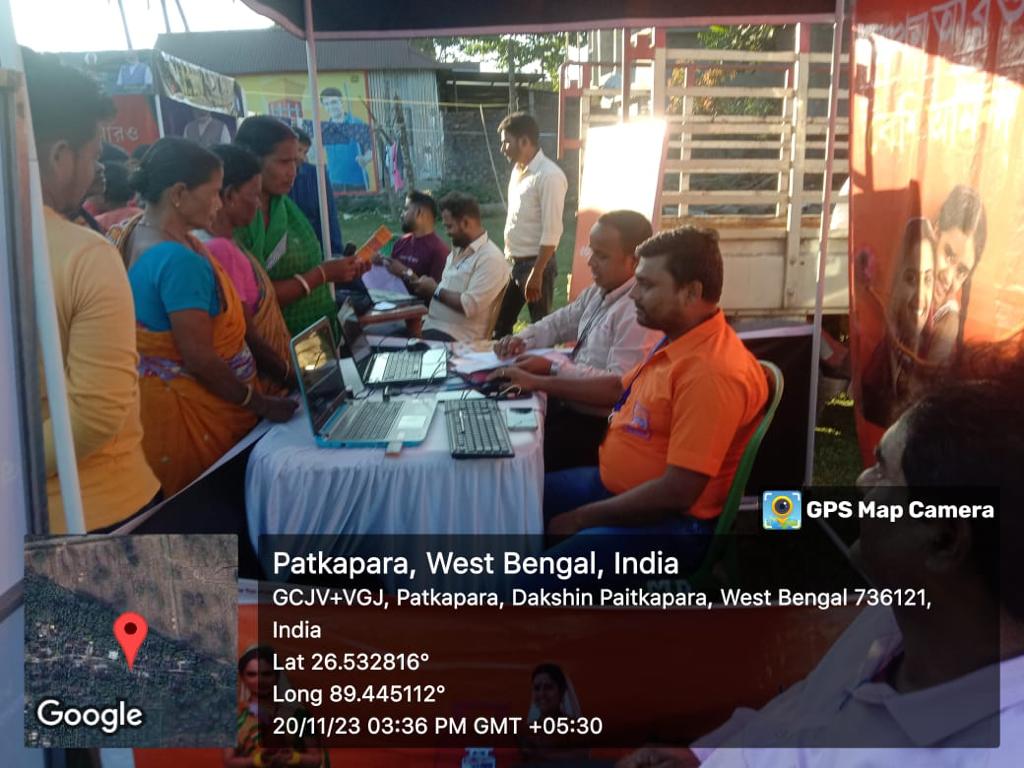
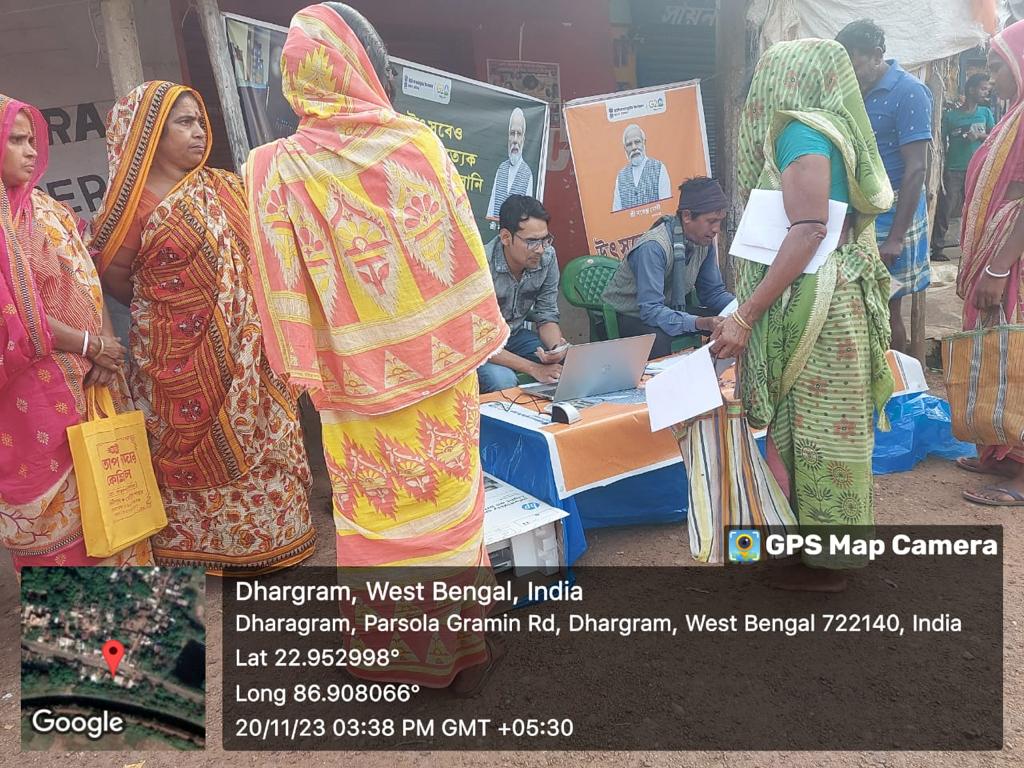
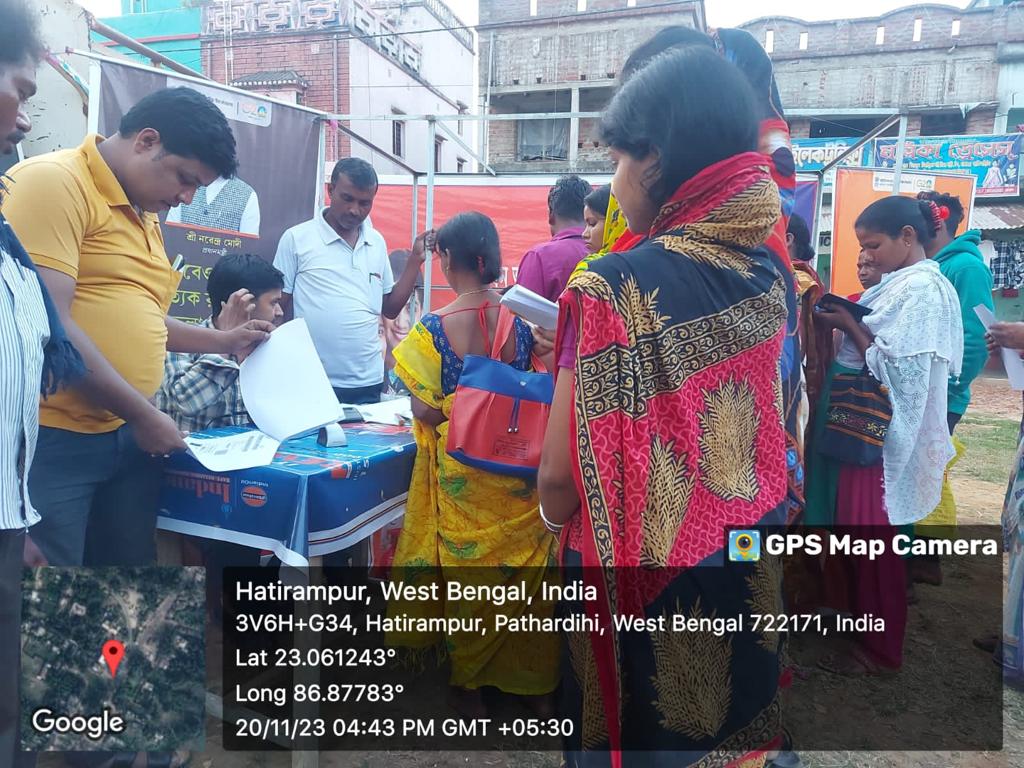
The Centre is very much in the spree of empowering marginalised women and have come up with various initiatives to help them in pursuing ease of living, like that of providing subsidised gas connection through Pradhanmantri Ujjwala Yojana and the necessity of AADHAR authentication for that. Besides, Krishi Vigyan Kendras of ICAR at various districts have come forward to augment income of the women farmers. And that became imminent in the Vikasit Bharat Sankalp Yatra (VBSY) events at various locations of Bankura, Paschim Medinipur, Alipurduar.
Besides, The farmers took much interest in spreading pesticides in the fields bearing crops through drones.
Today, BCKV, ICAR explained to SHG members on schemes to augment income at Lodhasuli of Jhargram district. Here also, women involved in agriculture thronged in numbers listening with apt attention schemes towards agriculture.
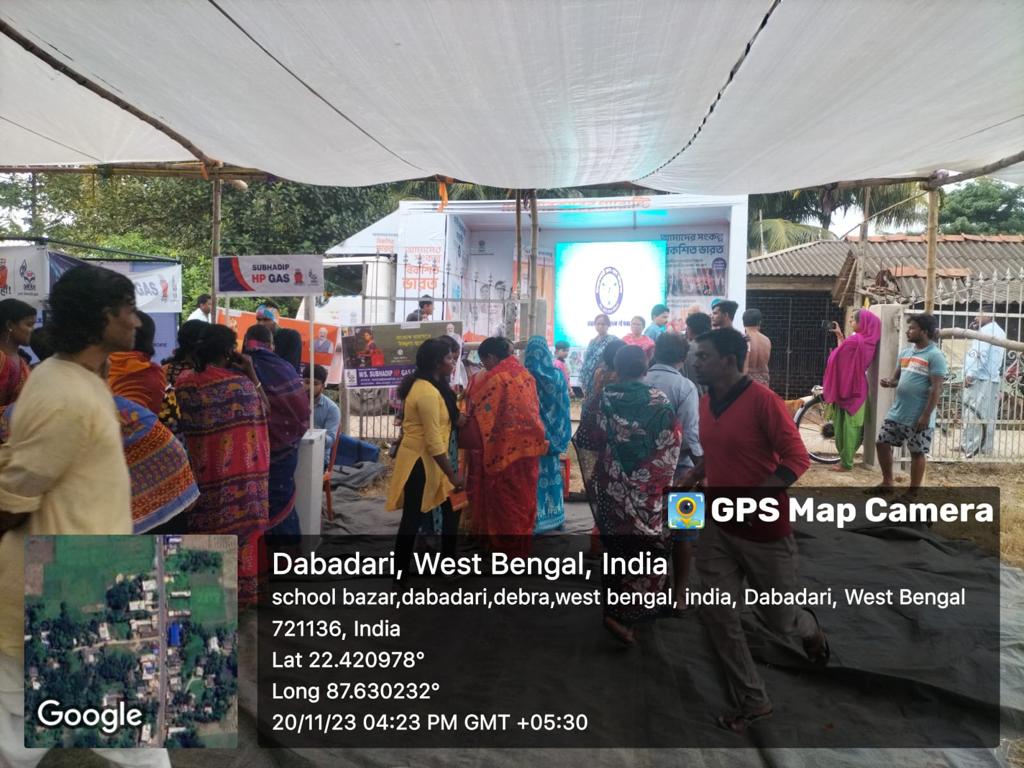
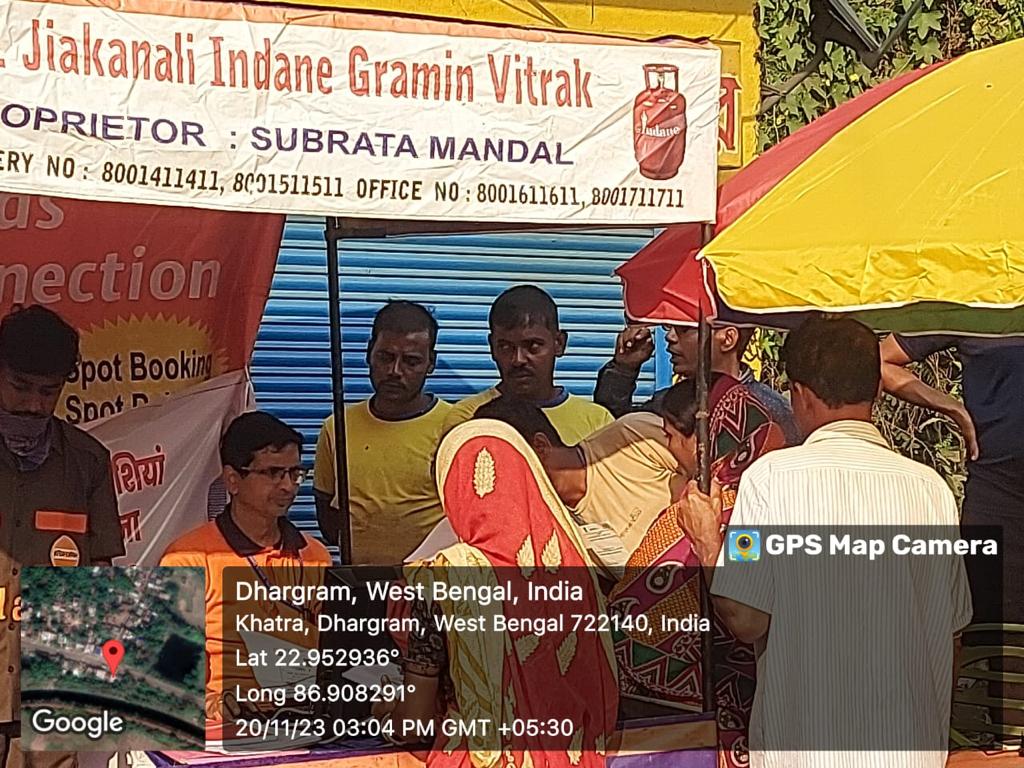
On Monday, the second phase of the VBSY programme was held at Topshikhata Gram Panchayat of Alipurduar 1. Besides, the first phase of VBSY was held at Salkumar-2 Gram Panchayat of Alipurduar 1 today. This apart, VBSY events also took place at Dabadari Gram Panchayat of Debra block, Paschim Medinipur, Dhargram under Dahala Gram Panchayat of Khatra block, bankura.
Oil marketing companies involved in the domestic gas sector are providing AADHAR authentication services to facilitate subsidy transfer to the bank account of the beneficiaries, especially women beneficiaries in most of the VBSY sites.
That apart, change in personal details regarding gas connection is also being provided at the venue, which attracted several women beneficiaries in most of the places where VBSY is going on.
The Annual Navy Education Society (NES) Conference 2023 was held at Headquarters Gujarat, Daman & Diu Naval Area, Porbandar on 09 – 10 November 2023, chaired by Vice Admiral Krishna Swaminathan, Chief of Personnel & Chairman NES. The conference was also attended by Commodore G Rambabu, Commodore (Naval Education) & Vice Chairman NES and academic as well as administrative leadership of Navy Children Schools across the country. The Executive Committee, Management Advisory Committee and Academic Advisory Committee meetings held as part of the conference deliberated policy framework for Naval Schools with specific impetus to implementation of National Education Policy (NEP) 2020. For the first time ever, representatives of Naval Kindergartens from various Naval Stations also took part in the conference.
On this occasion, Chairman NES presented Rolling Trophies to schools that excelled in academics during the last academic year. Addressing the delegates, Chairman NES appreciated the role played by NCSs in imparting quality education to children of naval personnel. He exhorted all stakeholders to continue investing in state-of-the-art infrastructure and faculty development, to facilitate a conducive learning environment that motivates children to imbibe life skills and excel in academics and co-curricular activities. A guided tour of Navy Children School Porbandar was also organised for the delegates.
NITI Aayog organised a thematic workshop on “Inclusive Trade for Growth & Prosperity”which highlighted the need to enhance and widen domestic outreach, ownership and implementation of New Delhi Leader’s Declaration (NDLD) outcomes in the areas of inclusive trade for growth and prosperity, and resilient supply chains. The thematic workshop was organised as a follow up to New Delhi Leader’s Declaration (NDLD) under India’s presidency G20 Summit which emphasised on adopting strong, sustainable, balanced, and inclusive trade for growth and prosperity for all.
Shri BVR Subrahmanyam, CEO NITI Aayog, in his keynote address highlighted the need for a non-discriminatory and inclusive trading system which facilitates trade as an engine of growth and prosperity. Further, he emphasized the need for India to integrate into global value chains (GVCs) and adapt swiftly to emerging trading systems.
Dr. Arvind Virmani, Hon’ble Member, NITI Aayog, addressed the first session titled ‘Mapping Global Value Chains’, and highlighted the need for strengthening key areas such as labour-intensive supply chains, institutional factors for policy framing and simplifying taxation system, and integrating payment, refund and export credit system especially for MSMEs. Dr. Virmani also recognised the need to address various anti-dumping issues and the need to foster FTAs with potential partners.
The session on ‘Mapping Global Value Chains’ focused on strengthening logistics for efficient supply chains, exchange rate management to enhance competitiveness, utilising strategic intervention from MNCs, provision of cumulative Rules of Origin, identification of potentially competitive segments, transparent & traceable GVCs, mapping startups and integrating industrial policy with trade policy to name a few.
The second session on ‘Promoting Inclusive Trade for Growth’ was chaired by Prof. Ramesh Chand, Hon’ble Member, NITI Aayog. The session highlighted the key points including – strengthening capacity and infrastructure development of LDCs; reducing non-tariff barriers; mobilizing resources for scaling up aid-for trade, particularly for MSMEs in developing and least developed countries; digital inclusion in three areas namely infrastructure, skills and data ownership; standard setting; technical advancement; transparency; and incorporating climate principles into trading systems.
The concluding session of the Workshop ‘Addressing challenges to Inclusive Trade’was chaired by Dr. Harsha Vardhana Singh, Ex DDG, WTO. He drew attention towards enhancing traditional exports of India; increasing female labour force participation in trade; state/district level integration into the supply chain and trade (promoting Districts as Exports Hub); facilitating integration of MSMEs in GVCs; logistics and financial support, access to information for MSMEs; climate resilient agriculture with promotion of Nutri cereals and accelerating services exports; document digitalization with respect to trade; and strengthening focused skill development including reskilling & upskilling.
NITI Aayog is organising a series of thematic workshops on key agendas of New Delhi Leader’s Declaration (NDLD) to devise actionable strategies and plans that can be implemented to provide impetus to growth and prosperity of the country. Other thematic workshops are focused on topics of SGDs, Roadmap for Tourism, Digital Public Infrastructure, India and African Union Cooperation, Data for Development, Women Led Development, etc.
NITI Aayog is organizing a workshop on the theme of Nari Shakti: Towards Women-led Development on 8 November 2023 (Wednesday) at Park Hotel, New Delhi. This will be eighth in the series of G20 Feeder Thematic Workshops being organized on 10 themes discussed in the G20 New Delhi Leaders’ Declaration (NDLD). The knowledge partner of this workshop is the Institute of What Works to Advance Gender Equality (IWWAGE).
This workshop will endeavour to bring together various views from experts, entrepreneurs, innovators, academia, representatives of think-tanks, and government working on gender equality and empowerment to identify the way forward and the required resources to achieve the objectives and outcomes mentioned in the G20 New Delhi Leaders’ Declaration.
It will be divided into following four segments. Each segment will aim to coalesce into specific action points and strategies that are required to implement the vision laid out in the NDLD:
Women in the economy: Enhancing women’s economic and social empowerment: Women’s social and economic empowerment is of paramount importance for fostering inclusive and thriving societies. The segment will explore various pathways to increase women’s meaningful participation in the workforce, role of government and private sector to achieve the same as well as the resources required to enable women to join workforce.
Women’s collectives: strengthening SHGs, women-led FPOs and rural women’s leadership abilities: Women collectives like SHGs, Farmer Producer Organisations (FPOs) etc. are undeniably a unique and important gender-responsive policy solution in terms of securing employment, financial autonomy secured through credit and savings, improving women’s capabilities around decision-making, fostering leadership, and communicative abilities and so on. This segment will discuss strategies that will enable these groups/collectives to reach the next stage of economic empowerment and also to expand their coverage in the urban areas.
Women and the future of work: bridging digital and skilling gaps for access to jobs and strengthening women’s entrepreneurship: Women’s access to digital and financial services can be a critical enabler of their labor force participation. This segment will delve into the trends in the future work, strategies to improve women’s access to these skills and to bridge the gender skill gap and various strategies to promote women’s entrepreneurship.
Legal safeguards for the empowerment of women: Legal frameworks can provide a powerful avenue for women to not only access justice, but also proactively set norms for their empowerment. The segment will explore various strategies to further strengthen the legal safeguards to create a safe space for women’s safety and empowerment.
This workshop will be an opportunity for industry, academics, experts, and civil society representatives to collaborate and design a roadmap for comprehensive gender equality and empowerment.
The Indian delegation led by Shri Bhagwant Khuba, Union Minister of State for Chemicals and Fertilizers participated in the Second World Local Production Forum (WLPF) held in Hague, Netherlands today. This meeting is being organized from 6 to 8 November 2023. The World Local Production Platform is a platform created at the initiative of WHO with the aim of increasing access to medicines and other health technologies.
Shri Khuba said in his address that this meeting provides a crucial opportunity to share experiences, challenges and successes in the development and manufacturing of diagnostic countermeasures. He said that we must collaborate further to identify innovative approaches that will enable sustainable and equitable access to these critical tools.
The Minister further said that 21st century has seen frequent epidemics and pandemics like COVID-19, revealing vulnerabilities in global supply chain and inequities in accessing quality medical countermeasures. Inadequate diagnostic tools worsened outbreaks, emphasizing the necessity of enhancing cooperation for sustainable, affordable diagnostic countermeasures to improve global access to them. Countries worldwide have realized the importance of collaboration between multiple sectors for achieving equity in providing novel solutions.
Shri Khuba informed that the pharmaceutical industry in India is one of the largest globally, earning India the title of the ‘Pharmacy of the World.’ Indian pharmaceutical companies have become reliable and affordable suppliers of high-quality drugs, significantly improving healthcare access worldwide. He said that India provides approximately 60% of the global vaccine supply, accounts for 20-22% of generic exports and serves over 200 countries through its pharmaceutical exports. Numerous Indian organizations have played a pivotal role in promoting innovation and entrepreneurship that act as a landscape for innovative mind and ultimately boosts health sector.
The minister said that the government is providing funding, mentoring, incubation space etc, and acts as a bridge between academia and industry, to ensure timely translation of innovations into commercial ventures”.
The Minister also said, “currently, local production faces significant challenges as it seeks to address the critical issue of translating research into product development. Lack of technology transfer stands out as a formidable barrier. Validation, production, and distribution are daunting hurdles, requiring efficient coordination to bring innovative healthcare technologies to market. Capacity building in regulatory systems and skilled technical manpower are necessary ingredients. The Forum must focus on marketing, upscaling regional manufacturing, efficient procurement and delivery systems, and repurposing existing infrastructure for efficient coordination during health emergencies. Last-mile delivery to ensure that the benefits of innovations reach those who need them most and guarantee equitable access to essential healthcare products”.
During his visit, Mr. Khuba also met the Minister of Public Health of Surinam Dr. Amar N. Ramadhin and discussed about quality health care. He also visited Eindhoven to take part in Kannada Rajyotsava 2023 Celebrations of Shrigandha Holland Kannada Balaga.
The Department of School Education & Literacy is a critical government entity responsible for shaping and overseeing the educational landscape in many countries, including India. Its primary focus is on the development and improvement of school education, literacy, and educational infrastructure, with the ultimate goal of providing quality education to the masses.
Key responsibilities of the Department of School Education & Literacy typically include:
Policy Formulation: This department plays a pivotal role in developing and implementing educational policies at the national and state levels. These policies encompass a wide range of aspects, including curriculum development, teacher training, educational technology integration, and more.
Implementation of Programs: The department is responsible for implementing various educational programs and schemes aimed at enhancing the quality and reach of education. This may include initiatives to improve school infrastructure, provide scholarships, enhance teacher training, and promote digital literacy.
Monitoring and Evaluation: Ensuring the effectiveness of educational programs is crucial. The department typically conducts regular monitoring and evaluation to assess the impact of policies and programs. This helps in making necessary adjustments and improvements.
Universalization of Education: A major objective of the Department of School Education & Literacy is to work towards the universalization of elementary education. This means ensuring that all children, regardless of their background or location, have access to quality primary education.
Promoting Literacy: In addition to school education, promoting literacy among adults and underprivileged sections of society is a key focus. The department often collaborates with other agencies to run literacy programs and campaigns.
Teacher Training and Development: The quality of education heavily depends on the quality of teachers. Therefore, the department is typically involved in developing and implementing teacher training programs to enhance the skills and knowledge of educators.
𝐀𝐏𝐏𝐋𝐘 𝐍𝐎𝐖!! ✅ 𝐏𝐨𝐬𝐢𝐭𝐢𝐨𝐧: – Consultant (Access & Infrastructure Development) ✅ 𝐓𝐨𝐭𝐚𝐥 𝐧𝐨 𝐨𝐟 𝐏𝐨𝐬𝐢𝐭𝐢𝐨𝐧𝐬: – 01 positions ✅ 𝐐𝐮𝐚𝐥𝐢𝐟𝐢𝐜𝐚𝐭𝐢𝐨𝐧𝐬: M.Arch ✅ 𝐄𝐱𝐩𝐞𝐫𝐢𝐞𝐧𝐜𝐞: 3 years ✅ 𝐒𝐚𝐥𝐚𝐫𝐲: 80,000 – 1,00,000 /- ✅ 𝐋𝐨𝐜𝐚𝐭𝐢𝐨𝐧: New Delhi ✅ 𝐀𝐠𝐞 𝐥𝐢𝐦𝐢𝐭: 35 years ✅ 𝐌𝐨𝐝𝐞 𝐨𝐟 𝐒𝐞𝐥𝐞𝐜𝐭𝐢𝐨𝐧 : Based on educational qualification / professional experience. Writing skills test / PPT presentation depending on the number of candidates. ✅ 𝐇𝐨𝐰 𝐭𝐨 𝐚𝐩𝐩𝐥𝐲 : https://edcilindia.co.in/TCareers
The Department of School Education & Literacy is a critical government entity responsible for shaping and overseeing the educational landscape in many countries, including India. Its primary focus is on the development and improvement of school education, literacy, and educational infrastructure, with the ultimate goal of providing quality education to the masses.
Key responsibilities of the Department of School Education & Literacy typically include:
Policy Formulation: This department plays a pivotal role in developing and implementing educational policies at the national and state levels. These policies encompass a wide range of aspects, including curriculum development, teacher training, educational technology integration, and more.
Implementation of Programs: The department is responsible for implementing various educational programs and schemes aimed at enhancing the quality and reach of education. This may include initiatives to improve school infrastructure, provide scholarships, enhance teacher training, and promote digital literacy.
Monitoring and Evaluation: Ensuring the effectiveness of educational programs is crucial. The department typically conducts regular monitoring and evaluation to assess the impact of policies and programs. This helps in making necessary adjustments and improvements.
Universalization of Education: A major objective of the Department of School Education & Literacy is to work towards the universalization of elementary education. This means ensuring that all children, regardless of their background or location, have access to quality primary education.
Promoting Literacy: In addition to school education, promoting literacy among adults and underprivileged sections of society is a key focus. The department often collaborates with other agencies to run literacy programs and campaigns.
Teacher Training and Development: The quality of education heavily depends on the quality of teachers. Therefore, the department is typically involved in developing and implementing teacher training programs to enhance the skills and knowledge of educators.
Integration of Technology: In the modern era, technology plays a significant role in education. The department is responsible for integrating technology into the curriculum and ensuring that schools have the necessary digital infrastructure.
Inclusive Education: Promoting inclusive education, which ensures that children with disabilities have equal access to education, is another important aspect of the department’s work.
Scholarship Programs: To encourage children to continue their education, the department often provides scholarships and financial incentives to deserving students.
Research and Data Collection: The department is usually involved in collecting educational data and conducting research to better understand the state of education in the country. This data is essential for informed decision-making.
Collaboration: The department collaborates with various stakeholders, including state governments, NGOs, international organizations, and academic institutions, to achieve its goals and objectives.
The Department of School Education & Literacy plays a critical role in shaping the educational future of a country. Its work is instrumental in not only improving the quality of education but also in addressing issues related to equity, access, and inclusivity in education. Through its various policies and programs, it aims to build a strong educational foundation, empowering individuals and contributing to the overall development of the nation.
In the fast-paced digital age, cryptocurrencies have emerged as a revolutionary financial asset. At the forefront of this digital revolution stands Bitcoin, the first and most popular cryptocurrency. Understanding how Bitcoin works is essential to comprehend the potential of this decentralized digital currency. This article provides a comprehensive technical overview of Bitcoin, shedding light on its underlying mechanisms and the process of transactions. If you are into crypto investment like Bitcoin, you may also want to know about the Apps That Make Every Word Count.
An online trading platform, has been instrumental in popularizing Bitcoin by offering a user-friendly platform for trading this digital asset. But before delving into the technicalities, it’s crucial to grasp the fundamentals of Bitcoin’s architecture and ideology.
The Blockchain: Building Blocks of Bitcoin
Bitcoin operates on a revolutionary technology called the blockchain. The blockchain is a decentralized and immutable ledger that records all Bitcoin transactions in chronological order. These transactions are grouped into blocks, and each block is cryptographically linked to the previous one, forming an unbroken chain. This ensures transparency, and security, and prevents fraudulent activities.
Decentralization: No Central Authority
One of Bitcoin’s defining features is its decentralized nature. Unlike traditional currencies that are controlled by central banks, Bitcoin is not governed by any central authority. Instead, it relies on a network of nodes (computers) that collectively validate and record transactions. This decentralized structure ensures that no single entity can manipulate the system, making it resistant to censorship and corruption.
Mining: Fueling the Bitcoin Ecosystem
Mining plays a pivotal role in the functioning of the Bitcoin network. Miners are individuals or entities that use powerful computers to solve complex mathematical puzzles, known as proof-of-work (PoW). The first miner to solve the puzzle gets the privilege of adding the next block to the blockchain and is rewarded with newly minted Bitcoins and transaction fees. Mining secures the network, validates transactions, and ensures consensus among participants.
Public and Private Keys: Ensuring Security
To engage in Bitcoin transactions, users need a pair of cryptographic keys: a public key and a private key. The public key, which acts as an address, is visible to everyone and is used to receive funds. The private key, on the other hand, is kept secret and is used to sign transactions, proving ownership of the funds. This cryptographic pair ensures the security and integrity of transactions.
Transactions: The Heart of the Bitcoin Network
When a user initiates a Bitcoin transaction, it is broadcast to the network, where it awaits confirmation. Miners then select pending transactions and add them to a new block, validating their authenticity. Once confirmed, the transaction becomes a permanent part of the blockchain, and the recipient gains access to the transferred Bitcoins.
Consensus Mechanism: Reaching Agreement
Maintaining consensus among the network participants is vital for Bitcoin’s operation. As the blockchain grows, multiple versions of the same block may exist temporarily. However, the longest chain is deemed the valid one. Miners continue to extend the longest chain, and eventually, the network reaches a consensus on which block is the correct one.
Scalability Challenges: A Work in Progress
Despite its tremendous success, Bitcoin faces challenges, particularly in terms of scalability. The blockchain’s size increases with every transaction, leading to longer confirmation times and higher fees. Solutions like the Lightning Network aim to address these issues by enabling off-chain transactions and improving scalability.
Security and Immutability: Safeguarding the Bitcoin Network
Bitcoin’s robust security measures are fundamental to its success. The immutability of the blockchain, achieved through the cryptographic linking of blocks, ensures that past transactions cannot be altered or tampered with. This tamper-resistant feature guarantees the integrity of the entire transaction history, instilling trust in the system and its participants.
The Halving Event: Controlling Supply and Inflation
One of the unique aspects of Bitcoin’s design is the halving event, which occurs approximately every four years. During this event, the block rewards that miners receive for successfully adding a new block to the blockchain are cut in half. This halving mechanism is programmed into the Bitcoin protocol and serves a crucial purpose – to control the supply of new Bitcoins entering circulation.
Conclusion
In conclusion, Bitcoin’s success as the first cryptocurrency can be attributed to its innovative use of blockchain technology, decentralization, and security measures. Understanding how Bitcoin works at a technical level is essential for investors, traders, and enthusiasts alike. As the technology evolves and scalability improves, Bitcoin’s potential to revolutionize the financial landscape continues to grow, inspiring a new era of decentralized digital finance.
You must be logged in to post a comment.