Role of Technology in Primary Health Care

CREDIT: SHUTTERSTOCK

PRIMARY HEALTH CARE

Primary health care is a broad term that means providing affordable and quality health care facilities to the whole society necessary to maintain good health by prioritizing those in need. It aims to recognize the needs of the people and then provide the health care facilities accordingly.

Primary health care has three pillars. These are primary care and essential public health functions, multisectoral policy and action, and empowered people and communities.

TECHNOLOGY’S IMPACT ON PRIMARY HEALTH CARE

Day by day integration of technology in primary care is increasing. There was a time when technology was in its naive stage, and its penetration into human life was minimum. The complexity, cost, and limitation to use it in improving primary health were also nil. Technologies like mobile phones, tablets, computers, and laptops are very common to us now but were alien concepts long before. However, by 1990, the advent of revolutionary technologies, especially the internet, had impacted the health care sector vastly.

TECHNOLOGY’S IMPACT ON PRIMARY HEALTH CARE

Day by day integration of technology in primary care is increasing. There was a time when technology was in its naive stage, and its penetration into human life was minimum. The complexity, cost, and limitation to use it in improving primary health were also nil. Technologies like mobile phones, tablets, computers, and laptops are very common to us now but were alien concepts long before. However, by 1990, the advent of revolutionary technologies, especially the internet, had impacted the health care sector vastly.

PRIMARY CARE AND ESSENTIAL PUBLIC HEALTH FUNCTIONS

The usage of technology has increased since then, and now we can see its presence in bringing secondary and tertiary health facilities to the home of the people. Now people can check their blood pressure, sugar, etc., at home through telemedicine, remote care, and mobile health. Technology is increasing the protection of patients by monitoring their health in day-to-day life. Electronic sensors can help inform the risk related to the health issue within time by monitoring and measuring required signs and symptoms. It is common to see technology tracking the stock of medicines and drugs, searching for information related to health, facilitating clinical support, monitoring and mapping transmissible diseases, and monitoring care facilities.

MULTISECTORAL POLICY AND ACTIONS

Gathering, analyzing, and managing the information related to the health sector has become digitally equipped. Handling data accurately and timely is possible now. Data collected and shared can improve the monitoring and surveillance of diseases.
The recorded data will increase the chances of better dealing with emergencies. Doctors can also access patients’ medical history through digitally recorded data within a few seconds, making diagnosing and treating easier and more time-efficient.
Partnering with other sectors like the information and communication sectors and the innovation sector can help disseminate the innovations to those in need. Those located in low-resource settings can also benefit from this partnership with the different sectors. Innovations like hand-held ultrasound and pulse oximeters will provide a quick diagnosis to the primary health care centers. Dissemination of the word about these technologies will be easier with the help of the information and communication department.

EMPOWERING PEOPLE AND ENGAGING COMMUNITIES

No matter how far a patient is, he can connect with the doctor online. Not only that, connecting and forming a community of patients and discussing and emotionally connecting with them has become easy. Accessing high-quality health information has become relatively effortless with the help of the internet. Technology aids transparency, and the process of feedback giving of the experience of health care is available one click away from the patients.

CHALLENGES

The Healthcare sector deals with the sensitive and confidential data of patients that need a proper set of security. Handling the data of every patient with utmost security is a necessity. A proper algorithm needs to be there for encryption, transmission, and decryption.
Technology is making its way in the healthcare sector, but understanding technology is also necessary for healthcare professionals and patients. In many studies, researchers discovered that doctors are reluctant to adopt this technology or have no time to learn this technology.
Further, patients also do not find it necessary to learn and adopt these technologies in their lives. Another problem lies in the cost of the technology, which is higher than we expect it to be. Many hospitals are reluctant to purchase these technologies; only because they find them costlier. To utilize technologies, we need stable and secure internet services in our country; that are unavailable in many parts of our country.

CONCLUSION

The inclusion of technology has opened tons of opportunities for improving primary health care facilities. They have changed the way of diagnosing and treating patients. They have created new patterns of communication, empowerment, and engagement. The government’s commitment to improving primary health care and protecting its commitment to inclusive and equitable growth promises a lot of development soon.

REFERENCES

https://healthadministrationdegree.usc.edu/blog/3-challenges-of-technology-implementation-in-healthcare/

https://www.who.int/news-room/fact-sheets/detail/primary-health-care

The Future of Cryptocurrency

Credit: EconomicTimes

Introduction

Cryptocurrencies are digital or virtual currencies underpinned by cryptographic systems. They enable secure online payments without the use of third-party intermediaries. “Crypto” refers to the various encryption algorithms and cryptographic techniques that safeguard these entries, such as elliptical curve encryption, public-private key pairs, and hashing functions. Cryptocurrencies can be mined or purchased from cryptocurrency exchanges. Not all eCommerce sites allow purchases using cryptocurrencies. In fact, cryptocurrencies, even popular ones like Bitcoin, are hardly used for retail transactions.

What is Cryptocurrency?

A cryptocurrency is a digital or virtual currency that is secured by cryptography, which makes it nearly impossible to counterfeit or double-spend. Many cryptocurrencies are decentralized networks based on blockchain technology—a distributed ledger enforced by a disparate network of computers. A defining feature of cryptocurrencies is that they are generally not issued by any central authority, rendering them theoretically immune to government interference or manipulation.

Blockchain Technology

Central to the appeal and functionality of Bitcoin and other cryptocurrencies is blockchain technology. As its name indicates, a blockchain is essentially a set of connected blocks or an online ledger. Each block contains a set of transactions that have been independently verified by each member of the network. Every new block generated must be verified by each node before being confirmed, making it almost impossible to forge transaction histories. The contents of the online ledger must be agreed upon by the entire network of an individual node, or computer maintaining a copy of the ledger.

Types of Cryptocurrency

Bitcoin is the most popular and valuable cryptocurrency. An anonymous person called Satoshi Nakamoto invented it and introduced it to the world via a white paper in 2008. There are thousands of cryptocurrencies present in the market today. Each cryptocurrency claims to have a different function and specification. For example, Ethereum’s ether markets itself as gas for the underlying smart contract platform. Ripple’s XRP is used by banks to facilitate transfers between different geographies. Bitcoin, which was made available to the public in 2009, remains the most widely traded and covered cryptocurrency. As of November 2021, there were over 18.8 million bitcoins in circulation with a total market cap of around $1.2 trillion. Only 21 million bitcoins will ever exist.

Is Cryptocurrency Legal?

Fiat currencies derive their authority as mediums of the transaction from the government or monetary authorities. For example, each dollar bill is backstopped by the Federal Reserve. But cryptocurrencies are not backed by any public or private entities. Therefore, it has been difficult to make a case for their legal status in different financial jurisdictions throughout the world. It doesn’t help matters that cryptocurrencies have largely functioned outside most existing financial infrastructure. The legal status of cryptocurrencies has implications for their use in daily transactions and trading. In June 2019, the Financial Action Task Force (FATF) recommended that wire transfers of cryptocurrencies should be subject to the requirements of its Travel Rule, which requires AML compliance. As of December 2021, El Salvador was the only country in the world to allow Bitcoin as legal tender for monetary transactions. In the rest of the world, cryptocurrency regulation varies by jurisdiction.

Future of Cryptocurrency

A cryptocurrency that aspires to become part of the mainstream financial system may have to satisfy widely divergent criteria. It would need to be mathematically complex (to avoid fraud and hacker attacks) but easy for consumers to understand; decentralized but with adequate consumer safeguards and protection; and preserve user anonymity without being a conduit for tax evasion, money laundering, and other nefarious activities. Since these are formidable criteria to satisfy, is it possible that the most popular cryptocurrency in a few years could have attributes that fall in between heavily-regulated fiat currencies and today’s cryptocurrencies?

Conclusion

The emergence of Bitcoin has sparked a debate about its future and that of other cryptocurrencies. Despite Bitcoin’s recent issues, its success since its 2009 launch has inspired the creation of alternative cryptocurrencies such as Ethereum, Litecoin, and Ripple. A cryptocurrency that aspires to become part of the mainstream financial system would have to satisfy very divergent criteria. While that possibility looks remote, there is little doubt that Bitcoin’s success or failure in dealing with the challenges it faces may determine the fortunes of other cryptocurrencies in the years ahead.

References

Why does the World Need to Decarbonize Transport?

Credit: ITF

Introduction

Moving people and goods accounts for one-quarter of global energy use, and the demand for energy from this sector is continuing to grow. This is due mainly to the increasing number and size of vehicles on our roads: more than 1.42 billion are currently in use, with an expected two billion by 2040. Road vehicles, most still powered by fossil fuels, account for nearly 75 per cent of total transport-related greenhouse gas emissions. Emissions from aviation and shipping are also projected to sail upwards between now and 2050. Flying contributes 12 per cent of the world’s total carbon dioxide emissions, while the marine sector, if it were a country, would be ranked between Germany and Japan as the sixth-largest source.

Why to Decarbonize the Transport?

Climate change cannot be stopped without decarbonizing transport. Transport emits around 23% of the energy-related CO2 that feeds global warming. Without immediate action, its share could reach 40% by 2030. Transport emissions have grown faster than those of any other sector over the past 50 years. Demand for transport will continue to grow massively in the coming decades. As a result CO2 emissions from transport activity will not fall, but could increase by 60% by 2050. And because transport relies on oil for 92% of its energy, it is particularly hard to decarbonize. 

Ambition of the Initiative

The Decarbonising Transport initiative helps governments and industry to translate climate ambitions into actions. Specifically, it:

  • Builds a catalogue of effective CO2 mitigation measures: the Transport Climate Action Directory.
  • Provides targeted analytical assistance for countries and partners to identify climate actions that work.
  • Gathers and shares evidence for best practices that will accelerate the transition to carbon-neutral mobility.
  • Shapes the climate change debate by building a global policy dialogue and by bringing the transport perspective to the broader climate change discussions.

Stream of the Initiative

 The Decarbonising Transport initiative is organised in five work streams:

  • Tracking progress: The initiative evaluates how current mitigation measures contribute to reaching objectives for reducing transport CO2.
  • In-depth sectoral studies: The initiative identifies effective policies for decarbonizing urban passenger transport, road freight transport, maritime transport, aviation and inter-urban transport.
  • Focus studies: The initiative analyses specific decarbonization issues and feeds the results into other work streams.
  • National pathways: The initiative assesses available policy levers for decarbonizing transport from a country perspective. Projects may also examine regional or sub-national levels.
  • Policy Dialogue: The initiative organizes global dialogue on transport and climate change through high-level roundtables, policy briefings and technical workshops. It acts as a conduit for transport sector input to climate change negotiations.

Conclusion

The Decarbonizing Transport initiative was launched in 2016 with core funding from the ITF’s Corporate Partnership Board (CPB). Other funding partners currently include the governments of France, Korea, Ireland and the Netherlands, the World Bank, the European Commission, the Climate Works Foundation, the Fédération Internationale de l’Automobile (FIA), the FIA Foundation, the International Road Transport Union (IRU) and the Swedish Shipowners’ Association. In recognition of the work of its Decarbonizing Transport initiative, the UN Climate Change Secretariat (UNFCCC) has named the International Transport Forum a focal point for transport under its Marrakech Partnership. In this role, the ITF acts as a conduit for the exchange of information between the transport sector and the UNFCCC, as well as providing inputs to the UNFCCC process.

References

Delhi-LSA to break myths regarding health effects of EMF exposure from mobile towers

 Department of Telecommunications (DoT), Delhi License Service Area (LSA) organized an awareness webinar on “EMF Emissions and Telecom Towers” here yesterday. This session was organized as a part of DoT’s public advocacy programme to make the consumers aware about the growing need for mobile towers to build reliable telecom infrastructure and to break myths regarding the health effects of EMF exposure from mobile towers.

The Webinar was addressed by Sh. Nizamul Haq, Advisor, DoT, New Delhi and Sh. Arun Kumar, DDG, DoT, Delhi LSA. Presentation on various aspects of EMF and steps taken by DoT was covered by Sh. Vijay Prakash, Director and Sh. Kamal Deo Tripathi, ADG, DoT, Delhi LSA. Various health related queries and myth about harmful effect of EMF radiations from mobile towers was also clarified by a medical expert, Dr Vivek Tandon, Associate Professor (Neurosurgery), All India Institute of Medical Sciences, New Delhi.

Shri Nizamul Haq, Advisor, DoT, Delhi LSA put a spotlight on the importance of telecommunications as an effective tool for socio-economic development of a nation. It has become core infrastructure for rapid growth and modernization of various sectors of the economy. To provide best quality of telecommunication service to the customers, the expansion of mobile network including tower infrastructure are inevitable.

Shri Arun Kumar, DDG and Shri Vijay Prakash, Director, Delhi LSA further addressed that the EMF emissions from a mobile tower, which are below the safe limits prescribed by International Commission on Non Ionizing Radiation Protection (ICNIRP) and recommended by World Health Organisation (WHO), have no convincing scientific evidence of causing adverse health effects. Various judgements of High Courts of India on the issues of radiation from mobile tower says that there is no conclusive data to show that radiation from mobile tower is in any way harmful or hazardous to the health of citizens.

Dr. Vivek Tandon, Associate Professor AIIMS Delhi clarified various myth about health related issues due to EMF radiations from mobile towers and handsets. Misconceptions among a section of the population around the health hazards of EMF radiations should not override the factual information made available to us through scientific research. Dr Tandon explained various aspects of health related issues in a simplified way and touched various studies and its impact in real life situation.

Department of Telecommunication (DoT), through its field units has already taken necessary steps and adopted stricter norms for safety from EMF radiation that are emitted from mobile towers. DoT has adopted the radiation norms which are 10 times stricter than the norms prescribed by ICNIRP as recommended by WHO. All the information on Mobile tower radiation is available to the public on DoT’s website: https://dot.gov.in/journey-emf

Till date, 46000 mobile base transceiver stations (BTS) have been tested in Delhi LSA and all sites have been found EMF compliant as per DoT norms.

For tower EMF emission visit http://tarangsanchar.gov.in/EMFportal.

SCHEMES FOR PROGRESS OF INDUSTRIES

 Government of India has continuously been promoting the progress of industries throughout the country through various policy measures/schemes.

Government has taken a number of recent initiatives under the Aatma Nirbhar Bharat Abhiyan to mitigate the impact of Covid-19 on industries. Some of the initiatives are: Rs. 20,000 crore Subordinate Debt for stressed MSMEs, Rs.3 lakh crore Emergency Credit Line Guarantee Scheme (ECLGS) for Businesses, Rs. 50,000 crore equity infusion through MSME Self-Reliant India Fund, New Revised criteria of classification of MSMEs, New Registration of MSMEs through ‘Udyam Registration’ for Ease of Doing Business and no global tenders for procurement up to Rs. 200 crore for promotion of domestic manufacturing.

Besides above, Central Government has also taken following measures to promote industrial development:- announcement of Production Linked Incentive (PLI) Scheme , launch of the PM GatiShaki – a National Master Plan for multi-modal connectivity to reduce logistic cost and create world class infrastructure, implementation of various industrial corridor projects to develop greenfield industrial nodes and to facilitate provision of plug and play infrastructure, reducing compliance burden on citizen and business to simplify, decriminalize & remove redundant laws, setting up of Empowered Group of Secretaries (EGoS) and Project Development Cells (PDCs) to monitor investment projects, building a strong eco-system for nurturing innovation and Startups in the country with the help of schemes such as Fund of Funds for Startups Scheme (FFS), and Startup India Seed Fund Scheme (SISFS) schemes, launching of GIS-enabled India Industrial Land Bank, Scheme of Fund for Regeneration of Traditional Industries (SFURTI),  Scheme for Promoting Innovation, Rural Industry and Entrepreneurship (ASPIRE), Credit Guarantee Scheme (CGTMSE), Micro & Small Enterprises – Cluster Development Programme (MSE-CDP), National Scheduled Caste and Scheduled Tribe Hub (NSSH).

State Governments also promote industrial development through various initiatives / schemes.

INDUSTRIAL CORRIDORS

 The status of Chennai-Bengaluru (CBIC), Bengaluru-Mumbai (BMIC) and Hyderabad-Bengaluru (HBIC) is as under:

  1. Chennai Bengaluru Industrial Corridor (CBIC): Three nodes namely Tumakuru in Karnataka, Krishnapatnam in Andhra Pradesh and Ponneri in Tamil Nadu have been identified for development under CBIC. Status of these Nodes is as under:

Krishnapatnam Node: Project was approved by Government of India on 30th December, 2020. Detailed master planning and preliminary engineering activities for an area of 2,500 acres, as an activation area, have been completed. Engineering, Procurement and Construction (EPC) tendering work for implementation of trunk infrastructure has been initiated.

Tumakuru Node: Project was approved by Government of India on 30th December, 2020. Detailed master planning and preliminary engineering activities for an area of 1,736 acres, as an activation area, has been completed. Environment Clearance has been obtained. EPC tendering work for implementation of trunk infrastructure has been initiated.

Ponneri Node: Consultant has been appointed for carrying out Detailed Master Planning and Preliminary Engineering for an area of 4,000 acres.

  1. Bengaluru Mumbai Industrial Corridor (BMIC): The Perspective Plan of BMIC has been completed. Government of Karnataka and Government of Maharashtra has confirmed availability of land for development of industrial node at Dharwad and Satara respectively. Consultants have been appointed for Detailed Master Planning and Preliminary Engineering for both the nodes.
  2. Hyderabad Bengaluru Industrial Corridor (HBIC): Orvakal node in Andhra Pradesh has been identified for development under HBIC. Consultants have been appointed for Detailed Master Planning and Preliminary Engineering. Site survey, preparation of base map, technical assessment & land suitability, preparation of preliminary master plan, etc. have been completed by the consultant.

Above Industrial Corridors are at different stages of implementation. Out of three nodes to be developed in CBIC, land has been made available in two nodes, – Krishnapattnam and Tumakuru. These are scheduled to be developed by 2026. For other corridors/nodes, since project development activities are going on, the timelines can be ascertained after availability of land and competent approval.

The status of Amount allocated, released and spent on the development of Industrial corridors is as under:

 (Rs. in crore)


s. No.

Name of the Industrial Corridor

Node/Project

State

Project Implementation Fund (PIF)

Project Development Fund (PDF) Spent *

Funds Allocated (as per CCEA Approval)

Funds Released by DPIIT to NICDIT
(Equity)

Amount transferred by NICDIT to SPV managed by State Govt.

1

Chennai Bengaluru Industrial Corridor (CBIC)

Krishnapatnam

Andhra Pradesh

Equity: 621 cr
Debt: 459 cr

533.86

522.10

9.43

Ponneri

Tamil Nadu

Not yet approved

2.50

2.50

0.51

Tumakuru

Karnataka

Equity: 608 cr
Debt: 433 cr

586.74

586.74

7.86

2

Hyderabad Bengaluru Industrial Corridor (HBIC)

Orvakal

Andhra Pradesh

Not yet approved

0.00

0.00

0.38

3

Bengaluru Mumbai Industrial Corridor (BMIC)

Dharwad

Karnataka

Not yet approved

0.00

0.00

4.22

Satara

Maharashtra

Not yet approved

0.00

0.00


* PDF are released to NICDIT for Industrial Corridor Project and the same is spent based on the project development activities being undertaken for different projects.

MAKE IN INDIA

 ‘Make in India’ is an initiative which was launched on 25th September, 2014 to facilitate investment, foster innovation, build best in class infrastructure, and make India a hub for manufacturing, design, and innovation. It is one of the unique ‘Vocal for Local’ initiatives that promoted India’s manufacturing domain to the world.


‘Make in India’ initiative has significant achievements and presently focuses on 27 sectors under Make in India 2.0. Department for Promotion of Industry and Internal Trade (DPIIT) coordinates action plans for 15 manufacturing sectors, while Department of Commerce coordinates 12 service sector plans. Investment outreach activities are done through Ministries, State Governments and Indian Missions abroad for enhancing international cooperation and promoting both domestic and foreign investment in the country.


In addition to ongoing schemes of various Departments and Ministries, Government has taken various steps to boost domestic and foreign investments in India. These include the introduction of Goods and Services Tax, reduction in Corporate taxes, financial market reforms, consolidation of public sector banks, enactment of four labour codes, improving ease of doing business, FDI policy reforms, other sectoral reforms, reduction in compliance burden, policy measures to boost domestic manufacturing through public procurement orders, Phased Manufacturing Programme (PMP), to name a few.


The series of measures taken by the Government to improve the economic situation and convert the disruption caused by COVID 19 into an opportunity for growth includes Atmanirbhar packages, introduction of Production Linked Incentive (PLI) Scheme in various Ministries, investment opportunities under National Infrastructure Pipeline (NIP) and National Monetisation Pipeline (NMP), India Industrial Land Bank (IILB), Industrial Park Rating System (IPRS), soft launch of the National Single Window System (NSWS), etc.


In addition, Government of India is developing various Industrial Corridor Projects as part of National Industrial Corridor Programme which is aimed at development of greenfield industrial regions/nodes which can compete with the best manufacturing and investment destinations in the world. GoI has accorded approval for development of 11 Industrial corridors (32 projects) in four Phases. Under Delhi Mumbai Industrial Corridor (DMIC) Project, 04 greenfield industrial nodes have been developed under Delhi Mumbai Industrial Corridor (DMIC).


Further, PM GatiShakti National Master Plan provides a transformative approach for ensuring multimodal connectivity to various economic zones. Minimizing disruptions, ensuring quick completion of works with cost efficiency are the guiding principles for the development of infrastructure as per the National Master Plan. Boost in economic growth, attracting investments and enhancement of country’s global competitiveness, are some of the expected outcomes.


The reforms taken by Government have resulted in increased Foreign Direct Investment (FDI) inflows in the country. FDI inflows in India stood at US $ 45.15 billion in 2014-2015 and have continuously increased since then, and India registered its highest ever annual FDI inflow of US$ 81.97 billion (provisional figures) in the financial year 2020-21.


Keeping in view India’s vision of becoming ‘Atmanirbhar’ and to enhance India’s Manufacturing capabilities and Exports, an outlay of INR 1.97 lakh crore (over US$ 26 billion) has been announced in Union Budget 2021-22 for PLI schemes for 14 key sectors of manufacturing, starting from fiscal year (FY) 2021-22. With the announcement of PLI Schemes, significant creation of production, skills, employment, economic growth and exports is expected over the next five years and more.


The activities under the Make in India initiative are also being undertaken by several Central Government Ministries/ Departments and various State Governments. Ministries formulate action plans, programmes, schemes and policies for the sectors being dealt by them, while States also have their own Schemes for attracting investments.


Varied Efforts Underway to Further Increase Production

 Owing to Covid-19 pandemic, the subdued demand in power and non-power sectors had adversely affected coal dispatch from the coal companies. The pithead coal stock at Coal India Limited was 99.33 Million Tonnes (MT) as on 1st April, 2021 and 28.66 MT at the Thermal Power Plants end. The coal production got regulated due to high levels of coal inventory and less demand from the consumers.

There is no shortage of coal in the country. Due to increased demand of power, less power generation by imported coal based power plants and some interruption in supply of coal due to heavy rains, the coal stock at the power plants depleted to 7.2 MT as on 8th October, 2021. Subsequently with increased coal supplies, the coal stock has started increasing and has now reached 26.5 MT as on 09.03.2022 with respect to the plants based on domestic coal. In addition, coal stock at Coal India Limited (CIL) and Singareni Collieries Company Limited (SCCL) pithead as on 13.03.2022 is 47.95 MT and 4.49MT respectively.

The following action has been taken by Government to further enhance the production and supply of coal in the country:

  1. Commercial Auction of coal on revenue share mechanism: Auction of commercial mining on Revenue Sharing Mechanism was launched on 18.06.2020 by Hon’ble Prime Minister. Under this scheme, total of 2 tranches have been successfully completed and third Tranche is currently under process. From these two tranches total of 28 coal mines have been successfully auctioned for which Vesting order have in signed for 27 coal mines.
  2. Allow sale of excess coal production: The Ministry of Coal has amended Mineral Concession Rules, 1960 with a view to allowing sale of coal or lignite, on payment of additional amount, by the lessee of a captive mine up to 50 percent of the total coal or lignite produced in a financial year, after meeting the requirement of the end use plant linked with the mine. The Mines and Minerals (Development & Regulation) Act had been amended in 2021. This is applicable for both the private and public sector captive mines. With this amendment, the Government has paved the way for releasing of additional coal in the market by greater utilization of mining capacities of captive coal and lignite blocks,which were being only partly utilized owing to limited production of coal for meeting their captive needs.
  3. Rolling auction: In order to expedite the process for conducting auction and to carryout more rounds of auction in a year, a mechanism of rolling auctions of coal mines has been planned. Under this mechanism, upon completion of the electronic auction process of a tranche, the next tranche of auction would be launched for following mines:

a. Mines where no bid or only single bid was received in the previous tranche of auction (except for those mines where Ministry of Coal decides to go for second attempt of auction)

b .New mines, if any, identified by Ministry of Coal.

In the current III tranche of commercial auction, total of 48 coal mines have been rolled over from the II tranche of mines.

  1. Single Window Clearance: The Union government has already launched Single Window Clearance portal on 11.01.2021 for the coal sector to speed up the operationalisation of coal mines. It is an unified platform that facilitates grant of clearances and approvals required for starting a coal mine in India. Now, the complete process shall be facilitated through Single Window Clearance Portal, which will map not only the relevant application formats, but also process flow for grant of approval or clearances.

Considering the increased demand as projected by the Ministry of Power, Coal India Limited (CIL) has already taken steps to augment the dispatch & build-up stock at power plants end which is as under:

    • CIL has planned to supply 565 Million Tonne (MT) during 2022-2023 to the power sector to meet the generation requirement of domestic coal-based power generators.
    • CIL has already additionally allocated 11.2 MT of coal from its high stock mines through RCR mode which is to be lifted from different Goods Shed/Private Washeries to build up stock at the plant end.
    • Railways are regularly being requested to give priority in supply of rakes to the power generators.
    • CIL has already started building stock at its railway sidings to facilitate adequate rake loading for power sector.

 The number of functioning coal mines in India as on 31.03.2021 is 442.

The details of production and consumption of coal in the country during the year 2020-21is as under:

(Fig. in MT)

Year

Domestic

Production

Domestic Dispatch

Total Import

Total Consumption (Domestic Dispatch + Import

% Import

2020-21*

716.08

690.88

215.25

906.13

23.75

India Needs 1.3 to 1.5 Billion Tonnes of Coal by 2030

 Due consultations were held for finalizing India’s approach for negotiations at COP 21 and prior to signing the Paris Agreement. As per Economic Survey, the demand for coal is expected to remain in the range of 1.3-1.5 billion tonnes by 2030.

Coal is the most important and abundant fossil fuel in India and accounts for 55% of the country’s energy need. Commercial primary energy consumption in India has grown by about 700% in the last four decades. The current per capita commercial primary energy consumption in India is about 350 kgoe/year. Coal is not only the primary source of energy in the country but is also used as an intermediary by many industries such as steel, sponge iron, cement, paper, brick-kilns etc. Similarly, with increase in growth of industries using coal, their demand for coal has also been increasing; hence, there has been an overall increase in the demand of coal over the years.

Being an affordable source of energy with substantial reserve, coal is going to stay as major source of energy in the foreseeable future. Despite push for renewables, country will require base load capacity of coal-based generation for stability and also for energy security.

Overarching decisions titled ‘Glasgow Climate Pact’ reflect the following agreement between parties with regard to coal and fossil fuel subsidies:

Calls upon Parties to accelerate the development, deployment and dissemination of technologies, and the adoption of policies, to transition towards low emission energy systems, including by rapidly scaling up the deployment of clean power generation and energy efficiency measures, including accelerating efforts towards the phasedown of unabated coal power and phase-out of inefficient fossil fuel subsidies, while providing targeted support to the poorest and most vulnerable in line with National circumstances and recognizing the need for support towards a just transition’.

It is evident that above paragraph is not mandating the phase down of coal power, and it is not setting any timelines for the phase down. Further, the paragraph is only ‘calling upon’ Parties to accelerate efforts towards the phase down of unabated coal power in line with national circumstances and recognizing the need for support towards a just transition. Paris Agreement is a multilateral treaty for combating climate change.

Accordingly, while India has committed to clean energy; the pace of transition to cleaner energy sources in India is to be viewed in the light of national circumstances, and principle of common but differentiated responsibilities and respective capabilities, the transfer of climate finance and low cost climate technologies.

Pune Airport to get new terminal building with enhanced capacity

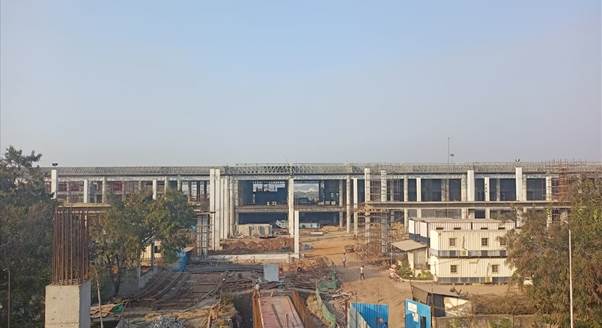
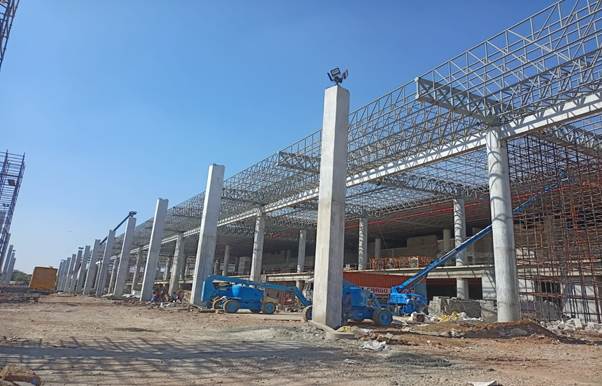
 New Integrated Terminal Building with enhanced capacity and world-class facilities is under construction at AAI’s Pune Airport, which will reduce congestion during peak hours at the airport.AAI has undertaken the construction of the Terminal Buildingat the cost of Rs. 475Cr.More than 55% of the work has been completed and construction of the new building is likely to be completed by August 2023.

The existing terminal building with built-up area of only 22,300sqm.has the capacity to handle passengers up to Seven Million Passengers per annum (MPPA).AAI has undertaken the work for construction of the state-of-the-art New Terminalwith massive built up area of more than 5,00,000 sq.ft. The new terminal integrated with the existing terminal, will have a built-up area of 7,50,000 Sq.ft. with passenger handling capacity of 16 MPPA.

The swanky new integrated terminal building (including old building) will be centrally air conditioned with provision of 10 passenger boarding bridges, 72 Check-in Counters and In-line Baggage handling system. The building will be an energy efficient building with Four-Star GRIHA rating. Provision of 36000 sq. ft. space for F&B and retail outlets has been reserved for refreshment/pleasure of the passengers. A huge canopy on city side of the existing building & new building together will give a magnificent look to the airport from city side.

The strongest intention of the project for new terminal building is the search for unity and continuity between the old and the new. Stretching over 360 meters in length, the Verandah is a unifying façade that not only provides protection from sun and rain but also serves as a grand urban fresco telling the story of rich social, historical, artistic and immaterial culture of Pune & Maharashtra. The facia of the public area below the great Verandah is supported with beautiful Maratha arches and decorated columns with a finish of local dark stone which is commonly seen in most of the heritage structures around Maharashtra. The new forecourt garden design is directly inspired by one of the most recognisable landmarks of Pune – The Shaniwar Wada Gardens.

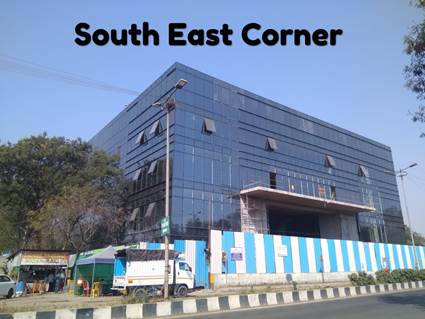
To give a permanent solution to the parking issue, a multilevel car park (Ground plus three storeyed &two basementfloors) with a cost of Rs. 120 Cr. is also under construction and is likely to be commissioned by July 2022.The multi-level car parking will have capacity for parking of 1024cars and will be connected to the departure area of existing building with a sky bridge with provision of staircase, escalators & elevators at building side for dropping/ going up.

Hon’ble PM has recently highlighted the significance of modern infrastructure and transport facilities for Pune city, which has reinforced its identity in the fields of Education, Research & Development, IT and Automobile.The revamped terminal building of Pune airport will be an addition to his vision of infrastructure led growth under PM-Gati Shakti National Master Plan.


Status of Terminal Building Work at Site


Status of Terminal Building Work at Site


Status of MLCP Work at Site


Perspective Design – New Integrated Terminal Building (Elevation- City side view)


Perspective Design – New Integrated Terminal Building (Elevation- Air side view)


*************

Achievements of women in Aviation Sector

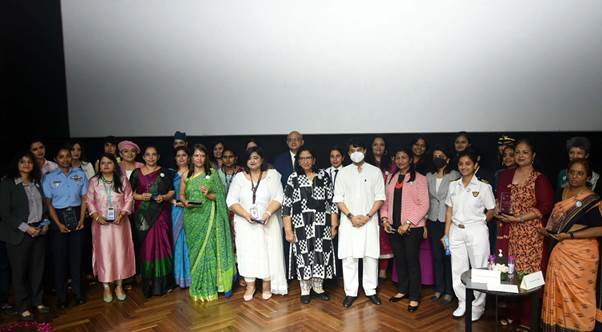
 Ministry of Civil Aviation, in association with Federation of Indian Chambers of Commerce Industry (FICCI),today organized an event to acknowledge and felicitate the contribution of women and to celebrate Women’s Achievements in Indian Aviation sector.

The event was graced byUnion Minister of Civil Aviation, Shri Jyotiraditya M. Scindia asthe Chief Guest. Other dignitaries include Shri Rajiv Bansal, Secretary, Ministry of Civil Aviation, Smt. Usha Padhee, Joint Secretary, Ministry of Civil Aviation, Smt. AshmitaSethi, Co-Chairman, FICCI Aviation Committee & Managing Director of Pratt & Whitney India and Smt. Radha Bhatia, President, Women in Aviation – India Chapter.The ceremony was also attended by the members of Women in Aviation International – India chapter, top dignitaries of MoCA, FICCI and representatives of airlines.

The Indian Civil Aviation sector has seen an increase in the participation of women. They are showing their mark in the airline industry and are pursuing careers as aircraft engineers, pilots, firefighters, ground crew, airport security etc registering their presence in the aviation industry.

Dwelling on the achievement of women in the sector, Shri Jyotiraditya M. Scindia, Union Minister of Civil Aviation said “This is a landmark day to be remembered. The success of women in aviation is not confined to airports or airplanes but to a much larger ecosystem. 15% of our pilots in India are women which is 3 times more than the global average. But this 15% is not good enough as women have surpassed various odds and stereotypes and I firmly believe there must come a day in India that this 15% must reach 50% of our pilot strength in our country. For this to achieve, we must start from having easy access to STEM education to our young girls in their early education”.

The Minister further added “In next decade, the backbone of Indian infrastructure is going to be civil aviation which transports roughly 144 million people and have a growth potential double that of Indian Railways. Therefore, there is a need to train more pilots. For this, we have come out with a new FTO policy in which we are looking to setup 9 new FTOs in 5 new cities as this will help in reducing the outflow of foreign exchange in training our pilots abroad and unleashing another avenue for our women to participate much greater in civil aviation.”
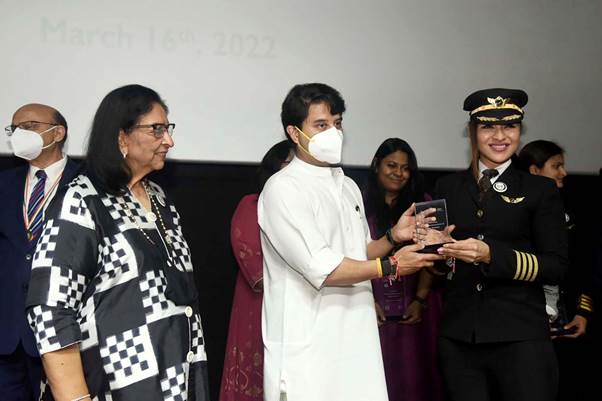
20 women achievers who have played a significant role in the aviation sector, were felicitated during the event. (List in Annexure I)Apart from Felicitation ceremony, a book was also released titled “From Sarees to Strip – TrueStories of Commercial Women Pilots in India”authored by Manisha Puri depicting the ascendency of women in Indian Aviation.


Annexure-I

Ms. Neerja Sodhi

Manager Commercial (Retd.) Air India

Neerja has over 33 years of rich, diverse experience in various aspects of public relations, airline operations and management with Air India. Neerja has also spearheaded the Premium Care Unit at Delhi Airport

Capt. Kunjal Bhatt

Capt.Bhatt is the first woman ‘Head of Training’ at Indira Gandhi RashtriyaUranAkademi. She is currently the Chief Flying Instructor at IGRUA.

Ms. Shital Mahajan Rane

Shital Mahajan is a professional woman skydiver and Padmashri awardee 2011. Since 2012, Shital has represented India in Skydiving Championships around the world. Shital Mahajan is the first Indian woman to perform a parachute jump at the North Pole & the bottom of the world, South Pole in minus 37/38 degrees Celsius.

Dr. Sarita Ahlawat

Dr Sarita Ahlawat is the Co-Founder of Botlab Dynamics Pvt. Ltd. a Robotics start-up specializing in building drone swarm technology incubated at IIT Delhi. She is responsible for the swarm drone show at the Beating Retreat 2022.

Capt. Nivedita Bhasin (Retd.)

Capt. Nivedita Bhasin is India’s pioneer Woman Pilot of Indian Airlines (now Air India). Capt Nivedita Bhasin became the world’s youngest Woman Jet Commander, and the world’s first Woman Airline Pilot to fly the Dreamliner, Boeing 787. Recently, Capt. Nivedita Bhasin superannuated after a glorious Airline flying career that spanned more than 37 years. Nivedita is one of the founding members of the women in aviation India chapter.

Ms. Neelu Khatri

Neelu Khatri – Co-Founder and Senior Vice President, Akasa Air. Akasa Air is scheduled to commence operations in the summer of 2022 . Prior to this, Ms.Khatri was the President of Honeywell Aerospace in India handling the defence, aerospace, aviation and space business.

Captain Anushree Varma

Chief of Flight Safety, Safety Manager, SpiceJet

Captain Varma literally grew up in SpiceJet to become one of the youngest Chief of Flight Safety professionals for a scheduled airline in the history of Indian Civil Aviation. She is a trainer on Boeing 737 aircraft and has headed the Pilot Recruitment Cell.

Flt. Lt. Shivangi Singh

Flt Lt Shivangi Singh was born on 24th July 1995, in Varanasi(Uttar Pradesh). She has done schooling from St. Josephs’ Convent School, B.Sc. (Phy and Maths) from Sunbeam College (Varansi). Shivangi has taken part in Republic Day Parade through NCC Air wing and had the privilege of representing my country as Youth Ambassador through Youth Exchange Program in Bangladesh. She joined IAF academy at Dundigal in Jul 2016. After doing basic military training and studying ground subjects related to aviation, she started flying Pilatus PC-7 Mk-II as part of stage-1 training, in Jan 2017. By the end of stage-1 training, she was shortlisted to join Fighter Stream of Indian Airforce. After successful completion of training, Shivangi got commissioned in Fighter Streams in Dec 2017. Afterwards she flew Basic Fighter Jet, Hawk Mk-132 and got posted to a Fighter Sqn in Feb, 2019 where she flew Mig-21 Bison and became the youngest fully Operational pilot in Mig-21 Bison. She currently flies Rafale.

Tulsi Nowlakha Mirchandaney

She is the MD and Accountable Manager of Blue Dart Aviation, India’s only scheduled domestic cargo airline and longest serving private carrier. She has been actively associated with India’s airline industry for the past 52 years and with Blue Dart for 27 years.

Ritika Modi

Uniglobe Travel

Ritika as an entrepreneur, launched her own travel company – Mod Travels, in the early nineties PAN India, which today is a leading name in the Indian travel industry diaspora. She led it to confer as the Most Preferred Operator for Business Travel by CNBC Award in 2013. Under the leadership and able guidance of a travel veteran, UNIGLOBE in no time has expanded to 50+ locations across India and Bangladesh, with an annualized turnover of over INR 2,000+ Crores, making it the largest single-brand travel franchise network in the South Asia Region.

MrsSophiya T V

Mrs. Sophiya Anil is a heavy equipment operator at Bird Worldwide Flight Services . She holds a heavy equipment driving license and operates the DBT/EBT and Ramp Vehicles.

Mrs. Bini T I

Bini T. I. is the General Manager, Civil Engineering, Cochin International Airport. She has been instrumental in the planning and construction of the airport from inception to full operational capability in 1999. She spearheaded the development of the New International and Domestic Terminals. She constituted a team of lady engineers to complete the runway re-carpeting in 2020.

Capt. Mayuri Deshmukh

Capt. Mayuri Deshmukh of Pawan Hans Ltd, has created history in India by becoming the country’s first female Off Shore Captain. Through organizations like Pawan Hans Ltd and ONGC Capt. Deshmukh fulfilled her dream of flying offshore.

Capt. Ashima Mendiratta

Capt Ashima Mendiratta is a passionate and dedicated helicopter pilot for Pawan Hans Ltd . She is the youngest female to become Pilot In Command in Indian Civil Aviation Industry on multi engine helicopters.

Capt. Neha Malhotra

Ms. Neha is one of the first few approved DGCA Drone Instructors. She has started a DGCA approved Remote Pilot Training Organization (Drone Academy) by the name of Ganpati Aviation Solutions LLP.

Ms. Kanika Tekriwal

Ms. Kanika Tekriwal, CEO & Co-Founder, JetSetGo, which currently manages and operates India’s largest private jet and helicopter fleet.

Lt. Commander Pushpa Pandey

Lt. Commander Pushpa Pandey is with Bangalore International Airport Limited, with experience in Air Traffic Control, Airspace redesignation, Airside Operations, Aircraft Safety and Emergency Response Planning. Prior to joining BIAL, she was working as Commissioned Officer in Indian Navy (2002-2023).

Ms. Kiranjeet Jain

Ms. Kiran Jain is an aviation management professional with over 25 years of experience in aviation, in both airports and airlines. Currently, Kiran is the Chief Operating Officer of Noida International Airport, one of the first woman COOs at an airport in India and is part of the founding members of the women in aviation India chapter.

Mrs. M. Sathiyavathy

Smt. M. Sathiyavathy who hails from Chennai, is a Post Graduate & gold medalist in Mathematics from Indian Institute of Technology, Madras. She then joined the Indian Revenue Service in 1981 and thereafter the Indian Administrative Service in 1982. Ms.Sathiyavathy was the first and only female DGCA, Ministry of Civil Aviation.

Ms. Parul Kulshreshtha

Head of GMR Aviation Academy.

Ms. ParulKulshreshtha is an awarded young leader with experience in Aviation, Air Cargo, Vaccine Logistics, Infrastructure, Aviation Education and Training. She is currently the Chief of GMR Aviation Academy. She is also currently the Chairman of Air Cargo Forum India (ACFI), Hyderabad Chapter.

Lt. Cdr. Swati Bhandari

Lt. Cdr. Swati Bhandari is a commissioned Indian Navy Officer. She is fully qualified on P8I Long Range Maritime Reconnaissance &Anti Submarine Warfare (LRMR-ASW) aircraft. She holds the highest CAT ‘A’ qualification and is also the youngest woman in India to be awarded Mission Controller and Captain of Aircraft clearance on P8I Aircraft.

Capt. Zoya Aggarwal:

Captain Zoya Agarwal is a Commander with Air India and the youngest woman to fly Boeing 777 in 2013. In 2021 Zoya led the historic Polar flight where she led an all-women’s crew across the North Pole over the longest route in the world creating World Aviation history. Zoya is a global spokesperson with UN women for generation equality. Zoya has given 11 Ted X and Ted Talks and has also been covered by platforms such as BBC, CNN, and Forbes etc.

Capt. Vandita Verma

Line Training Captain, Flight Operations, Indigo Airlines Capt. Vandita Verma, took the lead to be proactive and resourceful during the second wave of Covid and developed a website that provided extended support regarding RTPCR test, Plasma, Food for patients and family, setup of Home care unit and many more. This website validates the authenticity of such information from various sources before sharing with people who needed the most.

Ms Yasmin Ali

Lead Cabin Attendant, Inflight services, Indigo Airlines, Ms. Yasmin Ali is being felicitated for her courage, presence of mind and compassion she displayed during a road accident in which she also coordinated with the base and transport team and arranged for the casualty to be taken to a hospital while she reported to the base to operate this rescue flight she had willingly agreed to undertake.

Lucky Verrma Bhasker

Head-Airside Operations, DIAL

Started her career with Airport Authority of India and has successfully led several critical functions of Aviation business such as Airport Operations (Airside & Terminals), Hub development for Aviation Services, Course Developer & Business Development for GMR Aviation Academy. Her key achievements include first ISO certification of IGI Airport. She was also the core task force member during IC-814 hijack.

Bibiana Audreydas

Head Terminal Operations, GHIAL (RGIA)

Bibiana is a seasoned professional in the field of Quality Management, Customer Services and Operations. She has a diversified experience of around 30 years in hospitality, Tourism & Travel and aviation sector including airlines and airports. She was awarded ‘Woman Leader of the Year 2018’, by UBS Transformance.

Charulatha Pasupuleti

GM / Sr. Specialist, GHIAL (RGIA)

Charulatha, joined as GET and is currently working as GM. She is Technical Specialist in Airport Development Strategy and Design Management with Degree in Mechanical Engineering having rich expertise in design and assessment of Mechanical & Airport Systems, Aerodrome Master Planning, Operations & Terminal Planning, Capacity Planning. A core project management professional, who has spent 17 years in GMR Group. Charulatha has led various Airport Concession bids on behalf of GMR such as, Ibrahim Nasir International Airport, Male Mactan-Cebu International, Airport-Philippines, Mopa Airport, Kasteli Airport Crete – Greece, etc.

Gayathri Venkteshwaran

Jt. General Manager (Finance), AAI

Geeta Gauba

Deputy General Manager (Land Management), AAI

Jyoti Dhingra, Sr. Manager (Customer Engagement), Vistara

With Vistara since 2015 (inception phase)

COVID-19 outbreak disrupted airline operations and with that, the travel plans of thousands of our customers. Announcement of lockdown further added to the problem. She took up the challenge and was able to shift the contact center team, telephony system and technology to the homes of customer service agents within a day. Throughout Wave 1 and Wave 2 lockdown, contact center operations were running seamlessly.


***

 National Pharmaceutical Pricing Authority (NPPA) under the aegis of the Department of Pharmaceuticals fixes the ceiling price of scheduled medicines as per provisions of the Drugs (Prices Control) Order, 2013. In case of non-scheduled medicines, a manufacturer is at liberty to fix the Maximum Retail Price (MRP) launched by it, but is not allowed to increase the MRP of such formulations by more than 10% per annum. NPPA has fixed ceiling prices of 886 scheduled formulations & 4 scheduled medical devices and fixed retail prices of 1,817 new drugs. In addition, it has fixed the ceiling price of Orthopedic Knee Implants under Para 19 of DPCO, 2013 in public interest. Moreover, under “Trade Margin Rationalisation” Approach, the NPPA has fixed Trade Margin of non-scheduled formulations of 42 select Anti-cancer medicines and recently during COVID-19 pandemic, regulated the prices of Oxygen Concentrators, Pulse Oximeter, Blood Pressure Monitoring Machine, Nebulizer, Digital Thermometer and Glucometer.

With an objective of making quality generic medicines available at affordable prices to all, Pradhan Mantri Bhartiya Janaushadhi Pariyojana (PMBJP) has been launched by the Government wherein dedicated outlets are opened to provide quality generic medicines at cheaper rates to the citizens. Under the Scheme, till 28.02.2022, about 8,689 Pradhan Mantri Bhartiya Janaushadhi Kendras (PMBJKs) have been opened across the country, covering all districts of the country.  Jan Aushadhi Medicines are cheaper by 50 -90% of market prices of branded medicines. During the current financial year (till 28.02.2022), total sales of Rs. 814.21 cr. has been achieved, which has led to estimated savings of approximately Rs. 4,800 cr. to the citizens.

In order to attain self-reliance in the pharmaceutical sector, develop global champions and to retain the position of the country as ‘Pharmacy of the world’, the government has launched two Production Linked Incentive (PLI) schemes. PLI scheme for promotion of domestic manufacturing of critical Key Starting Materials (KSMs)/ Drug Intermediates (DIs)/ Active Pharmaceutical Ingredients (APIs) was launched with a total financial outlay of Rs. 6,940 crore.  Under the scheme, 49 applicants have already been approved. The other PLI Scheme for Pharmaceuticals has a total financial outlay of Rs. 15,000 crore. Under this scheme, 55 applicants have been selected. In addition, the department has launched a Scheme for Promotion of Bulk Drug Parks with a total outlay of Rs. 3,000 cr wherein financial assistance is to be provided for creation of Common Infrastructure Facilities in 3 Bulk Drug Parks.


HELPING TO REDUCE TEACHER ABSENCES WITH ELECTRONIC HEALTH RECORDS

 In 2019, over 900,000 K-12 teachers were absent from their classes for the whole school year.

This equates to 28 percent of teachers across the country who are chronically absent.

With the increased number of instructors quitting as a result of COVID 19, this figure is likely to be considerably higher.

Every school year, teachers’ absences reach a tipping point of 10 days, when they cross the line from tolerable to problematic chronic. Teachers are currently absent for an average of 11.8 days each year.

According to the National Bureau of Economic Research, 10 days of teacher absence might result in a considerable drop in student results.

The detrimental impact extends beyond children to their peers and the whole school community.

Students are more likely to observe poor accomplishment levels without consistency in class and high-quality education, increasing their chances of not graduating. Furthermore, when instructors are frequently absent, colleagues are compelled to work harder and take up the slack.

What are the Most Common Causes of Teacher Absence?

Timing, sick days, maternity breaks, personal days, professional development, colleagues’ attendance norms, and caring for children/elderly parents are all factors that impact teachers’ absence decisions.

Others blame the problem on a hostile or permissive school atmosphere. When instructors are unmotivated to go to school, they choose to skip class.

Stress and infections caused by dealing with young children who are prone to sickness are also considered occupational risks.

Absences due to COVID 19

And, as a result of COVID 19, many instructors have decided not to return to work this year. Educators have been applying for retirement or taking leaves of absence in droves in many states.

Some instructors are concerned that schools are not sufficiently devoted to ensuring social separation and that there is insufficient safety equipment for children and teachers.

Others have stated that one of the reasons for their absence was due to technological constraints and the pressure to capture lessons on video.

Teacher absences can be reduced using electronic health records.

To a large degree, schools may use technological solutions such as electronic health records to tackle these issues.

In schools, electronic health records (EHR) can aid in the monitoring of staff health and absence. They are capable of managing healthcare data and assisting in the improvement of care delivery. EHRs are especially important for keeping kids healthy and in school. It’s also a fact that when children in schools are healthy, so are their instructors.

Another advantage is that electronic health data might assist school nurses in analyzing absence trends that may indicate stress or other issues that teachers confront in the classroom. Once the underlying causes of absences have been discovered, school administrators may take the necessary actions to ensure that teachers are working in a safe and happy atmosphere.

Another advantage is that electronic health data might assist school nurses in analyzing absence trends that may indicate stress or other issues that teachers confront in the classroom. Once the underlying causes of absences have been discovered, school administrators may take the necessary actions to ensure that teachers are working in a safe and happy atmosphere.

Students suffer as a result of high teacher absenteeism. In addition, teachers who are frequently absent might cause their courses to stagnate, forcing colleagues to come in as substitutes. EduHealth, an electronic health record software programme, might be a critical investment in turning things around. EHRs ensure the safety of our children and schools. Teachers are safe and present when schools are safe.

How might electronic health records (EHRs) assist in the creation of mandated school health reports?

EHRs are real-time patient-centered health records that make health and medical information available to authorized users promptly and securely. The system includes a broader perspective of a patient’s care than just a record of medical and treatment history. It:

Is a book that keeps track of a patient’s medical history, diagnosis, prescriptions, treatment plans, vaccination dates, allergies, radiological pictures, and laboratory and test results.

Provides physicians with access to evidence-based tools for making decisions regarding a patient’s treatment.

Provider workflows are automated and streamlined.

An EHR system may create a variety of reports, and most systems make it simple for authorized users to enter a requirement and generate a report with only the information they need.

Forms containing student health data are frequently gathered in a school setting around the beginning of the school year, when students can submit a form indicating their health statuses. And the necessary data is extracted and compiled into a report.

While this procedure was previously conducted manually, it has proven to be time-consuming due to the number of steps involved.

How EduHealth assists schools in meeting their reporting obligations

To ensure the safety of children and employees in the school environment, meticulous reporting on student health and collaboration between schools, school districts, local health authorities, and state health administrations are essential. Because the reports generated by EHR systems are standardized, they may be coordinated.

Most common reports are included into EduHealth’s comprehensive reporting module, allowing authorized school health staff to easily assemble this data and send it to the appropriate authorities in a uniform format.

The EduHealth EHR’s standardization of reporting ensures that no information is overlooked. Health officials have accurate and up-to-date health information on kids and staff, allowing them to make critical choices on crucial health-related issues for school systems.


Water Taxi Service in Mumbai

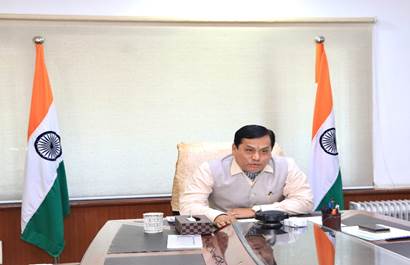
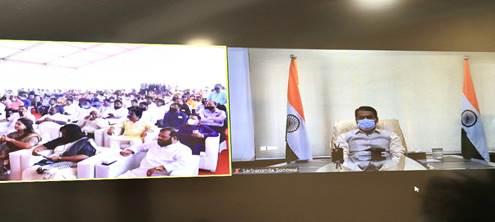
 Union Minister of Ports, Shipping and Waterways & AYUSH Shri Sarbananda Sonowal today virtually flagged off the ‘Most Awaited’ Water Taxi for citizens of Mumbai, from Belapur Jetty. Chief Minister of Maharashtra, Shri Udhav Thackeray presided over the on-ground function where he inaugurated the newly constructed Belapur Jetty.

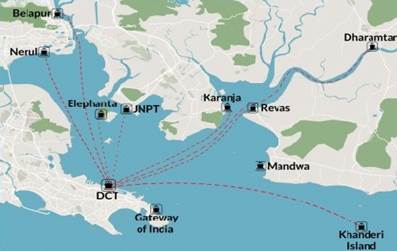
A long time aspiration of the people of coastal Maharasthra, the Water Taxi service will connect the twin cities of Mumbai and Navi Mumbai for the first time. The Water Taxi services will commence from the Domestic Cruise Terminal (DCT) and will also connect nearby locations at Nerul, Belapur, Elephanta island and JNPT. The service promises a comfortable, stress-free journey, is time-saving and promotes eco-friendly transport. 

The Water Taxi services are going to give huge impetus to the tourism sector, especially travel to the historic Elephanta caves from Navi Mumbai. Visitors will be able to travel easily from Navi Mumbai to Gateway of India.

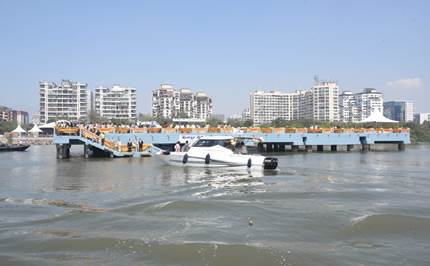
The newly constructed Belapur jetty, built at a cost of Rs. 8.37 crore was funded in the 50-50 model under the Sagarmala scheme of the Ministry of Ports, Shipping and Waterways. The new jetty will enable movement of vessels to locations like Bhaucha Dhakka, Mandwa, Elephanta and Karanja.

Addressing the physical event via VC, Shri Sarbananda Sonowal lauded the Mumbai Maritime Board and Central & State agencies for completion of the projects which brings huge benefits to the citizens, boosts tourism and opens avenues for employment generation.  “Sagarmala Programme has undertaken a range of projects across an array of categories such as port modernization, rail, road, cruise tourism, RORO & passenger jetties, fisheries, coastal infrastructure, skill development. 131 projects worth Rs. 1.05 lakh crore has been identified for implementation in Maharashtra,” the Union Minister stated.

The Union Minister added, “Out of 131, 46 projects worth Rs. 2078 crore being financially supported under Sagarmala scheme of Ministry of Ports, Shipping and Waterways. Maharashtra coast has huge potential for urban water transportation which can become an alternate mode of transportation. ROPAX movement between Mumbai Ferry Wharf and Mandwa has resulted in a positive impact with a reduction in travel time for passengers, quick and agile loading and unloading process of vehicles. More than 32 projects were undertaken in four clusters – Palghar, Mumbai & Raigad, Ratnagiri and Sindhudurg.”


“For upliftment of the fishing community, four fishing harbour projects have been sanctioned for funding under Sagarmala. Stage II expansion of Mirkawada Fishing Harbour in Ratnagiri District have been completed, modernization of Sassoon Dock and development of Karanja in Raigad and Anandwadi in Sindhudurg district are under implementation. Further, proposal for modernization of Mallet Bunder in Mumbai is under active consideration.” the Minister  stated.

Shri Sonowal thanked the Maharasthra Govt for their active role in developing the infra projects. “India’s is getting faster under the PM GatiShakti National master Plan. Under the leadership of Prime Minister Shri Narendra Modi  I believe we can achieve much as Team India, working with the spirit of brotherhood and oneness,” the Union Minister concluded.   

**********