An aquarium is a container made of glass,or with glass walls.It permits watching the fishes swimming easily and for prolonged periods of time.It is a hobby which appeals to young and old and has opened up a flourishing business in all big cities.
And also,next to birds,fishes are perhaps the most colourful of animals.They are graceful in their shape,body form and movement.
Setting up an aquarium tank
Tank selection: The choice of an aquarium tank,depends largely on where it is to be housed,the extent of one’s enthusiasm and the money one wants to spend.While selecting a tank it is very important to note that it is of good construction.Shallow and wide tanks are preferable as they have more surface area to facilitate oxygenation through atmospheric contact.Further such tanks can accommodate more number of fishes.
Before setting up the tank,a suitable place has to be selected.In order to get a good view of both fishes and plants in an aquarium tank,the light should come obliquely.Hence, instead of the window sill,a place nearer to its side may be selected.To avail maximum sunlight an eastern exposure is preferable.The support or table for positioning the tank must be strong and in level.It is also essential to have a cover with a provision for installing lights and feeding.
If the tanks are purchased they should be checked for leakage.Their sides should be cleaned with 1% potassium permanganate solution, besides repeated washing with tap water.The next step in the setting up of an aquarium is the collection of sand that is necessary to make the bed at the bottom of the tank.The sand for the tank bottom can be collected from the sea shore or a river.This sand has to be washed to remove the dirt.It is advisable to put the sand in a shallow pan or aluminium vessel and heating it.The cleaned sand may be exposed in the bright sun.These processes ensure the killing of all bacteria or germs.The cleaned sand should be spread evenly in the tank bottom.Over the top layer of sand a thin layer of stone chips or very small pebbles may be placed.
Quality of water for Aquarium tank
Rain water free from contaminants or tap water is ideal for aquarium tanks.A tap water of domestic supply is likely to have chlorine which is harmful to fish.This water may be stagnated for about one or two days before use.If the water is hard it must be properly treated.The tank should be filled with the desired water without disturbing the bottom sand.
Planting:The aquarium tank after being filled with water can be planned with selected varieties of aquatic plants.The plants provide shade, shelter and sanctuary for fish.Besides decorating the aquarium tank,they also help in spawning and as food for certain fishes.The plants provide oxygen through photosynthesis.Over crowding of plants has to be avoided to ensure an adequate supply of oxygen to fishes.
Lighting:Light besides beautifying the aquarium helps in the photosynthesis of aquarium plants.Fishes also require light to trace their food.Further the light is known to influence the growth of fish.Strong sunlight destroys bacteria and keeps the tank healthy.For a moderate tank bulbs of 60 watts each may be lit for eight hours a day.It is better to use fluorescent lighting for promotion of plant growth and for even distribution of light.
Introduction of fish in an aquarium tank
The number of fishes suitable for stocking in an aquarium tank depends mainly on the surface area of the tank,it’s dissolved oxygen content and size of the fish.It is reported that 1 cm long fish may lead about 75 cm^2 of the surface area.The fishes are generally introduced two or three days after planting when the water would be clear and well oxygenated by plants.Before introduction into the Aquarium tank,the fish may be treated with 2 percent potassium permanganate solution to avoid parasitic attack.
Feeding: Fishes may be fed once or twice a day according to their preference and satiation.Excess food and detritus may be removed 30 minutes after feeding,by siphoning out using rubber tubing.If the level of the water gets reduced in course of time it should be restored by the addition of some rain water or chlorine free tap water.
A large number of fishes are cultured in aquaria for their beauty and graceful movements.The movement of colour fishes in an aquarium would certainly please the ailing and convalescing people.The aquarium may gladden one’s heart.
Telangana’s Ramappa Temple’s made it to UNESCO’s World Heritage List Ramappa Temple , a 13th century temple named after its architect , Ramappa , was proposed by Government as its only nomination for the UNESCO World Heritage site tag for the year 2019 . Even so , the temple has been in UNESCO tentative list since 2014 . The Famous 800 year-old Ramappa Temple conferred World Heritage site . The culture Minister said on Sunday . Rudreswara Temple also known as Ramappa temple , located at Palampet , Mulugu District , Near Warangal in the state of Telangana, which is about 200 km North of Hyderabadand has made it to UNESCO World Heritage List . The decision was taken at 44th session of the World Heritage Committee of UNESCO held on Sunday in China . Apart from the Ramappa temple , the World Heritage Committee inscribed Quanzhou : Emporium of the World in Song-Yaun China (China) , The Trans- Iranian Railway (Iran) , and Paseo del Prado and Buen Retiro , a landscape of Arts and sciences (Spain ) on UNESCO’s World Heritage it means the ” Outstanding universal value ” . This signifies “cultural and or natural significance which is so exceptional as to transcend national boundaries and to be common importance for present and future generations of all humanity “. To be included , sites must meet at least one of ten selection criteria . Even temple has been in UNESCO’s tentative list since 2014 . On Sunday , over 17 of the 21 member nations supported the inscription . With this , India now has 39 sites on UNESCO’S and Archaeological Survey of India is now the custodian of 23 World heritage sites.
Are you staring at your plate right now with suspicious eyes? If so, then relax and take off that crease from your forehead. If you are worried about lead being present in your dishes, then we are here for you. Here all your doubts about how to test dinnerware for lead will be addressed and you don’t have to worry.
Safety is the first thing anyone wants while buying any product. You wouldn’t have thought about searching for lead in your dinnerware. Did you? Dinnerware is the most regularly used item in our homes, but to find that unsafe for us is disappointing. And also you shouldn’t be even asking this question. Think about it, you bought a nice dinner set from a respectable company, but here you are getting suspicious? Don’t worry any further. We will clear all your suspicions. Come on, let’s have a look at how to test your dinnerware for lead?
Why is Lead unsafe?
Lead is a harmful toxin that if ingested, may cause serious damage to the body systems. Children and pregnant women stay at a higher risk of health issues from the toxic effects of lead. You may have heard of lead poisoning too. It is very real and lethal.
Lead does not leave your body after entering. It accumulates there and due to this, even small amounts are harmful to health. You need to remove lead from your dinnerware so that you can eat your food safely.
Why is Lead Used in Dinnerware?
Lead is used in dinnerware for glazes and bright colors. It is basically used to beautify the dishes. The glazes that make the dishes shine like glass, the bright red color designs, these all are lead. It seems nice but it’s lethal. Lead also provides strength to the dishes and prevents them from moisture.
How Does Lead Enter Our Body?
There are many ways in which lead can enter our bodies. Let us point them out for you.
If hot food is served on plates with glaze, the heat tends to extract the traces of chemicals from the surface and enter the food.
If you heat your food in the microwave, it can get lead into it. So don’t heat too many times.
Serving too much acidic food on a plate can also cause lead to enter the food. Acids tend to fast forward the process.
What Type of Dishes Contain Lead?
Dishes come in many varieties, so it can be hard to figure out the safest one. But we have something for you that can help. Now try to avoid the following things when looking for dishes:
Antique dishes that may be passed down in your family from generations.
Heavily designed dishes, especially with bright colors like red, yellow, or orange.
Used dinnerware found in thrift stores or second-hand dishes you bought at a lower price.
Terra cotta dishes which are heavily glazed
Handmade dishes or pots.
Any dish with corroded glaze, or old dishes with worn-out designs.
Dishes with designs made above the glazed surface.
How to Test For Lead in Dishes?
You didn’t think you can check for the lead with plain sight, did you? No, you can’t. But there are some ways to test dishes for lead. One of them is to avoid the above mentioned types of dishes. Another useful way is by testing the dinnerware by home kit for testing lead in dinnerware.
Home Kit for testing lead in dinnerware is mainly useful for high content lead testing. It does not detect if there are only small amounts of lead in the dishes.
Another way is to send the dishes to a laboratory. But this may be a bit of absurd advice considering everyone doesn’t have access to labs and it is a bit expensive as well.
Method to Test For Lead With Home Kit
Buy the chemically tested swabs, which are not very expensive.
Clean your dish with the swab.
If your dish contains lead, the lead detector on the swab with turn bright red indicating the presence of lead in your dish.
Or use a small chipped section of the glaze from the dish.
Peel a small part of the glaze and test it with the swab for more accuracy.
This method doesn’t tell you the exact amount of lead present in the dish. It is not much use but is fine for testing at home.
Method For Testing Lead in Laboratories
Laboratories use X-ray systems to test for lead in dishes.
This method tells the accurate amount of lead present in the dish by using some electron reactions (which you don’t need to know about).
There are many ways to test for lead in laboratories. But some of them might damage the dish in the process. So this method is not feasible.
How to Reduce Exposure to Lead From Dishes?
The following points might be of some help:
Stop using antique dishes
Don’t heat food in contaminated dishes
Don’t use highly glazed dishes for regular use
Stop storing food in contaminated dishes for a long time
Don’t wash the dishes containing lead in the dishwasher
Don’t serve acidic food on dishes containing lead. It speeds up the process.
Safest Lead Free Dinnerware
Choosing lead-free dinnerware for your safety is not that hard as it sounds. Just keep some points in mind next time while shopping for dishes.
Choose the dishes with minimum designs
Dishes with less glaze will be safe
Plain white plates or dishes is definitely a winner
Try to find less bright colored dishes
We recommend more glass dishes. With them, you can be sure they are lead-free.
If you are an appreciator for old, vintage dishes, you may want to restrict to the plain white ones.
Melamine is considered to be the safest as it is more plastic than a glazed surface.
Now you are just a step away from buying lead-free dinnerware. Step out, go to that store, keep these few points in mind and find the perfect dinner set for you. And we hope now you know how to test for lead in dinnerware.
Academic freedom can be defined as a right to educate and learn any diverse course without intervention or any objection. Academic freedom is a very broad spectrum topic that has different meanings when used at different strata. Institutional academic freedom is referred to the right of an institution to teach any diverse course without interference from the government. Whereas the right of an individual professor to teach his/her curriculum without undue interference from university is known as individual academic freedom.
According to the All India Survey in 2018-19, India has 993 universities, 39,931 colleges and 10,725 standalone institutions. Of these, 385 universities and 78% of the colleges are privately managed while 394 universities and 60.53% of the colleges are located in rural areas. The enrolment in higher education in India is 37.4 million persons (19.2 million males and 18.2 million females). The Gross Enrolment Ratio (GER) in higher education in India is 26.3%. Certain categories of citizens have less access to higher education – for instance, Scheduled Castes have a GER of 23% and Scheduled Tribes have a GER of 17.2% as compared to the national GER of 26.3%. Muslims constitute only 5.2% of the student population, compared to their overall percentage of about 14.2% in the population.
A new education policy (NEP) has been introduced in the year 2020 that promises, certain reforms in the field of education in India. Under this policy 5+3+3+4 structure will be followed and rigid separation between science, arts and commerce stream will not be there in the education system. Furthermore, internships and vocational courses, as well as workshops, will be included in the study module after 5th grade. And coding would be a must for 6th grader. No doubt, NEP could help up to very extent to reform the education in India if it would be implemented as stated.
Academic freedom becomes challenging when authorities put limitations on the right to express ideology. To protect favoured position, officials or authorities deny the rightfulness of academic enquiry which makes it even more complex. Scholars, researchers and institutions should be free to conduct research and publish papers in whatsoever field that is suitable and convenient for the study. Academic freedom is necessary and it must be protected.
Early risers are often thought of as problem solvers who have the power to lead businesses, organizations, or sometimes even nations. Have you ever wondered how a person in the morning can do so in just 24 hours? Waking up in the morning gives you the start of your day.
Night owls may disagree. They may argue that more work might be done at the end of the day. While this may be true for some, most of us have conditions for being very productive in the early days of the day.
Benefits of Early Waking Up
Before you get into the habit of getting up early, you should know the benefits. If you have already woken up in the morning, you know what the morning brings, besides the good sunrise. However, for those who do not wake up early, here is a list of many benefits.
Advanced Planning Skills Your morning hours are usually the most productive time of the day because you get time not to be distracted by yourself. You can accomplish any task quickly if you do not face obstacles.
You can use this quiet and quiet time to plan your next day, allocating some time for each of your tasks. Working your day mentally before it starts improves your planning skills, improves productivity.
Eat Healthy Foods Waking up in the morning gives you time to make a healthy breakfast. It doesn’t have to be anything wide, smoothies, salads, and fruit dishes only need a few minutes to prepare. Early wakeers have time to prepare a simple and healthy breakfast for themselves and their families. If you wake up late, you will probably drink everything else, creating a domino effect. If you arrive late, you will usually take an easy-to-eat breakfast such as a donut or muffin, or skip breakfast altogether.
Breakfast is a very important meal – it can either make or break your day. Skipping this diet will make your body look for energy and end up eating something high in sugar or fat so that you can get full quickly.
Exercise Regularly Morning exercise is considered good because it gives you the adrenaline rush. Adrenaline improves alertness, helping you to overcome sleep deprivation. In addition, if you are in the morning exercise program, you are less likely to miss out on some of the important work that you consume. For example, if you exercise in the evening there is a high chance of missing out on extra hours at work, meeting friends, or exhaustion.
Go High Traffic Routes When you get up in the morning, you can leave your home early, hit the high street hours. You do not waste time getting stuck in traffic while on your way to work or leaving children. You will also be on time for all your other appointments throughout the day.
Remain Depressed Waking up in the morning gives you a chance to plan your day ahead. You don’t rush your day into a haze with a crowded mind. Planning ahead eliminates the stress that comes with rushing things. In addition, when you get up in the morning, you have extra time for some form of leisure activity that puts you at a disadvantage, helping you start your day with a calm and stable mind. You are better equipped to prioritize and solve problems, which is the key to staying calm all day.
Enjoy Quality Sleep Waking up in the morning usually goes to bed early. You do not have to count the sheep to sleep. If you wake up early, your body feels tired early, leading to quality sleep as soon as you go to bed. You are accustomed to the natural circadian rhythm, which makes you fall asleep faster and wake up faster.
Long waking hours lead to insufficient accumulation of adenosine. Adenosine is a neurotransmitter that induces sleep by inhibiting neuron function. Waking up early leads to a rapid accumulation of adenosine, making you feel sleepy for hours in the evening. Early sleep improves your chances of completing all four stages of sleep with four to six sleep cycles, making you feel more relaxed and refreshed the next morning.
Great Power Early birds have better sleep quality than night owls because they have a higher chance of completing all stages of the required sleep cycles. They wake up stronger than night owls, often not having enough time to complete all the stages of sleep.
Completing sleep phases and cycles improves physical and mental well-being. Growth hormones, which cause tissue repair and regeneration, are released during deep sleep.
Feel Happy When you get up early in the morning, you reap the benefits of many good habits, resulting in energy, rest, stress, punctuality, and health. You get a sense of order in life, it makes you feel happy. In fact, according to A 2012 study by the National Library of Medicine, healthy adults who woke up early had a better idea than night owls.
Better grades Getting up in the morning can also improve your chances of obtaining higher grades than others. In a recent study, students who woke up early had better results than those who were late. On average, early birds earned a full high point on their GPA
Rags- to- Riches story of Ashok kumar, who is a Professional Golfer of India.
Ashok Kumar, one of the country’s leading golfers who rose from the ranks of a caddie, remembers his very humble beginnings very distinctly. “The reason I am here in this swanky restaurant of the Oberoi, sipping coffee with you is because of golf. It has brought me name, fame and money and all that I could possibly ask for in life. Without golf, I am a zero ,” said the 27-year-old golfer with rare candour in a chat with Kalyan Ashok, a sports journalist working with Sportstar, one of India’s leading sports weeklies.
India’s No.3 golfer may not exactly be rolling in luxury at the moment, but he definitely leads a comfortable life-a far cry from the days when he used to sleep in a stable. “It’s destiny that brought me to this stage in life and I can’t sav that I deserve it, but it’s God’s gift to me through golf, sald Ashok. Not the one to forget his past, Ashok Kumar keeps reminding himself how he came up in life.
His story is stranger than fiction. Ashok was born into a poor family in Bihar that struggled to make both ends meet. (He has four brothers and two sisters.) In 1988, his parents sent him away with his elder brother to Delhi and he worked as an errand boy at the Jaipur Polo Club.
“I used to work in the day assisting my brother and sleep in the stable at night. The club also had the Air Force golf course and I wandered on to it one day and watched the players and caddies. I thought of becoming a caddie, but I was too young then. I did not get the job, but the club hired me a few years later,” recalls Ashok. It was then that he took to golf. He started practising in the club when no one was around. However, he was caught playing one day and was suspended from his job, as caddies were not allowed to practise golf.
“I was back to square one. Then I went away to help a lorry owner who was transporting sand. I remember the days when I had to pay five rupees to hire a blanket during winter and sleep in Connaught Place,” Ashok said wistfully.
Six months later, when things cooled down, he moved back to the Air Force golt course and became a caddie to Amit Luthra, who was India’s top golfer and an Asian Games gold medallist. “Luthra saab spoke to the club authorities and got me in,” Ashok said with gratitude writ large on his face.
Ashok learnt a lot from Luthra and one day he challenged his mentor to a play-of “I don’t know what got into my head and I told him that I will beat him, to which Luthraji said that if I did that he would waive a month’s caddie fee. We played on the road, but I lost,” Ashok smiled.
Luthra, however, was very impressed with the young man’s talent and got him enrolled at the Delhi Golf Club, which allowed caddies to play. Seizing this opportunity with both hands, Ashok went on to improve his game by leaps and bounds and in 1995, DGC selected him to play in the All India Junior tournament in Kolkata.
Image Source – google.
“I didn’t know where Kolkata was. I thought it was outside the country! I travelled in an unreserved compartment, spending most of the time sitting in the bathroom or just outside as there was no place elsewhere.” In Kolkata, he finished third and in the next two years he became the Junior Champion of the country. In 2000, he moved to the amateur ranks and two years later he became a pro, finishing his first season as India’s No.5 golf player. Riding a wave of success, Ashok held the No.1 spot in 2006 and 2008 and currently (2010) he is ranked No.3.
The moment he cherishes the most as a player is not the time when he won his first major title but when he finished 18th in the Hero Honda-DLF Tournament in 2002. It fetched him a cheque of Rs. 1 lakh. “I never looked back after that,”Ashok remarked.
In the early part of 2010, Ashok’s golfing career got a boost when the Bangalore- based business and software company, Kaseya India, run by golf enthusiast, Mr. Girish Krishnamurthy, decided to sponsor him. “I am a simple guy and with Kaseya around to take care of other things, I can concentrate better on my game now,” Ashok says with determination as well as gratitude. It is his ardent wish that all golf links in the country should support caddies, as he feels that many of them have a lot of inherent talent simply waiting to be tapped.
Ashok has modelled his game on his golfing idol, Tiger Woods. Incidentally, he had met Tiger when he was a caddie to Arjun Atwal in Bangkok a decade ago. “He hugged me when he was introduced by Atwal as a top amateur from India. I asked him for his advice, to which the legendary golfer simply said-‘don’t think of beating others, they should think of beating you,” Ashok’s eyes sparkled when he recalled his meeting with Tiger.
He faithfully follows that advice from the maestro and hopes to play with him one day. “For the moment, I eat, drink and sleep golf. There’s no distraction in my life. I relax with some music and watch CDs of Tiger Woods,” Ashok concluded.
Lotus silk is one of the world’s most exquisite and rare fabrics, made exclusively in Myanmar, Cambodia, Vietnam, and parts of Manipur. Lotus silk can ultimately cost ten times as much as regular silk.
LOTUS SILK possesses incredible features such as lightweight, soft-touch, breathability, Crease-resistant, pilling resistance, tear-resistant, Cellulosic fibre, stiffness, neatness, moisture absorption, Antibacterial, Self-cleaning and tensile strength. The stems of lotus flowers are used to produce this silk thread. As a result, this fibre is free of animal cruelty.
Vietnamese weaver, Phan Thi Thuan checking the quality of natural raw material from a lotus stem to be processed into silk, at a pond in Hanoi.
Lotus stems first cut in small portions. A single lotus stem contains a tiny quantity of fine, sticky fibre which is twirled and pulled to reveal a web of thin filaments. The filament is placed on a wooden surface and kept damp by intermittent water splashes. The artisan rolls the wet fibre together to create a denser and stronger thread as the practice occurs with new stems. A new length is welded on to the last to form a continuous thread. dried off together.
To preclude fibre degradation the lotus fabric must be woven in 24 hours. These parched yarns would then be weighed carefully, skillfully hand-crafted, and put into the loom at last. The natural fibre is delicate at this stage but, it can be just as workable as traditional silk once woven.
Lotus fibre is manufactured entirely by hand and is only obtained by a few skilled craftsmen worldwide. It also takes a lot of time. To extract one kilogram of fibre, it can take up to two months. In addition, only a minuscule amount of fabric can be produced.
STEP 1- Gathering
Lotus plant stems for the production of fibre are collected from the lake. The lotus flower is ideally expected to flower in full when the stem is collected. the deep pink flowers make the best lotus fibres.
Step 2- Extraction of lotus fibre
5-6 Lotus plant stems are gleaned with a shallow knife, sliced, tore and contorted to reveal 20-30 fine white filaments of fibre. These stalks are cut with a low cube and the 5-6 stalks are simultaneously snapped, revealing 20-30 fine white fibre filaments.
Step 3- Yarn production process
Prepared skeins are placed on the bamboo spinning frame and then relocated to winders for the warping phase. Yarn is coiled in plastic bags to mitigate tangling. The weft yarn is wound on bamboo bobbins. Crude lotus threads are a creamy colour, and coloration is usually done with natural dyes.
Step 4– weaving
To weave the material in an outfit, strands of 120,000 lotus stalks are required. In a single day, a spinner can produce a thread of up to 250 metres. Around 30 kg of stems is required to produce 250 metres of thread. A skilled weaver could weave one metres of lotus fabric daily.
Water cycle or hydrological cycle is the continuous movement of water on earth. In this process, water moves from one reservoir to another by processes such as evaporation, sublimation, transpiration, condensation, precipitation, surface runoff and infiltration, during which water converts itself to various forms like liquid, solid and vapour.
Evaporation
Evaporation is a type of vaporization, where liquid is converted to gas before reaching its boiling point. Water evaporates from the surface of the earth and water bodies such as the oceans, seas, lakes, ponds and rivers.
Sublimation
Sublimation is conversion of solid to gas, without passing through the intermediate liquid phase. Ice sheets and ice caps from north and south poles, and icecaps on mountains, get converted into water vapour directly, without converting into liquid.
Transpiration
Transpiration is the process by which plants release water vapour into the atmosphere through stomata in leaves and stems.
Condensation
Condensation is the changing of gas phase into liquid phase and is the reverse of vaporisation. At higher altitudes, the temperature is low. The water vapour present there condenses to form very tiny particles of water droplets. These particles come close together to form clouds and fog.
Precipitation
Due to change in wind or temperature, clouds combine to make bigger droplets, and pour down as precipitation (rain). Precipitation includes drizzle, rain, snow and hail.
Run off
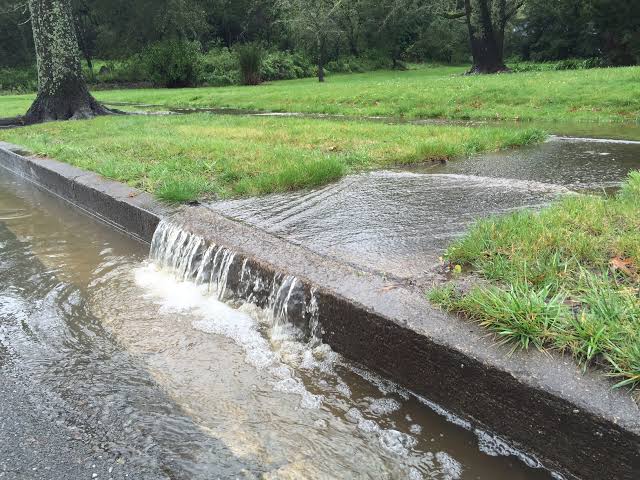
As the water pours down, it runs over the surface of earth. Runoff water combines to form channels, rivers, lakes and ends up into seas and oceans.
Infiltration
Some of the precipitated water moves deep into the soil. Then it moves down and increase the ground water level.
Percolation
Some of the precipitated water flows through soil and porous or fractured rock.
Infiltration and percolation are two related but different processes describing the movement of water through soil.
Human impacts on water cycle
Major human activities affecting the water cycle on land are urbanisation, dumping of plastic waste on land and into water, polluting water bodies and deforestation.
The Great Pyramid of Giza is a defining symbol of Egypt and the last of the ancient Seven Wonders of the World. It is located on the Giza plateau near the modern city of Cairo and was built over a twenty-year period during the reign of the king Khufu (2589-2566 BCE, also known as Cheops) of the 4th Dynasty. Until the Eiffel Tower was completed in Paris, France in 1889 CE, the Great Pyramid was the tallest structure made by human hands in the world; a record it held for over 3,000 years and one unlikely to be broken. Other scholars have pointed to the Lincoln Cathedral spire in England, built in 1300 CE, as the structure which finally surpassed the Great Pyramid in height but, still, the Egyptian monument held the title for an impressive span of time. The pyramid rises to a height of 479 feet (146 metres) with a base of 754 feet (230 metres) and is comprised of over two million blocks of stone. Some of these stones are of such immense size and weight (such as the granite slabs in the King’s Chamber) that the logistics of raising and positioning them so precisely seems an impossibility by modern standards.
Design
In terms of design and planning, some theories suggest that parts of the plan were laid out on the ground at a 1:1 scale. This might account for the accuracy of the workmanship, such that the four sides of the base have an average error of only 58 mm in length. The sides of the pyramid rise at the angle of 51°52′, accurately oriented to the compass’ four cardinal points.
The entrance is around 18 m (59 ft) above the ground on the north side. The Queen’s Chamber and the King’s Chamber are contained inside, connected via a corridor and a slanting gallery 46 m (151 ft) long. The King’s Chamber is shielded from the thrust exerted by the masses of masonry piled on top of it, by five compartments separated by massive horizontal slabs of granite, weighing 25-80 tonnes.
Construction
Most hypotheses are based on the idea that the huge stones were moved from a quarry, and then either dragged, lifted or rolled into place. The most widely accepted theory is that a ramp-like embankment of brick, earth and sand was increased along with the pyramid. Using this embankment, the Egyptians would have hauled the stone blocks using sledges, rollers and levers.
There is also disagreement about the size and nature of the workforce required. The Ancient Greeks thought that slave labour was used, with the historian Herodotus theorising that it took 20 years and 100,000 slaves to build. However, Egyptologists in the 20th century discovered archaeological remains of workers’ camps, which gave rise to the belief that a more limited workforce of as few as 20,000 could have been sufficient, with the workers being skilled rather than slaves.
The core of the pyramid was formed from 2.3 million limestone blocks. The outer casing was made using white Tura limestone, crafted to form a smooth surface with intricate joints unrivalled by any other Egyptian masonry. However, this casing was gradually plundered during ancient and medieval times, although some of the stones can still be seen around the base today.
Shine Bright Like a Diamond:
Today, the Giza pyramids wear the tawny tones of their surrounding Libyan Desert. But back in their heyday, they sparkled. Originally, the pyramids were encased in slabs of highly polished white limestone. When the sun struck them, they lit up and shimmered. Some researchers believe that the pyramids’ capstones were plated in gold as well.
Those dazzling façades have long been stripped—some sources report that those blocks of stone were repurposed and used to build mosques—but you can still see remnants of a once-snowy cap atop the middle pyramid.
Down syndrome also known as Trisomy 21 is a chromosomal condition that is associated with intellectual disability, a characteristic facial appearance, and weak muscle tone (hypotonia) in infancy. All affected individuals experience cognitive delays, but the intellectual disability is usually mild to moderate.
People with Down syndrome often have a characteristic facial appearance that includes a flattened appearance to the face, outside corners of the eyes that point upward, small ears, a short neck and a tongue that tends to stick out of the mouth. Affected individuals may have a variety of birth defects. Many people with Down syndrome have small hands and feet and a single crease across the palms of their hands. About half of all affected children are born with a heart defect. Digestive abnormalities, such as a blockage of the intestine, are less common.
Most cases of Down syndrome are not inherited. When the condition is caused by trisomy 21, the chromosomal abnormality occurs as a random event during the formation of reproductive cells in a parent. The abnormality usually occurs in egg cells, but it occasionally occurs in sperm cells. An error in cell division called nondisjunction results in a reproductive cell with an abnormal number of chromosomes. For example, an egg or sperm cell may gain an extra copy of chromosome 21
• The invention of the microscope has opened up a whole new dimension in science. By using microscopes scientists were able to discover the existence of microorganisms, study the structure of cells, and see the smallest parts of plants, animals, and fungi.
Today, the microscope is still a commonly used tool to diagnosis illness in hospitals and clinics all over the world.
• Since their original invention, microscopes have moved beyond the simple visible light refracting lenses.
Electrons, x-rays, and infrared rays are used by far more sophisticated and expensive microscopes to detect even smaller and smaller structures. Scanning electron microscopes are able to resolve viruses, which are far smaller than any cell.
The most familiar type of microscope is the optical, or light, microscope, in which glass lenses are used to form the image. …… Other types of microscopes use the wave nature of various physical processes.
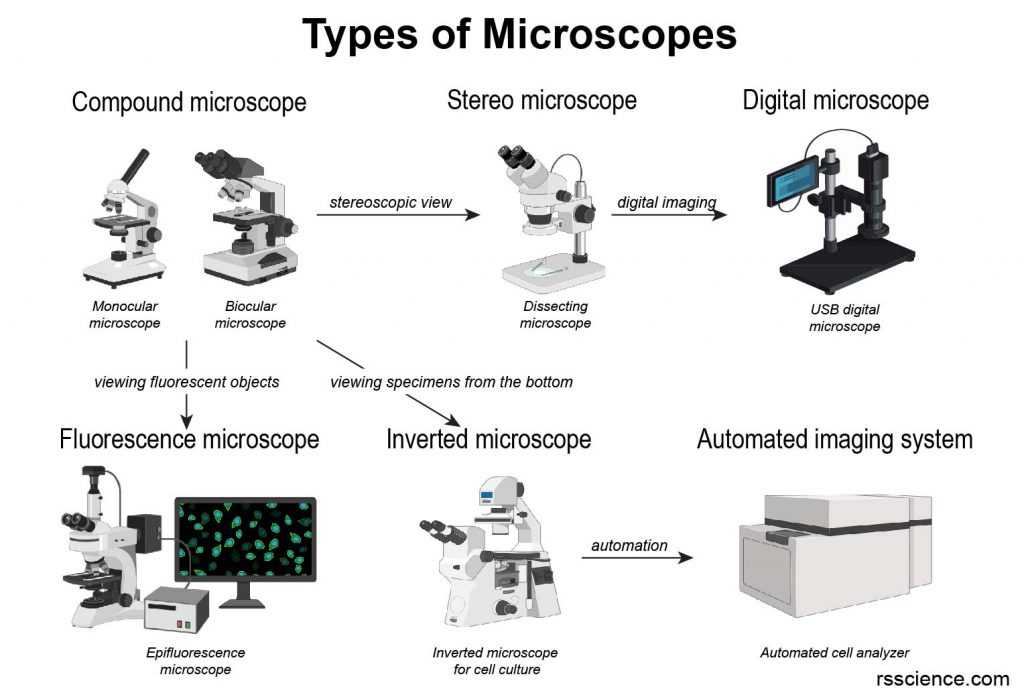
Types of microscopes
The most important is the electron microscope, which uses a beam of electrons in its image formation. A microscope is an instrument that makes an enlarged image of a small object, thus revealing details too small to be seen by the unaided eye.
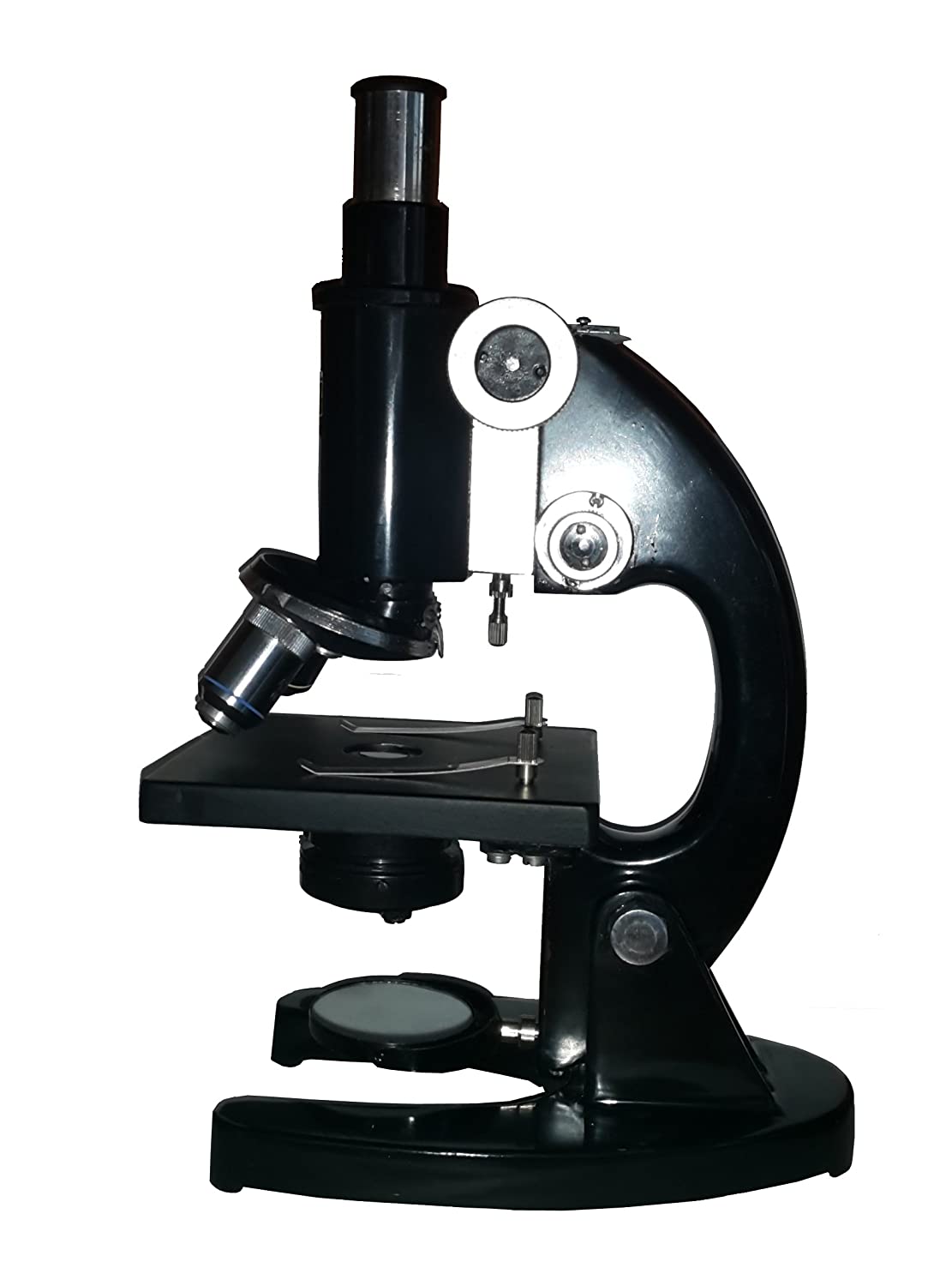
Simple Microscope – contains only one lens.
Ex. Magnifying glass.
Compound light microscope – a system of two lens that work together.
Electron microscopes – uses electrons to provide detailed views of specimens.
Ex. TEM and SEM
Dissecting microscope – allows for the viewing ofspecimens without the use of slide.
Diabetes is a chronic (long-lasting) health condition that affects how your body turns food into energy. If you have diabetes, your body either doesn’t make enough insulin or can’t use the insulin it makes as well as it should. When there isn’t enough insulin or cells stop responding to insulin, too much blood sugar stays in your bloodstream. Over time, that can cause serious health problems. There isn’t a cure yet for diabetes, but losing weight, eating healthy food, and being active can really help.
Types of Diabetes
TYPE 1- Type 1 diabetes is thought to be caused by an autoimmune reaction (the body attacks itself by mistake) that stops your body from making insulin. Approximately 5-10% of the people who have diabetes have type 1. It’s usually diagnosed in children, teens, and young adults. If you have type 1 diabetes, you’ll need to take insulin every day to survive
TYPE 2- With type 2 diabetes, your body doesn’t use insulin well and can’t keep blood sugar at normal levels. About 90-95% of people with diabetes have type 2. It develops over many years and is usually diagnosed in adults (but more and more in children, teens, and young adults).
GESTATIONAL DIABETES- Gestational diabetes develops in pregnant women who have never had diabetes. If you have gestational diabetes, your baby could be at higher risk for health problems. Gestational diabetes usually goes away after your baby is born but increases your risk for type 2 diabetes later in life. Your baby is more likely to have obesity as a child or teen, and more likely to develop type 2 diabetes later in life too.
PREDIABETES- With prediabetes, blood sugar levels are higher than normal, but not high enough yet to be diagnosed as type 2 diabetes. Prediabetes raises your risk for type 2 diabetes, heart disease, and stroke.
Also diabetes runs in the family so if your parents or grandparents have diabetes, you have increased chances for getting diabetes. Personally diabetes runs in my family so my blood sugar is naturally high so the only way I can prevent getting diabetes is a healthy lifestyle, and decreased consumption of sugar.
Yes, I know that Evolution is a world wide accepted topic but these points always about makes me doubt whether evolution is real or not
I want to first start by saying that evolution is a hypothesis made by charles darwin. In the late 18th century, naturalist George Louis Leclerc suggested that life on Earth was 75,000 years old and that men had descended from apes. Another step in evolution theory was taken by Erasmus Darwin, Charles Darwin’s grandfather, who said the Earth was millions of years old and that species did evolve, even if he could not explain how. When charles darwin had introduced this topic any information about where we had come was unknown so people believed darwins theory very easily and did not contradict it. the scientists dint even bother to verify the theory until now.
The greatest claim that i can introduce is that evolution has never been observed. Now people will say that we have never see god so how do we know god exists but the truth is that we just assume god to exist there is no proof just like evolution. As for fossils people just find the fossils of different animals and they are so desperate to find a relation they connect different fossils and call it evolution.
Everyone says that we have evolved from apes but where is the proof a couple of fossils of apes and humans proves nothing like that we can say we have evolved from mice after all they are 98% similar to men and apes are also similar around the same percentage.Creationists claim that evolution relies on certain types of evidence that do not give reliable information about the past.
A common objection to evolution is that it is simply too unlikely for life, in its complexity and apparent “design”, to have arisen “by chance”. It is argued that the odds of life having arisen without a deliberate intelligence guiding it are so astronomically low that it is unreasonable not to infer an intelligent designer from the natural world, Even darwin had realised that there are so many questions that could come up about his theory infact when the question about how such a complex organ like eye could be developed one scientist due to lack of proof had said that the eye was designed by god.
Also if we really come from apes then why are other apes alive around the world why dont they become human as well?
Respecting our society and our culture, no person takes divorce. It is said everywhere that the number of divorces in India is very less.
And the divorce rate in India is the lowest among all the countries in the world. Statistics show that only 1 in 100 Indian marriages result in divorce, which is much less than 50% of US marriages that break up. The divorce rate was even lower in India over the past decade, where only 7.40 out of 1,000 marriages were annulled.
Now, If we talk about the old times, then if we talk about our Hindu tradition, then marriage was considered as a relationship of seven births which never broke. There was something similar in the law but then an agreement came and permission was given to get a mutual divorce. And people started taking Divorce and after that our society started changing and the rate of Divorce started increasing. And what is due to family breakdown are given below.
Reasons for divorce
1. Extramarital affair:
Even after marriage, whether it is from the side of the husband or from the side of the wife, but even after marriage, there are affairs. Having a relationship with someone other than the wife, which causes a rift in the relationship of the husband- wife And their family comes on the verge of breaking up, this is the biggest reason for getting divorced.
2. Money:
Today, society has become so complex that it becomes difficult for one person to walk home. When many needs are not fulfilled due to lack of money, then the matter reaches till the fight. So money also becomes the reason for divorce to an extent.
3.Lack of communication:
There is no good communication between husband and wife. When there is no good talk between husband and wife, then there is a rift in the relationship and the relationship breaks down and reaches on the verge of divorce.
4.The constant argument between husband and wife:
There is a constant debate on any matter, whether it is small or big, but the debate keeps on going on. Because of understanding each other, accusations are being made against each other And this constant argument breaks their relationship, fills bitterness in their relationship, which breaks the relationship.
5.Unrealistic expectations:
Husband and wife have a lot of expectations from each other, and if they are not able to fulfill, then it leads to divorce.
6. Lack of feelings:
When husband and wife do not have feelings for each other have no emotion And when there is no feelings and no emotion in the relationship, then it seems that the relationship is being dragged And that is also a big reason for getting divorced in India.
7. Lack of equality:
It means not to give equal status to each other. That you do not want to give the status of equality to each other, whether it is from the side of the wife or from the side of the husband. You want to suppress your wife or your husband, due to which there is no equality between the two, due to which their relationship reaches to divorce.
8.They don’t want to marry each other but get married because of family
Husband and wife do not feel like getting married, come under the pressure of the family and get married under the pressure of relatives. Due to which this relationship is called a forced relationship And such relationships mostly do not work and get divorced.
9. Emotional abuses:
husband and wife are using each other a lot, because of understanding each other, they insult each other Emotional torturing each other and due to this excess, their relationship deteriorates and the matter reaches to divorce. And this is the 9th main reason due to which divorce cases are increasing in India.
10. Family:
Due to lack of good relations with each other’s family Because of this, the relationship between husband and wife also does not get good. And many types of disputes arise in the family, due to which the husband and wife do not like to live with the family and because of this also their relationship ends.
11.Ego
And apart from this, education is the reason why people are becoming self-reliant, which is very good for our society, but at the same time ego also comes in them And this ego starts coming between husband and wife relationship and the matter reaches till divorce And this ego starts coming between husband and wife relationship and the matter reaches till divorce.
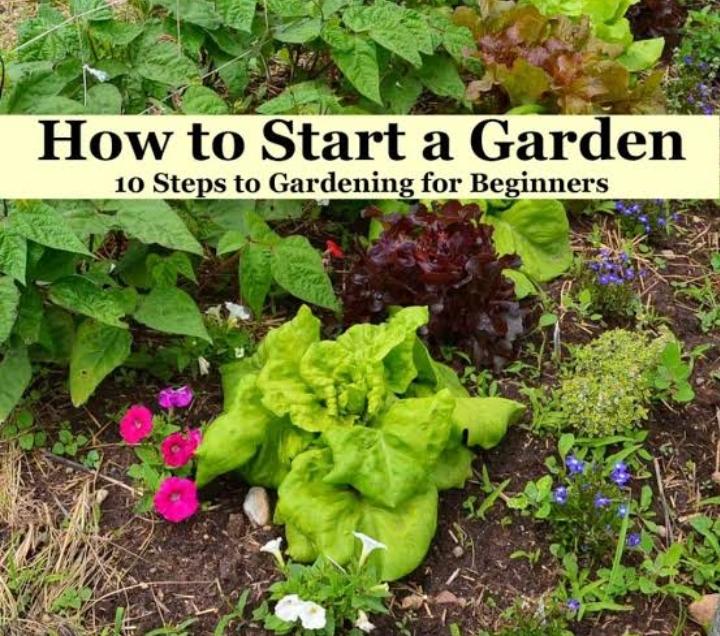
Dig into your new gardening adventure with this step‐one-step guide to help you make the most of your landscape.
Follow These 10 Essential Steps to Start Your First Garden Off Right:
Starting a garden is one of the most rewarding things you can do. Plant fragrant florals or start a vegetable garden (or both), and everyone can benefit from getting their hands a little dirty. But if you’re new to gardening, it can be difficult to know where to start. Still, it doesn’t have to be complicated; when you break your project down into manageable steps, you can ease into gardening at your own pace. And soon you’ll see the rewards of your efforts with beautiful views, delicious flavors, and colorful blooms. These steps will help you get started from scratch, but if you have something particular in mind, you could also use a garden plan to guide your design.
Consider What to Plant:
Do you want to plant a vegetable garden? An herb garden? A flower garden? If you choose vegetables and herbs for their contributions to your dinner table, plant ones your family will eat or be willing to try. If you want flowers for their flair, color, and fragrance, decide whether you want annuals that bloom most of the summer but need to be replanted each spring or perennials that have a shorter bloom time but return year after year. Each one, or even a combination, makes a stunning garden but will have different maintenance requirements. One bit of advice: Start small until you know what you’re getting into.
Pick the Best Garden Spot:
Almost all vegetables and many types of flowering plants need 6-8 hours of full sun each day. So you need to observe your yard throughout the day to figure out which spots receive full sun versus partial or full shade. Don’t worry if your yard is mostly shady: You won’t be able to grow tomatoes in shade, but many other plants (such as hostas and outdoor ferns) will do just fine. Check plant tags or ask the staff at your local garden center to help you understand out how much sun a plant needs.
If possible, pick a relatively flat spot for your garden because it’s more difficult, time-consuming, and potentially expensive to deal with a sloping garden. And make sure your new garden will have easy access to a water source.
Clear the Ground:
Get rid of weeds and sod in the area you plan to plant. If you want quick results (if it’s already spring and you want veggies this summer), cut it out. Slice under the sod with a spade, cut the sod into sections to make it easier to remove, then put it on your compost pile to decompose. For a longer term project, it’s easier to use the lasagna gardening method: Cover your future garden with five sheets of newspaper; double that amount if your lawn is Bermuda grass or St. Augustine grass. Spread a 3-inch layer of compost (or combination of potting soil and topsoil) on the newspaper and wait. It’ll take about four months for the compost and paper to decompose. But if you start in the fall, by spring you’ll have a bed ready to plant with no grass or weeds and plenty of rich soil.
Test and Improve Your Soil:
To learn more about your soil, have a soil test done through your county cooperative extension office. They’ll lead you through the procedure: How much soil to send from which parts of the garden and the best time to obtain samples. Expect a two-week wait for the findings, which will tell you what your soil lacks and how to amend it. You can also use a DIY kit that may not be as detailed, but will give you an idea of your soil’s nutrient levels.
Residential soil almost always needs a boost, especially in new construction where the topsoil may have been stripped away. In addition to being low in essential plant nutrients, your soil may also have poor drainage or be compacted. The solution is usually simple: Add organic matter. Add a 2- to 3-inch layer of compost, decayed leaves, dry grass clippings, or old manure to the soil when you dig or till a new bed. If you decide not to dig or are working with an established bed, leave the organic matter on the surface where it will eventually rot into humus (organic material). Earthworms will do most of the work of mixing humus in with the subsoil.
Prepare Your Planting Beds:
Loosening the soil in new beds before sowing or planting helps roots to grow more easily and access the water and nutrients they need. There are two methods: tilling with a mechanical device such as a rototiller or digging by hand. The first one is a good method when you need to mix in large amounts of amendments. However, it’s easy to overdo it, which will end up damaging soil structure. Digging is more practical for preparing small beds.
Either way, work the soil only when it’s moist enough to form a loose ball in your fist but dry enough to fall apart when you drop it. Digging when the soil is too dry is harder work, and you can damage the soil structure if it’s too wet. Use a spade or spading fork to gently turn the top 6-8 inches of soil, mixing in the organic matter from Step 4 at the same time. (Walking on prepared beds compacts the soil, so lay down plywood boards temporarily to evenly distribute your weight.
Pick Your Plants:
Some people pore over catalogs for months; others head to the garden center and buy what wows them. Either method works as long as you choose plants adapted to your climate, soil, and sunlight. You can even surf the Internet for plants to purchase. Here are a few easy-to-grow plants for beginners:
•Annuals: Calendula, cosmos, geraniums, impatiens, marigolds, sunflowers, and zinnias
•Vegetables: Cucumbers, lettuce, peppers, and tomatoes
Start Planting:
Some plants, such as pansies and kale, tolerate cold, so you can plant them in autumn or late winter. Tomatoes and most annual flowers, on the other hand, prefer warm temperatures, so don’t plant them until the danger of frost has passed in your area. Midspring and midautumn are good times to plant perennials.
Many annuals are easy to grow from seed sown directly in the garden. Be sure to read the seed packet for information about planting time, depth, and spacing. If you’re an adventurous beginner, get a head start on the growing season by sowing seeds indoors a few weeks before the last frost date. There are containers or flats designed especially for seedlings and seed-starting soil mixes available at garden centers. Follow seed packet instructions and place the containers on a sunny windowsill or under grow lights if you don’t have window space. Be sure to keep the seeds and seedlings moist but not wet, or they may rot.
An easier method of starting your garden is to buy young plants, called set plants or transplants. Dig holes in your prepared bed based on tag instructions. Remove plants from the container by pushing up from the bottom. If the roots have grown into a big ball (known as being root-bound), use an old fork or your fingers to untangle some outer roots before setting it into the hole. Pat soil into place around the roots, then soak the soil with water.
Water at the Right Time:
Seedlings should never be allowed to dry out, so water daily. Taper off as the plants get larger. Transplants also need frequent watering (every other day or so) until their roots become established. After that, how often you need to water depends on your soil, humidity, and rainfall, though once a week is a good place to start. Clay soil dries out more slowly than sandy soil, so you won’t need to water it as often. Sunny, windy conditions dry out soil more quickly than cool, cloudy weather. Still not sure? Feel the soil 3-4 inches below the surface. If it feels dry, it’s time to water. Water slowly and deeply, so the water soaks in instead of running off. To minimize evaporation, water in the early morning.
Protect Your Garden With Mulch:
To help keep weeds out and moisture in, cover the soil with a couple of inches of mulch. You won’t have to water as often, and by preventing sunlight from hitting the soil, you’ll prevent weed seeds from germinating. Choose from a wide variety of mulches, each with its own benefits, including shredded bark, straw, and river rock. If you use organic mulch, such as bark, compost, or cocoa bean shells (which smell good, by the way), it will nourish the soil as it decomposes. For a vegetable garden or bed of annuals, choose a mulch that decomposes in a few months. For perennials, use a longer-lasting mulch such as bark chips.
Maintain Your Garden Regularly:
As your garden begins to grow, help it reach its full potential by keeping up with garden chores. Water the plants before they wilt. Pull weeds before they go to seed. Get rid of dead, dying, and diseased vegetation. Banish destructive insects by picking them off the plant and dropping them into a bucket of sudsy water (such as tomato hornworms), hosing them off, or spraying on an insecticidal soap purchased at a garden center. Support tall plants (such as tomatoes) with a trellis, stake, or a tepee. Also, harvest vegetables as soon as they’re ready. And remember to stop and smell the…well, whatever it is you’re growing.








 Eduindex
You must be logged in to post a comment.