30 Classic Novels: Must Read

Must-read books: There are so many out there – so don’t waste your time on average books!

Still, it can take time to find books worth reading. That’s why we’ve compiled this epic must-read book list to make your life easier. It features 40 top books to read in popular categories, such as fiction, business, personal development, travel, and more.

So, if you’re wondering, “what book should I read next?” we’ve got you covered. This list is jam-packed with great books to read! For more suggestions visit m.topread666.com

Classic Novels to Read

1. 1984 by George Orwell
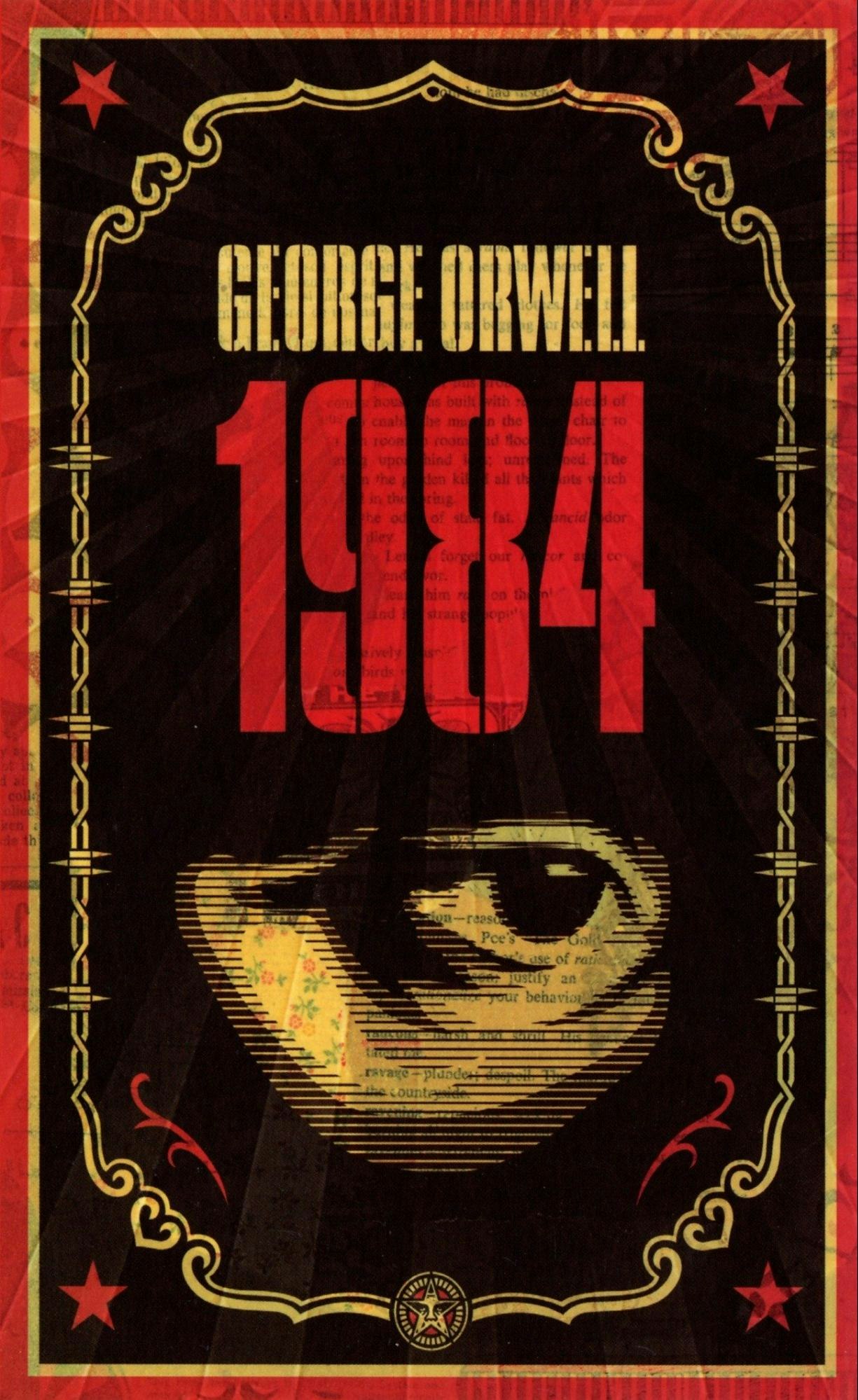
1984 – George Orwell

1984 tells the futuristic story of a dystopian, totalitarian world where free will and love are forbidden. Although the year 1984 has long since passed, the prophecy of a society controlled by fear and lies is arguably more relevant now than ever.

2. The Lord of the Rings by J.R.R. Tolkien
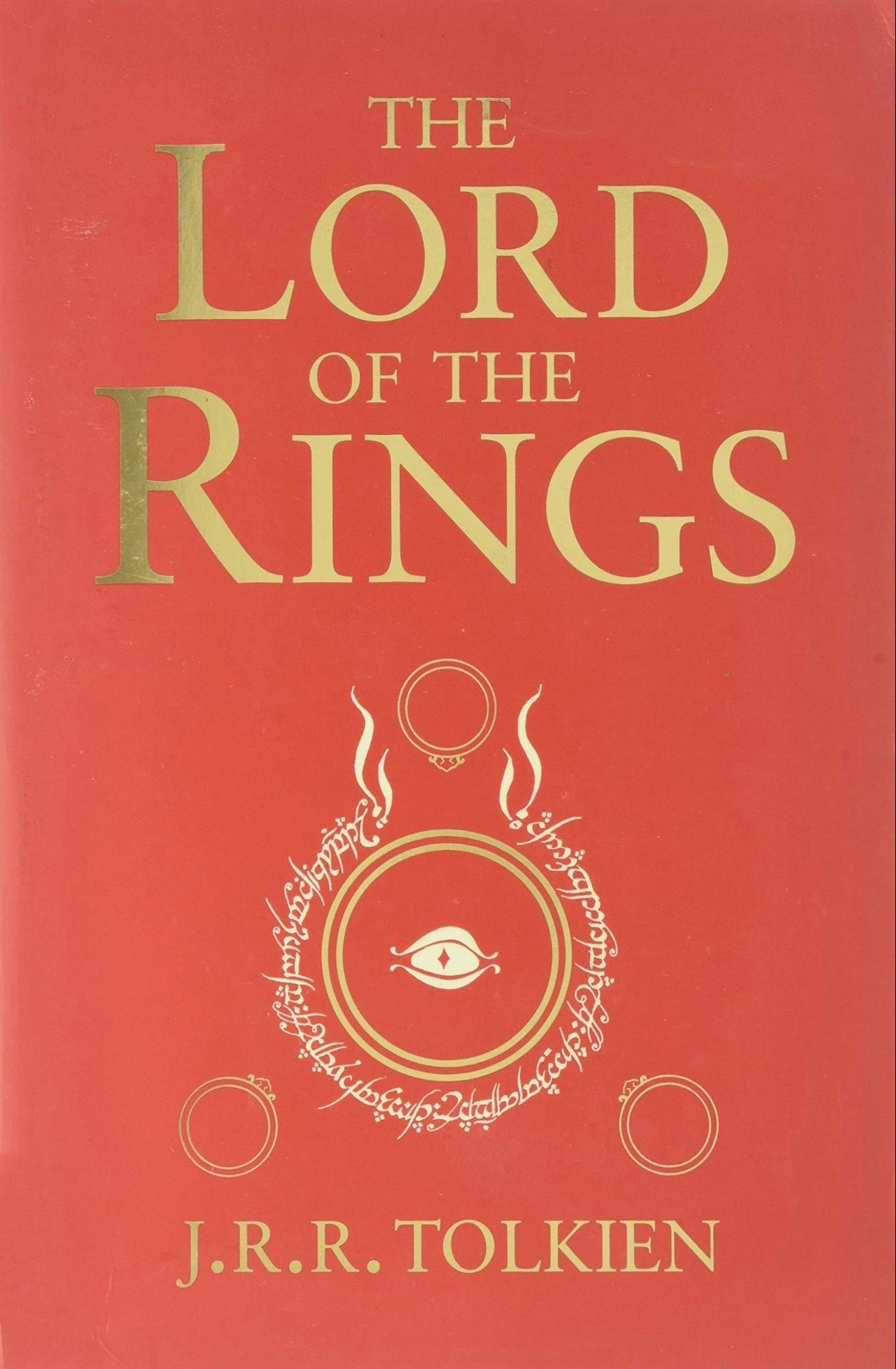
The Lord of the Rings – J.R.R.Tolkien

Tolkien’s fantasy epic is one of the top must-read books out there. Set in Middle Earth – a world full of hobbits, elves, orcs, goblins, and wizards – The Lord of the Rings will take you on an unbelievable adventure.

3. The Kite Runner by Khaled Hosseini
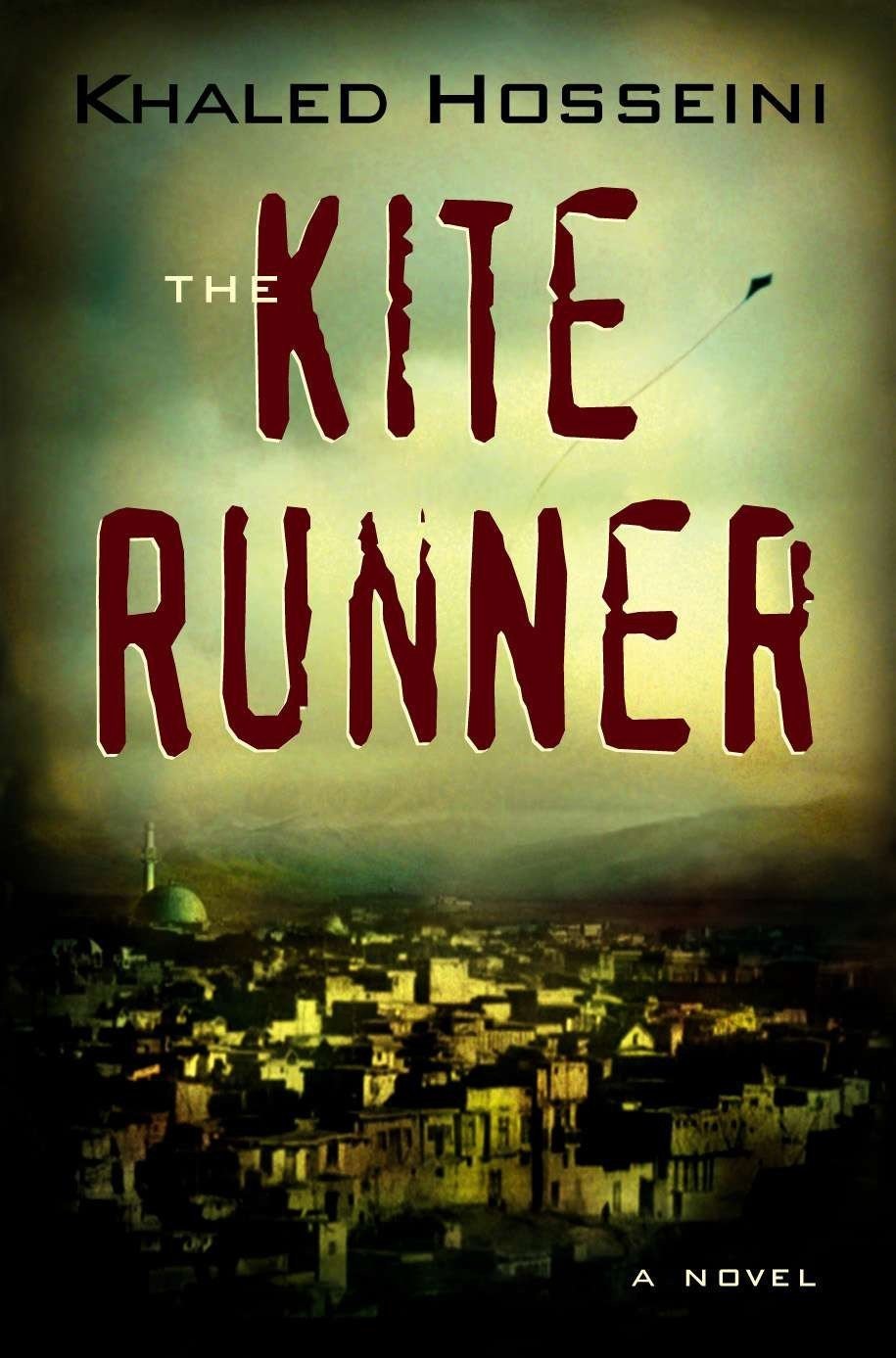
The Kite Runner – Khaled Hosseini

The Kite Runner is a moving story of an unlikely friendship between a wealthy boy and the son of his father’s servant. Set in Afghanistan during a time of tragedy and destruction, this unforgettable novel will have you hooked from start to finish.

4. Harry Potter and the Philosopher’s Stone by J.K. Rowling
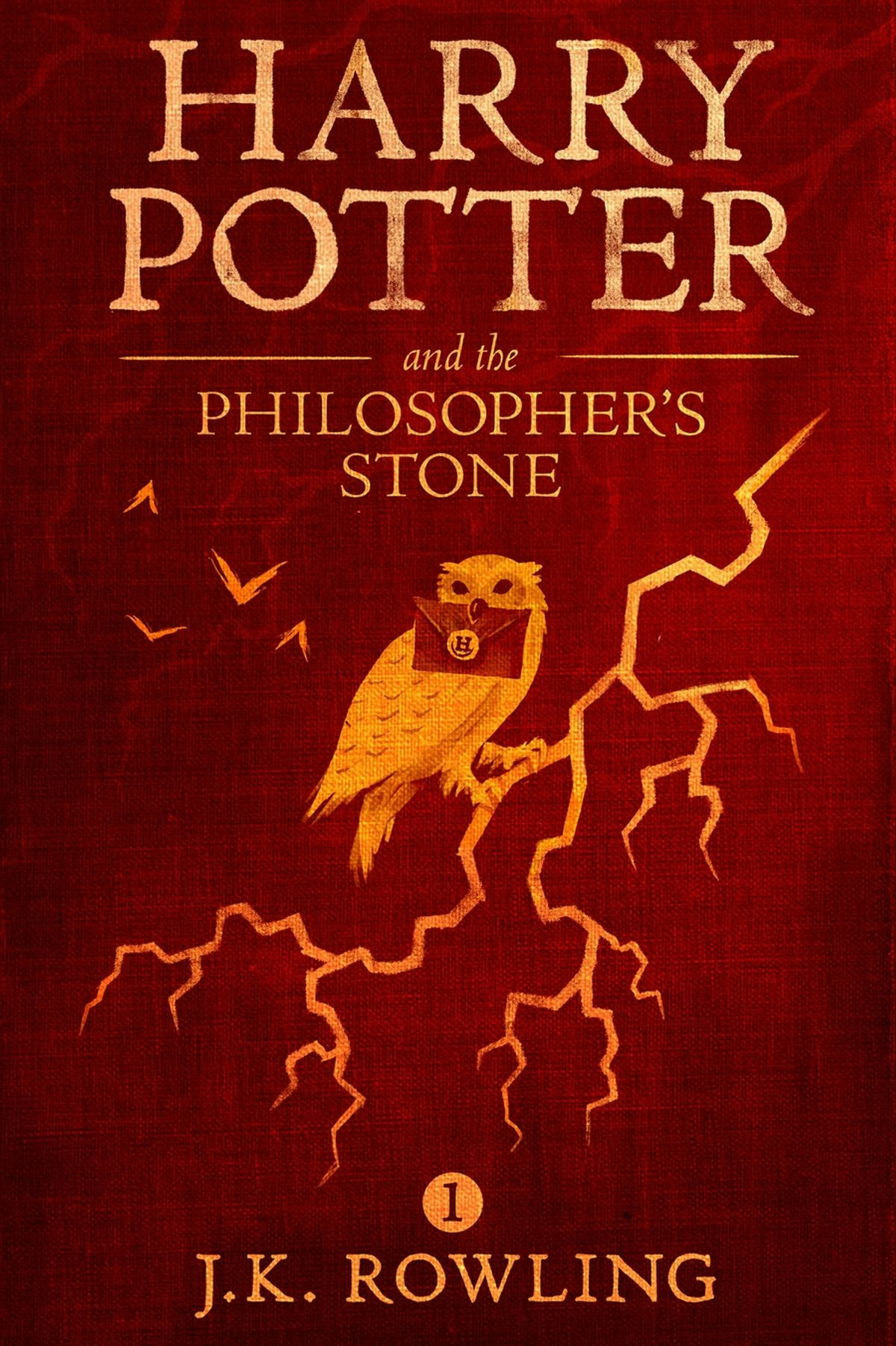
Harry Potter and the Philosopher's Stone – J.K. Rowling

This global bestseller took the world by storm. So, if you haven’t read J.K. Rowling’s Harry Potter, now may be the time. Join Harry Potter and his schoolmates as this must-read book transports you deep into a world of magic and monsters.

5. Slaughterhouse-Five by Kurt Vonnegut
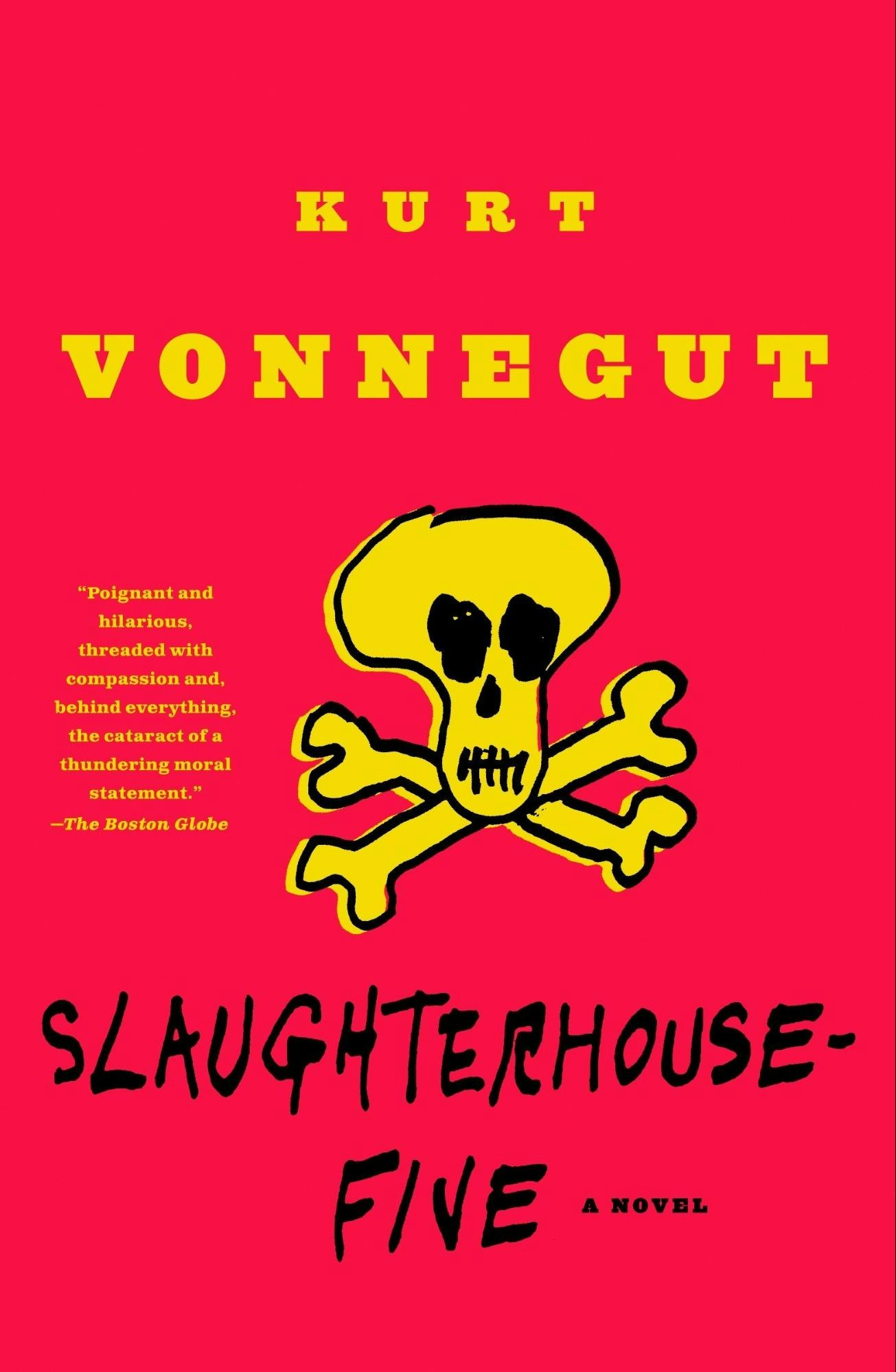
Slaughterhouse Five – Kurt Vonnegut

Slaughterhouse-Five is arguably one of the greatest anti-war books ever written. This rich and amusing tale follows the life of Billy Pilgrim as he experiences World War II from a peculiar perspective.

6. The Lion, the Witch, and the Wardrobe by C.S. Lewis
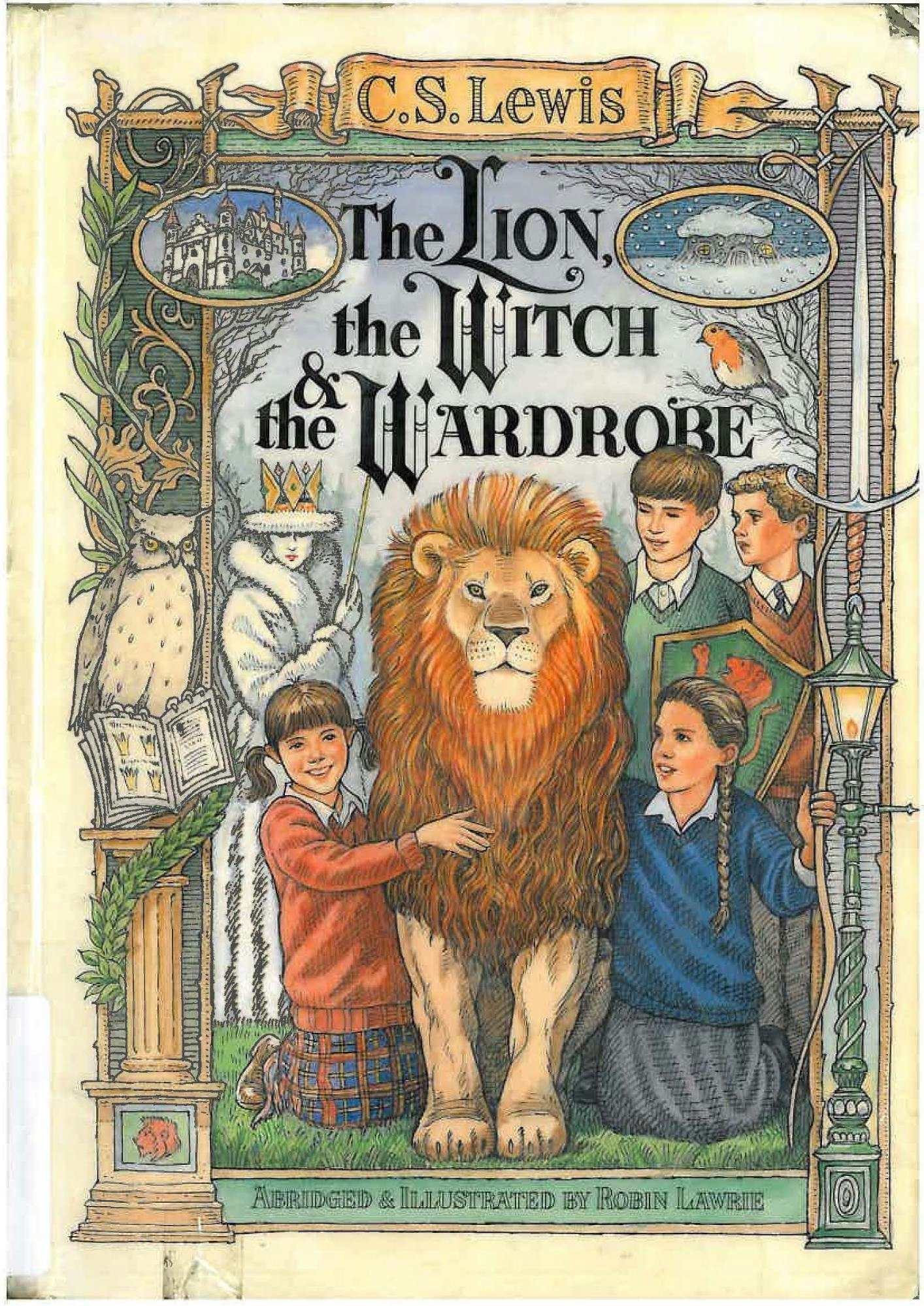
The Lion, the Witch, and the Wardrobe – C.S.Lewis

The Lion, The Witch, and the Wardrobe is undoubtedly one of the great books of all time. This renowned fantasy novel is set in Narnia, home to mythical beasts, talking animals, and warring kingdoms. The story follows a group of school children as they become entangled in this incredible world’s fate.

7. To Kill a Mockingbird by Harper Lee
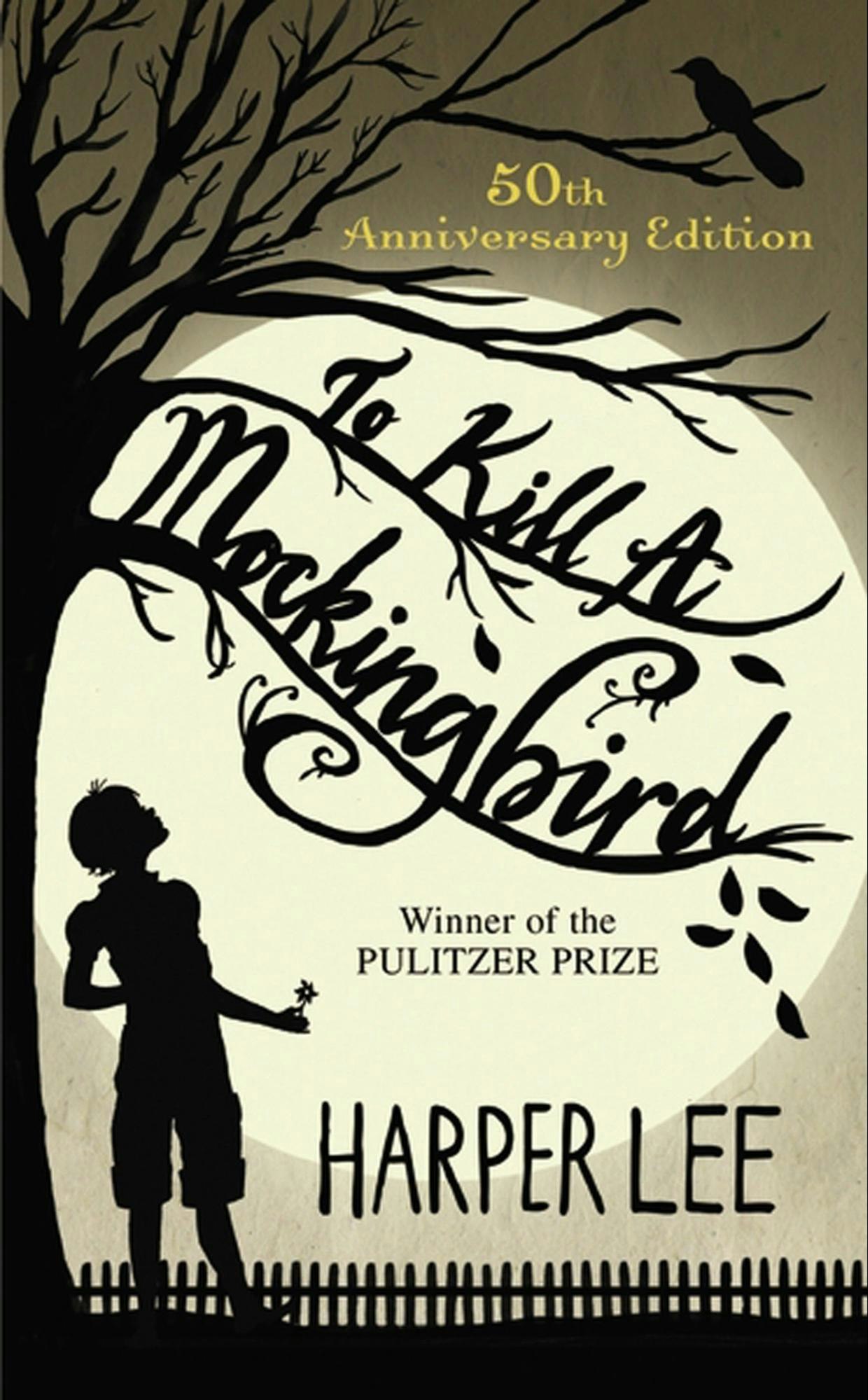
To Kill a Mockingbird – Harper Lee

To Kill a Mockingbird is one of the top must-read books of all time. Published in 1960, the story explores life in the Deep South during the early 20th century through the story of a man accused of a terrible crime. It’s poignant, humorous, and gripping.

8. The Book Thief by Markus Zusak
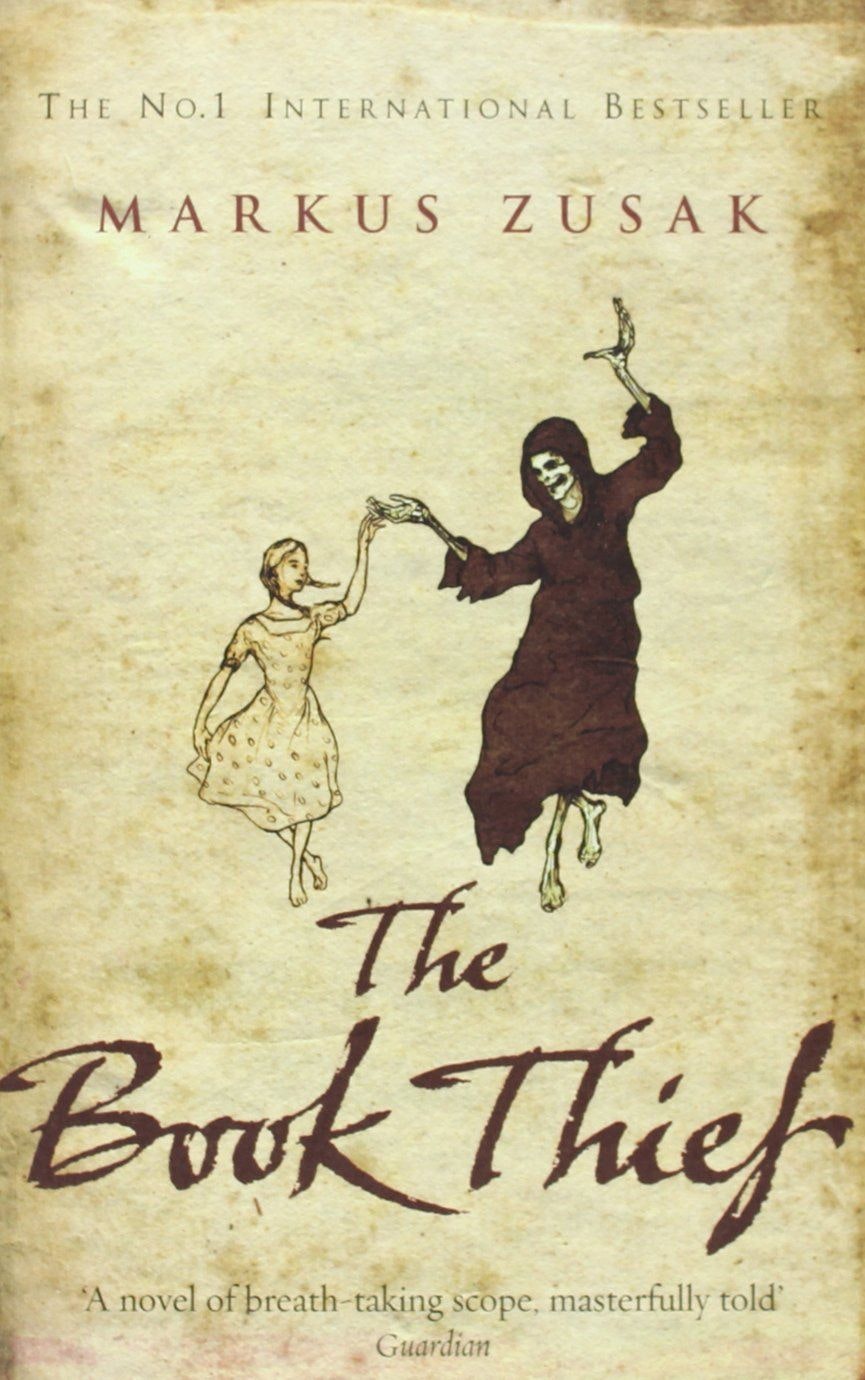
The Book Thief – Markus Zusak

The Book Thief is a story of bravery, hope, and friendship in a time of Nazi tyranny. Narrated by Death itself, this novel will have you holding your breath for chapters at a time.

9. Wuthering Heights by Emily Bronte
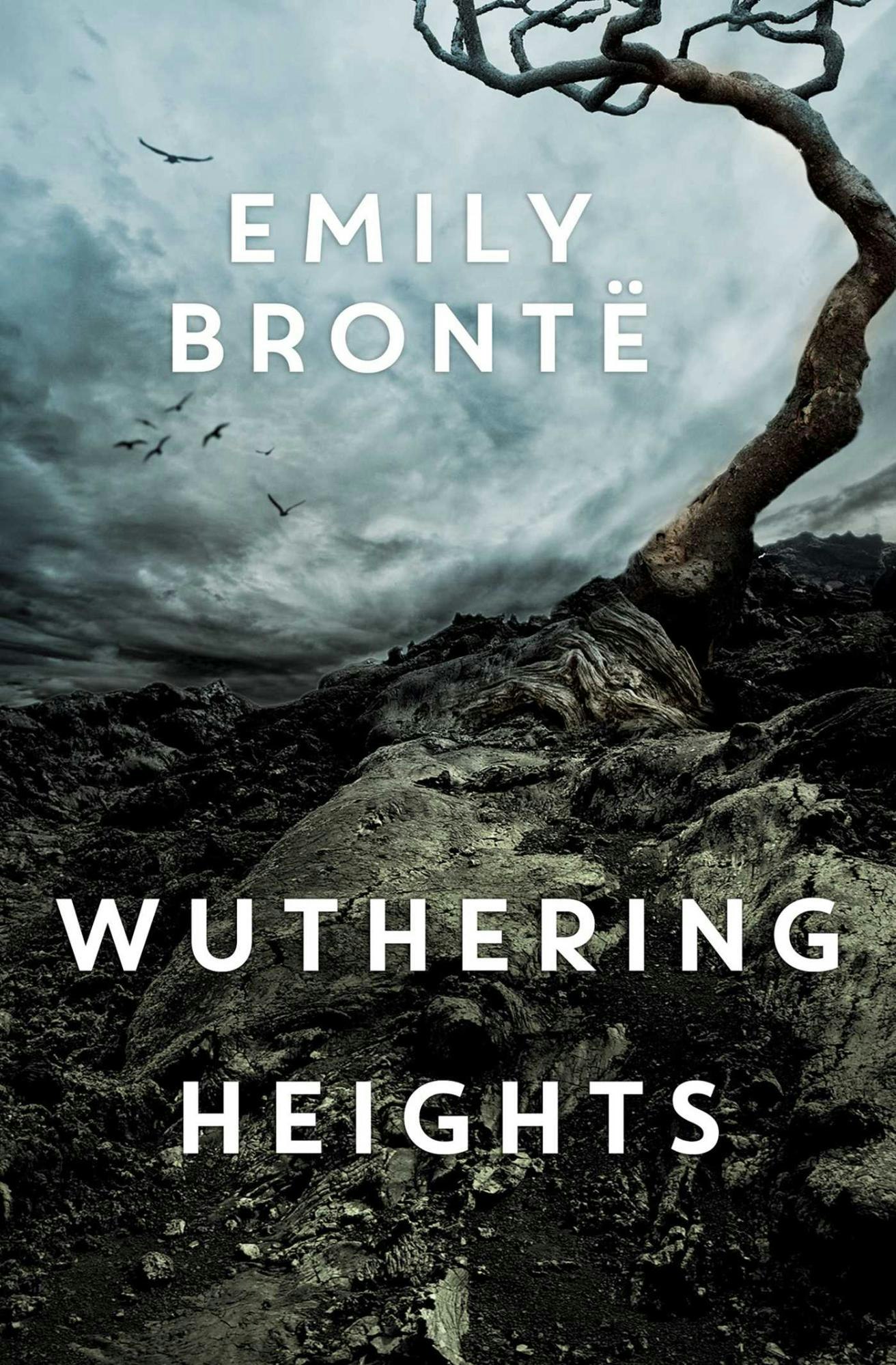
Wuthering Heights – Emily Brontë

Wuthering Heights is a classic novel published way back in 1847. This harrowing story, set on a lonely English moorland, follows Catherine Earnshaw and Heathcliff’s struggle with love, betrayal, and revenge. If you love dramatic novels, add this to your must-read book list.

10. The Catcher in the Rye by J.D. Salinger
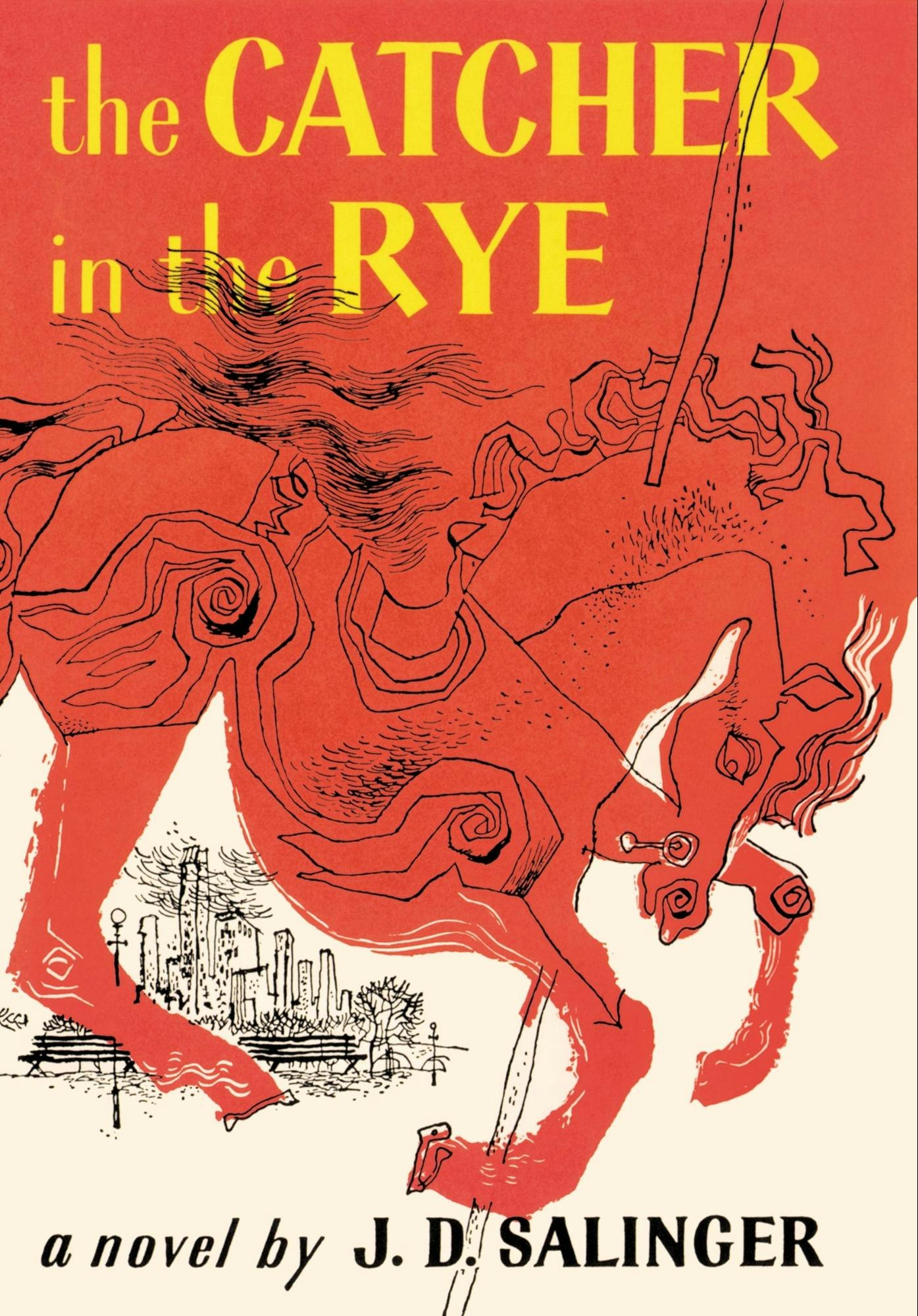
The Catcher in the Rye – J.D. Salinger

The Catcher in the Rye is the classic coming-of-age story. It follows sixteen-year-old Holden Caulfield’s adolescent journey of angst and alienation as he leaves his prep school and moves to New York City.

11. Jane Eyre by Charlotte Bronte
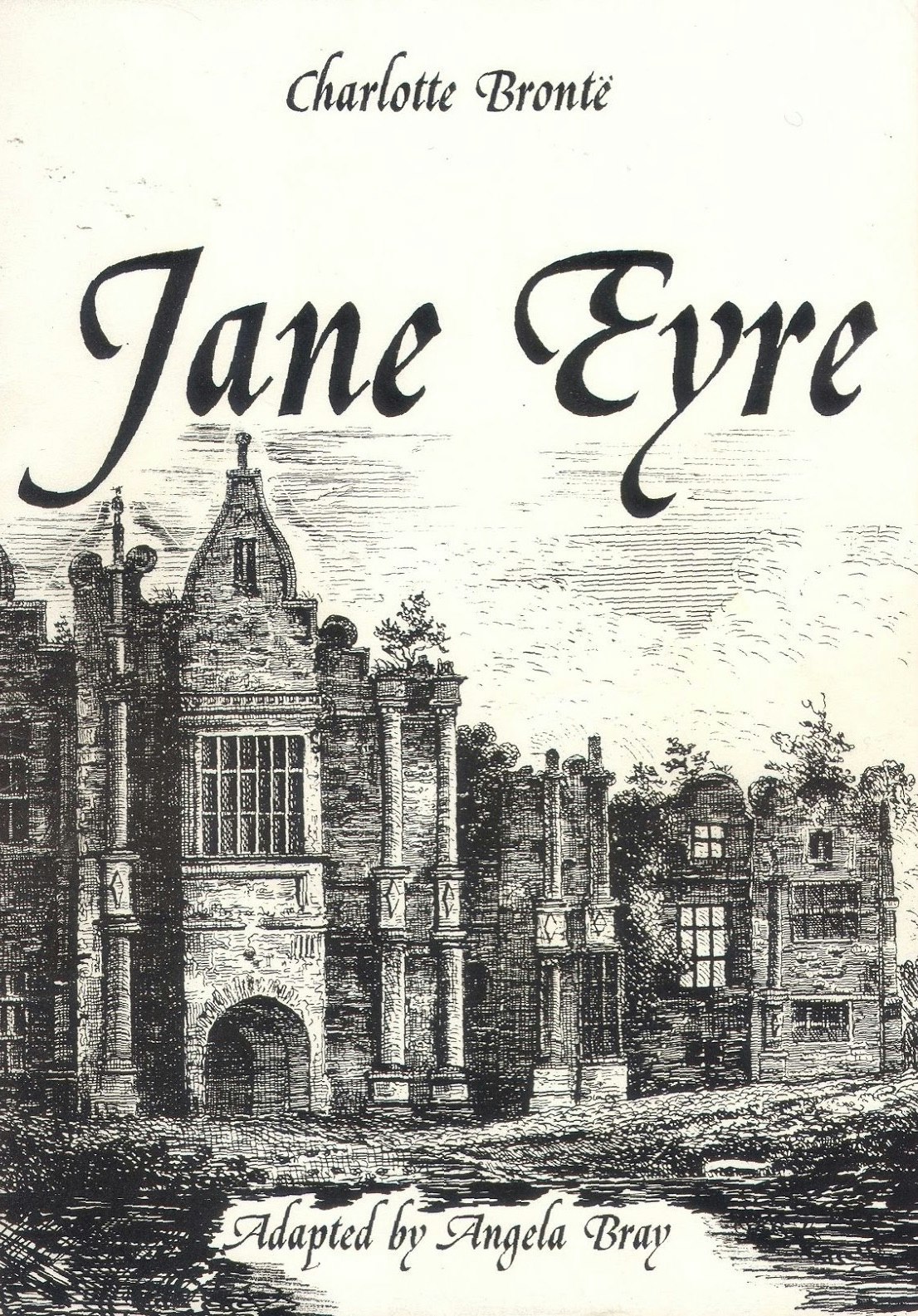
Jane Eyre – Charlotte Brontë

Jane Eyre is often considered one of the must-read books of all time. It follows the emotions and experiences of a strong, unbroken woman who continued to grow morally and spiritually despite a troubled childhood and a sexist, repressed Victorian society.

12. Animal Farm by George Orwell
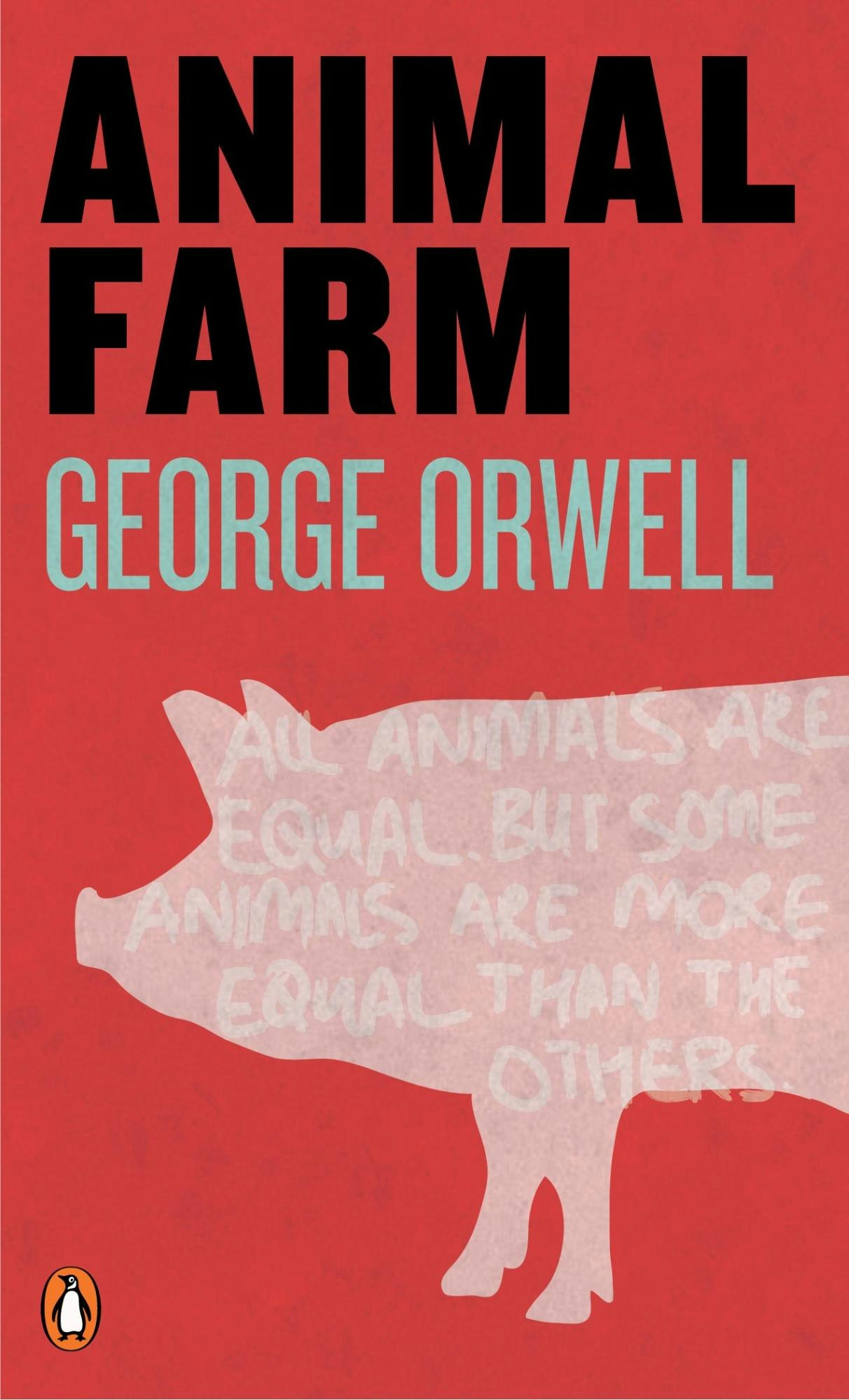
Animal Farm – George Orwell

Orwell tells a fairy tale of a revolution against tyranny that ends in even more unjust totalitarianism. The animals on the farm are rife with idealism and desire to create a world of justice, equality, and progress. However, the new regimen attempts to control every aspect of the animals’ lives.

13. Fahrenheit 451 by Ray Bradbury
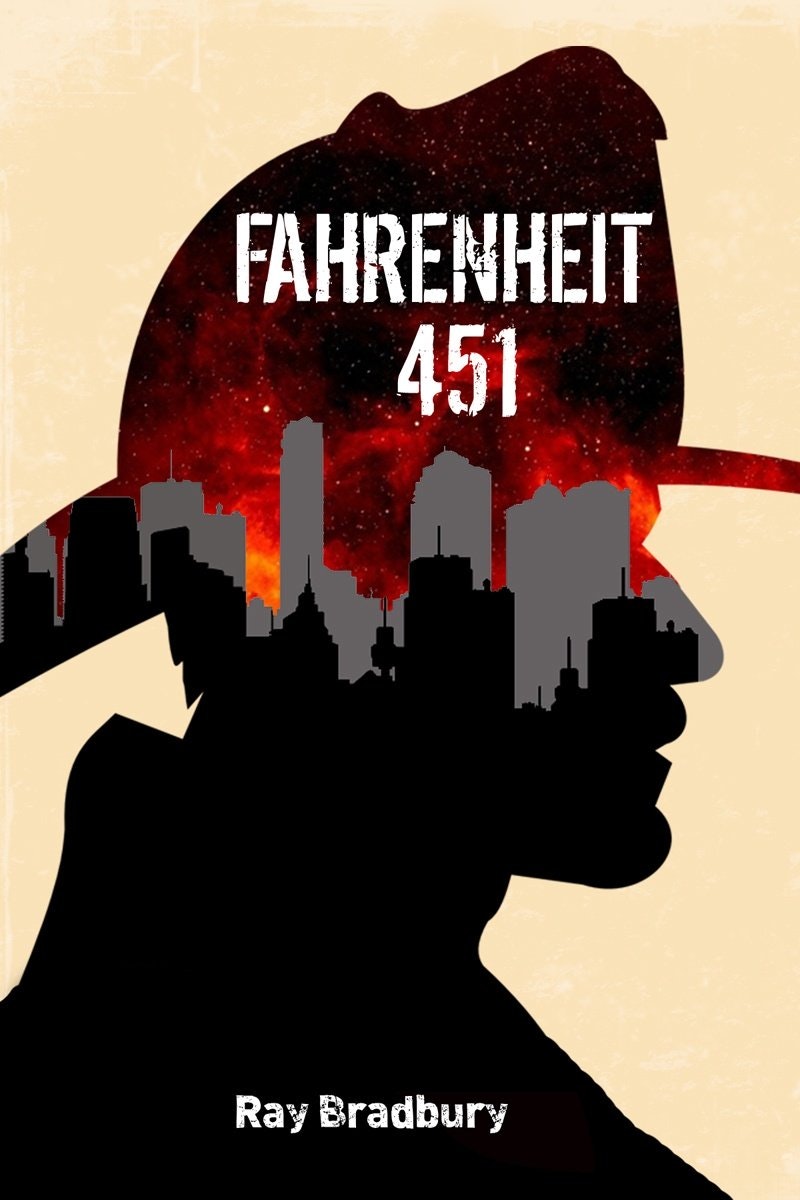
Fahrenheit 451 – Ray Bradbury

Ray Bradbury’s dystopian world shines a light on Western societies’ dependence on the media. The main character’s job is to find and burn any books he can find – until he begins to question everything. Considering the state of current politics and world affairs, this is one of the absolute must-read books in life.

14. Little Women by Louisa May Alcott
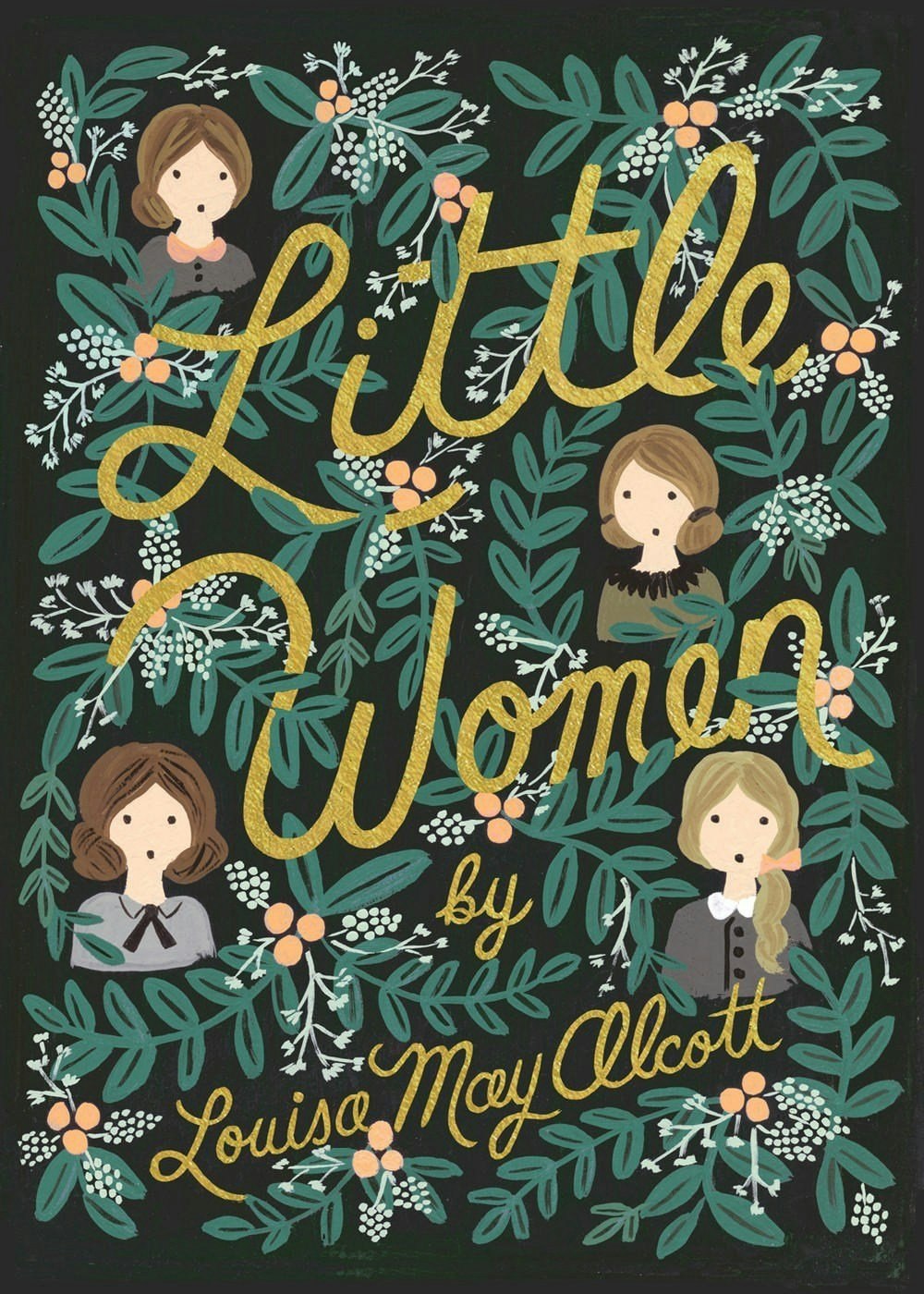
Little Women – Louise May Alcott

This is a tale of four sisters with their own very different and very prominent personalities. The novel draws the reader deep into their lives as we get to know each of their flaws, joys, struggles, and fears.

15. Charlotte’s Web by E.B. White
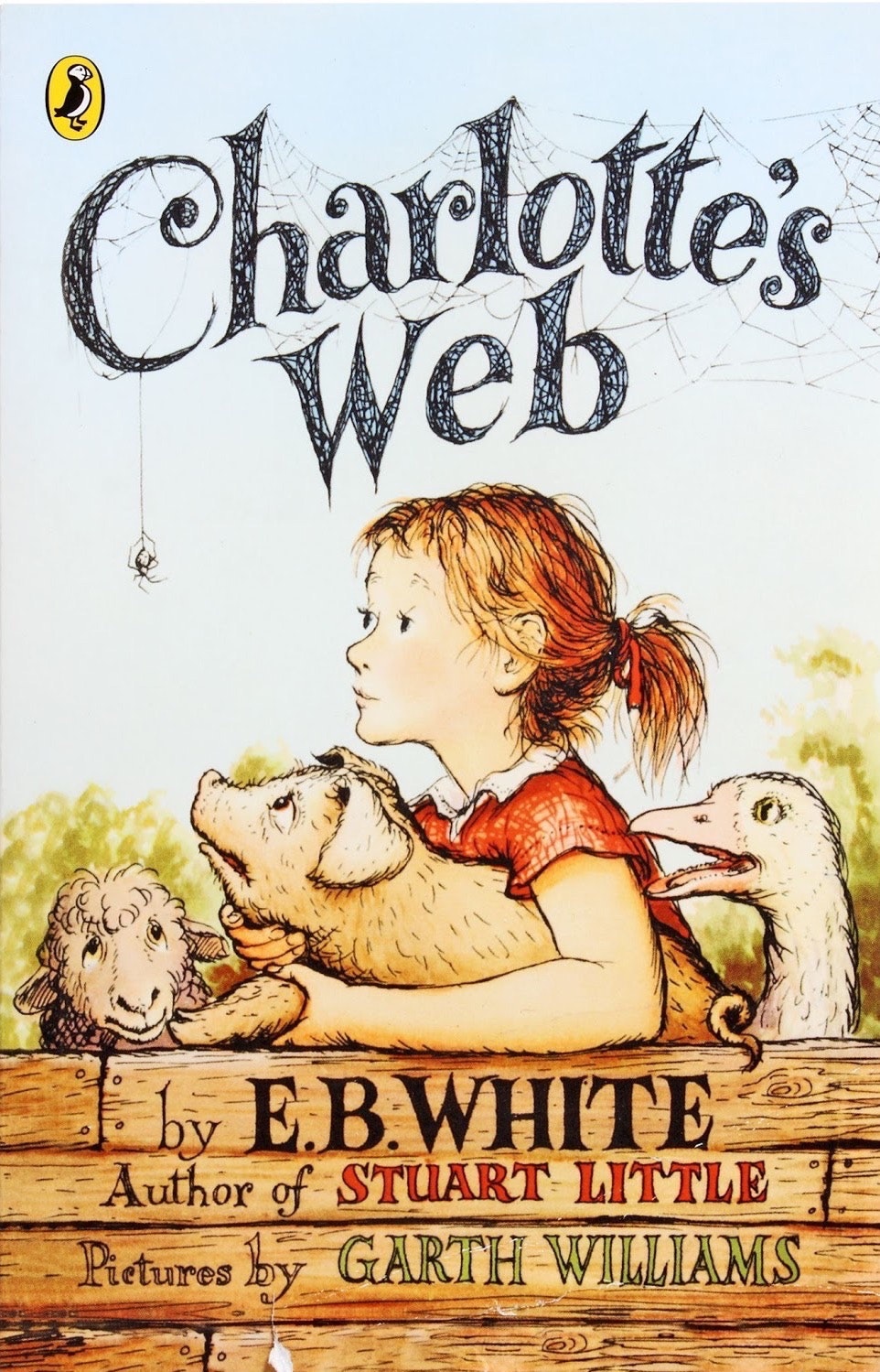
Charlotte's Web – E.B. White

Charlotte’s Web is a great reminder to be kind to all living creatures. This magical story takes place on a farm where a little girl tries to save her piglet from slaughter. Fern, the little girl, enlists the help of her farm friends to execute her clever plan. 

16. Frankenstein by Mary Shelley
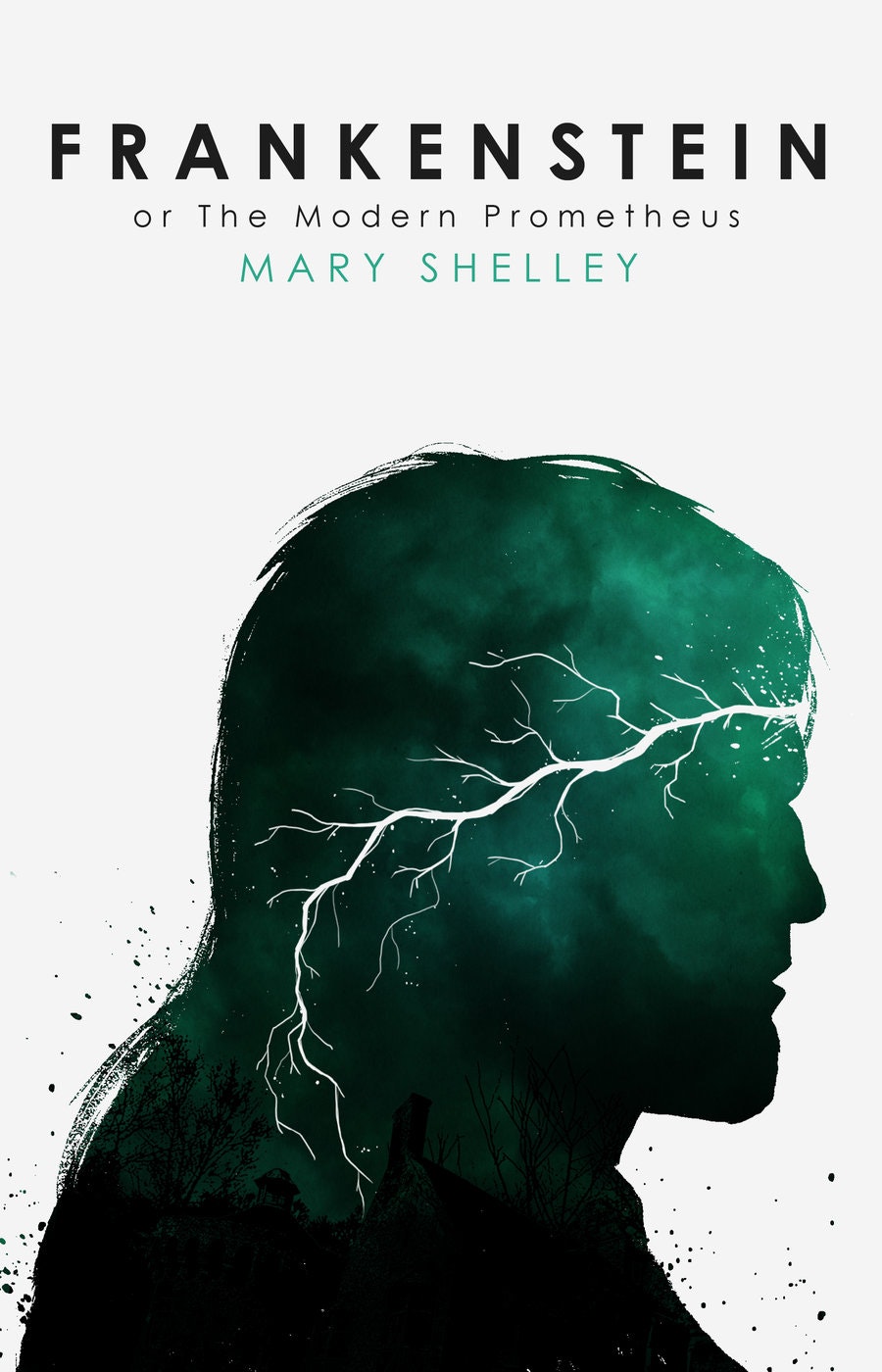
Frankenstein – Mary Shelley

English author Mary Shelley tells the story of Victor Frankenstein, a young scientist who creates a monster and brings it to life. This gripping novel evokes questions about what makes us human and what love and kindness truly mean. 

17. Of Mice and Men by John Steinbeck
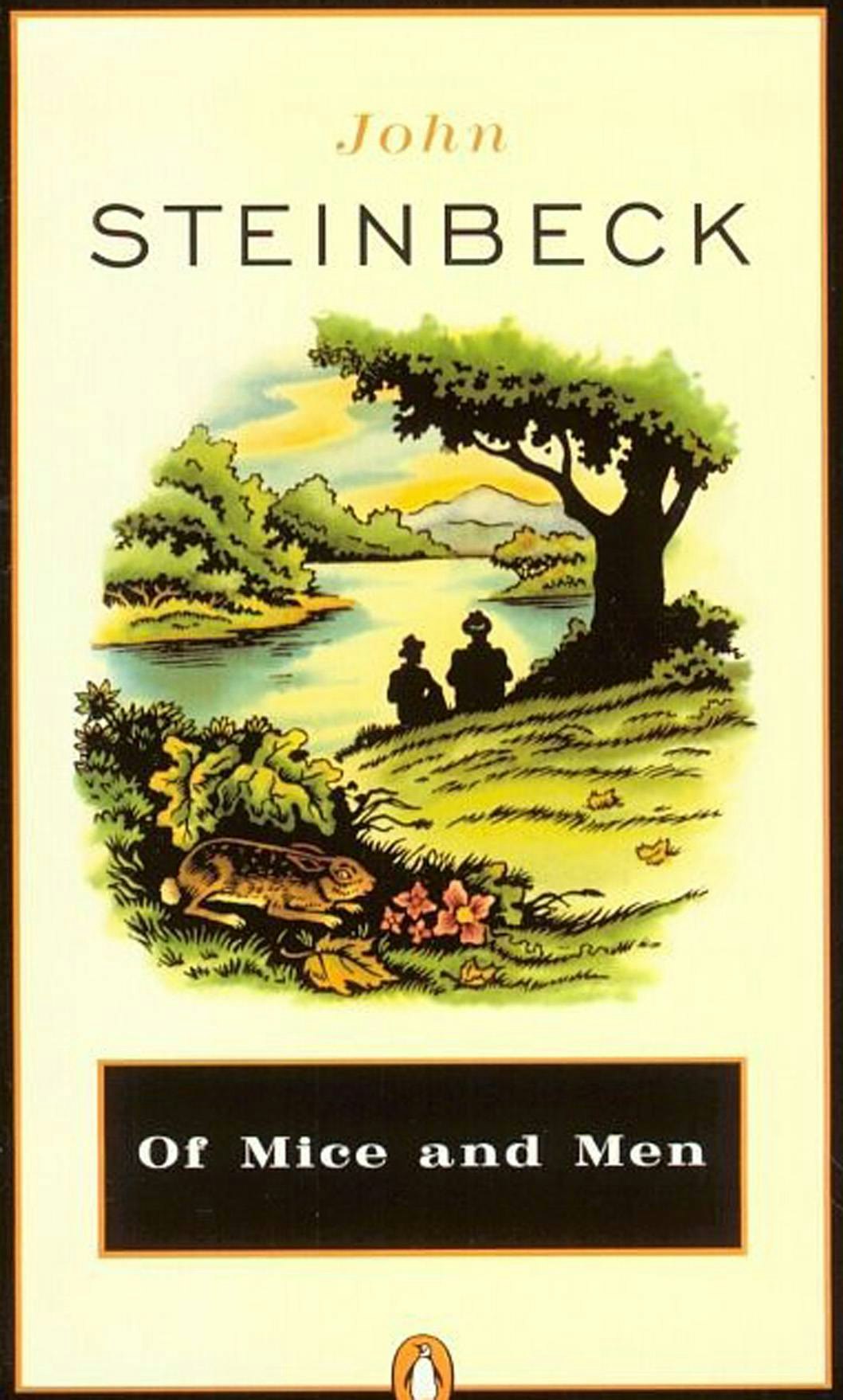
Of Mice and Men – John Steinbeck

Of Mice and Men should be on every must-read book list. Set in the Great Depression, this is a controversial tale of friendship between two migrant workers in California. Filled with hope and tragedy, the two work towards the dream of owning land and pets.

18. The Hitchhiker’s Guide to the Galaxy by Douglas Adams
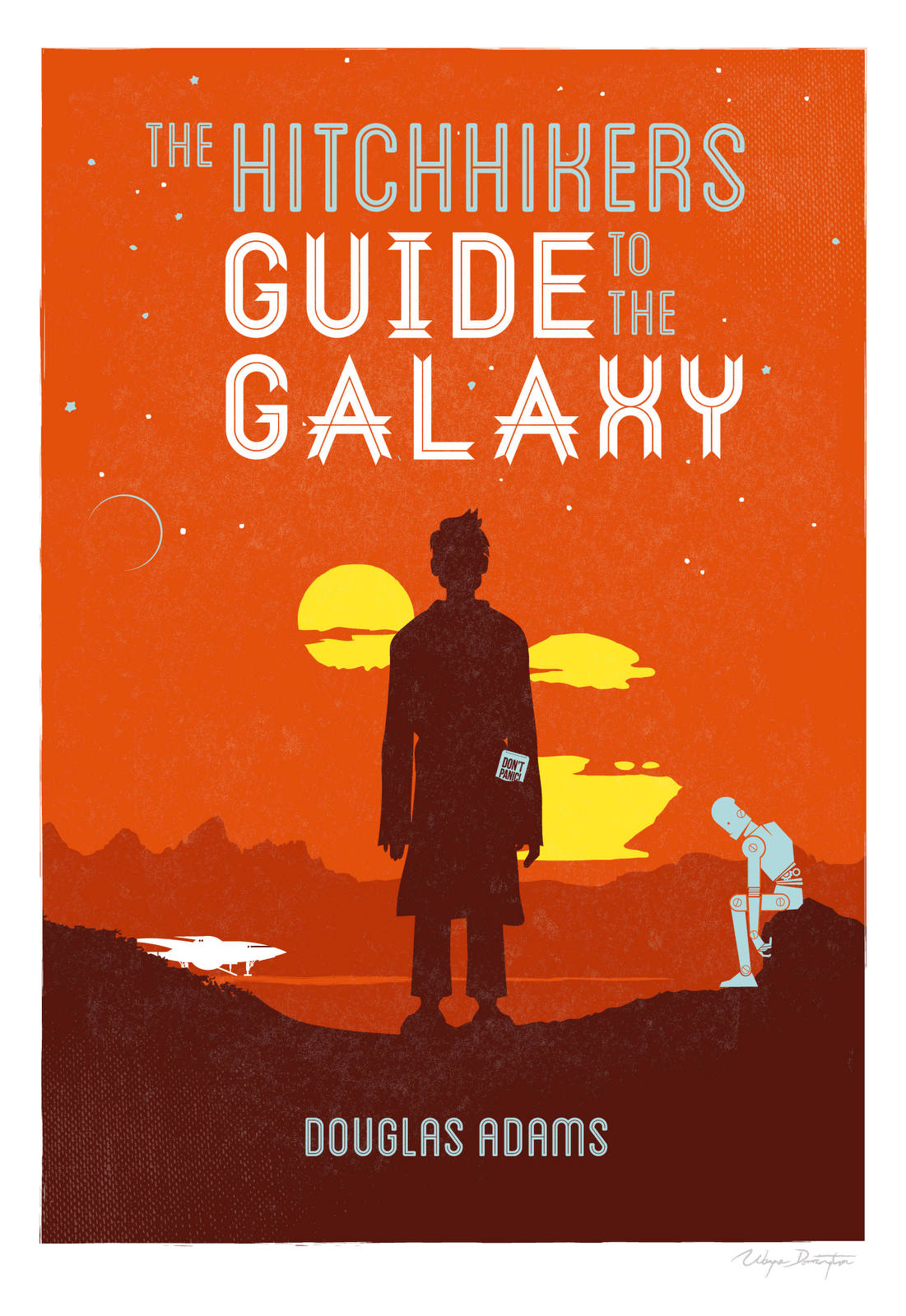
The Hitchhikers Guide to the Galaxy – Douglas Adams

In Guardians of the Galaxy, Arthur Dent sets off on a hilarious and fantastic adventure across the stars. He learns not to take the universe seriously as he meets all kinds of interesting characters.

19. The Great Gatsby by F. Scott Fitzgerald
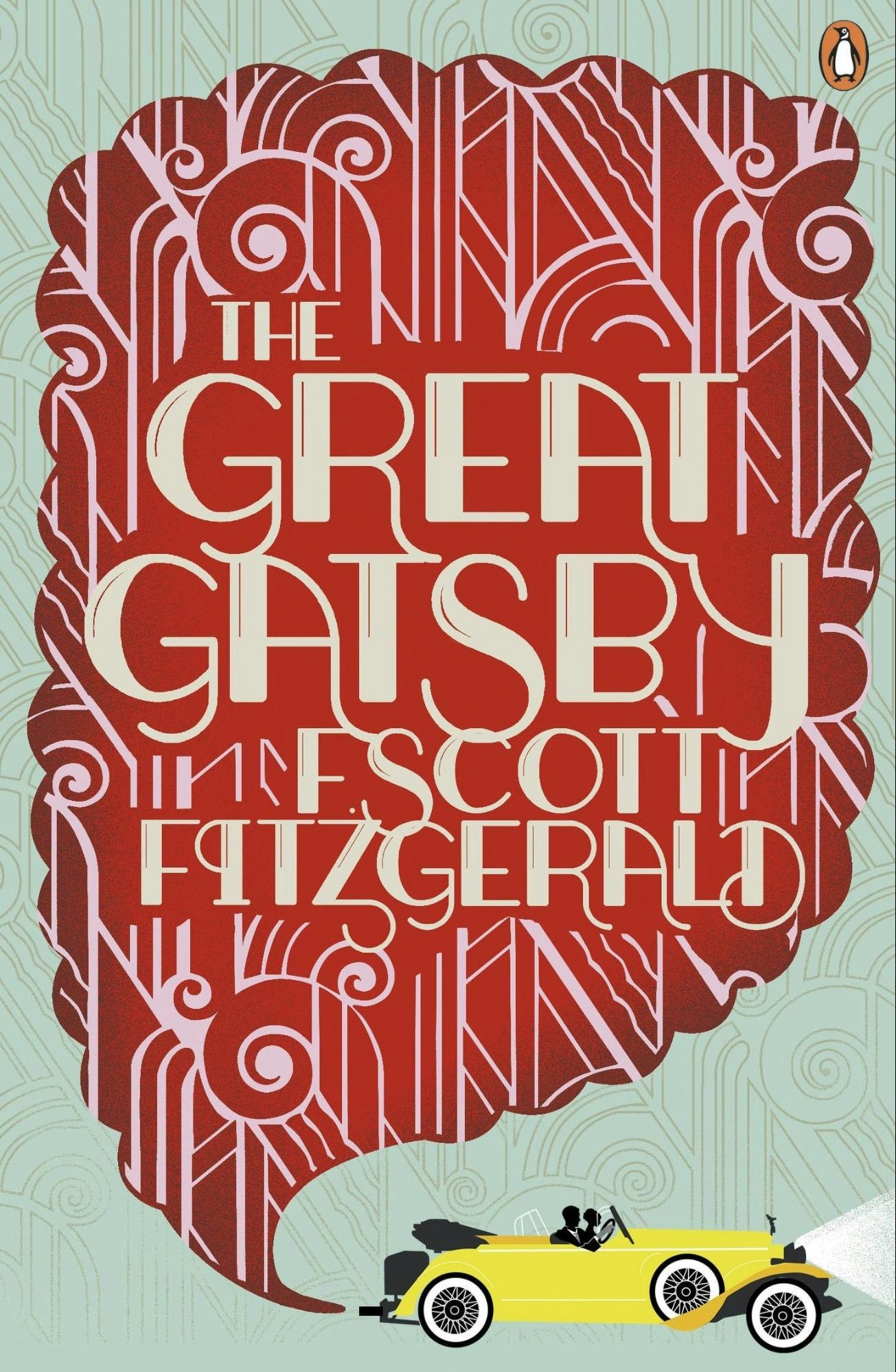
The Great Gatsby – F.Scott Fitzgerald

Scott Fitzgerald’s The Great Gatsby is said to be the quintessential novel of the Jazz Age. Set in 1922 amongst unfathomable indulgence and decadence, the novel highlights a man’s struggle to earn the love of the woman he’s obsessed with.

Business and Money Must-Read Books

Ready to start an online business? Find best selling products from suppliers you can trust at Handshake, a wholesale marketplace by Shopify.

20. Think and Grow Rich by Napoleon Hill
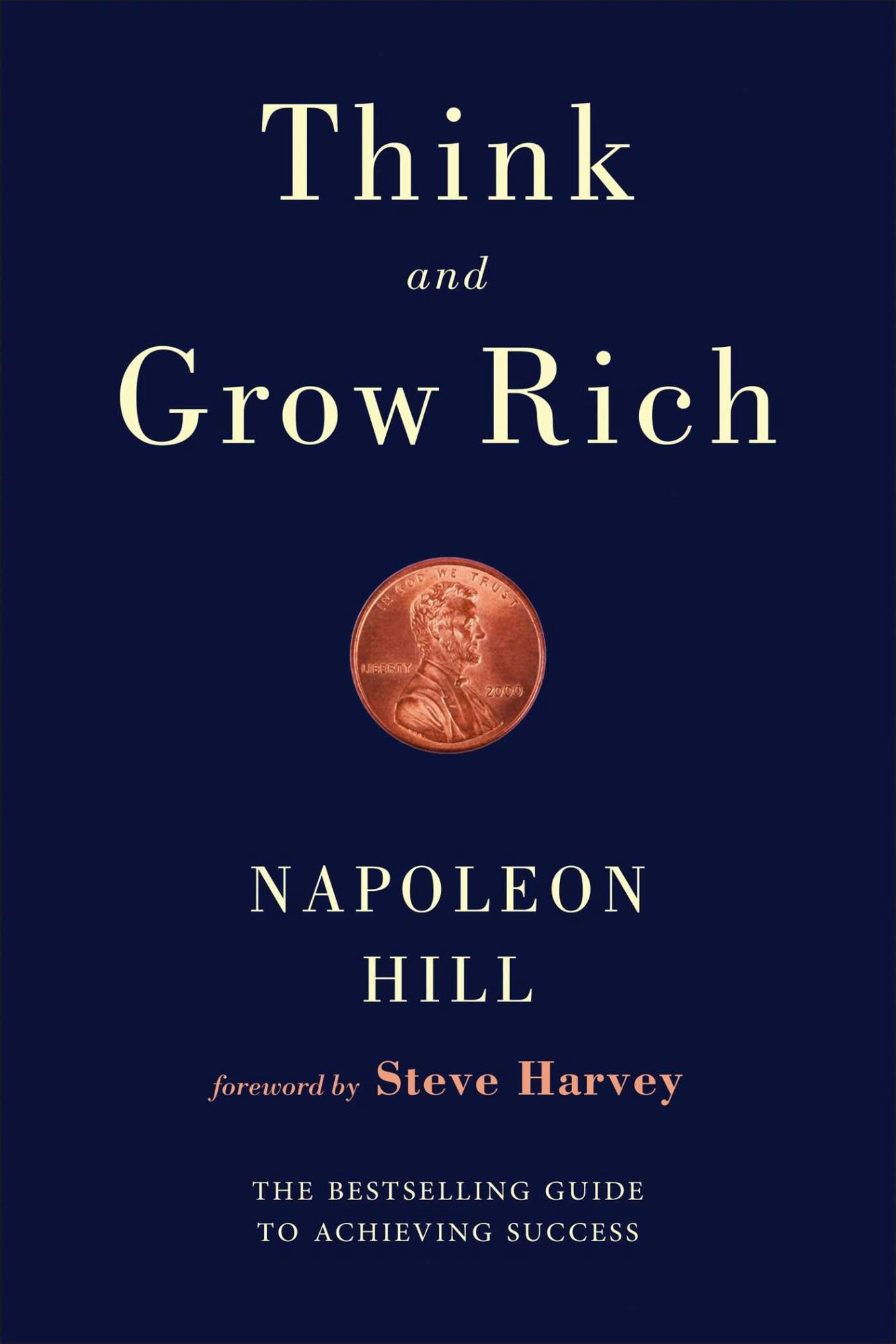
Think and Grow Rich – Napoleon Hill

Think and Grow Rich is a classic bestseller that has sold millions of copies worldwide. It’s packed full of money-making tips, techniques, and strategies. If you want to improve your mindsetaround money, this book can potentially change your life completely.

21. Rich Dad Poor Dad: What the Rich Teach Their Kids About Money That the Poor and Middle Class Do Not! by Robert T. Kiyosaki
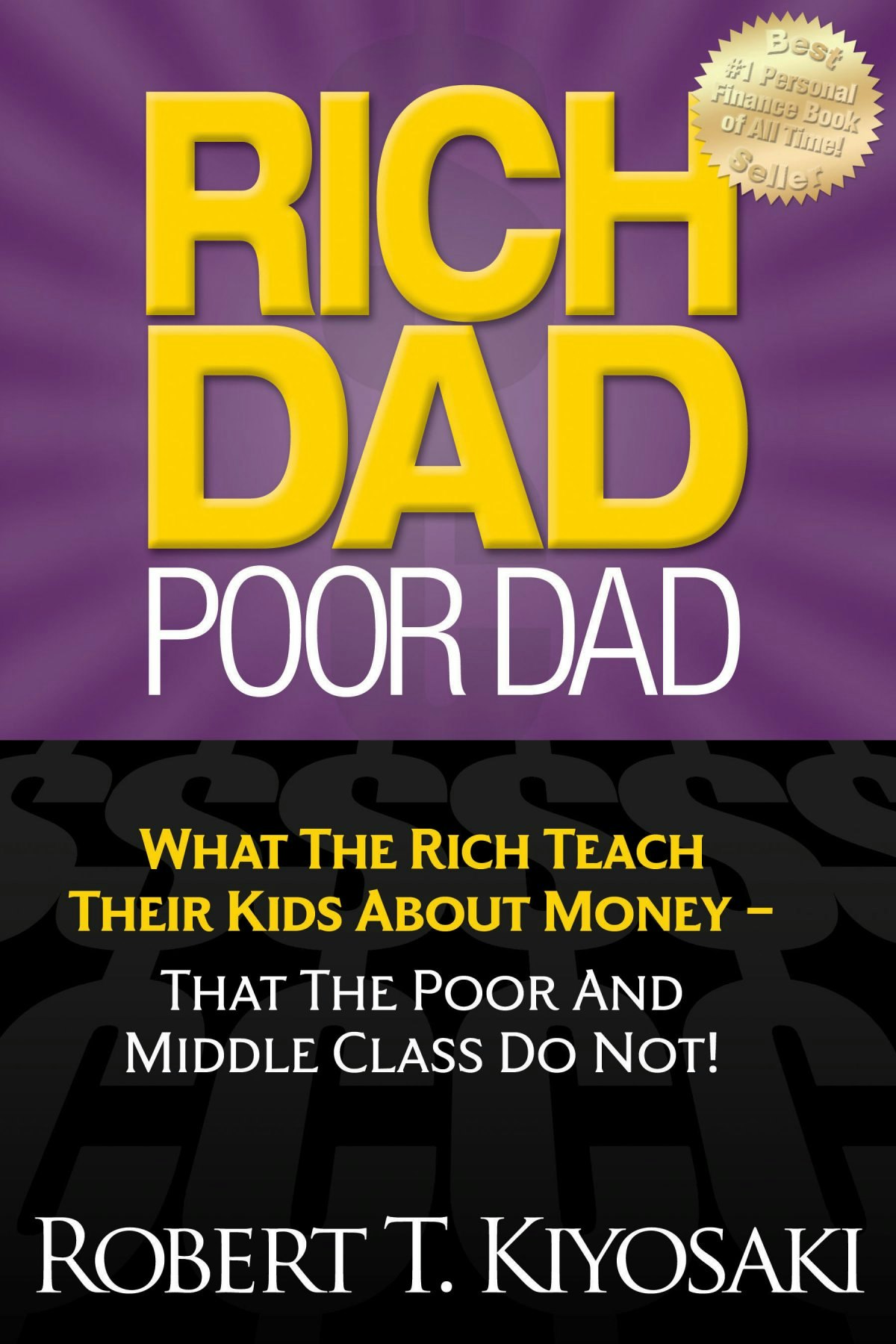
Rich Dad Poor Dad – Robert T. Kiyosaki

Rich Dad Poor Dad explains how wealthy people and poorer people think differently. It challenges commonly held beliefs about money and explains how you don’t need to have a high income to become rich.

22. The Intelligent Investor by Benjamin Graham
The Intelligent Investor – Benjamin Graham

If you want to learn how to invest, add this to your list of must-read books. Author Benjamin Graham is considered one of the greatest investment advisors of the twentieth century. In The Intelligent Investor, you’ll learn about Graham’s philosophy of ‘value investing’ and how to develop long-term strategies that are used by the most successful investors in the world.

23. Principles: Life and Work by Ray Dalio
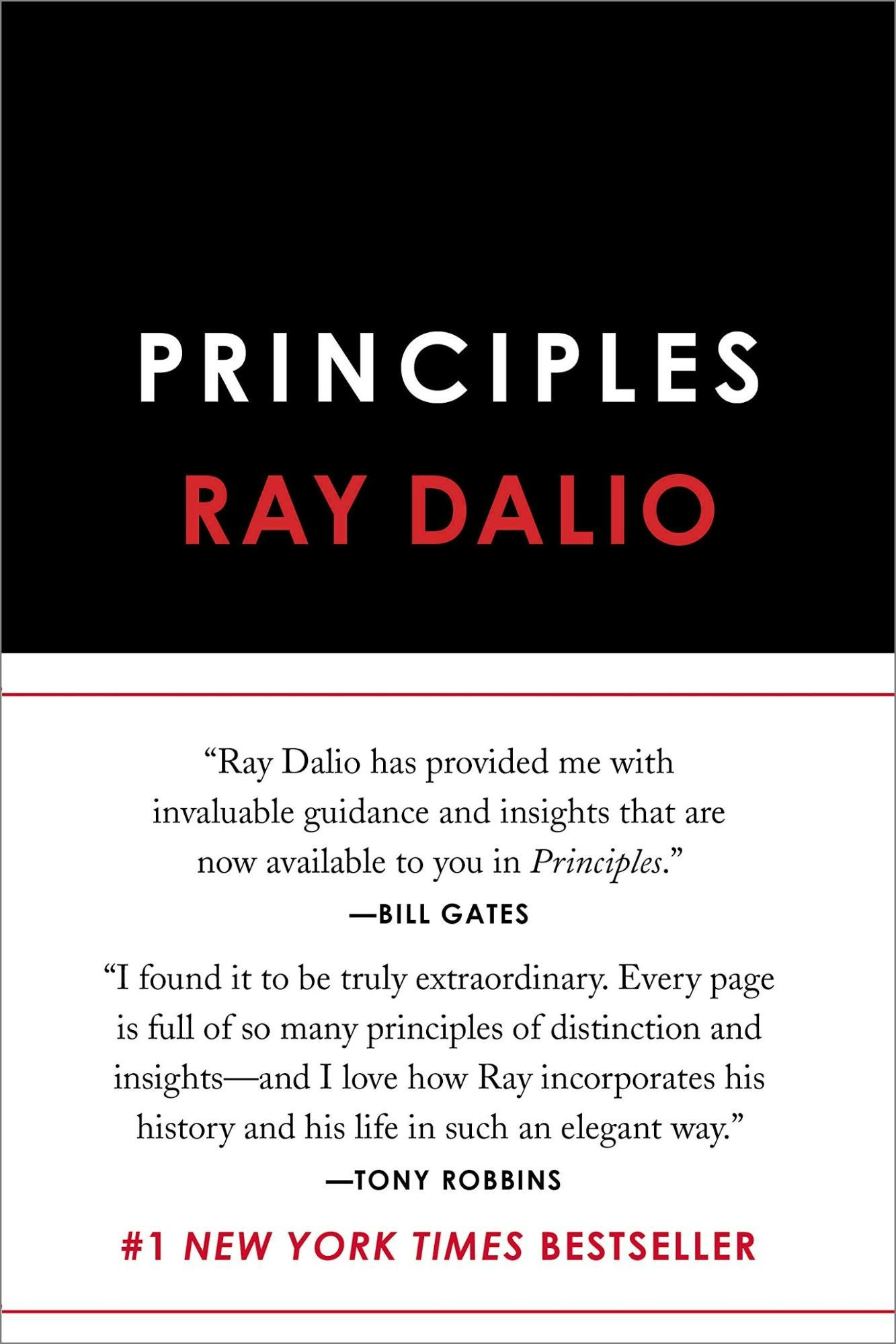
Principles – Ray Dalio

Ray Dalio’s investment firm, Bridgewater Associates, has made more money for its clients than any other hedge fund in history. In Principles, Dalio shares everything he’s learned about investing, business, and life over the years.

24. Influence: The Psychology of Persuasion by Robert B. Cialdini
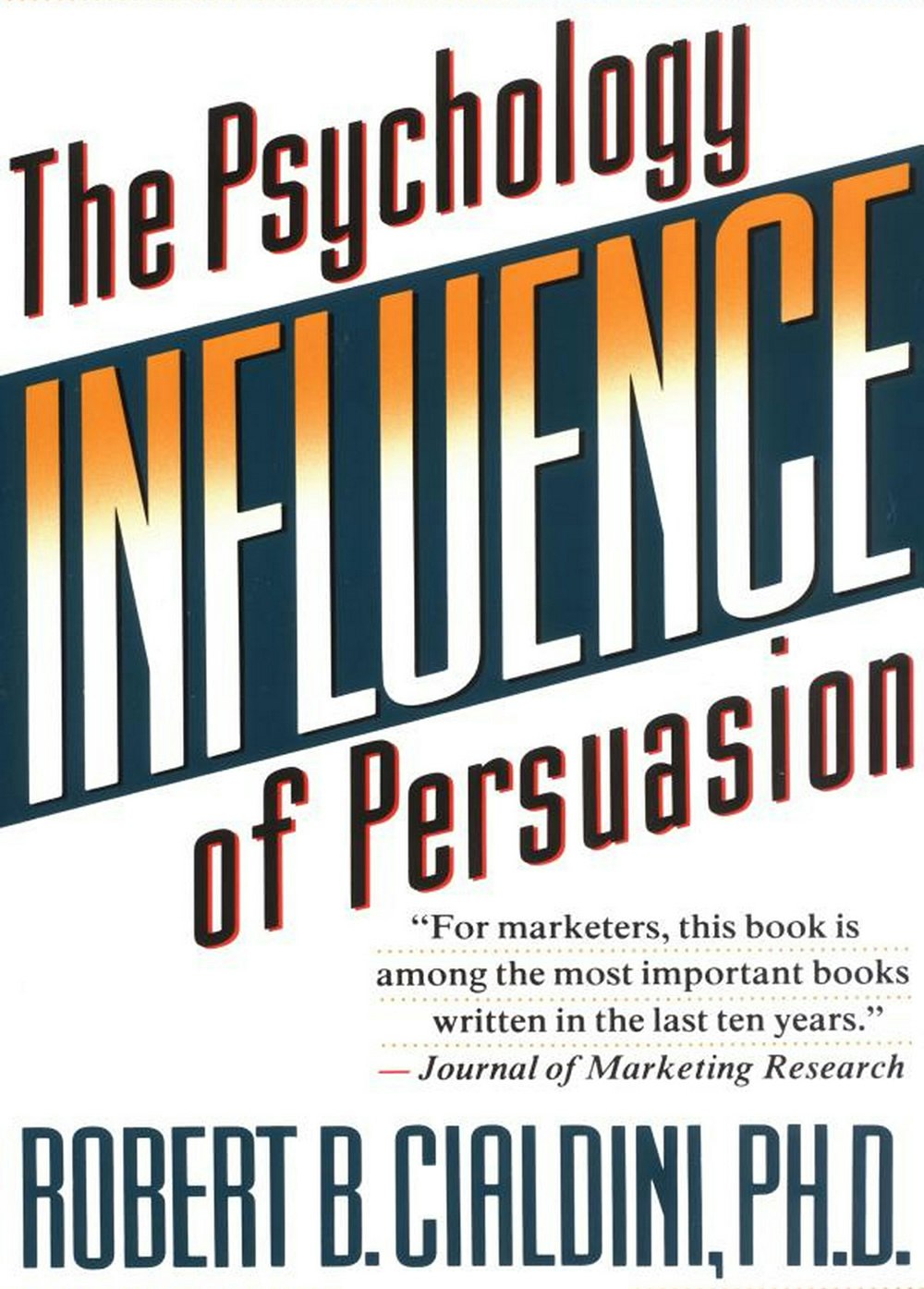
Influence – Robert B. Cialdini, Ph.D

In this New York Times bestseller, DR. Robert B. Cialdini reveals the psychology behind influence – and how to apply the principles of persuasion in business and everyday life.

Personal Development Books Everyone Should Read

25. How to Win Friends and Influence People by Dale Carnegie
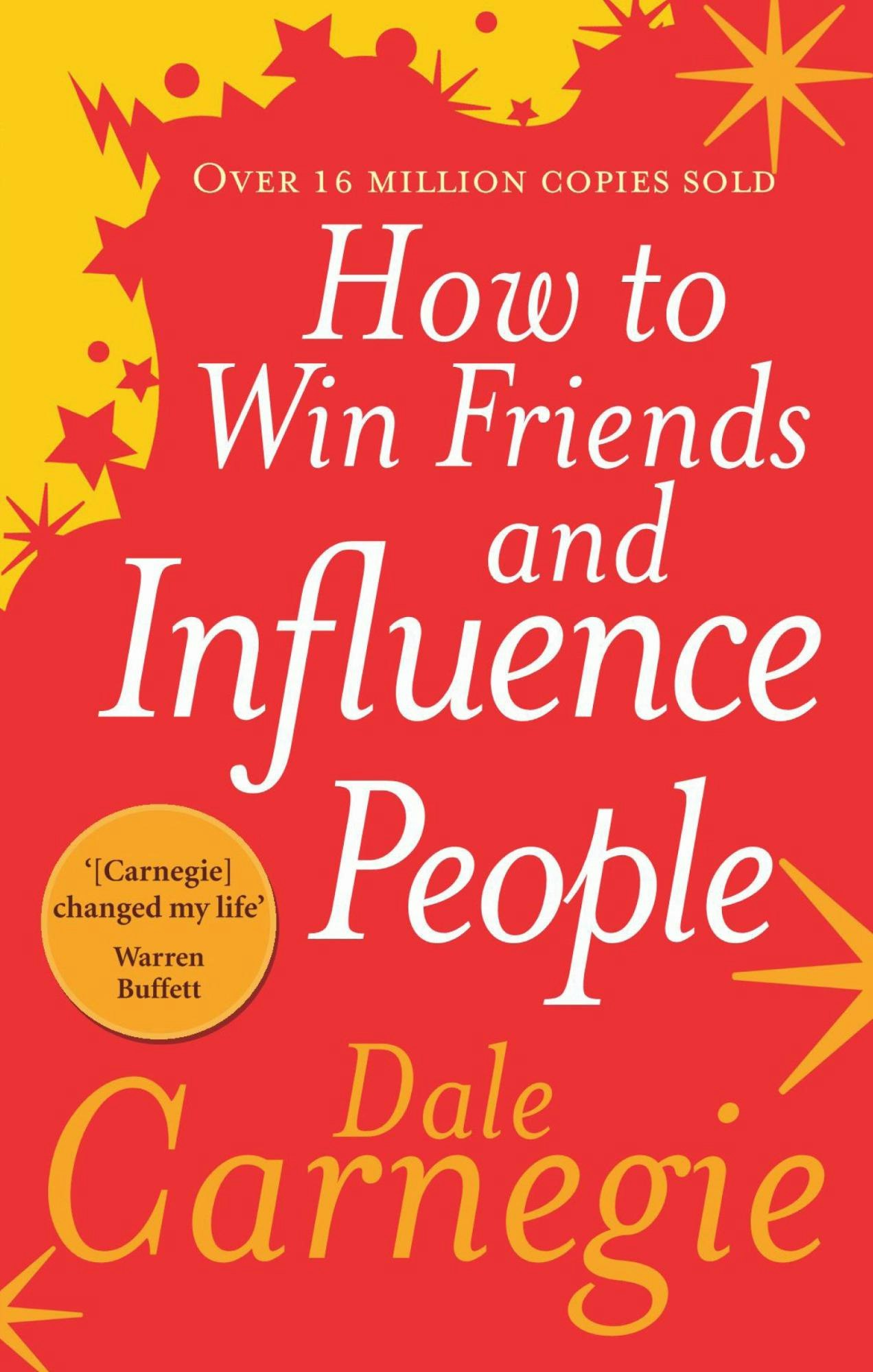
How to Win Friends and Influence People – Dale Carnegie

First published in 1936, Dale Carnegie’s classic self-help book has stood the test of time. How to Win Friends and Influence People will teach you straightforward methods to improve your relationships – and as a result, your business and personal lives.

26. The Power of Habit: Why We Do What We Do in Life and Business by Charles Duhigg
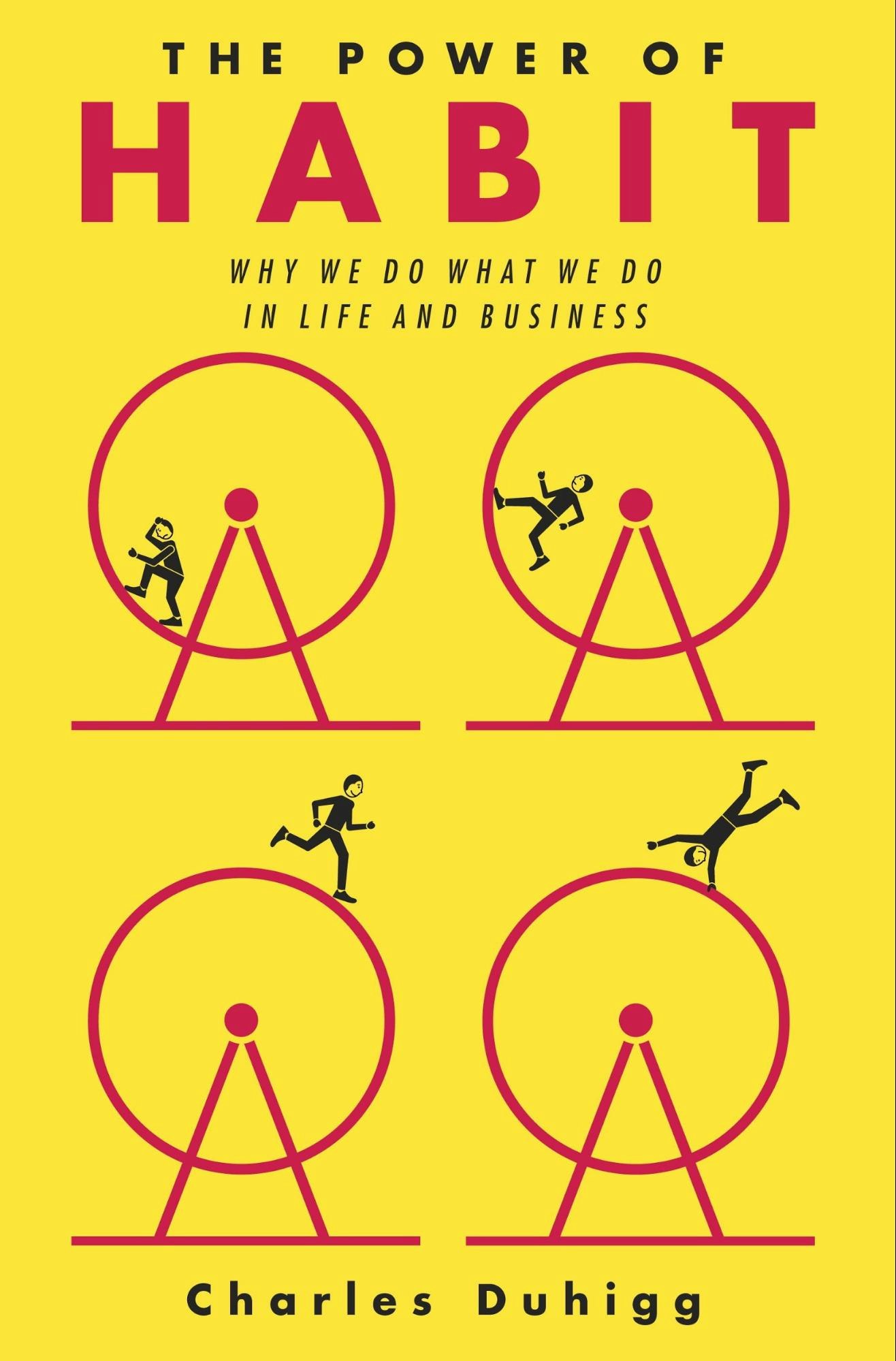
The Power of Habit – Charles Duhigg

If you’ve ever tried to change a habit unsuccessfully, this should be one of your must-read books. In The Power of Habit, Charles Duhigg reveals the empowering nature of how habits are formed and – crucially – how you can change them.

27. The Power of Now: A Guide to Spiritual Enlightenment by Eckhart Tolle
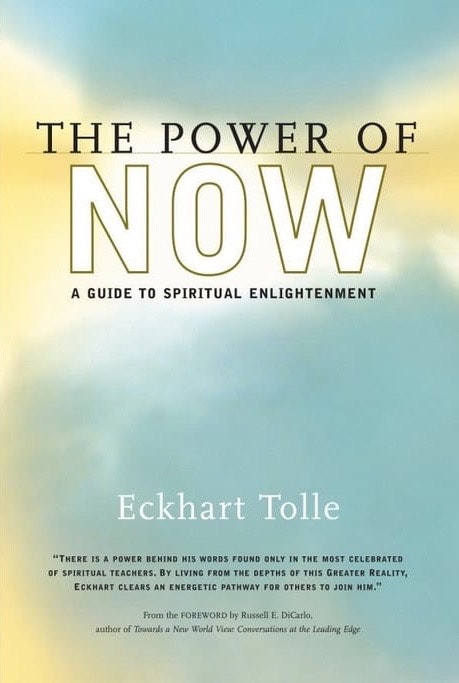
The Power of Now – Eckhart Tolle

The Power of Now has sold more than two million copies and has been translated into over 30 languages. This groundbreaking book has the potential to completely revolutionize how you experience life – making life far more joyous and prosperous in the process.

28. The Body Keeps the Score: Brain, Mind, and Body in the Healing of Trauma by Bessel van der Kolk M.D.
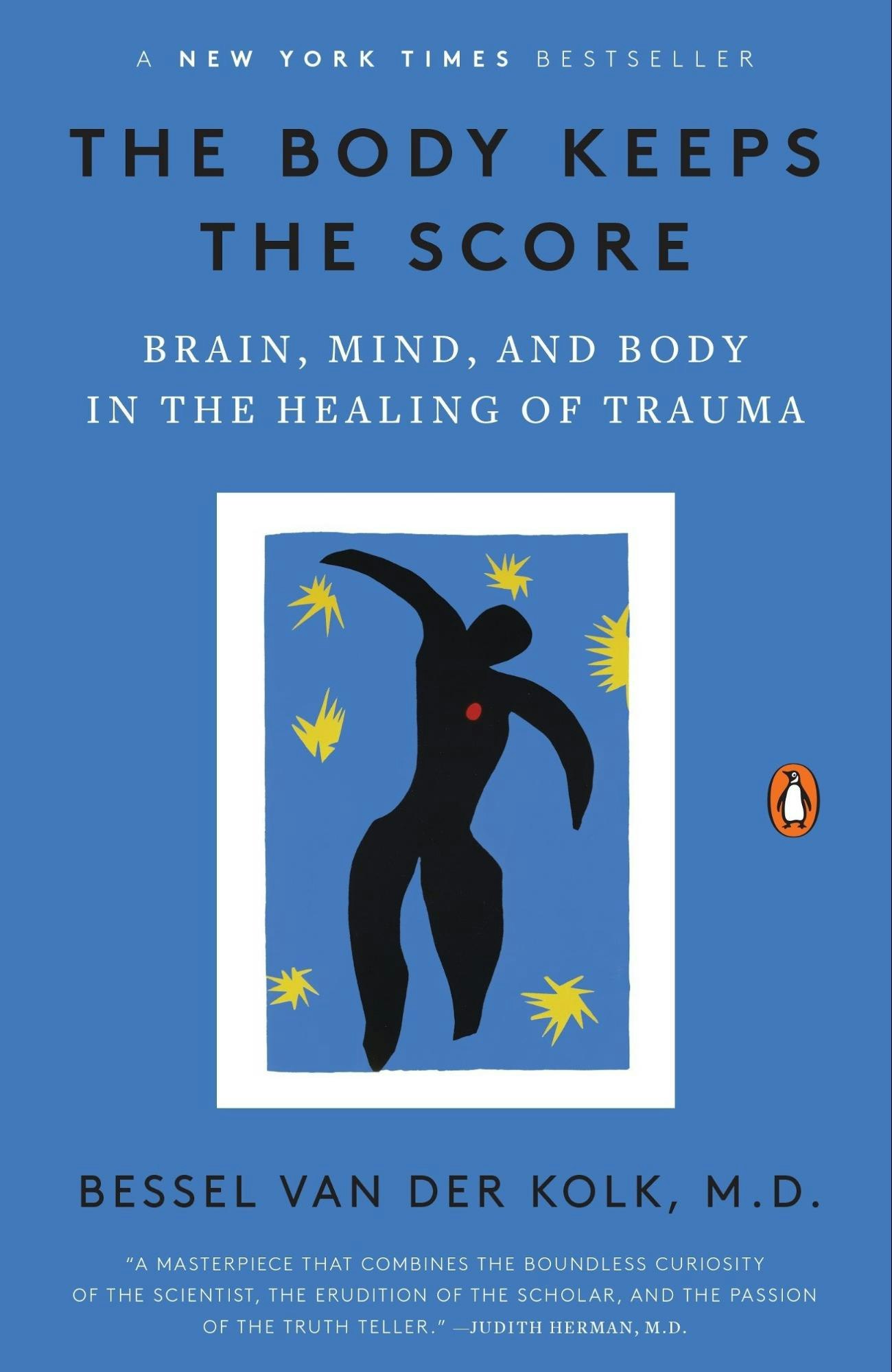
The Body Keeps the Score – Bessel Van Der Kolk, M.D.

Dr. Bessel van der Kolk is one of the world’s foremost experts on trauma – something that virtually everyone experiences to some degree. The Body Keeps the Score unravels the science behind emotional and psychological trauma and offers new paths to recovery.

Science and Technology Books You Must-Read

29. A Brief History of Time by Stephen Hawking
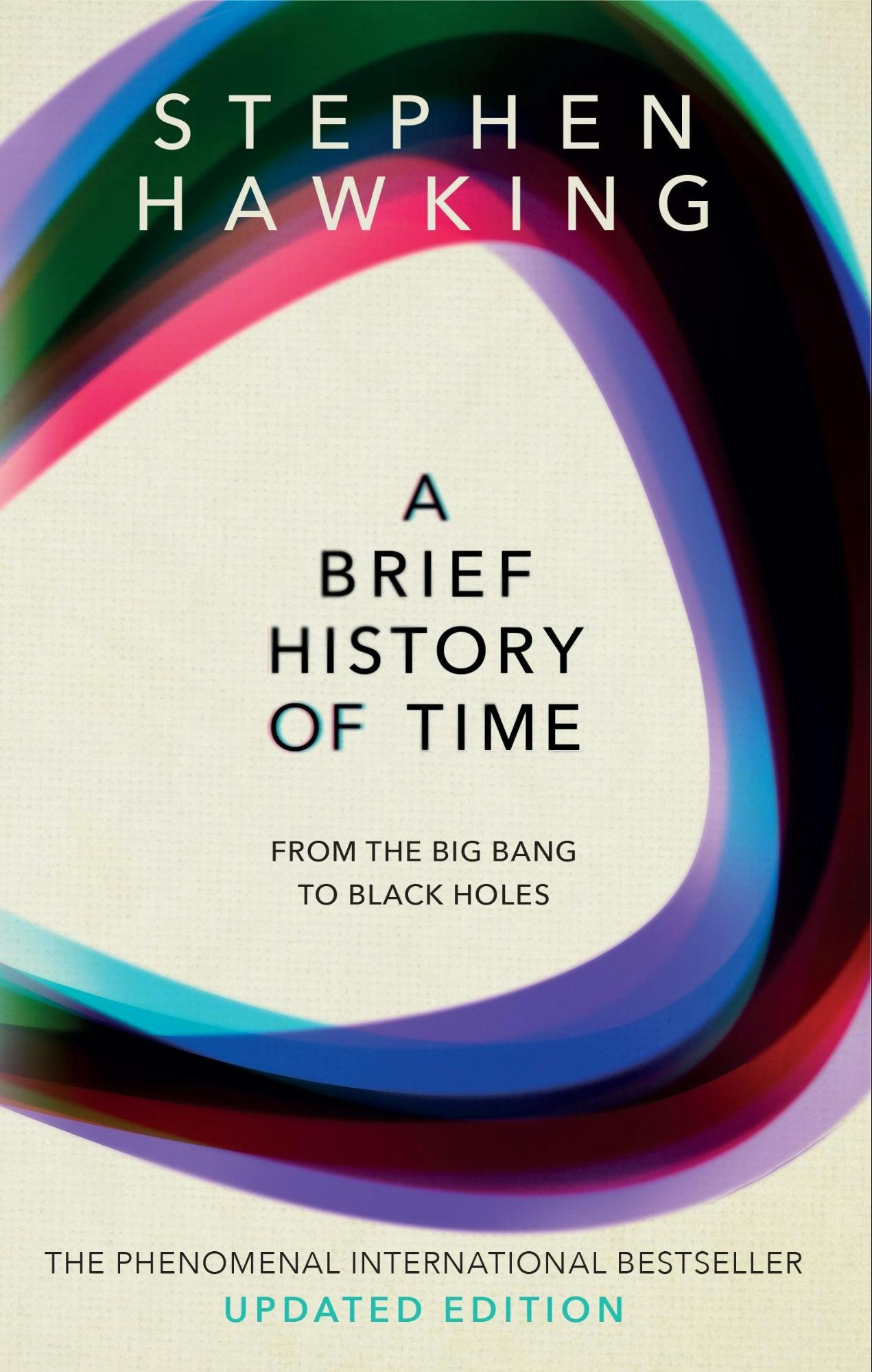
A Brief History of Time – Stephen Hawking

Stephen Hawking’s A Brief History of Time is one of the most famous books in science. It discusses the history of cosmology and its development from Ancient Greece through to the 1980s.

30. Freakonomics: A Rogue Economist Explores the Hidden Side of Everything by Steven D. Levitt
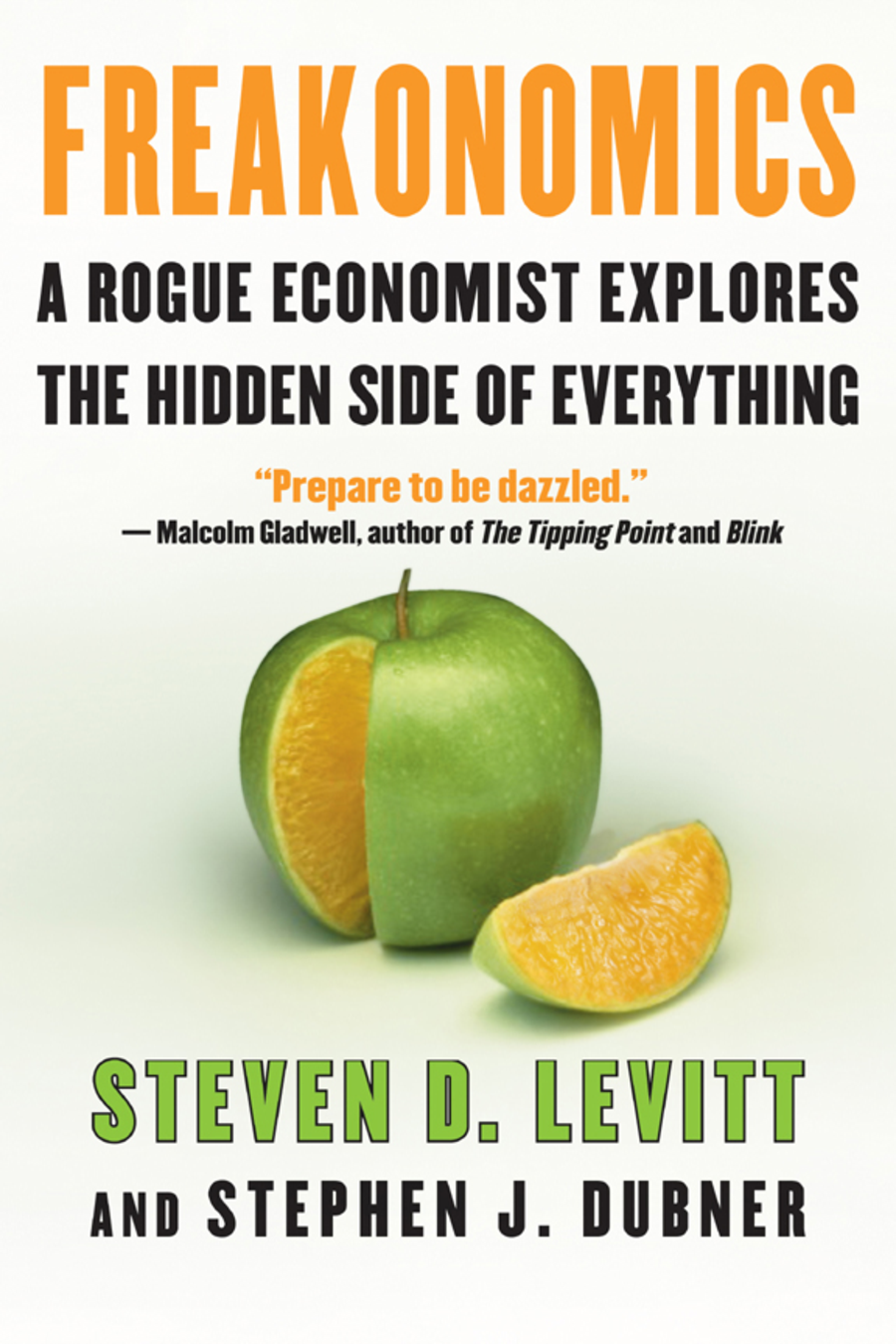
Freakonomics – Steven D. Levit and Stephen J. Dubner

If you’re interested in the truth behind controversial social issues, this book should be on your must-read book list. The authors reveal the facts behind issues, such as crime, shopping, and drugs. 
30 Classic Novels: Must Read

Must-read books: There are so many out there – so don’t waste your time on average books!

Still, it can take time to find books worth reading. That’s why we’ve compiled this epic must-read book list to make your life easier. It features 40 top books to read in popular categories, such as fiction, business, personal development, travel, and more.

So, if you’re wondering, “what book should I read next?” we’ve got you covered. This list is jam-packed with great books to read! For more suggestions visit m.topread666.com

Classic Novels to Read

1. 1984 by George Orwell
1984 – George Orwell

1984 tells the futuristic story of a dystopian, totalitarian world where free will and love are forbidden. Although the year 1984 has long since passed, the prophecy of a society controlled by fear and lies is arguably more relevant now than ever.

2. The Lord of the Rings by J.R.R. Tolkien
The Lord of the Rings – J.R.R.Tolkien

Tolkien’s fantasy epic is one of the top must-read books out there. Set in Middle Earth – a world full of hobbits, elves, orcs, goblins, and wizards – The Lord of the Rings will take you on an unbelievable adventure.

3. The Kite Runner by Khaled Hosseini
The Kite Runner – Khaled Hosseini

The Kite Runner is a moving story of an unlikely friendship between a wealthy boy and the son of his father’s servant. Set in Afghanistan during a time of tragedy and destruction, this unforgettable novel will have you hooked from start to finish.

4. Harry Potter and the Philosopher’s Stone by J.K. Rowling
Harry Potter and the Philosopher's Stone – J.K. Rowling

This global bestseller took the world by storm. So, if you haven’t read J.K. Rowling’s Harry Potter, now may be the time. Join Harry Potter and his schoolmates as this must-read book transports you deep into a world of magic and monsters.

5. Slaughterhouse-Five by Kurt Vonnegut
Slaughterhouse Five – Kurt Vonnegut

Slaughterhouse-Five is arguably one of the greatest anti-war books ever written. This rich and amusing tale follows the life of Billy Pilgrim as he experiences World War II from a peculiar perspective.

6. The Lion, the Witch, and the Wardrobe by C.S. Lewis
The Lion, the Witch, and the Wardrobe – C.S.Lewis

The Lion, The Witch, and the Wardrobe is undoubtedly one of the great books of all time. This renowned fantasy novel is set in Narnia, home to mythical beasts, talking animals, and warring kingdoms. The story follows a group of school children as they become entangled in this incredible world’s fate.

7. To Kill a Mockingbird by Harper Lee
To Kill a Mockingbird – Harper Lee

To Kill a Mockingbird is one of the top must-read books of all time. Published in 1960, the story explores life in the Deep South during the early 20th century through the story of a man accused of a terrible crime. It’s poignant, humorous, and gripping.

8. The Book Thief by Markus Zusak
The Book Thief – Markus Zusak

The Book Thief is a story of bravery, hope, and friendship in a time of Nazi tyranny. Narrated by Death itself, this novel will have you holding your breath for chapters at a time.

9. Wuthering Heights by Emily Bronte
Wuthering Heights – Emily Brontë

Wuthering Heights is a classic novel published way back in 1847. This harrowing story, set on a lonely English moorland, follows Catherine Earnshaw and Heathcliff’s struggle with love, betrayal, and revenge. If you love dramatic novels, add this to your must-read book list.

10. The Catcher in the Rye by J.D. Salinger
The Catcher in the Rye – J.D. Salinger

The Catcher in the Rye is the classic coming-of-age story. It follows sixteen-year-old Holden Caulfield’s adolescent journey of angst and alienation as he leaves his prep school and moves to New York City.

11. Jane Eyre by Charlotte Bronte
Jane Eyre – Charlotte Brontë

Jane Eyre is often considered one of the must-read books of all time. It follows the emotions and experiences of a strong, unbroken woman who continued to grow morally and spiritually despite a troubled childhood and a sexist, repressed Victorian society.

12. Animal Farm by George Orwell
Animal Farm – George Orwell

Orwell tells a fairy tale of a revolution against tyranny that ends in even more unjust totalitarianism. The animals on the farm are rife with idealism and desire to create a world of justice, equality, and progress. However, the new regimen attempts to control every aspect of the animals’ lives.

13. Fahrenheit 451 by Ray Bradbury
Fahrenheit 451 – Ray Bradbury

Ray Bradbury’s dystopian world shines a light on Western societies’ dependence on the media. The main character’s job is to find and burn any books he can find – until he begins to question everything. Considering the state of current politics and world affairs, this is one of the absolute must-read books in life.

14. Little Women by Louisa May Alcott
Little Women – Louise May Alcott

This is a tale of four sisters with their own very different and very prominent personalities. The novel draws the reader deep into their lives as we get to know each of their flaws, joys, struggles, and fears.

15. Charlotte’s Web by E.B. White
Charlotte's Web – E.B. White

Charlotte’s Web is a great reminder to be kind to all living creatures. This magical story takes place on a farm where a little girl tries to save her piglet from slaughter. Fern, the little girl, enlists the help of her farm friends to execute her clever plan. 

16. Frankenstein by Mary Shelley
Frankenstein – Mary Shelley

English author Mary Shelley tells the story of Victor Frankenstein, a young scientist who creates a monster and brings it to life. This gripping novel evokes questions about what makes us human and what love and kindness truly mean. 

17. Of Mice and Men by John Steinbeck
Of Mice and Men – John Steinbeck

Of Mice and Men should be on every must-read book list. Set in the Great Depression, this is a controversial tale of friendship between two migrant workers in California. Filled with hope and tragedy, the two work towards the dream of owning land and pets.

18. The Hitchhiker’s Guide to the Galaxy by Douglas Adams
The Hitchhikers Guide to the Galaxy – Douglas Adams

In Guardians of the Galaxy, Arthur Dent sets off on a hilarious and fantastic adventure across the stars. He learns not to take the universe seriously as he meets all kinds of interesting characters.

19. The Great Gatsby by F. Scott Fitzgerald
The Great Gatsby – F.Scott Fitzgerald

Scott Fitzgerald’s The Great Gatsby is said to be the quintessential novel of the Jazz Age. Set in 1922 amongst unfathomable indulgence and decadence, the novel highlights a man’s struggle to earn the love of the woman he’s obsessed with.

Business and Money Must-Read Books

Ready to start an online business? Find best selling products from suppliers you can trust at Handshake, a wholesale marketplace by Shopify.

20. Think and Grow Rich by Napoleon Hill
Think and Grow Rich – Napoleon Hill

Think and Grow Rich is a classic bestseller that has sold millions of copies worldwide. It’s packed full of money-making tips, techniques, and strategies. If you want to improve your mindsetaround money, this book can potentially change your life completely.

21. Rich Dad Poor Dad: What the Rich Teach Their Kids About Money That the Poor and Middle Class Do Not! by Robert T. Kiyosaki
Rich Dad Poor Dad – Robert T. Kiyosaki

Rich Dad Poor Dad explains how wealthy people and poorer people think differently. It challenges commonly held beliefs about money and explains how you don’t need to have a high income to become rich.

22. The Intelligent Investor by Benjamin Graham
The Intelligent Investor – Benjamin Graham

If you want to learn how to invest, add this to your list of must-read books. Author Benjamin Graham is considered one of the greatest investment advisors of the twentieth century. In The Intelligent Investor, you’ll learn about Graham’s philosophy of ‘value investing’ and how to develop long-term strategies that are used by the most successful investors in the world.

23. Principles: Life and Work by Ray Dalio
Principles – Ray Dalio

Ray Dalio’s investment firm, Bridgewater Associates, has made more money for its clients than any other hedge fund in history. In Principles, Dalio shares everything he’s learned about investing, business, and life over the years.

24. Influence: The Psychology of Persuasion by Robert B. Cialdini
Influence – Robert B. Cialdini, Ph.D

In this New York Times bestseller, DR. Robert B. Cialdini reveals the psychology behind influence – and how to apply the principles of persuasion in business and everyday life.

Personal Development Books Everyone Should Read

25. How to Win Friends and Influence People by Dale Carnegie
How to Win Friends and Influence People – Dale Carnegie

First published in 1936, Dale Carnegie’s classic self-help book has stood the test of time. How to Win Friends and Influence People will teach you straightforward methods to improve your relationships – and as a result, your business and personal lives.

26. The Power of Habit: Why We Do What We Do in Life and Business by Charles Duhigg
The Power of Habit – Charles Duhigg

If you’ve ever tried to change a habit unsuccessfully, this should be one of your must-read books. In The Power of Habit, Charles Duhigg reveals the empowering nature of how habits are formed and – crucially – how you can change them.

27. The Power of Now: A Guide to Spiritual Enlightenment by Eckhart Tolle
The Power of Now – Eckhart Tolle

The Power of Now has sold more than two million copies and has been translated into over 30 languages. This groundbreaking book has the potential to completely revolutionize how you experience life – making life far more joyous and prosperous in the process.

28. The Body Keeps the Score: Brain, Mind, and Body in the Healing of Trauma by Bessel van der Kolk M.D.
The Body Keeps the Score – Bessel Van Der Kolk, M.D.

Dr. Bessel van der Kolk is one of the world’s foremost experts on trauma – something that virtually everyone experiences to some degree. The Body Keeps the Score unravels the science behind emotional and psychological trauma and offers new paths to recovery.

Science and Technology Books You Must-Read

29. A Brief History of Time by Stephen Hawking
A Brief History of Time – Stephen Hawking

Stephen Hawking’s A Brief History of Time is one of the most famous books in science. It discusses the history of cosmology and its development from Ancient Greece through to the 1980s.

30. Freakonomics: A Rogue Economist Explores the Hidden Side of Everything by Steven D. Levitt
Freakonomics – Steven D. Levit and Stephen J. Dubner

If you’re interested in the truth behind controversial social issues, this book should be on your must-read book list. The authors reveal the facts behind issues, such as crime, shopping, and drugs. 
Analysing Satyajit Ray: Through The Eyes of The Master

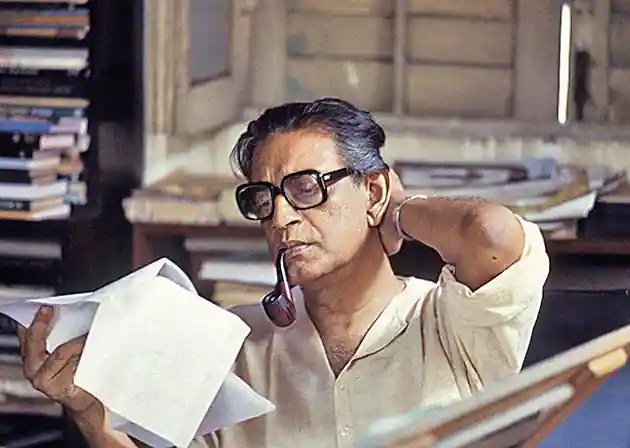
Satyajit Ray

Introduction

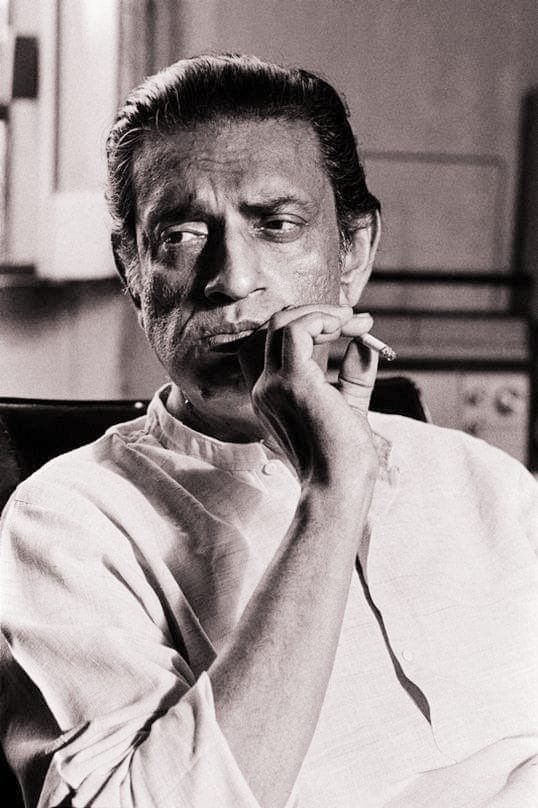
Satyajit Ray was India’s first internationally recognized film-maker and, several years after his death, still remains the most well-known Indian director on the world stage. Ray has written that he became captivated by the cinema as a young college student, and he was self-taught, his film education consisting largely of repeated viewings of film classics by de Sica, Fellini, John Ford, Orson Welles, and other eminent directors.

Satyajit Ray

Early Life and Family Background

Satyajit Ray was born into an illustrious family in Kolkata (then Calcutta) on 2nd May,1921. His grandfather, Upendra Kishore Ray-Chaudhary, was a publisher, illustrator, musician, the creator of children’s literature in Bengali and a leader of the Brahmo Samaj, a religious and social movement in nineteenth century Bengal. His father, Sukumar Ray, was a noted satirist and India’s first writer of nonsensical rhymes, akin to the nonsense verse of Edward Lear. Having studied at Ballygunge Government High School, Calcutta and completed his BA in economics at Presidency College, Satyajit Ray went on to develop an interest in fine arts. Later in life, Satyajit Ray made a documentary of his father’s life. His film, Goopy Gyne Bagha Byne, was based on a story published by his grandfather in 1914, but even other films, such as Hirok Rajah Deshe, “The Kingdom of Diamonds”, clearly drew upon his interest in children’s poetry and nonsensical rhymes.

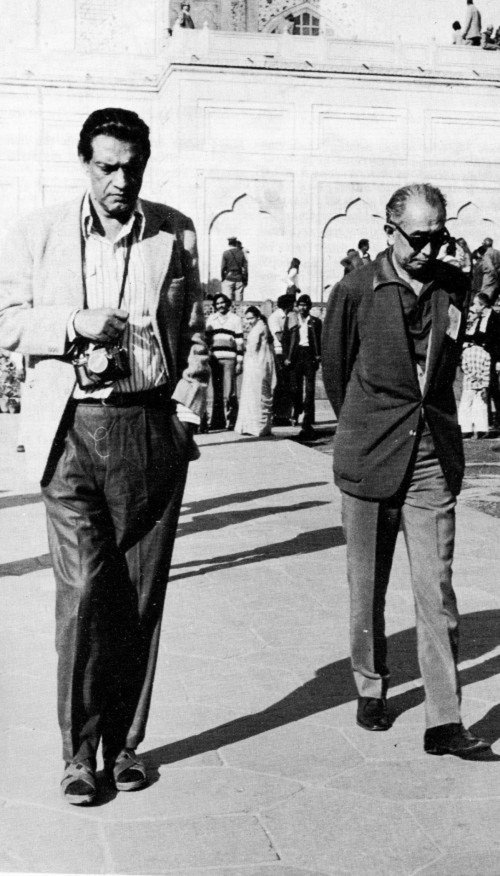
Satyajit Ray with Akira Kurosawa

The Crisis of Indian Cinema Before Ray

From the 1920s to the early 1950s, several directors working within Hollywood—as well as filmmakers in former Soviet Union, France, Italy, Germany, and Japan—considered cinema not as a mere tool of entertainment but as a medium for creative expression. Filmmakers such as Charlie Chaplin, Sergei Eisenstein, Jean Renoir, Roberto Rossellini, Vittorio De Sica, Akira Kurosawa, and others deployed artistically innovative filmic devices to convey profound statements about the complexities of life. Some of the aesthetically satisfying films produced during this period were hailed as cinematic masterpieces. Films in India, however, prioritised cliched elements such as sentimental slush, ersatz emotion, theatricality, romantic tales, spectacle-like songs, and happy endings in these decades. Instead of making serious attempts at formal experimentation, Indian directors continued catering to the lowest common denominator audience.

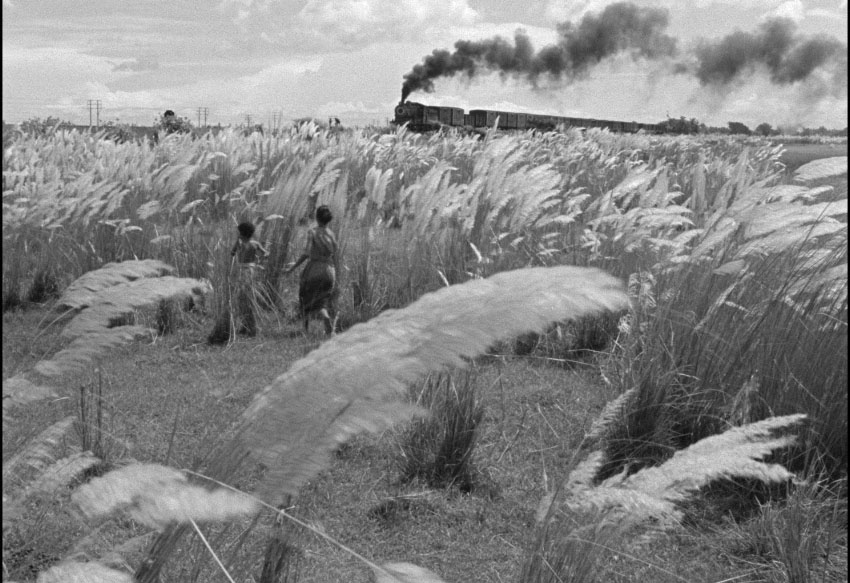
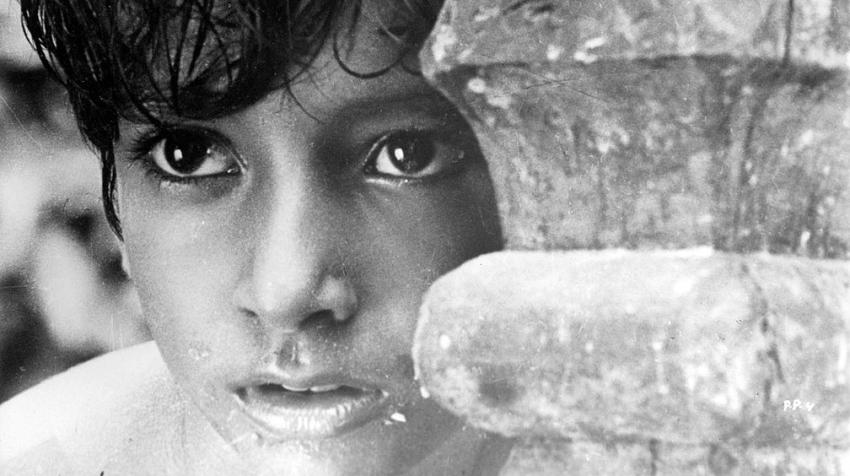
Iconic scene from Pather Panchali (1955)
Pather Panchali (1955)

Breakthrough of Satyajit Ray

A young Ray had grown up on Hollywood movies, so when his ad agency sent him to London for higher training, he spent more and more of his time in the company of films and started “losing interest in advertising in the process,” he once said in an interview. During this trip, he saw Vittorio De Sica’s “Ladri di biciclette” (Bicycle Thieves),in 1948, a neo-realist Italian masterpiece of post-War despair and was entranced by its beguiling simplicity and humanism. Back in Calcutta, he heard that Jean Renoir was in town and walked straight into the hotel where the great French filmmaker was staying to confide in his own dreams of making a movie someday. Renoir, who was location-scouting for The River in Calcutta at the time, encouraged the aspirant. And so began the journey of the song of the little road.

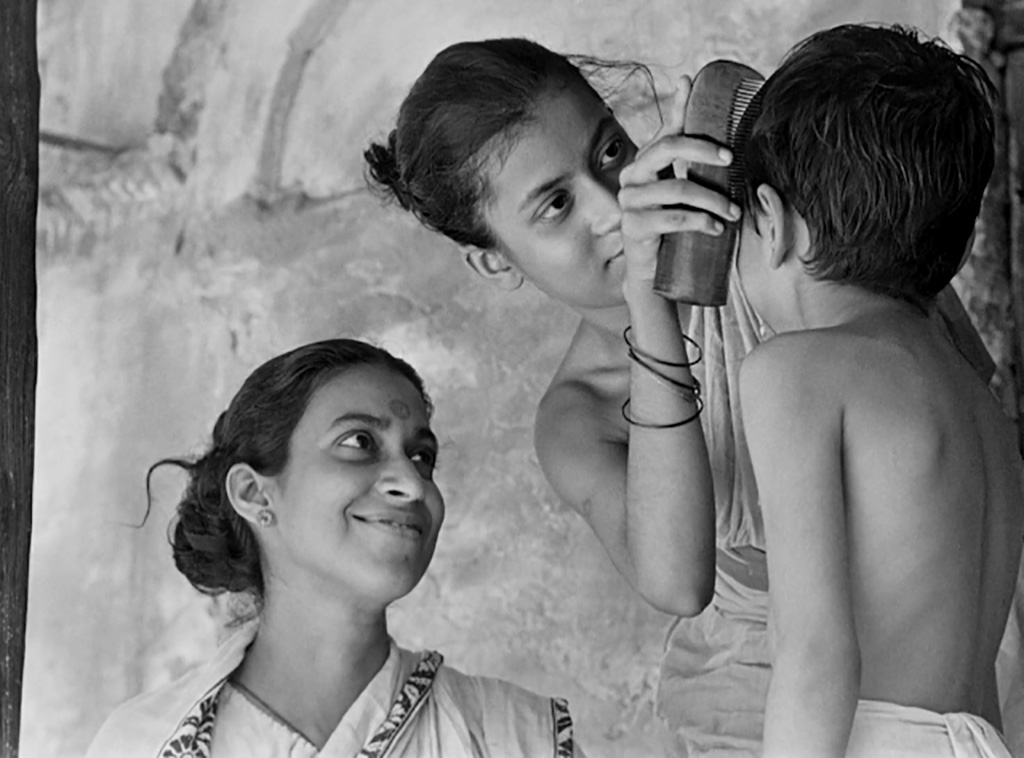
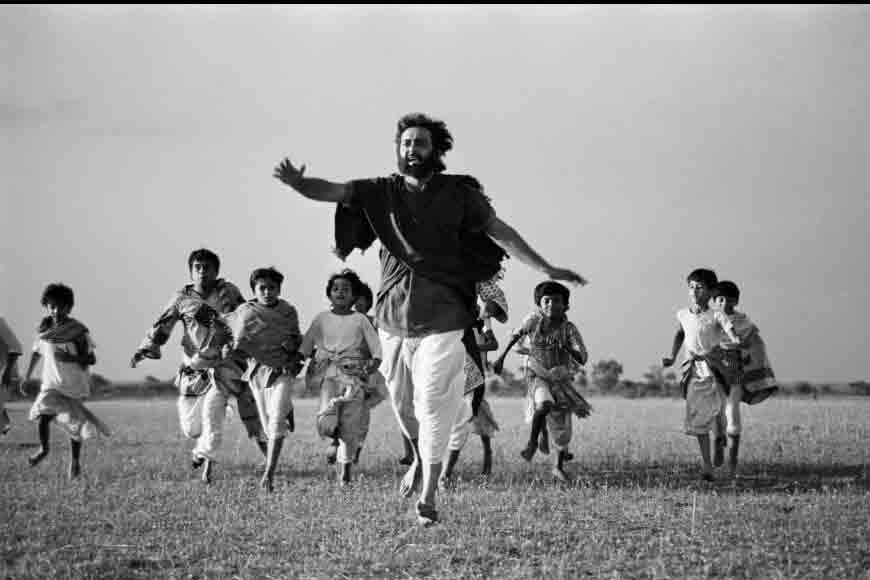
Subir Banerjee as Apu in Pather Panchali (1955)


Ray’s landmark debut, Pather Panchali ( which was adapted from  eponymous 1928 Bengali novel “Pather Panchali” by eminent Bengali novelist Bibhutibhusan Bandopadhay) was on a shoe-string budget in 1955 with a mostly non-professional cast. All the while, he clung on to his job for a safety net even as he shot what would become the first of the classic Apu Trilogy on weekends. The film was apparently being made by a group of neophytes, who had to stop filming more than once, owing to the depletion of their shoestring budget.

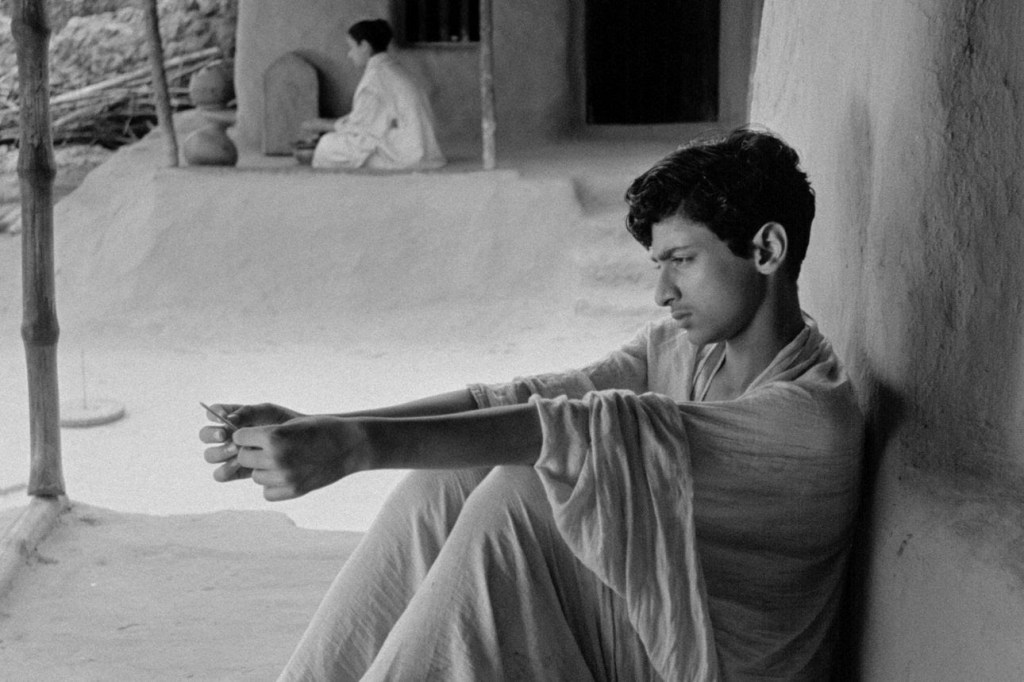
Smaran Ghoshal as Apu in Aporajito (1956)

Notable Films of Satyajit Ray

Ray directed 36 films, comprising 29 feature films, five documentaries, and two short films. Pather Panchali was completed in 1955 and turned out to be both a commercial and a tremendous critical success, first in Bengal and then in the West following a major award at the 1956 Cannes International Film Festival. sured Ray the financial backing he needed to make the other two films of the trilogy: Aparajito (1956; The Unvanquished) and Apur Sansar (1959; The World of Apu). Pather Panchali and its sequels tell the story of Apu, the poor son of a Brahman priest, as he grows from childhood to manhood in a setting that shifts from a small village to the city of Calcutta.

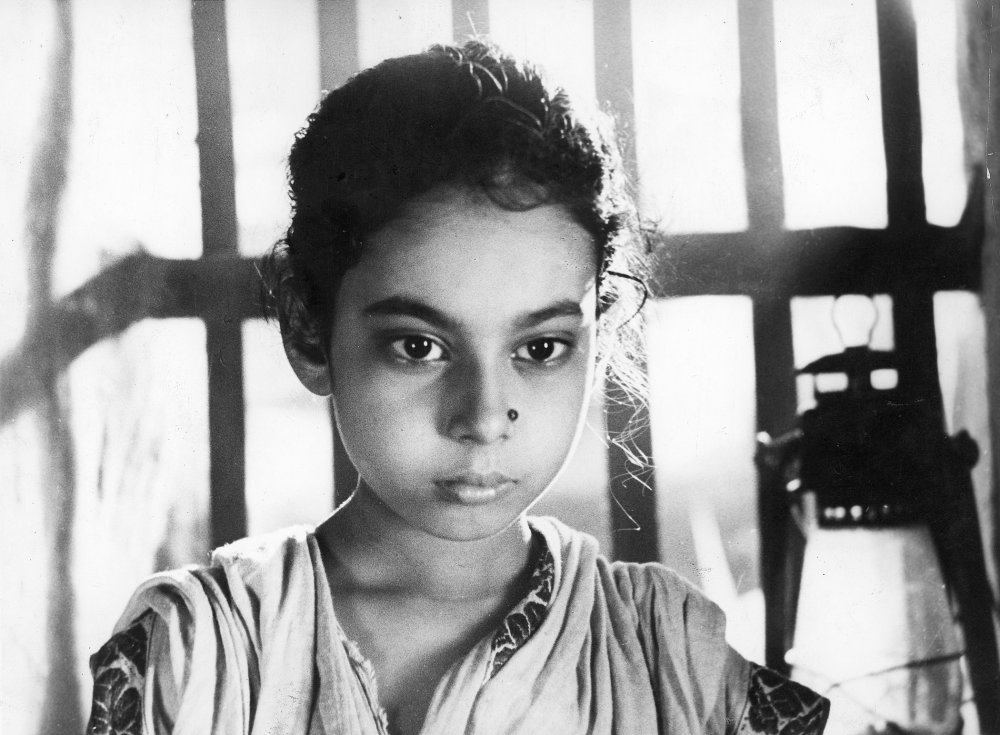
Chandana Banerjee in Teen Kanya (1961)
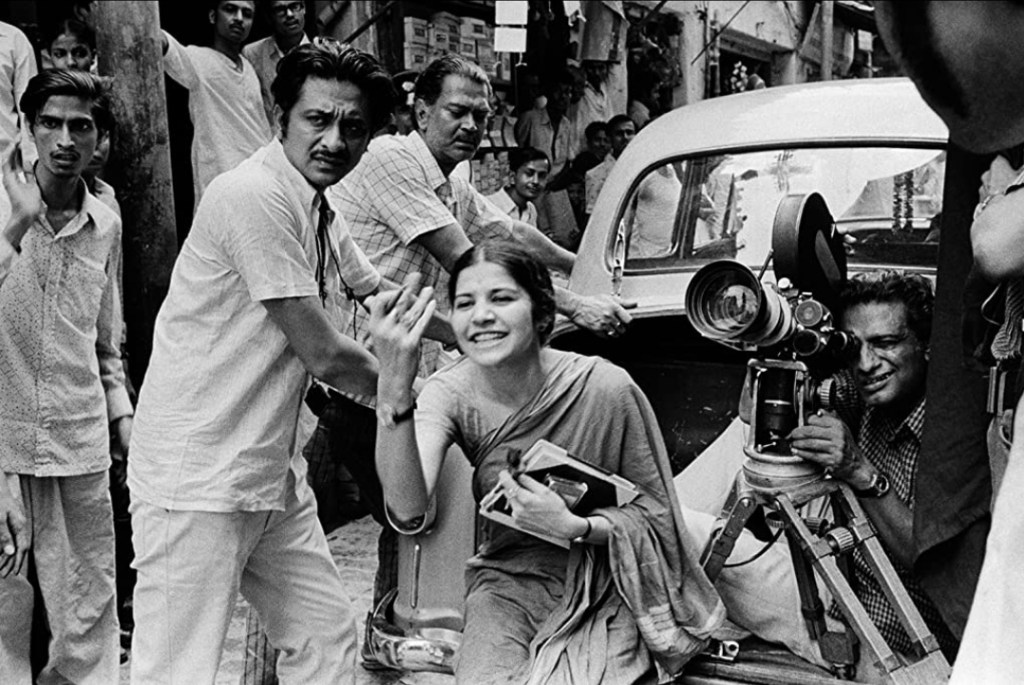
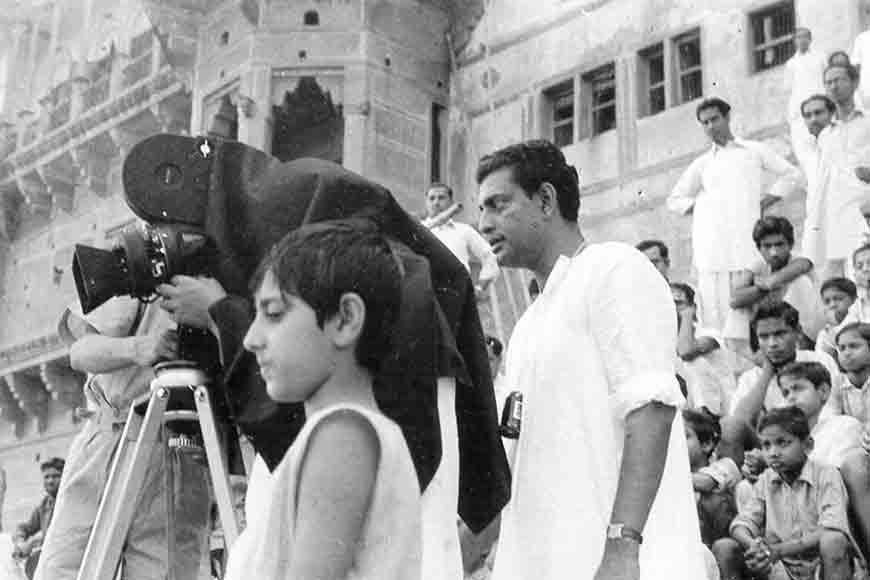
During the Shooting of Jana Aranya (1975)
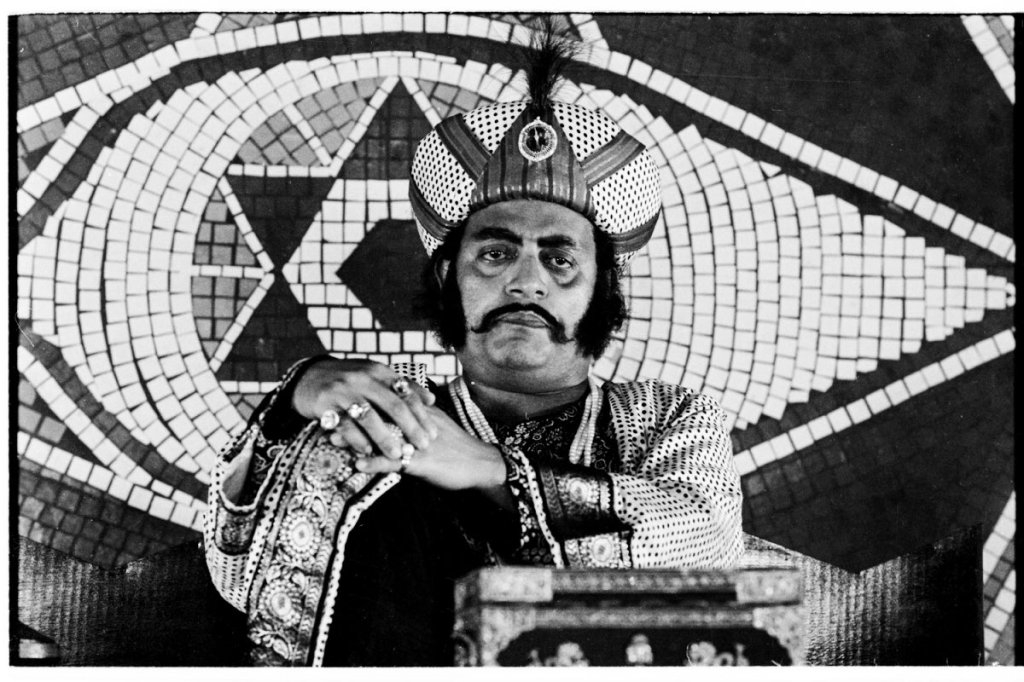
Utpal Dutta in Hirok Rajar Deshe(1980)
Soumitra Chatterjee in Hirok Rajar Deshe (1980)
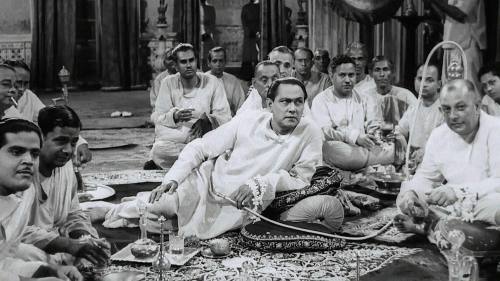
Chhabi Biswas (in middle) in Jalsaghar (1958)
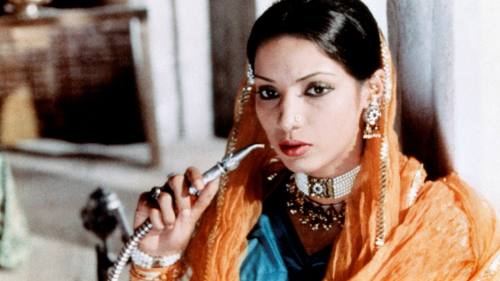
Shabana Azmi in Shatranj ke Khilari (1977)
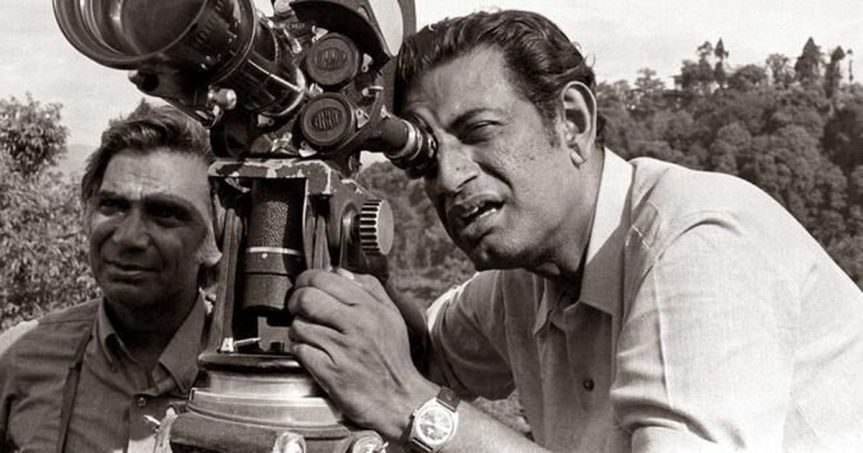
Satyajit Ray during the shooting of Sonar Kella(1974)

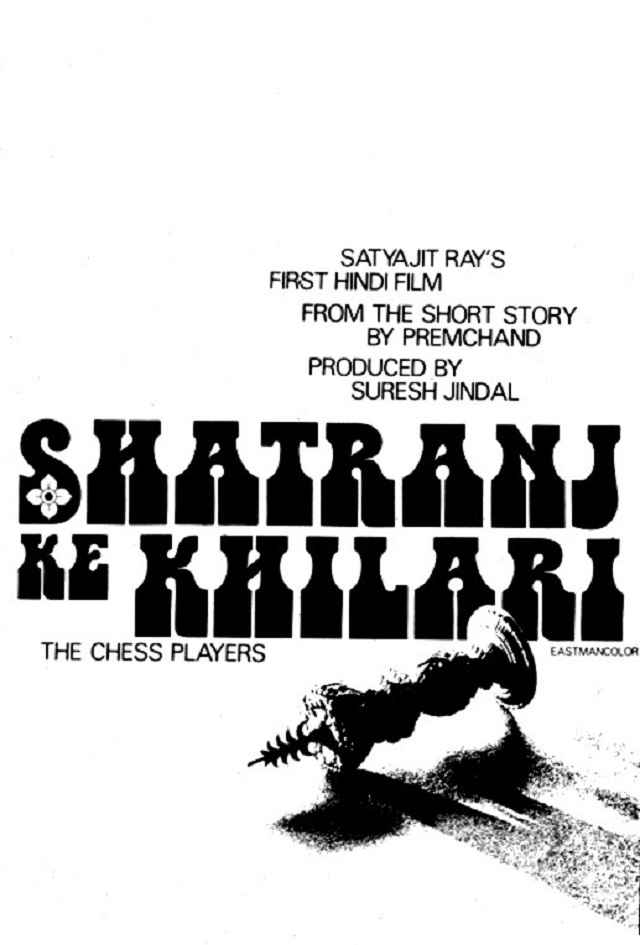
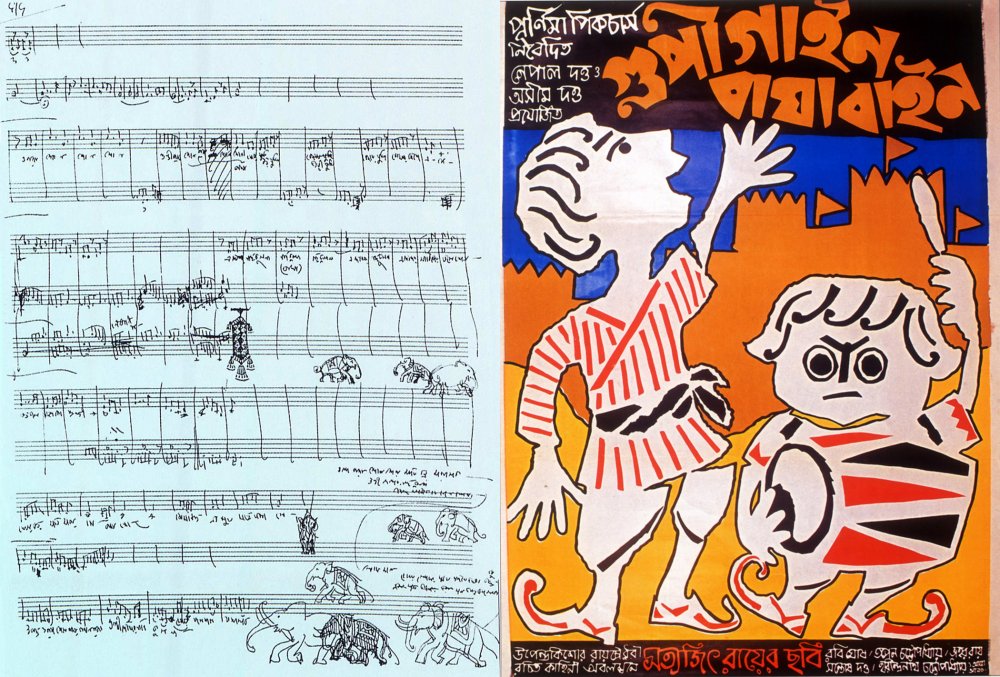
Ray’s major films about Hindu orthodoxy and feudal values (and their potential clash with modern Western-inspired reforms) include Jalsaghar (1958; The Music Room), an impassioned evocation of a man’s obsession  with music; Devi (1960; The Goddess), in which the obsession is with a girl’s divine incarnation; Sadgati (1981; Deliverance), a powerful indictment of caste; and Kanchenjungha (1962), Ray’s first original screenplay  and first colour film, a subtle exploration of arranged marriage among wealthy, westernized Bengalis. Shatranj ke Khilari (1977; The Chess Players), Ray’s first film made in the Hindi Language , with a comparatively large budget, is an even subtler probing of the impact of the West on India. Although humour is evident in almost all of Ray’s films, it is particularly marked in the comedy Parash Pathar (1957; The Philosopher’s Stone) and in the musical Goopy Gyne Bagha Byne (1969; The Adventures of Goopy and Bagha), based on a story by his grandfather. 

His other notable films were Ahsani Sanket (1973; Distant Thunder), Aranyer Din Ratri (1970; Days and Nights in the Forest) , Mahanagar (1963; The Big City) and a trilogy of films made in the 1970s—Pratidwandi (1970; The Adversary), Seemabaddha (1971; Company Limited), and Jana Aranya (1975; The Middleman), Ganashatru (1989; An Enemy of the People),  Shakha Prashakha (1990; Branches of the Tree), and the Agantuk (1991; The Stranger).

Poster of Shatranj ke Khilari (1977)
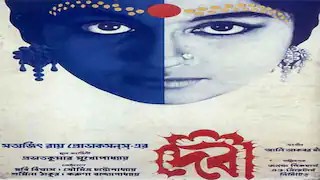
Poster of Devi(1960)
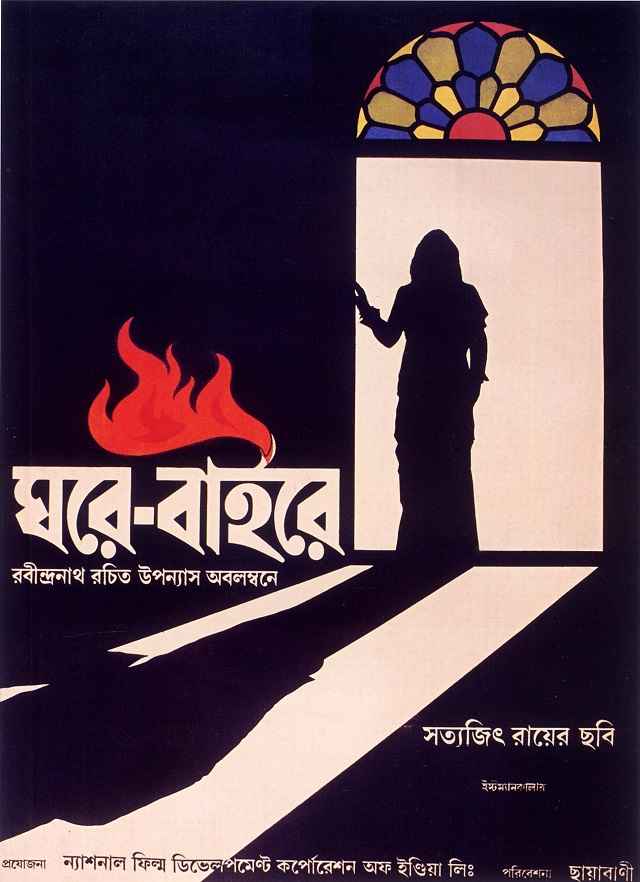
Poster of Ghore-Baire
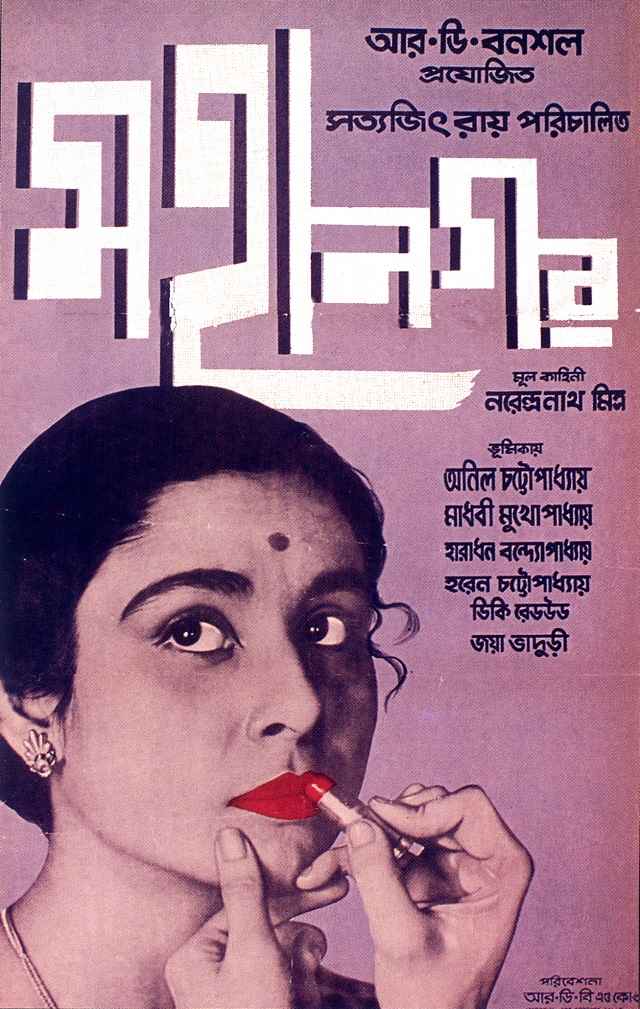
Poster of Mahanagar(1963)
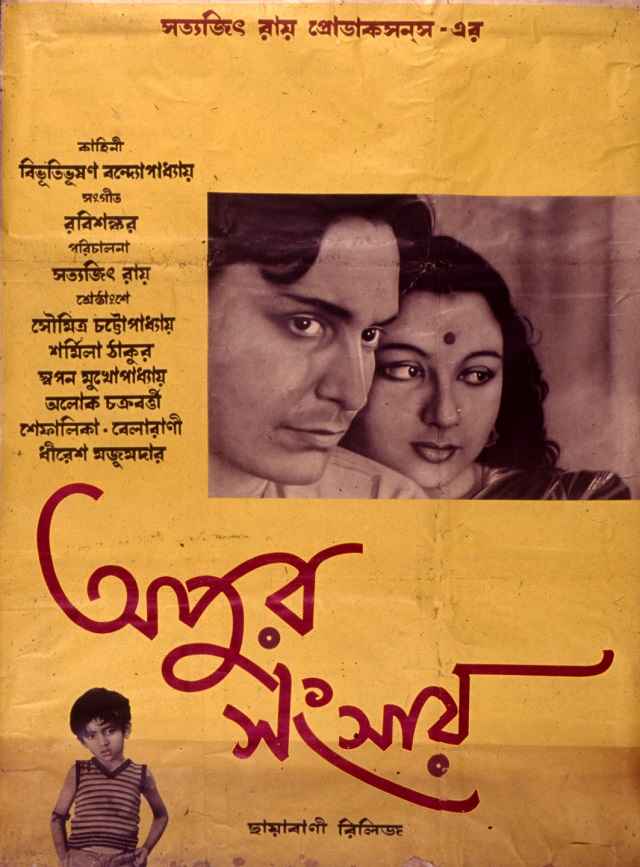
Poster of Apur Sansar (1959)
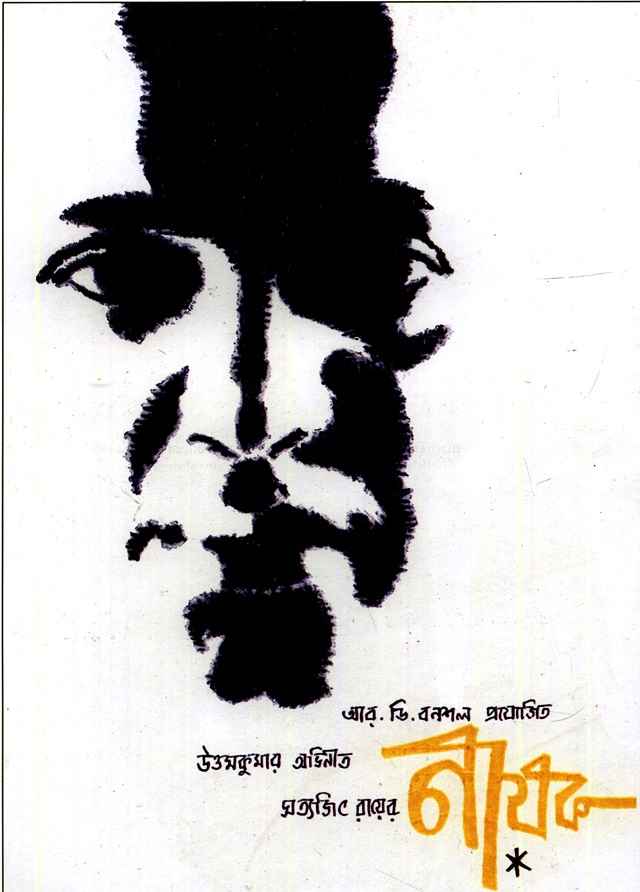
Poster of Nayak
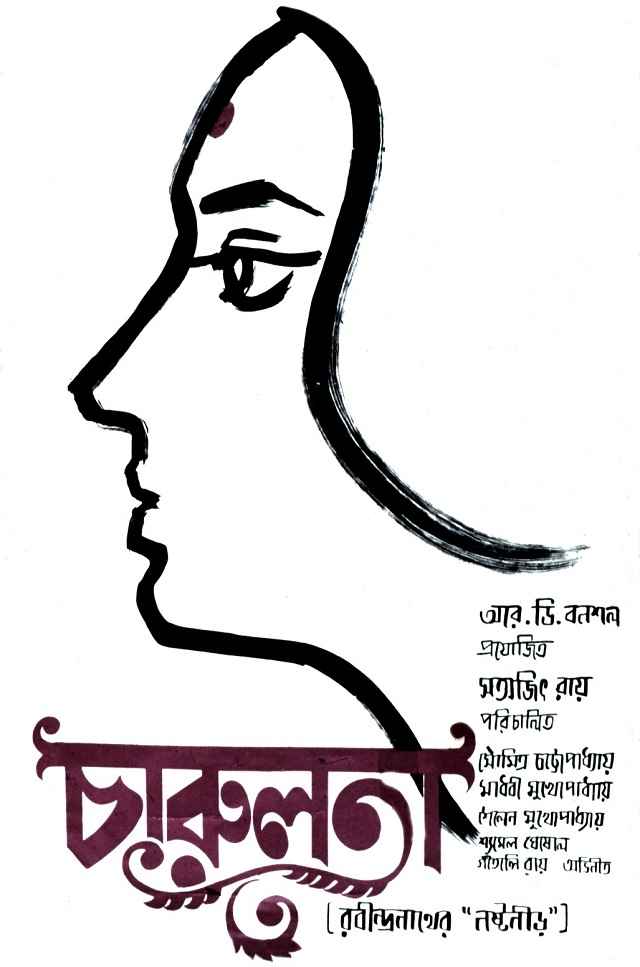
Poster of Charulata

Work As A Novelist

Ray created two popular fictional characters in Bengali children’s literature—Feluda, a sleuth, and Professor Shanku, a scientist. The Feluda stories are narrated by Topesh Ranjan Mitra aka Topse, his teenage cousin, something of a Watson  to Feluda’s Holmes. The science fictions of Shonku are presented as a diary discovered after the scientist had mysteriously disappeared. Ray also wrote a collection of nonsensical verses named Today Bandha Ghorar Dim, which includes a translation of Lewis Carroll’s “Jabberwocky”. He wrote a collection of humorous stories of Mulla Nasiruddin  in Bengali.  Ray wrote an autobiography about his childhood years, Jakhan Chhoto Chhilam (1982), translated to English as Childhood Days: A Memoir by his wife Bijoya Ray. In 1994, Ray published his memoir, My Year’s with Apu, about his experiences of making The Apu Trilogy.

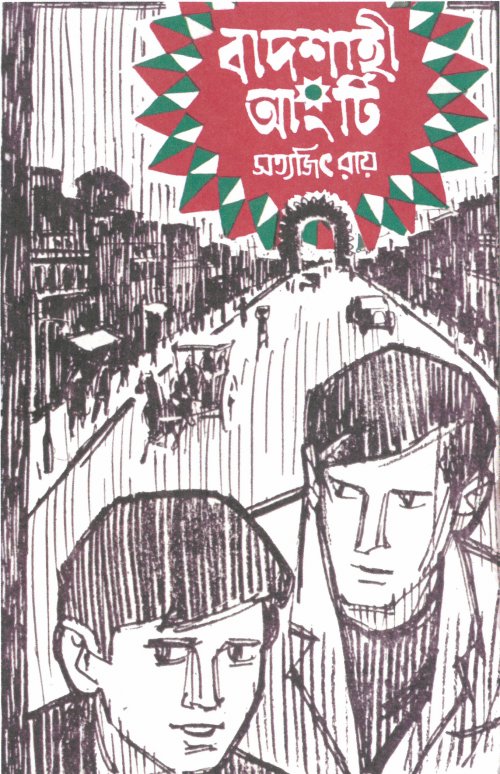
Book Cover illustrated by Satyajit Ray, himself for his first detective novel “Badshahi Angti”.
The musical score and Poster for Goopy Gyne Bagha Byne(1969), done by Satyajit Ray, himself
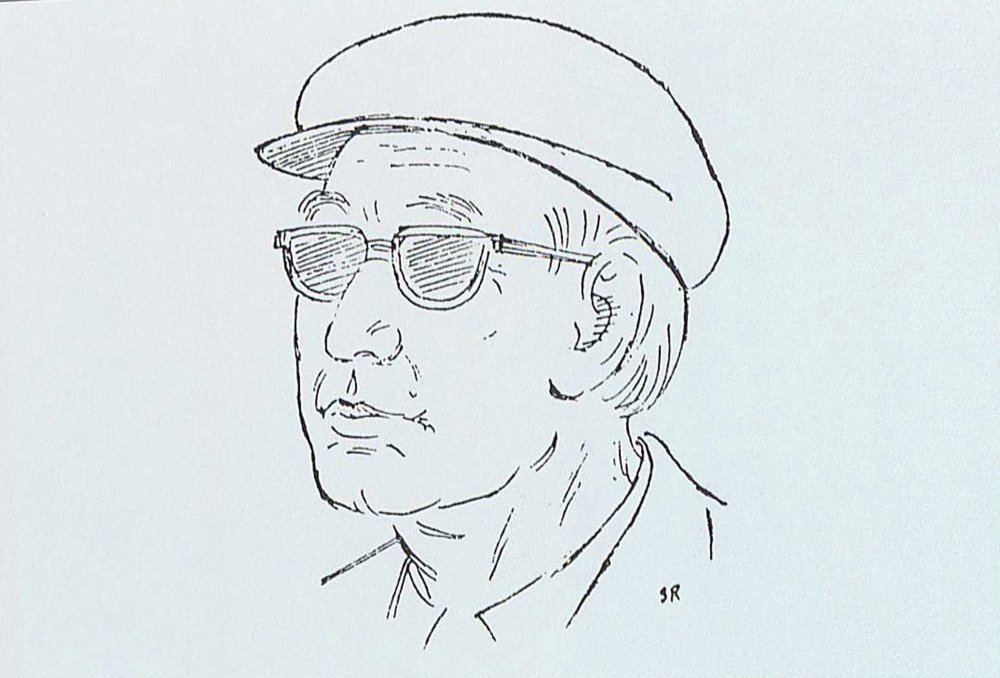
Portrait of Akira Kurosawa, illustrated by Satyajit Ray

Critical Analysis of Satyajit Ray

Instead of acting like a propagandist, Ray wanted to make people aware of the persistence of certain social problems. Devi and Ganasatru show people’s blind religious beliefsSakha Prasakhadiscloses the involvement of the top officials with bribery and corruption, Shatranj ke Khilari indicates the indolence and lack of political consciousness of the wealthy people, Aranyer Din Ratrireveals the insensitivity and boasting of the urban young men, and Mahapurush mockingly exposes the failure of the urban elite to embrace rational thoughts. Given the necessity of making people conscious of the same problems in present-day society, these films are still relevant today. Ray’s films also made a departure from tradition by frequently including strong women characters. Sarbajaya in Pather Panchali and Aparajito, Manisha in Kanchenjungha, Arati in Mahanagar, Charu in Charulata, Karuna in Kapurush, Aditi in Nayak, Aparna and Jaya in Aranyer Din Ratri, Sudarshana in Seemabadhdha, and Ananga in Asani Sanket appear as bolder, more confident, and more resilient than the male characters. In an interview, Ray states that the inclusion of unwavering women characters reflects his own attitudes towards and personal experience with women.

Awards Received by Satyajit Ray

Ray received many awards, including 36 National Film Award  by the Government of India, and awards at international film festival. In 11th Moscow International Film Festival 1979, he was awarded with the Honorable Prize for the contribution to cinema. At the Berlin International Film Festival, he was one of only four filmmakers to win the Silver Bear for Best Director  more than once and holds the record for the most Golden Bear  nominations, with seven. At the Venice Film Festival, where he had previously won a Golden Lion for Aparajito  (1956), he was awarded the Golden Lion Honorary Award in 1982. That same year, he received an honorary “Hommage à Satyajit Ray” award at the 1982 Cannes International Film Festival. Ray is the second film personality after Charlie Chaplin  to have been awarded an honorary doctorate  by Oxford University.

He was awarded the Dadasaheb Phalke Award  in 1985, and the Legion of Honour  by the President of France  in 1987. The Government of India awarded him the Padma Bhusan in 1965 and the highest civilian honour, Bharat Ratna, shortly before his death. The Academy of Motion Picture Arts and Sciences  awarded Ray an Honorary Award  in 1992 for Lifetime Achievement. In 1992, he was posthumously awarded the Akira Kurosawa Award for Lifetime Achievement in Directing at the San Francisco International Film Festival.

Conclusion

Whenever we talk about radical filmmaking in the realm of Bengali cinema, Satyajit Ray’s maiden feature (made in the face of tremendous odds) is mentioned. From Pather Panchali to his last film Agantuk, Ray never compromised on high standards, thereby making a huge impression. Having a greater familiarity with the oeuvre of Ray would enable people to understand the impressive qualities and importance of socially-meaningful cinema. We are surely in need of films that would make us perceive the beauty of a dewdrop on a blade of grass, strengthen our sense of humanism, and raise our social consciousness—hence, the everlasting relevance of the cinema of Satyajit Ray.

5 Must Read Novels Written by Indian Authors!!

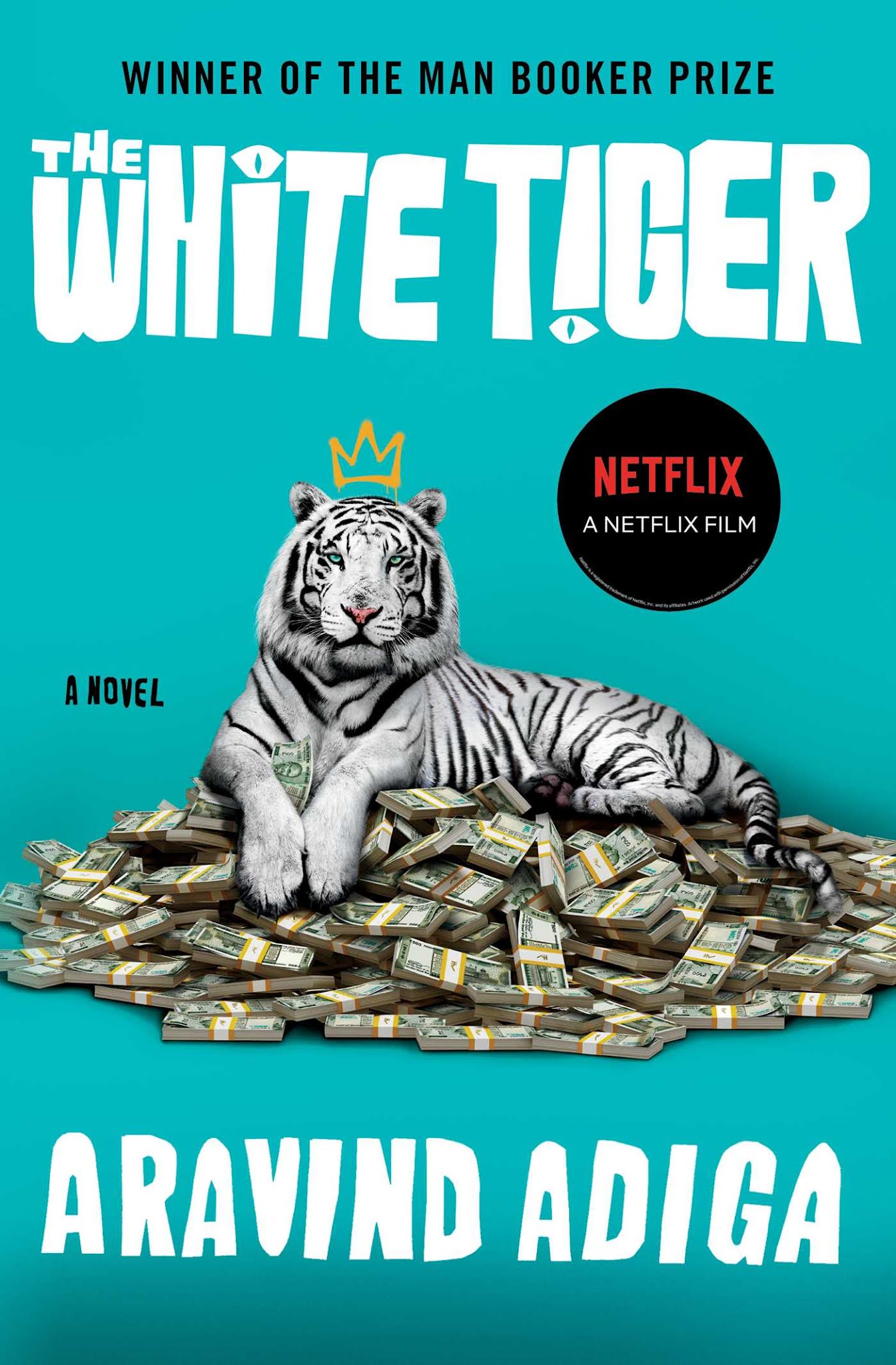
1. The White Tiger by Arvind Adiga


Winner of the Man Booker prize, the novel made arvind adiga the second youngest author ever to win the prize . And it’s not hard to see why, the novel succeeded in doing that what many before have tried to do and failed. It gave voice to the unspoken that exist in the darkness of the country, the colossal underclass and that too with an unmatched sense of wit and dark humor.  And we live and hear it all through one of the most edgy protagonists you’d come across in a novel: Balram  a village boy who works as a chauffeur to a rich landlord and then to Bangalore where he flees after committing murder. His story as twisted as it is represents much of the frustration of the youth in the country shackled by the invisible reins of steep class divide, caste divide and poverty ,


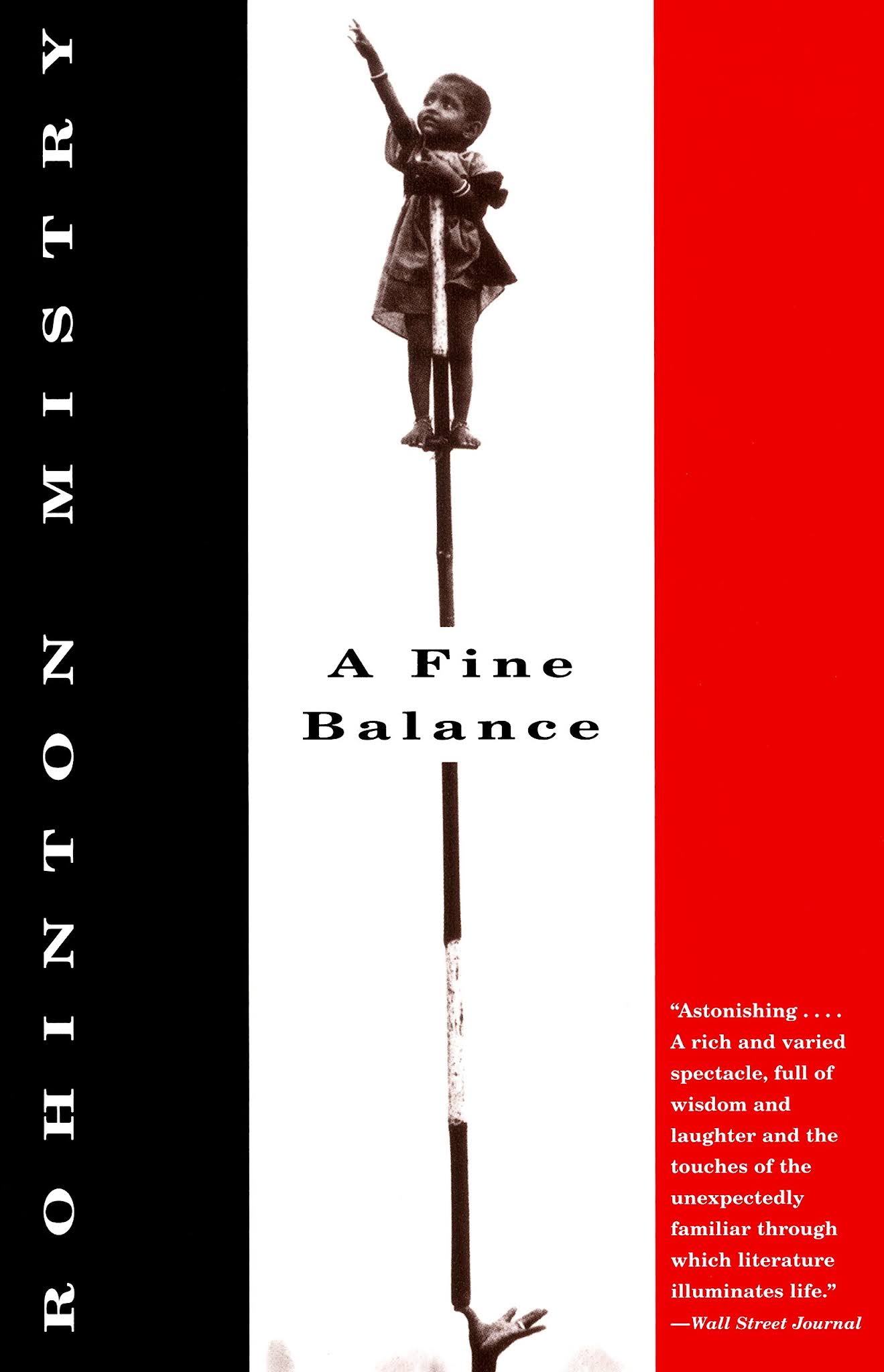
2. A Fine Balance by Robinton Mistry


 Set in “an unidentified city” in India, initially in 1975 and later in 1984 during the turmoil: the book concerns four characters from varied background related to each other by an unseen thread of love.The philosophy of the story is the secret of survival, to balance finely hope and despair.But to realize most often we can’t do so.Our balance of life tilts and we trip and are lost. Some embrace physical death ,some live half-alive. It exposes the changes in Indian society from independence in 1947 to the Emergency called by Prime Minister Indira Gandhi. surprisingly she is never referred by name in the book 

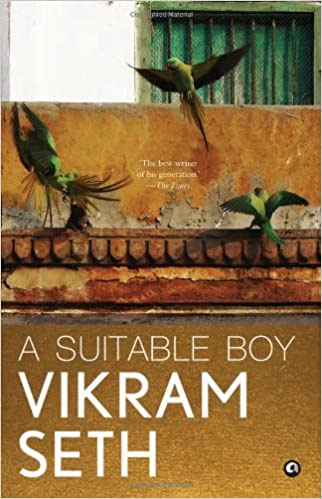
3. A Suitable Boy by Vikram Seth


the novel is set in a newly post-independence, post-partition India. The novel follows four families during 18 months, and centres on Mrs. Rupa Mehra’s efforts to arrange the marriage of her younger daughter, Lata, to a “suitable boy”. Lata is a 19-year-old university student who refuses to be influenced by her domineering mother or opinionated brother, Arun. Her story revolves around the choice she is forced to make between her suitors Kabir, Haresh, and Amit.

It begins in the fictional town of Brahmpur, located along the Ganges between Banares and Patna. Brahmpur, along with Calcutta, Delhi, Lucknow and other Indian cities, forms a colourful backdrop for the emerging stories.

4. Sacred Games by Vikram Chandra


Weighing in at 900 pages, the novel is Dickensian in scope, and part Godfather as well. Sacred Games follows a world-weary cop and a larger-than-life crime boss. Add in the world’s largest film industry, Bollywood, a shady guru and the ever-present tension between India and Pakistan, and you have a full-blown literary potboiler.

The book is so full of gritty underworld slang that there’s a glossary to help readers navigate the language. Sartaj sing, gaitonde and mumbai are the main characters of the novel which unfold and grab you by the throat.

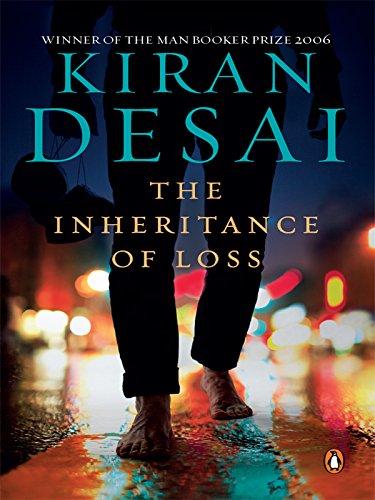
5.The Inheritance Of Loss by Kiran desai 


Published to extraordinary acclaim, The Inheritance of Loss heralds Kiran Desai as one of our most insightful novelists. She illuminates the pain of exile and the ambiguities of post-colonialism with a tapestry of colorful characters: an embittered old judge; Sai, his sixteen-year-old orphaned grand­daughter; a chatty cook; and the cook’s son, Biju, who is hopscotching from one miserable New York restaurant to another, trying to stay a step ahead of the INS.

<

p style=”background-color: white;color: #454441;line-height: 1.63;margin: 0px 0px 18px;max-height: 1e+06px;padding: 0px”>When a Nepalese insurgency in the mountains threatens Sai’s new-sprung romance with her handsome tutor, their lives descend into chaos. The cook wit­nesses India’s hierarchy being overturned and discarded. The judge revisits his past and his role in Sai and Biju’s intertwining lives. A story of depth and emotion, hilarity and imagination, The Inheritance of Loss tells “of love, longing, futility, and loss that is Desai’s true territory”


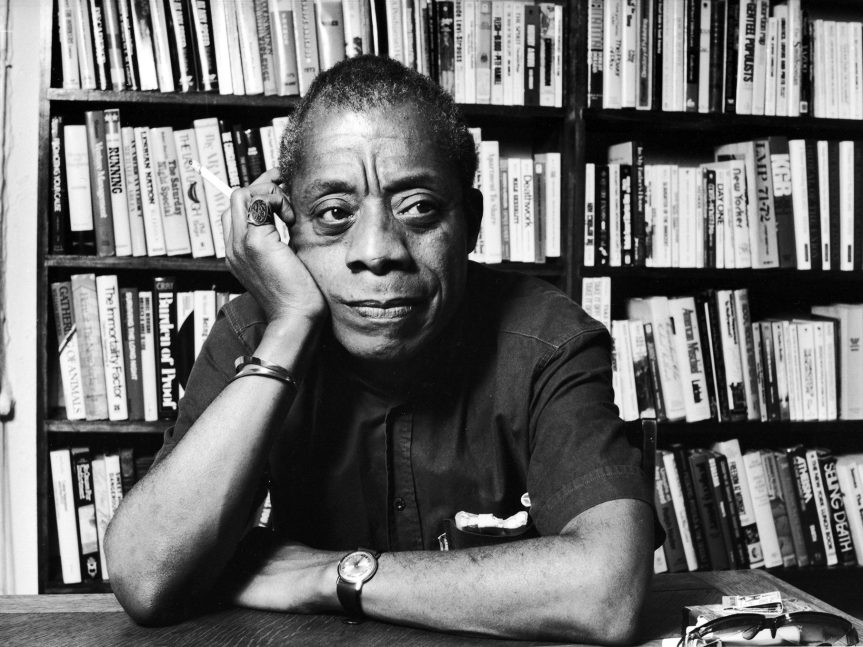
James Baldwin: Empowerment Through Words

James Baldwin was an American essayist, novelist, and playwright whose eloquence and passion on the subject of race in America made him an important voice, particularly in the late 1950s and early 1960s, in the USA and throughout much of western Europe. One of the 20th century’s greatest writers, Baldwin broke new literary ground with the exploration of racial and social issues in his many works. He was especially known for his essays on the Black experience in America. In light of recent incidents in America, with the killing of George Floyd and all the violence against black people, James Baldwin’s literary works have resurfaced and remain relevant even today. Unfortunately, the violence seen in America decades ago is still in existence, and Baldwins works brings these matters to light.

Early Years

James Baldwin was born the illegitimate son of Emma Jones on August 2, 1924, in Harlem, New York. When he was three, his mother married the Reverend David Baldwin, a fire and brimstone lay preacher who legally adopted James. Despite their strained relationship, Baldwin followed in his stepfather’s footsteps and served as a youth minister in a Harlem Pentecostal church from the ages of 14 to 16. He developed a passion for reading at an early age and demonstrated a gift for writing during his school years. Baldwin published numerous poems, short stories and plays in the magazine, and his early work showed an understanding for sophisticated literary devices in a writer of such a young age. After graduating from high school in 1942, he had to put his plans for college on hold to help support his family, which included seven younger siblings. He took whatever work he could find, including laying railroad tracks for the U.S. Army in New Jersey.

During this time, Baldwin frequently encountered discrimination, being turned away from restaurants, bars and other establishments because he was an African-American. After being fired from the New Jersey job, Baldwin sought other work and struggled to make ends meet.

Aspiring Writer

James Baldwin started devoting his time to write a novel, trying to fulfil his dream of becoming a writer. Eventually he befriended writer Richard Wright, through whom he was able to land a fellowship in 1945 to cover his expenses. Baldwin started getting essays and short stories published in such national periodicals as The Nation, Partisan Review and Commentary.

Three years later, Baldwin made a dramatic change in his life and moved to Paris on another fellowship. The shift in location freed Baldwin to write more about his personal and racial background. He once told the New York Times; “Once I found myself on the other side of the ocean, I see where I came from very clearly…I am the grandson of a slave, and I am a writer. I must deal with both,” The move marked the beginning of his life as a “transatlantic commuter,” dividing his time between France and the United States.

Major Works

Baldwin had his first novel, Go Tell It on the Mountain, published in 1953. The loosely autobiographical tale focused on the life of a young man growing up in Harlem grappling with family issues and religion.

In 1954, Baldwin published his next novel, Giovanni’s Room. It told the story of an American living in Paris and broke new ground for its complex depiction of homosexuality, a then-taboo subject. Baldwin was open about his homosexuality and relationships with both men and women, and believed that human sexuality cannot be limited by rigid categories.

In 1957 he returned to the United States and became an active participant in the civil rights struggle that swept the nation. Delving into his own life, he provided an unflinching look at the Black experience in America through such works as Notes of a Native Son (1955) and Nobody Knows My Name: More Notes of a Native Son (1961), which explored Black-white relations in the United States. This theme was also central to his novel Another Country (1962), which examines sexual as well as racial issues.

Nobody Knows My Name hit the bestsellers list, selling more than a million copies. While not a marching or sit-in style activist, Baldwin emerged as one of the leading voices in the Civil Rights Movement for his compelling work on race.

Final Years

By the early 1970s, Baldwin seemed to despair over the racial situation. He had witnessed so much violence in the previous decade, especially the assassinations of Malcolm X and Martin Luther King Jr., caused by racial hatred. While his literary fame faded somewhat in his later years, Baldwin continued to produce new works in a variety of forms. He published a collection of poems, Jimmy’s Blues: Selected Poems, in 1983 as well as the 1987 novel Harlem Quartet. Baldwin died on December 1, 1987, at his home in St. Paul de Vence, France. Never wanting to be a spokesperson or a leader, Baldwin saw his personal mission as “bearing witness to the truth.” He accomplished this mission through his extensive and timeless literary legacy