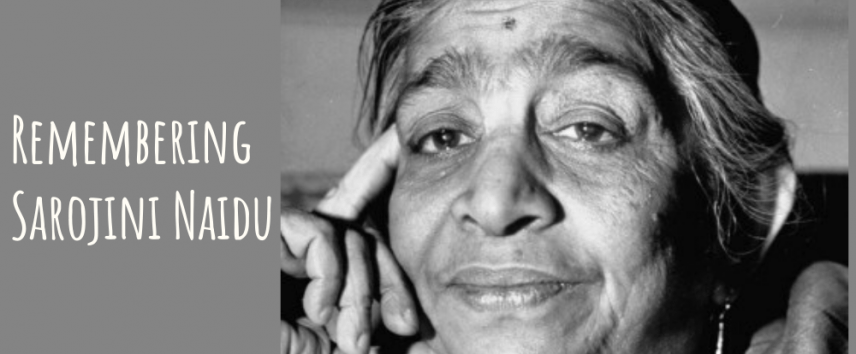
The Nightingale Of India

“As long as I have life, as long as blood flows through this arm of mine, I shall not leave the cause of freedom…I am only a woman, only a poet. But as a woman, I give to you the weapons of faith and courage and the shield of fortitude. And as a poet, I fling out the banner of song and sound, the bugle call to battle. How shall I kindle the flame which shall waken you men from slavery…”

Introduction

She was an Indian political activist and poet. A proponent of civil rights, women’s emancipation, and anti-imperialistic ideas, she was an important figure in India’s struggle for independence from colonial rule. Naidu’s work as a poetess earned her the sobriquet ‘the Nightingale of India’, or ‘Bharat Kokila’ by Mahatma Gandhi because of colour, imagery and lyrical quality of her poetry.

Birth and death
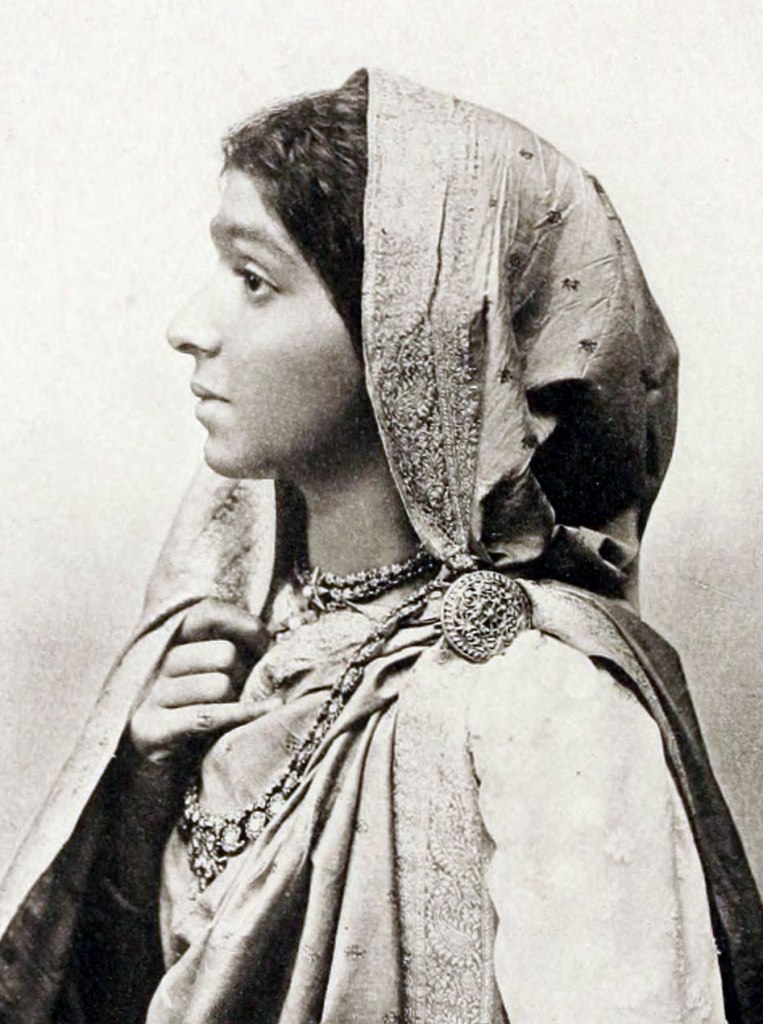
Born in a Bengali family in Hyderabad, Naidu was educated in Madras, London and Cambridge. Following her time in England, where she worked as a suffragist, she was drawn to Indian National Congress’ movement for India’s independence from British rule. She became a part of the Indian nationalist movement and became a follower of Mahatma Gandhi and his idea of swaraj. She was appointed as the President of the Indian National Congress in 1925 and later became the Governor of the United Provinces in 1947, becoming the first woman to hold the office of Governor in the Dominion of India.

Naidu’s poetry includes both children’s poems and others written on more serious themes including patriotism, romance, and tragedy. Published in 1912, “In the Bazaars of Hyderabad” remains one of her most popular poems. She married Govindarajulu Naidu, a general physician, and had five children with him. She died of a cardiac arrest on 2 March 1949.

Work
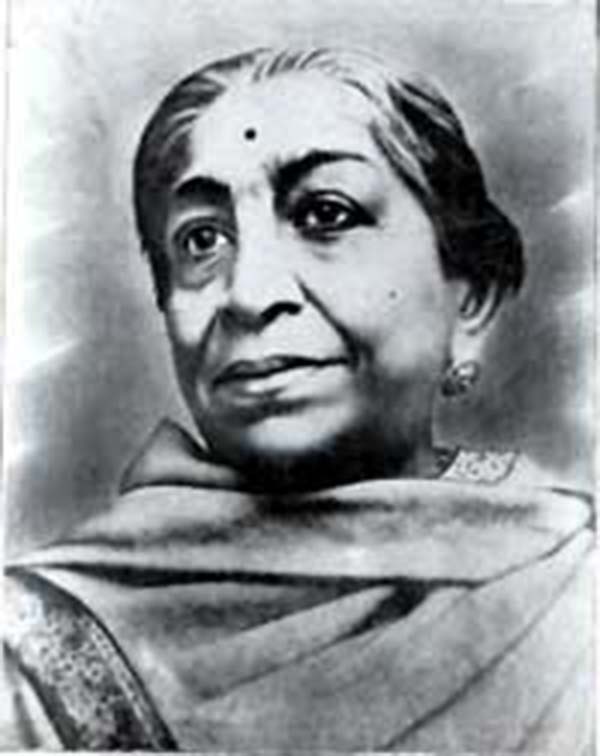
“Tell me no more of thy love, papeeha,
Wouldst thou recall to my heart, papeeha,
Dreams of delight that are gone,
When swift to my side came the feet of my lover…”

– A Love Song From The North by Sarojini
Naidu

1905: The Golden Threshold, published in the United Kingdom.
1912: The Bird of Time: Songs of Life, Death & the Spring, published in London.
1917: The Broken Wing: Songs of Love, Death and the Spring, including “The Gift of India” (first read in public in 1915) .
1919: Muhammad Jinnah: An Ambassador of Unity.
1943: The Sceptred Flute: Songs of India, Allahabad: Kitabistan, posthumously published.
1961: The Feather of the Dawn, posthumously published, edited by her daughter, Padmaja Naidu.
1971:The Indian Weavers.

After India attained independence, she became the first woman Governor of an Indian state, Uttar Pradesh. She served as governor till she passed away in March 1949, when she was working late in office.

As a Feminist

“Sarojini Naidu inspired the Indian Renaissance Movement and had a mission to improve the life of Indian woman.”

Bappaditya Bandopadhyay

Sarojini Naidu played an important role in women’s rights struggle in India. She helped in shaping Women’s Indian Association in 1917 with Annie Besant and others. The Association sought equal rights including the right to vote and represent. She presented the need to include more women in the Congress and in the freedom struggle. During 1918, British and Indian feminists including Naidu set up a magazine called “Stri Dharma” to present international news from a feminist perspective.

Link

PLASTIC POLLUTION!

— A hazardous problem for our nation

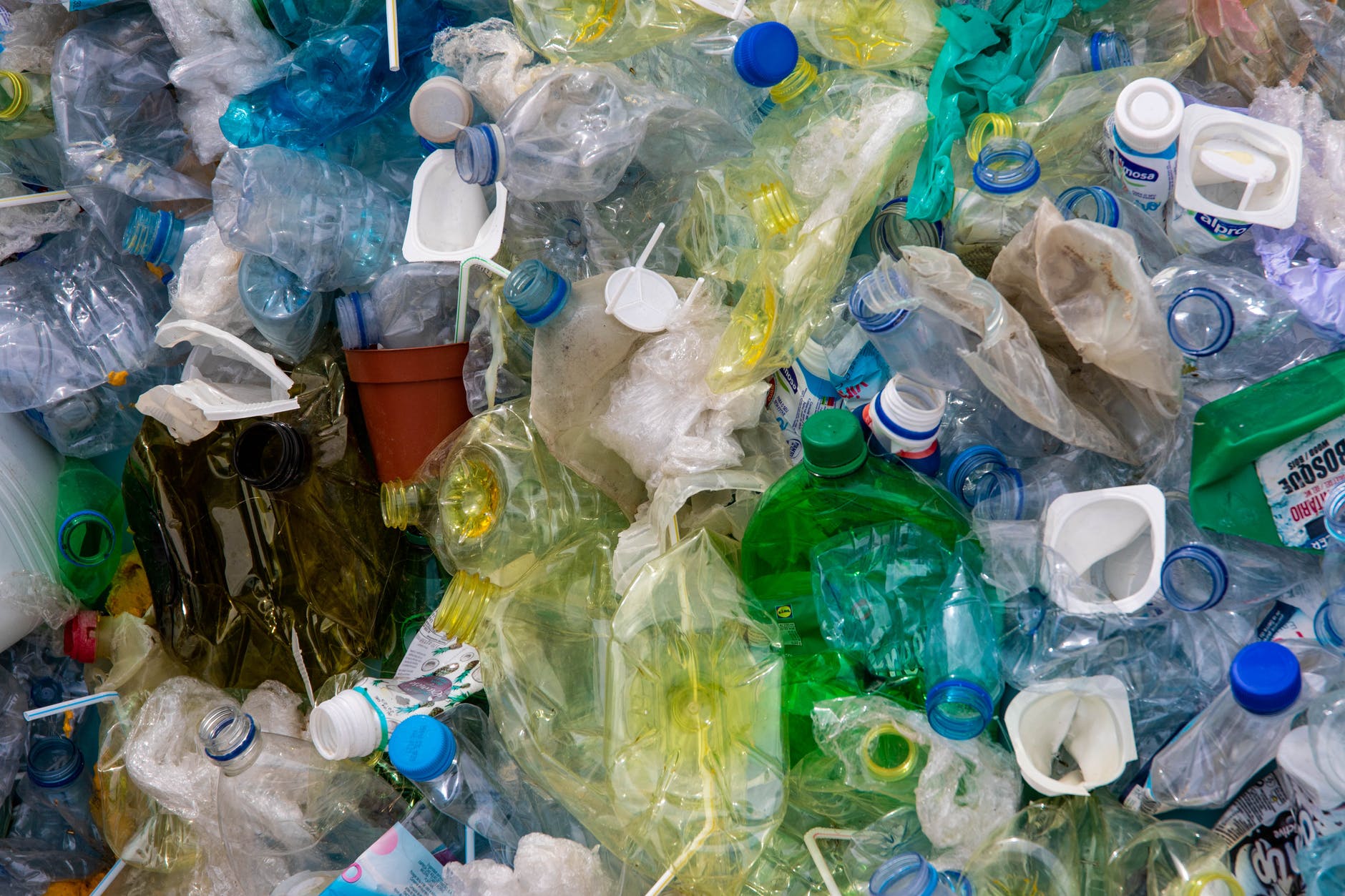
Photo by Magda Ehlers on Pexels.com

I have realized that i’m living in a world ,where : rivers are filled with pollutants , air is filled up with toxic gases , soil is polluted with waste materials , and humans are habituated to turn a blind eye upon these by the name of technology and development, expect for some people.

The major factor of this pollution is plastic , Do you know : More than 99% of plastics are produced from chemicals derived from oil,natural gas and coal -all of which are non-renewable resources. only 9%of all plastic waste ever produced has been recycled , About 12% incinerated & the rest 79% used in land fills ,dumps etc,. so , please understand the seriousness of this and start using eco-friendly items.

plastic: the common factor for all pollutions.

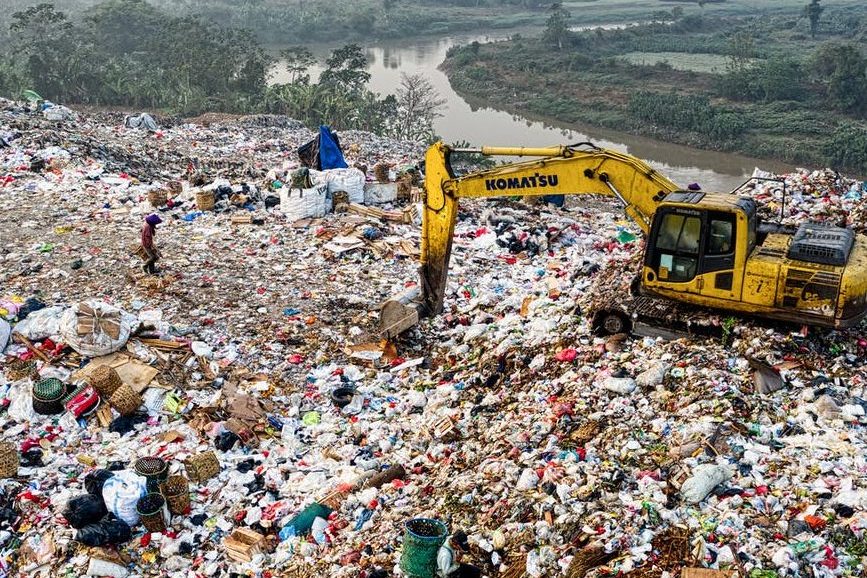
Plastic waste is something which is not eco-friendly , non-renewable particles . Plastic pollution is nothing but a harmful accumulation of synthetic plastic production in the environment. Basically , plastic pollution is nothing but pollution caused by the plastic in different kinds of ways . Alot of plastic waste is dumped in the dumping areas not only causing the soil pollution but also making the land non-usable .

Photo by Tom Fisk on Pexels.com

-> This land can be used for the poor people from slum areas . India consists 2,216,533 of population who are living in slums . By decreasing the usage of plastic makes the land useful by providing the people to get a place to live.

-> Plastic waste also makes the land infertile and makes the land useful for farming which decreases the production of crops.

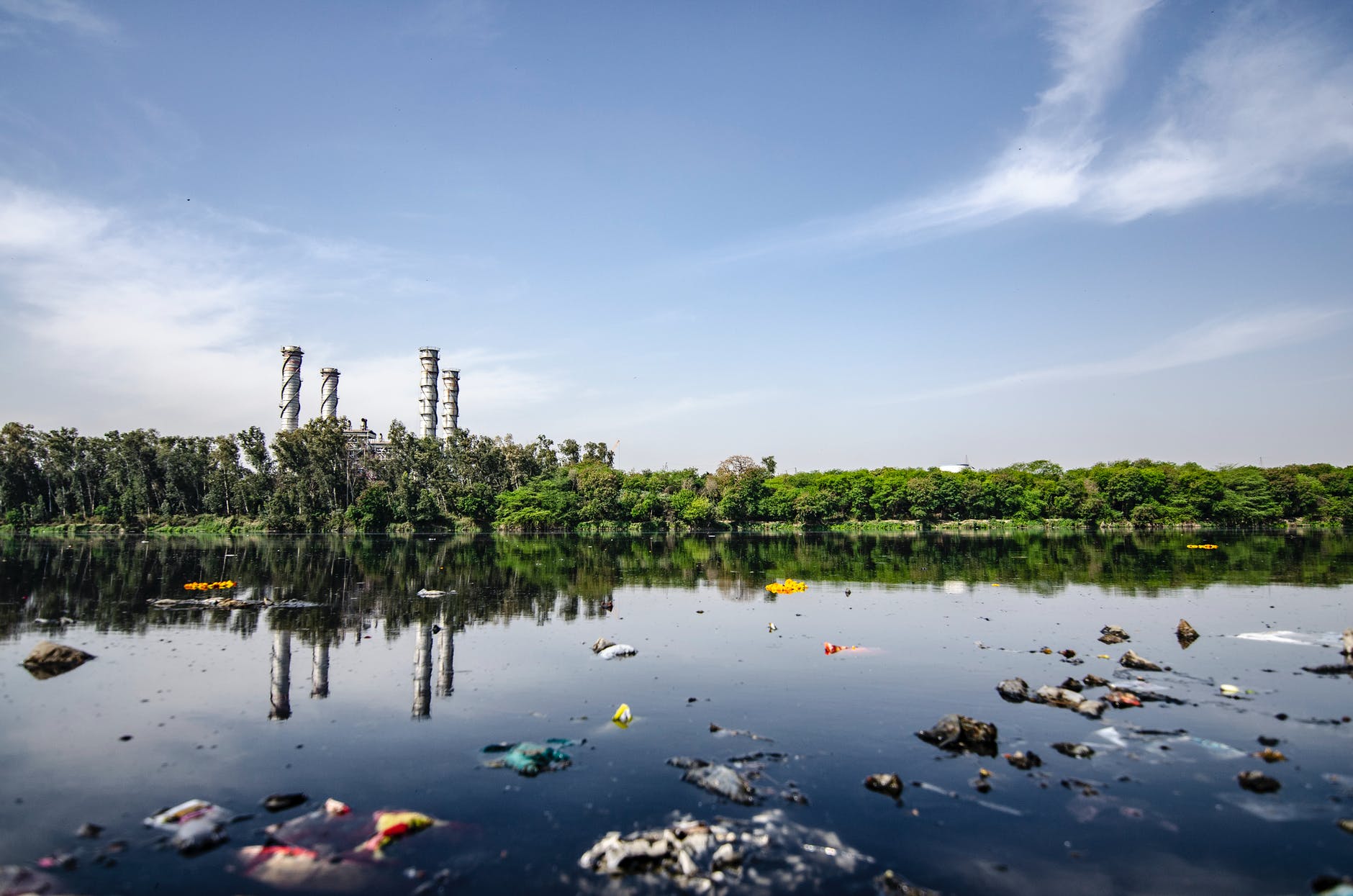
-> By dumping the plastic waste in oceans and rivers creates water pollution . It even causes a problem for the livelihood of marine animals . 100 million marine animals die each year from plastic waste in oceans. “This is only in the records , out of the records don’t even know”. and 100,000 marine animals die from getting entangled in plastic waste.

Photo by Yogendra Singh on Pexels.com

-> Coming to the water pollution , Chlorinated plastic can release harmful chemicals into the surrounding soil, which can then seep into groundwater or other surrounding water sources, and also the ecosystem. The long stay of plastic in water can stimulate the plastic and combine some of its nature into water which makes water unreliable to drink and use .

->By burning the plastic , the toxic gases get released causing air pollution . The chemicals which get released ,pollute the air and affect the surrounding areas by making the air un-breathable . The smoke which comes is so hazardous ,it remains in air for longer time and causing the damage for ozone layer : which is protecting us from the direct hit of sunlight . The direct hit of sunlight can shatter the livelihood of humans cause we cannot bare the heat it produces. Though there are many other initials where poisonous gases are producing which causes air pollution. one of the main cause is plastic.

summary

so , guys its high time . so many people changed their way about using plastic in their lives .We also need to change and make earth a better place to live . Lets struggle at first to enjoy the tang of better planet . Don’t you guys want to feel the smell of fresh air where pollution is not present anywhere ,see the stars where the sky can create mysteries with the insane nature it has . I hope one day we can see plastic free world.

Should Plastic be Banned?

A truly wonderful and magical material, plastic was invented in the year 1907 by Leo Hendrick Bakeman in New York, United States of America. This wondrous material was made from phenol and formaldehyde in a cheap and easy method. Ever since this revolutionary invention, the world as we knew it changed. Plastic replaced many materials in industries. Plastic is so widely used around the world because of its following properties:

  • Plastic is a hard material
  • Plastics are a highly dense material
  • Its tensile strength is high
  • It is resistant to heat and high temperatures
  • It is a non-conductor of electricity and heat
  • It is light in weight
  • The production of plastic is cheap and simple

All these properties make plastic the most popular material for factories as well as consumers. With the invention of plastic bags, things started to take nosedive in terms of the per capita plastic produced in the world. Everything was hunky-dory until people started to realise that plastic can’t be degraded by natural causes. Its a non-degradable material and will stay in the environment for more than 500 years to come. It is estimated that more than 6 billion metric tons of plastic waste are lying on our earth with no place to go.

Enzymes and bacterias cannot degrade plastic because plastic is not made up of naturally occurring materials. It is a purely man-made material. Most of the plastic is dumped in open lands and far away in oceans. While this seemed like a logical idea until people released that they were polluting the environment, air, water and land. The hazardous chemical in the plastics started to be seen in fishes and crops we eat which ultimately meant that plastic waste that we assumed was gone, was slowly making its way back to our bodies through our food chain. It is said that human beings have already started consuming plastics in small portions and a plastic worth the weight of a debit card in consumed every year by a person.

While plastics can’t be banned completely, because it has made our lives better. Plastic is used in advanced medical equipment to save lives. They are used in the pharma industry, the travel industry and clothing industry and the truth is, human beings cannot live without plastic. But we can surely reduce the consumption of plastic. Banning plastics completely is not a sensible idea.

Why plastic bags should be banned?

There are various alternatives to plastic bags. Jute bags, paper bags and gunny bags are some of them. Plastics bags are not so much necessary that man cannot live without it. And certain kind of plastic bags can not be recycled as well. But they surely can be reused. The habit of reusing the same plastic bags comes into effect only when the manufacture of new plastic bags are banned.

More than 20 million metric tonnes of plastic waste is dumped in the ocean and open lands. More than 50% of these are plastic bags. They are creating enormous pressure on our environment and causing irreversible pollution. It will take a herculean task to get rid of all the plastic that is produced in the world as of now. If it is not banned, then it will be impossible to get rid of it ever and the existence of the human race will be in question.

There are areas in several parts of our ocean which is covered with plastic as big as the size of India. The aquatic life is consuming these plastics and we are consuming them which disturbs the whole food cycle in our ecosystem. Banning plastic bags will at least, if not totally eliminate plastic from our earth, reduce this disturbance to our environment.