Keats’ ‘Ode on a Grecian Urn’

John Keats was an exemplary second-generation romantic poet who lived in the early 19th century. The romantic period refers to several literary movements that were characterised by their highly subjective form of writing, which was essentially a breakaway from the traditions of more rigid writing followed by the Neoclassical poets. Keats belonged to a group of poets who were later dubbed as the ‘second-generation romantics’ and it included other poets like Shelly, Wordsworth and Byron. The romantic age in England is generally marked by the publishing of ‘Lyrical Ballads’ by Coleridge and Wordsworth in 1789.

Thou still unravish'd bride of quietness,
       Thou foster-child of silence and slow time...

One of the main characteristics that set the romantics apart from the others is their intensely personal subject matter. It ranged from their own internal conflicts, to their philosophical thoughts, to praising the glory of nature and its effects on humans. Their poetic style was free and untamed (not that it did not have any metrical compositions, they were comparatively flexible in relation to the neoclassic poets.) like the vast untamedness of nature. They found their sources of poetry from particularly unique and seemingly unlikely experiences. For them, poetry conveyed its own truth and the sincerity was the true criterion for judging a poetry.

Heard melodies are sweet, but those unheard
       Are sweeter; therefore, ye soft pipes, play on;
Not to the sensual ear, but, more endear'd,
       Pipe to the spirit ditties of no tone:...

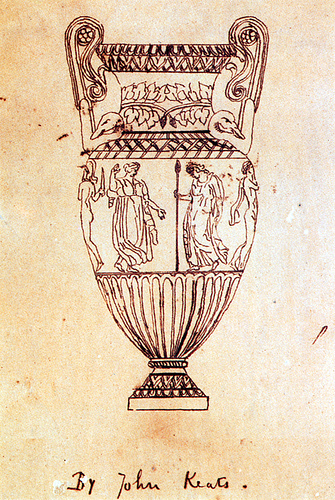
Several of Keats’ poetry questions the mortality and impermanence of human life with relations to art and its everlasting life on earth. In ‘Ode on a Grecian Urn’, the speaker comes across an old Grecian artefact and admires all the paintings on it. The urn contains several pictures of characters including a fair youth who sings beneath an evergreen tree, two lovers who are almost kissing, a melodist playing a pipe, a town of people on a procession with a sacrificial cow and so on. He takes a moment to think about each of their stories and wonders how it is to remain immortal.

For ever panting, and for ever young;
All breathing human passion far above,
         That leaves a heart high-sorrowful and cloy'd,
                A burning forehead, and a parching tongue...

He starts off the poem by describing the beautiful shape of the urn. He addresses it by several names and revels in the beauty and satisfaction that it gives him. He then addresses the sweetness of the music that might be coming out of the painted instruments. He assures himself by saying that the unheard melodies are sweeter because it speaks directly to our inner soul. He then moves onto the loves and assures them that though they may never kiss, they will forever remain young and fair. He complements the beautiful boughs of the trees and tells them that they will never wilt and will forever remain beautiful. In the later stanza, the poem takes a little turn as the speaker as he examines how they will live forever while humans living in the real world are all eventually bound to die one day. He then examines a procession of people who are carrying a sacrificial heifer and wonder which town or village is empty of this folk.

  "Beauty is truth, truth beauty,—that is all
                Ye know on earth, and all ye need to know."

In the final stanza of the poem, the speaker once again admires the beauty of the urn and decides that even after his lifetime, the urn will forever remain and tell its story for generations to come. The speaker finally neds the poem with one of the most beautiful verses in the poem going “Beauty is truth, truth beauty” which he confirms is the only eternal truth that one needs to know on earth.        

Reference Links:
  

The Road Not Taken

When every choice involves the loss of opportunity, which path will you choose? When your choices come with incomplete information, how can you be certain? How long will you stand still before making your choice? How confident are you when you realize you can’t save the first road for another day when the road you chose tends to lead onward to another? Whichever road you choose will make all the difference. In order to be different and do something great, you have to think different and implement things with a different approach. You have to take a different lane; the road not taken.

Remember the poem “The Road Not Taken” penned by Robert Frost?

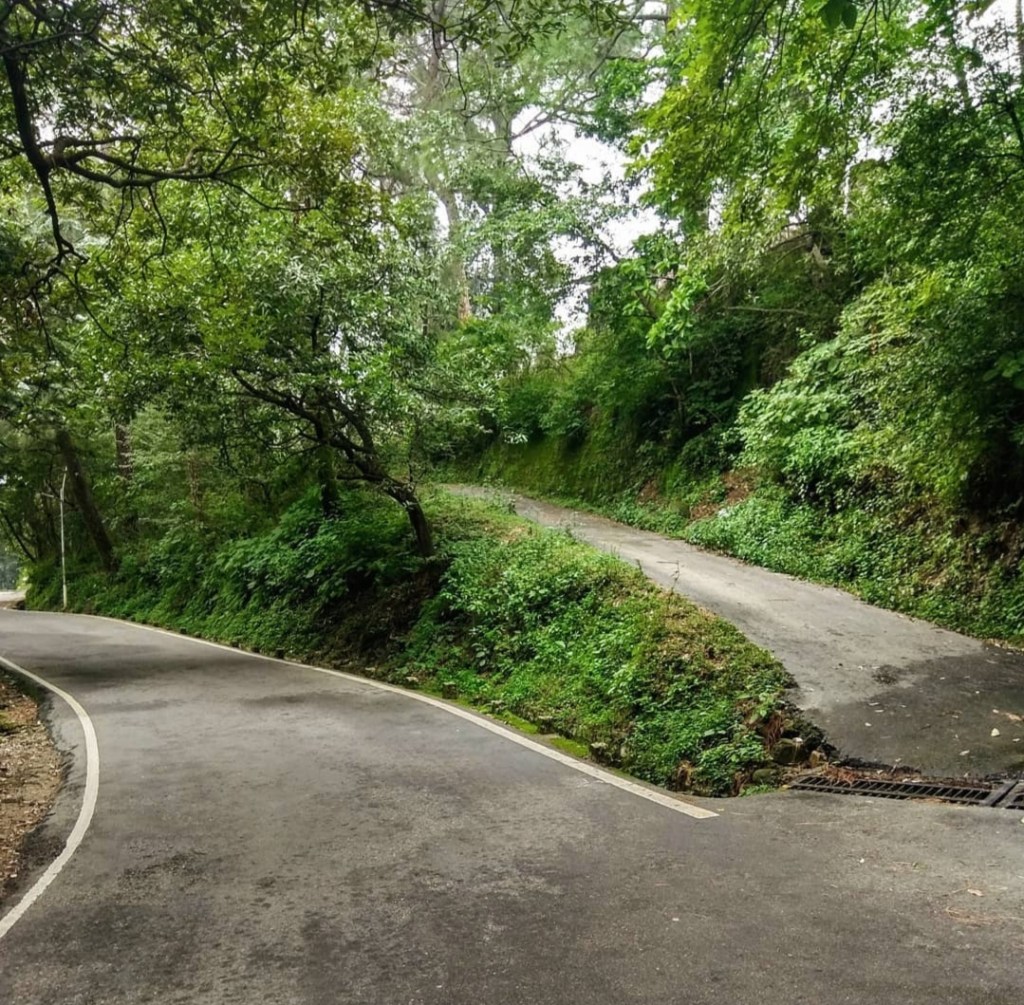
Two roads diverged in a yellow wood,

And sorry I could not travel both

And be one traveler, long I stood

And looked down one as far as I could

To where it bent in the undergrowth…

The poem describes someone standing at a fork, or turning point, in a road in the woods, trying to decide which path he is going to take. He looks down one road as far as he can see, and after thinking for another minute, decides to take one because it looks like nobody’s been that way yet, and he is curious about where it leads. He thinks maybe he might come back another day and try out the other path but he has a feeling that the road he has chosen will lead him to new places and discoveries, and he probably won’t be back. He thinks wistfully about that road, which he did not take, and where he might have wound up if he’d gone that way instead. Part of him regrets his decision, but he also realizes that the things he’s seen and the places he’s gone because of the direction he chose has made him who he is.

This poem tells a lot about life in general. Life is all about making choices, whether it’s about choosing to change your daily diet or choosing the right partner. Every choice has its significance in some way or the other.

It makes me remember that past is always dynamic because it shapes my present and therefore, I should be careful about my present as it will take care of my future. Most importantly, this poem makes me think wisely about my choices. It reminds me that I should not make such a choice which I would regret one day and say ‘if I would have taken the other road, it would have been better’. Rather I should be proud of my decision and say ‘Yes! Since I chose the right path, it has led to all this difference’. The difference is what makes it different. Just as Frost ended the poem: “I took the road less travelled, and that’s all that matters”. There are no bad roads, there are only different battles that births different results.

In my opinion, the poet encourages the readers to create opportunities that may be overlooked by us because we all are in search of solutions for our problems rather than trying to sort out the things in the less conventional way.

Caged Bird by Maya Angelou

This poem was published in 1983 in Maya Angelou’s poetry collection “Shaker, why don’t you sing?”. This was her 4th volume of poetry which was published by Random House. It contains 28 poems and they are dedicated to her son guy Johnson and her grandson Colin Ashanti Murphy Johnson. Maya Angelou has depicted the plight of the Black American especially Black Women through this poem.

In this poem, Maya Angelou tries to make a comparison between a free bird and the caged bird. The birds are used as an extended metaphor, the African Americans are compared to the caged birds and the unoppressed people compared to the free birds. The African Americans had to suffer immensely and the caged bird’s captivity depicts the same, whereas the free bird and its freedom to be able to do anything that it likes and its will to claim the sky and everything in its reach depicts the privilege and the entitlement that the un-oppressed felt

The free bird can fly anywhere, explore the sky and they are not subjected to any limitation but the caged bird is kept behind the cage, it cannot fly anywhere and it feels helpless and angered, in the same way, Maya Angelou tries to explain that the oppressed people were not given opportunities and they were treated badly.

The caged bird sings of freedom and that is why that song can be heard even on the distant hills. To the bird which is free, freedom is something which they do not think about whereas for the caged bird freedom is a privilege.

The oppressors feel that they own everything and that they can achieve more and more just like the free bird names the sky his own but the oppressed were not allowed to do anything, they were treated as slaves.

“A free bird leaps

on the back of the wind   

and floats downstream   

till the current ends

and dips his wing

in the orange sun rays

and dares to claim the sky.

But a bird that stalks

down his narrow cage

can seldom see through

his bars of rage

his wings are clipped and   

his feet are tied

so he opens his throat to sing.

The caged bird sings   

with a fearful trill   

of things unknown   

but longed for still   

and his tune is heard   

on the distant hill   

for the caged bird   

sings of freedom.

The free bird thinks of another breeze

and the trade winds soft through the sighing trees

and the fat worms waiting on a dawn bright lawn

and he names the sky his own

But a caged bird stands on the grave of dreams   

his shadow shouts on a nightmare scream   

his wings are clipped and his feet are tied   

so he opens his throat to sing.

The caged bird sings   

with a fearful trill   

of things unknown   

but longed for still   

and his tune is heard   

on the distant hill   

for the caged bird   

sings of freedom.”

21/03 – Forest+Poetry

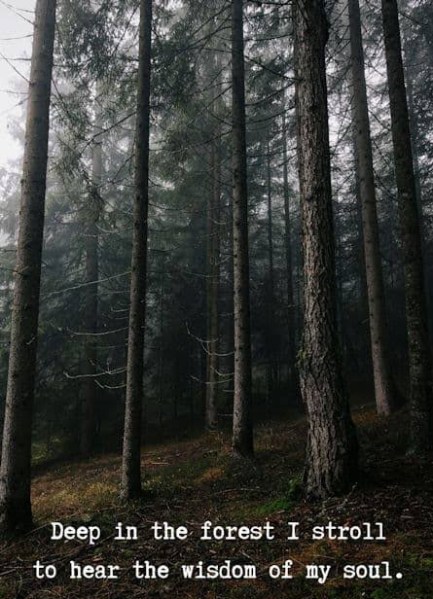
” I think that I shall never see A poem lovely as a tree “

Forest is of course the best poem ever. And what’s better than celebrating the beauty of both; the forests & the poems, on the same day. The starting lines of the blog & the March 21 , both relate the forests to the poetry. Yes, today is the day for the aesthetic, the day to celebrate beauty. Today is the international day of forest & also the world poetry day.

Let’s first talk about the history of the day.

The International Day of Forests (IDF) was proclaimed by The United Nations General Assembly on March 21st 2012.The Day celebrates and raises awareness of the importance of all types of forests.This day is an effort to attain the SDG 15. Each year , on this day, countries are encouraged to undertake efforts to organize activities involving forests and trees, such as tree planting campaigns. The theme for the year 2021 is “Forest  restoration : a path to recovery and well-being.”

During UNESCO’s 30th session which was held in Paris in 1999, the decision to proclaim March 21st as World Poetry Day was taken. The Day is celebrated to recognize ability of poetry to capture the creative spirit of the human mind.One of the main objectives of the Day is to support linguistic diversity through poetic expression and to offer endangered languages the opportunity to be heard within their communities. The day is celebrated to encourage every art form.

March 21st , is the day to celebrate the confluence of two beautiful arts, one by God & one by human.

Ps : For all those who’re in search of a poem, the forest could become the one. And for all those who’re in love with forests, poetry could express the feeling of pure love.🌿🌺💚✍️

Let Nature beam… Please Go Green..🌿🍃

🕊️ May the peace prevail on our Earth. May the hope abide in our Hearts. 🕊️

Happy Reading…🙂

Anniversaries (as of 2020)

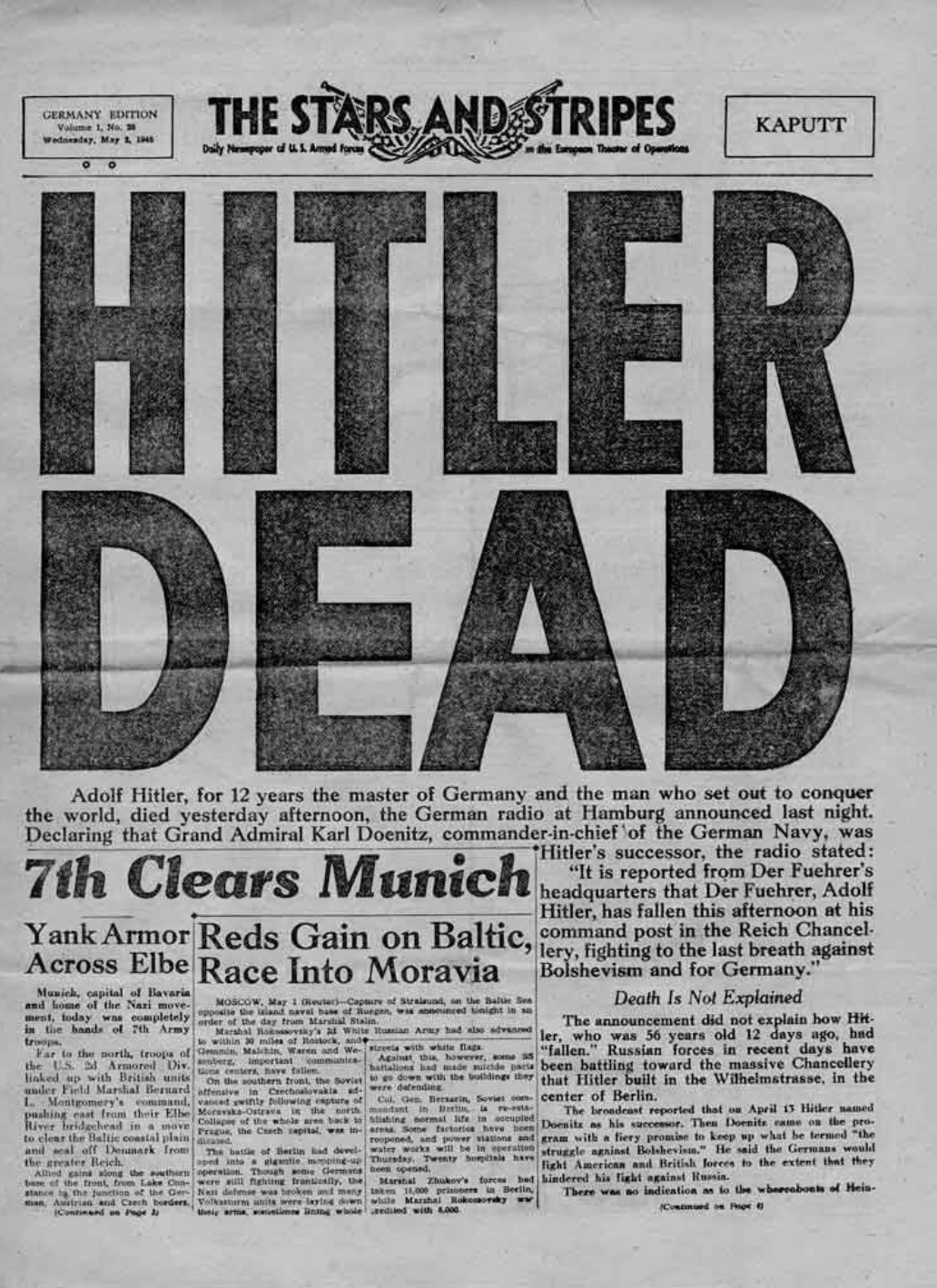
•75th anniversary of end of World War 2 (1st September 1939 – 2nd September 1945 )

It involved vast majority of the world’s countries forming two different military forces – the Allies and the Axis. The Allied won causing the fall of Nazi Germany and also death of Hitler. It was the deadliest war in world history.

•100th birth anniversary of Isaac Asimov

Isaac Asimov was an American author and a professor of biochemistry at Boston University. Born on 2nd January, 1920 in Petrovichi, Russia. He was well known globally for his science fiction works including ‘I, Robot’, ‘Caves of steel’, ‘End of eternity’ etc. Some of his stories have been made into movies.

• 200th birth anniversary of Anne Bronte

Anne Bronte was an English novelist and poet and the youngest of the famous Bronte sisters. She was born on 17th January, 1820 in Thornton, UK. Some of her works include ‘The tenant of Wildfell hall’ and ‘Agnes Grey’.

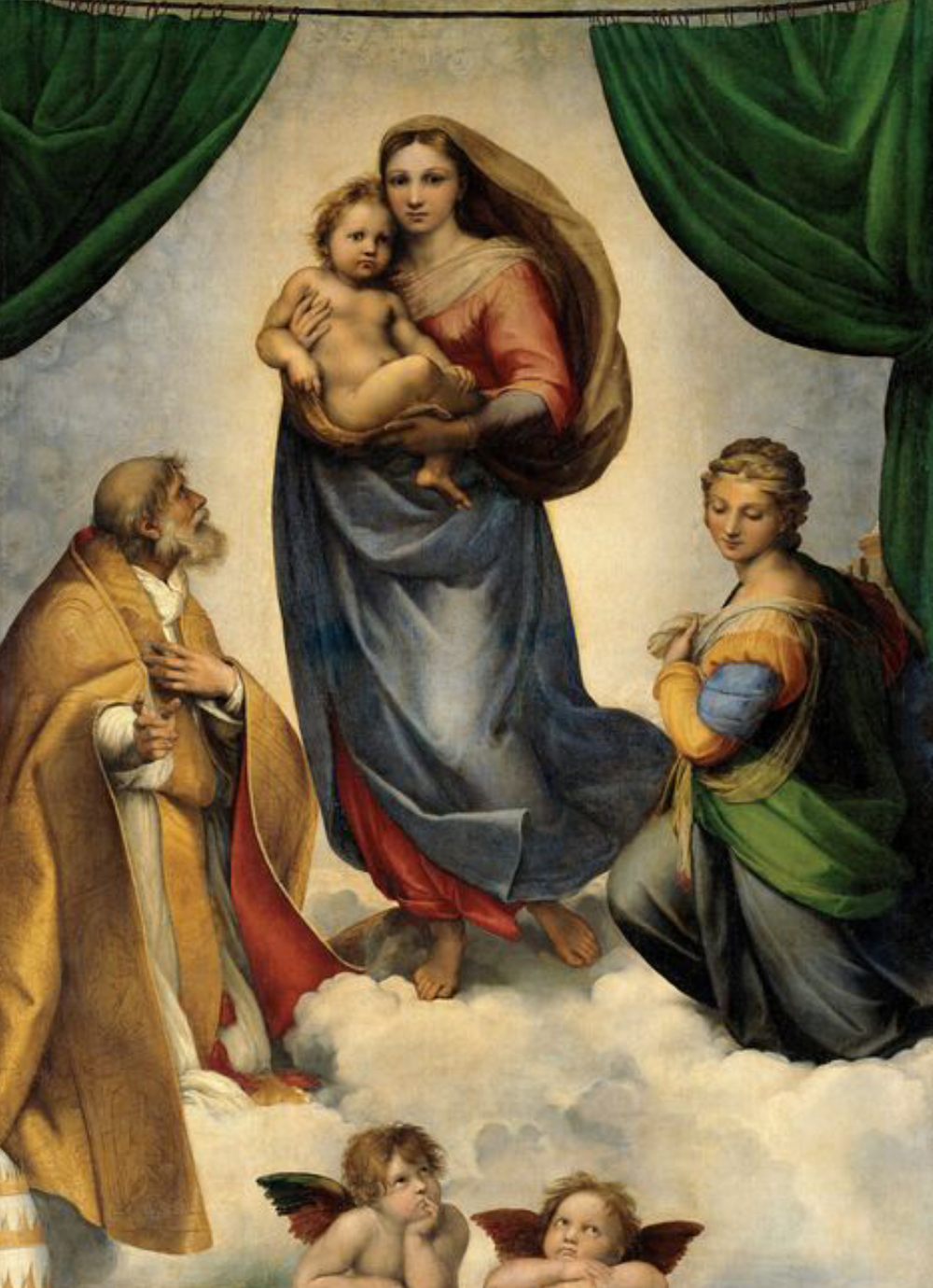
•500th death anniversary of Italian artist Raphael

One of the Renaissance period painters, Raffaello Sanzio da Urbino was born on 6th April, 1483 and died on 6th April, 1520. St. Peter’s Basilica is one of his works. His notable artworks include ‘The school of Athens’, ‘The Sistine Madonna’ , ‘The marriage of the virgin’ etc.

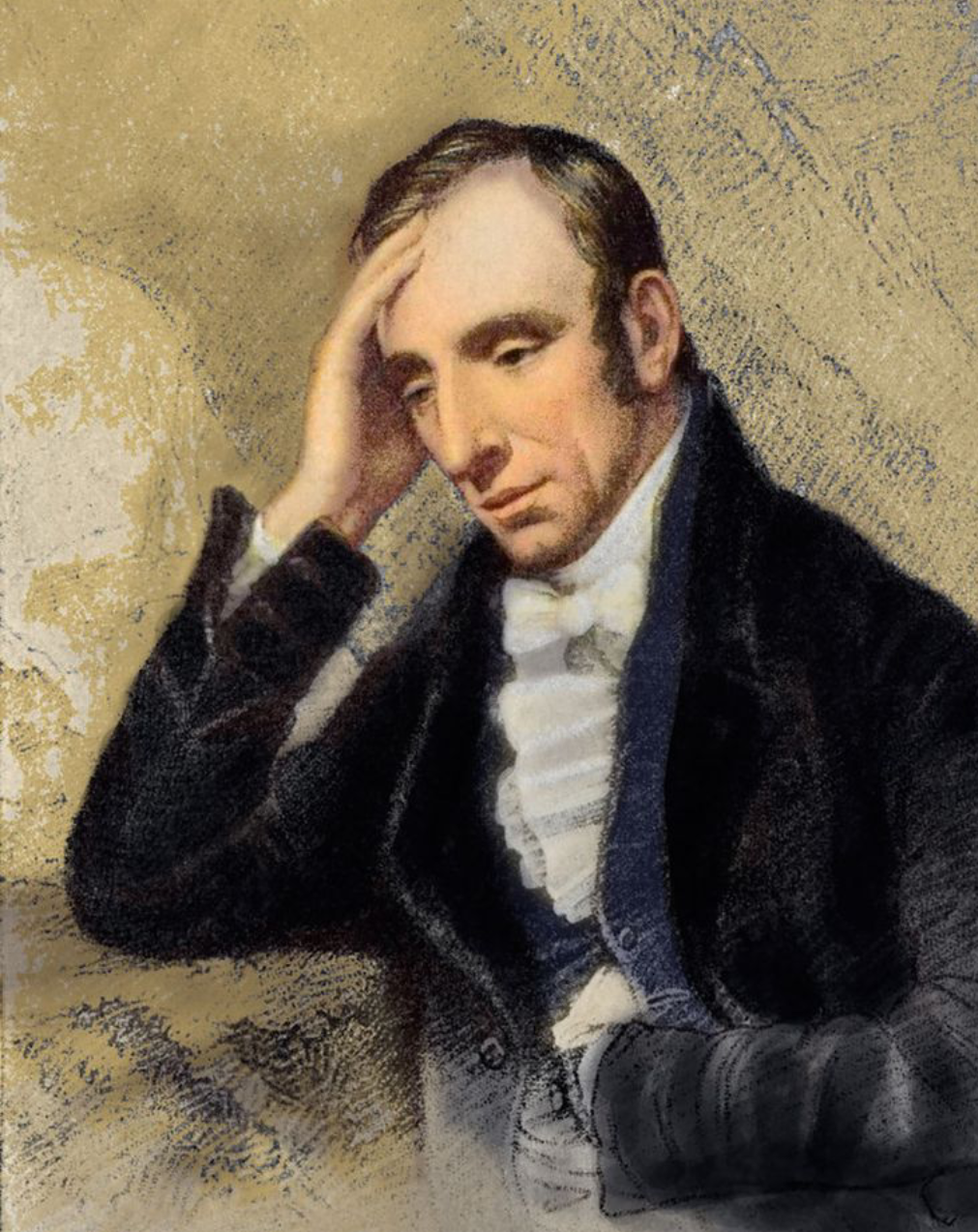
•250th birth William Wordsworth

The very famous poem, ‘I wandered lonely as a cloud’ poet William Wordsworth was born on 7th April, 1770 in Cockermouth, UK. He was an English Romantic poet.

•200th birth Florence nightingale

The English social reformer, statistician and the founder of modern nursing was born on 12th May, 1820 in Florence, Italy. She worked hard and determined as a nurse and earned the title ‘Lady with the Lamp’.

•150th death anniversary Charles Dickens

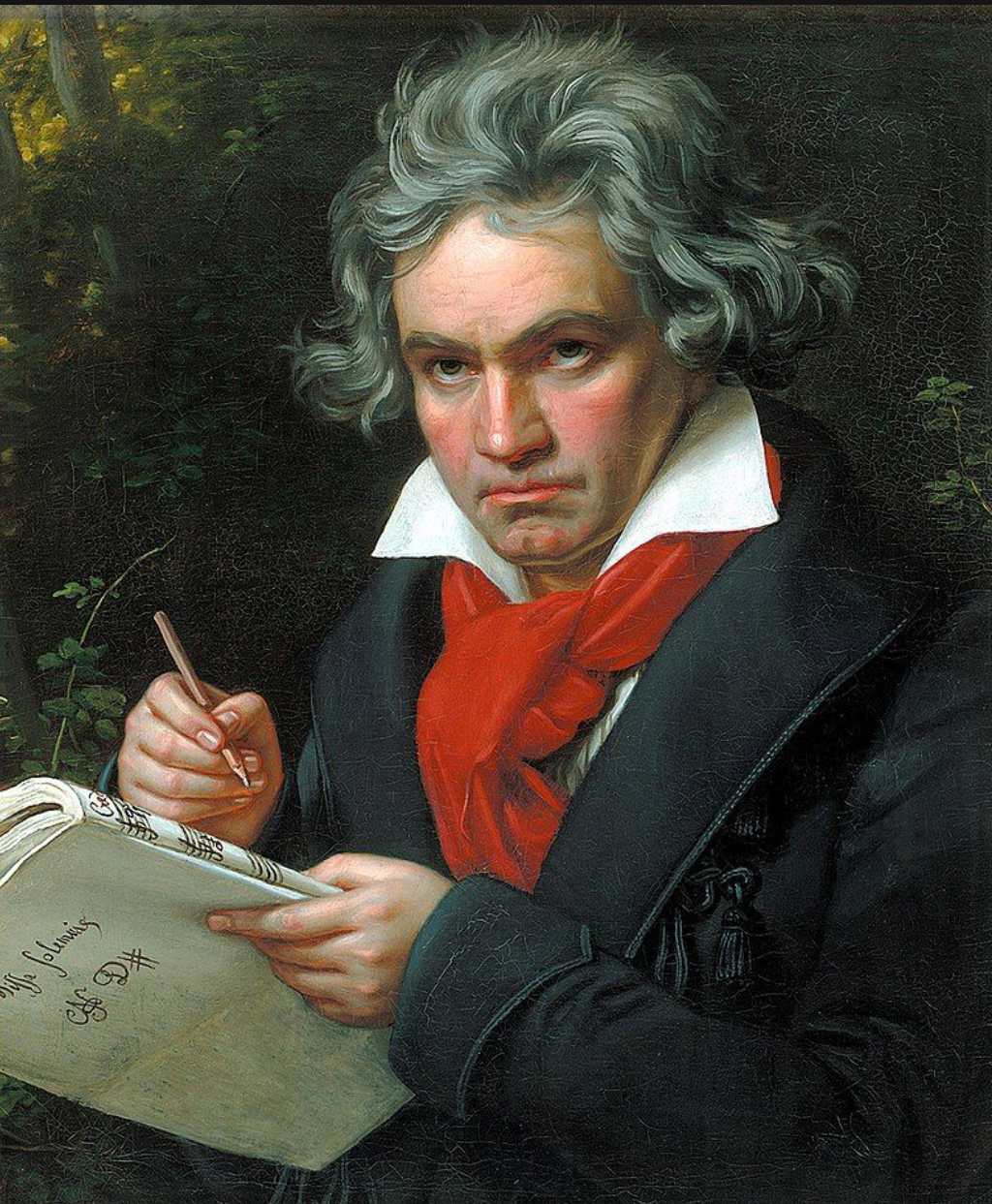
•250th birth anniversary of Ludwig van Beethoven

He was a German composer and pianist whose music ranks amongst the most performed classical music. Till date he remains the most admired composers in the history of western music. He was born in December 1770, Bonn, Germany.

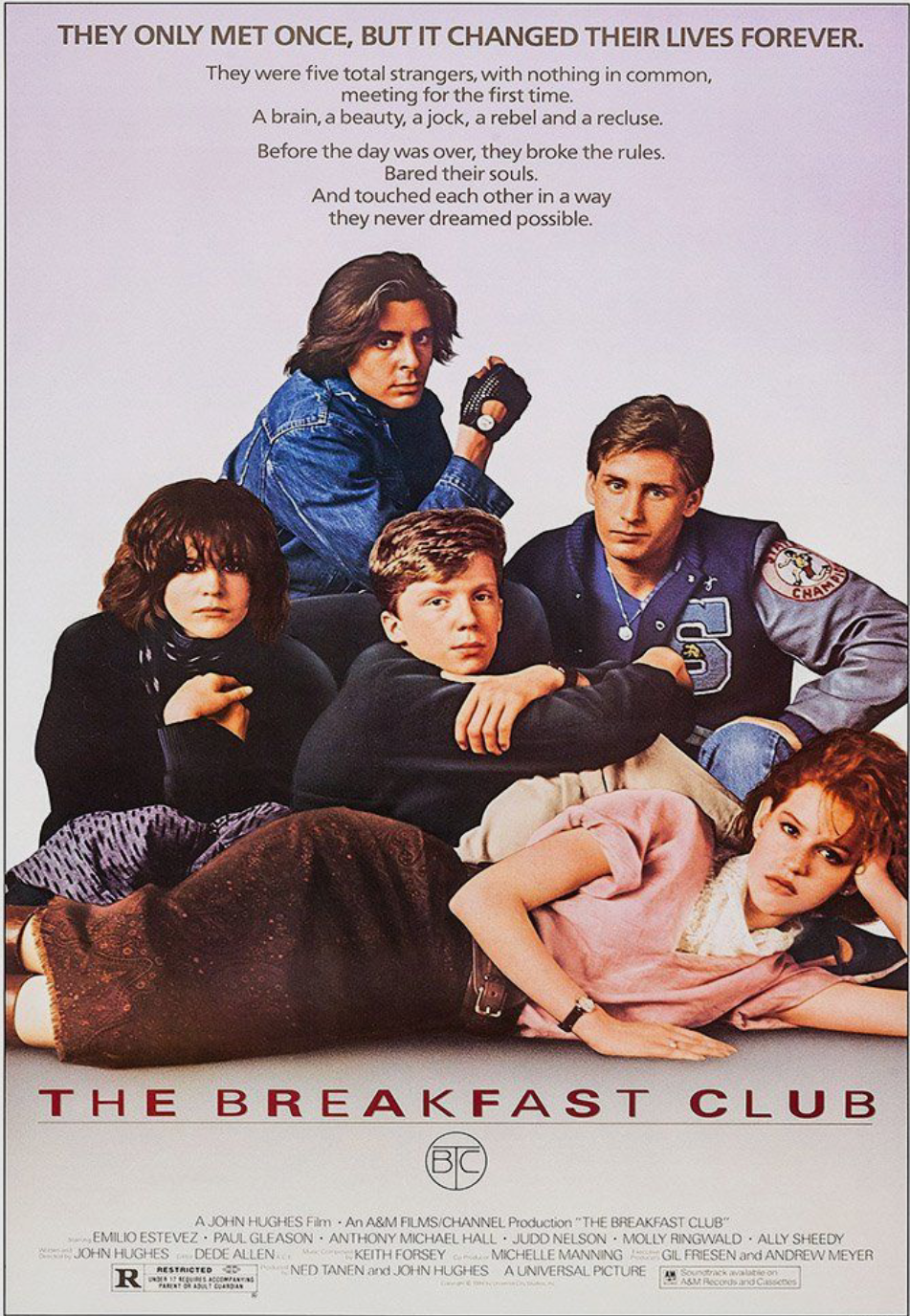
•Breakfast club is 35 now.

1985 The 1985 comedy and drama movie that has been a teenagers must watch since it’s release in 1985.

Thank you for reading. Have a nice day!🌼

‘SHALL I COMPARE THEE TO A SUMMER’S DAY’

“Sonnet 18” or “Shall I compare thee to a summer’s day” is one of the most acclaimed of all 154 sonnets written is written by English poet and playwright William Shakespeare. The poem was likely written in the 1590s, though it was not published until 1609. Like many of Shakespeare’s sonnets, the poem grapples with the nature of beauty and with the capability of verse to express that beauty. Praising his friend (considered to be a young man), the poem essays several clichéd metaphors and similes. The young man’s beauty can be best expressed by comparing him to the poem itself.

Shakespeare’s Sonnets are usually spectacular, sometimes unsettling, and sometimes ambiguous in their meanings. As sonnets, their central theme is ‘love’, but they also exhibit upon change, time, passion, loss, betrayal, and the unsettled gap in fantasy and fact when it comes to the person you admire. These are verses composed to remember the poet’s friend for eternity. In the memorable lines of Sonnet 18 Shakespeare implies that his poem bestows immortality: “So long as men can breathe or eyes can see, / So long lives this, and this gives life to thee.” The writer commences the appreciation of his dear friend without pretence, then he gradually creates the image of his friend into that of an ideal being. His friend is first compared to summer in the octave, but, in the line “But thy eternal summer shall not fade”, he is summer, and thus, he has transformed into the pattern by which real beauty can be judged.

The poet’s response to such great happiness and beauty is to assure that his companion is eternally in human recollection, kept from the emptiness that follows death. He comprehends that the individual human body cannot survive the passage of time and that it will ultimately wither away. As an outcome of the manner of aging, this body will die, for humankind is transient. It is said that to be born is to die. Thus, nobody can avoid death. But, the death of a person does not imply the end of the human race. Man, as a species will live on. Moreover, because of that, their creation will likewise endure. The poet understands that there is just one way to become eternal, and that is through the creation of timeless artwork. He is certain that his verse will be known and possessed in high appreciation for several generations. That is why the people of whom he expresses in his poetry will also prevail. In this way, upcoming readers of his verse will get to know that there was once a wonderful person who was the poet’s muse and inspiration. He achieves this through his verse, believing that, as history writes itself, his friend will become one with time. When the poet and his companion are no more, their fair image will be kept alive through the power of verse. Therefore, the beauty may not sustain, but the appreciation of that beauty in the poet’s expressions will live on.

TO A SKYLARK

“To a Skylark” by Percy Bysshe Shelley is an ode to the “blithe” nature of a singing skylark and how human beings are unable to ever attain that same bliss. In the poem, Shelley addresses a skylark that flies up at a magnificent height and sings so melodiously that the world is entranced and charmed by its sweetness .The skylark is Shelley’s most exceptional natural metaphor for true poetic emotion, the “harmonious madness” of classic influence. It signifies high poetic imagination, virtue, and messenger of peace and progress. The skylark’s song concerns a position of purified existence; its song is driven by the pleasure of that uncomplicated simplicity of life, and is unmixed with any sign of despair or of the bittersweet, as human happiness very usually is.

The skylark’s unrestrained melody pours down upon the world, transcending every other grace making the speaker assume that the bird is not mortal at all, but a “Spirit.” It stands for idealism free from crime, exploitation, and slavery. In the poem, it’s rarely noticed but its deep mellow song helps to evoke the people of the mystical visions of Nature. The bird signifies the sheer, unrestrained happiness that Shelley is frantically seeking. This desperation comes through in the next stanzas. He sees the bird as a “high-born maiden” that serenades her lover below her and spring, or “vernal showers” that rain on the flowers below. The skylark is like “rainbow clouds” and the type of all “Joyous” things. 

Structurally and linguistically, this poem is almost unique among Shelley’s works; its strange form of a stanza, with four compact lines and one very long line, and its lilting, songlike diction (“profuse strains of unpremeditated art”) work to create the effect of spontaneous poetic expression flowing musically and naturally from the poet’s mind. The skylark is happy because it apprehends what makes it happy. It has a chosen advantage over human beings, who know
both what gives them happiness and what causes them unhappiness. They worry about the end because they are unaware of things that lie beyond mortality, among other reasons. The skylark knows what lies beyond death, and feels no concern about it. It is no so shocking that it is exceptionally happy the line “We” pine for things that we do not have, and even our “sweetest songs” are full of the “saddest thought[s].” clearly states it.

The poem ends with the writer soliciting with the bird to “Teach [him] half the gladness / That thy brain must know.” Even that little amount of happiness would give Shelley the capability to produce “harmonious madness” that would force the world to listen to him must as raptly as he is listening to the skylark now. Some critics say that P.B Shelley was not a practical man. He was far away from realism. So his Skylark continuously soared higher and did not come to the earth, like the Skylark of Wordsworth. On the whole, this poem is Shelley’s one of the most excellent works.

The Faerie Queene

Fairy Queen is a famous epic of Edmund Spenser published in 1590 during the sixteenth century. The poet craftily impersonates The Renaissance and Reformation elements. The poet also presents different types of allegory. Faerie Land” is signified to hold a figurative significance in the real world. Each character in Spenser’s epic can be referenced somehow back to the church, political climate, or disputes and spirituality of his era. Though she never appears in the poem, the poem Faerie Queene represents Queen Elizabeth and her castle is the ultimate goal or destination of many of the poem’s characters. The poem is written in what began to be identified as the Spenserian stanza: eight lines of 10 syllables followed by one 12-syllable line, rhyming ababbcbcc. One of the most prominent symbolic episodes in The Faerie Queene is Redcrosse’s fight with the Error. Redcrosse represents the knight of Holiness in the story and this protagonist gets his name from the blood-red cross emblazoned on his shield. Error, the Red Cross Knight’s first adversary, a monster that lives in the wandering woods is portrayed as a frightful creature with the features of a woman and the hind part of a serpent resembles to be a biblical reference back to the tale of Adam and Eve. Eve, having erred by having an apple from the tree of knowledge of good and evil, was coaxed to do so by Satan in the appearance of a serpent. 

Error hates the light and the stanza “Ay wont in desert darkness to remaine” makes it evident. Redcrosse makes the light enter the cave because it ricochets off his armor but he is also metamorphically the light. Error has no interest in the light he has to offer and only wants to remain evil or lack of faith. The clash among the Knight and the beast proved to be the most intense one. At one point in the course of his clash, the Knight discovered himself in the choking grasp of the monster’s huge tail. At this point, Lady Una shouted to the Knight to prove his courage. She urged him to have faith in himself and Jesus Christ and to battle valiantly. Motivated by the lady’s words, the Knight attacked with strengthened power and bravery. He was able to rescue himself from the hold of the monster’s tail. He then clasped the monster’s throat with such restraint that she threw out a lot of filth from her mouth. Black poison and big lumps of flesh and raw meat came out from her gut. The beast had many young ones that had all sought safety inside her mouth when the Knight had entered the cave and these little offsprings had now emerged from the monster’s mouth. Finally, the Knight succeeded in splitting off the monster’s head and killing her. Her offspring then began to drink the blood which was oozing from her with it, and their bellies burst open which resulted in their death. This was the prime venture of the Red Cross Knight and Lady Una felicitated him on his achievement. 

Behind these simple facts, there are spiritual and ethical interpretations that combine and merge in each other. The Redcross Knight stands for Holiness. Lady Una stands for Truth and her parents symbolize Humanity. The foul Dragon is a symbol of the Devil or Satan. The purpose of holiness is to champion the belief of motivation of honesty and retrieve the virtue of the human race, held in bondage by the powerful force of darkness. To conclude we can say that Spenser has impersonated The Redcrosse Knight’s clash with the Monster Error with exceptional talent. He describes the blunders and risks that plagued humanity in the world and explains how they may be overcome in the course of life and endures the popularity and universality of Spenser’s The Faerie Queene.

THE PARTING

Michael Drayton, was an English poet, the first to write odes in English in the style of Horace. The Parting by Michael Drayton is a sonnet. It is a poem about the breakup of the relationship between the poet and his companion. This sonnet has a very strict form and the poet has been cautious in composing his poetry, to assure that it fits the design constraints. The sonnet is very short, it consists of only 14 lines. Oftentimes, he has to synopsize in a single line of the poem, something he would ordinarily have penned a. The line, “Shake hands forever, cancel all our vows” summarizes quite a precise sense of the dispute signifying enduringly, with no chance of reconciliation. There is a change from the aggression of the first half of the poem, there remains a slight hint in the second half, as the author threatens his lover, telling her that if she leaves him, then she will be a murderess, who has killed not only their endearment but love itself. The language is harsh and cold, and after the Volta, in the third and fourth quatrains, the language is softer and more personal. Again, this is a function of the form of the sonnet; there must be a drastic change of ideas after line eight. For example, there is the brutally aggressive “you get no more of me” in the second line, and the much gentler “Now at the last gasp of love’s latest breath”. The poet uses the Volta not just to change the language but also to the entire message. Instead of pushing her apart from him as he did in the first eight lines, he is now emphasizing her of how consequential the end of the relationship will be. He goes from demanding to practically pleading. The orders in the first two quatrains such as “be it not seen” are replaced with conditionals, such as “if thou would’ st”; it seems almost as though he is pleading with her. Also, worth noting is how he goes from using the aggressive “you” to the gentler “thou” after the Volta.

In a sonnet, the rhythm is always iambic pentameter, which means that there must always be ten syllables per line, with each second syllable being stressed and the author breaks this pattern. Besides, to the constraints of the number of lines, because of which the poem is compressed, simplifying the poem’s purpose, and enhances it. For example, in the first line, “SINCE there’s no help, come let us kiss and part— ” there should be no stress on the third syllable, but the author has written the poem so that there is, stressing the “no” and giving weight to the preciseness of the first two quatrains. The author again breaks the rhythm in the last two lines that are ” —Now if thou would’st, when all have given him over, From death to life thou might’st him yet recover.”  using eleven syllables instead of ten. This is not a blunder or an accident, it has been done for one of two purposes; to add importance to these lines because it appears out of place due to their length, or because the poet thought that he clearly could not sum up his feelings in the eleven syllables that the conventional sonnet allows him. When looking at the rhythm, we should look not only at the line length but also at the rhyme scheme. In the first two quatrains, the rhyme words are very harsh, distancing the author from the poem. For example, there are the very harsh consonant sounds of “part” and “heart”, However, in the third quatrain, there are much softer sounds, such as “breath”, “death”, “lies” and “eyes”. The harsh ‘r’s and ‘t’s are replaced by softer ‘th’s and ‘s’s. This pattern is mirrored throughout the poem; in the first two quatrains. 

The structure of the sonnet has considerably added to the essence of the poem. In perfecting the poem to suit the constraints, the poet has illuminated the message and intensified the sense of what he is trying to say. Besides, where the poet for some purpose breaks the rules of the poem which adds more meaning to the poem, highlighting specific elements and making other parts exceptional.