The problem of poverty in India

In India, poverty is presently estimated by fixing a poverty line based on a differentiated calorie-norm. This means that the level of poverty depends upon the capacity of a person to purchase food and a person who can buy specific amount of food to cross the poverty line margin for nutrients and calorie intake is above the poverty line. Whereas, the person who cannot buy enough food to meet the required nutrition value of calories and carbohydrates is below the poverty line. This level is not the correct parameter to check the level of poverty.
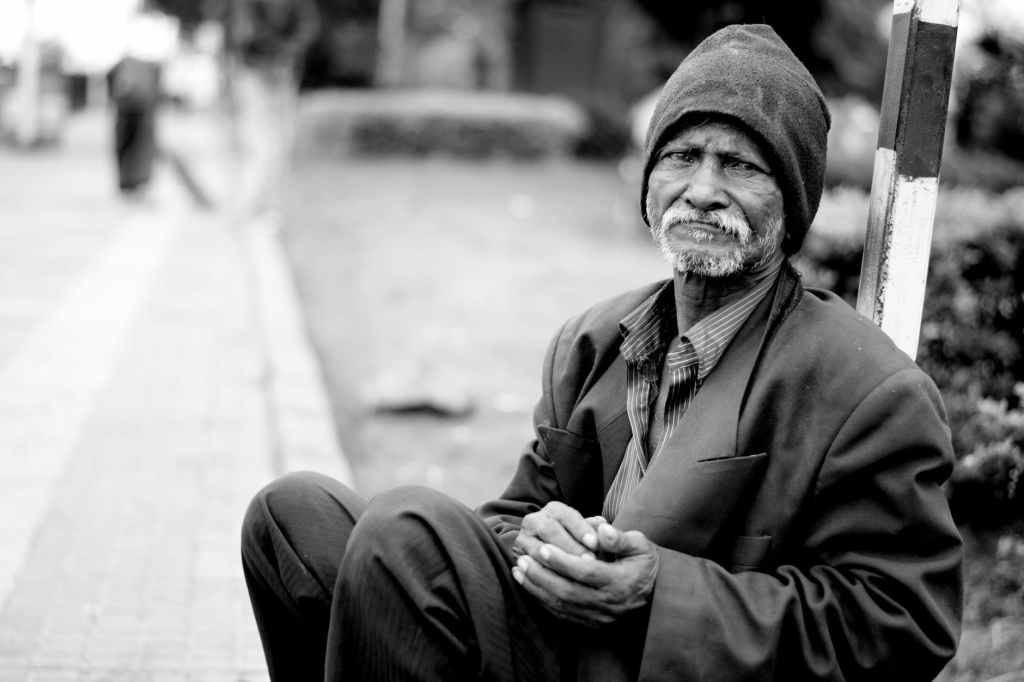
A task force of the Planning Commission in 1979 defined the poverty line as that per capita expenditure at which the average per capita per day calorie intake was 2400 calories in rural areas and 2100 calories in urban areas. Average per capita expenditures incurred by that population group in each State which consumed these quantities of calories, as per the 1973-74 survey of NSSO, were used as the poverty lines.

The debate on the extent of poverty in India has been a matter of global interest in the recent years. The primary reason for the global interest in the debate is that the levels of poverty in India and China have come to exert significant influence over the trends in world poverty itself.

Within India too, there has been growing contestation around poverty estimates, particularly in the period of economic reforms. First, there are persistent disagreements among economists on whether the rate of poverty decline after economic reforms was slower than in the preceding period. Secondly, the shift to targeted, rather than universal, welfare schemes has witnessed the use of poverty estimates to decide on the number of households eligible to access these schemes. The report of the Expert Group on the estimation of poverty, chaired by Suresh Tendulkar, is the latest input to the “Great Indian Poverty Debate.”
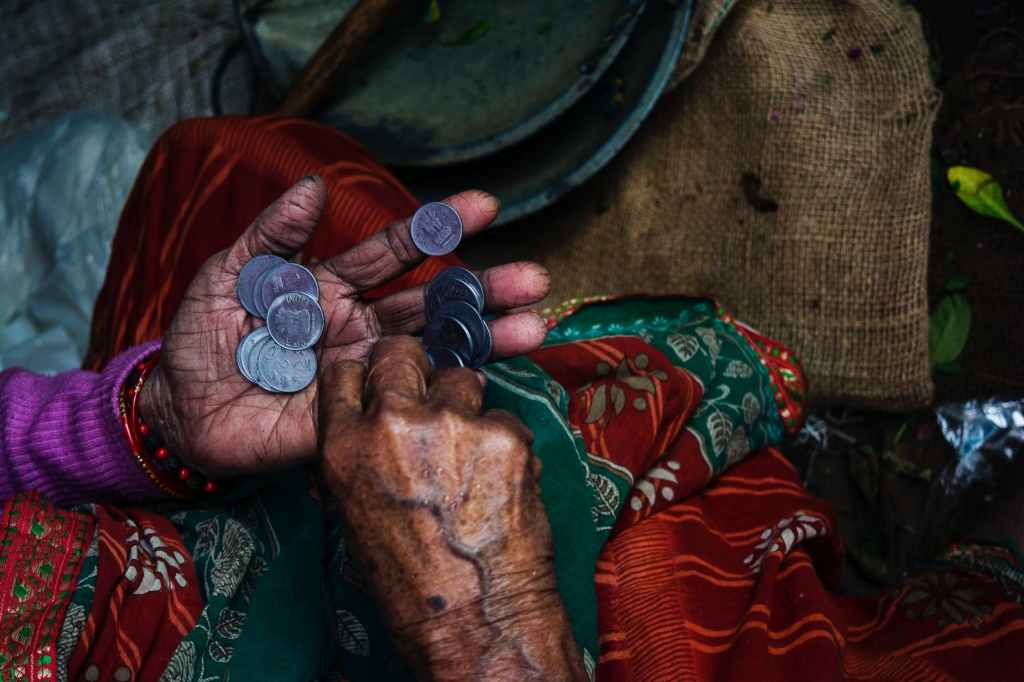
It is to be noted here that many subsidies and programs are launched by the government but these additional increments do not reach the actual people that are in need of them. Instead it is sent back to the businessman and thus a lot of profit is earned on these subsidized goods. Thus, to lower the level of poverty in India, schemes have to be launched in order to directly benefit the people in need.

The Hindu states that, “A final issue with the report, of much long-term consequence, relates to the wisdom of abandoning the calorie norm. It is indeed true that the levels of calorie intakes are not well correlated with nutritional outcomes. However, abandoning the calorie norm altogether and taking solace from the fortuitous fact that calorie intakes appear adequate at the new poverty lines is an arbitrary proposition. It is unclear whether there is any basis, theoretical or empirical, for this relationship to hold true across time.”

the Tendulkar Committee has pitched for a policy position that is stranded between the harsh realities of poverty in India and the fiscal conservativeness of a neo-liberal framework. The real challenge lies in preserving the positives from the report, and strongly persisting with the demand for a universal social security system.

– Ananya Kaushal

YOUNG MINDS – BIG REVOLUTIONS

It is rightly said, there is no age bar to make a difference in the world. It just needs an ignition and the willingness to do something different, for the betterment of the society. One might feel, it is a daunting task to initiate alone and make amendments, but a single person with grit and determination is sufficient enough to make the world a a better place. Mother Teresa states, “I cannot alone change the world, but I can cast a stone across the waters to create many ripples.” There are many such youth personalities, who came forward to make a difference.

Malala Yousafzai

Female education activist and Nobel Peace Prize awardee, Malala Yousafzai was born in a family where education to girl child was encouraged. Gaining inspiration from her father’s humanitarian work, she decided to get into female education activism. The terrorist group, Tehrik-i-Taliban, was agitated by the her attempts to encourage education for the women. Malala, along with two other girls were shot by gunmen from the same terrorist organization to retaliate against her activism. Even after facing such a violent attack at a tender age of just 15, she did not halt her deeds. She started a fund raising organisation with her own name after recovery. She was then featured in the Times Magazine as one of the Most Influential People in the world and was asked to address the House of Commons at Canada.

Isra Hisri

Isra Hisri, the daughter of Ilhan Omar (U.S Congresswoman), is an American Environmental Activist. She began gaining awareness bout concepts related to the environment in her freshman year when she became a part of her High School’s Environmental Club. In the Club, she was the only girl who had a dark complexion, hence she would feel left out amongst the whites. She played her part in co-ordination of student led strikes related to environmental protection in spite of being neglected by many of her fellow mates. Hisri has made it her goal to use her advocacy in environmental and anti-racial matters since the age of 16. She co-founded and served the Youth Climate Strike and has been awarded the Brower Youth Award.

Nkosi Johnson

Nkosi Johnson, hailing from South Africa was born with HIV-AIDS. He was adopted by another woman, as his mother could no longer nurture him since she herself was suffering from the disease. He lost his mother when he had begun with his schooling years. His school did not permit him to secure admission and attend classes when they became aware of what he was suffering from. Nkosi addressed at the International Aids Conference, encouraging Aids patients to be outspoken about the disease and seek medical aid. Nkosi’s Haven, a refuge for HIV Positive mothers and children was founded by him with the help of his adoptive mother. He lost his life in the year 2001 due to brain damage complications. He was declared as the awardee of International Children’s Peace Prize. His refuge was donated with USD 1,00,000 by Kids Right Foundation. Author, Jim Wooten, wrote a book on Nkosi’s journey of life and named it as We Are All The Same.

“BE THE CHANGE, YOU WANT TO SEE IN THE WORLD” – M.K Gandhi

There are several other youth personalities such as Greta Thunberg, Jaylen Arnold, Param Jaggi, Marley Dias and many more. The youth is not just the leaders of tomorrow but can be the leaders of today as well. Developing and nurturing social values is what the youth must try to contribute in today’s times. Young minds do have the energy and coherent ideas to bring about a change in society, therefore must strive for it. It is time for all the budding minds to realise their eureka moment and create a revolutionary change across the seven seas.

Affordable places to visit in india

India the land of culture, heritage, devotion and beauty. There are many beautiful places to visit in India and we cannot talk about all places in this article. So, here are 4 affordable places to visit. If you are travel lover then this is great for you all.

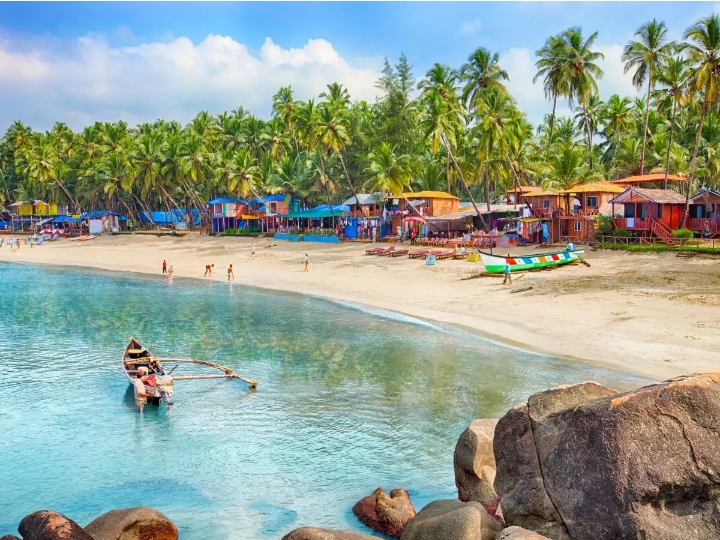
1) Goa

Goa is one of the cheapest country to visit. Alcohol is also very cheap here. You can have unlimited fun and crazy party all night and can even return with full pocket. The best time of the year to visit is October to March. Must visit places to visit is Calangute Beach, Fort Aguada, Dudhsagar falls, Anjuna beach. Goa is also known for its cruise and its water sports. You can check many websites for price. Average 4 days/ 3 Nights will cost you around 12,000 per adult on twin sharing with many amenities.

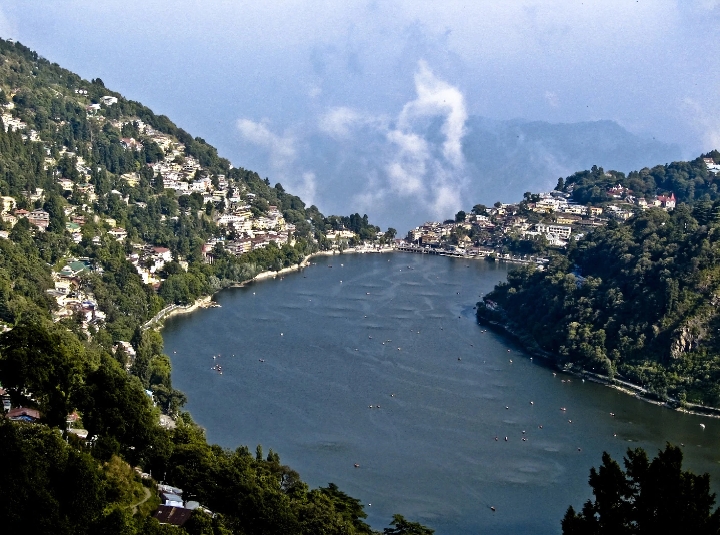
2) Nainital, uttarakhand

Nainital is famous for its misty lakes and mountains. Nainital is very beautiful hill station. It is also known for its cheap hotels and meals. You can do boating here at barely any cost. The area of interest lies in its name which it has gotten from the eye shaped Lake the Naini Lake thus due to this eye shaped Lake it’s called Nainital. Must visit places include Naini Lake, Tiffin top, Snow view point, Mall road, Eco cave gardens and High Altitude zoo. Average 3 days/ 2 Nights will cost you around 4,500 Rs per adult on twin sharing with other amenities as well. It can be seen that how much affordable is this place. Best time to visit is throughout the year.

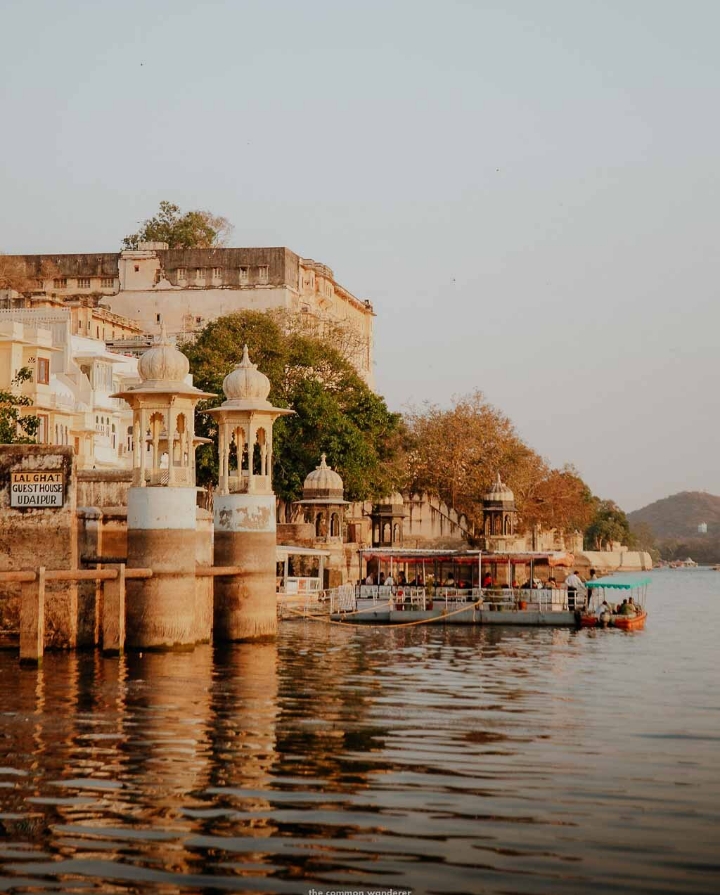
3) Udaipur, Rajasthan

Udaipur also know as city of lakes. It is also called as Venice of East. It is also termed as jewel. It has abundance of natural beauty, awesome architecture and breathtaking temples. Must visit places include Lake pichola, City Palace, Fateh Sagar Lake, Jaisamand Lake, Sajjangarh palace, Jagdish temple. In addition to this it cost very less on average 6 days/ 5 night stay cost you around 17,700 INR per adult on twin sharing. Best time to visit is from October to March.

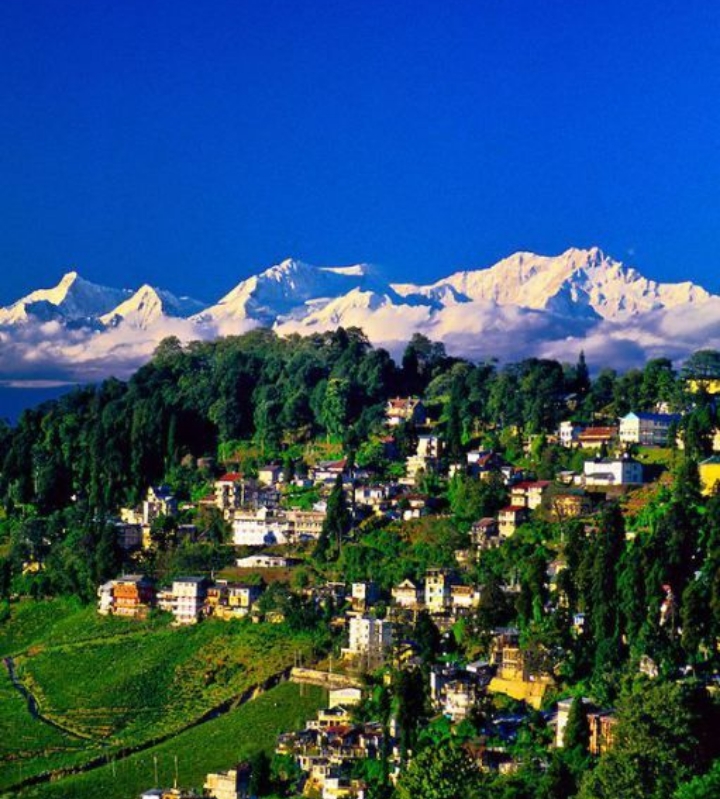
4) Darjeeling, West Bengal

Darjeeling also know as Queen of Himalayas, has jaw dropping and mesmerizing sunrises, the breathtaking beauty of the hills, the charm of past and all those beautiful smile of beautiful people. It is one of the most appealing hill station. And all chai lovers it offers best quality chai. Hotels and lodges are at reasonable price and it’s also cheap. Must visit places include Darjeeling Himalayan railway, Tiger hill, Batasia loop, Himalayan mounteering institute, Darjeeling ropeway and Nightingale park. Average 4 days/ 5 nights will cost around 8,375 Rs per adult on twin sharing. Best time to visit is from February to March and September to December.

So these are the places that have jaw dropping and breathtaking beauty. Apart from this they are also very affordable and hence you can easily visit with low money in your pocket. You can even check rates on different websites and there you may can get offers too. Hope you all like it.

Role of youths in nation

we cannot always build the future for our youth, but we can built our youth for our future

17+ Youth Leadership Quotes | Youth quotes, Leadership quotes, Good  leadership quotes

It is a well-known fact that the youth of any country is a great asset. They are indeed the future of the country and represent it at every level. The role of youths in nation-building is more important than you might think. In other words, the intelligence and work of the youth will take the country on the pathway of success. As every citizen is equally responsible, the youth is too. They are the building blocks of a country.

Role of Youth

The youth is important because they will be our future. Today they might be our partners, tomorrow they will go on to become leaders. The youths are very energetic and enthusiastic. They have the ability to learn and adapt to the environment. Similarly, they are willing to learn and act on it as well to achieve their goals.

Our youth can bring social reform and improvement in society. We cannot make do without the youth of a country. Furthermore, the nation requires their participation to achieve the goals and help in taking the country towards progress.

National Youth Day 2021: 10 inspirational and powerful quotes by Swami  Vivekananda

Likewise, we see how the development of any country requires active participation from the youth. It does not matter which field we want to progress in, whether it is the technical field or sports field, youth is needed. It is up to us how to help the youth in playing this role properly. We must make all the youth aware of their power and the role they have to play in nation-building.

Ways to Help the Youth

There are many ways in which we can help the youth of our country to achieve their potential. For that, the government must introduce programs that will help in fighting off issues like unemployment, poor education institutes and more to help them prosper without any hindrance.

Similarly, citizens must make sure to encourage our youth to do better in every field. When we constantly discourage our youth and don’t believe in them, they will lose their spark. We all must make sure that they should be given the wind beneath their wings to fly high instead of bringing them down by tying chains to their wings.

Furthermore, equal opportunities must be provided for all irrespective of caste, creed, gender, race, religion and more. There are various issues of nepotism and favoritism that is eating away the actual talent of the country. This must be done away with as soon as possible. We must make sure that every youth has the chance to prove themselves worthy and that must be offered equally to all.

Quote of the Week: Daisaku Ikeda on the power of youth. - World Tribune

In short, our youth has the power to build a nation so we must give them the opportunity. They are the future and they have the perspective which the older generations lack. Their zeal and enthusiasm must be channelized properly to help a nation prosper and flourish.

Conclusion

Thus, youths play a significant role in the progress and development of the nation. They can bring rapid change and development with sincere efforts. They have fire in them to fly high and chase the sky. So, if the power of youth is used wisely and optimally then it can surely lead to the national development.

a youth who doesn’t work hard,will be begging will he is old “