

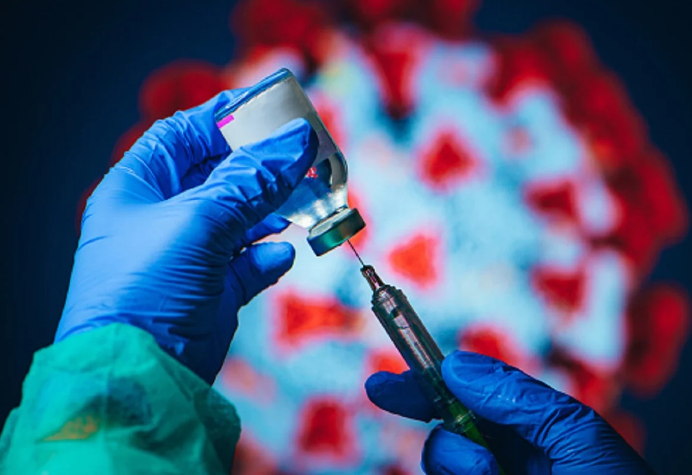
In a major policy shift, the Health Ministry on 2th July 2021 announced that pregnant women can now get vaccinated against Covid-19. Covid-19 vaccinations can save both pregnant woman and the child, said Dr N K Arora, Chairman, National Technical Advisory Group on Immunization. The Covid-19 vaccination has been expanded to include all citizens above 18 years of age, making more than 69 per cent of the population eligible, of which nearly half 48 per cent are women. Recent studies have shown that pregnant women who get infected with Covid-19 are more likely to require intensive care. Coronavirus infection during pregnancy can result in rapid deterioration of health and affect the fetus also. The health ministry released a fact sheet and detailed information for Medical Officers for counselling pregnant women. All pregnant women need to register themselves on the Co-WIN portal or may get themselves registered on-site at the Covid-19 vaccination center. The process of registration for pregnant women remains the same as of the general population and as per the latest guidance provided by Health Ministry from time to time.
Why should pregnant women take vaccine
Pregnancy does not increase the risk of Covid-19 infection. Most pregnant women will be asymptomatic or have a mild disease, but their health may deteriorate rapidly, affecting the fetus. It is also important for pregnant women to take all precautions to protect themselves from acquiring Covid-19, including taking vaccination against Covid-19. It is therefore advised that a pregnant woman should take Covid-19 vaccines. Multiple studies and experts have recommended that vaccines available in the market are safe for pregnant women to take.
How does covid-19 affect the health of pregnant women
Over 90 percent pregnant women recover without any need for hospitalization. A recent study by the Indian Council of Medical Research (ICMR) revealed that the case fatality rate in pregnant and postpartum women was 5.7 percent in the second wave as compared to just 0.75 percent in the first wave. Moreover, 28.7 percent of pregnant and postpartum mothers had severe symptoms in the second wave, as compared to 14.2 percent who showed any symptoms in the first wave. Those who are symptomatic appear to be at a higher risk of severe infection and death. In case of severe disease, they will need to be hospitalized. Pregnant women who are older than 35 years of age, and those who have underlying health conditions such as high blood pressure, obesity, are at higher risk of getting severe illness.
Precautions which need to be taken
Taking precautions against COVID-19 is extremely important for pregnant women, and so, it is advised that they take the COVID-19 vaccine. Multiple studies and experts have maintained that vaccines available are safe for pregnant women to take. The Covid-19 vaccination schedule can be started anytime during pregnancy. If a woman has been infected with Corona virus during the current pregnancy, she should be vaccinated soon after the delivery. Practice Covid appropriate behavior : wearing a double mask, frequent handwashing, maintaining physical distance and avoiding crowded areas to protect themselves and those around from spreading the COVID-19 infection.
 Eduindex