With 132.34 metric tonnes (MT) of gold purchase, RBI emerged as the largest buyer of the yellow metal among central banks between April 2020 and September 2022. Also, RBI was the top gold buyer among its peers in 2020 while it stood third in 2021. In 2020, it bought 41.68 MT of gold while in 2021 and 2022 (till September end) it bought 77.5 MT and 31.25 MT respectively.
In 2021 the huge gold buying by RBI occurred in the backdrop of falling yellow metal price in the global bullion market but War in Europe proved beneficial for gold as the price crossed $2,000 per ounce in the first week of March 2022. But, the yellow metal lost its gains in the middle of March as consistent rate hikes by the Federal Reserve strengthened Dollar Index and bonds emerged as attractive investment options for Institutions and retail investors.
Every major central bank keeps a portion of its reserves in gold as it plays a fine hedging instrument in the time of uncertainty and economic turmoil. During the balance of payment crisis in 1990-91, Indian government pledged 67 MT of gold to the Bank of England and Union Bank of Switzerland. During uncertain economic conditions, gold price takes upward trajectory and it was evident in 2020 when Covid induced economic turmoil made gold price touch an all time high of $2,067 per ounce. Since then GDP across the globe has picked up. Demand for yellow metal reduced with economic stability and prices declined consistently in 2021.
With 132.34 metric tonnes (MT) of gold purchase, RBI emerged as the largest buyer of the yellow metal among central banks between April 2020 and September 2022. Also, RBI was the top gold buyer among its peers in 2020 while it stood third in 2021. In 2020, it bought 41.68 MT of gold while in 2021 and 2022 (till September end) it bought 77.5 MT and 31.25 MT respectively.
In 2021 the huge gold buying by RBI occurred in the backdrop of falling yellow metal price in the global bullion market but War in Europe proved beneficial for gold as the price crossed $2,000 per ounce in the first week of March 2022. But, the yellow metal lost its gains in the middle of March as consistent rate hikes by the Federal Reserve strengthened Dollar Index and bonds emerged as attractive investment options for Institutions and retail investors.
Every major central bank keeps a portion of its reserves in gold as it plays a fine hedging instrument in the time of uncertainty and economic turmoil. During the balance of payment crisis in 1990-91, Indian government pledged 67 MT of gold to the Bank of England and Union Bank of Switzerland. During uncertain economic conditions, gold price takes upward trajectory and it was evident in 2020 when Covid induced economic turmoil made gold price touch an all time high of $2,067 per ounce. Since then GDP across the globe has picked up. Demand for yellow metal reduced with economic stability and prices declined consistently in 2021.
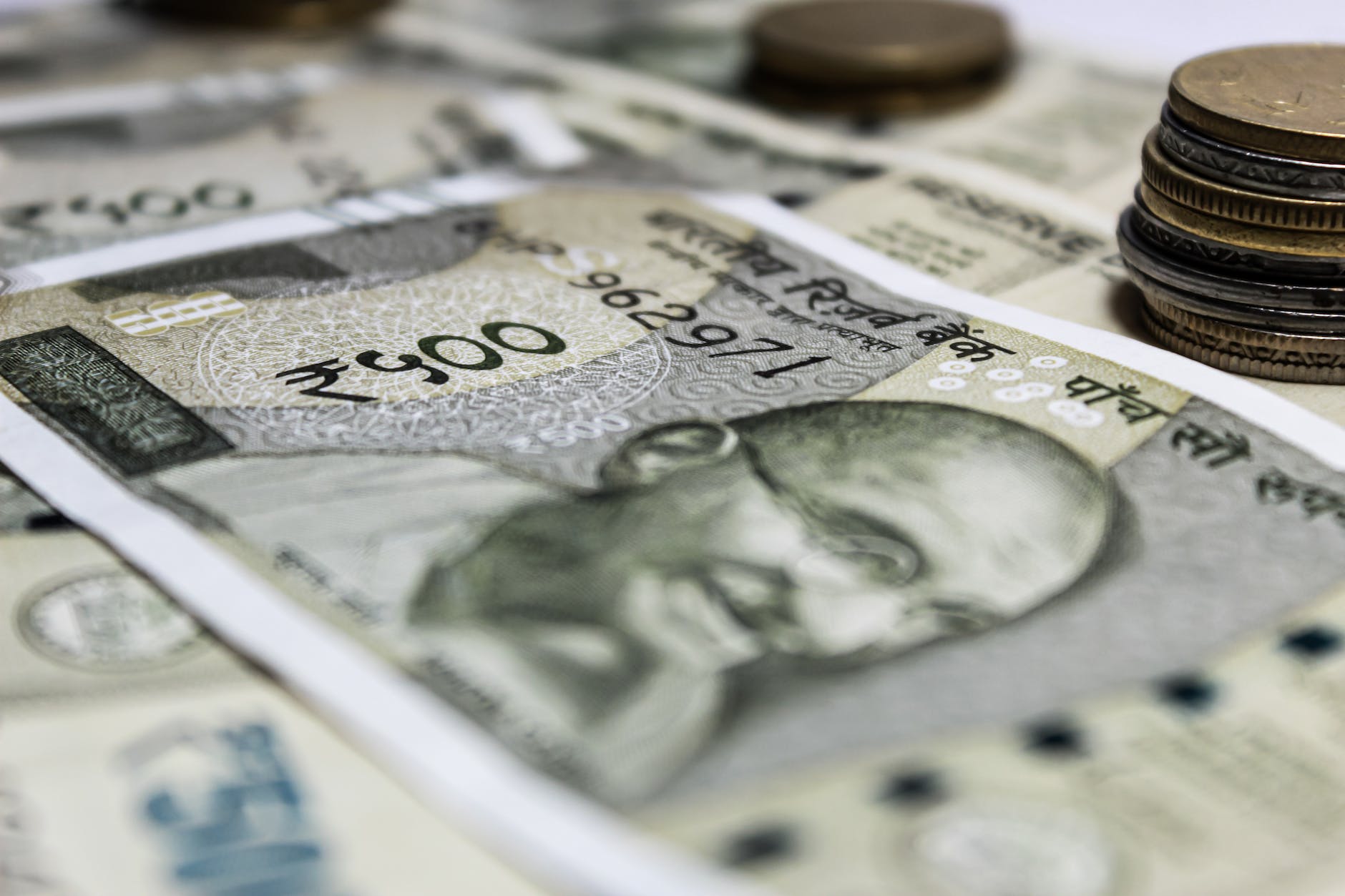
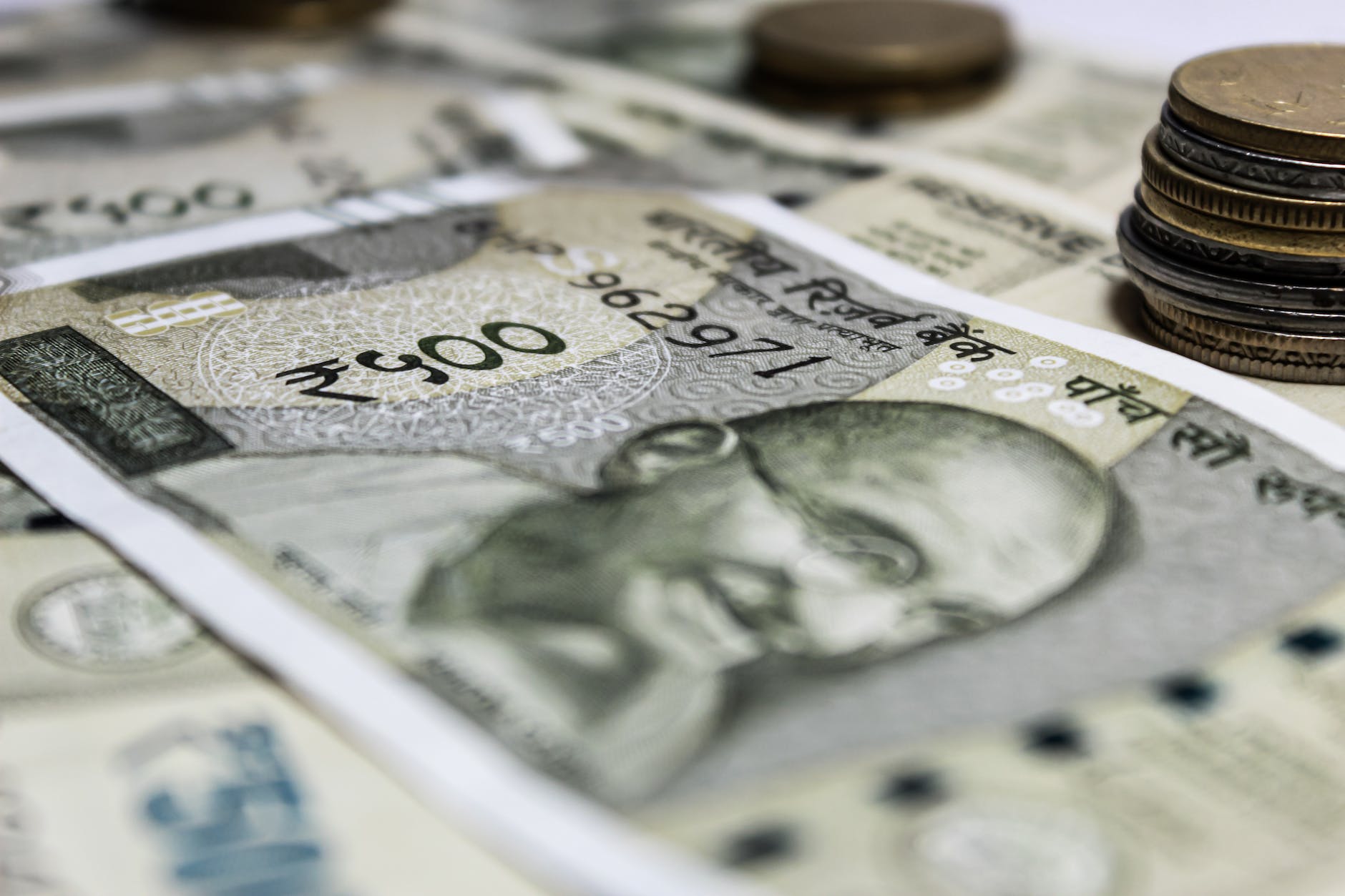
The rupee plunged 61 paise to decline below the 83-mark for the first time against the US dollar on today amid unabated foreign capital outflows and a strong dollar in the overseas markets.
Besides, rising crude prices in the international markets and risk-averse sentiment among investors weighed on the local currency, traders said.
The consumer price index rose 10.1 per cent, compared with 9.9 per cent the previous month, the Office for National Statistics said Wednesday. The new data shows inflation returned to the July peak and is once again at the highest since early 1982. The increase was driven by food prices, which leapt by 14.5 per cent from a year earlier, the biggest jump since 1980, the ONS said.
The US dollar held at a 32-year peak against the yen and rose from a two-week trough against a basket of major peers, underpinned by expectations of aggressive US Federal Reserve interest rate hikes.
The rupee plunged 61 paise to decline below the 83-mark for the first time against the US dollar on today amid unabated foreign capital outflows and a strong dollar in the overseas markets.
Besides, rising crude prices in the international markets and risk-averse sentiment among investors weighed on the local currency, traders said.
The consumer price index rose 10.1 per cent, compared with 9.9 per cent the previous month, the Office for National Statistics said Wednesday. The new data shows inflation returned to the July peak and is once again at the highest since early 1982. The increase was driven by food prices, which leapt by 14.5 per cent from a year earlier, the biggest jump since 1980, the ONS said.
The US dollar held at a 32-year peak against the yen and rose from a two-week trough against a basket of major peers, underpinned by expectations of aggressive US Federal Reserve interest rate hikes.
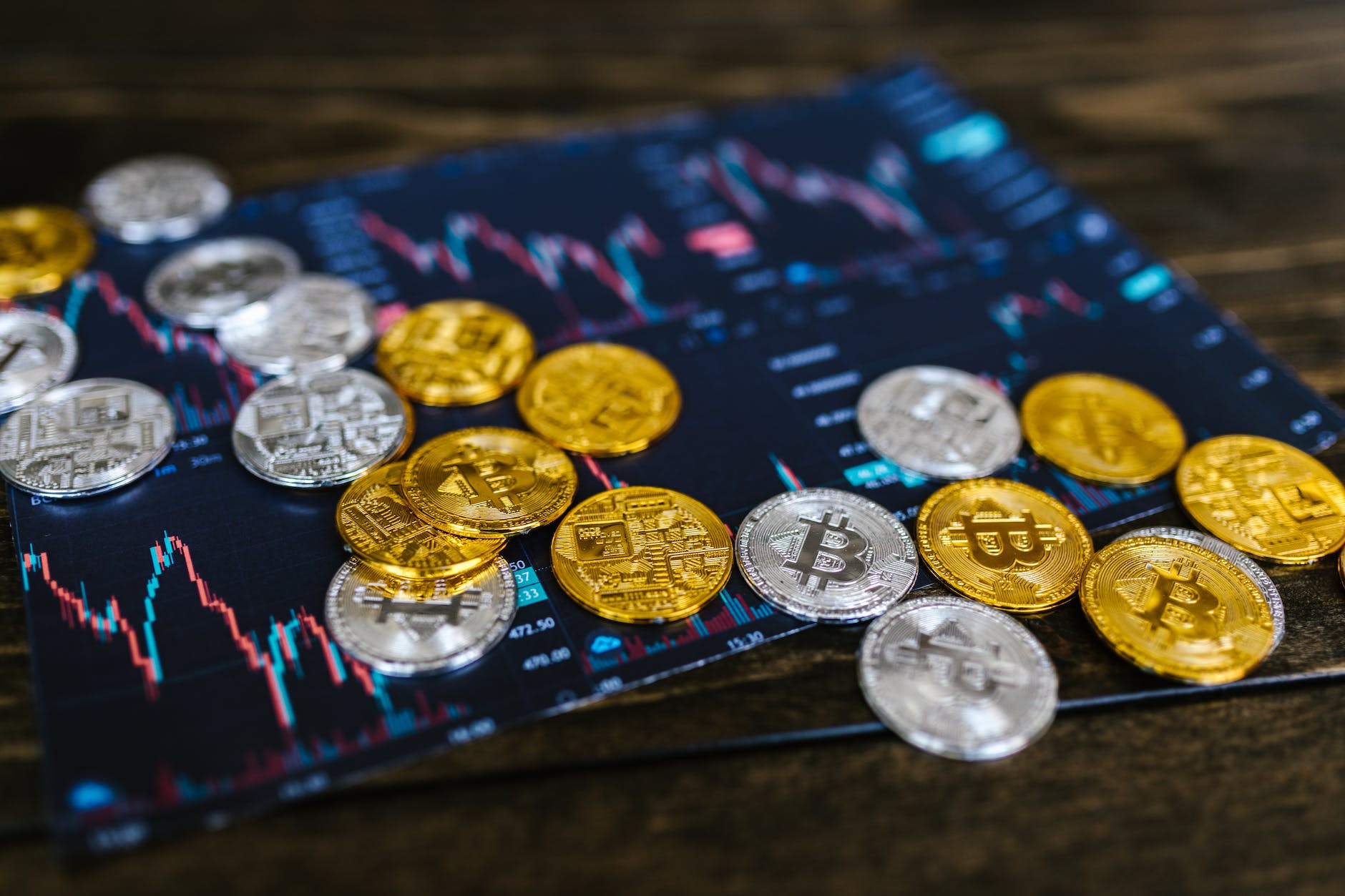
E-rupee or digital rupee is a digital version of the Indian rupee that the RBI is exploring. The RBI has proposed to issue two versions – wholesale for interbank settlement and retail for the public. According to the indirect model proposed by the RBI, you will hold the digital rupee in a wallet with a bank or service provider.
The Reserve Bank of India on 7th october said it will soon commence the pilot launch of digital Rupee or e-Rupee for specific use cases as it tests digital currency in India.
“As the extent and scope of such pilot launches expand, RBI will continue to communicate about the specific features and benefits of e-rupee, from time to time,” the central bank said in a concept note on Central Bank Digital Currency (CBDC).
The concept note also discusses key considerations such as technology and design choices, possible uses of the digital rupee, and issuance mechanisms, among others.
E-rupee or digital rupee is a digital version of the Indian rupee that the RBI is exploring. The RBI has proposed to issue two versions – wholesale for interbank settlement and retail for the public. According to the indirect model proposed by the RBI, you will hold the digital rupee in a wallet with a bank or service provider.
The Reserve Bank of India on 7th october said it will soon commence the pilot launch of digital Rupee or e-Rupee for specific use cases as it tests digital currency in India.
“As the extent and scope of such pilot launches expand, RBI will continue to communicate about the specific features and benefits of e-rupee, from time to time,” the central bank said in a concept note on Central Bank Digital Currency (CBDC).
The concept note also discusses key considerations such as technology and design choices, possible uses of the digital rupee, and issuance mechanisms, among others.
In the august meeting of the committee of the apex bank, the Reserve Bank of India (RBI) hiked the repo rate by 50 basis points to 5.4 per cent, its third hike in the current financial year continuing its fight to tame stubbornly high inflation.
The decision of the six-member Monetary Policy Committee (MPC) of the RBI, which met on August 3 to Aug 5, 2022 was largely in line with expectations. Financial markets were largely unchanged at mid day as the hike was on expected lines. The central bank said it would continue its stance of withdrawal of accommodation to ensure that inflation moves close to the target of 4 per cent over the medium term, while supporting growth.
RBI has been increasing policy rates since May, with a cumulative rate hike of 140 basis points being done so far, India’s retail inflation for June inched down in June to 7.01% from 7.04% in the previous month, but it remained above the 7% mark for the third successive month and above RBI’s 2-6% tolerance level for a sixth straight month.
But the estimates for July show that India’s inflation problem seems to have bottomed out sooner than the MPC thought. At its latest meeting earlier this month, RBI retained inflation projections for FY23 at 6.7% and estimated inflation to average 7.1% in the September quarter. There is more evidence that inflation in India has peaked for now, and it is likely to slow faster than RBI’s published trajectory, coming into the target band by October, according to our latest tracking estimates. The Central government working with RBI target to curb inflation from the economy in all possible way, the objective of these steps as expected by the committee is to lower the prices of basic commodity and works toward appreciation of the rupee against dollar.
In the august meeting of the committee of the apex bank, the Reserve Bank of India (RBI) hiked the repo rate by 50 basis points to 5.4 per cent, its third hike in the current financial year continuing its fight to tame stubbornly high inflation.
The decision of the six-member Monetary Policy Committee (MPC) of the RBI, which met on August 3 to Aug 5, 2022 was largely in line with expectations. Financial markets were largely unchanged at mid day as the hike was on expected lines. The central bank said it would continue its stance of withdrawal of accommodation to ensure that inflation moves close to the target of 4 per cent over the medium term, while supporting growth.
RBI has been increasing policy rates since May, with a cumulative rate hike of 140 basis points being done so far, India’s retail inflation for June inched down in June to 7.01% from 7.04% in the previous month, but it remained above the 7% mark for the third successive month and above RBI’s 2-6% tolerance level for a sixth straight month.
But the estimates for July show that India’s inflation problem seems to have bottomed out sooner than the MPC thought. At its latest meeting earlier this month, RBI retained inflation projections for FY23 at 6.7% and estimated inflation to average 7.1% in the September quarter. There is more evidence that inflation in India has peaked for now, and it is likely to slow faster than RBI’s published trajectory, coming into the target band by October, according to our latest tracking estimates. The Central government working with RBI target to curb inflation from the economy in all possible way, the objective of these steps as expected by the committee is to lower the prices of basic commodity and works toward appreciation of the rupee against dollar.
The impact of coronavirus pandemic on India has been largely disruptive in terms of economic activity as well as a loss of human lives. Almost all the sectors have been adversely affected as domestic demand and exports sharply plummeted with some notable exceptions where high growth was observed. An attempt is made to analyze the impact and possible solutions for some key sectors.
Food & Agriculture
Since agriculture is the backbone of the country and a part of the government announced essential category, the impact is likely to be low on both primary agricultural production and usage of agro-inputs. Several state governments have already allowed free movement of fruits, vegetables, milk etc. Online food grocery platforms are heavily impacted due to unclear restrictions on movements and stoppage of logistics vehicles. RBI and Finance Minister announced measures will help the industry and the employees in the short term. Insulating the rural food production areas in the coming weeks will hold a great answer to the macro impact of COVID-19 on Indian food sector as well as larger economy.
Aviation & Tourism
The contribution of the Aviation Sector and Tourism to our GDP stands at about 2.4% and 9.2% respectively. The Tourism sector served approximately 43 million people in FY 18-19. Aviation and Tourism were the first industries that were hit significantly by the pandemic. The common consensus seems to be that COVID will hit these industries harder than 9/11 and the Financial Crisis of 2008. These two industries have been dealing with severe cash flow issues since the start of the pandemic and are staring at a potential 38 million lay-offs, which translates to 70 per cent of the total workforce. The impact is going to fall on both, White and Blue collar jobs. According to IATO estimates, these industries may incur losses of about 85 billion Rupees due to travel restrictions. The Pandemic has also brought about a wave of innovation in the fields of contactless boarding and travel technologies.
Telecom
There has been a significant amount of changes in the telecom sector of India even before the Covid-19 due to brief price wars between the service providers. Most essential services and sectors have continued to run during the pandemic thanks to the implementation of the ‘work from home’ due to restrictions. With over 1 billion connections as of 2019, the telecom sector contributes about 6.5 per cent of GDP and employs almost 4 million people. Increased broadband usage had a direct impact and resulted in pressure on the network. Demand has been increased by about 10%. However, the Telco’s are bracing for a sharp drop in adding new subscribers. As a policy recommendation, the government can aid the sector by relaxing the regulatory compliances and provide moratorium for spectrum dues, which can be used for network expansions by the companies.
Pharmaceuticals
The pharmaceutical industry has been on the rise since the start of the Covid-19 pandemic, especially in India, the largest producer of generic drugs globally. With a market size of $55 billion during the beginning of 2020, it has been surging in India, exporting Hydroxychloroquine to the world, esp. to the US, UK, Canada, and the Middle-East.
There has been a recent rise in the prices of raw materials imported from China due to the pandemic. Generic drugs are the most impacted due to heavy reliance on imports, disrupted supply-chain, and labour unavailability in the industry, caused by social distancing. Simultaneously, the pharmaceutical industry is struggling because of the government-imposed bans on the export of critical drugs, equipment, and PPE kits to ensure sufficient quantities for the country. The increasing demand for these drugs, coupled with hindered accessibility is making things harder. Easing the financial stress on the pharmaceutical companies, tax-relaxations, and addressing the labour force shortage could be the differentiating factors in such a desperate time.
Oil and Gas
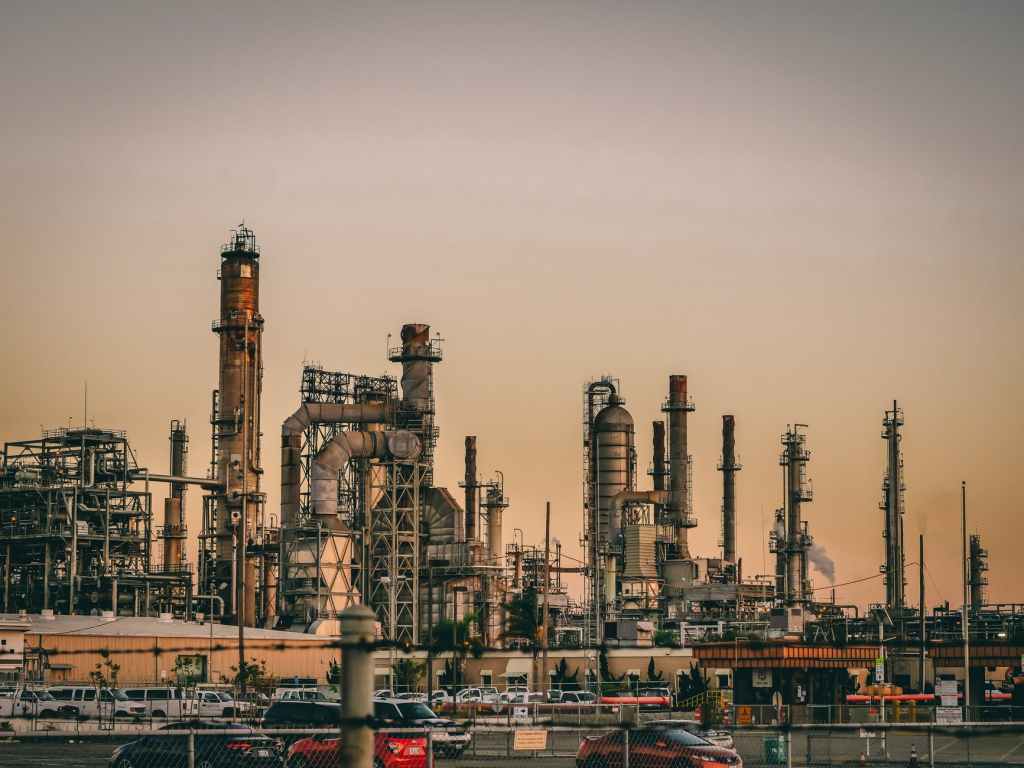
The Indian Oil & Gas industry is quite significant in the global context – it is the third-largest energy consumer only behind USA and Chine and contributes to 5.2% of the global oil demand. The complete lockdown across the country slowed down the demand of transport fuels (accounting for 2/3rd demand in oil & gas sector) as auto & industrial manufacturing declined and goods & passenger movement (both bulk & personal) fell. Though the crude prices dipped in this period, the government increased the excise and special excise duty to make up for the revenue loss, additionally, road cess was raised too. As a policy recommendation, the government may think of passing on the benefits of decreased crude prices to end consumers at retail outlets to stimulate demand.
Beyond Covid: The new normal
In view of the scale of disruption caused by the pandemic, it is evident that the current downturn is fundamentally different from recessions. The sudden shrinkage in demand & increased unemployment is going to alter the business landscape. Adopting new principles like ‘shift towards localization, cash conservation, supply chain resilience and innovation’ will help businesses in treading a new path in this uncertain environment.
Coronavirus (COVID-19), a virus that grew stealthily has become one of the deadliest viruses that are killing people worldwide. This virus took birth in Wuhan city of China and since then have traveled to more than 160 countries. The World Health Organization (WHO) has declared Coronavirus as a pandemic. It has become a mass scare and is leading to the deaths of thousands of people in numerous countries including China, Italy, Iran, Spain, the US, and many more. In India, this pandemic started on 30 January 2020 by affecting an individual who had a travel history from Wuhan, China.
The world economy is seeing its greatest fall ever. Coronavirus has largely impacted the growth of almost every country and is responsible for the slump in GDP worldwide. Like other countries, India is also impacted by this virus but not largely. Almost every industry sector has seen a fall in their sales and revenue. India’s GDP growth has fallen to 4.7% in the third quarter of 2020.
Inflation and Affected Industry:
China is one of the largest exporters of many raw materials to India. Shutting down of factories has damaged the supply chain resulting in a drastic surge in the prices of raw materials. Some of the other products that have seen a rise in their prices are gold, masks, sanitizers, smartphones, medicines, consumer durables, etc. The aviation sector and automobile companies are the hardest hit among the rest. With no airplane landings or take-offs globally and restricted travel has brought the aviation and travel industry to a halt.
Slump in Share market: Share markets that include Sensex and Nifty are on nose dive since the occurrence of this pandemic (COVID-19). Sensex has declined close to 8000 points in a month. As of 12 March 2020, share market investors have lost approximately Rs. 33 lakh crore rupees in a month. This could be the beginning of a recession that the Indian market will never want to witness. Investors are advised to stay safe and invested in this virus-infected stock market. Few industries that can benefit from novel coronavirus during the time of the market crash are pharmaceuticals, healthcare, and Fast Moving Consumer Goods (FMCG).
Cash flow Issue: Due to this outbreak, almost 80% of Indian companies have witnessed cash flow difficulty and over 50% of companies are facing operations issues. As per the Federation of Indian Chambers of Commerce and Industry (FICCI), 53% of companies are impacted by COVID-19. Slow economic activity is resulting in cash flow problems eventually impacting repayments, interest, taxes, etc.
Coronavirus (COVID-19), a virus that grew stealthily has become one of the deadliest viruses that are killing people worldwide. This virus took birth in Wuhan city of China and since then have traveled to more than 160 countries. The World Health Organization (WHO) has declared Coronavirus as a pandemic. It has become a mass scare and is leading to the deaths of thousands of people in numerous countries including China, Italy, Iran, Spain, the US, and many more. In India, this pandemic started on 30 January 2020 by affecting an individual who had a travel history from Wuhan, China.
The world economy is seeing its greatest fall ever. Coronavirus has largely impacted the growth of almost every country and is responsible for the slump in GDP worldwide. Like other countries, India is also impacted by this virus but not largely. Almost every industry sector has seen a fall in their sales and revenue. India’s GDP growth has fallen to 4.7% in the third quarter of 2020.
Efforts from CII and Govt. of India: Confederation of Indian Industry (CII) has suggested the RBI reduce repo rate up to 50 basis points and also asked for a reduction of 50 basis points on the cash reserve ratio. The government is planning to set up an amount to support MSMEs to overcome the crisis during this phase of shut down, cash flow difficulty, and working capital issues.
The Reserve Bank of India (RBI) is India’s central bank, also known as the banker’s bank. The RBI controls the monetary and other banking policies of the Indian government. The Reserve Bank of India (RBI) was established on April 1, 1935, in accordance with the Reserve Bank of India Act, 1934. The Reserve Bank is permanently situated in Mumbai since 1937.
Establishment of Reserve Bank of India
The Reserve Bank is fully owned and operated by the Government of India. The Preamble of the Reserve Bank of India describes the basic functions of the Reserve Bank as;
1)Regulating the issue of Banknotes
2)Securing monetary stability in India
3)Modernising the monetary policy framework to meet economic challenges
The Reserve Bank’s operations are governed by a central board of directors, RBI is on the whole operated with a 21-member central board of directors appointed by the Government of India in accordance with the Reserve Bank of India Act.
The Central board of directors comprise of: Official Directors – The governor who is appointed/nominated for a period of four years along with four Deputy Governors. Non-Official Directors – Ten Directors from various fields and two government officials.
Functions of RBI
The Issuer of the Currency: It has the sole authority to produce the currency. It also takes action to stop regulating the passage of fake money.
Banker to the Government: It acts as a financer both to state and central government. It delivers short-term credit. It governs all new matters of government lands, maintaining the government debt unsettled, and taking care of the market for the government securities. It counsels the government on banking and monetary subjects.
Banker’s Bank: It is the bank of all banks in the country as it delivers the loan to banks, rediscounts the invoice of banks and receives the payment of banks.
Lender of Last Resort: All the other banks can borrow from the RBI by keeping qualified securities as a deposit at the time of crisis.
Money Supply and Regulator of Credit: To manage demand and supply of cash in economy by Open Market Actions, Credit Ceiling and much more. It has to meet the credit necessities of the remaining banking system. It requires sustaining price stability and an elevated rate of economic growth.
The Reserve Bank on Saturday came up with revised long format audit report (LFAR) norms with a view to improving efficacy of internal audit and risk management systems.
The LFAR, which applies to statutory central auditors (SCA) and branch auditors of banks, has been updated keeping in view the large scale changes in the size, complexities, business model and risks in the banking operations, the RBI said.
The revised LFAR format will be put into operation for the period covering 2020-21 and onwards, the central bank said.
“The overall objective of the LFAR should be to identify and assess the gaps and vulnerable areas in the business operations, risk management, compliance and the efficacy of internal audit and provide an independent opinion on the same to the Board of the bank and provide their observations,” the RBI said.It further said that the LFAR should be placed before the Audit Committee of Board and Local Advisory Board of the bank indicating the action taken or proposed to be taken for rectification of the irregularities.The RBI further said the coverage in the LFAR should be ‘credit risk areas’, ‘market risk areas’, assurance functions and operational risk areas’, ‘capital adequacy’ and ‘going concern and liquidity risk assessment’, among others.
After one and a half years of resignation, citing the personal reasons, Urjit Patel has now revealed the real reason of his resignation.
In his book Overdraft- Saving the Indian Saver, he has explained that “the moves to dilute the Insolvency and Bankruptcy Code” led the cause of his sudden exit from the central bank. Patel was served as the 24th governor of Reserve Bank of India since September 2016 to December 2018.
Reasons for the Tussle
Former governor of the Central Bank says that, “Instead of buttressing and future-proofing the gains thus far, an atmosphere to go easy on the pedal ensued,” “Until then, for the most part, the finance minister and I were on the same page, with frequent conversations on enhancing the landmark legislation’s operational efficiency.” He adds that “there were requests for rolling back the February circular” and “a canard was spread” to discredit the rules, including by incorrectly suggesting that small businesses would suffer disproportionately.
NPA build up in UPA Regime
Urjit Patel blames for the piling up of NPAs to the UPA government. He writes that, “The government is responsible for ensuring adequate capital for banks that are under its ambit on sustainable basis. The dominant owner pre-2014 didn’t question risk controls in government banks even as it received significant dividends,” He also adds that, “There was a failure to acknowledge and rectify government banks’ inability to identify poor performing assets; and restructure and react quickly to improve recovery or cut losses.
Explaining the situation at that time, he writes, “A number of government banks did not have senior management in place, and governance suffered. This is a perennial shortcoming on account of bureaucratic inertia and political meddling. Ditto for the banks’ board of directors; it is common knowledge that this has traditionally been a placeholder for sinecure to political supporters,”.
Urjit Patel’s book has released today. In this he has mostly dealt with the policy matters and the stability of the banking system.








 Eduindex
You must be logged in to post a comment.