Sustainable Development Goals

Times are not just difficult but also alarming for every sphere of our existence. At first glance, it might appear that the raging pandemic has temporarily paused climate action and initiatives related to other environmental issues. Sustainability, it appears, may have taken a back-seat too. However, with a decade left for the end of ‘Agenda 2030’, achieving sustainable development has become even more important.



A significant feature of the raging pandemic is that it has disrupted the hyper-interconnected world characterized by globalization. Supply chains are badly affected and global markets are under severe stress. Evidently, the virus has laid bare the vulnerabilities and risks of a globalized world order. In fact, it has put under scanner not just globalization but also the Sustainable Development Goals. Nevertheless, this could be a turning point for the international community to unlearn and revamp its basic conduct on global governance and make it more inclusive in nature. Besides, the pandemic has also thrown open an opportunity to give impetus to a glocalized framework of global governance to protect the ‘global commons’ in the light of the broader debate on sustainability.

This is where glocalization can fill the gap. Simply put, glocalization refers to the interpretation, representation and replication of the global elements at the local level.

The term, glocalization, is used quite frequently in business parlance but it has begun to gain momentum in cultural, social and political arenas too. Utilizing it appropriately in the environmental domain is the need of the hour.

The term, glocalization, is used quite frequently in business parlance but it has begun to gain momentum in cultural, social and political arenas too. Utilizing it appropriately in the environmental domain is the need of the hour.


Covid-19 has brought about the necessity of refining and revising globalization. This can be done by integrating glocal elements to achieve global good, be it sustainable development or climate action, by roping in local actors, such as subnational agencies, grassroots bodies, non-governmental organizations and other relevant non-State actors in the discussion on sustainability. Localizing economies would provide leverage to the development targets of those like India. This can help attain the much-needed balance between ecological equity and economic growth. Additionally, it is hard to overlook the expertise and knowledge offered by local populations that are located at ground zero and are in tune with ground realities. This kind of resource efficiency could prove to be useful in operationalizing the potential glocal elements of global governance. Factors like accountability, transparency and trust-building among the State and non-State actors are also vital in this context.


Considering the changes in modern living, starting from working remotely to radically cutting down on carbon footprints, glocalization could turn out to be a viable alternative to globalization, thereby creating innovative pathways for sustainable development in the near future.

Written by : Ananya Kaushal
Out of sight out of mind

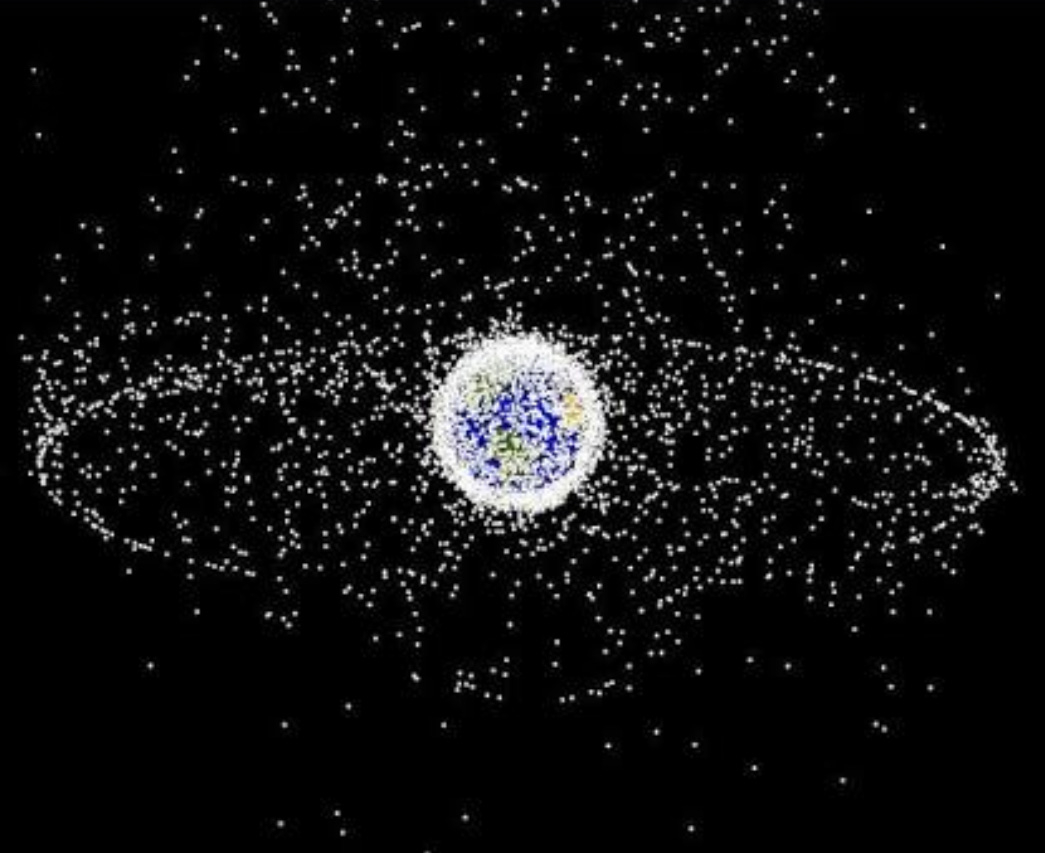
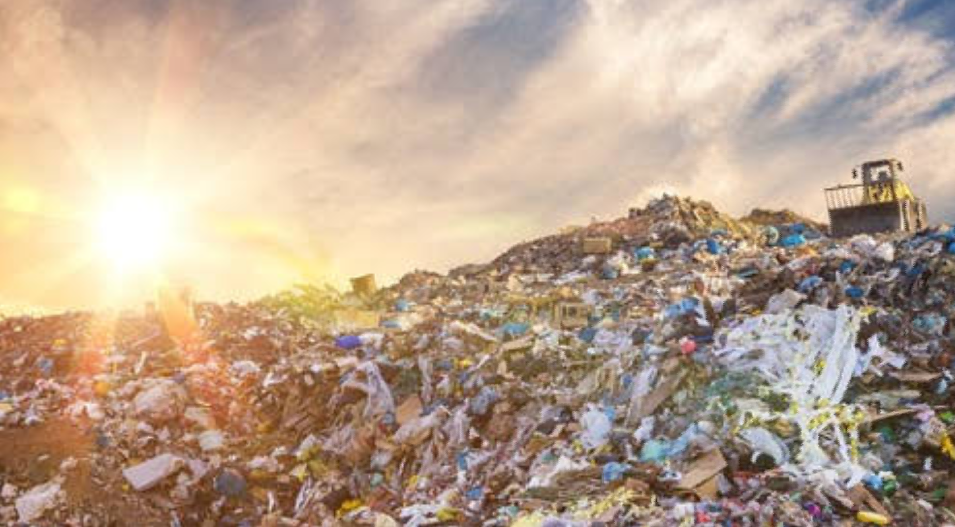
The world has so much problem with the waste production and dumping and landfills. We need more space. Why not send it to outer space? You know take some amount of trash at a time and send it to space and let it go. Sounds easy but turns out it isn’t that easy.

First of all it costs a LOT to send a spaceship into the space. We would need a large number of rocket launches to actually get rid of the insane amount of garbage the world produces(1.2 trillion kg). That way, the rise in air pollution… unimaginable. Also, complex infrastructure requirements! We need a lot more launch pads.

Suppose we do find a way to manage the costs and send a rocket filled with trash to be thrown out in the space. Imagine if some technical issue occurs and it blasts. It would rain burning plastic. Not good for the environment.

Even if we throw it out, the accumulation would make our atmosphere so dense that it would be a toxic world to live in. Also we couldn’t use satellites plus space travel would be tough. What if it comes floating back. Gross sight.

There’s another thing we could do. Burn the trash in the volcanoes. Trash incinerators have filters to filter out poisonous gases. In case of volcanoes filtering is not possible so again toxic world. Besides throwing something in the lava, disturbing the surface, would instantly trigger a chain reaction leading to an explosion. So not an option.

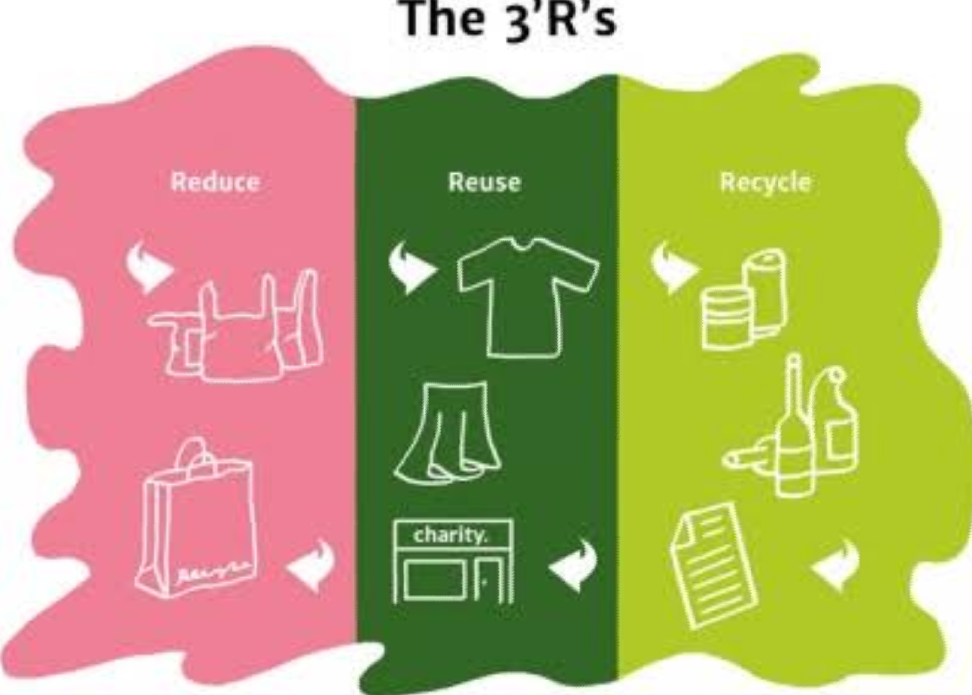
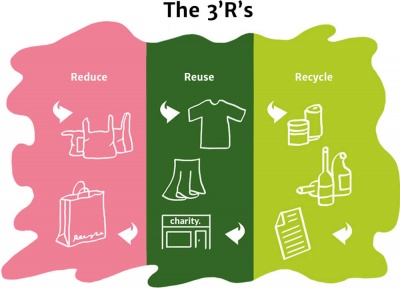
Guess we have to find other sources to convert the trash into some kind of energy. Maybe some day. Till then we need to manage our trash and follow the three R’s. (Reuse, Recycle, Reduce)

Thank you for reading. Have a nice day!

Raising an ECO-FRIENDLY Generation

We as a generation were born with resources available to us at a switch of a button. But would that be the same considering our irresponsible usage?

Let’s make a few lifestyle changes and teach our kids to become eco-friendly and live in a sustainable environment and household.

  • WATER CONSERVATION:
Cropped image of woman putting toothbrush under water - Stock ...

Do not encorage your kids to take long showers. Teach them to take a bucket water bath and advice them on keeping the taps shut. If they brush their teeth with running tap water, show them how water is needed only while rinsing the mouth. Tell them the importance of water in our lives and how it is essential to survive.

  • PAPER WASTAGE:
Using Technology To Reduce Paper Waste - Food & Nutrition Magazine

Encourage your children to use both sides of the paper. Tell them how papers are made from trees and the importance of trees in our lives. Adopt paper savvy techniques like using of eco-friendly notebooks and e-newspapers instead of hardback papers.

  • PLANT TREES, INHALE FRESH:
How to start your own tree planting project — TreeSisters

Plant trees in your backyard with them. You can teach them the art of gardening and also tell them about compost pits. It is a good hobby for your kids to row up nurturing a living organism and to be compasssionate towards others.

  • BEST OUT OF WASTE:
Best Out Of Waste Ideas : Best Things Made From Car Tyres

Making interesting and useful objects at home from waste will be a good bonding activity. One can make creative items like newspaper wall hangings, old plastic bottles can be made into show pieces or pen stands,etc.Show them how to reusee than discarding and hence creating less wastage.

  • REUSE- REDUCE -RECYCLE:
Reduce, Reuse, Recycle - Knowledge Bank - Solar Schools

Use tote bags or bins when shopping, say no to the plastic shopping bag. Select packaging that does not have a lot of excess waste. Use dinnerware that can be washed instead of paper plates and plastic ware. Only buy things that you will use in the immediate future.

Give your discards a chance at a second life by holding a yard sale or donating items to Goodwill, the Salvation Army, Habitat for Humanity, or other charitable outlets.  Contact schools and nursery schools to find out different types of items they reuse for art projects.  Donate used books to the Library.  Several organizations take used cars and even boats.