
The "Dead Bird" Story

Smeared blood, shredded feathers. Clearly, the bird was dead. But wait the slight fluctuation of its chest, the slow blinking of its shiny black eyes. No, it was alive. I had been typing an English essay when I heard my dog’s loud barks and the flutter of wings. I had turned slightly at the noise and had found the barely breathing bird in front of me.


The shock came first. Mind racing, heart beating faster, blood draining from my face. I instinctively reached out my hand to hold it, like a long-lost keepsake from my youth. But then I remembered that birds had life, flesh, blood.

Death. Dare I say it out loud? Here, in my own home?

Within seconds, my reflexes kicked in. Get over the shock. Gloves, napkins, towels. Band-aid? How does one heal a bird? I rummaged through the house, keeping a wary eye on my dog. Donning yellow rubber gloves, I tentatively picked up the bird. Never mind the dog’s barks and protesting scratches, you need to save the bird. You need to ease its pain. But my mind was blank. I stroked the bird with a paper towel to clear away the blood, see the wound. The wings were crumpled, the feet mangled. A large gash extended close to its jugular rendering its breathing shallow, unsteady. The rising and falling of its small breast slowed. Was the bird dying? No, please, not yet. 

Why was this feeling so familiar, so tangible?

Oh. Yes. The long drive, the green hills, the white church, the funeral. The Indo-Christian mass, the resounding amens, the flower arrangements. Me, crying silently, huddled in the corner. The Massey family huddled around the casket. Apologies. So many apologies. Finally, the body lowered to rest. The body. Sahil Elson Massey. Still familiar, still tangible.

Hugging Sahil, I was a ghost, a statue. My brain and my body competed. Emotion wrestled with fact. Sahil Elson Massey, aged 18, my friend of four years, had died in a car crash on Sep. 12, 2020. Sahil was dead, I thought. Dead.

But I could still save the bird. My frantic actions heightened my senses, mobilized my spirit. Cupping the bird, I ran outside, hoping the cool air outdoors would suture every wound, cause the bird to miraculously fly away. Yet there lay the bird in my hands, still gasping, still dying. Bird, human, human, bird. What was the difference? Both were the same. Mortal.

But couldn’t I do something? Hold the bird longer, de-claw the dog? I wanted to go to my bedroom, confine myself to tears, replay my memories, never come out. The bird’s warmth faded away. Its heartbeat slowed along with its breath. For a long time, I stared thoughtlessly at it, so still in my hands.

Slowly, I dug a small hole in the black earth. As it disappeared under handfuls of dirt, my own heart grew stronger, my own breath more steady. The wind, the sky, the dampness of the soil on my hands whispered to me, “The bird is dead. Sahil has passed. But you are alive.” My breath, my heartbeat, my sweat sighed back, “I am alive. I am alive. I am alive.”

The "Dead Bird" Story

Smeared blood, shredded feathers. Clearly, the bird was dead. But wait the slight fluctuation of its chest, the slow blinking of its shiny black eyes. No, it was alive. I had been typing an English essay when I heard my dog’s loud barks and the flutter of wings. I had turned slightly at the noise and had found the barely breathing bird in front of me.


The shock came first. Mind racing, heart beating faster, blood draining from my face. I instinctively reached out my hand to hold it, like a long-lost keepsake from my youth. But then I remembered that birds had life, flesh, blood.

Death. Dare I say it out loud? Here, in my own home?

Within seconds, my reflexes kicked in. Get over the shock. Gloves, napkins, towels. Band-aid? How does one heal a bird? I rummaged through the house, keeping a wary eye on my dog. Donning yellow rubber gloves, I tentatively picked up the bird. Never mind the dog’s barks and protesting scratches, you need to save the bird. You need to ease its pain. But my mind was blank. I stroked the bird with a paper towel to clear away the blood, see the wound. The wings were crumpled, the feet mangled. A large gash extended close to its jugular rendering its breathing shallow, unsteady. The rising and falling of its small breast slowed. Was the bird dying? No, please, not yet. 

Why was this feeling so familiar, so tangible?

Oh. Yes. The long drive, the green hills, the white church, the funeral. The Indo-Christian mass, the resounding amens, the flower arrangements. Me, crying silently, huddled in the corner. The Massey family huddled around the casket. Apologies. So many apologies. Finally, the body lowered to rest. The body. Sahil Elson Massey. Still familiar, still tangible.

Hugging Sahil, I was a ghost, a statue. My brain and my body competed. Emotion wrestled with fact. Sahil Elson Massey, aged 18, my friend of four years, had died in a car crash on Sep. 12, 2020. Sahil was dead, I thought. Dead.

But I could still save the bird. My frantic actions heightened my senses, mobilized my spirit. Cupping the bird, I ran outside, hoping the cool air outdoors would suture every wound, cause the bird to miraculously fly away. Yet there lay the bird in my hands, still gasping, still dying. Bird, human, human, bird. What was the difference? Both were the same. Mortal.

But couldn’t I do something? Hold the bird longer, de-claw the dog? I wanted to go to my bedroom, confine myself to tears, replay my memories, never come out. The bird’s warmth faded away. Its heartbeat slowed along with its breath. For a long time, I stared thoughtlessly at it, so still in my hands.

Slowly, I dug a small hole in the black earth. As it disappeared under handfuls of dirt, my own heart grew stronger, my own breath more steady. The wind, the sky, the dampness of the soil on my hands whispered to me, “The bird is dead. Sahil has passed. But you are alive.” My breath, my heartbeat, my sweat sighed back, “I am alive. I am alive. I am alive.”
Global Warming

Global warming is the cumulative rise in average global temperatures on earth measured over a long period. It has been attributed to the large scale deforestation by man for different purposes. We consume a lot of fuel annually. With an increase in the human population, it has become impossible to meet people’s fuel requirements. Natural resources are limited, and we must use them judiciously. If we exploit natural resources like forests and water bodies, it will create an imbalance in the ecosystem. Global warming is not limited to the rise in temperature. It has other effects too.

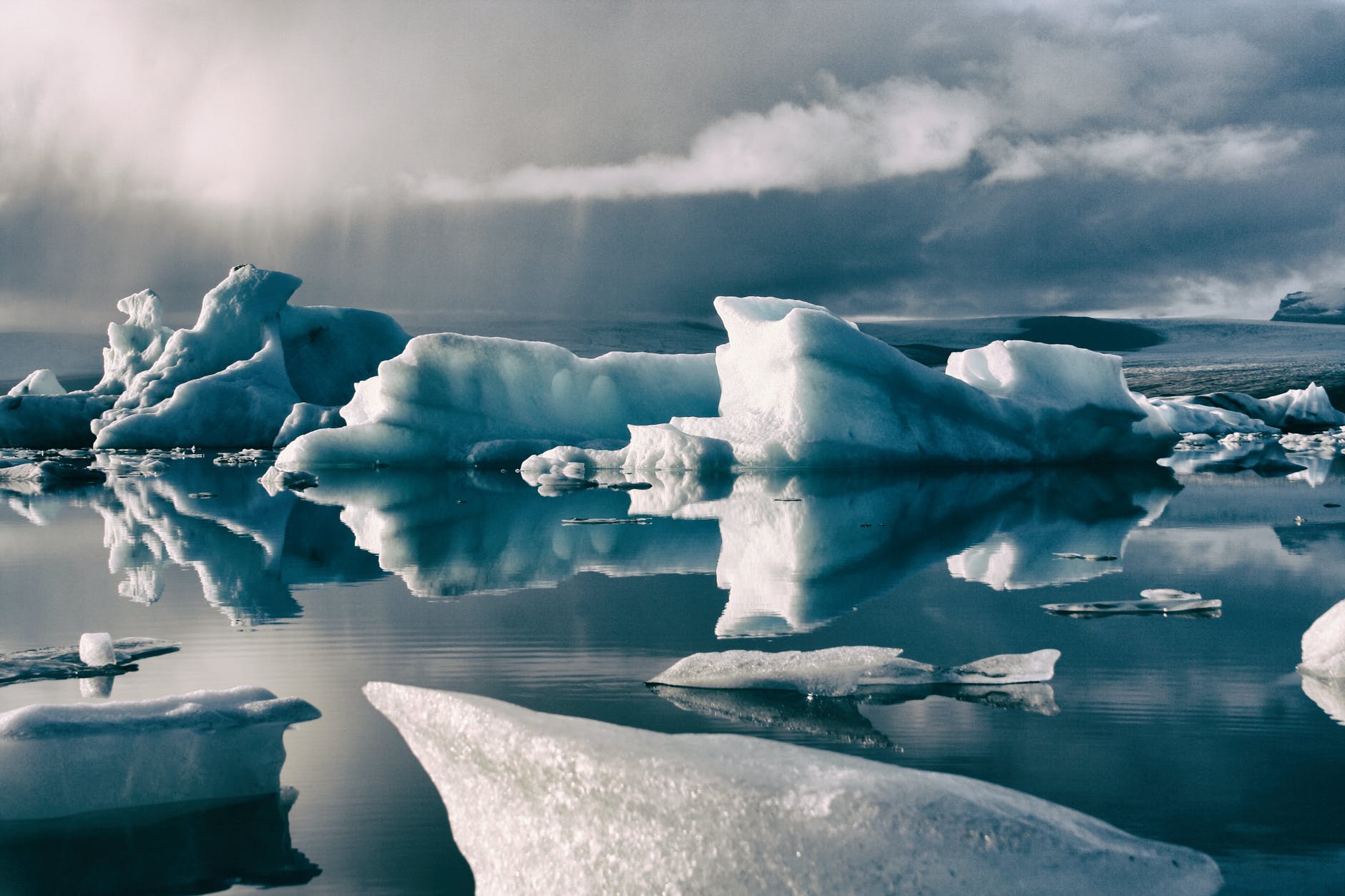
Photo by Andrea Schettino on Pexels.com

Many parts of the world are witnessing natural disasters like hurricanes, floods, and avalanches. All these phenomena are a direct result of global warming. To prevent our environment from the harmful effects of global warming, we must restoring our ecosystem. Man has been exploiting natural resources without giving the environment anything in return. This needs to be stopped. We must all join forces to make this world a better place for our future generations who deserve this planet as much as we do. The basic step that we can follow to increase the overall health of our planet is planting trees. Afforestation should be our primary goal. The earth can become a better place if we pledge to plant as many trees as we can in our lifetime.

Global Warming is a term almost everyone is familiar with. But, its meaning is still not clear to most of us. So, Global warming refers to the gradual rise in the overall temperature of the atmosphere of the Earth. There are various activities taking place which have been increasing the temperature gradually. Global warming is melting our ice glaciers rapidly. This is extremely harmful to the earth as well as humans. It is quite challenging to control global warming; however, it is not unmanageable. The first step in solving any problem is identifying the cause of the problem. Therefore, we need to first understand the causes of global warming that will help us proceed further in solving it. In this essay on Global Warming, we will see the causes and solutions of Global Warming.

Causes of Global WarmingGlobal warming has become a grave problem which needs undivided attention. It is not happening because of a single cause but several causes. These causes are both natural as well as manmade. The natural causes include the release of greenhouses gases which are not able to escape from earth, causing the temperature to increase.Further, volcanic eruptions are also responsible for global warming. That is to say, these eruptions release tons of carbon dioxide which contributes to global warming. Similarly, methane is also one big issue responsible for global warming.

After that, the excessive use of automobiles and fossil fuels results in increased levels of carbon dioxide. In addition, activities like mining and cattle rearing are very harmful to the environment. One of the most common issues that are taking place rapidly is deforestation.

So, when one of the biggest sources of absorption of carbon dioxide will only disappear, there will be nothing left to regulate the gas. Thus, it will result in global warming. Steps must be taken immediately to stop global warming and make the earth better again.