

Introduction
The Psychological Disorders Part 8 discussed Neurocognitive and Obsessive-Compulsive Disorders. Both types of disorders need consultation from psychologists to control, monitor, and limit the effects they have on daily life. This article will discuss Schizophrenia.
Schizophrenia
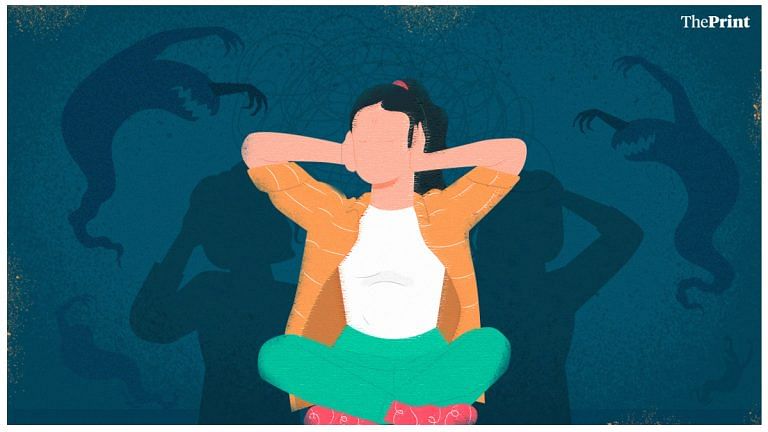
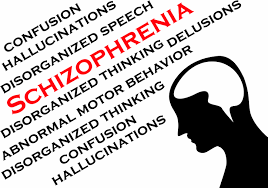
This is a serious mental disorder in which people interpret reality in an abnormal way. People with this disorder require lifelong treatment. The DSM-5 says a person has schizophrenia if they show two or more of the following, each present for a significant portion of time during a 1-month period. At least one of the following must be delusions, hallucinations, or disorganized speech. The level of functioning in a major area such as work or self-care should be below the level achieved before the onset for a significant portion. And the signs of the disturbance must persist for at least 6 months. The symptoms of schizophrenia are:

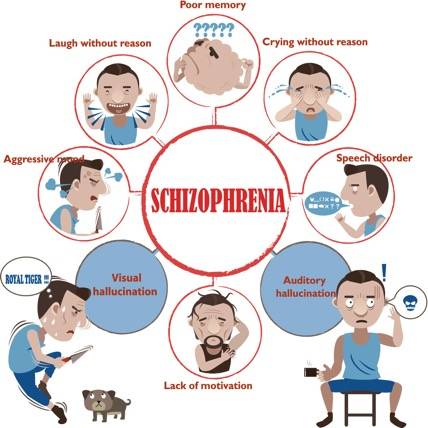
- Delusions – these are false beliefs that are not based on reality. For example, thinking you are famous, someone is harming you, a major catastrophe is about to take place.
- Hallucinations – these involve seeing or hearing things that do not exist. For the person having them, it seems extremely real. The most common is hearing voices. For example, hearing someone whispering about a murder, or seeing aliens in the back alley.
- Disorganized thinking – disorganized thinking and disorganized speech are linked. The person might start answering questions with things partially or completely unrelated. At times it is possible for them to make a sentence by mixing two or more words that do not make sense, this is known as word salad. For example, run desk making dinner sunglasses menu.
- Abnormal motor behaviour – this can be in many ways such as childlike silliness, resistance to instructions, bizarre posture, and unpredictable agitation.
- Catatonia – is a group of symptoms that includes a lack of movement and communication. For example, a person will sit silently in one position for very long stretches.
- Negative symptoms – this includes lack of ability to function normally such as, a person neglecting personal hygiene, appear to be lacking emotions, the person may lose interest in daily activities.
- Avolition – it is a lack of motivation to do activities that have an end goal such as paying bills.
:max_bytes(150000):strip_icc():format(webp)/early-signs-schizophrenia-5101519_final-6861147c5e4e4a09956011952057ba72.jpg)
The symptoms of schizophrenia in teenagers are similar to the ones in adults but they become difficult to recognize because of the similarity to a normal teenage behaviour, some of these symptoms are withdrawal from friends and family, trouble in sleeping, lack of motivation, a drop in performance at school, irritability and depressed mood. Although teenagers have a less chance of having delusions, they have a higher chance of visual hallucinations as compared to adults getting hearing hallucinations.

People with this disorder often have suicidal thoughts and behaviours. The cause of this disorder is not known but it is believed by the researchers that it is a combination of genetics, brain chemistry, and environmental factors. Some naturally occurring neurotransmitters known as dopamine and glutamate might be playing a role. Neuroimaging studies have learnt that there is a difference in the brain structure and central nervous system of the people with schizophrenia.
Conclusion
Schizophrenia is a lifelong disorder but the effect and symptoms can be managed with proper guidance and medication. Following the treatment plan is important to reduce these symptoms.
References
- https://www.mayoclinic.org/diseases-conditions/schizophrenia/symptoms-causes/syc-20354443
- https://www.ncbi.nlm.nih.gov/books/NBK519704/table/ch3.t22/
Note: this is just the Part 9 of the Psychological Disorders series.
 Eduindex
You must be logged in to post a comment.