Shortlisting CBSE schools in Bangalore can feel confusing because many brochures make the same promises. A better approach is to focus on what truly impacts your child: teaching quality, concept clarity, co-curricular exposure, safety, and a transparent admission process. In this guide, you’ll get a step-by-step framework to compare schools and shortlist confidently.
Verify That CBSE Is The Right Choice For Your Child
CBSE is appreciated for its curriculum that is recognised throughout the country and its method of teaching that combines theory and practical understanding. This especially applies to the main subjects, Mathematics and Science. Other families who are planning to prepare for competitive exams in the long run but still want to allow for arts and creativity, also prefer CBSE.
Build Your Shortlist Around Commute and Consistency
In Bangalore, distance shapes daily life. A long commute can drain a child’s energy and reduce time for revision and rest. Start with a realistic radius, then shortlist only the schools that match your essentials.
What to Verify Early
Pointers to verify:
CBSE alignment for the grades you need, including the senior secondary stage.
A clear academic plan is explained in simple terms.
A learning environment that builds confidence and critical thinking.
Evaluate Learning Outcomes and Classroom Experience
Instead of asking general questions, focus on what your child will actually experience every day. During your school visit, check:
How are lessons structured from the introduction to the revision?
How often do students practise through worksheets, projects, experiments, or presentations?
How are homework and assessments used to track progress, not just give marks?
Check Facilities That Genuinely Support Learning
Facilities matter when they are used regularly. Look for science labs, a functional library, and activity spaces for art and music. If a school highlights digitally enabled classrooms, ask how teachers use those tools in everyday lessons.
Confirm Co-Curricular Balance and Well-Being Support
A strong CBSE school gives importance to studies and extracurricular activities. Ask how activities are planned throughout the year, and whether the school has a structured way to support overall development. If the admission process includes a child interaction or skill assessment, check if it is used to understand learning needs.
Treat Safety, Hygiene, Transport, and Communication as Non-Negotiables
Parents value schools that are clear about supervision, hygiene routines, and timely communication. If you plan to use transport, ask how routes are managed and how parents are updated during delays.
Use the Admission Journey as a Trust Test
Many CBSE schools follow a precise flow: counselling interaction, sharing a prospectus or brochure, document submission, a child interaction or assessment, and then fee payment to confirm admission. Ask for written requirements and keep commonly requested documents ready, including identity details and previous school records where applicable.
Compare Fees With Clarity, Not Assumptions
Fee structures can vary widely based on facilities and offerings. When comparing CBSE schools in Bangalore, request a written division and confirm what is included before you compare options.
Final Thoughts
You will shortlist better when you focus on evidence: how the school teaches, how it develops skills beyond academics, and how clearly it communicates with parents.
The Annual Status of Education Report (ASER) 2024 is a nationwide rural household survey that reached 649,491 children in 17,997 villages across 605 rural districts in India. Further, ASER surveyors visited 15,728 government schools with primary sections. 8,504 were primary schools and 7,224 were schools which also had upper primary or higher grades.
Key Findings for Pre-primary (age group 3-5 years)
Enrollment in pre-primary institutions
Among children aged 3-5 years, enrollment in some type of pre-primary institution (Anganwadi centre, government pre-primary class, or private LKG/UKG) has improved steadily between 2018 and 2024.
Among 3-year-olds, enrollment in pre-primary institutions increased from 68.1% in 2018 to 77.4% in 2024. Gujarat, Maharashtra, Odisha, and Telangana have achieved near-universal enrollment for this age group.
Among 4-year-olds, the all-India figure for enrollment in pre-primary institutions increased from 76% in 2018 to 83.3% in 2024. In 2024, enrollment rates in pre-primary for this age exceed 95% in states like Gujarat, Maharashtra, Karnataka, Tamil Nadu, and Odisha.
Among 5-year-olds, this figure also showed big increases, rising from 58.5% in 2018 to 71.4% in 2024. The states with enrollment exceeding 90% in pre-primary institutions for this age include Karnataka, Gujarat, Maharashtra, Kerala, and Nagaland.
Type of pre-primary institution
Anganwadi centres continue to be the biggest provider of services in pre-primary age group in India.
Approximately one-third of all 5-year-olds attend a private school or pre-school in 2024. This figure was 37.3% in 2018, fell to 30.8% in 2022, and returned to 37.5% in 2024.
Age of entry to Standard (Std) I
The proportion of children who are “underage” (age 5 or below) is decreasing over time. In 2018, this figure was 25.6%, in 2022 it stood at 22.7%, and in 2024, nationally the percentage of underage children in Std I was at its lowest ever at 16.7%. On average, this proportion has either declined or remained stable across all states in India.
Key Findings for Elementary (age group 6-14 years)
Enrollment
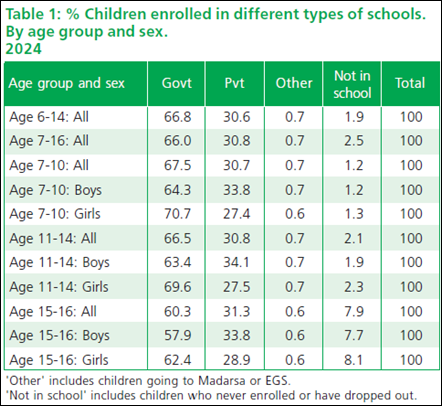
Overall school enrollment rates among the 6-14 age group have exceeded 95% for close to 20 years. This proportion has stayed almost the same, from 98.4% in 2022 to 98.1% in 2024. Across all states, enrollment in this age group is above 95% in 2024.
In 2018, 65.5% of children in the 6-14 age group in India were enrolled in government schools. By 2024, the all-India figure increased to 66.8%.
Reading
Std III: The percentage of Std III children able to read Std II level text was 20.9% in 2018. This figure increased to 23.4% in 2024. The improvement in government schools is higher than the corresponding recovery for private schools. Following a decline in Std III reading levels in government schools in most states in 2022, all states haveshown a recovery in 2024. States with more than a 10-percentage point increase in this proportion between 2022 and 2024 in government schools include Himachal Pradesh, Uttarakhand, Kerala, Uttar Pradesh, Haryana, Odisha, and Maharashtra.
Std V: Reading levels improved substantially among Std V children, especially for those who are enrolled in government schools. The proportion of Std V children in government schools who can read a Std II level text fell from 44.2% in 2018 to 38.5% in 2022 and then recovered to 44.8% in 2024. In 2024, Mizoram (64.9%) and Himachal Pradesh (64.8%) had the highest proportions of Std V children in government schools able to read Std II level text. States with over a 10-percentage point increase in this proportion in government schools include Uttarakhand, Uttar Pradesh, Gujarat, and Tamil Nadu.
Std VIII: Reading levels increased among children enrolled in Std VIII in government schools, which fell from 69% in 2018 to 66.2% in 2022 but then rose to 67.5% in 2024. Government schools in states such as Gujarat, Uttar Pradesh, and Sikkim show notable improvements.
Arithmetic
Std III: The all-India figure for children in Std III who are able to do a numerical subtraction problem was 28.2%. This figure has increased to 33.7% in 2024. Among government school students, this figure went from 20.9% in 2018 to 27.6% in 2024. For private school students, this number showed a smaller improvement since 2022. Government schools across most states have shown gains since 2022, with over 15-percentage point increases recorded in states like Tamil Nadu and Himachal Pradesh.
Std V: At the all-India level, the proportion of children in Std V who can do a numerical division problem has also improved. This figure was 27.9% in 2018 and then rose to 30.7% in 2024. This change is also driven mainly by government schools. States with the showing most improvement (more than 10-percentage points) in government schools include Punjab and Uttarakhand.
Std VIII: The performance of Std VIII students in basic arithmetic remains similar to earlier levels, going from 44.1% in 2018 to 45.8% in 2024.
Key Findings for Older children (age group 15-16 years)
Enrollment
The proportion of 15-16-year-old children who are not enrolled in school dropped sharply from 13.1% in 2018 to 7.9% in 2024 at the all-India level.
Digital literacy
Access to smartphones is close to universal among the 14-16 age group. Almost 90% of both girls and boys report having a smartphone at home. More than 80% report knowing how to use a smartphone.
Of the children who could use a smartphone, 27% of 14-year-olds and 37.8% of 16-year-olds reported having their own phone.
82.2% of all children in the 14-16 age group reported knowing how to use a smartphone. Of these, 57% reported using it for an educational activity in the preceding week while 76% said that they had used it for social media during the same period. While the use of a smartphone for educational activities was similar among girls and boys, girls were less likely than boys to report using social media (78.8% of boys as compared to 73.4% of girls). Kerala stands out in this respect, with over 80% children who reported that they used the smartphone for educational activity and over 90% using it for social media.
Among children who used social media, knowledge of basic ways to protect themselves online was relatively high. 62% knew how to block or report a profile, 55.2% knew how to make a profile private, and 57.7% knew how to change a password.
Key Findings of School Observations
Foundational Literacy and Numeracy (FLN) activities
Over 80% of schools had received a directive from the government to implement Foundational Literacy and Numeracy (FLN) activities with Std I-II/III, both in the previous as well as in the current academic year. A similar proportion had at least one teacher who had received in-person training on FLN.
More than 75% schools had received Teaching Learning Material (TLM) and/or funds to make or purchase TLM for FLN activities.
More than 75% schools reported implementing a school readiness program for students prior to entering Std I, in both the previous and the current academic year.
More than 95% schools reported having distributed textbooks to all grades in the school, a substantial increase over 2022 levels.
Student and teacher attendance
Student and teacher attendance in government primary schools show small but consistent improvements since 2018. Average student attendanceincreased from 72.4% in 2018 to 75.9% in 2024.
Average teacher attendanceincreased from 85.1% in 2018 to 87.5% in 2024. This trend is largely driven by changes in teacher and student attendance in Uttar Pradesh.
Small schools and multigrade classrooms
The proportion of government primary schools with less than 60 students enrolled shows a sharp increase, rising from 44% in 2022 to 52.1% in 2024. More than 80% primary schools in these states are small schools: Jammu and Kashmir, Himachal Pradesh, Uttarakhand, Nagaland, and Karnataka.Himachal Pradesh has the highest proportion of small Upper primary schools at 75%.
Two-thirds of Std I and Std II classrooms in primary schools were multigrade, with students from more than one grade sitting together.
School facilities
Nationally, all Right to Education-related indicators included in ASER have shown small improvements between 2018 and 2024 levels. For example, the fraction of schools with useable girls’ toilets increased from 66.4% in 2018 to 72% in 2024.
The proportion of schools with drinking water available increased from 74.8% to 77.7%, and the proportion of schools with books other than textbooks being used by students increased from 36.9% to 51.3% over the same period.
Sports-related indicatorsremain at close to the levels observed in 2018. For example, in 2024, 66.2% schools have a playground, similar to 66.5% in 2018.
Asia, a continent known for its rich history, diverse cultures, and rapid economic growth, is also home to some of the world’s top-performing educational institutions. With an increasing emphasis on global competitiveness, the quality of education in many Asian countries has risen to new heights in recent decades. Schools in Asia are recognized for their academic rigor, innovative teaching methods, and focus on developing global citizens. This essay will explore some of the top schools in Asia, highlighting the factors that contribute to their success and influence.
1. The International School of Beijing, China
The International School of Beijing (ISB) is one of the premier international schools in China. Located in the capital city, ISB offers an education primarily based on the International Baccalaureate (IB) curriculum, with an emphasis on inquiry-based learning. It serves students from pre-kindergarten through grade 12, drawing families from over 50 countries. One of ISB’s key strengths is its commitment to fostering cultural diversity and international-mindedness. The school offers a wide range of extracurricular activities, including sports, music, drama, and Model United Nations (MUN), which help develop leadership and communication skills.
ISB’s strong academic results are also a testament to its high standards. The school’s high school students consistently perform well in the IB Diploma Programme, and its university placement record is excellent, with graduates attending prestigious universities across the globe.
2. Singapore American School (SAS), Singapore
The Singapore American School (SAS) is widely regarded as one of the best schools in Asia. Founded in 1956, SAS offers a rigorous American-style education from pre-kindergarten to grade 12. The school is renowned for its high academic standards, exceptional facilities, and outstanding faculty. SAS is particularly known for its focus on developing well-rounded individuals, with a strong emphasis on both academics and extracurricular activities.
The school offers Advanced Placement (AP) courses, and its students routinely perform well in these exams, with many going on to attend top universities in the United States, such as Ivy League schools. SAS is also known for its focus on STEM (science, technology, engineering, and mathematics) education, with state-of-the-art laboratories and robotics programs. Its commitment to character development and service learning makes it a leader in educating global citizens. You can view website to get an in-detailed idea of international schools in Singapore.
3. The International School of Hong Kong (ISHK), Hong Kong
The International School of Hong Kong (ISHK) is one of the top international schools in the region. It offers the International Baccalaureate (IB) curriculum, catering to students from early childhood through to high school. ISHK is particularly known for its personalized approach to education, focusing on individualized learning paths that meet the needs of each student. The school emphasizes inquiry-based learning, which allows students to actively engage with the material and develop critical thinking skills.
ISHK’s strong emphasis on cultural diversity is also a standout feature. Hong Kong is a melting pot of cultures, and ISHK fosters a global perspective, encouraging students to understand and appreciate different cultures and backgrounds. Its high school students consistently achieve impressive results in the IB Diploma Programme, which enables them to gain entry to top universities around the world.
4. Nanjing International School (NIS), China
Nanjing International School (NIS) is another top international school in Asia, located in Nanjing, China. NIS offers a challenging and well-rounded education, focusing on both academic excellence and holistic development. The school follows the IB curriculum and places a strong emphasis on inquiry-based learning, which nurtures independent thinkers and problem solvers.
NIS has a reputation for offering a well-integrated approach to education, with a robust arts and sports program. The school also encourages service learning and social responsibility, helping students develop a sense of global citizenship. NIS graduates regularly gain acceptance into prestigious universities worldwide, making it one of the top choices for expatriate families in China.
5. Seoul Foreign School, South Korea
Seoul Foreign School (SFS) is one of the top international schools in South Korea, offering a curriculum that blends American and international standards. Established in 1912, SFS has a long history of providing an excellent education to expatriates in Seoul. The school serves students from preschool through to grade 12 and offers a diverse range of extracurricular activities in addition to its rigorous academic programs.
SFS offers both the Advanced Placement (AP) and IB Diploma Programmes, allowing students to choose the educational pathway that best suits their needs. The school has consistently high academic standards, and its graduates have gone on to attend prestigious universities, particularly in the United States. SFS’s commitment to developing well-rounded individuals is reflected in its strong focus on sports, arts, leadership, and community service.
6. The British International School, Phuket, Thailand
The British International School (BISP) in Phuket is a prominent institution in Thailand, known for its high academic standards and focus on developing global citizens. Following the British curriculum, BISP offers a strong academic program from early childhood through to the A-levels. The school is particularly well-regarded for its emphasis on extracurricular activities, including sports, music, drama, and outdoor education.
BISP’s commitment to holistic education is demonstrated by its focus on both academic achievement and personal development. The school boasts a strong university placement record, with graduates attending top institutions in the United Kingdom, United States, and other parts of the world. Its picturesque location in Phuket provides a conducive learning environment, and its international community ensures a diverse, inclusive atmosphere.
7. Jeddah International School, Saudi Arabia
Jeddah International School (JIS) is one of the top international schools in the Middle East and has earned a strong reputation for its academic excellence. Offering both the IB and American curriculums, JIS provides a rigorous academic environment for its students, alongside a diverse array of extracurricular activities. The school places a strong emphasis on moral values, social responsibility, and leadership.
JIS has a highly dedicated teaching staff and offers a range of extracurricular activities, such as sports, arts, and community service, that encourage students to grow in a well-rounded manner. Its university placement program is highly successful, with many students gaining entry to prestigious universities in the US, UK, and other countries.
8. Tata Institute of Social Sciences (TISS), India
While India is home to a multitude of prestigious schools, Tata Institute of Social Sciences (TISS) stands out due to its unique focus on social sciences and social work education. Based in Mumbai, TISS offers undergraduate, postgraduate, and doctoral programs in various fields, including social work, education, health systems, and public policy. TISS is known for its rigorous academic curriculum, combined with a strong emphasis on social responsibility and community engagement.
Although TISS is more of a university-level institution, its influence and reputation for academic excellence make it a leader in higher education in Asia. The university has consistently ranked among the top in India and offers a transformative educational experience.
Conclusion
The top schools in Asia exemplify excellence in education, each with its unique approach to developing students into successful, well-rounded global citizens. Whether following international curriculums like the IB or offering specific country-based systems, these schools are shaping the future of education in Asia and beyond. With their emphasis on academic rigor, cultural diversity, and holistic development, these institutions set the stage for the next generation of leaders, thinkers, and innovators. As Asia continues to play a central role in global development, the quality of education in its schools will undoubtedly remain a critical factor in shaping the future of the continent and the world. Visit the website to get more insights on international schools in Asia.
The Department of School Education and Literacy, Ministry of Education, Government of India has been implementing a rolling programme of sample based National Achievement Survey (NAS) aimed at classes III, V, VIII and X with a cycle period of three years. The last National Achievement Survey (NAS) was held on 12th November, 2021.
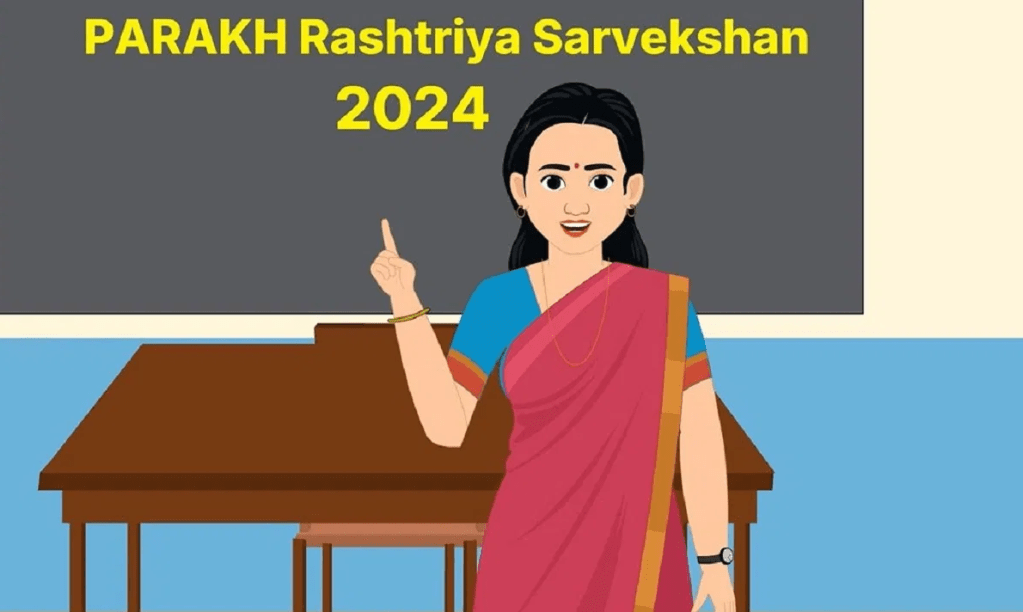
In pursuance of the recommendations of the National Education Policy (NEP) 2020, National Assessment Centre, PARAKH (Performance Assessment, Review, and Analysis of Knowledge for Holistic Development) has been setup by the Ministry of Education under the National Council of Educational Research and Training (NCERT) and has been entrusted with the responsibility of carrying out the next round of NAS, hereafter referred to as PARAKH Rashtriya Sarvekshan 2024. The survey will be held on 4th December, 2024 across the country and will help to assess the competencies developed by students at the end of foundational, preparatory and middle stages (i.e., Students currently in 3rd, 6th and 9th Grades) and help to take remedial measures. The instrument development, testing, finalization of the test items and survey tools have been developed by PARAKH, NCERT. However, the administration of the test in the sampled schools will be done by CBSE in collaboration with the respective States/UTs.
The PARAKH Rashtriya Sarvekshan is a baseline study to understand the achievement of the stage specific competencies at the end of foundation, preparatory and middle stages as per NEP 2020. It will cover the entire spectrum of schools i.e., Government Schools (Central Government and State Government), Government Aided Schools and Private schools across the country. It is expected that around 23 lakh students of approximately88 thousand schools spread out in 782 districts across 36 States and UTs will be covered in the PARAKH Rashtriya Sarvekshan 2024. Students of Grades 3, 6, and 9 will be assessed in the subjects, Language, Mathematics, the World Around Us, Science and Social Science. The Test would be conducted in 23 mediums of instructions covering Assamese, Bengali, Gujarati, Hindi, Kannada, Konkani, Malayalam, Manipuri, Marathi, Nepali, Oriya, Punjabi, Sanskrit, Santhali, Sindhi, Tamil, Telugu, Urdu, Bodo, English, Mizo, Garo & Khasi.
For smooth and fair conduct of the survey 94878 Field Investigators, 75,565 Observers, 3128 District Level Officers and 180 State Nodal Officers from 36 States and Union Territories have been appointed. Also, 782 Board Representatives along with 38 National Level Observers have been appointed in the districts for monitoring the overall functioning and ensuring fair conduct of the Survey. All the personnel have been provided extensive training regarding their roles and responsibilities.
A National Steering Committee has been constituted for conduct of PARAKH Rashtriya 2024 headed by Secretary, Department of School Education and Literacy, Ministry of Education. A Portal https://ncert.nic.in/parakh/rashtriyasarvekshan.php has been launched to enable coordination with various key functionaries for smooth conduct of PARAKH Rashtriya 2024. National, State and District Report cards for all Stages covered under the survey will be released and placed in public domain.
The U.S. is home to many top-tier schools offering high-quality education. Here are some of the best schools for kids, covering both public and private institutions:
Public Schools
1. Thomas Jefferson High School for Science and Technology (Virginia)
Known for its emphasis on science, technology, engineering, and math (STEM).
2. Stuyvesant High School (New York)
One of New York City’s specialized high schools, famous for its rigorous academics.
3. Adlai E. Stevenson High School (Illinois)
Consistently ranked as one of the best public schools in the U.S.
4. Harker School (California)
Offers K-12 education, emphasizing STEM, arts, and extracurriculars.
5. School for Advanced Studies (Florida)
A highly-rated public school known for its early college program.
Private Schools
1. Phillips Exeter Academy (New Hampshire)
Offers a prestigious education with an emphasis on critical thinking and leadership.
2. Trinity School (New York)
One of the oldest schools in the U.S., known for academic excellence.
3. Harvard-Westlake School (California)
Famous for both its rigorous academic programs and its athletics.
4. Sidwell Friends School (Washington, D.C.)
Known for its academic rigor and association with prominent families.
5. The Lawrenceville School (New Jersey)
Offers a unique house system and a broad range of extracurricular activities.
Factors to Consider
When choosing a school for kids in the U.S., consider the academic programs, extracurricular activities, location, and your child’s learning style. Public schools may be excellent if you live in states like Massachusetts, New Jersey, or Virginia, which have top-performing public school systems.
Singapore is home to some of the top schools offering a diverse range of educational approaches, including local and international curricula. Here are a few highly regarded schools:
International Community School (Singapore) – This Christian school offers a U.S.-based college preparatory curriculum for kindergarten through high school, with a strong emphasis on values and community. It’s well-known for academic rigor and extracurricular opportunitiesWhich School Advisor.
Tanglin Trust School – Established in 1925, Tanglin provides a British-based education with options for A-levels or the International Baccalaureate (IB) Diploma Programme. It’s a well-established institution with a long history in SingaporeWhich School Advisor.
Dunman High School – Known for academic excellence and a wide array of co-curricular activities, Dunman focuses on holistic development and leadership in its students. It has strong science and humanities programsHereSingaporeTutor City.
Nanyang Girls’ High School – One of Singapore’s top girls’ schools, offering an education that fosters leadership and character development alongside academic success. It emphasizes both personal growth and service to the communityHereSingapore.
UWC South East Asia – Part of the United World Colleges network, UWCSEA offers an IB-based education and is known for its holistic approach, offering extensive extracurricular activities in the arts, sports, and moreWhich School Advisor.
These ib schools in singapore, among others, highlight Singapore’s commitment to providing a high-quality education system that caters to a wide range of interests and talents.
India is home to several prestigious and expensive schools that offer world-class education, state-of-the-art facilities, and holistic development programs. Here are some of the most expensive schools in India:
1. The Doon School, Dehradun
Fees: Approx. ₹10-12 lakhs per year.
Overview: An all-boys boarding school, The Doon School is one of the most prestigious schools in India. It is known for its rigorous academics, emphasis on extracurricular activities, and its network of notable alumni.
2. Scindia School, Gwalior
Fees: Approx. ₹8-10 lakhs per year.
Overview: A premier all-boys boarding school located in the historic Gwalior Fort, Scindia School is known for its academic excellence, sports facilities, and overall personality development programs.
3. Mayo College, Ajmer
Fees: Approx. ₹7-9 lakhs per year.
Overview: Founded in 1875, Mayo College is one of India’s oldest and most prestigious all-boys boarding schools, known for its royal heritage, excellent education, and vast campus.
4. Ecole Mondiale World School, Mumbai
Fees: Approx. ₹10-12 lakhs per year.
Overview: A leading international school offering IB and IGCSE curricula, Ecole Mondiale is known for its modern infrastructure, global perspective, and high academic standards.
5. Woodstock School, Mussoorie
Fees: Approx. ₹16-18 lakhs per year.
Overview: Woodstock is one of the oldest international boarding schools in India, offering a world-class education with a strong emphasis on academics, arts, and outdoor education.
6. Welham Boys’ School, Dehradun
Fees: Approx. ₹6-8 lakhs per year.
Overview: A well-known all-boys boarding school, Welham Boys’ focuses on a balanced education with a strong emphasis on academics, sports, and co-curricular activities.
7. Welham Girls’ School, Dehradun
Fees: Approx. ₹6-8 lakhs per year.
Overview: The sister school to Welham Boys’, Welham Girls’ School is a top all-girls boarding school known for its academic rigor and emphasis on arts and sports.
8. The Shri Ram School, Delhi & Gurgaon
Fees: Approx. ₹8-10 lakhs per year.
Overview: One of the most sought-after day schools in India, The Shri Ram School is known for its holistic approach to education, academic excellence, and strong extracurricular programs.
9. Dhirubhai Ambani International School, Mumbai
Fees: Approx. ₹7-9 lakhs per year.
Overview: A top international school in Mumbai, Dhirubhai Ambani International School offers IB, IGCSE, and Indian curricula, with a focus on global education and world-class facilities.
10. Good Shepherd International School, Ooty
Fees: Approx. ₹10-12 lakhs per year.
Overview: An elite residential school offering ICSE and IB curricula, Good Shepherd International School is known for its stunning campus, excellent academics, and emphasis on extracurricular activities.
These schools are among the most expensive in India due to their comprehensive educational programs, high-end facilities, and reputation for producing well-rounded individuals. You can click on the link to check out the best International school in Singapore.
Here are some of the top schools in Tamil Nadu, known for their academic excellence, infrastructure, and overall reputation:
The Doon School, Dehradun – Established in 1935, it is one of India’s most prestigious all-boys boarding schools, known for its rigorous academic program and holistic development.
Welham Girls’ School, Dehradun – Founded in 1957, it is renowned for its focus on academic excellence and the holistic development of girls.
Woodstock School, Mussoorie – Founded in 1854, it is a co-educational international school known for its scenic campus and emphasis on global education.
Mussoorie International School – Established in 1984, it offers a blend of academics, sports, and extracurricular activities in a picturesque setting.
St. George’s College, Mussoorie – Founded in 1853, it is one of the oldest and most respected boarding schools in the region, known for its academic rigor and holistic education.
Doon International School, Dehradun – Known for its modern infrastructure, quality education, and comprehensive development programs.
The Heritage School, Dehradun – A co-educational day-cum-boarding school known for its academic excellence and emphasis on values-based education.
Brightlands School, Dehradun – Known for its progressive approach to education and comprehensive development of students.
Doon Cambridge School, Dehradun – Established with a commitment to providing quality education and nurturing talent in a conducive learning environment.
Tula’s International School, Dehradun – Known for its emphasis on holistic education, including academics, sports, arts, and cultural activities.
These schools in Uttarakhand are recognized for their commitment to providing quality education and holistic development, making them top choices for students seeking a well-rounded educational experience in the region.
Here are some of the top schools in Karnataka, known for their academic excellence, infrastructure, and overall reputation:
The Valley School, Bangalore – Known for its progressive education philosophy and emphasis on holistic development.
Mallya Aditi International School, Bangalore – A renowned international school known for its rigorous academic curriculum and global perspective.
National Public School (NPS), Bangalore – With multiple branches in Bangalore, NPS is known for its academic excellence and holistic education approach.
Inventure Academy, Bangalore – Known for its innovative teaching methods, emphasis on critical thinking, and holistic development of students.
Bishop Cotton Boys’ School, Bangalore – One of Bangalore’s oldest and most prestigious schools, known for its academic rigor and rich heritage.
Indus International School, Bangalore – A globally recognized school offering an international curriculum and state-of-the-art facilities.
The International School Bangalore (TISB) – Known for its IB and IGCSE programs, TISB emphasizes global education and all-round development.
The Cathedral High School, Bangalore – Known for its academic excellence, cultural diversity, and strong values-based education.
Greenwood High International School, Bangalore – Known for its academic rigor, comprehensive curriculum, and focus on extracurricular activities.
Ryan International School, Bangalore – Part of a renowned chain of schools, Ryan International School in Bangalore is known for its holistic education approach and modern infrastructure.
These schools in Karnataka are recognized for their commitment to academic excellence, innovative teaching methods, and comprehensive development of students, making them among the top choices for education in the state.
Here are some of the top schools in Uttarakhand, known for their academic excellence, infrastructure, and overall reputation:
The Doon School, Dehradun – Established in 1935, it is one of India’s most prestigious all-boys boarding schools, known for its rigorous academic program and holistic development.
Welham Girls’ School, Dehradun – Founded in 1957, it is renowned for its focus on academic excellence and the holistic development of girls.
Woodstock School, Mussoorie – Founded in 1854, it is a co-educational international school known for its scenic campus and emphasis on global education.
Mussoorie International School – Established in 1984, it offers a blend of academics, sports, and extracurricular activities in a picturesque setting.
St. George’s College, Mussoorie – Founded in 1853, it is one of the oldest and most respected boarding schools in the region, known for its academic rigor and holistic education.
Doon International School, Dehradun – Known for its modern infrastructure, quality education, and comprehensive development programs.
The Heritage School, Dehradun – A co-educational day-cum-boarding school known for its academic excellence and emphasis on values-based education.
Brightlands School, Dehradun – Known for its progressive approach to education and comprehensive development of students.
Doon Cambridge School, Dehradun – Established with a commitment to providing quality education and nurturing talent in a conducive learning environment.
Tula’s International School, Dehradun – Known for its emphasis on holistic education, including academics, sports, arts, and cultural activities.
These schools in Uttarakhand are recognized for their commitment to providing quality education and holistic development, making them top choices for students seeking a well-rounded educational experience in the region.
Here is a list of some of the top schools in India, known for their academic excellence, infrastructure, and overall reputation:
The Doon School, Dehradun – Founded in 1935, it is one of India’s most prestigious all-boys boarding schools.
Welham Girls’ School, Dehradun – Established in 1957, it is renowned for its quality education and holistic development of girls.
Mayo College, Ajmer – A prominent boys’ boarding school founded in 1875, known for its rich history and academic standards.
Modern School, New Delhi – Founded in 1920, it is one of Delhi’s oldest and most prestigious co-educational schools.
The Shri Ram School, Delhi and Gurgaon – Known for its innovative teaching methods and emphasis on holistic development.
Cathedral and John Connon School, Mumbai – Established in 1860, it is one of the oldest and most respected schools in Mumbai.
La Martiniere Schools, Kolkata and Lucknow – These schools are known for their rich heritage and academic rigor.
Dhirubhai Ambani International School, Mumbai – Founded in 2003, it is known for its modern infrastructure and international curriculum.
Bishop Cotton School, Shimla – Founded in 1859, it is one of Asia’s oldest boarding schools, known for its academic excellence and scenic location.
The Lawrence School, Sanawar – Established in 1847, it is one of the oldest co-educational boarding schools in Asia.
These schools are recognized for their commitment to academic excellence, extracurricular activities, and overall development of students, making them among the top choices for education in India.
As the world rapidly advances into the digital era, the educational sector is experiencing a significant transformation. Schools are increasingly integrating new and emerging technologies to enhance teaching methods, improve learning experiences, and prepare students for future challenges. This article explores the latest technologies that are making their way into classrooms, highlighting their benefits and potential impacts on education.
1. Artificial Intelligence (AI) in Education
AI is becoming a cornerstone of educational technology by providing personalized learning experiences. Tools like content-adaptive platforms can modify curriculum difficulty based on individual student performance, ensuring that each student receives instruction tailored to their learning pace and style. AI-powered virtual assistants can also help manage administrative tasks, allowing teachers more time to focus on teaching.
2. Virtual Reality (VR) and Augmented Reality (AR)
VR and AR are revolutionizing the way educational content is delivered. VR immerses students in a completely virtual environment, making it possible to explore historical events, distant planets, or complex biological processes firsthand. AR overlays digital information onto the real world, enhancing the learning experience with interactive and accessible content. These technologies are particularly useful in making abstract concepts tangible and engaging.
3. Blockchain for Education
Blockchain technology is emerging as a promising solution for many educational challenges. It offers a secure and immutable way to store and share educational credentials, reducing the risk of document forgery and simplifying the verification process. Blockchain can also facilitate transparent and fair management of educational resources, ensuring equitable access for all students.
4. Internet of Things (IoT)
IoT technology in schools can lead to smarter and more interconnected learning environments. Sensors and smart devices can help monitor classroom conditions, track resources, and even assess student engagement levels. This data can be used to improve school operations, enhance security, and create a more conducive learning environment.
5. Adaptive Learning Platforms
These platforms use algorithms to adapt materials to the learning style and pace of each student. As students interact with the platform, it adjusts the difficulty of tasks and the types of questions presented based on their performance. This technology not only supports individualized learning paths but also provides teachers with detailed insights into each student’s progress.
6. Gamification
Incorporating game elements into the learning process increases engagement and motivation. Gamification leverages competition, points, and rewards to make learning more fun and engaging. It is particularly effective in maintaining student interest and encouraging continuous learning, especially in subjects that are typically viewed as challenging or uninteresting.
Challenges and Considerations
While the adoption of these technologies offers numerous benefits, it also presents challenges. Issues such as the digital divide, privacy concerns, and the need for teacher training must be addressed to ensure effective implementation. Schools need to balance technological integration with traditional educational values to maintain a well-rounded educational experience.
Conclusion
Emerging technologies are reshaping the educational landscape, offering exciting opportunities to enhance educational outcomes and engage students in new ways. As schools continue to navigate these changes, the focus should remain on leveraging technology to support effective teaching and meaningful learning. With thoughtful integration, these technologies can provide significant benefits, preparing students for a future where digital literacy is paramount.
In the rapidly evolving landscape of education, technology plays a pivotal role in shaping teaching methods and learning experiences. Educational technologies, often referred to as EdTech, encompass a wide range of tools, platforms, and innovations designed to enhance both teaching and learning. This article explores the current impact of these technologies in schools and anticipates future trends that could further transform the educational environment.
Current Impact of Educational Technologies
Digital Classrooms: The introduction of smartboards, tablets, and laptops in classrooms has transformed the traditional teaching model. Teachers can now integrate multimedia resources like videos, interactive simulations, and eBooks to make learning more engaging. Digital tools also offer personalized learning experiences for students, allowing them to progress at their own pace.
Learning Management Systems (LMS): Platforms like Google Classroom, Moodle, and Blackboard streamline course management and foster communication between teachers and students. LMS tools facilitate the distribution of assignments, grading, and feedback, and provide a centralized hub for resources, enhancing the organizational aspects of education.
Adaptive Learning Technology: Powered by artificial intelligence, adaptive learning technologies can tailor educational content to meet the individual needs of students. These systems analyze student responses to adjust the difficulty of tasks and recommend resources suited to each learner’s pace and understanding level, thus improving educational outcomes.
Virtual and Augmented Reality (VR/AR): VR and AR technologies are beginning to make their mark in schools by providing immersive learning experiences. VR can transport students to different times and places, offering a vivid way to learn history or science, while AR overlays information on the real world, enriching the context and depth of study subjects.
Challenges and Considerations
Despite the benefits, the integration of technology in education comes with challenges. The digital divide is a significant concern, as not all students have equal access to technology and internet connectivity. Schools must address these disparities to ensure equitable learning opportunities. Additionally, there is the issue of screen time, which needs to be managed to prevent negative impacts on students’ health and social skills.
Future Trends
Looking ahead, several trends are likely to dominate the educational technology landscape:
Artificial Intelligence (AI): AI is expected to become more sophisticated, providing not just personalized learning paths but also predictive analytics that can forecast student performance and identify areas needing intervention.
Internet of Things (IoT): As schools become smarter, IoT devices could automate many aspects of school management, from attendance tracking to resource allocation, making operations more efficient.
Blockchain Technology: Although in its nascent stages in education, blockchain could revolutionize how educational credentials are stored and shared, making them more accessible and verifiable across the globe.
Collaborative Technologies: As remote learning becomes more common, technologies that enhance collaboration across distances will be crucial. Tools that simulate a classroom environment online, allow real-time feedback, and facilitate group projects will be particularly valuable.
Conclusion
Educational technologies are undoubtedly transforming the landscape of education, offering new opportunities for engagement and learning. While there are challenges to overcome, particularly in terms of access and effective integration, the future holds immense potential for further innovations. As schools continue to adapt and embrace these technologies, the focus must always remain on enhancing educational outcomes and preparing students for a rapidly changing world.











 Eduindex
You must be logged in to post a comment.