IIT-MADRAS, AVISHKAR HYPERLOOP TEAM QUALIFIES FOR EUROPEAN HYPERLOOP WEEK

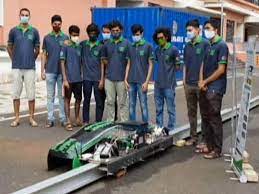
A group of students with team named “AVISHKAR” from IIT Madras have been working tremendously towards the technology behind the future of transportation, HYPERLOOP. The team comprises of forty students from various department of IIT, madras. They have been working on this new prototype hyperloop project since last November.
BUT, WHAT IS HYPERLOOP?

Basically, hyperloop is a high speed mass transportation system. A hyperloop is a super speed ground-level transportation system in which people could travel in a hovering pod inside a vacuum tube at speeds as high as 760 mph (1220 km/h).

While talking about the product, Neel said, “Hyperloop is a proposed mode of transportation in which many pods will be traveling inside a vacuum tube, capable of attaining high speeds due to no air friction and reduced air drag.” It IS the fifth and most efficient mode of transportation that the world is moving towards, he added. Further he said, “Because Hyperloop is sustainable, it works on electrical energy, we can install Solar panels on top of the tube, which could store energy and the same energy could be used to propel the hyperloop. This is way more sustainable .”
HOW DOES A HYPERLOOP WORK?

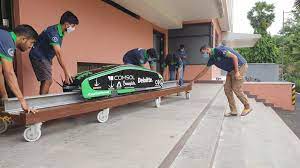
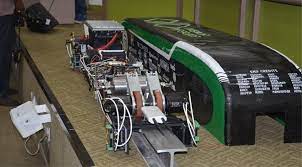
It has three major components: a tube, pod, and terminal. The tube is a large low pressure system that is sealed and tube can be constructed either above or below the ground. A pod is a coach that runs inside this controlled system and this pod employs magnetic or aerodynamic levitation along with electromagnetic or aerodynamic propulsion to glide along a fixed guideway. The terminals are used for arrivals and departures. Hyperloop is based on simple science called Magnetic levitation. But one thing that needs to be noted is, that it requires complex machinery and sensors to make a Pod travel at nearly 1000 km/h inside a vacuum tube. However the team has cracked that and named their pod “GARV”, which translates to “PRIDE”. It consists of Carbon Fiber shell, packed with advanced machinery and sensors.

STATEMENT:

Pranit, who is Head of Braking Module, said that Garv is their second Pod which is more efficient and lighter than the one they designed for SpaceX. “This time we are introducing several technologies like linear induction motor to achieve ‘contactless propulsion’ and ‘contactless braking. The motor produces a magnetic field which makes the Pod move forward and the contactless Braking has magnets which come closer to the rail, creating a Braking force and decelerating the Pod,” Pranit added.

Parth, a member of the Controls team, said, “Our team started in November. Everything we did online such as brainstorming sessions and discussions about the simulations. Once we were confident, we came back to the institute and started working on the Pod.” He said, “We are participating in European Hyperloop Week which will be conducted on 19th – 25th July and Valencia, Spain. Because of the pandemic, we are forced to compete virtually, but that is not a setback for us.”

EUROPEAN HYPERLOOP WEEK SELECTION:

With all their hard work, they have now crossed the hurdle and are qualified for the European Hyperloop Week that is to be held in Valencia, Spain from July 19 to 25. The team will participate virtually due to pandemic restrictions. With upgraded prototype, the team estimates the travel time between Chennai and Bangalore to be a mere 30 minutes ride instead of a six hours journey. They are also working on the study of energy, costs, demands and other aspects of hyperloop so as to access the economic feasibility of hyperloop in India.

Is mathematics a kind of language

What it means to “explain” something in science often comes down to the application of mathematics. Some thinkers hold that mathematics is a kind of language–a systematic contrivance of signs, the criteria for the authority of which are internal coherence, elegance, and depth. The application of such a highly artificial system to the physical world, they claim, results in the creation of a kind of statement about the world. Accordingly, what matters in the sciences is finding a mathematical concept that attempts, as other language does, to accurately describe the functioning of some aspect of the world


At the center of the issue of scientific knowledge can thus be found questions about the relationship between language and what it refers to. A discussion about the role played by language in the pursuit of knowledge has been going on among linguists for several decades. The debate centers around whether language corresponds in some essential way to objects and behaviors, making knowledge a solid and reliable commodity; or, on the other hand, whether the relationship between language and things is purely a matter of agreed-upon conventions, making knowledge tenuous, relative, and inexact.

Lately the latter theory has been gaining wider acceptance. According to linguists who support this theory, the way language is used varies depending upon changes in accepted practices and theories among those who work in particular discipline. These linguists argue that, in the pursuit of knowledge, a statement is true only when there are no promising alternatives that might lead one to question it. Certainly this characterization would seem to be applicable to the sciences. In science, a mathematical statement may be taken to account for every aspect of a phenomenon it is applied to, but, some would argue, there is nothing inherent in mathematical language that guarantees such a correspondence. Under this view, acceptance of a mathematical statement by the scientific community–by virtue of the statement’s predictive power or methodological efficiency–transforms what is basically an analogy or metaphor into an explanation of the physical process in question, to be held as true until another, more compelling analogy takes its place.

https://www.google.com/url?sa=t&source=web&rct=j&url=https://www.mathnasium.com/southtowns/news/httpswwwthoughtcocomwhy-mathematics-is-a-language-4158142textin20order20to20be20consideredthis20definition20of20a20languagetextmath20is20a20universal20languageevery20country20of20the20world%23:~:text%3DIn%2520order%2520to%2520be%2520considered,than%2520spoken%2520form%2520of%2520communication.&ved=2ahUKEwjJnY6r2efxAhVpxDgGHcNZB8AQFjABegQIBBAF&usg=AOvVaw2TPelQCqxZ_C_u4XYX52ah

https://www.google.com/url?sa=t&source=web&rct=j&url=https://www.cut-the-knot.org/language/MathIsLanguage.shtml&ved=2ahUKEwjJnY6r2efxAhVpxDgGHcNZB8AQFnoECA4QAQ&usg=AOvVaw27gzEEM6urdLNhpvwaJxAJ

Paris Agreement and Climate Change

Introduction

The Paris Agreement is an international treaty on climate change which is legally binding. It was adopted on 12th December 2015 by 196 parties at the Conference of the Parties (COP) 21 and it came into force on 4th November 2016. The goal of this agreement is to limit global warming to almost 2 degrees Celsius but ideally 1.5 degrees Celsius, as compared to the pre-industrial levels. Every country creates an NDC (Nationally Determined Contributions) wherein the countries mention the actions they will take to reduce their Greenhouse Gas emissions. The Paris Agreement also recognizes the financial differences of the countries and says that the developed countries should take the lead when it comes to providing financial assistance and help the vulnerable countries. The progress of the agreement is being tracked by the creation of the Enhanced Transparency Framework (ETF), under which, starting from 2024, the countries will report on the actions taken and the progress, transparently.

COP 26

The 26th Conference of the Parties was originally scheduled from 9th to 19th November 2020 but due to COVID-19, it was postponed to 1st to 12th November 2021, in Glasgow, UK. Several unresolved issues from the Paris Agreement are to be resolved during this Conference, such as governing of carbon markets and the accountancy of climate finance. The developing nations pointed fingers at the rich nations to fulfil their promise of finance. They also highlighted the lack of urgency from the recent G7 and G20 summits.

COP 26 has to finalize the rulebook that implements the 2015 Agreement. The nations have to give the climate-vulnerable nations the $100 billion annually as promised in 2009. They have called for almost 50% of funding to be allocated towards future climate adaptation, plus a separate allocation for the loss and damage that has already been inflicted on the poor nations.   

Other Climate Change Agreements

Montreal Protocol, 1987 – This agreement is not aimed towards dealing with climate change however it is an important environmental agreement. This agreement required the countries which have ratified it, to stop producing products that damage the ozone layer, such as, chlorofluorocarbons (CFCs).

UN Framework Convention on Climate Change (UNFCCC), 1992 – This is the first-ever global treaty that directly addresses climate change. This treaty established the annual forum named the Conference of the Parties (COP). Agreements such as the Kyoto Protocol and the Paris Agreement came into existence through these forums.

Kyoto Protocol, 2005 – It was adopted in 1997 and came into force in 2005, it is known as the first legally binding climate treaty. The goal of this treaty is to reduce emissions by an average of 5% below the 1990 levels although the treaty did not force developing countries.

Effects of Global Warming

  • Shrinking of Glaciers
  • Ice on rivers and lakes break earlier than usual
  • Plants and animal ranges have shifted
  • Trees flower sooner
  • Loss of sea ice
  • Accelerated rise of sea level
  • Intense heatwaves
  • More droughts
  • Changes in precipitation patterns
  • The frequency of cyclones will increase and will be more intense
  • The Arctic is likely to become Ice-Free

Conclusion

Heat Waves have been recorded in the United States of America and Canada this 2021. This is only just more proof of Global Warming and its effects. This will keep increasing if the countries don’t take the agreements like the Paris agreement seriously. More importantly, the rich countries need to finally start acting responsibly and fulfil their promises to save the planet.  

References

Deserts

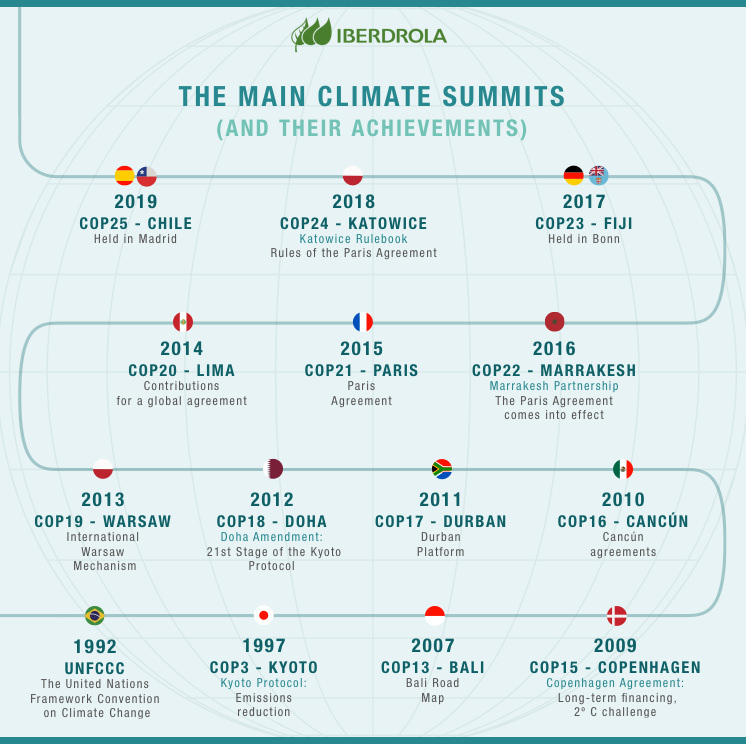
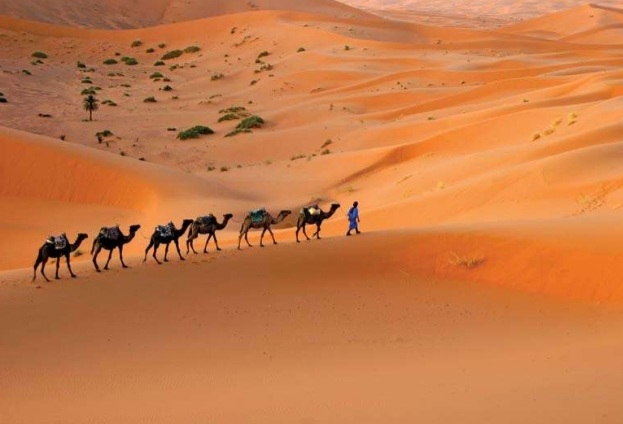
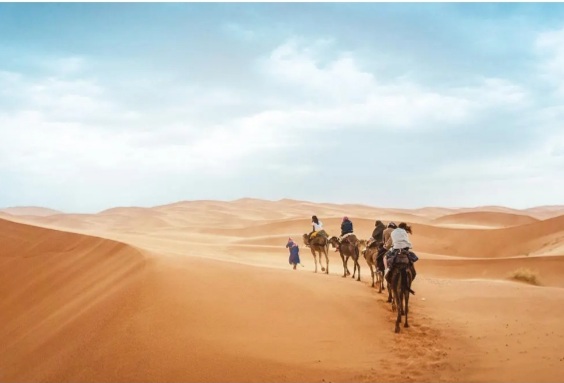
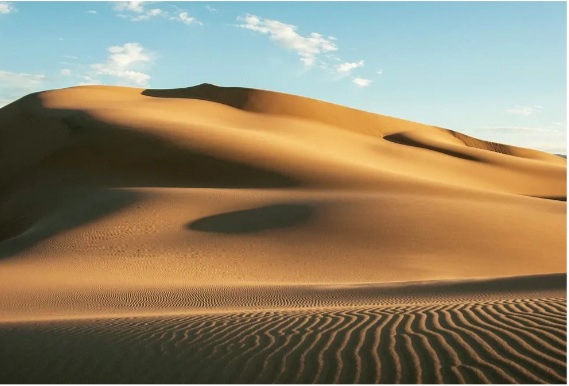
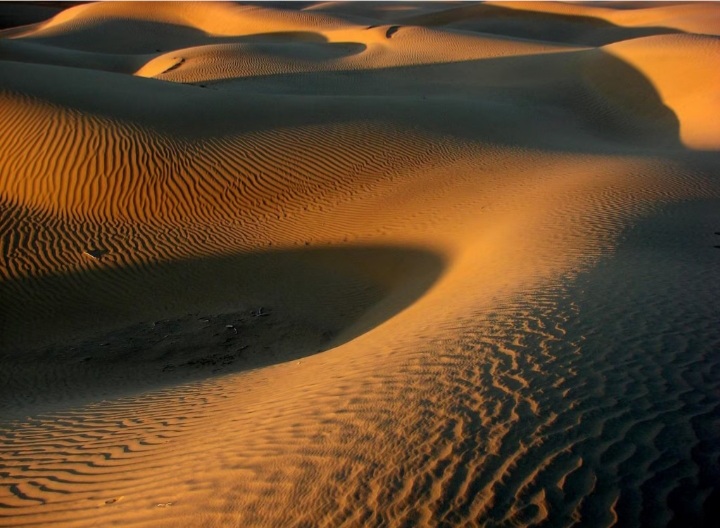
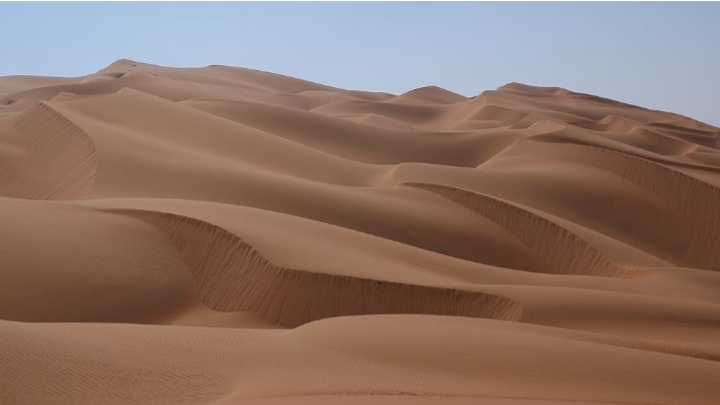
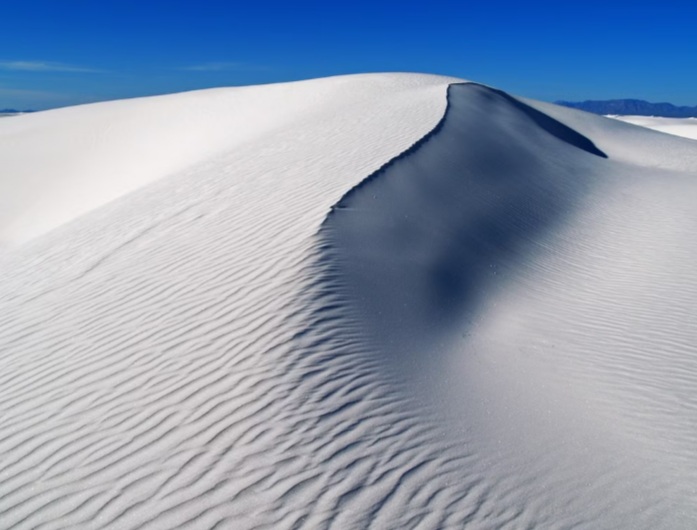
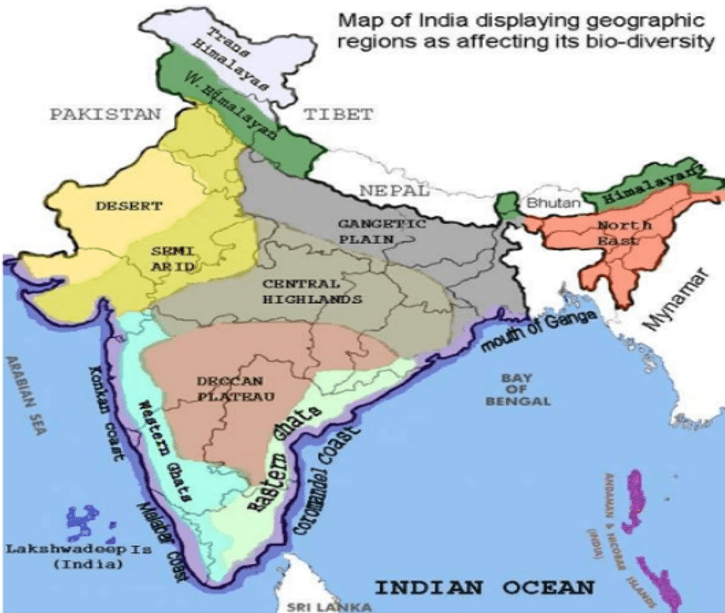
In the world we find varied geographical regions which includes mountains, plains, deserts, plateaus all with their own physical features. Desert is basically a piece of barren land which is filled with sand and lacks water bodies and have dry weather all along. In day time deserts are extremely heated up and at night it becomes chilling cold at the same place. In the Indian subcontinent we find desert in the western part of the subcontinent in the state of Rajasthan.

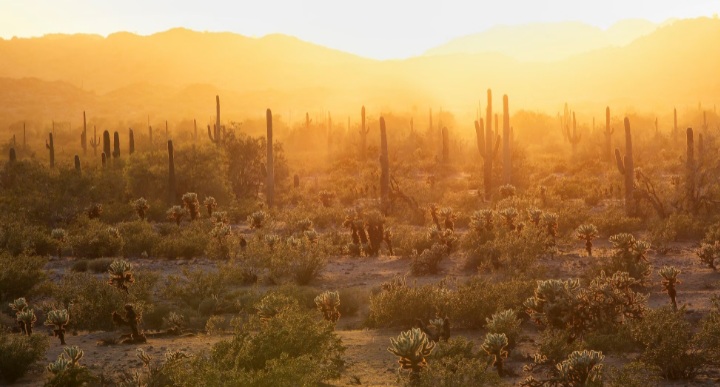
The animals and plants in the deserts have their own adaptations, among plants we find a variety of cactus, cactus plants have special adaptations to survive in the desert, they have fleshy stem which holds water in them which turns out to be useful when there is scarcity of water also they have very long roots which can penetrate deep inside the soil in search of water also they don’t have leaves and have thorns in place of them in cactus the food is prepared in the step as it contains chlorophyll and is green in color. Also, we find camel in desert their feet have adaptation to walk on the sand also they can survive with less water and they have long eyelashes to protect their eyes from dust storms.

Types of Deserts :

1. Coastal Deserts :

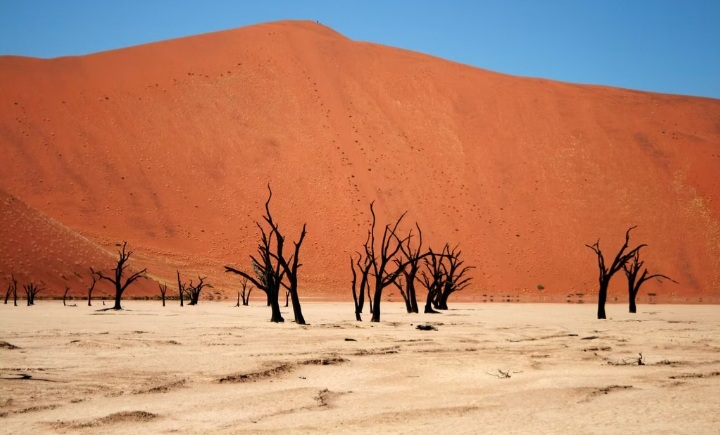
Coastal deserts occur in cool to warm areas along the coast. They have cool winters and long, warm summers. Coastal deserts are located on the west coasts of continents between 20° to 30° lattitude. Winds off the coast blows in an easterly pattern and prevents the moisture from moving onto the land. The Namib desert in Africa and the Atacama desert in chile are coastal deserts.

2. Subtropical Deserts :

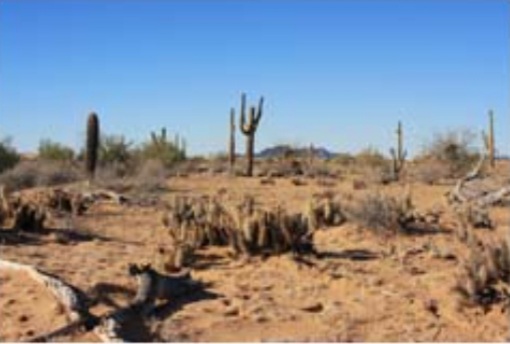
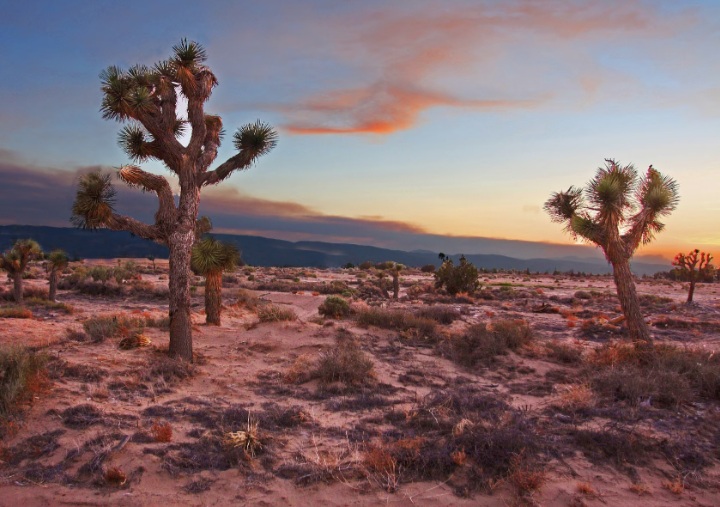
Subtropical deserts the hottest deserts. They are found in Asia, Australia, Africa and North and south America. In the united states, the chilhuahuan, sonoran and Mojave are all subtropical deserts. Subtropical deserts are very hot and dry in the summner and cooler but still dry in the winter. Rainfall happens in short bursts. The air is so hot and dry in these deserts that sometimes rain evaportaes before it even has a chance to hit the ground. The soil in subtropical deserts is usually either sandy or coarse and rocky.

Plants and animals in subtropical deserts must be able to withstand the hot temperatures and lack of moisture. Shrubs and small trees in the subtropical desert usually have leaves adapted to retain moisture. Animals in sbtropical deserts are usually active at night, when it is cooler.

3. Cold wintet Deserts :

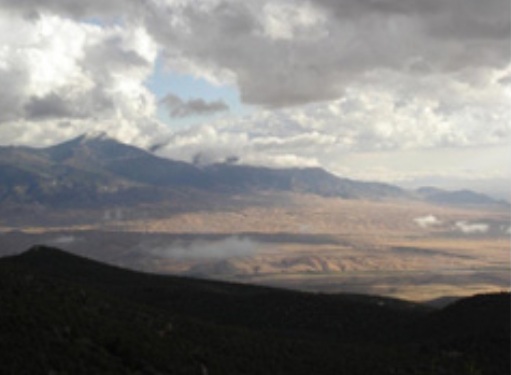
Cold winter deserts are also known as semiarid deserts . They have long, dry summers and cold winters with low rain or snowfall. In the united states the Great basin, the colorado plateau and the Red Desert are all cold winter deserts. Other cold winter deserts include the Gobi desert in china and Mongolia and the patagonian desert in Argentina. The lack of rainfall in cloud winter deserts is often caused by the rainshadow effect. The rainshadow effect happens when a high mountain range stops moisture from reaching an area. The Himalayan Mountain prevent rainfall from reaching the Gobi desert.

4. Ploar Deserts :

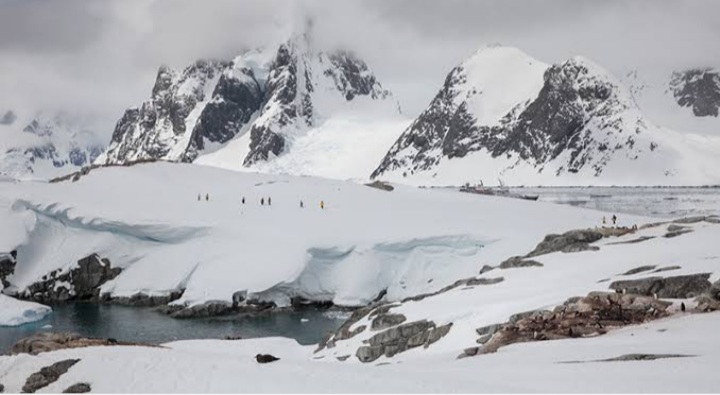
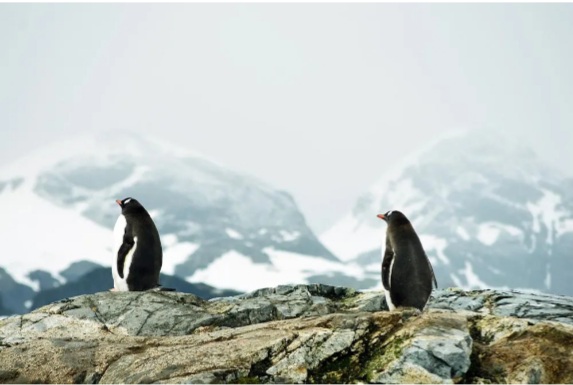
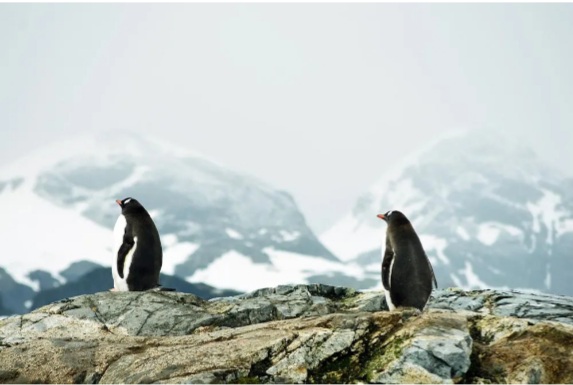
Polar deserts are found in the Arctic and Antarctic regions. Like warmer deserts, they also get very little precipitation.polar deserts are cold year- round.

Largest Desert in the world :

The antarctic polar Desert, which makes up the vast majority of Antarctica, is the largest desert in the world. In fact this single desert is larger than the combined size of the Gobi Desert, the Arabian Desert, and the sahara Desert.

* The driest desert of the world Atacama is surely the most dangerous desert of all.

The strongest animal in the Desert :

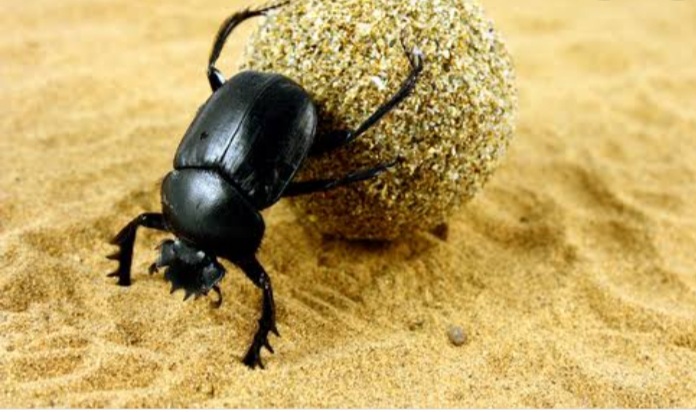
Based on strength to weight ratio, the dung beetle of the scarab is the strongest creature on earth. They can lift 1141 times their own body weight. It helps them a lot in finding the mate and food. The dung beetles also constitute a large percentage of scarab family.

The 7 hardest Animals to Hunt :

* Leopards

* Mountain Goats.

* Elk

* Eland.

* cape Buffalo

* Roan and sable

* Bears.

what can kill you in the Desert?

Aside from the oppressive heat and lack of water, the desert is also full of critters that can bite and sting. Some of these guys can even kill you if you aren’t able to find medical help. Spiders, scorpions, centipedes, and snakes are all found in dark places , abandoned builidings and under rocks.

Most Famous Deserts :

* Namib Desert – Africa

* Atacama Desert – South Americs.

* sahara Desert – Africa

* Gobi Desert – china

* Mojave Desert – Nevada

* Antarctic Desert – Antarctica

* Sonoran Desert – USA

* Thar Desert – India

* Rub’al khali – saudi Arabia

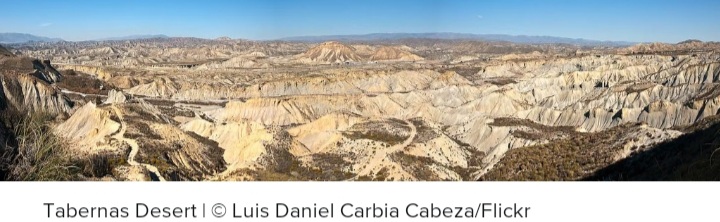
* Tabernas Desert – spain

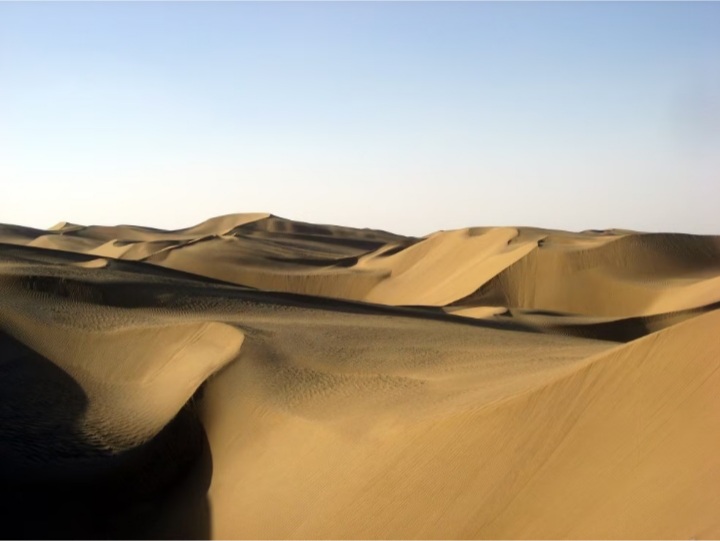
* Taklamakan Desert – central Asia

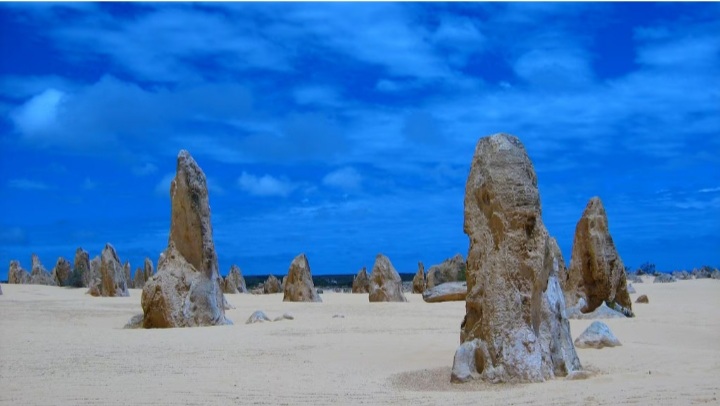
* pinnacles Desert – Australia

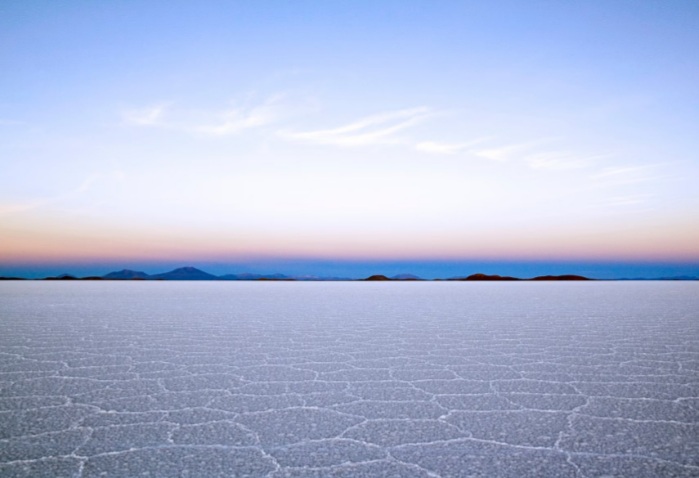
* Salar de uyuni Desert – Bolivia

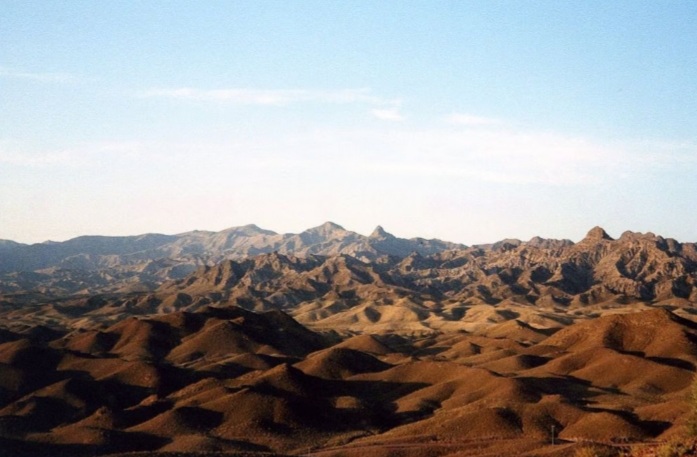
* Dasht- e kavir – Iran

* Chihuahuan Desert –New Mexico

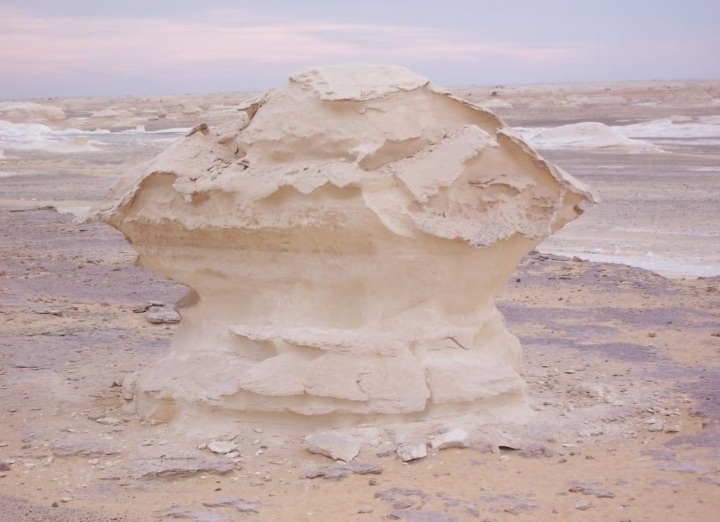
* White Desert, Farafra – Egypt

Saving Biodiversity

We have lost 7% of intact forests since 2000 globally. Climate change along with pandemic exerts an additional stress on ecosystem. Focusing on maintaining a healthy ecosystem concept of “ONE HEALTH” for all organisms should needed to be in cooperated everywhere. In 2018 India, PM’s science and tech and innovation advisory council in consultation with MO environment, forest, climate change, approved a National mission on biodiversity and human well being. Banglore based biodiversity working in prepare road maps on same. This will strengthen science of restoring, conserving, and sustainably utilizing India’s natural heritage and target. India will emerge as a leader linking conservation of natural assets and socialist well-being.

Important framework: Mission offers a holistic framework, integrated approaches, and widespread societal participation and empower India to restore, our natural assets by millions of crores of rupees, mitigation programs, biodiversity-based agriculture while also creating millions of green jobs in restoration of degraded lands (1/3 of total land) and nature tourism, helps to meet convention on biological diversity, generate a strong national community committed to sustaining biodiversity, Scientific inputs, especially related to geospatial informatics and policy, can guide the development of strategies for conservation and ecosystem management.

Need for a cadre:

  • We need a strong and extensive cadre of human resources required to meet the enormous and complex environmental challenges of the 21st century.
  •  It needs training professionals of the in sustainability and biodiversity science, along with an investment in civil society outreach.
  • Public engagement, whether it is in the policymaking arena, or in exploration, restoration and conservation of biodiversity, is a critical component of the planned Mission.

Biodiversity In India

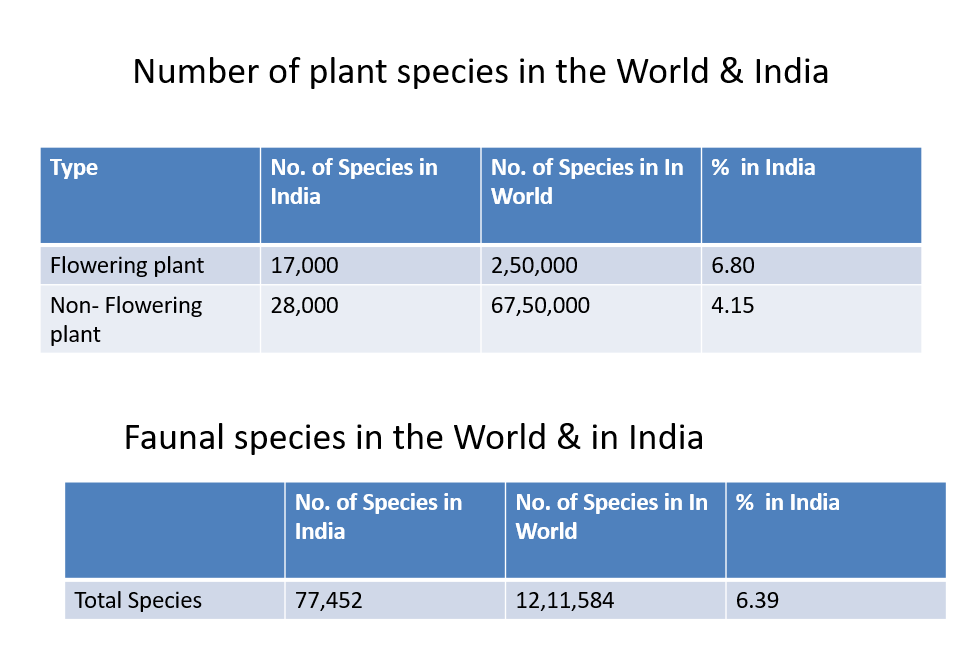
Biological diversity’ means the variability among living organisms from all sources including, inter alia, terrestrial, marine and other aquatic ecosystems and the ecological complexes of which they are a part; this includes diversity within species, between species and of ecosystems. The word Biodiversity means Gk. Bios- Life, diversity- forms. The occurrence of difference species of organisms with the whole range of their variants (Biotypes) & genes adapted to different climates, environments along with their interactions & processes. This term was coined by Walter G. Rosen- 1985. Biodiversity refers to the numbers, variety and variability of living organisms and ecosystem. It includes all terrestrial, marine and other aquatic organisms. Also covers diversity within species, between species as well as variations among ecosystems.

Biodiversity has contributed in many ways to the development of human culture, and, in turn, human communities have played a major role in shaping the diversity of nature at the genetic, species, and ecological levels.

Types of Biodiversity

  • Genetic diversity – Diversity of genes within a species. i.e. genetic variability among the populations and the individuals of the same species. Genetic diversity is the total number of genetic characteristics in the genetic makeup of a species. Ex. Domestic Dogs. Humans have created distinct breeds of dogs within the species by selectively breeding individuals.
  • Species diversity – Diversity among species in an ecosystem. “Biodiversity hotspots” are excellent examples of species diversity. Species diversity is defined as the number of species and abundance of each species that live in a particular location. Each species is distinct from other species in form & character such as cow & goat. Species diversity is the most common level to describe biodiversity of any area.
  • Ecosystem diversity – Diversity at a higher level of organization, the ecosystem. To do with the variety of ecosystems on Earth. Ecosystem diversity deals with the variations in ecosystems within a geographical location and its overall impact on human existence and the environment. EX. deserts, forests, grasslands, wetlands and oceans. Ecological diversity is the largest scale of biodiversity, and within each ecosystem, there is a great deal of both species and genetic diversity.

VALUES OF BIODIVERSITY

1. Consumptive value : The most important point of consumptive use is that some rural communities closets to the forests or other natural areas can prosper through the sustainable harvesting of wildlife species. Hunting, Direct consumption-herbs, plants, mushrooms are all consumptive uses.

2. Productive Value : Products that are commercially harvested for exchange in formal markets. Each species is valuable to human. The global collection of genes, species, habitat & ecosystems is a resource that provides for human needs. It is also essential for human survival in the future. This is often then only value of biological resources that is reflected in the income accounts.

3. Social Value : Social value of biodiversity refers to religious and cultural importance. Trees are worshiped as God. ex. Banyan tree, Peepal Tree. Flowers, Tulsi leaves are offered during pooja.

4. Ethical Value : ‘All life must be preserved’ based on ‘Live & let live’. This means we don’t use the species directly or indirectly, but we feel sorry about the loss of species. They have a existence value.

5. Aesthetic Value : It is related to the beauty of biodiversity. The pleasure, excitement & visual peace of any area. Concept of Eco- tourism & willingness to pay are gaining grounds, leading to monetary estimate for aesthetic value of biodiversity.

6. Option Value : The option values of biodiversity suggests that any species may be proved to be a valuable after someday. At present the potentials/ uses/ values are unknown. Ex. Growing technology field is searching new species for causing the diseases of cancer & AIDS.

HOT SPOTS OF BIODIVERSITY

biodiversity hotspot is a bio-geographic region that is both a significant reservoir of biodiversity and is threatened with destruction. The term biodiversity hotspot specifically refers to 25 biologically rich areas around the world that have lost at least 70 percent of their original habitat. The original 25 hotspots covered 11.8% of the land surface area of the Earth.

MISSION MARS BY INDIA

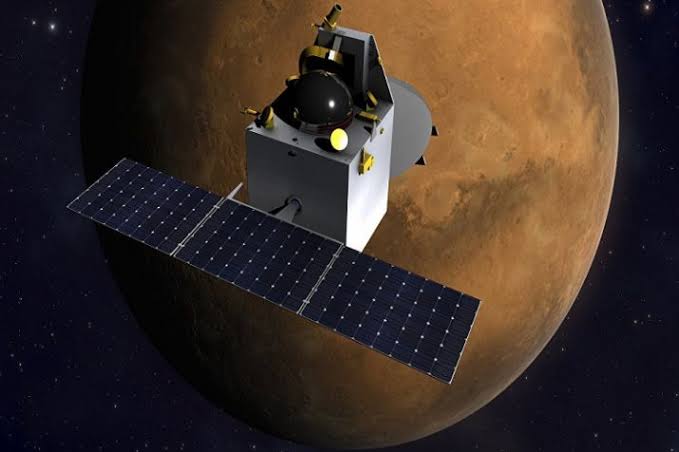
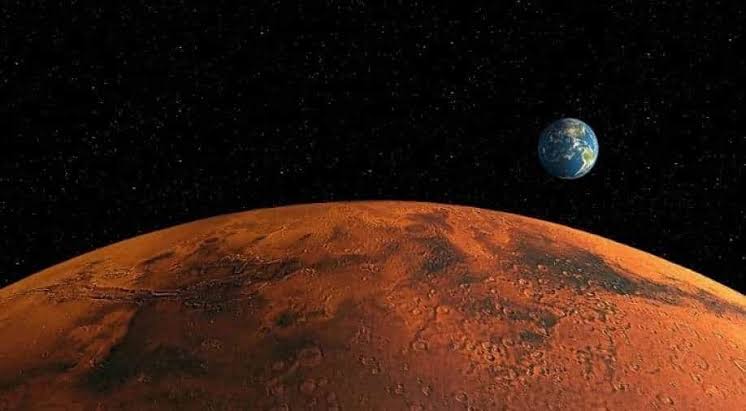
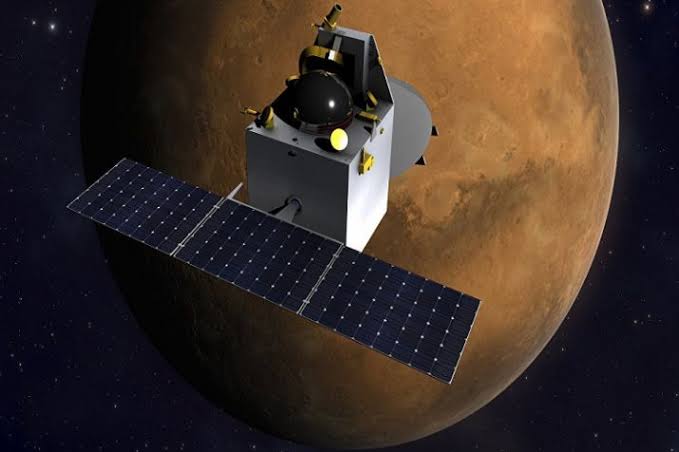
The Mars Orbiter Mission (MOM), also called Mangalyaan is a space probe orbiting Mars since 24 September 2014. It was launched on 5 November 2013 by the Indian Space Research Organisation (ISRO).It is India’s first interplanetary mission and it made it the fourth space agency to achieve Mars orbit, after Roscosmos, NASA, and the European Space Agency. It made India the first Asian nation to reach Martian orbit and the first nation in the world to do so on its maiden attempt.

Names
Mangalyaan
Mission type
Mars orbiter
Operator
ISRO
COSPAR ID
2013-060A
SATCAT no.
39370
Website
http://www.isro.gov.in/pslv-c25-mars-orbiter-mission
Mission duration
Planned: 6 months
Elapsed: 6 years, 9 months, 19 days

Start of mission

Start of mission
Launch date
5 November 2013, 09:08 UTC
Rocket
PSLV-XL C25
Launch site
Satish Dhawan FLP
Contractor
ISRO

Orbital Parameter

Apoareon altitude
76,993.6 km (47,841.6 mi)
Inclination
150.0°. pariareon altitude : 421.7km(262miles)

Timeline of Operations
Phase Date Event Detail Result References
Geocentric phase 5 November 2013 09:08 UTC Launch Burn time: 15:35 min in 5 stages Apogee: 23,550 km (14,630 mi)
6 November 2013 19:47 UTC Orbit raising manoeuvre Burn time: 416 sec Apogee: 28,825 km (17,911 mi)
7 November 2013 20:48 UTC Orbit raising manoeuvre Burn time: 570.6 sec Apogee: 40,186 km (24,970 mi)
8 November 2013 20:40 UTC Orbit raising manoeuvre Burn time: 707 sec Apogee: 71,636 km (44,513 mi)
10 November 2013 20:36 UTC Orbit raising manoeuvre Incomplete burn Apogee: 78,276 km (48,638 mi)
11 November 2013 23:33 UTC Orbit raising manoeuvre (supplementary) Burn time: 303.8 sec Apogee: 118,642 km (73,721 mi)
15 November 2013 19:57 UTC Orbit raising manoeuvre Burn time: 243.5 sec Apogee: 192,874 km (119,846 mi)
30 November 2013 19:19 UTC Trans-Mars injection Burn time: 1328.89 sec Heliocentric insertion
Heliocentric phase December 2013 – September 2014 En route to Mars – The probe travelled a distance of 780,000,000 kilometres (480,000,000 mi) in a Hohmann transfer orbit around the Sun to reach Mars. This phase plan included up to four trajectory corrections if needed.
11 December 2013 01:00 UTC 1st Trajectory correction Burn time: 40.5 sec Success
9 April 2014 2nd Trajectory correction (planned) Not required Rescheduled for 11 June 2014
11 June 2014 11:00 UTC 2nd Trajectory correction Burn time: 16 sec Success
August 2014 3rd Trajectory correction (planned) Not required
22 September 2014 3rd Trajectory correction Burn time: 4 sec Success
Areocentric phase 24 September 2014 Mars orbit insertion

Recognition

In 2014, China referred to India’s successful Mars Orbiter Mission as the “Pride of Asia”. The Mars Orbiter Mission team won US-based National Space Society’s 2015 Space Pioneer Award in the science and engineering category. NSS said the award was given as the Indian agency successfully executed a Mars mission in its first attempt; and the spacecraft is in an elliptical orbit with a high apoapsis where, with its high resolution camera, it is taking full-disk colour imagery of Mars. Very few full disk images have ever been taken in the past, mostly on approach to the planet, as most imaging is done looking straight down in mapping mode.

: 5 Nutritious Vegetable :

Nutritious vegetables

Vegetables are the part of plants which are edible and very nutritious to our body. As we all are aware  that vegetables happen to have very good effects on our body.  Almost every vegetable has fibres, vitamins, minerals and other important healthy ingredients in them , but some of them have some exceptional qualities which make them stand out from the rest of the others .Nutritional value of vegetables is undeniable . Here I have talked about some of them which have more  nutritional value than the others .They are written below .

Various types of carrots
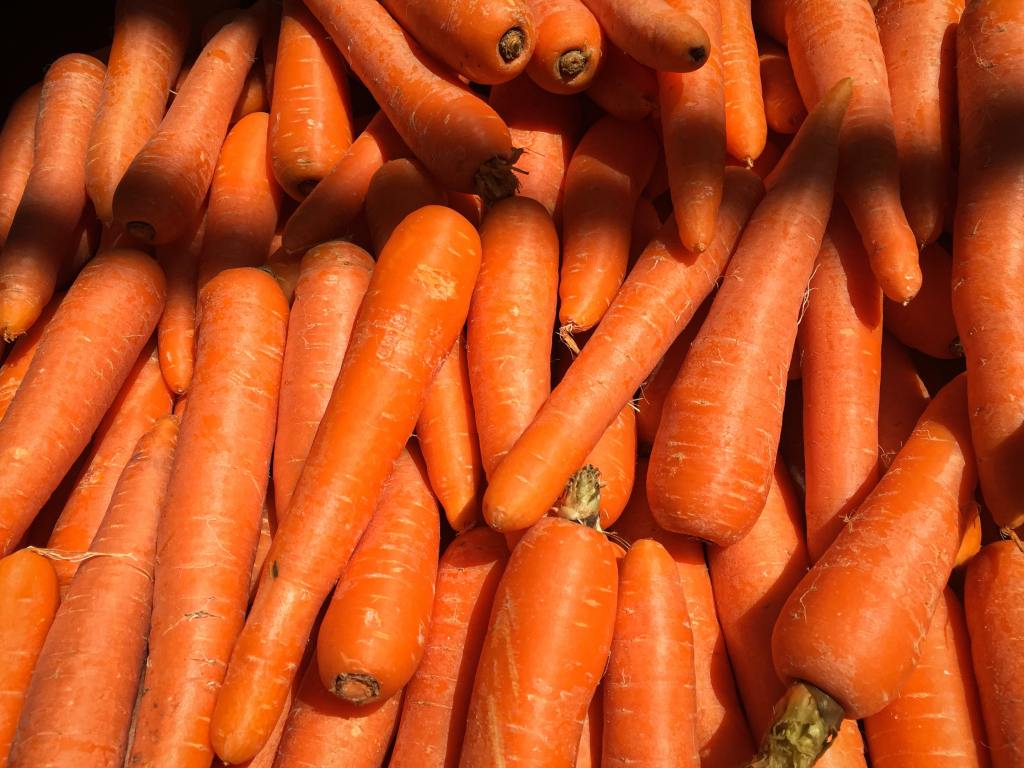
  1. CARROT — It is a root vegetable. It’s common colour is orange but it happens to also be yellow,white and purple . While eating them you will be able to feel the crunchiness of it . It has high nutritional value . It has lots of beta-carotene ,fiber ,vitamin K ,vitamin A ,potassium & antioxidants ,biotin carotenoids and lutein . It also has 90-95% water & almost 7% carbohydrates .

Carotenoids reduce the chances of cancer & improve the blood by lowering bad cholesterol in the blood . Vitamin A helps to improve the eye sight & eye health .Carrot is also used as a weight-loss diet vegetable .It improves our immune system .

Carrots
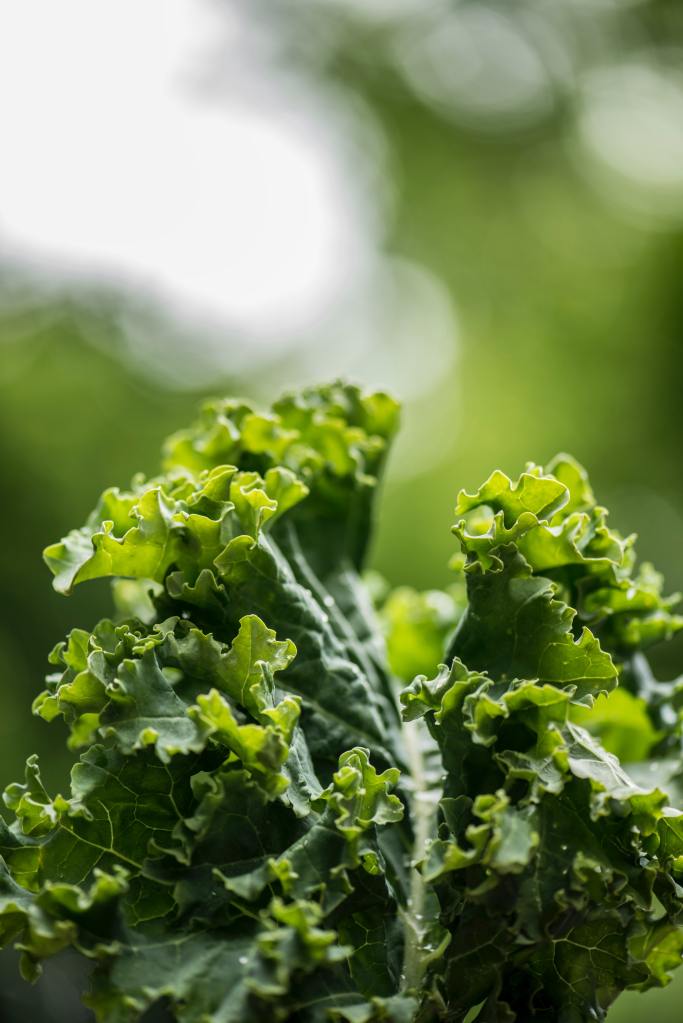
Kale
  1. KALE — It is a green leafy vegetable . This vegetable belongs to the Cruciferous plant family .It has a lot of calories , protein  & carbohydrates .High amount of flavonoids ,45 types of carotenoids , Vitamin K ,Vitamin A ,Vitamin C are also found in kale .

Kale works as a very good antioxidant & anti-inflammatory in our body .It prevents the chances of cancer ,It fights against macular degeneration , Alzheimer ,arthritis with the help of containing antioxidants .

Kale Leaf
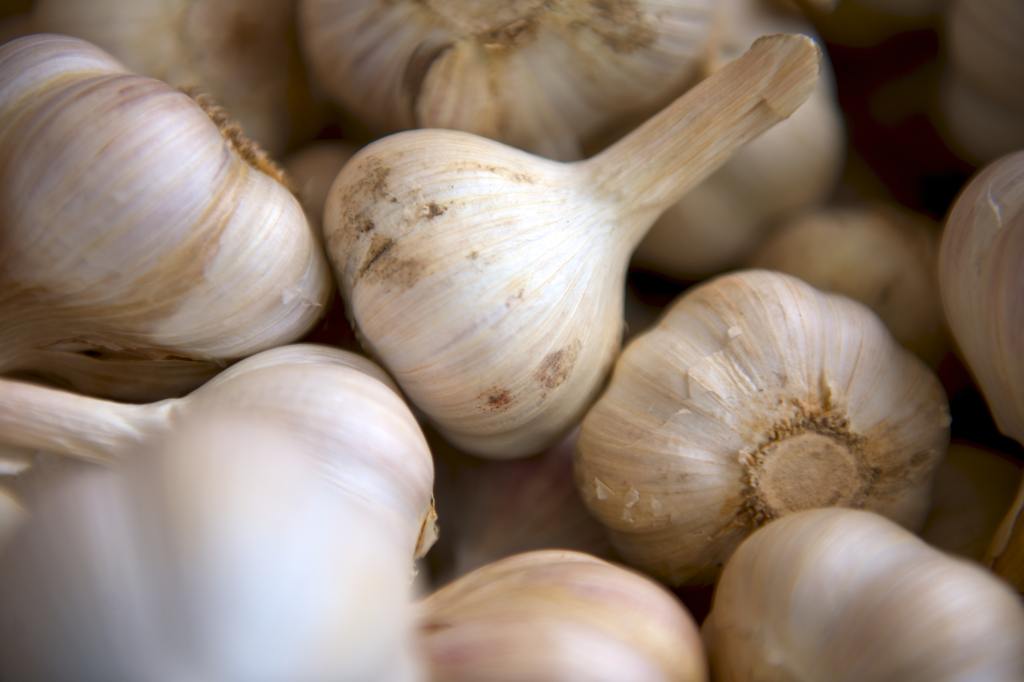
Garlic Bulbs

      3)GARLIC — It is one type of stem of a bulbous plant . Garlic is naturally of white colour but black garlic also exists .Garlic plant belongs from Allium ,a onion species .It is widely used as a seasoning or as a spice . It has a high amount of Vitamin B6 ,manganese ,selenium , Vitamin C and allician . It also has a good amount  of phosphorus , calcium ,potassium ,iron ,copper etc.

It is a very good vegetable for the heart & blood system . It also fights against high blood pressure or BP & lowers the bad blood cholesterol to cure the heart condition . It increases the blood oxidation power . It also works for skin infections & hypertension .

Garlic
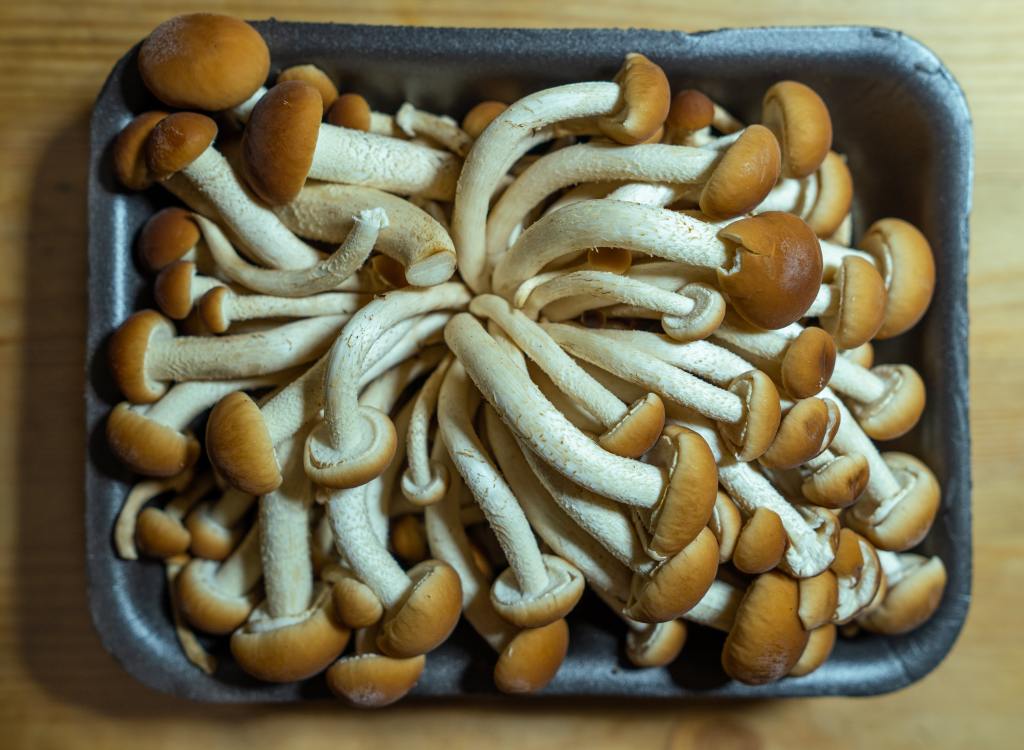
Various edible mushrooms

     4) MUSHROOM — It belongs to a fungus group & is edible in nature . It has various sizes ,colours ,and strictures .It has a lot of protein , minerals ,antioxidants ,selenium ,Vitamin C ,choline ,and fibre . It is especially rich in vitamin B & protein .

It fights against lung & breast cancer & prevents them .It works very well on diabetes patients & helps to cure diabetes . It gives a lot of energy for containing lots of protein .It is one of the most healthy foods .

Mushrooms
Asparagus

5) ASPARAGUS — It belongs to the lily plant family . Its scientific name is Asparagus officinalis . It is usually a green colour vegetable but it also exists in purple colour & white colour .It has low calories , lots of vitamin C , Vitamin A , Vitamin K , antioxidants , phosphorus , fiber , protein . It has a high amount of Vitamin K .

Anthocyanin is responsible for the colour of the purple asparagus and it lowers the blood pressure in our body . Asparagus also helps to increase the power of our digestive system . It has a very good effect on pregnant ladies during their pregnancy period .It is a healthy & delicious vegetable .

Asparagus

What if we are living in a Video Game?

Kids these days are so head over heels into video games, do you ever think what if we are pawns in a video games ourselves, some alien species with the controller?

Rizwan Virk, a computer scientist and video game designer, published a 2019 book, The Simulation Hypothesis, that traces the path from today’s technology to what he calls the “Simulation Point,” the moment at which we could realistically build a Matrix-like simulation.

I know nothing about computer science, but this idea that we’re all characters in an advanced civilization’s video game is, well, kind of awesome.

Pretend I know absolutely nothing about the “simulation hypothesis.” What is the simulation hypothesis?

The simulation hypothesis is the modern equivalent of an idea that’s been around for a while, and it is the idea that the physical world that we live in, including the Earth and the rest of the physical universe, is actually part of a computer simulation.

You can think of it like a high resolution or high-fidelity video game in which we are all characters, and the best way to understand it within Western culture is the movie The Matrix, it’s become a cultural phenomenon now beyond the film industry.

In that movie, Keanu Reeves plays the character Neo, who meets a guy names Morpheus, who is aptly named after the Greek god of dreams, and Morpheus gives him a choice of taking a red pill or a blue pill. And if he takes the red pill, he wakes up and realizes that his entire life, including his job, the building he lived in, and everything else, was part of this elaborate video game, and he wakes up in a world outside of the game, which he did. That is the basic version of the simulation hypothesis.

Are we living in a simulated universe right now?

There are lots of mysteries in physics that are better explained by the simulation hypothesis than by what would be a material hypothesis.

The truth is that there’s much we simply don’t understand about our reality, and I think it’s more likely than not that we are in some kind of a simulated universe. Now, it’s a much more sophisticated video game than the games we produce, just like today World of Warcraft and Fortnite are way more sophisticated than Pac-Man or Space Invaders. They took a couple of decades of figuring out how to model physical objects using 3D models and then how to render them with limited computing power, which eventually led to this spate of shared online video games.

I think there’s a very good chance we are, in fact, living in a simulation, though we can’t say that with 100 percent confidence. But there is plenty of evidence that points in that direction.

Watch season 18, episode 7 of South Park if you haven’t gotten the hint already!

Think of how sometimes when you walk into a room with a purpose but the moment you enter, you forget the reason you walked in for? Who knows some work might have come up so the gamer playing you had to leave? So, you go blank for a few seconds, but when the gamer comes back, you are back on track as well.

Think of how every time you fell down. Who knows that isn’t because the controller from the gamer’s hand maybe because he was balancing his plate of food in his hand while playing?

What if the old people are being played by the gamers with low frame rate and bad internet connectivity?

When I say there are aspects of our world that would make more sense if they were part of a simulation, I mean there are a few different aspects, one of which is quantum indeterminacy, which is the idea that a particle is in one of multiple states and you don’t know that unless you observe the particle.

Probably a better way to understand it is the now-infamous example of Schrödinger’s cat, which is a cat that the physicist Erwin Schrödinger theorized would be in a box with some radioactive material and there was a 50 percent chance the cat is dead and a 50 percent chance the cat is alive. Now, common sense would tell us that the cat is already either alive or it’s dead. We just don’t know because we haven’t looked in the box. We open the box and it’ll be revealed to us whether the cat is alive or dead. But quantum physics tells us that the cat is both alive and dead at the same time until somebody opens up the box to observe it. The cardinal rule is the universe renders only that which needs to be observed.

Isn’t the hypothesis that we’re living in a flesh-and-blood physical world the simpler explanation?

A very famous physicist, John Wheeler, was one of the last physicists who worked with Albert Einstein and many of the great physicists of the 20th century. He said that physics was initially thought to be about the study of physical objects, that everything was reducible to particles. This is what’s often called the Newtonian model.

But then we discovered quantum physics and we realized that everything was a field of probabilities and it wasn’t actually physical objects. That was the second wave in Wheeler’s career.

The third wave in his career was the discovery that at the core level, everything is information, everything is based on bits. So Wheeler came up with a famous phrase called “it from bit,” which is the idea that anything we see as physical is really the result of bits of information. He didn’t live to see quantum computers come into reality, but it’s looking more like that.

So I would say that if the world isn’t really physical, if it’s based on information, then a simpler explanation might in fact be that we are in a simulation that is generated based on computer science and information.

How close are we to having the technological capacity to build an artificial world that’s as realistic and plausible as The Matrix?

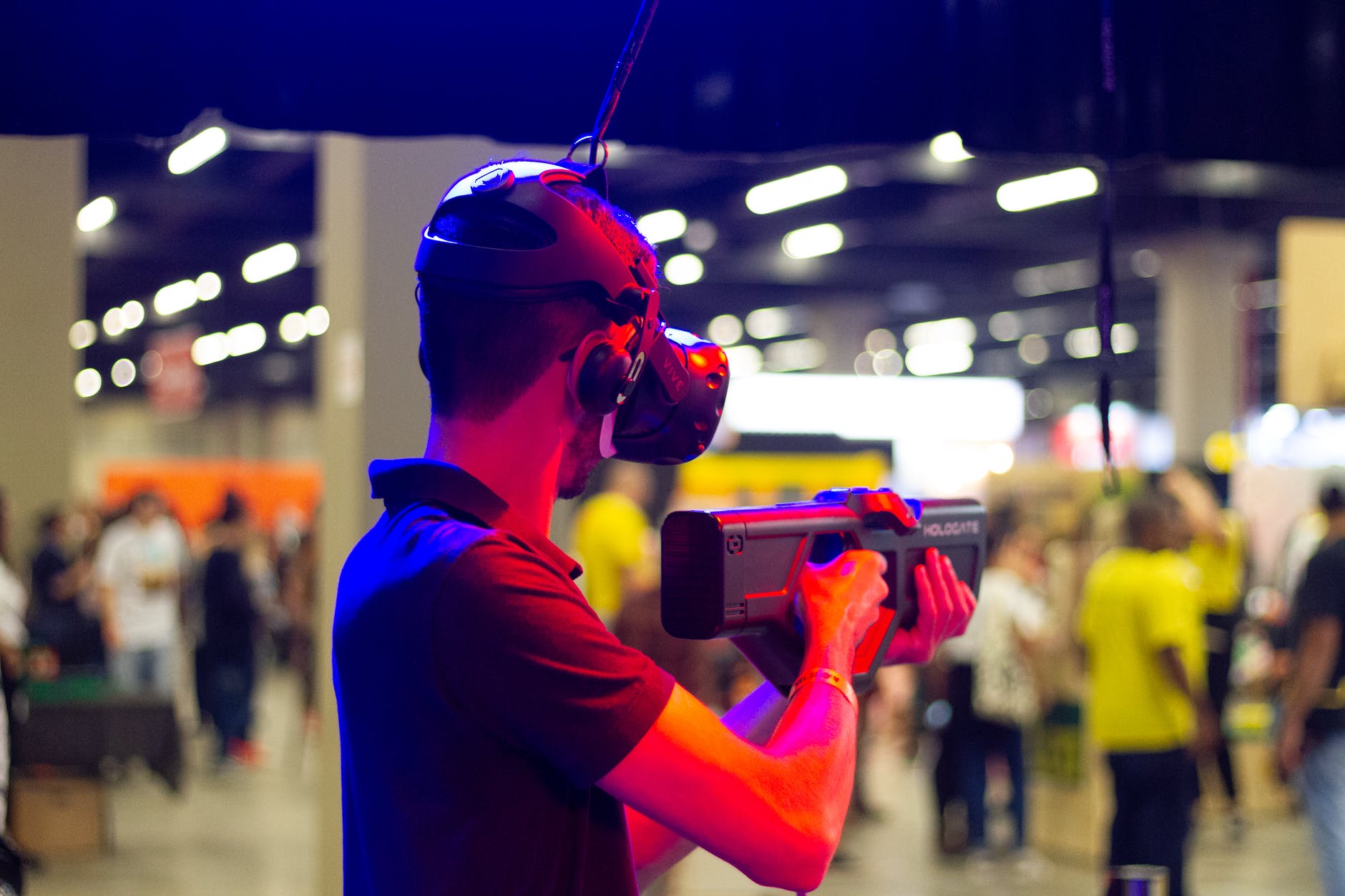
There are 10 stages of technology development that a civilization would have to go through to create a hyper realistic simulation. We’re at about stage five, which is around virtual reality and augmented reality. Stage six is about learning to render these things without us having to put on glasses, and the fact that 3D printers now can print 3D pixels of objects shows us that most objects can be broken down as information.

But the really difficult part — and this is something not a lot of technologists have talked about — is in The Matrix, the reason they thought they were fully immersed was they had this cord going into the cerebral cortex, and that’s where the signal was beamed. This brain-computer interface is the area that we haven’t yet made that much progress in, but we are making progress in it. It’s in the early stages.

So my guess is within a few decades to 100 years from now, we will reach the simulation point.

APJ ABDUL KALAM

Dr APJ Abdul Kalam was a scientist who later became the 11th President of India and served the country from 2002 to 2007.

He was the most respected person in the country, as he contributed a lot to the country as a scientist and a president.

His contribution to the Indian Space Research Organization is unforgettable.

There were many projects under his leadership such as Rohini-1, Project Devil and the launch of Project Valent, missiles (under Mission Agni and Prithvi), etc.

For his great contribution in increasing India’s nuclear power, he is popularly known as “Missile Man of India”. He has been awarded the highest civilian awards for his dedicated work.

After completing his service to the Government of India as President, he served the country as a visiting professor at various valuable institutions and universities.

HIS CAREER AND CONTRIBUTION:

He was born on 15 October 1931 to Zainuldeben and Aashiyamma. His family’s financial situation was a bit bad, so he started supporting his family financially at an early age.

He started earning money to support his family but never gave up his education.

He completed his graduation from Madras Institute of Technology in 1954 from St. Joseph’s College, Tiruchirapalli and Aerospace Engineering.

After completing his graduation, he joined the Aeronautical Development Foundation of the Defense Research and Development Organization (DRDO) as a leading scientist.

Soon he moved to the Indian Space Research Organization as the Project Director of India’s first indigenous satellite launch vehicle.

He also served as the Chief Executive of the Integrated Guided Missile Development Program, which is involved in the simultaneous development of missiles.

He had also become the Chief Scientific Adviser of the Prime Minister and Secretary of the Defense Research and Development Organization from the year 1992 to 1999.

He was called the “Missile Man of India” after his successful contribution as the Chief Project Coordinator for Pokhran II nuclear tests.

A LETTER TO THE MOTHERLAND

Hello motherland, I hope you are fine, I can only hope this because your children living here are not completely loyal to you.

Since long time you have been through many things and faced a lots of challenges. You have seen people changing, their changing lifestyles and even their behaviour towards you. During ancient times people used to discover things from you, they only used natural things like branches of trees to cook food, stones to setup fire and made tools from them. People at that time were totally dependent on you for everything from eating to wearing to shelter. As the time passes, in the medieval time people were more developed and found ways to rule over you. Different communities were made and people got divided according to their power and started making policies and planning to rule over a large piece of land this way you got divided into several religion and genders. Coming to the Modern Times now no one is afraid of you, everyone is seeking their benefit and doing whatever they wish to do without taking any precautions. Use of plastic bags, burning of crackers on festivals, wastage of water, deforestation etc all are leading to the serious conditions of the health of the motherland. Today’s society is always busy on technology and this too is creating a lot of junk on land and in people’s mind. They are harming the land as well as their health conditions. Due to huge amount of pollution, Ozone Layer has got a black hole in it and still people are not aware that it can cause serious skin problem like skin cancer.

As human beings have troubled you so much, the day will come when you will trouble us and I think the day has arrived, that is why in many parts of the world people are facing floods and even drought, heavy rainfall and even areas with graphic heat. You have suffered a lot and now that one day is very close when everybody will suffer and realise that what you have gone through.

Nowadays oxygen is free of cost and is God gifted but that day is very near when people will have pay for it. Everyone on the streets would walk by carrying oxygen cylinders on their back and masks on their face due to pollution and harmful waves. The harmful rays or pollution are not only affecting the life of people but also affecting the biodiversity. India, which is famous for its Bengal tiger is now found very rarely, butterflies which were in large quantities are now decreasing rapidly. Many of the birds and animals have been extinct because of unnecessary hunting in past and present by various kings and famous personalities in order to outshine others. Due to the overuse of the resources the time will come when the rivers will dry up and nothing will be left for the future, due to the present scenario it seems that the only thing we can leave for future generations are the photographs and paintings of the wildlife resources.

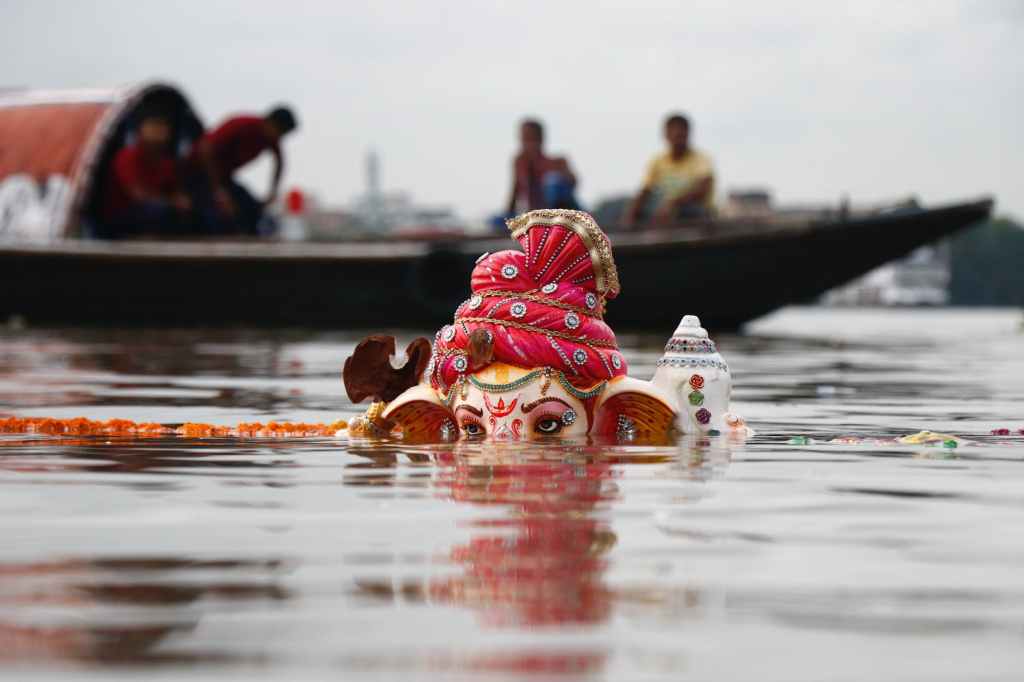
Human beings are not respecting their God then how can you expect that they will give you that respect which you deserve. It can be concluded by example of Ganesh Visarjan when tons of Ganesh idols are been sank in the rivers and later these were all collected by cleaners to take them to the safer place. The idols seems half dissolved in water and some even didn’t desolved because they are usually made of Plaster of Paris (POP). Government had insisted the public to buy idols made of mud instead of POP but for the beauty of the home they are destroying the beauty of nature.

There are very few helping hands which are not enough to protect you or conserve you. But we need more human efforts to protect you from big natural calamities.

To prevent the motherland from being old and unhealthy everyone should stop using plastic and start using alternative methods like paper bags, cloth bags, bamboo bottles, etc. Use of less pollutants should be encouraged and bicycle should be used for smaller distances to prevent the atmosphere from harmful chemicals. Candles and earthen lamps should be lighten up on festivals instead of firing crackers. These little steps by everyone can bring greater changes and will improve your health. If we talk about last year then due to covid-19 when the whole world was locked and everyone stayed at their homes, the ozone layer healed itself and pollution started to decrease.

I hope that my letter to motherland will somehow influence and aware people and hope that they will gain some more respect towards our motherland and I thank you to all those citizens who are engaged directly or indirectly in conserving it and contributing their bit for the world.

This is Ifrah Javed signing off.

OXYGEN DEBT

Exercise and Oxygen Deficit vs. Oxygen Debt - Oxygen Plus

Oxygen debt means when the demand for oxygen is greater than the supply. It means that when your body works hard you breathe a lot of oxygen but you can not absorb enough oxygen to cope with the level of activity. It is the stage of oxygen debt. As a matter of fact, ATP (or adinosine triphosphate) is the source of energy for muscular contraction . There are three main sources , which provide a continual supply of ATP.

  • Creatine phosphate.
  • Glycolysis
  • Oxidative phosphorylation ( critic acid )

When our muscles remain in resting position, these contain large amount of ATP and creatine phosphate . But, when we start exercise during the first few seconds of muscular contraction, the reserved ATP is used up immediately. During this period , ADP ( or adinosine diphosphate ) levels increase. Creatine phosphate rapidly supplies ATP for the contraction of muscles. The molecule of creatine phosphate contains both energy and phosphate , which are transferred to a molecule of ADP to form ATP and creatine. If the contraction is short , the muscle can drive all its ATP from creatine phosphate. If light exercise is to be done for longer period, other sources of ATP must be available . Glycolysis is the process by which glycogen ( stored from of glucose in muscles ) or glucose from the blood is broken down to  CO2 and H2O by oxidative phosphorylation in the citric acid cycle to produce more ATP . The breakdown of ATP , the combination of creatine phosphate with ADP , and glycolysis can occur both aerobically (in the presence of oxygen ) and anaerobically ( in the absence of oxygen ) . Oxidative phosphorylation is an aerobic process . It means it requires the presence of oxygen . If oxygen supplied to muscles gets exhausted ( during heavy muscular activity ) , the pyruvic acid formed in glycolysis is converted to lactic acid . The accumulation of lactic acid in the muscle causes fatigue. At this stage ,m muscle is in oxygen debt . If exercise is continued , then there will be more debt of oxygen . In oxygen debt , lactic acid diffuses out into the blood and is carried to the liver, where it is reoxidised to pyruvic acid. In the liver , pyruvic acid can enter the citric acid cycle and can be broken down to CO2 and H2O . It can be said that it is reconverted to glycogen . It has been observed that up to the deficit of 2.3 litres oxygen , the lactic acid is not produced in muscles but , after that , if the amount of lactic acid goes on increasing , the deficit of O2 will be increased at the same rate .A complete rest helps in removing oxygen debt . During the rest , ATP is again stored in the muscles for activities . Generally , lactic acid is removed approximately in one hour if cooling down is performed properly . It may also take 2 hours or more if cooling down is not done with gentle exercise .

JEE mains 4 attempt postponed

In order provide the gap between JEE mains 3 and JEE mains 4 , NTA has announced to postponed the JEE mains 4 ( may session) .Now Jee mains 4 will be conducted on August 26,27 ,31 , September 1 and 2 ,2021.

The Hon’ble education minister Pradhan says “In view of the persistent demand from the student community and to enable the candidates to maximize their performance, the NTA has been advised to provide a gap of four weeks between session 3 and session 4 of the JEE(Main) 2021 Exam.”

Now the application will be accepted till 20th july 2021.Students whose who have not applied at can do so before 20th july 2021.

The NTA releases official notice stating “With a view to remove hardships caused to candidates and to ensure larger participation of candidates, it has been decided to extend the last date further for: submission of online application form by new candidates and withdrawal/ correction by the existing/ interested candidates for the exam,”

Sleep-the need

One of the important part of your daily routine, which helps to do all other tasks of the day perfectly is a good sleep. Or we can say quality sleep. Every animals without any discrimination need sleep. It is as essential as food and water. Without sleep it becomes harder to concentrate on the tasks. It is basically essential to keep human being sane. Sleep is also important to functioning of brain. It also influences the communication of nerve cells. Many unwanted things your brain built during the day are removed while you are sleeping. Lack of sleep increases the chances of getting affected by different disorders.

how much a person sleep?

Need for sleep and pattern of sleep differ with age. A newborn sleeps almost 16-18 hours, while a grownup may sleep only for 8 hours. Even sleep pattern differs between individuals of same age group. But an average time is decided by surveys and studies. This not a prescription, but a result of a study. Average school student may need 9 hours sleep. Adults sleep for 7-8 hours. Older people normally sleep less. Children sleep very deep and their sleep will not get disturbed easily. But older people tend to get disturbed and awakened easily.

mechanism of sleep

Two things maintain your sleep mechanism. You may have heard of circadian rhythm. This directs different functions of the body like metabolism, body temperature, alertness, hormone release etc. This rhythm also controls sleep. This rhythm decides when you should be awake and when you should sleep. This rhythm makes you sleepy at night and makes you alert during the day time. This circadian rhythm gets synchronized with your surrounding environment. This may include your habits or weather around you like temperature or intensity of light. But they will work in the absence of these little information.

The other thing is the homeostasis. This keeps a track of your need of sleep. This works as a reminder telling your body to sleep at a certain time. This is the thing that maintains hoe intense your sleep is going to be. If you are deprived of sleep, this makes you sleep longer when you get to sleep.

There are many factors that influence your sleep mechanism. The medications if you are on any, your medical condition, The place where you sleep and your food habits. Exposure to light makes it difficult to sleep because some special cells in the eyes process the light and instructs the brain whether it is daytime or night. The Jet lag people face after a long flight is because of the disturbances in the circadian rhythm. people face problems when there is imbalance between the body clock and the actual clock.

some tips to sleep well
  • Try maximum to be in sync with the natural clock.
  • Try to sleep and getup everyday at same time.
  • Take care about your food habit and eat healthy.
  • Try to make your room completely dark while sleeping but be in bright light in the day time when you are fully awake.
  • Stay away from mobile or television at least 1 hour prior to your sleep.
  • Include exercise in your daily routine.
  • Avoid caffeine or nicotine as the sleep time is approaching near to you.
  • Be as much stress-less as you can.
  • Keep your room quiet.

a good sleep is everyone’s need and don’t allow your busy life to take a toll on your sleep. Sleep well and be healthy and be productive.

DEFORESTATION – A REAL DANGER TO ENVIRONMENT

Deforestation

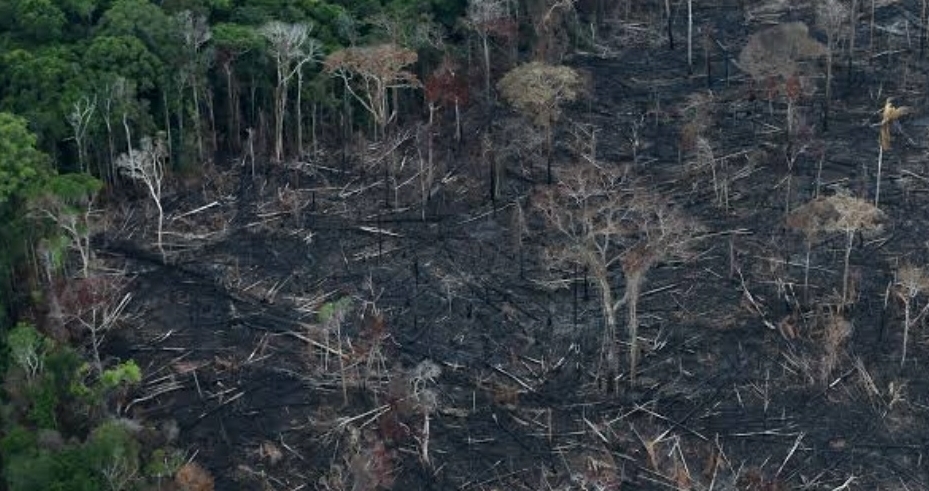
Deforestation is the permanent removal of trees to make room for something besides forest. This can include clearing the land for agriculture or grazing, or using the timber for fuel, construction or manufacturing. 

Deforestation occurs for a number of reasons, including farming, with 80% of deforestation resulting from extensive cattle ranching and logging for materials and development. It has been happening for thousands of years, arguably since man began converting from hunter/gatherer to agricultural based societies, and required larger, unobstructed tracks of land to accommodate cattle, crops, and housing. It was only after the onset of the modern era that it became an epidemic.

Increased Greenhouse Gases

In addition to the loss of habitat, the lack of trees also allows a greater amount of greenhouse gases to be released into the atmosphere. Healthy forests absorb carbon dioxide from the atmosphere, acting as valuable carbon sinks. Deforested areas lose that ability and release more carbon.

Soil Erosion and Flooding

Further effects of deforestation include soil erosion and coastal flooding. Trees help the land to retain water and topsoil, which provides the rich nutrients to sustain additional forest life.

Without forests, the soil erodes and washes away, causing farmers to move on and perpetuate the cycle. The barren land which is left behind in the wake of these unsustainable agricultural practices is then more susceptible to flooding, specifically in coastal regions.

Here are some basic facts about deforestation. These facts are explored in greater depth below.

  • Forests are cut down to clear land for agriculture, livestock grazing, and settlement; for timber; to produce charcoal; and to establish tree plantations.
  • Deforestation occurs across all forest types, but is concentrated in the tropics and boreal regions. Temperate regions are experiencing a net increase in forest cover due to natural regeneration.
  • While deforestation produces food, fiber, and fuel, it can also pose risks to climate, biodiversity, and food security by degrading the ecosystem services normally afforded by healthy and productive forests
  • Scientists estimate that 80% of the planet’s terrestrial species live in forests. Deforestation is therefore one of the biggest extinction risks to many species.

Types of deforestation

The “causes of deforestation” section above focuses on direct drivers of deforestation, but indirect drivers are also important to consider. For example, logging is a major indirect driver of deforestation in the tropics. Logging in tropical rainforests is typically selective, meaning only a few trees are harvested per hectare. But successive logging cycles degrade the perceived economic value of the forest, increasing pressure to convert the forest for intensive use, like agricultural or an industrial plantation (e.g. oil palm, wood pulp, or timber are the most common tropical tree plantations). Logging also usually involves road construction, which facilitates access to remote areas, greatly boosting the likelihood that an area of forest will eventually be cleared or burned.

Drivers of deforestation can be even farther removed however. For example, corruption, governance, and land rights can all be important factors in whether a forest gets destroyed. Corruption can enable companies to circumvent environmental regulations, while poor governance can allow illegal actors to clear forests with impunity since there isn’t any law enforcement. Insecure land rights can spur a free-for-all where forests get cleared because no one has clear stake to maintain them for the public good. Research has shown that forests are more likely to be maintained in indigenous communities that have secure land titles.