The climate is changing , why aren't we ?

Our climate is changing around us faster than predicted. From more frequent and extreme storms to unprecedented heatwaves, from landslides to earthquake , we’re feeling the impacts of human-caused global warming. Global warming is the long-term heating of Earth’s climate system observed since the pre-industrial period (between 1850 and 1900) due to human activities, primarily fossil fuel burning, which increases heat-trapping greenhouse gas levels in Earth’s atmosphere. Certain gases in the atmosphere block heat from escaping. Long-lived gases that remain semi-permanently in the atmosphere and do not respond physically or chemically to changes in temperature are described as “forcing” climate change. Gases, such as water vapor, which respond physically or chemically to changes in temperature are seen as “feedbacks.”

SOME OF THE GASSES THAT CONTRIBUTE TO CLIMATE CHANGE ARE :

  • Water vapor. The most abundant greenhouse gas, but importantly, it acts as a feedback to the climate. Water vapor increases as the Earth’s atmosphere warms, but so does the possibility of clouds and precipitation, making these some of the most important feedback mechanisms to the greenhouse effect.
  • Carbon dioxide (CO2). A minor but very important component of the atmosphere, carbon dioxide is released through natural processes such as respiration and volcano eruptions and through human activities such as deforestation, land use changes, and burning fossil fuels. Humans have increased atmospheric CO2 concentration by 48% since the Industrial Revolution began. This is the most important long-lived “forcing” of climate change.
  • Methane. A hydrocarbon gas produced both through natural sources and human activities, including the decomposition of wastes in landfills, agriculture, and especially rice cultivation, as well as ruminant digestion and manure management associated with domestic livestock. On a molecule-for-molecule basis, methane is a far more active greenhouse gas than carbon dioxide, but also one which is much less abundant in the atmosphere.
  • Nitrous oxide. A powerful greenhouse gas produced by soil cultivation practices, especially the use of commercial and organic fertilizers, fossil fuel combustion, nitric acid production, and biomass burning.
  • Chlorofluorocarbons (CFCs). Synthetic compounds entirely of industrial origin used in a number of applications, but now largely regulated in production and release to the atmosphere by international agreement for their ability to contribute to destruction of the ozone layer. They are also greenhouse gases.

The consequences of changing the natural atmospheric greenhouse are difficult to predict, but some effects seem likely:

  • Earth becomes warmer .
  • Stronger green house effect will warm the earth , melt the glaciers , increasing sea levels
  • Outside of a greenhouse, higher atmospheric carbon dioxide (CO2) levels can have both positive and negative effects on crop yields. Some laboratory experiments suggest that elevated CO2 levels can increase plant growth. However, other factors, such as changing temperatures, ozone, and water and nutrient constraints, may more than counteract any potential increase in yield. 

Malware hiding in AI neural networks

A trio of Cornell University academics discovered that malware code may be hidden inside AI neural networks. On the arXiv preprint server, Zhi Wang, Chaoge Liu, and Xiang Cui have published a paper outlining their experiences with inserting code into neural networks.

Criminals’ attempts to get into devices running new technology for their objectives, such as deleting or encrypting data and demanding payment from customers for its recovery, are becoming more complicated as computer technology becomes more complex. The researchers discovered a new technique to infect specific types of computer systems running artificial intelligence applications in their new study.

AI systems function by processing data in the same manner that the human brain does. However, the study team discovered that such networks are vulnerable to foreign code intrusion.

Foreign actors can infiltrate neural networks by their very nature. All such agents have to do is imitate the network’s structure, similar to how memories are added to the human brain. The researchers were able to accomplish so by embedding malware into the neural network powering an AI system dubbed AlexNet, despite the virus is very large, taking up 36.9 MiB of RAM on the AI system’s hardware. The researchers picked what they thought would be the optimum layer for injection to inject the code into the neural network. They also added it to a model that had previously been taught, although they cautioned that hackers may choose to target an untrained network since it would have less impact on the entire network.

Not only did ordinary antivirus software fail to detect the malware, but the AI system’s functionality remained nearly unchanged after infection, according to the researchers. As a result, if carried out surreptitiously, the infection may have gone unnoticed.

The researchers point out that merely inserting malware into the neural network would not be harmful—whoever snuck the code into the system would still need to figure out how to run it. They also point out that now that hackers can insert code into AI neural networks, antivirus software may be upgraded to detect it.

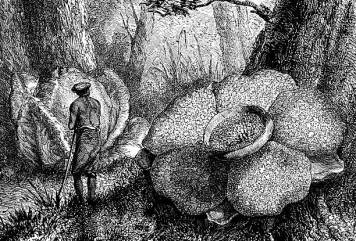
The largest individual flower on Earth-Rafflesia Arnoldii

Rafflesia Arnoldii is a species of flowering plant in the parasitic genus Rafflesia. It is noted for producing the largest individual flower on Earth. It has a strong and unpleasant odor of decaying flesh. It is native to the rainforests of Sumatra and Borneo. Although there are some plants with larger flowering organs like the titan arum (Amorphophallus titanum) and talipot palm (Corypha umbraculifera), those are technically clusters of many flowers.

Rafflesia Arnoldii is one of the three national flowers in Indonesia, where it is known locally as the puspa langka or Padma paksasa. The other two being the white jasmine (Jasminum sambac) and moon orchid (Phalaenopsis amabilis). The first person to discover Rafflesia was the ill-fated French explorer Louis Auguste Deschamps in Java between 1791 and 1794, but his notes and illustrations were seized by the British in 1803 and were not available to western science until 1861.

Thailand, Rafflesia can be seen in Khao Sok National Park where the flowers are numbered and monitored by the park rangers. The regional name of Rafflesia Arnoldii is kerubut in Sumatra, cendawan biriang in the Minangkabau language in kecamatan (‘district’) of Pandam Gadang and “corpse flower” by the local people.

Antique illustration of Rafflesia Arnoldii

Although Rafflesia is a vascular plant, it lacks any observable leaves, stems or even roots, and does not have chlorophyll properties. It lives as a holoparasite on vines of the genus Tetrastigma. Similar to fungi, individuals grow as a mass of thread-like strands of tissue completely embedded within and in intimate contact with surrounding host cells from which nutrients and water are obtained. It can only be seen outside the host plant when it is ready to reproduce; the only part of Rafflesia that is identifiable as distinctly plant-like are the flowers, though even these are unusual since they attain massive proportions, have a reddish-brown colouration, and stink of rotting flesh. The flower of Rafflesia Arnoldii grows to a diameter of around one meter (3.3 feet), weighing up to 11 kilograms. These flowers emerge from very large, cabbage-like, maroon or dark brown buds typically about 30 cm (12 in) wide, but the largest flower bud ever recorded found at Mount Sago, Sumatra in May 1956 was 43 cm (17 in) in diameter. Indonesian researchers often refer to the bud as a ‘knop’ (knob).

Corpse flower, Rafflesia arnoldii, West Sumatra, Indonesia.

Rafflesia Arnoldii is found in both secondary and primary rainforests. The only host plant species of Rafflesia Arnoldii is Tetrastigma leucostaphylum in West Sumatra. Tetrastigma are themselves parasites of a sort, using the strength and upright growth of other surrounding plants to reach the light. The trees that Tetrastigma uses to climb up to light, are relatively limited in number of species, although they are generally the closest tree to the vine. The buds take many months to develop and the flower lasts for just a few days. The flowers are gonochorous – either male or female, thus both flowers are needed for successful pollination.

When Rafflesia is ready to reproduce, a tiny bud forms outside the root or stem of its host and develops over a period of a year. The cabbage-like head that develops eventually opens to reveal the flower. The stigmas or stamens are attached to a spiked disk inside the flower. A foul smell of rotting meat attracts flies and beetles. To pollinate successfully, the flies and beetles must visit both the male and female plants, in that order. The fruit produced are round berries filled with numerous minute seeds.

The flies like Drosophila colorata, Chrysomya megacephala and Sarcophaga haemorrhoidalis visit the late flowers. Black ants of the genus Euprenolepis may feed on the developing flower buds, perhaps killing them.

It’s conservation has not been assessed for the IUCN Red List. Ecotourism is thought to be a main threat to the species, at locations which are regularly visited by tourists the number of flower buds produced per year has decreased.

Sustainable development

Reasonable advancement is a getting sorted out rule for meeting human improvement objectives while at the same time supporting the capacity of regular frameworks to give the normal assets and biological system administrations on which the economy and society depend. The ideal outcome is a condition of society where day to day environments and assets are utilized to keep on addressing human necessities without subverting the uprightness and dependability of the normal framework. Supportable improvement can be characterized as advancement that addresses the issues of the present without compromising the capacity of people in the future to address their own issues. Manageability objectives, like the current UN-level Sustainable Development Goals, address the worldwide difficulties, including neediness, disparity, environmental change, ecological debasement, harmony, and equity.

While the cutting edge idea of supportable improvement is gotten for the most part from the 1986 Brundtland Report, it is likewise established in before thoughts regarding reasonable woods the executives and twentieth-century natural concerns. As the idea of manageable improvement created, it has moved its concentrate more towards the monetary turn of events, social turn of events and ecological assurance for people in the future.

The idea of reasonable advancement has been, and still is, subject to analysis, including the topic of what is to be supported in feasible turn of events. It has been contended that there is nothing of the sort as a feasible utilization of a non-inexhaustible asset, since any certain pace of misuse will ultimately prompt the fatigue of earth’s limited stock this point of view delivers the Industrial Revolution in general unreasonable.

Reasonable advancement has its foundations in thoughts regarding economical backwoods the board which were created in Europe during the seventeenth and eighteenth centuries.[8][5]:6–16 in light of a developing familiarity with the consumption of lumber assets in England, John Evelyn contended, “Planting and planting of trees must be viewed as a public obligation of each landowner, to stop the dangerous over-misuse of regular assets.” in his 1662 exposition Sylva. In 1713 Hans Carl von Carlowitz, a senior mining executive in the help of Elector Frederick Augustus I of Saxony distributed Sylvicultura financial aspects, a 400-page work on ranger service. Expanding upon the thoughts of Evelyn and French clergyman Jean-Baptiste Colbert, von Carlowitz fostered the idea of overseeing woodlands for supported yield.[8] His work affected others, including Alexander von Humboldt and Georg Ludwig Hartig, in the long run prompting the advancement of the study of ranger service. This, thus, affected individuals like Gifford Pinchot, the main top of the US Forest Service, whose way to deal with timberland the board was driven by the possibility of shrewd utilization of assets, and Aldo Leopold whose land ethic was powerful in the advancement of the natural development during the 1960s.

Following the distribution of Rachel Carson’s Silent Spring in 1962, the creating natural development caused to notice the connection between monetary development and improvement and ecological corruption. Kenneth E. Boulding in his powerful 1966 exposition The Economics of the Coming Spaceship Earth distinguished the requirement for the monetary framework to fit itself to the environmental framework with its restricted pools of assets.

A guide to take care of your skin

Although you may believe that you have dry, oily, or sensitive skin, do you truly know? Knowing your genuine skin type can help you shop for cosmetics the next time you’re in the store. In reality, using the wrong products for your skin type — or even famous Internet tips — can exacerbate acne, dryness, and other skin issues.

Photo by Anna Shvets on Pexels.com

How to create your own skin care regimen

Which DIY skin hacks aren’t healthy, even if they seem to work, how to treat certain skin conditions like acne or scarring which DIY skin hacks aren’t healthy, even if they seem to work.

Building a daily skin care routine

A daily skin care programme can help you maintain general skin health and alleviate particular concerns like acne, scars, and dark spots, regardless of your skin type. A daily skin care routine consists of four essential stages that should be completed once in the morning and once before bedtime.

1. Cleansing: Choose a cleanser that doesn’t leave your skin tight after washing. Clean your face no more than twice a day, or just once, if you have dry skin and don’t wear makeup. Avoid washing for that squeaky-clean feeling because that means your skin’s natural oils are gone. Cleansers known to work well for all skin types include Cetaphil and Banila Clean It Zero Sherbet Cleanser.

2. Serums: A serum with vitamin C or growth factors or peptides would be better in the morning, under sunscreen. At night, retinol or prescription retinoids work best. Makeup Artist’s Choice has an effective vitamin C and E serum and retinol available.

3. Moisturizer: Even oily skin needs moisturizer, but use one that is lightweight, gel-based, and non-comedogenic, or doesn’t block your pores, like CeraVe’s facial lotion. Dry skin may benefit from more cream-based moisturizers like MISSHA Super Aqua Cell Renew Snail Cream. Most brands will label their products as gel or cream on their packaging.

4. Sunscreen: Apply sunscreen with at least 30 SPF 15 minutes before heading outdoors, as it takes a while for sunscreen to activate. Darker skin tones actually need more sun protection because hyperpigmentation is harder to correct. Try EltaMD’s sunscreen, which offers broad-spectrum UVA/UVB protection and is recommended by the Skin Cancer Foundation.

Suitable for all skin types

Keep yourself hydrated.

At least once a week, change your pillowcases.

Before going to bed, wash or wrap your hair.

Apply sunscreen 15 minutes before heading out every day.

To test how your skin reacts, start with a basic and uncomplicated routine. You can then add other products like exfoliants, masks, and spot treatments to increase your skin’s health if you’re comfortable.

Also, remember to patch test new products, especially if you have sensitive skin. This can aid in the detection of allergic reactions.

DIY Hacks to avoid

For typical skin concerns like acne pimples and dark patches, people claim that DIY remedies like lemon juice and toothpaste work miracles. Even Oscar winner Emma Stone claims that baking soda is her skin care secret. However, because these techniques might damage your skin’s barrier, they may cause more long-term harm than good.

Avoid these do-it-yourself blunders

Lemon juice: While it contains citric acid, it is far too acidic and might create dark spots following sun exposure. It might also cause your skin to become dry and irritated.

Baking soda (sodium bicarbonate) Baking soda, with a pH of 8, will stress your skin, severely reduce your skin’s water content, and produce dry skin.

Garlic: Garlic, when eaten raw, can cause skin allergies, eczema, and other skin conditions.

Toothpaste: While toothpaste’s chemicals destroy bacteria and absorb oil, they can also dry up or irritate your skin.
Sugar: Sugar is too harsh for the skin on your face as an exfoliator.

Vitamin E: Applying vitamin E to your skin can irritate it, and it hasn’t been proven to improve scar look.

Photo by cottonbro on Pexels.com

Although some of these substances are natural and inexpensive, they are not tailored for your skin. Even if you don’t experience any obvious negative effects, some substances can cause long-term or delayed harm. It’s important to utilise cosmetics designed specifically for your face. Before attempting DIY skin care, consult your doctor or dermatologist.

When to see a doctor or dermatologist

If your skin problems do not improve with over-the-counter products, you should contact a dermatologist. Prescription treatment for more severe acne, scarring, or other issues may be required, such as oral antibiotics, birth control, or topical prescription retinoids.

For deeper cysts or acne patches lodged beneath your skin, your dermatologist may conduct an extraction.

Keep in mind that the way goods perform depends on your skin type. Even when using a natural product, using the wrong one might cause breakouts, pimples, and redness.

It’s crucial to figure out your skin type and tailor your skin care routine accordingly. You can also take notes on product ingredients to determine if any of them are producing allergic reactions on your skin.

After cleansing your face, look for products that include these substances and incorporate them into your routine.

Climate change

Climate change is influencing each country on each mainland. It is upsetting public economies and influencing lives. Climate designs are changing, ocean levels are rising, and climate occasions are turning out to be more limit.

Albeit ozone depleting substance outflows are projected to drop around 6% in 2020 because of movement forbids and monetary log jams coming about because of the COVID-19 pandemic, this improvement is just brief. Climate change isn’t on stop. When the global economy starts to recuperate from the pandemic, emanations are required to get back to more elevated levels. Saving lives and livelihoods requires pressing activity to address both the pandemic and the climate crisis.

The Paris Agreement, embraced in 2015, expects to reinforce the global reaction to the danger of climate change by keeping a global temperature rise this century well under 2 degrees Celsius above pre-modern levels. The understanding likewise intends to reinforce the capacity of nations to manage the effects of climate change, through proper monetary streams, another innovation system and an upgraded limit building structure.

Climate change incorporates both global warming driven by human-prompted outflows of ozone harming substances and the subsequent enormous scope shifts in climate designs. However there have been past times of climatic change, since the mid-twentieth century people remarkably affect Earth’s climate framework and caused change on a global scale. Prior to the 1980s, when it was muddled whether warming by ozone harming substances would overwhelm airborne instigated cooling, researchers frequently utilized the term coincidental climate adjustment to allude to humanity’s effect on the climate. During the 1980s, the terms global warming and climate change were advocated, the previous alluding just to expanded surface warming, the last portraying the full impact of ozone depleting substances on the climate.[21] Global warming turned into the most famous term after NASA climate researcher James Hansen utilized it in his 1988 declaration in the U.S. Senate. During the 2000s, the term climate change expanded in prominence. Global warming ordinarily alludes to human-instigated warming of the Earth framework, though climate change can allude to normal just as anthropogenic change,The two terms are regularly utilized conversely.

World Hepatitis Day 2021

Introduction

Every year on July 28th, World Hepatitis Day is observed. The goal is to raise awareness about viral hepatitis. Hepatitis is a medical condition in which the liver is in an inflammatory condition. The theme for this year is “Hepatitis Can’t Wait”, magnifying the urgency of putting efforts to eliminate hepatitis as a public health threat by 2030.

History

July 28th was chosen as the date for World Hepatitis Day because it is the birthday of Nobel-prize-winning scientist Dr. Baruch Blumberg, the scientist who discovered the Hepatitis B virus (HBV) and also developed a diagnostic test and vaccine for the same virus.

Dr. Baruch Samuel Blumberg was born on July 28, 1925, and died on April 5, 2011. He was an American physician, geneticist, and co-recipient of the 1976 Nobel Prize in Physiology or Medicine with Daniel Carleton Gajdusek. He was president of the American Philosophical Society from 2005 to his death. He served as a U.S. Navy deck officer during World War 2. He received his MD in 1951 from Columbia University and his D. Phil in 1957 from the University of Oxford. While studying yellow jaundice in 1964, he discovered a surface antigen for hepatitis B in the blood of an Australian aborigine, which is the reason it was initially called “Australian antigen”.

About Hepatitis

It is referred to as an inflammatory condition of the liver. It is usually caused by a viral infection but it can also be caused by other things. It can include autoimmune hepatitis and also hepatitis which can occur because of medication, drugs, toxins, and alcohol. There are five types of hepatitis based on different viruses. 

Hepatitis A is caused by an infection with hepatitis A virus (HAV), this is mostly transmitted by consuming food or water which is contaminated by feces from a person infected by HAV. 

Hepatitis B is transmitted through contact with infectious body fluids like blood, vaginal secretions, or semen. It can be transmitted by injection drug use, having sex with an infected partner, or sharing razors with an infected person. 

Hepatitis C is caused by the hepatitis C virus (HCV). It can also be transmitted through direct contact with infected body fluids, especially through used injections and sexual contact. 

Hepatitis D is also known as delta hepatitis, it causes a serious liver disease by hepatitis D virus (HDV). It is caused by coming in direct contact with infected blood, it is rare as it only occurs with hepatitis B because it cannot multiply without the presence of hepatitis B. 

Hepatitis E is waterborne and is caused by hepatitis E virus (HEV), it can usually be found in areas with poor sanitation and from ingesting fecal matter that has contaminated the water supply. 

Facts and Figures

  • 1,100,000 deaths per year are caused by Hepatitis B and C.
  • 9,400,000 people are receiving treatment for chronic HCV.
  • 10% of people with chronic HBV are diagnosed and 22% of those receive treatment.
  • 42% of children have access to the birth dose of HBV vaccine.
  • According to WHO, 325 million people around the world have HBV or HCV.
  • Hepatitis isn’t just an STD, there are other ways of getting it as well.

Conclusion

With the figures of infection and death around the world, it is clear that we can’t just sit and wait around for them to decrease. It is important to make people aware of it, teach them the way to avoid it, and reach a stage where the vaccine can be provided to everyone. As common citizens, we can’t help in the production and reach of the vaccine but we can help in raising awareness and taking steps towards sanitation.

References

Promise For The Future: 'RENEWABLE ENERGY'.

SOLAR POWER:

With energy consumption being the buzzword in developing economies around the world, fears of an energy crisis looming ahead are not totally unfounded. The non-renewable nature of fossil fuels makes complete dependence on these for future energy needs a very dicey affair. Renewable energy sources are the best bet in the scenario. And what can be a better renewable resource than the sun?

In a country like India, if the abundant amount of sunlight available is harnessed properly it could mean an end to the energy crisis. It is the most abundant source of energy. The average global solar radiation is around 5 kilowatt hours (KWH) per square meter per day with the sunshine hours ranging between 2300-4300 per year. India is in the sunny belt of the world. The country receives solar energy equivalent to more than 5000 trillion KWH per year, which is far more than its total annual energy consumption.

Besides, it is a renewable and clean energy source. Taking both environmental and economic cost, solar energy works cheaper than fossil fuel resources. Once we master techniques to harness solar energy, it can be a vital source of power on all planets. Solar energy could be a viable source of power generation for the next 1000 crore years. There are many technologies available for conversion of solar energy into solar power. For instance, solar photovoltaic (SPV) technology, photo galvanic cells, solar steam generators (solar concentrating power), solar tower or solar chimney, radio micrometers and thermopile are some of them.

ELECTRIC MOTORS:

Imagining a future where clean air is no longer a dream and our cities are not smog filled concrete jungles, could well become a reality in the coming years if the world begins to increasingly adopt the use of cleaner options like alternate-fuel vehicles . The rise in economic activity and the burgeoning population have led to a tremendous demand in the transport sector, especially in urban India. By 2025, India’s urban population is expected to grow five fold to a staggering 200 million while pollution is expected to grow seven times. With this tremendous growth has emerged a very critical issue of keeping air and noise pollution in urban areas under control.

If we can have three lakh electric vehicles (EVs) on the roads by 220 including three wheelers, cars and scooters, we would have reduced pollution by 16 lakh metric tones, saved ? 3700 crores in foreign exchange earnings and substantially reduced healthcare costs. Small electric buses, three wheelers and electric scooters are ideal for city mobility in India but it could take between 5-10 years before they become viable for commercial use.

Image Source – google.

The electric vehicle uses electric energy which is stored in batteries that feed the electric motor. Driving an electric vehicle is easier and more relaxing than a traditional one because it has no speed-gear and functioning noise. It is enough to turn the key and press the acceleration pedal; you need only two driving pedals- accelerator and brake.

The need to reduce air pollution along with the availability of new advanced clean alternative to internal batteries have allowed EVs to reappear as a combustion vehicles. Electric drive systems are virtually non-polluting and extremely energy efficient. While internal combustion vehicles can convert about 20% of the chemical energy in gasoline into useful work, 75% or more of the energy from a battery has productive power in an electric vehicle.

Electric motors can also provide power at almost any engine speed. While internal combustion engines must be revved up to high rpm to achieve maximum power electric motors provide nearly peak power even at low speeds. this gives electric vehicles strong acceleration performance from a stop.

The emergence of newer batteries has driven the cost and performance EVs. There are several major types of automotive batteries available and under development, from advanced lead acid batteries like those that start our internal combustion engines to lithium polymer bateries. Although recharging could be a consideration, home recharging systems are available giving EVs an added advantage.

Apart from being environment-and -user friendly, there are several other reasons for alternate fuel cars to flourish in India. Firstly, electricity for EVs can be produced from various sources for which India has natural resources and does not need to depend on the import of oil. Although EVs will not replace LPG, CNG or petrol and diesel for intercity use, the infrastructure required for EVs in the form of electricity distribution infrastructure is already available in all our cities and minimum costs are required to install additional capacity.

EVs are zero polluting, easy to handle and have low maintenance costs. EVs will not degrade with time and they are always zero polluting unlike conventional vehicles where the pollution increases with engine degradation, poor maintenance and adulterated fuel.. India also has the maximum market potential for EVs owing to an established auto component infrastructure, low manufacturing and R&D cost, mechanical hardware availability, high urban congestion and the presence of domestic market. The industry could significantly gain from rising exports by 2010, and with appropriate government support, could transform the landscape of urban India by reducing pollution, improving public health, creating employment opportunities and impacting society.

In order to do that, a holistic approach involving the government, public and auto majors is needed to promote EVs in India. Appropriate government policies during the next five years and adequate support from business houses and institutions. for instance, purchasing a fixed percentage of vehicles for their fleets and offering subsidies and tax exemptions, will go a long in promoting the industry in India. Finally, people have to become more informed about these technologies. The media must play its role in educating the public about alternate fuel vehicles and their advantages.

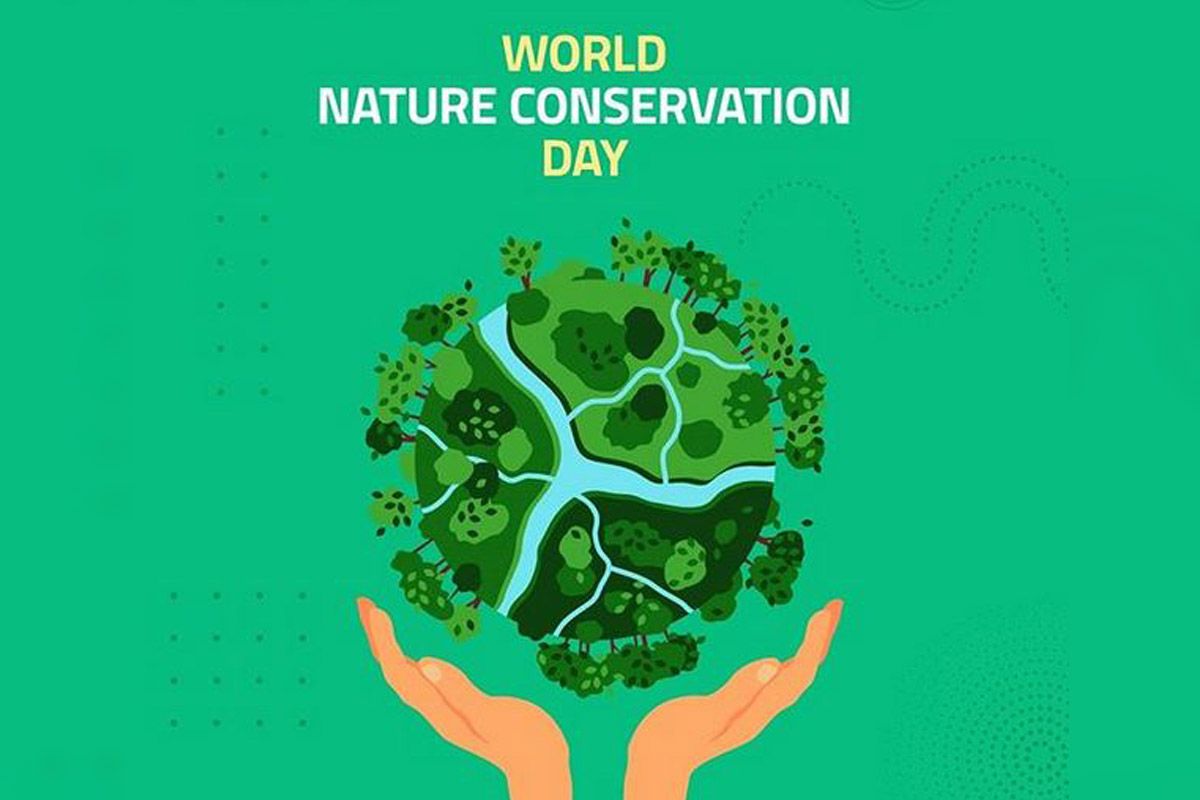
World Nature Conservation Day 2021

“Only if we understand, will we care. Only if we care, will we help. Only if we help, shall all be saved.”

– Jane Goodall

Introduction

Every year July 28th is celebrated as World Nature Conservation Day. This is to raise awareness to protect the planet we live on, our Mother Earth. The meaning of conservation is carefully using valuable natural substances that exist in limited amounts to make certain that they will be available for as long a time as possible. The practice of not using resources carefully has also led to the extinction of many species. Conservation will help in the growth of biological, economic, cultural, and recreational values. Non-conservation for so many years has also resulted in Climate change which we know is affecting the planet in many negative ways.

Significance

It is important to recognize that we need nature for our survival, if we let that go, it will disturb the environment which will then disturb the climate harming the harvests and the well-being of all humans. Not just that, we also need nature for all the non-renewable resources we keep using for our industries. Celebration of this day recognizes the importance of a healthy environment which is the foundation of a stable and productive society, it ensures the well-being of present and future generations. The aim of this day is to introspect on how we Homo sapiens are exploiting nature and the effects we are facing because of it, such as global warming, natural disaster, increased temperature, and various diseases. 

Theme for this year

The theme for this year’s World Nature Conservation Day is “Forests and Livelihoods: Sustaining People and Planet”. This theme highlights the importance of co-existing with nature.

Forests are often underestimated and looked upon as just a source of wood, but it is important to know their importance. We greatly depend on forests for our survival, be it the air we breathe or the wood we use. Forests provide habitat for animals and also a livelihood for humans, it also offers watershed protection. Forests help in preventing soil erosion and help in the mitigation of climate change. Over 2 billion people rely on forests for shelter, livelihoods, water, food, and fuel security. Forests are home to over 80% of the world’s terrestrial biodiversity and 60 million indigenous people. Forests provide jobs for more than 13 million people across the world. They are the second-largest storehouses of carbon which is very important to solve the issue of global warming and to reach the goals described in the Paris Agreement.

Things to do to Conserve Nature

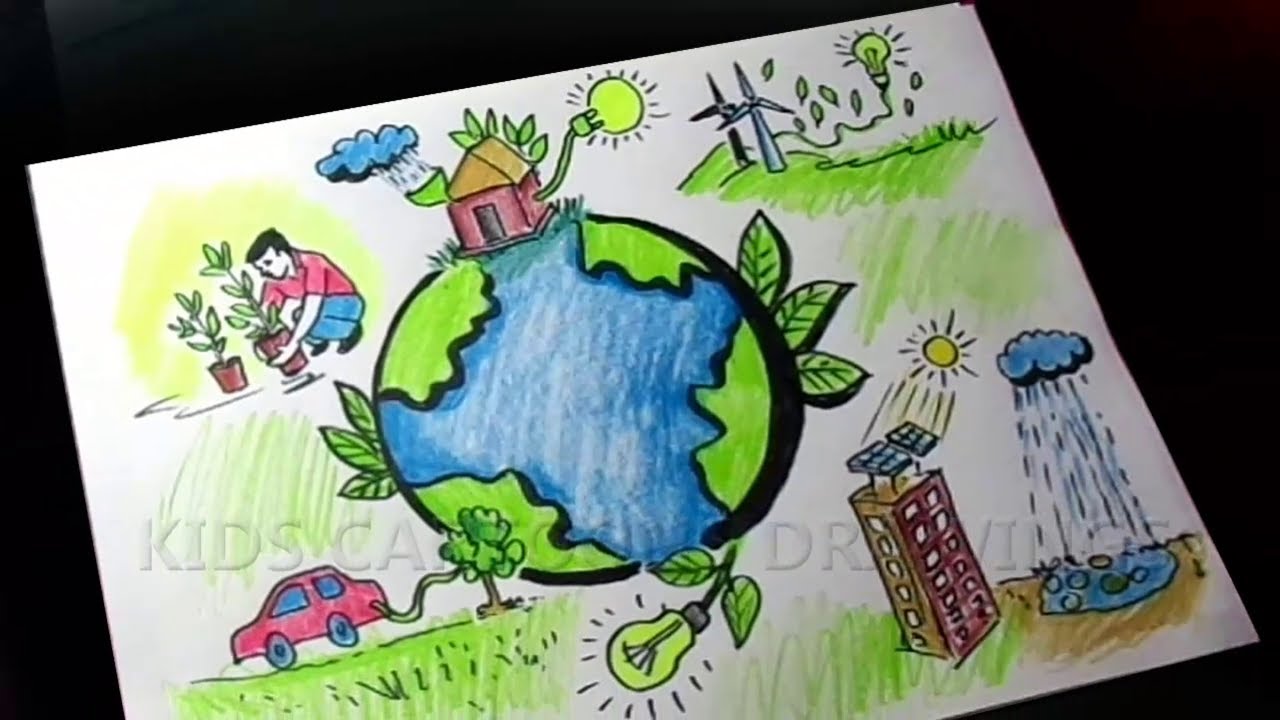
Cut Down on plastic use – Although the use of plastic is convenient for us, it is non-biodegradable and leaves its trace for a very long time, it not only stays in the environment but also impacts other species, like choking animals and birds because of plastic.

Save Electricity – Electricity is produced by using non-renewable resources. If we control how much electricity we use, and don’t waste it, less non-renewable resources will be used. The creation of electricity produces extra carbon waste which increases global warming. 

Save Water – Wasting water is resulting in decreasing levels of drinking water. Not only that but it also creates a lot of energy to treat, pump, and heat water. We should use water judiciously. 

Recycle-Reuse – Following the practice of recycling and reusing will help in reducing the amount of waste we create.

Conclusion

We have learnt about the importance of nature and its conservation above. It is high time to realize the importance of following this practice as we are in deep waters already. This summer the world has experienced nature’s wrath all across, floods in China and Europe, high temperatures in Canada, the US, and the UK. The last few years have seen a rise in forest fires and if this isn’t warning enough of the damage we have caused, then we’re just waiting for a big disaster to hit us.

References

WORLD NATURE CONSERVATION DAY – JULY 28

“Earth provides enough to satisfy every man’s needs, but not every man’s greed.” ― Mahatma Gandhi

July 28 is celebrated as “World’s Nature Conservation Day” and reminds us that healthy environment is the foundation of a stable and productive society. This day is observed every year and is celebrated to educate people about the best techniques and practices adopted in different areas of the world to protect and preserve our natural resources as our planet has limited amount of resources left but the reliance on these resources is increasing day by day. This day aims to create and increase the awareness about the importance of natural resources and environment. It shows how we can live sustainably. This day encourages the people to save and protect the natural resources of earth because they are depleting in a rapid rate and are getting exploited and even misused.

This day recognizes that a healthy environment is the most vital part of stable and productive society. And sustainable practices are important for maintaining this stability and this environment for the future generations as well. The day reminds us about our responsibility as the child of the planet and urges us to be responsible and practice sustainable living practices and bring small changes in our lifestyle which can bring sustainability in our life style and lives. This day motivates us to find alternatives which could decrease our dependency on the natural resources.

This day ensures sustainability of present and future generation. How can we help in conserving the nature ? Lets have a look!

  1. WATER CONSERVATION: Everything starts from home and can be done by using less water while showering and bathing. By practicing Rain water harvesting methods in home to reduce our dependency on other water sources and rely on rain water without wasting it. It is important to conserve water because it is estimated that 2050 we may run out of water.
  2. PLANTING OF TREES : This helps in preventing soil erosion and promoting greenery. Home gardening, kitchen garden etc. can be practiced at home and at any scale for planting trees. Green roof is also one such initiative which helps in promoting greenery at homes. Spending few minutes in planting and amid nature can greatly promote mental well being too.
  3. WASTE MANAGEMENT : Reduce, reuse and recycle waste. Practice rainwater harvesting and using wastewater treatment plants for treating the waste water. This waste water when treated can be used in landscaping purpose. Organics can also be used.
  4. SUSTAINABLE COMMUNICATION : Sustainable communication can help in reducing the carbon footprint and lessen the pollution. It is good if people use public transport and sustainable modes of transport while commuting to different places as fewer vehicles will ensure lesser pollution.
  5. Reduce your electricity consumption; switch off electrical appliances when not in use, or every time you walk out of a room.
  6. REDUCE PAPER USE : Saving papers means saving trees and in todays digital age, all the devices are capable of taking notes which saves the need of print outs.
  7. AVOID SINGLE USE OF PLASTIC : The plastics which we are using are getting discharged into the oceans and grasslands or forests etc. which is destroying the lifeforms, ecosystem as well as the natural resources. Single use plastic consumption has increased during the pandemic and the amount of gloves and face masks being used is also increasing. Landfills are getting filled with the large amount of plastics which is polluting the environment.

The main objective of the day is to be live, promotive consciousness and mindful living. The aim is reduce overexploitation of resources and reduce the non-essential travel and play our part of role in building a sustainable future.

Reproductive Health

Total well being in all aspects of the reproduction such as physically mentally and emotionally is called Reproductive health.

All the reproductive organs should be healthy with normal function.

Major problems associated with reproductive health

Overpopulation

  • Overpopulation causes a scarcity of every basic need.
  • It affect the well-being of reproductive health also.
  • To overcome the problem of overpopulation India started family planning program in 1951.
  • Later it was changed to reproductive and Child Health Care program in 1997.
  • A rapid decline in death rate, maternal mortality rate and infant mortality rate leads to overpopulation.

Small family, happy family

Steps to control population explosion

  • People should be educated about the advantages of smaller family.
  • Raising the marriageable age of male and female is an effective way to control the population.
  • Couples should be motivated to family planning by adopting birth control measures.

Step under reproductive and Child Health Care program

  • Increase in awareness about disease related to reproductive system example – sexual transmitted disease (STDs).
  • Increase in awareness through the audio visual media.
  • Increase in awareness about different contraceptive methods.
  • Increase awareness about sex education.

Female foeticide

  • Female foeticide can affect reproductive and sexual health of a Woman.
  • Due to the use of amniocentesis cases of female foeticide increases.
  • Amniocentesis is the technique in which amniotic fluid is studied for any type of enzyme disorder, chromosomal disorder or other bio-chemical disorder.
  • Amniocentesis method is misused to know the sex of an Unborn baby.

Sex education

  • Due to lack of education, people are not concerned about safe and hygienic sexual practice.
  • Introduction of the education in school and colleges its another step to provide right information to the youth.
  • Sex education can save the young youth people from myths and misconceptions about sex related issues.
  • Should provide knowledge about birth control methods and care of mother and child.

Our health is in our own hand…

Sexually transmitted disease

Chlamydiasis

  • Caused by Gram Negative bacteria Chlamydia trachomatis.
  • Causes urethritis which result in painful urination and pus discharge.
  • In male, it causes infertility by causing oligospermia.
  • It increases the chance of ectopic pregnancy.
  • Treatment
    • Treated by antibiotics.

Gonorrhea

  • Causes by negative bacteria Neisseria Gonorrhea.
  • Causes inflammation of reproductive tract, urinary tract infection, and urethritis.
  • Treatment
    • Newly born child is given 1% AGNO3 dose to prevent eye. infection

Genital herpes

  • Causes by herpes simplex virus
  • Causes painful blisters
    • In male – glans penis and foreskin
    • In female – external genitalia
  • There is no proper treatment
  • Treatment is only to extend life.

Genital warts

  • Caused by human papiloma virus.
  • Causes Cancer of different organs such as-
    • cervical cancer
    • penile cancer
    • vaginal cancer
    • vulvar cancer
    • anal cancer
  • Treatment
    • Alpha interferon
    • cryotherapy
    • electrocautery

It is very important to provide information to the couple or who are in marriageable age group about birth control methods, care of pregnant women, important of breastfeeding, equality to the gender and equal opportunity to the male and female child, reproductive tract infections etc.

The education of reproductive health should be provided to all

Mountains- A history (Part-2)- Tectonic plates

Photo by ROMAN ODINTSOV on Pexels.com

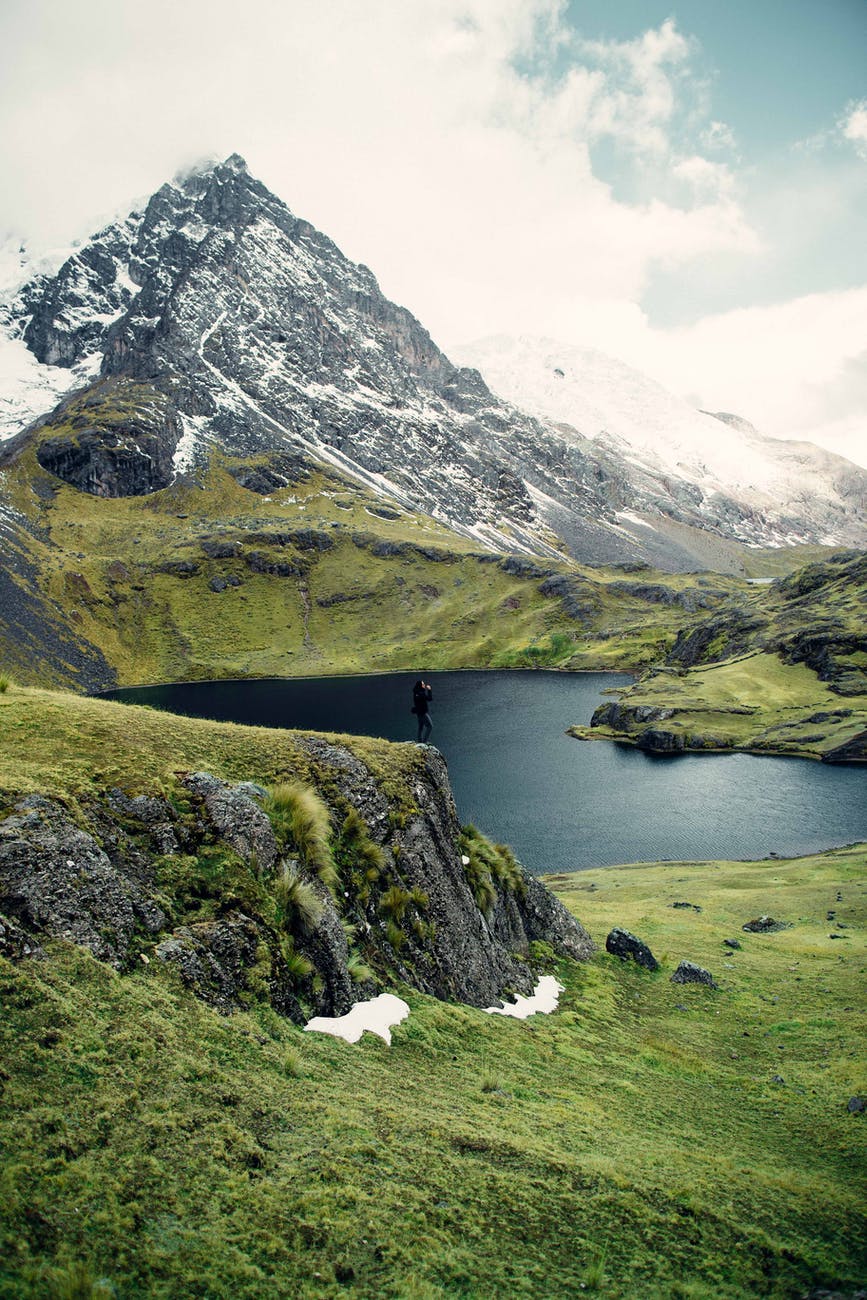
Now, before going any further with our mountains, let us first see the various types of interactions possible between our 2 types of tectonic plates- The Oceanic crust and the Continental crust: The 3 basic interactions are converging boundaries, diverging boundaries and transform boundaries.

  • Converging- It is defined as the two plates moving towards each other, colliding in the process. Now, there are 3 possibilities-
  1. Continental-continental collision- Here, two continental landmasses( eg.- The North American plate or the Eurasian plate or collision of Australia, South America and New Zealand (It formed the Great Australian Dividing range)) collide and the two plates fold over one another and lead to the formation of fold mountains. Try using a paper bringing it closer from the opposite ends. The raised structure represents the fold mountains. They have no volcanic activity (though earthquakes are possible). Examples are the Urals, the Atlas, The Rockies, the Alps, the Himalayas
  2. Oceanic- Oceanic Collision- In these types of collision, the heavier oceanic plate subducts under the lighter oceanic plate(forming trenches- eg. Mariana Trench). Due to subduction, it reaches the area of high pressure and temperature in the mantle and thus melts converting to magma. This magma later rises and when it finds an opening (like the one created by the diverging limbs) in the oceanic crust, it comes out. It, hence, forms oceanic volcanoes, ridges and later volcanic islands like those of Indonesia and the Phillipines.
  3. Continental Oceanic Collision- When a continental and an oceanic plate collide, it leads to the formation of either fold mountains(Rockies) or trenches(Philippines Trench) or both(Andes and the Peru- Chile Trench).
  • Diverging- When two plates or landmasses move away from each other ,in the opposite directions, it is known as diverging. Even here, there are 2 possibilities-
  1. Continental continental diversion- When two continental plates move away from each other, it leads to the formation of rift valleys and plateaus. Examples are- The east African rift valley (formed due to the drifting apart of Arabian peninsular plate from African plate- they were connected millions of years ago).
  2. Oceanic oceanic diversion- It occurs when two oceanic plates move away from each other, creating a ridge in its wake. The Atlantic ocean is divides by a ridge known as the Mid oceanic ridge (named so because it passes through the middle of Atlantic ocean). Here, the plate boundaries of Africa, Eurasia, North America , South America diverge from each other. The Pacific and the Indian ocean are the other two oceans that have ridges.
  • Transform – When one tectonic plate moves past another, it forms transform plate boundary. These plate movements most commonly produce earthquakes as during movements the plates experience friction and intermolecular force of attraction due to which one plate might find itself bounded to another plate. Then, when the plates move past one another it requires a lot of energy and produces heat and waves. Example- the boundary between Pacific plate and North American plate in Western California.

Now, that we know about tectonic plates, studying the formation of mountains becomes a lot easier. Stay tuned for the 3rd part where we will look into the formation of various mountains and the tectonic plates and movements involved . Till then, take care (a smiley emoji).

Cyber Crimes and Privacy.

Words and expressions that barely existed 10 years prior are presently essential for our regular language, as hoodlums utilize new advancements to submit cyberattacks against governments, organizations and people. These violations know no boundaries, either physical or virtual, cause genuine mischief and posture genuine dangers to casualties around the world.

Cybercrime is advancing at an amazingly high speed, with recent fads continually arising. Cybercriminals are turning out to be more spry, abusing new advances with lightning speed, fitting their assaults utilizing new strategies, and helping out one another in manners we have not seen previously. Complex criminal organizations work across the world, planning multifaceted assaults surprisingly fast. Police should in this manner stay up with new advancements, to comprehend the conceivable outcomes they make for hoodlums and how they can be utilized as apparatuses for battling cybercrime.

There are numerous protection concerns encompassing Cybercrime when classified data is caught or revealed, legally or something else. Globally, both legislative and non-state entertainers take part in cybercrimes, including secret activities, monetary burglary, and other cross-line wrongdoings. Cybercrimes crossing worldwide boundaries and including the activities of no less than one country state are now and then alluded to as cyberwarfare. Warren Buffet portrays Cybercrime as the “number one issue with mankind.Computer extortion is any untrustworthy distortion of reality expected to let another to do or shun accomplishing something which causes misfortune. In this specific circumstance, the misrepresentation will bring about acquiring an advantage by:

Changing in an unapproved way. This requires minimal specialized ability and is a typical type of robbery by workers modifying the information before section or entering bogus information, or by entering unapproved directions or utilizing unapproved measures; Changing, obliterating, stifling, or taking yield, as a rule to hide unapproved exchanges. This is hard to distinguish , Changing or erasing put away information Government authorities and data innovation security experts have archived a huge expansion in Internet issues and worker examines since mid 2001. There is a developing worry among government offices like the Federal Bureau of Investigations (FBI) and the Central Intelligence Agency (CIA) that such interruptions are important for a coordinated exertion by cyberterrorist unfamiliar insight administrations, or different gatherings to plan potential security openings in basic frameworks. A cyberterrorist is somebody who threatens or forces an administration or an association to propel their political or social destinations by dispatching a PC based assault against computers, organizations, or the data put away on them.

Cyberterrorism, as a rule, can be characterized as a demonstration of psychological warfare submitted using the internet or PC assets (Parker 1983). Thusly, a basic publicity piece on the Internet that there will be bomb assaults during special times of year can be viewed as cyberterrorism. There are additionally hacking exercises coordinated towards people, families, coordinated by bunches inside networks, having a tendency to cause dread among individuals, exhibit power, gathering data important for demolishing people groups’ lives, burglaries, extorting, and so on.

Mountains- A history(Part-1)

Photo by Sam Kolder on Pexels.com

We have all seen mountains or hope to see them, after all they are a very famous holiday destination. All of us certainly have a wonderful mountain destination in our bucket list- be it the Himalayas, The Rockies, The Alps, Mt. Fuji or the Swiss Alps. But have you ever wondered how these mountains came into being? How is it that a flat piece of earth rose so high, almost touching the sky? Well, if you have, then here is the answer. And if you haven’t, even then a little extra knowledge never hurts anybody, right?

So, the mountains were formed millions and even billions of year ago (the oldest one-the Barberton Greenstone Belt in South Africa, is 3.6 billion year old) when the continents were being formed. The most widely accepted theory, currently, believes that the earth’s mantle(the astenosphere layer- a semi-solid) has convection current flowing through them(a result of differential heating- the lighter material rises whereas the denser material sinks ). This current belt in the astenosphere moves with it the lithosphere(continental crust, oceanic crust and the top-most part of mantle(upper mantle)). These movements in the lithosphere are the movements of continents and oceans that lead to earthquakes , volcanoes, tsunamis and the formation of volcanic islands, plateaus (all these for some other day) and fold mountains as well as volcanic mountains.

These convection currents move with them large pieces of land, ocean or both and these large pieces are termed as tectonic plates. There are currently 7 major and some minor tectonic plates. The major tectonic plates are-

  1. Indo-Australian plate
  2. North American plate
  3. South American plate
  4. Pacific plate
  5. Antarctic plate
  6. Eurasian plate
  7. African plate

The minor plates are-

  1. Fillipino plate
  2. Nazca plate
  3. Scotia plate
  4. Caribbean plate
  5. Indian plate
  6. Arabian plate
  7. Cocos plate
  8. Juan-de-fuca plate

Let us first see the types of mountains. There are 4 types of mountains-

  1. Fold mountains- These mountains are formed when one tectonic plate folds over the other, due to collision of two plate boundaries. The plates need not be continental as is in the case of the Alps , the Atlas and the Himalayas. An oceanic and a continental plate boundary collision can also form a fold mountain. The examples of such fold mountains are the Rockies and the Andes
  2. Block mountains- These mountains are formed due to the diverging plate boundaries. When two boundaries diverge, it creates a crack on the surface between them known as a rift. Later, the surrounding raised plate undergoes erosion and takes the shape of a mountain. Examples are The East African Rift Valley, The Rhine Valley, The Vindhyas and Satpuras .
  3. Volcanic mountains- Mountains formed due to fissures in the earth’s surface, that lead to release of magma. The examples are Mt. Fuji, Mt. Mayon. Also, they are known as mountains of accumulation.
  4. Residual mountains- Mountains that are either formed due to the erosion of existing mountains (denudation) or plateaus(dissection) by agents such as rivers, winds, glaciers. Examples are Mt. Manodnock (The Appalachians) , Highlands of Scotland, Scandinavia and Deccan Plateau.

The movement of the tectonic plates creates one of the above or even a combination of the above kind of mountains. Stay tuned for the next part to know how are many of the world mountains created and where are they located? Is there something common about their location? What is the reason for exceptions?

Top 5 Major types of Farming.

Types of agriculture in India:

Agriculture is one of the most important fields in India as well as everywhere on earth. Without agriculture, we can’t imagine the world. So, it is compulsory to know the importance of various types of agriculture in India.

1. Primitive Subsistence farming

Primitive Subsistence Farming: This type of farming is practiced on small patches of land. Primitive tools and family/community labour are used in this type of farming. The farming mainly depends on monsoon and natural fertility of soil.

2.Dry farming

Dry farming or Dry Land Farming refers to an improved system of cultivation whereby maximum amount of water is conserved by soil and water management. It involves efficient system of soil and crop management in the regions of low land and uneven distributed rainfall.

3.Wet farming

Wet Farming is practiced in the areas of alluvial soils where annual average rainfall is more than 200cm. Here, more than one crop is grown in a year because enough amount of moisture in the soil is available. Rice and jute are the main crops of these types of farming.

4.Shifting agriculture

Shifting agriculture is a system of cultivation in which a plot of land is cleared and cultivated for a short period of time, then abandoned and allowed to revert to producing its normal vegetation while the cultivator moves on to another plot.

5.Mixed and Multiple Agriculture

Mixed cropping is the practice of cultivating more than one crop, that is growing of two or more crops simultaneously in the same field