Panchatantra : The Older Aesop Fables

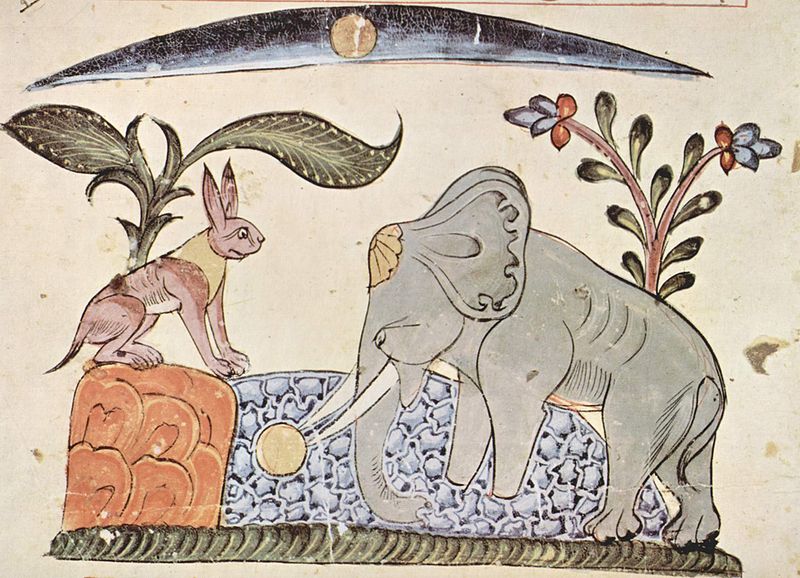
A certain king Sudarshan had three sons – neither of them willing to take responsibility or learn anything. The dejected king went to a scholar named Vishnu Sharma who used animals as characters to weave five treatises – sets of interwoven stories – “The Loss of Friends”, “The Winning of Friends”, “Of Crows and Owls”, “Loss of Gains” and “Imprudence” – that taught the princes about politics, life, justice etc. and came to be known as the Panchatantra.

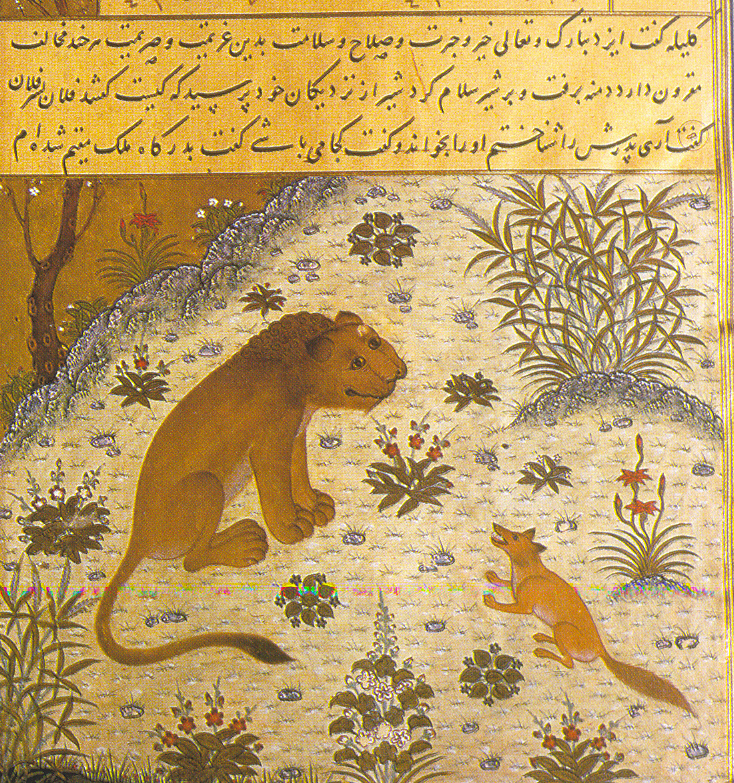
Panchatantra to this day remains the most published, circulated and translated non-religious text in human history. The Arabs carried the book to their lands to be translated as Kalīlah wa Dimnah in the 7th century. By that time, it already existed in Sanskrit, Persian, Greek and the local Indian languages like Pali and Prakrit. By the 17th century, it existed in French, Italian, German, Chez, English and Slavic languages as well.

Ibn al-Muqaffa' by Khalil Gibran.png
Ibn al-Muqaffa, the scholar who translated the book in Arabic.
The Persian Panchatantra

The Aesop Fables of Greece carries a similar taste in story telling – simple and straightforward stories with talking animals often holding the traits identified with humans. But weirdly enough, that is a more famous set of stories in the modern day despite all the historic achievements the Panchatantra holds.

In the modern day, when society is increasingly pushing itself and its members – including kids and adults into its new evolving definitions of justice, crime and conduct – Panchatantra offers a freshness of simplicity despite being 2500 years in age and in lore.
Embroidery of India

Hello guys!!Today’s topic is about embroidery of India.

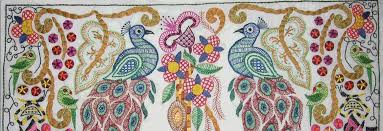
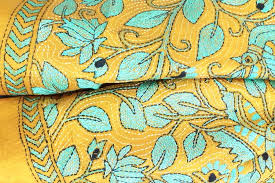
Embroidery is the craft of decorating fabric or other materials using a needle to apply thread or yarn.

In embroidery they use different materials such as pearls, beads, quills, and sequins and stitch them on the fabric enhancing it’s beauty.

From: wikipedia

In India the embroidery designs are formed on the basis of the texture and the design of the fabric and the stitch.

 They generally use  dot and the alternate dot, the circle, the square, the triangle, and permutations and combinations of these and develop the design .The range of varieties  is unlimited  and designing to stitching every step is different from each other .
  • Aari
  • Banjara embroidery
  • Banni or Heer Bharat (Gujarat)
  • Chamba Rumal (Himachal Pradesh)
  • Chikankari (Uttar Pradesh)
  • Gota (Jaipur, Rajasthan)
  • Kamal kadai(Andhra Pradesh)
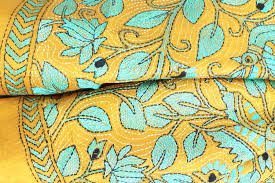
  • Kantha (Bengal)
  • Karchobi – Rajasthan
  • Kasuti or Kasuthi (Karnataka)
  • Kathi (Gujarat)
  • Kaudi(Karnataka)
  • Khneng(meghalaya)
  • Kutch or Aribharat
  • Kutchi bharat/Sindhi stitch (Gujarat)
  • Kashmiri embroidery
  • Mukaish Work- (similar to chikankari) -Lucknow
  • Phool Patti ka Kaam (Uttar Pradesh)
  • Phulkari (Punjab and Haryana)
  • Pichwai (Rajasthan)
  • Pipli (Odisha)
  • Rabari (Rajasthan and Gujarat)
  • Shamilami (Manipur)
  • Shisha or Mirrorwork (Gujarat, Haryana, Rajasthan)
  • Toda embroidery
  • Zardozi or Zari or kalabattu
  • From :wikipedia

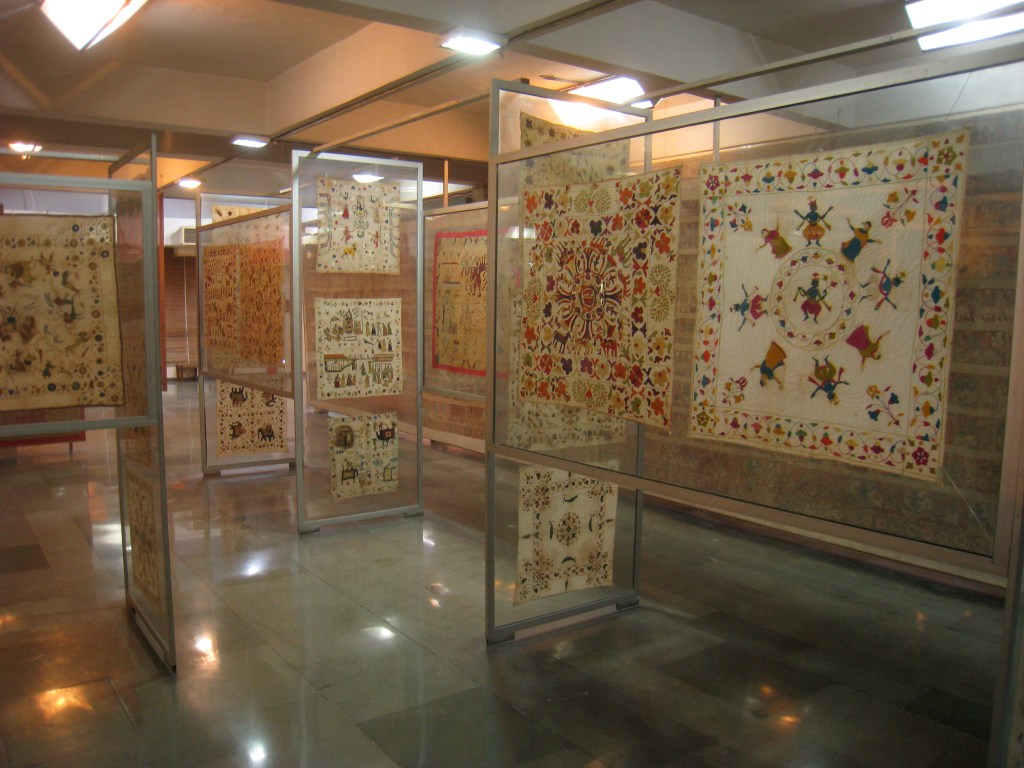
There are all different styles developed in different states giving them a tinge. Depicting their own traditions and culture through their work

Each state style gives of an unique mix to the Indian embroidery.
From craftsvilla

Each style is influenced by the fashion and attire they follow ,these styles are developed from their ancestors and Indian embroidery is famous for its simple yet classy look.

Embroidery is an art of fabric they make art pieces from a single piece of cloth and thread .
From:fibre2fashion.com

The trend always changes but the roots must not change , embroidery may changes over years with time but the effort they put into is will always be conveyed to people through their art ,through their embroidery.

Thankyou^^