
Top NGOs working for Slum improvement

 Several NGOs are dedicated to improving the living conditions and overall well-being of slum dwellers around the world. Here are some top organizations that focus on slum improvement:

  1. Slum Dwellers International (SDI): SDI is a network of community-based organizations of slum dwellers working in over 30 countries. They advocate for the rights of slum dwellers and implement programs aimed at improving housing, infrastructure, and livelihood opportunities in urban informal settlements.

  2. Shack/Slum Dwellers International (SDI): This organization, commonly known as Shack/Slum Dwellers International, works to mobilize and empower slum dwellers to upgrade their living conditions through participatory processes. They emphasize community-driven development and facilitate partnerships between slum residents, local governments, and other stakeholders.

  3. UN-Habitat: The United Nations Human Settlements Programme (UN-Habitat) focuses on sustainable urban development and improving living conditions in slums. They implement projects aimed at providing access to basic services, upgrading infrastructure, and promoting participatory planning processes in informal settlements worldwide.

  4. BRAC: BRAC, originally founded in Bangladesh, is one of the largest NGOs in the world. They operate various programs addressing poverty and social inequality, including initiatives focused on improving the lives of slum dwellers. BRAC’s interventions encompass education, healthcare, microfinance, and community development.

  5. Slum Aid Project: Slum Aid Project is an NGO based in India that works to improve the lives of slum dwellers through education, healthcare, vocational training, and community development initiatives. They aim to break the cycle of poverty and empower residents to lead healthier and more sustainable lives.

  6. Acumen: Acumen is a non-profit impact investment fund that invests in companies and initiatives addressing poverty and social issues, including those impacting slum communities. They support innovative solutions that improve access to essential services, create economic opportunities, and promote social inclusion in urban areas.

  7. Water.org: While not exclusively focused on slum improvement, Water.org works to provide access to safe water and sanitation for underserved communities, including those living in slums. Their initiatives help improve health outcomes, enhance economic productivity, and empower residents to build healthier and more prosperous futures.

These organizations, among others, play crucial roles in addressing the multifaceted challenges faced by slum dwellers and working towards sustainable solutions for slum improvement.
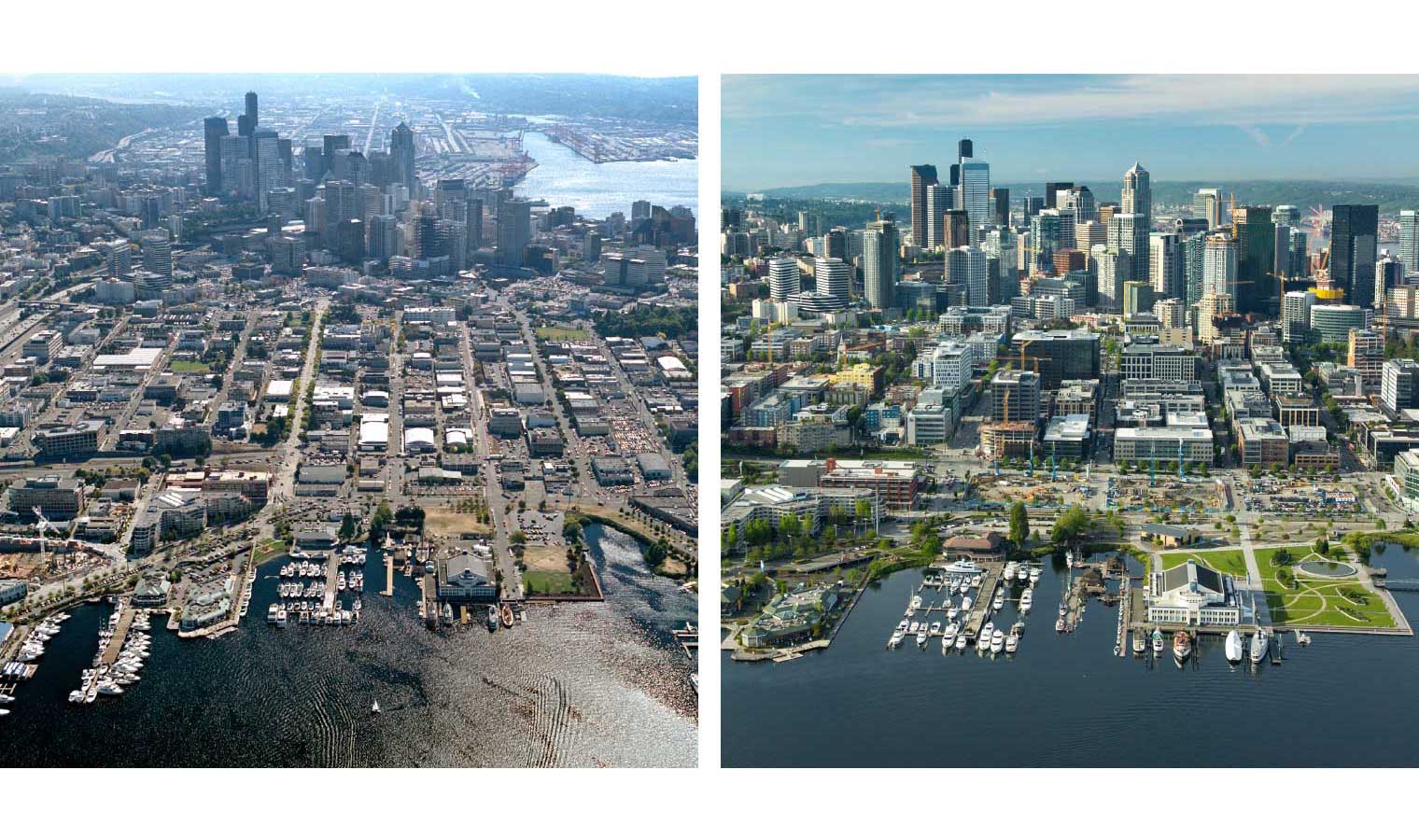
Tools / Approaches in Urban Renewal


1) Slum Clearance 

Demolition of dilapidated dwellings located in a slum. Slum clearance, slum eviction or slum removal is an urban renewal strategy used to transform low income settlements with poor reputation into another type of development or housing. This has long been a strategy for redeveloping urban communities. 

2) Redevelopment 

The demolition of an existing building and its replacement by a new building. Redevelopment consists of the removal of existing buildings and the reuse of cleared land for the implementation of new projects. This approach is applicable to areas in which buildings are in seriously deteriorated condition and have no preservation value, or in which the arrangement of buildings are such that the area cannot provide satisfactory living conditions. In such cases, demolition and reconstruction, of whole blocks or of small sections, is often thought to be the only solution to ensure future comfort and safety of the residents. In the majority of western countries, redevelopment has been discarded as a way to rejuvenate old city centers. However, in many developing countries, redevelopment through slum clearance and reconstruction is still regarded as the only viable way to improve housing conditions and to modernize inner-city areas. 

3) Rehabilitation 

The repair and improvement of existing structurally sound property. Rehabilitation, often termed conservation or preservation, can be defined as the opposite of redevelopment. It is based on preserving, repairing and restoring the natural and man-made environments of existing neighborhoods. Rehabilitation is applicable to areas where buildings are generally in structurally sound condition but have deteriorated because of neglected maintenance. It takes advantage of the existing housing stock as a valuable resource and adapts old houses to present day life and acceptable standards by providing modern facilities. Rehabilitation recognizes that the limited availability of funds for new construction and the serious housing shortage make the option of destroying already existing housing appear both unaffordable and imprudent. It recognizes the value of old neighborhoods and by preserving what is unique, ancient and specifically local, it can also contribute to the development of the tourism industry and stimulate the economy. 

Concerning the impacts on the population, residential rehabilitation can take place in two distinct ways: gentrification and incumbent upgrading. Gentrification is defined as the process by which middle and upper class people move to a neighborhood, attracted by its proximity to central business districts and replace the previous working-class inhabitants. Through the process of incumbent upgrading, the residents remain in place and invest in their own time, money and energy into refurbishing their housing and improving their social conditions. 

4) Housing Improvement 

Improvements of dwellings by provision of essential basic amenities. 

5) Conservation 

To retain intact or unchanged.

6) Environmental Improvements 

Main emphasis is to improve environmental conditions. 

7) Economic Renewal 

Improvement of economic conditions of dwellers.