Poverty in India


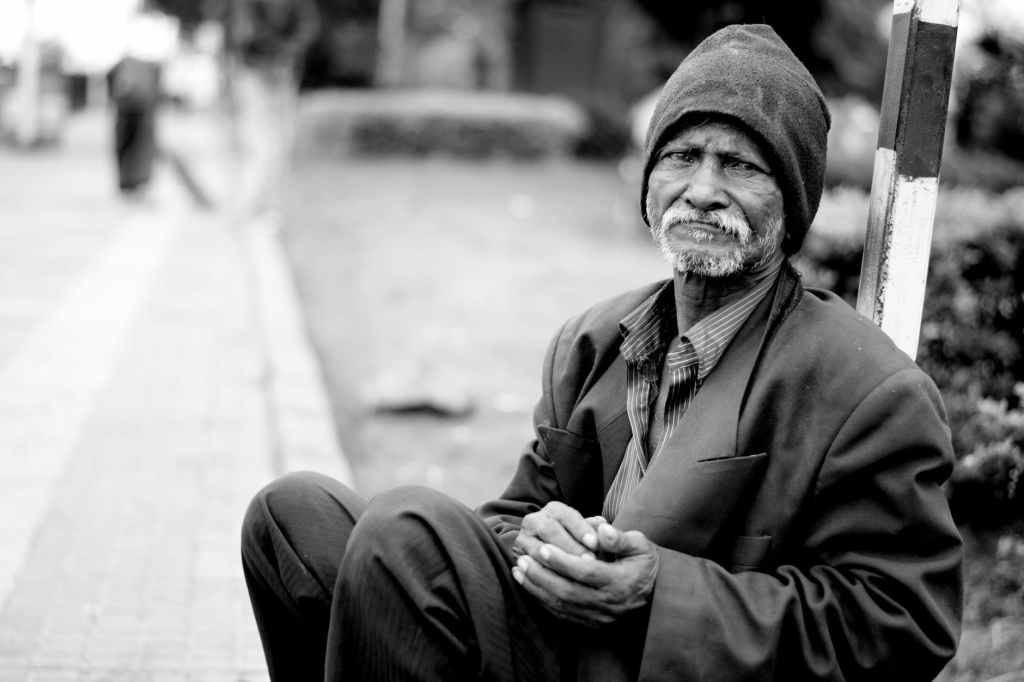
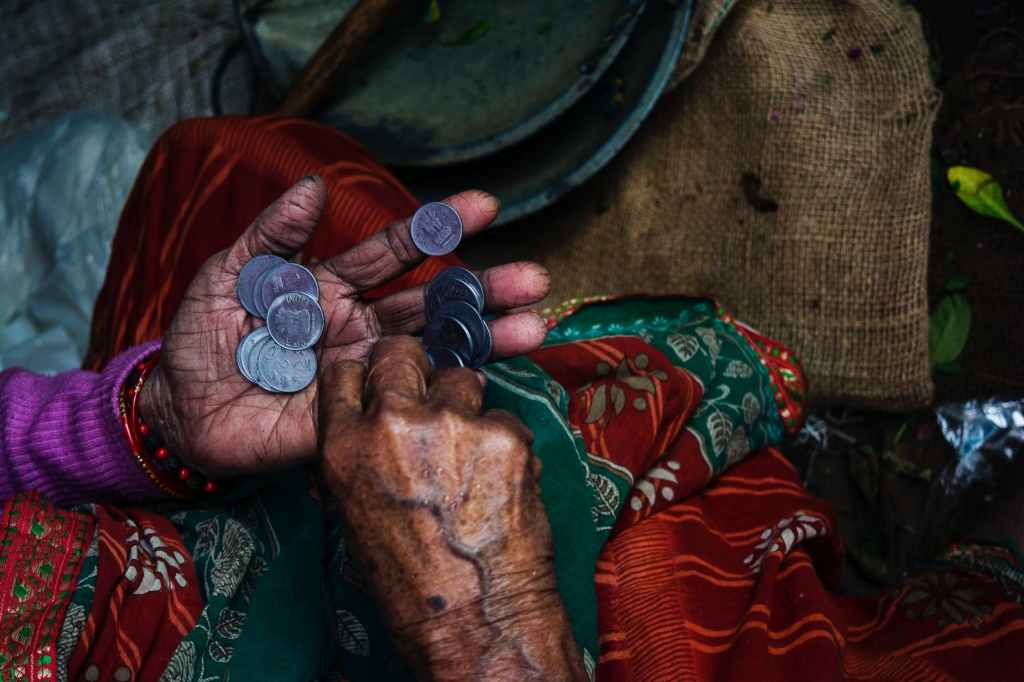
Poverty is defined as the lack of sufficient money to meet basic needs such as food and shelter. Poverty is a situation in which a person is homeless and has very little money. Due to the growing population in urban areas, India’s poverty rate is rising. The most important fact is that huge numbers of people live in poverty, with the majority living on the edge of it. Poverty in India is mostly observed in rural regions due to a large number of uneducated and unemployed people within the growing population.Many people cannot afford proper food for their daily lives, and because they do not have their own homes, they sleep on streets or footpaths. As a result, more people require more food, money, and shelter, but poverty grows rapidly due to a lack of these resources. This is why the rich become richer and the poor become poorer, making it difficult to bridge the gap. Poverty has several consequences, including poor housing, illiteracy, increased child labor and unemployment, and poor hygiene. As a result, these poor individuals cannot afford a balanced diet, decent clothes, or a good education for the simple reason that they do not have enough money.

Poverty may be reduced by providing sufficient education and facilities to farmers, allowing them to become more profitable and not feel the need to migrate to cities in search of work. Also, uneducated individuals should receive a good education to improve their lives, and family planning is also necessary for getting out of poverty. Poverty in our country dates back to ancient times, when the poor were not given the same privileges as the wealthy, and they were even denied access to religious places. Unemployment, a lack of education, poor resource utilization, corruption, and poor government policy are all major causes of poverty.In India, poverty is high when compared to other nations due to the poor growth rate of per capita income per person. Due to a lack of career prospects, many individuals work as rickshaw pullers, construction laborers, domestic servants, and other low-wage jobs, which leads them to live in slum areas.In addition, lack of land resources has been one of the key reasons for poverty in India; even small farmers in our nation are poor since they cultivate but do not receive fair pay in terms of profit, resulting in poverty.

India’s population has been rapidly increasing. In 1991, India’s population was around 84.3 crores, with a high rate of poverty; now, our country’s population is around 130 crores, with the population nearly doubling in the last three decades, but not enough has been done to control poverty in our country. As the population grows, so does unemployment, and poverty is just a reflection of unemployment. More capital is necessary for developing industry, providing adequate transportation, and other projects, as a result of which the country’s deficiency is underdeveloped and more people live in poverty. Lack of skilled labor also contributes to poverty since less-skilled workers lack industrial training and education and miss out on opportunities that more skilled workers can avail. Lack of infrastructure means that transportation and communication have not been properly developed, resulting in farmers receiving fertilisers for cultivation late and industries receiving power and raw materials not on time and thus, end products not being properly marketed and reaching customers on time. Hence, to escape poverty, our government must be more serious, and citizens must share equal responsibility.Remarkably, as a result of rural-to-urban migration, the incidence of rural poverty has fallen steadily. First and foremost, population growth should be strictly controlled to tackle the serious problem of poverty. Other approaches to fight this problem include expanding work possibilities, educating people, eliminating black money, decentralized planning, and assisting women and youth in becoming self-sufficient.


“Paverty” is not created by “poor people”

linkages between development and spread of extremism

In Indian scenario, extremism activities are increasing rapidly. The scale of the extremists operations is massive and consequently these activities have perilous impact on nation’s social, economic and political development.Many scholars explained the notion of extremism as any ideology considered to be far outside the normal attitudes of society or to interrupt common moral standards. It is usually constructed with moderation or extremists with moderates. Various political writers signified that extremism also has numerous strands starting from just holding to one’s ideas and values on one end of the continuum and use of violent means for nuisance on the other end. Thus, extremism is considered as a complex phenomenon.

Natural Calamities: During the last decade of the 19th century, affliction of people was filled to the brim. Famine, plague, earthquake, war and repressions were let loose in the country. From 1896 to 1900 prolonged and catastrophic famines occurred throughout the length and breadth of the land in a bewildering succession. In 1896 bubonic plague broke out in Bombay and took a toll of millions of lives. These natural calamities were accompanied by the intensified exploitation and suppression by the Government. Such devastating conditions led to development of extremist.

Labour, Unemployment and wages:
Another intense issue that spreads extremism is joblessness which creates insecurity of living. People may develop dissatisfaction and anger both in urban and rural areas. In allocation of government jobs, there has been shown some favouritism and this activity leads to dissatisfaction among youth as they are being ignored.

Policing:Improper policies and their ineffective implementation may result in extremist activities among weaker sections of society. It is very necessary that government must consider poor people when devising policies for economic growth of country. These policies must be well-organized and unprejudiced which reveal good administration .Weaker section of people does not have much confidence in police. People have no faith that justice will be done to them against the powerful person in the society. Such impression about government officials develops extremist thoughts among poorer section of society.

Process of getting Justice:When lower section of society is struggling with various issues related to survival or employment and their conflicts and disputes are not settled in time, frustration among people in society develops. Presently, judicial system of India is very time consuming and disputes are not settled in short time. The parties to the dispute lose control over even the terms and details of the dispute once it goes to the court. These factors create extremist feelings among sufferers.


Extremism in the defense of liberty is no vice. And moderation in the pursuit of justice is no virtue.

-Barry Goldwater

The problem of poverty in India

In India, poverty is presently estimated by fixing a poverty line based on a differentiated calorie-norm. This means that the level of poverty depends upon the capacity of a person to purchase food and a person who can buy specific amount of food to cross the poverty line margin for nutrients and calorie intake is above the poverty line. Whereas, the person who cannot buy enough food to meet the required nutrition value of calories and carbohydrates is below the poverty line. This level is not the correct parameter to check the level of poverty.

A task force of the Planning Commission in 1979 defined the poverty line as that per capita expenditure at which the average per capita per day calorie intake was 2400 calories in rural areas and 2100 calories in urban areas. Average per capita expenditures incurred by that population group in each State which consumed these quantities of calories, as per the 1973-74 survey of NSSO, were used as the poverty lines.

The debate on the extent of poverty in India has been a matter of global interest in the recent years. The primary reason for the global interest in the debate is that the levels of poverty in India and China have come to exert significant influence over the trends in world poverty itself.

Within India too, there has been growing contestation around poverty estimates, particularly in the period of economic reforms. First, there are persistent disagreements among economists on whether the rate of poverty decline after economic reforms was slower than in the preceding period. Secondly, the shift to targeted, rather than universal, welfare schemes has witnessed the use of poverty estimates to decide on the number of households eligible to access these schemes. The report of the Expert Group on the estimation of poverty, chaired by Suresh Tendulkar, is the latest input to the “Great Indian Poverty Debate.”

It is to be noted here that many subsidies and programs are launched by the government but these additional increments do not reach the actual people that are in need of them. Instead it is sent back to the businessman and thus a lot of profit is earned on these subsidized goods. Thus, to lower the level of poverty in India, schemes have to be launched in order to directly benefit the people in need.

The Hindu states that, “A final issue with the report, of much long-term consequence, relates to the wisdom of abandoning the calorie norm. It is indeed true that the levels of calorie intakes are not well correlated with nutritional outcomes. However, abandoning the calorie norm altogether and taking solace from the fortuitous fact that calorie intakes appear adequate at the new poverty lines is an arbitrary proposition. It is unclear whether there is any basis, theoretical or empirical, for this relationship to hold true across time.”

the Tendulkar Committee has pitched for a policy position that is stranded between the harsh realities of poverty in India and the fiscal conservativeness of a neo-liberal framework. The real challenge lies in preserving the positives from the report, and strongly persisting with the demand for a universal social security system.

– Ananya Kaushal

What it means when you find yourself detaching from society?

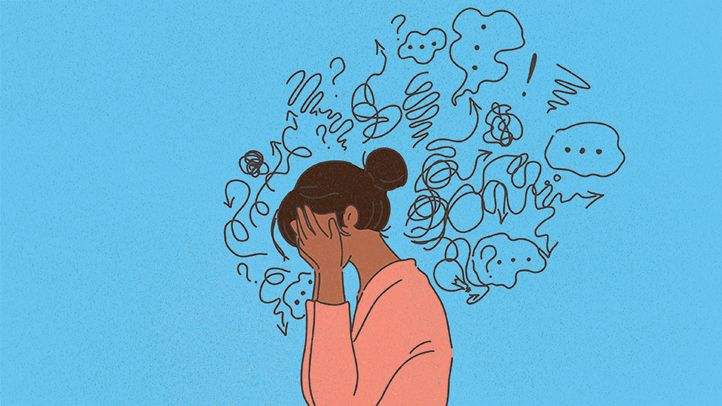
Do you constantly find yourself cutting off from people without any reason? The feeling that you don’t belong? A major reason for such thoughts is that you find it difficult to blend in with your friends and family. While such mindset is not something permanent, it can develop from a constant state of neglect and lack of affection.

It is not necessary that such state of mind arises in only those who are generally closed off by nature. There is a larger percentage of so-called ‘extroverts’ who also suffer with the same complexion.

While this situation generally arises from a change in friend circle, or after losing a loved one, breakup, or a change in surroundings. Some other reasons like depression, heavy medicines, illness or other social factors can also be an imminent variable.

Some people can also call it a ‘Retreat’, a means to detach from society in order to better focus on their upcoming projects, a major people comprising this class will consist of authors, artists, and such other people in need of peace and tranquility.

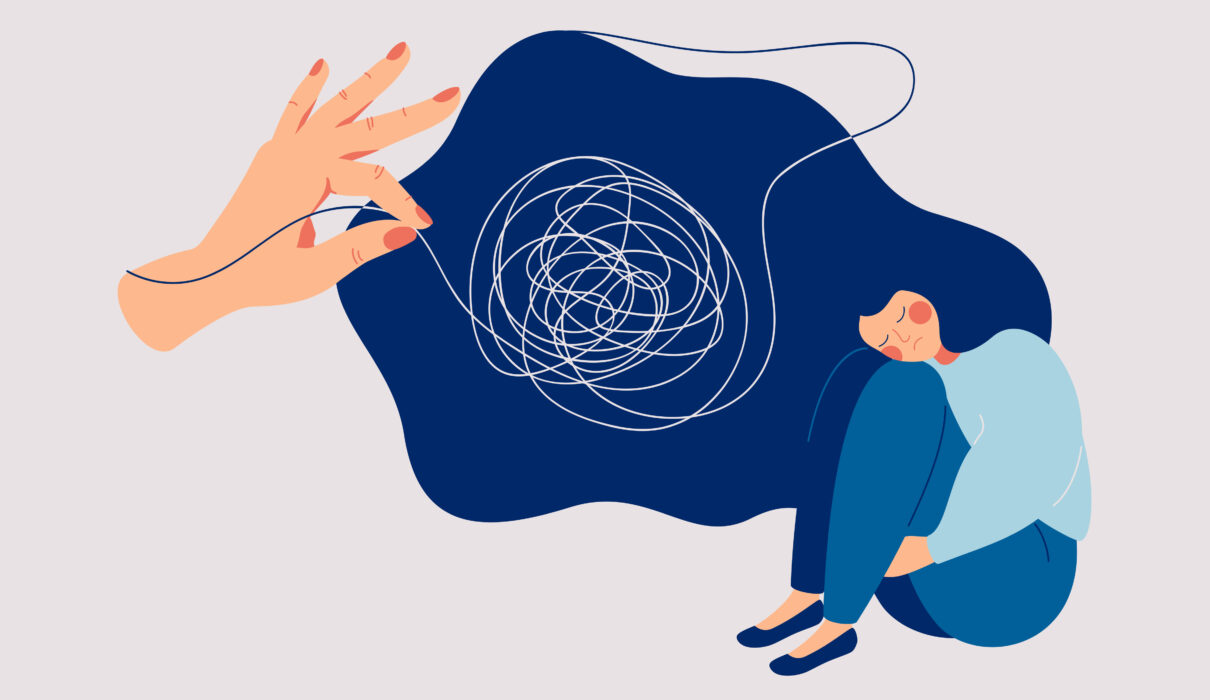
The case is not always same for teenagers and young adults. Retreating from society in an abrupt manner is major teller of mental illness, depression, as it is generally termed. While it is not uncurable, a major support is required from family and loved ones in most cases. Emotional support goes a long way in providing support and a feeling of togetherness.


This does not mean that a person who appears to be detached from the general colorful society is weak. That would be a gross understatement. Such people are generally in need of a closure with whatever is it that they have suffering with. No other person can help solve this condition other than the person who suffers from it. All others can-do is provide an understanding gesture and emotional support.

The best ways to deal with such a swing of emotion could be to try to talk to someone and share your thoughts. Other than that, going out for a walk or eating your favorite dish will help make you feel better! The one thing that is imperative through the whole process is that you will emerge Stronger. A better version of your own self. With a better view of your dreams and desires. The only quality required is to have faith and be kind to yourself.

Think of your future self 5 or 10 years from now and how thankful they would be to you that in spite of all the hardships thrown your way, you held on, that is all that is required.

Just hold on!

Written by: Ananya Kaushal

POVERTY

POVERTY IS THE WORST FORM OF VIOLENCE – MAHATAMA GANDHI.

Poverty can be defined as the condition where an individuals basic necessities are not fulfilled like; shelter, clothing, education. Today world is heading towards globalization, but still poverty remains a prime issue in many countries. Poverty has become a complex problem. It leads to other problems. A poor person is not able to get education which causes increase in illiteracy. An illiterate person is not qualified for jobs roles which leads to unemployment and in many cases humans exploitation and child labour. An unemployed person is not able get proper nutrition diet leading to power health and no energy for work. Most of the underprivileged class lives in slum areas. They lack in proper sanitation and drinking water, eventually leading to an early death. We can say that poverty is the root cause of other problems in society. There are various causes of poverty and one of the chief cause is population explosion. Rising population is putting load over the resources and budgeting of the country. In some countries past civil war had made poverty widespread. Natural disaster has also contributed to countries poverty. Today the rich are getting richer and poor are getting more poor. Government has come up with many plans to eradicate poverty but we can get better by joint efforts of government and people.

Staying single forever by choice

A relatively large number of people in Western societies are single; that is, they are not involved in any romantic relationship. That actually couldn’t be further from the truth, however. There’s so much value in being single that people often overlook, when we should be embracing and appreciating it instead. When you’re not legally bound to another person, you have the freedom to learn, grow, and explore, without any of the guilt associated with taking time for selfcare. And the payoff there is that if you do decide you’d like to pair off with someone, you know exactly who you are and what you want.

More specifically, men were more likely than women to indicate that they were single in order to be free to flirt around, and because they were not into family making; while women were more likely to indicate that they were single in order to avoid getting hurt, and because they have considered themselves not to be desirable as mates. Older people were more likely to indicate that they were single in order to be free to do what they have wanted. 

I think it is the right of the individual whether men or women to be in a relationship or to do marriage.The society do not have a right on this take .Everyone makes their own opinions that now a days women gets freedom and misuse this by making these types of decisions .But why everyone women do according to this society want them to do,it’s her choice .As it is famously said that “ALL FINGERS ARE NOT SAME”,so why we think every girl wants to marry in future ,it’s her choice and priority what to do in future.The society thinks its not safe for a women to live single in the society as anyone can take advantage of this status of her.

Maybe, counterintuitively, women are the ones who are especially likely to want to live alone. In our cultural imaginations, men are supposed to be the rugged individualists, the solo explorers, and the swaggering cowboys. But maybe, in fact, they are the ones pining for a live-in partner.

In a heartwarming essay from the upcoming book, Single by Choice, sports journalist Sharda Ugra recounts a scene from more than 10 years ago. A male friend, upon walking into her Delhi apartment (where she lived alone), asked astonished, “Who did all this?”“What provoked this question perhaps, was its sheer normalcy,” Ugra writes. And possibly the assumption that unmarried women lead dark, forlorn, depressing lives. But the writer goes on to remind us that singlehood is, in fact, a normal experience.

Music Therapy:A Novel Therapy

Did you ever feel that therapy involves talk by a psychologist and nothing else could come under the domain of therapy?If your answer is yes,Then you are wrong!!Well times have changed my reader~

Therapies have come a long way to incorporate other clinically approved methods such as animal assisted therapy,food therapy,aroma therapy etc.Music Therapy is one clinically developed program by psychologists to assist speedy healing of their clients.In this blog,the readers would be introduced to the world of Music therapy.So lets get started!

WHAT IS MUSIC THERAPY?

Music Therapy is the clinical and evidence-based use of music interventions to accomplish individualized goals within a therapeutic relationship by a credentialed professional who has completed an approved music therapy program.It is is an established health profession in which music is used within a therapeutic relationship to address physical, emotional, cognitive, and social needs of individuals. After assessing the strengths and needs of each client, the qualified music therapist provides the indicated treatment including creating, singing, moving to, and/or listening to music.

Through musical involvement in the therapeutic context, clients’ abilities are strengthened and transferred to other areas of their lives.This therapy also provides avenues for communication that can be helpful to those who find it difficult to express themselves in words. Research in music therapy supports its effectiveness in many areas especially emotional rehabilitation.

History

You all will be shocked to know that both world wars were the trigger that initiated the development of this therapy.During and after both World Wars, doctors and clinicians began to realize the powerful effects that music has on the healing process and requested that professional musicians be hired by the hospitals.This therapy first got officially recognized in the Michigan state university of the United States of America.Ultimately,The American Music Therapy Association (AMTA) was formed which focuses on creating more awareness about this wonderful therapy.

BENEFITS

Music therapy can benefit many individuals. The diverse nature of music means it can be applied in the treatment of concerns both physical and psychological.Since music can evoke positive emotions and improve brain health,Music therapy is said to manage and alleviate symptoms of mental health concern such as Depression, Mood issues,Anxiety,Schizophrenia,Substance abuse,Autism,Personality issues,Insomnia,Dementia etc.

In addition,Music therapy can improve the social,cognitive,emotional and motor functioning.This therapy was also effective in controlling patient’s situation in Alzheimer’s,Cancer and Hypertension.

Music therapy is frequently administered to reduce stress levels and pain perception of females in labor.This novel therapy has also been linked with improvements in self-esteem, self-concept, verbal communication, prosocial behavior, socialization skills, group cohesion, and coping skills.

Limitations

Even the most beautiful things have flaws,and so has music therapy.One of the major drawback is that this therapy cannot be used as a stand-alone therapy.The music therapy is also known as music assisted therapy implying it’s sole purpose is to assist the main therapy applied by the clinician on the client to produce fast results and relief.

Also,the music therapy like all other therapies is individualized.This is not a major drawback but should be kept in mind before going in for this option.All individuals are unique and so is their taste in music.Thus the therapist has to do additional tests to see which type of music and musical instrument works better for the client.

ALWAYS REMEMBER,WHERE WORDS FAIL,MUSIC SPEAKS…..

Thus in short we need to know that music therapy is a wonderful form of therapy which strengthens an individual and increases his/her quality of life.Choose Music for a better Life!

Do give a like,if you all found this article to be Interesting!

Thankyou!

Stay Knowledgeable!

Greenwashing – blurring the line between green and greed


“Green” is becoming one of the pressing words almost for the past two decades with the increasing need for sustainability. As the demand for green practices is increasing by the day, companies are striving to appear more sustainable than they are in actual practice for which they inevitably opt for the easy out by using green washing through marketing and advertisements, misleading consumers regarding the environmental practices of a company in order to appear environmentally responsible.

Green washing is the practice of making an unsustainable or misleading claim about the environmental benefits of a product, service, and technology or company practice attempting to capitalize on the growing demand for environmentally sound products. It is also referred to as “green sheen”. These so called “Green” products promote green washing by not just using it as a catch phrase but rather as a marketing strategy. The world is embracing the pursuit of greener practices which has encouraged Companies to produce and sell the so called “green” products. These companies employ green washing techniques to cover for their environmentally destructive business operations and elude from the influx of litigation.
Greenwashing is applied to the daily products that people use almost everyday. For example, many popular tooth paste brands which claim to be “herbal” are not just herbal but harmful too. A study conducted by Prof .Agarwal of DISPAR suggests that some tooth paste brands consists of 18 and 10 mg of nicotine, which is equivalent to the quantity found in nine and five cigarettes respectively which in turn can cause cancer.
A 2019 class action against Nestle’s sustainably sourced cocoa beans claimed that this act cannot be called sustainable when the production of the key ingredient in the company’s chocolate products is helping drive massive deforestation in West Africa. It is also said that the cocoa comes from farms that use child and slave labour.
H&M is a fast fashion brand with stores rapidly popping up in India. It had an initiative called the “garment brand collection program” where people received a discount voucher for giving a bag of their old clothes to any of their stores. The company claimed that those clothes would be recycled. In simple words, leaving nothing to waste. But this brands entire shtick of providing this feel good environmentally sustainable image is a classic case of green washing. The problem doesn’t lie in the classic reuse or recycle approach but the fact that these brands themselves are a part of the problem. The best way to reduce textile waste is buying fewer clothes.Dropping a bag of clothes for coupons will only get the cycle going on and on.
Origin of the term “Greenwashing “:
The term “greenwashing” was coined by Jay Westerveld in 1986 in a critical essay which was inspired by the irony of the ”save the towel” movement in the South Pacific hotel where he happened to pick up a card having the recycling symbol that read “Save Our Planet: Every day, millions of gallons of water are used to wash towels that have only been used once. You make the choice: A towel on the rack means, ‘I will use again.’ A towel on the floor means, ‘Please replace.’ Thank your for helping us conserve the Earth’s vital resources.” the world embraces the pursuit of greener practices. Westerveld saw the irony in the statement since hotels consume and waste a lot of resources that are on the line and not washing the towels would not make a lot of difference. But eventually he found out that this act of sustainability was not to save resources but rather to save money used on laundry. This enlightenment pushed him to coin the term “green washing”.
DIFFERENT WAYS OF GREEN WASHING
Green washing can be based on two grounds, firstly, a company can adopt an eco-friendly directive for an existing production method as if they were influenced by the concern for the environment to claim credit. For example, a company will ban the use of plastic bags under the name of green initiative but the actual motive of this initiative would have been to cut costs that the company spends on baggage. Secondly, a company will lie about the eco friendliness of a product by using catchphrases as marketing strategies to appear green and organic . For example, phrases like “paraben-free” “eco-friendly” etc. Further green washing can be done by using environmental imageries, misleading labels, hidden trade offs, irrelevant or unproven claims and red herring.
Seven sins of Green washing :
Terra choice in the year 2010, investigated the claims of 4,744 “green” products carried in the stores across the U.S, UK and Canada finding that more than 95% of these products were guilty of at least one of what they call as “the seven sins of green washing”
Sin of Hidden trade-off
It refers to labelling a product as environmentally friendly based on a small set of attributes when other concerns that could cause greater damage to the environment are not addressed. This might make a bigger impact on the eco-friendliness of a product as a whole.
Sin of no proof:
It is the making of an environmental claim without providing easily accessible evidence on either the label, product website with no reliable third party certification.
Sin of vagueness:
It is when a product description uses broad terms that cannot be properly understood.
Sin of irrelevance :
Starting something that is technically true but not a distinguishing factor when looking for eco-friendly products.
Sin of lesser of two evils:
Claiming to be greener than the other products in its category when the category as a whole may be environmentally unfriendly.
Sin of fibbing:
Advertising something that just isn’t true. Environmental claims that are simply false.
Sin of worshipping false labels:
Implying that a product has a third party endorsement or certification that doesn’t actually exist often through the use of fake certification labels.

How to avoid being green washed?
It is important that people don’t just assume something is truly natural because there’s a pretty sticker on the front label that claims so. One should head straight to the full ingredient list on the back of the product because that might tell the full story. It is important to look beyond pretty packaging and buzzwords because a green leaf on a package, pretty herbs on a shampoo bottle or any number of phrases that claim to be natural, eco – friendly or non toxic can paint a picture of health and sustainability which are meant to be a hook, prompting shoppers to pick up that product without digging deeper. Every person must strive to become an expert label reader and must look for proof, research and verify every product. It is important to draw the line between green and greed.