Operation Cactus by Indian Armed Forces which saved Maldives freedom.

Operation Cactus, led by the Indian Armed Forces in 1988, to stop a group of Maldives mercenaries led by businessman Abdullah Rutufi, and armed mercenaries of the Tamil Elam People’s Liberation Organization (PLOTE), a separatist Tamil organization in Sri Lanka. It’s strategy was to overthrow the government in the Maldivian island republic.

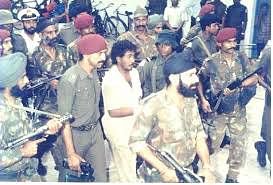
Thier were two coup attempr done before 1988.The 1980 and 1983 coup attempts against President Maumoon Abdul Game were not considered serious, but the third coup attempt in November 1988 surprised the international community. About 80 armed PLOTE mercenaries boarded a speedboat from a Sri Lankan cargo ship hijacked in the capital Male before dawn. A similar number has previously invaded Male in the guise of a visitor. The mercenaries soon gained control of the capital. This includes major government buildings, airports, ports, television and radio stations. The mercenaries then marched to the presidential residence, where President Gayoom lived with his family. However, before they arrived at the presidential residence, President Gayoom was escorted to the Defense Minister’s house by a Maldivian national security forces. The Secretary of Defense then took the president to a safe home.
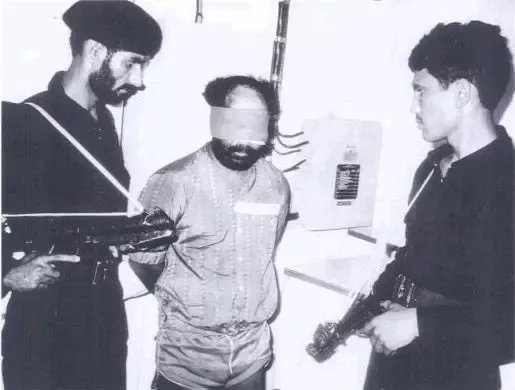
Meanwhile, the mercenaries occupied the presidential residence and managed to take the Maldivian Minister of Education hostage. President Gayoom called on Sri Lanka and Pakistan government to intervene in the military, but both refused to help because of lack of military power. The president then demanded Singapore’s intervention, but Singapore refused for the same reason. He then contacted the United States and was told that it would take a couple of days for the US military to reach the Maldives from the nearest military base in Diego Garcia, which was almost 1000 km away. The president then contacted Britain and who advised them to seek help from India. After that, President Gayoom sought help from the Indian government. India soon accepted their request and an emergency meeting was convened at the Secretariat Building in New Delhi. Within 16 hours of SOS, India was ready for thier missions.
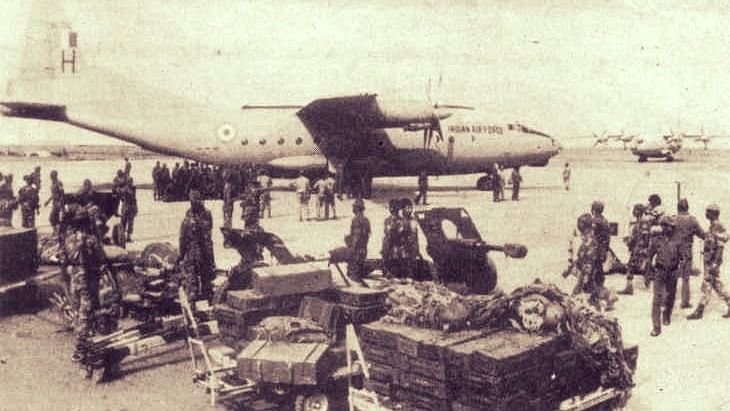
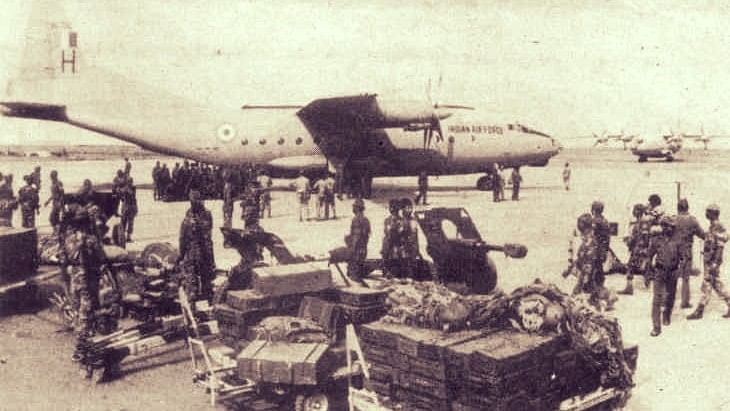
Rejaul Karim Laskar, a member of India’s then ruling party, the Indian National Congress, said that intervention of India in coup d’etat was necessary because without India’s intervention, outsiders powers were tempted to intervene and establish base in the Maldives. . Therefore, India intervened through “Operation Cactus”. On the night of November 3, 1988, the Ilyushin Il-76 aircraft of the Indian Air Force took elements of the 50th Independent Parachute Regiment, the 6th Parachute Regiment Battalion, and the 17th Parachute Field Paratrooper Regiment under Brigadier General Farsala from Agra Air. He flew non-stop for over 2,000 kilometers (1,240 miles) and landed at Male International Airport on Hulhule Island. Indian Army paratroopers arrived in Hulhule nine hours after President Gayoom proceedings.
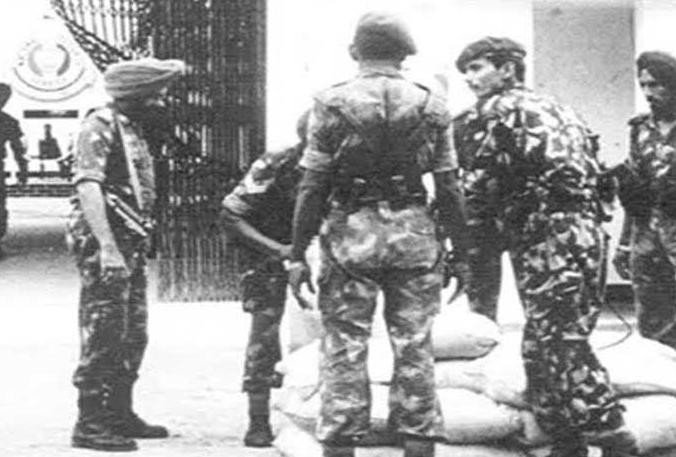
Indian paratroopers quickly secured an airfield and sailed to Male on a confiscated boat to rescue President Gayoom . Paratroopers handed over control of the capital to President Gayoom ‘s government within hours. Some of the mercenaries fled to Sri Lanka on a hijacked cargo ship. Those who could not arrive at the ship in time were immediately rounded up and handed over to the Maldivian armed Forces and government. According to reports, 19 people died in battle, most of them mercenaries. The dead included two hostages killed by mercenaries. And Operation Cactus took 18 hours for Indian Armed Forces from start to finish. Indian Navy frigate Godavari and Betwa intercepted a cargo ship off Sri Lanka and captured mercenaries. The swift intervention and accurate intelligence of the Indian Army was able to successfully subdue the coup attempted in the island nation.

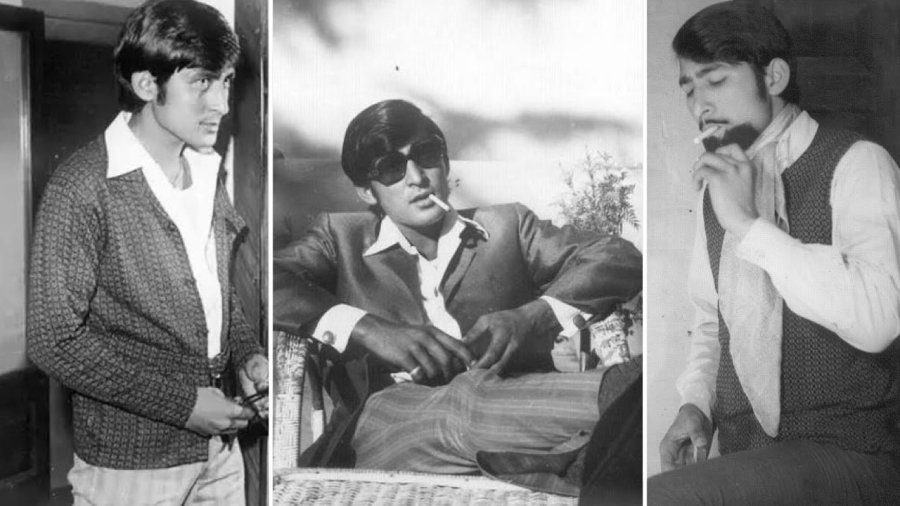
“Black Tiger” Of India Ravindra Kaushik.

Ravindra Kaushik who served in (R&AW) ,famously known as Black Tiger was born in Sri Ganganagar, Rajasthan on 11 April 1952 in a Brahmin family.
Ravindra during his graduation days used to do drama plays and during this time Kaushik displayed his talent at the national level dramatic meet in Lucknow, Uttar Pradesh, which was witnessed by officials from the Research and Analysis Wing. After which he was contacted and offered a job of being an undercover Operative for Research and Analysis Wing in Pakistan.

After agreeing to work for R&AW Kaushik was given extensive training in Delhi for two years. He underwent circumcision so he could pass as a Muslim. He was taught Urdu, given Islamic religious education and acquainted with the topography and other details about Pakistan. Being from Sri Ganganagar, a city near Rajasthan’s border with Punjab, he was well versed in Punjabi, which is widely understood in Punjab and Pakistan as well., India. In 1975, at the age of 23, He was sent to Pakistan.
Kaushik was given the cover name “Nabi Ahmed Shakir” and entered Pakistan in 1975. He was successful in getting admission in Karachi University and from where he completed his LLB. He then joined Pakistan Army as a commissioned officer and eventually promoted to the rank of a major. While living in Pakistan under his cover he married a local girl named Amanat, the daughter of a tailor in one of the army units, and with whom he fathered a boy .

From 1979 to 1983, while working as an officer, he passed on valuable information to R&AW which was of great help to India. He was given the title of ‘Black Tiger’ by India’s then home minister late S. B. Chavan.

In September 1983, R&AW sent a low-level operative, Inyat Masih, to get in touch with Kaushik. However, Masih was caught by Joint Counterintelligence Bureau of Pakistan’s ISI and blew Kaushik’s cover. Kaushik was then captured, tortured for two years at an interrogation center in Sialkot. He was given the death sentence in 1985. His sentence was later commuted to a life term by the Supreme Court of Pakistan. He was kept in various jails in various cities, including Sialkot, Kot Lakhpat and in Mianwali jail for 16 years. He managed to secretly send letters to his family in India, which revealed his poor health condition and the trauma faced by him in Pakistani jails.He also adresses his thoughts on his country and department. In one of his letters he wrote:
“Kya Bharat jaise bade desh ke liye kurbani dene waalon ko yahi milta hai?” (Is this what people who sacrifice their lives for a big country like India get?”
In November 2001, he was caused with pulmonary tuberculosis and heart disease in Central Jail Mianwali in Pakistan.
He served for Research and Analysis Wing from 1975 to 1983.

“Writing about magic is harder than writing about spies because you’re dealing with something that doesn’t really exist.”

-Anthony Horowitz

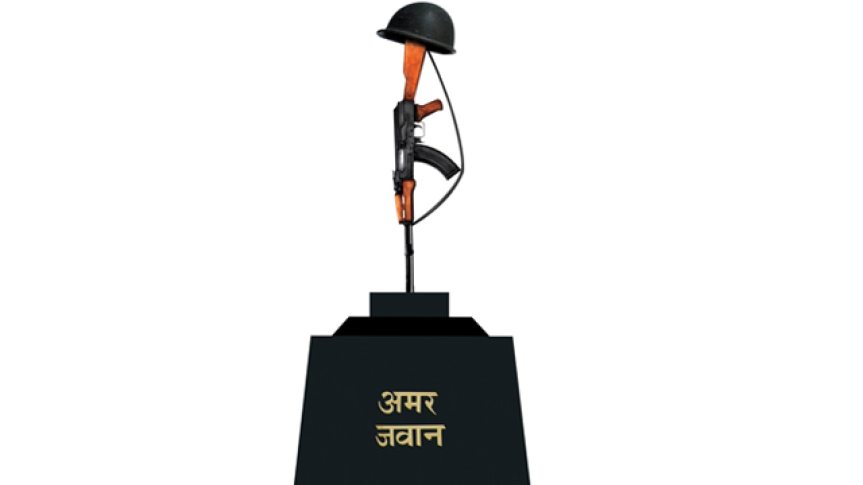
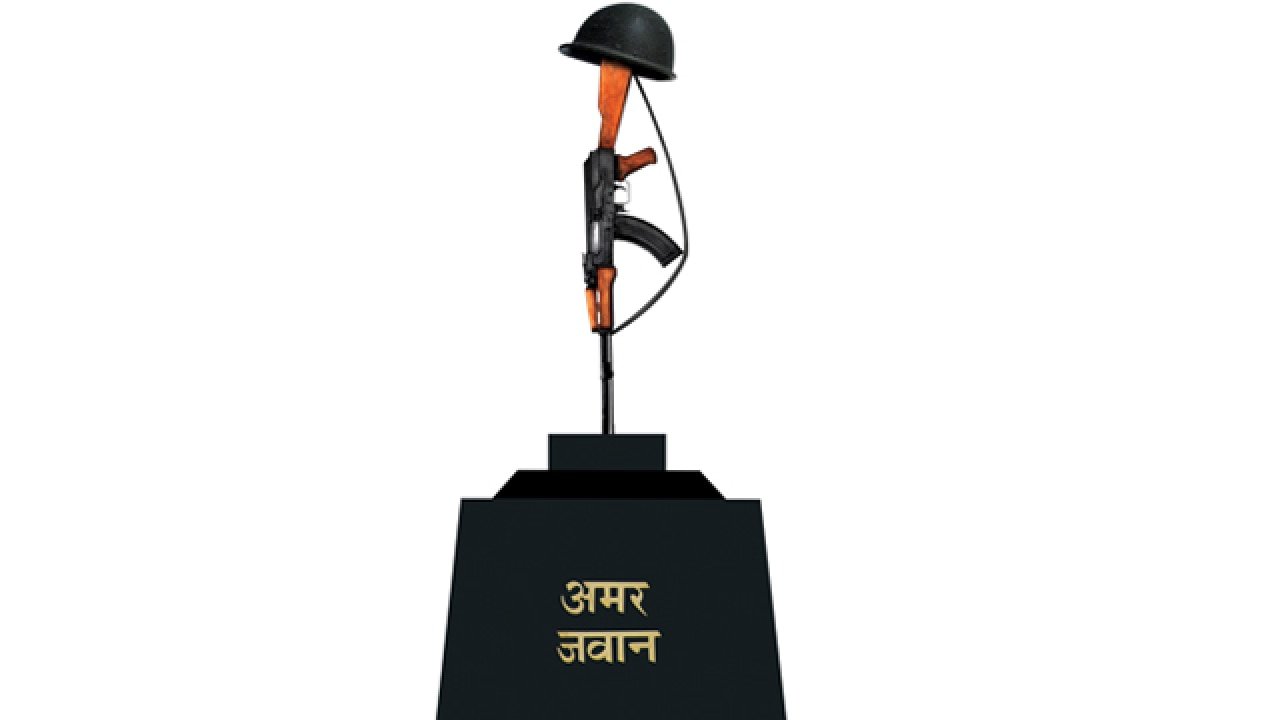
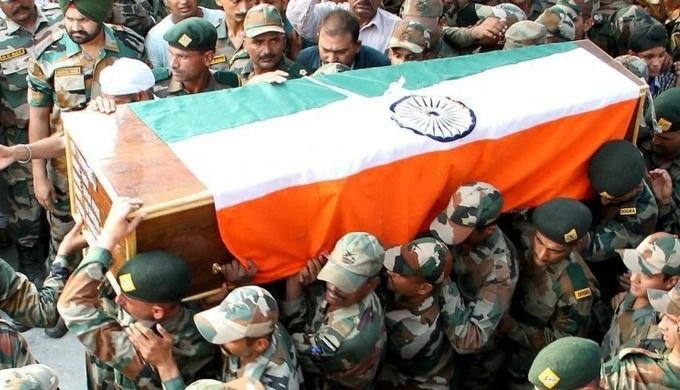
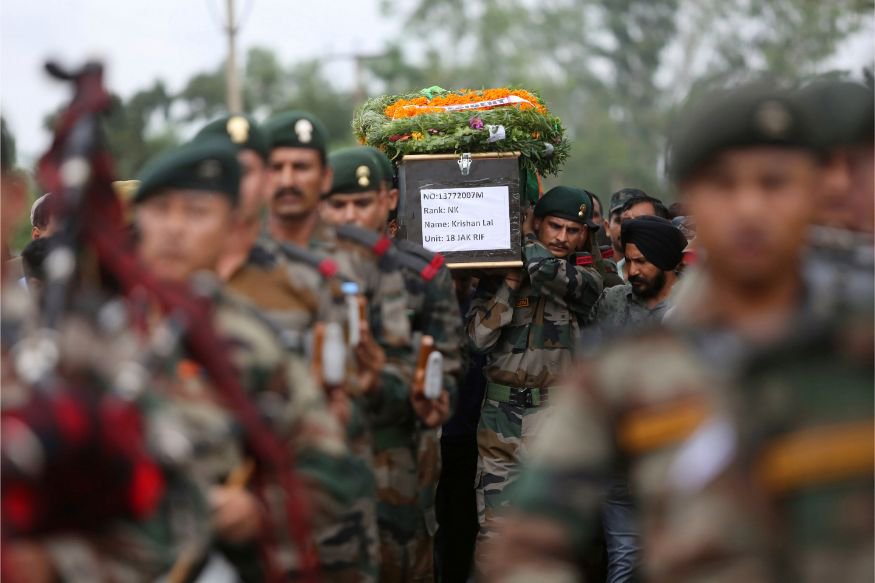
No use of ‘Martyr’ word in Army for death of on duty soldier .

History of the use of the word martyr:
The government has claimed for nearly a decade that the word “martyr” has not been officially recognized. In 2013 and 2014, in response to RTI’s request, the Ministry of Home Affairs revealed that the words “martyr” and “shahid” were not defined anywhere by the Government of India.
In December 2015, then Home Affair Minister Kireen Rijiju said in Lok Sabah that it is advised that the word “martyr” is not refer to any of the victims of the Indian army. He added that such terms were not used by Central Armed Police Forces (CAPF) and Assam Rifles personnel either.
In December 2021, Minister of State Home Nityanand Rai told Rajya Sabha again that there was no formal term like “martyr.”


Objections to the use of martyrs’ words:
The word “martyr” has religious implications and has historically been used to refer to people making sacrifices for their religious beliefs like in Christianity . The word “Shahid”, which is used as a Hindu alternative to the word “Martyr”, also has a religious meaning and is associated with the Islamic concept of Shahadat. The word “martyr” is said to be derived from the Greek word “martur”. In various dictionaries, “martyr” is defined as a person who is willing to die as a punishment for refusing to abandon religion.
Since the Indian army is not affiliated with any religion and does not sacrifice their lives for religious principles, the use of such words for their sacrifice is found wrong,including the supreme leader of the army. Using words like martyr may not be correct in context to armed forces especially in India according to many legal experts and prominent officers of army and retired officers.

Steps Taken By Government To Stop Use Of Martyr Word:
Despite the repeated assertions of the government about the word martyr having no official recognition, it was mostly used in government statements issued by various PR Officers for the defence services and the CAPFs. Many senior serving and retired officers also used it frequently to describe the death of soldiers in action. Thus, the word remained in common use.
The Army in 2022 issued a letter to all its commands asking them to abstain from using the word martyr as it may not be appropriate for soldiers who die in the line of duty. They have been, instead, asked to use phrases such as killed in action, supreme sacrifice for the nation, battle casualty, laid down their lives,veergati etc.

“Either I will come back after hoisting the tricolor, or I will come back wrapped in it, but I will be back for sure. “

-Late Captain Vikram Batra (PVC)

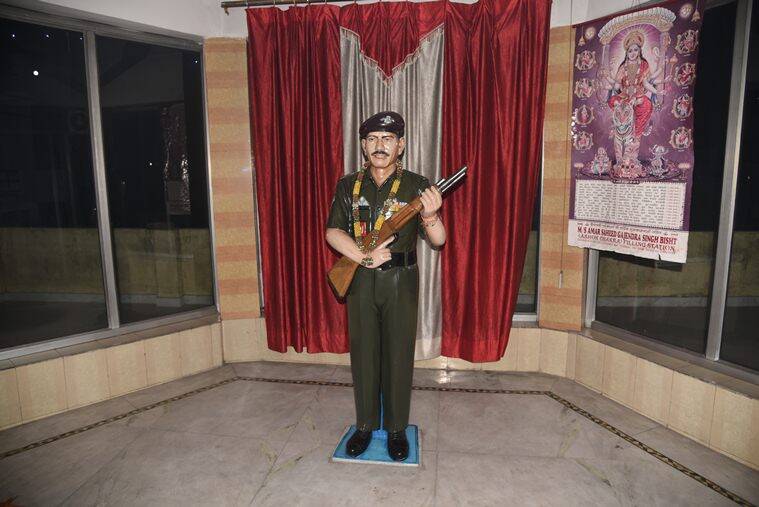
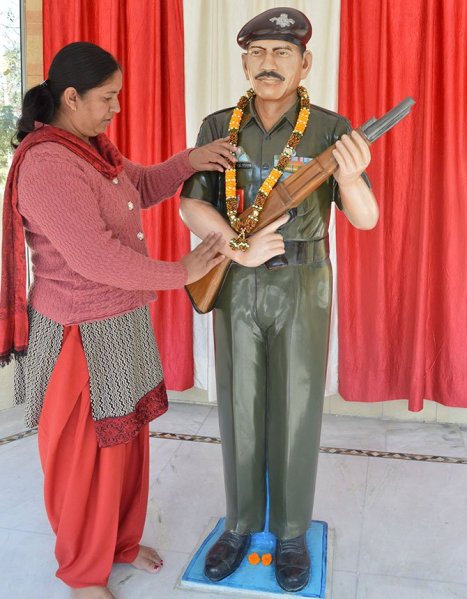
A warrior who can not be forgotten Hav. Gajender Singh Bisht.

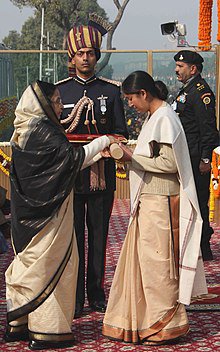
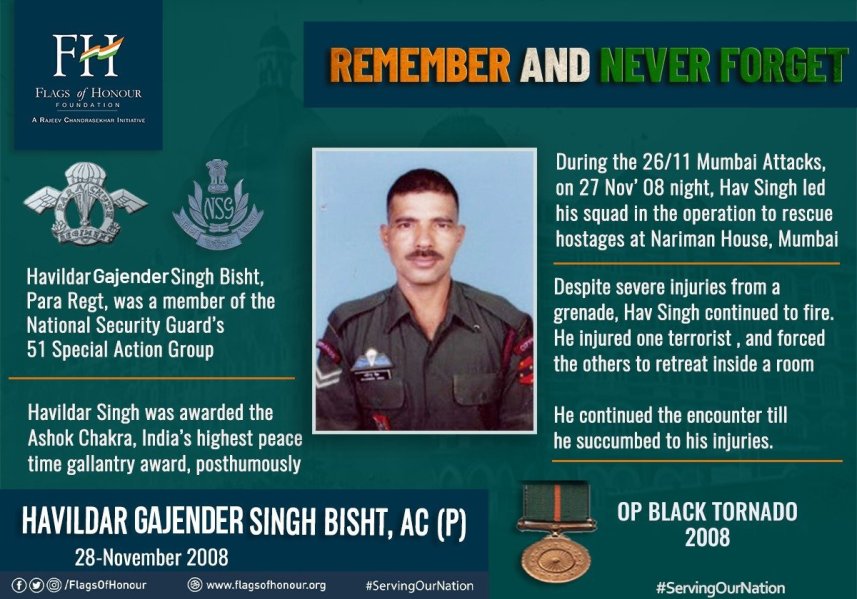
Havaldar Gajender Singh Bisht was an NSG commando who was martyred in the 2008 Mumbai attack. His bravery received the Ashoka Chakra Award from the President of India on January 26, 2009, on the Anniversary of the Republic of India.
He was born on 1 July,1972 in Dehradun, Uttarakhand.

He persued his education from the Janata Inter College in Naya Gaon.As a student he used to participate in every event organised in the school, sports or cultural activities. But he had a particular interest in boxing. Havaldar Gajendra Singh joined Garhwal Rifles in 1991 and later decided to become part of the 10 Para (Special Forces). Havaldar Gajendra also actively participated in Operation Kargil in 1999. Havaldar Gajendra was a trained commander of the Indian Army Special Forces, but he was commissioned to serve the National Security Guard’s Elite Special Action Group.
Gajendra Singh Bisht was a member of the 51st Special Action Group of the National Guard. He was part of a team of NSG Command rushed to the roof of Nariman’s house to neutralize an terrorist inside the building who had at least six hostages.


According to NSG Secretary Jyoti Krishna Dutt, Bisht led one of the teams entering the building. The team was hit by a violent terrorist attack and returned to fire while trying to contain the situation. Terrorists also threw some grenades at Commando. At this point,Bisht had the opportunity to retire with his team. But he realized they needed to seize this opportunity and went forward with thier mission.Instead of turning his back on the militants, he made the way to other troops instead, despite the grenades being thrown. He suffered multiple gunshot wounds in the process, but moved forward and was eventually injured. This allowed his team to secure a dominant position in the encounter. On the night of November 27, 2008, Havildar Gajender Singh Bisht led his army in an operation to rescue hostages from terrorists at the Nariman House in Mumbai. While securing the Nariman House during Operation Black Tornado, Bisht got fatally injured at Jewish center attack and died.