All you need to know about N Seoul Tower

Namsan Tower, also known as N Seoul Tower, is an iconic landmark located in the heart of Seoul, South Korea. The tower is situated on top of Namsan Mountain, offering panoramic views of the city from its observation deck. It is a popular tourist destination, attracting millions of visitors each year.

The tower was first opened to the public in 1980 and has since become one of the most recognizable symbols of Seoul. It was built as part of a government project to promote tourism and develop the city’s infrastructure. The tower stands at a height of 236 meters (774 feet), making it the tallest point in Seoul.
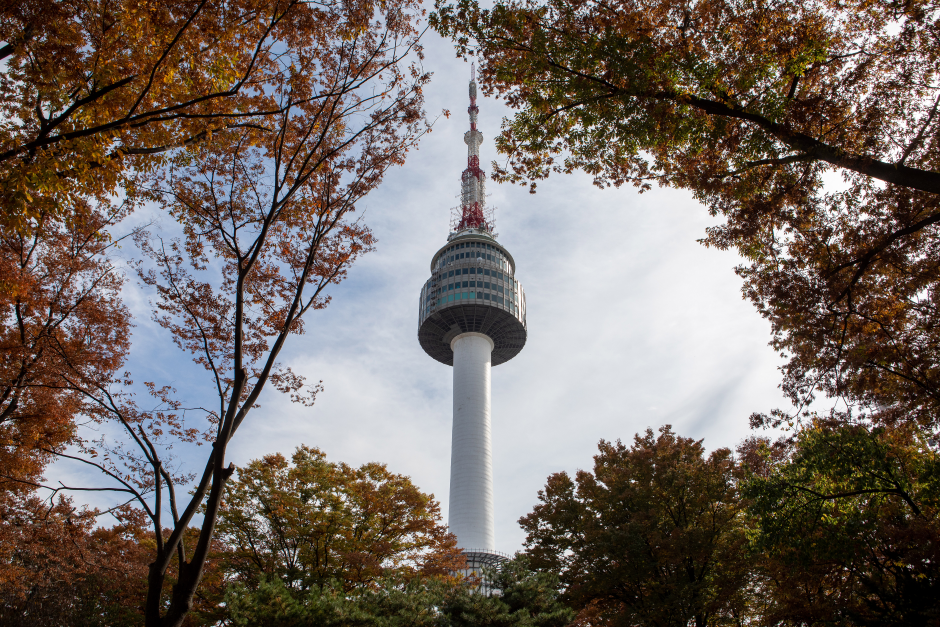
Visitors can reach the tower by hiking up Namsan Mountain or taking the Namsan Cable Car, which offers breathtaking views of the city. The tower features several observation decks, including an indoor observation deck located on the tower’s third floor, and an outdoor observation deck located on the tower’s fourth floor. The outdoor deck offers panoramic views of the city, including popular landmarks such as the Han River and the Gyeongbokgung Palace.

In addition to its observation decks, Namsan Tower is also home to several restaurants and cafes, as well as a gift shop and a digital art gallery. The tower’s restaurants offer a range of cuisine, including Korean, Japanese, and Western dishes, and are popular destinations for romantic dinners and special occasions.

One of the most unique features of Namsan Tower is its “Locks of Love” exhibit. Visitors can purchase padlocks from the gift shop and attach them to the fence surrounding the tower’s outdoor observation deck. The tradition of attaching padlocks to the fence dates back to the early 2000s, and is a symbol of love and commitment between couples. It is now a popular tourist attraction, with thousands of padlocks attached to the fence.

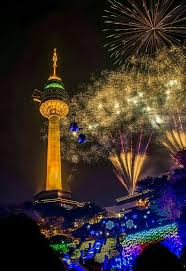
Namsan Tower is also a popular destination for events and celebrations. The tower is lit up in different colors during major holidays and events and hosts a range of cultural performances and festivals throughout the year. In addition, the tower is a popular spot for fireworks displays, particularly during New Year’s Eve celebrations.
Overall, Namsan Tower is a must-visit destination for anyone traveling to Seoul. It offers stunning views of the city, unique cultural experiences, and a romantic atmosphere that makes it a popular destination for couples. Whether you’re looking for a romantic dinner with your significant other, or simply want to take in the breathtaking views of Seoul, Namsan Tower is the perfect place to do so.

Controversy of 'comfort women' in japan

During World War II, the Imperial Japanese Army forced thousands of women and girls into sexual slavery, known as comfort women. The majority of these women were from Korea, but also from other countries such as China, Taiwan, the Philippines, and Indonesia.

The Japanese military established comfort stations or brothels to provide sexual services to their soldiers. The women who were taken as comfort women were often kidnapped or coerced into working at these stations. They were subjected to horrific sexual abuse and violence, and many did not survive.

The exact number of women who were forced into sexual slavery is not known, but estimates range from tens of thousands to as many as 200,000. Many of these women were teenagers, and some were as young as 12 years old.

The issue of comfort women has been a controversial and sensitive topic, and Japan has faced criticism from other countries, particularly South Korea, for its handling of the issue. In recent years, Japan has issued official apologies and compensation to some of the surviving comfort women, but many feel that these actions have not gone far enough in acknowledging the atrocities that were committed.

One of the reasons that the issue of comfort women has been so contentious is that the Japanese government has been slow to acknowledge its role in the abuse. For decades, Japanese officials denied that comfort women existed or claimed that they were volunteers. It was not until the 1990s that the Japanese government began to acknowledge the reality of the situation and issue apologies.

Another reason for the controversy is that many surviving comfort women have demanded a formal apology and compensation from the Japanese government. While some women have received compensation, others have not, and there is still a sense among many that Japan has not fully taken responsibility for its actions.

The issue of comfort women has also caused tension between Japan and other countries, particularly South Korea. Many Koreans feel that Japan has not done enough to make amends for its actions, and the issue has strained relations between the two countries. In recent years, there have been some efforts to address the issue of comfort women. In 2015, Japan and South Korea reached an agreement in which Japan apologized and provided compensation to surviving comfort women. However, the agreement was controversial and criticized by many, including some of the surviving comfort women themselves.

Despite these efforts, the issue of comfort women remains unresolved. Many people continue to demand a formal apology and total compensation from the Japanese government, and the issue remains a contentious one between Japan and its neighbors.

Hallyu is the new frontrunner of Soft Power

Hard Power or coercive power is often recognized as having shaped Global Politics for years. A smaller nation ought to fear a bigger nation that has an expansive army or greater economic prowess. On the other hand, soft power in politics refers to the ability to attract and co-opt rather than coerce. Soft Power is thus co-optive power. It primarily refers to shaping others’ preferences through appeal or through attraction.

Joseph S Nye Jr. was the scholar who coined the term soft power in the late 1980s. He defined it as the ability of a country to persuade others to do what it wants without force or coercion. In the context of International Relations, it emerged as one of the go-to-strategies for many. The US was among the earliest beneficiaries with the McDonaldization of the world. More recently, Asian countries have witnessed a remarkable boom in their economies thanks to the concept of soft power.

South Korea has been among the biggest beneficiaries of the same. Korean pop, or K-pop as it is more commonly known, has been at the heart of Korean soft power strategies. The Korean culture wave or ‘Hallyu’ has taken the world by storm. K-Dramas were initially meant for domestic audience but its audience soon spread to other parts of Asia and slowly captured the world. K-pop groups like EXO, BTS, Blackpink are now household names. BTS accounted for $4.65 billion (£3.5 billion) of South Korea’s GDP in 2019. EXO’s Baekhyun, who debuted as a soloist in 2019, released his second album in May 2020 and went on to become the first soloist in over 19 years to sell more than one million physical albums. In today’s digital day and age, selling over one million physical albums is a huge achievement.

The popularity of Korean music, K-Dramas and films has resulted in growth in other sectors such as food, tourism and has increased the demand for the Korean language as well. The international popularity of K-pop groups, actors and Hallyu in general, is a great example of the proliferation of Korean soft power. Soft power is at the heart of cultural diplomacy. Through deploying cultural diplomacy tools, nations and other international actors mobilize resources for forming positive opinions about their culture, people and society. The promotion of soft power through cultural diplomacy is a shared interest of both governmental and non-governmental actors as well as K-pop agencies.

K-pop groups play a big part in spreading positive associations with Korean culture worldwide, through the immediate impact of their performances on international music charts, merchandising and rise in tourism. The huge demand for K-pop merchandise in India is testimony to their growing popularity in the region. There are many sellers on Instagram and Twitter who devote their time and efforts to conducting group orders for fans in India in order to help them order albums and other merchandise from South Korea. All these cases illustrate how influential South Korean soft power strategy has been in expanding horizons for the Far East Asian nation.

The Up and Coming Korean Brands

Happiness for a parent is when he is recognized by his child’s name. Just so, when a small country, in terms of size and resources, gains something big, a name in the whole world only because of the various companies it is home to, nothing could measure up to that.

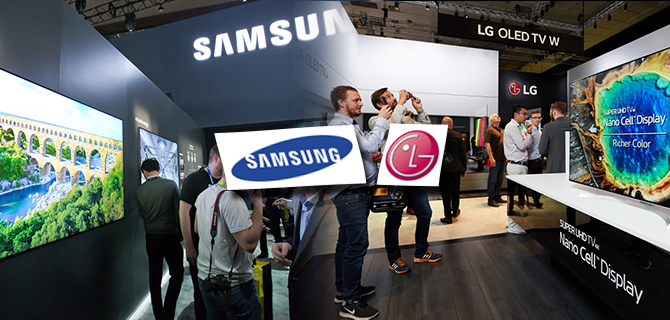
For a long time, Korea was just a country with a population of 76 million, located in Asia, known for its cultural heritage and cuisine. However, in recent times the Korean Products and brands have become very popular in all corners of the globe. Invading our homes are LG, Samsung, Hyundai, 87mm to name a few. Being a gadget freak, I have my home filled with gadgets ranging from a Samsung Galaxy Tab, an LG microwave and washing machine, and even a Hyundai Grand i10.

korea

The popularity of these brands is such that even global media such as Time and Fortune feature them too. Not only the well-known brands, but the smaller ones too are also set to make a mark in this giant world, few of them being Lock and Lock, Aurora, Pororo, and Woongjin.

Similar to naming a newborn, branding is the most vital marketing step for an organization, creating its identity, and generating long-term business perspectives. And that, I think, has been achieved by many brands of Korea very beautifully. With the fandom of Samsung merchandise overshadowing the popularity of Apple products, Korea has successfully ventured into the arena of technological advancements. Founded in 1967, the world’s largest maker of memory chips, smartphones, and television Samsung Electronics has a user-friendly interface and one could be easily taught how to operate a Samsung mobile phone.

korea2

Now, these advancements are being highlighted worldwide by hosting events like the Big Bang Alive Tour and the Golden Disk Awards, which receive global press coverage and have helped to build up a positive brand for Korea and its products.

Some of the leading automobile producers, no doubt, are from South Korea. World’s largest shipbuilding company is Hyundai Heavy Industries and the world’s fifth-biggest carmaker, Hyundai Motor Company is the top automaker in South Korea, producing pieces like Grand i10, Santa Fe, Veloster, Universe, and Genesis, with a variety of trims and body styles.

Korea has developed in terms of fashion too. When Wonder Girl’s star Sohee, one of the most fashionable young stars in the country is campaigning for 8seconds, there must be something in that brand. “Spain has Zara, Korea has 8seconds,” said “In Style Korea” fashion editor Sujin Yang. A signature 8seconds will have you looking at a pair of neon tribal print leggings paired with Space Age silver bomber jackets and a retro polka dot blouse. With colorful and creative displays, the stores are some of the most fun places to visit in Korea. Next in line is the Lucky Chouette, the variegated, street-inspired, and accessible line by Kim Jae Hyun.

Korean-fashion

The obvious analogy that one could make is that South Korea is set to one day replace Japan in terms of makers of high-quality brands. This in turn can mean that Samsung is on a trajectory to become Sony and Hyundai will one day have as loyal a following as Honda. Nevertheless, since brands are more global than ever before, it is getting harder to identify a global brand with a single country. That could help ascendant brands as they gain a global presence. As it is newcomers from China and India are already stalking them, fueled by fast-growing middle classes eager to display their newfound wealth through luxury goods and premium brands. With this growth rate, the day is not far when South Korea would be leading the world with all its advancements and technologies, supported by the hard work of its people.

Image Courtesy: GOOGLE

US Prez Trump calls for expansion of G7; Seeks inclusion of India, Russia, Australia & South Korea

US President Donald Trump has said that he will postpone a meeting of Group of 7 nations until fall and called for an expansion of the group’s membership. Mr Trump told reporters that that he has not yet set a new date, but it can take place in September around the time of the annual meeting of the United Nations.
 
The leaders of the world’s major economies were slated to meet in June in the US. Mr Trump said he considers the G7 an outdated group that doesn’t properly represent what’s taking place in the world. The US President singled out India, Russia, Australia and South Korea as possible additions.  The G7 members are US, Canada, France, Germany, Italy, Japan, and UK.