

The Sustainable Development Goals (SDGs): A Blueprint for a Better Future
The Sustainable Development Goals (SDGs), adopted by the United Nations in 2015, provide a global framework to address the world’s most pressing challenges by 2030. These 17 goals, built on the foundation of the earlier Millennium Development Goals (MDGs), aim to eradicate poverty, protect the planet, and ensure prosperity for all. The SDGs emphasize interconnectedness, recognizing that economic growth, social inclusion, and environmental sustainability are interdependent.
1. No Poverty
Goal 1 seeks to end poverty in all its forms by 2030. Despite progress, more than 700 million people still live in extreme poverty. The SDGs advocate for inclusive economic growth and social protection systems, ensuring that the most vulnerable are not left behind.
2. Zero Hunger
Goal 2 focuses on achieving food security and promoting sustainable agriculture. With hunger and malnutrition affecting millions, the SDGs aim to ensure access to safe, nutritious, and sufficient food while promoting sustainable farming practices and supporting small-scale farmers.
3. Good Health and Well-being
Health is central to sustainable development. Goal 3 aims to ensure healthy lives and promote well-being for all at all ages. Key targets include reducing maternal and infant mortality, ending epidemics of diseases like HIV/AIDS, and promoting mental health.
4. Quality Education
Education is a powerful driver of change. Goal 4 seeks to ensure inclusive, equitable, and quality education for all. This includes ensuring free primary and secondary education, equal access to technical and vocational education, and lifelong learning opportunities.
5. Gender Equality
Achieving gender equality and empowering women and girls is essential for global development. Goal 5 aims to eliminate discrimination, violence, and harmful practices against women, and ensure equal participation in leadership and decision-making.
6. Clean Water and Sanitation
Access to clean water and sanitation is a basic human right. Goal 6 seeks to ensure availability and sustainable management of water and sanitation for all by improving water quality, reducing pollution, and investing in infrastructure.
7. Affordable and Clean Energy
Goal 7 focuses on ensuring access to affordable, reliable, sustainable, and modern energy. It aims to increase the share of renewable energy in the global energy mix and enhance energy efficiency, recognizing energy’s pivotal role in combating climate change.
8. Decent Work and Economic Growth
Promoting sustained, inclusive economic growth, full and productive employment, and decent work for all is at the core of Goal 8. The SDGs advocate for policies that stimulate entrepreneurship, job creation, and improved labor conditions, especially for young people and marginalized communities.
9. Industry, Innovation, and Infrastructure
Goal 9 underscores the importance of building resilient infrastructure, promoting inclusive and sustainable industrialization, and fostering innovation. This includes expanding access to financial services, technology, and the internet, particularly in developing countries.
10. Reduced Inequality
Goal 10 seeks to reduce inequality within and among countries by empowering and promoting the social, economic, and political inclusion of all, regardless of age, gender, disability, race, or income. It also calls for improved financial regulation to ensure fairer outcomes globally.
11. Sustainable Cities and Communities
With more than half of the world’s population living in urban areas, Goal 11 aims to make cities inclusive, safe, resilient, and sustainable. This includes improving housing, public transport, and urban planning, while reducing the environmental impact of cities.
12. Responsible Consumption and Production
Goal 12 encourages sustainable consumption and production patterns. It calls for reducing waste, improving resource efficiency, and promoting sustainable lifestyles, which are essential for decoupling economic growth from environmental degradation.
13. Climate Action
Climate change is one of the greatest challenges of our time. Goal 13 urges immediate action to combat climate change and its impacts, through both mitigation (reducing emissions) and adaptation (increasing resilience to climate impacts).
14. Life Below Water
Goal 14 focuses on conserving and sustainably using oceans, seas, and marine resources. It targets overfishing, marine pollution, and ocean acidification, while promoting the sustainable management of fisheries and marine ecosystems.
15. Life on Land
Goal 15 addresses the protection, restoration, and promotion of sustainable use of terrestrial ecosystems, forests, and biodiversity. It seeks to halt deforestation, combat desertification, and prevent the extinction of threatened species.
16. Peace, Justice, and Strong Institutions
Goal 16 promotes peaceful and inclusive societies, access to justice for all, and the building of effective, accountable institutions. It addresses issues like corruption, human trafficking, and violence, aiming to create more just and equitable societies.
17. Partnerships for the Goals
Recognizing that achieving the SDGs requires strong partnerships, Goal 17 focuses on enhancing global cooperation, financial support, and the exchange of knowledge, technology, and innovations. It emphasizes the need for collaboration across governments, civil society, and the private sector.
The Road Ahead
The SDGs represent an ambitious agenda that calls for transformative change. Governments, businesses, civil society, and individuals must work together to drive progress. While the goals are global, they require local action tailored to specific challenges. Meeting the 2030 deadline will require political will, investment, and an unwavering commitment to sustainable development for all.
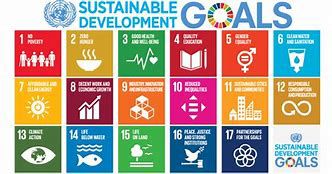
The SDGs offer a shared vision for humanity’s future—one where no one is left behind, the environment is protected, and prosperity is within reach for everyone.

 Eduindex
You must be logged in to post a comment.