Contemporary Fashion: The Minimalist’s Coverbook

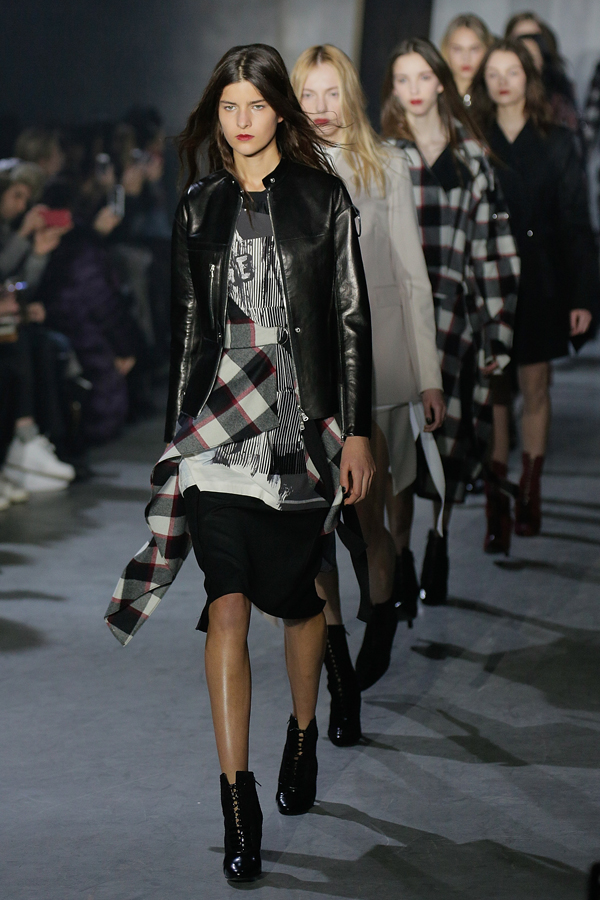
Models walk the runway at the 3.1 Phillip Lim Fashion Show during Mercedes-Benz Fashion Week Fall 2015 at Skylight Clarkson SQ. on February 16, 2015 in the Brooklyn borough of New York City.

Introduction

The sense of fashion never goes out-of-date for a true fashionista. Among the Millions of fashion lingos in today’s market , one that often dominantly buzzes around, is the term “Contemporary Fashion”.Meant to describe labels with a designer aesthetic and more accessible price points and we use the term “accessible” loosely, with most pieces averaging out around $500 , the term means big bucks where the fashion industry’s concerned, having become one of the biggest areas people spend their money in the last few years.

What Contemporary Fashion Is

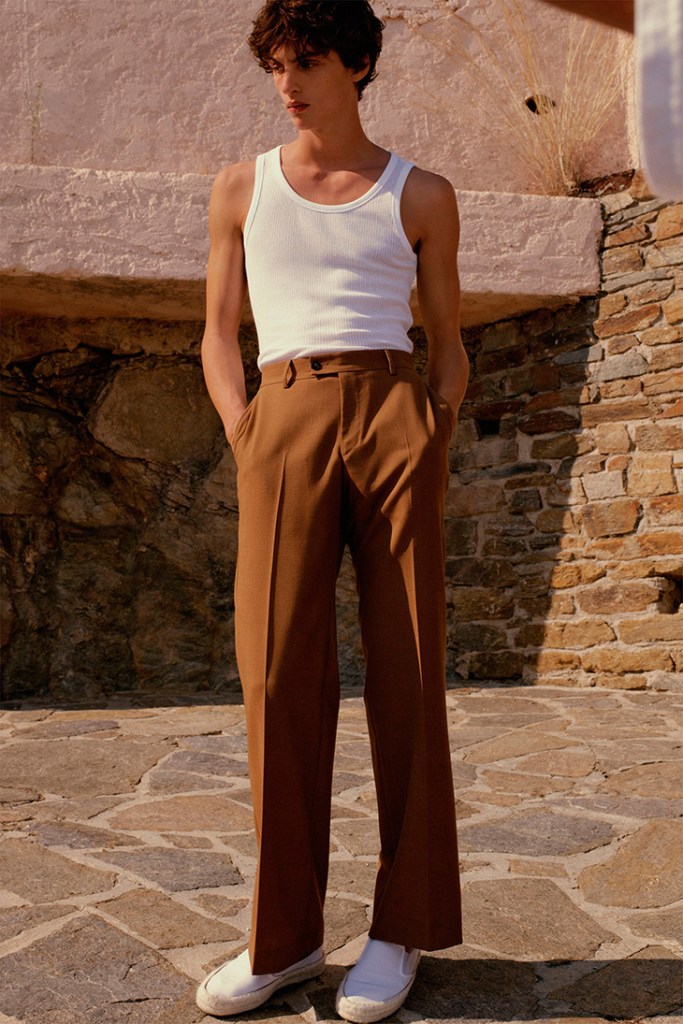
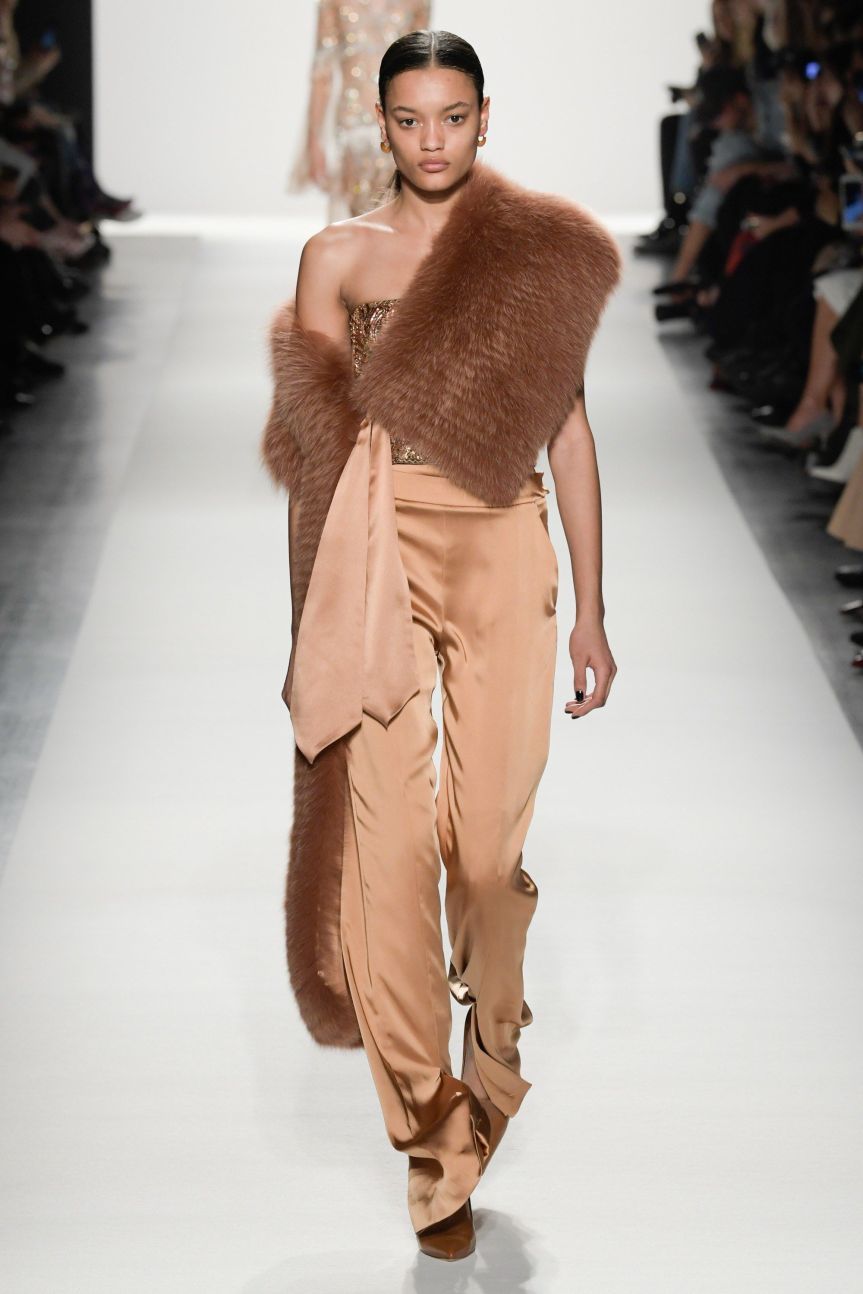
Contemporary apparel is clothing that is accessible, in price and in terms of the way people wear it. The contemporary category often contains more modern-style clothes compared to the higher end luxury market. The voice of the contemporary industry is a bit more modern and a tad younger. Contemporary brands appeal to both the luxury shopper and the new breed of aspirational shopper.  This tier has become a go-to for women who can no longer justify shelling out huge amounts of cash on designer garb. It is also appealing to people bored of regular fashion and who are prepared to spend that little bit extra for something that will last.

A great contemporary brand is one with a unique look and feel. Garments and accessories will have interesting construction details and a good-quality finish. The collections are in line with seasonal trends but also incorporate signature items that consumers immediately recognize and associate with the designer brand.
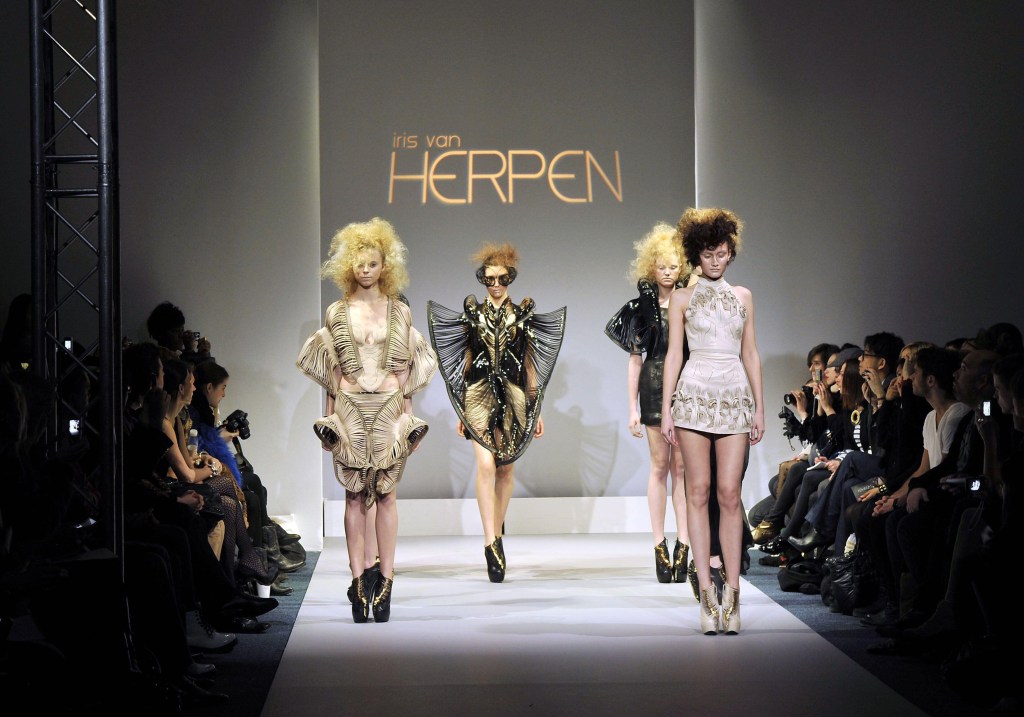
A Harpen Fashion Show

Is It Futurist: The Sustainability Question

In fashion, the term ‘futuristic’ is often used to describe avant-garde clothing designs. It could refer to several things, such as the clothing’s method of production, the materials used, or the garment’s design. Futurism can even refer to the 20th century Italian art movement, and indeed, this movement addressed the problem of designing fashion for the 20th century. We would learn much by examining Futurist fashions in order to understand its legacy in relation to contemporary fashion designers viewed as futuristic today. This paper will review this legacy by looking at five specific examples—Italian Futurists and their contribution to classless and genderless fashion; French designer Yves Saint Laurent’s iconic minidress inspired by the De Stijl art movement; fashion designed specifically for women with active lifestyles; technological advancement and space exploration seen in the designs of André Courrèges and Pierre Cardin; and advancements in textile manufacturing during the late 20th and early 21st century in relation to Karl Lagerfeld, Donatella Versace, and Hussein Chalayan. This leads to the primary analysis of Iris van Herpen and other contemporary designers including Noa Raviv and Neri Oxman. Their designs will be discussed in relation to the problem of labelling fashion as futuristic.
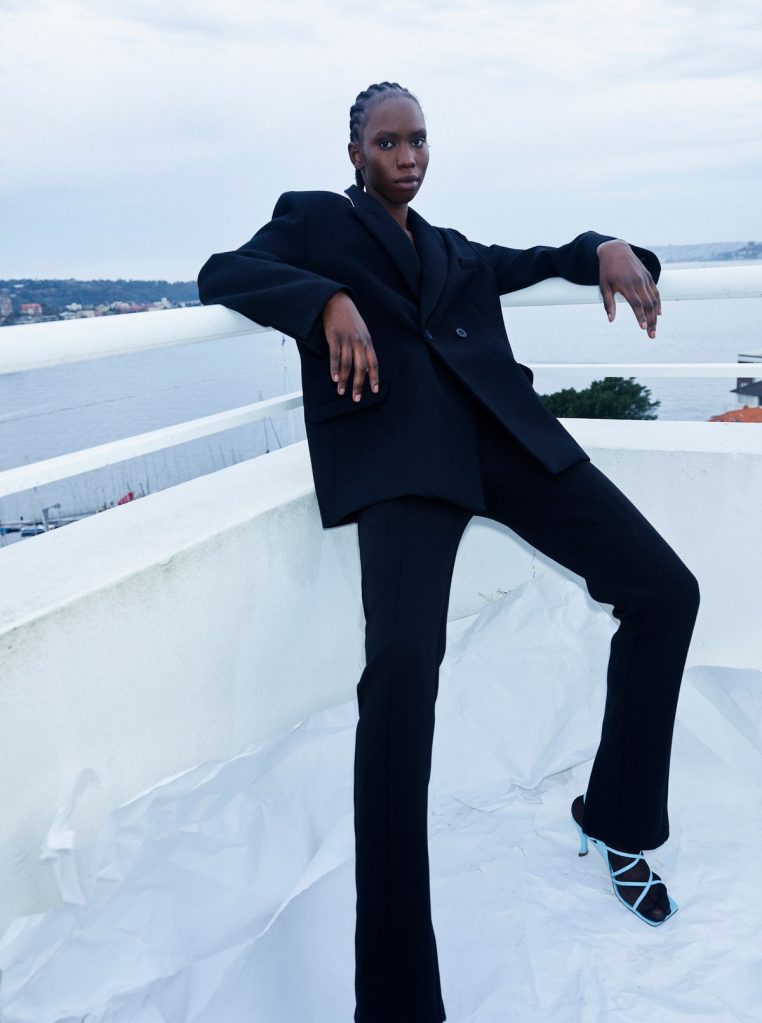
A Paris Georgia Apparel

Challenges of Contemporary Fashion

The contemporary brands fashion market is clearly brimming with a high level of competition. The up-and-coming contemporary designers are forced to continuously compete with older, established luxury brands in the targeting of the younger generation of consumers. The contemporary market began out of consumers’ need and want to own versatile clothing that could be worn on a daily basis.  Stylish consumers were hungry for locating a head-to-toe outfit that luxury brands create, but could be sold at a more reasonable tag.
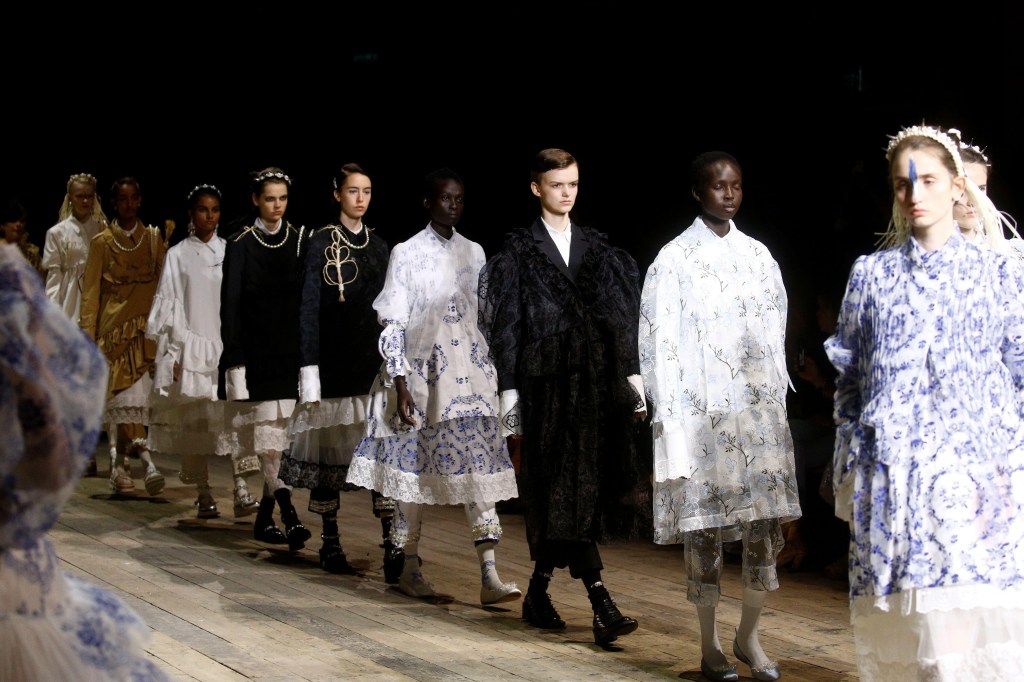
Simone Racha Catwalk Show at London Fashion Week

Scopes of Contemporary Fashion

Due to the fact that contemporary brands appeal to several groups of consumers, this industry will continue to see global opportunities. Fashion editors and industry insiders agree that contemporary brands have stolen the limelight and are helping to bridge the gap between luxury brands and main street.

Not only will contemporary labels allow you to up your designer arsenal without forcing you to exist on an exclusively Kraft Dinner diet, but the pieces are also constructed with everyday wear in mind (no couture-like assembly required). Not to mention that contemporary lines still boast that oh-so-coveted designer aesthetic and quality craftsmanship—perfect if you’re looking to break away from the usual suspects in fast fashion retail.

Famous Contemporary Fashion Designers and Their Works

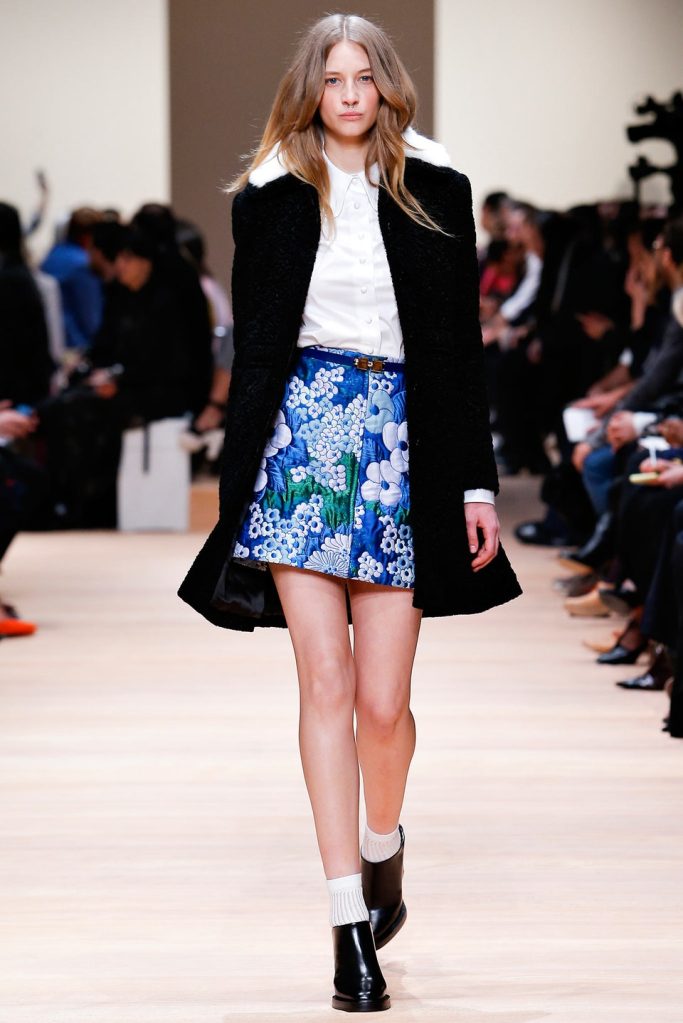
Carven: Founded in 1945 in Paris, Carven has enjoyed a resurgence since the hiring of designer Guillaume Henry in 2009, who transformed the house from old-school couturier into the cool girl’s label du jour.
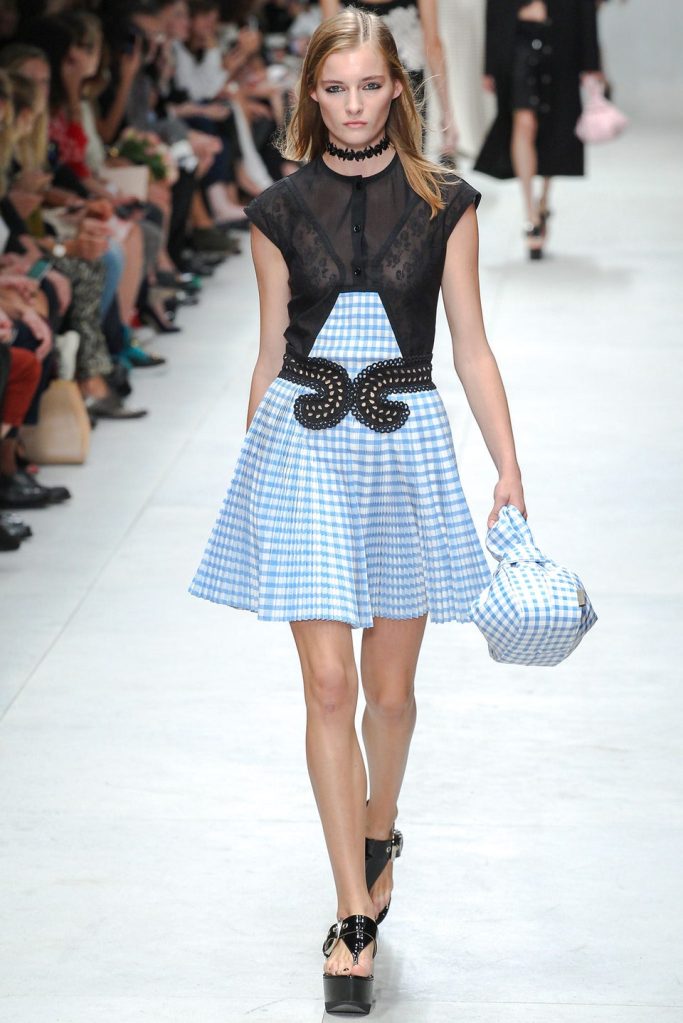
Carven Spring 2014 ready-to-wear collection
Carven Fall-Winter 2015-16 collection

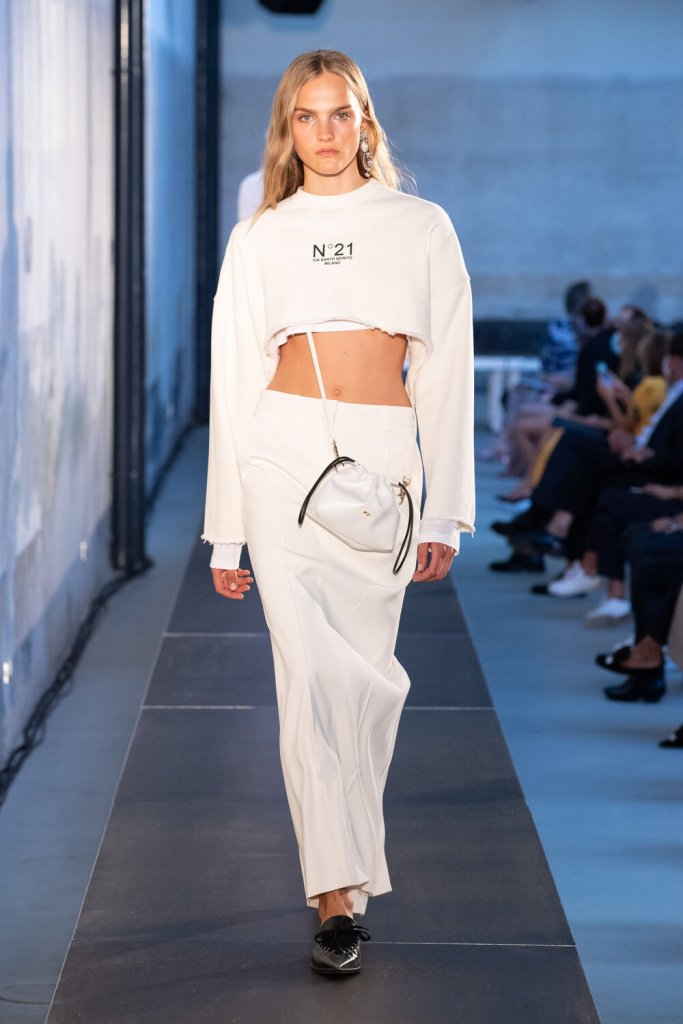
N°21:  Started in 2010 in Milan by designer Alessandro Dell’Acqua, the brand offers a smorgasbord of whimsical designs that can be effortless.
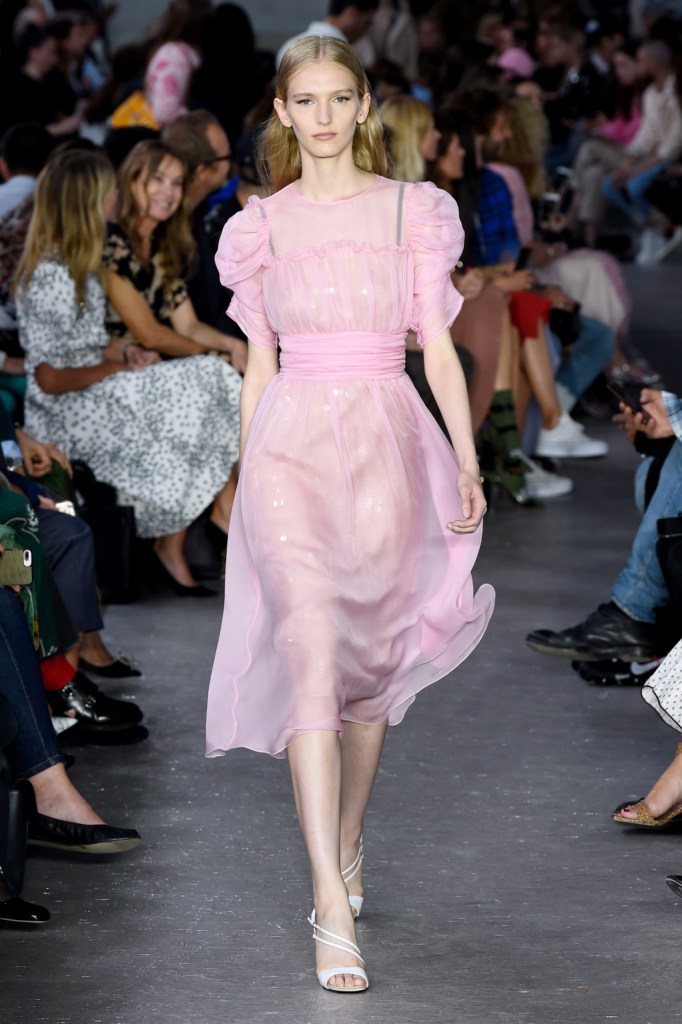
N°21 Spring- Summer 2018 collection
N°21 Spring-Summer 2021 collection

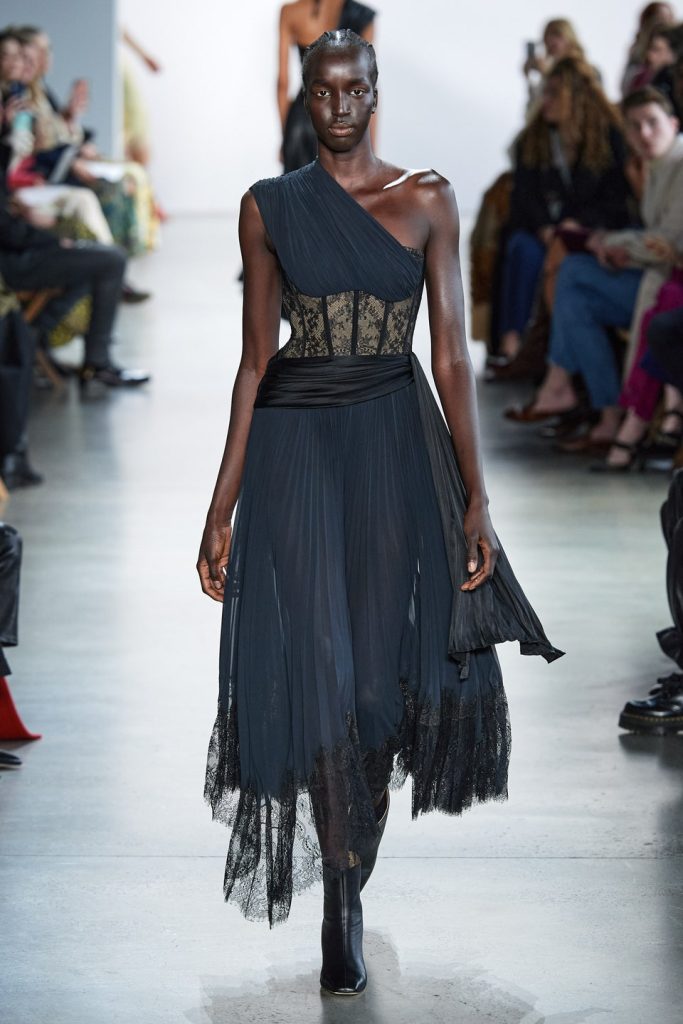
Jonathan Simkhai: Starting from NYC His first womenswear collection was shown in 2010, where Simkhai debuted his take on dressing for today’s cosmopolitan woman. A master at tailoring oversized pieces to flatter the female form, his designs run the gamut from exaggerated boxer shorts to basketball jerseys.
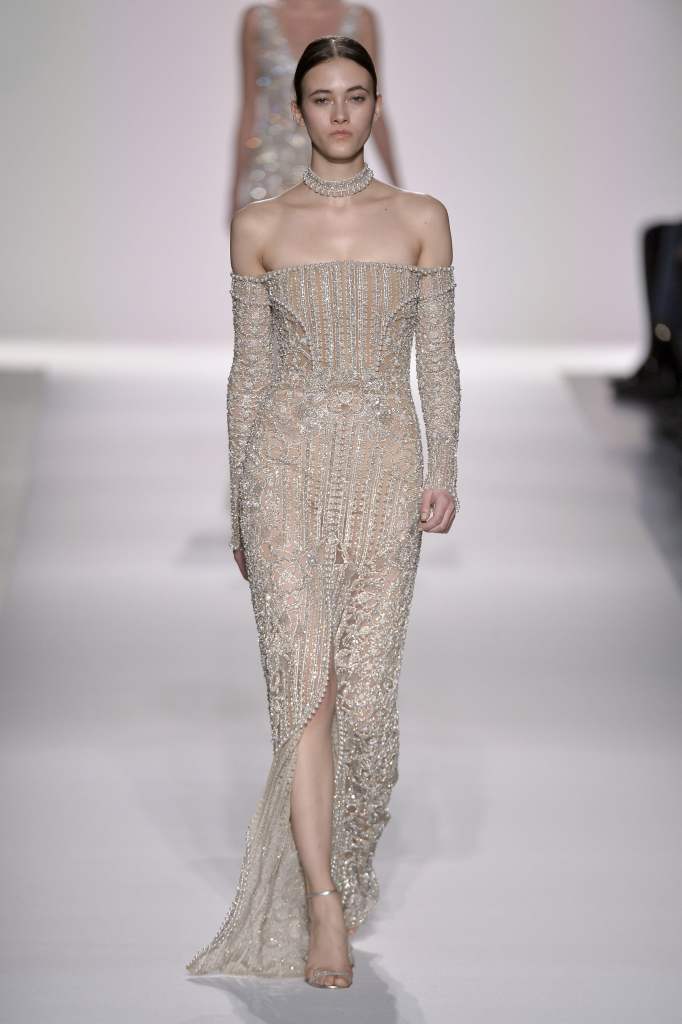
Simkhai Fall 2017 collection
Simkhai Fall 2020 ready-to-wear collection

Sandro : Launched by husband-and-wife duo Didier and Evelyne Chétrite, Sandro is a well-known and popular brand in the contemporary market.  Since its launch in 1984 (in the Marais district of Paris), the label has gathered a cult following with women charmed by its insouciant, season less separates and rock’n’roll aesthetic. Sandro has stores worldwide in places such as New York and Japan, and a flagship store based in Covent Garden, central London.
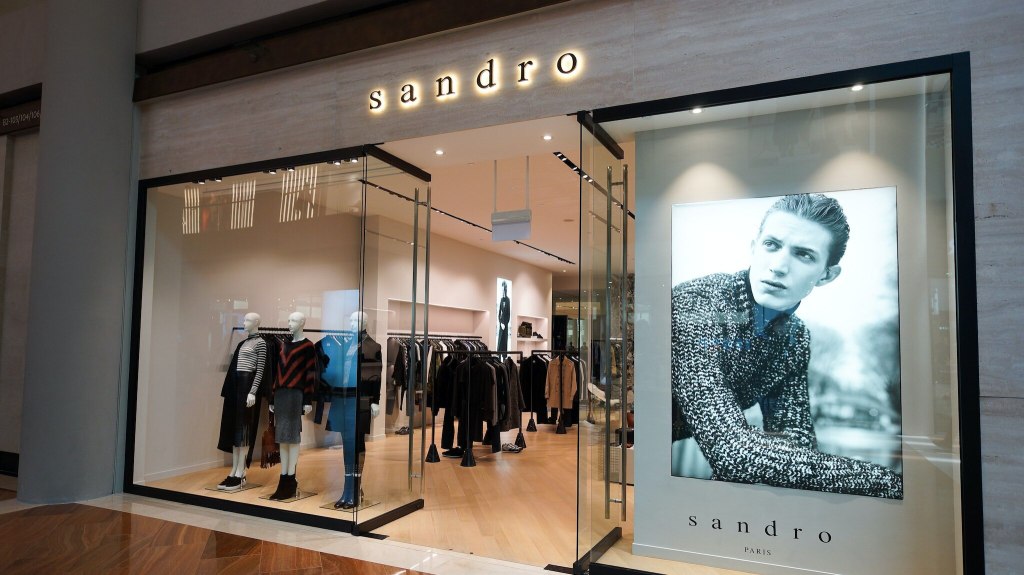
A Sandro Store
Sandro Spring-Summer 2021 Menswear Collection

Conclusion

Consumers want to feel like they own something special and unique. They want exclusive quality labels that are not mass produced, yet are still affordable.  It is important to keep in mind that this category is less expensive then higher tiers such as Haute Couture, but the prices are clearly higher than budget collections.The changing demographic of fashion consumers and the rise of contemporary brands. To stay in the game, luxury fashion marketers must compete on a global scale.
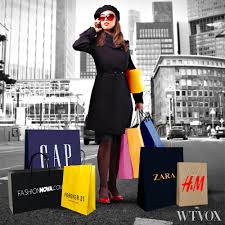
What Is Fast Fashion?

Clothes shopping used to be an occasional event—something that happened a few times a year when the seasons changed or when we outgrew what we had. But about 20 years ago, something changed. Clothes became cheaper, trend cycles sped up, and shopping became a hobby. Enter fast fashion and the global chains that now dominate our high streets and online shopping. But what is fast fashion? And how does it impact people, the planet, and animals?

It was all too good to be true. All these stores selling cool, trendy clothing you could buy with your loose change, wear a handful of times, and then throw away. Suddenly everyone could afford to dress like their favourite celebrity or wear the latest trends fresh from the catwalk.

Then in 2013, the world had a reality check when the Rana Plaza clothing manufacturing complex in Bangladesh collapsed, killing over 1,000 workers. That’s when consumers really started questioning fast fashion and wondering at the true cost of those affordable t-shirts. If you’re reading this article, you might already be aware of fast fashion’s dark side, but it’s worth exploring how the industry got to this point—and how we can help to change it.

What is fast fashion?

Fast fashion can be defined as cheap, trendy clothing that samples ideas from the catwalk or celebrity culture and turns them into garments in high street stores at breakneck speed to meet consumer demand. The idea is to get the newest styles on the market as fast as possible, so shoppers can snap them up while they are still at the height of their popularity and then, sadly, discard them after a few wears. It plays into the idea that outfit repeating is a fashion faux pas and that if you want to stay relevant, you have to sport the latest looks as they happen. It forms a key part of the toxic system of overproduction and consumption that has made fashion one of the world’s largest polluters. Before we can go about changing it, let’s take a look at the history.

How did fast fashion happen?

To understand how fast fashion came to be, we need to rewind a bit. Before the 1800s, fashion was slow. You had to source your own materials like wool or leather, prepare them, weave them, and then make the clothes.The Industrial Revolution introduced new technology—like the sewing machine. Clothes became easier, quicker, and cheaper to make. Dressmaking shops emerged to cater to the middle classes.

Many of these dressmaking shops used teams of garment workers or home workers. Around this time, sweatshops emerged, along with some familiar safety issues. The first significant garment factory disaster was when a fire broke out in New York’s Triangle Shirtwaist Factory in 1911. It claimed the lives of 146 garment workers, many of whom were young female immigrants. By the 1960s and 70s, young people were creating new trends, and clothing became a form of personal expression, but there was still a distinction between high fashion and high street.

In the late 1990s and 2000s, low-cost fashion reached its zenith. Online shopping took off, and fast-fashion retailers like H&M, Zara, and Topshop took over the high street. These brands took the looks and design elements from the top fashion houses and reproduced them quickly and cheaply. With everyone now able to shop for on-trend clothes whenever they wanted, it’s easy to understand how the phenomenon caught on.

How to spot a fast fashion brand

Some key factors are common to fast fashion brands:

  • Thousands of styles, which touch on all the latest trends.
  • Extremely short turnaround time between when a trend or garment is seen on the catwalk or in celebrity media and when it hits the shelves.
  • Offshore manufacturing where labour is the cheapest, with the use of workers on low wages without adequate rights or safety and complex supply chains with poor visibility beyond the first tier.
  • A limited quantity of a particular garment—this is an idea pioneered by Zara. With new stock arriving in store every few days, shoppers know if they don’t buy something they like, they’ll probably miss their chance.
  • Cheap, low quality materials like polyester, causing clothes to degrade after just a few wears and get thrown away.

What’s the impact of fast fashion?

On the planet: Fast fashion’s impact on the planet is immense. The pressure to reduce costs and speed up production time means that environmental corners are more likely to be cut. Fast fashion’s negative impact includes its use of cheap, toxic textile dyes—making the fashion industry the second largest polluter of clean water globally after agriculture. That’s why Greenpeace has been pressuring brands to remove dangerous chemicals from their supply chains through its detoxing fashion campaigns through the years.

Cheap textiles also increase fast fashion’s impact. Polyester is one of the most popular fabrics. It is derived from fossil fuels, contributes to global warming, and can shed microfibers that add to the increasing levels of plastic in our oceans when washed. But even ‘natural fabrics’ can be a problem at the scale fast fashion demands. Conventional cotton requires enormous quantities of water and pesticides in developing countries. This results in drought risks and creates extreme stress on water basins and competition for resources between companies and local communities.

The constant speed and demand mean increased stress on other environmental areas such as land clearing, biodiversity, and soil quality. The processing of leather also impacts the environment, with 300kg of cehmicals added to every 900kg of animal hides tanned. The speed at which garments are produced also means that more and more clothes are disposed of by consumers, creating massive textile waste. In Australia alone, more than 500 million kilos of unwanted clothing ends up in landfill every year.

On workers: As well as the environmental cost of fast fashion, there’s a human cost. Fast fashion impacts garments workers who work in dangerous environments, for low wages, and without fundamental human rights. Further down the supply chain, the farmers may work with toxic chemicals and brutal practices that can have devastating impacts on their physical and mental health, a plight highlighted by the documentary The True Cost.

On animals: Animals are also impacted by fast fashion. In the wild, the toxic dyes and microfibres released in waterways are ingested by land and marine life alike through the food chain to devastating effect. And when animal products such as leather, fur, and even wool are used in fashion directly, animal welfare is put at risk. As an example, numerous scandals reveal that real fur, including cat and dog fur, is often being passed off as a faux fur to unknowing shoppers. The truth is that there is so much real fur being produced under terrible conditions in fur farms that it’s become cheaper to produce and buy than faux fur!

On consumers: Finally, fast fashion can impact consumers themselves, encouraging a ‘throw-away’ culture because of both the built-in obsolescence of the products and the speed at which trends emerge. Fast fashion makes us believe we need to shop more and more to stay on top of trends, creating a constant sense of need and ultimate dissatisfaction. The trend has also been criticized on intellectual property grounds, with some designers alleging that retailers have illegally mass-produced their designs.

URBAN ECOSYSTEM AND URBAN SUSTAINABILITY

URBAN ECOSYSTEM

UNDERSTANDING URBAN ECOSYSTEM

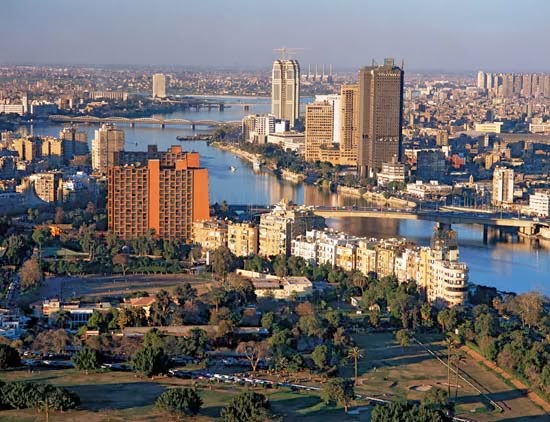
Urban Ecosystem is the ecological system which is located within an urban area or a city or town or any densely populated area. Urban Ecosystem is the amalgamation of the urban population, its built infrastructure along with its surrounding environment and the interactions between them. It can be seen as a modern way by which adaption can be promoted and guidance can be provided for ecosystem approaches for planning and management of urban areas and their ecosystem. By this the effectiveness and efficiency of the amenities and services being provided for the people can be improved.

URBAN ECOSYSTEM

NEED TO UNDERSTAND URBAN ECOSYSTEM

  1. As of the current situation, more than 54% of world’s population is residing in urban areas (2017) and is projected to reach nearly 66% by 2050.
  2. Urban areas occupy only a small portion of land as compared to the total land available but the amount of global energy consumed by them is huge and is nearly 67 – 76%.
  3. Industrial activities are one of the most widely practiced activities in urban areas and they consume nearly 80% of residential water and 80% of woods.
  4. With the increasing percentage of population residing in urban areas the chances of deterioration of urban ecosystem also increases.
  5. The expanding urban areas convert the  biomes into residential, industrial, commercial, and transportation areas.

STRUCTURE OF URBAN ECOSYSTEMS

Urban Ecosystems consist of 2 elements:

  1. Biological Elements : In the biological components in includes plants, animals and other life forms of life and in addition to that, it also includes the human population, their demographic characteristics, their institutional structures and the socio economic tools that they employ.
  2. Physical Elements : The physical component mainly includes buildings, transportation networks, modified surfaces (e.g., parking lots, roofs, and landscaping) and the environmental alterations etc . 

CHARACTERISTICS OF URBAN ECOSYSTEMS

  1. In comparison to other ecosystems, urban ecosystems are more warm because of high built up areas which reduces the infiltration of rainwater and show high amount of surface run off.
  2. The amount of chemicals, pollutants and heavy metals and other man made organic compounds is also more concentrated in these areas.
  3. The biological community found in different urban areas and urban ecosystems is similar, which is mainly attributed to the structural similarities in urban areas like infrastructures, buildings etc. and due to introduction of different types of activities and characteristics in urban areas for satisfying the needs of the population.

URBAN SUSTAINABILITY

As the percentage of people residing in the cities is increasing, the need of understanding the human – nature interactions and the evolution of their interaction and relationship also increases. With increasing urbanization, the complexities, adversities and nature of this relationship increases and keeps on changing.

Urban Sustainability is the approach that aims to reduce the reliance of cities on other means and modes for satisfying its need and to power itself by making best use of the available renewable sources of energy. By this practice, the carbon footprint, ecological footprint and extent of pollution caused by the cities and urban areas can be reduced. This can be done by efficiently using the land, using the compost obtained from material, by switching to zero waste strategy and waste – to – energy concept. By this the cities impact on micro and global climate change will be reduced.

SOME STRATEGIES FOR ACHIEVING URBAN SUSTAINABILITY

  1. Urban Gardening
  2. Using Sustainable Approaches in construction of buildings
  3. Sustainable Landscaping
  4. Investments in Downtowns
  5. Food Forest