Major geopolitical developments and it’s impact on India

Over the past several weeks, a number of important developments have taken place which may appear disconnected at a glance but in fact add up to a significant shift in regional and global geopolitics.

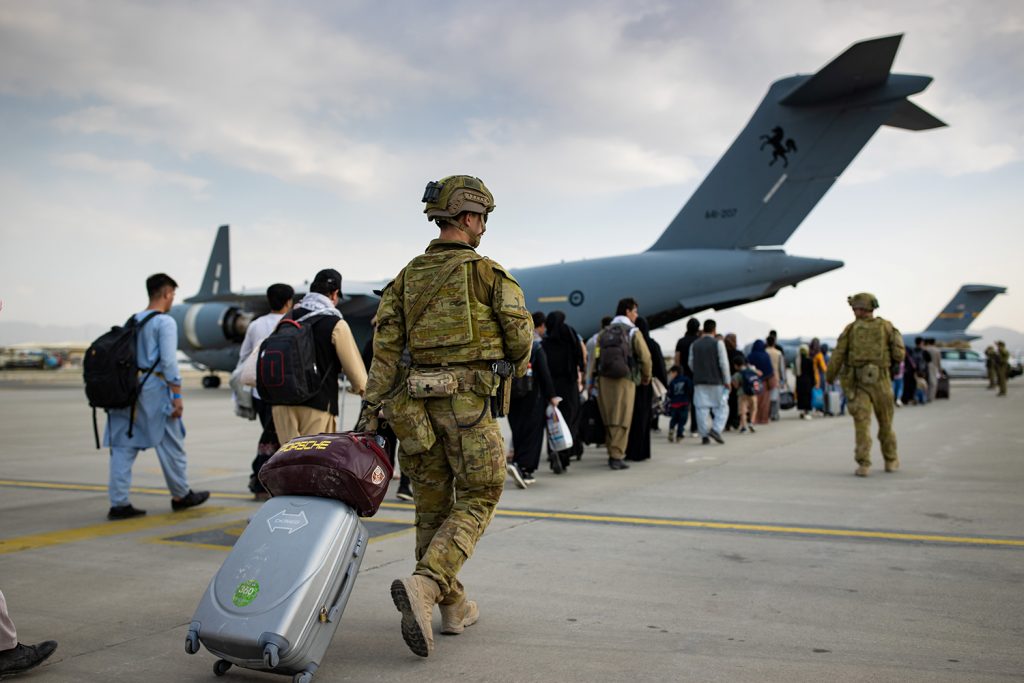
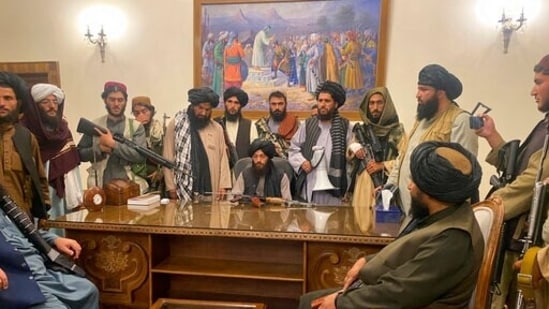
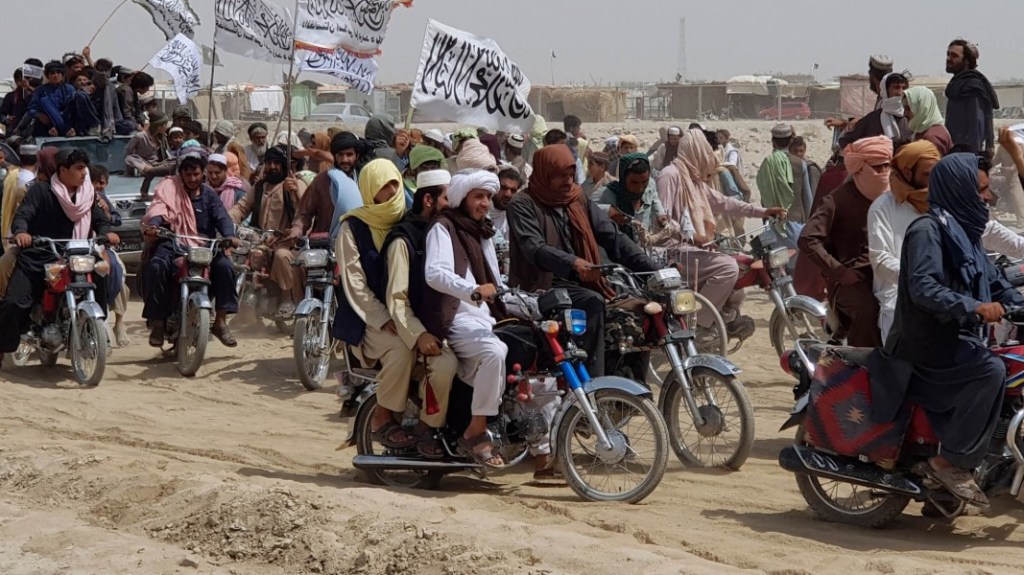
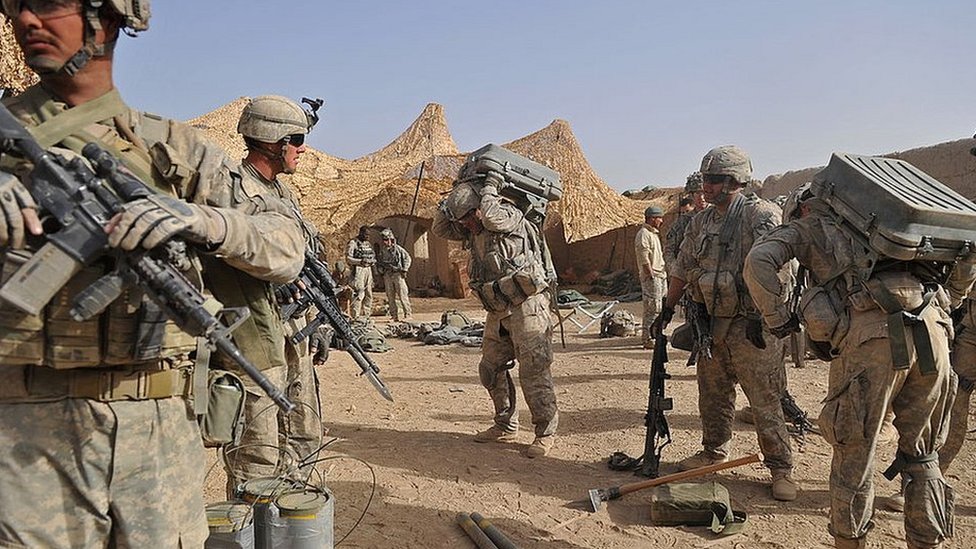
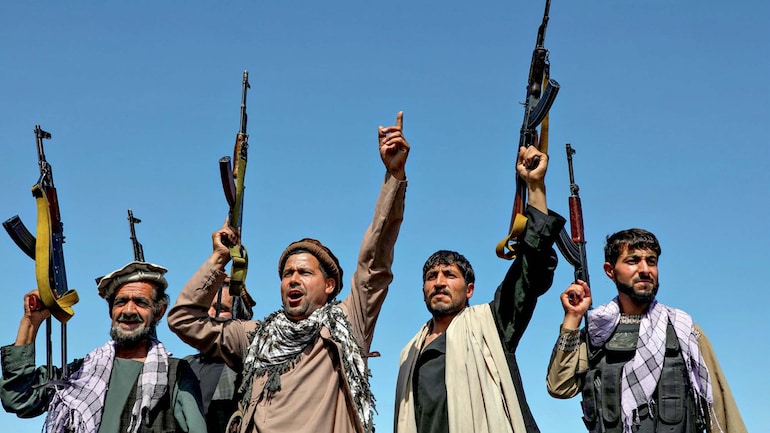
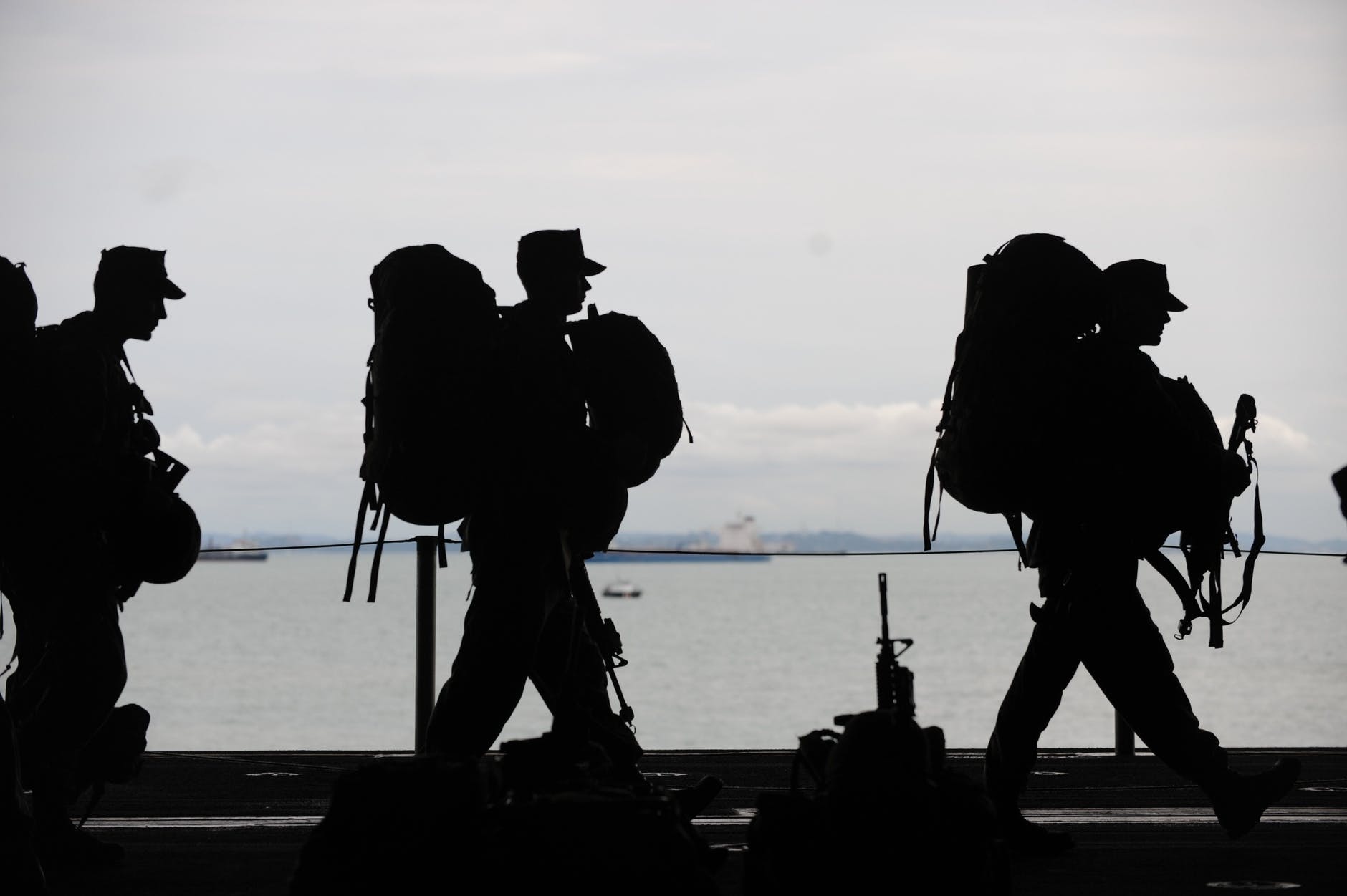
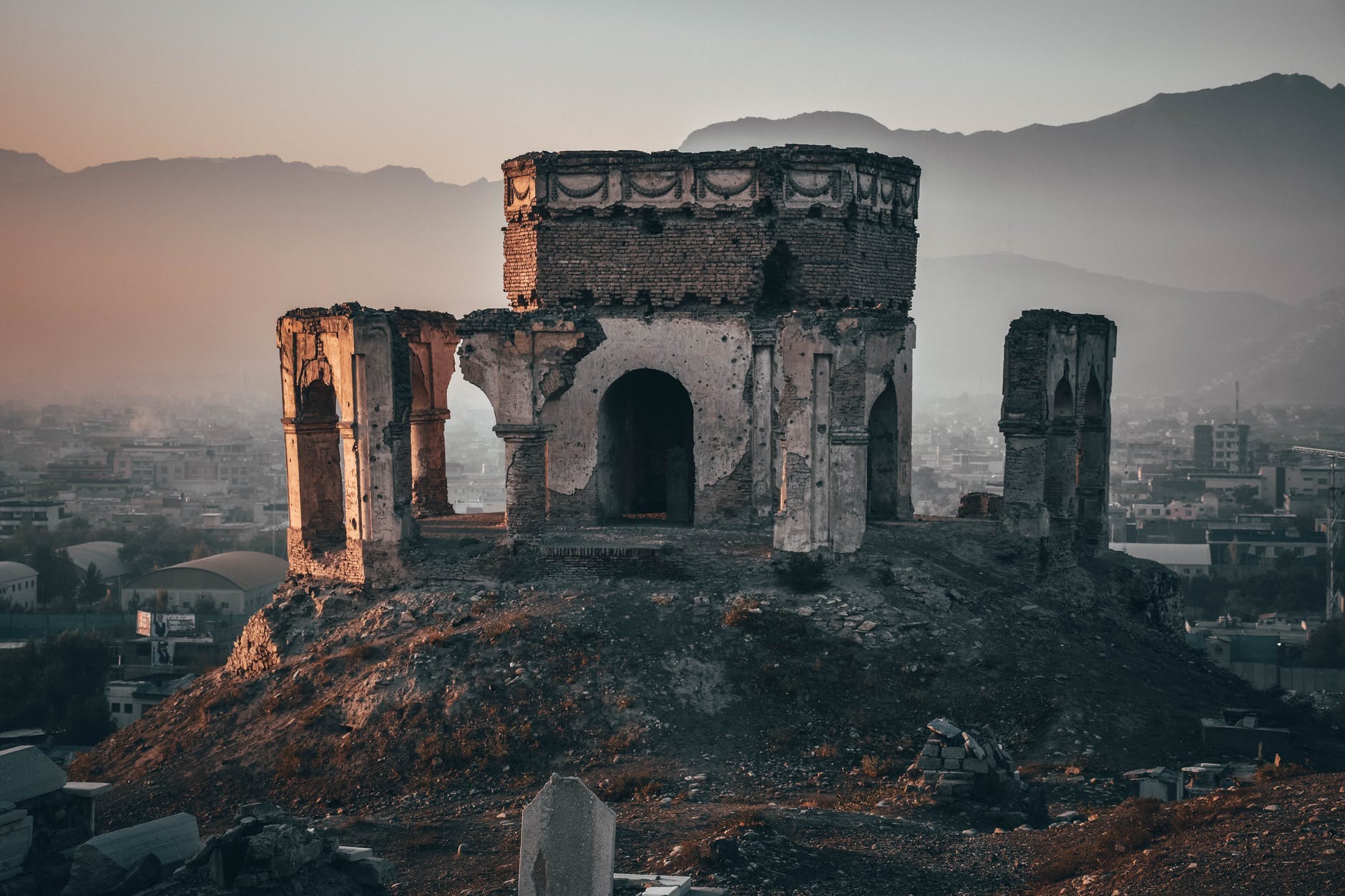
ONE, the withdrawal of US and NATO forces from Afghanistan and the complete takeover of the country by the Taliban. This resulted in chaos and overall disruption of the semblance of peace the country earlier possessed. With the Taliban claiming the residents of the country are happy with their takeover and the disrupted president on the run, the future of the country appears in shambles.

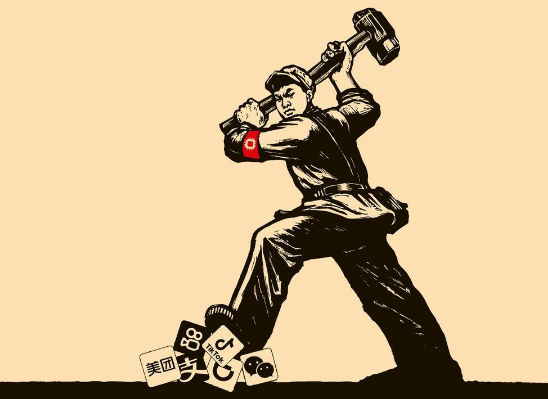
TWO, significant domestic political changes in the People’s Republic Of China. This includes the ideological and regulatory assault against its dynamic private high-tech companies and now recently, its real estate companies. As a result, it has a heightened risk perception among international business and industries which had seen China as a huge commercial opportunity until now. While the economical affairs of the country are entirely their own to manage and govern, there will be a lasting impact on the general job opportunities.

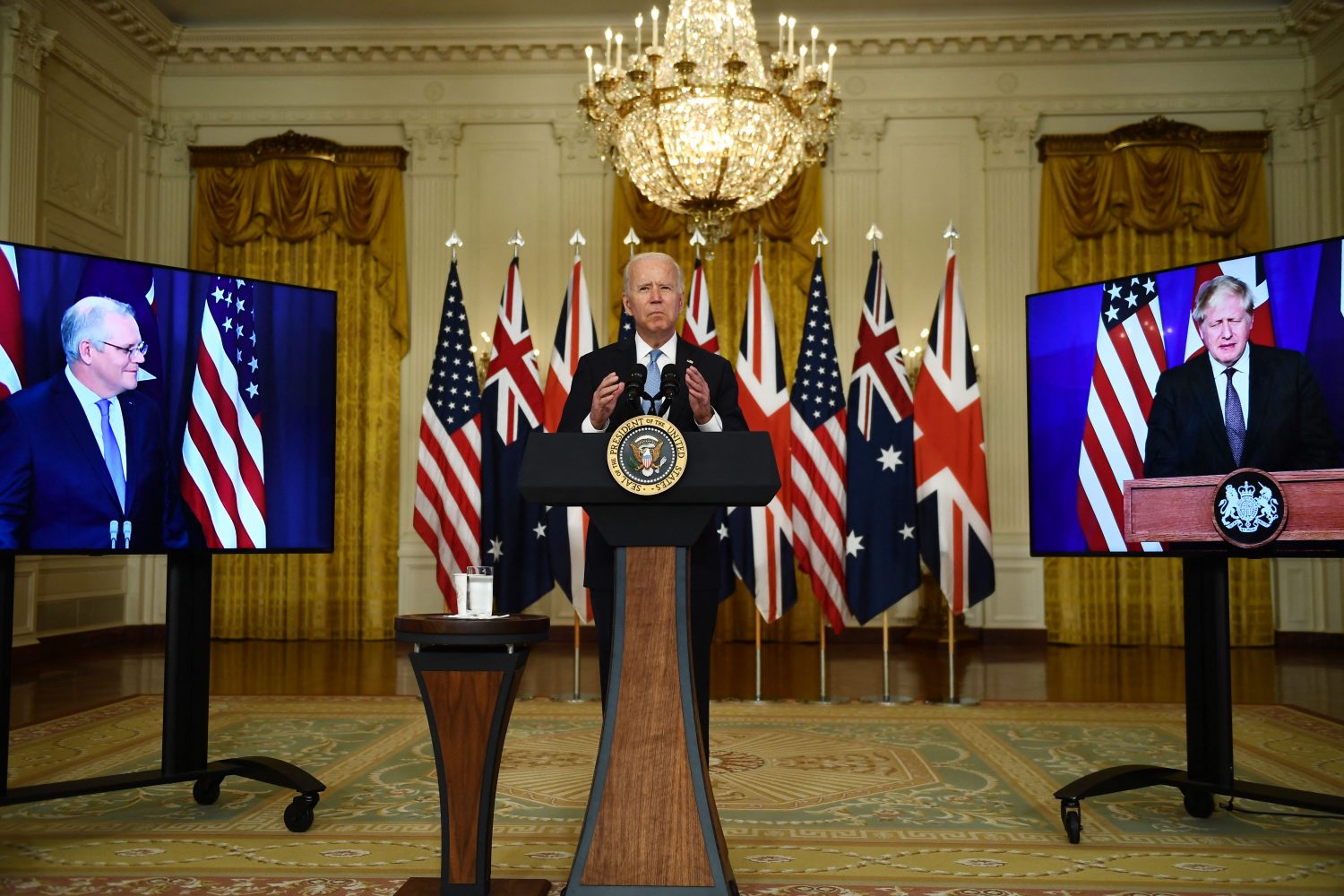
THREE, the announcement of the Australia-UK and US (AUKUS) alliance which represents a major departure in US strategy by its commitment to enable Australia to join a handful of countries with nuclear submarines. The alliance clearly portraits Australia’s strategic choice to firmly support USA despite its considerable economic and commercial equation in China.

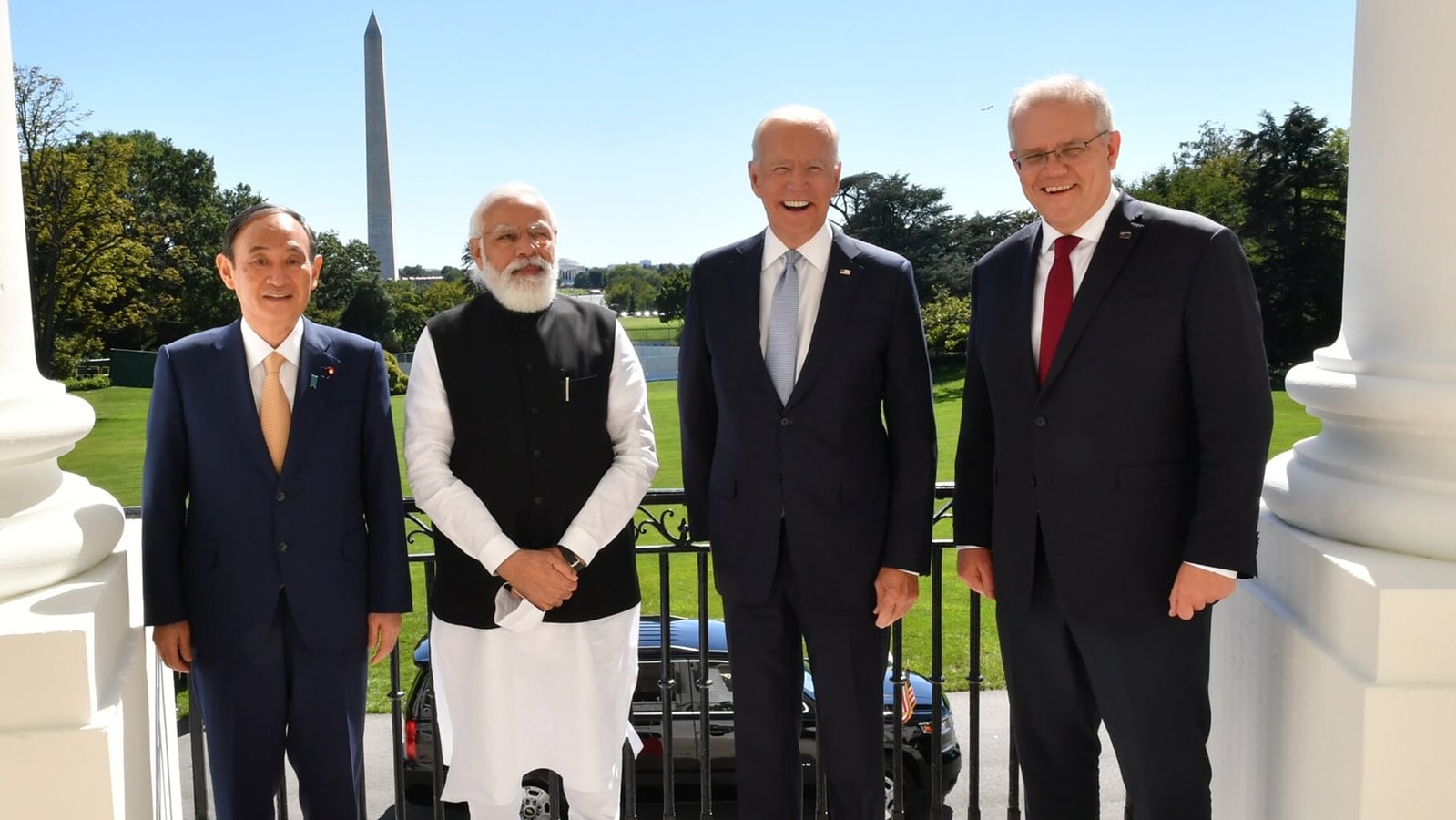
FOUR, the convening of the four nation Quad physical summit (India, Australia, Japan and the US) IN Washington. This reflected a major step towards its formalization as an influential grouping in the Indo-Pacific going beyond boundaries and into a personal level of safeguarding.

These four developments together present India with both risks and opportunities. While the latter outweighs the risks henceforth. It would indeed be fitting to say a future of uncertainties awaits the entire world. Are these measurements a preparation of the unseen future or simply precautions is something only time will reveal.

Written by : Ananya Kaushal

PLIGHT OF WOMEN IN AFGHANISTAN

BY DAKSHITA NAITHANI

The Afghan women, maybe more than anybody else, have dreaded the Taliban’s return. There have been many advances in women’s rights over the last 20 years, which appear to be set to erase nearly overnight.

A quick lesson from history…

The Taliban, a political and military force, is said to have started in Islamic schools in Northern Pakistan in the early 1990s. Its aim was to restore order in Afghanistan following the withdrawal of Soviet troops in 1989, as well as to impose a harsh form of Sharia law. By 1998, the organisation had seized 90% of Afghanistan’s territory.

Once in control, the organisation garnered worldwide condemnation for a slew of human-rights violations. The ban on female education above the age of ten as well as harsh limitations on day-to-day liberties, were among the stringent mores imposed on women and its influence has frequently threatened to expand beyond, to places like Pakistan, where the organisation memorably shot teenager Malala Yousafzai in 2012. Women were treated worse than at any previous period or by any other culture throughout its rule (1996–2001). They were prohibited from working, leaving the house without a male escort, seeking medical assistance from a male doctor, and being compelled to cover themselves from head to toe, including their eyes. Women who had previously worked as physicians and teachers were compelled to become beggars or even prostitutes in order to feed their families during the Taliban’s rule.

Following the 9/11 attacks, it was thought that the Taliban were harbouring Al-Qaeda soldiers, thus an US-led international operation was started against Afghanistan. As a consequence, the Taliban were deposed from power, an Afghan government was established, and soldiers occupied the country for 20 years. It destabilised several regions of the nation due to battles with US and UK forces on a regular basis, and Afghan people were continued to be assaulted. Many would agree that the political and cultural status of Afghan women had improved significantly since the Taliban’s collapse in late 2001.

The Bush administration’s acceptance of women’s rights and empowerment as rationale for its assault on the Taliban is long gone. So it was under the Barack Obama administration, when then-Secretary of State Hillary Clinton stated that the Taliban’s repudiation of al-Qaida and promise to support the Afghan constitution and safeguard women’s rights were preconditions for US discussions with them. The rejection of al-Qaida has yet to be declared openly and publicly less than 10 years later; the constitutional order and women’s rights are still subject to intra-Afghan talks and will be influenced by the changing balance of military power.

In February 2020, US-Taliban peace talks were concluded, with the US pledging a quiet departure in exchange for an end to hostilities. Afghan leaders and top military generals have warned that the government will collapse without foreign assistance. It looks like the worst has transpired only weeks before Biden’s deadline of September 11th.

The Taliban rule wreaked havoc on the institutions and the economy, which had already been ravaged by decades of conflict and the Soviet scorched-earth counterinsurgency policy.

The post-Taliban constitution of 2004 granted Afghan women a wide range of rights, and the political epoch brought social and economic progress, which greatly improved the socioeconomic situation. From a crumbling health-care system with almost no healthcare available to women during the Taliban years, the post regime built 3,135 functional facilities by 2018, giving more than 80 percent of Afghans access to a medical facility within two hours’ drive.

 Less than 10% of females were enrolled in elementary schools in 2003; by 2017, that figure had risen to 33%, while female secondary school attendance increased from 6% to 39%. As a result, 3.5 million Afghan females were enrolled in education, with 100,000 of them enrolled in academic institutions. Women’s life expectancy increased from 56 to 66 years in 2017 and maternal mortality fell from 1,100 per 100,000 live births in 2000 to 396 per 100,000 in 2015. By 2020, women made up 21% of Afghan public workers, including 16% of top management positions, and 27% of Afghan parliamentarians.

 These benefits for women have been dispersed inequitably, with women in metropolitan areas benefiting considerably more than women in rural regions. Despite formal legal empowerment, life for many rural women has not improved much since the Taliban era, notably in Pashtun regions but also among other rural minority groups. Many Afghan males are staunch conservatives. Families often let their daughters to complete a primary or secondary education before proceeding with planned marriages. The burqa is worn by the majority of Afghan women in rural regions without any pushing from the Taliban.

What is the situation for women in Afghanistan now?

Women’s rights in Afghan had arguably maintained pace with many other Western countries prior to the 1970s. Women were granted the right to vote in 1919, one year after women in the United Kingdom. In the 1950s, gender segregation was eliminated, and in the 1960s, a constitution was enacted that included women in political life. As the region became more unstable in the 1970s, these rights were steadily eroded.

Only 38% of the international humanitarian response plan for Afghanistan is financed as of August 2021. This gap might result in the loss of specialised protection services for 1.2 million children, putting them at risk of abuse, recruitment, child labour, early and forced marriages, and sex abuse. About 1.4 million females, many of whom are survivors of domestic abuse, would be left without access to safe spaces where they may receive full care.

Females, who have experienced life with rights and freedoms, are among the most exposed as a result of the Taliban’s fast progress in Afghanistan. As the Taliban capture control of Kabul, they risk losing their hard-won achievements.

Those cries for aid may be too late as the capital city falls into the clutches of Islamist rebels. There have been several stories of the Taliban going door-to-door and compiling a list of women and girls aged 12 to 45 who are then compelled to marry Taliban warriors. Women are told that they cannot leave the house without a male escort, that they cannot work or study, and that they cannot wear anything they want. Schools are also being shuttered.

There is a lot to lose for a whole generation of Afghan women who entered public life – legislators, journalists, local governors, physicians, nurses, teachers, and public administrators. While they worked alongside male colleagues and in communities that were unfamiliar with people in positions of power to help establish a truly democratic civil society, they also wanted to pave the way for future generations to follow in their footsteps.

The Taliban offers itself a broad range of possibilities by claiming that they will “protect” women’s rights under sharia but refusing to explain how women’s rights and life in Afghanistan will alter if they achieve their goals. Even if the government did not openly adopt as cruel a system for women as in the 1990s, the Taliban’s dispositions are quite likely to undermine women’s rights, impose cultural prohibitions on women, and reduce socio-economic possibilities for them.

In summary, even with this change in behaviour, the Taliban in power would almost certainly strive to curtail Afghan women’s legal rights, exacerbating their social, economic, and political circumstances. How much and in what manner, is the question.


Afghanistan-Taliban Crisis for Social Media giants

The Taliban’s fast takeover of Afghanistan postures a unused challenge for huge US tech companies on dealing with substance made by a bunch considered to be fear mongers by a few world governments.

Social media monster Facebook affirmed on Monday that it assigns the Taliban a fear based oppressor bunch and bans it and substance supporting it from its platforms. But Taliban individuals have allegedly kept on utilize Facebook’s end-to-end scrambled informing benefit WhatsApp to communicate straightforwardly with Afghanis in spite of the company forbidding it beneath rules against unsafe associations.

A Facebook representative said the company was closely observing the circumstance within the nation which WhatsApp would take activity on any accounts found to be connected with endorsed associations in Afghanistan, which might incorporate account removal. On Twitter, Taliban representatives with hundreds of thousands of supporters have tweeted overhauls amid the country’s takeover. Asked around the Taliban’s utilize of the stage, the company pointed to its approaches against rough associations and derisive conduct but did not reply Reuters questions almost how it makes its classifications. Twitter’s rules say it does not permit bunches who advance fear mongering or savagery against civilians.

The Taliban’s return has raised fears it’ll split down on opportunity of discourse and human rights, especially women’s rights, which the nation may ended up a sanctuary once once more for worldwide terrorism. Taliban authorities have issued articulations saying they need tranquil worldwide relations and have guaranteed to secure Afghans. Major social media firms this year made high-profile choices on dealing with sitting world pioneers and bunches in power. These incorporate disputable pieces of previous US President Donald Trump for affecting savagery around the January 6 Capitol revolt and bans on Myanmar’s military in the midst of a upset within the country. Facebook, which was long scrutinized for coming up short to combat abhor discourse in Myanmar, said the overthrow raised dangers of offline hurt and its history of human rights infringement contributed to the boycott on the administering military or Tatmadaw.

The companies, which have come beneath fire from worldwide officials and controllers for their outsized political and financial impact, frequently depend on state assignments or official worldwide acknowledgments to decide who is permitted on their sites. These too offer assistance decide who can be confirmed, permitted official state accounts or may get uncommon treatment for rule-breaking discourse due to newsworthiness or open intrigued loopholes. However, the contrasts among the tech companies’ positions propose the approach isn’t uniform. Alphabet’s YouTube, inquired whether it contains a boycott or limitations on the Taliban, declined to comment but said the video-sharing benefit depends on governments to characterize “Outside Fear based oppressor Organizations” (FTO) to direct the site’s requirement of its rules against savage criminal bunches

YouTube pointed to the US State Department’s list of FTO’s of which the Taliban isn’t a part. The US instep classifies the Taliban as a “Extraordinarily Assigned Worldwide Fear monger,” which solidifies the US resources of those boycotted and bars Americans from working with them. Complicating things encourage, in spite of the fact that most nations appear small sign they will perceive the gather carefully, the Taliban’s position on the world arrange may however move as they cement control. “The Taliban is to some degree an acknowledged player at an worldwide relations level,” said Mohammed Sinan Siyech, a analyst on security in South Asia and doctoral candidate at the College of Edinburgh, indicating to talks China and the Joined together States have held with the group. “If that acknowledgment comes in, at that point for a company like Twitter or Facebook to create a subjective decision that this gather is awful and we’ll not have them postures complications.

Crisis in AFGHANISTAN

Photo by Pixabay on Pexels.com

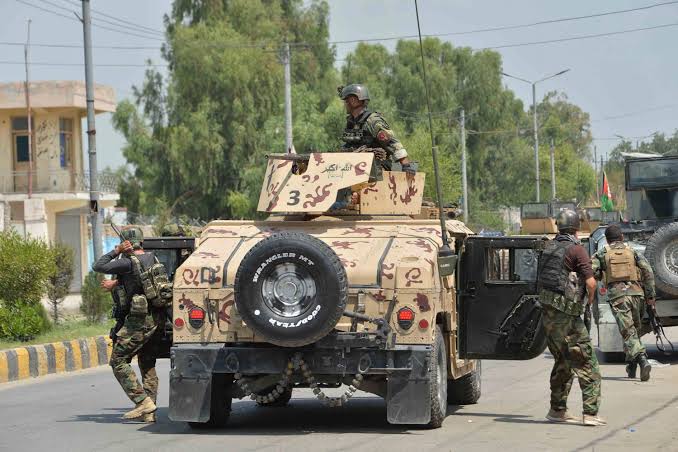
Now that the US army has pulled out from Afghanistan after spending 20 years there, the Taliban has taken control of almost whole of the country. HISTORY REPEATS ITSELF, and here history is repeating itself for the worst. Politicians have fled from the country leaving their countrymen to die and the civilians are in a state of panic. As Taliban has taken control from all the borders leaving no exit point.

What is Taliban

Taliban is the word for ‘student’ in pashto language. Ironically they have nothing to do with knowledge, at least on humanitarian basis. They emerged from the northern part of Pakistan in the early 1990s, they basically promised peace to the peope an to impose Sharia or islamic law, once in power. In September 1995, they started their rule by capturing Herat and then all the major cities one by one and by 1998, they had captured about 90% of Afghanistan.

They became popular as they finished corruption and lawlessness. They also introduced roads. But at the same time they implemented the Sharia law and gave punishments according to it, like public execution for murderers and adultration, amputating those, who were found guilty of theft. Girls were not allowed to go to school after the age of 10, women had to wear chaadri (burqa, covering whole body) when going out and they had to be accompanied by a man all the time, men too had to grow beard. Cinema, music and television were banned. women were not allowed to work even when their husbands died. Basically all their rights were taken away.

Read more about Afghanistan: https://edupub.org/2021/07/19/afghanistan-through-khaled-hosseinis-a-thousand-spendid-suns/

Major terrorist activities by Taliban

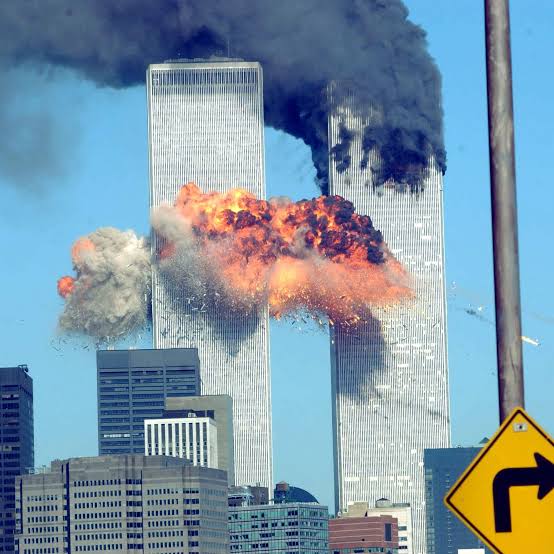
On 11 September, 2001 the world trade center was attacked and Taliban was accused of providing safety to Al Qaeda.

Malala Yousafzai was shot by the talibani terrorists as she refused to leave school and continued to study.

pic courtesy: shutterstock

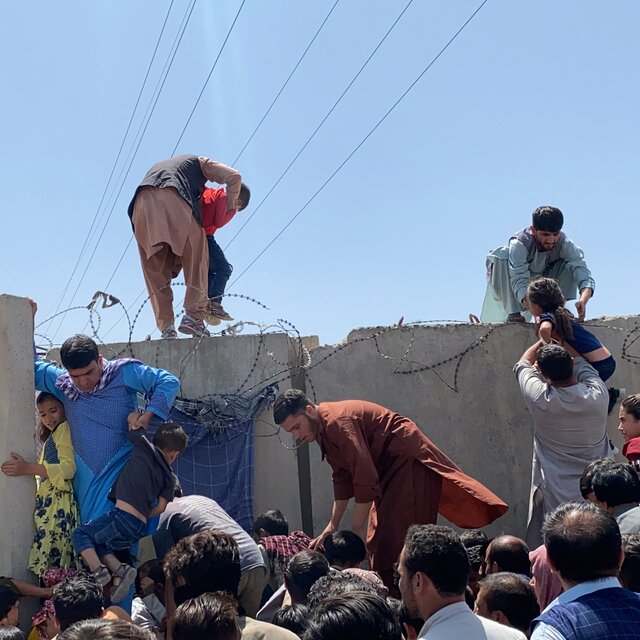
Disturbing images have been coming in from airport where people were rushing as their last hope of fleeing from there. It’s very saddening to see politicians leaving their people to die on the streets. Even though talibanis have said that the people need not be scared of anything but can we trust them?? Not really. Several videos have been surfacing on the net of dead bodies littered on roads. People are being dragged out of their houses, specifically those who have in any way helped American forces.
Residents are trying any possible way to get out of there but unfortunately the only exit left at last, the airport in kabul, has been shut off, shutting their last hope for now.

Photo by Disha Sheta on Pexels.com

Well, I hope for now at least the citizens will be safe and peace will be restored soon. The Afghanistan of 1960s-70s, where women enjoyed freedom and the country was progressing will be back. Children will play with toys and not guns, knowledge will be used as weapon and not violence.

A Pipe Dream: Decline of Humanity

Photo by Berendey_Ivanov / Andrey_Kobysnyn on Pexels.com

A pipe dream is something for which we are hopeful for but it seems fancy enough to be the reality of the present. 

Does this indicate any incident which is happening right now but all we can do is hope for Pipe Dream to happen?

If you haven’t guessed yet but here I am talking about the Afghanistan crisis, the shift in the power of the country to the Taliban’s clutches.

The power shift, the race of afghans to save their lives everything happened just because a few people decided on their own that it’s time to let people die there, let people run for their lives just because that few people are strong and have power enough to do so or are there any reason behind the pullout?

But before diving into the conclusion, we all need to know some facts and reasons why they did that and even if they did can’t someone help them?

Many questions like this might be arising in many of our minds, So to answer a few and to find more this article is here.

The Story from the beginning

The army of the USA went to Afghanistan in 2001 to get even with the terrorist group involved in the 9/11 attack on Newyork and Washington under the supervision of leader Bin Laden.

Bin Laden was getting protection from the Taliban who were in power since 1996 and that was the point the USA needed to take things into their hand and hence with Nato allies a new government took place in 2004, but still, the Taliban was adamant with the attacks killing many in the process.

With this in 2014, the allies of Nato came to an end, handing over the responsibility to the Afghan army, allowing the Taliban for having more than half control over what was left.

And finally, in 2020 even America decided it’s time to save their troop and people from the Taliban and agreed on withdrawing in return for the safety of Americans and their allies from terrorist attacks in the future.

The turn of the Taliban

Was the Taliban always like this? And if they were always like this how did they had gained this power and why?

They emerged in the civil war of Afghanistan promising a decline in corruption and providing security to the people and just like that they started spreading and till 1998 they were all over the country and had almost complete control over people.

They started enforcing many rigid laws for men and women and even TV, music, and cinema all were banned.

And just like this, it was the rise of the fall of civil rights of people of Afghans.

The Catastrophe

The president of the US Mr. Joe Biden decided to plow away all the troops from the Afghans in the name of relocating their troops where they are needed most and where they can strengthen the USA army.

According to him, they were in Afghanistan to take revenge for the 9/11 attack and not to make any relation there and so now this will be the decision of the Afghans to decide what future they want for their own country and they will have to work for their self.

The catastrophe, the people of Afghans are being subject to is very near even though president Joe Biden believes that they have equipped and trained enough soldiers for this fight against the Taliban, the stats and predictions are predicting the fall of the Afghanistan army by the end of 6 months after the removal of army troops.

Everything You Should Know About Afghanistan Crisis

US Talking To Pakistan Leaders To Shut Down Safe Havens For Taliban:  Pentagon
Taliban’s surge in Afghanistan has intensified as US troops wrap up their withdrawal 

US Forces are pulling out from Afghanistan after 20 years of war. The US’s longest-ever war cost them hundreds of billions of dollars. Due to war thousands of people lost their lives and millions were displaced in their own country. In February 2020, both US and the Taliban signed a peace treaty that states that the Taliban will not allow the use of Afghan land as a terrorist base. Taliban also took the pledge of maintaining peace in the country. US President Joe Biden has set a symbolic date of 11 September 2021 for full withdrawal.

What Is Taliban?

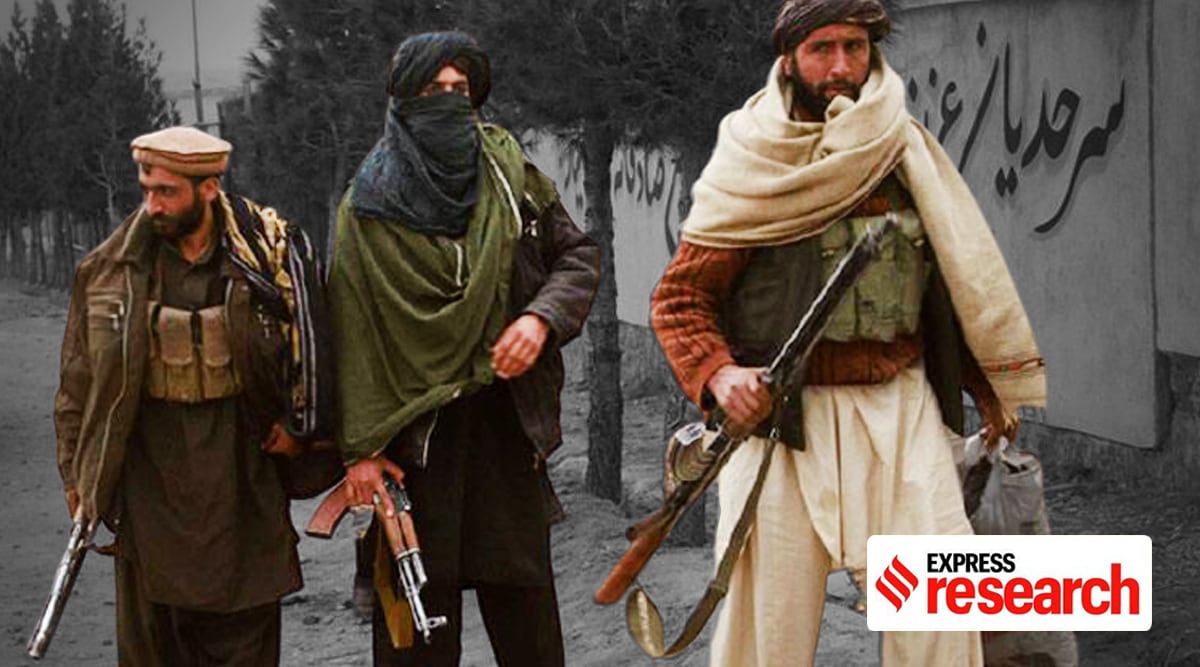
Who are the Taliban – Part 2: Will there be changes on the ground? |  Research News,The Indian Express
Courtesy-Indian Express

Mullah Mohammad Omar, a Pashtun tribe member who became a mujahedeen commander and helped push the Soviets out of Afghanistan in 1989, created the Taliban in southern Afghanistan. Mullah Omar founded the organization in Kandahar in 1994 with around 50 members to combat the insecurity, corruption, and criminality that gripped Afghanistan during the post-Soviet civil war. In 1996, the Taliban rapidly conquered Kandahar and the capital, Kabul after which they imposed severe Islamic restrictions including Sharia Law, banning television and music, prohibiting girls from attending school, and requiring women to wear burqas from head to toe.

US Invasion in Afghanistan 

Afghanistan war: What has the conflict cost the US? - BBC News
Courtesy-BBC

On 11 September 2001, a terrorist attack happened in the US which took the lives of around 3000 civilians. Osama Bin Laden, the leader of the Islamic militant group Al-Qaeda took responsibility for the attack. Bin Laden ran to Afghanistan to seek shelter where the Taliban gave him protection and refused to hand over Laden to the US. After which the US intervened militarily in Afghanistan and removed the Taliban from power. By December 17, 2001, the US and its allies had removed the Taliban from power and established military bases near major towns around the country. During the Battle of Tora Bora, the majority of al-Qaeda and Taliban members escaped, either to Pakistan or fleeing to rural or remote mountainous areas.

The return of the Taliban | Guest column - UP Front News - Issue Date: Jul  26, 2021
Photo By Reuters

As per the latest report, the Taliban has taken control of over 90% area of Afghanistan. More than 1,000 civilians lost their lives in the past month. 

India plans talks with Taliban preparing for life after US pullout

India is planning to activate direct channels of communication with the Taliban as the possibility of the Islamist group soon taking the centre stage in mainstream politics in Kabul is appearing to be an eventuality now.

The move comes as countries such as the US and the UK have already begun to recognise the legitimacy of the Taliban.

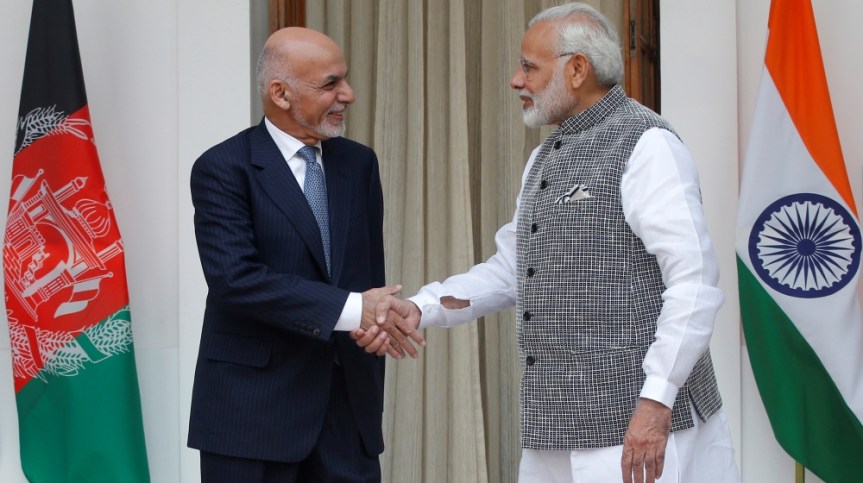
While India has assured support to the Ashraf Ghani government for peace and stability in Afghanistan as the Taliban has gone on an offensive, the Narendra Modi government believes it should begin to establish a network of contacts with those in the Taliban who sit in Doha, the capital of Qatar, and those who see New Delhi as their partner for development.

For this, India is now banking on Russia, which is planning on playing a greater role along with Iran. New Delhi is looking to be part of that arrangement even if it means supporting a transition government in Kabul, which looks imminent there after the US troops leave by 31 August.

Russia and India are believed to have held extensive talks on what stance regional partners will be taking now that violence in Afghanistan has surged and it has become all the more significant to bring in the Taliban as interlocutors. This is because the message then will “trickle down” to their commanders who are fighting the Afghan government forces, sources said.

According to a source, the government is planning to speak to those Taliban leaders with whom India had been engaging ever since External Affairs Minister S. Jaishankar participated in the intra-Afghan dialogue in Doha in September 2020.

Since the war began in Afghanistan two decades ago, India has invested about $3 billion in the development of the country.

Afghanistan – A tragedy that has no saving

The President of the USA, Joe Biden chose to play the card that the presidents before him had put on the game – the complete withdrawal of armed personnel from Afghanistan. This would mean an end to about 20 years of war in the country that had pitched the NATO and the US against a radical Islamic militant group to a supposed war on terrorism.

The Taliban controlled about 90% of all Afghanistan before 2001. It even had embassies established in Pakistan and Saudi Arabia – the only two countries to give recognition to the government. It was after the 9-11 attacks that it suddenly became an enemy to every state on the planet that supported USA. The US and its NATO allies invaded the Afghanistan that was already torn between the Taliban led groups and the democratic rebels. 20 years have passed since then. From young adults born after 2001 to a now estranged prince of the British royal family, a lot of people fought in Afghanistan. The results were visible with the Taliban clearly on the loss. But, the results were never conclusive. And now, when the US and the NATO would finally withdraw from a war that never reached a conclusion, Taliban has all good reasons to take back what it owned for a brief period of time.

Afghan politics has become highly broken – factions that want peace but not the loss of a theologically driven Taliban government and many more of people wanting a democracy – the government promised in the first Afghan republic in the late 1960s. For the present state of a mujahideen within the once flourishing nation has always been there, but the present state of catastrophe is a result of the Soviet-American rivalry. It was due to the establishment of the Afghan Socialist state that the mujahideen and the Soviet-Afghan war erupted and it was because of obvious and many-a-times accepted training by the Pakistani(Parvez Musharaff, the Army general of Pakistan and later President of Pakistan accepted on a TV show that the Taliban and Lashkar were heroes to him and his people) and American forces (American newspapers have routinely praised not just Taliban but also the infamous Osama Bin Laden during the war) that the logistics, tactics and power of these mujahideen forces reached to a point where they could establish an emirate that spanned most of Afghanistan.

Afghanistan - Wikipedia
Is there any redemption for Afghanistan?

The return of Taliban will not only usher a new era of repression for the Afghans – especially women, children and the now diminished minorities, but also to the neighbouring nations of India, Iran and Central Asia – where the rise of Taliban may lead to new found difficulties in security and trade. The radical Islamists founded the Indian mujahideen as a cause to create a similar situation in India a couple of decades ago. The specific case of India is being raised here because it has strong cultural and economic interests in Afghanistan. The Chabahar port in Iran is India’s strongest option against China’s CPEC and the Gwadar port. Other than this, with an unfortunate history of militancy and extra state actors in North Western India, to have a neighbour ruled by groups of similar ideologies is dangerous for it. India should find ways to support Kabul militarily, for the statements made by Pakistan Prime Minister where he expressed his inadequacy in pressuring Taliban for a ceasefire leaves no neighbour but India to hold the hands of a now weaker government at Kabul. However, India has so far refused to be involved militarily, let alone be involved now, when it could end being the only player in the game.

Afghanistan looks grim. So does its future. The case is unlike ISIS. Common people had supported the Taliban insurgency. And the opium rich state an fund the group for years once it comes to power. Afghanistan looks like a lost cause, with no friends to support it in the problem that should have the highest priority to be solved – the problem of insurgency.

Resurgent TALIBAN ?

The departure of US Forces will see as catastrophe in Central Asia.

Photo by Pixabay on Pexels.com

The Land of Afghanistan is Graveyard of Empires.

Anonymous

The Afghanistan is Significant chapter in USA foreign police since 1979.it contribute almost Half of US deplomatic Subject.After the withdrawl of USSR in May 15 1988 and Return of NATO collision,Taliban militia emerges as main contender in Kabul and almost capture the afghan 90% in 1999.But its only after 9/11 Blast US return in afghan lead to vanish Taliban dream of Monopoly over Kabul.

Finally After long standing haul Peace held between US-Taliban on 20th Feb 2020.

US ready to depart from kabul in return Taliban militia prevent afghan soil from ISIS, AL-Queda etc. to attack on US & its allies.US administration under President Biden confirm it will quite whole afghan in september 2021.Due to which many Expert think this time Taliban militia Emerge as more strong than ever have, and the small step for democracy and peace will Disapear in no time if taliban again capture afghan soils. The Human Rights Violation, the women safety and their developement seems to be illusionary under Islamic Sharia Law if implemented. Mean while the Net security of Whole Region will undermine, the ISIS will again ready to onslaught and create chaos in country like India and China’s peace and security, Specially in India at J&K .

Afghanistan- A war-torn nation

With Al-Qaeda militants carrying out coordinated attacks on American soil,also known as 9/11 Attacks and Taliban government refusing to hand over the main culprit behind these attacks ‘Osama Bin Laden’. A war was declared by US and it’s allies against terrorism and Afghanistan was invaded in 2001.

US tried it’s best to avoid the mistakes done by British & Russia (then USSR),it gained some success by driving out the Taliban government and killing the Terrorists. This whole operation have costed US more than $800 billions and more than 2300 soldiers lives. While on the other side, Afghan civilians had been caught in between this war and have suffered at the hands of both US & Terrorists (Al-Qaeda & Taliban) .

There is a popular saying about Afghanistan – ‘The Graveyard Of Empires’ for those who have tried to conquer it. Afghanistan is tough to rule, not only because of its terrain but also of the hostilities between the different tribes present there.

US Navy seals carried out a mission code-named ‘Operation Neptune Spear’ and killed Laden on 2nd May 2011 in Pakistan. US thought that by killing Laden they had achieved their goal but they were mistaken.

India aided in the overthrow of the Taliban-led government and has been the largest regional provider of humanitarian and reconstruction aid in the country. India have provided over $3 billion in assistance and every year it continues to do so.

Challenges ahead for Afghanistan and it’s neighbours

Taliban is slowly gaining pace and have formed alliance with other terror outfits to overthrow the present government. Civil war is not far, after US withdrawal. Fight is going on between Afghan security forces supported by civilians against the Taliban.

There’s little hope that Taliban will agree on the terms mentioned in peace talks . War-torn Afghanistan is now at the same stage before US invasion and onus now is on China,india,pakistan,Iran to maintain peace and provide stability in the Afghanistan.