TEA CONNOISSEUR – “HERBAL TEA”(2)

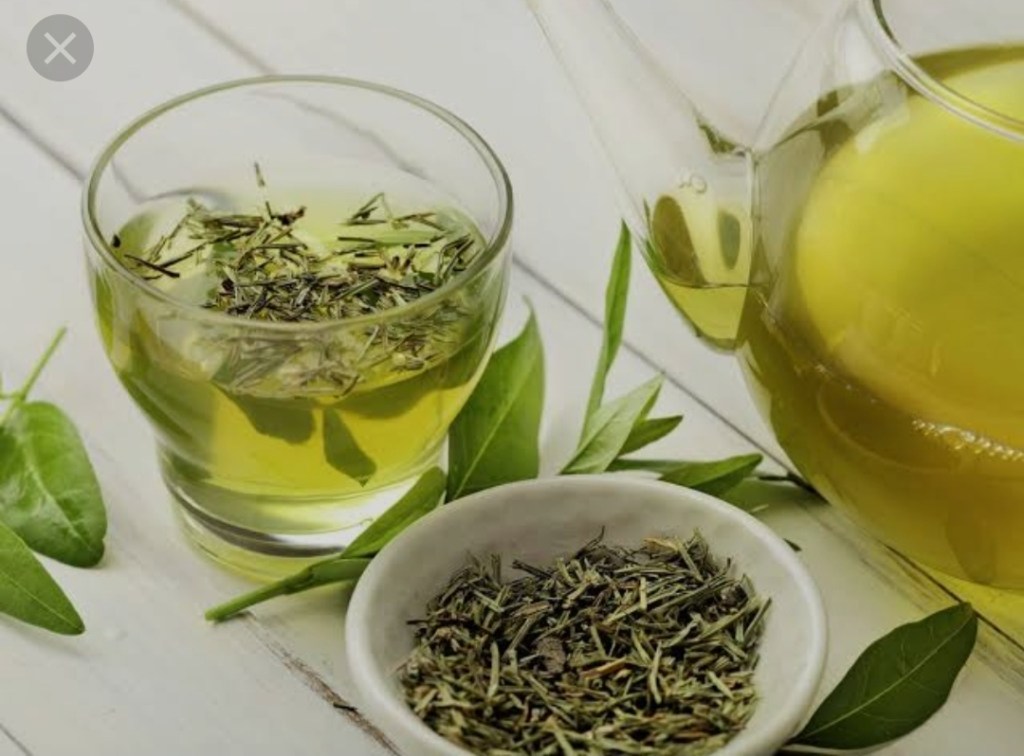
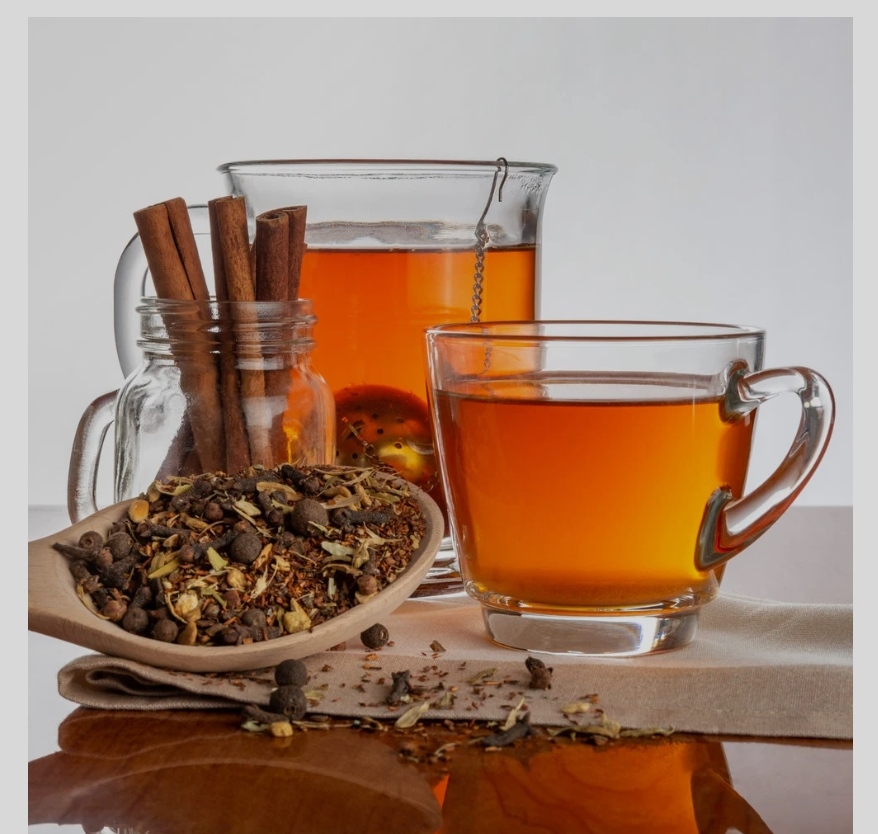
So in the previous article we have discussed about the new variety of tea that are not actually tea but called so. Herbal teas are not true teas as they are not brewed from the leaves of the Camellia sinensis plant. They are infused from fruits, flowers and plants. However, what makes them healthy is the absence of caffeine and presence of high amount of antioxidants.

Some of the types included :
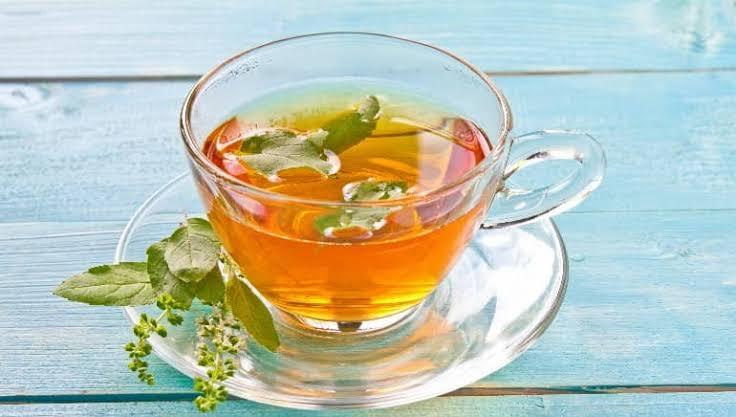
Tulsi tea

Tulsi or the holy basil is famous worldwide for its innumerable properties. It is called the “Queen of Herbs” as it is bestowed with a myriad of complex biochemical compounds including eugenol, urosli acid, carvarcol, apigenin, luteolin and other flavonoids. Moreover, its also imbued with essential nutrients like vitamin A, C, calcium, zinc, iron and chlorophyll which is valuable in healing the body and mind. Tulsi tea, infused from dry or fresh leaves has various anti-inflammatory, antioxidant, antidiabetic, anticancer, antimicrobial and radioprotective properties. It is also considered a tonic for the body, mind, and spirit.

Chrysanthemum tea

Chrysanthemum tea is one of the most popular flowers teas in China, infused from its dried flowers. Studies showed it has a strong antioxidant activity and may help fight free radicals. It’s used for its cooling effect, especially during warm season, for potential sedative effect and lowering blood pressure. Chrysanthemum tea is rich in potassium, which helps reduce the risk of serious health conditions like cancer, diabetes, stroke, and heart disease. It is super rich in beta-carotene and vitamin A, that helps in eliminating oxidative stress and damaged cells in organ systems around the body and promote eye health.

Eucalyptus tea

Eucalyptus tea is infused from its dried leaves. It a famous herb native to Australia, providing numerous health benefits. The consumption of fresh or dried leaves is considered toxic because its hard to digest. However, it can be consumed in the form of tea to tap to its various benefits. The main flavonoids in eucalyptus include catechins, isorhamnetin, luteolin, kaempferol, phloretin, and quercetin. Diets rich in these compounds are known to protect against certain cancers, heart disease, and dementia. It possesses multiple antiseptic and antibacterial properties. Hence, they can be used for different breathing and lungs related problems–from treating the common cold and flu to sore throat and pneumonia.

Blue tea

Blue tea has been around in the market for ages. It is infused from dried flowers called Asian pigeonwings, bluebellvine, blue pea, butterfly pea, cordofan pea or Darwin pea. However, they are becoming more easily and widely available for consumption in stores due to its popularisation through travel blogs and shows. The tea is said to have stress busting effects that may also help reduce symptoms of anxiety. It contains anthocyanin, a compound known to increase blood circulation in the head and therefore helps maintain a healthy scalp. Blue tea has more antioxidants than green tea, hence they protect the body against free radical action and promote anti-ageing.

Guava leaf tea

Guava leaf tea is infused from the young leaves of the guava tree. It has in been a part of traditional medicine for centuries in Mexico and parts of South America. The leaves are a powerhouse of antioxidants like vitamin C and flavonoids such as quercetin. The polyphenols in guava leaf tea have been shown to regulate the absorption of carbohydrates from food and hence are beneficial for diabetic patients. The contain flavonoids (antioxidants), tannins, and acids (gallic and betulinic) that has various anti-bacterial and anti-fungal properties.

Don’t forget to read more from the series 🙂

TEA CONNOISSEUR

TEA CONNOISSEUR – ‘HERBAL TEA’

TEA CONNOISSEUR – ”HERBAL TEA” (1)

Unlike the major broad varieties of tea, Herbal teas are not true teas. They are not brewed from the leaves of the Camellia sinensis plant. They are infused from dried fruits, flowers, spices or herbs. Hence, they are also called “tisanes”.

Herbal tea however is often considered a much better option due it the absence of caffeine. The polyphenols in herbal teas load them up with antioxidants that benefit our body in several ways. Antioxidants nurture a healthy lifestyle and gives us the boost of energy we need to get through a busy day.

Diving right into the types of herbal teas:

Chamomile tea is infused from dried Chamomile flowers. It contains Chamazulene, an aromatic chemical compound that possesses anti-inflammatory, analgesic and antispasmodic properties. Camomile tea is often known for its calming properties as it smoothens the nervous system and promotes muscle relaxation. Soothes . It relaxes the uterus and decreases the production of prostaglandins. Chamomile tea helps eliminate and prevent dandruff, soothe scalp irritation and promote healthy hair.

Peppermint tea is infused from dried or fresh peppermint leaves. The menthol in peppermint provides the cooling properties and the minty scent. This tea provides a cooling sensation that possibly eases pain. Peppermint has various antibacterial, antiviral and anti-inflammatory properties that helps them fight cold, allergies and infections caused by a clogged sinus. It aids in digestion and soothes the stomach.

Rosehips tea is infused from the pseudo fruit of the rose plant, which gives it a delicate, floral flavour and a distinct tart aftertaste. The high levels of polyphenols, carotenoids, vitamin C and E, provides powerful antioxidant properties. The presence of tiloroside promotes fat-burning and weight-loss. The antioxidants in rosehip helps to protect the brain and boosts the formation of collagen that prevents skin from aging.

Ginger tea is infused from dried or fresh ginger. It has been used for medical purposes since the old times. Ginger contains nutrients like vitamin B3 and B6, iron, potassium, vitamin C, magnesium, phosphorus, zinc. It has volatile oils, which have anti-inflammatory properties similar to that of non-steroidal anti-inflammatory drugs. It is known to prevent the nausea and vomiting associated with motion sickness. The vitamins, minerals and amino acids in ginger tea can help restore and improve blood circulation, which may help decrease the chance of cardiovascular problems. Ginger may prevent fat from depositing in the arteries, thus preventing heart attacks and stroke.

Lemongrass tea is infused from dried or fresh Lemongrass stem. Compounds like chlorogenic acid, isoorientin, and swertiajaponin promotes to its anti-inflammatory properties. According to the Memorial Sloan Kettering Cancer Centre, smelling lemongrass may help people with anxiety. It increase haemoglobin concentration, packed cell volume, and red blood cell count in the body. It soothens the symptom of premenstrual syndrome (PMS) by preventing water retention in body that leads to bloating.

Do not forget to read more from the series 🙂

TEA CONNOISSEUR

TEA CONNOISSEUR – “HERBAL TEA”(2)

TEA CONNOISSEUR

Tea is not a word but an emotion for Indians. Be it masala chai, black tea, green tea or even kashmiri kahwa. A hot cup of tea suit’s every season and emotion. Happy? It will add up to your mood. Anxious? It will calm you down. Sleepy? It will keep you awake. Insomnia? It will help you relax and sleep.
So now you might be wondering, how does one tea provide so many services where most of them contradict one another?

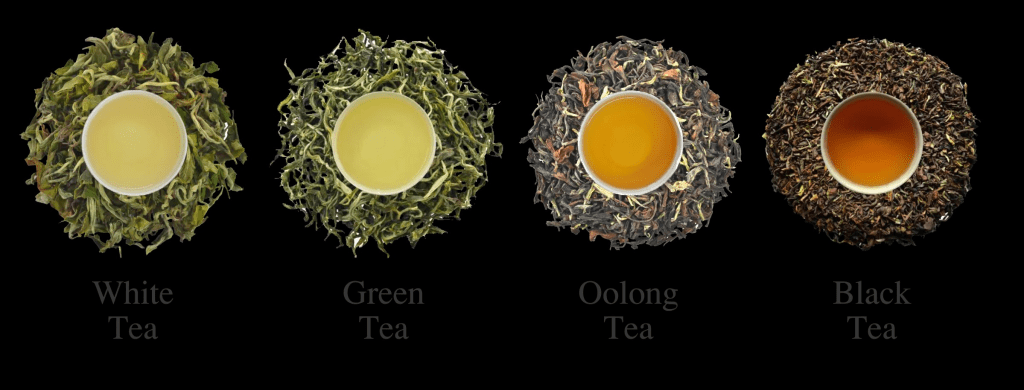
To answer that, the quality and benefits of the tea depends on its Level of Oxidation. The four major types of tea i.e. WHITE TEA, GREEN TEA, OOLONG TEA and BLACK TEA, comes from the same plant called Camellia sinensis. However, they are differentiated by the level of oxidation they undergo. This adds to its level of flavour, aroma and health properties.

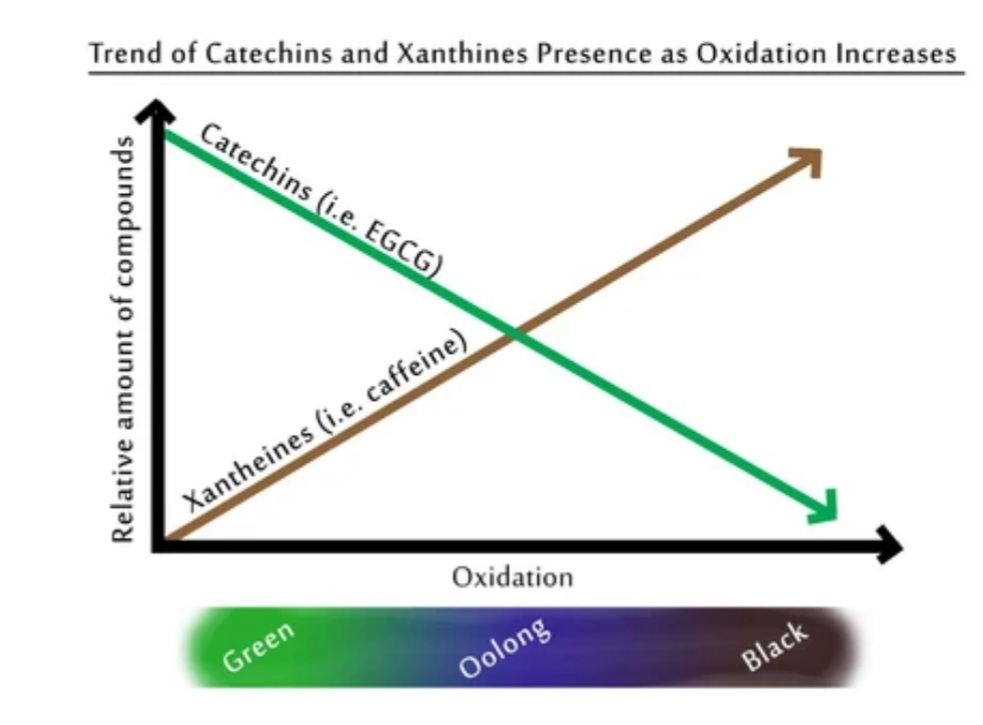
The two major compounds in tea are Catechins and Xantheines. Catechins is present in the form of ECGC which are naturally occurring antioxidants that reduces the oxidative cellular damage in the body and Xantheines in the form of caffeine that provides a gentle energy boost without the harmful side-effects of coffee. The presence of these compounds depends on the oxidisation of the tea leaves. Higher oxidisation leads to more of Xantheine and less of Catechins, where’s lower oxidized leaves contain higher Catechines and less Xantheine.

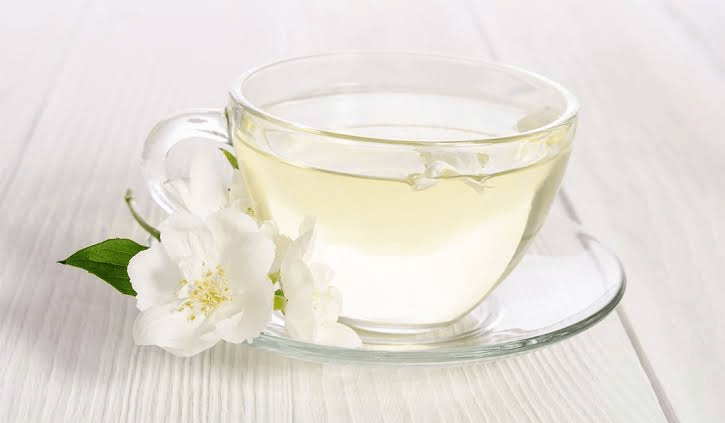
White Tea is most delicate of all the tea’s as it’s uncured and unfermented. Famous for it’s floral, fruity and naturally sweet flavour, it contains the highest amount of antioxidants as is least oxidized (So it has most of it’s natural Catechins). Hence, it possesses major health benefits because of the absence of caffeine. It’s known for its anti-aging and most potent anti-cancer properties.


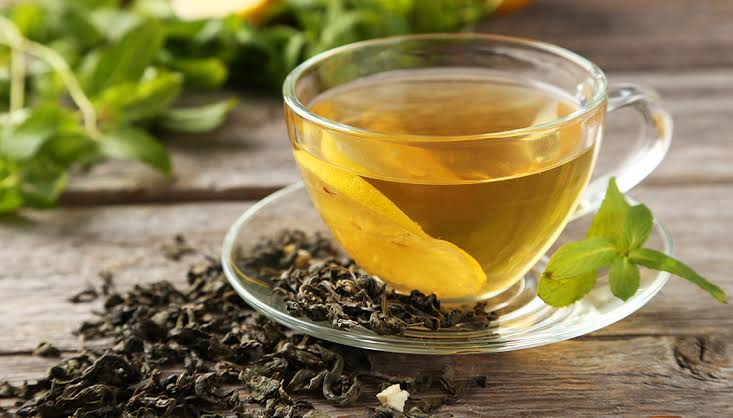
Green Tea is the most famous health tea for the past few decades. It is darker compared to White tea as it is slightly more oxidized, however it contains high number of antioxidants that is beneficial for promoting good metabolism and weight-loss. Some of the numerous health benefits of green tea include growth of bladder, stomach, pancreas, lungs; reduced risks of neurological disease like Alzheimer’s; lower blood pressure; prevent cancer; lowers cholesterol levels; prevents tooth decay and many more.


Oolong Tea comes after green tea in terms of its antioxidant content as it’s more oxidized compared to the latter. Its properties depend upon the level of oxidation which is mostly between 30% -70%. It is aromatic and highly fragrant. It is known to lower bad cholesterol levels (LDL) and increase the production of good cholesterol (HDL). It has higher amount of caffeine hence it is known to increase mental alertness and increases concentration


Black Tea is rich, hearty and bold. It’s over 80 % oxidized and hence contain highest levels of caffeine compared to all the others. Hence, this makes it best for an instant energy boost. It is known to protect the skin against excess UV radiation exposure, boost immunity, protect lungs, improve heart health and lower the risk of kidney stones.


Hence, who wouldn’t want to enjoy a hot cup of tea on a pleasant evening (Specially, if it’s good for your health as well as taste buds).

Tea – The most overwhelming drink of everyday

Tea is an aromatic beverage prepared by pouring hot or boiling water over cured or fresh leaves of Camellia sinensis, an evergreen shrub native to China and East Asia.The tea plant originated in the region encompassing today’s Southwest China, Tibet, north Myanmar and Northeast India, where it was used as a medicinal drink by various ethnic groups.After water, it is the most widely consumed drink in the world.

Tea has a stimulating effect in humans primarily due to its caffeine content.Portuguese priests and merchants introduced it to Europe during the 16th century.During the 17th century, drinking tea became fashionable among the English, who started to plant tea on a large scale in India.

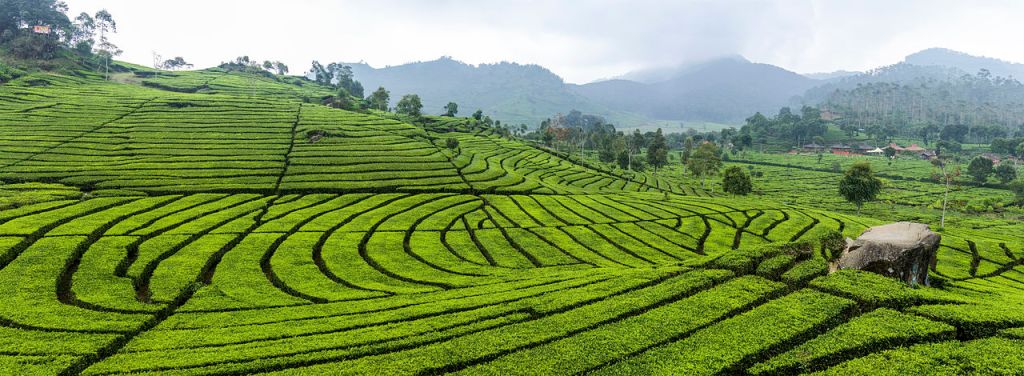
Tea Garden

Origin and history of tea :-

Tea plants are native to East Asia and probably originated in the borderlands of southwestern China and north Burma. Besides that, Chinese (small-leaf) type tea may have originated in southern China possibly with hybridization of unknown wild tea relatives. However, since there are no known wild populations of this tea, its origin is speculative.

Given their genetic differences forming distinct clades, Chinese Assam-type tea may have two different parentages – one being found in southern Yunnan and the other in western Yunnan. Western Yunnan Assam tea and Indian Assam tea both may have originated from the same parent plant in the area where southwestern China, Indo-Burma, and Tibet meet.Tea was first introduced to Western priests and merchants in China during the 16th century, at which time it was termed cha.The earliest European reference to tea, written as chiai, came from Delle navigationi e viaggi written by Venetian Giambattista Ramusio in 1545.

5 Good effects of having tea :-

1. Boosts energy. 2. Protects heart health. 3. Supports mental health. 4. May regulate blood sugar. 5. Aids Digestion.

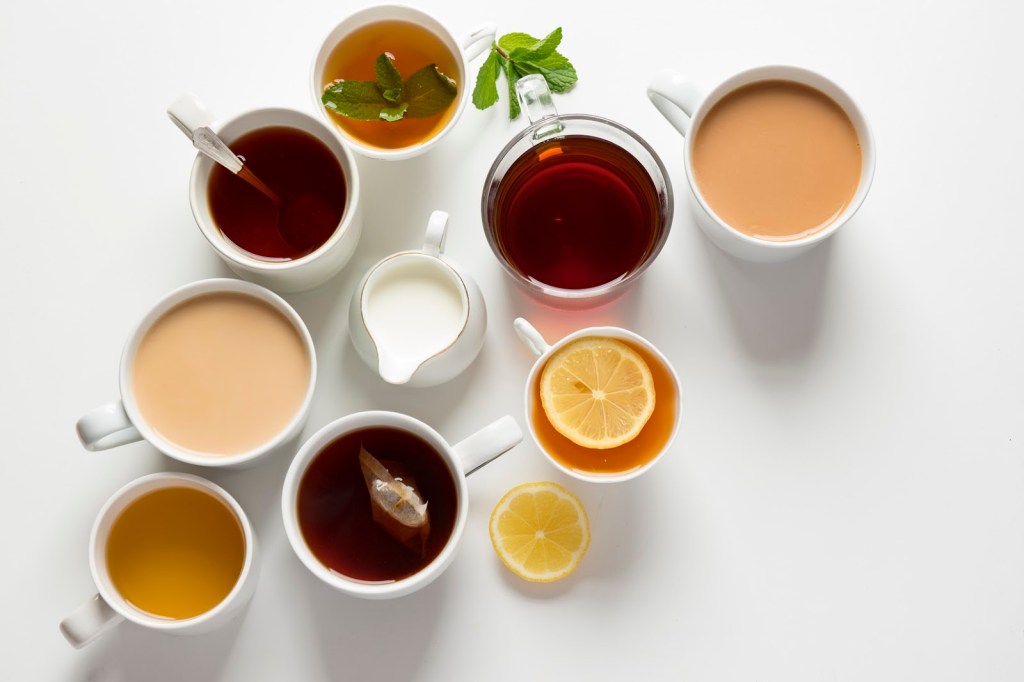
Different kind of tea

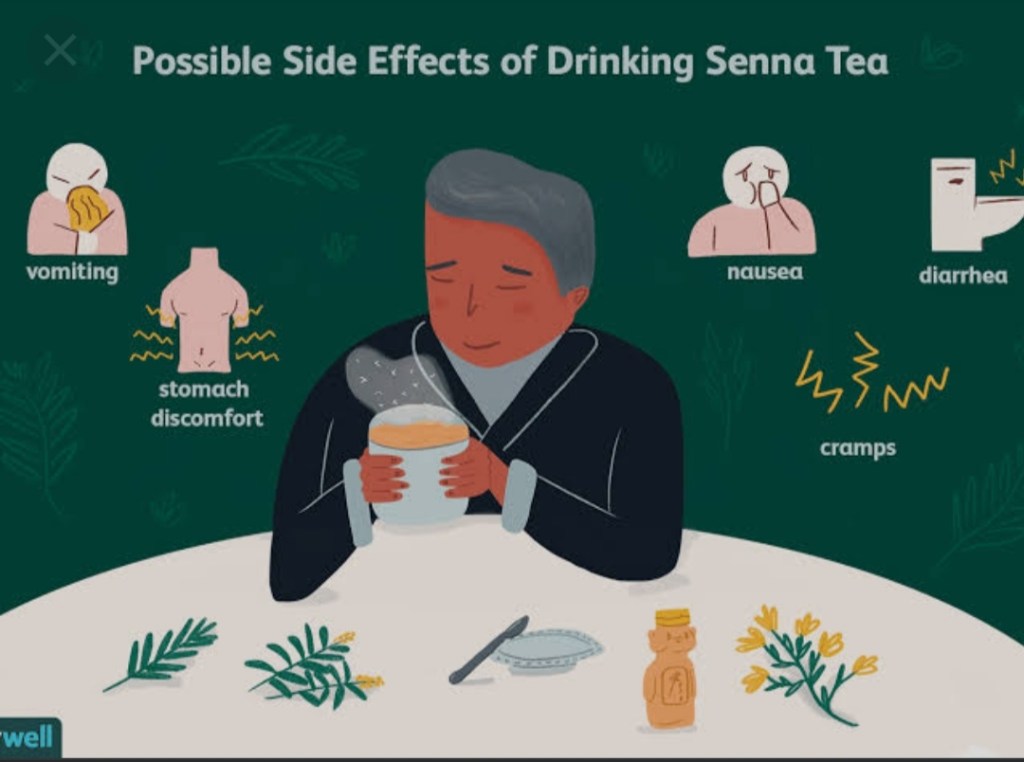
5 Bad effects of having massive amount of tea :-

1. Increased anxiety, stress, and restlessness. 2. Reduced iron absorption. 3. Nausea. 4. Poor sleep. 5. Caffeine dependence.

Different kind of tea :-

Tea is one of the most ancient beverages on the planet, and it’s made by soaking dried leaves in water.Some of the most common tea varieties include black tea, green tea, white tea, oolong tea, herbal tea, and rooibos tea.The tea flavor can change greatly depending on temperature, humidity, and other air conditions. Heat treatments, like pan-firing or steaming, will stop the oxidation process.

1. Black Tea :-

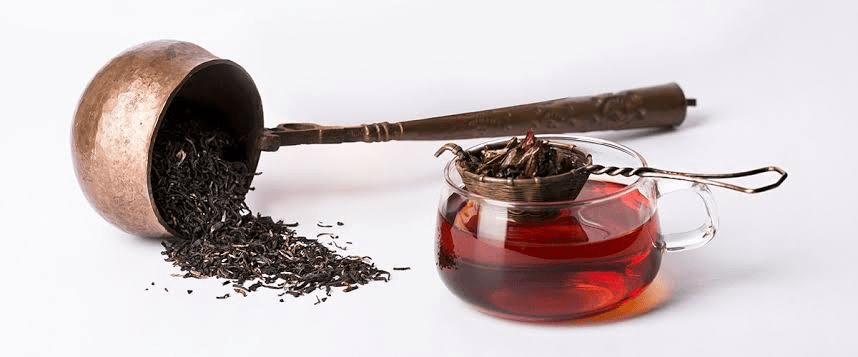
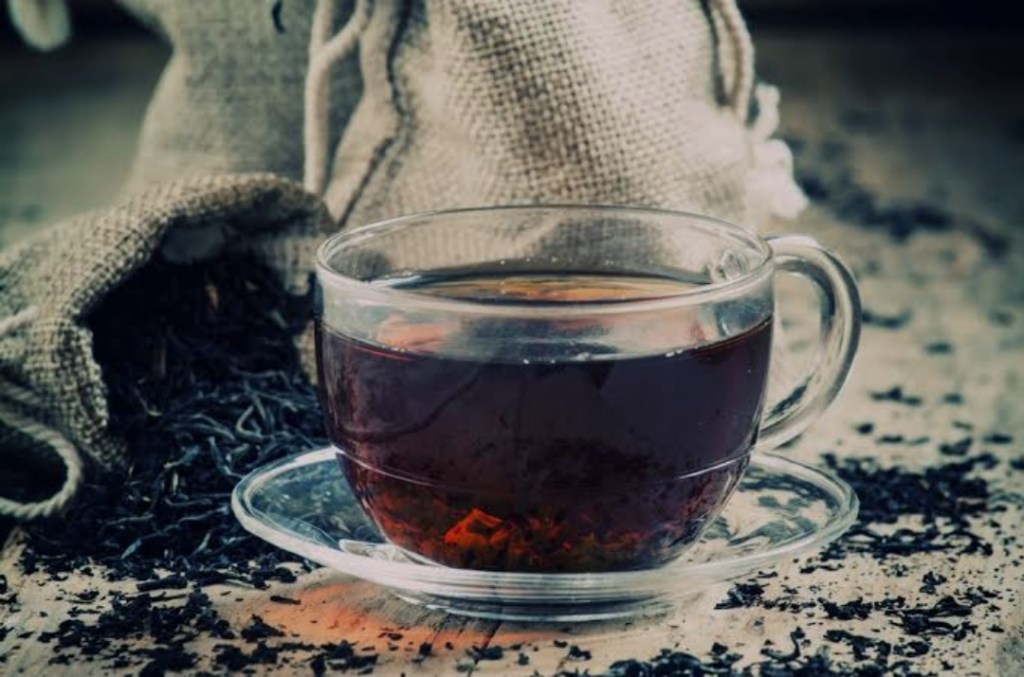
Black tea or red tea is one of the most popular tea flavors and is fully oxidized. The leaves of the Camellia sinensis plant are withered. Assam, Darjeeling, Nilgiri, and Sri Lanka are a few well-known black tea producing regions, and the flavor will vary based on the region and type of black tea.

Black Tea

2. Milk Tea :-

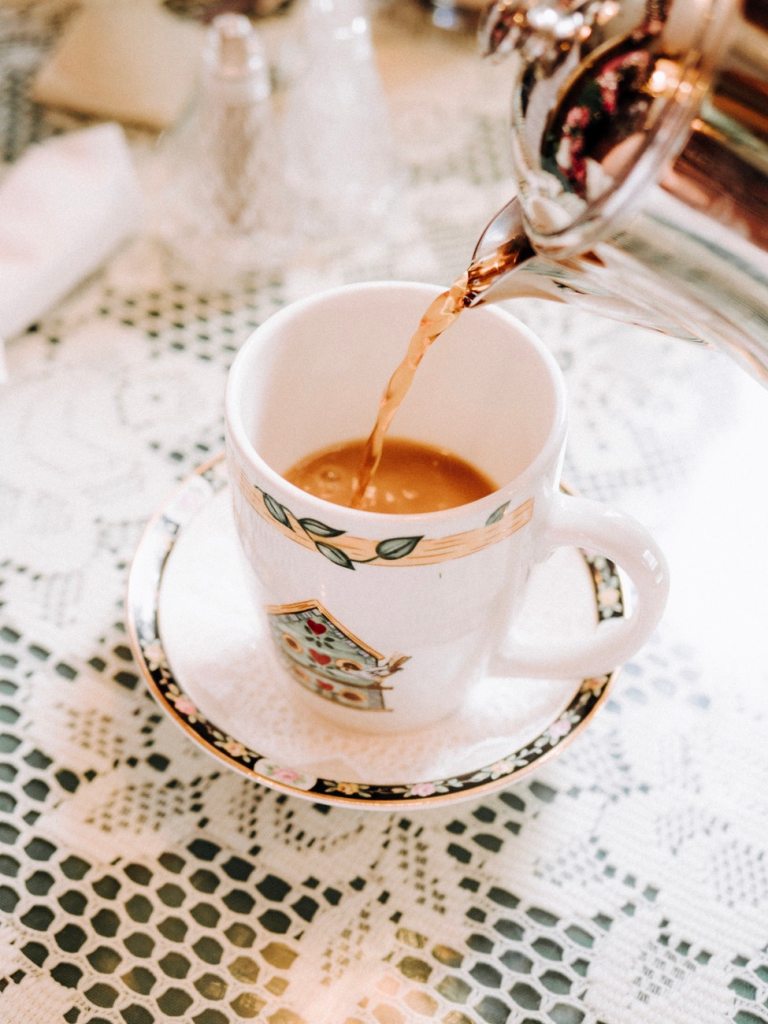
Milk tea refers to several forms of beverage found in many cultures, containing some combination of tea and milk. Beverages vary based on the amount of each of these key ingredients, the method of preparation, and the inclusion of other ingredients (varying from sugar or honey to salt or cardamom).

Milk Tea

3. Green Tea :-

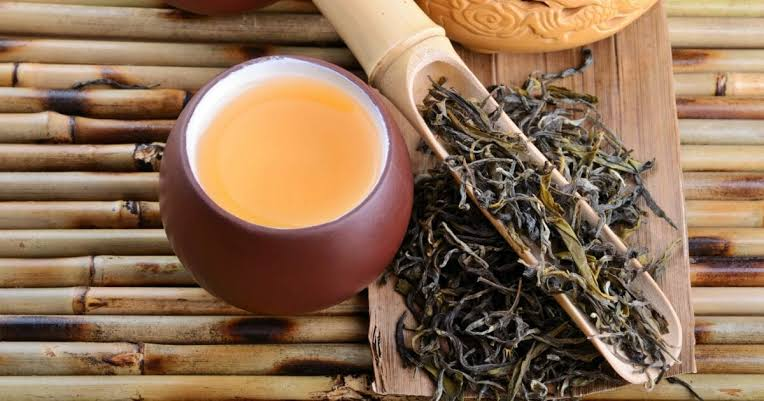
Green tea is the most popular tea globally, is unoxidized, and has less caffeine than black tea. Camellia sinensis leaves are picked, dried, and heat-treated to prevent oxidation. Chinese people often pan-fire leaves, which creates a duller green color, while Japanese people will typically steam them and achieve a brighter green shade. Matcha, Sencha, Gunpowder Green tea, Dragonwell (Longjing) green tea are some different kind of green tea.

Green Tea

4. Herbal Tea :-

Herbal tea doesn’t come from tea leaves like other varieties. It’s made from dried herbs, fruits, and flowers, which can create a wide range of delicate flavors. These tea types are caffeine free, making them ideal for customers with dietary restrictions.hibiscus, chamomile, peppermint, Yerba Mate are some kind of herbal tea.

Herbal Tea

5.Rooibos Tea :-

Rooibos tea, or African Red Tea, is an herbal tea that comes from the South African Red Bush, and the leaves are ground and bruised before they’re fermented and dried. Green rooibos tea doesn’t go through an oxidation / fermentation process and has a lighter flavor.

Rooibos Tea