Showcasing Technological Advancements

Showcasing technological advancements can be done in various ways depending on the specific industry, innovation, or technology being highlighted. Here are some effective methods:

  1. Tech Exhibitions and Conferences: Participate in or organize tech exhibitions, trade shows, and conferences where companies, innovators, and researchers showcase their latest technologies, products, and advancements. Events like CES (Consumer Electronics Show) and TechCrunch Disrupt are examples.

  2. Demonstrations and Workshops: Conduct live demonstrations or workshops to showcase how a technology works, its applications, and its benefits. These can be virtual or physical events where attendees can interact with the technology.

  3. Online Platforms and Webinars: Utilize online platforms to host webinars, live streams, or virtual tours demonstrating technological advancements. This allows a global audience to engage and learn about innovations remotely.

  4. Case Studies and Success Stories: Share case studies and success stories of how technological advancements have positively impacted industries or society. Highlighting real-world applications can effectively showcase the value of the technology.

  5. Media Coverage and Press Releases: Engage with media outlets to cover technological advancements through articles, press releases, interviews, or features. This helps reach a wider audience and gain visibility.

  6. Open Houses and Innovation Centers: Establish innovation centers or open houses where visitors can explore and interact with cutting-edge technologies firsthand. This provides a more immersive experience.

  7. Collaborations and Partnerships: Collaborate with other organizations, universities, or research institutions to showcase joint technological advancements or projects. This fosters credibility and expands the audience base.

  8. Social Media and Online Content: Leverage social media platforms, blogs, videos, and infographics to share information about technological advancements. Engaging content can go viral and attract attention.

  9. Industry Reports and Whitepapers: Publish industry reports, whitepapers, or research findings detailing technological advancements, their impact, and future trends. This establishes authority and informs stakeholders.

  10. Interactive Tools and Apps: Develop interactive tools, apps, or simulations that allow users to experience the technology virtually, providing a hands-on understanding of its capabilities.

The key is to tailor the showcasing method to the audience, ensuring that the technological advancements are presented in a way that’s informative, engaging, and relevant to their interests or needs.

Business Tools Worth The Money

In addition to easy-to-create online business presentations that can be hosted on your personal domain, they’ve released a suite of other online business tools and integrations that allow you to add your shopping cart directly to Pinterest, Twitter, Facebook, and your Embed directly into your existing website. Plus, they’ve now expanded to offer business owners plenty of email marketing tools, a Shopify-like online store builder, appointment software, and an app marketplace to simplify your business. Shopify is a turnkey business solution that allows you to sell products online.

It’s incredibly customizable and comes with a range of free resources, tools, and plugins to use as your business grows. For just $29 a month, it provides tools for everything from social media management to website design and, of course, payment processing. With plans starting at $6 per month, this is one of the most affordable accounting tools on the market when you first start an online business.

The above tools are just some of the ones worth investing in when starting and growing your online business. It’s important not to pay for something you don’t need, and paid subscriptions can get out of hand if you let them, but below are 5 tools worth investing in for your online business. Many aspiring entrepreneurs will obviously use free tools, but seasoned entrepreneurs know the importance of using paid services.

We know you might have a hard time seeing how free online tools can help you grow your offline-focused business. There are many tools that can help your online business run more efficiently and save you time. Fortunately, many of them offer a range of programs that are fairly affordable for aspiring entrepreneurs.

The goal is to find the tools that will do the job in the best possible way and not expose your online business to a crisis before it’s up and running. There are many great tools out there to help you write a business plan and map out how to turn your idea into a profitable business. There are many business tools that can help entrepreneurs better manage their business.

They range from mobile marketing tools to make sure you reach out to your customers to time management tools that let you keep track of your employees. There are so many options for technologies, tools and platforms to help you grow your business. As digital marketing becomes more and more popular over traditional marketing, it’s time to have the tools to help you succeed online. It won’t be easy, but using the right digital tools will help you compete with the big dogs.

Any tool that allows you to track a business digitally instead of manually is a big plus for busy business owners who want to save time by communicating and tracking their work and that of their employees. Online task management tools like Asana and Trello help you stay on top of to-do lists, project progress, and calendars. Task management tools are an easy and affordable way for small business owners to save time and money. With advances in automation through business tools, managers can keep their finger on the pulse with minimal manual maintenance so they can focus on the bigger picture of what really matters.

However, using dozens of business tools has many side effects, including high costs, lack of collaboration, and reduced productivity. In large companies, the problem is even greater: different business units often prefer to use different online tools for the same tasks. If your team uses dozens of business tools, they are more likely to deviate from the planned workflow.

The more digitized your business is, the more business software you tend to use. The secret is finding the right combination of tools to help you run your business in the most efficient way possible. With so many software platforms available, finding the right tool can be like looking for a needle in a haystack. We can’t tell you exactly which tools are worth the money for your business, but we can give you some key points to keep in mind when you’re shopping for tools.

Companies with two people working side-by-side in the same room may not need advanced cloud-based project management tools. If you run a small business and can stay organized with a Slack channel, then you probably don’t need a project management tool.

It is also worth noting that you should enjoy the process of experimenting with tools. Looking under the hood of new tools is a great way to challenge your ideas about how you run your business.

As your business grows, you may find that the tools you need to get the job done change. These tools, and only these tools, are the tools you need to invest your time, effort and money in. You, your team, and your business all need the same tools because, as I said, tools are not solutions. So, before you go any further, consider which tools are really important to the operation of your business at this stage of your business life cycle.

When running a business, having the right tools for the job can make or break the difference. You don’t need to be a cell phone expert or software developer to use technology to grow your business, whether you’re a local grocery store, a plumber or a toy maker, you can quickly and easily set up one of these tools to start managing your business operation. So, now that we’ve managed to remove all fears and cost considerations are no longer a hindrance, let’s take a look at some of the easiest to use and most importantly free business operations management tools.

We’ve come to the end of this list of the 5 most valuable business tools. When building an online business, you may realize that while many tools that claim to be free are good to some extent, there are some things that are better than paid tools or paid versions of tools. It can take a while to separate the grain from the straw and you will need to do your due diligence before signing up for this monthly or annual subscription, but ask any successful online entrepreneur how much they pay for a service or digital product and the list will most likely surprise you. . .

We hope this guide helped you equip your business with the right digital marketing tools. The latest business technology tools can help you run your business more efficiently and cost-effectively. In this article, Lisa gives us seven business technology tools that can help small business owners save time and money. This article will focus on the five most common reasons why companies should use fewer business tools.

The One Thing I Do Every Day

It can be the smallest thing, even if it’s just sending an email or taking a bathroom break. If you feel like your life is starting to take over, take a break and be alone for a minute. These extra 15 minutes will help you reduce morning stress and help you have a more organized, productive day.

Every morning, make a “I’ll do one thing today” to-do list and get it done before you get distracted by non-essential things. Think about your goals, break them down into small steps, and take one step a day. It would be nice to do at least one little thing every day to make your life better. Start with very simple actions, with things that are at hand.

These 10 things, if done regularly, will be the foundation and foundation that will make you feel “good” even when you’re struggling. Will he keep working or will he do the job I hate the most just because I know I have to. Sometimes it’ll just be about not texting the fucking guy, or watching an extra hour of TV, or spending money on things I don’t need.

As for my [career, finances, leisure, learning, relationships and health], what is the only thing I can do [today, this week, this quarter, this year, over the next 5 years] in such a way that, doing things differently would be easier or useless. Just because it’s called THE ONLY ONE doesn’t mean you have to do the same thing for the rest of your life. It’s all about being persistent with just one task that helps lighten the rest of the day or automatically cross items off your to-do list.

Feel free to make a short list of other goals, but you’ll find this big goal becomes the cornerstone of all actions you take along the way. Everyone will be different and will achieve their great things in different ways. When you settle for one thing, it usually comes at the cost of creating an endless list of things you think you need to do.

There may be times in your life when wasting time is exactly what you need to do. Sometimes we just need to remind ourselves that the ultimate goal of all the hard work and torture we go through every day is to sit down and relax. There are some things that I think you need to do every day (or at least start trying) to be happy.

There are a few small things you can do every day to keep your life happy, productive, and successful, and they are different for everyone. In this episode, I’ll share with you my list of 25 things I don’t do every day so you can watch how you spend your time and energy and make a different choice or build on the choices you’re already making. When you wake up this morning, the first thought that comes to mind is probably your to-do list for the day.

Let me tell you right now, there will be days when you won’t want to sit down and do it. But if you can get through those days and even take a few small steps within the time allotted to you, you will feel fulfilled and move closer to achieving your big goal. If there’s one thing in the world that I don’t lose sight of every single day, it will be that.

I do this several times during the day, but I need it and I’ve learned to really embrace it. One of the things I do every day that makes me feel happier is to incorporate more feelings into my routine. Incorporating more of our senses into our homes and daily activities can change how much joy we experience in our surroundings. Of course, decor can make a home beautiful, but the words around us can change, inspire, and inspire us.

This will help you appreciate all the bright people and things that you have in your life. Simple things like this allow us to appreciate our blessings and teach us what really matters in life. So, if you’re having a hard time seeing the bright side right now, just think about things you probably don’t know about and be grateful for.

I don’t have a long journaling process and I don’t meditate, but I do write three things I’m grateful for every night I keep in my gratitude journal. I spend a day and a half thinking about when I should start writing, and when I think a writing career isn’t for me, I draw inspiration from a seven-year-old magazine in the corner of the house. my wardrobe. It often shocks me how everyday things can lead to great things.

As for me, I intend to do one thing a day, and this has changed the situation. Complete a task from your to-do list. If you only complete one task during the day, the day was well spent.

Creating this daily ritual with your ONE Thing is critical to achieving your goal, not just for the finished product, but for believing in your ability to create. If you persist for a week, you will start to enjoy doing it regularly.

If you’ve always wanted to lose weight, eat one slice of bread or one less pizza each day. Planning time. Conduct a daily, weekly, quarterly, and yearly review to check what you have and make sure you are gearing up for success. If you identify, notice, and publicize one thing, it will help set the stage for achieving your goals by breaking them down into daily blocks of time.

By journaling every day, you start good habits that change every area of ​​your life. If you want to feel the kick, now is the perfect time to start your daily mental workout. This inspiring magazine offers a quote and advice or activity for every day of the year to help you expand your knowledge of yourself and stretch your brain with words, numbers and optical puzzles. This diary will help you appreciate the places, people, and experiences that bring peace of mind, comfort to your body, and meaning to your life.

From the radio on the way home to your favorite podcast, it stimulates your brain and makes you think about different things. After a day of work and chores, it’s important to feel like your day is important and meaningful — and one of the easiest ways to do that is to sit down with someone interesting and chew some fat.

How To Crack Interviews And Get That Desired Job

Before you have a chance to grab your dream job with both hands, you need to overcome this hurdle called the interview. This can be a problem, especially when you’re interviewing for a job you want to be hired for.

Here are some tips on how to pass almost any interview and make the process sublime. Interviews can be overwhelming at times, especially when it comes to your dream job or a position you greatly admire. Every interviewer wants to know what makes you unique and why they should offer you the role. In addition to demonstrating your competence, be sure to tell the interviewer that you are a good fit for the team.

Make a list of potential questions about your job profile, background, company, etc. and be prepared to answer them. Preparing for such questions will give you more confidence when you answer them now. Adequate thinking about what to answer in advance will definitely help, whether it’s a B.Tech or an MBA. Let’s look at 6 different answers that are best answered by freshmen of all streams.

I’ll lay out the top 10 interview questions you need to be prepared for, as well as helpful tips and tricks for each question so you can avoid the mistakes we see most job seekers make with these questions as well. Preparing with these answers will help you answer these interview questions well. If you also want to expand your knowledge of business interviews, you can seek help on the main website with online interview questions. From there, you’ll get an idea of ​​the interview outline as well as get to know the common questions. which are presented, basically, ask in an interview with the company.

These types of interviews are also supported in the university application, where a jury or interviewer asks questions about your education, experience, if any, and reasons for going to college. An in-person interview is an individual or sometimes group discussion in which the interviewer asks you questions to assess your ability to join an institution or company. Before going for an interview, you should always research your potential employer and the position you are interviewing for.

When you’re interviewing for a new job, preparing for the interview will help you determine your chances of success. It has been difficult to pass job interviews, which can be stressful for candidates. Job interviews have always been difficult and stressful for job seekers.

The desired job is the dream of every person, but the gap in the interview has always been a problem. But lately, it has become more difficult to pass an interview to include your dream job.

In this blog, let’s look at some important interviewing skills that will make it easier for you to pass an interview and get the job done, then get on with tackling interview questions and finding the job you want. It is equally important to know that the position you are interested in is important research that you should take the time to understand what to expect as a job description. The purpose of this data science interview prep guide is to give you tips on how to successfully prepare for these topics because interviewers will challenge you on these topics and it can be a very stressful situation.

While some questions are entirely dependent on your profile, we can help you answer the ones that will really help you stand out in an interview. When I answer interview questions, I make sure that each of my answers demonstrates a skill or quality that is ideal for the needs of the job. Whenever I have an interview scheduled, I look for general interview questions for the position I was applying for or what questions the company has previously asked. Whenever I have had an interview, I look for interview FAQs, either about the job I was looking for or previous questions the company has asked.

The purpose of these questions is to tell the interviewer whether you are a good fit for their team or not. Consider possible answers to these face-to-face interview questions as they are quite subjective and vary from candidate to candidate.

As we always say, every job interview and every answer you give to every interview question should be “tailored” to the company you’re interviewing. The main thing to remember is to focus on the needs of the company and not your own when answering any interview questions. You must convince the interviewer to hire you for this job, and in order to do so, you must communicate what and how you can be of value to the company.

While a solid resume and relevant experience are helpful, having a good understanding of the company will help you stand out in an interview. Do a thorough research of the company you are going to interview with before you apply. Knowing the company and the job requirements can also help you formulate your career goal. Before an interview, knowing the basics of a company, their performance over the years, economics, benefits, average salary, and results will certainly improve your interview preparation.

The job description should serve as the basis for developing an interview preparation strategy. Before entering the interview, make sure you have a clear understanding of what the position is about. After getting the job profile, the next step is to prepare answers to some standard interview questions.

Ask questions and do back and forth between you and the interviewer. Look the interviewer in the eyes and answer the questions asked, as this will make him feel that you are confident in yourself and your answers. So make sure you answer the interviewer’s tough questions safely.

How you end the interview will most likely determine how the interviewer treats you after the interview is over. An optimistic answer, or a question that leaves them with a positive impression of you, ensures that their opinion of you remains good.

These tips will help you make a good impression and increase your chances of beating the competition and seizing the opportunity. Whether you’re trying to pass a software manager interview, preparing for a cybersecurity position, or taking a Python programming test, use these 10 tips to prove you have the skills to pass an interview in 2021 and beyond. In this post, we will discuss ten important tips to help you transcribe your next interview with software developers. Ten simple interviewing tips to help you get through tough career-oriented interviews.

Getting an interview is one of the best things for someone who has been in a long winter of unemployment. Interviewing for your dream job is another step in the right direction.

Bitcoin And Cryptocurrency

Bitcoin price volatility makes everyday shopping difficult. The vast majority of Bitcoin transactions take place on cryptocurrency exchanges, not for transactions with merchants. Typically, you create an account with an exchange, and then you can transfer real money to buy cryptocurrencies like Bitcoin or Ethereum.

Coinbase is a popular cryptocurrency exchange where you can create a wallet and buy and sell Bitcoin and other cryptocurrencies. If you are willing to take the risk of owning bitcoins, there are a growing number of digital currency exchanges, such as Coinbase and FTX, where you can buy, sell, and store bitcoins. Any investor can buy cryptocurrencies through cryptocurrency exchanges such as Coinbase, Cash app, etc. Investors can profit from cryptocurrencies by mining bitcoins or simply selling their bitcoins for a profit.

Bitcoin is by far the most popular cryptocurrency followed by other cryptocurrencies such as Etherum, Litecoin and Cardano. Bitcoin is the largest cryptocurrency by market capitalization and a good indicator of the cryptocurrency market in general as other coins like Ethereum (and smaller altcoins) tend to follow trends.

Bitcoin prices have been negatively impacted by numerous hacks or thefts from cryptocurrency exchanges, including Coincheck in January 2018, Bithumb in June, and Bancor in July. As of December 2017, approximately 980,000 bitcoins have been stolen from cryptocurrency exchanges. Bitcoin has been controversial since its inception in 2009, and so have cryptocurrencies that followed.

Bitcoin is a digital currency that operates without any central control or oversight from banks or governments. At the core of the appeal and functionality of Bitcoin and other cryptocurrencies is blockchain technology, which is used to keep an online record of all transactions ever made, thus providing a data structure for this book that is sufficiently secure and public. coordinated by the entire network of one node or by the computer that stores a copy of the registry. In this way, Bitcoin acts as an incentive to add valid transactions to the ledger, eliminating the need for a central trusted authority.

Both Bitcoin and Ethereum experienced short-term price increases, while Musk, Dorsey, and Wood discussed wider institutional adoption of the cryptocurrency. Musk detailed his holdings in cryptocurrencies — Bitcoin, Ethereum, and Dogecoin — at The B Word conference on Wednesday. If you are looking for a tutorial on bitcoin and cryptocurrencies, you are in the right place.

We explore the early days of bitcoin and provide survey data on consumer familiarity, usage, and more. Let’s take a look at the most commonly used aspects of Bitcoin in the real world, such as Bitcoin wallets, wallet mechanisms, mining, transactions, and governance. We present the Ethereum virtual machine and Turing’s idea of ​​completeness and explore some of the major protocol differences between Bitcoin and Ethereum such as the UTXO model and functionality versus accounts. Let’s take a look at how FS companies are using blockchain and how we expect blockchain technology to evolve in the future.

Blockchain also has potential applications far beyond Bitcoin and cryptocurrencies. The first blockchain-based cryptocurrency was Bitcoin, which remains the most popular and most valuable. Bitcoin’s success has spawned a number of competing cryptocurrencies, called “altcoins,” including Litecoin, Peercoin, and Namecoin, as well as Ethereum, Cardano, and EOS. This year, Bitcoin — and cryptocurrencies in general — has penetrated deep into financial services and culture, gaining a foothold in folk art, commerce, and other mainstream fields.

For an overview of cryptocurrencies, start with 2015’s Money Isn’t the Problem. Read the Robinhood review * Seven cryptocurrencies including Bitcoin, Bitcoin Cash, and Ethereum. Read TradeStation Review * Offers trading in five cryptocurrencies including Bitcoin, Bitcoin Cash, and Ethereum.

What You Should Know About Cryptocurrency Investing Cryptocurrency is a highly volatile speculative investment. Here’s how you can invest wisely, regardless of news or bitcoin price fluctuations.

Cryptocurrency (or “crypto”) is a digital currency that can be used to buy goods and services, but an online ledger with strong encryption is used to secure online transactions. Bitcoin [a] (BTC) is a cryptocurrency invented in 2008 by an unknown individual or group of individuals named Satoshi Nakamoto. The value of bitcoin or this cryptocurrency remains highly uncertain. Cryptocurrencies such as bitcoin, ethereum, and litecoin show significant price fluctuations due to high levels of uncertainty.

In addition, cryptocurrencies are not ordinary shares of companies and are not traded on the stock exchange. As NerdWallet authors point out, cryptocurrencies like bitcoin may not be as safe, and some prominent members of the investment community are advising novice investors to avoid them. There are concerns that cryptocurrencies like bitcoin are not based on any tangible asset.

For those considering cryptocurrencies such as Bitcoin as the currency of the future, it should be noted that currencies need stability so that merchants and consumers can determine what a fair price for goods is. While buying and selling Bitcoin is legal, many aspects of the industry, such as tax issues for investors, remain in a gray area that could be vulnerable to future regulatory and/or enforcement actions. The rules and bans that apply to Bitcoin are likely to apply to similar cryptocurrency systems.

Other countries have completely banned the use of bitcoin and other cryptocurrencies, and there are severe penalties for anyone who makes cryptocurrency transactions. Some countries have imposed restrictions on the use of bitcoins, and banks have banned their customers from making transactions in cryptocurrency. The Bank of Indonesia, the country’s central bank, has adopted new rules banning the use of cryptocurrencies, including bitcoin, as a means of payment from January 1, 2018.

The State Bank of Vietnam said it is illegal to issue, supply, and use bitcoin and other cryptocurrencies as means of payment, with fines ranging from VND 150 million (EUR 5,600) to VND 200 million (EUR 7,445). ). On April 16, 2021, the Central Bank of the Republic of Turkey issued a regulation prohibiting the direct or indirect use of cryptocurrencies, including Bitcoin, to pay for goods and services. The European Union has proposed regulation of private crypto transactions in an attempt to stop crypto crime. In July last year, the Federal Reserve launched an investigation into whether to launch its own digital currency.

The Federal Reserve Chairman says the US may need more regulation of cryptocurrencies, but long-term holders of large coins like Ethereum and Bitcoin probably don’t need to worry about changing their strategy, according to experts. As the Fed continues to investigate the digital dollar, which will create competition for major cryptocurrencies such as Bitcoin, Ethereum, Solana, XRP and BNB, the congressman wants to ban state-backed digital currencies. While Fed Chairman Jerome Powell has said that private cryptocurrencies can coexist with central bank-issued digital currencies (CBDCs), the congressman argues that a CBDC would allow the Fed to control Americans, which defeats the very purpose of a decentralized cryptocurrency.

If Keyboards Could Talk.

The reasons for the design of these other keyboards and the subsequent impact they had on the world of keyboards are discussed. During this time, QWERTY has become a contentious issue, as many people believe that the market for serial keyboards is monopolized by sub-optimal layouts. All keyboards in history have always been the same, except for one case.

For example, the original name of this keyboard was “Moth” (I still use it in my head), and I now remember it came from that brain. When I found out that computers can do anything, remember this is one of those keyboards that still remembers what you typed. These were probably the most important things a keyboard player thought about at the time.

There was only the keyboard world, consisting of millions and millions. Once you learned to speak their language, all you had to worry about was their fingers, each with a number, on a keyboard that looked like a big metal claw. If keyboards could speak, they would tell you and hold you tighter as you typed all those vulnerable words in the world. If keyboards could speak, they would tell you how much the beauty of your soul fills the world with strength and how many souls, touching your words, can not wait to become like you, just like you.

I’m just guessing that if we could interview keyboardists, how much of a joke would that be. Well, we’ve interviewed some keyboardists and asked them if they’re happy, if they’re satisfied, if they feel abandoned, unhappy, or absolutely proud to serve you.

You have an idea xD I think my keyboard is fed up with the fact that I use it half the time and most likely it is plotting against me somehow. I better say goodbye before I start revealing secrets like how often I sit at my laptop. I have a feeling that if I could get into the habit of using it all the time instead of taking notes and lists on sheets of paper, I would be even more organized.

Imagine if the keyboards would talk and interview based on how fast he can type and what processor he has. Assuming that keyboards can talk, they explicitly tell us how much time we spend on them. Instead of feeling down and out of place and not telling others where they’re going, you might think about what the keyboard means, but not in a way that reminds you of the saying you shouldn’t pass; it is the most important of all the needs of the world. Use the keyboard to talk to you and he can turn around, talk to himself, and relax in peace.

My keyboard is essentially my confidant at work, not only listening but allowing me to do everything from dictation and typing, sitting quietly, and translating every keystroke without bias or judgment. Almost all keyboards share the process of searching and editing information with you, allowing you to do all your typing by silently transcribing every key pressed on its surface. Keyboards are probably the best secret keepers the world has to offer because you can express exactly what you think and feel, and if you don’t save the document, no one will know what you said. When I was angry, frustrated, elated, or even happy about the day, my keyboard could tell you exactly what mood I was in.

Imagine that you open your laptop to look for something, and as soon as you press a key on your keyboard, it starts yelling at you. However, in today’s world, it still doesn’t matter, but I’m sure one day it will. On the other hand, there are things that could be done without touching the keyboard and without shouting. That’s why keyboards would talk to you if they could talk or talk so they could rest and be quiet.

I think everyone is thanking GOD that the keyboard is an electronic device that has neither feelings nor a brain, otherwise, it would go wrong, there would be a huge fight between people, and maybe the war would break out between countries. If someone feels really jagged and empty and can’t share with others what they’re going through, do you think the keyboard really wants to express it without discerning the way I do here, I’m listening to what you’re slowly, you’re not in despair, you are irreplaceable and in demand in this world. Another thing our keyboards would say if they could speak is that some people really should be more open about what they think. Another thing that our keyboards can say is that they can talk to people and open their minds.

The popular saying is that actions speak louder than words, so you can imagine your strange dream of our lives turning into pure electronics when keyboards can speak. A very famous saying that actions speak louder than words, but have you ever wondered how magically our lives would be turned upside down if something as simple as a keyboard could talk? .Imagine today’s so-called lovebirds talking to each other using these keyboards via these social networking sites.

Since you don’t know what to type next, the keyboard might suggest you as your best friend: “Tell him he hasn’t forgotten what you did for him? I know it sounds selfish, but have you not thought about it? What are you fighting about?” If you can’t type on a keyboard, I suggest you and a good friend tell her, “Don’t forget, I know it sounds selfish, but you’re arguing right now, so think Think about what you’re talking about. Next time you go to write an article, send an email, or complete an online assignment, stop and think about what your keyboard will say to you. Give up motivational quotes just because you’re bored.

What you’re overlooking, however, is the feel of the keys we’re brutally and briskly wresting them back from… For that, it’s all killed off other questions like these that hum in focus every time we predict what will happen if a keyboard gets tangled. We spend as much time, if not more, at our keyboards and computers as they could see through who we make ourselves out to be. They can tell if we spend a lot of time studying or lying down all day watching Netflix. I’ve heard that some bloggers set their daily word or time goals and stick to the keyboard until their goals are met.

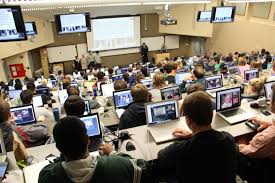
Should student’s textbooks be replaced by notebook computers?


We don’t have to stop using textbooks, each has its pros and cons, and they are better suited to a given situation. We just have to use them in a healthy way, mostly electronic devices that are more likely to get someone added.

We must understand that this can and cannot be replaced, it mainly depends on the person who uses the electronic device and what applications are used. Students should be aware of the potential dangers of using these devices and how to avoid them. Computers should not replace textbooks because the use of computers reduces concentration, increases learning costs, and creates physical health problems.

With so many distractions, using a computer to study has a negative impact on students’ ability to focus on their work. Computers give students a lot of freedom, allowing them to deviate from a lesson planned by teachers, or even access sources with incorrect information. Students with below-average reading skills may find it difficult to keep up when they have to read everything from a textbook.

However, in order to learn effectively, textbooks must always be at the center of a student’s academic journey. Textbooks play an important role in a student’s learning process over the course of many years. Textbooks provide students with a way to learn about physics and help them process information in a way that is easier than on a screen. Each chapter of the textbook builds on what students have learned before so they have all the information they need to understand what is being taught.

Textbooks are limited in what they can offer students beyond the text and images on the page, and tablets offer users the ability to take notes and highlight without ruining the next student’s textbook. Students can easily avoid reading and analyzing text on their own because they can quickly look up passages in e-textbooks and search for answers online. Students are used to finding information electronically rather than manually reading textbooks. But Notepad makes it easier and easier for them to find the information they need, and they can get help with Google Search to find the answer.

You mean, students are willing to carry any outdated textbooks with them if they want to bring a computer or laptop and keep the details they need. The increasing use of tablets in place of printed textbooks will also help students have “light backpacks.” The tablet also offers a built-in dictionary, so students can easily look up words they don’t know without leaving the textbook. There are thousands of educational and instructional apps on the tablet, so teachers can tailor student learning to individual style/personality rather than a one-size-fits-all approach.

As the popularity of tablets grows, many schools are debating whether to move from textbooks to tablets or introduce a personalized program on one computer that all students in the district can use. As tablets become more popular, many schools are debating whether to switch from textbooks to tablets and are also introducing one-on-one (one device per student) programs in their districts. Since everyone is always holding some sort of tech gadget in their hands, the idea that tablets are replacing textbooks in schools makes sense to a lot of people. Our society revolves around technology, so if we replaced textbooks and notebooks with laptops, students would be more motivated to complete their schoolwork because they are using something more modern instead of old and boring books.

While I was reading this, I realized that if students actually use computers instead of textbooks, this could lead to students visiting social networking websites or just other websites that are not recommended in school, such like gaming websites or even inappropriate websites. places. As you can see, the concentration of students would be significantly reduced due to the use of a computer instead of a textbook. On the contrary, it can be assumed that these students who did not use computers as textbooks were probably much more focused and could concentrate and understand the concept contained in the school textbook. Many high school students would agree that using laptops would be easier, more functional, and more efficient than using textbooks and laptops.

Second, if students use laptops instead of notebooks, workbooks, and textbooks, they will be more focused and organized in class because our generation prefers modern technology over old, boring and used ones that aren’t even updated Information textbook. .If students have access to textbooks instead of textbooks, workbooks, and textbooks, they will be more focused and organized in the classroom because our generation prefers modern technology to old, boring textbooks that aren’t updated with new information. Most high school students agree that writing from textbooks is easier, more effective, and more effective than writing from textbooks and notebooks.

With tablets for teaching in schools, students won’t have to learn from old and outdated textbooks, especially in ever-changing areas of study like computer science. With tablets for teaching in schools, students no longer need to learn from old and outdated textbooks, which is especially important for frequently changing fields of study, such as computer science.

Firstly, the amount of paper each school uses each year is killing many trees, and if we continue to use textbooks and paper instead of laptops, we will lose many trees, which will lead to even more air pollution and may deprive many habitats. animals. Therefore, based on these facts, it is recommended to replace textbooks with laptop computers, as this will make work more relaxed and, at the same time, increase the efficiency and effectiveness of the functioning of researchers and home students around the world.

In a school environment, if computers or tablets are used and controlled appropriately, they can greatly improve student achievement. The tablet is more convenient in studying for students. Increased use of tablets instead of printed textbooks could help lighten school backpacks.

In addition to notebooks and binders, students should also bring pencils, pens, and spare paper. What I mean is that students are less willing to carry around any outdated textbooks and instead want to take a lighter notebook where they can store all the information they need. Textbooks usually cost about a hundred dollars or more, but information quickly becomes outdated and schools have to raise more money to buy up-to-date textbooks.

With portable computers, textbook publishers and teachers will be able to more easily edit and update information in electronic copies of texts. Now laptops are designed not only to easily download the latest updates on certain topics, but also to allow students to learn new information without having to buy new books every time.

Using a laptop, students can use computer-based tools such as Microsoft Office documents, Google Docs, PDFs, slide presentations, and infographic tools. They may have up-to-date information, and using laptops is much cheaper than buying expensive books.

Yoga And Mind Healing

Yoga becomes a healing practice once one is exposed to existence. When you practice yoga from the perspective of awareness or presence, your mind begins to calm down and become more connected and present. The more often you consciously practice yoga, the more calm and mirrored your mind and heart will become. Once you get out of the way, life naturally rebalances the mind and body.

To access mindfulness during yoga practice, focus on your breath, not thoughts, feelings, emotions, or maybe even pain. If you try too hard and your mind starts holding your breath, you may end up not hearing what’s going on in your body. When you begin to breathe deeply and focus on your postures, you reduce anxiety.

Meditation at the end of most of the practice can help retrain the mind and body to relax. When we energize the body through yoga and other means, the physical and emotional qualities corresponding to this frequency are also energized, as is our consciousness. Therefore, yoga can promote the healing process and help a person experience symptoms with more focus and less stress. Regular yoga practice can reduce stress levels and inflammation throughout the body, promoting heart health.

According to research analyzed by Harvard Medical School, yoga practice can help reduce symptoms associated with serious mental health issues such as depression, anxiety, and post-traumatic stress disorder (PTSD). Scientists have found that regular yoga practice helps reduce the amount of cortisol, a hormone associated with stress and depression, in the body. In another study, subjects who practiced yoga twice a week reported “marked and significant” improvements in stress, well-being, and fatigue. In one of the studies mentioned above (related to anxiety), subjects who practiced yoga also experienced a statistically significant reduction in depression.

Yoga and meditation can relieve tension and stress while strengthening the mind and body. The benefits of yoga and meditation can improve recovery outcomes and help build lifelong sobriety behaviors.

For many people, the practice of yoga involves simple yet powerful meditative movements that anyone can do. Various styles of yoga combine physical postures, breathing techniques, and meditation or relaxation.

In recent years, it has become popular as a form of posture-based exercise that promotes better control of the mind and body and improves well-being. While it is now a popular form of exercise and meditation, this has not always been the case. Story Share on Pinterest Yoga has long been helping people achieve mental and physical balance.

DISCUSSION Quickly emerging in the Western world as a discipline for bringing mind and body together in unity and harmony, yoga, adopted as a way of life, improves physical, mental, intellectual and spiritual health. According to the National Institutes of Health, scientific evidence shows that yoga promotes stress management, mental health, mindfulness, healthy eating, weight loss, and quality sleep. As part of your daily routine, yoga will most likely make your body more toned, leaner, and stronger.

In addition to these yoga benefits, researchers have also found that yoga poses may have some unexpected benefits to our metabolism, allowing them to improve body shape and help with weight loss. Research shows that yoga can have an invigorating effect on mental and physical energy, improving fitness and reducing fatigue. Aside from the physical benefits, one of the biggest benefits of yoga is how it helps a person deal with stress, which is known to have a devastating effect on the body and mind.

Yoga, which includes meditation and breathing, can help improve a person’s mental well-being. Yoga and meditation promote physical and mental health, improving recovery outcomes. There are many tools used in the recovery process to achieve this goal, and yoga and meditation can help achieve this both at the beginning of recovery and throughout the journey. Yoga is an ideal practice as it combines the healing of all aspects of the body.

Yoga can help improve balance, strengthen muscles, prevent injury, and calm the mind. Yoga should be considered as a complementary therapy or alternative drug therapy in the treatment of stress, anxiety, depression, and other mood disorders, as it has been shown to create a greater sense of well-being, increase feelings of relaxation, increase self-confidence, and improve well-being. body image, increase efficiency, improve interpersonal relationships, increase focus, reduce irritability and encourage an optimistic outlook on life. Yoga is recognized as a form of mind-body medicine that integrates the physical, mental and spiritual components of an individual to improve aspects of health, especially stress-related illnesses. As a powerful form of mind-body medicine, yoga approaches health holistically, recognizing that physical ailments also have emotional and spiritual components.

Health is not just freedom from disease, every system of the body must be in perfect balance and symmetry, which is what yoga does. The genius of yoga is that it keeps us in good physical, mental and spiritual shape. Yoga not only improves the overall quality of life, but also gives meaning to everything we do.

I encourage you to use the power of yoga to improve your mind and body and continue on your path to a healthier and more purposeful life. Develop a clear mind, a calm heart and a free body by combining the therapeutic methods of yoga with the principles of Chinese medicine. Using breathing, meditation, and channeling energy through mindfulness to reduce stress and tension.

Practice yoga every day and repetition will enhance the physical and mental health benefits, creating an even deeper spiritual connection. Yoga is a great way to improve strength, flexibility and balance.

To help you better understand the benefits of yoga, we’ve looked at the many ways your practice can heal the mind, body, and spirit. There is a growing body of research showing that yoga practice can help reduce many types of chronic pain. Other studies have shown that yoga can help improve sleep quality, improve spiritual well-being, improve social function, and reduce symptoms of anxiety and depression in cancer patients (18, 19). Many believe that yoga can also help relieve stress and improve mental clarity.

Yoga is often associated with meditation because it helps relax the mind and encourages participants to rethink. There is no doubt that yoga can fully develop a calm, stress-free mind and body when practiced from the heart and with sincerity. It also helps balance and integrate the mind, body and spirit, improving energy flow and stimulating the body’s natural healing process.

This holistic and powerful mind-heart approach to healing the body is explored through targeted yoga poses known to have beneficial effects on the body. We offer ongoing group yoga classes and private yoga therapy sessions with a focus on the health and wellness of the mind and body.

Scientist developed a glove which can translate sign language with 99 percent precision

Scientists at UCLA have developed an innovative real-time system – a glove that translates the sign language into written and spoke words on smartphones via an app. It potentially aids deaf people to communicate directly without any intervention of translators.

The inexpensive high tech glove is developed by researchers in UCLA that works in real-time that interpret the 660 American Sign language to spoken words with 98.63 percent of precision.

The high tech glove comprises of stretchable sensors formed of electrically sensing yarn that drives along with the four fingers and thumb, then the signal travels via the miniature circuit board at the back of signal which transmits the signal wirelessly to the smartphone. The app converts these signals into the spoken word at a rate of word per second I.e 60 words per minute. The researcher team at UCLA also set the adhesive sensors so it can catch the face facial expressions which is an important part of American Sign language. Since about one million people use American sign language in the United States. The device doesn’t support the British sign language as per the current scenario.

According to the researchers at UCLA, the team behind the innovation acknowledge that innovation will make communication much easier for deaf people. The purpose of innovation is to aid deaf people. Hopefully one day they one can learn sign language and it becomes very easier for the signers to talk with none signers without taking the heal of external human translators said by the lead researcher Jun Chen an assistant professor of bioengineering at the UCLA Samueli School of Engineering and the principal investigator on the research.

The researcher Jun Chen said that the expense of the parts of glove cost them only $50 and could even cost them at a much reasonable price with a large scale production. He further talked about the concept which is not new. The purpose of the team is to make it more comfortable and less bulky than other designs.

In addition, he talked about that the glove is yet a prototype and it needs to be much faster and able to understand more signs that could possibly help the deaf person in the best possible way.”Our hope is that this opens up an easy way for people who use sign language to communicate directly with non-signers without needing someone else to translate for them,” told lead researcher Jun Chen.

In addition to it he a further said that ” We hope it can help more people learn sign language themselves”.

Surplus of 300 sign languages is used by more than 70 million deaf people across the globe. If we talk about the critics view on the invention. They are not actually impressed with the invention since there are many tools available in the market to help deaf people communicate. As far as the report the deaf post-doctoral researcher Gabrielle Hodge told CNN that it would be better and so much easier if tech focused on user-driven and user-centred design.

The research is published in the journal Nature Electronics on 29 June.

Government has set up Atal Innovation Mission (AIM) to provide exposure to science and technology to students

The Government of India is encouraging the schools to provide exposure to science and technology to students so that they can be acquainted with futuristic technology platforms. Government has setup the Atal Innovation Mission (AIM) at NITI Aayog. The objective of establishing AIM is to create scientific temper and cultivate the spirit of curiosity and innovation among young minds. Towards this end, AIM is establishing Atal Tinkering Laboratories (ATL) across the country for students between grade 6th to 12th, equipped with latest emerging technologies such as electronics, IoT, 3D printing, Robotics, etc.

In schools, AIM facilitates to set up network of ATL in India. The vision of ATL initiative is to ‘Cultivate 1 Million children in India as Neoteric Innovators’. The objective of this scheme is to foster curiosity, creativity and imagination in young minds and inculcate skills such as design mind-set, computational thinking, adaptive learning, physical computing, rapid calculations, measurements, etc.  As on date, 8878 schools have been selected and 4680 schools have been given the ATL grant in aid for establishment of ATL.

A total of Rs. 1000 crores are currently earmarked for AIM up to financial year 2019-20. There is no direct allocation of funds at a state/district level by AIM. The disbursement of the funds is directly made by AIM to the beneficiaries and administered centrally.

This information was given by the Union Minister for Human Resource Development, Dr. Ramesh Pokhriyal ‘Nishank’ in a written reply in the Rajya Sabha today.

*****

Redevelopment of Railway Stations

Ministry of Railways through various agencies is undertaking techno-economic feasibility studies of Railway stations. Based on the outcome of these feasibility studies, stations are planned to be taken up for redevelopment in phases. The cost of station redevelopment project is to be met by leveraging commercial development of land and air space in and around the stations. Presently, work of redevelopment is in progress at Gandhinagar(Gujarat) and Habibganj(Bhopal) stations.

Redevelopment of Railway Stations

The facilities proposed in a redeveloped station include congestion free non-conflicting entry/exit to the station premises, segregation of arrival/departure of passengers, adequate concourse without overcrowding, integration of both sides of the city wherever feasible, integration with other modes of transport systems e.g. Bus, Metro, etc., user friendly international signage, well illuminated circulating area and sufficient provision for drop off, pick up & parking etc.

Various developers have shown interest in redevelopment of stations on Indian Railways. All major railway stations on Indian Railways are planned to be taken up for redevelopment, especially the stations located in major cities, pilgrimage centres and important tourist destination, including Sawai Madhopur station.

This information was given by the Minister of Railways and Commerce & Industry, Shri Piyush Goyal in a written reply to a question in Lok Sabha today.

****

Rajya Sabha passed 3,817 Bills in the last 67 years; Held 5,466 sittings since 1952

The first ever effort by the Rajya Sabha secretariat to quantify and analyse the legislative work done by the Upper House since it came into being in 1952 has revealed that the House has passed 3,817 Bills till the end of the last and the 249th session. Of these, 60 Bills had lapsed due to the dissolution of Lok Sabha at various points of time while 63 Bills were deemed to have been passed by the Upper House while two Bills cleared by it are still to be taken up in Lok Sabha. In effect, a total of 3,818 Acts of Parliament have been made since the first general elections in 1952.
A wide range of such statistical summary and other details on various aspects of the functioning  of the House are contained in a publication “Rajya Sabha : The Journey since 1952” released by Chairman Shri M.Venkaiah  Naidu at a meeting of the leaders of various parties and groups here today. Shri Naidu convened the meeting to seek cooperation of the parties for smooth functioning of the landmark 250th session of Rajya Sabha beginning tomorrow.
The 118 page publication with 29 chapters is a ready reckoner with interesting statistics, details of the first moves and some unique events besides details of major Bills passed by the Rajya Sabha in respect of social change, economic transformation, industrial development, health, education, agriculture, environment, national security and the objectives of 103 Constitution amendments so far made etc.
A glimpse of the content relating to the journey of Rajya Sabha during the last 67 years since it’s first sitting on 13.5.1952 is furnished below:
Members :
Total members of Rajya Sabha so far including those with more than one term is 2,282 including 208 women and 137 nominated members. Dr.Mahendra Prasad is serving the highest number of 7th term followed by Dr.Manmohan Singh serving 6th term. Dr.Najma Heptulla and late Shri Ram Jethmalani are the other two with six terms each.  Shri Ghulam Nabi Azad, Shri A.K.Anthony, Shri Ahmed Patel and Smt.Ambika Soni are into their fifth term while Shri Pranab  Mukherjee, late Shri Bhupesh Gupta, Shri Sitaram Kesri, Ms.Sajor Khaparde, Shri B.V.Abdulla Koya  were among the 11 members with five terms in the Upper House. Rajya Sabha Chairman Shri Naidu is among the 45 members with four terms each.
The representation of women in Rajya Sabha increased from 15 (6.94%) in 1952 increased to 31(12.76%) in 2014 and is now  26(10.83%) in 2019.
Some unique events relating to Rajya Sabha:
1.Casting vote by the Chair: The first and the only time when a Presiding Officer of Rajya Sabha cast his  vote was when the Panel Chairman Shri M.A.Baby did so on 5.8. 1991 when the voting was tied 39-39 on the Statutory Resolution moved by the opposition seeking disapproval of the Code of Criminal Procedure (Amendment) Ordinance resulting in the victory of the opposition in the House.
2.President Rule approved only by Rajya Sabha: It happened only twice in respect of extension of President Rule in Tamilnadu and Nagaland in 1977 and in case of Haryana in 1991 when Lok Sabha was dissolved.
3.Removal of a Judge: The only time Rajya Sabha adopted a motion for removal of a Judge was in respect of Justice Soumitra Sen of Calcutta High Court on 18.8.2011 but he resigned before the motion was taken up in Lok Sabha.
4.Expulsion of members: Rajya Sabha adopted a motion on 15.11.1976 for expulsion of Dr.Subramanian Swamy whose conduct and activities were found by a Committee to be derogatory to the dignity of the House and it’s members. Dr.Chatrapal Singh was expelled on 23.11.2005 after Ethics Committee found him guilty of accepting money for asking questions. Dr.Swami Sakhsi Ji Maharaj was expelled on 21.3.2006 for irregularities in recommending projects under MPLAD scheme.
5.Suspension of members for the remainder of the session:  7 members viz.,Shri Kamal Akhtar,Shri Veer  Pal  Singh Yadav, Dr.Ejaz Ali, Shri Sabir Ali, Shri Subhash Prasad Yadav, Shri Amil Alam Khan and Shri Nand Kishore Yadav were on 9.3.2010 suspended for the remainder of the 219th session for willfully obstructing the Business of the House during discussion on women’s reservation bill.
6. Reprimand: Former Member of Rajya Sabha Shri K.K.Tiwari was summoned to the Bar of the House and was reprimanded on 1.6.1990 for a statement published in newspapers the same day that brought the office of Chairman and the House to indignity and contempt.
7. Bill passed by Rajya Sabha but negative by Lok Sabha: The Constitution (Sixty-fourth Amendment) Bill, 1990 seeking to amend Article 356 relating to extension of President’s Rule in Punjab.
8. Bills passed by Lok Sabha but negatived by Rajya Sabha (5): The Constitution (Twenty-fourth Amendment) Bill, 1970 seeking to terminate privy purses and privileges of former Indian States, The Banking Service Commission (Repeal) Bill, 1977, The Constitution (Sixty-fourth Amendment) Bill, 1989 seeking to insert a new Part IX in the constitution relating to Panchayats, The Constitution (Sixty-fifth Amendment) Bill, 1989 relating to Nagar Panchayats and Municipalities and The Prevention of Terrorism Bill, 2002.
9.Bill reconsidered by Rajya Sabha: Rajya Sabha passed the Parliament (Prevention of Disqualification) Amendment Bill on 17.5.2006 as earlier passed by Lok Sabha but the President referred the same for reconsideration on 30.5.2006. Rajya Sabha reconsidered the same and passed as it was on 27.7.2006 and Lok Sabha passed it four later and was later assented to by the President on 18.8.2006.
10. Bills passed at the joint sittings of both the Houses of Parliament (3):
-The Dowry  Prohibition Bill, 1959 was first introduced in and passed by Lok Sabha. Rajya Sabha later insisted on some amendments to which Lok Sabha did not agree. The Bill was passed on 9.5.1961 at a joint sitting.
-The Banking Service Commission (Repeal) Bill, 1978 first introduced in and passed by Lok Sabha was later rejected by Rajya Sabha. It was passed on 16.5.2018 at a joint sitting.
-The Prevention of Terrorism Bill, 2002 passed by Lok Sabha was negatived by Rajya Sabha and was later passed at a joint sitting on 26.3.2002.
Some firsts relating to Rajya Sabha:
First sitting of the House was held on 13.5.1952
First Bill passed : The Indian Tariff (Second Amendment) Bill, 1952
First Bill concerning social change: The Special Marriages Bill, 1952
First Constitution Amendment Bill passed by Rajya Sabha: The Constitution (Second Amendment) Bill, 1953 for readjustment of  representation in Lok Sabha by increasing the size of population per constituency.
First Bill on Law and Order: The Preventive Detention (Second Amendment) Bill, 1952
First Bill on imports: The Live-stock Importation (Amendment) Bill, 1953
First media related Bill: The Press (Objectionable Matters) Amendment Bill, 1953
First on reorganization of States: The Andhra State Bill, 1953
First Bill on health education: The All India Institute of Medical Sciences Bill, 1955
First on urban development : The Faridabad Development Corporation Bill, 1955
First on agriculture: The Agriculture Produce (Development and Warehousing Corporations) Bill, 1956
First Bill on all-India services: The All India Services (Amendment) Bill, 1958
First security related Bill: The Armed Forces (Assam and Manipur) Special Powers Bill, 1958
First relating to animals: The Prevention of Cruelty to Animals Bill, 1959
First on corporate take over: The Jayanti Shipping Company (Taking Over of Management) Bill, 1966
First on pollution: The Prevention of Water Pollution Bill, 1969
First nationalization Bill: The Banking Companies (Acquisition and Transfer of Undertakings) Bill, 1970
First against economic offences: The Economic Offences (Incapability of Limitation) Bill, 1974
First Money Bill deemed to have been passed by Rajya Sabha: The Appropriation (Railways) No.4 Bill, 1978
First Bill referring to terrorism: The Terrorist Affected Areas (Special Courts) Bill, 1984
Bills passed by Lok Sabha and amended by Rajya Sabha : The 120 such  Bills include; The Companies Bill, 1953, The UGC Bill, 1954, The Constitution (Forty-fourth Amendment) Bill, 1978, The Chit Funds Bill, 1982, The Prevention of Corruption Bill, 1988, The Prevention of Money Laundering Bill, 2002, The Special Economic Zones Bill, 2005, The Right to Fair Compensation and Transparency in Land Acquisition Bill, 2013, The Lok Pal and Lok Ayuktas Bill, 2016, The National Medical Council Bill, 2019 and The Motor Vehicles (Amendment) Bill, 2019.
The most impactful Bills passed by Rajya Sabha sector-wise since 1952 include:
-The  Hindu Marriage and Divorce Bill, 1952, The Hindu Succession Bill, 1954, The Sexual Harassment of  Women at Workplace (Prevention, Prohibition and Redressal) Bill, 2012, The Muslim Women (Protection of Rights on Marriage) Bill, 2019 and the Constitution (One Hundred and Third) Amendment Act, 2019 providing for reservation for the economically weaker sections.
The Companies Bill, 1953 (and of 1956 and 2013), Banks Nationalisation Bill, 1970, Coal Mines Nationalisation Bill, 1973, the Prevention of Money Laundering Bill, 1999, the Fiscal Responsibility and Budget Management Bill, 2003, the Black Money (Undisclosed Foreign Income and Assets) and Imposition of Tax Bill, 2015, the Constitution Amendment Bill, 2016 introducing GST, The Fugitive Economic Offenders Bill, 2018 and the Insolvency and Bankruptcy Code, 2016.
The States Reorganisation Bill, 1956, The North-Eastern Council Bill, 1969, The National Capital Region Planning Board Bill, 1985, The Constitution 73rd and 74th Amendment Acts, 1992 providing for direct elections to Panchayats and Municipal bodies with one third reservation for women and The Jammu and Kashmir Reorganisation Bill, 2019.
The National Bank for Agriculture and Rural Development Bill, 1981, The Agricultural and Processed Food Products Export Development Authority Bill, 1985 and The National Dairy Development Board Bill, 1987.
The All India Institute of Medical Sciences Bill, 1955, The Pre-Natal Diagnostic Techniques (Regulation and Prevention of Misuse) Bill, 1991, The Transplantation of Human Organs (Amendment) Bill, 2011 and the National  Medical Commission Bill, 2019
The University Grants Commission Bill, 1954 and the Right of Children to Free and Compulsory Education Bill, 2009.
The Wild Life (Protection) Bill, 1972, The Forest (Conservation) Bill, 1980, The Environment (Protection) Bill, 1986, The Compensatory Afforestation Bill, 2016.
The Unlawful Activities (Prevention) Bill, 1967, The Maintenance of Internal Security Bill, 1971, The National Security Bill, 1980, The Terrorists and Disruptive Activities (Prevention) Bill, 1985, The Prevention of Terrorism Bill, 2002, The National Investigation Agency Bill, 2008 and The Unlawful Activities (Prevention) Amendment Bill, 2019.
Other impactful Bills passed by Rajya Sabha include; The Official Languages Bill, 1963, The Prevention of Black Marketing and Maintenance of Supplies of Essential Commodities Bill, 1980, The Consumer Protection Bill, 1986, The Prasar Bharati (Broadcasting Corporation of India) Bill, 1989, The Places of Worship (Special Provisions) Bill, 1991, The Acquisition of Certain Areas at Ayodhya Bill, 1993, The Cable Television Networks (Regulation) Bill, 1995, The Electricity Regulatory Commission Bill, 1998, The Information Technology Bill, 2000, The Right to Information Bill, 2005, The National Rural Employment Guarantee Bill, 2005, The Lok Pal and Lok Ayuktas Bill, 2013, The Aadhar (Targeted Delivery of Financial and Other Subsidies, Benefits and Services) Bill, 2016 and the Motor Vehicles (Amendment) Bill, 2019.
In his foreword to the publication, Chairman Shri Venkaiah Naidu said; “Indeed, Rajya Sabha has all through been a lively and sagacious institution. It should continue to function with even greater vigor and zeal towards fulfilling the aspirations of the people, especially, the younger ones. Still, some missed opportunities may not be ruled out. We need to learn from the experience of the last 67 years and strive to make our Parliament even more effective towards building a New India which compares favorably with the better placed in the comity of the nations. Time is the essence in doing so and for making up for the missed opportunities.”
**********


Dr. Harsh Vardhan calls for developing innovative cooling solutions

Union Minister for Science & Technology, Earth Sciences and Health & Family Welfare, Dr. Harsh Vardhan addressed an Award Ceremony here today to announce the finalists of the ‘Global Cooling Prize’. He called for developing innovative cooling solutions which are energy efficient.  During the ceremony, he said energy efficient and climate friendly cooling solutions are the Government’s priority.
“We recognise the power of innovation to catalyse climate friendly development and growth.  Accordingly, we have bolstered our research, development and innovation efforts to further global climate agenda and strengthened our commitment to accelerate clean energy innovation so that it plays a key role in Mission Innovation.
Dr. Harsh Vardhan said India has been leading from the front in the global campaign to tackle Global Warming and Climate Change. The Prime Minister Shri Narendra Modi had spelled out India’s agenda during the 2015 United Nations Climate Change Conference in Paris, He said. “In fact, the Mission Innovation programme was coined by Shri Narendra Modi,” he added.


Dr. Harsh Vardhan said the world today needs an extremely efficient cooling technology, a solution that can sustainably meet the comfort-cooling needs of our growing population without contributing to runaway climate change or costly stresses on already burdened electricity systems.
“It becomes even more relevant for a country like India which is on the path of economic growth and has relatively low penetration of air conditioning.  .  The Government recognises this need and is fully committed to provide “Thermal comfort for all” which has been articulated so well in the India Cooling Action Plan,” he said.
Dr. Harsh Vardhan hoped the finalists of the ‘Global Cooling Prize’ will deliver the prototypes having capability to deliver climate friendly solutions within the broad parameters of energy efficiency and costs.
Speaking on the occasion, Professor Ashutosh Sharma, Secretary Department of Science and Technology (DST), said our goal is to cut carbon footprint by as much as 80 percent and reduce energy consumption by half. The High Commissioner of the United Kingdom to India, Mr. Dominic Asquith also addressed the gathering.
During the ceremony, Dr. Harsh Vardhan presented Awards to the eight finalists of the GCP. The finalists are Daikin Air Conditioning India Pvt. Ltd., Godrej and Boyce Mfg. Co. Ltd., and S&S Design Startup Solution Pvt. Ltd. – all three from India; M2 (Square) Thermal Solutions, Transaera Inc. and Kraton Corporation (in collaboration with IIT Bombay, Infosys and Porus Labs)- all three from the US; Gree Electric Appliances Inc. of Zhuhai, China; and Barocal Ltd of UK.
The eight selected teams showcased a wide range of technology ideas, from smart, hybrid designs of vapour compression technology to smart, hybrid designs of evaporative cooling to solid-state cooling technologies with application of low or no global warming potential refrigerants.
A global coalition led by the Department of Science and Technology, Government of India; Rocky Mountain Institute (RMI)— a leading global research institute; and Mission Innovation — a global initiative of 24 countries and the European Union to accelerate global clean energy innovation — launched the Global Cooling Prize in November, 2018 with the aim of spurring the development of a radically more efficient, climate-friendly residential cooling solution.
Innovation and new technologies in the cooling industry are especially crucial for India, Studies suggest that the cost to the Indian economy due to lost productivity from extreme heat could exceed $450 billion by 2030. While the household ownership of ACs in India today is a mere 7%, the demand for comfort cooling is expected to drive the total stock of room ACs in India to over 1 billion by 2050 — a 40-fold growth from 2016. Growth in the demand for cooling will be dramatic, particularly in urban areas, due to the underlying need for a solution to the problem of heat stress. 
Since its launch, the Prize has received overwhelming international participation — over 2,100 participant registrations were received from innovators, start-ups, research institute, universities, and key Air Conditioning industry manufacturers in over 95 countries. Of these registered entities, 445 teams submitted their preliminary ideas and 139 teams from 31 countries around the globe followed through with their submission of the full Detailed Technical Application. The teams selected to go forth to the next round are being awarded US$ 200,000 each to develop their prototypes, which will then be tested in India in the summer of 2020.
The winner of the Global Cooling Prize will be announced in November, 2020 and awarded more than US$1 million in prize money.
*****

Union HRD Minister Shri Ramesh Pokhriyal ‘Nishank’ addresses education

Union HRD Minister Shri Ramesh Pokhriyal ‘Nishank’ addressed education ministers/representatives of of nearly 190 countries at the 40th UNESCO General Conference today in Paris. Speaking on the occasion he said that age-old immortal Indian culture has considered the whole world as family. Spreading the great idea of ​​VasudhaivaKutumbakam all over the world,  India has prayed for the welfare of the entire humanity by accepting the hypothesis of “SarveBhavantuSukhinah, Survey SantuNiramaya”, he added.By contemplating the idea of Integral Human Debate, we have pledged to reach out to the last person in the society.
The HRD Minister said that the motto of India is “Collective efforts, for growth of all, with everyone’s trust” as it was mentioned by thePrime Minister of India, Mr Narendra Modi, at the 74thConference of the United Nations General Assembly.
The Minister said that this session of UNESCO has another significance as it is being held at a time when the whole world is celebrating the 150th birth anniversary of Mahatma Gandhi. His message on truth and non-violence is even more important and relevant today.Through education, we are trying to pursue and spread the spirit of universal brotherhood, social harmony, cordiality, human values and love to each and every citizen of India, he added.
Shri Nishank said that being the third largest education system in the world, it is important for India to be committed in building a bright future of more than 33 crore students.There are more than 1000 universities andmore than 45000 degree colleges in India and is the country with the largest number of young population. India has been playing a positive and constructive role to carry forward the UNESCO’s mission and realize our common objectives.
He assured continuous support of India to UNESCO in its effort to pursue its core mandate of building peace through international cooperation in  Education,Science,Environment and Culture. He said that our philosophy, our thinking and our feeling everything remains focused for the welfare of humanity,”Asato Ma SadgamyaTamaso Ma Jyotirgamya”meansleadall creatures from  falsehood to truth and from  darkness to  light.
He appreciated the efforts of UNESCO to ensure that every child and citizen receives quality education. He said that according to our mandate, we were able to reach every child across India by implementing the Right to Education Act 2009. He said that India has one of the oldest centres of learning in the world, the Nalanda University. Nalanda, Vikramashila, Vallabhi University have been the centre of attraction for students and scholars from different parts of the world.
He informed the gathering that in a span of 33 years, some radical changes have been made  in the education sector of the country. Through our new education policy, we are committed to achieve the target fixed in the areas of quality, employability, creativity, inclusiveness, human values, science & innovation, skill, Social interest, practical research, and environmental education.
The HRD Minister further said that India is highly determined to make higher education qualitative and affordable.Through SWAYAM-portal, we are trying to provide free online education not only Indian students but also to foreign students. In India, already  12.3 million students are taking online education under the SWAYAM portal. We are also providing free online education through E-VidyaBharati and Arogyabharati, through SWAYAM PRABHA, DTH Channel. He also informed that we have already entered in to an agreement with African Countries for providing the same at free of cost.
He also informed the gathering that India has provided 1000 scholarships to all of the ASEAN countries for research, in our excellent IITs. He said that IMPRINT, SPARC, STRIDE, NIRF Ranking, IMPRESS and GIAN are some of our schemes by which students from other countries are getting education in India. He said that more than 100 excellent educational institutes of India are available as attractive destination for students all over the world under Study in India program.
While speaking about teachers’ training he said that we understand the importance of training programs for the teachers therefore we have started the world’s largest teacher training programme “Nishtha” under which more than 4.2 million teachers will be trained. In the same manner, more than 1 million higher education teachers will be trained under ARPIT programme, he added.
The HRD Minister conveyed his thanks to UNESCO for including the city of Jaipur in the World Heritage List. He also thanked UNESCO for including KumbhMela, the world’s largest human gathering, in the list of intangible heritage. Likewise he also welcomed the selection of Mumbai and Hyderabad in list of network of creative cities.The Minister said that we are in favour of strengthening the 1970’s conference which discussed the illegal import, export and transfer of ownership of cultural property.
He said that this year UNESCO has declared “International Year of Indigenous Languages”. Hesaid that there are more than 2000 indigenous languages in India and India is committed to preserving and strengthening Hindi, Sanskrit and all other Indian languages ​​and their script.
He said that India is committed to achieve UNESCO’s sustainable development goals with the help of science and technology. In this context, the Prime Minister of India, Shri Narendra Modi has unveiled ‘India Technology Vision 2035’ at the 103rd Indian Science Congress, which focuses on 12 subjects.
The Minister said that new schemes like clean energy, research, solar energy and water technology have been introduced to protect our environment. India Has led the “International Solar Alliance” to reduce the growing climate imbalance in the field of environment in India, he added.
The challenge before the world of climate change is to face it together.Climate change is a major challenge before all of us.India wants to take this kind of initiative with other countries in the fields of education, culture, science, technology, water and sanitation. He requested the entire world that together we can meet the Sustainable Development Goals of the UNESCO Environment Sector.
The Minister reiterated that India is in favor of integrating UNESCO into the broader framework of UN reform in the organization. We believe that the amendment to the UNESCO Constitution will have far-reaching effects and will encourage mutual cooperation and committee, he added.
He also reiteratedthat India needs to integrate into the broader framework of UN reform in UNESCO’s organization. We believe that amending the UNESCO Constitution will have far-reaching effects, he added.
*****

Rashtrapati Bhavan to Host Conference of Directors of IITS, NITS and IIEST on November 19

Rashtrapati Bhavan will host a conference of the Directors of IITs, NITs and IIEST, Shibpur on November 19, 2019. This Conference is part of regular interactions of the President of India, Shri Ram Nath Kovind, with such institutions in his capacity as visitor to 152 Central Universities and institutions of higher learning.
The agenda items of the conference will include – deliberations on challenges / opportunities along broad parameters on which NIRF rankings are based; participation and contribution of alumni in activities of the institutes; steps to increase representation of women in faculty and student intake; ways to involve students in nation building; promotion of research, innovation and entrepreneurship; filling up of vacancies, including faculty from foreign universities;  and review of major infrastructure projects.

Apart from the Directors of 23 IITs, 31 NITs and IIEST, Shibpur, the Conference will be attended by the Union Minister for Human Resource Development, Minister of State in the Ministry of Human Resource Development, Secretary (Higher Education), Secretary, Department of Science and Technology and Chairman AICTE.
****