

Thanksgiving in the United States is a cherished holiday celebrated annually on the fourth Thursday of November. In 2024, Thanksgiving will fall on November 28th. This holiday is one of the most significant in the American calendar, deeply rooted in history, culture, and tradition. Below, we will explore the history, traditions, and modern-day celebrations associated with this special occasion.
Historical Background
The origins of Thanksgiving can be traced back to the early 17th century. The holiday commemorates a feast shared between the Pilgrims and the Wampanoag Native Americans in 1621, which is widely regarded as the first Thanksgiving.
The Pilgrims: A group of English Puritans, seeking religious freedom, sailed to the New World on the Mayflower and established the Plymouth Colony in present-day Massachusetts.
The Wampanoag Tribe: The indigenous people of the region who helped the struggling Pilgrims survive their first harsh winter by teaching them local agricultural practices.
The First Feast: In the fall of 1621, after a successful harvest, the Pilgrims held a three-day feast to thank God for their blessings and invited the Wampanoag people as guests. This feast included dishes like venison, wildfowl, corn, beans, and squash—quite different from today’s traditional Thanksgiving meal.
Though the Pilgrims’ feast in 1621 is considered the first Thanksgiving, it was not initially a national holiday. The concept of an annual Thanksgiving observance was promoted by various figures over the years.
Sarah Josepha Hale, a writer and editor, campaigned for a national Thanksgiving holiday for nearly 17 years. Her efforts culminated in 1863 when President Abraham Lincoln declared Thanksgiving a national holiday to be celebrated on the last Thursday of November, aiming to foster unity during the Civil War.
In 1941, President Franklin D. Roosevelt signed a bill officially designating the fourth Thursday in November as the national Thanksgiving holiday, which solidified its place in American culture.
Traditional Thanksgiving Customs
Thanksgiving is a time for family, gratitude, and reflection. The holiday brings together loved ones to share a special meal and give thanks for their blessings. Here are some of the most beloved traditions:
1. The Thanksgiving Feast
The centerpiece of Thanksgiving is the grand meal. Typical dishes include:
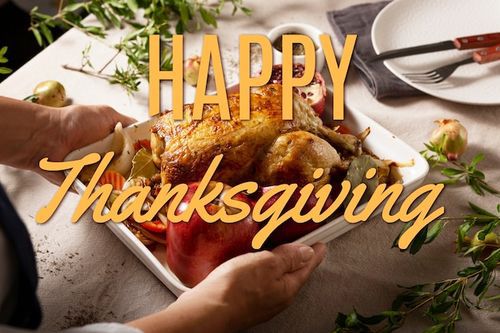
Roast Turkey: Often the star of the meal, turkey is usually roasted and stuffed with a mixture of bread, herbs, and other ingredients.
Stuffing (or Dressing): A savory blend of bread cubes, vegetables, herbs, and sometimes sausage, either cooked inside the turkey or separately.
Mashed Potatoes: Creamy and buttery mashed potatoes are a staple side dish.
Cranberry Sauce: A sweet and tangy sauce made from cranberries, adding a tart contrast to the savory flavors.
Gravy: Made from the turkey’s pan drippings, it is often poured over the turkey and mashed potatoes.
Green Bean Casserole: A popular side dish combining green beans, cream of mushroom soup, and crispy fried onions.
Sweet Potatoes (or Yams): Often baked with marshmallows or brown sugar for a sweet twist.
Pumpkin Pie: The quintessential Thanksgiving dessert, often spiced with cinnamon, nutmeg, and cloves.
2. Giving Thanks
Before the meal, families often take a moment to express gratitude for the year’s blessings. This tradition aligns with the original spirit of Thanksgiving, emphasizing the importance of gratitude, humility, and togetherness.
3. Parades
The Macy’s Thanksgiving Day Parade in New York City is one of the most famous Thanksgiving events. It features giant helium balloons shaped like popular characters, elaborate floats, marching bands, and performances by celebrities. The parade, broadcasted on television, has become a part of the holiday tradition for millions of viewers.
4. Football Games
Thanksgiving is synonymous with American football. The tradition of Thanksgiving Day football games dates back to the early 20th century. The National Football League (NFL) hosts several games on Thanksgiving, with teams like the Detroit Lions and the Dallas Cowboys traditionally playing on this day. Families and friends often gather around the TV to watch these games together.
5. Turkey Pardoning
The Presidential Turkey Pardon is a quirky modern tradition where the President of the United States “pardons” a live turkey, sparing it from becoming someone’s Thanksgiving dinner. This lighthearted ceremony, held at the White House, usually takes place a few days before the holiday.
Modern-Day Celebrations and Variations
While the traditional Thanksgiving customs are still widely observed, modern-day celebrations have evolved to include diverse cultural influences and personal family traditions.
1. Friendsgiving
An increasingly popular variation of Thanksgiving is Friendsgiving, where friends gather to celebrate, often before or after the official holiday. It’s a more casual affair and a great way for those who may not have family nearby to enjoy the spirit of Thanksgiving.
2. Volunteering and Charity
Many people use the Thanksgiving holiday as an opportunity to give back to the community. Volunteering at soup kitchens, organizing food drives, or donating to charities are common ways to help those in need during the holiday season.
3. Travel
Thanksgiving is one of the busiest travel times in the United States, as millions of people journey to reunite with family and friends. Airports, train stations, and highways are often packed with travelers in the days leading up to and following the holiday.
The Day After Thanksgiving: Black Friday
The day after Thanksgiving marks the start of the holiday shopping season, known as Black Friday. Retailers offer significant discounts, leading to a shopping frenzy as people hunt for the best deals on gifts and other items. Black Friday has grown into a global phenomenon, with some stores even opening on Thanksgiving night.
Fun Facts About Thanksgiving
Turkey Talk: According to the National Turkey Federation, about 46 million turkeys are consumed on Thanksgiving Day in the U.S.
Cranberry Connection: Cranberries, a staple of the Thanksgiving table, are one of only three commercially grown fruits native to North America (along with blueberries and Concord grapes).
Leftovers Galore: The day after Thanksgiving is sometimes called “Leftovers Day”, where families creatively use leftover turkey and sides in new dishes like turkey sandwiches, soups, and casseroles.
Conclusion
Thanksgiving is a unique blend of historical significance, heartfelt traditions, and modern adaptations, making it one of the most cherished holidays in the United States. It serves as a reminder to appreciate the simple joys of life, to spend quality time with loved ones, and to extend kindness and gratitude to others. Whether through a traditional feast, volunteering, or simply gathering with friends, Thanksgiving is a time to reflect on the past year’s blessings and celebrate the spirit of togetherness.
 Eduindex
You must be logged in to post a comment.