10 travel destinations in india

India is home to some of the most stunning natural attractions and historical sites in the world. With so many places to visit and things to do, it’s hard to know where to start. But if you want something off-the-beaten path, these 10 destinations are sure to satisfy your wanderlust.

1. Goa
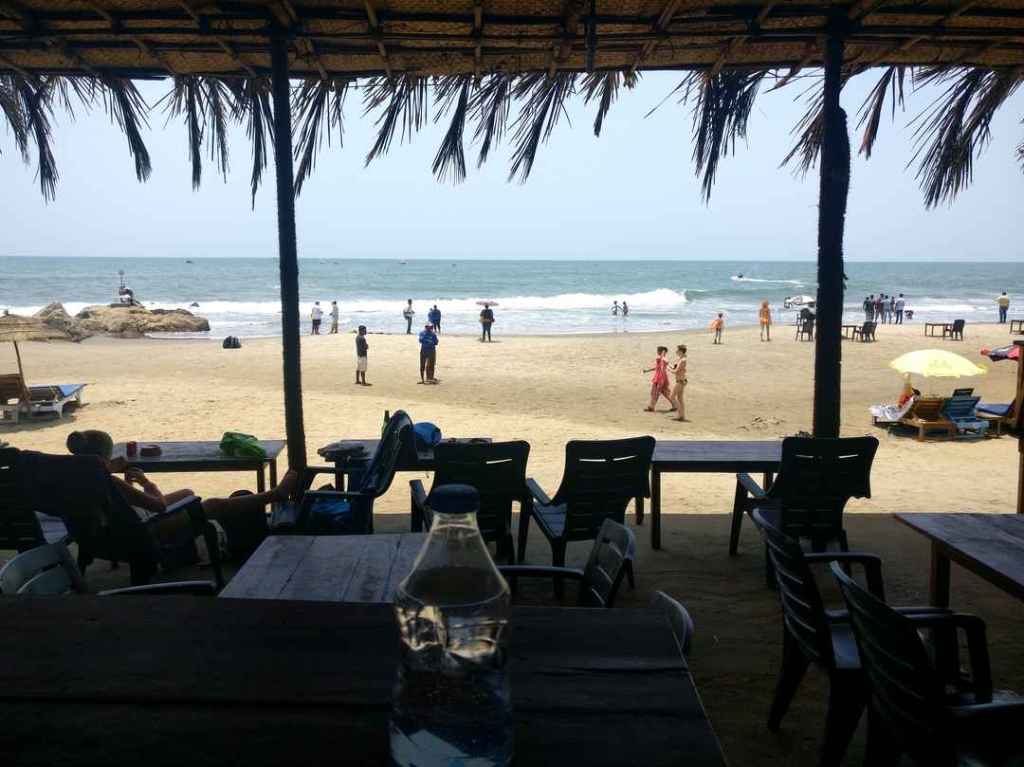
Vagator Beach, Goa

Goa is a popular tourist destination in India and has been attracting visitors for years. It’s known for its beaches, which are clean and have plenty of space to relax on them.

Goa also has great food, music and culture. The best way to experience all this is by staying at an airbnb or other bed & breakfast type place that hosts travelers from around the world!

2. Kerala
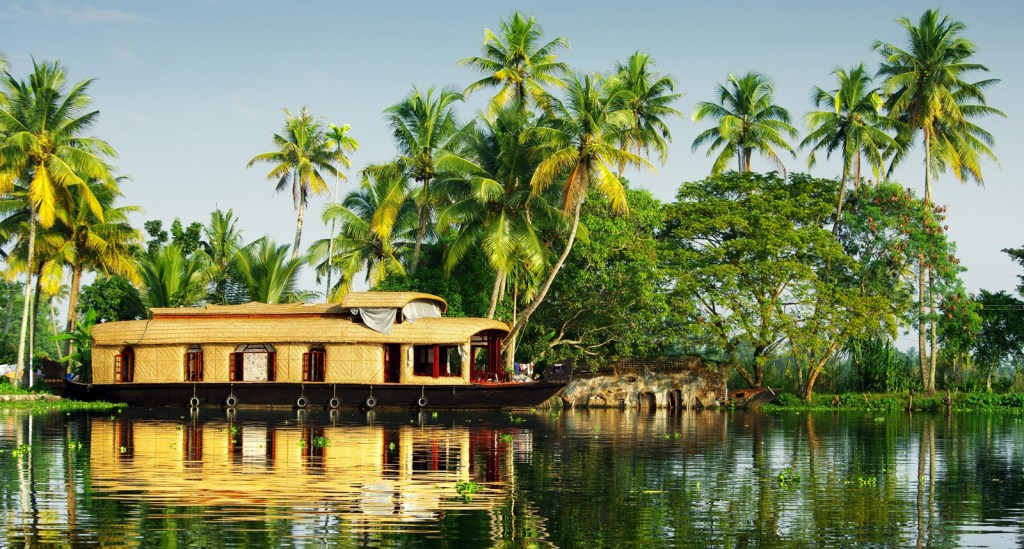
Kumarakom, Kerala

Kerala is a beautiful place to visit in India. It has many beaches, backwaters and historical sites. One of its most famous attractions is the backwaters of Alleppey that are home to some interesting wildlife sanctuaries. The state also has many temples which are a must-see during your trip here.

3. Andaman and Nicobar Islands
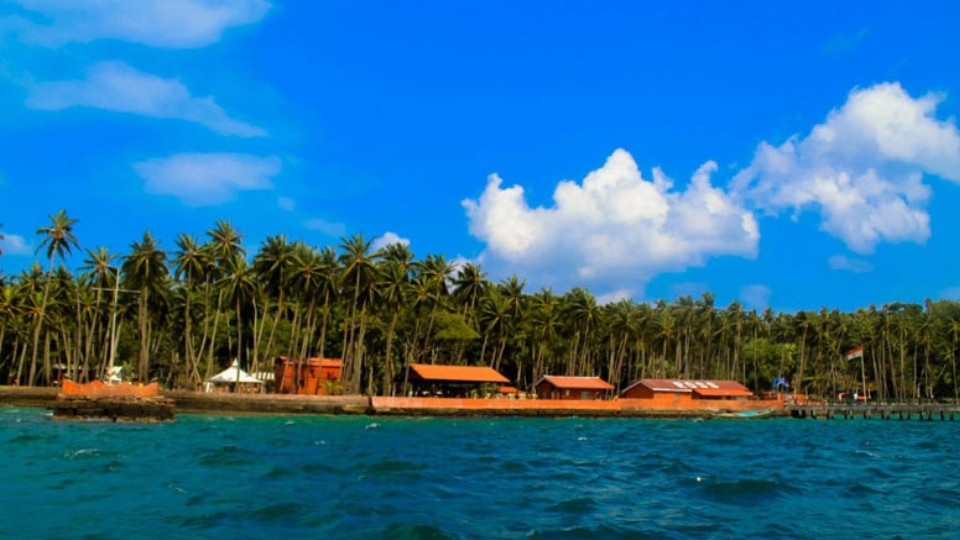
Andaman

The Andaman and Nicobar Islands are located in the Bay of Bengal, just off India’s coast. These islands are a part of India and home to many different tribes. The islands have a great climate for relaxation, as well as beaches with white sand.

4. Pondicherry
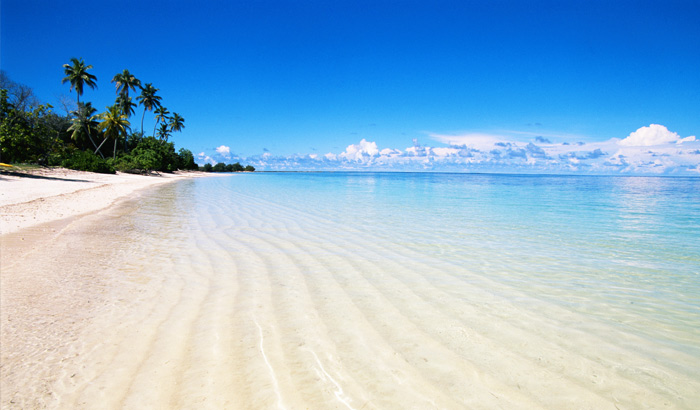
Serenity beach, Pondicherry

Pondicherry is a city in the union territory of Puducherry. It was formerly known as Pondicherry and it is located on the Coromandel Coast, India’s east coast, which is known for its beaches and resorts. The city has an old-world feel to it with buildings that date back to French rule over India during the 19th century.

Pondicherry has many beaches where you can go swimming or just relax on your day off from work.

5. Leh Ladakh
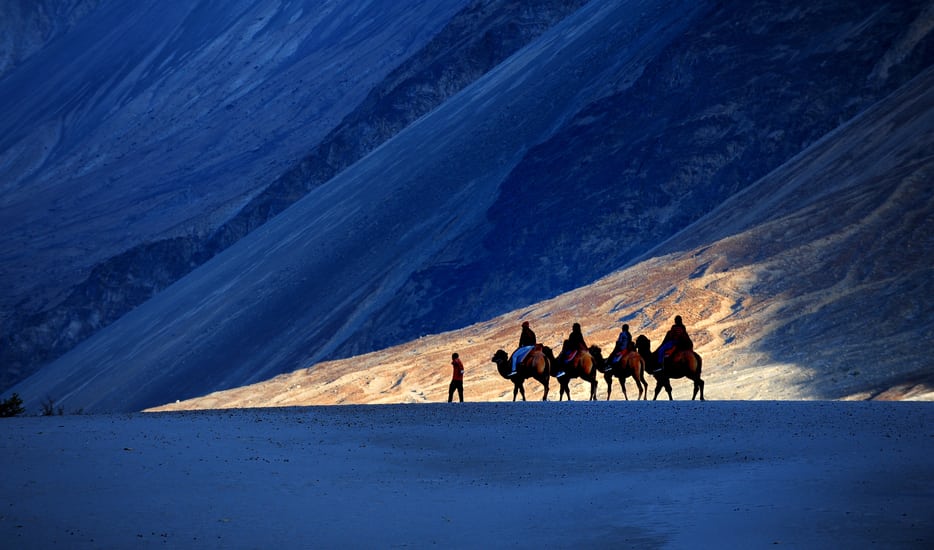
Nubra Valley, Ladakh

Leh Ladakh is a cold desert in the Himalayas, close to the Chinese border. It’s a great place to visit if you want to see the mountains and enjoy some hiking or trekking. There are many places where you can go for this activity, but one of them is called “Nubra Valley”. In this valley there are many different things that you can do: horseback riding (on horses), skiing down from a mountain peak or just walking around looking at all those beautiful views.

6. Rajasthan
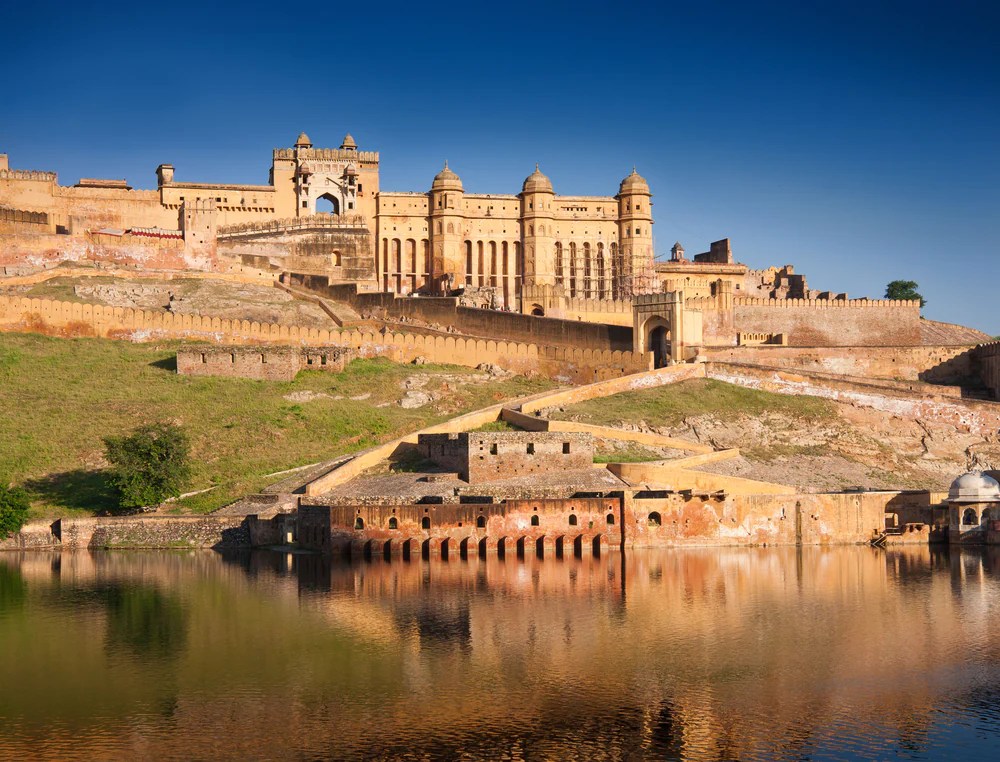
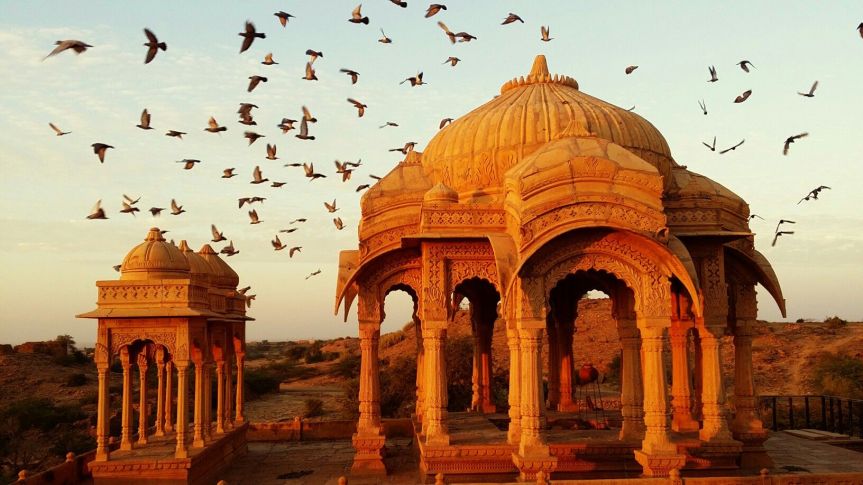
Amer fort, jaipur

Rajasthan is a state in northern India. It has a desert climate, but it’s also known for its palaces and forts. The city of Jaipur is home to several of these attractions, including the Amber Fort and Jantar Mantar Observatory. It also has many lakes, some famous (Lake Pichola) and some not so much (Kumbhalgarh). Some people visit these lakes during wintertime because they’re warm then; others go there in summer because it looks like an ice skating rink. There are plenty of temples as well: we’re talking about hundreds of them.

7. Darjeeling
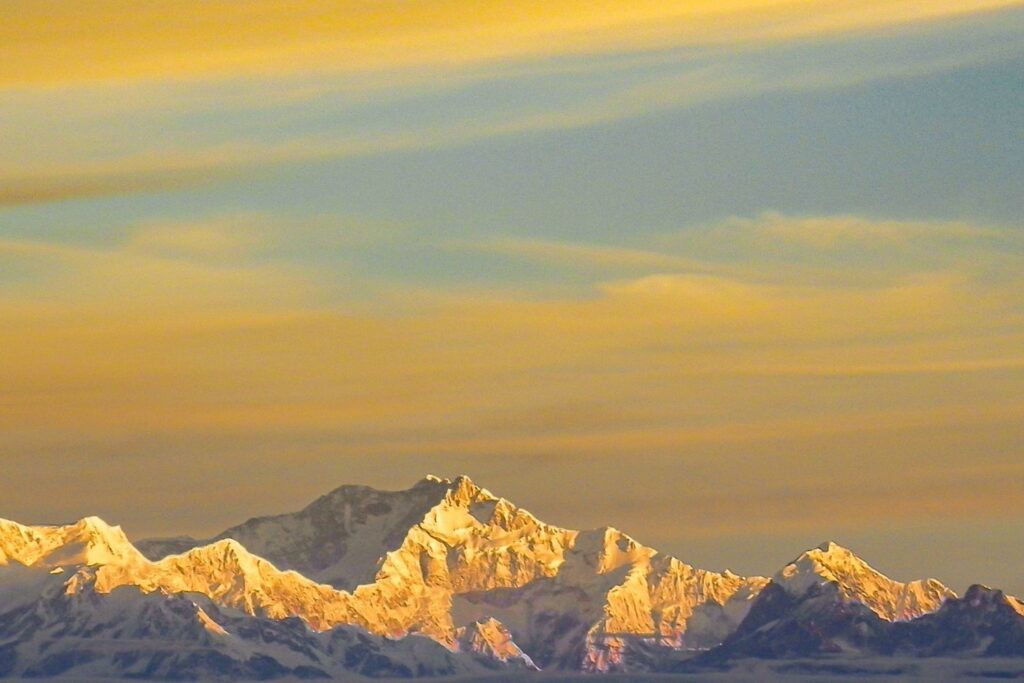
The Kanchenjunga

Darjeeling is a hill station in West Bengal. The city is located on the foothills of the Himalayas and offers panoramic views of the plains below.

The town has been known for its tea plantations since 1834 when it was first discovered by British colonists. It’s also a popular destination for trekkers, who can choose from several trails to explore this beautiful area along with its rich history and natural beauty.

8. Varanasi
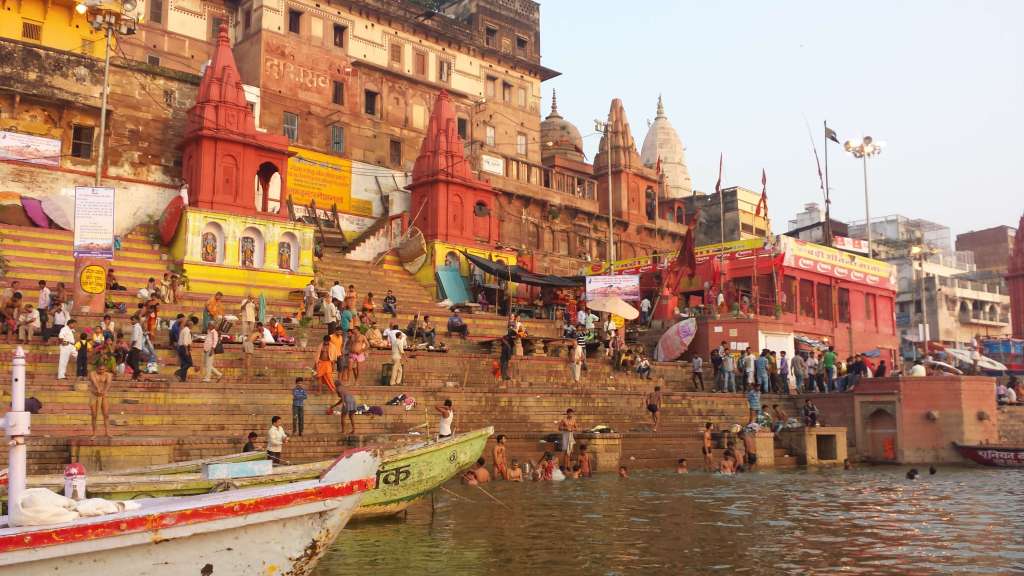
A ghat in varanasi

Varanasi is a religious, cultural and historical city located on the banks of River Ganges. It has been called one of the most sacred places in India as it’s believed that Lord Shiva resided here for some time before passing away.

The city is known for its ghats (steps leading down to the river), temples and food which are all part of its rich history. Varanasi offers tourists everything they need during their stay – from budget accommodation options to luxury hotels & resorts offering everything from pampering spa treatments to yoga classes at sunrise. Not only this but there are plenty of things to do when you visit Varanasi including visiting one or more ghat sites where pilgrims perform rituals during monsoon season when temperatures rise up high enough so visitors can bathe in freezing waters without getting cold feet.

9. Rishikesh
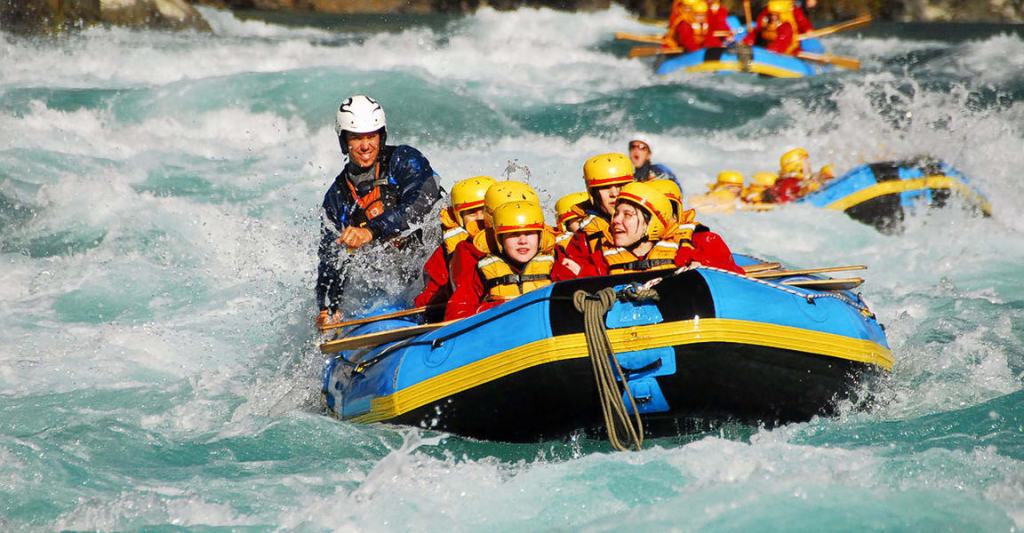
Rafting in Rishikesh

Rishikesh is full of amazing sights—from its spectacular natural surroundings to its historic temples and churches. Other sights include Lakshman Jhula Bridge built between 1822–1823 across River Ganges near Yamuna Sagar Lake during British rule; Vishwanath Temple dedicated specifically because he was considered Hindu god Vishnu’s favorite son; Kedarnath Temple built by King Bhagwan Nand Lal in memory of his father who died while building this temple during his lifetime. River rafting and other fun activities are organised here.

10. Gulmarg, Jammu and Kashmir
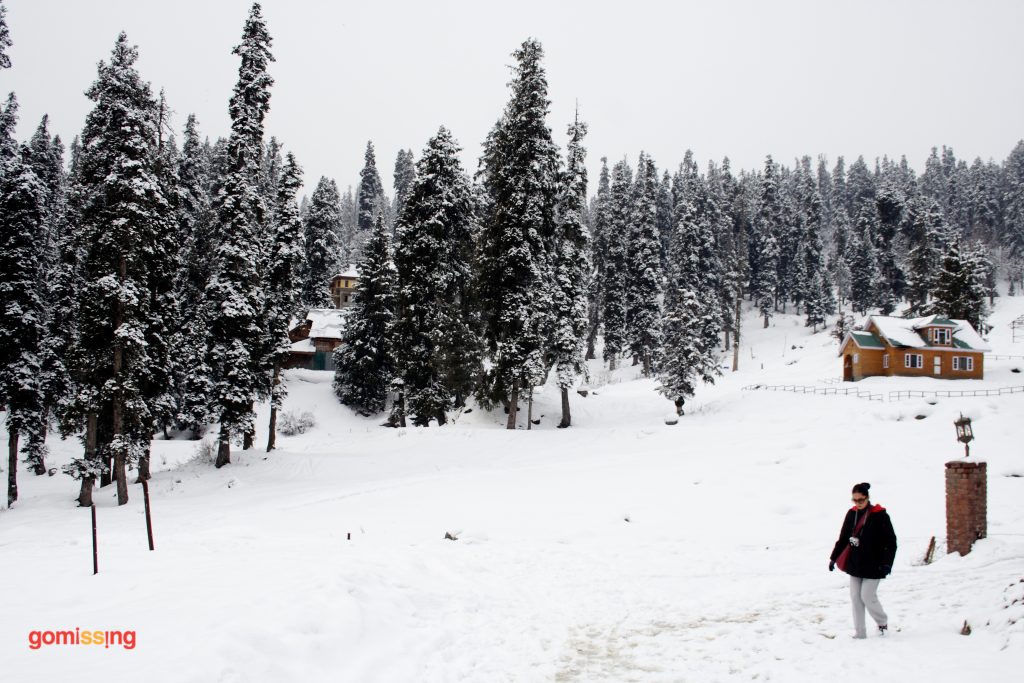
Gulmarg Golf Club area

Gulmarg is a ski resort in Kashmir, located at an altitude of 11,500 feet. It is one of the oldest and most popular tourist destinations in Jammu and Kashmir. The area has 300 km of pistes that can be reached by cable cars or snowshoes. Gulmarg also hosts many other activities like skiing, heli-skiing, snowboarding and more.

These are just a few of the travel destinations in India that you can experience and enjoy.

10 travel destinations in india

India is home to some of the most stunning natural attractions and historical sites in the world. With so many places to visit and things to do, it’s hard to know where to start. But if you want something off-the-beaten path, these 10 destinations are sure to satisfy your wanderlust.

1. Goa

Vagator Beach, Goa

Goa is a popular tourist destination in India and has been attracting visitors for years. It’s known for its beaches, which are clean and have plenty of space to relax on them.

Goa also has great food, music and culture. The best way to experience all this is by staying at an airbnb or other bed & breakfast type place that hosts travelers from around the world!

2. Kerala

Kumarakom, Kerala

Kerala is a beautiful place to visit in India. It has many beaches, backwaters and historical sites. One of its most famous attractions is the backwaters of Alleppey that are home to some interesting wildlife sanctuaries. The state also has many temples which are a must-see during your trip here.

3. Andaman and Nicobar Islands

Andaman

The Andaman and Nicobar Islands are located in the Bay of Bengal, just off India’s coast. These islands are a part of India and home to many different tribes. The islands have a great climate for relaxation, as well as beaches with white sand.

4. Pondicherry

Serenity beach, Pondicherry

Pondicherry is a city in the union territory of Puducherry. It was formerly known as Pondicherry and it is located on the Coromandel Coast, India’s east coast, which is known for its beaches and resorts. The city has an old-world feel to it with buildings that date back to French rule over India during the 19th century.

Pondicherry has many beaches where you can go swimming or just relax on your day off from work.

5. Leh Ladakh

Nubra Valley, Ladakh

Leh Ladakh is a cold desert in the Himalayas, close to the Chinese border. It’s a great place to visit if you want to see the mountains and enjoy some hiking or trekking. There are many places where you can go for this activity, but one of them is called “Nubra Valley”. In this valley there are many different things that you can do: horseback riding (on horses), skiing down from a mountain peak or just walking around looking at all those beautiful views.

6. Rajasthan

Amer fort, jaipur

Rajasthan is a state in northern India. It has a desert climate, but it’s also known for its palaces and forts. The city of Jaipur is home to several of these attractions, including the Amber Fort and Jantar Mantar Observatory. It also has many lakes, some famous (Lake Pichola) and some not so much (Kumbhalgarh). Some people visit these lakes during wintertime because they’re warm then; others go there in summer because it looks like an ice skating rink. There are plenty of temples as well: we’re talking about hundreds of them.

7. Darjeeling

The Kanchenjunga

Darjeeling is a hill station in West Bengal. The city is located on the foothills of the Himalayas and offers panoramic views of the plains below.

The town has been known for its tea plantations since 1834 when it was first discovered by British colonists. It’s also a popular destination for trekkers, who can choose from several trails to explore this beautiful area along with its rich history and natural beauty.

8. Varanasi

A ghat in varanasi

Varanasi is a religious, cultural and historical city located on the banks of River Ganges. It has been called one of the most sacred places in India as it’s believed that Lord Shiva resided here for some time before passing away.

The city is known for its ghats (steps leading down to the river), temples and food which are all part of its rich history. Varanasi offers tourists everything they need during their stay – from budget accommodation options to luxury hotels & resorts offering everything from pampering spa treatments to yoga classes at sunrise. Not only this but there are plenty of things to do when you visit Varanasi including visiting one or more ghat sites where pilgrims perform rituals during monsoon season when temperatures rise up high enough so visitors can bathe in freezing waters without getting cold feet.

9. Rishikesh

Rafting in Rishikesh

Rishikesh is full of amazing sights—from its spectacular natural surroundings to its historic temples and churches. Other sights include Lakshman Jhula Bridge built between 1822–1823 across River Ganges near Yamuna Sagar Lake during British rule; Vishwanath Temple dedicated specifically because he was considered Hindu god Vishnu’s favorite son; Kedarnath Temple built by King Bhagwan Nand Lal in memory of his father who died while building this temple during his lifetime. River rafting and other fun activities are organised here.

10. Gulmarg, Jammu and Kashmir

Gulmarg Golf Club area

Gulmarg is a ski resort in Kashmir, located at an altitude of 11,500 feet. It is one of the oldest and most popular tourist destinations in Jammu and Kashmir. The area has 300 km of pistes that can be reached by cable cars or snowshoes. Gulmarg also hosts many other activities like skiing, heli-skiing, snowboarding and more.

These are just a few of the travel destinations in India that you can experience and enjoy.
Kashmir- The Heaven on the Earth

 Kashmir- The Heaven on the Earth


Kashmir is the northernmost geographical region of the Indian subcontinent. It is famed for the beauty of its lakes, meadows, and snow-capped mountains. The natural beauty and picturesque locations have made it a favored destination for tourists across the world. Kashmir Valley is known for its lakes and gardens. 

Different places to visit in Kashmir

  • Srinagar 

It is the capital of Jammu and Kashmir. It is one of the most beautiful places to visit in Kashmir. Nestled on the picturesque banks of the Jhelum River, Srinagar is known fondly as the “Heaven on the earth”. It is known for its colorful Shikaras and houseboats floating on the Dal Lake. The lake’s less urbanized eastern shore is decorated with the Mughal gardens that speak of history strung out for several kilometers.

  • Gulmarg

It is nicknamed the Meadow of Flowers and it is one of the most romantic places to visit in Kashmir. Gulmarg lets you soak in the picturesque views of colorful flowers spread against majestic snow-clad mountains.

  • Sonamarg

Sonamarg translates to “The Meadow of Gold ” in English. Nestled at an altitude of about 2,800 kilometers above sea level, this place is known popularly for its serene lakes, majestic glaciers, and snow-clad fields.

  • Betaab Valley  

In the year 1983, this little Kashmiri Valley formed the backdrop of the hit Bollywood flick Betaab. Since then, the former Hagan Valley has earned its name ‘Betaab’ Valley. With its backdrop dotted with coniferous forests, gushing streams, and meadows, the beauty of Betaab beckons to all those looking to escape into the serenity of the natural world.

  • Pulwama 

Pulwama is also nicknamed the “Anand of Kashmir”. Lying at a small distance of around 40 kilometers from Srinagar, Pulwama is known as the “Rice Bowl of Kashmir”. This town is known famously for its aromatic saffron fields, pleasant weather, and picturesque apple orchards. Flaunting majestic waterfalls, verdant valleys, mesmerizing natural springs, etc. 

  • Shalimar Garden

The beautifully laid Shalimar Bagh happens to be the largest among the three iconic Mughal gardens in Srinagar. The Shalimar Garden was constructed back in 1619 under the orders of Mughal Emperor Jahangir, who dedicated it to his wife Nur Jahan. Nicknamed the “Crown of Srinagar”, this public park is set overlooking the shimmering waters of the picturesque Dal Lake.


There are many other tourist places in Kashmir which make it heaven on earth. It should be visited once in your life. You can see the beauty of nature in every part of Kashmir. The culture and God-gifted nature make it one of the most beautiful places on the earth.

Jaipur : The Pink City of India.

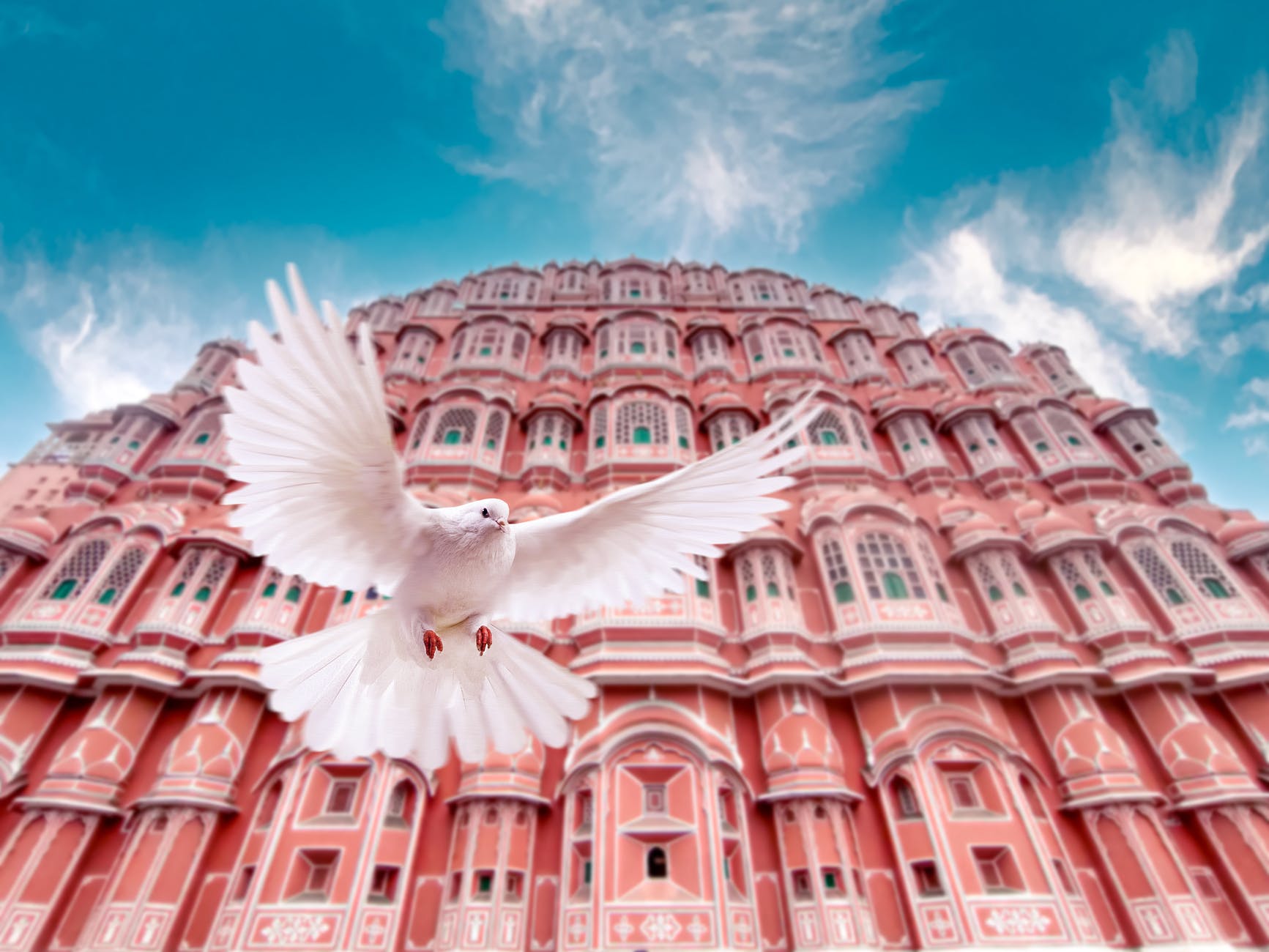
The capital of Rajasthan, the largest state in the country, Jaipur is all about its glorious history. It is also widely known as the Pink City. The name is derived from the fact that the erstwhile area of Jaipur which is now the area around the HawaMahal, was built of pink sandstone. The narrow streets, the colourful clothing, the lovely aromas bursting forth from the food, the vast number of palaces speak volumes of the deep rooted culture of the city.
Maharaja Sawai Jai Singh II invoked the artisans from all over the world and facilitated them with all the things they required, to help in creating the exotic city of beautiful architecture as Jaipur. Today, Jaipur is a hub for rich wedding destinations. Royal weddings are organized here. Exquisite destinations are specially designed for marriages, and offer an experience of one of its kind. Jaipur’s forts, monuments, and museums can be read about further.

Some of the best monuments and sites to visit in pink city are.

Amber/Amer Fort.
At a distance of 13 km from Jaipur Junction Railway Station, Amer Fort or Amber Fort is located in Amer near Jaipur. It is one of the best-preserved forts in Rajasthan, The architecture of Amer Fort is influenced by both Hindu and Muslim styles. Among the famous tourist places in Jaipur, Amer Fort was built using red sandstone and overlooks Maota Lake which is the main water source to the Palace.

City Palace.
City Palace, Jaipur was constructed between 1729-1732, in Jaipur as it paints the picture of heritage and rich culture. Sawai Jai Singh II has started the work of this palace, exclusively the exterior architecture of the building. Moving from Amber, he has moved to the Jaipur city because of the increase in water shortage problem which resulted in an inadequate supply of water to people.

Nahargarh Fort.
Nahargarh is one of three forts in the vicinity of the “Pink City” of Jaipur. Despite its prominence, the fort remained sadly neglected until recent years, resulting in visitors frequently overlooking it in favor of iconic and well-preserved Amber Fort on the opposite end of the ridge. Extensive restoration works and some exciting new attractions have revitalized the fort though, making it one of the top tourist places in Jaipur.

Jai Garh Fort.
Situated on one of the mountains of the Aravalli Range, Jaigarh Fort is a landmark structure in Jaipur. The strategically designed Jaigarh Fort was fundamentally built to protect the Amer Fort from any attack. Jaigarh Fort is popular for numerous reasons and the two most prominent are its mesmerizing architecture, which is a fusion of Rajputana and Mughal style, and for being the hub of artillery during the Mughal era.

Jantar Mantar.
Jantar Mantar is one of the finest monuments and striking creations by astronomers and architectures. It is a compilation of architectural astronomical devices which provided accurate astronomical results. It has even struck the modern approach of science. Jantar Mantar is the most well-known observatories amongst all the buildings formed during the sovereignty of Maharaja Sawai Jai Singh II.

Hawa Mahal.
Hawa Mahal was built by Maharaja Sawai Pratap Singh in 1799 and was designed by architect Lal Chand Usta as a ‘Rajmukut’. The Hawa Mahal was built specifically for Rajput members, and especially for women, so that the royal ladies could watch the daily drama dance in the street below, as well as have a beautiful view of the city from the window.

Central Museum
Central museum is also known as ‘Albert museum’ or ‘Government Central Museum’. This is the oldest museum of the city and was constructed in 1876 beneath the command of Lt. Swinton Jacob. Initially the building was a town hall. But on the order of Maharaja Madho Singh it was transformed into an art museum.

Amritsar- The Holy City

 Amritsar- The Holy City

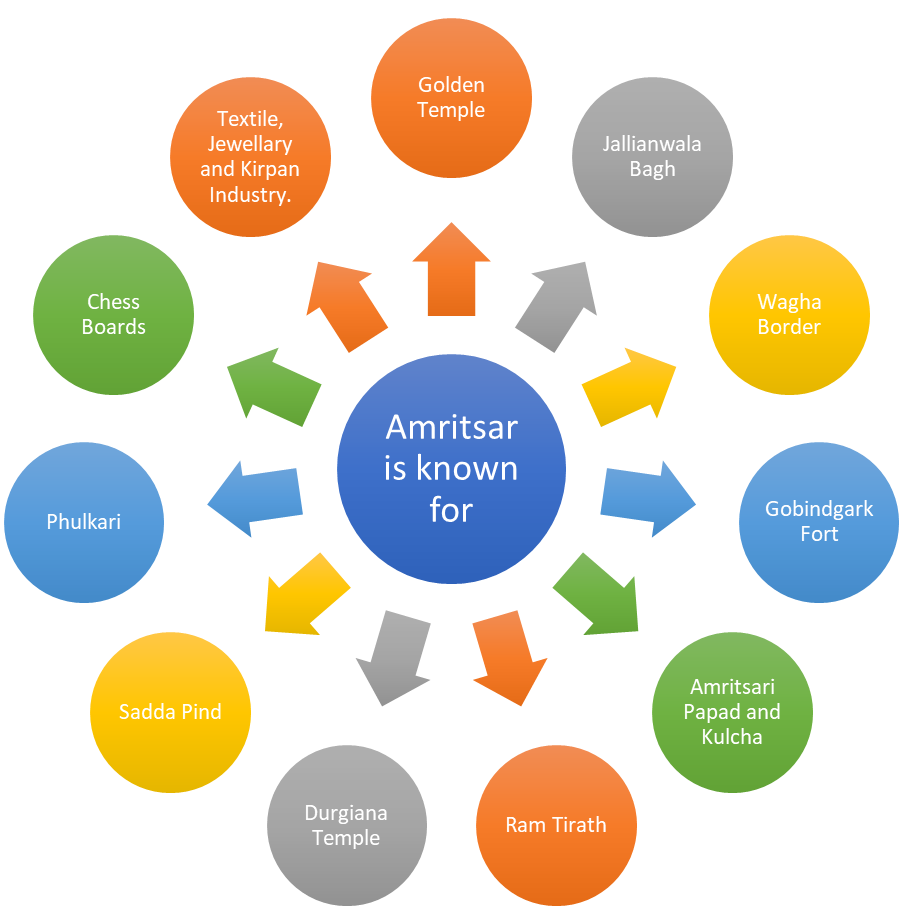
Amritsar also called Ambarsar and historically known as Ramdaspur, is located in the Punjab state of India. It derives its name from Amrit Sarovar which was built by Guru Ram Das in the village of Tung. Guru Ram Das believed that the waters of the lake had healing powers. Amritsar is the largest and most important city in Punjab and is a major commercial, cultural, and transportation center. It is also the center of Sikhism and the site of the Sikhs’ principal place of worship—the Harmandir Sahib which is popularly known as the Golden Temple. The hospitality of Amritsar is very good and the people here are so overwhelming.

 5 most important reasons to visit Amritsar


1.    The very first reason to visit Amritsar is Golden Temple. The peace and tranquility of the temple is the main reason why travelers love visiting the temple. The langar served at the temple is yet another reason why this is a popular place to visit in Amritsar. The Architecture and ambiance of the temple will touch your heart.


2.    The second thing is the Wagah border. The Wagah Border is what divides India and Pakistan. Every evening, a ceremony called the ‘lowering of the flags’ is hosted half an hour before the sunset, and it sees a huge gathering on both sides of the border. The ceremony has been going on every day since 1959 and is worth an experience. 


3.    The third reason to visit Amritsar is Jallianwala Bagh. No Indian can forget the massacre and the tragic history of the Jallianwala Bagh during India’s struggle for freedom. The memorial is a tribute and a way to pay respect to everyone who lost their lives here. Still, you can see the signs of history here.


4.    The fourth thing is food, which is so good that you can’t stop yourself. You eat at one Dhaba, and you’ll find yourself eating at a Dhaba throughout your trip to Amritsar. Kesar Da Dhaba is one of the most popular Dhaba in the city, and you’ll be drawn to it the moment you’re anywhere near it. The smell of desi ghee and parathas will draw you to the Dhaba. It’s also one of the oldest dhabas in the city. You will find a lot of Dhabas in Amritsar and don’t forget to order a big glass of lassi while you’re at it. The chole, parathas, dal, and phirni are some of the other specialty food items you must try out.


5.    The fifth reason is locals and the market. Interacting with the locals is one of the best things to do in Amritsar. You will learn a lot about their culture, and you will leave with a bunch of friends and a wonderful experience. The people here are extremely hospitable and will become your best buddy very quickly and quite easily. Head over to Old Amritsar to experience what Amritsar is all about. You will find a lot of bazaars here and some that have been there for over a hundred years. 

 Thus, the reasons to visit Amritsar are endless. Once you visit the place you will connect with the place heartly. This place will teach you to how to enjoy your life happily and keep others happy too.


Discussion on Demand for Grants for Ministry of Development of North East Region

 Key Highlights:

  • A new phase of peace and prosperity has begun in the North East Region as Prime Minister’s agenda of Transforming India and North East region has been made a priority
  • Peace and stability have been established in the region because of which massive infrastructural development and connectivity projects are being undertaken
  • There is an increase of around 110% in total Gross Budgetary Support of 54 Central Ministries to the North East Region amounting to 76,040 crore
  • Massive efforts are being undertaken towards improving rail, road, air, water and telecom connectivity in the region enabling increase in economic development, trade and investment opportunities
  • During 2014-2021, Rs 39,000 crore was spent for improving rail connectivity
  • Regular visits of Union ministers to the North East are bringing a change in effective implementation of Central Sector and Centrally Sponsored Schemes in the North East along with political connectivity with the State Governments of the North East


Replying to a discussion on the working of the Ministry of Development of North Eastern Region (DONER) in the Upper House, Union Minister of Development of North East Region, Tourism and Culture Shri G Kishan Reddy today emphasised that a new phase of peace and prosperity has begun in the North East Region. He said that as part of Prime Minister’s agenda of Transforming India, North East region has been made a priority.

The Union Minister underscored that peace and security were pre-requisites for development. With several landmark initiatives taken to improve the security situation and resultant stability in the region, massive infrastructural development and connectivity projects are being undertaken. Unlike in the past, today there are no road blockades, protests, curfew and firing in the North East, he added.

The Minister pointed out that there was a notable decline in insurgency related incidents from 824 in 2014 to 163 in 2020. He also stated that there was a significant decline in death of civilian and security forces. At the same time, he also pointed out that several historic agreements have been signed with rebel groups to restore peace and stability along with grants of financial packages for their rehabilitation.

Noting the improvement in security, international and domestic businesses are now looking to take advantage of the untapped potential of the NER for investments, Shri Reddy added.

Further, he added that the budget for the region has been massively increased to accelerate the pace and development. He observed that there is an increase of around 110% in total Gross Budgetary Support of 54 Central Ministries to the North East Region, from 36,108 Crores in 2014 to 76,040 Crores in F.Y 2022-23. He further expressed that the newly announced Prime Minister’s Development Initiative for North-East, PM-DevINE, with an outlay of 1500 Crores will accelerate the growth momentum in the spirit of Gati Shakti by supporting infrastructure development and enabling livelihood activities.

Shri Kishan Reddy also spoke on the significant strides made towards enhancing, road, rail and air connectivity. He further stated that to make the North East the growth engine of the country, massive efforts are being undertaken to develop rail connectivity. He further added that during 2014-2021, Rs 39,000 crore was spent for improving rail connectivity.

The Union Minister also said that best of scientific and engineering standards are being adopted and not even the harsh terrain and topography of the region have deterred the efforts of the government. He cited the example of Manipur – Jiribam Imphal rail line, which has made the world record of highest pier bridge of 141 meters.

He also emphasized that the capital connectivity project will add a new chapter in the development of North East region. He pointed out that prior to 2014, only Assam’s capital Guwahati was connected. Today three States have already been connected and remaining five Capital Rail Connectivity projects are ongoing at the cost of Rs. 45016 crore.

He also highlighted that road and highway network of the region is also being strengthened at an unprecedented rate. He pointed out that Government of India has spent Rs 41,546 crore till date. He also said that air connectivity through UDAN and Krishi UDAN has received a lot of boost in the last few years and because of which tourism, trade and investment in the region has received a fillip. Further, he added that over the last 7 years, Rs.3466.10 crore have been spent under 10% GBS to enhance telecom connectivity in the region.

The Minister emphasised the “Act East policy” of the Government, whereby attention is being paid to the important projects of international connectivity in the Northeast like the Agartala – Akhaura Rail Link with Bangladesh, Kaladan Multimodal project with Myanmar and the India-Myanmar-Thailand trilateral highway.

Shri Reddy said that the Centre has worked on developing power infrastructure with an expenditure in excess of 10,000 crore since 2014, which has worked in promoting electrical connectivity and facilitates industrialisation in the North Eastern Region.

The Minister also noted that Development of National Waterway-2 (River Brahmaputra, 891 km) Sadia to Bangladesh Border and National Waterway-16 (River Barak, 121 km) Bhanga-Lakhipur stretch including Indo-Bangladesh Protocol (IBP) route are ongoing projects in the NER and reminded the Hon’ble members that recently MV Lal Bahadur Shastri cargo vessel, carrying 200 MT of food grains for FCI reached Pandu, Guwahati via Bangladesh, which was a landmark event in the growth story of NE region.

He also highlighted the importance of Agriculture for North Eastern Region and the recent National Mission on Edible Oils – Oil Palm (NMEO-OP) approved for 2021-22 to 2025-26 with more than 50% of the a total outlay of Rs. 11,040 crore with the target to cover 3.38 Lakh Hectare in NER against the existing 38,000 Hectare.

The Minister also deliberated on the importance that the government accords to the aspirations of the youth. He added that recognizing the potential of the youth in sports, National Sports University at Manipur is being set up at the cost of Rs.643 crore.

He further informed the House that in the Health sector, Government has spent Rs.25589.72 crore since 2014-15, including Rs. 548.32 crore by Ministry of DoNER to develop health infrastructure in the North East Region and most recently to fight the Covid-19 pandemic. The Minister highlighted the upcoming AIIMS in Guwahati (to be completed in 2022) with a cost of 1,123 crore.

The Union Minister also called upon all the members to work jointly towards development of the North East Region while expressing that India cannot develop unless North East is developed.


Punaura Dham included under PRASHAD Scheme of the Ministry of Tourism

 As per the request received from the State Government of Bihar, Ministry of Tourism has included Punaura Dham in the Ramayana circuit of Swadesh Darshan Scheme.  The destination of Punaura Dham has been recently included under PRASHAD Scheme of the Ministry of Tourism. 

Details of the projects approved under Swadesh Darshan Scheme for the State of Bihar is given below:

  • Development of Thirthankar Circuit in Vaishali- Arrah- Masad- Patna- Rajgir- Pawapuri- Champapuri under Jain theme, approved in the year 2016-17 at the cost of Rs. 37.20 Cr.  A amount of Rs. 26.11 Cr. has been released till date.
  • Integrated Development of Spiritual Circuit at Sultanganj – Dharmshala – Deoghar under Spiritual theme, approved in the year 2016-17 at the cost of Rs. 44.76 Cr.  A amount of Rs. 42.52 Cr. has been released till date.
  • Development of Buddhist circuit – Construction of Convention Centre at Bodhgaya approved in the year 2016-17 at the cost of Rs. 98.73 Cr.  A amount of Rs. 93.22 Cr. has been released till date.
  • Development of Gandhi Circuit: Bhitiharwa – Chandrahia – Turkaulia under Rural theme approved in the year 2017-18 at the cost of Rs. 44.65 Cr.  An amount of Rs. 35.72 Cr. has been released till date.
  • Development of Pilgrimage Circuit in Mandar Hill & Ang Pradesh under Spiritual theme approved in the year 2017-18 at the cost of Rs. 47.53 crore. A amount of Rs. 38.02 Cr. has been released till date.

POBITORA WILDLIFE SANCTUARY

Pobitora, 35 km east of Guwahati, is a small wildlife sanctuary in Assam in India with the highest concentration of the Great One-Horned Rhinoceros in the world. The natural boundary of the sanctuary is the Garanga Beel on the South and the river Brahmaputra on the North. An hour-long drive from Guwahati along the river Brahmaputra, passing through the village of Mayong, is an exhilarating experience for visitors. Because of Pobitora’s proximity, to Guwahati one can choose to make a day visit to and from Guwahati one can choose to make a day visit to and from Guwahati and explore the sanctuary on elephant back or stay overnight. It is often referred to as the Kaziranga National Park’s showroom. It is ideal for visitors who have little time to spare and cannot visit Kaziranga.
Pobitora was originally a grazing reserve of the erstwhile Nagaon district of Assam in the flood plains of the river Brahmaputra. Pobitora, comprising of the flat flood plains and the hillock of Raja Mating, was thereafter declared a Reserved Forest in 1971 and a Wildlife Sanctuary in 1987.

FLORA AND FAUNA 
Pobitora comprises of Assam alluvial grasslands with the hilly forest of the Raja Mayong Hill. The riverine composition of the forest with vast stretches of grassland is the ideal habitat for the Indian One-Horned rhino. However, though the total area of the sanctuary comprises of 38.81 square km, only 16 square km of this is suitable for rhino habitat. Pobitora is also home to other animals like the Asiatic buffalo, leopard, wild bear, wild boars, Chinese pangolins, civet cats, etc.
Pobitrota is a bird -watchers paradise, as both migratory and resident birds can be sighted here. A census  done in January 2012 states that there are twenty-six species of birds at Pobitora. The Marsh Babbler, an endemic bird species of Assam, has been recorded in this sanctuary.
The Rajamayong Hill, which form the part of this Sanctuary, also harbors various species of animals like leopards, Lesser cats, barking deer, etc. This hill serves as a sheltering ground during the high floods which is common in the area during the monsoons.
SIGHTSEEING IN POBITORA 
Tourist can enter the Sanctuary either on elephant back or in Jeep. The morning and evening elephant and jeep rides is the main attraction of the Sanctuary.

OTHER ACTIVITIES
1.The Haduk Hanging Bridge. There is also a picnic spot and a children’s park 
2.A visit to the Gauranga Beel.
3.Enjoy the rural charm of Mating, famous for its tradition of black magic. Lying adjacent to the Pobitora Wildlife Sanctuary is the village of Mating, famous for its tradition of black magic. Remnants of old temple on hillocks surrounding Mayong is an indicator to its tantric or black magic past. The four most important temples in the area are the Kechaikhaiti shrine of Burha Mating, Narashinha Ashram of Hiloikhunda, Ganesh temple of Hatimuria and Shiva shrine of Kachashila. The village houses a community museum showcasing ancient magic literature and relics and also an old rock with undeciphered writings. 

CHITRAKOOT: ABODE OF THE GODS

Chitrakoot, “the hill of many wonders, nestles peacefully in the northern spurs of the Vindhyas, a place of tranquil forest glades and quiet rivers and streams where calm and repose are all- pervading. This loveliest of Nature’s gifts is also hallowed ground, blessed by the gods and sanctified by the faith of pilgrims. For Chitrakoot’s spiritual legacy stretches back to legendary ages: it was in these deep forests that Rama and Sita spent eleven of their fourteen years of exile: here, that the great sage Atri and Sati Anusuya meditated; and here where the principal trinity of the Hindu pantheon, Brahma, Vishnu and Mahesh took their incarnations. Sufferers and seekers, poets and visionaries, princes and noblemen have, through the ages, sought and found solace in Chitrakoot, drawn inspiration from its sublime natural beauty, gained spiritual strength from its serene temples and, in turn, become part of the hallowed legend that is Chitra koot.

PLACES TO VISIT

RAMGHAT
The ghats that line the banks of the river Mandakini reveal a constantly moving and changing kaleidoscope of religious activity. Here, amidst the chanting of hymns and the sweet fragrance of incense, holy men in saffron robes sit in silent meditation or offer the solace of their wisdom to the countless pilgrims who converge here. With the very first rays of dawn that gleam upon the river, Ramghat stirs into life as the devout of all ages take the ritual, purifying dip in the waters and invoke the blessings of the gods. The activity builds up in a crescendo of colour and spontaneous expressions of faith through the day, past high noon, gently diminishing as the setting sun picks out the bright colours of flower petals floating down the river, while the evening ‘arti’ lends its melodious cadences to the deepening dusk. 

KAMADGIRI 
Kamadgiri, the original Chitrakoot, is a place of prime religious significance. A forested hill, it is skirted all along its base by a chain of temples and is venerated today, as the holy embodiment of Rama. The Bharat Milap temple is located here, marking the spot where Bharat is said to have met Rama to persuade him to return to the throne of Ayodhya. Many are the faithful who perform the ritual circuit (parikrama) of the sacred hill, to ask for a boon or a blessing.

SATI ANUSUYA 
Sati Anusuya is located further upstream, set amidst thick forests that resound to the melody of birdsong all day. It was here that Atri Muni, his wife Anusuya, and their three sons (who were the three incarnations of Brahma, Vishnu and Mahesh), are said to have meditated. The Mandakini is believed to have been created by Anusuya through her meditation. Sati Anusuya lies about 16 km. from the town and can be reached by road.
SPHATIK SHILA
A few kilometers beyond Janaki Kund is again a densely forested area on the banks of the Mandakini. One can climb up to the boulder which bears the impression of Rama’s footprint and where Sita was pecked at, by Jayant in the form of a crow. There are large fish in the river here, easily visible in the pellucid water and a few temples.
HANUMAN DHARA 
Located on a rock-face several hundred feet up a steep hillside is a spring, said to have been created by Rama to assuage Hanuman when the latter returned after setting Lanka afire. A couple of temples commemorate this spot which offers a panoramic view of Chitrakoot. There is an open, paved area here in the shade of a massive peepal tree, a lovely halting place after the long climb up.
ALSO VISIT: Janaki Kund, Gupt-Godavari, Deep Daan, Bharat Koop and Bharat Milap.

SHIVPURI: MADHYA PRADESH

Shivpuri is steeped in the royal legacy of its past, when it was the summer capital of the Scindia rulers of Gwalior. And earlier, its dense forests were the hunting grounds of the Mughal emperors when great herds of elephants were captured by Emperor Akbar.
Much later, it was the tiger that roamed the wooded hills and many a magnificent beast was ‘bagged’ by royal shikaris. And, with its luxuriant forests and undulating hills, Shivpuri was a natural choice as the summer resort capital of the Scindias. Shivpuri’s royal ambiance lives on in the exquisite palaces and hunting lodges and graceful, intricately-embellished marble chhatris (cenotaphs) erected by the Scindia princes.
A sanctuary for rare wildlife and avifauna, Shivpuri has transformed a royal past into a vibrant, hopeful present.

MADHAV NATIONAL PARK
Madhav National Park is 156 sq km in area, the park is open throughout the year. With a varied terrain of wooded hills, the forests being dry, mixed and deciduous, and flat grasslands around the lake, it offers abundant opportunities for sighting a variety of wildlife. The predominant species that inhabits the park is the deer, of which the most easily sighted are the graceful little chinkara, the Indian gazelle and the chital. Other species that have their habitat in the park are nilgai, sambar, chausingha or four-horned antelope blackbuck, sloth bear, leopard and the ubiquitous common langur.
The National Park is equally rich in avifauna; the artificial lake, Chandpatta is winter home of migratory geese, pochard, pintail, teal, maillard and gadwall. A good site for bird watching is where the forest track crosses the wide rocky stream that flows from the Waste Weir. Species that frequent this spot are red-wattled lapwing, large-pied wagtail, pond heron and white breasted kingfisher. The avifauna also includes the cormorant, painted stork, white ibis, laggar falcon, purple sunbird, paradise flycatcher and golden oriole.
BARADARI
It is a building of Maratha style, built in 1921 as a night dancing hall. It has a gallery of paintings depicting real life and fantasized themes. The hall was also used for entertainment and religious purpose.

CHHATRIS
Set in a formal Mughal garden, with quiet nooks under flowering trees, intersected by pathways with ornamental balustrades and illuminated by Victorian lamps, is the complex in which the cenotaphs of the Scindias are set. Facing each other across a water tank are the chhatris of Madho Rao Scindia and the dowager queen Maharani Sakhya Raje Scindia, synthesising the architectural idioms of Hindu and Islamic styles with their shikhara-type spires and Rajput and Mughal pavilions.
The gittering white marble surface of Madho Rao Scindia’s cenctaph is inlaid in the pietra dura style, with lapis lazuli and onyx to create a spectacularly rich effect, heightened by the delicacy of the trellis work on the sides. The dowager queen’s cenotaph has a noble dignity of line and superb strucuctural harmony. Both memorials contain life-size images of the Scindias and these are tended to with extreme devotion by ceremonially-dressed retainers who perform the rituals of placing flowers and incense before the statues each day. In the evenings, the hush is broken by the sound of music as artists of the Gwalior gharana render classical ragas before the statues.

MADHAV VILAS PALACE
Standing upon a natural eminence, the elongated rose-pink summer palace of the Scindias is built in truly royal proportions. A fine example of colonial architecture, the Mahal, as it is called, is remarkable for its marble floors, iron columns, graceful terraces and the Ganapati Mandap. From the turrets, the view is a spectacular one of Shivpuri town and the park beyond.

SAKHYA SAGAR BOAT CLUB
Edging the forests of the Madhav National Park is the Sakhya Sagar lake, habitat of a variety of reptiles. Species that can be seen here are the marsh crocodile or mugger, Indian python and the monitor lizard. On the shores of the lake and connected to it by a broad pier is a Boat Club, an airy, delicate structure with glass panels.

BHADAIYA KUND
A scenic picnic spot by a natural spring. The water here is rich in minerals, supposedly of a curative nature.
ALSO VISIT: George Castle, Sultan Hotel, Kothi No.17, Madhav Vilas Palace and Sakhya Lake and Boat Club.

MANAS NATIONAL PARK

Manas National Park is located at the foothills of the Bhutan-Himalayas in Assam, it is a unique biodiversity landscape which is said to be one among the most stunning and pristine wildlife habitats of the world. It is declared as a UNESCO World Heritage Site in 1985 and a Biosphere Reserve in 1989, it was finally enlisted as a National Park in 1990. The Manas river, from which it derived its name, flows to the heart of the National Park. Total area of the park is about 500 square kms. 
Manas is home to over 20 endangered species including the Royal Bengal Tiger. Manas National Park is densely forested and known for its endangered endemic wildlife like the Assam roofed turtle. Hispid Hare, Golden Langur and Wild Water Buffalo. The last population of Pygmy  Hog survives in the wild of Manas and no where else in the world. Manas is the only landscape  in the world  where pristine Terai grasslands are seen merging with the Bhabar grasslands interspersed with diverse habitats  ascending ti semi-evergreen forests and then to Bhutan Himalayas.
The sanctuary has recorded 50 species of mammals, 450 species of birds, 42 species of reptiles, 9 species of amphibians, 79 species of fish and over 200 butterfly species. Out of the mammals 21 are in Indian’s Schedule I and 31 of them are threatened.
ANIMALS FOUND 
Tiger, leopard, Indian Great One-Horned Rhinoceros, Golden Langur, clouded leopard, Asian Golden Cat, Himalayan Black Bear, Smooth- Coated Otters, Capped Langur, Barking Deer, Hog Deer, Assamese Macaque, Slow Loris, Sambar Deer, Spotted Deer, Gaur, Asiatic Water Buffalo , Asian Elephant,etc.

BIRDS FOUND 
Bengal Florican, Great Indian Hornbill, Egret, Pelican, White-Winged Wood Duck, Merganser, Red Headed Trogon, Magpie Robin, Comb Duck, Ibis Bill, Pied Hornbill, Serpent Eagle, Swamp Francolin, Bee- Eater, etc.
REPTILES 
Assam Roofed Turtle, Monitor Lizard, Gharial, various species if snakes, etc.
VEGETATION
Manas has a unique bio-geographical location, being at the confluence of the Indo-Malayan , Indo-Chinese and Australasian pathways, which make it an important refuge for several endemic and charismatic wildlife species. It also provide an ideal habitat ranging from high altitude Himalayan dense canopied forests to the sub-tropical woodlands and alluvial flood-plain grassland and riverine ecosystem in the lower elevations.

SIGHT SEEING IN MANAS 
Tourists can enter the National Park either on Elephant back or in a jeep. Jeep safaris and Elephant safaris are possible in the mornings and early evenings when the animals are most active. It is mandatory for tourists to ensure that a Forest Department’s guide accompanies them. Tourist can also experience thrilling river rafting adventure in the river Manas. Since there is only limited Elephant Rides it is advisable that prior reservations are made.

BEST TIME TO VISIT 
Manas  National Park is open all year round, but the best time to visit Manas National Park is between November to April.
HOW TO REACH MANAS NATIONAL PARK
By Air: Nearest airport is LGBI Airport, Guwahati about 170 km from the Manas National Park and is well connected by road to Manas National Park.
By Rail: Nearest railway station is Barpeta Road, about 20 km from the Manas National Park. The railway station is well connected by road to Manas National Park.
By Road: Barpeta Road is well connected to major cities and places by road network. There are a number of government and privately operated vehicles that go to Manas National Park at frequent intervals.