Red Fort (Lal Quila) in Delhi

The Red Fort, also known as Lal Qila, is a historic fort complex located in the heart of Old Delhi, India. It is one of the most iconic monuments of India and is a popular tourist attraction, attracting millions of visitors each year.

The construction of the Red Fort began in 1638 under the Mughal Emperor Shah Jahan and was completed in 1648. The fort was built as the royal palace for Shah Jahan and served as the seat of the Mughal Empire for nearly 200 years. The fort is surrounded by a massive red sandstone wall that stretches for over two kilometers and has several gates, including the Lahori Gate, the Delhi Gate, and the Turkman Gate.
The Red Fort complex covers an area of approximately 254 acres and includes several buildings, gardens, and courtyards. The most notable structures within the complex include the Diwan-i-Am (Hall of Public Audience), the Diwan-i-Khas (Hall of Private Audience), the Rang Mahal (Palace of Colors), the Khas Mahal (Private Palace), the Mumtaz Mahal (Jewel Palace), and the Moti Masjid (Pearl Mosque).
The Diwan-i-Am is a large hall where the emperor would meet with the public and hear their grievances. The hall is supported by a series of red sandstone pillars and has a large marble throne on which the emperor would sit. The Diwan-i-Khas is a smaller hall used for private audiences with dignitaries and ambassadors. It is decorated with intricate carvings and inlaid with precious stones.
The Rang Mahal is the palace where the emperor’s wives and concubines lived. It is decorated with intricate paintings and carvings and has several private chambers for the women. The Khas Mahal is the private palace of the emperor and was used for personal and family functions. It is built on a raised platform and has a beautiful marble pavilion in the center.
The Mumtaz Mahal is a small palace located near the Rang Mahal and was named after Shah Jahan’s beloved wife, Mumtaz Mahal. It was built in her memory after her death and is adorned with beautiful paintings and carvings. The Moti Masjid is a small mosque located near the Diwan-i-Khas and is made of white marble. It was built by Aurangzeb, the son of Shah Jahan, and is known for its exquisite architecture and beauty.
The Red Fort has played a significant role in the history of India. It was the site of many important events, including the coronation of Emperor Bahadur Shah Zafar, the last Mughal emperor. It was also the site of the famous Indian rebellion of 1857, which was led by Indian soldiers against the British East India Company. After the rebellion, the British took control of the fort and used it as a military base until India gained independence in 1947.
Today, the Red Fort is a UNESCO World Heritage Site and is a popular tourist destination. Visitors can explore the various buildings and structures within the complex and learn about the rich history of India. The fort also hosts a famous annual event, the Independence Day celebration, where the Indian Prime Minister hoists the national flag and delivers a speech from the ramparts of the fort.
In conclusion, the Red Fort is a remarkable monument that showcases the architectural and cultural heritage of India. Its intricate designs, beautiful carvings, and exquisite paintings make it a must-visit destination for anyone interested in history and culture. The fort’s rich history and significance in the Indian freedom struggle also make it a symbol of India’s struggle for independence and its rich cultural legacy.
5 must-visit places in Bhubaneshwar


Lingaraja Temple

This image has an empty alt attribute; its file name is image-58.png

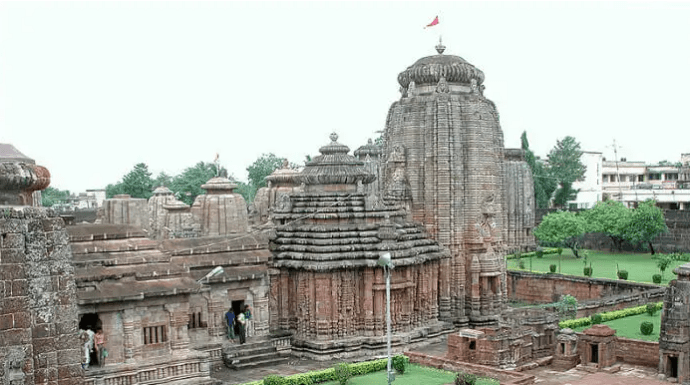
The 54m-high Lingaraj Mandir dedicated to Shiva dates from 1090 to 1104 – though some parts are more than 1400 years old–and is surrounded by several smaller temples and shrines. The granite block within, representing Tribhubaneswar (Lord of Three Worlds), is bathed daily with water, milk and bhang (marijuana). The main gate, guarded by two mustachioed yellow lions, is a spectacle in itself as lines of pilgrims approach with offerings in hand. The temple is closed to non-Hindus.

Given the high compound wall, foreigners can view the temple’s interiors only from a viewing platform (this may also include Hindu foreigners). Face the main entrance, walk right, then follow the wall around to the left and find the viewing platform on your left, just before you reach Chitrakarini Temple. There is occasional aggressive hassling for ‘donations’ at the viewing platform. The money will not go to the temple, so stand your ground and do not pay.

Location: Lingaraj Road, Old Town Bhubaneswar, Odisha
Timings: 5:00 AM to 9:00 PM
Entry Fees: No entry fee

Nandankanan Zoological Park

This image has an empty alt attribute; its file name is image-54.png

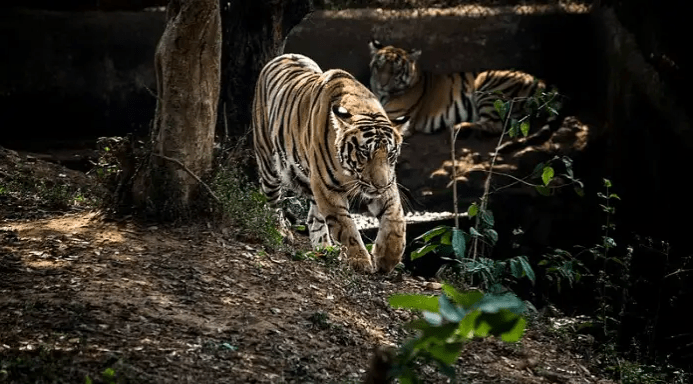
Spread over 400 hectares in the Chandaka forest lies the impressive Nandankanan Zoological Park. Located on the banks of Kanjia Lake, this zoo is home to over 67 kinds of mammals, 81 species of birds and 18 varieties of reptiles. It was the first zoo in India to join the World Association of Zoos and Aquariums (WAZA) and also houses a botanical garden. Visitors can see black panthers, white tigers, gharial crocodiles and many other animals, birds and reptiles in an attempt to maintain the natural balance of nature against the growing urbanisation of Bhubaneswar.

Price: Budget

Opening hours: 7.30am-5.30pm (April–September), 8am-5pm (October–March); Closed Monday.

Odisha State Museum

This image has an empty alt attribute; its file name is image-55.png

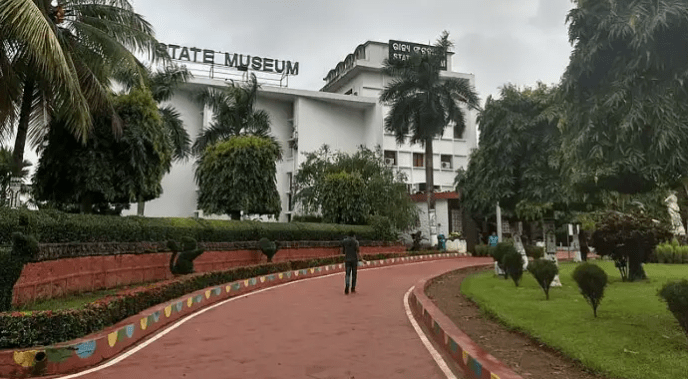
Wondering what to do in Bhubaneswar? Visit Odisha State Museum, which houses a treasure trove of artifacts emphasizing the magnificent history of the state and the families which ruled it for centuries. The museum, established in the year 1948, houses the best collection of erratic palm-leaf manuscripts, scroll paintings, folk musical instruments, and Bronze Age tools.

Location: Near Lewis Road, Kalpana Square, BJB Nagar Bhubaneswar, Odisha
Timings: 10 AM to 5.00 PM
Entry Fees: INR 10 for Indians and INR 50 for foreigners

Pathani Samanta Planetarium 

This image has an empty alt attribute; its file name is image-56.png

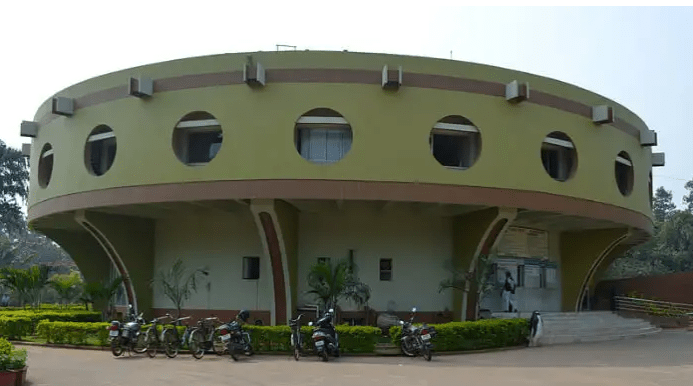
The Pathani Samanta Planetarium was recognized to create awareness of astrophysics, astronomy, and space science. Multiple shows, workshops, regular conferences about outer space are organized here. There is an extensive library with an impressive number of books from the field of astronomy, science and technology are there.

Location: Sachivalaya Marg Acharya Vihar, Bhubaneswar, Odisha
Timings: 1.00 PM to 5:45 PM
Entry Fees: INR 30

Udayagiri & Khandagiri Caves

This image has an empty alt attribute; its file name is image-57.png

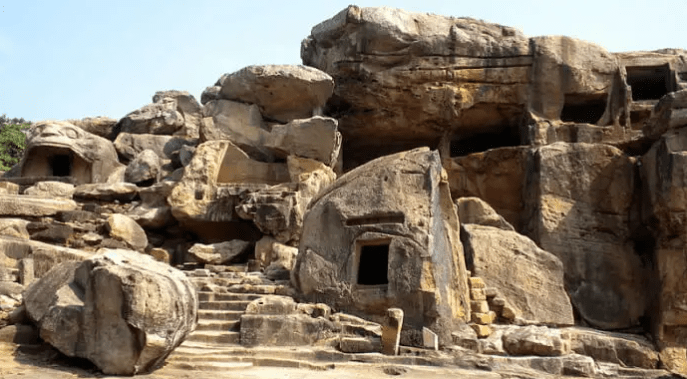
Udayagiri and Khandagiri caves are located six kilometres to the west of Bhubaneswar. These caves offer a brief look into the history of Jain religion and Kalinga Empire. The names of these caves were derived from the hills on which they are located. The caves have been numbered according to the Archaeological Survey of India, Hatigumpha, and Ganesha Gumpha are the most popular in the area. Cave 1 is decked out by sculptural wall painting with carved figures of athletes, women, elephants, and geese carrying flowers.

Location: Khandagiri, Bhubaneswar, Odisha
Timings: 9.00 AM to 6.00 PM
Entry Fees: INR 15 for Indians and INR 200 for foreigners

Workshop on Development of Sustainable and Responsible Tourist Destinations


  • The workshop witnessed wide participation of senior Government officials and Tourism industry stakeholders of States/ Union Territories of Central and Western region viz. Madhya Pradesh, Chattisgarh, Maharashtra, Gujarat, Daman & Diu and Goa
  • Ministry of Tourism’s Travel for LiFE campaign was also introduced in the workshop

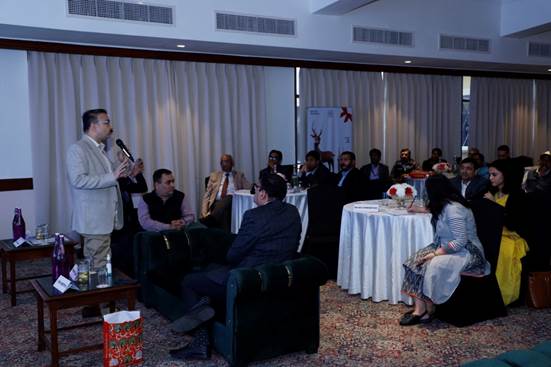
In order to develop sustainable and responsible tourist destinations and promote sustainable tourism in the Country, Ministry of Tourism in association with IITTM, UNEP and RTSOI organised a first regional workshop on Development of Sustainable and Responsible Tourist Destinations at Khajuraho on 29th November, 2022. The workshop witnessed wide participation of senior Government officials and Tourism industry stakeholders of States/ Union Territories of Central and Western region viz. Madhya Pradesh, Chattisgarh, Maharashtra, Gujarat, Daman & Diu and Goa.

Keynote address at the workshop was delivered by Shri Prashant Ranjan, Director, Ministry of Tourism. He highlighted the need of sustainability in tourism and significance of Centre, State and Industry collaboration in achieving the objective. He also spoke about the Prime Minister’s vision for environmental sustainability. He underscored how tourism can be aligned with LiFE Mission. He introduced the Travel for LiFE campaign launched by Ministry of Tourism.

Shri Uttank Joshi, Assistant Director General, Ministry of Tourism shared success stories of Swadesh Darshan 1.0, a flagship centrally sponsored scheme of Ministry of Tourism for creating tourism infrastructure in the country. He also gave an overview of Swadesh Darshan 2.0 and how it integrates sustainability in destination development.

Shri Anirudh Chaoji an eminent eco-tourism practitioner and representative of RTSOI deliberated with the participants on sensitising the tourist and creating a demand for responsible travel.

Ms. Manisha Chaudhary shared some landmark efforts like the Global Tourism Plastics initiative and the Glasgow Declaration on Climate Action in Tourism launched in November 2021 in climate change CoP 26.  She encouraged stakeholders to join such initiatives and set targets to  address triple planetary crisis of climate change, pollution and biodiversity loss in alignment with national and global commitments for sustainable development.

Presentations were also made by representatives of State Tourism Departments Central and Western region, calling attention to their best practices in sustainable tourism.

Central Nodal Agency for Sustainable Tourism, Indian Institute of Tourism and Travel Management briefed the participants about the salient features of Sustainable Tourism Criteria for India (STCI). The participants also took the Travel for LiFE pledge to commit themselves towards travelling responsibly. 

Grassroot industry stakeholders also presented their innovative ways of implementing sustainable tourism in different regions of central and western regions to create tangible positive impact.

The workshop strengthened the engagement among the Ministry of Tourism, State Governments/ UT Administrations and Industry stakeholders towards achieving Sustainability Goals.


*******

New Delhi – India 's capital


New Delhi is the capital of India. Shahjahanabad is the old name of New Delhi. It is famous for all the historical places, monuments and many more. New Delhi’s famous food is rolls, parantha, butter chicken chat etc. Gulab jamun is the sweet and oldest dresser in Delhi.

So here are some best destinations to visit in New Delhi.

Let’s begin

1. Qutub Minar

Qutub Minar is a 73-metre tall minaret. The tower contains five storeys from which the third is adorned with red sandstone while the fourth and fifth are constructed in marble and sandstone. 

You can visit from 7 am to 5 pm

The entry fee for Indians is INR 30 and for foreigners INR 500.

2. India Gate

India Gate is the symbol of the 70,000 Indian soldiers who lost their lives battling against the foreign army during World War. It is a popular picnic spot on winter afternoons and summer evenings.

It is open 24 hours a day and seven days a week.

Central secretariat, New Delhi is the nearest metro station.

3. Red Fort

Red Fort is constructed by the mughals in 16The red Red gets its name from massive red sandstone walls. It is spread over an area of 254 acres. This architecture looks more beautiful because of the Moti Masjid, Hira Mahal, imperial bath, Peacock throne and step well.

It is open from 9.30 am to 4.30 pm and is closed every Monday.

The nearest metro station is Chandni Chowk, New Delhi

The entry fee for Indians is INR 10 and for foreigners INR 150.

4. Akshardham Temple

It is dedicated to Bhagwan Swaminarayan. It has a step wall-style courtyard and 60 acres of land featuring the bronze statues of Indian heroes.

Its time is 9.30 am to 6.30 pm

The nearest metro station is Akshardham, New Delhi

The entry fee for adults is  INR 170 and INR 100 for children.

5. KidZania

Kidzania is a learning centre for kids. If you want to educate and make a playful mind Kidzania is a must you go? In Kidzania children learns to explore the world and develop their skills. It has playgrounds and many activities to do. Children love Kidzania because it’s the kind of enjoyment they want.

Timing 10.30 am to 6.30 pm and closed on Monday

The nearest metro station is Sector -18 Noida

Tickets INR 1300 (kids), INR 700 (toddlers), and INR 500 (adults).

If you want to visit New Delhi for a vacation then you have taken the right decision to enjoy your time. 

Amritsar- The Holy City

 Amritsar- The Holy City

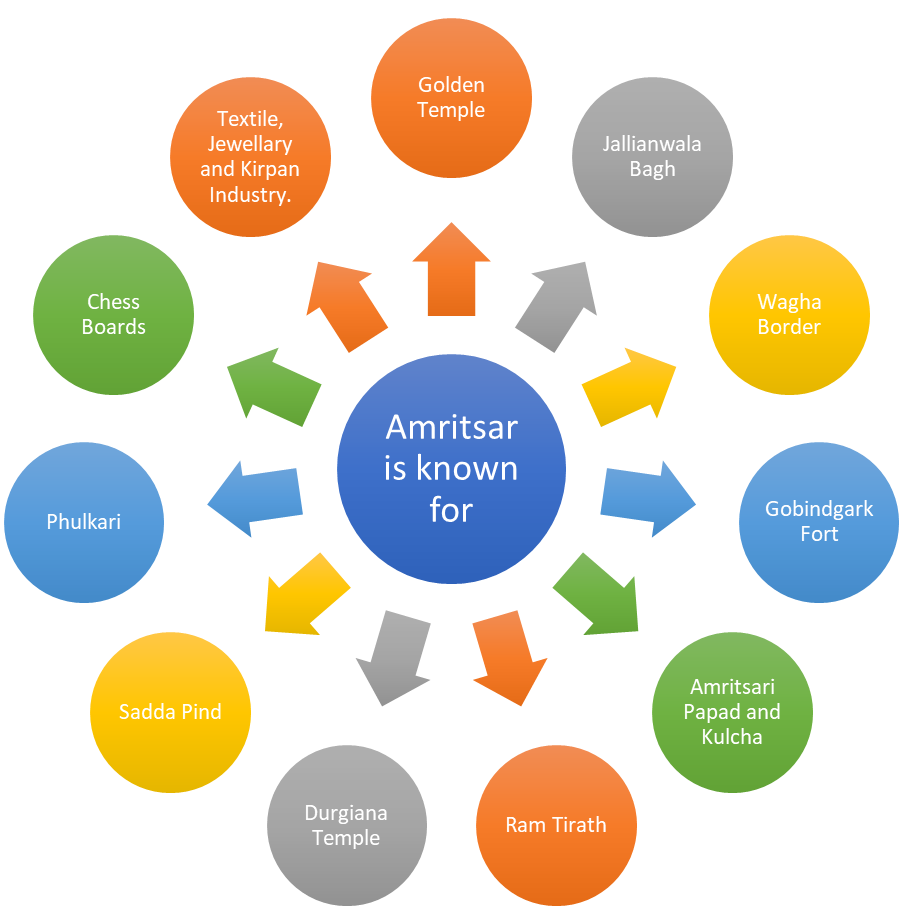
Amritsar also called Ambarsar and historically known as Ramdaspur, is located in the Punjab state of India. It derives its name from Amrit Sarovar which was built by Guru Ram Das in the village of Tung. Guru Ram Das believed that the waters of the lake had healing powers. Amritsar is the largest and most important city in Punjab and is a major commercial, cultural, and transportation center. It is also the center of Sikhism and the site of the Sikhs’ principal place of worship—the Harmandir Sahib which is popularly known as the Golden Temple. The hospitality of Amritsar is very good and the people here are so overwhelming.

 5 most important reasons to visit Amritsar


1.    The very first reason to visit Amritsar is Golden Temple. The peace and tranquility of the temple is the main reason why travelers love visiting the temple. The langar served at the temple is yet another reason why this is a popular place to visit in Amritsar. The Architecture and ambiance of the temple will touch your heart.


2.    The second thing is the Wagah border. The Wagah Border is what divides India and Pakistan. Every evening, a ceremony called the ‘lowering of the flags’ is hosted half an hour before the sunset, and it sees a huge gathering on both sides of the border. The ceremony has been going on every day since 1959 and is worth an experience. 


3.    The third reason to visit Amritsar is Jallianwala Bagh. No Indian can forget the massacre and the tragic history of the Jallianwala Bagh during India’s struggle for freedom. The memorial is a tribute and a way to pay respect to everyone who lost their lives here. Still, you can see the signs of history here.


4.    The fourth thing is food, which is so good that you can’t stop yourself. You eat at one Dhaba, and you’ll find yourself eating at a Dhaba throughout your trip to Amritsar. Kesar Da Dhaba is one of the most popular Dhaba in the city, and you’ll be drawn to it the moment you’re anywhere near it. The smell of desi ghee and parathas will draw you to the Dhaba. It’s also one of the oldest dhabas in the city. You will find a lot of Dhabas in Amritsar and don’t forget to order a big glass of lassi while you’re at it. The chole, parathas, dal, and phirni are some of the other specialty food items you must try out.


5.    The fifth reason is locals and the market. Interacting with the locals is one of the best things to do in Amritsar. You will learn a lot about their culture, and you will leave with a bunch of friends and a wonderful experience. The people here are extremely hospitable and will become your best buddy very quickly and quite easily. Head over to Old Amritsar to experience what Amritsar is all about. You will find a lot of bazaars here and some that have been there for over a hundred years. 

 Thus, the reasons to visit Amritsar are endless. Once you visit the place you will connect with the place heartly. This place will teach you to how to enjoy your life happily and keep others happy too.