India is a country of diverse traditions and customs, with each region and state having its unique set of traditions. Here are the top ten traditions of India:
Diwali – The festival of lights celebrated all over India, signifying the triumph of good over evil.
Holi – The festival of colors, celebrated with great enthusiasm across India, signifying the arrival of spring and the victory of good over evil.
Navratri – A nine-day festival celebrated across India, dedicated to the worship of the goddess Durga and her different forms.
Dussehra – A festival celebrated all over India, signifying the victory of good over evil and the triumph of Lord Rama over the demon king Ravana.
Raksha Bandhan – A festival celebrated across India, signifying the bond of love between brothers and sisters.
Onam – A festival celebrated in the state of Kerala, signifying the return of King Mahabali to his kingdom.
Ganesh Chaturthi – A festival celebrated all over India, dedicated to the worship of Lord Ganesha, the remover of obstacles.
Pongal – A harvest festival celebrated in the southern states of India, signifying the beginning of the harvest season.
Eid al-Fitr – A festival celebrated by Muslims all over India, signifying the end of the holy month of Ramadan.
Christmas – A festival celebrated by Christians all over India, signifying the birth of Jesus Christ.
These top ten traditions of India showcase the country’s rich cultural heritage and are a testament to the country’s diversity and inclusiveness. They are celebrated with great enthusiasm and are an integral part of the country’s social fabric, bringing people together and promoting harmony and unity.
Handloom sarees are an integral part of India’s rich cultural heritage. These sarees are woven by hand using traditional techniques, making them unique and distinctive. They are available in a wide range of materials, designs, colors, and textures. Handloom sarees are also considered to be eco-friendly and sustainable as they do not require the use of electricity or heavy machinery for their production.
Handloom sarees are woven using a variety of techniques such as Jamdani, Banarasi, Patola, Kanjivaram, Chanderi, and many more. Each technique has its own unique style and texture, making handloom sarees a popular choice among women across India.
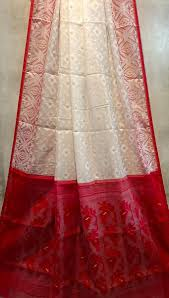
Jamdani sarees –
Jamdani sarees are woven using the traditional Jamdani technique, which involves weaving fine muslin cloth with intricate floral and geometric patterns. These sarees are lightweight and comfortable to wear, making them perfect for summer.
Banarasi sarees –
Banarasi sarees are woven in Varanasi, a city in Uttar Pradesh. These sarees are made from silk and have intricate designs woven with gold and silver threads. Banarasi sarees are considered to be one of the most expensive and luxurious sarees in India.
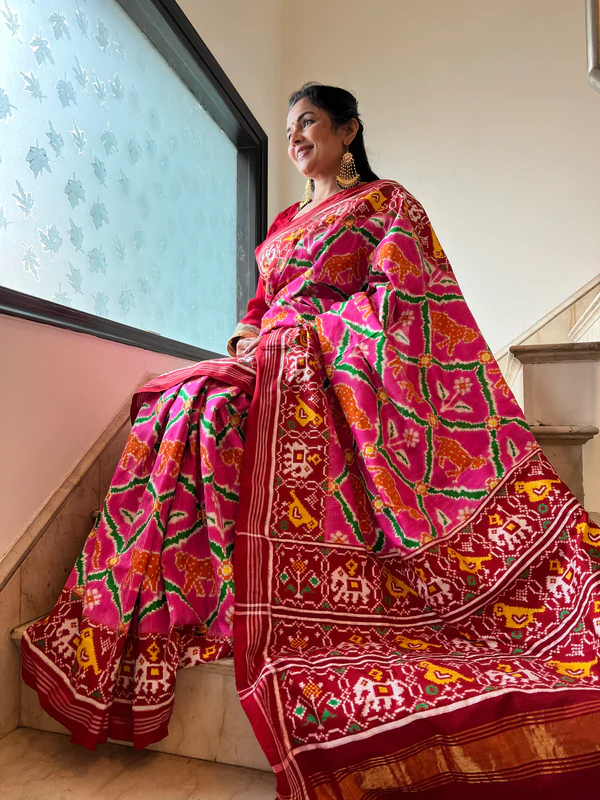
Patola sarees –
Patola sarees are woven in Patan, a city in Gujarat. These sarees are made from silk and have vibrant colors and geometric patterns. Patola sarees are considered to be a symbol of wealth and status in Gujarat.
Kanjivaram sarees –
Kanjivaram sarees are woven in Kanchipuram, a city in Tamil Nadu. These sarees are made from silk and have bold colors and intricate designs. Kanjivaram sarees are known for their durability and are considered to be a prized possession for every South Indian bride.
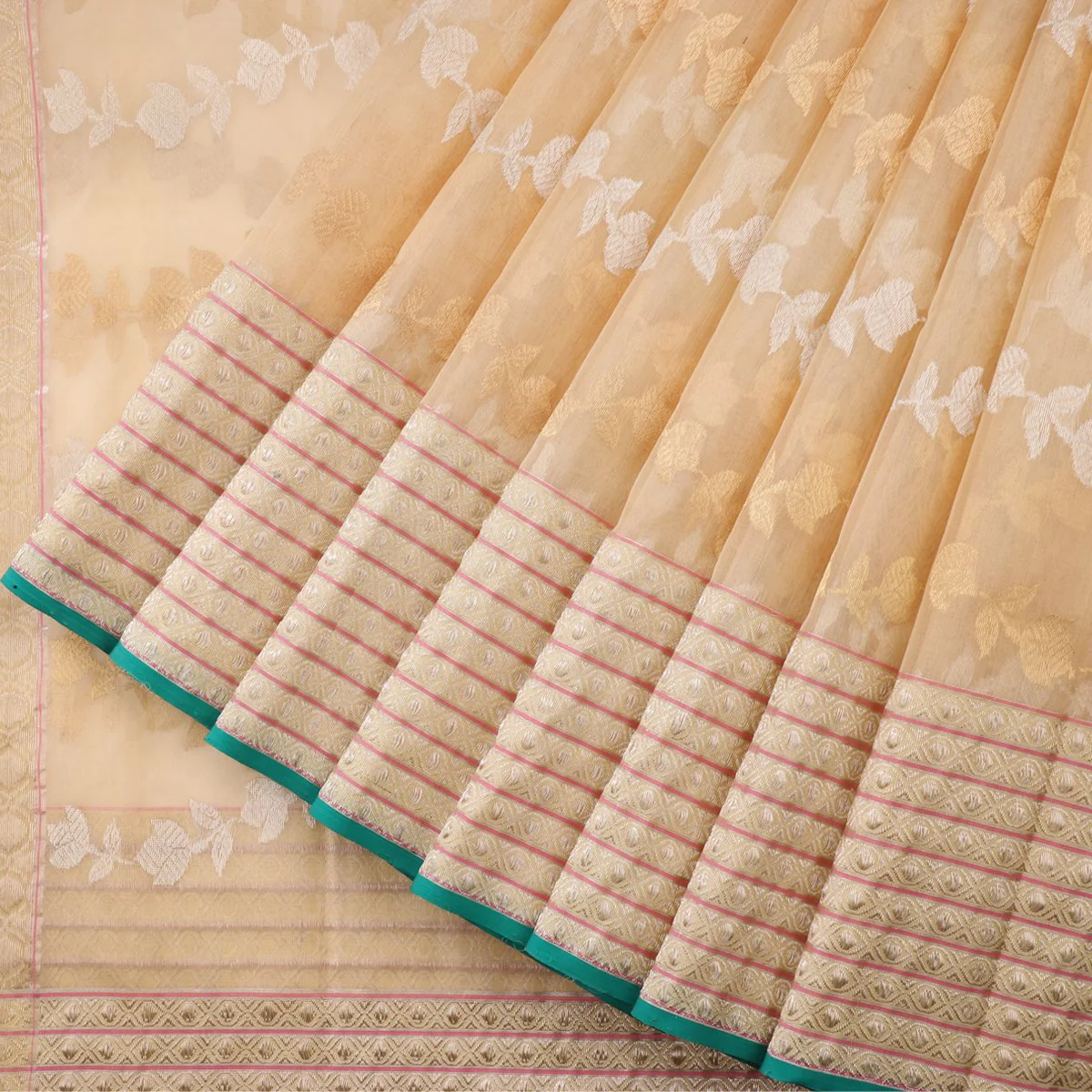
Chanderi sarees –
Chanderi sarees are woven in Chanderi, a town in Madhya Pradesh. These sarees are made from cotton and silk and have delicate designs woven with zari threads. Chanderi sarees are known for their lightweight and comfortable feel, making them a popular choice among women across India.
Handloom sarees are not just a piece of clothing but a piece of art that represents India’s rich cultural heritage. They are a symbol of tradition, elegance, and sophistication. With their unique designs and exquisite craftsmanship, handloom sarees are here to stay and continue to be an important part of India’s fashion industry.
Ram Navami is an important Hindu festival that is celebrated with great fervor and enthusiasm across India and other parts of the world. It is celebrated on the ninth day of the Hindu month of Chaitra (usually in March or April) to mark the birth anniversary of Lord Rama, who is considered to be the seventh incarnation of Lord Vishnu. The festival is celebrated with great enthusiasm and devotion across India and other parts of the world. It is a time for people to come together, seek blessings from Lord Rama, and reflect on his teachings of righteousness and morality.
Source – ISKON Dwarka
The festival is celebrated by performing puja (worship) to Lord Rama, who is revered as the epitome of righteousness, truth, and justice. People observe fasts, read the Ramayana (a Hindu epic that tells the story of Lord Rama’s life), and chant his name to seek his blessings. On this day, devotees decorate their homes and temples with flowers, lights, and rangolis (intricate designs made with colored powders). Many people also organize processions and cultural programs to celebrate the occasion. The streets are filled with people dressed in colorful traditional clothes, singing hymns, and playing musical instruments.
One of the most significant rituals associated with Ram Navami is the Rama Navami Rath Yatra. It is a procession in which a chariot carrying the idol of Lord Rama, along with his wife Sita, his brother Lakshmana, and his devotee Hanuman, is taken out on the streets. The chariot is decorated with flowers and other decorations and is pulled by devotees, who chant hymns and mantras. The procession usually ends at a temple, where the idols are placed and worshiped.
In some parts of India, Ram Navami is celebrated for nine days, leading up to the main day of the festival. This period is known as the Navratri, and each day is dedicated to a different form of the divine mother. The final day of Navratri is Ram Navami, which is considered to be the most auspicious day of the festival.
Apart from the religious significance, Ram Navami is also associated with social and cultural traditions. It is believed that Lord Rama’s message of righteousness, truth, and justice is relevant even today and can inspire people to live a life of virtue and morality.
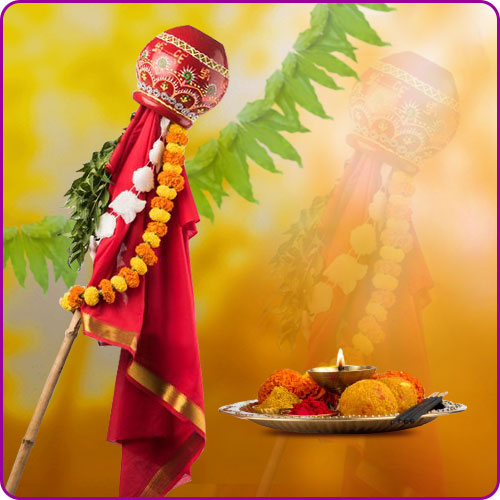
Gudi Padwa is a Hindu festival that marks the beginning of the New Year according to the traditional Hindu lunar calendar. It is celebrated on the first day of Chaitra month, which usually falls in March or April. Gudi Padwa is primarily celebrated in the states of Maharashtra, Goa, and Konkan regions of India. The festival symbolizes victory, happiness, and prosperity and brings people together to celebrate the spirit of the New Year.
The festival of Gudi Padwa is celebrated with great enthusiasm and joy. It is believed that on this day, Lord Brahma created the universe, and it is also considered the day when Lord Rama returned to Ayodhya after his victory over Ravana. The festival is named after the ‘Gudi’, which is a special flag made of cloth or silk and is adorned with a copper or silver pot, a neem leaf, a twig of mango leaves, and a garland of flowers. The Gudi is hoisted outside homes, and it signifies victory and happiness.
The celebration of Gudi Padwa begins with the cleaning and decoration of homes. People decorate their homes with rangolis, flowers, and lights. The preparation of traditional delicacies like puran poli, shrikhand, and karanji is also an essential part of the celebration. On this day, people also wear new clothes and exchange sweets and gifts with each other.
One of the main rituals of Gudi Padwa is the hoisting of the Gudi outside homes. The Gudi is hoisted early in the morning, and it is believed to bring good luck and prosperity to the family. People also offer prayers and perform puja to the Gudi. The Gudi is taken down in the evening, and the prasad is distributed among family and friends.
Another significant aspect of Gudi Padwa is the traditional Maharashtrian dance, ‘Dindi’. Dancers dressed in colorful traditional attire dance to the beats of Dhol, Tasha, and Lezim. The dance signifies the victory of good over evil and is performed in temples and public places.
Apart from Maharashtra, Gudi Padwa is also celebrated in other parts of India with different names and customs. In Andhra Pradesh and Telangana, the festival is known as Ugadi, while in Karnataka, it is celebrated as Yugadi. In Tamil Nadu, the festival is called Puthandu, while in Punjab, it is celebrated as Baisakhi.
Being from Odisha and being raised in a different state, I have always been curious about my ground culture and traditions. One of such interesting festival celebrated in Odisha is Pakhala Divas. The article will discuss more about its History, Significance & celebration of Pakhala Divas in Odisha.
Pakhala Divas is a unique festival celebrated in the eastern state of Odisha, India. It is celebrated on March 20th every year, marking the beginning of summer in the state. The festival is dedicated to Pakhala, a traditional dish made of rice, water, and curd.
Source – pragativadi.com
History of Pakhala Divas
The history of Pakhala Divas dates back to ancient times when Odisha was ruled by the Kalinga dynasty. During those times, Pakhala was a staple food for farmers and laborers who used to work in the scorching heat. The dish is prepared by mixing cooked rice with water and sour curd and kept overnight. This process allows the rice to ferment and gives it a unique taste and aroma.
The tradition of celebrating Pakhala Divas started in the 1990s when a group of social activists in Odisha came together to revive the traditional food culture of the state. They realized that the younger generation was losing interest in traditional dishes and were adopting western food habits. To promote traditional food habits, they organized the first Pakhala Divas in 1992.
Significance of Pakhala Divas
Pakhala Divas has significant cultural and social significance in Odisha. It is celebrated to promote the traditional food culture of the state and to create awareness among the younger generation about the health benefits of traditional food. Pakhala is a healthy dish that is rich in probiotics, which is beneficial for the digestive system. It also helps to keep the body hydrated during the scorching summer heat.
The festival also promotes the sense of community and togetherness. People in the state come together to share the meal with their friends and family, and it is a symbol of unity and brotherhood. It is also an occasion to express gratitude towards farmers and laborers who work hard to provide us with food.
Celebration of Pakhala Divas
Pakhala Divas is celebrated with great enthusiasm and fervor in Odisha. People prepare Pakhala in their homes and offer it to their friends and family members. They also distribute the dish to the poor and needy. In many parts of the state, restaurants and food joints offer free Pakhala to the public on this day.
Several cultural programs and events are also organized to mark the occasion. People dress up in traditional attire and participate in cultural activities such as folk dances and songs. The festival also includes competitions and games, including cooking competitions, pakhala-eating competitions, and quiz competitions related to traditional food culture.
Culture and traditions vary hugely around the world. They are part of what makes our planet such a diverse and fascinating place to live.
Here are some interesting customs from different parts of the world :
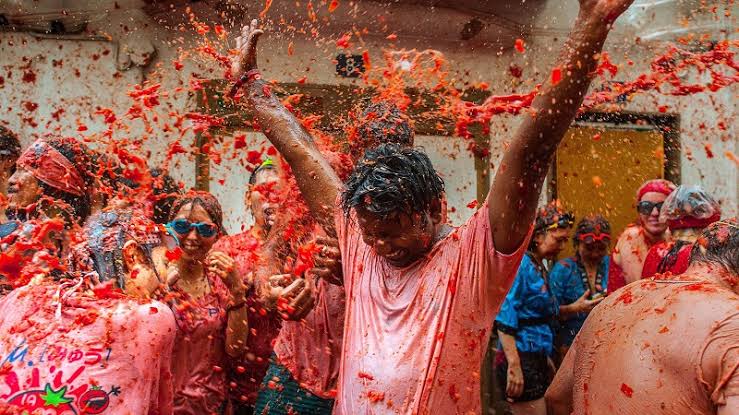
1. La Tomatina, Spain Once a year, in the Valencian town of Buñol, Spaniards gather to throw tomatoes at each other. The world’s largest tomato fight, La Tomatina now attracts participants from around the world.
2. Switzerland — Honesty shopping Tiny little shops in the middle of the Swiss Alps share the idealism of this society in the form of honesty shops. These are little shops that allow you to buy your fresh cheese, milk, bread, honey, and butter without anyone there to watch you indulge in the delicious dairy products of the area. In fact, most of the day, no one watches these shops because they are owned by farmers who are out taking care of the animals, so all you do is leave your money behind in a little basket. And what’s amazing is that this form of consumer trust results in incredible customer loyalty and honesty among the communities.
3. Iceland — Christmas Eve books giving We obsess over the eternal question of Christmas gifts; do we spend tons of money on new technology for our loved ones or just stick with the always-safe gift card? Will they read too much into a “fitbit”? Iceland has solved this problem with the Christmas Eve tradition of giving a book. After everyone unwraps the books, they spend the evening reading together. Iceland has preserved the culture of books in this beautiful Christmas custom which many countries would do well to emulate!
4.Slurping in Japan Most societies around the world have rules about table etiquette. For western cultures, noisily consuming food is considered rude. In Japan, however, making slurping sounds while eating has an entirely different meaning. This might have something to do with the fact that in western countries, noodles are properly consumed by twirling them on a spoon before putting them in the mouth. Meanwhile, the Japanese simply slurp up their noodles without contorting them first, an act that is naturally noisier than the former. Making slurping sounds when eating noodles in Japan is a way of indicating that you’re really enjoying them. Some scientists even argue slurping invites air into the palate and actually enhances the noodles’ flavor.
5.Battaglia delle Arance, Italy If you don’t fancy throwing tomatoes, how about oranges? During the Carnevale di Ivrea each year, residents of the Italian city of Ivrea come together to hurl oranges at each other. The tradition is in memory of a battle between the townsfolk and a ruling tyrant, with oranges thrown as part of the fight for freedom.
6.Monkey Buffet Festival in Thailand In Thailand they have a ritual that would bring good luck when joining, namely the monkey buffet festival. This festival is held on the last Sunday of November and you do not need to be surprised when you see monkeys opening a can of coca cola. Chefs spend hours on preparing buffets and the locals offer snacks, sweets, drinks and fruits to macaque monkeys. During this festival there are also many activities related to the monkeys: dancing, dressing like monkeys, monkey masks and a lot more.
These traditions are examples of different cultures around the world. They are cultural practices that may well seem strange to those unfamiliar with their meaning or origins. However, each tradition is part of a unique culture that has developed over many generations. Customs, traditions keep changing with time. Some countries might not be following the customs they were years back ; some might still be following it. All we know is that there might definitely be a tradition from our own culture that outsiders might find strange.







 Eduindex
You must be logged in to post a comment.