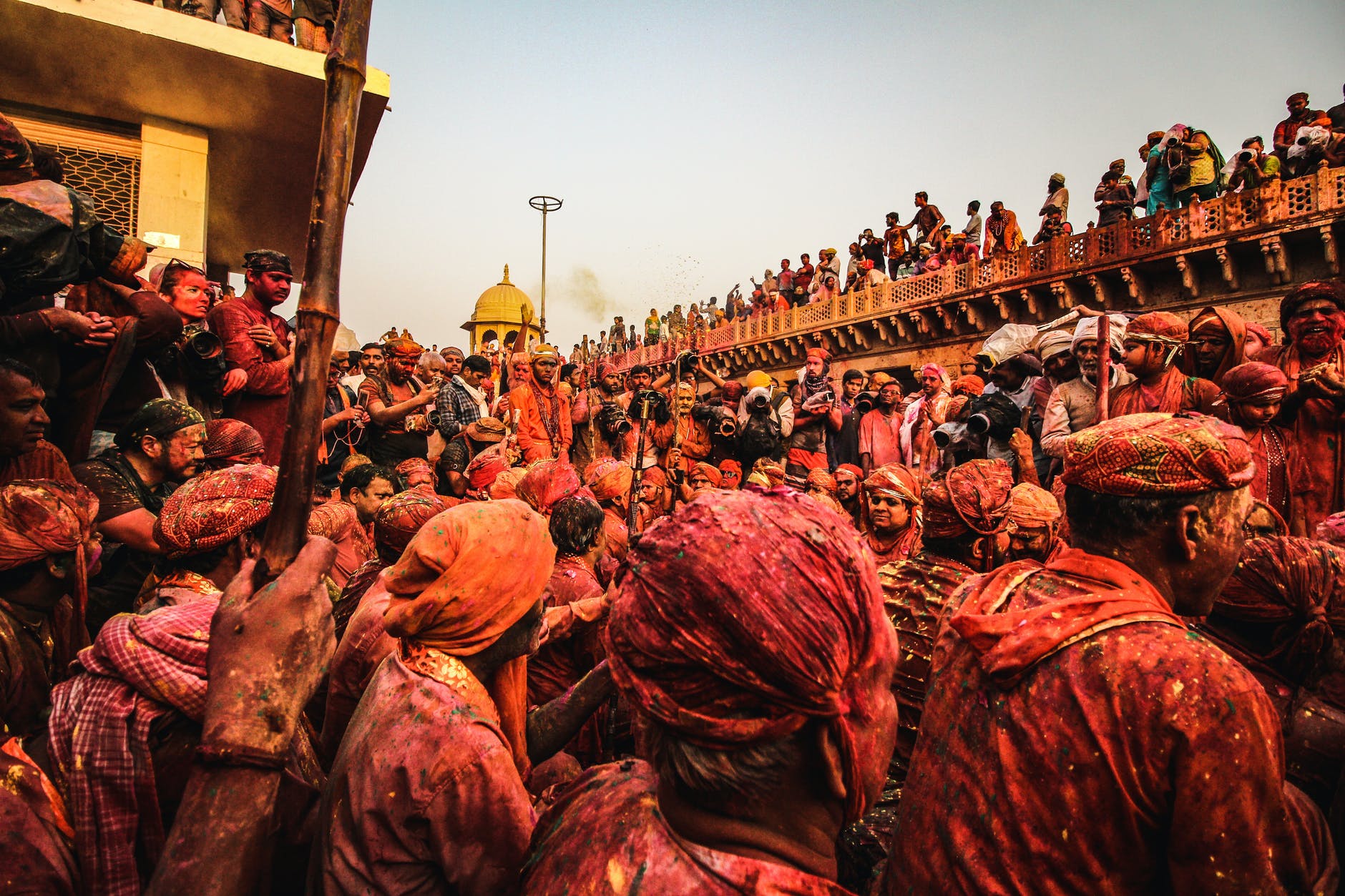
Racial composition of India

Photo by Yogendra Singh on Pexels.com

Race remains one of the most complex concepts in sociology. In popular usage, race maybe human race, car race, etc., but in this context it refers to any category or group of people who have similar physical traits. Race according to some is a group of people who maybe separated from other groups by repeating physical features like color of skin, hair, stricture of jaw, structure of eyes, etc.

Race, as a term, gained usage around 16th century and it began being referred to family, village and breed. It was in the 18th century period, especially during the enlightenment,i.e., age of reason, that the idea of race began to be restored more systematically. Ethnic groups in Indian society have a complex history of more than 5000 years. It is a history of series of migration, accommodation, assimilation, invasions and wars.

According to Dubey, it can stipulate about the original people of India on the basis of information provided by physical anthropology regarding the racial groups in the composition of India. The most authoritative and widely accepted classification is by Dr. B.S.Guha who identified six major racial types, namely:

  1. The Negrito: People belonging to this racial group are characterized by black skin color, frizzly hair, thick lips, etc. The prevelance of a Negrito segment in the Indian population is a matter of controversy for the anthropologists and as such they are divided into two groups:
    1. The protagonists, who believe in the existence of the Negritos in India.
    2. The antagonists, who do not find any conclusive evidence of the existence of Negrito racial stock in Indian population.
  2. The Proto- Austroloid: This racial stock consists of an ethnic group comprising of the Australians aborigines and other people of the Southern Asia and Pacific Islands. The aborigines are also considered the pre- Dravidian race and the Indian tribal population in general, is dominated by this racial element.
  3. The Mongoloid: The Mongoloids, as a major racial stock, are native to Asia. This race entered India from the Western China through The Tibet, The Chinese, The Japanese, The Burmese, The Eskimos and also the American Indians are covered within this strain.
  4. The Mediterranean: This racial stock may be related to the Caucasian physical type i.e., the white race. It is one of the dominant races in India.
  5. The Western Brachycephals: It is believed that this racial group have entered India from the West. This race is divided into three sub- groups:
    1. The Alpinoid
    2. The Dinaric
    3. The Armenoid
  6. The Nordic: People belonging to this racial stock are characterized by tall stature, long head, light skin and hair and blue eyes. Tho physical stock has come to India from the North East Asia, South West Siberia through Central Asia and spread all over the Northern part of our country during the second millennium B.C.
Applied Psychology

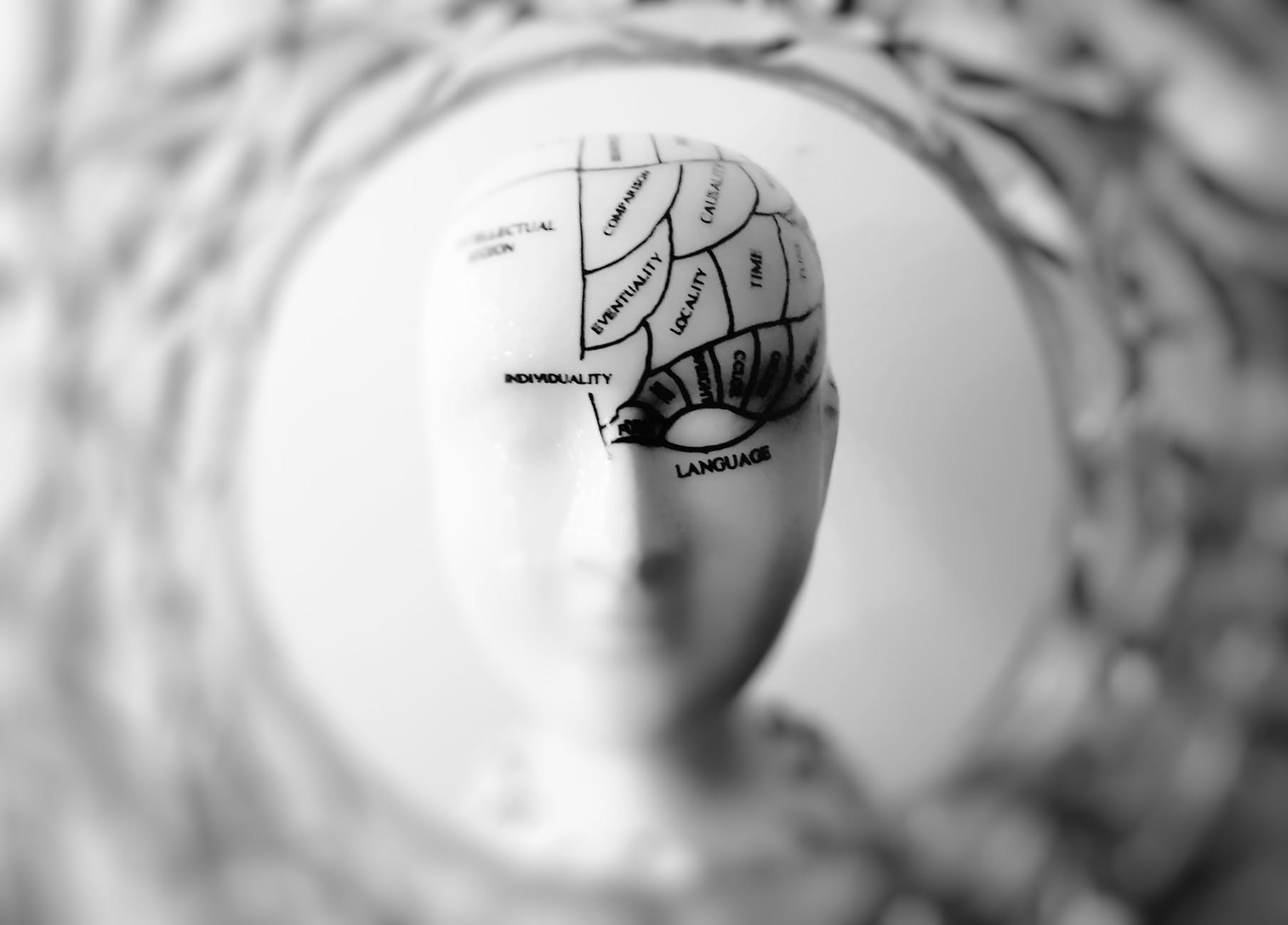
Photo by meo on Pexels.com

Applied psychology is the application of psychological principles and methods to resolve problems of human experience which may be related to human experience, health, family, workplace, etc. It is that field of psychology which validates psychological theories and focuses on putting practical research into action to achieve the desired result.

VARIOUS FIELDS OF PSYCHOLOGY:

  1. Educational psychology:
    1. Helps in developing strategies for better teaching approaches.
    2. Improves learning environment and gives advice on curriculum formation
  2. Occupational psychology:
    1. Helps in increasing the employee productivity, job satisfaction at work and overall effectiveness of an organization.
    2. Ids in organizational functions such as staff recruitment training, employee relations, performance appraisal, motivation, counselling and maintaining work environment.
  3. Health psychology:
    1. Helps diseases individuals to cope with illness, develop positive attitude, recover from illness and lead quality life.
    2. Educates and motivates people to make better health choices, contribute to improving the healthcare system and aid the government in designing healthcare policy.
  4. Cognitive psychology:
    1. Aids in treating learning disorders, structure. The educational curriculum to augment learning and improve desicion making ability.
    2. Provides help to cope with increased stress levels, memory disorders brain injury and additional difficulties.
  5. Clinical psychology:
    1. Helps in diagnosis,rention and treatment of emotional disturbances and behavioral problems.
    2. Helps the individual to promote well being and personal development.
  6. Sports psychology:
    1. Helps athletes and sports person to cope with the intense pressure generated out of competition.
    2. Enhances the performance of an athlete, motivates him and hastensthe recovery from injuries too.
    3. Teaches the common man to enjoy sport and promote well being by sticking to an exercise regimen.
  7. Developmental psychology:
    1. Aims to resolve individual’s issues mostly related to society, school, career, family and health.
  8. Criminal psychology:
    1. Assissts law enforcement agencies in apprehend in the criminals.
    2. Provides an understanding of will, intention, thoughts, feelings and reactions of criminals with the main goal of reducing crimes.
  9. Social psychology:
    1. Talks about social perceptions and interactions that are key to understanding social behavior.
    2. Looks at a wide range of other topics such as aggression, prejudice and non verbal behavior.

Dreams : Types & Facts

Dreams are stories and images that our minds create while we sleep. They can be entertaining, fun, romantic, disturbing, frightening, and sometimes bizarre.

Although it is hard to define what a dream is, for the purpose of this article, we will define dreams as our thoughts during sleep that we recall when we wake up. So, sleeping dreams are not the same as “daydreaming.” Dreams are mostly visual (made up of scenes and faces; sound, taste, and smell are rare in dreams). Dreams can range from truly strange to rather boring, snapshots from a recent event.

Facts on Dreams

  • We may not remember dreaming, but everyone is thought to dream between 3 and 6 times per night.
  • Dreams improve creativity and problem solving.
  • It is thought that each dream lasts between 5 to 20 minutes.
  • Dreams regulate our moods and emotions.
  • Around 95 percent of dreams are forgotten by the time a person gets out of bed.
  • Dreaming can help you learn and develop long-term memories.
  • Blind people dream more with other sensory components compared with sighted people.
  • Dreams support memories.

Types of Dreams

There are 5 main types of dreams : 

1. Normal Dreams

Common dreams about people and experiences that we can sometimes forget.

2. Day Dreams

When we escape from reality and visualise the past, present & future throughout the day.

3. Lucid Dreams

Being completely aware and in control of dream the dream you are having while you sleep.

4. False Awakening Dreams

A vivid type of dream that feels like you have woken up but you are actually still asleep.

5. Nightmares

The least favourite type of dream. Nightmares are disturbing and scary dreams that can feel realistic.

Whether you remember your dreams or not, most people dream every night during REM sleep. REM stands for rapid eye movements, which happen during this stage of sleep. During REM sleep, muscle and brain activity also differ from other sleep stages. Characteristics of dreams tend to be different for each of these sleep stages.

Conclusion

There are different ways scientists measure dreams from asking questions to using MRI. These studies show us that activity in the brain while we sleep gives us the interesting dreams we recall when we wake up. These dreams help us remember things, be more creative, and process our emotions.

We know most kids do not get enough sleep. Some diseases (like Alzheimer’s disease) also make people sleep less, while others (like REM sleep behaviour disorder and mood disorders) affect dreams directly. It is important to study sleep and dreams to understand what happens when we do not get enough sleep and how we can treat people with these diseases.

Tender and its types

WHAT IS TENDER?
In this system the entity invites suppliers to give their
quotations.
The supplier with the lowest quotation wins the contract.
It is a kind of contract mostly followed by large organisations
and governments when purchases are of large value.

Open Tender
This is where an opportunity (including all tender documents) is
advertised inviting providers to bid directly for a contract.
All interest parties then submit a tender.
Scoring takes place and the successful organisation is
awarded the contract.
Sometimes there is a selection stage first, which is then
followed by the award stage.

Restricted Tender
This involves the opportunity being advertised in the relevant
places and media.
Organisations will then submit an expression of interest and fill
in a pre qualification questionnaire.
Successful organisations will go onto select list and be given
an invitation to tender with the tender documents.
Tender documents are completed and submitted.
From the submitted tender documents scoring takes place and
the successful organisation is awarded the contract.

Advantages:
Competitive
Lower Cost
Transparent Process
Disadvantages:
Low Price usually Detriment of Quality
Time consuming

PROCESS

Invitation
Pre/Post
Qualification
Questionnaire
Bid Bond
Site Visit Tender Box
Receipt of Tenders
Withdrawal of Offer
Tender Offerings Evaluation
Recommendations
Letter of Award
Conditions of Award

BLANKET ORDER

Company purchase many small items on day to day basis. It
becomes difficult to have inventory for all.
It is most popular method for purchasing items which are used
regularly.
There are two methods:
Agreement is made to supply a Fixed Quantity of the product at
a Fixed Price for a Specific Period.
Agreement is made to supply for a Specific Period but the
Quantity is unknown.

SOLAR ECLIPSE!

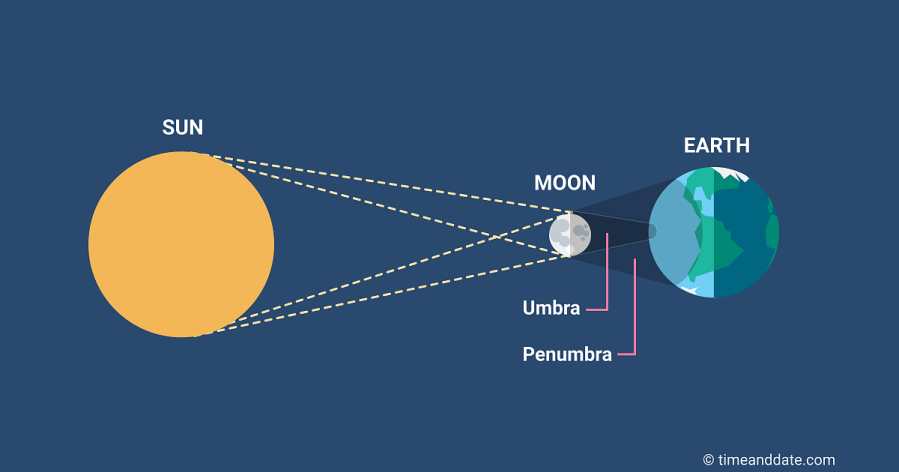
The solar eclipse is an eclipse when, the sun is covered by the moon, completely or partially. In other words, we can say, a Solar Eclipse occurs when Moon comes in between Sun and Earth, and the moon’s shadow covers the earth.

DIFFERENT COUNTRIES, DIFFERENT BELIEVES!

INDIA: According to ancient Indian mythos, When, Samudra Manthan occurred, one demon named Svarbhanu, disguised himself as Deva, and, sat between Sun and the Moon, for drinking Amrit(the elixir). When Vishnu came to know about this, he beheaded him, but before this, the demon had already taken a sip of the elixir, so, his head became eternal, and called as Rahu. The remaining body came to be known as Ketu. After Rahu’s head flies off and swallowed the Sun and caused an eclipse.

CHINA: According to the beliefs of ancient China, a heavenly Dragon thought to lunch on the sun, and this caused a solar eclipse.

VIETNAM: According to ancient beliefs, an extremely big frog swallowed the Sun, this caused a solar eclipse.

NORSEMEN: North Germanic ethnolinguistic group of early Middle Ages, believed that Wolves had swallowed the Sun, which caused a solar eclipse.

KOREA: According to ancient Korean believes, fabled dogs are trying to steal the Sun; this is the reason behind the solar eclipse.

NATIVE AMERICA: According to the believes of the Pomo (a group of people who live in the north-western part of United States), There was a fight between a bear and the Sun, and, the bear took a bite of Sun, this caused a solar eclipse.

GREEKS: According to the ancient Greek believes, Solar Eclipse is the sign for the anger of God that is the beginning of disasters.

DIFFERENT TYPES OF SOLAR ECLIPSE:

TOTAL ECLIPSE:  A total eclipse occurs when the bright light of the Sun is totally covered by the Moon.

Science of Total Solar Eclipse.

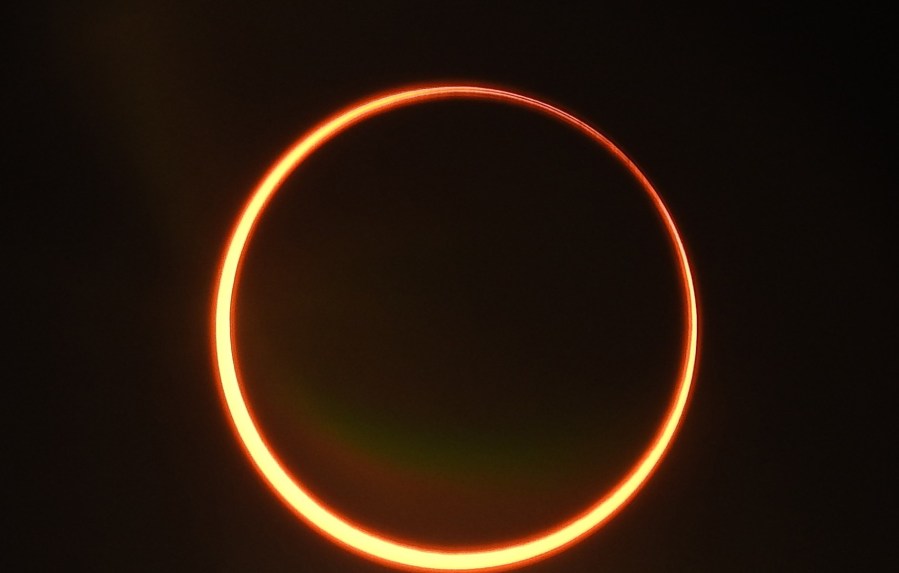
ANNULAR ECLIPSE: An annular eclipse occurs when the moon and the sun are in a row or in line with the earth. The size of moon is smaller than the Sun, so the sun appears as very bright ring.

Annular Solar Eclipse.

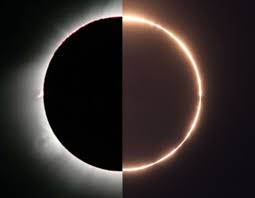
HYBRID ECLIPSE: A hybrid eclipse is very rare, at some point it appears as a total eclipse, and sometimes it appears as annular eclipse. It changes its appearance as the Moon’s shadow moves.

A Rare Hybrid Solar Eclipse.

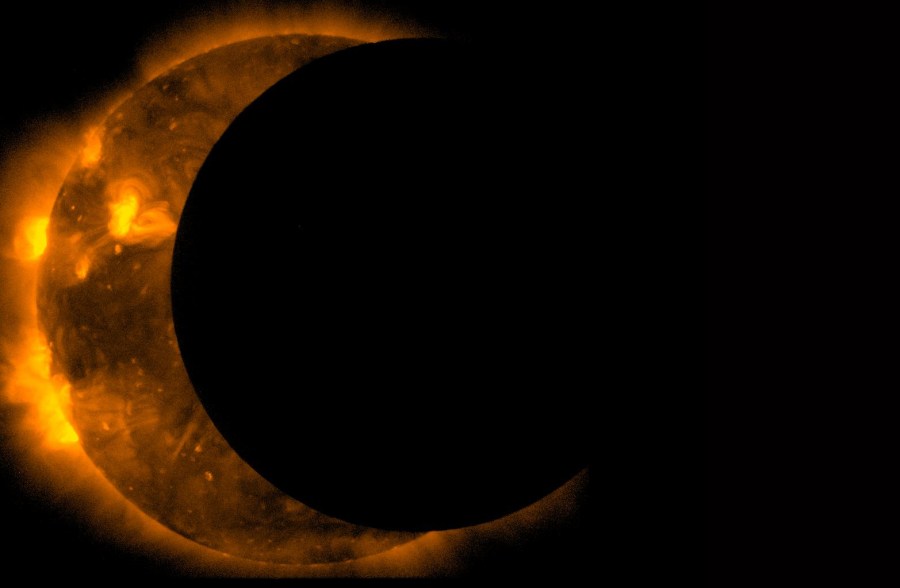
A PARTIAL ECLIPSE: A Partial Eclipse occurs when, The Moon do not covers the Sun completely, as the Moon and the Sun are not exactly in line with the Earth.

A Partial Solar Eclipse.

SOLAR ECLIPSE OF 21 JUNE 2020!

Solar Eclipse of 21 June 2020 is the Annular Solar Eclipse. It is visible from the parts of Africa and Asia. World will witness an event of ‘Rings Of Fire’ annular solar eclipse. In India, it began near Gharsana in Rajasthan at 10:12 AM. It will be visible between 9:56 AM to 2:29 PM. The eclipse lasts for 3 hours, covering 84% Sun.

During the eclipse, people are advised to not to go out and not to eat, but, there are exceptions for, old, patients and pregnant women, they can eat the food that is easy to digest.