

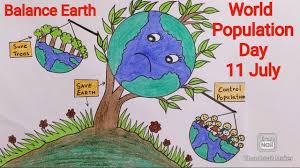
World Population Day is observed on 11th of July every year. It is an annual and global event which seeks to raise awareness about the rising population issues all over the world. It was first observed on the 11th of July 1989. Governing Council of the United Nations Development Programme was the organization behind the establishment of this event. A question might arise in your mind about why 11th July was established as the World Population Day and not any other date? The answer to this question lies in the year 1987 two years prior to the first observation of the World Population Day. 11 July 1987 is known as the Five Billion Day because it is considered as the approximate date when the world population reaches the mark of 5 billion.
The day was proposed by Dr. K.C. Zachariah who worked as a senior Demographer at World Bank when the world population reaches five billion. World Population Day aims to increase awareness on various issues regarding population such as family planning, gender equality, poverty, human rights, and maternal health.
World Population Trends
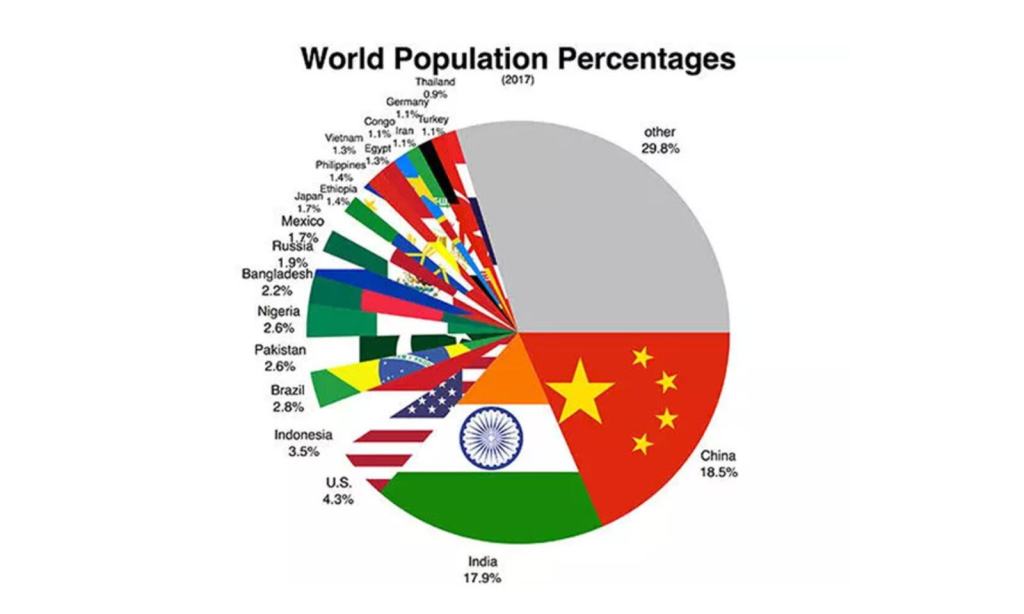
Due to the increase in number of people surviving to reproductive age, major changes in fertility rates, increasing urbanization and accelerated migration has resulted in a very dramatic drastic growth in the population all around the world. If look at the empirical data, it will be clearer. Earlier it took hundreds of thousands of years to reach the world population to the 1 billion mark but in the near 200 years or so the population increases by seven times. Global population reaches to 7 billion mark in the year 2011. Today global population stands around 7.7 billion and it is estimated to reach 8.5 billion in 2030, 9.7 billion in 2050, and 10.9 billion in 2 100. These trends as shown here if continues then it will have very far-reaching negative consequences on the future generation to come. They affect economic development, increase unemployment, poverty, increase income disparity and affect income distribution. Growing population also acts as a setback to the efforts of providing universal access to healthcare facilities, sanitation, education, better lifestyle, housing, energy, food and water.
Themes of this year’s World Population Day
“Rights and choices are the answer: Whether baby boom or bust, the solution to shifting fertility rates lies in prioritizing the reproductive health and rights of all people.” This is the theme of World Population Day this year. The pandemic had made the health system to compromised with other problems especially in the area of sexual and reproductive health of women. Risk of child marriage and female genital mutilation increase in the pandemic and the programmes to eradicate these problems faced a setback due to the pandemic. A quantitative surveys suggest that between 4% – 29% of women who use contraception do so without their husbands’ or partners’ knowledge. Against this backdrop, many countries are expressing growing concern over changing fertility rates. Historically, alarmism over fertility rates has led to abrogation of human rights. The agency emphasizes that women must be empowered educationally, economically and politically to exercise choice over their bodies and fertility.
 Eduindex
You must be logged in to post a comment.