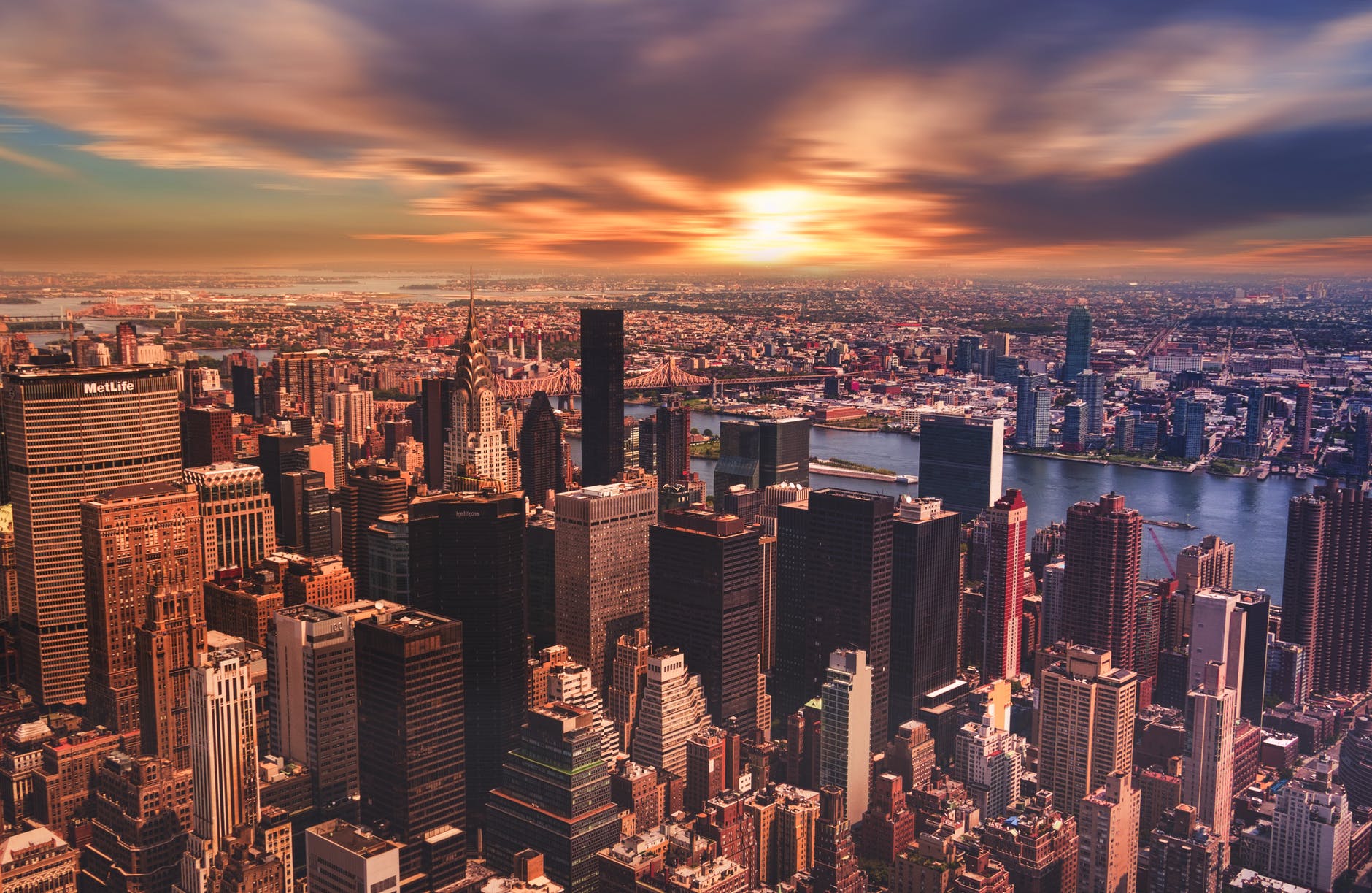
Urbanization: Causes and effects

Photo by Quintin Gellar on Pexels.com

Urbanization is an increase in the number of people living in towns and cities. It occurs mainly because people from rural areas move to urban areas. It can also be explained as the expansion of a city or metropolitan area.

Causes of urbanization

  • Rural to urban migration of happening on a massive scale due to population pressure and lack of resources in the rural areas.
  • People living in rural areas are pulled to the city because they believe that standard of living in urban areas are much better than rural areas.
  • Natural increase of population is caused by a decrease in death rate while birth rate remains high.

Effects of urbanization

A range of economic, political, social, cultural, environmental factors affect urbanization.It is encouraged socially and culturally through social media.

  • Socio- cultural impacts:
    • Cities have a strong socio- cultural impact on their surrounding rural areas.
    • The mass media depicts city life as superior to rural life.
    • The fertility rates in cities is often lower than rural areas due to absence of agriculture, cost of children, food and living space of cities and family planning.
  • Socio- economic impacts:
    • As the city grows, the cost of housing and infrastructure also grows and there will be less water, land and building materials available and causes congestion problems.
    • Unemployment grows and drug abuse, crime rates and homelessness also grows.
  • Environmental issues:
    • Wastes are a major problem in large cities.
    • Air pollution results from over dependence on motorized transport systems and from burning of coal to supply energy.
    • Water pollution results from poor sewage facilities and disposal of industrial heavy metals into water bodies.
    • Vast quantities is solid wastes are produced in the industries and pollute the environment.
    • Traffic congestion and noise pollution are major environmental impacts of large cities.

Benefits of urbanization

  • Moderate urbanization helps in improvement of economy.
  • It helps in the growth of commercial activities.
  • There is a socio- cultural integration as a result of urbanization.
  • There is an efficient use of resources.
  • There is an increase in the supply of labour.

The problem of this rapid urbanization is faced by the whole world. The greatest challenge is to minimize the negative aspects of urbanization and build the benefits of urbanization. For this, more opportunities should be created in the rural areas for people to take up. The rural infrastructure also needs to be taken into consideration in order to keep urbanization in check.
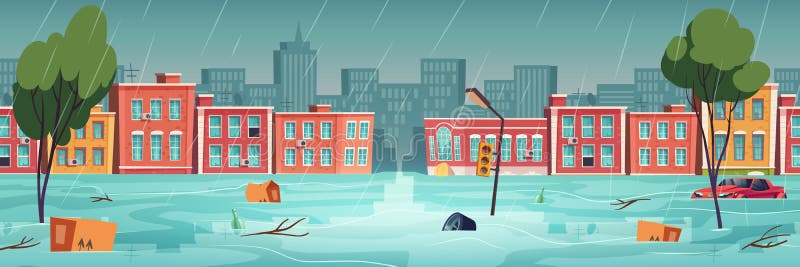
URBAN FLOODING: DROWNING CITIES AND INCREASING VULNERABILITY

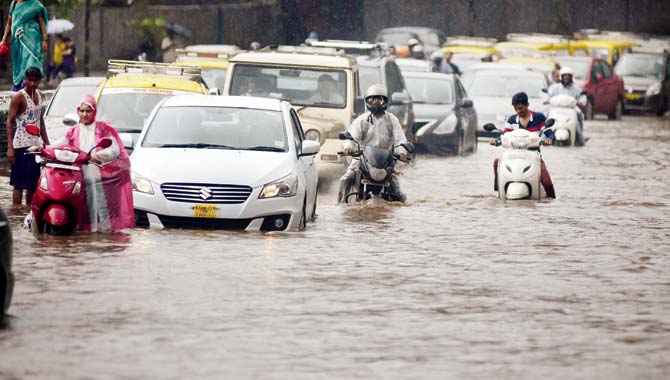
The cities are continuously experiencing extreme flooding events which requires attention and proper solution before it gets converted to a deadly disaster. URBAN FLOODING is a chronic process which is caused due because the city landscapes fail yo absorb or manage the rainfall. Urban Flooding is separate and different from coastal and riverine flooding and are more frequent and localized.

What is Urban Flooding ?

Urban Flooding is the flooding happening in urban areas due to excessive runoff in urban areas and because the runoff doesn’t get managed properly. This phenomenon can be caused during heavy rainfalls as well as in small amount of rainfall. Even small amount of rain can deteriorate or cause flooding due to inadequate infrastructure and actions taken by neighborhood or city to manage the storm water, especially in impoverished, neglected and socio-economic isolated urban communities. Urban flooding has three components: (i) caused by rainfall; (ii) falls on impervious surfaces; and (iii) increases the level of local storm water drainage capacity. These components along with heavy rainfall or precipitation, climate change, outdated drainage infrastructure and storm water management infrastructures and increased urbanization can cause major challenge and disaster in urban areas. Urban Flooding is caused due to the climate change and extreme weather conditions of the cities. The phenomenon becomes more and more frequent and common in urban areas these days. While untimely heave rains can be seen as a consequence of climate change, the urban flooding can be seen as the consequence of unplanned urbanization.

URBAN FLOODING

Urban Flooding in India

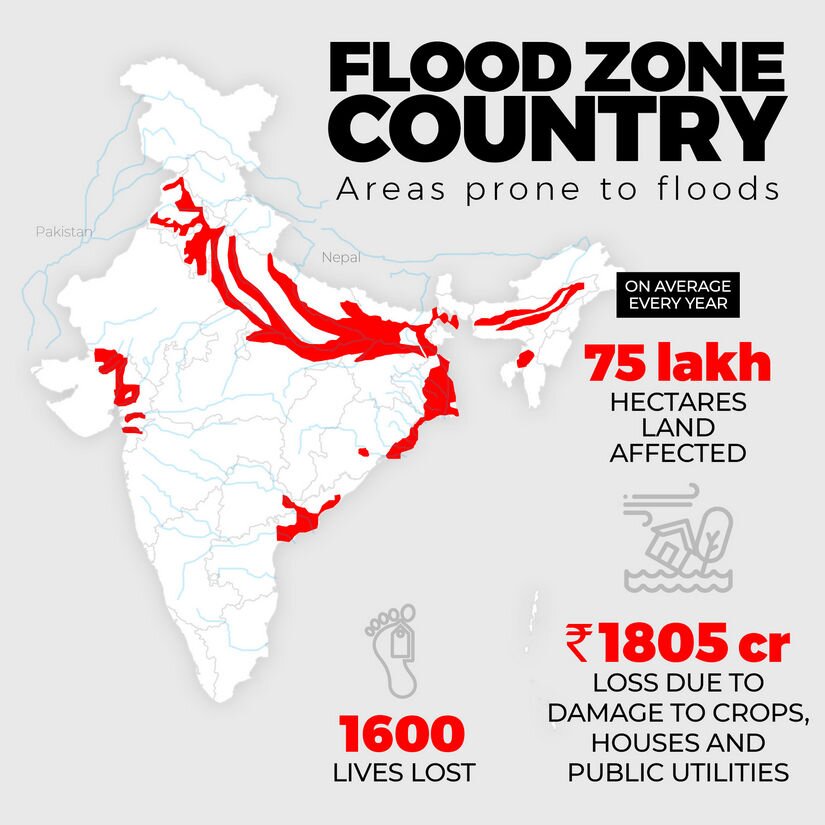
The rate of urban flooding has been increasing in India and it is severely affecting the major cities. Some of the most disastrous urban flooding were found in Mumbai (2005), Kolkata (2007), Delhi (2009), Bangalore (2015) and Hyderabad (2020) the most recent doubt. Flooding in India is mostly found in its peak in monsoons seasons and many times when the storm surges at coastal cities urban flooding is caused. There are many other causes of urban flooding also, like failure to release water from dams, increasing proportion of built up area etc. In addition to these causes, Urban Heat Island effect has also resulted in an increase in rainfall over urban areas. Global climate changes results in extreme weather patterns and increased incidences of heavy rainfall occurring over shorter periods of time. This phenomenon is also increasing sea level and threatening all the coastal cities.

URBAN FLOODING IN INDIA
URBAN FLOODING IN NEW DELHI, INDIA

Factors behind Urban Flooding

There are number of factors behind the phenomenon and some of the major factors behind this phenomenon are

  1. Inadequate Drainage Facilities: There are many cities in the country who are relying on age old drainage systems which are efficient in carrying the rainfall when heave rainfall happens. These drains don’t have adequate capacity for carrying them.
  2. Alteration of Natural Drains: Cities have been built and developed by flattening the natural terrain and altering and manipulating the natural drainage routes.
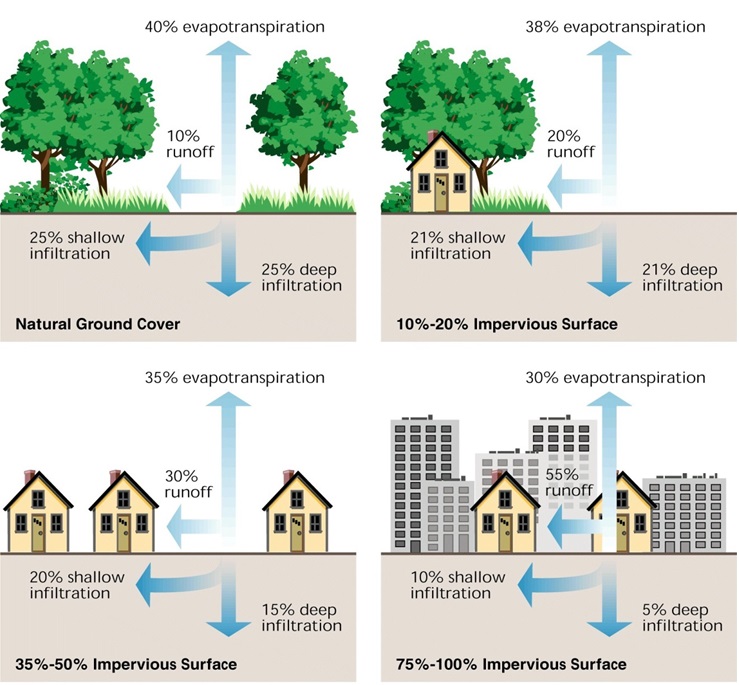
  3. Increasing Imperviousness and Reducing Seepage: With increasing urbanization, the proportion of impervious areas is also increasing. With this the seepage of rainwater decreases and leads to flooding.
  4. Encroachment over Natural Spaces: The developments are encroaching the green spaces, water bodies, open spaces etc. which are natural areas and have the ability to seep water.
HOW URBANIZATION CAUSES URBAN FLOODING
HOW INCREASING BUILT UP AREA CAUSE URBAN FLOODING ?

With the increasing rate of urbanization the capacity of natural drains has decreases and results in flooding. Improper solid waste disposal and dumping of construction debris into the drains which also contributes significantly to the reduction in capacity of the natural drains. This problem will keep on increasing with increasing population because the demand of living spaces and infrastructures are met by encroaching over floodplains and green spaces. Hence, it is important to manage and regulate the developmental works taking place in the city.

Urban Agriculture

Urban agriculture can be described as the agricultural practices to producing fresh food or other agricultural products in urban areas and their surrounding regions (peri-urban). This can function centrally where plants can be grown and animal husbandry, horticulture, and aquaculture can be practiced. It also involves the processing, packaging, marketing, and delivery of food. In purview urban agriculture extends to establish food production sites within the city’s sphere.

As more land area is getting urbanized and larger number of people are coming to the urban areas to reside. It becomes very critical to properly utilize the space in our cities and suburban areas. Research in the last two decades is has proven that Urban agriculture can be a viable option for food production. It can also help in decreasing the effects of climate change and make the food supply chain more efficient.  Proper land use and spatial planning are crucial to practice this effectively. There are various methods to practice urban agriculture including ground-level farming, hydroponic farming, rooftop farming, vertical farming, greenhouses, and other new technologies.

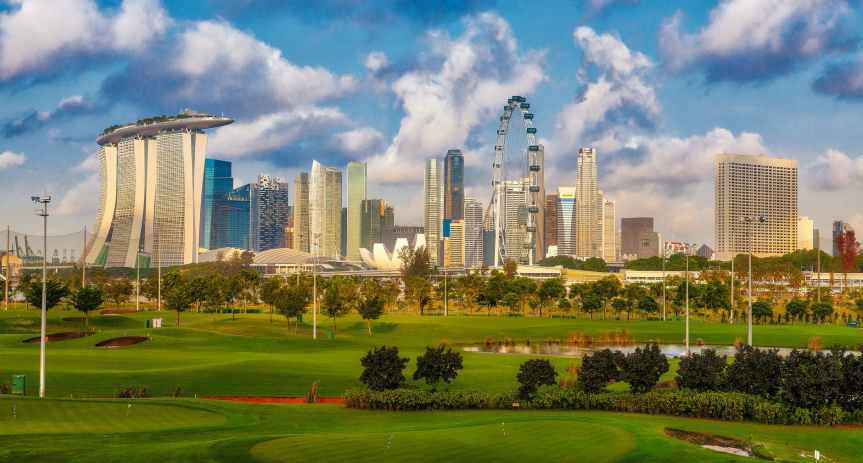
As cities are expanding, this has created new sets of issues like the urban heat island effect, waste management, lack of biodiversity, and high levels of air pollution. With more people moving around the urban space, this has also increased carbon emissions. With urban agriculture, we can try to offset some of the adverse effects of these problems. This kind of agriculture is now being practiced in many cities. Cities like Tokyo, Seoul, and Sao Paulo have their own urban agriculture initiatives. But one of the cities is betting on urban farming in Singapore. The city-state currently imports 90 percent of its food. This also means that any kind of geopolitical tension or a global crisis can severely affect the food supply of Singapore. This means that growing own food becomes critical and essential. Due to this, the Singaporean government has envisioned an ambitious goal to produce 30 percent of its food in the city itself by 2030. This is a special challenge in Singapore’s care due to its tiny land area and highly urbanized population. The city has almost non-existent agriculture land and this is why the focus of food production is on the unutilized urban spaces, on top of shopping malls, hotels, schools, homes, rooftops in parking lots across the city, etc.

In 2009 Singapore government launched a program that incentivizes injecting greenery into development projects across the nation The program was aptly named ‘Landscaping for Urban Spaces and High-Rises’ (LUSH). Their current initiative to build urban food-growing areas within the city will be built upon this program.

Some of the benefits that Urban farming enjoys are immunity from water pollution, a better-controlled environment from the physical forces, and minimal to no use of pesticides and insecticides. But there are some limitations as well. This type of farming can be quite energy-intensive and the outputs can be comparatively lower than traditional farming. This also makes it more expensive.

To make Urban farming more effective governments will also need policies that will make use of the maximum amount of land across the city. Hydroponic farming can be a very effective way to rapidly scale the production where plants are grown with the help of water and the additional nutrients and minerals are added to the water to substitute soil. Additional Urban farming can also help in reducing carbon emissions and making cities cooler. Private firm involvement can also help in stepping up the scale of this kind of farming. This will be the step towards sustainable food production in the cities of the future but to make this happen greater involvement across the citizens and sectors will be needed.

References:

BRITISH INFLUENCE ON URBANIZATION IN INDIA

INTRODUCTION

India shares a long history of urbanization, with Indus Valley Civilization dating back to 2350 BC as its first stepping stone towards urbanization. After this and post-independence period, with the emergence of Planning Commission, India witnessed the urbanization which it had never seen before. And this period marks the progression and flourishing of urbanization in India. However, cities in India have been urbanized in number of phases. The urbanization history in India has 5 different phases (given by historians) :

  1. The Pre – Historic Period (Indus): 2350 – 1800 BC
  2. The Early Historic Period (Aryans and Dravidians): 600 BC – 500 AD
  3. The Medieval Period (Mughal): 600 – 800 AD
  4. The British Period: 800 AD – 1947
  5. Post Independence Period: 1947 – till date

URBANIZATION IN BRITISH PERIOD

The British came to India in 1858 when India was one of the most urbanized nations due to Mughal supremacy. But in the early phase of British rule, Indian cities witnessed decline in the level of urbanization and during the later phase of British rule, the Indian cities regained the lost importance and new towns and cities emerged and newer urban form was added to existing cities.

Fort St. William in Calcutta is one of the best examples of factories constructed during British Era and fortified for protection.

URBAN DECLINE IN 19TH CENTURY

The main reasons for urban decline during the British Period were:

  1. Lack of interest in British in economic development, prosperity and growth of India and their negative attitude towards the traditional industries of India which were present during that period.
  2. The alteration of urbanization in India due to the industrial revolution in England.
  3. The diversion in existing trade routes due to sudden growth and building of rail networks.
  4. Disrupted monopoly in trade especially in port towns.

BRITISH CONTRIBUTION TO URBANIZATION SCENES IN INDIA

  1. Emergence of three metropolitan port cities which emerged as leading colonial cities (Calcutta, Bombay and Madras).
  2. Creation of hill stations and plantation settlements.
  3. Modification of urban landscape in existing cities.
  4. Introduction of civil lines, camps and cantonments.
  5. Improvement in connectivity through railways.
  6. Enhanced scope of industrialization.
  7. Improvements in urban amenities and urban administration.

CONCLUSION

British era had both positive and negative impact in India but the extent of positive changes is more. The process of urbanization and building of new cities can be seen as the breaking of the continuum. During British Period, the Indian cities emerged as the focal points of urbanization and westernization. The westernization brought by the British Period continued to guide the destiny of urban elite in India. It helped in transforming the agriculture as a means of commerce by introducing new crops like indigo, tobacco, coffee etc. Thus, British Era can be seen a the period when India came across fundamental economic transition, mechanized industries and developed connectivity through railways and foreign trade. But the British Era didn’t consider the rural – urban conflict which increased the gap between urban and rural areas of India.

Thus, it can be concluded that British rule had definitely been useful in providing the foundation of development and urbanization to India. As per Census 1941, which is the last census before Independence, India had 49 one lakh cities and 2500 urbanized towns. So, when this urbanization is compared to previous trans, it can be seen that the urbanization attained zenith during the end of British period as compared to past events.

žIn 1941, which marks the last census before independence, There were 49 one-lakh cities in India and in all round 2500 urbanized towns. Urbanization attained zenith during end of this period compared to entire past events.