Many of us associate pollution with smoggy cities and litter-infested seas. There isn’t a single surface or place on Earth that hasn’t been touched by it in some manner in the twenty-first century. While trash and gasoline-powered automobiles are major sources of pollution, there are many additional factors to consider. To begin, it is beneficial to grasp the fundamentals of pollution. Pollution happens when hazardous compounds are introduced into the ecosystem, causing harm to the quality of land, water, and air. This essay will mostly address land contamination.
What is Land Pollution?
Land pollution is the degradation of the earth’s land surfaces, both above and below ground level. The buildup of solid and liquid waste items that pollute groundwater and soil is the reason. These waste products are commonly known as municipal solid waste (MSW), which comprises both hazardous and non-hazardous trash.
When trash is dumped on land, the permeability of the soil formations beneath the waste can either raise or decrease the danger of land contamination. The greater the permeability of the soil, the greater the likelihood of land contamination. That is why the Texas Disposal Systems Landfill, located just outside of Austin, Texas, was constructed in an optimal location. The danger of soil contamination has been considerably reduced by using the natural shale and clay in the ground.
Solid garbage was not collected with the environment in mind until the mid-twentieth century. Previously, garbage was generally dumped on the ground in “open dumps,” which led in rodents, mosquitoes, and other disease infestations, as well as terrible odours and windblown debris. Nonetheless, while there are now much better garbage disposal techniques, there are numerous additional variables contributing to and exacerbating the problem.
The Main Causes of Land Pollution
Litter:-
Littering, or inappropriate trash disposal, is sadly all too frequent. Every cigarette butt thrown on the ground or food wrapper thrown out a car window is a little contribution to a massive problem. 76 percent of litter discovered on highways comes from pedestrians and automobiles, according to Keep America Beautiful. However, not all litter is deliberate. Unsecured objects that fall off the back of cars or out of garbage containers also contribute significantly to the volume of litter. Litter, whether deliberate or unintentional, pollutes the environment by releasing chemicals and microparticles as it degrades.
Urbanization and Construction:-
While urbanisation does not in and of itself cause littering, the presence of a high number of people living, generating garbage, and littering in a densely populated region ultimately leads to land contamination. Construction operations are being carried out to accommodate this growing population, resulting in enormous amounts of waste materials such as metal, plastic, wood, and bricks. When these items are not disposed of correctly, they contribute to land contamination in that region.
It is critical to collaborate with partners who provide complete builder solutions to develop cost-effective construction recycling and trash disposal strategies in order to assist decrease the environmental impact of building sites.
Mining:-
Mining is the extraction of minerals and other geological elements from the earth for a variety of reasons, including but not limited to the production of fuel for vehicles, the generation of electricity, and the sale of commodities such as gold and silver. However, this extraction and the methods utilized deplete the earth’s natural resources while also causing harm and pollution. That is why discovering energy options (such as solar and wind power) that are not mined from the earth’s surface is critical in helping to decrease land pollution in the future.
Agriculture:-
Agriculture is essential to both daily living and the economy as a whole. It can, however, have far-reaching consequences for the environment. Agricultural pollution occurs when contaminants releases into the environment as a byproduct of raising animals and cultivating food crops, and the contamination is extensive.
Effects of Land Pollution
- Water that should not be consumed.
- Polluted soil, resulting in a loss of agriculturally productive land.
- Climate change is causing a slew of severe consequences, such as flash floods and erratic rains.
- Wildlife species peril and extinction.
- Habitat shifting, in which certain species are compelled to depart their natural habitats in order to survive.
- An rise in wildfires as a result of polluted regions being extremely dry.
- Increased air pollution as a result of trash burning.
How to Prevent Land Pollution
- Using Fewer Pesticides and Chemicals in Agriculture:-
Given that pesticides and chemicals used in farming and agriculture contribute significantly to land pollution, identifying alternatives will aid in reducing the environmental effect. Farmers, for example, might employ natural components by shifting away from bio-fertilizers and toward manure.
Individually, supporting environmentally aware, local farmers at your local farmer’s market or grocery shop can assist farmers with more sustainable agricultural techniques grow their businesses. Another alternative is to contribute to or volunteer in your neighborhood’s urban garden.
2. Reforestation:-
Reforestation is the process of replacing trees in an area. This may be required in places where there have been wildfires, or where trees have been cut down and milled. This procedure serves to bond the soil, which protects it from land contamination and helps to avoid soil erosion and floods.
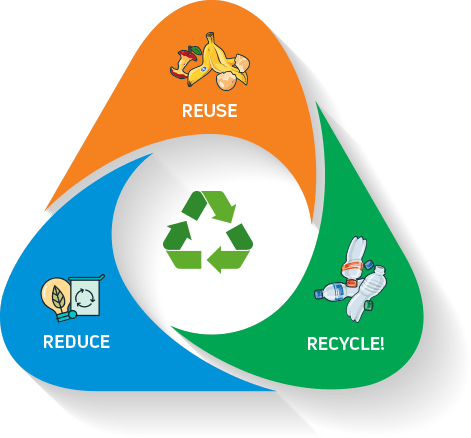
3. Reduce, Reuse and Recycle:-
There are several things we can do as individuals to decrease our contribution to land contamination. One of the simplest ways to accomplish this is to reuse or recycle goods so that you are not producing trash from a substance or item that still has a purpose. Recycling has never been easier, thanks to more recycling containers in many places and greater knowledge about what may be recycled.
If you want to make a difference in your town, check out our blog post on how to be an environmental steward in your community.



 Eduindex
You must be logged in to post a comment.