

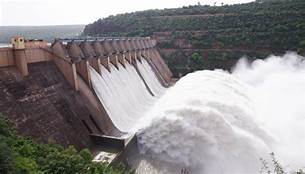
Water takes an indispensable role in our daily being like it is an integral part for our living and prominent for every human body and also for several other purposes. It is a universal need but is it available universally to all through out the world with parity. Despite its importance for life, fresh water is an extremely rare resource on earth. The available surface fresh water is not equally distributed throughout the world and not easily accessible to humans. 69% of earths fresh water is locked in the form of ice in glaciers and 30% is under the surface as ground water. And nearly just 1% is readily available for human use. So one of the significant ways that we can implement to get rid of the water crisis is nationalizing the water resources to make that 1% of fresh water available on earth to be accessed by everyone and attainable in all places without any bias. Nationalizing water sources mean the control over handling all water resources like dams, rivers, lakes, pipes etc. by the nation or state. Proponents of the project claim the answer to India’s water problem is to conserve the abundant monsoon water bounty, store it in reservoirs, and deliver the water using rivers interlinking project to areas and over times when water becomes scarce.
Merits
This will aid the nation to a great extent and also help in the eradication of floods and droughts – which are the two extremes. Floods happen when there is an overflow of water that submerges the lands. Conversely droughts happen when there is lack of water resources and It takes decades to develop fully and very difficult to predict. This portrays the devastation state of how the water resources are erratic and unevenly distributed over the world and causes calamities. It would be pertinent to mention about the Tamil Nadu and Karnataka issue over the water resources since many years. The sharing of waters of the Kaveri river has been the source of a serious conflict and has been the bone of content between the two states. And the curtains were brought down only after years. These conflicts over water resources are common through out the world. For instance Ethiopia and Egypt have fought long over Nile water resources . The Nile is an important waterway that supplies 85% of Egypt however the Nile’s water originates in Ethiopia and they plan to dam part of the river in order to generate electricity , Egypt will be adversely impacted. Even in the United States where freshwater resources are relatively abundant different populations fight over the use of fresh water.
It becomes apparent that when a river originates in a particular area, the other regions need to be dependent of them and conflict between states arise and it becomes very challenging. So linking of rivers would certainly make us get out of such situations and could curtail civil wars. Some fertile lands are turning out into barren lands due to the lack of water facility in many regions. Because of the unequal distribution of water human population are some times deprived of safe drinking water and pushed to a state of consuming contaminated water which carry risks of infectious diseases. Lack of access to clean drinking water leads to more than 3 million death every year. So the linking of the rivers will work for the betterment of situation and can assure safe drinking water to all. Despite drinking, the fresh water is also an important need in economic activities such as agriculture, and other cultivation. There are states in India where water is very scarce and also with adequate/ plentiful water resources. So when the linking of rivers happen everyone would be equally distributed with water.
Demerits
The allocation of water may be a problem. Every region has its own demand and needs of more and more water supply. It will be challenging for the center to divert water resources from one state towards the other. In some regions there will be accidental flow of industrial wastes into the river, if the rivers are linked, the polluted water will spread all over the country. It requires lakhs of acres of lands to build dams and connect the rivers, the construction may get complicated and years to get completed. Leakage of pipeline is another issue that goes unchecked in many places. To nationalize water resources every state has to agree for the proposal. As it is a large scale project, well planed architecture is needed to connect all the rivers. It should consist experts in the technology of water resource management and have authority over the water resources of the entire nation. When the control over resources goes under the central authorities , the states would become vulnerable to lose their power. Just by nationalizing the water resources the crisis of water deficiency could not be solved. People need to become aware of the deficiency and prevent wastage of water and save water efficiently. The governments as well can frame water conservation methods and allocate funds to implement them respectively.
Conserve water before the world goes dry !!
 Eduindex