WHO and the Ministry of Ayush signed the Traditional and Complementary Medicine 'Project Collaboration Agreement'

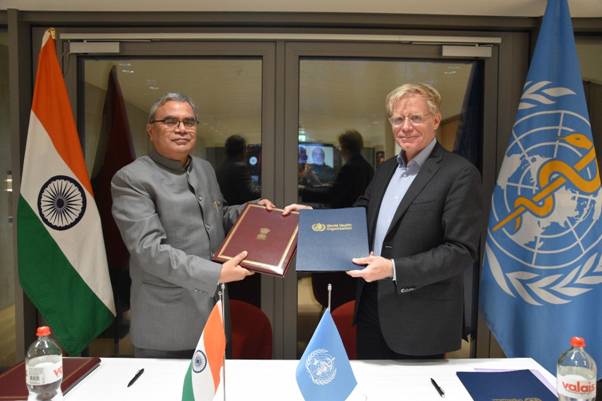
 The Ministry of Ayush and World Health Organization (WHO) have signed Traditional and Complementary Medicine ‘Project Collaboration Agreement’ late last night in Geneva. The main objective of this agreement is to standardize Traditional and Complementary Medical Systems, integrate their quality and safety aspects into the National Health System, and disseminate them at the international level. Through this cooperation agreement, efforts will be made to connect Traditional and Complementary Medical Systems with the mainstream of the National Health System. To fulfil this objective, Traditional Medicine Global Strategy 2025-34 will be prepared by WHO with the support of the Ministry of Ayush.

Other major objectives of the agreement include efforts to strengthen the system of training and practice in the field of Complementary Medicine System ‘Siddha’, formulation of guidelines for the listing of Traditional and Complementary Medicines, safety and related efforts, etc. An International Herbal Pharmacopoeia of herbs found in South-East Asia will be developed by the Ministry in collaboration with WHO. Efforts will be made under this agreement to integrate evidence-based Traditional and Complementary Medicines with the National Health System, conservation and management of biodiversity and medicinal plants, etc.

Congratulating everyone on this occasion, Union Ayush Minister Shri Sarbananda Sononwal said that India has been the center of culture of many traditional and alternative medical systems since ancient times. Such global efforts by the Ministry to strengthen the National Health System will definitely give India a global identity in the field of healthcare services and promote medical tourism in India. This effort of the Ministry is one more step taken towards the global success of India.

Ayush Secretary, Vaidya Rajesh Kotecha, said, in his virtual message during the signing in event that the first phase of this agreement, 2023-28, will prove to be a milestone in the global development of Traditional and Complementary Medical System. According to Bruce Aylward, Assistant Director General, Universal Health Coverage and Life Course Division, WHO, this collaboration agreement will bring Traditional and Complementary Medicine Systems into the mainstream of India’s National Health System and serve the objective of global healthcare and well-being. India’s Permanent Representative to the United Nations, Indra Mani Pandey, who signed the agreement on the behalf of Indian government, said, “India is committed to working with WHO to strengthen Traditional Medicine Systems globally and especially in supporting fellow developing countries in promoting their own traditional medicine systems.”

A total of two ‘Project Collaboration Agreements’ have already been signed by the Ministry of Ayush with WHO. The first contract was signed in 2016 to take Traditional Medical systems like Yoga, Ayurveda, Unani, and Panchakarma to the global level and the second contract was signed in 2017 to strengthen the system of Ayurveda, Unani and Siddha medical systems.

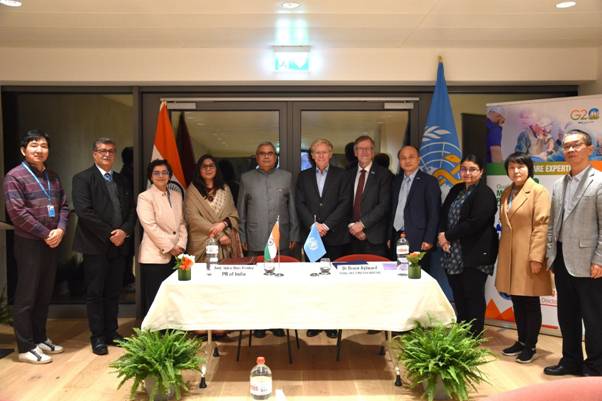
This agreement was signed at an event organized in Geneva city, Switzerland. Shri Indra Mani Pandey, Permanent Representative of India to the United Nations, on behalf of the Ministry of Ayush, and Dr. Bruce Aylward, Assistant Director General, Universal Health Coverage and Life Course Division, on behalf of WHO. 

***

Malnutrition a growing problem

Malnutrition is one of the most dangerous growing problem in this modern world. Now when we are talking about malnutrition many people have misconception about what malnutrition actually means.

According to WHO Malnutrition, in all its forms, includes undernutrition (wasting, stunting, underweight), inadequate vitamins or minerals, overweight, obesity, and resulting diet-related noncommunicable diseases.

So in simple sense there are two types of malnutrition when is under-nourished and the other is over-nourished. Today actually there are more obese adults than undernourished one.ie., about 1.9 billion are obese and 462 million are under-nourished. And there are 45% of the death caused children under 5 years of age is due to malnutrition.

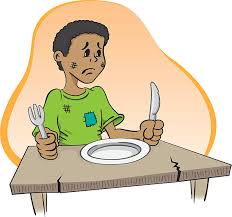
So we can actually see that how this situation has been worse for the children and for the adults and even for the senior citizens too. We need to focus on how to atleast give them two times meal a day which, actually will help them to survive at least.

Government should come up with policies and programs which could help them. And from our side we can give whatever surplus is with us or we can work with NGOs to provide these people at least one time of meal if we can.

This article is mainly written to to highlight this problem which is actually now been overshadowed due to the covid-19 situation. But we have to consider the fact that covid has make their condition more worse. From belonging to at least a middle class family we should do something from a site to help the needy. And the people those who are suffering from obesity should try

Third Wave of Coronavirus – Delta Plus Variant in India

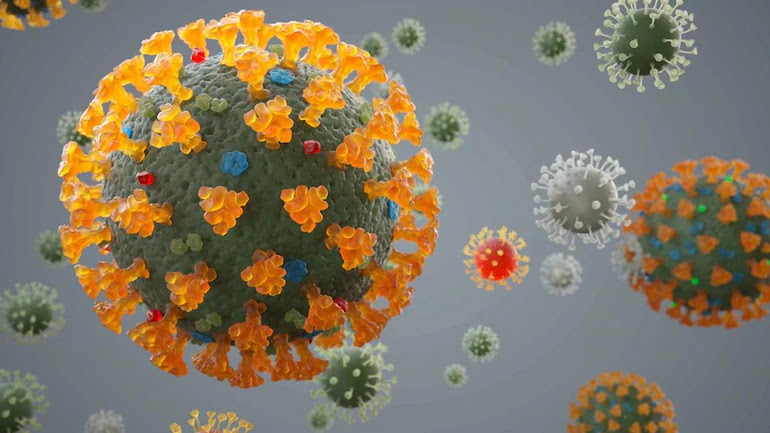
 Hello everyone,  Talking about Coronavirus, there is an uproar in the world because of the Delta variant. America and European countries are worried that the Delta variant will cause the next wave of Covid. On the other hand, people in India are worried that there might be a third wave because of the Delta Plus variant. What is this Delta Plus variant? And when can this third wave happen? Come, let’s try to find out in today’s video. Friends, what’s special about the mutations is that it happens in every living being. Whether it’s a human, animal, plant, tree, or even a virus. 

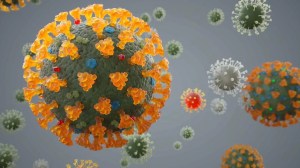
Mutations accompany reproduction. A person’s DNA, when you have children, and the DNA is transferred, then from one generation to the next, on average there are 100-200 mutations in the DNA. Most of the mutations are harmless, can’t be seen and neither can their effects be felt. Same with viruses. Thousands of mutations take place in the Covid virus. Most of them do not bother us. But at times there are such mutations that make the virus more transmissible. So that the virus can spread easier. And at times there are such mutations that make the virus more deadly. 

WHO or the World Health Organization keeps a track of the dangerous mutations of Coronavirus. WHO has classified these mutations into two categories. The first category is ‘Variants of Interest’. And the second category is ‘Variants of Concern’. Broadly speaking, Variants of Interest will include those coronavirus variants that have been detected in multiple countries. And which have high transmissibility. Meaning that they spread easily. As compared to the original virus. On the other hand, the variants of concern include those coronavirus variants that has not only high transmissibility not only do they spread more easily, but the disease caused by them is much more severe. And the effectiveness of the vaccines on these variants is lesser than compared to the original virus. Currently, WHO has put four variants in the Variant of Concern category. Alpha, Beta, Gamma and Delta. The Alpha variant was called the UK variant initially. Because it was first found in the UK. Similarly, the Beta variant was found in South Africa. Gamma in Brazil. And the Delta variant was first discovered in India. That’s why it was also called the Indian variant initially. 

Later, people protested as to why they were named after countries. When the original virus came from China, we did not name it the Wuhan virus or the China virus. So why are the names of the variants based on the countries they’re found in? So WHO reacted to this. And then WHO decided to rename them to Alpha, Beta, Gamma and Delta. The strain of the Delta variant was first found in October 2020 in India. This was the cause of the second wave in India. Today, the Delta variant has spread to over 80 countries. Its transmissibility is extremely high. Meaning it spreads really easily. Before moving forward, I should clarify one thing. Discovering a variant in a country is merely a matter of chance. No country can be blamed for anything. 
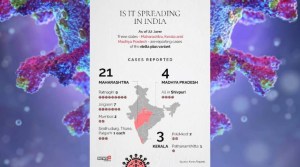
Because as I said, the virus is going through thousands of mutations. Which mutation will turn out to be more dangerous or more transmissible is all up to chance. Including where the mutation will be found. In extremely mathematical terms, studies have shown that the Delta variant is 60% more transmissible than the Alpha variant. And the Alpha variant was 50% more transmissible than the original strain found in Wuhan in 2019. So you can imagine how much more infectious it is than the original. Generally, when viruses mutate and become more transmissible, they become less deadly as well. I explained it in detail using this chart in a previous video. But there can be some rare cases where the virus becomes more transmissible and more deadly after the mutation. 

But at the same time, I’d like to say that there has been no conclusive research yet that shows that the Delta variant is, for sure, more deadly or more dangerous. A study conducted in the UK has said that because of the Delta variant, the risk of hospitalization doubles. As compared to the Alpha variant. But does getting hospitalised mean that it is more deadly? It cannot be conclusively said yet. It may also happen that this variant is not more deadly. But because it is so highly transmissible, it spread among so many people in such little time. So the death rate peaked a lot in that short time. 

As compared to the same number of deaths in a longer time period. Do you understand what I’m trying to say here? If transmissibility is so high, it becomes more difficult to ascertain if it is really more deadly or not. Many factors need to be considered here. Another interesting thing to know is that the symptoms of the Delta variant are a little different than the original Covid-19 symptoms. Originally, a runny nose was not made out to be one of the major symptoms. But recently, a study has been conducted in the UK when people self-reported their symptoms. It was found that among the symptoms of the Delta variant, runny nose features prominently in the list of symptoms. Headache, runny nose, cold, sore throat, were the top symptoms. So the symptoms of the Delta variant are very similar to the symptoms of the common cold. Loss of smell. 

Not being able to smell things properly. Was a major symptom in the original strain of Covid-19. But for the Delta variant, it ranked 9th in the UK study. The good news regarding the vaccines is that according to the data available till now, almost all the vaccines are definitely effective against the Delta variant. Pfizer vaccine, AstraZeneca’s Covishield vaccine and the others have shown that they are more than 90% effective in preventing hospitalization and death. If you catch the Delta Variant after taking both doses. The only trouble here, though marginal, is that the effectiveness of the vaccines in preventing symptoms has reduced. Like AstraZeneca’s Covishield’s effectivity in preventing symptoms against the Delta variant remains at only 60% after taking both doses.

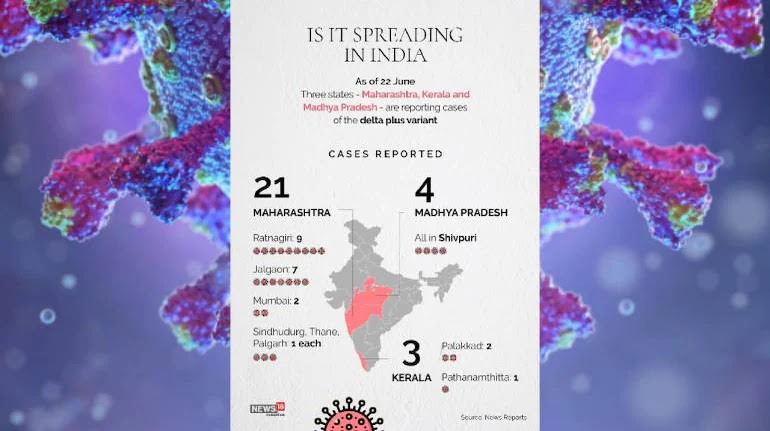
 Though Pfizer’s vaccine is still showing an effectiveness of 88% in it too. Now, the Delta variant is no longer a major concern for India. But now we get to hear about a mutation named Delta Plus in the news. The Indian government has declared the Delta variant as a Variant of Concern. And some people believe that there will a third wave in India because of the Delta Plus variant. The limited research conducted till now regarding it has found that the Delta Plus variant is 60% more transmissible than the Delta variant. And it is highly resistant against some drugs. But the reality is that friends, we don’t honestly know much about it. It is important to note that the World Health Organization has not declared it a Variant of Concern yet. 

Even though the Indian government has done so. Indian Council of Medical Research ICMR says that it is too soon to tell if there will be a third wave because of the Delta Plus variant. So it seems a bit unlikely that that there will be a third wave because of the Delta Plus variant. But still, the experts believe that there is a very high chance that there will be a third wave in India. The gap between two waves is said to be generally of 15-16 weeks in an epidemic. 

A Reuters poll of 40 medical experts was conducted with the conclusion that the experts said that a third wave is inevitable. There will definitely be a third wave. And they believe that the third wave will come around October of this year. On the other hand, AIIMS Director Randeep Guleria says that the third wave may come in the next 6 to 8 weeks. If people stop wearing masks and stop following social distancing. But there are some experts like Dr N.K. Arora Dr N.K. Arora is the Chief of the Centre’s Covid-19 Working Group, he says that the third wave of Coronavirus will not happen before December of this year. So there are estimations from October to December by the doctors and experts. 

This is just the time. But if we’re to talk about the severity, How dangerous can the third wave be? A report of the Tata Institute of Fundamental Research has stated that it is very likely that the third wave will not be as severe as the second wave was. It may be less disastrous than that. But does that mean that we can relax because there’s nothing to worry about? No, it doesn’t mean this. Because take an example of South Africa. The first wave in South Africa was because of the original Coronavirus. Look at this chart. And then the second wave happened because of the Beta variant that was found in South Africa. And now the third wave is happening because of the Delta variant. And the third and second waves seem equally dangerous. And they’ve spread so rapidly. Experts believe that their government is to be blamed for not planning things properly and because of the inefficient vaccine rollout.

 As of today, less than 5% of people have been vaccinated in their country. Had more people been vaccinated, then the Delta variant wouldn’t have caused havoc. Take Israel’s example. 60% of its population has been vaccinated. When the Delta variant reached Israel, the government definitely took some measures. Some people were infected. But hospitalization and deaths are still negligible in Israel. Friends, the good news is that in recent times, the vaccination rate in India has increased very well. Recently, India broke the record of vaccinating more than 8 million people in a day. 

That’s an amazing feat. The sooner the vaccinations are administered, the sooner people are vaccinated, we will have a better chance of beating the third wave. But the unfortunate thing is that this speed of vaccination may still not be enough. To completely avoid the third wave. The government aims that by the end of the year, the entire adult population of India will be vaccinated. But on this graph, you can see that we are, unfortunately, not on the track to achieve this. At an individual level, there is only one sure-shot, long-term solution of being protected from the third wave. And that is to get vaccinated as soon as you get the chance to. 
Today, as a matter of fact, I got my vaccine. I got the chance to get it today. Because it’s possible that the Delta Plus variant does not cause the third wave. But remember, there are thousands of mutations in this virus every day. Someday, a mutation may crop up, that is more transmissible and more deadly and can bring forth the third wave. That’s why the vaccine is the best chance we have to be safe from it. I hope you found this video informative. Thank you very much.


World Hepatitis Day 2021: Theme, Hep types, and Significance.

What is hepatitis? Theme this year, few symptoms, about types of Hep, and how to contribute?

THEME 2021 : “Hepatitis Can’t Wait”

What is Hepatitis:

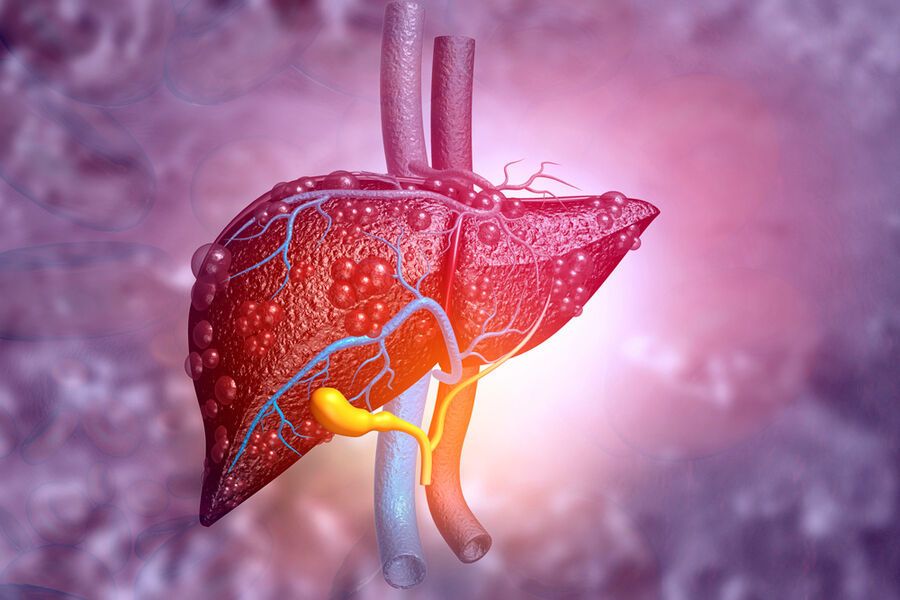
Hepatitis means inflammation of the liver. It can lead to scarring, cirrhosis, and liver cancer. There are 5 main hepatitis viruses: –

Types A, B, C, D and E. These 5 types are very serious since they cause severe illness, even leading to death. They can also cause outbreaks and spread of epidemic.

 A person dying every 30 seconds from a hepatitis related illness 

Causes :

Heavy alcohol use, toxins, some medications, autoimmune diseases can cause hepatitis

Ways of transmission: Have contact or receiving of contaminated blood or blood products, invasive medical procedures using contaminated equipment. Hepatitis B can transfer from mother to baby at birth, from family member to child, and by sexual contact.

Main symptoms:

  • Jaundice (yellowing of the skin and eyes)
  • Dark urine,
  • Extreme fatigue
  • Nausea
  • Vomiting
  • Abdominal pain. 

Types of hepatitis:

1 Hepatitis A Virus (HAV) :

Transmitted through consumption of contaminated water, food; sometimes sexual contact. It’s trace is present in faeces. In most of the cases, it is usually mild and when treated properly it can make one immune from further infections. But, left untreated it can turn life threatening.

Additional symptoms :

  • Abdominal pain or discomfort, (by your liver)
  • Clay-colored bowel movements
  • Severe itching

Safe, effective vaccines are available to prevent HAV.

2 Hepatitis B Virus (HBV): –

Transmitted through exposure to infective blood, semen, and other body fluids, mother to baby, family member to a child during early childhood, transfusions of HBV-contaminated blood and blood products, contaminated injections during medical procedures, and through injection drug use. Medical workers have a greater chance of exposure.

Add Symptoms:

  • Fever
  • Joint pain
  • Loss of appetite

Safe, effective vaccines are available to prevent HAV.

IT HAS NO CURE, BUT JUST CAN BE PREVENTED

3 Hepatitis C Virus :-

Transmitted through exposure to infective blood, instruments during surgeries; even though the chance is low, sexual transmission is possible. If detected soon it can be treated. But, most of them have no idea they have Hep C starts with it’s acute form which rarely shows symptoms.

Add. symptoms:

  • Bleeding easily
  • Bruising easily
  • Itchy skin
  • Fluid buildup in your abdomen (ascites)
  • Swelling in your legs
  • Spiderlike blood vessels on your skin

NO Vaccine yet

4 Hepatitis D Virus : –

It can transmit through blood and body fluids but it only occurs when the person is already affected with Hepatitis B. IT IS MOST SEVERE FORM OF HEPATITIS. It can lead to lifelong liver damage and even death. HBV vaccine gives protection from Hepatitis D virus. If you have HBV, haven’t taken HBV vaccine and live where HDV is more prevalent; the chance of contracting HDV is higher.

Add. Symptoms:

  • Not feeling hungry
  • Joint pain
  • Dark urine
  • Light-colored stool

NO CURE

5 Hepatitis E Virus (HEV): –

Transmission through contaminated food like undercooked meat from infected animals, such as pigs or deer, or water. The one that causes most outbreaks. It can get better by practicing hygiene, but pregnant women and people with weak immune system are at a risk.

Add. symptoms:

  • Light-colored poop
  • Skin rash or itching
  • Joint pain
  • Less hunger and throwing up

Safe and effective vaccines to prevent HEV infection have been developed but are not widely available.

Why 28th July?

It is the birthday of Dr Baruch Blumberg, the Nobel-laurate scientist discovered the Hepatitis B virus (HBV), diagnostic tests and vaccine for Hep B.

How to contribute:

  • Practice hygiene for yourself and encourage those around you.
  • Join drives which support sanitation of unhygienic, neglected areas.
  • Educate yourself and people around you.
  • Donate to legit Hep donations.
  • Before travelling to areas where Hep prevails, get yourself vaccinated against Hep.
  • Spread awareness, because it might help someone one day. (Learning about symptoms encourages one to go to Doctor)
  • Join the campaigns by WHO.

REF:

https://www.who.int/news-room/events/detail/2021/07/28/default-calendar/world-hepatitis-day-2021

World Health Organization

World Health Organization(WHO) is a specialized agency of the united nations, that deals with health related problems around the globe. It was established on 7th of April 1948. The WHO has played a major role in fighting against some major diseases and boost the health of millions of people.

It establishes and enforces international norms and standard for betterment of people .WHO conducts researches on various diseases .The objective of WHO is as the attainment by all the peoples of highest possible level of health. it also says that taking the highest standard of health is one of the fundamental rights of every human being. It gives technical assistance to different countries and collects collects data on global health issues through various Health surveys. Its Head quarter is in Geneva, Switzerland. and its budget is something around 7.96 billion $.

The governing body of who is world health assembly in which all 194 who members are stated.it meets once in a year to review the world health organization’s work, policy and many other things.

Functions of World Health Organization:-

  1. Directing and coordinating international health work.

2.To assure technical co-operation with countries.

3.Setting international standard with respect to food, biological and pharmaceutical products.

4.Developing models for monitoring ,and evaluating various programmes and products.

5.Helps in fighting various diseases. like small pox was eradicated from the world through a campaigns that was coordinated by World health Organization. Malaria eradications programme was the biggest health programme.

6. providing direct technical consultation and resource mobilization to the poor and developing countries.

There are many other functions also that world health organization does perfectly.

in 1977, the world health assembly set before itself the goal of ‘Health for all by the year 200’.this means that people should get every health services which would lead them to live a very productive life by the end of 20th century. However, this target of Who has not reached its goal till today, but world health organization continues to work towards that goal.(Kaeley and Bhandari,271).

Role of world health organization during covid-19 pandemic

The world health organization is the leading organization involved in the fight against COVID -19 virus. On January 2020,WHO told the world about a pneumonia in china and investigated about the disease. On 30th of January, WHO declared the outbreak of Public health emergency of international concern and warned all countries before the spreading of the disease in other countries. By 5th of October in the same year ,world health organization estimated that the a tenth of the world’s population has been infected with the virus.

WHO has taken several initiatives like the COVID -19 soliditary fund to raise money for COVID-19, the soliditary trail for investing potential treatments options for disease. WHO also required a diplomatic balancing act between the members states china and USA. On august 27,WHO announced the setting of an independent expert review committe to examine different treaties that governs response to health issues. The world health organization team arrived china in January 2021 to investigate about the origin of COVID 19.Apart from theses initiatives WHO also spread awareness about the COVID-19 virus, and importance of wearing mask and maintaining social distancing. (source:https://en.m.wikipedia.org/wiki/World_Health_Organization%27s_response_to_the_COVID-19_pandemic)

IS VACCINE DISCRIMINATION A BARRIER TO GLOBAL TRAVEL?

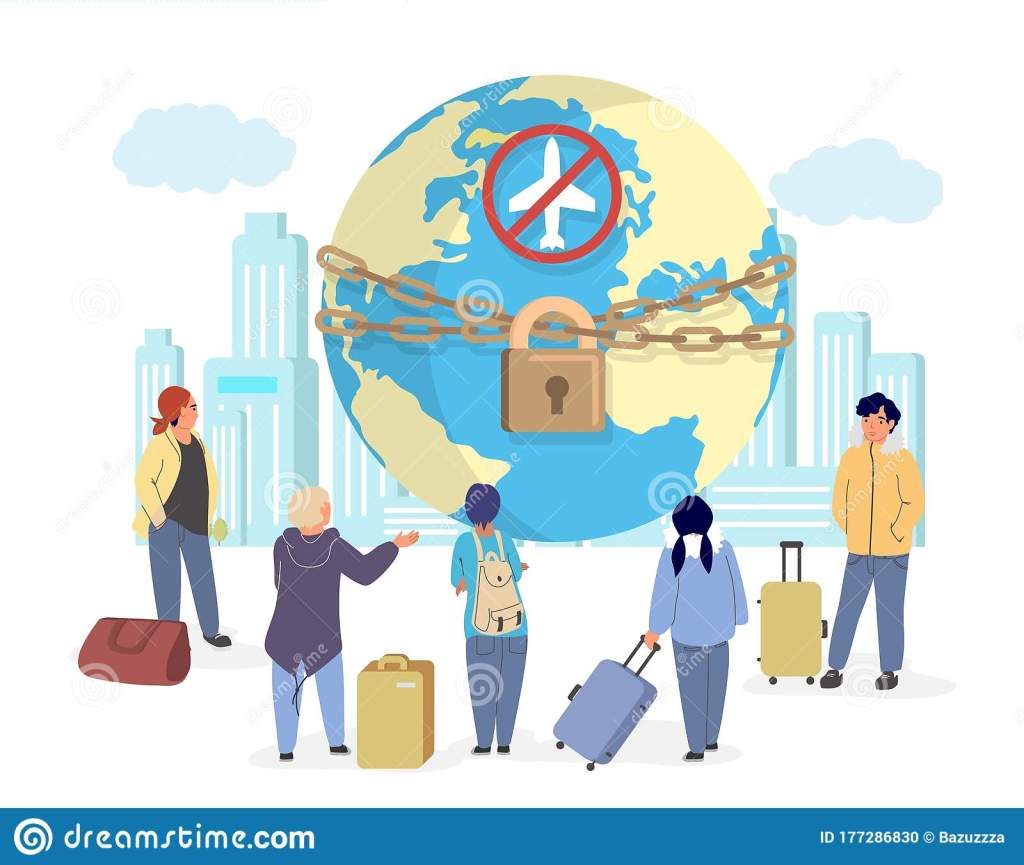
Who doesn’t love travelling? Travelling is all about collecting moments and exploring the world with comfort. Especially in the times of covid, where people are home bound, there is an eager need to travel and enjoy the freedom instead of staying at home because Beyond discovery, travel broadens our understanding of the planet, other species, and cultures, and assists us in becoming better global citizens. Apart from it, many people and students are home stuck who wanted to go abroad to pursue education and get back to their respective jobs in the other countries but are stuck due to pandemic. However, many countries have opened their doors for the Indian citizens to travel in their countries but the basic requirement to travel is vaccination.

 As well all know that in India Covaxin, produced in-house by Bharat Biotech in Hyderabad, and Covishield, manufactured by the Serum Institute of India in Pune, are presently being used in  coronavirus inoculation program. The WHO has approved the covishield but covaxin is yet to approve. So, there are the bunch of Indian citizens who are skeptical about the approval of covaxin and hence for now, they can’t travel abroad until and unless the vaccine is not approve by world health organization. Therefore, many people are of the opinion that the test should be the main basis to travel abroad and not the jabs. 

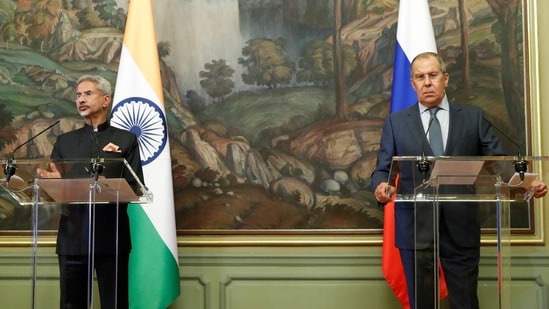
 Recently, S Jaishankar, the Union’s external affairs minister, said on Friday that international travel based on coronavirus (Covid-19) testing is “good enough,” despite the fact that some nations have made vaccination mandatory, and that a deal must be reached. He said after meeting with his Russian colleague, Sergey Lavrov, during a joint news conference that “People who are tested before foreign travel and tested on arrival is a good enough foundation for travel, but other countries have recently added the problem of vaccination,”

 India has previously demanded that each EU member state do so independently. Consider granting a similar exemption to those who have received Covid-19 vaccines in India, such as Covishield and Covaxin, and accepting the immunisation certificate obtained through the Cowin site. According to Jaishankar, he and Lavrov discussed how visitors from their respective nations are not “discriminated against” and how “understandings” about Indian and Russian travel to one other’s countries may be established. The continuing Covid-19 epidemic, according to the external affairs minister, has allowed Russia and India to display the strength of their collaboration, with the development of Sputnik vaccine being one of them. The Russian foreign minister also stated that both Russia and India are opposed to vaccine politicization, and that he is “sure” that the majority of nations would follow suit. 

Russia’s foreign minister, Sergei Lavrov, also stated that Russia is willing to discuss the possibility of coordinating their actions related to vaccinated citizens, including certification of those who have been vaccinated, and that they can reach an agreement in this area that will serve as an example to other countries.

More than 20% of India’s underground water found contaminated with arsenic: IIT Kharagpur

More than 25 crore people of our nation are being forced to drink water contaminated with arsenic.

In a study carried out by IIT Kharagpur using an AI (Artificial Intelligence) based inference model it was found that the poisonous substance arsenic was present in more than 20% of the country’s underground water.

According to the estimates made by a few government and non-government organizations it was found that a large percent of the total population is being affected by the contamination. With the increasing water pollution, we need to take strict measures when it comes to collecting water samples from different regions and studying it for more chemical contamination.

According to the Assistant Professor Abhijit Mukherjee of IIT Kharagpur, it was reported that these high arsenic zones are present mostly along the Indus Ganga-Brahmaputra river basin and in the peninsular areas.

Health Effects- According to the World Health Organization, arsenic is highly toxic in inorganic form. Prolonged exposure to consuming contaminated water can cause cancer, skin lesions and other diseases when it reaches the body. It has also been associated with cardiovascular disease and diabetes. Early childhood exposure has been linked to negative impacts on cognitive development and increased deaths in young adults.

Sources of Exposure-

Arsenic is a natural component of the earth’s crust and is widely distributed throughout the environment in the air, water and land. People are exposed to high levels of inorganic arsenic through drinking contaminated water, using contaminated water in food preparation and irrigation of food crops, industrial processes, eating contaminated food.

Dietary Sources– Seafood, Poultry and dairy products contain arsenic although the amount is very low in comparison and arsenic is present in its less toxic organic form.

Industrial Processes– Arsenic is used widely in industries as an alloying agent, in processing of glass, pigments, paper, wood etc., and also in a limited extent in making pesticides and pharmaceuticals.

Smoking tobacco– Tobacco plants can take up arsenic naturally present in soil so people who smoke tobacco are exposed to natural inorganic arsenic.

Prevention and control

  • Substituting high arsenic sources such as groundwater, with low arsenic sources such as rain water and treated surface water.
  • Install arsenic removal systems and ensure the appropriate disposal of the removed arsenic. Technologies for removal of arsenic include oxidation, coagulation-precipitation, absorption, ion exchange, and membrane techniques. The most important action in affected communities is the prevention of further exposure to arsenic of a safe water supply.
  • Discriminate between high-arsenic and low-arsenic levels and paint tube wells or hand pumps with different colours.

Arsenic is one of WHO’s 10 chemicals of major public health concerns. WHO’s work to reduce arsenic exposure includes setting guideline values, reviewing evidence, and providing risk management recommendations.

Educating others about the dangers and necessities of this problem is crucial and community engagement is important for ensuring successful interventions. There is a need for community members to understand the risks of high arsenic exposure and the sources of arsenic exposure, including the intake of arsenic by crops (e.g. rice) from irrigation water and the intake of arsenic into food from cooking water.

Role of WHO during pandemic in light of human rights

Human rights are key in shaping this pandemic for both public health and people’s livelihood. WHO declared novel coronavirus disease as a pandemic and the call for countries to take immediate actions.

Human rights are centre- stage,by ensuring healthcare for everyone and preserving human dignity. The world is facing an unmatched crises. In this time priority is to save lives. To save lives, extensive lockdowns were adopted to slow the transmission of virus that has restricted the freedom of movement from people. These had affected people’s livelihoods,growth. Above all this crises, human rights focus on how it is affecting people and what can be done for future.

Human rights guide states on how to exercise the power so that it is used for the benefit of the people,not to harm them. In this current situation, human rights help the states to recalibrate their measures to maximize their effectiveness. The scale of COVID-19 now reaches a level where restrictions are necessary. This is the only time when human rights are needed the most rather than neglecting that will also focus on achieving sustainable development and peace. There are 3 rights that are in the frontline of the current pandemic:-

  • Right to life and duty to protect life: We are fighting to protect human lives fromCOVID19 that reminds us that state have a duty to protect human life of every individual. States are making extraordinary efforts in doing so and their primary focus is up to that.
    • The right to health and access to health care: The right to health is inherent to right to life. Every human being is entitled to the enjoyment of best healthcare facilities,regardless their social or economic status. Everyone must be entitled for the basic healthcare facilities like testing, intensive care by providing vaccination, regardless of ability to pay.
  • The central challenge is freedom of movement: To control this virus and breaking the chain of virus people must stop moving. The most important measure taken by state is restricting the freedom of movement which is to safe lives.The world is discovering, freedom of movement as a crucial right that also facilitates the enjoyment of many other rights.

Moreover, these crises has revealed the weakness of country that human rights can help to fix it.Human rights help us to develop strategy for future generations to deal with such intense situations in future. The WHO emphasized on COVID19 pandemic that all countries must have a fine balance between protecting health and respecting human rights. Human rights are the framework that strengthen the global efforts.