Annual PhD Workshop at Indian Institute for Human Settlements (IIHS) New Delhi

 The Indian Institute for Human Settlements (IIHS) will host the tenth edition of the Annual PhD Workshop in a hybrid format (virtually and in-person) from 8 to 10 January 2024.


With a strong interdisciplinary focus, as well as an emphasis on the relationship between research and practice, IIHS nurtures research and innovation focused on the challenges and opportunities of India’s urban transition. IIHS has built a substantive on-ground presence of direct policy and programmatic engagement across India, across middle and senior administrative levels, and in multiple urban contexts in the Global South. This makes for a globally unique opportunity for scholars intending to research the Urban where it matters – at the intersection of theory and practice. IIHS’ Post-Doctoral programme and the proposed doctoral programme emphasise the institute’s wider connections into domestic and international policy, and to overlapping communities of practice. IIHS is also building an integrated programme of quality campus-based education and research, training and lifelong learning for working professionals, distance and blended learning, as well as an array of practice and advisory services.


About the PhD Workshop

The PhD Workshop is a unique educational intervention on interdisciplinary urban research designed to provide a dedicated space for PhD candidates to expand on their work. They do this by interacting with eminent urban scholars and practitioners from IIHS and leading universities, and research institutions across the world including Yale, MIT, IIT-Madras, TISS, among others.


Initiated in 2013, the PhD Workshop has had close to 200 participants from leading global and domestic institutions including University of Oxford, MIT, University of Pennsylvania, Cornell University, NUS, JNU, TISS, IIT-Bombay etc., across a wide range of disciplines such as Architecture, Planning, Sociology, Urban Health, Economics, Public Policy, Climate Change, Anthropology, Engineering, Governance and Law. The Workshop provides participants with an opportunity to explore emerging areas of urban research especially in India and other parts of the global South and give them the opportunity to theorise from both research and practice.


The Workshop aims to shape the trajectory of a doctoral career and enable participants to engage with the imperatives of the changing form of disciplines, and meet the substantive academic demands of the doctoral process. The foundational ethos of the Workshop is an interdisciplinary approach to the Urban, guided by theories of and from the Global South with an emphasis on grounded understandings. The Workshop provides scholars with a space to critically examine urban related issues of their interest, and their own position within it. This self-reflexive criticality allows participants to approach their field of inquiry as actors within, rather than as mere viewers of urban phenomena. In addition to guiding students through their work, the Workshop deals with specific processes of earning a doctoral degree. The aim is to create a space of convivial co-learning that opens conversations not only on fields of inquiry, but also on experiences of students navigating the path to a doctoral degree.


Structure of the Workshop

This iteration of the PhD Workshop is open to participants from across a wide range of disciplines, with a common thread being an interest in urban research and practice. The Workshop is designed to provide a platform for in-depth exploration and for early and mid-to-late stage PhD students and fine-tune their work. The structure of the Workshop and the modules within it are designed to be relevant to students from different disciplines and at different stages of their doctoral career. The structure also allows for specific attention to the needs of individual scholars and enables peer to peer learning.


In addition to thematic relevant to particular disciplines, the Workshop will also have a Commons track, and two specialised tracks. The Commons track will primarily involve engagement with eminent urban scholars and practitioners as they explore the possibilities of new methods and pedagogies in and around the Urban. This track provides an opportunity to learn about and understand a range of methods and data sources that are unique to urban India, ethical practices in research as well as the nuances of publishing in academia. Two specialised tracks will focus on early career students who are in the process of finalising their questions (Track 1) and late career students working on finalising their dissertation (Track 2).


The PhD Workshop will be in a hybrid format this year from 8 to 10 January 2024. Interested candidates should send in their submissions by 27 November 2023.


For queries on the Workshop, write to us at research@iihs.ac.in.

NITI Aayog organised workshop on Green Development Pact for a Sustainable Future

 NITI Aayog organised a workshop on “Green Development Pact for a Sustainable Future” at hotel Le Meridien, New Delhi today. The workshop was structured around the G20 New Delhi Leaders’ Declaration (NDLD), which includes the Green Development Pact. The Green Development Pact provides pathways for nations in their journey towards achieving the energy, climate, environment and disaster resilience related objectives.

The workshop was aimed at discussing implementation strategies for the Green Development Pact in India, aligning with the G20 NDLD and encouraging India’s leadership role for the global advancement of pathways laid out in the Green Development Pact. The event saw participation from stakeholders from across the country, including think tanks, educational institutions, industry, state governments and central government. Approximately, 4600 participants joined the event online.

Shri Pankaj Agarwal, Secretary, Ministry of Power outlined the policy initiatives taken to advance green development in India such as Production Linked Incentives (PLI) scheme for high efficiency solar PV modules, Renewable Purchase Obligations and Carbon Credit Trading Scheme. He highlighted measures for strengthening the distribution sector like the Revamped Distribution Sector Scheme and also highlighted the role of fossil-based energy in the context of rising electricity demand in particular months.

Shri Amitabh Kant, G20 Sherpa, remarked that India overcame many challenges to evolve a consensus on the Green Development Pact. He emphasized that the Green Development Pact includes key ambitions such as tripling of global renewable capacity by 2030 and rapidly scaling up climate finance from billions to trillions of dollars. He remarked that India had set the agenda for the global discussions on energy transition and climate action.

Prof Ramesh Chand, Member, NITI Aayog said that the workshop reflects seriousness for implementation of the NDLD and India is leading by example in this regard. Further, he remarked that Green development is centered around nature and environment and while clean energy is important, there is also the need for affordable energy and promoting energy efficiency. He emphasized the need for changing lifestyles to find solutions for sustainability concerns.

During the workshop, three separate sessions were held for discussing wide range of issues.

The first session focused on Implementing Clean, Sustainable, Just, Affordable & Inclusive Energy Transition and included issues such as energy security, facilitating technology access, creating enabling environment and encouraging innovation. The participants discussed strategies to address issues such as facilitating low-cost finance and supporting reliable, diversified and responsible supply chains with effective policy instruments.

The second session was oriented on Restoring, Conserving and Sustainably Using Ecosystems and discussions were held on the issues such as mainstreaming lifestyles for sustainable development (LiFE), designing a circular economy and ending plastic pollution. The participants touched upon novel concepts including bio-circular-green economy, scaling up voluntary initiatives and breaking silos for a harmonized approach

The third session on Adaptation and Disaster Resilient Infrastructure was focused on building resilient infrastructure against the climate risks. Topics for discussion under this session included climate forecast, mainstreaming disaster risk and resilience, coastal states/ city-level preparation and financing climate resilience. The participants stressed on the need for data and capacity building, measuring and quantifying risk and the returns on investing in resilience.

NITI Aayog organised a series of ten thematic workshops on key agendas of New Delhi Leader’s Declaration (NDLD) to devise actionable strategies and plans that can be implemented to provide impetus to growth and prosperity of the country.

*****

NITI Aayog Organised Workshop on Inclusive Trade for Growth & Prosperity

 NITI Aayog organised a thematic workshop on “Inclusive Trade for Growth & Prosperity which highlighted the need to enhance and widen domestic outreach, ownership and implementation of New Delhi Leader’s Declaration (NDLD) outcomes in the areas of inclusive trade for growth and prosperity, and resilient supply chains. The thematic workshop was organised as a follow up to New Delhi Leader’s Declaration (NDLD) under India’s presidency G20 Summit which emphasised on adopting strong, sustainable, balanced, and inclusive trade for growth and prosperity for all.


Shri BVR Subrahmanyam, CEO NITI Aayog, in his keynote address highlighted the need for a non-discriminatory and inclusive trading system which facilitates trade as an engine of growth and prosperity. Further, he emphasized the need for India to integrate into global value chains (GVCs) and adapt swiftly to emerging trading systems.

Dr. Arvind Virmani, Hon’ble Member, NITI Aayog, addressed the first session titled ‘Mapping Global Value Chains’, and highlighted the need for strengthening key areas such as labour-intensive supply chains, institutional factors for policy framing and simplifying taxation system, and integrating payment, refund and export credit system especially for MSMEs. Dr. Virmani also recognised the need to address various anti-dumping issues and the need to foster FTAs with potential partners.

The session on ‘Mapping Global Value Chains’ focused on strengthening logistics for efficient supply chains, exchange rate management to enhance competitiveness, utilising strategic intervention from MNCs, provision of cumulative Rules of Origin, identification of potentially competitive segments, transparent & traceable GVCs, mapping startups and integrating industrial policy with trade policy to name a few.

The second session on ‘Promoting Inclusive Trade for Growth’ was chaired by Prof. Ramesh Chand, Hon’ble Member, NITI Aayog. The session highlighted the key points including – strengthening capacity and infrastructure development of LDCs; reducing non-tariff barriers; mobilizing resources for scaling up aid-for trade, particularly for MSMEs in developing and least developed countries; digital inclusion in three areas namely infrastructure, skills and data ownership; standard setting; technical advancement; transparency; and incorporating climate principles into trading systems.

The concluding session of the Workshop ‘Addressing challenges to Inclusive Trade’ was chaired by Dr. Harsha Vardhana Singh, Ex DDG, WTO. He drew attention towards enhancing traditional exports of India; increasing female labour force participation in trade; state/district level integration into the supply chain and trade (promoting Districts as Exports Hub); facilitating integration of MSMEs in GVCs; logistics and financial support, access to information for MSMEs; climate resilient agriculture with promotion of Nutri cereals and accelerating services exports; document digitalization with respect to trade; and strengthening focused skill development including reskilling & upskilling.

NITI Aayog is organising a series of thematic workshops on key agendas of New Delhi Leader’s Declaration (NDLD) to devise actionable strategies and plans that can be implemented to provide impetus to growth and prosperity of the country. Other thematic workshops are focused on topics of SGDs, Roadmap for Tourism, Digital Public Infrastructure, India and African Union Cooperation, Data for Development, Women Led Development, etc.


***

NITI Aayog to organise workshop on Nari Shakti: Towards Women-led Development

 NITI Aayog is organizing a workshop on the theme of Nari Shakti: Towards Women-led Development on 8 November 2023 (Wednesday) at Park Hotel, New Delhi. This will be eighth in the series of G20 Feeder Thematic Workshops being organized on 10 themes discussed in the G20 New Delhi Leaders’ Declaration (NDLD). The knowledge partner of this workshop is the Institute of What Works to Advance Gender Equality (IWWAGE).


This workshop will endeavour to bring together various views from experts, entrepreneurs, innovators, academia, representatives of think-tanks, and government working on gender equality and empowerment to identify the way forward and the required resources to achieve the objectives and outcomes mentioned in the G20 New Delhi Leaders’ Declaration.

It will be divided into following four segments. Each segment will aim to coalesce into specific action points and strategies that are required to implement the vision laid out in the NDLD:

  1. Women in the economy: Enhancing women’s economic and social empowerment: Women’s social and economic empowerment is of paramount importance for fostering inclusive and thriving societies. The segment will explore various pathways to increase women’s meaningful participation in the workforce, role of government and private sector to achieve the same as well as the resources required to enable women to join workforce.
  2. Women’s collectives: strengthening SHGs, women-led FPOs and rural women’s leadership abilities: Women collectives like SHGs, Farmer Producer Organisations (FPOs) etc. are undeniably a unique and important gender-responsive policy solution in terms of securing employment, financial autonomy secured through credit and savings, improving women’s capabilities around decision-making, fostering leadership, and communicative abilities and so on. This segment will discuss strategies that will enable these groups/collectives to reach the next stage of economic empowerment and also to expand their coverage in the urban areas.
  3. Women and the future of work: bridging digital and skilling gaps for access to jobs and strengthening women’s entrepreneurship: Women’s access to digital and financial services can be a critical enabler of their labor force participation. This segment will delve into the trends in the future work, strategies to improve women’s access to these skills and to bridge the gender skill gap and various strategies to promote women’s entrepreneurship.   
  4. Legal safeguards for the empowerment of women: Legal frameworks can provide a powerful avenue for women to not only access justice, but also proactively set norms for their empowerment. The segment will explore various strategies to further strengthen the legal safeguards to create a safe space for women’s safety and empowerment.

This workshop will be an opportunity for industry, academics, experts, and civil society representatives to collaborate and design a roadmap for comprehensive gender equality and empowerment. 

*****

One- Day Workshop on Harnessing Data for Development (D4D) for Accelerating Progress on the SDGs

 
NITI Aayog is organising Workshop on the theme “Harnessing Data for Development (D4D) for Accelerating Progress on Sustainable Development Goals (SDGs)” tomorrow at Hotel Taj Palace, New Delhi. This workshop is the second in the series of Feeder Thematic Workshops being organised by NITI Aayog on varied themes to discuss the G20 New Delhi Leaders’ Declaration (NDLD).

The workshop will serve as a platform for discussion on the relevance, dimensions, and implementation of the G20 Principles of Harnessing Data for Development (D4D) within the Indian context. This one-day workshop will bring together key think tanks and academics whose work is intrinsically linked to the central theme. It will provide insights into the way forward regarding “Harnessing Data for Development for Accelerating Progress on the SDGs” and offer essential contributions to the forthcoming national workshop.

The workshop will include four sessions on the following themes:

Sustainability: Enhancing high-quality data and sustainable data infrastructure, promoting data-informed approaches for sustainable development.

Inclusion: Bridging the digital gap, with a particular focus on addressing gender and data disparities, while also championing the inclusive utilization of data for development purposes.

Technology and Finance: Securing additional financial backing while also promoting technology assistance to enhance the progress and effectiveness of development initiatives.

Capacity Building: Enhancing the capacity of individuals and organizations, fostering collaborative efforts, and nurturing strategic partnerships to bolster the effectiveness of data-driven initiatives for sustainable development.

Ten such Feeder Thematic Workshops are being organised from November 1, 2023 to November 9, 2023. The themes of the workshops include G20 to G21, Data for Development, Tourism, Digital Public Infrastructure, Sustainable Development Goals, Trade, Indian Development Model, Women Led Development, Reforming Multilateral development banks & Climate Finance and Green Development.

*****

DS/LP

Workshop on Customised Debt-Financing for Commercial Coal Mining & MDOs

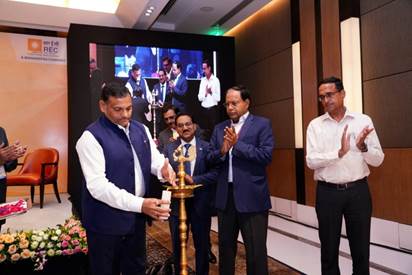
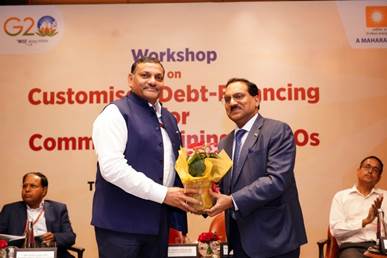
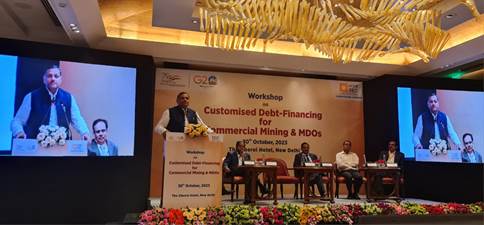
 REC Limited, has organised a workshop on ‘Customised Debt-Financing for Commercial Mining & MDOs’ recently in New Delhi. The workshop witnessed participation by Shri Amrit Lal Meena, Secretary, Ministry of Coal, Shri M Nagaraju, Additional Secretary and Nominated Authority, Ministry of Coal, Shri Vivek Kumar Dewangan, Chairman and Managing Director, REC Ltd. along with other senior functionaries from the coal industry and government.

The workshop commenced with a warm welcome by Shri Vivek Kumar Dewangan. In his opening remarks, Shri Dewangan expressed that REC is willing to be a partner in the growth journey of mining industry in the country.


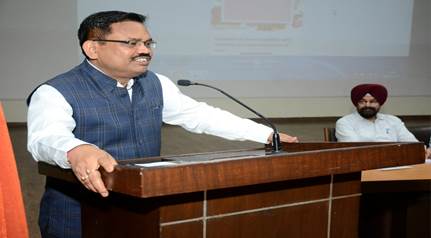
During the keynote address, Shri Amrit Lal Meena, Secretary Coal, has urged banks and non-banking financial companies to find appropriate solutions while working on the proposals placed before them regarding credit availability for commercial coal mines. He reiterated that coal mining is a good and profitable long-term business with assured returns starting from 3-4 years of the allocation of the coal mines. Shri Meena appreciated the initiative of REC and its commitment to strike a balance between sustainable development and financial viability of the mining sector in compliance with the ESG norms and willingness to be a partner in the growth journey of the mining industry. He also highlighted the necessity of efficiently closing coal mines once they reach the end of their operational life and rejuvenate such exhausted mines for sustainable endeavours like Pumped Storage facilities, Solar Parks etc. The Secretary reassured the commitment to sustainable methods of mining and informed that Coal Ministry is taking various steps to increase production from the Under Ground mines. He emphasised that the coal sector is in the growth phase and  collective efforts should be made to reduce coal import by increasing production to meet growing domestic demand.


Shri M. Nagaraju, Additional Secretary and Nominated Authority (Coal) stated that the Ministry is taking various measures to meet the coal demand and have auctioned 91 coal mines for commercial use in the last four years. He informed that the financing of one coal mine has already been completed and funding for two coal mine funding projects are at advanced stages of evaluation. Provisions have also been made in the Agreements to protect the interests of the lenders. The sector is becoming robust and responsible and urged REC to consider investing in the coal mining sector and provide financing to the coal mines which will help in faster operationalisation of the same.

Participants of the workshop were informed that the per capita power consumption in the country is 1/3rd of the world average and is going to substantially increase. Most of this will be contributed by coal-based thermal power plants.

Representatives of allocated coal blocks and the MDO’s of the coal mines participated in the workshop lauded the initiatives taken by Ministry of Coal and REC in supporting the coal sector towards Aatmanirbhar Bharat.


***

NITI Aayog orgaises Workshop on ‘India-AU Collaboration for a Better Inclusive World’

  NITI Aayog organised a workshop on India-AU Collaboration for a Better inclusive World in partnership with the Observer Research Foundation (ORF) at the Taj Palace, New Delhi today. The workshop focused on deliberations to implement the commitments laid out in the New Delhi Leaders’ Declaration (NDLD) which was signed recently concluded G20 Conference.

 Dr. V K Saraswat, Member, NITI Aayog, analysed the various aspects of India-AU cooperation and said that India and the AU have a lot to offer each other in terms of knowledge, skills, and resources. He urged the participants to come up with concrete proposals for cooperation in the three key areas of inclusive growth, sustainable infrastructure, and migration management.

Prof. Ramesh Chand, Member, NITI Aayog, spoke about the importance of agricultural growth and potential mutual learning between the two regions. He said that India and the AU can learn from each other’s experiences in agriculture and agribusiness. He also highlighted the need for cooperation in areas such as agricultural research, technology transfer, and market access.

Shri Dammo Ravi, Secretary, Ministry of External Affairs (MEA) highlighted the importance of India-AU cooperation in areas such as trade, investment, and development. Addressing the participants, Shri Sudhendu J. Sinha, Advisor, NITI Aayog emphasized the importance of India and the African Union (AU) to work together to achieve the goals of the NDLD.

The workshop brought together over 50 experts and participants from prominent National and International think tanks, academia, and diplomats from India and the African Union (AU). The participants had in-depth discussions on three key themes:

  • Indo-AU collaboration for an inclusive world: The participants discussed methodologies to promote inclusive growth and development, reduce poverty and inequality, and ensure that all people have access to basic necessities such as food, water, healthcare, and education.
  • Indo-AU collaboration for sustainable and resilient infrastructure: The participants discussed cooperation to develop sustainable and resilient infrastructure, including in the areas of energy, transportation, and water management. They also discussed how to support economic growth and development and make the world more resilient to climate change and other shocks.
  • Managing Migration: The role of Indo-AU Partnership: The participants deliberated on managing migration in a safe, orderly, and humane manner. They also discussed the root causes of migration, providing support to migrants and refugees, and combating trafficking in persons.

The workshop received immense interest from the participants who gave valuable inputs. NITI Aayog will endeavour to use these inputs to develop an Action Plan that would facilitate in the implementation of  the commitments laid out in the NDLD.

*****

Women Entrepreneurship Platform – NITI Aayog State Workshop on Women-Led Development

 The inaugural edition of the Women Entrepreneurship Platform (WEP) – NITI Aayog State Workshop Series on Enabling Women-led Development through Entrepreneurship was organized at CSIR-National Institute of Oceanography (NIO) Auditorium, Goa on 3rd October 2023. The workshop was held in collaboration with the Government of Goa with a focus on the western region of the country.

The workshop recorded over 500 participants, including women entrepreneurs, local self-help groups (SHGs) and clusters, government officials, industry representatives, incubators/accelerators, financial institutions, philanthropic foundations, and more. The primary focus was deliberating on a hub-and-spoke model aimed at extending women-led development to grassroots levels, covering the last mile. Eminent dignitaries, including Dr. Pramod Sawant, Hon’ble Chief Minister of Goa, Dr. V. K. Saraswat, Member, NITI Aayog, and Shri B.V.R Subramanyam, CEO, NITI Aayog, graced this landmark workshop.

Dr Pramod Sawant, Honorable Chief Minister, Government of Goa, stated that the Goa State Vision 2047 will be prepared with help from NITI Aayog. Celebrating the three-year milestone of the Swayampurna Goa initiative, Dr. Sawant emphasized its focus on skill development and the deployment of “Swayampurna Grameen Mitras” for the doorstep delivery of government services in every block and Panchayat. Furthermore, the Chief Minister reiterated the role of women in socio-economic progress, announcing the Swayampurna e-bazaar during Dussehra, aimed at expanding market access through Common Service Centres.

Highlighting NITI Aayog’s mandate for cooperative federalism, Dr. V.K. Saraswat, Member, NITI Aayog, emphasized the pivotal role of states in driving the nation’s growth. He emphasized three key priorities: maintaining the employment-to-education ratio, promoting women’s entrepreneurship, and restructuring the workforce

NITI Aayog CEO, B. V. R. Subrahmanyam, reaffirmed the central government’s unwavering commitment to women-led development as the top priority. He underscored NITI Aayog’s support in assisting state governments to set up institutions like itself in each state “It need not necessarily be a separate institution; it could be a department or an existing body. But just make it the central point to think and plan for the future. Its staff should not be engaged in any other work,” he said while urging states to tap the expertise at NITI Aayog.

A series of new collaborations were announced to support women entrepreneurs. Key highlights are the partnership between the Institute of Chartered Accountants of India (ICAI) and NITI Aayog; the launch of Udyam Uplift – an initiative of CAxpert to strengthen compliance among women-led businesses and the launch of the first two cohorts under WEP’s Award to Reward(ATR) initiative. The first ATR cohort led by WEP Partners Microsave Consulting and SIDBI titled WEP-Unnati is accepting applications from green entrepreneurs pan-India. The second cohort titled WeNurture would be led by Atal Incubation Centre – Goa Institute of Management.


***

G20 Technical Workshop on Climate Resilient Agriculture on 4th – 6th September 2023 in Hyderabad

 The Department of Agricultural Research and Education (DARE), Ministry of Agriculture and Farmers Welfare is organizing the G20 Technical Workshop on “Climate Resilient Agriculture” on 4-6 September 2023 in Hyderabad. The Workshop aims to bring together experts from around the world to discuss and highlight the challenges of Climate Change and would emphasize the cooperation and exchange of information to enhance the skills and competencies of countries in addressing challenges posed by climate change. The eminent speakers

The three-day event began today with the Inaugural Session which was graced by Minister of State for Agriculture and Farmers Welfare, Ms. Shobha Karandlaje. The first day was focused on the “Climate Resilient Agriculture Research Needs and Innovations” wherein the eminent speakers shared their experiences in their respective countries to achieve resilience in agriculture. They shall also list out scientific and innovative solutions that are required to address these emerging challenges to reduce the uncertainty in the agriculture food systems. The event is attended by dignitaries including foreign delegates from G20 member states, Guest-invited countries, and International Organizations (IOs). Senior Officials from the Ministry of Agriculture and other Ministries also attended the meeting to deliberate in the technical sessions on the various issues of agriculture research predominantly on Climate Change and other techniques and methods for sustainable development of agriculture in the Global context.

Minister of State for Agriculture and Farmers Welfare, Ms. Shobha Karandlaje mentioned that agriculture is the most sensitive sector and is greatly influenced by climate change which is already happening in G 20 Nations. She said that the impacts of climate change are already being experienced by all of us and hope that the recommendations emanated from this workshop will give direction towards attaining climate-resilient agriculture.

Secretary DARE, and DG ICAR, Dr. Himanshu Pathak reiterated that agriculture in India is highly vulnerable to climate change and variability. He said that in recent years, the frequency of climatic extremes has increased resulting in increased risks to agricultural production and food security all over the World, including India and emphasized that the efforts of ICAR are very significant in meeting the challenges of climate change. Additional Secretary & FA, DARE, Ms. Alka Nangia Arora opined that Climatic risk is manifested in terms of the incidence of droughts, floods, and high intra-season variability in rainfall. Hence, risk – climatic and other forms of risk – remains a key challenge to researchers and policymakers.

DDG(NRM), ICAR, Dr. S.K, Chaudhari chairman of Technical Workshop for Climate-Resilient Agriculture, expressed that G20 Nations, mindful of G20’s leadership role, can position themselves as pioneers in developing climate-resilient practices for sustainable agriculture to enhance food security. Location-specific Climate Resilient Technologies (CRTs) are being demonstrated in India for coping with climate variability in vulnerable districts of India to generate awareness and to build the capacity of farmers and other stakeholders. Further ensured that the deliberations of this workshop would provide a road map for the research and development agenda to comprehensively address the climate change impacts on the agriculture sector. Director, ICAR-CRIDA, Dr. V.K. Singh profusely thanked the dignitaries and delegates for attending the Technical Workshop by travelling all the way from different nations.

The Theme of the G20 Indian Presidency is One Earth, One Family, and One Future, which celebrates the spirit of togetherness and harmony amongst us to ensure a bright future for the world. Upscaling Climate Resilient Agriculture Case studies and Experiences, Policy, Finance, and Institutional Needs for Climate Resilient Agriculture will be discussed in the upcoming technical sessions of the three-day event. As a part of the program, on 5th September 2023, the delegates would be taken on an excursion visit to ICAR-Indian Institute of Millets Research (IIMR) Hyderabad to showcase the scientific advances made in the field of research on Millets as part of the International Year of Millets 2023. India is looking forward to strengthening its Scientific Research and Development initiatives in the field of Millet and cooperating with other countries to help them develop these crops in their countries.

Later the delegates would be taken on a short trip to Shilparamam, Hyderabad on 5th September 2023 to witness the live dance performances of Indian folk artists depicting the traditional dance forms of music. The delegates would also explore the traditional products of India and the opportunity to buy them at the Shilparamam Complex, Hyderabad. The delegates on 6th September 2023 would be taken on an excursion visit to ICAR- CRIDA Hayathnagar Research Farm where they would be taken to field farms and given an overview of the crops and their management. The Department in close coordination with the support of district administration has made elaborate arrangements for the safety and security of the delegates. The delegates would leave for their respective countries on 6th 7th September 2023.

********

International Lesson Learning Workshop of Infrastructure for Climate Resilient Growth program

 Minister of State for Rural Development and Consumer Affairs, Food & Public Distribution, Sadhvi Niranjan Jyoti inaugurated International Lesson Learning Workshop of the Infrastructure for Climate Resilient Growth program yesterday. Secretary (Rural Development), Shri Shailesh Kumar Singh, the British High Commissioner to India, Shri Alex Ellis, the Resident Representative of UNDP, Shri Isabelle Tschan, Joint Secretary (Mahatma Gandhi NREGA), Shri Amit Kataria and Director (Mahatma Gandhi NREGA), Shri Dharmvir Jha were also present on the occasion. Sadhvi Niranjan Jyoti, along with all notable guests jointly unveiled a book showcasing 75 success stories of climate resilience. This compendium, compiled by UNDP, highlights the significant role of the Mahatma Gandhi NREGScheme program in strengthening the climate resilience of vulnerable communities.

In her address, Sadhvi Niranjan Jyoti highlighted the nation’s unwavering commitment to building climate-resilient infrastructure for sustainable development. A shining example of this is the Mahatma Gandhi NREGA scheme, which is leading the way in conserving water and bridging vital gaps. Secretary, Shri Shailesh Kumar Singh praised the efforts of State Governments, acknowledging that without their support, the program would not succeed in integrating climate resilience into the planning and implementation of the Mahatma Gandhi NREGScheme. During the event, a recorded message of the Minister of State for Indo-Pacific, Government of United Kingdom, Ms. Anne-Marie Trevelyan was relayed. In her message, she underscored the deepening trust and partnership between the two Nations in the realm of climate resilience, emphasizing their commitment to working together.

The British High Commissioner to India, Shri Alex Ellis conveyed that India’s climate action plans and development agenda place great importance on Adaptation and Resilience, making them a key focus area of the India-UK partnership. The technical assistance programme ‘Infrastructure for Climate Resilient Growth’ (ICRG), which was jointly conceived by the Ministry of Rural Development, Government of India and Foreign, Commonwealth and Development Office, Government of United Kingdom, added value to the Mahatma Gandhi NREGScheme by way of integrating climate change considerations into the planning and implementation of the Scheme. The Resident Representative of UNDP, Shri Isabelle Tschan underlined that during the implementation of ICRG programme, UNDP used approach of building capacities of the key stakeholders including the rural communities and engaged them in planning and implementing Mahatma Gandhi NREGS. The efforts have showcased the success of this concept and approach to building resilience of the rural poor.

During his welcome note, Joint Secretary, Shri Amit Kataria highlighted the ICRG program as a demonstration of how climate-informed planning of Mahatma Gandhi NREGA infrastructure can contribute to resilient livelihoods through initiatives such as groundwater recharge, micro-irrigation, soil and water conservation, and plantations. During the workshop, the states of Bihar and Odisha, where the ICRG program was implemented, shared valuable insights on how MGNREGS has facilitated more effective investment in natural resource management (NRM) infrastructure. These insights focused on supporting resilient livelihoods, particularly in the agricultural sector.

The workshop saw participation from various national and international experts who covered a range of topics related to climate resilient growth. Lessons from Climate Resilience and Information and Systems Planning (CRISP-M tool) implementation were also shared by from International Institute of Environment and Development (IIED), United Kingdom. IIED discussed the innovative use of GIS and climate information for planning water conservation and harvesting. This approach aims to achieve long-term drought proofing and enhance flood resilience, showcasing the potential of technology in addressing water-related challenges in the context of climate change. Riya Rahiman from the Coalition for Resilient Infrastructure (CDRI) presented on the importance of early action and early warning systems in building climate and disaster resilience. She also shared case studies from Small Island Developing States (IRIS), highlighting practical examples of resilience-building efforts in vulnerable island communities.

Chief of Social Policy at UNICEF India, Shri Hyun Hee Ban discussed the opportunities for MGNREGS to contribute to child, gender, and shock-responsive social protection. During the presentation, Shri Hyun Hee Ban highlighted how MGNREGS can be utilized to address the unique requirements of children, advance gender equality, and offer assistance during periods of shocks and crises. The focus was on maximizing the program’s potential to provide targeted support and social protection for vulnerable groups in such circumstances. Dr. Luigi Di Sarno from the University of Liverpool provided insights on low carbon and sustainable engineering solutions for durable and resilient constructions. The briefing covered innovative approaches and technologies that can contribute to the development of environmentally friendly and resilient infrastructure.

An advisor from FCDO Nairobi, Shri David Kinyua shared insights and learnings from the Hunger Safety Net Programme in Kenya. This involved discussing strategies and approaches implemented in the program to address food insecurity and build resilience among vulnerable populations in Kenya. Shri Vivek Coelho Programme Policy Officer (DRR/DRM) from the UN World Food Programme – India, presented on international experiences from the World Food Programme by sharing insights and lessons learned from the organization’s work in various countries, highlighting effective approaches to disaster risk reduction and management in the context of food security.


*****

MSDE organizes a workshop with sending organizations to expand Japan Operations

 To facilitate a comprehensive dialogue and promote knowledge sharing amongst the stakeholders responsible for mobility of skilled candidates to Japan under Technical Intern Training Program (TITP) and Specified Skill Workers (SSW) program, the Ministry of Skill Development and Entrepreneurship (MSDE), organized a brainstorming workshop with Sending Organizations (SOs), empaneled by National Skill Development Corporation (NSDC).The workshop was chaired by Shri Atul Kumar Tiwari, Secretary, MSDE. Additional Secretary, MEA, Shri Anurag Bhushan also participated in the workshop along with other senior ministry officials.

The workshop provided a platform to the stakeholders to identify and address challenges faced by Sending Organizations and students, share on-ground experiences related to the respective programs, explore effective student monitoring practices, and engage in solution driven discussions.

Shri Atul Kumar Tiwari, Secretary, Ministry of Skill Development and Entrepreneurship said the TITP and SSW programs play a pivotal role in forwarding Prime Minister, Shri Narendra Modi’s vision of making India the Skill Capital of the World. India and Japan share age old cultural and religious connect and collaboration as such between the two countries further help promote international cooperation and strengthen the bond between the two countries.

He further said that organizing workshops like these are important for sharing of relevant insights that help to create effective roadmaps for the future. The discussion today has been extremely fruitful in terms of the inputs shared by everyone. He hoped that the next steps will further solidify MSDE’s efforts towards training the segment of the Indian workforce as per the demands of the job market in Japan.

Shri Anurag Bhushan, Additional Secretary, Ministry of External Affairs said that the emigration, spanning decades, has evolved into a powerful catalyst, enriching skill development, bolstering soft power and fostering livelihood opportunities. As our diaspora grows, it not only fuels remittances but also serves as a conduit for knowledge transfer, technology, and skill acquisition that immensely benefit Indian companies to leverage global exposure for their growth. It can be leveraged through the convergence of demography, democracy and diversity that propels emigration. It is evident in strategic agreements like comprehensive Migration Motivating Partnership Agreement with Germany and Mauritius. In the realm of Japanese market, a nuanced approach is paramount to tap into the opportunities. Equipping the workforce with the necessary linguistic skills, building robust language training frameworks, strengthening immigration policy ecosystem, and embracing digital advancements can help in utilizing the talent of young workforce, he added.

The workshop was successful in generating valuable insights from the sending organizations and basis these inputs, National Skill Development Corporation International (NSDCI) under the aegis of the Ministry and Skill Development and Entrepreneurship would align their efforts towards creating a framework that links MSDE, MEA and other ministries, which in turn, will enhance the effectiveness of workforce mobility under the two programs, between the two countries. From an implementation perspective, it was deemed important for creating a larger pool of high skilled Japanese language trainers in the country, while expanding the learning facilities with the help of concerned Ministries and incentivizing the Skill India International Centres. Further, collaborating with companies in Japan and companies from Japan in India would be a necessary step for demand aggregation and alignment of skill training in the respective sectors basis the knowledge of the demand.

*****

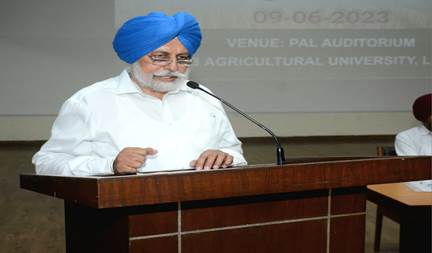
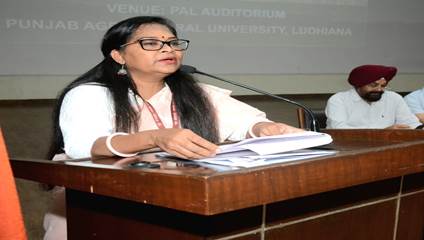
Paddy Straw Management Workshop

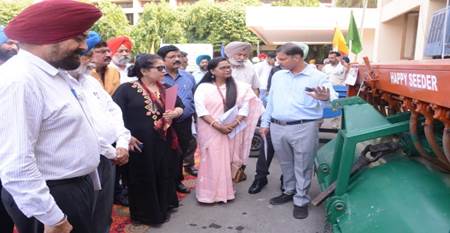
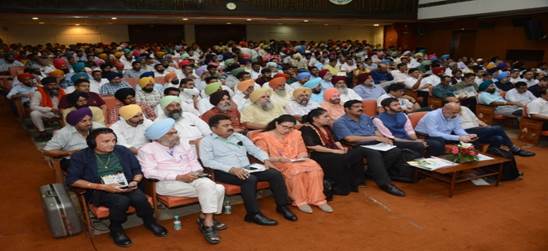
 Ministry of Agriculture and Farmers’ Welfare, Government of India, the state of Punjab and PAU organised workshop on ‘Paddy Straw Management and Action Plans’ commenced at Punjab Agricultural University, Ludhiana. Senior officers from govt of India and the state agriculture department, KVK, scantiest from PAU, stakeholders in the Central Government, State Governments of Punjab, Haryana, Uttar Pradesh, and NCR of Delhi, State Pollution Control Boards, Indian Council of Agricultural Research, academia, various stakeholder agencies, social groups and NGOs, agricultural machinery manufacturing industries, and biomass industry associations and more than 300 farmers participated in the workshop.

The Chief Guest, Shri K.A.P. Sinha (IAS), Additional Chief Secretary of the Ministry of Agriculture and Farmers’ Welfare in the Government of Punjab, highlighted the significance of farming by quoting, “Once in your life you need a doctor, lawyer, policeman, or preacher but every day — three times a day — you need a farmer.” He acknowledged the desire to eliminate the practice of paddy straw burning but identified obstacles hindering progress. Further he proposed increasing baler capacity, deploying more machinery in high-burning areas, involving cooperative societies to support SC beneficiaries, and replicating successful initiatives. He expressed his hope for no-burn agriculture to become the norm by the following year.


Dr Satbir Singh Gosal, PAU Vice-Chancellor, cautioned that stubble burning emits toxic pollutants which disperse in the surroundings and, eventually, affect the air quality and people’s health as well as soil health. He advocated the concept of conservation agriculture which up-cycles paddy straw without producing any waste. He called for synergy among the Department of Agriculture, NGOs, academia, industry and farmers to tackle the menace of paddy straw burning.


Smt. S. Rukmani, Joint Secretary, Department of Agriculture and Farmers’ Welfare, GoI, briefed about Central Sector Scheme to support for crop residue management. The scheme provides financial assistance of 50% for farmers to purchase designated machinery and 80% for Cooperative Societies, Farmers Producers Organization (FPOs), and Panchayats to establish Custom Hiring Centres (CHCs). While addressing she emphasized on air pollution and subsidizing machinery. Smt. Rukmani revealed a reduction of 30-40% in paddy straw burning since last year and emphasized the workshop’s goal of creating a value-chain plan to utilize paddy straw as a resource and minimize losses for farmers and express her thought on joint action plan for paddy straw management.


Shri Arvind Nautiyal, Member Secretary of the Commission for Air Quality Management (CAQM), New Delhi, underlined the detrimental effects of air pollution on the environment, climate, and human health. He recommended measures such as crop diversification, the DSR method, and promoting basmati varieties as well as short-duration and long straw-generating varieties. ex-situ management through strategic mapping of villages, establishing briquetting/pelleting plants at strategic locations, and developing a supply chain for utilizing straw as fuel in various industries and for biomass power generation, compressed biogas production, bio-ethanol, packaging material etc.


      Dr. Ajmer Singh Dhatt, PAU’s Director Research, sensitized the gathering and said that efforts being made by PAU to tackle the burning issue of paddy straw management with machines like Happy Seeder and Super Seeder as well as technologies for ex-situ and in-situ straw management. Further he encouraged farmers to adopt this cost-effective, eco-friendly, and water-efficient method to enhance soil health, crop output, and overall yield while reducing input costs. Dr Gurvinder Singh, Director Agriculture and Farmers’ Welfare, Punjab talked about the state’s paddy straw management strategies and action plans for the 2023 season. Earlier, Dr Gurmeet Singh Buttar, Director Extension of PAU delivered the welcome address while Dr G P S Sodhi, Additional Director of Extension Education proposed the vote of thanks. Dr Vishal Bector, Associate Director (Institution Relations) coordinated the programmme.

During the workshop the officers from Ministry of Power, Ministry of Petroleum and Natural Gas, Ministry of New and Renewable Energy highlighted the initiatives for utilization of biomass and paddy straw such as ‘Sustainable Alternative towards Affordable Transportation’ (SATAT) promote setting up of CBG projects using biomass as raw material, Oil Marketing Companies are setting up 2G ethanol plants based on various feed stocks including paddy straw in the country, Ministry of Power has issued revised policy on biomass utilization for power generation through co-firing in coal based power plants which mandates the use of 5 -7% biomass pellets made primarily of agro-residue along with coal in thermal power plants, Central Pollution Control Board (CPCB) has framed guidelines for providing one-time financial assistance for establishment of paddy straw based palletization and torrefaction plants,  MNRE is implementing Biomass Programme with the broader objectives of promoting technologies for optimum use of country’s biomass resources and the major recommendations have been summarized by joint secretary DA&FW and Dr. AN Meshram, Deputy commissioner, DA&FW offered vote of thanks.


*****

Indo – Scandinavian Leadership Conference and Workshop

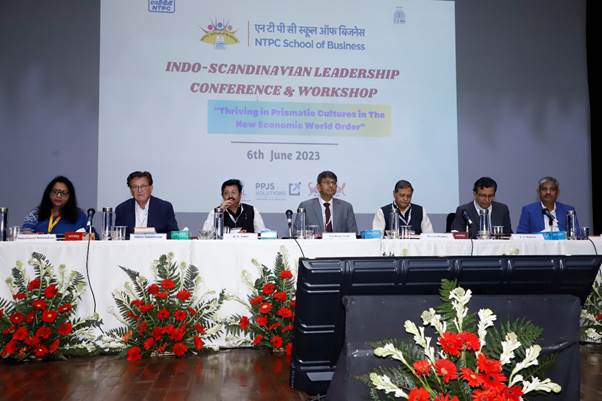
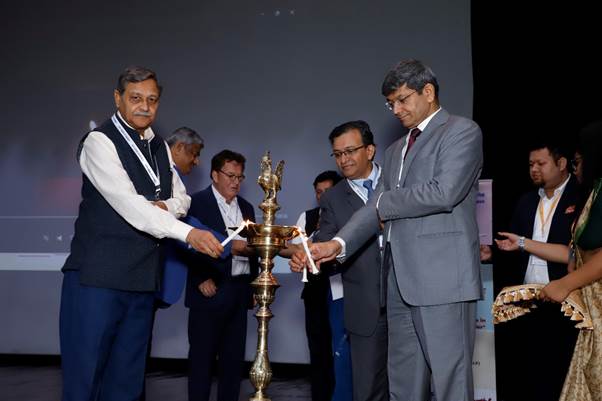
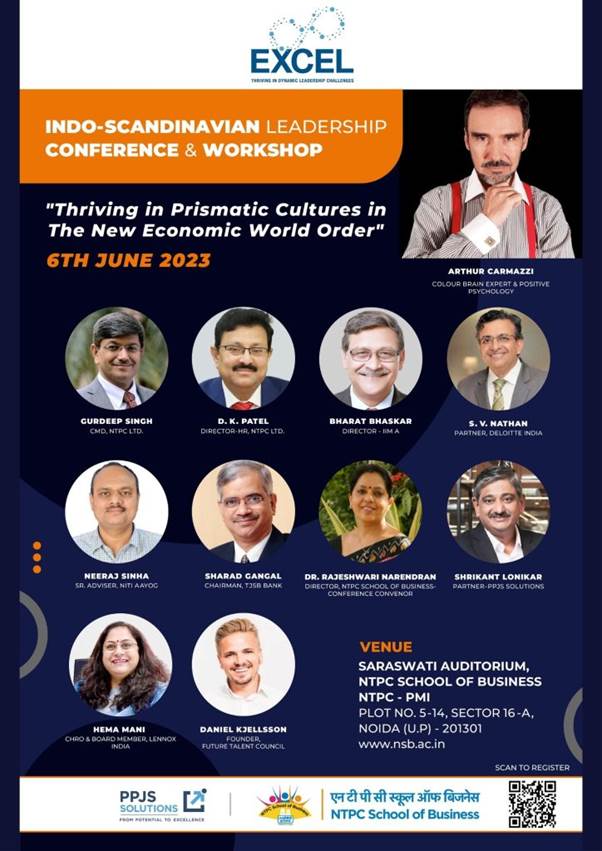
 An Indo – Scandinavian Leadership Conference and Workshop was held by NTPC School of Business at its Noida campus on 6th June, 2023. Thought leaders belonging to several geographies deliberated on the dynamics of cultures, perceptions and the preparedness of the mind to enable adaptation under the changing economic and environmental milieu. The conference has been organized, recognizing that this is essential for coherence and purpose orientation in a world that calls for increasingly high levels of inclusiveness. About 150 leading professionals from domains such as disaster mitigation, community empowerment, energy efficiency and emission reduction, higher management education; bilateral and multilateral forums and research participated in the event.

Founder of Directive Communication Methodology, Dr. Arthur Carmazzi highlighted the facets and analysis of coloured brain contours.

Director, IIM Ahmedabad, Dr Bharat Bhaskar emphasised credibility and integrity as the main traits of leadership.

Partner, Deloitte India, S. V. Nathan spoke of what he referred to as six signature leadership traits, namely Curiosity, Collaboration, Commitment, Courage, Cultural intelligence and Preparedness to unlearn, relearn and expand the mind’s horizons.

Dr. Hakan Svennerstal spoke about inner leadership and psychology-safety.

D K Patel, Director (HR), NTPC highlighted the contours of industry leadership.

The CMD of NTPC Gurdeep Singh delivered the Presidential address, focusing on NTPC’s stewardship vision to assist India meet her developmental aspirations through a portfolio of climate-efficient measures. These will ensure economic and environmental gains relevant at the national, regional and global levels; in line with India’s strategic role at the G-20.


Indo Scandinavian Conference & Workshop
 

***

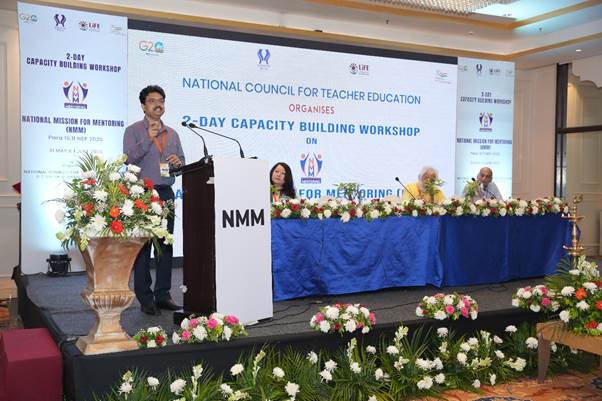
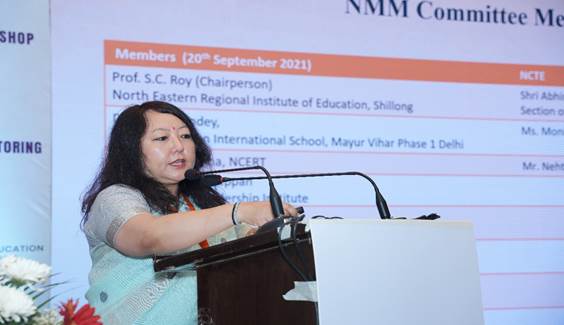
To implement National Mission for Mentoring, NCTE organises 2 day capacity building workshop

 The National Mission for Mentoring (NMM), as envisaged in NEP 2020, is about the creation of a large pool of outstanding professionals willing to provide mentoring to school teachers and ensure their continuous professional development. These potential mentors, regardless of the age or position of the mentor and mentee, will contribute towards realizing 21st century development goals of our nation. National Council for Teacher Education (NCTE) launched NMM in Pilot mode on 29th July 2022 in selected 30 Central Schools (15 KVs, 10 JNVs, 5 CBSE) across the country.

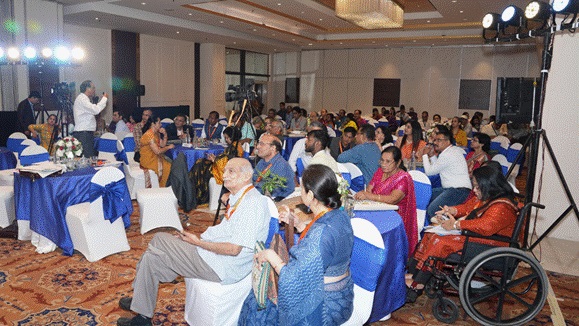
For effective implementation of NMM, NCTE is conducted a 2 day capacity building workshop for the 60 mentors on 31st May and 1st June 2023 in order to provide quality professional support to teachers along with the essential mentoring skills and techniques.  Prof.  Yogesh Singh, Chairperson, NCTE graced the 2 day workshop as Chief Guest and addressed the dignitaries and mentors present there. He also launched the NMM Web Portal in the presence of Ms. Kesang Y. Sherpa, Member Secretary, NCTE to facilitate the mentoring sessions using synchronous and asynchronous methods. This portal will serve as an interface for conducting successful and effective mentoring sessions for teachers that are facilitated by trust, discovery, and constructive feedbacks.

NCTE has onboarded 60 outstanding professionals from various fields as mentors for NMM in areas such as Instructional Leadership Skills, Digital Education, Socio-emotional Learning, Inclusive Education, Professionalism and Ethics, Classroom Management, Building 21st Century Skills, Interpersonal Skills/Community Engagement, Action Research, Holistic Assessment, Art Integrated Pedagogy, Teachers’ Mental Health Management etc.

*****

Madhya Pradesh PhD Colloquium 2023

A colloquium is an academic event, usually organized by a university or research institute, where experts in a particular field come together to discuss and exchange ideas on a specific topic or theme.

Colloquia may take different forms, such as lectures, seminars, panel discussions, workshops, or informal gatherings. They typically involve presentations by invited speakers, followed by questions and discussions among the attendees.

Colloquia serve as an important platform for sharing research findings, exploring new ideas, and fostering collaboration and networking among scholars, students, and practitioners in a particular field. They may also provide opportunities for graduate students and early career researchers to present their work and receive feedback from senior colleagues.

Overall, colloquia play a significant role in advancing academic and intellectual discourse, promoting interdisciplinary and cross-cultural exchange, and enriching the educational experience for both scholars and students.