Participating in an internship as a writer can offer numerous benefits that contribute to both personal and professional growth. Here are some key advantages of undertaking an internship for writers:
Real-world Experience: Internships provide hands-on, practical experience in a professional writing environment. This exposure helps writers apply their theoretical knowledge to real-world situations, gaining a better understanding of industry practices.
Networking Opportunities: Internships allow writers to connect with professionals in the field. Building a network of contacts can open doors to future job opportunities, collaborations, and mentorship.
Skill Development: Internships provide a platform to enhance writing skills. Writers can learn new techniques, styles, and formats while receiving constructive feedback from experienced mentors, helping them refine and improve their craft.
Industry Insights: Internships offer a firsthand look into the workings of the writing industry. This exposure helps writers understand market trends, audience preferences, and the overall dynamics of the field.
Portfolio Enhancement: Internship experiences can be valuable additions to a writer’s portfolio. The work completed during the internship, along with any positive feedback or outcomes, can serve as tangible evidence of one’s capabilities to potential employers or clients.
Professionalism: Internships teach writers about the importance of professionalism in the workplace. Learning how to meet deadlines, communicate effectively with team members, and navigate office dynamics contributes to the development of a strong work ethic.
Increased Confidence: Successfully completing an internship can boost a writer’s confidence. It validates their skills and prepares them for the challenges of a professional writing career, helping to overcome any self-doubt.
Resume Building: Internships provide valuable content for a writer’s resume. Having relevant work experience, especially in a professional setting, makes a candidate more attractive to potential employers.
Exploration of Specializations: Writers often have the opportunity to explore different niches or specializations within the field during internships. This exploration can help them identify areas of interest and focus for their future careers.
References and Recommendations: Establishing positive relationships with supervisors and colleagues during an internship can lead to strong professional references and recommendations, which can be crucial when seeking future employment opportunities.
Adaptability: Working in a professional environment teaches writers to be adaptable and flexible. They learn to navigate different writing styles, projects, and expectations, preparing them for a diverse range of assignments in their future careers.
Overall, an internship provides a valuable bridge between academic learning and the demands of the professional writing world, offering a holistic learning experience for aspiring writers.
References
Bay, J. (2006). Preparing undergraduates for careers: An argument for the internship practicum. College English, 69(2), 134-141.
Gloe, E. M. (1983). Setting up internships in technical writing. Journal of Technical Writing and Communication, 13(1), 7-27.
Karami, Z., Dehbozorgi, J., & Safarnavadeh, K. (2020). Analysis of writing skills in theachers of Persian language and literature Case Study: Farhangian University Internship Program. Teacher Professional Development, 5(3), 31-49.
We are excited to inform you about a unique opportunity to showcase your research to a global audience by publishing your thesis/dissertation as a book with ISBN through Pen2Print Publications.
By publishing with us, your work will be featured on prominent platforms such as Amazon, Google Books, and our dedicated EduPub books sites (http://edupediapublications.org, www.edupediapublications.com, and www.edupub.org). This will provide increased visibility and accessibility to readers across the globe.
Key Features of the Publication:
ISBN Assignment: Your book will receive a unique ISBN, adding credibility and recognition to your work.
Wide Distribution: We will list your book on major platforms, ensuring a broad reach to readers worldwide.
Academic Recognition: Gain the acknowledgment your research deserves within the academic community.
Open Access Option: Opt for an open access eBook publication for just $30, making your work freely accessible to a wider audience.
Publication Options:
eBook (Open Access): Publish your work as an open access eBook for only $30.
Print Book: Choose a print edition for just $150, allowing readers to have a tangible copy of your research.
Submission Process: To proceed with the publication, please send your thesis/dissertation manuscript to editor@pen2print.org. Our editorial team will guide you through the submission process and ensure a seamless publication experience.
Don’t miss this opportunity to transform your thesis/dissertation into a widely recognized and accessible book. Join us in sharing your valuable research with the global academic community!
We look forward to being a part of your academic journey.
There are numerous services available to authors aiming to enhance their writing skills, refine their manuscripts, and navigate the publishing landscape. Here are ten standout services that provide valuable resources for writers seeking improvement:
Grammarly: A widely used writing tool that helps authors improve grammar, punctuation, and style. It offers suggestions for clarity, tone, and conciseness, aiding in refining the overall quality of writing.
Scrivener: A versatile writing software designed specifically for authors, Scrivener assists in organizing and structuring manuscripts. It offers features for outlining, note-taking, and drafting, streamlining the writing process.
ProWritingAid: Similar to Grammarly, ProWritingAid is a comprehensive writing assistant that checks grammar, style, and readability. It provides in-depth reports and suggestions for improving writing quality.
MasterClass: Offers online courses taught by renowned authors across various genres. These classes provide insights into the craft of writing, offering techniques, advice, and inspiration from seasoned professionals.
The Writing Cooperative: A community-driven platform that offers resources, articles, and writing advice from a diverse group of authors. It fosters a supportive environment for writers to learn, share experiences, and grow.
Writer’s Digest University: Provides online workshops, webinars, and courses covering different aspects of writing, including fiction, non-fiction, publishing, and marketing. These courses are taught by industry experts and offer practical knowledge for writers.
Hemingway Editor: A writing tool that highlights complex sentences, passive voice, and readability issues. It aims to simplify and clarify writing, encouraging concise and impactful prose.
LitReactor: Offers a variety of online workshops and courses focused on different aspects of writing, such as plot development, character creation, and genre-specific techniques. It provides a platform for writers to refine their skills.
Critique Circle: An online platform where writers can receive feedback on their work from a community of fellow writers. It offers a supportive environment for critique and improvement.
Your Local Writing Center or Workshops: Many cities and communities have writing centers or workshops offering in-person classes, critique groups, and resources for writers. These can provide invaluable face-to-face interaction and personalized feedback.
Each of these services caters to different facets of writing improvement, whether it’s grammar and style refinement, structuring manuscripts, gaining knowledge through courses, receiving feedback from peers, or engaging with a supportive writing community. Authors can benefit significantly by exploring these services to hone their craft and advance their writing careers.
A research profile for a scholar typically includes a concise summary of the individual’s academic achievements, research interests, notable publications, and contributions to their field of study. It serves as a snapshot that provides colleagues, institutions, and the academic community with a quick overview of the scholar’s professional background and contributions. Here’s a template for a brief note on a research profile:
[Scholar’s Full Name] – Research Profile
Academic Background:
[Scholar’s Name] holds [Degrees Earned, e.g., Ph.D. in [Field], M.A. in [Field]] from [Institution]. Their academic journey includes [mention any prestigious institutions or awards].
Research Interests:
[Scholar’s Name] is a dedicated scholar with a keen interest in [Research Area 1], [Research Area 2], and [Research Area 3]. Their research focus revolves around [Brief description of main research themes].
Notable Publications:
[Scholar’s Name] has made significant contributions to the field, with publications in renowned journals such as [Journal 1], [Journal 2], and [Journal 3]. Some of their notable works include [Title of Publication 1], [Title of Publication 2], and [Title of Publication 3].
Research Achievements:
[Scholar’s Name] has been recognized for their outstanding contributions with awards such as [Award Name] and invitations to present at prestigious conferences like [Conference Name].
Collaborations and Impact:
[Scholar’s Name] actively collaborates with researchers in [Collaborating Institution/Group] and has contributed to [mention any collaborative projects or initiatives]. Their work has had a positive impact on [specific aspects of the field or community].
Current Affiliation:
Currently, [Scholar’s Name] is affiliated with [Current Institution/Department] where they [mention any roles or responsibilities].
Contact Information:
[Provide relevant contact information, such as email or institutional webpage].
This brief research profile aims to encapsulate [Scholar’s Name]’s commitment to advancing knowledge in [Field of Study] and highlights their significant contributions to academia.
A book review is a form of literary criticism in which a book is merely described (summary review) or analyzed based on content, style, and merit. A book review may be a primary source, opinion piece, summary review or scholarly review.
Writing a book review is a way to share your thoughts, critique, and recommendations about a book you’ve read. Here’s a step-by-step guide to help you craft a thoughtful and engaging book review:
1. Read the Book Thoroughly
Take notes while reading. Highlight quotes, passages, or sections that stand out or are crucial to the story’s development.
Pay attention to the plot, characters, writing style, themes, and your emotional response as you read.
2. Provide Basic Information
Start your review with essential details: book title, author’s name, genre, publication date, and any other relevant information (e.g., series name, publisher).
3. Introduction
Begin with a hook or an attention-grabbing statement about the book to intrigue readers.
Provide a brief overview or summary of the plot without giving away spoilers.
4. Discuss the Book’s Strengths
Talk about what you liked. Was it the character development, the writing style, the plot twists, or the themes explored?
Use specific examples or quotes from the book to support your points.
5. Address Weaknesses (If Any)
Be constructive in your criticism. If there are elements you didn’t enjoy, explain why without being overly negative.
Remember that personal preference plays a role, so what didn’t resonate with you might be appreciated by others.
6. Analyze Themes or Messages
Discuss the themes or messages conveyed by the book. How effectively were they portrayed?
Reflect on the book’s relevance to real-life issues or its impact on readers.
7. Compare and Contrast
If applicable, compare the book to others in the same genre or by the same author. Highlight what makes it unique or how it stands out.
8. Conclusion and Recommendation
Summarize your thoughts. Would you recommend this book? Who might enjoy it?
End with a strong closing statement that encapsulates your overall opinion.
Additional Tips:
Be honest and fair. Readers appreciate genuine opinions.
Avoid spoilers, especially major plot twists, unless clearly indicated.
Consider the target audience of the book when making recommendations.
Keep your review concise and focused while covering the essential aspects.
Remember, a great book review not only shares your opinion but also helps potential readers decide whether the book aligns with their interests. Your perspective matters, so share it thoughtfully and respectfully!
There are very less people in this world who will stay by your side always or help you always. But still, they exist. I’m glad that I had encountered with such person. So, when I was in 8th grade I shifted to a new school in a different city. Being a quite introverted person I always had problems while meeting new people or adjusting to new environment. I always take time to get comfortable with new people.
That same thing happened on my first day in the new school. I was not able converse with other students. Some even made fun of me. I almost believed that this is worst day of my life. I was feeling humiliated but then a girl approached me and tried to talk to me. At first I thought she must be here to make fun of me like others but she just wanted to be friends with me. I accepted her offer and slowly we become close.
She was very good at studies so she helped me with my studies and she often provided me with notes if I was absent in school. We used to play many games during our free time. She also helped me with my projects and assignments. Slowly we became best friends, we would often visit each others’ houses. I felt no longer lonely with her. On days, when I felt miserable and giving up she would motivate me and helped me to stay calm.
She was literally the best person I’ve ever met. Her interests were in literature so she used to write a lot about various topics and things. She was very ambitious towards her goal which used to inspire me a lot. Whenever someone tried to break our friendship She always stayed my side and never left me. Even after so many years when I think about our friendship, I feel really blessed to have such friend.
Whether you’re looking for a tool to record your daily emotions and activities in a reflective journal, keep track of milestones in a food diary or pregnancy journal, or even record your dreams in a dream journal, the Online diary is important.
Privacy is our #1 Concern
Even when carefully kept, paper journals can be read by anyone who happens upon them. Online diary keeps your journals safe with double password protection and military strength encryption so you can rest easy knowing that your entries are secure in the Diary Vault.
Write from Anywhere
Take your journals wherever you go with the mobile apps for iPhone, iPad, and Android phones and tablets.
This is an online diary service, providing personal diaries and journals – it’s free at my-diary.org! Our focus is on security and privacy, and all diaries are private by default. Go ahead and register your own public or private diary today.
Writing a daily record of your life is a good way to make sure your memories and experiences stay alive. It lets you keep track and reflect on your past and learn from your mistakes. It can also be tremendously therapeutic. Not only to record fun and adventurous moments, but also sad and scary times. It can be helpful to be able to document changes in your life in an online journal.
In the midst of the hustle and bustle of daily living, there is an indisputable need to keep a diary. Our minds also build up tons of emotions and our creativity comes alive. With so much bubbling within us, we have to let our thoughts and emotions flow into written or spoken words, not to mention the need to set reminders for upcoming events.
To meet this need, digital diary – Journey was created and since its invention, it has been nothing but incredible. If Journey or the concept of a digital diary is novel to you, you might want to continue reading!
Let’s take a look at the various features that the Journey digital diary app offers to better explain what it is.
First Things First; What Is A Digital Journal?
A digital journal software is simply space on the web, where you can freely record personal experiences and events. So instead of opting for a traditional diary or a notebook where you can pen down your thoughts and express your feelings and creativity, you can use a digital journal software and have it with you anytime, any day and anywhere. All that’s needed is digital device.
Having laid that out, what then is Journey digital diary app?
What Is Journey Digital Diary App?
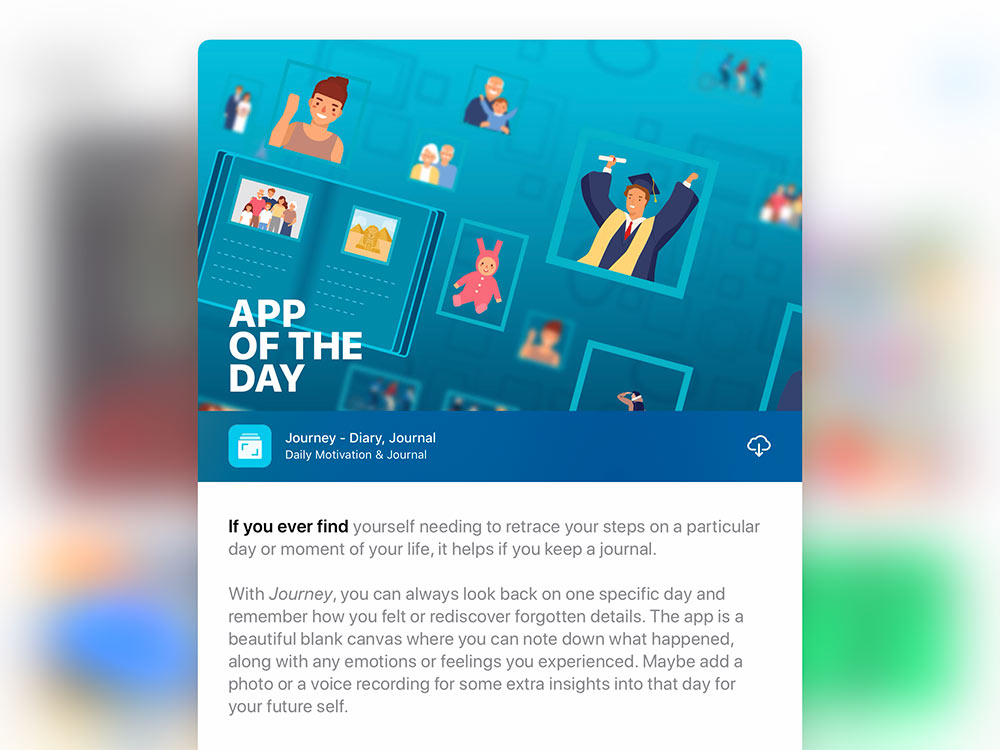
Journey digital diary app is basically a journal app that is available over various operating systems or computes which include Android, iOS, Windows, Mac, Chromebook and Linux; and is also designed to securely document your private memories and thoughts. Additionally, unlike the traditional diary or other online diary apps, you can include audio, video, and pictures to each journal entry.
Additionally, the Journey digital diary app allows you to add location information and weather specific to the entries. You can also upload your entries to social media, thereby sharing precious moments with loved ones and it’s a lot more fun if shared with people who contributed to those moments. In line with that, sharing your entries is made possible by a built-in markdown editor within the app. If you have security concerns, the Journey digital journal software has you absolutely covered. It has a passcode and a lock which can only be opened through an approved fingerprint. So you can rest assured that your entries are private.Start a digital journal.
Going on, the app can synchronize your entries across multiple devices and platforms. This means you can have your journal with you wherever you go.
Finally, to show how amazing the app is, the app was selected as the editors choice of Google play store from 2015 to 2018. Apple editors notes also expressed Journey to be an impressive journaling companion for documenting your private memories. With that said, the next question is, how exactly do you create an online diary?
Let’s take a look.
What Do You Write In Journey Diary?
Journey is designed to enable you to write anything about your life, experiences and private memories. Instead of viewing it as a boring writing session, it actually feels more like you are confiding in a friend who definitely won’t blab. Also, with the Journey digital diary app, you can write on the go. Simply put down the highlights of your day or any reflections on your device. You can also set reminders so that you won’t miss important dates and occasions.
If you desire more from the software, you can go to one of our membership plans which is either on a monthly or annual basis. With the membership, you are offered customized colors, fonts and a more personalized experience.
On a final note, sticking to your schedule and jotting down your dreams, thoughts and private memories has never been more fun. Journey is definitely much more than an online version of dear diary!
My diary is a free online diary with lock. You can use it to record daily journal, secret thoughts, journey, mood, and any private moments. It is a diary with picture, supports adding themes, stickers, mood, font, etc. to make your personal diary more vivid and safe.
My Diary – Journal, Diary, Daily Journal with Lock supports setting a diary password to protect the security of your memories and private journal. Sync your diary journal to Google Drive or Dropbox to ensure security and keep diary entries can be accessed on different devices. You can also export the photo diary to txt, pdf or print it.
MyDiary as a private diary with lock will protect your memories safe and beautiful. Please have a try now.
Reasons for choosing my diary 🧜🏻Safe and Private Diary – Always guarding you It is a Personal diary with lock. Set diary passcode and protect your private journals Support fingerprint diary lock. Unlock your diaries in seconds. Never worry about forgetting your diary passcode.
📝Customizable, Easy & beautiful Journaling App – Always be yourself ⭐My Diary – Journal, Diary, Daily Journal with Lock ⭐ provide multiple meticulous journals’ themes you can choose. Make your daily journal charming. Night dark theme, make your own journey journal. Choose background when writing journal entries, try how lovely private journals will be.
☁️Diaries sync and backup – Never lose memories Sync your private diaries or daily journals to cloud via google drive, never lose your memories. Check and access your photo diaries or words diary entries on different devices.
🏞Free Photo Journal app – Record moments ⭐My Diary – Journal, Diary, Daily Journal with Lock ⭐is a Photo Journal diary. You can write your journey journal with pictures. Make your daily journal more memorable. Free video, picture diary. Write your diary with pictures, videos, it’s time to say goodbye to the traditional daily log.
👓Eye protection mode – Care about your health ⭐My Diary – Journal, Diary, Daily Journal with Lock ⭐ eye protection mode. Turn on eye protection mode before writing diaries, you don’t have to worry about writing a diary for too long.
😊Stickers and mood tracking diary – Care about your mood Various lovely stickers and emoji. Continuously updating. Use them to express your mood in your secret diary Some moods cannot be expressed in words, then choose mood diary symbols. Add your mood when you start writing diaries, writing journals, and you can review your mood tracking changes in the mood calendar. Hope to see your happy daily diary. Keeping diaring is also a joy.
🗂Tags, Easy to Search – a good diaries organizer Adding tags to the journal diary makes it easier to view journal entries by types. Such as travel journal, mood diary, love diary, baby diary, mother dairy, daily diary, pregnancy diary, work diary, etc. ⭐My Diary – Journal, Diary, Daily Journal with Lock ⭐ is a good diaries organizer.
online diary journal – always listen to you ⭐My Diary – Journal, Diary, Daily Journal with Lock ⭐ is a free digital diary app with lock. You can write your secret diary at any place, any time, as long as you want to. I will always be with you, always listen to you.
Export to TXT. PDF. Printer Suport exporting daily diaries, daily journals to TXT. PDF. Want to print the diary entries as a souvenir? No worry, we will support.
It is really a good diary journal recorder and deserves to be installed. My diary as a private diary will always be with you, always listen to you.
Online diaries have existed since at least 1994. As a community formed, these publications came to be almost exclusively known as online journals. Today they are almost exclusively called blogs, though some differentiate by calling them personal blogs. The running updates of online diarists combined with links inspired the term ‘weblog’ which was eventually contracted to form the word ‘blog’.
In online diaries, people write about their day-to-day experiences, social commentary, complaints, poems, prose, illicit thoughts and any content that might be found in a traditional paper diary or journal. They often allow readers to contribute through comments or community posting.
Modern online diary platforms may allow the writer to make entries from a PC, tablet or smartphone. Writers might rate how they feel each day, invite someone to engage in a personal conversation or find counseling.
Keep a private and free online diary
Keep an online journal
You want to keep your thoughts in a place where no one can find them? Or capture great ideas so they do not get lost? The online diary monkkee offers you a safe place for your very personal topics.
Secret and private
The use of monkkee is private only. There is no feature to make entries publicly viewable. This ensures that your secret diary remains safe from prying eyes. Just like in a good old paper diary.
Secure and encrypted
To guarantee you ultimate security, monkkee uses a comprehensive security concept. Client-side encryption, AES, SSL – find out more about security and why monkkee is unique.
Access via Internet
To use monkkee all you need is a computer with Internet access. Whether you are at home or on the move – if you have a sudden urge to write, you can access your data at any time and from anywhere.
The real essence of humanity is getting stained slowly. You must remember that good deeds should not have any ulterior motive such as money, power or fame. We were created to look after ourselves by sharing shelter, food and clothes. But history says the opposite.
It is not just about caring for other people. You have to take care of your environment and every living thing. We all have different experiences and perspectives of life. My opinions about life may be completely different from yours.
There are several things to consider when writing an essay about this topic. So you can get some help at online essay service, to make sure your essay will be written properly.
It means looking after people and things around you whenever and wherever possible. Life values guide us when we interact with other people. The strength of humanity lies in personal commitment and the power of collective action.
We live in a world divided by borders. But together we can achieve unimaginable things. We can travel anywhere in the world and have anything we want. Many countries fight for land which causes the loss of innocent lives.
There are several crises such as the ones in Syria, Myanmar and Yemen. These crises are not getting solved any time soon, so we need the intervention of humans. Humanity helps us make good decisions.
People that have lived by example
Several great humanitarians live with us and in history. Examples are Mother Teresa, Mahatma Gandhi, Nelson Mandela, Princess Diana and more. These people showed how important caring for humans are. They showed that love, service and honesty can keep humanity thriving.
Mother Teresa was dedicated to helping the poor and needy in every country she went to. Rabindranath Tagore was an Indian poet who believed in humanity and said it was his only religion. I know you must care for yourself before anyone, but it doesn’t kill to care for others.
Nelson Mandela worked against discrimination. As a result, he spent most of his years in prison. He never looked down o anybody based on sexual orientation, race, religion, creed or anything. He left prison and became the president of his country.
Mahatma Gandhi died serving his country and he is still remembered in his country to date. He was dedicated to helping the poor and less privileged.
We must learn to follow the steps of these people. Our life is precious and should be protected at all costs. We should give more than we take and help people in need. In the end, the universe has its way of rewarding givers!
How can you show humanity?
Everyone can show humanity. It can be by embracing equality, no matter the race, gender, religion and sex. It can be by fighting for the defenseless and caring for the less privileged. We must show compassion when dealing with people.
Conclusion
You can create a coherent piece when you consider these factors. You have to be in touch with humanity or experience certain things in life to write a good essay. You can also hire professionals to help. It is easy to solve problems in the world when we practice humanity.
Helping scholars in getting research grants and writing proposals. Finding grants for travel in Africa can involve several steps. Here’s a general guide to help you in your search:
Define Your Purpose:
Clearly define the purpose of your travel. Are you attending a conference, conducting research, participating in a project, or volunteering? Knowing the specifics will help you narrow down potential grants. Defining your purpose involves providing a clear and detailed explanation of the reason for your travel. It requires specifying the primary objective or goals you aim to achieve during your time in Africa. Here are the key components of defining your purpose:
Attending a Conference:
If your purpose is to attend a conference, state the name, location, and focus of the conference. Highlight how your participation contributes to your professional development, knowledge enhancement, or networking within your field.
Conducting Research:
If your travel involves research, outline the nature of your research, its significance, and the specific areas or topics you plan to investigate. Explain how your research contributes to existing knowledge and the potential impact it may have.
Participating in a Project:
If you are participating in a project, describe the project’s goals, objectives, and the role you will play. Clarify how your involvement contributes to the project’s success and any anticipated outcomes or benefits.
Volunteering:
If your purpose is volunteering, specify the type of volunteer work you will be engaged in. Provide details about the organization or community you will be supporting, the tasks you will undertake, and the expected positive impact of your volunteer efforts.
In summary, clearly defining your purpose involves articulating the specific nature of your activities, whether they are conference attendance, research endeavors, project participation, or volunteer work. This clarity is essential for identifying grants that align with your goals and ensuring that your applications accurately reflect the purpose of your travel.
Research Organizations and Foundations:
Identify organizations and foundations that support travel-related initiatives in Africa. Look for both international and local entities that may offer grants for your specific purpose.
Researching organizations and foundations involves identifying entities that provide financial support for travel-related initiatives in Africa. Here’s a more detailed breakdown of this step:
Online Research:
Begin by conducting online research using search engines and relevant databases. Look for organizations and foundations that focus on travel, international collaboration, or specific areas related to your purpose (e.g., education, healthcare, community development).
International Entities:
Identify international organizations that have a presence in Africa or fund projects on the continent. Examples include global foundations, NGOs (Non-Governmental Organizations), and intergovernmental organizations. Check their websites for information on grant programs and eligibility criteria.
Local Entities:
Explore local organizations based in the countries you plan to visit in Africa. These could be NGOs, community foundations, or government agencies that support initiatives aligned with your purpose. Local entities may have a deep understanding of the specific needs and opportunities in their regions.
Thematic Focus:
Consider the thematic focus of each organization. Some may prioritize education, healthcare, environmental conservation, or other specific areas. Choose organizations whose priorities align closely with the goals of your travel.
Professional Associations:
Look into professional associations related to your field. Many associations have foundations or funds that support international travel for research, conferences, or collaboration. Check if membership is a prerequisite for applying.
Collaborative Platforms:
Explore collaborative platforms that connect individuals with funding opportunities. Websites like ResearchGate, Academia.edu, or professional social media platforms may have discussions or announcements related to travel grants.
Government Agencies:
Investigate government agencies both in your home country and the destination country in Africa. Some government departments offer grants or collaborate with international partners to support travel for various purposes.
Community Foundations:
Community foundations, especially those based in the areas you plan to visit, may offer grants for projects that benefit local communities. Research their grant programs and see if they align with your travel objectives.
Review Past Recipients:
Check the list of past grant recipients for each organization. This can provide insights into the types of projects and individuals they typically support. It also helps you gauge the competitiveness of the grant.
Contact and Inquire:
Reach out to the identified organizations and foundations. Contact them directly to inquire about their grant programs, application processes, and any specific requirements. Establishing communication can also help you build a relationship with the funding entities.
By systematically researching and identifying potential organizations and foundations, you increase your chances of finding grants that align with your travel objectives in Africa.
Use Online Resources:
Explore online databases and grant directories. Websites like GrantWatch, GrantStation, and Idealist can be helpful in finding relevant grants. You can search for grants based on location, purpose, and other criteria.
Exploring online resources involves utilizing specialized databases and grant directories to identify potential funding opportunities for your travel in Africa. Here’s a more detailed breakdown of how to use online platforms effectively:
GrantWatch:
Visit the GrantWatch website and create an account if necessary. This platform aggregates a wide range of grants, including those related to travel and international initiatives. Use the search function to filter grants based on location (Africa), purpose (e.g., conference attendance, research), and other relevant criteria.
GrantStation:
Access the GrantStation database and explore the available grant opportunities. This platform provides a comprehensive database of grants, allowing you to search for funding based on specific parameters. Narrow down your search by selecting filters related to your purpose and location.
Idealist:
Visit the Idealist website, a platform that focuses on connecting individuals with opportunities for social impact, including grants. Use the search feature to find grants related to travel in Africa. Specify your purpose, and explore the results to identify relevant opportunities.
Other Grant Directories:
Explore additional online grant directories that cater to your specific needs. Examples include Foundation Center, ProFellow, and Pivot. These platforms often allow you to customize your search based on criteria such as location, purpose, and target audience.
Utilize Search Filters:
When using these online resources, make use of search filters to refine your results. Filter grants based on geographical location (Africa), the purpose of your travel, preferred funding amount, and any other relevant criteria. This helps you narrow down the options to those most aligned with your needs.
Read Grant Descriptions:
Carefully read the descriptions of the grants you find. Pay attention to eligibility criteria, application requirements, and deadlines. Ensure that the grants you are considering are a good fit for your travel purpose and align with your goals.
Set Up Alerts:
Some platforms allow you to set up alerts based on your search criteria. This way, you can receive notifications when new grants matching your specifications are added to the database. Setting up alerts helps you stay informed about the latest opportunities.
Check for Updates:
Regularly check the websites for updates and new grant listings. Grant opportunities may be added or modified, and staying informed ensures that you don’t miss out on potential funding sources.
By leveraging online databases and grant directories, you can efficiently identify grants that match your travel objectives. These platforms offer a centralized and organized way to explore a wide range of funding opportunities for your specific purpose in Africa.
Government Grants:
Check with government agencies in your country and the country you plan to visit. Some governments have travel grants or funds for individuals engaged in specific activities, such as research or cultural exchange.
When exploring government grants, particularly from your country and the destination country in Africa, it’s crucial to follow a systematic approach. Here’s a detailed breakdown of how to check for government grants:
Identify Relevant Government Departments:
Determine which government departments or ministries in your home country and the target country are likely to be associated with your travel purpose. For example, if you are conducting research, check with departments related to education, science, or foreign affairs.
Visit Government Websites:
Access the official websites of the identified government departments. Look for dedicated sections related to grants, funding opportunities, or international collaborations. Government websites often provide detailed information about available grants and application procedures.
Check Foreign Affairs or International Relations Departments:
Explore the website of the foreign affairs or international relations department in both your home country and the destination country. These departments often manage grants and programs related to cultural exchange, research collaborations, and diplomatic initiatives.
Research Grant Programs:
Investigate specific grant programs that align with your travel objectives. Some governments have programs designed to support individuals engaged in research, educational exchange, or projects that promote international cooperation. Take note of eligibility criteria, deadlines, and application processes.
Contact Government Representatives:
Reach out to representatives or offices within the government departments responsible for grants. You can contact them via email or phone to inquire about available opportunities, specific eligibility requirements, and the application process. Government officials can provide valuable information and guidance.
Explore Bilateral Agreements:
Investigate any existing bilateral agreements or partnerships between your home country and the destination country. Governments often allocate funds for initiatives that strengthen ties between nations. Look for grants that may be available under these agreements.
Check Embassies and Consulates:
Visit the website of the embassy or consulate of the destination country in your home country. Embassies often provide information about grants, scholarships, and programs that support cultural exchange and collaboration. Contact them directly for detailed information.
National Research Foundations:
In some countries, national research foundations or councils oversee research grants. Explore the websites of such organizations to identify potential funding opportunities for research-related travel.
Review Previous Grant Recipients:
Look for lists of previous grant recipients on government websites. This can provide insights into the types of projects that have been funded and help you tailor your application accordingly.
Stay Informed about Policy Changes:
Keep an eye on any changes in government policies related to international travel and collaboration. Governments may introduce new initiatives or modify existing programs that could affect the availability of grants.
By thoroughly researching government grants through official channels and direct communication with relevant authorities, you can gather the necessary information to apply for funding that aligns with your travel purpose in Africa.
Professional Associations:
If your travel is related to a specific profession or field, check with relevant professional associations. Many associations offer travel grants to support their members’ professional development or research.
When exploring travel grants offered by professional associations, it’s essential to navigate the resources and opportunities specific to your field. Here’s a detailed guide on how to approach this:
Identify Relevant Professional Associations:
Determine which professional associations are pertinent to your field or specific profession. These may include organizations related to your academic discipline, industry, or area of expertise.
Visit Association Websites:
Access the official websites of the identified professional associations. Look for sections related to grants, funding, or support for professional development. Associations often provide detailed information about travel grants, eligibility criteria, and application procedures.
Membership Requirements:
Check whether membership in the professional association is a prerequisite for applying for travel grants. Many associations reserve such opportunities for their members. If you’re not already a member, consider joining to access these benefits.
Explore Professional Development Opportunities:
Professional associations often offer travel grants to support activities such as attending conferences, workshops, seminars, or engaging in collaborative research. Explore opportunities that align with your travel purpose.
Check for Research Grants:
If your travel involves research, investigate whether the professional association offers specific research grants. Some associations allocate funds to support members conducting research in their respective fields.
Review Grant Guidelines:
Carefully review the guidelines for each travel grant offered by the professional association. Pay attention to eligibility criteria, deadlines, required documentation, and any specific focus areas or themes for which grants are available.
Contact Association Representatives:
If you have questions or need additional information, reach out to representatives or members of the professional association. They can provide insights into the application process and offer guidance on how to enhance your chances of securing a travel grant.
Attend Association Events:
Attend events organized by the professional association, such as conferences or workshops. These gatherings may provide opportunities to network with association members and learn more about available travel grants.
Collaborate with Peers:
Engage with peers within the professional association who have successfully obtained travel grants. Seek advice, learn from their experiences, and gather tips on preparing a compelling application.
Stay Updated:
Regularly check the association’s website or subscribe to newsletters for updates on new grant opportunities, changes to existing programs, or additional funding initiatives. Associations may introduce new grants or modify existing ones over time.
By actively exploring the offerings of relevant professional associations and engaging with their resources, you can identify and apply for travel grants that support your professional development or research endeavors in Africa.
Nonprofit Organizations:
Look for nonprofit organizations working in Africa that might offer travel grants. These organizations may focus on issues such as education, healthcare, or community development.
When seeking travel grants from nonprofit organizations in Africa, it’s important to focus on entities aligned with your purpose and field of interest. Here’s a detailed guide on how to identify and approach nonprofit organizations for potential funding:
Identify Relevant Nonprofit Organizations:
Research and identify nonprofit organizations operating in Africa that align with your travel purpose. Focus on organizations that work in areas such as education, healthcare, community development, or other fields related to your goals.
Explore Online Directories:
Utilize online directories, such as GuideStar or Charity Navigator, to identify and learn more about nonprofit organizations in Africa. These platforms often provide information about an organization’s mission, projects, and financial transparency.
Research Organizations’ Websites:
Visit the websites of identified nonprofit organizations. Look for dedicated sections related to grants, funding, or support for individuals. Pay attention to their focus areas and ascertain whether they offer travel grants for purposes like research, conferences, or collaboration.
Check for Specific Initiatives:
Investigate whether the nonprofit organizations have specific initiatives or programs that support international travel. Some organizations may have grant programs designed to facilitate knowledge exchange, partnerships, or collaborative projects.
Review Grant Guidelines:
Carefully review the grant guidelines provided by each organization. Understand the eligibility criteria, application process, deadlines, and any specific requirements. Ensure that your travel purpose aligns with the organization’s mission and grant objectives.
Contact Organizations Directly:
Reach out to the identified nonprofit organizations directly. Use contact information available on their websites to inquire about travel grants. Ask about the availability of grants, application procedures, and any additional information required.
Network with Nonprofit Professionals:
Attend events, conferences, or webinars related to your field where nonprofit professionals may participate. Networking with individuals from nonprofit organizations can provide valuable insights into available travel grants and how to approach the application process.
Collaborate on Shared Goals:
Emphasize how your travel aligns with the organization’s mission and goals. Highlight potential areas of collaboration or how your activities can contribute to the organization’s work in Africa.
Check Community Foundations:
Explore community foundations operating in the specific regions you plan to visit. Community foundations often work closely with nonprofit organizations and may have grant programs supporting local initiatives, including those involving international collaboration.
Stay Updated on Opportunities:
Regularly check the websites, newsletters, or social media channels of nonprofit organizations for updates on new grant opportunities, application deadlines, and changes to existing programs.
By systematically researching and engaging with nonprofit organizations, you can identify travel grants that align with your goals and contribute to meaningful initiatives in Africa.
Universities and Research Institutions:
If you are a student or researcher, explore grant opportunities provided by universities and research institutions. Many academic institutions have funds available for students and faculty engaged in international projects.
When exploring grant opportunities from universities and research institutions for international projects, it’s crucial to navigate the specific offerings of academic institutions. Here’s a detailed guide on how to identify and approach universities and research institutions for potential funding:
Identify Relevant Universities and Research Institutions:
Research and identify universities and research institutions that align with your field of study or research interest. Focus on institutions known for international collaboration and projects.
Explore University and Institution Websites:
Visit the official websites of identified universities and research institutions. Look for sections related to research funding, grants, or international projects. Academic institutions often provide detailed information about available grants and application procedures.
Check Research Office or Grants Office:
Explore the research office or grants office within the university or research institution. These offices typically manage research funding and can provide information on grants specifically designed for international projects.
Review Funding Programs:
Investigate specific funding programs offered by universities and research institutions that support international projects. Look for grants that facilitate collaboration, knowledge exchange, or research in the regions you plan to visit.
Consider Student-Specific Grants:
If you are a student, check for grants specifically designed for student researchers. Some universities have funds dedicated to supporting student travel for research, conferences, or experiential learning opportunities.
Check Faculty Development Grants:
If you are a faculty member, explore faculty development grants that universities may offer to support international engagement, research, or collaborative projects. These grants are often designed to enhance faculty members’ professional development.
Review Eligibility Criteria:
Carefully review the eligibility criteria for each grant program. Ensure that your project aligns with the goals of the grant and that you meet the specified requirements. Some grants may be restricted to certain disciplines or research themes.
Contact Research Administrators:
Reach out to the research administrators or grant officers within the university or research institution. They can provide guidance on available grants, application processes, and any additional information required for a successful application.
Explore Joint Initiatives:
Investigate whether the university or research institution has joint initiatives or partnerships with institutions in the regions you plan to visit. These collaborations may open up additional funding opportunities for international projects.
Attend Research Seminars and Events:
Participate in research seminars, workshops, or events organized by the university or research institution. These gatherings can provide opportunities to learn about available grants, network with researchers, and gain insights into successful application strategies.
Stay Informed about Deadlines:
Keep track of deadlines for grant applications. University and research institution grant cycles may have specific timelines, and staying informed ensures that you submit your application in a timely manner.
By actively engaging with universities and research institutions, you can identify and apply for grants that support your international projects and contribute to the academic and research goals of these institutions.
Networking:
Attend conferences, workshops, and events related to your field. Networking with professionals and peers can provide valuable insights into potential grant opportunities. You may also learn about grants through word of mouth.
Networking is a crucial aspect of discovering potential grant opportunities and gaining valuable insights into your field. Here’s a detailed guide on how to effectively network to uncover grant possibilities:
Identify Relevant Events:
Research and identify conferences, workshops, and events related to your field or area of interest. Look for gatherings that attract professionals, researchers, and experts in the specific domains that align with your travel purpose.
Attend Conferences and Workshops:
Actively participate in conferences and workshops relevant to your field. Attend presentations, engage in discussions, and take advantage of networking sessions. Conferences often provide opportunities to connect with professionals and peers who may share information about available grants.
Participate in Networking Sessions:
Make the most of dedicated networking sessions during conferences. Introduce yourself to fellow attendees, exchange contact information, and discuss your interests and goals. Networking can open doors to valuable information about grants and funding opportunities.
Engage with Presenters and Speakers:
Connect with presenters, speakers, and panelists at conferences. These individuals often have valuable insights into the latest trends, research funding, and grant opportunities in your field. Attend Q&A sessions or approach them during breaks to initiate conversations.
Join Professional Associations:
Become a member of professional associations relevant to your field. These associations often host events and provide platforms for networking. Attend association conferences, webinars, and local chapter meetings to build connections with professionals who may be aware of grant opportunities.
Utilize Online Platforms:
Join online forums, discussion groups, and social media communities related to your field. Platforms like LinkedIn, ResearchGate, and Twitter can be valuable for connecting with professionals and staying informed about grant announcements and opportunities.
Build Relationships with Peers:
Establish relationships with peers in your field. Networking isn’t just about connecting with established professionals; fellow students, early-career researchers, and colleagues can also share information about grants and funding opportunities.
Attend Industry Events:
Explore industry-specific events and trade shows. These gatherings often bring together professionals, businesses, and organizations. Attendees may share information about funding initiatives, collaborative projects, and grant opportunities.
Participate in Workshops and Training Programs:
Attend workshops and training programs that focus on skill development and professional growth. These events provide opportunities to interact with professionals who may have insights into grants and funding sources.
Connect with Alumni Networks:
If applicable, engage with alumni networks from your academic institution. Alumni may have experiences with travel grants or be aware of funding opportunities for individuals in your field.
Word of Mouth:
Actively engage in conversations with your professional network. Share your travel plans and research interests. Word of mouth is a powerful way to learn about grants that may not be widely advertised but are known within specific circles.
Express Your Goals:
Clearly express your goals and intentions during networking interactions. Let others know about your travel plans, research objectives, and interest in securing funding. Professionals may offer advice or direct you to relevant grant opportunities.
By actively participating in professional events and building a strong network within your field, you increase your chances of learning about grant opportunities that may not be readily available through traditional online searches. Networking provides a dynamic and interactive way to stay informed about the latest developments in your field and connect with individuals who can offer guidance on potential funding sources.
Local Embassies and Consulates:
Contact the embassy or consulate of the country you plan to visit. They may have information on grants or programs that support cultural exchange, research, or educational activities.
When reaching out to local embassies and consulates for information on grants or programs that support cultural exchange, research, or educational activities, it’s important to approach the communication strategically. Here’s a detailed guide on how to effectively contact embassies and consulates:
Identify the Relevant Embassy or Consulate:
Determine the embassy or consulate of the country you plan to visit. Make sure to contact the specific diplomatic mission responsible for your destination. Embassy websites usually provide contact details and information about their areas of focus.
Visit the Embassy or Consulate Website:
Explore the official website of the embassy or consulate. Look for sections related to cultural exchange, educational programs, or grants. Many diplomatic missions provide information about initiatives that support international collaboration.
Check for Cultural and Educational Programs:
Specifically, look for information about cultural exchange programs, educational initiatives, or grants that the embassy or consulate may administer. There might be dedicated programs aimed at fostering relationships and supporting activities like research or academic exchanges.
Find Contact Information:
Identify the contact details for the cultural affairs or education department of the embassy or consulate. This information is often available on the official website. If in doubt, you can also contact the general inquiries office and ask to be directed to the relevant department.
Craft a Professional Email:
Draft a professional and concise email introducing yourself, explaining your travel purpose, and expressing your interest in any available grants or programs. Clearly articulate how your project aligns with the goals of cultural exchange, education, or research.
Include Relevant Details:
In your email, include specific details about your travel plans, such as the purpose of your visit, the duration of your stay, and any affiliations with academic institutions or organizations. Providing this information helps the embassy or consulate understand the context of your request.
Inquire About Grant Opportunities:
Politely inquire about any grant opportunities, scholarships, or programs that may support individuals engaged in cultural exchange, research, or educational activities. Ask if there are specific application procedures or eligibility criteria you should be aware of.
Express Willingness to Provide Additional Information:
Convey your willingness to provide any additional information or documentation required for the embassy or consulate to evaluate your request. Offer to submit a more detailed proposal or attend an interview if necessary.
Follow-Up if Necessary:
If you don’t receive a response within a reasonable time frame, consider sending a follow-up email. Diplomatic missions are often busy, and a polite follow-up can demonstrate your continued interest and commitment.
Consider Phone Communication:
If appropriate, you may also consider making a phone call to the embassy or consulate to inquire about grant opportunities. Speaking directly with a representative can provide additional clarity and facilitate a more personal connection.
Remember to adapt your communication style to be respectful and professional, and tailor your inquiries to the specific cultural and educational initiatives promoted by the embassy or consulate. Building a positive and cooperative relationship with the diplomatic mission increases the likelihood of obtaining valuable information about potential grants or programs.
Read Grant Guidelines Carefully:
Once you find potential grants, carefully read the guidelines and eligibility criteria. Ensure that your project aligns with the grant’s objectives, and follow the application instructions closely.
Remember to start your search well in advance, as the application processes for grants can take time. Additionally, tailor your applications to the specific requirements of each grant to increase your chances of success.
Surroundings are all around and you assume that people are staring at you which is not real it’s only a trauma and fear of being in Surroundings because you’re still processing to overcome totally. You are afraid of getting dragged again into that past phase where you’ve suffered a lot in an afloat and even in present you’re working on it.Taking steps one after one fearfully like a single wrong step can ruin whole things,things that are going nowadays smoothly a bit. That wrong step may be to be in an unwanted environment or carrying complicated conversation or to stay alone all the time or there may be triggering elements replayed in your unconscious while you sleep.
Everywhere there is fear fear fear and fear of getting betrayed ;no idea how it will. Ignoring all these happenings with great efforts you restarted new life where there is no harm you checked,no negativity checked in practical life the only thing you have to focus on is your health,your passion and on your coming bright everything you assume is good and effective but suddenly something arrives. Neither in your workplace nor in your home it arrives in your unconscious mind where no one is real,not even the place. Suddenly it starts when you go to bed after a long tired day to reduce the stress but as soon as you sleep your unconscious starts dreaming of all the bad ruckus ,chaos and negativity which starts reminding of all that affected you in the past. For a few days you got no affection for it,but as much as time is going and unconsciously replaying all bad stuff very smoothly you failed to neglect.
It is like a reminder of fear of getting betrayed that you have faced worsened which you never want to deal and even you don’t have that much courage to face that situations in coming time,it’s something you can avoid those past happened things but cannot deal with it again but mind is playing against your body and allows unconsciousness to triggers you in that way where you can’t even breathe while you sleep.















 Eduindex
You must be logged in to post a comment.