Kill laziness, get out of your bed and start working right away for your dreams. Don’t let your emotions consume you, do not let your emotions hinder your decisions because if you’ll let them doing this then everytime you won’t be taking the decisions but your emotions will, so try to control your emotions and overpower them. Though, emotions are associated with your feelings they are not things so it’s not easy to control your feelings but emotions are something which come out of us and we can definitely control them, now, what makes you feel ungrounded or unhappy is failing the execution, something that you decided to do or wanted to do and now it couldn’t got done because your laziness overpowered your mind and told you to procrastinate it and then the burden of not getting what you wanted, starts to put pressure on yourself, the biggest problem of humans is Idealization, we human beings have an inborn tendency of idealizing the things, we create our own world of thoughts where we creates an imaginary world around us and start to assume that whatever we’ve thought would be easy to have, but forget about working towards it, and then overtime the lack of execution kills your dreams and puts pressure on us, even though we, the human beings have an ideal version of ourselves too, we set our ideal self’s standards too high sometimes, that we are unable meet that standard and this creates a pressure on ourselves which ends up leaving us sad. So, to solve this, we should break our long term goal into several short term goals and at the fulfillment of each short term goal we should feel happiness and satisfaction.
Now, the point here is to analyse your priorities in life and work according to them, set your long term goal and break it down into several short term goals, and do not associate your happiness with results, just enjoy the process of doing. And just avoid all the unneccsary things from your life, and learn to tackle your emotions because too much emotions can distract you from reaching your goals.
Why don’t we call menstruation by its name? is it ashamed ?
A girl who has periods cannot enter temple because she is impure ,A girl who has periods cannot touch anything that is offered to god but Isn’t periods given by god himself ?
so how the is it impure.
Menstruation is the natural part of the reproductive cycle in which blood from the uterus exits through the vagina. It is a natural process that first occurs in girls usually between the age of 11 and 14 years and is one of the indicators of the onset of puberty among them. Despite being a phenomenon unique to girls, this has always been surrounded by secrecy and myths in many societies. Taboos surrounding menstruation exclude women and girls from many aspects of social and cultural life. Some of these are helpful, but others have potentially harmful implications.
Culturally in many parts of India, menstruation is still considered to be dirty and impure. The origin of this myth dates back to the Vedic times and is often been linked to Indra’s slaying of Vritras. For, it has been declared in the Veda that guilt, of killing a brahmana-murder, appears every month as menstrual flow as women had taken upon themselves a part of Indra’s guilt. Further, in the Hindu faith, women are prohibited from participating in normal life while menstruating. She must be “purified” before she is allowed to return to her family and day to day chores of her life.
Many girls and women are subject to restrictions in their daily lives simply because they are menstruating. Not entering the “puja” room is the major restriction among urban girls whereas, not entering the kitchen is the main restriction among the rural girls during menstruation. Menstruating girls and women are also restricted from offering prayers and touching holy books.
World Menstrual Hygiene Day is observed on May 28. The main idea behind marking this day is to change the social stigma associated with menstruation.
The date May 28 was chosen to observe the day because on an average the menstrual cycle for most women is 28 days and the menstruation period for most women is for five days. Hence, the date was kept as 28/5.
What are the symptoms of menstruation?
Abdominal or pelvic cramping.
Lower back pain.
Bloating and sore breasts.
Food cravings.
Mood swings and irritability.
Headache.
Fatigue.
Do people ever think what the situation we all girls are facing during periods time ? No but still they have to speak useless .
at this movement you have to support by giving chocolates or whatever she wants just because of her mood swings.
There are health and hygiene issues also to consider relating to girls and menstruation. Over 77% of menstruating girls and women in India use an old cloth, which is often reused. Further, 88% of women in India sometimes resort to using ashes, newspapers, dried leaves and husk sand to aid absorption. Poor protection and inadequate washing facilities may increases susceptibility to infection, with the odor of menstrual blood putting girls at risk of being stigmatized. The latter may have significant implications for their mental health.we have to be very careful in this sanitary is a basic needs for us.
it is becoming clear that multi-sectoral approaches are needed. We need to link physical infrastructure and water and sanitation projects to health education and reproductive health programs and address the issue in more holistic ways. Menstruation is nothing but a very normal biological phenomenon, and adolescent girls and women should understand that they have the power of procreation only because of this virtue.
Jaipur: OnePlus kicked off its competition in the market in the department of TV journey with the debut of premium QLED smart TVs earlier last year. However, Pricing in India will be consciously well put together market, and OnePlus seems to behave finally understood this. Thus, OnePlus has decided to take the real competition against Xiaomi, Vu, and others in the budget segment market with the launch of its U0 and Y- series smart TVs in India nearly about this week. The new U- and Y- series joins the existing OnePlus TV Q1 series. They do not include QLED panels in it. The Y- series includes a 32-inch and 43-inch variants while the U- series would be official will only with a single 55-inch smart TV. If we talk about the star of the segment, the 55-inch 4k OnePlus TV U1, followed bt the Y-series in India.
OnePlus TV U1:55-inch 4K TV
The Chinese manufacturer OnePlus may be looking to price its smart TVs more aggressively in the market but it’s not losing out the premium factor. Will be featuring a bezel-less LED panel in the front with a thicker bottom bezel to accommodate the Oneplus branding. The rear of the TV looks similar to the Q1 series of TVs with a brushed metal finished up-top and a carbon fiber cover at the bottom on the TV.
Display Specs
This television will grab its attention with its display at its front, The OnePlus TV U1 will include a 55-inch 4k LED panel with a resolution of 3840×2160 display resolution with 95 percent of screen to body ratio and 93 percent of DCI-P3 color gamut support. It also has HDR10+ as well as Dolby Vision certification. That’s not all though. One Plus has also included the same Gamma Engine found internationally in the Q1 series to offer features like MEMC, dynamic contrast Super Resolution, noise reduction, and more. MEMC also is known as Motion Estinatimation, Motion Compensation. It’s a feature that helps smoothen out the frames ad comes in super handy for viewing cricket matches and other sports or playing games on it.
Internals and Software
Under the hood, the 55-inch OnePlus TV U1 is powered by a quad-core Cortex A53 MediaTek MT8587 processor clocked up to 1.5GHz and Malu-G51 MP4 storage, along with Android TV 9.0 out of the box. It’s the stock Android TV UI that we’ve seen with the Q1 series, with Oxygen Play, a new Data Save Plus feaure, and a slew of pre-installed media streaming apps such as Netflix, Prime Video, Disney+ Hotstar, MX Player, Jio Cinema, and more application will be pre-installed in the firmware of the TV. OnePlus TVs also come with music streaming apps, including JioSaava and Spotify pre-installed. The company seens to have expanding its partnership to include more apps out of the box and lower the cost for itself. This is a good tie to reveal that the OnePlus TV U1 is equipped with 30W speakers and four units rotated at 90-degrees, with two full-range full speakers and two dedicated tweetrs to cover high frequencies.
The Television itself can get the responses from the audience itself by its aggressive pricing and market strategies in the Indian Market in front of brand like Xiaomi, Vu and many more other brands that are playing well in the budget television market.
What will happen if there will be no hormony in the organisation ? What situation will come up when employees will not agree to work together because of the differences based on from where thery come.?
There will be havock right.? Lets understand The importance of Harmony management in the organisation so we can get away easily with these situations easily and make our life situation better.
As we all know an organisation is based on its employees working together in the office. Many religions,castes language,culture come under the one roof for the fulfillment of the company. So, it is imporant that harmony should be maintained in the organisation.
Lets understand what is Harmony, Harmony is an essential benefit. … and Harmony is an ideal path.Harmony mean dealing with disputes and resolving conflicts fairly and properly with neutralization and Middle Way principles to further the welfare of each individual as well as the wellbeing of mankind as a whole.
Now Lets See how Harmony Management can be achieved,
Harmony is the secret principle that controls life – be it at the personal or Organisational level. Harmony manifests itself in good judgment and in the organizational context it means the efficiency or effectiveness of taking right decisions timely and avoiding organizational confrontation and conflict. Conflicts are a natural ingredient of any organization but do not mean there has to be conflict for good management. A man who cannot get along with others is a man who cannot get along with himself. One who finds faults with others does not have a high regard for himself and this loss of self esteem is a cause of disharmony and conflict in organizations. Things are not as they appear to be, thanks to the limited scope of human perception! Instead of getting intimidated by organizational environments and circumstances if you first harmonise the situation with discriminative wisdom in your mind, the outcome will take care of itself! A harmonized mind produces harmony in this world of seeming disharmony; Harmony is a prolific source of power. This is true of any type of organization – any structure that has interacting parts, from nature as a whole to human relationships to corporate businesses and spiritual societies. Harmony is the soul of an organization; disharmony is death. Key words: Harmony in organizations, conflict resolution, ingredient, perception.
Imagine suffering from a mental illness that causes you to believe that you are dead, or being able to feel what others feel- their pain or their joy, and moreover, thinking that your closed ones are replaced by imposters and are ready to harm you. Creepy, isn’t it?
There are some unusual syndromes that only a small percentage of people are forced to live with. But nearly 450 million people worldwide suffer from mental disorders. In fact, according to the National Alliance on Mental Illness (NAMI), approximately one in five adults in the US suffer from mental illness each year.
Oliver Sacks’ classic book The man who mistook her his wife for a hat introduced us to some of the strangest brain disorders people suffer from, but that’s just a drop in the bucket. Here are a few of the most freakish mental conditions out there.
1.Cortard’s Syndrome: This disorder makes people think that they are dead.
Also known as The Walking Dead syndrome, is a rare condition marked by the false belief that you and your body parts are dead, dying or don’t exist. it usually occurs with severe depression and some psychotic disorders. In some cases, people believe that they are immortal.
People with this syndrome often become much less social. Sometimes, they may stop speaking at all. Some hear voices that tell them they’re dead or dying. Other’s may refuse to eat because they see no point since they are dead, while some even try to harm themselves.
2.Mirror Touch Synesthesia: this disorder makes people feel what others are feeling.
Mirror- Touch Synesthesia is a rare condition which causes individuals to experience a similar sensation in the same part or opposite part of the body that another person feels.
Imagine you are with a friend and she falls and twists her ankle. All of a sudden, you feel the pain in your ankle. Or you see, if someone is hugged by another person and you feel the same sensations of the hug. These are the symptoms of this rare condition.
3.Alien Hand Syndrome: some people are convinced that their hand doesn’t belong to them.
It is a rare phenomenon in which one hand is not under control of the mind. The person loses the control of the hand, and it acts as if it has a mind of its own. Sometimes one leg is affected, though this isn’t as common.
The affected hands feels foreign to its owner during these episodes and seems to move deliberately to carry out tasks that are unintentional. While it can affect children, usually alien hands occurs in adults.
4.Alice in the Wonderland Syndrome: Some people perceive the size of their body parts incorrectly.
It is rare condition that causes temporary episodes of of distorted perception and disorientation. You may feel larger or shorter than you actually are. You may also find that the room you’re in or the surrounding furniture seems to shift and feel further away or closer than it really is.
These episodes aren’t the result of a problem with your eyes or a hallucinations. They are caused by changes in how your brain perceives the environment you’re in and how your body looks. The syndrome can affect multiple senses, including vision, touch, and hearing. You may also loose the sense of time as the time may seem to pass faster or slower than you think.
Ever felt left out from the crowd or your peer group? Or not being the centre of focus of your own life? As if you were the supporting character being dominated by the main character and thinking that the story revolves around him while you are playing the role of a mere extra.
I know exactly what it feels like pretending to be a loner while you want to interact with people, make friends and enjoy your life. But, all are you doing is observing others being the centre of attention and having the fullest of their lives. It hits hard. And eventually, you lose the ability to feel enthusiastic about things. You’re just dragging your boring life.
But you know what, it’s not others who turned your life dull and boring, it’s you who made it like that. You treated yourself as an extra, you thought that you can’t enjoy your life. But the thing here is that your thoughts are not you.
Don’t believe everything you think. It’s your life, live the way you want to. Why treating yourself as an extra while you can, actually no, YOU ARE the main character of your life. You only have one life so find even the smallest joy, maybe that joy can be the reason to be the main lead. So what if people doesn’t give you attention, have you ever seen a protagonist begging for people’s attention? No, right? So why doing it? You are enough for yourself. And believe me, when you’ll start doing it people will be automatically attracted towards you. It’s human nature, we are attracted towards the bold and confident one. Just like when you admired the person whom you thought was the main character and was dominating you for being the supporting character.
Now here the main question arises, “How to manage this change?”. I know it’s not easy to suddenly flip your thoughts and change them completely. There are certain steps that you need to follow: first, try to observe your thoughts. Give a reason to your thoughts, for example; why you think that you are an extra? Don’t let your thoughts take over your mind.
Second, don’t judge yourself. Sometimes it’s okay to think bad, you are also a human after all. And as I have said before, your thoughts are not you. Having negative thoughts doesn’t mean you are weak, believing it makes you weak. Third, Learn to say no. Express your true feelings, don’t hide them in order to maintain your image in front of people or concerning yourself with what others will think. This is the way you feel so what’s wrong in expressing it. Even if it is a relationship you don’t want to be in then just say it, it’s your point of view.
Fourth, you come first. It isn’t bad to care for people but you should prioritize yourself more from other people. Think about yourself first.
Just try these things and don’t waste this precious life thinking that you are just an extra. Believe in yourself, you are way more better and important than that.
At an age when many people choose to rest and spend time with their families, he at the age of 79 years who knocks on the doors of the rich to collect medicines for the poor, walks 5-7 kms a day collecting leftover medicines from the rich in Delhi. Meet our own ‘Medicine Baba’, the selfless man who dreams of setting up a medicine bank for those who cannot afford treatment.
Omkarnath Sharma, better known as the Medicine Baba, is a retired blood bank technician executing a very difficult mission to start a free medicine bank for the poor and the needy. And for this he walks around the streets of Delhi, knocking the doors of the privileged ones to collect leftover medicines.
His motto “Bachi dawai daan me, na ki kudedaan me, Medicine Baba ka ek hi sapna, gareebo ka medicine bank ho apna.” , made people realize who don’t even know that the medicine they think are useless can be used to save those in need. “All of us have some medicines lying around in our houses but we end up throwing them in the dustbin” said Sharma.
His telephone number is proudly displayed on his orange kurta, he wears plush slippers, both indoors and outdoors. Omkarnath Sharma is phenomenon that catches your eye. In his self designed outfit, he announces himself as a vendor’s cry: ‘The Medicine Baba is here! Give me your old medicines! Don’t throw them away, they can save the lives of the poor!’
In Sharma’s messy, garage- sized room located in the poor quarter of Manglapuri, the shelves are overflowing with boxes of medicines in all colors of the rainbow, opened blister packs, half- full medicine bottles, are all alphabetically arranged.
He has been working like this since 2008, when an under-construction Delhi Metro bridge in Laxmi Nagar collapsed and Omkarnath witnessed many injured people suffering because of the lack of adequate medical care. He saw how the nearest hospital turned away patients saying it did not have the required medicines. Being at no fault, the injured people had to rush here and there to find a place that could provide proper treatment. Omkar was shocked.
He found this situation painfully ironic, on one hand there were no medicines in the hospitals for the people who were dying and on the other hand there were large quantities of usable medicines being discarded by households every day. That was day when something striked to Omkarnath and he decided to become the Medicine Baba.
Medicine Baba is a blessing for many people. At present, he’s trying to help some people suffering from cancer and kidney ailments. He’s trying his best to arrange money for their treatment. Moving around in Delhi wearing an orange shirt that highlights his mission bold. He is a source of hope for many. Let’s all wish that his dream of setting up a medicine bank gets fulfilled.
It was a way of communication, developed in the middle of the nineteenth century so as to send messages that just the sender and reader would be able to decode as they were in the pattern of dots and dashes. Morse codes were developed by the artist Samuel F.B. and the electrical telegraph machine which would transfer the electrical pulses was developed by the American physicists Joseph Henry and Alfred Vail. Morse code then was extensively used in radio communications and till now the telegraphs have been more developed and updated. Radio telegraphy where morse code was used as a medium to propagate messages was really important during the world war one. as by radio transmission voices could be sent to the receivers. It would be really interesting to learn it in this lockdown season. May be you can use the information to talk to your friends in this way and have lot of fun.
Let us learn the morse codes –
The morse code is a language consisting of two single units that is dots that is pronounced as the ” dits” and the dashes which are pronounced as ” dahs”. You should be familiarized with these basic signals so as to master the code.
Look out for the morse code alphabet.it is very important that you memorize this so that you can make sentences with these two units and also do not forget to learn to recite it by saying the dits and dahs aloud. So that it is clearly dissolved in your mind and you don not do any mistakes while sending the signals
start making words simple but useful, and practice as much you can. Listen to morse code recordings , download apps which would help you to learn the codes faster.You can also join some audio courses so as to master the skill, Take your friends help play the game of sending messages through morse codes.
If you have a question about the validity of the morse code, then it is still valid at this current time these codes though extinct from the American agencies ,it is still alive in the amateur radio users , civil war re- enactors. Morse code is really important in the man time shipping and aviation. It can also be used in the ships or boats caught up in the middle of the sea or caught up in between a thunder storm to send the signals for help. These are Morse codes for “save our ships or Save our souls” that is the S.O.S signals which can be helpful.
Morse codes can be an innovative way of discussing some secrets with others. Like you want to organize a surprise birthday party for your father but as he is at home you cannot let him find out you are planning such things, you can communicate in morse codes with you mom and siblings so as to arrange a successful party.
Morse codes are really interesting to learn and apply in daily life, you can make use of it and have fun .
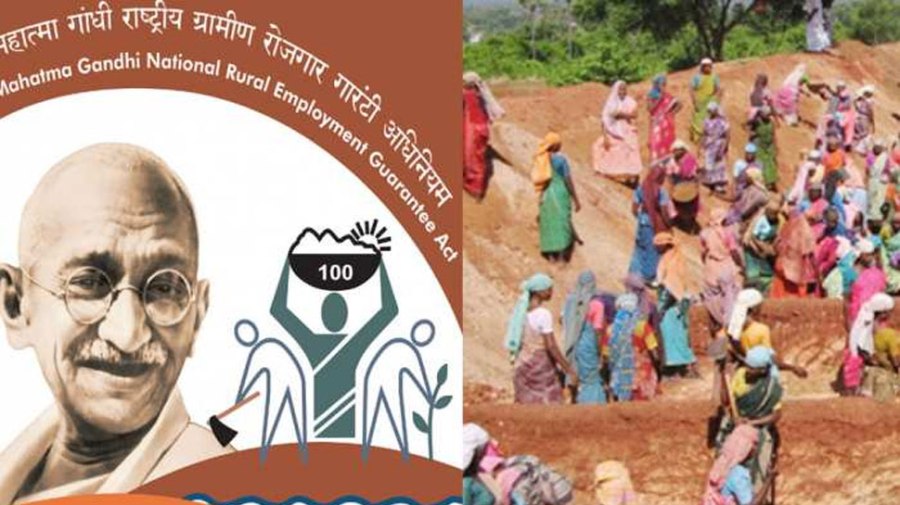
At least 1.4 lakh poor rural households have already completed their quota of 100 days of work under the Mahatma Gandhi National Rural Employment Guarantee Act (MGNREGA).
Another seven lakh households have completed 80 days.
Issue:
With the COVID-19 pandemic and the lockdown resulting in thousands of unemployed migrant workers returning to their villages, many are now dependent on MGNREGA wages.
Having completed the quota of 100 days of work, in the first three months of the year, they will not be eligible for further benefits under the scheme for the rest of the year.
With work running out, the families are in a huge crisis.
While the construction sector, which usually absorbs a large number of workers, has also collapsed, the demand for MGNREGA work has been increasing.
Way forward:
Activists are urging the government to increase the limit to at least 200 days per household.
The scheme contains a provision for districts affected by natural disasters to request an expansion of the scheme to allow for 150 days of work per household.
Given that COVID-19 was declared a national disaster, activists have demanded that this provision be implemented immediately.
Activists have argued that the limit should be imposed per adult individual rather than per household.
The Mahatma Gandhi National Rural Employment Guarantee Act, earlier known as the National Rural Employment Guarantee Act was passed on 7th September 2005 to augment employment generation and social security in India. It covers all districts of India except the ones with 100% urban population.
As per the latest announcement made by the Finance Minister Nirmala Sitharaman on March 26th, 2020, the workers under the MGNREGA would get a hike of Rs. 2000 each on an average. It was also announced that three crore senior citizens, persons with disabilities and widows will get one-time additional amount of Rs 1,000 in two installments which will be provided through DBT (Direct Benefit Transfer) over a period of three months. This announcement was made as an initiative towards the loss caused by the Covid-19 outbreak. The 21 days lock down is expected to cost the Indian Economy a cost of around 9 lakh crores. Funds worth Rs 31,000 crore are also to be provided to augment medical testing, screening and providing better healthcare facilities to those who have been affected financially due to the Covid-19 outbreak.
This is unfortunate that Africa is known as the dark continent. But it has the sunniest disposition in all around. Africa had faced its greatest tough time during colonization. It indeed has a little dark because of its weather. There remains a lack of general knowledge which gives way to arise some misconceptions about the country.
Now let’s discuss 10 misconceptions about Africa
One country
Most of the people generalize Africa whenever they travel. But it can’t generalize like we can’t do it with Europe, Asia and so on. Africa is also a vast country with 54 continents. Each landmark status with their glory and history. The continent is larger than the then USA, China, Japan, and the majority of Europe combined.
A content which lacks innovation
Most of the people are about the thought that Africa lacks innovation. And they think Africa lags in comparison to other countries in respect of innovation and technology. So, it is worth noting that in 2013, Nigerian Airforce School Engineers created Nigeria’s first drone which can fly 3,000 feet for nearly 4hrs nonstop.
The language is “African”
Every country possesses diverse so Africa does. There are nearly 2,000 various languages are spoken in Africa in different areas. Moreover, only in Nigeria, approximately 200 types of language variations can be spotted as spoken by the inhabitants.
A country with extreme poverty
The poverty rate is indeed high in Africa but it is also true that among 15 Black billionaires 7 are African. So, the wrong distribution of wealth can be tressed as the root cause of this.
Man and animal live together
It true that if you travel to Africa, you can see rhinos, lions, hyenas are roaming around freely. But there are not there you harm you. They are restricted to the national reservation park.
Africans are dark-skinned
This is one of the popular misconceptions that Africans are dark-skinned. Whilst their skin color differs from region to region and they have different shades of black. In South Africa there a diversity of skin color that’s why it is called Rainbow Nation. Many immigrants possess different colors and pigments which can’t be generalized.
Single culture
Most of the people think Africans share a homogeneous culture. It is believed with ages that Africans share a common culture that they are Africans. But it is wrong. Africa is very rich in culture and diversity. Their common culture is Ubuntu. Each group of people carries a unique culture. Not all can dance like Maasai or run a marathon.
It is a desert
When it comes to Sahara, all we believe, Africa is a desert. But the desert only covers a third of the continent. The rest is full of fertile land, rain forests, etc.
Lack of technology
Africa has almost everything like the rest of the world has. 67% of the population has mobile phones, 27% can avail internet. They are not only a thriving country to experience mobile and internet, but they also can contribute technological preferences to their countrymen to have an easy day to day life.
Africans live in a hut
Commonly assumed that Africans live in a hut made of mud and dung. The rural areas indeed have huts. But the urban areas rapidly growing. There are big cities with the enormous growth of technology, lifestyle connectivity, stone houses, etc.
Many misconceptions should be dismissed about Africa. People should explore this and help the country to develop their image.
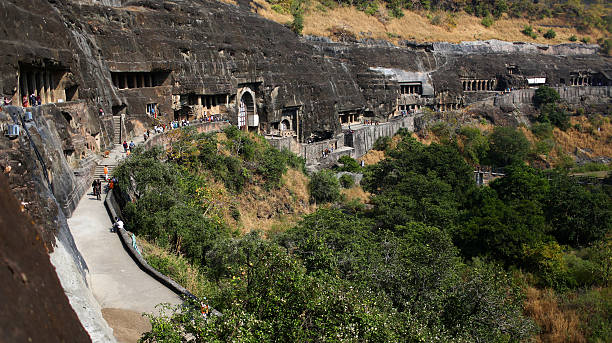
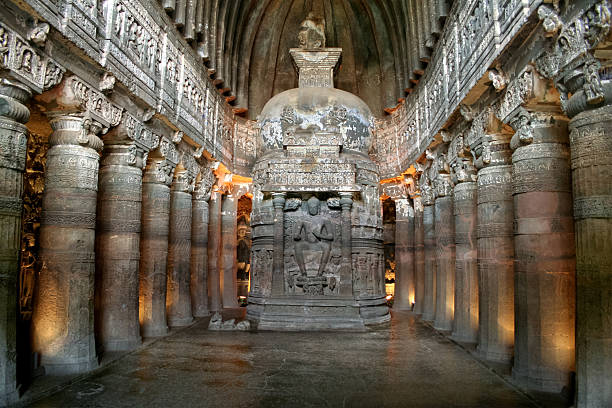
Carved over a period of several centuries, the mystery of Ajanta Caves might never have been uncovered had it not been for a chance pursuit of a tiger by the British Officer John Smith in the year 1819! As old as 200 BCE, the caves are located in Aurangabad district of Maharashtra. Over the multitude of years they fell into disuse and a forest grew over and around them. Carved over many many years by different artisans, they are believed to have been made a refuge for the Buddhist monks during the rains. Some go as far as to say that they were pathways to heaven.
With numerous carvings that describe the life and times of the eras, they are like a window that one can peek through into the glorious past of India. The caves run for a mind numbing length of 29 rock cut caves, all of which have both female and male representation, which is a rare sight! Examples of immense scientific calculations are evident too, as the sun lights up cave 19 on the winter solstice and cave 26 on the Summer solstice in a precision that has persisted over the years!
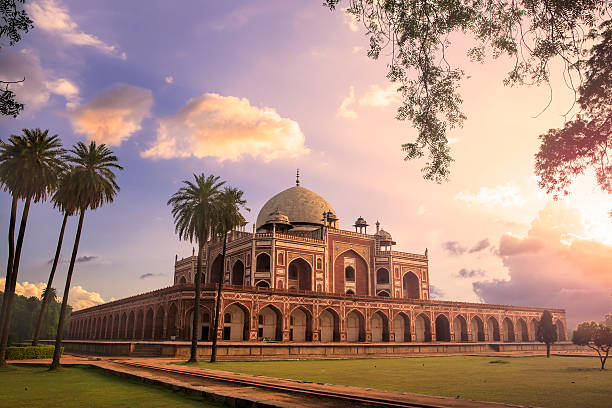
The monument to love that inspired the Taj Mahal-The Humayun Tomb
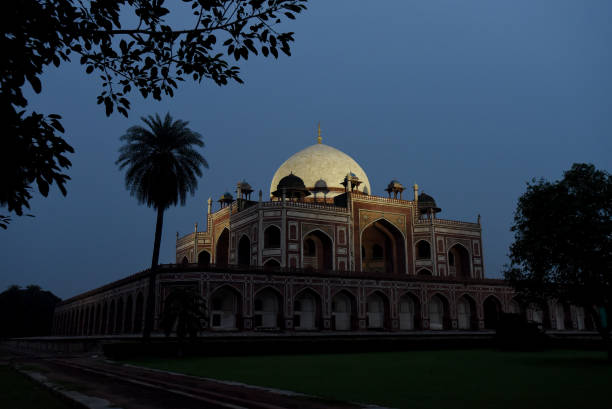
The Humayun’s Tomb
Pick up any form of literature and you will notice that ‘Taj Mahal’ has forever been cited as the all enduring monument of the love of a king for a queen. But, there was one tomb before that, that a grieving widow built for the love and devotion that she felt towards her husband; The Humayun Tomb. The pioneering example of Mughal architecture, its glorious combination of Persian and Indian architecture forms was to set a prelude to an era that was to be embellished by the grandeur of Mughal architecture. Bega Begum, spent her entire life overseeing the construction and design of this tomb that was commissioned to the great Persian architect Mirak Mirza Ghiyas.
One of its kind architecture, this garden tomb houses the graves of over 150 members of the Mughal family. The UNESCO cites it’s reasons for considering it as one of the greatest examples of architecture by saying, “This building tradition culminated in the Taj Mahal, constructed a century later. Despite being the first standardized example of this style, Humayun’s Tomb is an architectural achievement of the highest order.”
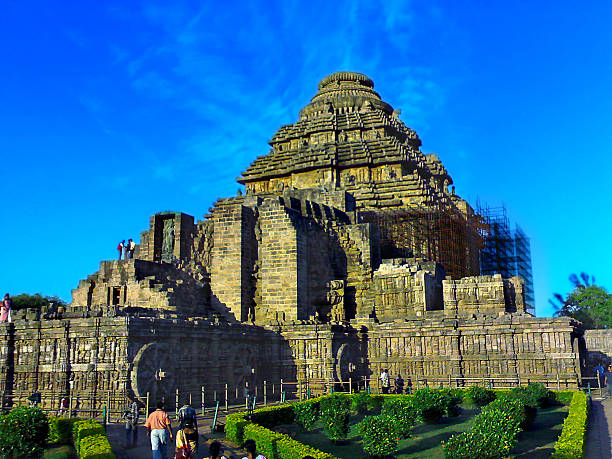
Konark Sun Temple
An ode to Sun God, where even stones speak up in prayer- Konark Temple
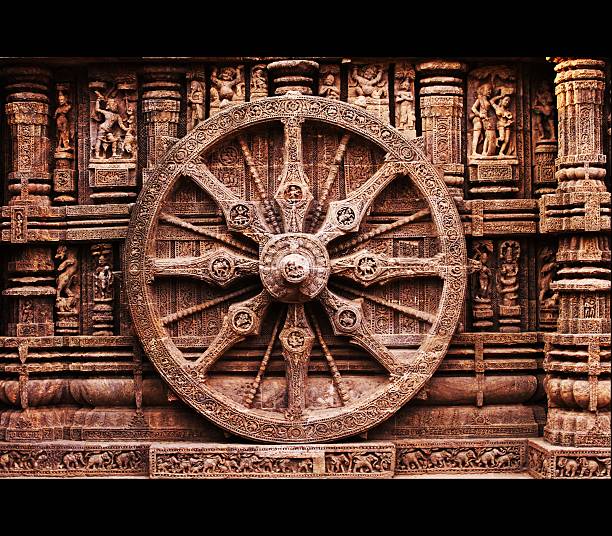
No text of architecture in India is complete without the mention of Sun Temple at Konark, the namesake of the city itself is an elegy to the Sun God, Kona (Corner) and Arka (Sun). On the sparkling coasts of Bay of Bengal rests this edifice that commemorates the work of the masters of ancient times. The temple has an elaborate and intricate mammoth structure that depicts the chariot of the Sun God replete with 24 carved wheels, each of them 3 m in diameter, pulled by seven horses and guarded by two lions at the entrance that bravely crush elephants.
An example of beautiful melee of science, architecture and devotions the sun dials on the temple can calculate time to the exact minute even to this day! There are also three statues of the sun god that catch the rays of the sun precisely at dawn, noon and sunset! Rabindranath Tagore has famously said about the temple “Here the language of stone surpasses the language of man.” The temple beckons to question the monotonous styles of architecture that India has regressed itself to!
A eulogy to undying love set in white marble- The Taj Mahal
Taj Mahal
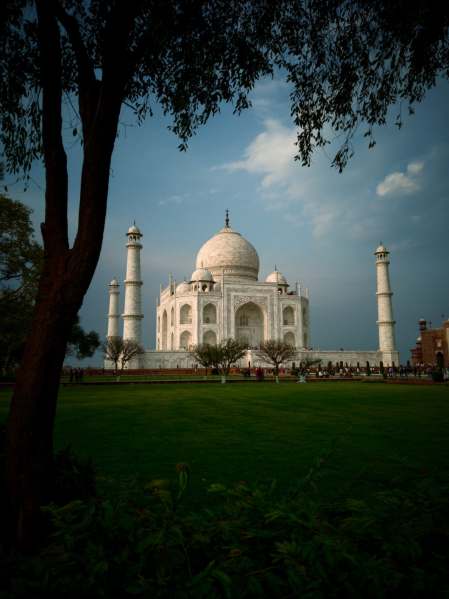
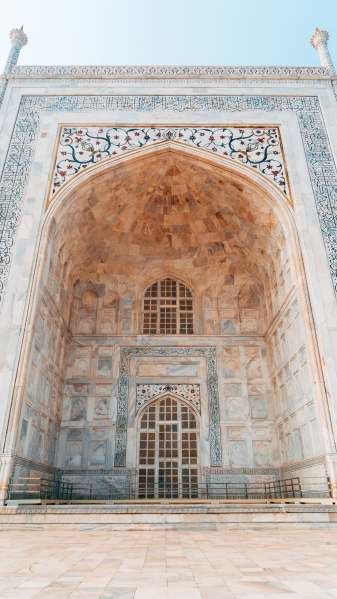
Ask anyone, any man or woman about the icon they associate with India, and their answers would most likely allude to the Taj Mahal. Built by the Mughal Emperor Shah Jahan, it is one of the most grandiose gestures of love to ever be materialized on the face of earth. As famously said by the greatest poet, Rabindranath Tagore, “The Taj Mahal rises above the banks of the river like a solitary tear suspended on the cheek of time.” Inspite of the multitude of tourists that visit it, the declarations of love that it has witnessed and countless examples that it has set, there is a sense of melancholy as one approaches the monument, a sense of pain of a lover separated from his wife by death.
The Taj Mahal was built in 1653 AD by over twenty thousand artisans who toiled over 22 years! The white marble was bought in from Makrana in Rajasthan and was transported by elephants. In its days of glory the Taj Mahal was adorned with no less than 28 types of precious stones, brought in from as far as Tibet and Persia. Like the moods of his lady love, the exterior of the Taj also changes colors from a pinkish hue in the dawn to a dull gold at noon and finally, all enduring sparkling white under the moonlight. Legends say that as the emperor lay imprisoned by his own son in the Agra Fort, he derived solace from gazing at the tomb of his beloved wife, at whose side he was finally laid to rest.
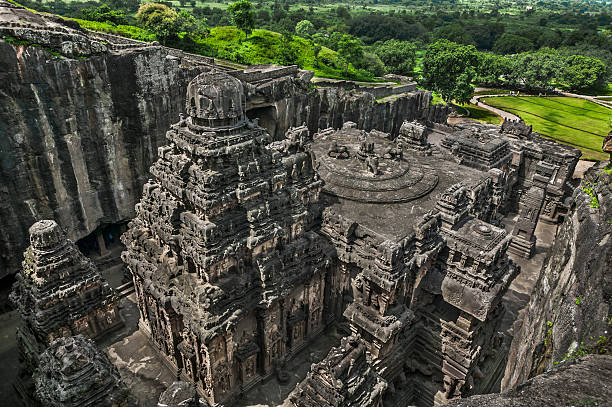
The integral land of three beliefs, The Ellora Caves
Ellora caves
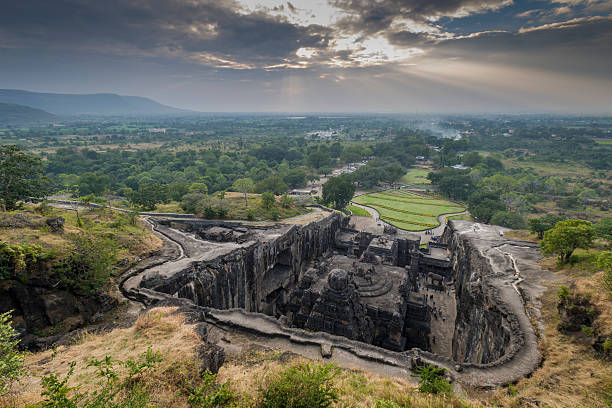
The Ellora caves is a sculpture’s beautiful blended expression of three major Indian regions: Buddhism, Brahmanism and Jainism. There is something beautiful about this place that takes you to a journey in the past where all these religions born and grew together. The 34 monasteries and temples are carved and dug all together on the wall of a huge basalt cliff in Maharashtra. These splendors of art is a beautiful combination of, when art meets religion
The twelve caves of the Buddhist group speaks about the benevolence of this calm religion, Buddhism. The ‘Cavern of the Ten Avatars’ is a majestic art piece constructed under the reign of Krishna I. The ethnicity of Jain group is well reflected by the sanctuaries carved by the Digambra sect of this pure religion. These gems of art are the immortal legends of the vast rock-cut architecture in India. The elegance of Dravidian Sikhara, which is a flat roofed madapa positioned over sixteen pillar, the gigantic Ravana figure reflecting the strength of this villainous legend as the sculpture here shows him lifting Mt Kailasha is an epitome of the ancient Indian art.
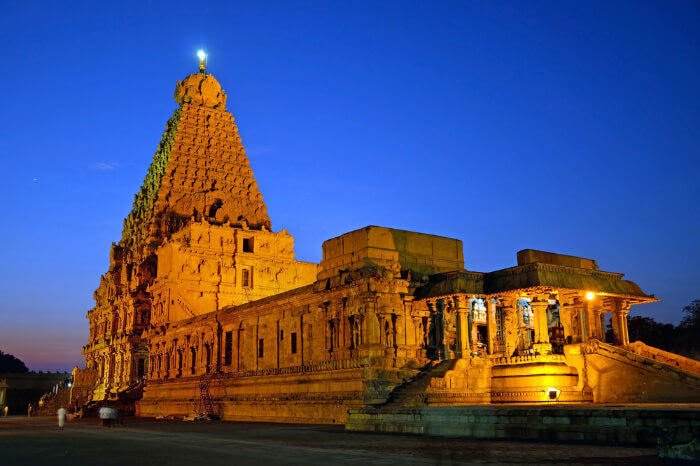
Where the walls sing and sculptures dance, the Chola temples
Brihadisvara Temple
The beautiful Chola temples are living tales of the vast empire that Cholas established in Thanjavur. These magnificent temples built during the reign of Rajaraja were the epitome of the vast religious inclination of these rulers as the inscriptions and the chronicles on the wall sing about their opulent rule. This temple in the ancient time was note a mere religious center but a full functional business establishment which was served and maintained by a permanent staff of several hundred priests, 400 devadasi and 57 musicians.
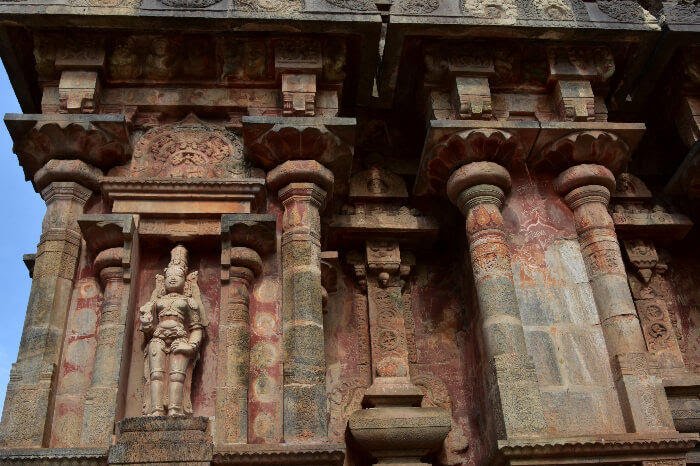
Airavatesvara Temple At Darasuram
The temple was also used for lending money to ship-owners, craft guilds and villagers on a fixed interest rates. The entire temple carved in granite is believed to be inspired by the Pallava architecture. The beautifully adorned 108 poses of the Bharata- Natyam on the walls reflects the hours of torturous patience the sculptures went through. The beautiful series of carvings depicting the legend ruler Rajaraja conversing with his guru, Karuvir Devar is stunningly sculpted in rich colors which rewinds you to the beautiful ancient time of king and queens.
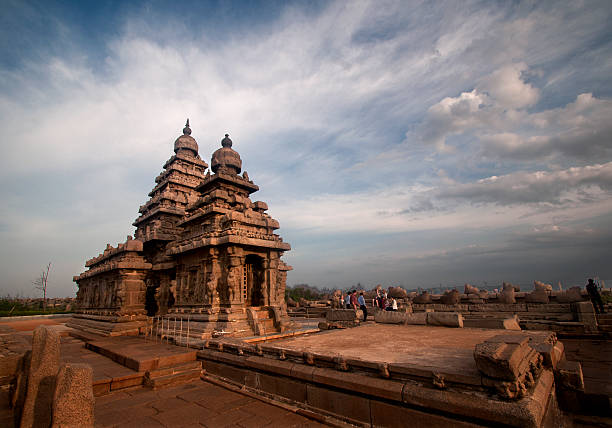
A rock cut sonnet to the great war of Mahabharata, Mahabalipuram
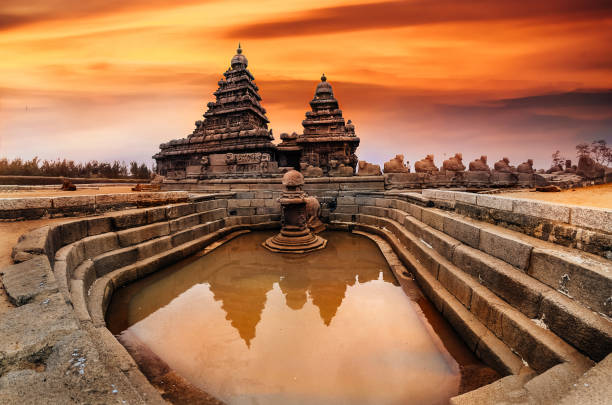
Shore temple Mahabalipuram
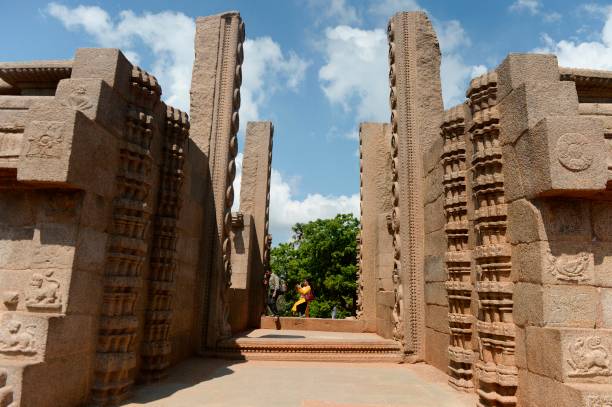
It is a widely accepted belief that the great war fought between the Kauravas and the Pandavas, at Kurukshetra, is instrumental in shaping the history and geography of the Indian subcontinent as we know today. The temples of Mahabalipuram demonstrate exactly that, in the rock cut carvings of the great temple architectures, one can clearly see the scenes from the great epic.
The architecture demonstrates a clear allusion to the sectarianism that had started during the period as different areas were assigned to different Gods. The travels of Marco Polo also describe the Seven Pagodas of Mahabalipuram that belonged to the original structure built in the time when the city was a thriving merchant port. Out of these seven only one has survived in the form of a beautiful shore temple!
Sunset reflection of shore temple
The architect represents neither a Dionysian nor an Apollinian condition: here it is the mighty act of will, the will which moves mountains, the intoxication of the strong will, which demands artistic expression. The most powerful men have always inspired the architects; the architect has always been influenced by power.
“The lesson here is you can’t expect users to learn. There’s too much fun going on out there on the Internet.”
Pete Lindstrom
The internet doesn’t spread misinformation, we the users do. We share anything and everything, without proofing it. We get our news from social media rather than the news media. We have everything at the touch of our fingertips, yet we are too torpid to go the extra mile. It’s that one action that spreads rumors. It all comes down to that one small action on this enormous space.
We are in the 20th year of the 21st Century yet we are too tied to convenience than authenticity. The internet gives us too much exposure but our minds take in very little knowledge. Even more rare is the initiative to catch sight of the truth.
Being “woke” is the new ‘fad’. The internet is the medium through which you can let people know that you are part of (or against) each campaign. It’s more about proving your stand than supporting the cause. I wonder how many people blindly share posts showing their support to every social issue trending each week but hardly spend time educating themselves.
All these might very well be the reasons the difference between feminism and pseudo-feminism is foggy amongst many.
Feminism is a tale as old as time. Feminism might have gotten its name and recognition just a few hundred years ago but it started the day Patriarchy took charge. I would like to believe many were born way ahead of their time, fighting till their last breath trying to give the oppressed gender a voice.
Pseudo-Feminism, however, stems from the hatred and anger of those persecuted for the sex they were born as. Being born anything but a male in this heavily patriarchal world serves you a life-sentence of no freedom. Ironically, doesn’t the man’s sperm determine the sex of the offspring? I guess it’s the years of oppression and the eventual right to speech that have overwhelmed most to surpass feminism right into misandry. One such example is the Ruchika Girhotra Case. Nothing good ever comes out of these strong emotions though.
Whether you’ve accidentally stumbled on this or are here to get my two cents, I’d be happy to clear all misunderstandings and hopefully, by the end, I will have birthed a few feminists.
Pseudo-Feminism desires a world where women make the rules. Where men will be oppressed experiencing the same unjust women faced. A quick Google search will tell you that Misandry is, “dislike of, contempt for, or ingrained prejudice against men.”
While both seem to be the same, there’s a world of a difference. Misandrists dislike/despise men. Pseudo-Feminists believe that they are feminists who can quench their thirst equality by giving the tyrants a taste of their own vengeful medicine.
Feminism fights for equality. A world where both men, women, trans and queer people have every basic human right. It’s a misconception that Feminism fights only for women and their rights. While it may have started as a revolutionary movement just for women. (Real) Feminists all over now fight for every person exploited. Feminism doesn’t care for gender, sexual orientation, religion, or culture. It stands for equal opportunity to make a choice.
While it is easy to get wrapped up into the confusion and emerge out a Pseudo-Feminist, it is important to realize that patriarchy is a system. Men are human beings just like any other, and patriarchy has been instilled in each one of us. Most of us grew up in a patriarchal setting and are accustomed to it. As the oppressed, it was/is much easier for us to start questioning and fighting it. For men, the gender enjoying the comforts of monarchy, it would be a hard thing to lose control of.
Having said that, in this patriarchal world, if it weren’t for a few great men, we women would never have had a chance at education, knowledge and our fight to end this inequality. All we can do is educate ourselves and others properly and stand for what is right. Correct people when they are wrong, be kind, and take back control from men to make this world a safe place for all.
The Lonar crater sanctuary Lake which is situated in Buldhana district of Maharashtra is 56,000 years old. It was formed due to a collision of an asteroid with earth. It is one among the four known impact craters in basaltic rocks on Earth.
It’s found inside the Deccan plateau which is a massive plain of volcanic basaltic rocks. It was created by volcanic eruptions 65 million years ago.
The water in the lake is saline as well as alkaline.
It is also a popular tourist spot and has been studied by the scientists across the whole world.
How did it turn pink/red?
In the past few days, it has been observed that the water of the lake his turned reddish pink.
According to the experts, it could be due the increase in salinity of water or the presence of algae. It can also be due to combination of both.
Gajanan Kharat, a local geologist, says that he has seen it happen before. The only difference is that it wasn’t so prominent before. He also claimed that the amount of water in the lake has decreased, making it shallow thereby, increasing its salinity and causing internal changes.
An investigation has been started to see if the colour change is due to the presence of red algae in the lake.
The reason behind the lake turning pink is not yet clear as the samples sent to the labs are still being studied. Once the study is over we might come to a conclusion.
Effective communication skills are fundamental to success in many aspects of life. Many jobs require strong communication skills. People with good communication skills also usually enjoy better interpersonal relationships with friends and family.Possessing strong communication skills will help you in every phase of your life. This is especially true in the workplace.
In this modern time we live in, we are receiving, sending and processing a large number of messages every day.
But successful communication is far more than sharing information, it is also an understanding of the feelings behind this information.
Successful communication can deepen relations in personal life or professional life. In personal life, they can help us understand better people and situations that happen on a daily basis.
Developing communication skills can help us avoid conflicts, compromise and help in better decision making.
Here there are 7 tips to improve your Communication Skills
1.Be a listener
“Listen more than you talk.” This is What Richard Branson tells business people who want to connect with others. To communicate effectively, first listen to what others have to say. Then you can provide a thoughtful answer that shows you have taken those ideas into account.
2.Maintain eye contact
Whether speaking to a crowd or one-on-one, maintaining eye contact builds credibility and demonstrates you care about your listeners.
3.Make sure you are understood
Don’t blame the other person for not understanding. Instead, look for ways to clarify or rephrase what you are trying to say so it can be understood.
4.Body language is important
Studies show that 65% of all communication is non-verbal. Watch for visual signs that your listener understands, agrees or disagrees with your message. And be aware that your body is sending signals, too.
5.Straight talking
Conversation is the basis of communication, and one must not neglect its importance. Even a simple, friendly conversation with colleagues can build mutual trust and even detect problems before they become serious.A healthy dose of chatting with and unknown person can lead to a business opportunity. Be accessible and friendly because then you will be able to talk to almost anyone.
6. Emotion control
In communication, feelings play an important role. Making decisions more often affects the way you feel than the way you think.Guided by emotions, your nonverbal behavior affects the understanding of other people and how others understand and perceive you. Control of emotions provides you with tools to understand others, yourself and the messages you send.
7. Prepare what you’re going to say
Think before you speak. Most of us work best when we have time to process our own thoughts before we share them.If the conversation or meeting is worth your precious time, take a few minutes to prepare the speech draft. For a very important conversation, try a mock-up conversation with a trusted person so you can get rid of any potential mistakes.
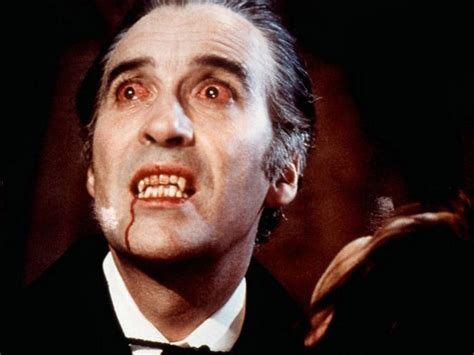
Vampires, they are a staple of the common folklore and a gold mine when it comes to shows of the drama and fantasy genre. They are amongst the most recognized when considering mythical creatures, and with numerous TV shows and movies constantly showcasing them one could very well say that they are the top of the chain in show biz as well. And even among the vampires, there is one figure who lives on in people’s minds as the most famous vampire ever, Dracula. While he is neither the first fictional vampire nor the most popular of his time, he may very well have remained buried in obscurity if not for a twist of fate.
Before Dracula came along, blood sucking monsters had already been a part of folklore for at least 800 years. It was the Slavic folklore that gave us the name vampire or “upir” in old Russian. The terms first known written mention came from the 11th century. Vampire lore in the region had predated Christian arrival and despite the church’s attempts to eliminate all pagan beliefs, vampiric folklore persisted. The stories of vampires originated from misinterpretations of diseases such as rabies and pellagra, and even decomposition. In the case of the latter, gasses swelling the body and blood oozing from the mouth could make it look like a corpse had recently been alive and feeding on blood. Vampires were often described as bloated with sharp teeth and overgrown nails, which had a perfectly well reasoned scientific explanation, however since the people then were ignorant of them, they fell into superstition. This gave rise to many rituals intended to prevent the dead from rising, such as burying bodies with garlic and poppy-seeds as well as having them staked, mutilated and even burned. Vampire lore remained a local phenomenon until the 18th century, when Serbia was caught between the struggle of two great powers of that time, the Habsburg monarchy and the Ottoman empire. Austrian soldiers and government officials observed and documented the strange rituals and their reports became wildly publicized which resulted in a vampire hysteria. It got so out of hand that in 1755, the Austrian Empress was forced to send her personal physician to investigate and debunk the rumors. The panic subsided but the vampire fascination had already taken root in western European imagination. This spawned books like “The Vampyre” in 1819 and “Carmilla” in 1872. These would go on to influence a young Irish drama critic named Bram Stoker who was born in Dublin in 1847. Until the age of seven he was severely bedridden with an unknown illness, during which his mother would tell him folktales and her experience during an outbreak of cholera in whose real-life horror would inspire Stoker to write. In 1897 he wrote “Dracula”, although the book’s main villain and namesake is thought to be based on historical figure Vlad III or Vlad the Impaler, it is only his name that they share. The rest of his characteristics were influenced by various works of the Victorian Era. The novel upon release saw moderate success and was only briefly ever mentioned in Stoker’s obituary in 1912. However, a critical copyright battle soon changed Dracula’s fate. In 1922 a German studio adapted the book into the now classic “Nosferatu” which despite minor changes was largely plagiarized, and was sued into bankruptcy. Stoker’s widow decided to copyright by approving a production by family-friend Hamilton Deane. This became a classic largely due to Bela Lugosi’s performance on Broadway. Lugosi would go on to Star in the 1931 film version of it by Universal, lending the character many of his signature characteristics.
Since then Dracula has risen again in many adaptations, finding eternal life beyond the humble pages of his birth.



 it is very important that you memorize this so that you can make sentences with these two units and also do not forget to learn to recite it by saying the dits and dahs aloud. So that it is clearly dissolved in your mind and you don not do any mistakes while sending the signals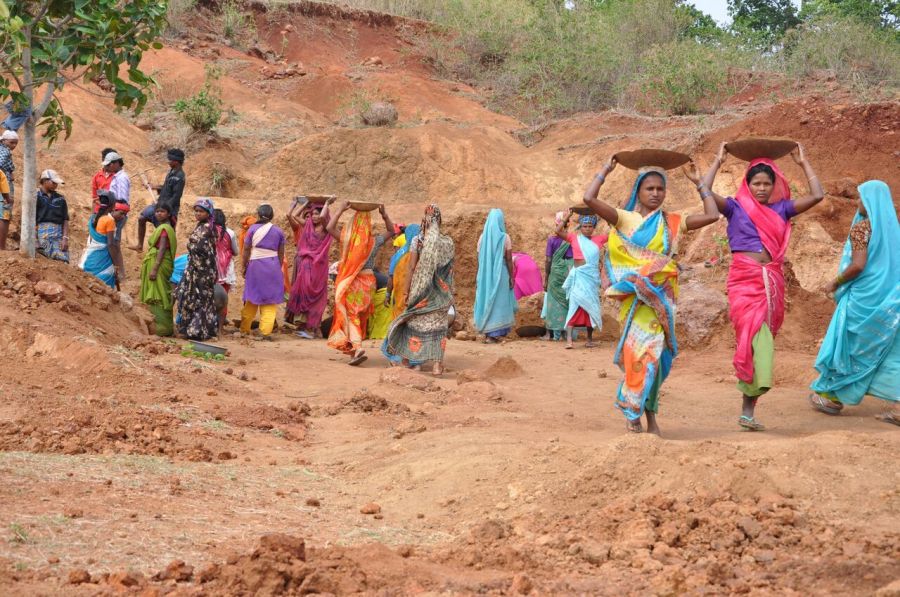





 Eduindex
You must be logged in to post a comment.