resident Alien: The hidden gem of a series

Resident Alien: The hidden gem of a series

Based on the Dark Horse comic, Resident Alien follows Harry, an alien that crash lands on Earth and passes himself off as a small-town human doctor. Arriving with a secret mission to kill all humans, Harry starts off living a simple life… but things get a bit rocky when he’s roped into solving a local murder and realizes he needs to assimilate into his new world. As he does so, he begins to wrestle with the moral dilemma of his mission and asking the big life questions like: “Are human beings worth saving?” and “Why do they fold their pizza before eating it?”

Genre:Drama

Network: SYFY

Premiere Date:Jan 27, 2021

Skin problems!

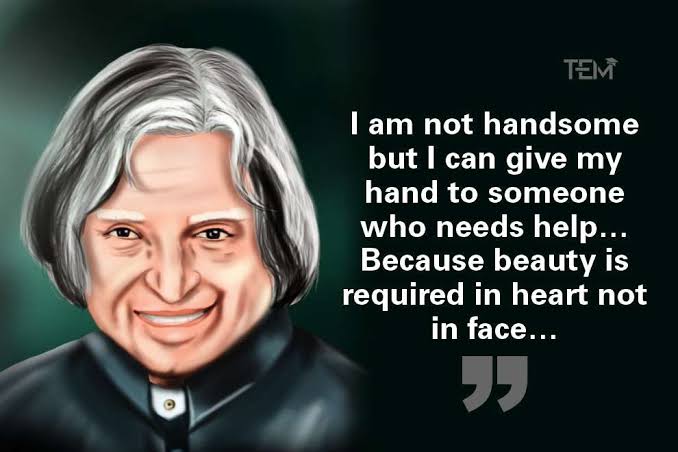
So before I write this article I want to say that doesn’t matter how you look how we look the most precious and beauteous thing in this world is the inner beauty!

Skin disorders vary greatly in symptoms and severity. They can be temporary or permanent, and may be painless or painful. Some have situational causes, while others may be genetic. Some skin conditions are minor, and others can be life-threatening.

While most skin disorders are minor, others can indicate a more serious issue. Contact your doctor if you think you might have one of these common skin problems

There are many different types of skin disorders. Here is a list of 25 with pictures

1.eczema.
2.psoriasis.
3.acne.
4.rosacea.
5.ichthyosis.
6.vitiligo.
7.hives.
8.seborrheic dermatitis.

And so on but all of these skin diseases can be cured. Don’t take a lot of time just sitting at the home and thinking about these diseases go to a dermatologist and make sure you have a Open conversation with him/her. You’ll definitely get the better results after that treatment.

And guys if you’re bullying someone due to these diseases then please this article is not for you! You need to be honest with yourselves that am I giving my best to everyone.

Linked in -history

Founding to 2010 Edit
The company was founded in December 2002 by Reid Hoffman and founding team members from PayPal and Socialnet.com (Allen Blue, Eric Ly, Jean-Luc Vaillant, Lee Hower, Konstantin Guericke, Stephen Beitzel, David Eves, Ian McNish, Yan Pujante, Chris Saccheri).[18] In late 2003, Sequoia Capital led the Series A investment in the company.[citation needed] In August 2004, LinkedIn reached 1 million users.[19] In March 2006, LinkedIn achieved its first month of profitability.[19] In April 2007, LinkedIn reached 10 million users.[19] In February 2008, LinkedIn launched a mobile version of the site.[20]

In June 2008, Sequoia Capital, Greylock Partners, and other venture capital firms purchased a 5% stake in the company for $53 million, giving the company a post-money valuation of approximately $1 billion.[21] In November 2009, LinkedIn opened its office in Mumbai[22] and soon thereafter in Sydney, as it started its Asia-Pacific team expansion. In 2010, LinkedIn opened an International Headquarters in Dublin, Ireland,[23] received a $20 million investment from Tiger Global Management LLC at a valuation of approximately $2 billion,[24] announced its first acquisition, Mspoke,[25] and improved its 1% premium subscription ratio.[26] In October of that year, Silicon Valley Insider ranked the company No. 10 on its Top 100 List of most valuable startups.[27] By December, the company was valued at $1.575 billion in private markets.[28]

2011 to present Edit

LinkedIn office building at 222 Second Street in San Francisco (opened in March 2016)

LinkedIn office in Toronto
LinkedIn filed for an initial public offering in January 2011. The company traded its first shares on May 19, 2011, under the NYSE symbol “LNKD”, at $45 per share. Shares of LinkedIn rose as much as 171% on their first day of trade on the New York Stock Exchange and closed at $94.25, more than 109% above IPO price. Shortly after the IPO, the site’s underlying infrastructure was revised to allow accelerated revision-release cycles.[8] In 2011, LinkedIn earned $154.6 million in advertising revenue alone, surpassing Twitter, which earned $139.5 million.[29] LinkedIn’s fourth-quarter 2011 earnings soared because of the company’s increase in success in the social media world.[30] By this point, LinkedIn had about 2,100 full-time employees compared to the 500 that it had in 2010.[31]

In April 2014, LinkedIn announced that it had leased 222 Second Street, a 26-story building under construction in San Francisco’s SoMa district, to accommodate up to 2,500 of its employees,[32] with the lease covering 10 years.[33] The goal was to join all San Francisco-based staff (1,250 as of January 2016) in one building, bringing sales and marketing employees together with the research and development team.[33] They started to move in in March 2016.[33] In February 2016, following an earnings report, LinkedIn’s shares dropped 43.6% within a single day, down to $108.38 per share. LinkedIn lost $10 billion of its market capitalization that day.[34][35]

In 2016, access to LinkedIn was blocked by Russian authorities for non-compliance with the 2015 national legislation that requires social media networks to store citizens’ personal data on servers located in Russia.[36]

On June 13, 2016, Microsoft announced that it would acquire LinkedIn for $196 a share, a total value of $26.2 billion and the largest acquisition made by Microsoft to date. The acquisition would be an all-cash, debt-financed transaction. Microsoft would allow LinkedIn to “retain its distinct brand, culture and independence”, with Weiner to remain as CEO, who would then report to Microsoft CEO Satya Nadella. Analysts believed Microsoft saw the opportunity to integrate LinkedIn with its Office product suite to help better integrate the professional network system with its products. The deal was completed on December 8, 2016.[37]

In late 2016, LinkedIn announced a planned increase of 200 new positions in its Dublin office, which would bring the total employee count to 1,200.[38]

As of 2017, 94% of B2B marketers use LinkedIn to distribute content.[39]

Soon after LinkedIn’s acquisition by Microsoft, on January 19, 2017, LinkedIn’s new desktop version was introduced.[40] The new version was meant to make the user experience seamless across mobile and desktop. Some of the changes were made according to the feedback received from the previously launched mobile app. Features that were not heavily used were removed. For example, the contact tagging and filtering features are not supported anymore.[41]

Following the launch of the new user interface (UI), some users, complained about the missing features which were there in the older version, slowness, and bugs in it. The issues were faced by both free and premium users, and with both the desktop version and the mobile version of the site.

In 2019, LinkedIn launched globally the feature Open for Business that enables freelancers to be discovered on the platform.[42][43] LinkedIn Events was launched in the same year.[44][45]

In June 2020, Jeff Weiner stepped down as CEO and become executive chairman after 11 years in the role. Ryan Roslansky stepped up as CEO from his previous position as the senior vice president of product.[46]

In late July 2020, LinkedIn announced it laid off 960 employees, about 6 percent of total workforce, from the talent acquisition and global sales teams. In an email to all employees, CEO Ryan Roslansky said the cuts were due to effects of the global COVID-19 pandemic.[47]

In April 2021, CyberNews claimed that 500 million LinkedIn’s accounts have leaked online.[48] However, LinkedIn stated that “We have investigated an alleged set of LinkedIn data that has been posted for sale and have determined that it is actually an aggregation of data from a number of websites and companies”.[49][50]

Is Iconic Framework better over Native Apps?

Is Iconic Framework better over Native Apps?

The age old question that has bogged developers, Is Iconic framework better over Native Apps. Nowadays, there are plenty of ways of having a mobile application as a final product. The most popular solution is building it as native, by using the native language of each platform. The alternative is to choose a cross-platform tool. Using native code leads to superior performance, but has the downside of having two teams to handling the product: one for the Android ecosystem and another for iOS. Cross-platform libraries rely on standard web tools like HTML, CSS, and JavaScript, providing native experiences by accessing the native features. The hybrid path has the advantage of increasing the speed of mobile development, by having just one project for both platforms and offering UX consistency across channels.

Ionic Framework is an open-source UI toolkit for building mobile and Progressive Web Apps (PWAs) apps using web technologies like HTML, CSS, and JavaScript. It provides mobile-optimized web technology-based components as well as native APIs using Capacitor and Ionic Native. It was created in 2013, by the Drifty Co. The original version was released in 2013, built on top of Angularjs and Apache Cordova.In 2019 they launched a version with support for multiple front-ends, including React.js.Today you can build an Hybrid mobile application in Ionic with Angular, React.js, Vuejs, or even with just plain JavaScript.

Now let’s take a look at its advantages:

Pros:

Has a good documentation, since it’s a company specialized in building tools that help companies and developers to make mobile applications.

These tools are well understood by web developers since it uses webview to render the application (letting the developers use day-to-day technologies like HTML, CSS, and JavaScript).

Makes it easy to port the code into a Progressive Web App (PWA), since all the code is built to run in a web browser. Ionic just requires a few extra steps to be able to have one PWA.

Although it has benefits, we can also encounter some challenges in the way, like the ones listed below:

Cons:

Since the organization behind the framework makes a living from it, besides the free-mium features, there are also premium ones that you can only use if you pay an extra cost.

Ionic is built on top of the “web browser”. The application code can’t easily access the native functionalities

With React Native, developers can build mobile applications for Android and iOS platforms using JavaScript, but they can also implement features with native code. It enables cross-platform builds by providing platform-agnostic native components that map into the platforms’ native UI building blocks. It was created in 2015 by Facebook and it is used in many of its products, as for example, the marketplace section of Facebook’s application.

Developers can also build TV applications with React Native. This means that with a few extra steps, it is possible to deliver applications for the Apple TV and Android TV.

Now, lets dive into some benefits of React Native:

Pros

Massive community around the ecosystem. Right now, there are impressive numbers on GitHub repo Facebook/react-native. This means that it’s very likely for developers to find answers to issues or problems they’re facing.

Ability to be integrated into existing native apps, like showed in this presentation. Besides that, it’s also possible to build native modules, making your mobile application’s look and feel as smooth as a native application.

React Native is translated to native code, with the benefit of achieving 60 frames per second. This gives the user the impression of a native app – not slow at all!

It allows developers to deliver applications for Apple TV and Android TV, with only a few extra steps.

Cons:

Since there’s a big private company behind it, new tools are released according to their own needs. However, the community is free to extend the desired features, to achieve what is necessary for both Android and iOS native technologies.

React Native is still beta. Yes, you read it right. Although it was created five years ago, the Facebook team still didn’t have the confidence to bump a “production” release of it. It may sound like: “be aware of the possible risks”.

This often leads to breaking changes in tools and dependencies between versions. But hey, Gmail was almost 5 years in beta and it worked pretty well.

It eventually boils down to the developers’ choice and needs. Since Ionic works with web technologies (HTML, CSS, and JavaScript) it fits well in a team that has no background in the native world.

With Ionic, you will have the capability to make great mobile applications, accessing native features like GPS, maps, or audio. These features are ready to be deployed into both Play Store and App Store, with the same effort and expertise that will require to build a web site.

React Native is easily addressed by developers with prior iOS or Android development knowledge. The learning curve for a React developer to understand and debug a React Native application is higher than with Ionic. However, React Native stands with the golden triumph of accessing the native functionalities of the mobile devices, allowing your mobile application to deliver a more native look and feel.

🎶 MUSIC 🎶

” MUSIC IS LIFE ITSELF “

Music , when we listen or read  this word we  instantly think about our favourite song .
Music is sound that has been organized by using rhythm and melody .
Music is in art to express our  felling by singing be it sad or happy .
We relate with the songs when we listen .

Music is One of a way to raise our mood, get    happy and excited, when we ou sad or depressed and  make us  calm and relaxed when we are angry and frustrated .
Music  allows us to feel nearly  all emotions that we experience in our lives.  It is an important part of everyone’s lives.

It can be different for different person .For some when they sing they feel relaxed , for some when the listen to music they feel relaxed and for some when they play any instrument they like they feel good no matter how much depressed and tired they are music lift up their mood .

The choice of music can be different for different person in the world. Whether it is on the basis of language or genres.

There many benefits of music :

•  boost memory
•  build task endurance
•  lighten your mood
•  reduce anxiety and depression
•  stave off fatigue
•  improve your response to pain
•  help you work out more effectively.

Music therapy –
Music therapy for various mental health conditions, including depression and  trauma. Music acts as a medium for processing emotions, trauma, and grief but it can also be utilized as a regulating or calming agent for anxiety .

Music is a sound track of our life.

How to save on your purchase at Ali Express?

How to save on your purchase at Ali Express?

Really want those newly launched Air Jordan’s which sells at almost 3 times it’s retail price or that high spec gaming PC which is not at all available or those knee length boots you have always longed, Ali Express makes all of this possible and much more.

So, here are a few tips and tricks to save on your purchase on Ali Express.Prefering the mobile App over desktop site. The mobile app usually has more offers and discounts rather than the desktop version.

Ali Express has a coin feature which you might find similar to flip kart’s super coin feature. With every purchase you earn super coins which you use for further purchases as discounts.

You might be aware of Amazon’s deals of the day Ali Express has a similar feature called flash deals on which you can save on your purchases.

Ali Express also conducts Sales throughout the year. You can always wait for these Sales and plan your retail therapy accordingly.

Shopping during Stock Clearance can also help you to get great deals on products.

Along with that there are numerous third-party coupon and discount apps which gives additional discounts when shopping via their links and sites. Cash Karo is a prime example of this. One can also avail promocodes, coupons and Ali Express offers through it.

Prepare yourself for Retail Therapy and Happy Shopping.

WOMEN EMPOWERMENT

“There is nothing that can destroy a woman and her power.”

Women empowerment is explained as accepting women’s thoughts and helping them to take a stand for themselves. This has become a topic of concern in today’s society. But do we care about empowering women? The answer is probably no. We, as a part of our society, give many speeches on this. Do we indeed mean what we say? Do we follow the same with the women around us? Again, the answer will be no. Indian society is likely to appreciate empowerment when it is about others. When it comes to our own family, we start to think about society. The REAL empowerment starts when there is nothing to think about a woman taking a stand for herself. 

Women empowerment should be focused on encouraging women to fight for their rights. Whatever a woman does should be done because it is her right and not because she is allowed to do it. No one has to let her do something that she wants. A woman can do whatever she wants without seeking any permission. A man does not ask for a woman’s permission to do something. Then why should a woman get her father’s or husband’s permission? Let me cite an example. We all have men in our family. Have we seen our father or brother asking for permission to do a job? No. But we would have seen our mother or sister seeking permission to take up her job or studies and also would have come across many ‘NO’s. 

What is the need for somebody to allow us to do something when we have the right? First, women should understand this point. She must not get impressed by someone’s sympathy. From the ages, a women’s mindset is fixed that her work is to take care of the family, engage in daily chores and take care of children. We convince ourselves to do all these right from the beginning which should not be done. No woman should compromise their career, dreams in the name of family. The traditional mindset should be withdrawn from women’s minds first. She should believe that she can achieve things beyond family. She has her own identity and being one’s daughter or wife is not her true identity. We can expect the change from others, especially, men only if we become the change. 

Women empowerment doesn’t mean that women should be given higher priority. Empowerment should work towards an equal status both for men and women. If a noble thing or achievement is done by a woman, we see it in the headlines of newspapers or magazines mentioning them as woman officer, woman pilot, female poet, or female artist. But we don’t identify any male artist, male poet, man officer, or man pilot. This describes how equal society is. Equality in society will be established when there is no particular mention given to either man or woman.

In addition, we must acknowledge that society is changing practically towards equality. We have started addressing the chairman as chairperson, man-made as artificial, and mankind as humanity. A six-year-old girl raising questions on the terms coined in the patriarchal society stands as proof that this is not going to last anymore. Her questions went viral and she was answered by some of the achievers. They explain to her about our old patriarchal society and the influence of patriarchy in language as well. The world needs to change and it is changing. We must agree that this little kid has already reached halfway to create an equal society.

Designation or Profession shouldn’t be linked with genders. It should be generic. Our work towards this would be supporting and standing for all those who are ready to take a stand for themselves. “Equality is the soul of liberty” should not be ignored at any cost.

Latest trends in the Women Fashion Industry.

Latest trends in the Women Fashion Industry.

2020 did not bring sexy back but it bring comfort back.2020 was all about comfortable clothing and it seems like 2021 is going to follow the same. Dresses were swapped for PJ’s and heels for slippers. Accessories were swapped for essentials. And the biggest fashion statement was the mask you wore. The future of fashion is happening online, and brands will have to adjust how they create and sell clothing to make it work in a digital world.

With more shoppers taking advantage of online shopping, fashion retailers have to follow suit. Aside from changing Covid-19 restrictions, consumers increasingly prefer the convenience and speed of online shopping, even if it means not being able to try an item on in person. Fuelled largely by Covid-19 changes, fashion is simplifying, both in its styles and in its delivery.

Fashion trends themselves will also become more simplified. With many people working from home and social distancing for the foreseeable future, fashion brands have toned down their styling in favour of comfortable loungewear and clothing that works for sleeping and living. Even after the pandemic, clothing will likely stay simple and comfortable.

The rise of short- form content and marketing- is it good or bad?

The rise of short-form content and marketing- is it good or bad?

A catchy Instagram reel, a provocative twitter post, an infectious slam poetry or just a hilarious meme, you know what all these have in common? Yes, you guessed it right, they are all short form content. The rise in short form content in the past few years has been monument. Even players who have traditionally been making traditional long form content are entering this space, a prime example would be YouTube with YouTube Shorts. Love it or hate it, short form content is here and it is here to stay.

Short form content does all those things long form content does and does it much better and much quicker. Imagine integrating a brand promotion in a 40 minute YouTube video and integrating the  same in a 40 second Instagram reel, the latter has much better reach, retention value as well as easier to integrate. You do not require writing a 4000 word blog promoting a product/service, the same can be achieved with the help of 4 posts on Instagram. Short form Content has revolutionized the way we produce and consume content. Everyone is now a Prosumer, everybody produces as well as consumes content at the same time.

In this age of information overload short form content is the only thing that can cut through the clutter. And if done in an intuitive manner, then even better. With the help of artificial intelligence along with the numerous algorithms marketers now can specifically target their Target Group and achieve conversions. We often see ourselves engrossed in social media, scrolling and scrolling and that is the power of short form content. Even a consumer can now become a producer and that is what makes short form content so alluring.

Often short form content is accused of being cringe and massy. And perhaps to some extent it is but one man’s cringe is another man’s classic. Be it a trending Instagram reel or a quote trending on Twitter short form content has revolutionized the social media space. Remember the ALS ice bucket challenge, the movement,# the black lives matter movement, needs oxygen or even Palestine, all social issues of immense magnitude and all were able to have immense reach because of short form content. Short form content reaches people who are absolutely reluctant to go through content which is in any way cumbersome.

Even during this COVID-19 pandemic short form content has been used to spread awareness, locate resources and help the needy. Even marketers who have been sceptical of the same have acknowledged it. Short form content has influenced us and we have influenced it. So what does that mean, Will long form content cease to exist? Both long form content and short form content will continue to exist although one maybe more popular than the other at a particular given time.

Written by- Daniel Ayush Mehra

Novavax

The Novavax vaccine uses a traditional method to train the immune system to make antibodies to Covid’s spike proteins.It differs from mRNA vaccines like Pfizer and Moderna that use genetic code to create an immune response.Researchers began by modifying the spike gene, which was inserted into a virus called baculovirus and allowed to infect moth cells. The infected cells produced the spikes seen on the SARS-CoV-2 virus, which were then harvested and assembled into nanoparticles. These nanoparticles mimic Covid’s molecular structure but do not cause it.Immune cells, with the assistance of helper T cells, then take on the spike proteins and tear them apart.B cells can encounter the vaccine nanoparticles and if they are congruously shaped, will latch on to the spike protein and proliferate, producing antibodies of the same shape.The production of these correctly shaped antibodies is what stops coronavirus from entering the body’s cells.The same method is used to make vaccines for flu and HPV.
Novavax said on Monday that its two-shot Covid-19 vaccine was 90 per cent effective at preventing symptomatic cases and 100 per cent effective at preventing moderate and severe symptoms.The US-based biotech firm said it was also 93 per cent effective against variants of concern such as the Alpha strain that originated in the UK.Findings on its efficacy were based on trials involving nearly 30,000 people in the US and Mexico who were injected at random with either the Novavax vaccine or a placebo.The study produced 77 cases of the virus. Of these, 14 people had received the vaccine and 63 the placebo.The infections were all mild but with only one case of the highly infectious Delta strain among these 77 infections, the vaccine’s efficacy against the most concerning of all variants is not assured.

Force behind success- Father

The contributions and sacrifices made by our fathers in our lives do not need a specific day for celebration. A father, who is our role model and superhero, is that one special man who is a friend, parent, philosopher and guide who always protects us in every phase of our lives.
Father’s Day is celebrated on the third Sunday of June, and this year it will be celebrated in India on 20 June amid the Covid-19 pandemic. This special day is observed to celebrate the importance of fathers and honour the essence of fatherhood.
History :
Father’s Day was first celebrated in the United States when hundreds of men died in a mining mishap on July 5, 1908, in West Virginia, USA. The daughter of a dedicated reverend, Grace Golden, proposed a Sunday service for all the men who lost their lives in the accident.
A few years later, Sonora Smart Dodd suggested the idea of observing Father’s Day in the honour of her father, William Jackson Smart. Dodd’s father, who was a civil war veteran, raised her and her five siblings as a single parent. She started promoting Father’s Day at a national level after she completed her education.
Father’s Day started gaining popularity in the US when President Richard Nixon signed a declaration in the year 1972. And since then, Father’s Day is celebrated every year on the third Sunday of June.
Significance:
Father’s Day is celebrated to recognise the unique role of fathers or father figures in our lives. From supporting their children financially, mentally, emotionally and physically, the pivotal role of fathers in everyone’s life is priceless.
This day is celebrated to acknowledge and appreciate the role of fathers who play a very important role in our families, and in society at large. Children look forward to this day and make their dads feel special with their gestures.
Children celebrate Father’s Day to make their fathers feel special and shower them with gifts, cards and at times, special dinners. Most of them also spend time with their fathers and call them and extend greetings.

All about Milkha Singh

Milkha Singh is a former Indian track and field sprinter who was the first Indian male athlete to win an individual athletics gold medal at a Commonwealth Games. Milkha Singh was also awarded the Padma Shri Award by the President of India in 1959 for his achievements in sports. Fondly called ‘The Flying Sikh’—a title bequeathed to him by the former President of Pakistan, General Ayub Khan—he is highly respected for his sporting achievements. He has made his motherland proud by winning several Gold medals in international sporting events like the Commonwealth Games and Asian Games. He had entered the 400m race at the 1960 Olympic Games as one of the favourites.H e had set an Indian national record for 400m. Milkha Singh’s story is one of hope and inspiration. As a teenager, he witnessed the massacre of his whole family in front of his eyes. Orphaned and heartbroken he worked up his way through life, seeking solace in the running.

He subsequently became Director of Sports in the Punjab Ministry of Education, from which post he had retired by 1998. All of Singh’s medals have been donated to the nation. They were displayed at the Jawaharlal Nehru Stadium in New Delhi but later moved to a sports museum in Patiala, where a pair of running shoes that he wore in Rome are also displayed. In 2012, he donated the Adidas shoes that he had worn in the 1960 400m final to a charity auction organised by actor Rahul Bose.


Singh and his daughter, Sonia Sanwalka, co-wrote his autobiography, titled The Race of My Life (2013). The book inspired Bhaag Milkha Bhaag, a 2013 biographical film of Singh’s life. Singh sold the movie rights for one rupee but inserted a clause stating that a share of the profits would be given to the Milkha Singh Charitable Trust. The Trust was founded in 2003 with the aim of assisting poor and needy sportspeople.

Shakuntala Devi – lady mathematician

Shakuntala Devi was a remarkable lady known for superfast calculations, something that had earned her the title of ‘human computer’. Born in Bangalore in the year 1929, Shakuntala’s talent was first observed by her father when he was training her for remembering numbers on the card for the circuses. Shakuntala’s father used to work in a circus. Soon after the father – daughter duo were traveling to do street shows based on a young Shakuntala’s calculations’ talent. Shakuntala had by the end of year 1944 moved to London thereby traveling across the world doing shows. After all the young prodigy was known to solve the most complex equations within seconds. So much so that the professor of psychology at California University, Arthur Jensen, had called her to the university in the year 1988 to study her exceptional capabilities. The world was stunned with Shakuntala Devi’s talent. In the year 1980, her name was recorded in the Guinness Book of World Record for calculating thirteen digit numbers- 7,686,369,774,870 × 2,465,099,745,779- which were picked at random at the Computer Department of Imperial College, London. She gave the correct answer – 18,947,668,177,995,426,462,773,730- in just 28 seconds. Shakuntala Devi was also a successful astrologer and author of several books on the subject. She also wrote texts on mathematics for children and puzzles. The immensely gifted mathematician bid her adieu to the world in year 2013

Forest Law in India: A Critical Analysis

Forests are a valuable resource for humans. And India is the 7th largest nation in the world occupying almost 3% of the world area. But on the other hand, the forests cover lies in India is only 1.8%. Forests are one of the most important natural resources, as well as a vivid expression of nature. They are also regarded as guardians and protectors of the country’s wildlife. Forests are important not only for their botanical value, but also for their recreational and scenic beauty, which brings glory and attraction to many places in India and other countries. Forests often contribute to the agriculture of the area in which they are located, whether in terms of soil fertility, soil erosion prevention, or promoting perennial stream flow in rain-fed rivers. They provide a sanctuary for wild animals, protect tribal populations, and preserve cultural identities. As a result, forests contribute to the ecological balance.

Forests also provide income, provide raw materials, and serve as a source of fuel and fodder, in addition to these environmental and ecological benefits. Conflicting views are inevitable when it comes to forest management. Ecological stability would be jeopardized if claims of growth were made.

Forests in India are under significant pressure today, and are rapidly decreasing as a result of rapid human and livestock population growth, over-use and exploitation of forest resources, conversion of forest land for non-forestry activities, agricultural development, and other illegal on forest land. Each & every legislation carries the expectations and desires of the social and political forces at work at the time it was enacted.

Historical Background

Initially, it was about the worship of holy groves, elephants in the medieval age, and how society was before colonial rule, as well as people’s attitudes toward forests.

Then there was the change in conservation strategies, with the emphasis moving from community management to more analytical management under the umbrella of the state. And lastly, the evolution of the forest laws Post Independence.

Until the early 18th century, a large number of communities on the Indian Subcontinent relied on hunting and gathering for food. The abundant rainfall and lush vegetation aided livelihoods. These communities traded forest products like herbs and honey for salt, clothes, tools, and sometimes grain with the local agricultural communities. These hunting and gathering cultures thrive on the forest products. The importance of trees, forests, and wildlife is stated in the Vedas, Puranas, and Arthashastra.

The forests were divided into four groups: Forest for wood, Reserve forest, Elephant forest and Forest for hunting.

Forests were held by local chiefs during that period, with access rights given to the peasants.

Only surplus grain production was claimed by the mughals, as well as a tax on animals above a certain weight. Villages were self-sufficient and dealt with the state as a whole. Taxes were collected both as a group and as a household. Horticulture, sheep farming, fishing, and forest holdings were all exempt. Apart from hunting preserves, the state had no clear claims to territory.

When Europeans arrived in India, the Industrial Revolution was in full swing, and a wide variety of items had become commodities. This had a major influence on Indian society.

It shifted the emphasis away. It also resulted in the disintegration of local communities. Now with manufacture and commerce became the dominant practices everything was measured in money.

The main aim of colonial law was to take over the forest land for its expansion, so resolution rights were not granted, and tribal rights were barely documented in areas where they were.

After independence, the proclaimed forests of princely states, zamindars, and private owners were transferred to the forest department, worsening the situation.

Analysis

In year 1856, Lord Dalhousie stressed the importance of a clear forest policy in India. The reason behind this awareness was the increasing difficulty in securing adequate supplies of wood (which was needed for the massive extension of railway lines that was being undertaken at the time). The first Indian Forest Act was passed in 1865. It came into effect on May 1, 1865. The Act granted the government the authority to classify any land covered in trees as government forests and to create rules for their protection. This was the British government’s first attempt at forest legislation in India. In 1878, a revised Forest Act was passed, putting an end to decades of traditional community use of their woods and giving colonial government power over forestry. On the one hand, the provisions of this Act created a virtual State monopoly over the forests in a legal sense, and on the other, they attempted to establish that the villagers’ traditional use of the forests was not a “right,” but a “privilege” that could be revoked at any time.

A new comprehensive Forest Act was passed in 1927 to make forest laws more practical and to strengthen the Forest Act. It replaced all previous laws. The Act is divided into 13 chapters and contains 86 sections. The Act’s key goals were:

1) Consolidate forest-related legislation.

2) Regulation of and the transportation of forest produce.

3) To impose a tax on timber and other materials.

There is no specific definition for forests in this Act. It divided Indian forests into three categories: Reserved forests (completely regulated by the government), Protected forests (partially controlled by the government), and Village forests (controlled by attaching villages).

Drawbacks of The Indian Forest Act, 1927

A thorough examination of the act shows that it was never intended to preserve India’s vegetation cover, but instead was passed to:

1) Ensure that cutting down of trees is governed.

2) Make money by cutting down trees and selling forest products.

Furthermore, it denied nomads and indigenous peoples of their rights and privileges to use the forests and its product. Its primary goal was to supply raw materials to forest-based industries. Forests have long been recognized as an important component of ecological equilibrium and environmental sustainability. It is important to note that the revenue-driven mentality toward the forests prevailed even after independence. As a result, the 1927 act failed miserably to protect the forest from exploitation.

The Indian Forest Policy of 1952 was a straightforward continuation of colonial forest policy. It became conscious, however, of the need to increase forest cover to one-third of total land area. Total annual revenue from forests was a critical national need at the time. Due to the two World Wars, the need for defense, construction projects such as river valley projects, industries such as pulp, paper, and plywood, and communication, forest produce was heavily reliant on national interest, and as a result, large areas of land were cleared to generate revenue for the state.

The Forest Conservation Act of 1980 was passed in order to prevent further deforestation and to protect forests. In essence, the Act simply transfers jurisdiction over forest land use decisions from the state to the central government.

On December 18, 2006, both the Lok Sabha and the Rajya Sabha passed the Scheduled Tribes and Other Traditional Forest Dwellers (Recognition of Forest Rights) Act, 2006. This law aims to give traditional forest dwellers ownership rights to forestland. The law addresses the rights of forest dwellers to land and other resources, which have been denied to them for decades as a result of India’s colonial forest laws. The Act was informed into effect on December 31, 2007, just over a year after it was passed.

The wildlife conservation lobby and the Ministry of Environment and Forests fiercely opposed the Act, describing it as the “ideal formula” for ensuring the destruction of India’s forests and wildlife by “legalizing encroachments.” Some of the criticism stems from those who see the legislation as a land-distribution system that will result in tribes and forest dwellers receiving forest land. Wildlife conservationists, on the other hand, have voiced their opposition to the Act, claiming that it would make it difficult to establish “inviolate spaces,” or areas free of human presence, for the purposes of wildlife conservation. Conservation of tigers, in particular, has been a source of concern. Many conservationists have also expressed support for amending the Act.

The Act’s proponents claim that major construction projects, such as dams, power plants, and mining operations, should be monitored rather than the forced removal of conventional forest-dependent communities in order to save the forests. Several organizations argue that it is not tribes who are introducing commercial activities into forests, but rather external commercial forces that are degrading forest resources and eroding tribal communities’ traditional lifestyles.

Role of Judiciary on Forest Laws

Forest conservation is extremely important. The area covered by forest is steadily shrinking as the Indian population grows. At least 30% of the country’s land should be covered in sufficient forest cover to ensure ecological stability. There was widespread deforestation, and the forest cover was reduced to less than 18%. Originally, forests were put on the State List, allowing states to pass forest laws on their own. Forests were added to the Concurrent List in 1976, allowing Parliament to pass legislation on the subject. Despite the government’s main efforts, deforestation has persisted. The Supreme Court issued broad guidelines in 1996 to oversee the implementation of forest laws throughout the country. In India, the courts have played a pivotal role in environmental and eco-system preservation. The Indian Supreme Court has given numerous directives and instructions to avoid environmental degradation in a number of cases. The framework of the judicial system, as well as the constitutional and legislative provisions, must be considered in order to comprehend the role of the courts in this regard. In India, litigation has enunciated a web of doctrines and interpreted Constitutional law from an environmental standpoint. Non-forest activities and the awarding of leases for non-forest activities were also outlawed by the court.

The article focused on many of the major forest laws; during the British time, several laws were enacted in order to generate revenue. For the continuation of human society as we know it, forests and the goods they provide are universally needed. We generally do not consider it worthy of further inquiry since shifting our society to one that is not dependent on the forest and its associated benefits requires such a massive fundamental change. Given this situation, it is critical that we develop mechanisms to sustainably manage the forest for all of the benefits it can bring. The first step was taken in the form of the Indian Forest Act, 1927, whose main goal was to categorize forests and determine to what degree the government could intervene in private forest matters, as well as how the notification for reserved forest was made. At times, I believe the state intervened in private affairs as well. With the enactment of the Forest (Conservation) Act in 1980, a significant change in post-independence forest management regimes occurred. The Act was enacted to control large-scale forest land diversion for non-forest purposes. It did not, however, include a blanket prohibition on such diversion. As a result, large areas of forest have been diverted for agriculture, mining, and construction purposes, such as dams that cause forest destruction. Furthermore, the legislation was criticized for restricting local communities’ rights. The Government of India launched a new National Forest Policy, which represented a significant departure from the 1952 policy by focusing on environmental stability and forest conservation while meeting the domestic needs for fuel, wood, fodder, and minor forest produce for rural and tribal populations. As discussed above it is clear that we must strictly enforce the forest laws, and that all administrative organs must work together in a normative approach to ensure that the forest laws are properly implemented, since laws are worthless without the aspect of enforcement and remedies.


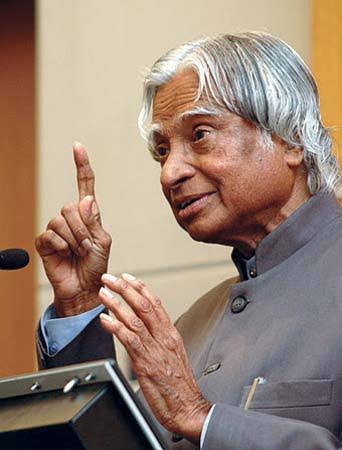
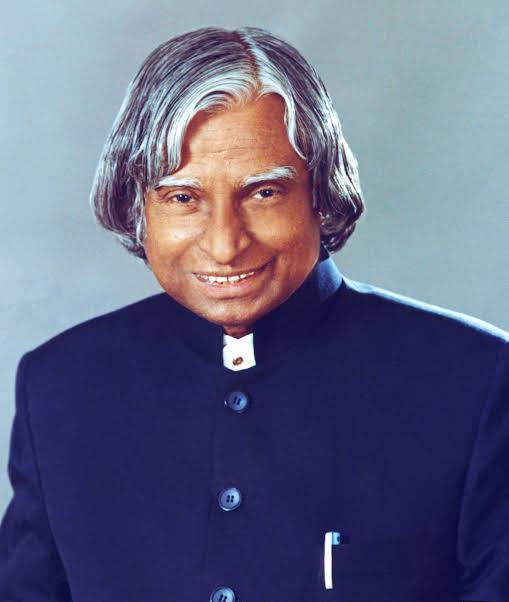
LIFE HISTORY OF APJ ABDUL KALAM

Early life :
His full name is Abul Pakir Jainulabdeen Abdul Kalam. He was born on 15th October, 1931 in Rameswaram, Madras Presidency, British India which is presently known as Tamil Nadu, India. His father’s name was Jainulabdeen Marakayar who was a boat owner and imam of a local mosque. His mother’s name was Ashiamma. She was a housewife. He was the youngest of four brothers and one sister in his family. Even though his ancestors had numerous properties and were wealthy, they lost most of their fortunes by the 1920s. This is why Kalam was born and grew up during poverty.

Education:
He studied in Schwartz Higher Secondary School. Previously he had average grades but later he was described as a bright and hardworking student who had a strong desire to learn. He went to Saint Joseph’s College, Tiruchirapalli, then affiliated with the University of Madras. He graduated in Physics in 1954. In 1955 he moved to Madras to study Aerospace Engineering in Madras Institute of Technology. The Dean was dissatisfied with his lack of progress in a senior class project and threatened to revoke his scholarship unless the project was finished within the next three days. He met the deadline impressing the Dean who later said to him that he was putting Kalam under stress and was asking him to meet a difficult deadline. He narrowly missed achieving his dream of becoming a higher pilot, as he got ninth position and only eight positions were available in Indian Air force.

Career as a Scientist:
After graduating from Madras Institute of Technology in 1960 he joined the Aeronautical Development Establishment of the Defence Research and Development Organisation. He started his career by designing a small hovercraft but remained unconvinced by his choice of job. He was also a part of the INCOSPAR Committee. In 1969 he was transferred to the India Space Research Organisation (ISRO) where he was the project director of India’s first Satellite Launch Vehicle.

Presidency:
APJ Abdul Kalam served as the 11th President of India, succeeding KR Narayanan. He won the Presidential election held in 2002. His term lasted from 25 July 2002 to 25 July 2007.

Books written by Dr. APJ Abdul Kalam:
He played an important role in the second pokhran nuclear test in 1998. He was also associated with India’s Space Program and missile development program. Therefore, he is also called the “Missile Man” of India. He wrote many books. The name of these books are as follows:-
1. India 2020: A Vision for the New Millennium
Publishing year: 1998
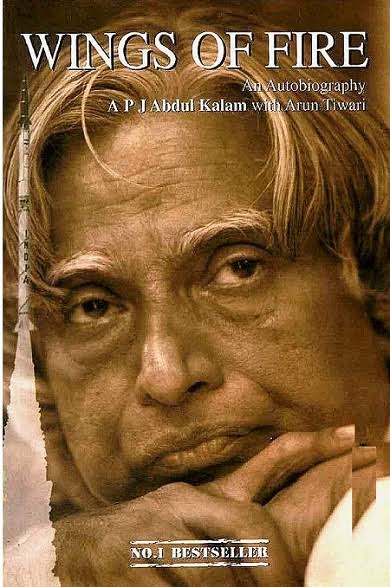
2. Wings of Fire: An Autobiography
Publishing year: 1999
wings-of-fire-biography-kalam
3. Ignited Minds: Unleashing the Power within India
Publishing year: 2002
4. The Luminous Sparks: A Biography in Verse and Colours
Publishing year: 2004
5. Guiding Souls: Dialogues on the Purpose of Life
Publishing year: 2005
Co-author: Arun Tiwari
6. Mission of India: A Vision of Indian Youth
Publishing year: 2005
7. Inspiring Thoughts: Quotation Series
Publishing year: 2007
8. You Are Born to Blossom: Take My Journey Beyond
Publishing year: 2011
Co-author: Arun Tiwari
9. The Scientific India: A Twenty First Century Guide to the World around Us
Publishing year: 2011
Co-author: Y. S. Rajan
10. Failure to Success: Legendary Lives
Publishing year: 2011
Co-author: Arun Tiwari
Ramnath Kovind: 10 facts about 14th President of India
11. Target 3 Billion
Publishing year: 2011
Co-author: ‎Srijan Pal Singh
12. You are Unique: Scale New Heights by Thoughts and Actions
Publishing year: 2012
Co-author: S. Poonam Kohli
13. Turning Points: A Journey through Challenges
Publishing year: 2012
14. Indomitable Spirit
Publishing year: 2013
15. Spirit of India
Publishing year: 2013
16. Thoughts for Change: We Can Do It
Publishing year: 2013
Co-author: A. Sivathanu Pillai
17. My Journey: Transforming Dreams into Actions
Publishing year: 2013
18. Governance for Growth in India
Publishing year: 2014
19. Manifesto for Change
Publishing year: 2014
Co-author: V. Ponraj
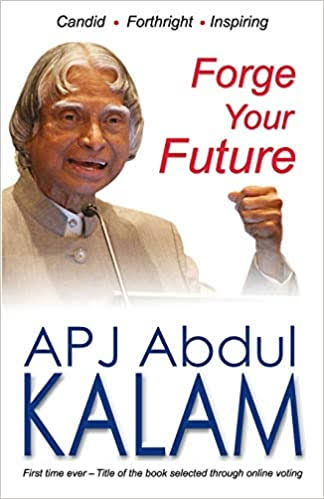
20. Forge Your Future: Candid, Forthright, Inspiring
Publishing year: 2014
21. Beyond 2020: A Vision for Tomorrow’s India
Publishing year: 2014
22. The Guiding Light: A Selection of Quotations from My Favourite Books
Publishing year: 2015
23. Reignited: Scientific Pathways to a Brighter Future
Publishing year: 2015
Co-author: ‎Srijan Pal Singh
24. The Family and the Nation
Publishing year: 2015
Co-author: Acharya Mahapragya
25. Transcendence My Spiritual Experiences
Publishing year: 2015
Co-author: Arun Tiwari

Awards:
He won many awards. The list are as follows:-
1981: Padma Bhushan- Government of India
1990 : Padma Vibhushan- Government of India
1997 : Bharat Ratna- Government of India
1997 : Indira Gandhi Award for National Integration- Government of India
1998 : Veer Savarkar Award- Government of India
2000 : SASTRA Ramanujan Prize- Shanmugha Arts, Science, Technology and Research Academy, India
2013 : Von Brown Award- National Space Society

Death:
Dr. APJ Abdul Kalam breathed his last on 27th July,2015 due to a cardiac arrest while delivering a lecture at th Indian Institute of Management, Shillong.

@track2traininginstitute @track2trainingseminar @edunewsnetwork @pen2prints