

People get nervous or self-conscious on occasion, like when giving a speech or interviewing for a new job. Social anxiety disorder, or social phobia, is more than just shyness or occasional nerves. Social anxiety disorder involves intense fear of certain social situations—especially situations that are unfamiliar or in which you feel you’ll be watched or evaluated by others.
These situations may be so frightening that you get anxious just thinking about them or go to great lengths to avoid them, disrupting your life in the process.
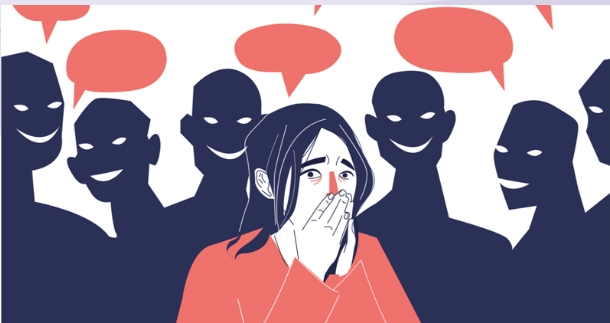
Most of us would have experienced social anxiety to some extent and it is normal to want to perform well. Anxiety in social situations and concerns overevaluation become problematic when the anxiety is persistent and causes intense distress. A person may be diagnosed with a social anxiety disorder if the anxiety and distress persist for more than six months.
The Diagnostic and Statistical Manual of Mental Disorders defines social anxiety disorder as a persistent fear of one or more social or performance situations in which the person is exposed to unfamiliar people or to possible scrutiny by others.
Some signs of social anxiety disorder include:
- Fear of interacting with others
- Feeling shy, easily embarrassed or being extremely self-conscious
- Fear of appearing anxious e.g. blushing, stuttering, or running out of things to say
- Fearing the worst will happen in social situations
- Self-conscious thoughts e.g. “people will stare at me” or “people won’t like me”
- Avoidance behaviour e.g. avoiding eye contact or general avoidance of social situations
- Spending a significant amount of time dissecting past social interactions and focusing on what did not go well
- Physical symptoms of anxiety during or before social situations e.g. increased heart rate, shortness of breath, blushing, sweating, trembling, nausea, and muscle tension
The COVID-19 pandemic can be a challenging time for people with social anxiety. Changes in social interactions and social norms can increase the uncertainties and concerns people have about social situations. People experiencing social anxiety may feel particularly anxious about returning to work or resuming other social activities. The fear of having to interact with people might be more overwhelming than before, especially after a few months of minimal social activities.

How to overcome social anxiety?
Social anxiety sufferers have negative thoughts and beliefs that contribute to their fears and anxiety. These can include thoughts such as:
- “I know I’ll end up looking like a fool.”
- “My voice will start shaking and I’ll humiliate myself.”
- “People will think I’m stupid”
- “I won’t have anything to say. I’ll seem boring.”
Challenging these negative thoughts is an effective way to reduce the symptoms of social anxiety.
Prepare
Prepare yourself adequately to encounter social situations by getting information about what you must do in each of the situations. For example, how to use safe entry for necessary contact tracing, what the new workplace guidelines for staff to maintain safe distancing are. You can also mentally visualise the situation and think through what you would do in each situation. By knowing what is expected and being better prepared, you will experience less uncertainty and feel less anxious.
Expose
Continuing to engage in social interaction is critical for people with social anxiety even though it might be uncomfortable. Facing your fears helps to overcome social anxiety. Avoidance of social situations will worsen your anxiety over time. You can start with social situations at work, which are essential. Draw a plan to ease yourself into different social situations.
Practise
Before you get into anxious social situations, you can follow the steps above to prepare and ease yourself into them. You can also try role playing with the help of a friend if necessary. In social situations, be aware of your own thoughts and level of anxiety. When you find yourself starting to feel anxious, practise deep breathing and focus on your thoughts instead.
Talk
Find someone whom you trust to share your concerns and ask for help to journey with you. Prepare yourself, get exposed to social situations and practise more positive thinking and cultivate social skills.

 Eduindex
You must be logged in to post a comment.