Important lesson Jurassic park though us is ” LIFE ALWAYS FINDS A WAY “. However scientists decided to recreate that and ” bring back organisms from dead “.
ZOMBIES BACK TO LIFE:
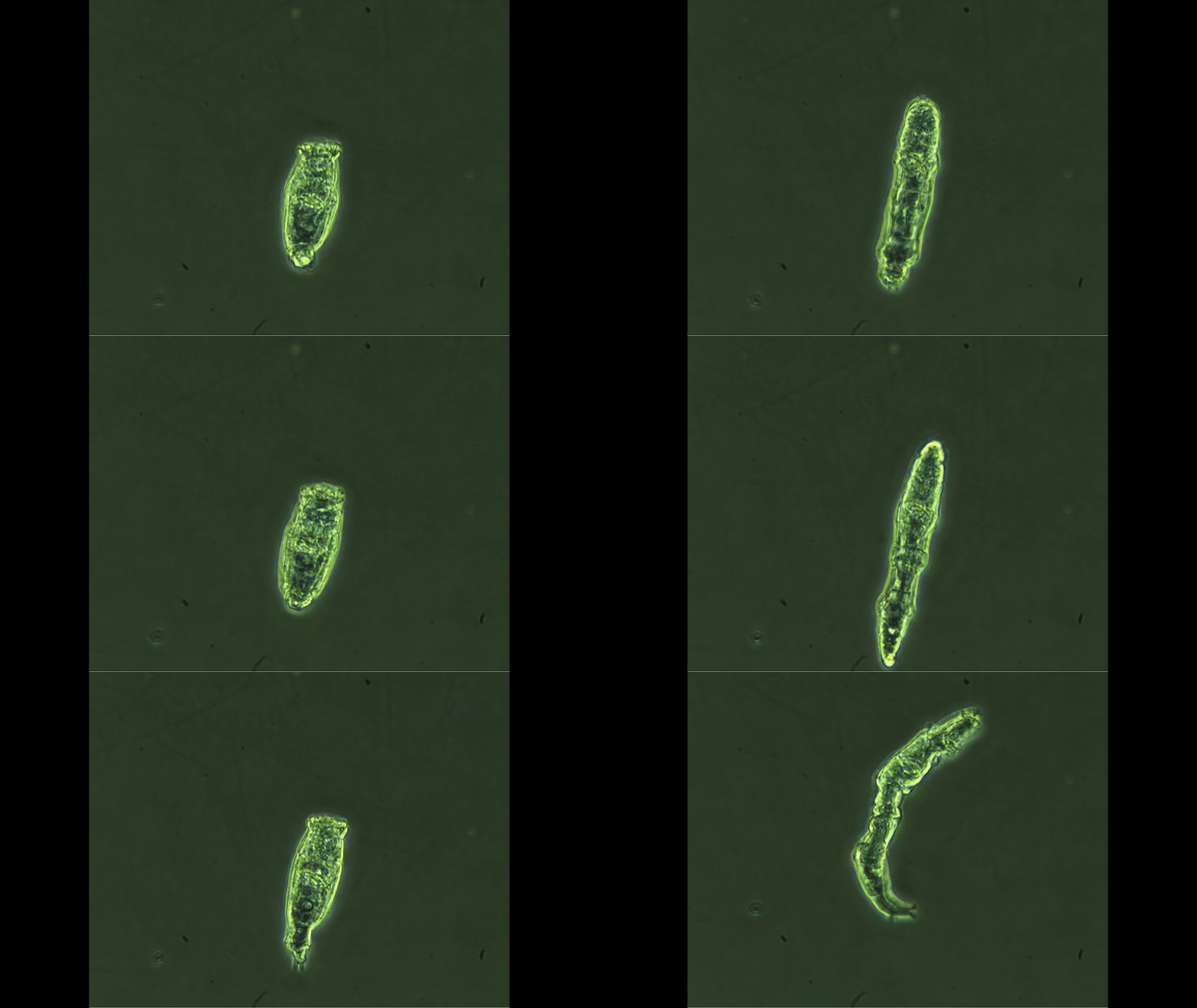
Tiny zombies that were frozen in Arctic permafrost for 24,000 years were recently brought back to life by the scientists of Russia and they further produced clones for them in a laboratory. The undead organisms are called bdelloid rotifers, or microscopic “wheel animals” named for their circular mouths surrounded by tiny hairs. Rotifers are multi cellular organisms that can live in fresh waters and they have been around for about 50 million years. In these years they have learnt to adapt and survive. They can live in astonishing conditions like red-hot undersea vents or the vacuum of space. Later it was found that modern rotifers can be frozen at minus 4 degree Fahrenheit and then can be retrieved up to ten years later.
For this experiment, the scientists went to Siberia and carved off a slice of permafrost ( the term for ground that permanently stays frozen ). This particular area that the scientists carved off has been frozen since at least the end of the Pleistocene epoch ( that is about 2.6 million to 11,700 years ago ). The scientists took the rotifers and thawed them gently. ( thaw – to make something become soft or liquid again after freezing ). By doing so, at a particular point the rotifers came to life again which also included their characteristic sexual reproduction. They also began to reproduce asexually through parthenogenesis which leads to creating clones that were genetic duplicates.
Rotifers evolved to use cryptobiosis because most of the them live in watery habitats that freeze or dry up, Stas Malavin, a researcher and lead author told Live Science. “They suspend their metabolism and accumulate certain compounds like chaperone proteins that help them to recover from cryptobiosis when the conditions improve,” Stas Malavin stated.
By the way, this is not the first time ancient life has been resurrected.
”The world is experiencing the third wave. In order to prevent India from being hit by the third wave, we have to work together. The Prime Minister said today there was no point in discussing when the third wave would hit India. There is a need to keep it at bay instead. The number of new infectious disease cases reported by India over the past 24 hours was 31,483. In the past 118 days, there have been fewer new cases. According to the Union Health and Family Welfare Ministry, the death toll in India rose by 2,020 in the last 24 hours to 4,10,784.
The union health ministry expressed concern over the violation of covid-19 standards on Tuesday, saying that people are treating third-wave warnings like a forecast update. A press briefing held by LAV Agarwal, joint secretary, the health ministry on July 18 revealed that approximately 73.4 percent of the new cases of covid-19 reported in July were from Maharashtra, Kerala, Tamil Nadu, Odisha and Andhra Pradesh.
A central team has been sent to 11 states and union territories, including Maharashtra, and Assam amid a rise in cases. He explained that when people discuss the third wave, they take it as a forecast update and do not understand its seriousness or the responsibilities associated with it.
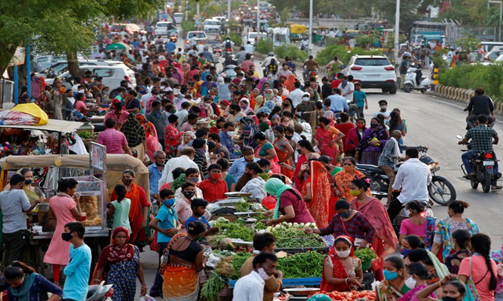
In some states, a further increase in cases is occurring, such as in Manipur, Mizoram, Tripura, and Arunachal Pradesh. In other states, where cases are declining, the situation is still being observed in the form of a plateau. There have been repeated warnings about the imminent third wave of the pandemic, but travelers to hill destinations have not heeded these warnings. Earlier this week, a video from the KEMPTY Falls in Uttarakhand showed tourists not wearing masks and standing dangerously close to one another. There are several other images online that show tourists violating covid-19 safety norms.
It was announced on Monday that the Indian Medical Association had written to the central and state governments to warn them that the third wave of Coronavirus was inevitable and imminent. It was recommended that “tourist bonanzas, pilgrimages, and religious” wait until at least three more months, and that people follow the covid-19 protocols during this period.
In his meeting with the chief ministers of North eastern states, Modi expressed concern about people not wearing masks and crowding hill stations and markets
The world is experiencing the third wave right now, said NITI Aayog member Dr. VK Paul, and India must take measures to ensure that it doesn’t experience the same.
Entrepreneur means to undertake. Entrepreneur is an individual who take risk and start something new and entrepreneur is a person who puts together capital labour and converts is idea into reality. Entrepreneurship is a purposeful activity of an individuals or group of individuals undertaken to initiate maintain profit by production and distribution of associated goods and services an entrepreneur as a function of risk wearing innovative organisations managerial and decision making.
Entrepreneur can be classified on the basis of according to the type of business which includes business entrepreneur industrial entrepreneur corporate entrepreneur agriculture entrepreneur and trading entrepreneur according to motivation for entrepreneur induced entrepreneur motivated entrepreneur spontaneous entrepreneur according to the use of technology technical entrepreneur non technical entrepreneur professional entrepreneur according to the scale large scale industry entrepreneur medium scale industry entrepreneur tiny industry entrepreneur small scale industry entrepreneur according to capital ownership private entrepreneur state entrepreneur joint entrepreneur according to stage of development first generation entrepreneur second generation entrepreneur classical entrepreneur other classifications on the basis of spiritual entrepreneur and social entrepreneur.
Women entrepreneurship is the process where buy women take the lead and organise the business or industry and provide employment to others. An women entrepreneur eastern enterprise which is owned and controlled by a woman having minimum financial interest of 51% of the capital and giving at least 51% of employment opportunity to women . The following are the institution’s promoting women entrepreneur.1-self-help groups or micro finance scheme: association of small groups of self employed rural or urban women entrepreneurs which is voluntary.2- FIWE (Federation of Indian Women Entrepreneur:was established in the year 1993. They help in providing network facility women entrepreneurs in the countries and abroad to develop their business their help in providing facility for the area of marketing quality control export management standardization.3-WIT( women’s india trust): was established in the year 1968 it is used to market the products of WIT members from Door to door under Kamila trust UK a then open the shop in London named Kashi and also extended in Europe Germany.4- SIDBI( Small industry development Bank of India): it acts as the principal financial institute for promotion financing and development of industry in small scale factor and to co-ordinate the function of the institution’s engaged in promotion and financing in small sector. 5- SIDO( small industries development organisation): it was introduced for process and product oriented EDP in the areas like television repairing printed circuit boards leather goods etc.
We have sung our national anthem since our childhood, Do we know the meaning behind it?
Indian National Anthem:
Jana-gana-mana-adhinayaka jaya he
Bharata-bhagya-vidhata
Panjaba-Sindhu-Gujarata-Maratha
Dravida-Utkala-Banga
Vindhya-Himachala-Yamuna-Ganga
uchchala-jaladhi-taranga
Tava Subha name jage, tave subha asisa mage,
gahe tava jaya-gatha.
Jana-gana-mangala-dayaka jaya he
Bharata-bhagya-vidhata.
Jaya he, Jaya he, Jaya he,
jaya jaya jaya jaya he.
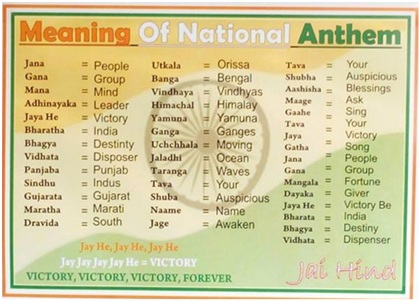
Meaning of our National Anthem
The following is Tagore’s English rendering of the anthem:
Thou art the ruler of the minds of all people, Dispenser of India’s destiny. Thy name rouses the hearts of Punjab, Sind, Gujarat and Maratha, Of the Dravida and Odisha and Bengal; It echoes in the hills of the Vindhyas and Himalayas, mingles in the music of Jamuna and Ganges and is chanted by the waves of the Indian Sea. They pray for thy blessings and sing thy praise. The saving of all people waits in thy hand, Thou dispenser of India’s destiny. Victory, victory, victory to thee.
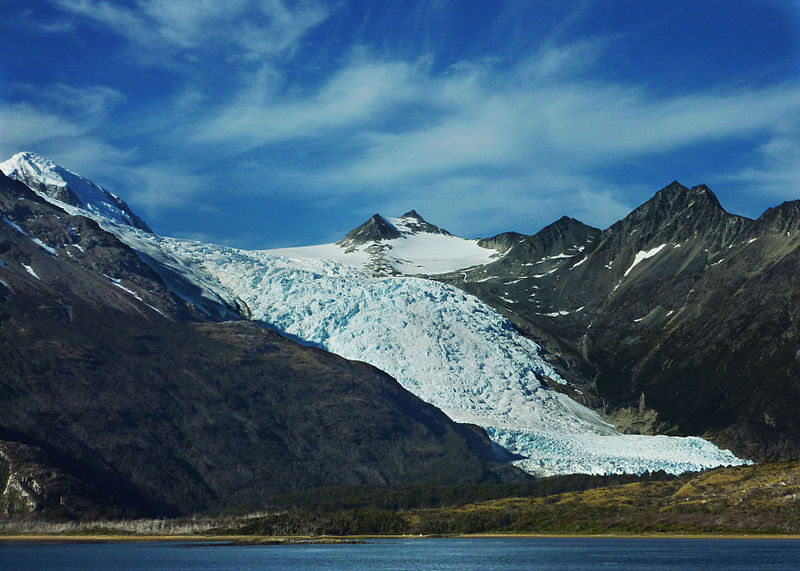
Tierra del Fuego, which stands for “Land of Fire” in Spanish, is an archipelago or a cluster of islands in the southern most tip of South America. It is located across the Strait of Magellan. The archipelago consists of the main island, Isla Grande de Tierra del Fuego and a group of many islands, including Cape Horn and Diego Ramirez Islands. Tierra del Fuego is divided between Chile and Argentina and is located close to the perennially frozen continent of Antarctica. Tourism is a major component of the local economy.
Brief History
The History of Tierra del Fuego ranges from settlement of the region by the local Yaghan and the Selk’nam people to it’s discovery by the infamous Portuguese explorer Ferdinand Magellan on whom the strait of Magellan is named after, to Spanish European colonization and the genocide of the natives during the gold rushes in the region.
In recent history, both countries have explored the region for oil extraction and formulated their Antarctic claims. In the 1960’s and 70’s there was even a threat of military conflict looming between the two countries over a few islands which almost led to an Argentine invasion of Chile in 1978. Ths very threat of war caused the Chilean regime of Dictator Augusto Pinochet to give logistical support and information to the British during the Falklands War of 1982.
Geography
The archipelago consists of the main Isla Grande de Tierra del Fuego island. Its westernmost part belongs to Chile and the rest to Argentina. The Chilean part is the region named Magallanes y Antarctica Chilena whose capital is Punta Arenas. The village of Puerto Toro located here is probably the Southernmost village in the world.
Punta Arenas, Chile
The eastern part of the main island, and a few small islands in the Beagle Channel, belong to Argentina. They are part of the Tierra del Fuego, Antarctic territory and South Atlantic islands province. The capital is Ushuaia, whis claims the title of the southernmost city of the World.
Ushuaia, Argentina
The Beagle Channel
Flora & Fauna
Only few Islands here forests which are classified as Magellanic subpolar. Trees like winter’s bark, Lenga beech, Magellan’s beech, Northofagus Antarctica etc are found here.
Seals in Tierra del Fuego
The most notable animals found here are Sea Gulls, Guanacos, Foxes, Kingfishers, Condors, Penguins, Owls, Austral Parakeets, North American Beavers, Sea Lion, Leopard Seals etc.
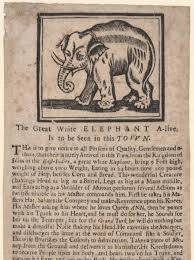
💫The elephant is the largest and one of the most powerful and intelligence animals. Even though blue whales are the largest animals for they grow up to 30 elephant reaches a height of 4 meters and a weight of 6 metric tones.
💫The most remarkable feature of the elephant is its tusks and trunk. The tusks, in fact, are two of its upper teeth that have grown on the outside and become enlarged. A tame or trained elephant uses its tusks to support heavy loads while wild elephants use them as weapons of attack. Tusks are made of ivory which is highly valuable. And it is for tusks that elephants are hunted down and killed. Even though Articles made of ivory are banned in most countries they are available in the black market, and this leads to elephant poaching.
💫The trunk is another intersection feature of the elephant. It serves as an arm and a hand for picking up twigs and leaves and pushing them into its mouth. The trunk is actually the elephant’s lengthened nose and upper lip. It is thick and well-protected on the outside but has a tender inside.
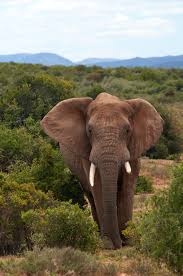
💫There are two kinds of elephants – the Asian elephant and the African elephant. The Asian elephant is relatively smaller than its African counterpart. While the Asian elephant is 2.75 meters tall and weight 3.5 metrics tons, the African is 3.5 meters tall and weight about 5 metric tons, and is darker than the Asian species. Moreover, the Asian elephant can be easily themed or trained and it sleeps lying down while the African elephant is wild and sleeps upright.
🐘facts about elephants🐘:
🔅They’re the world’s largest land animal. …
🔅You can tell the two species apart by their ears. …
🔅Their trunks have mad skills. …
🔅Their tusks are actually teeth. …
🔅They’ve got thick skin. …
🔅Elephants are constantly eating. …
🔅They communicate through vibrations. …
🔅Calves can stand within 20 minutes of birth.
🐘Quotes🐘:
🌟greatest glory in living lies not in never falling, but in rising every time we fall. -Nelson Mandela
🌟The way to get started is to quit talking and begin doing. -Walt Disney
🌟Your time is limited, so don’t waste it living someone else’s life. Don’t be trapped by dogma – which is living with the results of other people’s thinking. -Steve Jobs
🌟If life were predictable it would cease to be life, and be without flavor. -Eleanor Roosevelt
🌟If you look at what you have in life, you’ll always have more. If you look at what you don’t have in life, you’ll never have enough. -Oprah Winfrey
Indian society has usually lacked gender awareness, and the same is reflected in the mindset of the society. The tale of people who are generally referred to as transgender is a story of pain, misery, and agony.
They have not only face deprivation of rights, but also abuse and violence just because they do not fit within the “norms” that society has generally accepted. They are shunned and defamed by society and are considered to be outcasts and kept far away from participation in various societal activities.
Background
In 2012, the National Legal Services Authority, an Indian statutory body which is constituted under the Legal Services Authority Act, filed a writ petition (writ petition no. 400 of 2012) with the Supreme Court of India. It was followed by another writ petition (No. 604 of 2013) which was filed by Poojya Mata Nasib Kaur Ji Women Welfare Society, a non-governmental organization representing the Kinnar transgender community. Laxmi Narayan Tripathi, an individual who identified himself as a Hijra also approached the court and was also impleaded in the present case.
Issues involved
The petitions mainly raised an issue of “Gender Identity”. It has two facets, viz.:
Whether a person who is born male but has female orientation has the right to be identified as a female as per his choice ; the same question arises when an individual uses surgery to change his/her sex.
Whether a person who does not identify either as a male or a female has the right to be categorized in a “third gender”.
Arguments
The argument was made that the recognition of only the binary genders of male and female and the lack of legal measures to cater for the needs of the represented groups violates Right to Equality (Article 14), Freedom of Expression (Article 19), Right to Life and Personal Liberty (Article 21).
The transgender community urged that their inability to express themselves in terms of a binary gender denies them their rights and social welfare schemes.
Judgment
The judgement was delivered by a 2-judge bench comprising of Justice K.S. Radhakrishnan and Justice A.K. Sikri on 15th April 2014. The Court had to decide whether persons who fall outside binary gender can be legally recognised as “third gender” persons.
The Supreme Court in this case relied on various judgements from foreign courts like New Zealand, Australia, and England and took into consideration different foreign judgements like Corbett v. Corbett with its complete emphasis on biological sex, Attorney-General v. Otahuhu Family Court in which Justice Ellis noted that once a transsexual person has undergone surgery, he or she is no longer able to operate in his or her original sex.
The Court ruled that all provisions in the international conventions including the Yogyakarta Principles must be followed provided they align with the fundamental rights guaranteed under Part III of the Constitution.
In this landmark judgement Supreme Court legally recognised “third gender” for the first time and discussed “gender identity” at length. Further, it declared that eunuchs and hijras can legally identify as “third gender”.
The Court recognised that third gender persons were entitled to fundamental rights guaranteed under Part III of the Constitution and under International law.
The Court declared that the State and Central governments must grant transgenders full recognition in the eyes of the law so that they can avail education and healthcare without being subjected to any kind of discrimination.
Conclusion
Well, we cannot ignore the fact that the transgender community for long have suffered torture, humiliation, and pain. This judgement came as a fresh ray of hope for the transgender community who have faced discrimination and social injustice. This is a landmark judgement because it is the first to legally recognise non-binary gender identities and uphold the fundamental rights of transgender people in India. However, the transgender community still has a long way to go.
Sexual harassment is a worldwide problem faced by every woman at someplace and sometime in their life. Harassing any human being is just like an offense which goes against the human rights and gender equality. Harassing a woman has emerged from gender discrimination and is a strong interplay of masculinity, supremacy and sexuality. According to Article 14 of the Constitution “equality of status and opportunity” must be for every citizens weather it’s a male or a female, everyone is supposed to treat equally. Henceforth, living in a safe working place is the right of every woman. Our Indian Constitution suggests that it’s the right of every person to live a life which is free from discrimination, provocation, agony, etc. Sexual harassment of women is an uncivilized violation against right to equality and self-esteem. The basic root behind such harassment is our patriarchal society which considers man far more superior than females and violence against woman is acceptable. Sexual harassment creates an environment which often discourages females to take part in such jobs.
Now days, harassment at workroom is quite normal. Article 19(1) (g) of the Indian Constitution suggests that it is the fundamental right of women to pursue any profession or to carry any occupation. Such harassment erodes the notion of equality and opportunity. This ultimately brings a full stop at a person’s personal development as well as development of society. Sexual harassment of women is a serious problem and in a survey it was found that in every 12 minutes a women harassed at workplace but only in some case they file a complaint or complaint’s the concerned authority. All around the world we find sexual harassment is increasing day by day and it’s violating women’s right in addition to it sexual harassment is the imitation reflection of male dominant society. We live in a society where violence against women is abided by the patriarchal value. The harassment faced by the women here are not harmful one as compare to other offense. There was an act passed called The Sexual Harassment of Women at Workplace Act, 2013 which ensure a secured and healthy working place for women. Also, it aims to build an environment that provides equal opportunity and equality for women too. The arrival of such act was accommodating to contribute gender quality, liberty as well as equality in working circumstances. Security at workplace will ultimately results in economic development and wide-ranging growth of the country. Only few women accepts to do late night work and the reason behind it is the sexual assault they faced by the society. It has become our preconceive notion that if a women is working till late night the society can put forward question in her character but if a man work’s outside till late than he is considered as an hardworking dedicated man who is working so hard for his family. We are still struggling to be a developed country and the basic ideology behind it is our outdated notion. If a female is harassed, tortured or embarrassed in public she is taught to accept it quietly without raising her voice and the reason behind it is our patriarchal society. Sexual harassment in workplace is not just a problem in India but it’s a global problem faced by every other working women. We all should keep in mind that we live in a free country where everyone is supposed to get equal respect and appreciation.
The covid-19 pandemic as triggered our life has the most job crisis. The impact of this real danger that the crisis will increase poverty and widen inequalities. Countries now need to do everything they can to stop this job crisis from turning into social crisis a numerous people have lost their jobs especially womens. Man employment rate in the national capital as increased by 17% with about 83%. Women respondents choosing to permanently opt stop workforce.
As per the centre of monitoring Indian economy between Mid 2016-2020 the female labour participation rate that is to the percentage of women working out will fall from 16.4 percent to about 11% as per now it has been estimated that this numerical might be pushed down to 9%. The date stated that only about 10.7% of total workforce in 2019-20 was in favour of women and about 13.9% of job losses will be e a witness of unemploymet. The overall unemployment rate for August 2020 was 8.35% and will drop to less than 7% in the following months and it shall rather increase of the unemployment rate would be an underestimate as per the denominator is not stable. India’s unemployment rate of 24% despite the sound 7% literacy rate through the figure are discouraging the creativity and various fields the year brought to be forefront cannot be ignored.
More younger workers and freshers and women laws job with individually moving into crisis. Serve self employment in agriculture construction and small-scale trade overall 54.3 percent workforce were affected by covid-19 lockdown around 30% lost their jobs and where then able to return to employment. Status if not type of work or income experience difference by age gender industry of employment. Around 15% of workers age 15-24 years last jobs for employment added during the lockdowns when we compared to 40% and 35% of 25-34 years of age and 35-44 years respectively are affected lesson numbers having lost employment older workers were 4 times more likely to lose the jobs. The freshest with less and no experience are in general cheap to get hired or placed in any organisation. Consequently about 9 out of 10 older workers are back placed in their workforce but when compared with no experience or freshers about 5 out of 10 younger workers ere in workplace.
The COVID-19 pandemic make LED digital shift created a massive demand for skilled professionals in domains like business analytics data science online learning cyber security e commerce ed-tech and logistics. Hiring freshers top rated technology talent for roles in emerging technologies as a demand for this program in emerging technology as increased. We believe that the top skills that will continue to be in demand in next upcoming years.
We all know that how the world wars made people life a tragedy during the period 1919-1939. People suffered by many factors that cant be described by words. More than the war the life after the war made an big impact in people who have seen them.
After the beginning of civilization, the world hadn’t seen a war on a large scale as during world war-I. Millions if people died and many countries of Europe were near collapse. At the end of war everyone welcomed the peace treaty which was signed at Versailles in 1919. Britain was one look forward the treaty more eagerly because they are the most affected one. They were not invaded or defeated like France and Germany, but was badly shaken up, she had to repay the great national debt all by herself since her alliez were totally crushed economically.
In 1918, the parliament was selected on an almost universal suffrage. According to the presentation of the people’s act 1918, all men over twenty one and all women over twenty five were given the franchise. Women are no longer be ignored. The end of world war resulted in the demobilisation of the army, this made several hundreds of men unemployed. Employers wished to reduce wages since the profit margin was very narrow. In 1924, the labour party won the election and formed its first government with Ramsay MacDonald as prime minister. It remained in power for just eleven month.
The time between 1924 and 1929 when the conservatives held the reins, was a grim period in England. Trade had declined drastically and the problem of unemployment become more serious. A General strike of all trade unions was declared in 1926. It failed very quickly since the government took steps to provide transport and food. The financial crisis created a panic and the labour government could not deal with the disaster. MacDonald called for a National Government to handle the situation. Drastic measures were adopted by National Government to face the crisis. Gradually, the panic subsided and the economy began to improve. Between 1923 and 1938, certain new industries began to expand. Companies involved in all kinds of electrical work such as writing, cables and lambs grew rapidly.
Economic conditions had not improved and to make matters worse, a crash in the new York stick exchange in 1929 led to a depression which engulfed the whole of Europe. The financial crisis created a panic and the Labour government could not deal with the disaster.
Soon after world war-I ended, the Irish problems became explosive. In 1919, the Irish leaders declared Ireland independent. The British police force was nicknamed the Black and Tans because of their khaki uniforms and black helmets. The new dominion was called the Irish free state. Soon after the war came to an end, there was the immediate post war mood of frivolity and gay abandon. People’s expectations of peacetime prosperity were dashed as inflation and unemployment continued to rage. This led them into self-questioning mood. The people were slowly becoming disillusioned with the ideas of empire and democracy.
Political enfranchisement went far ahead of education with the result that the man in the street become important politically. The experience of the first world war with its large scale devastations, coloured the thinking of the people.
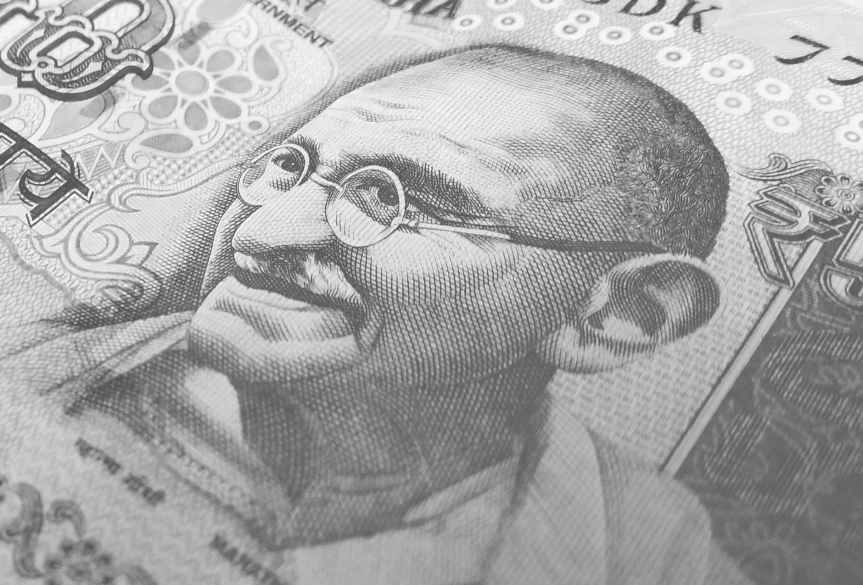
The name ‘Gandhi’ needs no introduction. Any part of the world that understands civilisation and humanitarian values appreciates Mahatma Gandhi (October 2, 1869-January 30, 1948). Thus it doesn’t come as a surprise that you find Gandhi fans in a diverse range-from the present American President, Barack Obama to philanthropic groups working in Rio
Movements launched by Mahatma Gandhi:
Mahatma Gandhi overcame insurmountable odds to bring the mighty British Empire to its knees. It is not merely because of the Non-cooperation Movement or the Dandi March (1931) that we know him today. It is true, of course, that these movements, along with the Quit India Movement (1942), brought the British Government to its knees. Gandhi was a man of the masses. Such was his popularity that the British went weak in their knees at the prospect of arresting him. They were afraid of making a martyr of him and thus adding to his popularity. This was no mean achievement for a man described by Winston Churchill as a ‘half- naked fakir’. Gandhi’s idea of non-violent resistance against the British rule appealed to the conscience of the Indian society groaning under the unjust rule of the British since the Battle of Plassey in 1757.
When Gandhi put Satyagraha into action for the first time in South Africa in1906 and became a success there, it didn’t take much time to recognise and hail the arrival of a great leader. But Gandhi was more than a messiah in the world of politics. He was a powerful social reformer who campaigned relentlessly to end discrimination against India’s untouchable class, whom he called the Harijans (children of God).
Mahatma Gandhi Awards:
• In 1930, Gandhi was named the Man of the Year by Time’s Magazine. • In 2011, Time magazine named Gandhi as one of the top 25 political icons of all time. • He did not receive the Nobel Peace Prize despite being nominated five times between 1937 and 1948.
• The Government of India institutionalized the annual Gandhi Peace Prize to distinguished social workers, world leaders, and citizens. Nelson Mandela, the leader of South Africa’s struggle against apartheid was a recipient of the award
About Mahatma gandhi Personality:
The spiritual strength of Gandhi’s personality has to be given due recognition. His autobiography My Experiments with Truth bears a living testimony to this. Gandhiji used his spiritual strength to overcome all opposition. He walked across the country’s villages trying to make its people realise the importance of sanitation and healthy habits. If this does not prove his sincerity, let us remember his fast-unto-death in the riot-hit Calcutta of September 1947, which brought the Hindus and Muslims together again after a terrible violence.
Would any of our leaders today dare to walk the riot-hit streets of Noakhali with only a Tagore song to give him company? It is stupid to question the courage of this man who perhaps might even have achieved the impossible task of unifying India and Pakistan again had he not been shot dead by a fanatic called Nathuram Godse on January 30, 1948.
Film on Mahatma Gandhi:
Ben Kingsley portrayed Mahatma Gandhi in the 1982 film Gandhi, which won the Academy Award for Best Picture. Therefore, Mahatma Gandhi would be remembered forever as he spread the message of non-violence, truth, faith in God, and also he fought for India’s Independence. His methods inspired various leaders, youth not only in India but also out of India. In Indian history, he is considered as a most prominent personality and as the simplest person who wears dhoti. He spread the message of swaraj and taught Indians how to become independent.
Mumbai, the capital of Maharashtra and the heart and soul of India. It is called with heck lot of names like- the City of Dreams, and Mayanagri, etc. It has earned these names not just in a day but over the years not just because of limitless opportunities for citizens across the state, but for all citizens all across the Globe. Talking about Mumbai in a bit religious way, it is known to be the city of Sri Mahalaxmi, Siddhivinayak. It is said that the goddess of fortune and abundance resides and grants favors, worshipped by a lot of devotees being it the citizens of Mumbai or elsewhere.
Commercial Center of India
Mumbai is known to be the Commerical capital of India. It is one of the richest city in India. From the Reserve Bank of India, National stock Exchange or the Bombay stock Exchange to the biggest Indian business houses like the Reliance Industries, Tata Group or the Aditya Birla Group, most of the financial institutions have their headquarters here.
The Bollywood Bling and the Largest Film City in India
From several film studios and the television industry to some of the biggest film stars like Amitabh Bachchan or Shahrukh Khan, the Bollywood star bling is unmatchable.
Splendid Architecture
From the historic Gateway of India or the landmark Haji Ali Dargah located on the sea to the gleaming Queen’s Necklace or the recent architectural wonder, the Bandra-Worli sea link, Mumbai is a perfect example of splendid architecture.
Heaven for Migrants
Being the economic hub of India, there’s something for all in this city. From a small business or medium-sized business to different career option including Bollywood exposure, there are opportunities galore in this city.
More facts about Mumbai
A city that never sleeps is Mumbai. It has a very beautiful night life that is what everyone looks for these days. It is known for it’s amazing night life and who so ever experiences it they are fond of it and never forgets. It feels like heaven seeing the Night life near Maine Drive, Haji Ali, Sea link and many more.
Mumbai has a beautiful Heritage sight too and some are given below-
Victorian Gothic and Art Deco Ensembles of Mumbai – World Heritage Site
University of Mumbai, Fort Campus building
Our first World Heritage site in Maharashtra is one of India’s most recent additions: the Victorian Gothic and Art Deco Ensembles of Mumbai. Located in the Fort area of downtown Mumbai, this collection of 94 beautiful buildings date from the 19th and early 20th centuries. They’re a a legacy of the British colonial period. Rich with cash from exports, the local government built enormous grand buildings to make the city of Bombay world-renowned.
And there’s some incredible buildings here. Particular highlights of the Victorian Gothic style include the Bombay High Court, and the University of Mumbai. There’s also the City Civil and Sessions building, plus the incredible Chhatrapati Shivaji Terminus railway station. If you can believe it – the CST railway station is also a separate World Heritage Site!
Chhatrapati Shivaji Terminus (Victoria Terminus) – World Heritage Site
Chhatrapati Shivaji Terminus
Next up, we have Chhatrapati Shivaji Terminus, or CST for short. It’s a very rare example of two World Heritage sites in the same building! CST is the main train station in Mumbai, and the main station in western India as well. Opening in 1887, it took ten years to build! Built to commemorate Queen Victoria‘s Golden Jubilee, the station was known as Victoria Terminus until 1999.
It’s a supreme example of Victorian Gothic architecture, and is partly based on St Pancras railway station in London. The attention to detail here is just marvellous, with beautiful domes, arches, statues and turrets, both inside and out. There’s also a magnificent entry gate loaded with symbolism, crowned by a British lion and an Indian tiger.
Elephanta Caves – World Heritage Site
Elephanta Caves are located on an island in the middle of Mumbai harbour, just a short boat ride from the iconic Gateway of India. This site covers five man-made caves dug directly into the side of the mountain. The caves are dedicated to the worship of Shiva, one of the main Hindu gods, and they’re a spectacular sight to behold.
The main cave here is immense – roughly square shaped, 40 metres on each side, and nearly 10 metres tall. The walls are all covered in carvings depicting the stories of Shiva, done with exquisite detail.
How many of you’ll miss going to theatres? and grabbing some popcorns and your favorite drink? I guess we all have. Movies are considered to be the best source of entertainment. It is easily available to everyone. One can watch movies in theatres, at home on television, and with our technology one can also watch movies on their mobile phones and laptops. A Movie can stimulate a lot of feelings and emotions inside us and make us react despite knowing that it is not real, for example, crying during a sad scene, laughing during a comedy scene, or getting scared during a horror scene. We connect to movies in different ways and might adopt some things from them too. We all have our own genres when we talk about movies, like horror, comedy, romantic, patriotic, etc.
Here are some patriotic movies about sports, war, the freedom movement, etc.
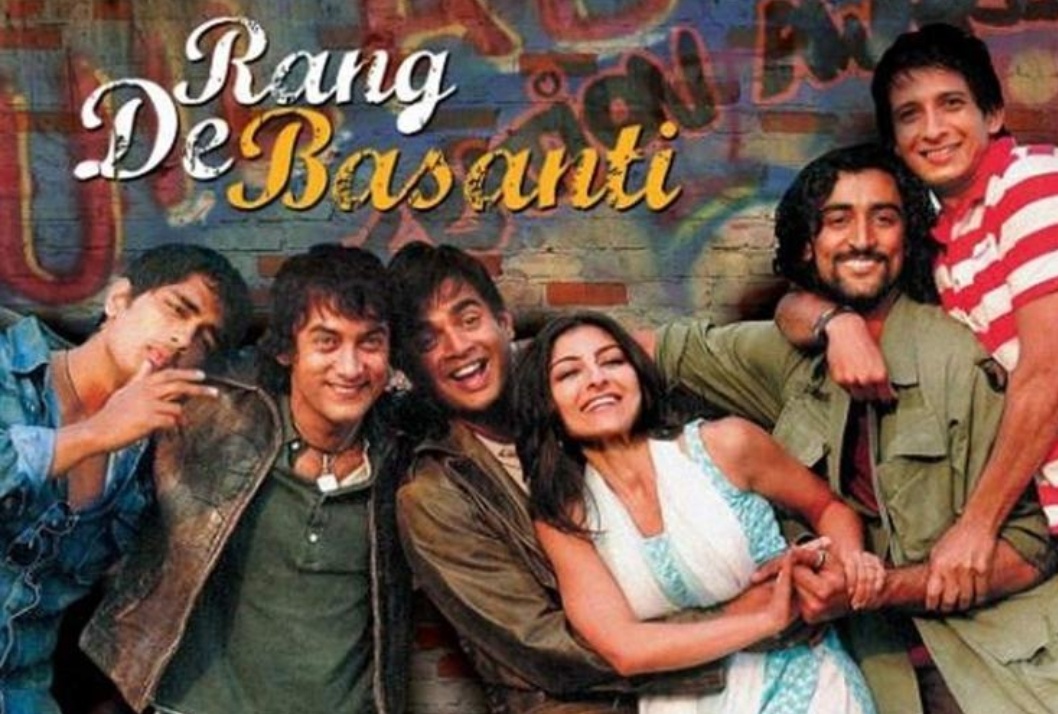
• Rang De Basanti Rang de Basanti is based on political issues. The movie made a remarkable impact on Indian Society and inspired many Indians.
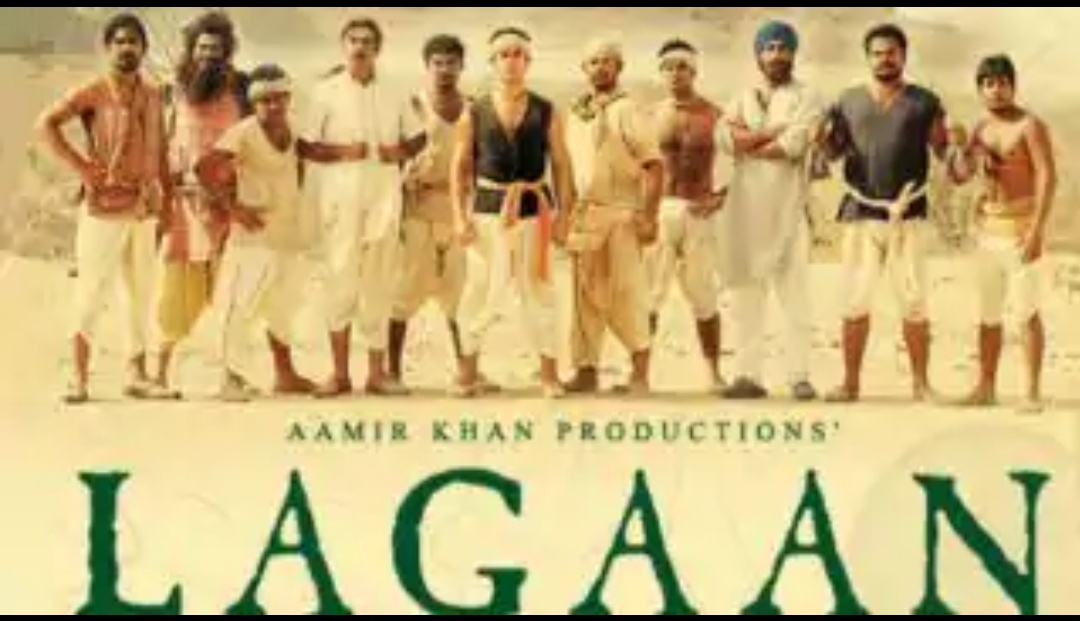
• Lagaan Lagaan is an Oscar-nominated movie. The story of the movie is based on a true story. It is a must-watch if you love cricket.
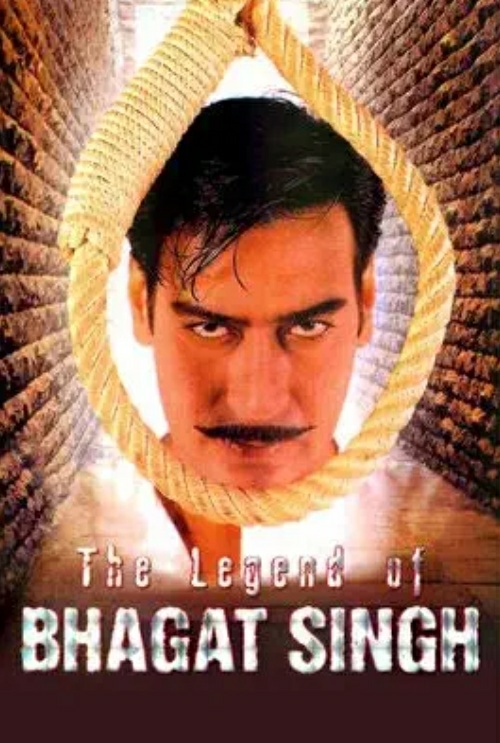
• The Legend of Bhagat Singh The legend of Bhagat Singh is about the most fearless freedom fighter of India. The role of Bhagat Singh is played by actor Ajay Devgan.
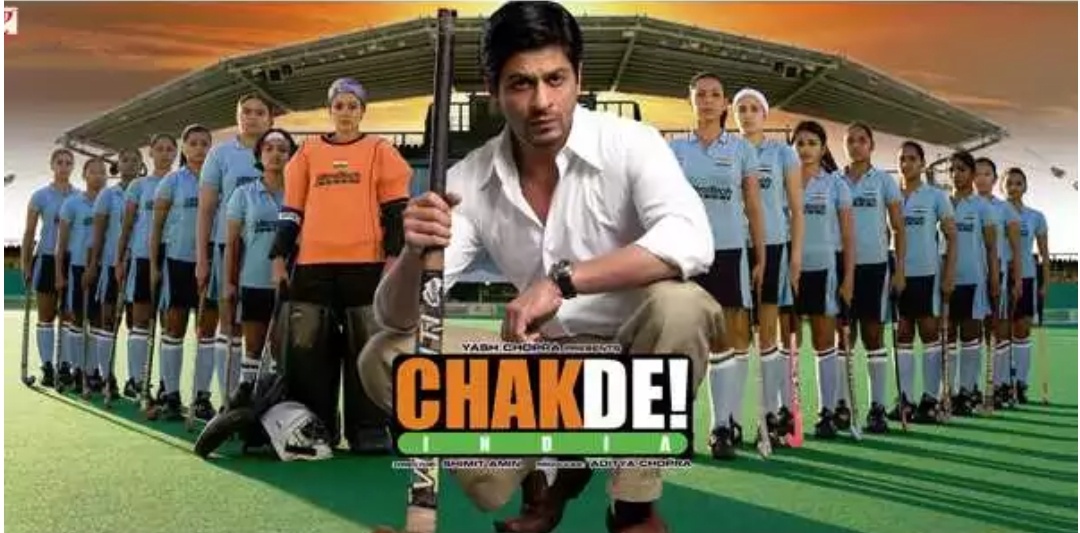
• Chak De India Chak De India is an iconic movie based on the national sport of India, hockey. This movie is definitely going to give goosebumps.
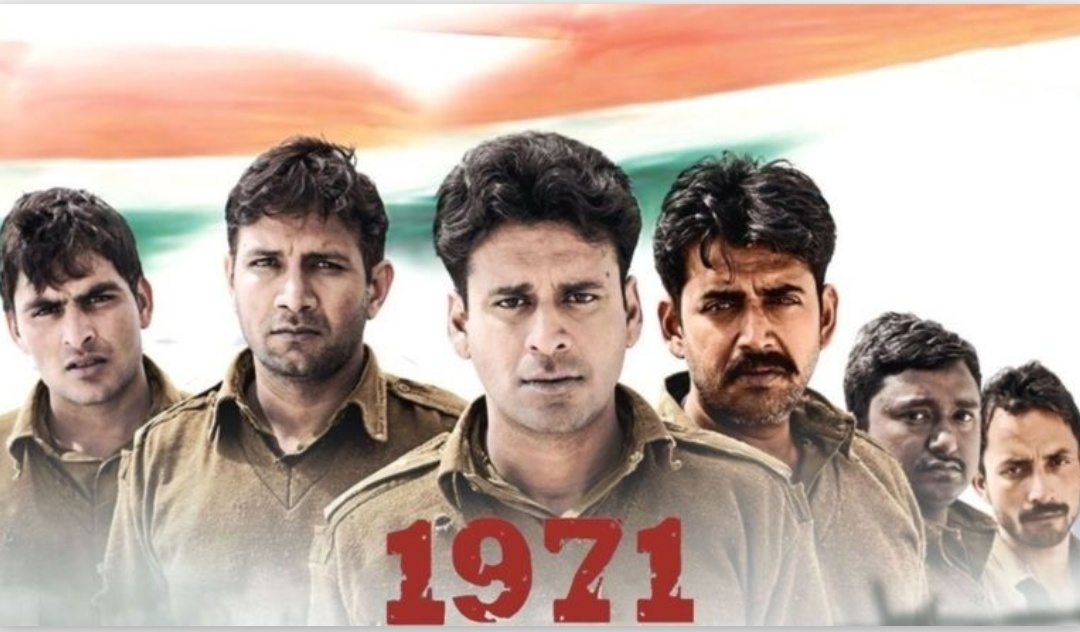
• 1971 1971 is based on a true story starring Manoj Bajpai. It is based on war drama.
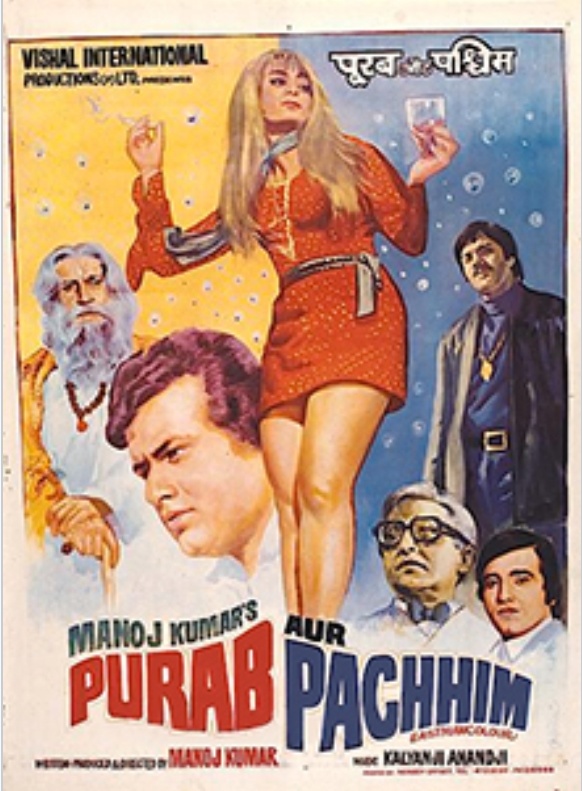
• Purab Aur Paschim Purab Aur Paschim is a 1970 film starring Manoj Kumar and Saira Banu. The songs are as hit as the movie
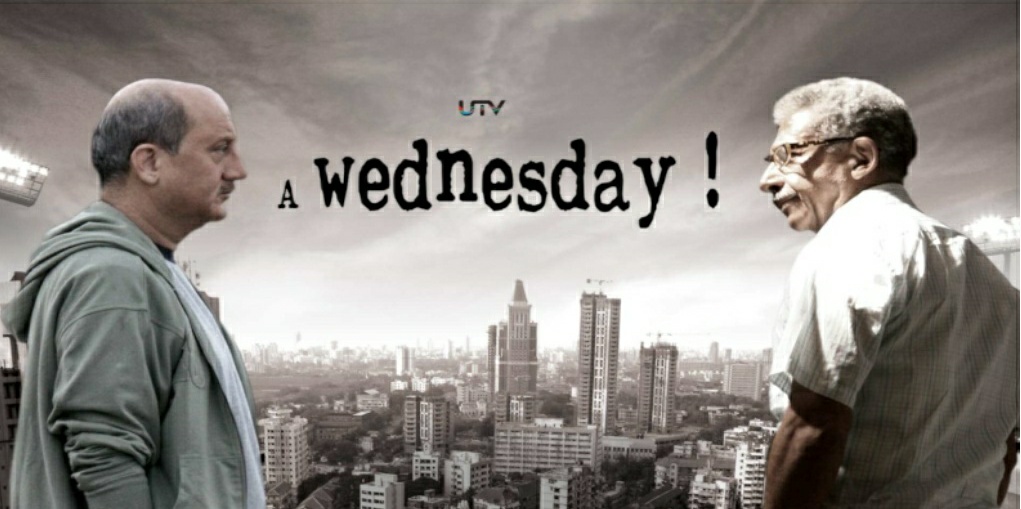
• A Wednesday A Wednesday is inspired by the 11 July 2006 Mumbai train bombings. It has received many awards. This movie can be viewed by all age groups.
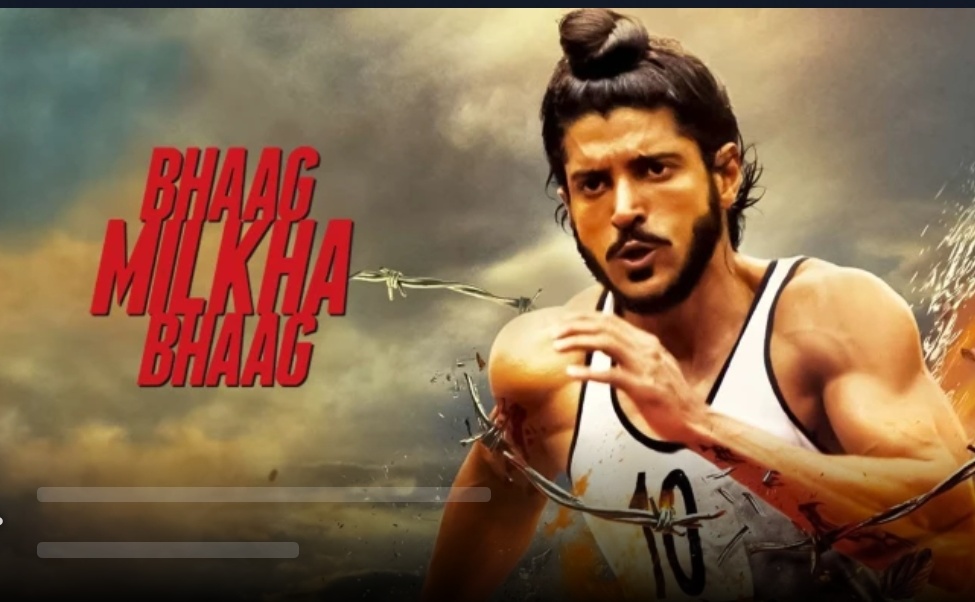
• Bhaag Milkha Bhaag Bhaag Milkha Bhaag is based on sports starring Farhan Akhtar. The movie is based on the real story of, Milkha Singh, an Indian athlete.
• The Ghazi Attack The Ghazi Attack is based on true events from the Indo- Pakistani war. It is truly a patriotic movie showing the struggle and strength of the Indian Navy.
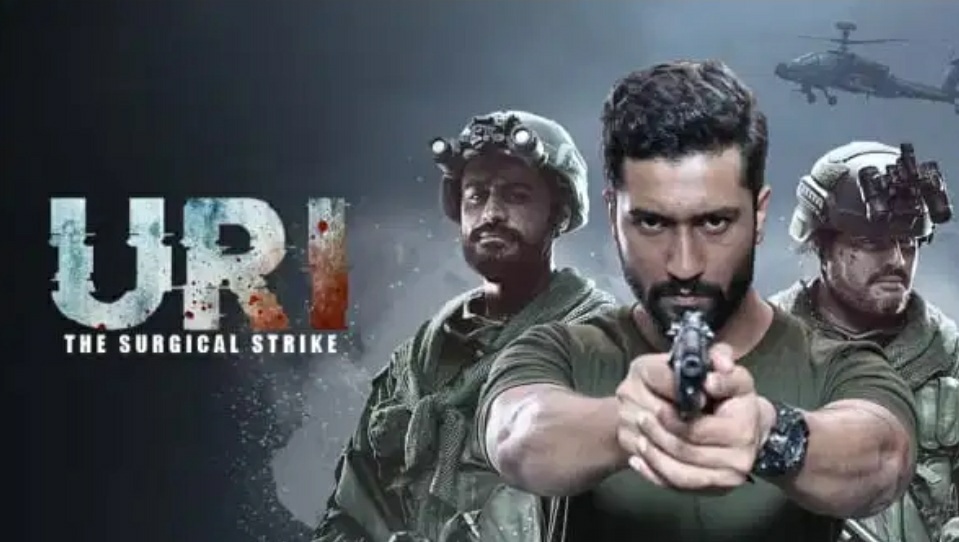
• Uri: The Surgical Strike Uri: The Surgical Strike is an iconic movie starring Vicky Kaushal. This movie attracted a lot of youngsters to join the Indian Army.
Social Responsibility is a form of responsibility that we owe to society being members of the same and partaking in activities that alter its natural flow. For example, by being a part of the natural environment, we owe the environment the restoration to offset the degradation conducted by mankind. In such a way, social responsibility is the accountability that we face towards society in all its aspects, to all its stakeholders. Indeed there exist various forms of social responsibility but two prominent ones are an individual and corporate social responsibility. It can be understood that much of the social responsibility activities can be considered under the same labels: one where the volunteers bring physical changes by cleaning the neighbourhood, distributing food and other necessities, securing funds and such for the needy, while the other where people advocate for the change and instil civic morals. While each indicates its own form of responsibility, the combination of both is what the present world needs to be ensured of sustainable development.
Corporate Social Responsibility is one of the keywords that underline an organisation’s social standpoint among various economic actors such as the government, consumers and certain types of investors. A responsible organization is bound to be more reliable because of its forward-thinking and ethical nature. Although the term was coined in the mid-1900s by Henry Bowen (the father of Corporate Social Responsibility) in his paper, the concept existed long before that. A few of the pioneers in the field of corporate social responsibility are Johnson & Johnson and Hershey’s. These responsibilities include:-
Economic Responsibility: This includes maintaining the satisficing amount of profits so that the business can sustain enough to pay off their lenders, investors, creditors and employees. Legal Responsibility: The legal responsibility of a business includes complying with all the corporate bylaws, contracts with either another company or the government. An example of legal responsibility would be to adhere to the accounting compliance standards in reporting financial information. Ethical Responsibility: This consists of responsibilities outside the legal framework but matching the company’s philosophy. For example, ensuring employees have a healthy work-life balance beyond the government-mandated levels.
Individual responsibility stems from the philosophy that holds each individual accountable for every action they take, which may have intended or unintended consequences for society. Hence, every individual has a responsibility towards the society that deems them ideal members of their community. Not only do we have the duties of controlling the negative spillover effects of our actions but we are required to step further and teach those ignorant of these ideas the sense of responsibility. The UN suggests a list of actions that any and every individual could accomplish that can bring minor changes to the environment, called the “The lazy person’s guide to save the world”. The list is generated according to the individual’s willingness to pave the way for a sustainable future. Some of the individual responsibilities are using biodegradeable bags, donation to various charities, Use recyclable goods, segregation of trash, using renewable sources of energy etc. In this day and age it has become very important to uphold our social responsibilities.
Human Settlement means cluster of dwellings of any type or size where human beings live.Thus, the process of settlement inherently involves grouping of people and apportioning of territory as their resource base. Settlements vary in size and type. They range from a hamlet to metropolitan cities.
Classification of Settlements
On the basis of occupation, settlements may be classified as rural and urbansettlements.
Rural Settlements
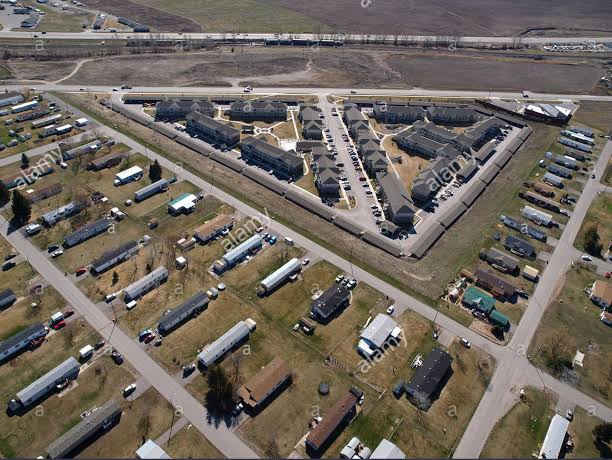
Any settlement where most of the people are engaged in primary activities like agricultural, forestry, mining and fishery is known as a rural settlement. Most of the world’s settlement are rural, they are mostly stable and permanent. The most important and unique feature of rural settlement is the vast, open spaces with green, pollution – free environment.
Patterns of Rural Settlements
Rectangular pattern
Rectangular pattern of settlements are found in plain areas or valleys. The roads are rectangular and cut each other at right angles.
Linear pattern
In a linear pattern, the houses are located along a road, railway line and along the edge of the river valley or along a levee.
Circular or semicircular pattern
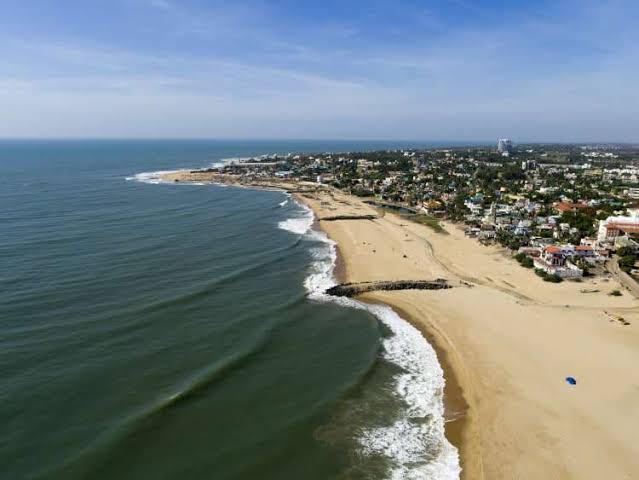
The pattern of settlement that is found around the lakes, ponds and sea coasts are called circular or semi circular pattern.
Star like pattern
Star shaped settlements develop in places where metalled and unmetalled road converged. In the star shaped settlements, houses are spread out along the sides of roads in all directions.
Triangular pattern
Triangular patterns of rural settlement generally develop at the confluence of rivers.
T-Shaped, Y-Shaped, Cross-Shaped or Cruciform settlements
T-shaped settlements develop at tri-junctions of the roads (T), while Y-shaped settlements emerge as the places where two roads converge with the third one. Cruciform settlements develop on the cross-roads which extend in all four directions.
Nebular pattern
The arrangement of roads is almost circular which ends at the central location or nucleus of the settlement around the house of the main landlord of the village or around a mosque, temple or church.
Urban Settlements
An Urban settlement is a concentrated settlement that constitutes or is part of an urban area. It is an area with high density of human-created structures. These geometrical patterns are usually in squares and rectangles and are well laid out.
Classification of Urban Settlements
Urban centres are classified as towns, cites, metropolitan cities, mega cities, conurbation, etc. , depending on the size and services available and functions rendered to it.
Town
A town is generally larger than a village, but smaller than a city. It has a population of less than 1 lakh. E.g. Arakkonam near Chennai
City
Cities are much larger than towns and have a greater number of economic functions. The population in cities are estimated to be more than 1 lakh. E.g. Coimbatore
Metropolitan cities
Cities accommodating population between 10 lakhs and 50 lakhs are metropolitan cities. E.g. Madurai
Megacities
Cities with more than 50 lakh population are called Megacities. E.g. Greater Chennai
Conurbation
A conurbation is a region comprising of a number of cities, large towns and other urban areas. E.g. Delhi conurbation


























 Eduindex
You must be logged in to post a comment.